Tuesday, July 23rd 2024

Intel Statement on 13th and 14th Gen Core Instability: Faulty Microcode Causes Excessive Voltages, Fix Out Soon
Long-term reliability issues continue to plague Intel's 13th Gen and 14th Gen Core desktop processors based on the "Raptor Lake" microarchitecture, with users complaining that their processors have become unstable with heavy processing workloads, such as games. This includes the chips that have minor levels of performance tuning or overclocking. Intel had earlier isolated many of these stability issues to faulty CPU core frequency boosting algorithms, which it addressed through updates to the processor microcode that it got motherboard- and prebuilt manufacturers to distribute as UEFI firmware updates. The company has now come out with new findings of what could be causing these issues.
In a statement Intel posted on its website on Monday (22/07), the company said that it has been investigating the processors returned to it by users under warranty claims (which it has been replacing under the terms of its warranty). It has found that faulty processor microcode has been causing the processors to operate under excessive core voltages, leading to their structural degradation over time. "We have determined that elevated operating voltage is causing instability issues in some 13th/14th Gen desktop processors. Our analysis of returned processors confirms that the elevated operating voltage is stemming from a microcode algorithm resulting in incorrect voltage requests to the processor." Modern processor power management runs on an intricate clockwork of collaboration between software, firmware, and hardware, with the software constantly telling the hardware what levels of performance it wants, and the hardware managing its power- and thermal budgets by rapidly altering the power and clock speeds of the various components, such as CPU cores, caches, fabric, and other on-die components. A faulty collaboration between any of the three key components could break this clockwork, as has happened in this case.
Intel is releasing yet another microcode update to its 13th- and 14th Gen Core processors, which will address not just the faulty boosting algorithm issue the company unearthed in June, but also the faulty voltage management the company discovered now. This new microcode should be released some time around mid-August to partners (motherboard manufacturers and PC OEMs), who will then need to validate it on their machines, before passing it along to end-users as UEFI firmware updates.
Meanwhile, an interesting issue has come to light, which that some of Intel's processors built on the Intel 7 node are experiencing chemical oxidation of the die as they age. Intel responded to this, stating that it had discovered the oxidation manufacturing issues in 2023, and addressed it. The company also stated that die oxidation is not related to the stability issues it is embattled with.
Sources:
Intel Community, Intel (Reddit)
In a statement Intel posted on its website on Monday (22/07), the company said that it has been investigating the processors returned to it by users under warranty claims (which it has been replacing under the terms of its warranty). It has found that faulty processor microcode has been causing the processors to operate under excessive core voltages, leading to their structural degradation over time. "We have determined that elevated operating voltage is causing instability issues in some 13th/14th Gen desktop processors. Our analysis of returned processors confirms that the elevated operating voltage is stemming from a microcode algorithm resulting in incorrect voltage requests to the processor."
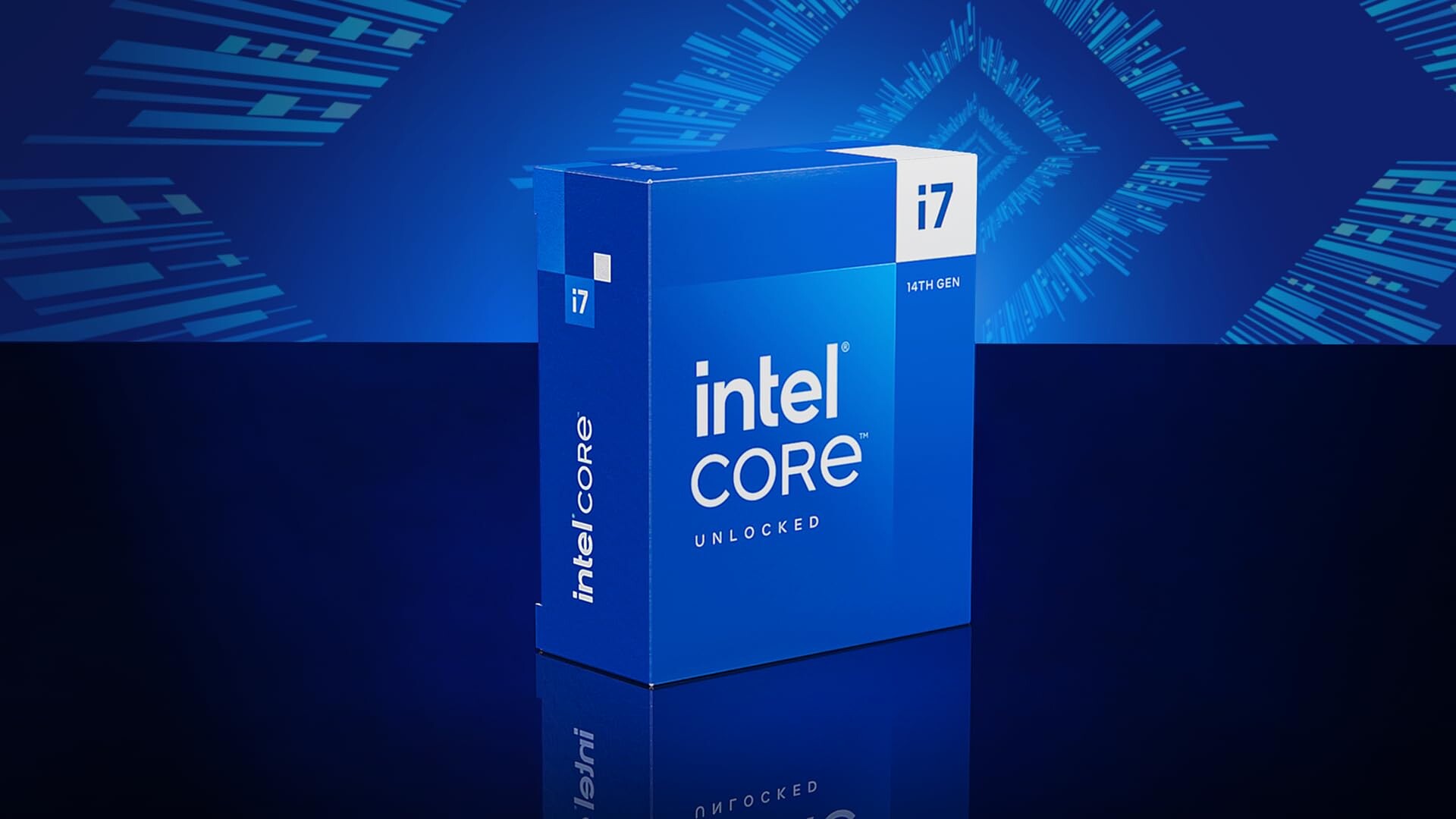
Intel is releasing yet another microcode update to its 13th- and 14th Gen Core processors, which will address not just the faulty boosting algorithm issue the company unearthed in June, but also the faulty voltage management the company discovered now. This new microcode should be released some time around mid-August to partners (motherboard manufacturers and PC OEMs), who will then need to validate it on their machines, before passing it along to end-users as UEFI firmware updates.
Intel is delivering a microcode patch which addresses the root cause of exposure to elevated voltages. We are continuing validation to ensure that scenarios of instability reported to Intel regarding its Core 13th/14th Gen desktop processors are addressed. Intel is currently targeting mid-August for patch release to partners following full validation. Intel is committed to making this right with our customers, and we continue asking any customers currently experiencing instability issues on their Intel Core 13th/14th Gen desktop processors reach out to Intel Customer Support for further assistance, the company stated.It's important to note here, that the microcode update won't fix the issues on processors already experiencing instability, but prevent it on chips that aren't. The instability is caused by irreversible physical degradation of the chip. These chips will, of course, be covered under warranty.
Meanwhile, an interesting issue has come to light, which that some of Intel's processors built on the Intel 7 node are experiencing chemical oxidation of the die as they age. Intel responded to this, stating that it had discovered the oxidation manufacturing issues in 2023, and addressed it. The company also stated that die oxidation is not related to the stability issues it is embattled with.
We can confirm that the via Oxidation manufacturing issue affected some early Intel Core 13th Gen desktop processors. However, the issue was root caused and addressed with manufacturing improvements and screens in 2023. We have also looked at it from the instability reports on Intel Core 13th Gen desktop processors and the analysis to-date has determined that only a small number of instability reports can be connected to the manufacturing issue, the company stated.If you feel your chip might be affected, you can file for an RMA.
387 Comments on Intel Statement on 13th and 14th Gen Core Instability: Faulty Microcode Causes Excessive Voltages, Fix Out Soon
The ones I really feel sorry for are the normal consumers who try to run a game but it crashes at shader compilation or run something and it crashes, all due to a Intel problem. Intel are shafting them with a microcode update mid August and hoping for the best. And that's not mentioning the problems they will probably have further down the road with the degradation.
You do you though. Support and applaud a company that treats its customers appallingly in my opinion. If people/companies/investors let Intel get away with this then all you are doing is allowing companies to keep on releasing shoddy products and rewarding them with a sale with no recourse.
Me personally, no Intel products in the future. I can't reward failure to acknowledge and fix a problem and shaft consumers. It's not like they don't have previous.
Engineer: "Well ummm, there's this..."
Boss: "Good. We're releasing it tomorrow."
It's pretty much the same story in every industry, unfortunately.
As for the Intel issue. Hopefully it fixes it for users who are not having issues. I also hope the extend the warranties for any purchases made between the affected products release date and the release date of the new microcode because it could be a while before some chips start to suffer issues due to faster degradation caused by the faulty microcode.
In relation to AMD, now Zen 5 is going to look even better, hitting 14900k performance without those power needs, while also (hopefully) maintaining stability. I recall some folks here arguing that wasn't a big enough achievement, but it appears only one product is legitimate. Who's going to buy a Raptor Lake with any confidence now?
NOTE: This is not a specific reference to any particular event previously - just a general question.
The bigger issue is just the total lack of fabs. They need to be focusing on that more, but who do you go to? TSMC? Samsung? We have an effective monopoly/duopoly on high end nodes.
I think their big hope was intel being that competitor, but now.....of course, I dont think this is a 10nm issues, or intel 7, or whatever they call it. the 12th gen seems to be perfectly fine. We've seen 13th and 14th gen T series fail, so its not clock speed either. Seems to me, something in the design, something involving the cache changes made to 13th gen, and the removal of AVX512, broke something else that makes these a very expensive fuse.
Maybe, just maybe, we'll see a recall on par with the pentium III 1.13 GHz recall.
;)
The fact customers have these chips in the wild is a much bigger problem in comparison. The closest Intel f**k-up would be the original Pentium bug where log 4 / log 2 != 2 - there they had to replace chips in the wild as it couldn't be fixed via microcode updates due to missing logic...
Anyway, it will take some time for Intel to get trust back. Arrow Lake might be a step in the right direction. Looks like Intel might be willing to lose benchmarks in favor of just getting their products to work right long term.
So you seem quite a principled guy and this Intel situation is not ethically challenging for you. It's okay to effect other people as long as you're okay?
Groucho Marx:
These Are My Principles. If You Don’t Like Them I Have Others.