Wednesday, December 3rd 2025
Samsung Internal Teams Switch to Quarterly DRAM Deals From Annual Amid Price Surge
Samsung's semiconductor unit and its smartphone division have reportedly agreed to continue mobile DRAM supplies on a quarterly basis rather than locking in annual prices, according to industry sources close to SE Daily. The Device Solutions (DS) team has set baseline volume commitments for next year, aiming to prevent shortages before the launch of Samsung's Galaxy S26 series. However, this agreement comes with a downside. The three-month pricing windows expose the Mobile Experience (MX) group to market volatility, especially as memory costs are rising. Samsung is not exempting even its own divisions from the fluctuations in DRAM and NAND prices.
Examining the figures, the situation appears challenging for the DS Team. Mobile DRAM prices have more than doubled, with 12 GB LPDDR5X modules reaching around $70 in late November, up from about $33 in January. Processors, already the most significant expense in any smartphone, have increased by 25.5% compared to the previous year, raising the DX division's Q3 procurement bill to 10.9 trillion Korean won from 8.7 trillion won. Together, processor and memory now account for about 35% of the total device cost, a 5% increase from historical levels, putting pressure on the MX team. This tension reflects an internal shift, as the DS Division seeks higher profits from HBM for AI accelerators, reallocating wafers and resources away from standard mobile chips. Buyers who signed longer DRAM contracts earlier might regret it if spot prices continue to rise.
Update December 3rd 20:10 UTC: A Samsung spokesperson reached out to confirm: "Recent reports that Samsung's DS division has rejected certain customer requests are baseless and not true. We are in close communication with global customers to address industry needs."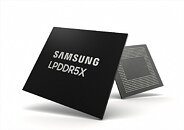
Source:
SE Daily
Examining the figures, the situation appears challenging for the DS Team. Mobile DRAM prices have more than doubled, with 12 GB LPDDR5X modules reaching around $70 in late November, up from about $33 in January. Processors, already the most significant expense in any smartphone, have increased by 25.5% compared to the previous year, raising the DX division's Q3 procurement bill to 10.9 trillion Korean won from 8.7 trillion won. Together, processor and memory now account for about 35% of the total device cost, a 5% increase from historical levels, putting pressure on the MX team. This tension reflects an internal shift, as the DS Division seeks higher profits from HBM for AI accelerators, reallocating wafers and resources away from standard mobile chips. Buyers who signed longer DRAM contracts earlier might regret it if spot prices continue to rise.
Update December 3rd 20:10 UTC: A Samsung spokesperson reached out to confirm: "Recent reports that Samsung's DS division has rejected certain customer requests are baseless and not true. We are in close communication with global customers to address industry needs."

9 Comments on Samsung Internal Teams Switch to Quarterly DRAM Deals From Annual Amid Price Surge
timesofindia.indiatimes.com/technology/tech-news/as-openais-losses-mount-partners-including-oracle-softbank-coreweave-amass-100-billion-in-debt-and-how-this-may-only-be-the-beginning/articleshow/125669733.cms
Even when facing the same problem, Samsung's semiconductor unit and its smartphone division couldn't cooperate to reduce price fluctuations for their own products.
He doesn’t have a rotten dime though he’s getting other companies like oracle go in to massive debt to get that money for him.
So those companies are consuming longterm future demand at stupid prices.
But unlike say a construction boom where the building can find a purpose even a decade later.the servers they are ordering now will be old junk when they are finally up,and running.