News Posts matching #Leak

Return to Keyword Browsing

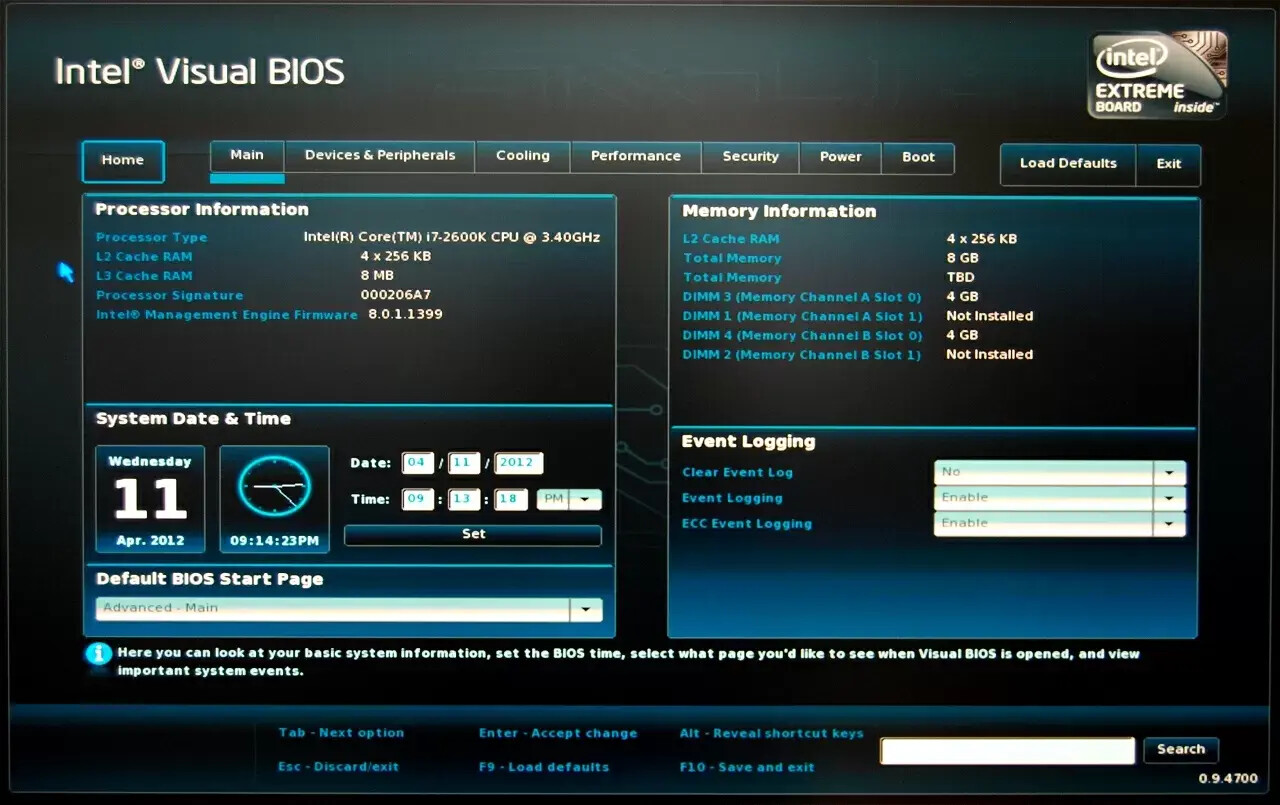
Intel Confirm Alder Lake UEFI/BIOS Source Code Leak

Intel Alder Lake source code for BIOS/UEFI building and optimization has been leaked in a massive 6 GB leak that appeared on 4chan and GitHub. While this number may seem small, it is a colossal codebase, given that the regular code files take up small space. We assume that the documentation is bundled there as well, however, we can not check ourselves as the repository has been taken down. Tom's Hardware has contacted an Intel representative to talk about the code leak and the rep issued a statement for the website.
Intel SpokespersonOur proprietary UEFI code appears to have been leaked by a third party. We do not believe this exposes any new security vulnerabilities as we do not rely on obfuscation of information as a security measure. This code is covered under our bug bounty program within the Project Circuit Breaker campaign, and we encourage any researchers who may identify potential vulnerabilities to bring them our attention through this program. We are reaching out to both customers and the security research community to keep them informed of this situation.
Potential Intel 13th Gen Core Processor Pricing Leaked by Amazon UK

There have been some rumours circulating about Intel looking at increasing the pricing for its CPUs and if a screenshot from Amazon UK posted by @momomo_us on Twitter is to be believed, it looks like it'll be a significant increase in price. The Core i9-13900KF is listed with a price of £750.12, or almost US$815, admittedly including 20 percent VAT. That's a significant price increase over the Core i9-12900KF which normally retails for £679, but is currently offered for £608.99 by Amazon UK. It doesn't look better further down the stack either, with the Core i7-13700K coming in at £547.22 compared to a retail price of £409.88 for the Core i7-12700K.

The Core i7-13700KF should land at £516.58, versus £396.40 for the Core i7-12700KF. Finally the Core i5-13600KF ends up at £349.75 versus £272.99 for the Core i5-12600KF. As such, we're looking at a price increase of somewhere between around £80 and £140 depending on the SKU. These are not insignificant price increases if these are the actual retail prices we can expect when Intel launches its 13th gen Core processors in October. Hopefully we'll get some clarity next week, when Intel is said to be announcing the new CPUs. @momomo_us also provided some box art for the new processor boxes, for your viewing pleasure.

Meta Quest Pro VR Leaked as Someone Left One Behind in a Hotel Room

Meta (Oculus) is readying its next-gen high-end VR HMD, the Meta Quest Pro. Someone left a retail-looking box behind in a hotel room, with an engineering sample. At this point we don't know if it's a Meta employee who got very sloppy with their ES, or an ISV eligible to receive an ES. It was found by a hotel employee, who also claims to be a game streamer. He claimed to have found several such boxes full of Meta samples. The Quest Pro VR appears lightweight, with no unnecessary bulk anywhere, Meta seems to have redesigned the head-straps and light-blockers of the HMD. The controllers feature a more compact appearance, as if to better with with smaller hands. Meta is expected to formally launch its "next-gen" headset at the Connect Conference on October 11, but we can't tell if this is what the company is planning to unveil.

Intel Canada Leaks First Wave of Core "Raptor Lake" Desktop Processors

In an article explaining how to choose the right desktop processor with examples, Intel Canada accidentally leaked the Core i9-13900K, i7-13700K, and i5-13600K processors. The article has since been corrected with their 12th Gen predecessors, but not before screenshots made it to social media. The screenshots confirm the core-count of the i5-13600K to be 14-core/20-thread (6P+8E), the i7-13700K to be 16-core/24-thread (8P+8E), and the flagship i9-13900K to be 20-core/32-thread (8P+16E). It also mentions their clock speeds to be 5.10 GHz P-core boost for the i5-13600K, 5.30 GHz for the i7-13700K, and 5.40 GHz for the i9-13900K; however leaked press-deck slides list these as maximum Turbo Boost 2.0 frequencies. The Boost Max 3.0 and Thermal Velocity Boost frequencies are much higher. In case of the i9-13900K, it can be as high as 5.80 GHz. Intel is expected to launch its 13th Gen Core desktop processor series on September 27.

Intel's 13th Gen Raptor Lake Lineup Leaks

Courtesy of Wccftech, we now have a complete picture of what Intel is planning to announce on the 27th of this month. The information is extremely detailed and covers no less than 14 different processor SKUs, ranging from the Core i9-13900K/KF to the Core i5-13400/F. All of the CPUs except the Core i5-13400/F and the upcoming Core i3 models will support memory speeds of up to DDR5 5600, whereas the lower end parts will be limited to DDR5 4800. All 13th Gen Intel CPUs should also support DDR4 3200 memory. Just as with the 12th Gen CPUs, the 13th Gen KF and F will not support ECC memory and of course, no IGP.

There's nothing that really stands out when looking at the specs and most things are expected based on earlier rumours. The Core i9-13900K/KF will indeed boost up to 5.8 GHz on up to two cores and all P-cores will boost up to 5.4 GHz, with the E-cores boosting up to 4.3 GHz. The Core i7-13700K/KF will have a much bigger gap here, compared to the the Core i7-12700K/KF versus the Core i9-12900K/KF where there was a 200 MHz boost frequency gap, which has now been extended to 400 MHz, as the Core i7-13700K/KF only boosts up to 5.4 GHz on two cores. Interestingly, the base clock frequency for the P-cores seems to have dropped 200 MHz on theK/KF parts, compared to 12th Gen equivalents in the product stack. For the remaining details, have a look at the data provided below.

Intel's 13th Gen Core CPU Lineup Seemingly Leaks a Month Ahead of the Launch

Although this information hasn't been verified yet, it looks very plausible, but there are also some crucial bits missing. However, we now appear to have the full list of Intel Core 13000-series CPUs, that ranges from the Core i9-13900KF to the Core i3-13100. The information comes via Bilibili and should as such be taken with a grain of salt, but there are no big surprises here, except possibly the fairly low base clocks for some of the Core i9-13900K and KF SKUs, which sits at 3 GHz, compared to 3.2 GHz for the 12th gen equivalents.

What the leaker doesn't appear to have gotten hold of, is the boost frequency for the CPUs, possibly because Intel has kept it away from its partners so far. Earlier rumours have suggested boost speeds of 5.5 GHz or potentially even higher for a future KS SKU. Thanks to Intel adding additional E-cores into the mix, even the lower-end Core i5 CPUs will get four to eight E-cores this time around, whereas the 12th gen CPUs only offered E-cores on the Core i5-12600K and KF. Sadly the Core i3-13100 still gets to make do with only four P-cores. Intel is expected to reveal its 13th gen Core CPUs on the 27th or 28th of September.

Potential Ryzen 7000-series CPU Specs and Pricing Leak, Ryzen 9 7950X Expected to hit 5.7 GHz

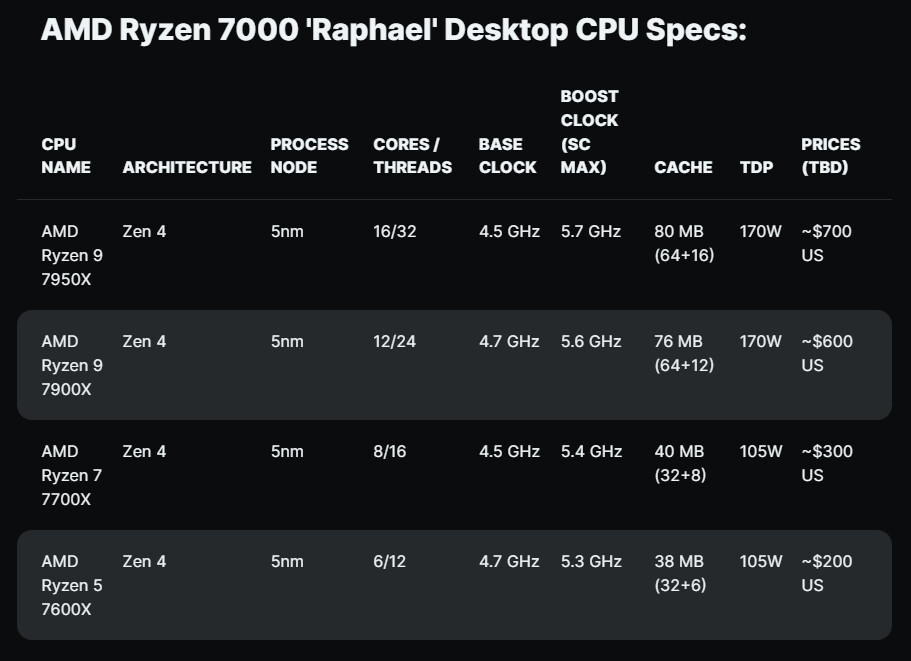
It's pretty clear that we're getting very close to the launch of AMD's AM5 platform and the Ryzen 7000-series CPUs, with spec details and even pricing brackets tipping up online. Wccftech has posted what the publication believes will be the lineup we can expect to launch in just over a month's time, if rumours are to be believed. The base model is said to be the Ryzen 5 7600X, which the site claims will have a base clock of 4.7 GHz and a boost clock of 5.3 GHz. There's no change in processor core or thread count compared to the current Ryzen 5 5600X, but the L2 cache appears to have doubled, for a total of 38 MB of cache. This is followed by the Ryzen 7 7700X, which starts out a tad slower with a base clock of 4.5 GHz, but it has a slightly higher boost clock of 5.4 GHz. Likewise here, the core and thread count remains unchanged, while the L2 cache also gets a bump here for a total of 40 MB cache. Both these models are said to have a 105 W TDP.

The Ryzen 9 7900X is said to have a 4.7 GHz base clock and a 5.6 GHz boost clock, so a 200 MHz jump up from the Ryzen 7 7700X. This CPU has a total of 76 MB of cache. Finally the Ryzen 9 7950X is said to have the same base clock of 4.5 GHz as the Ryzen 7 7700X, but it has the highest boost clock of all the expected models at 5.7 GHz, while having a total of 80 MB cache. These two SKUs are both said to have a 170 W TDP. Price wise, from top to bottom, we might be looking at somewhere around US$700, US$600, US$300 and US$200, so it seems like AMD has adjusted its pricing downwards by around $100 on the low-end, with the Ryzen 7 part fitting the same price bracket as the Ryzen 7 5700X. The Ryzen 9 7900X seems to have had its price adjusted upwards slightly, while the Ryzen 9 7950X seems to be expected to be priced lower than its predecessors. Take these things with the right helping of scepticism for now, as things can still change before the launch.

AMD Ryzen 7000 Series Dragon Range and Phoenix Mobile Processor Specifications Leak

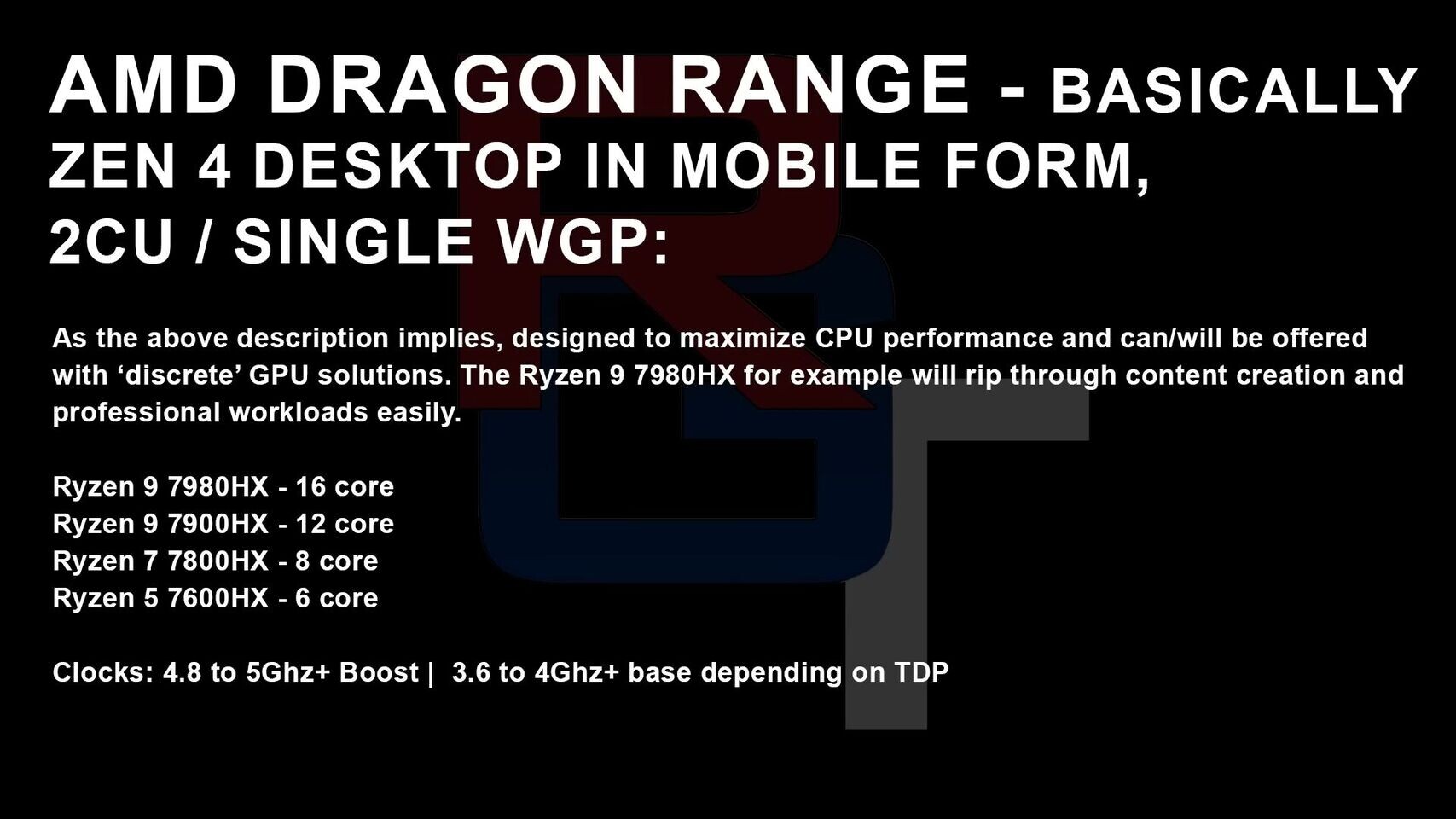
AMD is preparing to update its mobile sector with the latest IP in the form of Zen4 CPU cores and RDNA3 graphics. According to Red Gaming Tech, we have specifications of upcoming processor families. First, we have AMD Dragon Range mobile processors representing a downsized Raphael design for laptops. Carrying Zen4 CPU cores and RDNA2 integrated graphics, these processors are meant to power high-performance laptops with up to 16 cores and 32 threads. Being a direct competitor to Intel's Alder Lake-HX, these processors also carry an interesting naming convention. The available SKUs include AMD Ryzen 5 7600HX, Ryzen 7 7800HX, Ryzen 9 7900HX, and Ryzen 9 7980HX design with a massive 16-core configuration. These CPUs are envisioned to run along with more powerful dedicated graphics, with clock speeds of 4.8-5.0+ GHz.

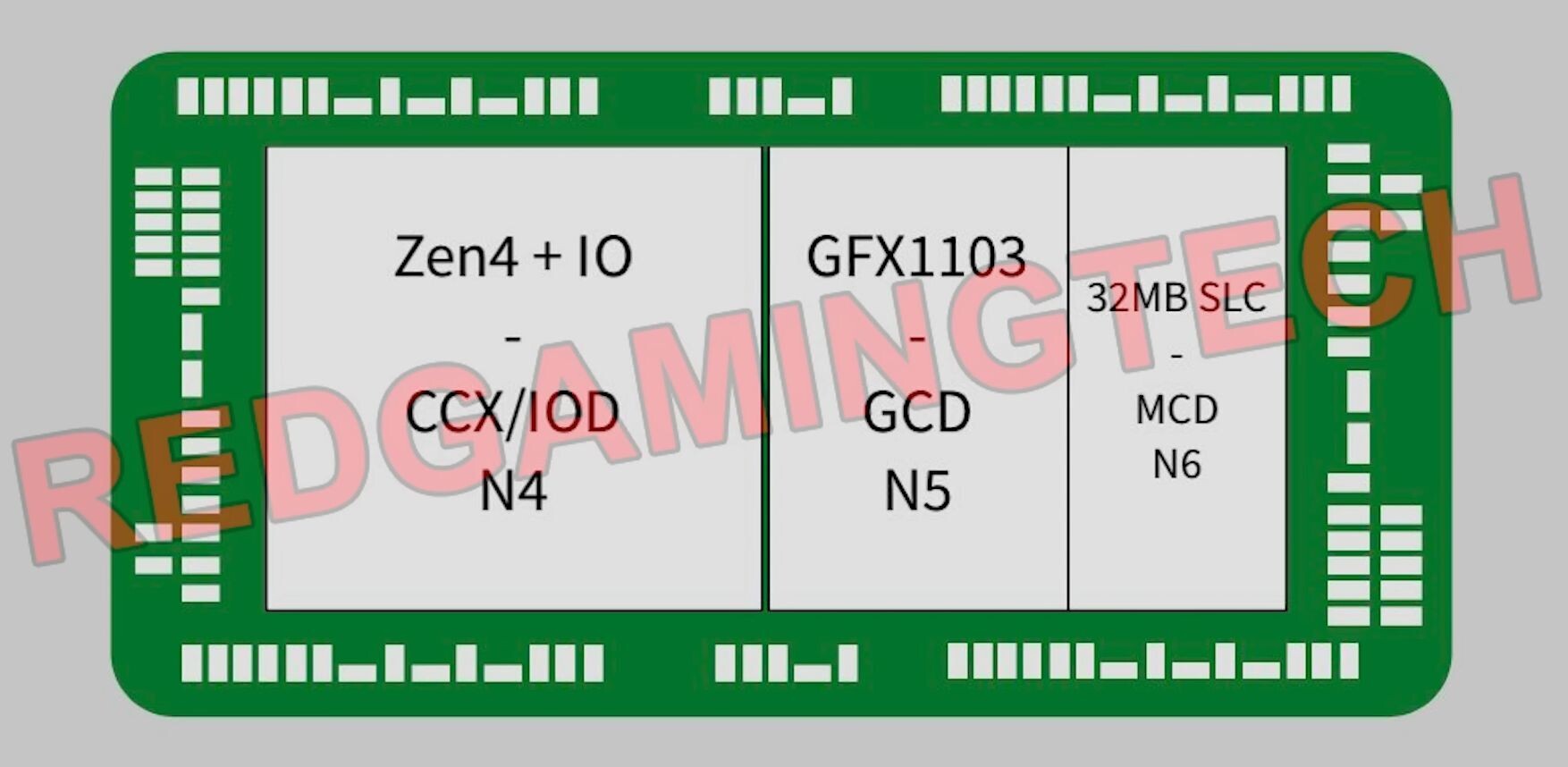
Next, we have AMD Phoenix processors, which take Dragon Range's design to a higher level thanks to the newer graphics IP. Having Zen4 cores, Phoenix processors carry upgraded RDNA3 graphics chips to provide a performance level similar to NVIDIA's GeForce RTX 3060 Max-Q SKU, all in one package. These APUs will come in four initial configurations: Ryzen 5 7600HS, Ryzen 7 7800HS, Ryzen 9 7900HS, and Ryzen 9 7980HS. While maxing out at eight cores, these APUs will compensate with additional GPU compute units with a modular chiplet design. AMD Phoenix is set to become AMD's first chiplet design launching for the laptop market, and we can expect more details as we approach the launch date.

MSI MEG Ai1300P and Ai1000P Power Supplies Leaked, Optimized for GPU Power Spikes

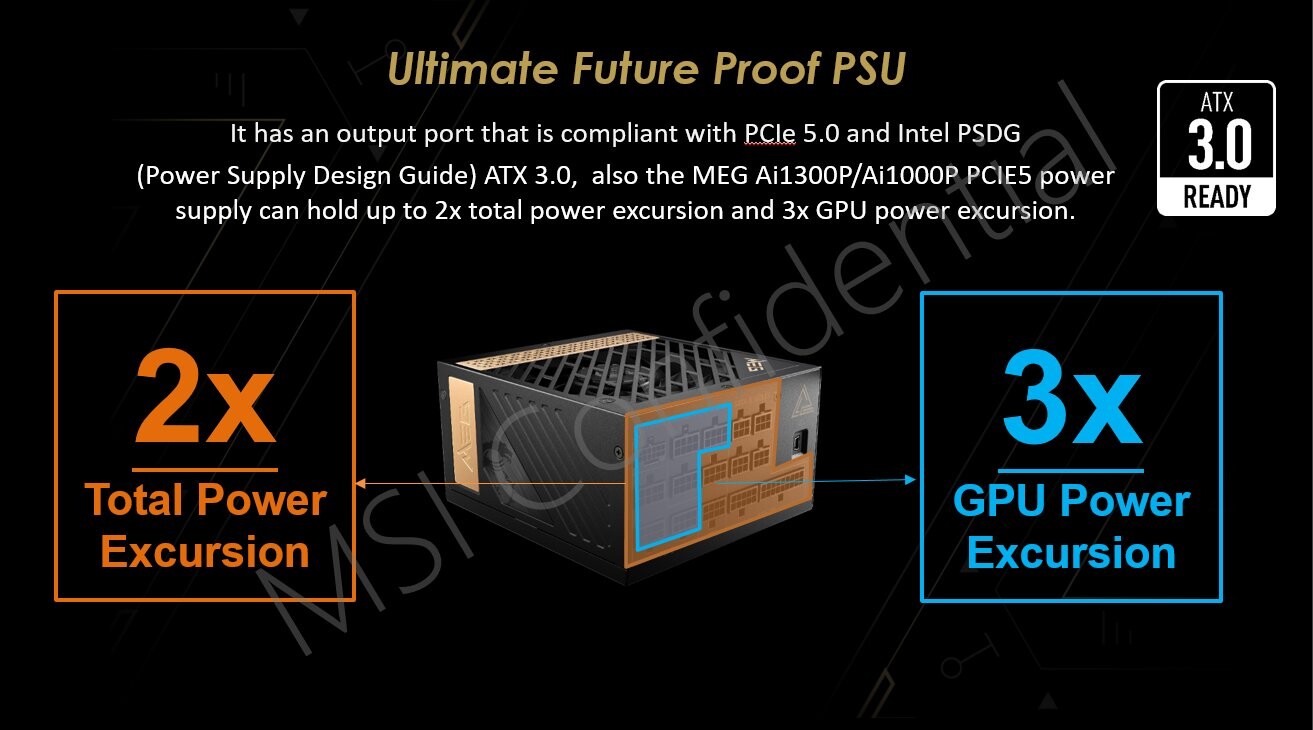
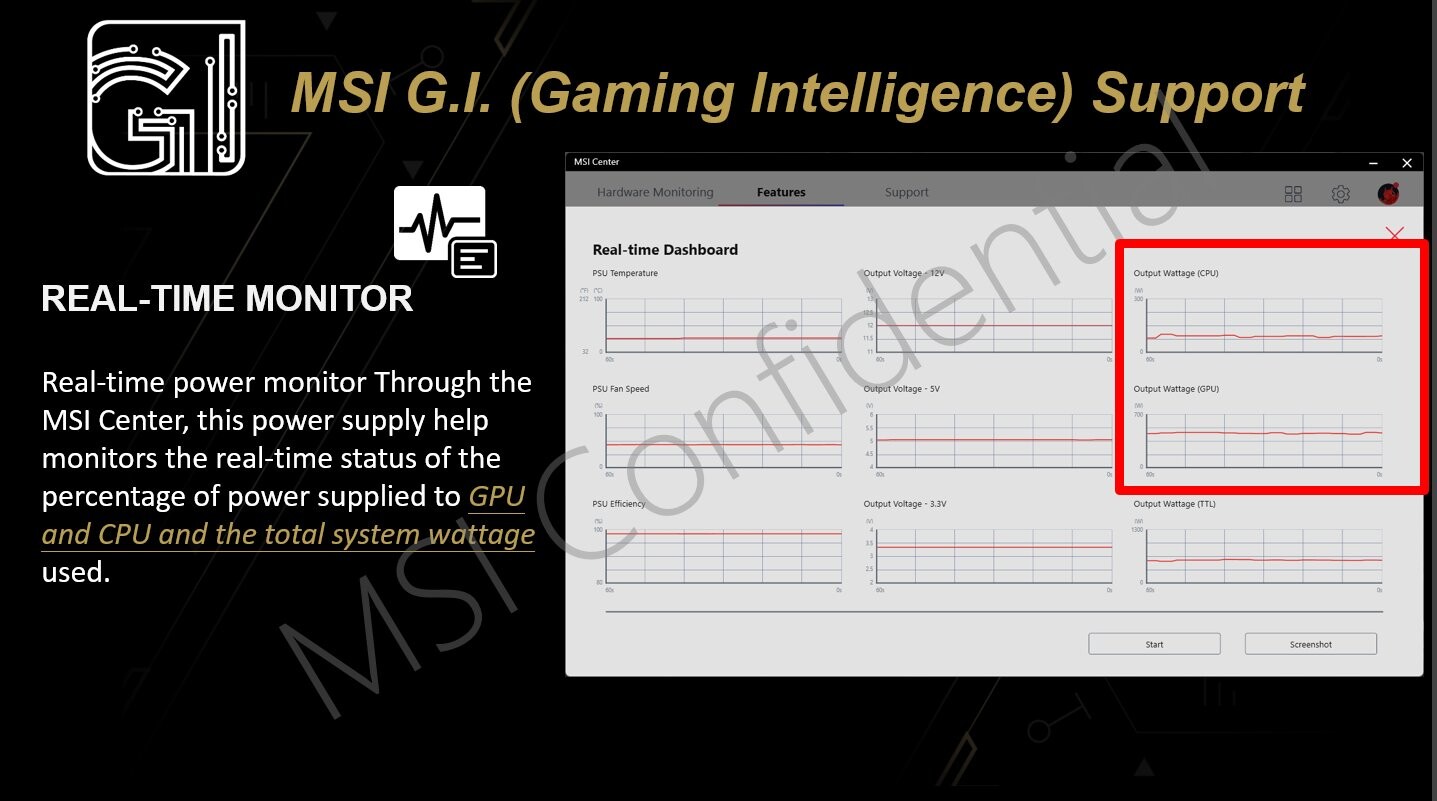
MSI is readying a line of high-end "smart" power supplies under the MEG Ai P-series. Some of the most relevant slides from its launch presentation were leaked to the web. courtesy g01d3nm4ng0. The PSUs feature ATX 3.0 and PCI-Express Gen 5.0 readiness, including native PCI-Express 16-pin 12VHPWR connectors that are capable of delivering 600 W of power. The lineup includes two models—the Ai1300P (1300 W), and Ai1000P (1000 W).

A key aspect of these PSUs' ATX 3.0 specification compliance is their ability to handle power excursions (spikes in load) from GPUs, ranging between 1 to 10 milliseconds in interval. Specifically, these PSUs can handle GPU power excursions that are up to 3x the nameplate load (eg: a GPU with 450 W typical power pulling 1350 W spikes). In some of the older PSUs, excursions are known to trigger the overload protection and shut down the system. The MSI MEG Ai P-series PSUs can handle excursions that are up to 2x the PSU's nameplate capacity (eg: 2600 W for the 1300 W model); and 3x that of the 16-pin connector (i.e. 1800 W). These spikes typically have a extremely narrow interval, and so they don't threaten the integrity of the circuits.

List of ASRock's Upcoming Z790 and H770 Motherboards Leak

Although Intel's 13th generation of Core CPUs—codenamed Raptor Lake—aren't expected to launch until sometime in September or October this year, details of some of ASRock's motherboards for the new CPUs have leaked. ASRock is preparing to launch at least nine Z790 and three H770 motherboards, of which at least four will have support for DDR4 memory, according to VideoCardz. The list is missing a flagship Aqua model, but contains Taichi, Pro RS, Phantom Gaming Lightning and Riptide models, as well as a Steel Legend H770 boards and a couple of -C models, which are likely budget boards, despite being based on the Z790 chipset.

There will be a microATX Phantom Gaming Lighting board with DDR4 and a Phantom Gaming Riptide model with DDR5 support. So far no other features have been reported and from our understanding, the Z790 won't differ hugely from the Z690 chipset. The extra PCIe lanes from the 13th gen Core CPUs are expected to support PCIe 5.0 this time around, which will allow for faster NVMe based M.2 drives to be used. Intel is not planning on integrating Thunderbolt 4 support in these CPUs based on available information.
Samsung Allegedly Hacked by Same Group Responsible for NVIDIA Leaks

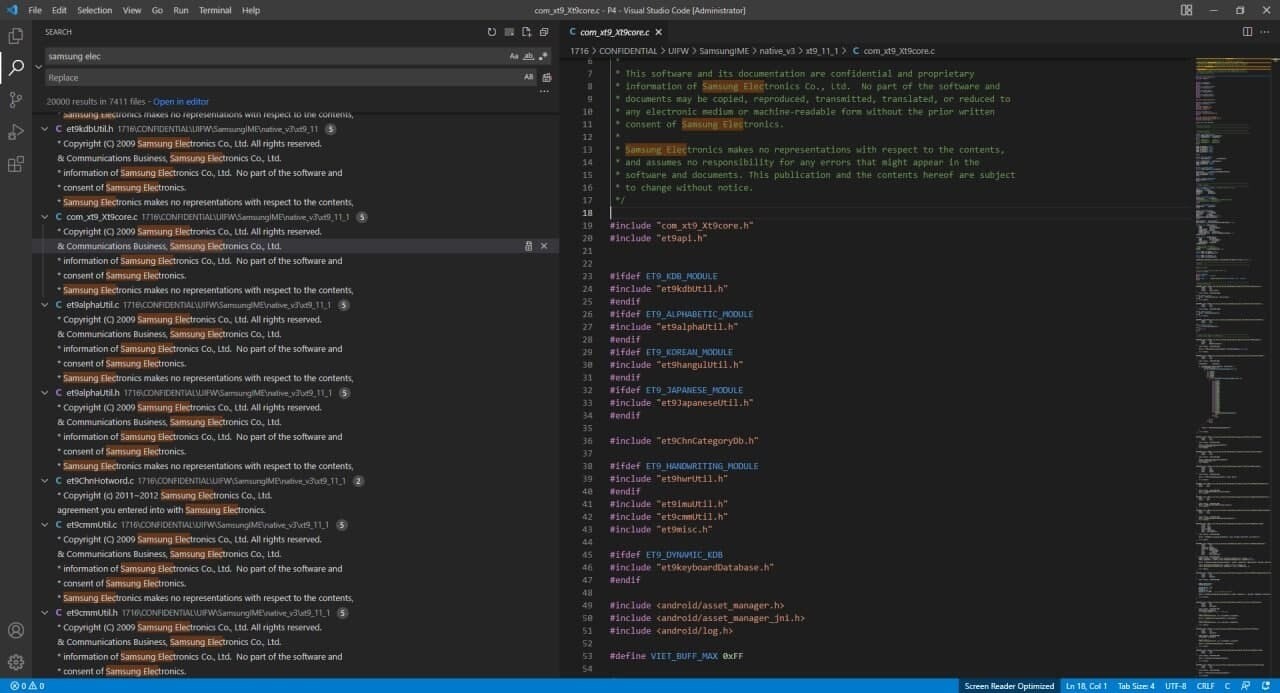
Samsung has reportedly been hacked by the LAPSUS$ hacker group who were responsible for the recent NVIDIA hack and source code releases. The group has previously stolen approximately 1 TB of data from NVIDIA servers and are currently demanding that NVIDIA release open-source GPU drivers and a bypass for the LHR GPU hash rate limiter. The stolen Samsung data is reportedly 190 GB in size containing the source code for Trusted Applets, bootloader, and account authentication in addition to biometric unlock algorithms and confidential source code from Qualcomm. This breach could have serious security ramifications for both Samsung & Qualcomm is these claims are substantiated.

AMD Ryzen Threadripper Pro 5000WX-Series Spec Leak

AMD's Threadripper Pro WX or workstation processors are set to finally join the 5000-series of AMD CPU's if the latest leaks are to be believed. It would seem that AMD is planning no less than five new SKUs, or one more than the current 3000-series of workstation chips. The new entry is a 24 core, 48 thread chip, which was lacking from the current range. As such, the entire series will consist of 12, 16, 24, 32 and 64 core options, all with twice as many threads. All chips have a common 4.5 GHz peak turbo clock, but the base clocks vary by quite a bit, depending on the core count.

The 12 core 5945WX has a base clock of 4.1 GHz, with the 16 core 5955WX coming in at 4 GHz, the 24 core 5965WX then drops to 3.8 GHz, followed by the 32 core 5975WX at 3.6 GHz. Finally the 64 core 5995WX is said to only muster a base clock of 2.7 GHz. All five CPUs have a TDP rating of 280 Watts. The new Threadripper chips are expected to work in current boards that sport a WRX80 socket. As such, PCIe lanes and memory support is expected to remain the same as for the 3000-series.

NVIDIA DLSS Source Code Leaked

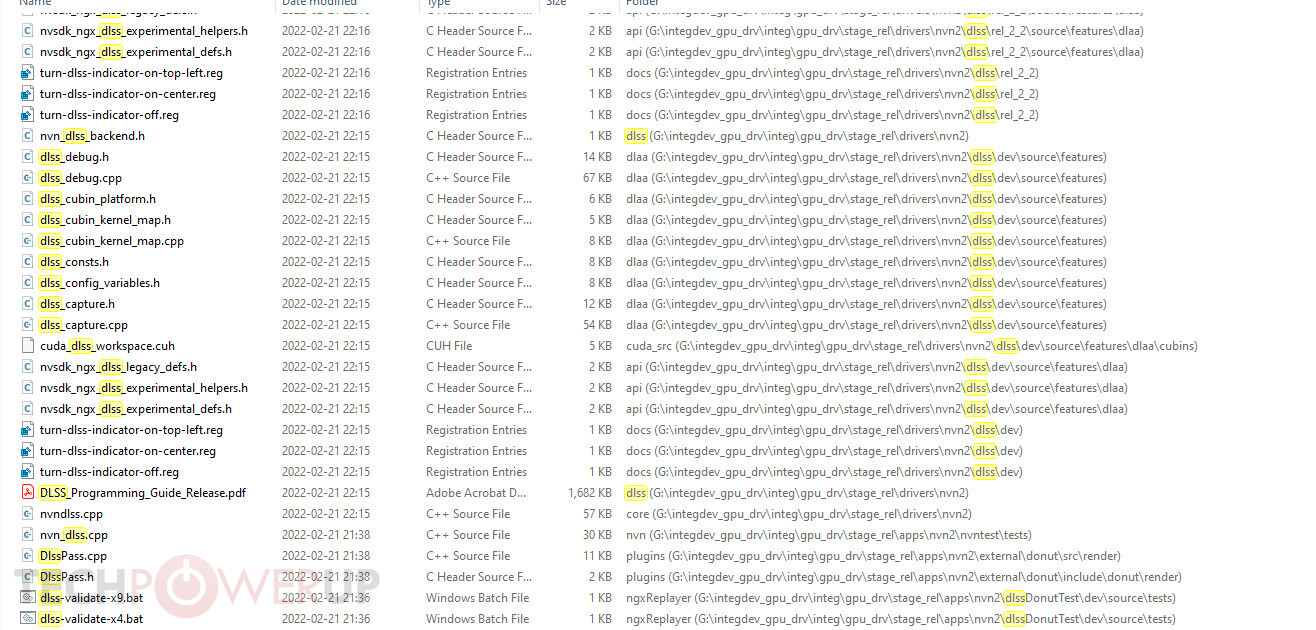
The mother of all cyberattacks hit NVIDIA over the weekend, putting out critical driver source-code, the ability to disable LHR for mining, and even insights into future NVIDIA hardware, such as the Blackwell architecture. An anonymous tipster sent us this screenshot showing a list of files they claim are the source-code of DLSS.

The list, which looks credible enough, includes C++ files, headers, and assets that make up DLSS. There is also a super-convenient "Programming Guide" document to help developers make sense of the code and build correctly. Our tipsters who sent this screenshot are examining the code to see the inner workings of DLSS, and whether there's any secret sauce. Do note that this is DLSS version 2.2, so a reasonably recent version including the latest DLSS 2.2 changes. This code leak could hold the key for the open-source Linux driver community to bring DLSS to the platform, or even AMD and Intel learning from its design. Stealing Intellectual Property is a big deal of course and NVIDIA's lawyers will probably be busy picking apart every new innovation from their competitors, but ultimately it'll be hard to prove in a court of law.

Intel Arc Alchemist DG2 GPU Memory Configurations Leak

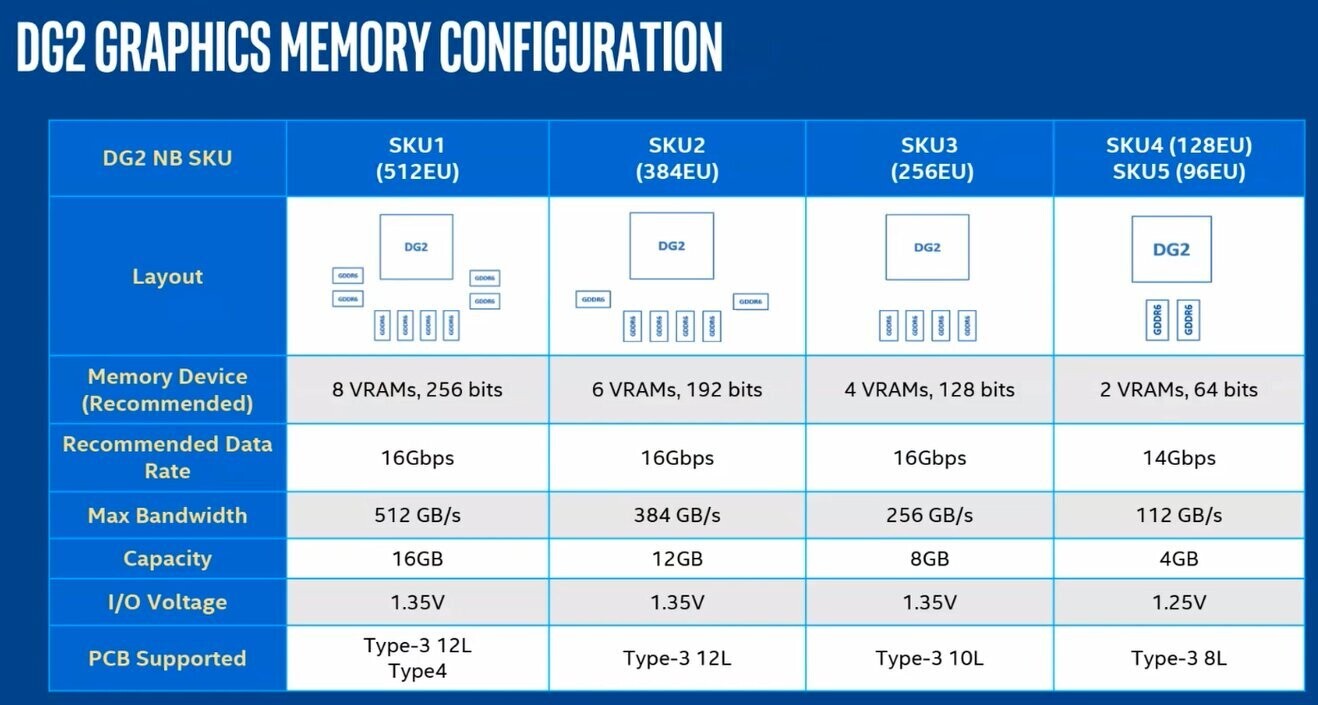
Intel's upcoming Arc Alchemist lineup of discrete graphics cards generates a lot of attention from consumers. Leaks of these cards' performance and detailed specifications appear more and more as we enter the countdown to the launch day, which is sometime in Q1 of this year. Today, we managed to see a slide from @9950pro on Twitter that shows the laptop memory configuration of Intel's DG2 GPU. As the picture suggests, we can see that the top-end SKU1 with 512 EUs supports a 16 GB capacity of GDDR6 memory that runs at 16 Gbps speeds. The memory runs on a 256-bit bus and generates 512 GB/s bandwidth while having eight VRAM modules present.

When it comes to SKU2, which is a variant with 384 EUs, this configuration supports six VRAM modules on a 192-bit bus, running at 16 Gbps speeds. They generate a total capacity of 12 GBs and a bandwidth of 384 GB/s. We have SKU3 DG2 GPU going down the stack, featuring 256 EUs, four VRAM modules on a 128-bit bus, 8 GB capacity, and a 256 GB/s bandwidth. And last but not least, the smallest DG2 variants come in the form of SKU4 and SKU5, feating 128 EUs and 96 EUs, respectively. Intel envisions these lower-end SKUs with two VRAM modules on a 64-bit bus, and this time slower GDDR6 memory running at 14 Gbps. They are paired with 4 GB of total capacity, and the total bandwidth comes down to 112 GB/s.

Intel Core i7-12800H Alder Lake-P Mobile Processors Spotted in Geekbench

Intel's upcoming lineup of mobile processors with the novel hybrid core technology are codenamed Alder Lake-P. Contrary to the desktop Alder Lake-S, the P variant was envisioned with a lower power budget in mind to fit various form factors. Today, we get to see some of the first benchmarks of the Alder Lake-P processors and get to compare them to AMD's competing products. In the Geekbench 5 listing discovered by BechLeaks, Intel's Core i7-12800H processor with six performance and eight efficiency cores appear. The CPU ran at a base frequency of 2.8 GHz, while Geekbench didn't show boosting clocks in the submission.

The CPU managed to score 1654 points in single-core results and 9618 points in multi-core runs. If we compare this to AMD Ryzen 7 5800H, a direct competitor, the CPU is faster by 25% and 35% in single-core and multi-core results, respectively. If the previous Tiger Lake-H generation is a reference, the Alder Lake-P chip manages 12% and 20% higher single-core and multi-core scores. This specific processor is part of the GIGABYTE AORUS 15 YE4 laptop used for the Geekbench 5 benchmark test run.

Upcoming HTC Vive Flow VR Headset Leaks Ahead of Launch

HTC is said to be launching a new VR headset within the next couple days and thanks to @evleaks we now have a pretty good idea as to what to expect. Although we don't know the actual hardware specifications, it's supposed to be a stand-alone headset that doesn't require a PC to work, although the massive leak that appears to be presentation slides, does give away quite a lot of details.

For starters, there are details explaining that the Vive Flow as the new headset is called, can be paired over Bluetooth with smartphones and you can use the phone as a controller. It'll also be possible to stream content to the Vive Flow via Miracast from smartphones and possibly also other sources. The headset appears to be powered via a USB-C cable, although the pictures are ambiguous, as the Vive Flow is sometimes wired to a phone, but most of the time it doesn't appear to be connected to anything, not even a power source.

Steam Deck Developer Unit Benchmarks Leak, Shows 60 FPS is Doable

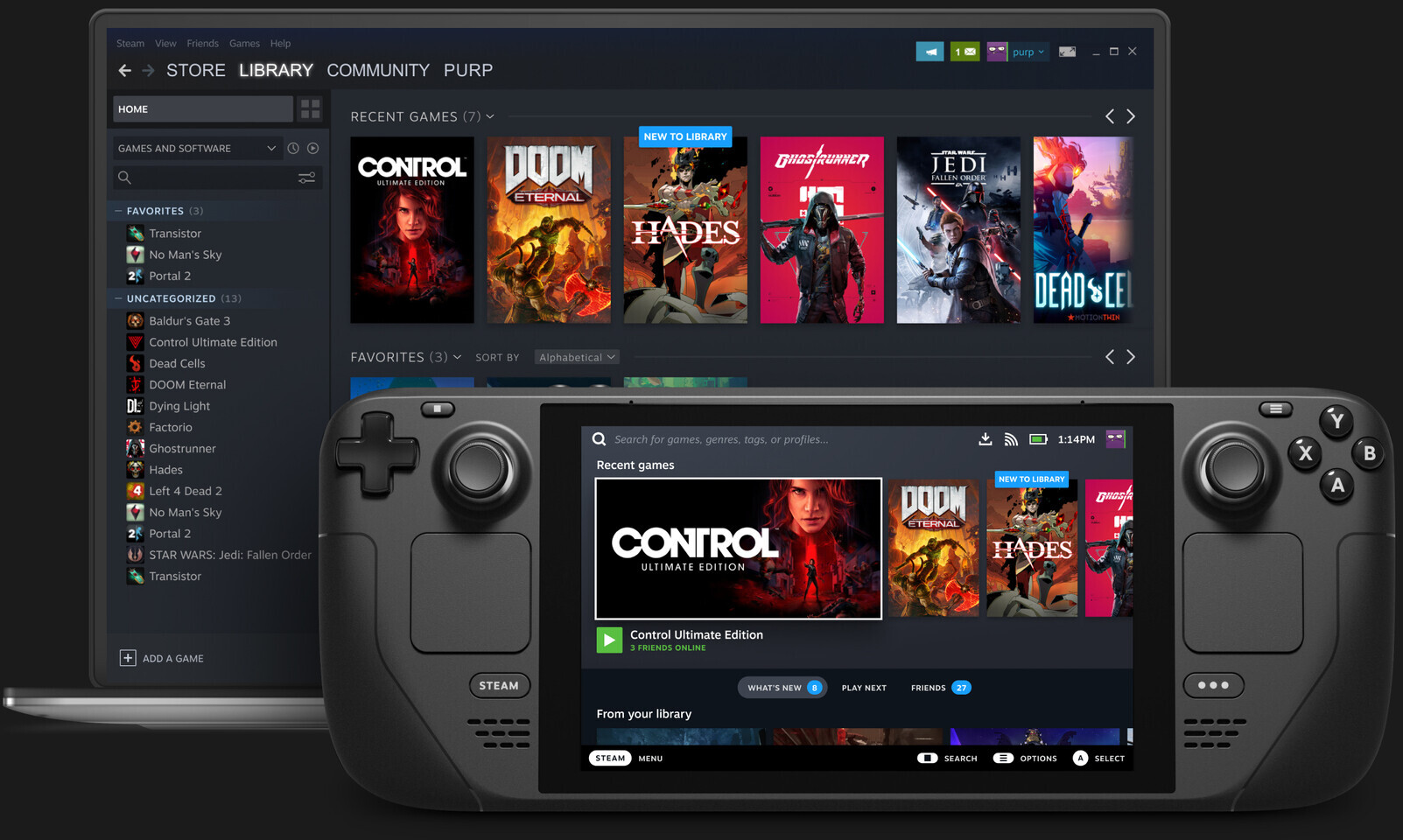
Remember those early developer units of the Steam Deck that Valve was shipping out to developers? Well, one of them ended up in the hands of someone in China, who decided to share a few benchmarks on a local forum. Judging by the pictures posted, Valve still has a lot of work to do when it comes to the translation of the UI, but this shouldn't affect anyone using it in English.

The hardware appears to function according to the announced specs, so there were no surprises here, good or bad. Only four games were tested, which consists of Shadow of the Tomb Raider, Doom, Cyberpunk 2077 and DOTA 2. Let's just say that Cyberpunk 2077 isn't going to be what you want to play on the Steam Deck, as it was fluctuating between 20 to 30 FPS, although this was at the high quality setting.

NVIDIA GeForce NOW Inadvertently Leaks Unreleased Game Titles, Company Redacts, Calls List "Speculative"

NVIDIA's GeForce NOW game streaming service sprung to limelight when the company inadvertently leaked the names of several games under development, which it likely to be aware of, making the leak credible. These include remasters or remakes to several "Final Fantasy" titles, a 2021 anniversary title in the "Tomb Raider" franchise, remasters of GTA "San Andreas" and "Vice City," an upcoming 2022 "Bioshock" title, an RTX remaster of "Mirror's Edge." The company today redacted the list and put out a statement that the list was "unauthorized" and only meant to be a speculative one meant for internal tracing of upcoming titles. To their credit, most of the titles are non-specific, and are rather numbers next to existing franchise names, or designations such as "remaster."

The NVIDIA statement reads:
NVIDIA is aware of an unauthorized published game list, with both released and/or speculative titles, used only for internal tracking and testing. Inclusion on the list is neither confirmation nor an announcement of any game.

NVIDIA took immediate action to remove access to the list. No confidential game builds or personal information were exposed.
The list of titles follows.

Possible Intel 12th Gen Core Pricing Leaked, i9-12900K Costs 741€

The top Intel 12th Gen Core "Alder Lake-S" 8+8 (P+E) cores processor will cost 741€ including taxes, according to a leaked document revealing retail channel prices of various upcoming 12th Gen Core desktop processors. It also speaks of the i9-12900KF, the "almost-flagship" part that comes with a disabled iGPU, going for up to 708€ (incl taxes).

The Core i7-12700K, the 8+4 (P+E) cores part that lacks Thermal Velocity Boost, will go for up to 524€ (incl taxes). Its "KF" twin will be about 20€ cheaper. The mid-tier Core i5-12600K processor (6 P-cores and 4 E-cores), is going for up to 365€. Not long ago, this was the roughly the price of Intel's top mainstream-desktop processors (such as the i7-7700K). The iGPU-devoid i5-12600KF will go for 333€. Intel is expected to debut its 12th Gen Core desktop processors and compatible Socket LGA1700 motherboards in Q4-2021, along the sidelines of the Windows 11 launch. The first wave of processors are expected to only be unlocked K or KF parts, with locked ones only arriving in early Q1-2022.

Intel Core i9-12900K Beats AMD Ryzen 9 5950X in Leaked Geekbench Score

We recently saw the Intel Core i7-12700 appear on Geekbench 5 where it traded blows with the AMD Ryzen 7 5800X, we have now discovered the flagship Core i9-12900K also making an appearance. The benchmarked Intel Core i9-12900K features a hybrid design with 8 high-performance cores, 8 high-efficiency cores, and 24 threads running at a base clock of 3.2 GHz. The test was performed on a Windows 11 Pro machine allowing for full use of the Intel Thread Director technology paired with 32 GB of DDR5 memory. The processor achieved a single-core score of 1834/1893 in the two tests which gives it the highest score on the official Benchmarks coming in 12% faster than the Ryzen 9 5950X. The processor also achieved an impressive multi-core score of 17299/17370 which places it 3% above the Ryzen 9 5950X and 57% above the previous generation flagship 8-core i9-11900K. These leaked benchmarks highlight the impressive potential of Intel's upcoming 12th Generation Core series which is expected to launch in November.

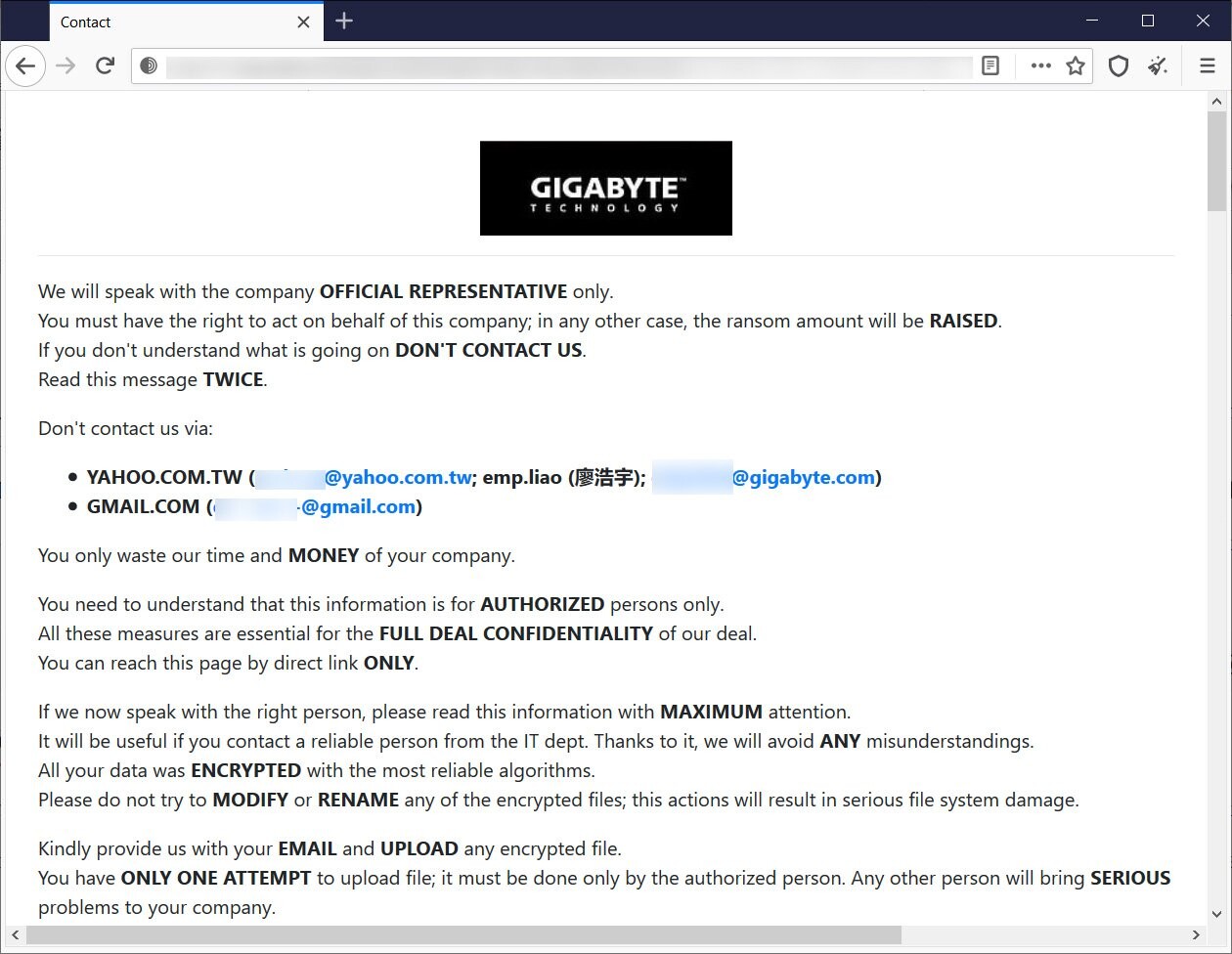
GIGABYTE Hacked, Attackers Threaten to Leak Confidential Intel, AMD, AMI Documents

PC components major GIGABYTE has reportedly been hacked, with the attacker group, which goes by the name RansomEXX, stealing 112 GB in data that contains confidential technical documents from Intel, AMD, and others; which are released to GIGABYTE under strict NDAs, to help it design motherboards, notebooks, desktops, servers, and graphics cards. The group also deployed ransomware to encrypt GIGABYTE's data, which includes these documents. The attack allegedly occurred in the week of August 2, and GIGABYTE was forced to shut down its systems in its Taiwan headquarters. This even caused some downtime for its websites.

While it's conceivable that a company of GIGABYTE's scale would maintain timely cold backups of its data, and can recover almost everything RansomEXX encrypted, there's another aspect to this attack, and it's the data the attackers stole. They threaten to leak the data if a ransom isn't paid in time. This would put a large amount of confidential documents, including motherboard designs, UEFI/BIOS/TPM data/keys, etc., out in the public domain. GIGABYTE didn't comment on the issue beyond stating that it has isolated the affected servers from the rest of its network and notified law enforcement.

Intel "Alder Lake" Mobile Processor SKU Stack Leaked

Armed with up to 8 "Golden Cove" high-performance CPU cores and up to 8 "Gracemont" low-power cores in a hybrid x86 processor setup, the "Alder Lake" silicon enables Intel to carve out some interesting SKUs in the mobile space, by creating numerous combinations of the big and small CPU core counts, and more importantly, by adjusting the ratio of big cores to small ones. The two core types operate at significantly different performance/Watt bands, which allows Intel to target the various TDP-defined mobile processor SKU categories with just the right big:small core ratios, as revealed by a leaked "Alder Lake" mobile SKU roadmap, leaked to the web by HXL.

Intel is looking to spread the silicon across six mobile segments defined by TDP—the 5 W tablet/handheld; the 9 W ultra-thin, the 15 W mainstream tablet/laptop, the 28 W performance tablet/laptop, the 35-45 W thin enthusiast laptop, and the 45-55 W "muscle" laptop. With Intel recently announcing the discontinuation of its 1+4 (big+small) core "Lakefield" hybrid processor, its mantle in the 5 W segment will be picked up by "Alder Lake-M5," with 1 "Golden Cove" and 4 "Gracemont" cores. There will be two product tiers segmented by iGPU execution units (EUs), one with 48 EU, and the other with 64.

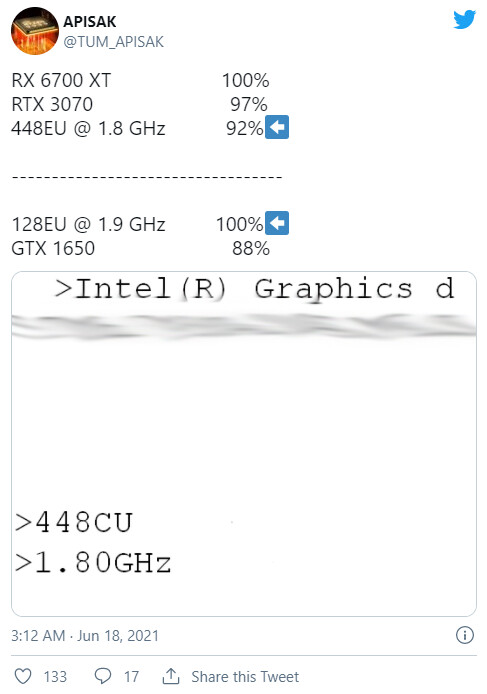
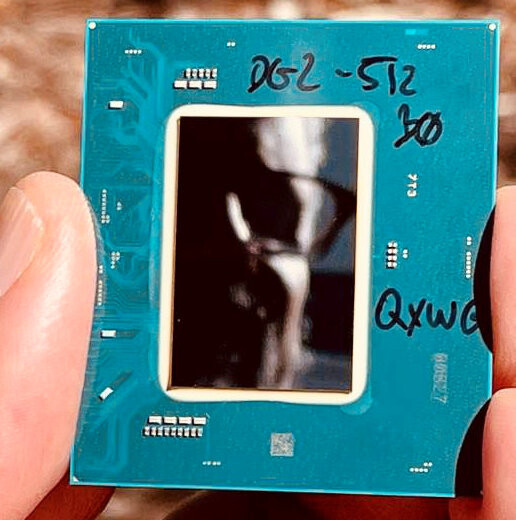
Intel DG2 Graphics Card Leakers Suggest Performance Similar to NVIDIA RTX 3070 Ti, AMD RX 6700

Intel's foray into the discrete GPU market is inching ever closer, and with that diminishing time to market, leaks are getting more common. Renowned leaker TUM_APISAK has shared some performance numbers for Intel's upcoming DG2 graphics card, part of the company's Xe HPG (High Performance Gaming) architecture. In the leak, he also confirmed that Intel is working on a cut-down version of their top offering (which features 4,096 shading units spread across 512 EUs) in the form of a new SKU that offers 448 EUs and 3584 shading units running at 1.8 GHz. That is the actual chip whose relative performance was shared.

According to TUM_APISAK, users should expect the Intel DG2 448 EU graphics card to offer performance that's around the NVIDIA RTX 3070 (5% lower performance for the Intel part) and AMD's RX 6700 XT (8% lower performance for the Intel part). As for the performance of the full-fat 512 EU chip, another leaker, Moore's Law is Dead, expects its performance to fall very slightly lower than the performance offered by NVIDIA's RTX 3080 and AMD's RX 6800/6800 XT. The 512-EU DG2 should also feature higher Boost clocks up to 2.2 GHz. Intel's launch of their Xe HPG graphics architecture is expected to occur before the end of the year, likely starting with the highest performance/highest margin parts, trickling down the product stack through the beginning of 2022. Intel's launch should help in alleviating the lack of available graphics cards, whilst simultaneously breaking a duopoly market.

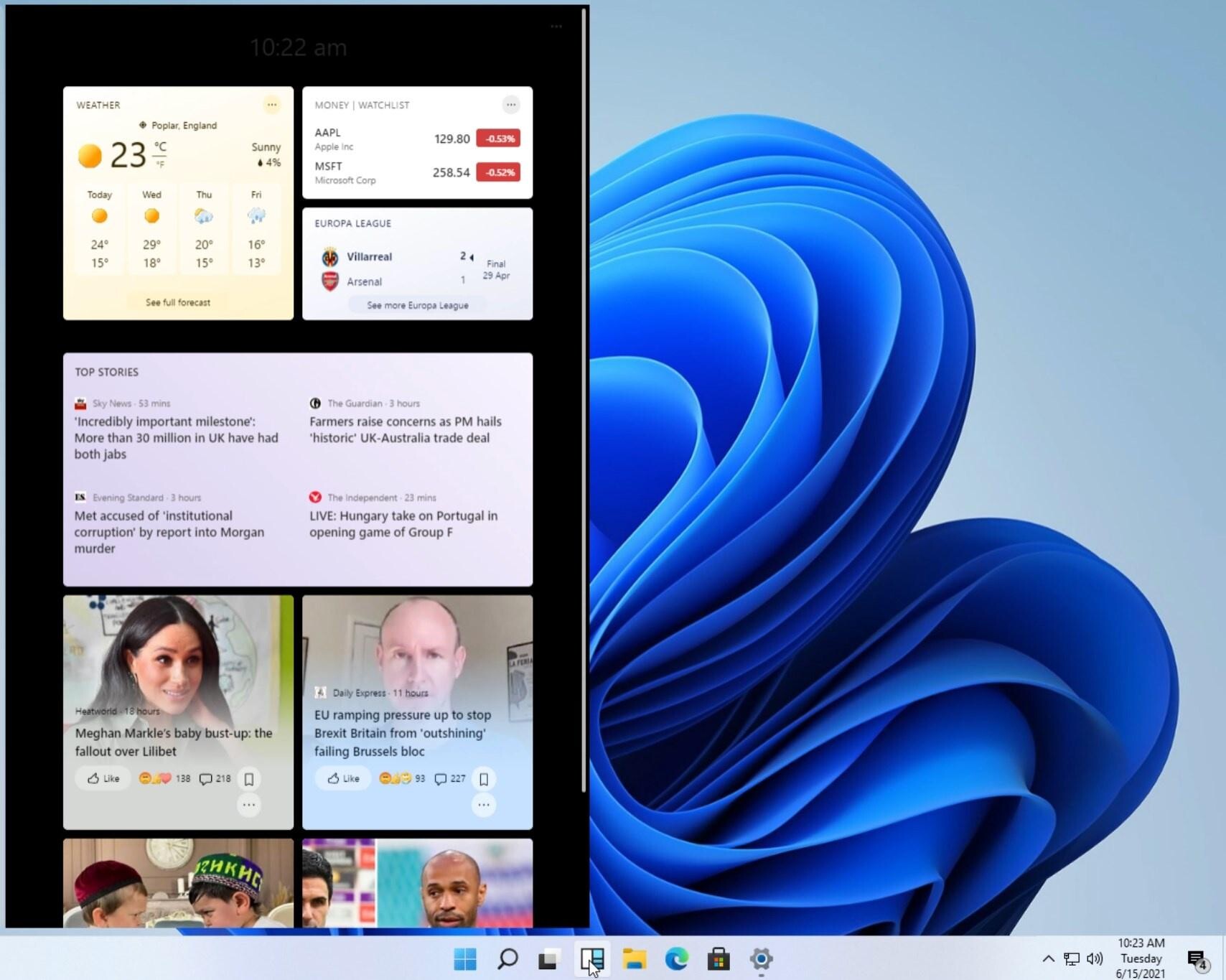
Windows 11 ISO Leaks to the Web, New Start Screen, Mac-like Centered Dock, Rounded Edges

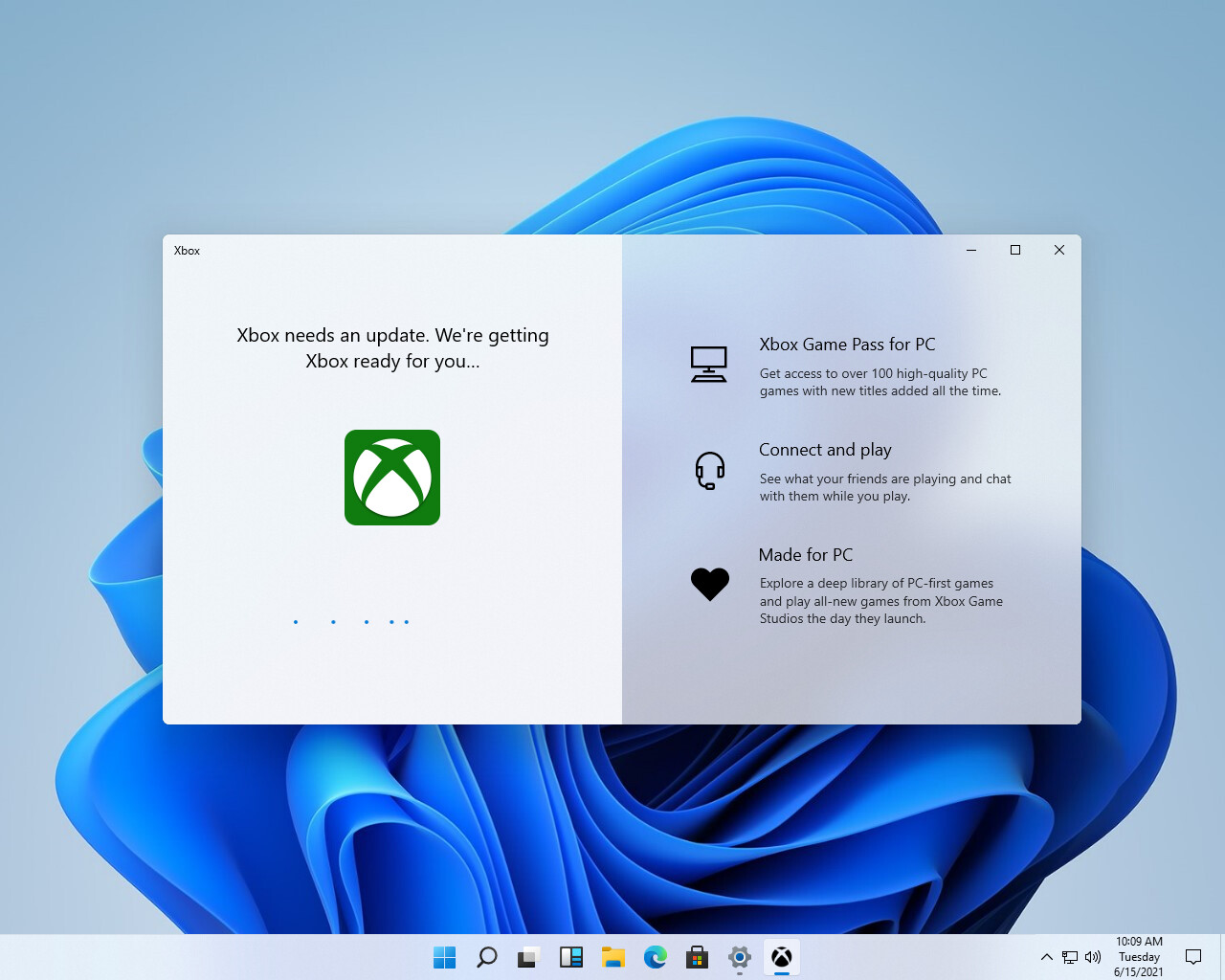
Alleged screenshots of Microsoft's upcoming operating system, the Windows 11, were leaked to the web ahead of its June 24 unveiling. The screenshots reveal a user interface that has several tie-ins with the current Windows 10, although enough is there to set it apart. For starters, the Start "menu" (if you can call it that), looks less like a menu, and more like a pop-out window with icons and actions, much like the macOS Finder. Icons pinned to the taskbar or open, are centered. The clock and system tray is still where it should be.

Windows Explorer features a familiar ribbon-type user interface, although there are changes to the icons. It's laid out exactly like in Windows 10. A thing to notice here is the window theme itself, which is single-tone, and with rounded edges. The "News and Interests" menu that surfaced in the recent Windows 10 update is more full-featured. User interface is only a fraction of what makes up a Windows major version, and Windows 11 is said to feature major under-the-hood changes, such as a new scheduler that's better suited for the upcoming hybrid x86 core processors from Intel and AMD.

Aqua Computer Introduces Innovative Water Cooling System Protected Against Leakage

[Editor's note: Our review of the Aqua Computer LEAKSHIELD can be found here]

The German company Aqua Computer introduces a breakthrough system to prevent leakage in water cooling systems. The system, called LEAKSHIELD, actively creates an optimally calculated negative pressure in the cooling system that prevents coolant from escaping in the event of a leak. If a leak occurs, only air is sucked into the cooling system. This works very reliably even in the case of larger leaks, such as broken acrylic glass components. An integrated vacuum pump is activated in a fraction of a second and maintains the negative pressure. A demonstration video shows several examples how LEAKSHIELD helps to prevent a leak: www.youtube.com/watch?v=8UiRv0nDch0

In addition, the protection system uses a pressure sensor with a resolution of less than 0.0001 bar to detect and indicate even the smallest leaks. This allows countermeasures to be taken at a very early stage - ideally even before the system is filled with coolant. Although LEAKSHIELD was developed by Aqua Computer for the ULTITUBE reservoir series, it can also be used with reservoirs from other brands using an adapter kit. The minimal size of the sophisticated device is impressive: all components have been integrated into the small cover of the reservoir. Power supply and control are provided via USB. The device has an OLED display and a push-button control. This allows the most important functions to be controlled directly on the device.
Return to Keyword Browsing
Nov 24th, 2026 04:02 CST change timezone

New Forum Posts

Popular Reviews

TPU on YouTube

Controversial News Posts