News Posts matching #NVIDIA

Return to Keyword Browsing

Razer Introduces Redesigned Blade 16 Gaming Laptop With NVIDIA GeForce RTX 50 series laptop GPUs and AMD Ryzen AI 9 processors

Razer, the leading global lifestyle brand for gamers, today announced the new Razer Blade 16, redesigned to be thinner and more mobile for on-the-go gamers but packed with the performance expected from a Razer Blade. Featuring the all-new NVIDIA GeForce RTX 50 series laptop GPUs and, for the first time ever, AMD Ryzen AI 9 processors, Blade 16 offers incredible levels of raw power and maximum AI performance. Equipped with a fast and vibrant QHD+ 240 Hz OLED display, a new keyboard and more speakers, the Blade 16 is more fun to play on that ever before.

Travis Furst, Head of the Notebook & Accessories Division at Razer, stated, "The new Razer Blade 16 is a game-changer, blending ultra-portable design with powerhouse performance. It's tailored for gamers who demand the best in mobility without compromising on power or features, truly embodying what the future of gaming laptops looks like."

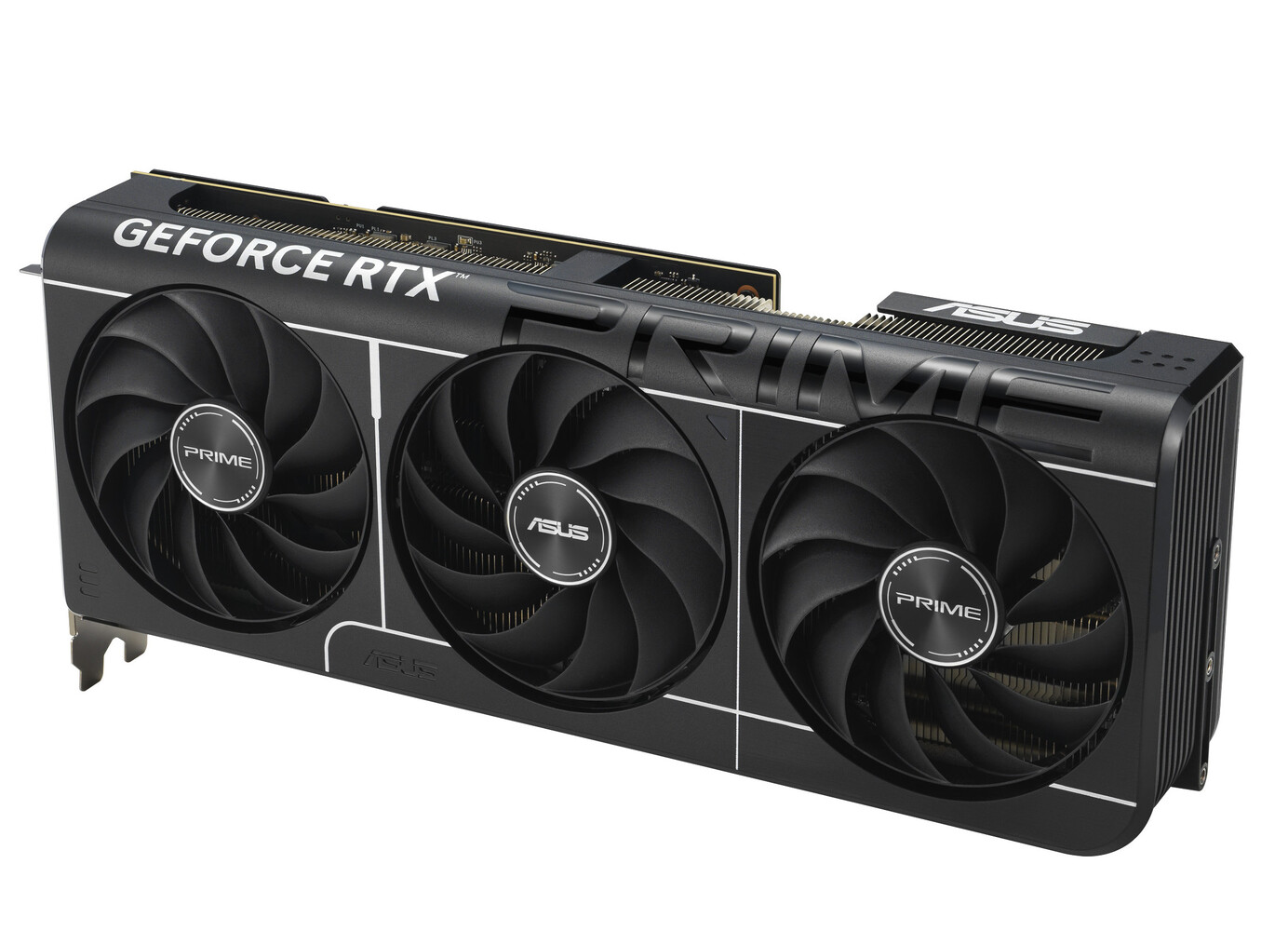
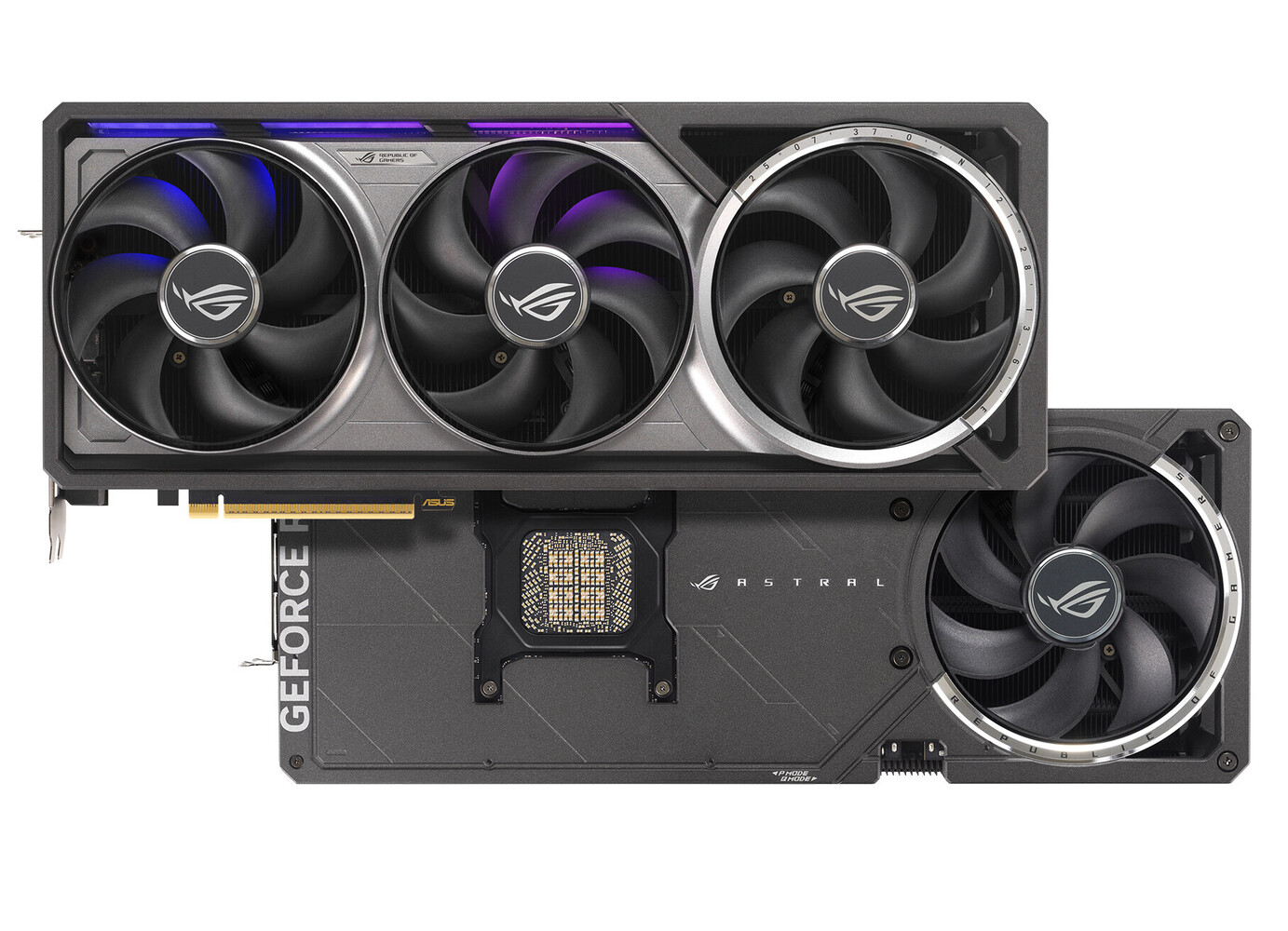
ASUS Announces NVIDIA GeForce RTX 50 Series Graphics Cards

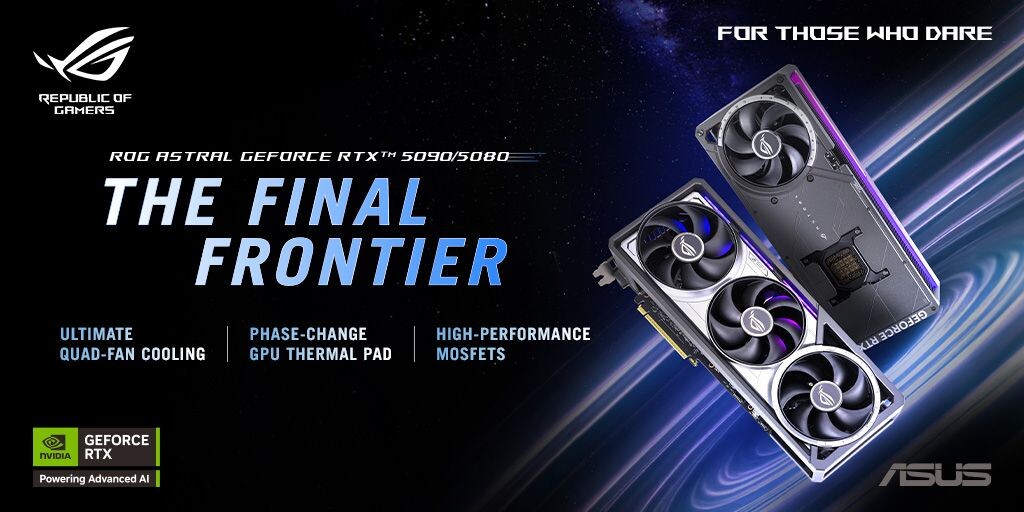
ASUS today announced its NVIDIA GeForce RTX 50 Series graphics cards, including the all-new ROG Astral line that ushers in a new generation of performance. The ROG Astral series combines top-tier frame rates and a sleek, stellar design, with both air-cooled and liquid-cooled variants ready to power a user's next PC.

Powered by NVIDIA Blackwell, GeForce RTX 50 Series GPUs bring game-changing capabilities to gamers and creators, Equipped with a massive level of AI horsepower, the RTX 50 Series enables new experiences and next-level graphics fidelity. Users can multiply performance with NVIDIA DLSS 4, generate images at unprecedented speed, and unleash creativity with NVIDIA Studio. Plus, they can access NVIDIA NIM microservices—state-of-the-art AI models that let enthusiasts and developers build AI assistants, agents, and workflows with peak performance on NIM-ready systems.

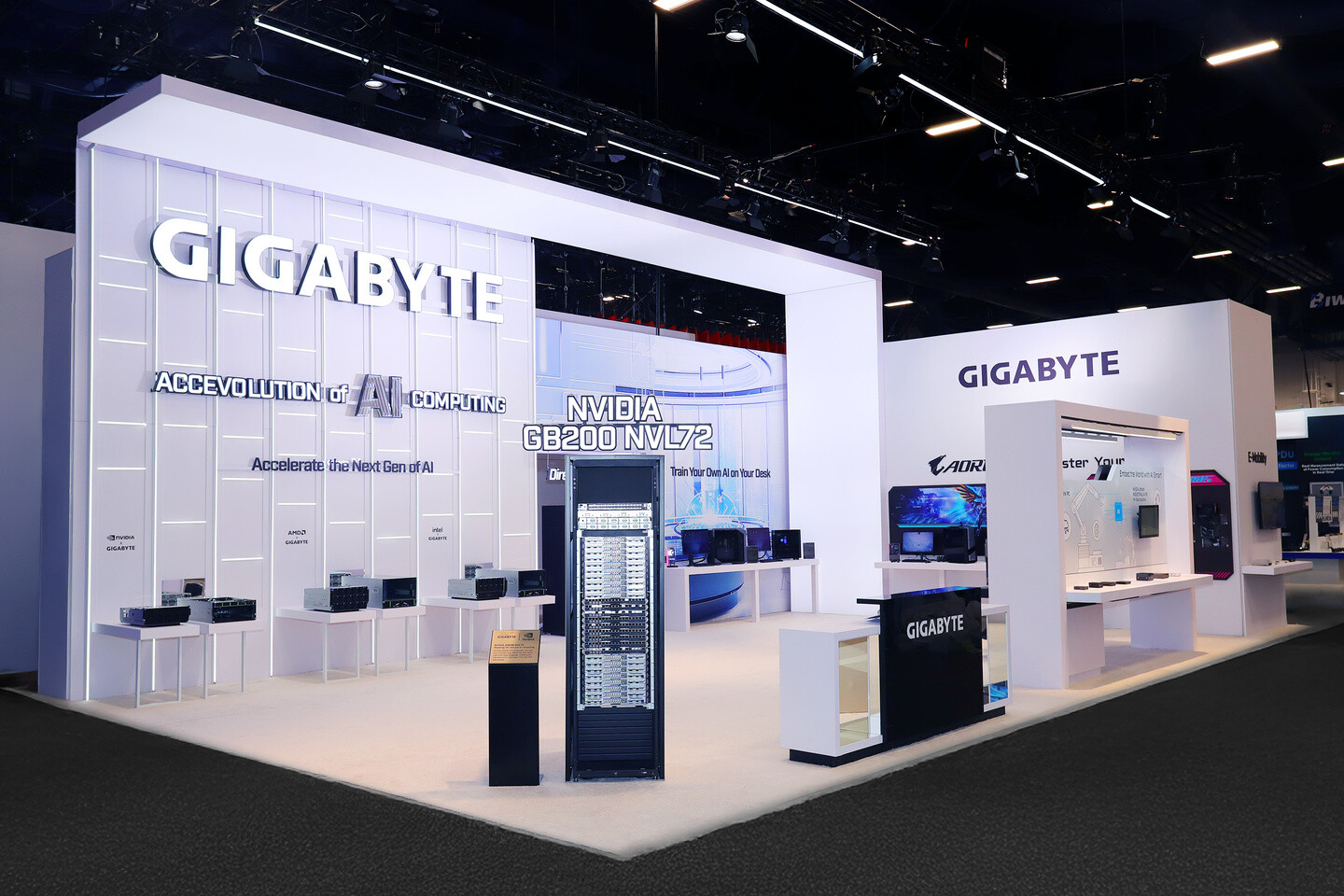
Gigabyte Demonstrates Omni-AI Capabilities at CES 2025

GIGABYTE Technology, internationally renowned for its R&D capabilities and a leading innovator in server and data center solutions, continues to lead technological innovation during this critical period of AI and computing advancement. With its comprehensive AI product portfolio, GIGABYTE will showcase its complete range of AI computing solutions at CES 2025, from data center infrastructure to IoT applications and personal computing, demonstrating how its extensive product line enables digital transformation across all sectors in this AI-driven era.

Powering AI from the Cloud
With AI Large Language Models (LLMs) now routinely featuring parameters in the hundreds of billions to trillions, robust training environments (data centers) have become a critical requirement in the AI race. GIGABYTE offers three distinctive solutions for AI infrastructure.

PC Gaming in the Cloud Goes Everywhere With New Devices and AAA Games on GeForce NOW

GeForce NOW turns any device into a GeForce RTX gaming PC, and is bringing cloud gaming and AAA titles to more devices and regions. Announced today at the CES trade show, gamers will soon be able to play titles from their Steam library at GeForce RTX quality with the launch of a native GeForce NOW app for the Steam Deck. NVIDIA is working to bring cloud gaming to the popular PC gaming handheld device later this year.

In collaboration with Apple, Meta and ByteDance, NVIDIA is expanding GeForce NOW cloud gaming to Apple Vision Pro spatial computers, Meta Quest 3 and 3S and Pico virtual- and mixed-reality devices - with all the bells and whistles of NVIDIA technologies, including ray tracing and NVIDIA DLSS. In addition, NVIDIA is launching the first GeForce RTX-powered data center in India, making gaming more accessible around the world. Plus, GeForce NOW's extensive library of over 2,100 supported titles is expanding with highly anticipated AAA titles. DOOM: The Dark Ages and Avowed will join the cloud when they launch on PC this year.

NVIDIA Introduces DLSS 4 with Multi-Frame Generation for up to 8X Framerate Uplifts

With the GeForce RTX 50-series "Blackwell" generation, NVIDIA is introducing the new DLSS 4 technology. The most groundbreaking feature being introduced with DLSS 4 is multi-frame generation. The technology relies on generative AI to predict up to three frames ahead of a conventionally rendered frame, which in and of itself could be a result of super resolution. Since DLSS SR can effectively upscale 1 pixel into 4 (i.e. turn a 1080p render into 4K output), and DLSS 4 generates the following three frames, DLSS 4 effectively has a pixel generation factor of 1:15 (15 in every 16 pixels are generated outside the rendering pipeline). When it launches alongside the GeForce RTX 50-series later this month, over 75 game titles will be ready for DLSS 4. Multi-frame generation is a feature exclusive to "Blackwell."

Toyota, Aurora and Continental Join Growing List of NVIDIA Partners Rolling Out Next-Generation Highly Automated and Autonomous Vehicle Fleets

NVIDIA announced today that Toyota, Aurora and Continental have joined the list of global mobility leaders developing and building their consumer and commercial vehicle fleets on NVIDIA accelerated computing and AI. Toyota, the world's largest automaker, will build its next-generation vehicles on NVIDIA DRIVE AGX Orin, running the safety-certified NVIDIA DriveOS operating system. These vehicles will offer functionally safe, advanced driving assistance capabilities.

The majority of today's auto manufacturers, truckmakers, robotaxi, and autonomous delivery vehicle companies, tier-one suppliers and mobility startups are developing on NVIDIA DRIVE AGX platform and technologies. With cutting-edge platforms spanning training in the cloud to simulation to compute in the car, NVIDIA's automotive vertical business is expected to grow to approximately $5 billion in fiscal year 2026.

NVIDIA DRIVE Hyperion Platform Achieves Critical Automotive Safety and Cybersecurity Milestones for AV Development

NVIDIA today announced that its autonomous vehicle (AV) platform, NVIDIA DRIVE AGX Hyperion, has passed industry-safety assessments by TÜV SÜD and TÜV Rheinland—two of the industry's foremost authorities for automotive-grade safety and cybersecurity. This achievement raises the bar for AV safety, innovation and performance.

DRIVE Hyperion is the industry's first and only end-to-end autonomous driving platform. It includes the DRIVE AGX system-on-a-chip (SoC) and reference board design, the NVIDIA DriveOS automotive operating system, a sensor suite, and an active safety and level 2+ driving stack. Automotive safety pioneers such as Mercedes-Benz, JLR and Volvo Cars are adopting the platform, which is designed to be modular, so customers can easily use what they need. It is also scalable and built to be upgradeable and compatible across future DRIVE SoC generations.

NVIDIA Puts Grace Blackwell on Every Desk and at Every AI Developer's Fingertips

NVIDIA today unveiled NVIDIA Project DIGITS, a personal AI supercomputer that provides AI researchers, data scientists and students worldwide with access to the power of the NVIDIA Grace Blackwell platform. Project DIGITS features the new NVIDIA GB10 Grace Blackwell Superchip, offering a petaflop of AI computing performance for prototyping, fine-tuning and running large AI models.

With Project DIGITS, users can develop and run inference on models using their own desktop system, then seamlessly deploy the models on accelerated cloud or data center infrastructure. "AI will be mainstream in every application for every industry. With Project DIGITS, the Grace Blackwell Superchip comes to millions of developers," said Jensen Huang, founder and CEO of NVIDIA. "Placing an AI supercomputer on the desks of every data scientist, AI researcher and student empowers them to engage and shape the age of AI."

NVIDIA Expands Omniverse With Generative Physical AI

NVIDIA today announced generative AI models and blueprints that expand NVIDIA Omniverse integration further into physical AI applications such as robotics, autonomous vehicles and vision AI. Global leaders in software development and professional services are using Omniverse to develop new products and services that will accelerate the next era of industrial AI.

Accenture, Altair, Ansys, Cadence, Foretellix, Microsoft and Neural Concept are among the first to integrate Omniverse into their next-generation software products and professional services. Siemens, a leader in industrial automation, announced today at the CES trade show the availability of Teamcenter Digital Reality Viewer—the first Siemens Xcelerator application powered by NVIDIA Omniverse libraries.

NVIDIA Launches Cosmos World Foundation Model Platform to Accelerate Physical AI Development

NVIDIA today announced NVIDIA Cosmos, a platform comprising state-of-the-art generative world foundation models, advanced tokenizers, guardrails and an accelerated video processing pipeline built to advance the development of physical AI systems such as autonomous vehicles (AVs) and robots.

Physical AI models are costly to develop, and require vast amounts of real-world data and testing. Cosmos world foundation models, or WFMs, offer developers an easy way to generate massive amounts of photoreal, physics-based synthetic data to train and evaluate their existing models. Developers can also build custom models by fine-tuning Cosmos WFMs. Cosmos models will be available under an open model license to accelerate the work of the robotics and AV community. Developers can preview the first models on the NVIDIA API catalog, or download the family of models and fine-tuning framework from the NVIDIA NGC catalog or Hugging Face.

NVIDIA Launches AI Foundation Models for RTX AI PCs

NVIDIA today announced foundation models running locally on NVIDIA RTX AI PCs that supercharge digital humans, content creation, productivity and development.
These models—offered as NVIDIA NIM microservices—are accelerated by new GeForce RTX 50 Series GPUs, which feature up to 3,352 trillion operations per second of AI performance and 32 GB of VRAM. Built on the NVIDIA Blackwell architecture, RTX 50 Series are the first consumer GPUs to add support for FP4 compute, boosting AI inference performance by 2x and enabling generative AI models to run locally in a smaller memory footprint, compared with previous-generation hardware.


NIM microservices connected to these GUIs will make it effortless to access and deploy the latest generative AI models. NVIDIA AI Blueprints, built on NIM microservices, provide easy-to-use, preconfigured reference workflows for digital humans, content creation and more. To meet the growing demand from AI developers and enthusiasts, every top PC manufacturer and system builder is launching NIM-ready RTX AI PCs with GeForce RTX 50 Series GPUs. "AI is advancing at light speed, from perception AI to generative AI and now agentic AI," said Jensen Huang, founder and CEO of NVIDIA. "NIM microservices and AI Blueprints give PC developers and enthusiasts the building blocks to explore the magic of AI."

NVIDIA Blackwell GeForce RTX 50 Series Opens New World of AI Computer Graphics

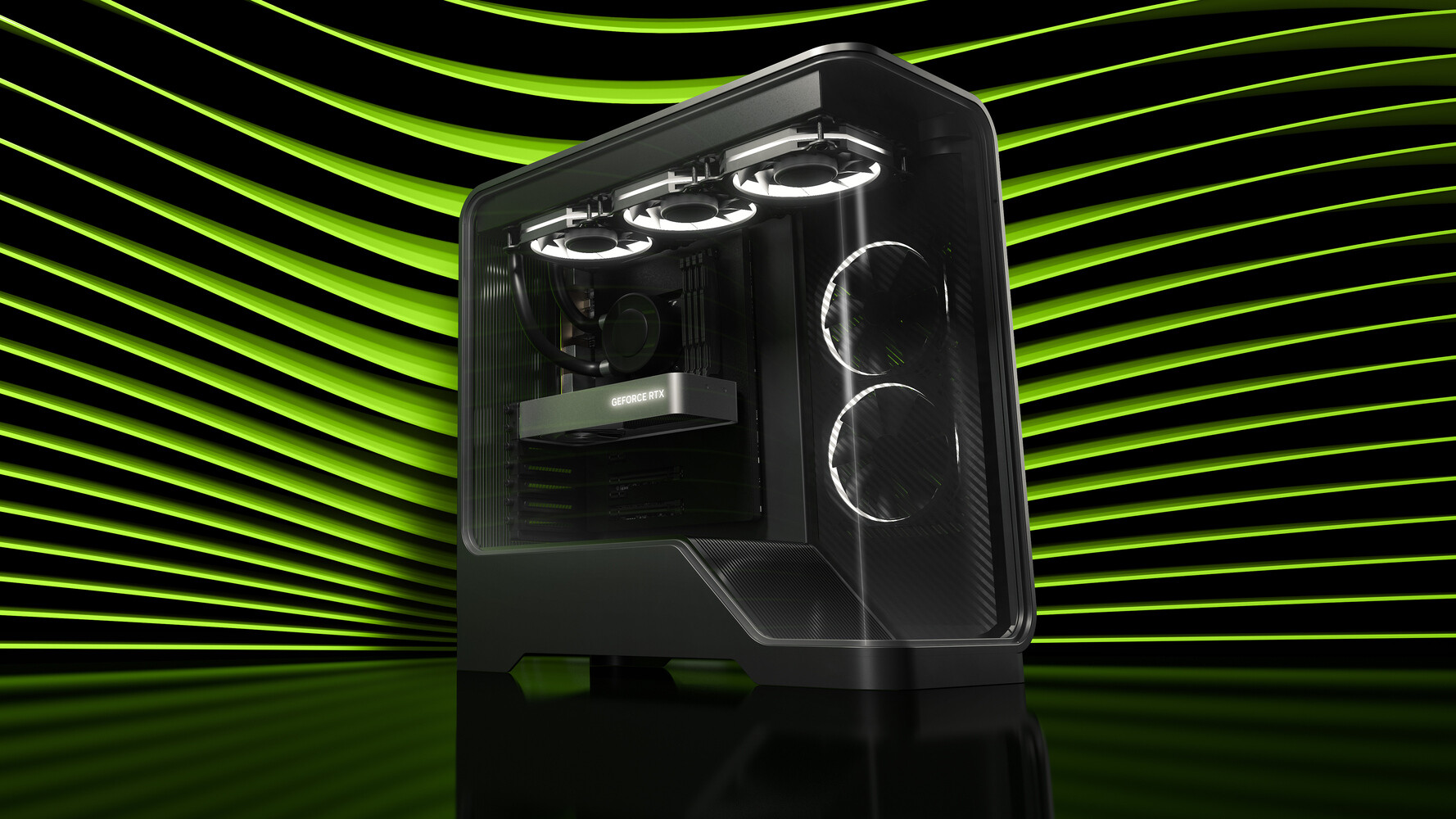
NVIDIA today unveiled the most advanced consumer GPUs for gamers, creators and developers—the GeForce RTX 50 Series Desktop and Laptop GPUs. Powered by the NVIDIA Blackwell architecture, fifth-generation Tensor Cores and fourth-generation RT Cores, the GeForce RTX 50 Series delivers breakthroughs in AI-driven rendering, including neural shaders, digital human technologies, geometry and lighting.

"Blackwell, the engine of AI, has arrived for PC gamers, developers and creatives," said Jensen Huang, founder and CEO of NVIDIA. "Fusing AI-driven neural rendering and ray tracing, Blackwell is the most significant computer graphics innovation since we introduced programmable shading 25 years ago." The GeForce RTX 5090 GPU—the fastest GeForce RTX GPU to date—features 92 billion transistors, providing over 3,352 trillion AI operations per second (TOPS) of computing power. Blackwell architecture innovations and DLSS 4 mean the GeForce RTX 5090 GPU outperforms the GeForce RTX 4090 GPU by up to 2x.

NVIDIA 2025 International CES Keynote: Liveblog

NVIDIA kicks off the 2025 International CES with a bang. The company is expected to debut its new GeForce "Blackwell" RTX 5000 generation of gaming graphics cards. It is also expected to launch new technology, such as neural rendering, and DLSS 4. The company is also expected to highlight a new piece of silicon for Windows on Arm laptops, showcase the next in its Drive PX FSD hardware, and probably even talk about its next-generation "Blackwell Ultra" AI GPU, and if we're lucky, even namedrop "Rubin." Join us, as we liveblog CEO Jensen Huang's keynote address.

02:22 UTC: The show is finally underway!

Gigabyte Expands Its Accelerated Computing Portfolio with New Servers Using the NVIDIA HGX B200 Platform

Giga Computing, a subsidiary of GIGABYTE and an industry leader in generative AI servers and advanced cooling technologies, announced new GIGABYTE G893 series servers using the NVIDIA HGX B200 platform. The launch of these flagship 8U air-cooled servers, the G893-SD1-AAX5 and G893-ZD1-AAX5, signifies a new architecture and platform change for GIGABYTE in the demanding world of high-performance computing and AI, setting new standards for speed, scalability, and versatility.

These servers join GIGABYTE's accelerated computing portfolio alongside the NVIDIA GB200 NVL72 platform, which is a rack-scale design that connects 36 NVIDIA Grace CPUs and 72 NVIDIA Blackwell GPUs. At CES 2025 (January 7-10), the GIGABYTE booth will display the NVIDIA GB200 NVL72, and attendees can engage in discussions about the benefits of GIGABYTE platforms with the NVIDIA Blackwell architecture.

Dell Unveils Pair of Alienware Area-51 Laptops

The mobile cavalry has landed with the introduction of Area-51 laptops. These 18-inch and 16-inch laptops have an acute focus on power, performance and innovative engineering in a new otherworldly design language. Like its desktop counterpart, Area-51 laptops are an expression of maximum performance that cater to gamers seeking the preeminent gaming experience.

Armed to the nines with next-gen high-performance technology and enveloped in our brand-new industrial design, Area-51 symbolizes the next act for Alienware.
  • Elite Performance: Area-51 unleashes 280 W of power on next-gen NVIDIA graphics and a next-gen Intel Ultra CPU - this is the upper limit of performance on any gaming laptop, period.
  • Robust Thermals: A new intricate thermal architecture enables Area-51 to move up to 35% more air through the system while being 15% quieter.
  • Sophisticated Design: Area-51 laptop design exudes a mysterious identity that invokes curiosity while elevating comfort and functionality.

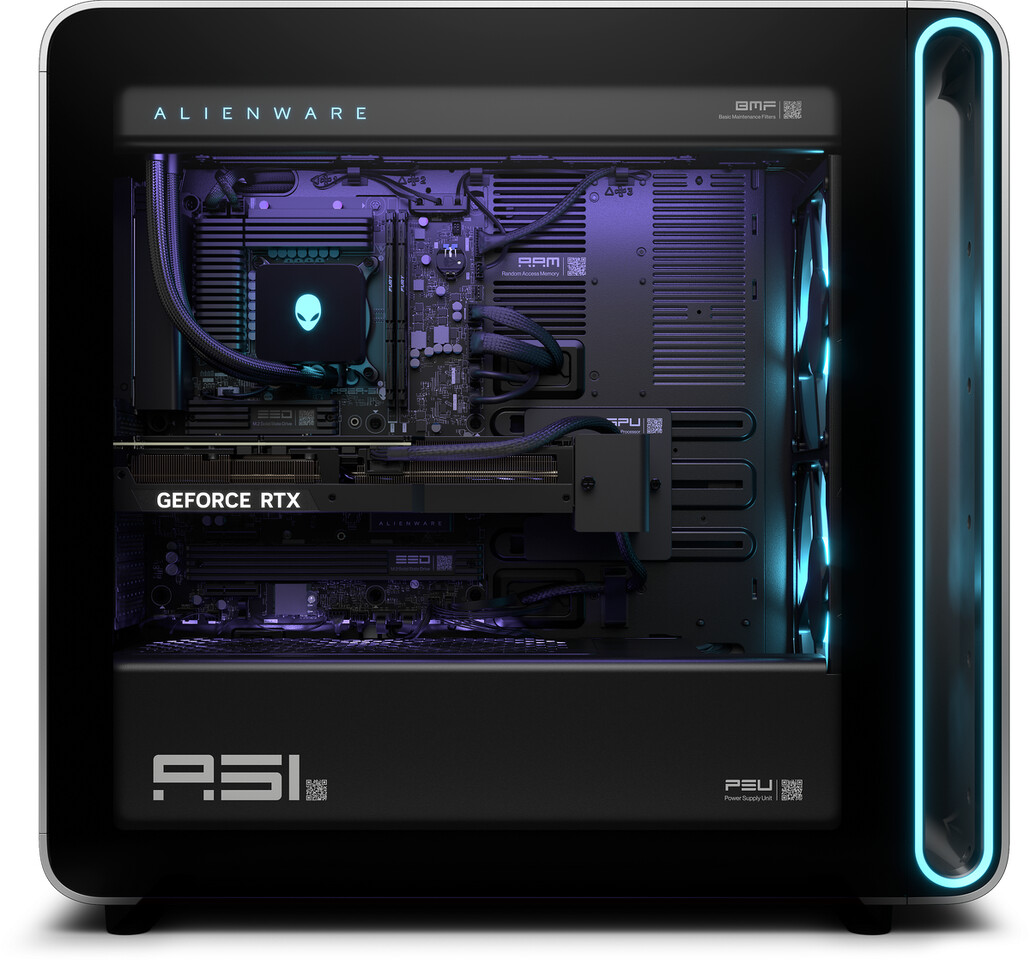
Dell Brings Back the Alienware Area-51 Desktop PC

Alienware is reintroducing the iconic Area-51 back into the family, reanimated in desktop and laptop forms. Deep lore underpins Area-51, dating back to 1998. While the design, technology and gameplay have evolved significantly from iteration to iteration, one fact has remained the same: Area-51 represents the best that Alienware offers. Reclaiming its position as the ultimate gaming experience, the new Area-51 Desktop debut an arsenal of cutting-edge features -- including next-gen NVIDIA graphics - to power the next generation of AAA gameplay.

ALIENWARE AREA-51 DESKTOP
Area-51 Desktop makes a bold entrance to retake the throne as Alienware's flagship gaming PC. With this edition, we are returning to our roots with a machine that caters to the desires of PC gaming enthusiasts and longtime Alienware fans who have a deep appreciation for technology and a can-do attitude for manually customizing their build to their needs. It is an icon that honors the wishes of all gamers seeking unyielding performance and the ability to make serious upgrades for years to come.

New Alienware 27 4K QD-OLED Gaming Monitor is Here to Elevate Your Game

Alienware continues to lead in gaming monitor technology with QD-OLED advancements. After captivating gamers first with our 34-inch ultrawide QD-OLED model, we pushed boundaries even further by introducing a 32-inch model with 4K resolution, and a 27-inch model with a 360hz refresh rate last year. Now, in 2025, Alienware is back with yet another groundbreaking innovation - our latest QD-OLED innovation features the world's highest pixels per inch in any
OLED or QD-OLED monitor, providing gamers with unparalleled visual clarity, speed and immersion.

With the new Alienware 27 4K QD-OLED Gaming Monitor, a CES 2025 Innovation Award Honoree, gamers and game developers alike have a multitude of reasons to be excited. Our latest innovation promises to redefine gaming experiences by combining cutting-edge technology that's ready for the advanced graphics of today and tomorrow.

First NVIDIA GeForce RTX 5090 GPU with 32 GB GDDR7 Memory Leaks Ahead of CES Keynote

NVIDIA's unannounced GeForce RTX 5090 graphics card has leaked, confirming key specifications of the next-generation GPU. Thanks to exclusive information from VideoCardz, we can see the packaging of Inno3D's RTX 5090 iChill X3 model, which confirms that the graphics card will feature 32 GB of GDDR7 memory. The leaked materials show that Inno3D's variant will use a 3.5-slot cooling system, suggesting significant cooling requirements for the flagship card. According to earlier leaks, the RTX 5090 will be based on the GB202 GPU and include 21,760 CUDA cores. The card's memory system is a significant upgrade, with its 32 GB of GDDR7 memory running on a 512-bit memory bus at 28 Gbps, capable of delivering nearly 1.8 TB/s of bandwidth. This represents twice the memory capacity of the upcoming RTX 5080, which is expected to ship with 16 GB capacity but 30 Gbps GDDR7 modules.

Power consumption has increased significantly, with the RTX 5090's TDP rated at 575 W and TGP of 600 W, marking a 125-watt increase over the previous RTX 4090 in raw TDP. NVIDIA is scheduled to hold its CES keynote today at 06:30 pm PT time, where the company is expected to announce several new graphics cards officially. The lineup should include the RTX 5090, RTX 5080, RTX 5070 Ti, RTX 5070, and an RTX 5090D model specifically for the Chinese market. Early indications are that the RTX 5080 will be the first card to reach consumers, with a planned release date of January 21st. Release dates for other models, including the flagship RTX 5090, have not yet been confirmed. The RTX 5090 is currently the only card in the RTX 50 series planned to use the GB202 GPU. Pricing information and additional specifications are expected to be revealed during the upcoming announcement.

Glimpse of NVIDIA GeForce RTX 50 Series "Blackwell" Founders Edition GPU Appears

NVIDIA uploaded a new video on its GeForce YouTube channel called "GeForce LAN 50 Missions and Rewards" that not only features the objective of its upcoming LAN party but also a teaser of one of the GeForce RTX 50 series "Blackwell" GPUs. Pictured below, NVIDIA purposely left it extremely dark to hide as much information as possible. However, we uncovered what was hiding in the dark PC enclosure thanks to some image processing. From the picture alone, we cannot determine what possible SKU this would represent. Potential candidates include the GeForce RTX 5090 or 5080, which are rumored to appear first at the CES launch event, with NVIDIA's CEO Jensen Huang taking the stage and unveiling details about the new GPU generation.

In regards to the design itself, the GPU features a two-fan configuration, meaning that the founder's edition has undergone a redesign from the traditional push/pull cooler design. If this is only a render, time will tell. However, we look forward to seeing more leaks, details, and hints just like NVIDIA left.

NVIDIA GeForce NOW Kicks Off 2025 With 14 New Games

GeForce NOW is kicking off 2025 by delivering 14 games to the cloud this month, with two available to stream this week so members can get started on their New Year's gaming resolutions. This year's CES trade show will open with a keynote from NVIDIA founder and CEO Jensen Huang on Monday, Jan. 6. GeForce NOW is offering members front-row seats in a virtual stadium, so they can hear the latest announcements and get hyped with livestreams - no downloads or installations required. It's all powered by GeForce NOW cloud streaming and hosted by ZENOS, an innovative virtual stadium platform. Members can enter the virtual stadium starting at 3 p.m. PT on Monday, Jan. 6. In addition, gear up to participate in NVIDIA GeForce LAN 50 gaming missions starting on Saturday, Jan. 4, at 4:30 p.m. PT. Stream #GeForceGreats games to unlock incredible in-game rewards with GeForce NOW.

Mission Possible
It's rewarding to be a GeForce NOW member. Unlock exclusive rewards during CES by doing what gamers do best - playing the game. Members can participate in GeForce LAN 50 gaming missions even without a game-ready rig.

Samsung's New 2025 Monitors Delivers 27-inch 4K OLED 240 Hz Gaming Performance, AI Capabilities, and Enhanced Productivity

Samsung Electronics today unveiled its 2025 Smart Monitor, Odyssey Gaming Monitor and ViewFinity Monitor lineups, all of which will be on display at Samsung's First Look at CES on January 5. The 2025 models raise the bar for monitors by bringing AI features, industry-first sizes in the OLED market and new form factors that ignite the passions of users worldwide—whether they're working, gaming or creating.

"With the new monitors in our industry-leading lineups, we're giving people more ways to explore the content and connections that they love in new ways," said Hoon Chung, Executive Vice President of Visual Display Business at Samsung Electronics. "Because of our new AI capabilities and size options, 2025 will see users across the world find the right monitor that fits them."

MSI GeForce RTX 5080 Gaming Trio "Blackwell" Box Leaked

Here are some of the first pictures of the MSI GeForce RTX 5080 Gaming Trio "Blackwell" graphics card. The box art provides the first look at what the actual product will look like. It remains over 2 slots thick, and is fairly long; with a trio of what look like 100 mm fans. As with all past generation Gaming X series graphics cards from MSI, this product will feature extensive RGB LED lighting, and a fairly generous factory overclock among its base and premium tiers (Gaming and Gaming X); although historically, MSI's Suprim series has had the company's highest factory tuning.

The back-side of the box lists out MSI-specific and NVIDIA "Blackwell" specific features. The RTX 50-series will see MSI debut the new StormForce fan, which appears to have greater impeller depth than the previous-generation TorX 3.0 fan. The impellers are webbed for axial airflow, the fan blades have ridges. The box also says that the cooler features a nickel-plated copper base-plate, which makes contact with the GPU, which probably has mirror finish. This baseplate will be backed by Core Pipes, which are the cooler's copper heatpipes made square near the baseplate for better contact with it. Lastly, the card comes with a metal backplate—no surprises there. NVIDIA is looking to debut the GeForce RTX 5080 on January 21.

-- images removed at request of MSI --

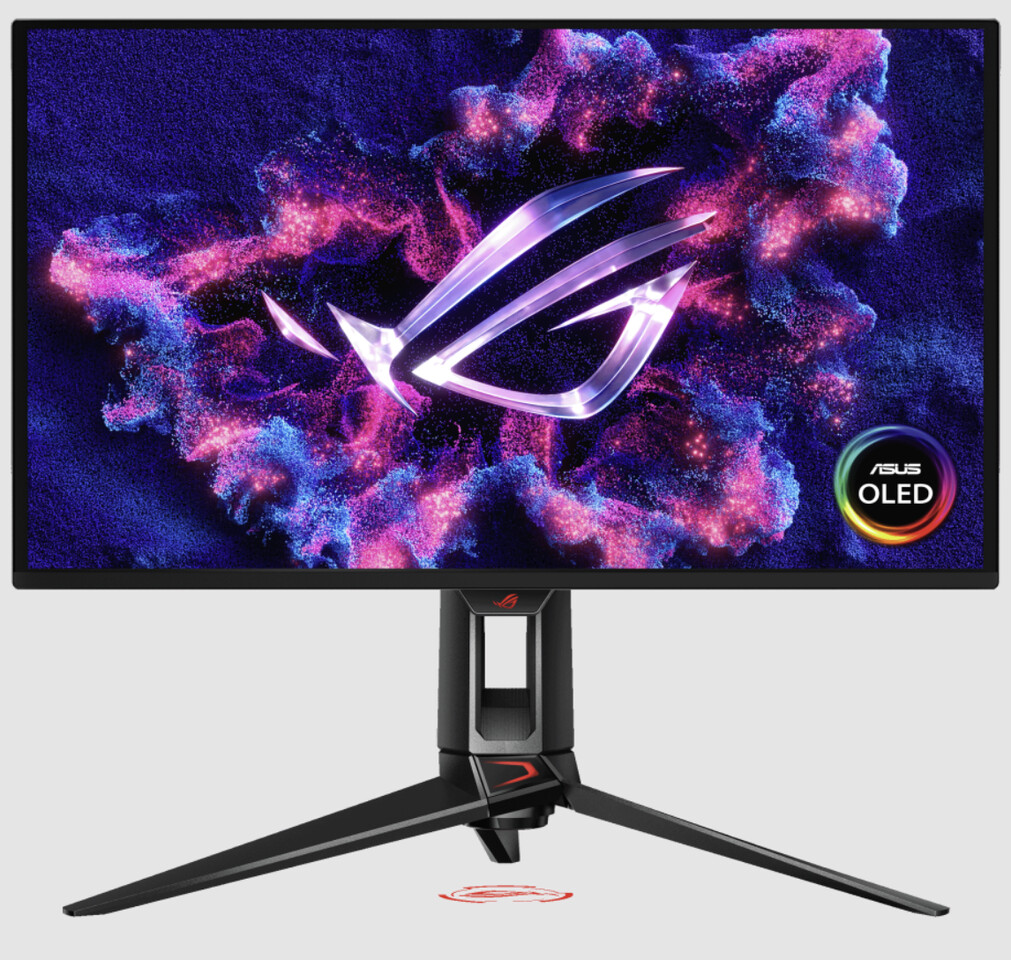
ASUS Upcoming ROG Swift OLED PG27UCDM is a 27-inch 4K 240 Hz Gaming Monitor

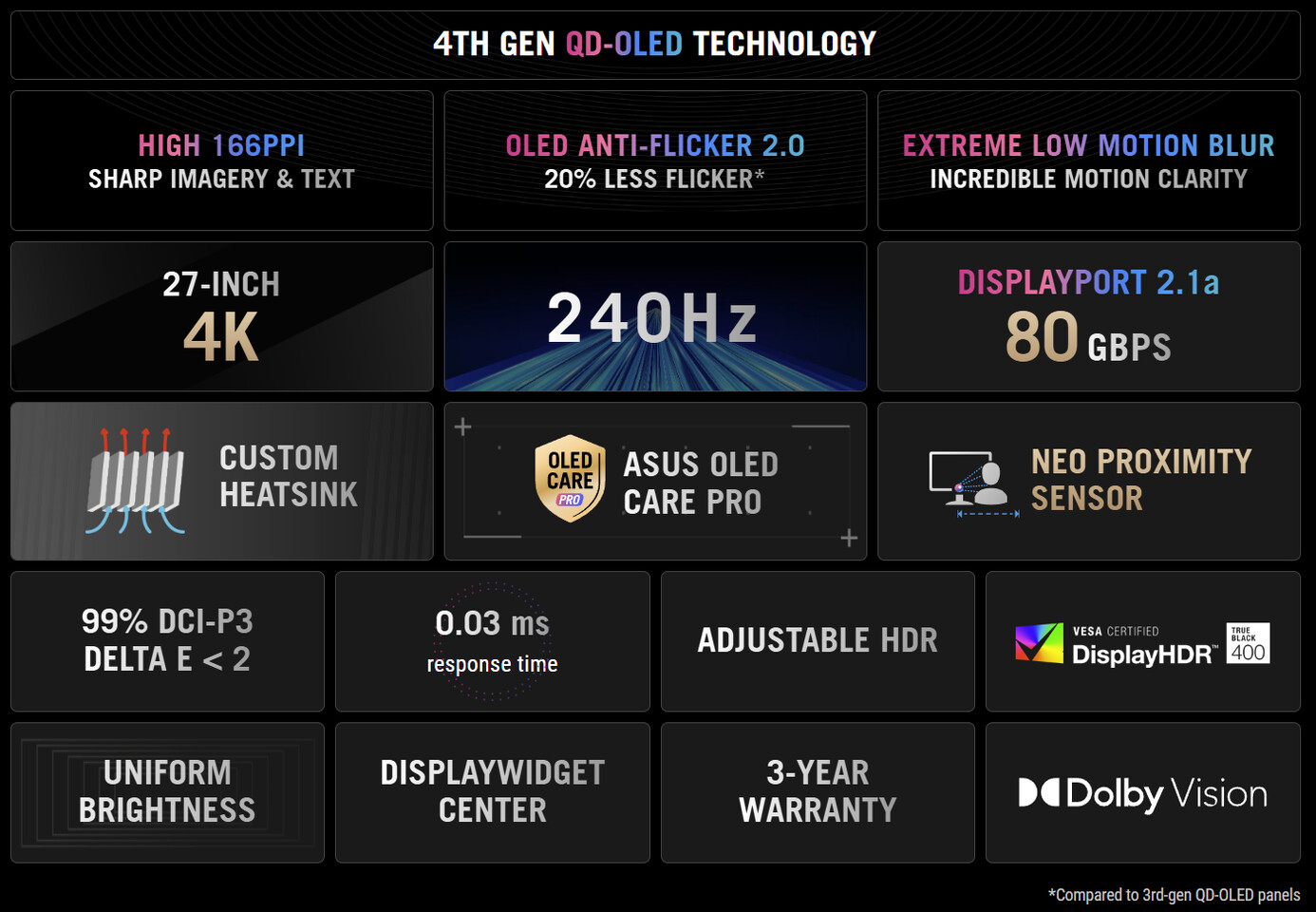
ASUS has published the product page for its upcoming ROG Swift OLED PG27UCDM gaming monitor, which will go head to head with the MSI MPG272URX on which will hit retail as the first 27-inch 4K 240 Hz display. The PG27UCDM sports a 26.5-inch panel using what ASUS refers to as 4th gen QD-OLED technology, which the company claims offer longer lifespan compared to previous generations of OLED panels. The panel sports typical OLED features such as a 0.03 ms response time, a peak brightness of 1,000 cd/m², 99 percent DCI-P3 colour space coverage and VESA DisplayHDR 400 True Black. The display also supports AMD FreeSync Premium Pro and NVIDIA G-Sync compatible, as well as a host of ASUS specific gaming features such as ELMB, GameFast Input Technology, Shadow Bost and a DisplayWidget.

Inputs consist of a DisplayPort 2.1 port with UHBR20 (80 Gbps) support, a USB Type-C with DP-Alt mode and USB PD up to 90 W and a pair of HDMI 2.1 ports. There's also a three port USB 3.2 Gen 1 (5 Gbps) USB hub with what we presume is a USB Type-B input and a headphone jack. The reason for the presumed USB Type-B input, is that the specs claim KVM support and this would only be possible if there was a USB input of some kind, but this isn't mentioned in the tech specs. The stand is your typical higher-end model with tilt, swivel, pivot and height adjustment, as well as ASUS' Aura Sync lighting and a tripod mount at the top. ASUS claims a power consumption of around 80 Watts, although this doesn't include USB PD. A big plus is that ASUS will bundle a DisplayPort 2.1 DP80 cable in the box, something for example Sony decided not to include with their INZONE M9 II which launched in September last year. There's no word on pricing for the ROG Swift OLED PG27UCDM, but expect it to be on the expensive side of US$1,000.

NVIDIA Plans GeForce RTX 5080 "Blackwell" Availability on January 21, Right After CES Announcement

Hong Kong tech media HKEPC report indicates that NVIDIA's GeForce RTX 5080 graphics card will launch on January 21, 2025. The release follows a planned announcement event on January 6, where CEO Jensen Huang will present the new "Blackwell" architecture. Anticipated specifications based on prior rumors point to RTX 5080 using GB203-400-A1 chip, containing 10,752 CUDA cores across 84 SM. The card maintains 16 GB of memory but upgrades to GDDR7 technology running at 30 Gbps, while other cards in the series are expected to use 28 Gbps memory. The graphics card is manufactured using TSMC's 4NP 4 nm node. This improvement in manufacturing technology, combined with architectural changes, accounts for most of the expected performance gains, as the raw CUDA core count only increased by 10% over the RTX 4080. NVIDIA is also introducing larger segmentation between its Blackwell SKUs, as the RTX 5090 has nearly double CUDA cores and double GDDR7 memory capacity.

NVIDIA is organizing a GeForce LAN event two days before the announcement, marking the return of this gathering after 13 years, so the timing is interesting. NVIDIA wants to capture gamer's hearts with 50 hours of non-stop gameplay. Meanwhile, AMD currently has no competing products announced in the high-end graphics segment, leaving NVIDIA without direct competition in this performance tier. This market situation could affect the final pricing of the RTX 5080, which will be revealed during the January keynote. While the January 21 date appears set for the RTX 5080, launch dates for other cards in the Blackwell family, including the RTX 5090 and RTX 5070 series, remain unconfirmed. NVIDIA typically releases different models in their GPU families on separate dates to manage production and distribution effectively.

NVIDIA RTX 5000 Blackwell Memory Amounts Confirmed by Pre-Built PC Maker

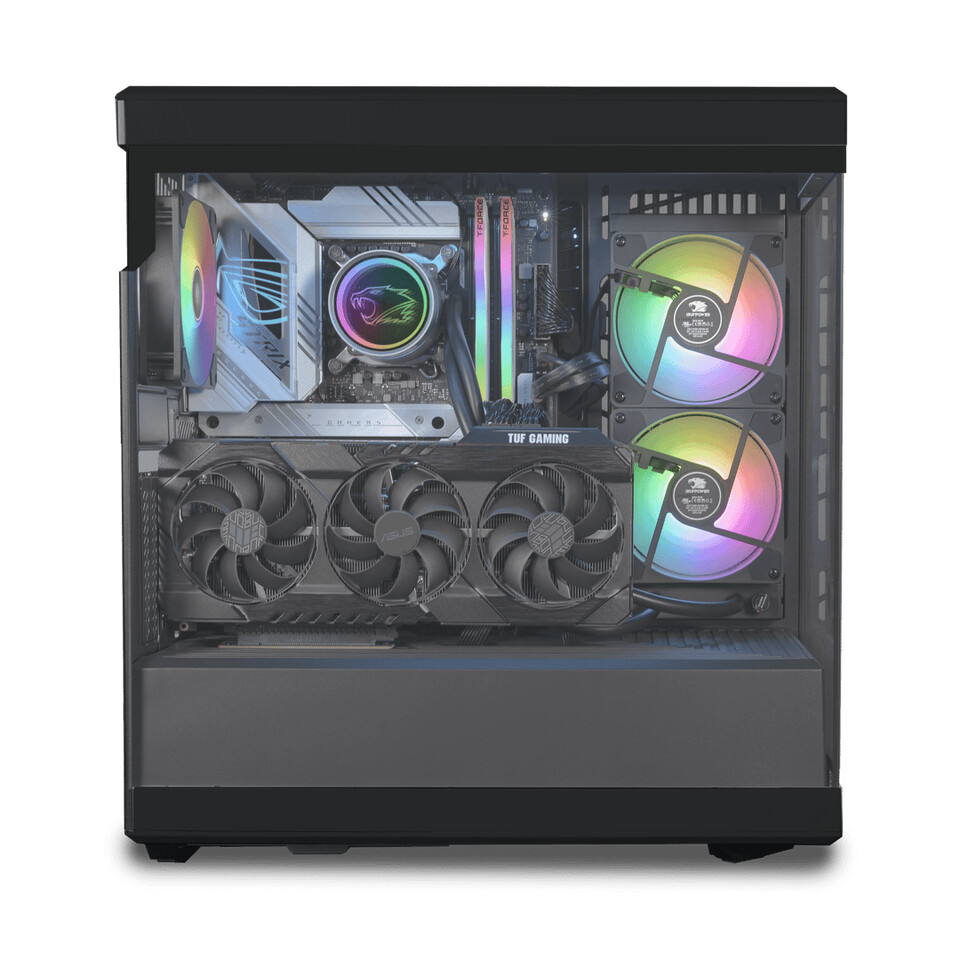
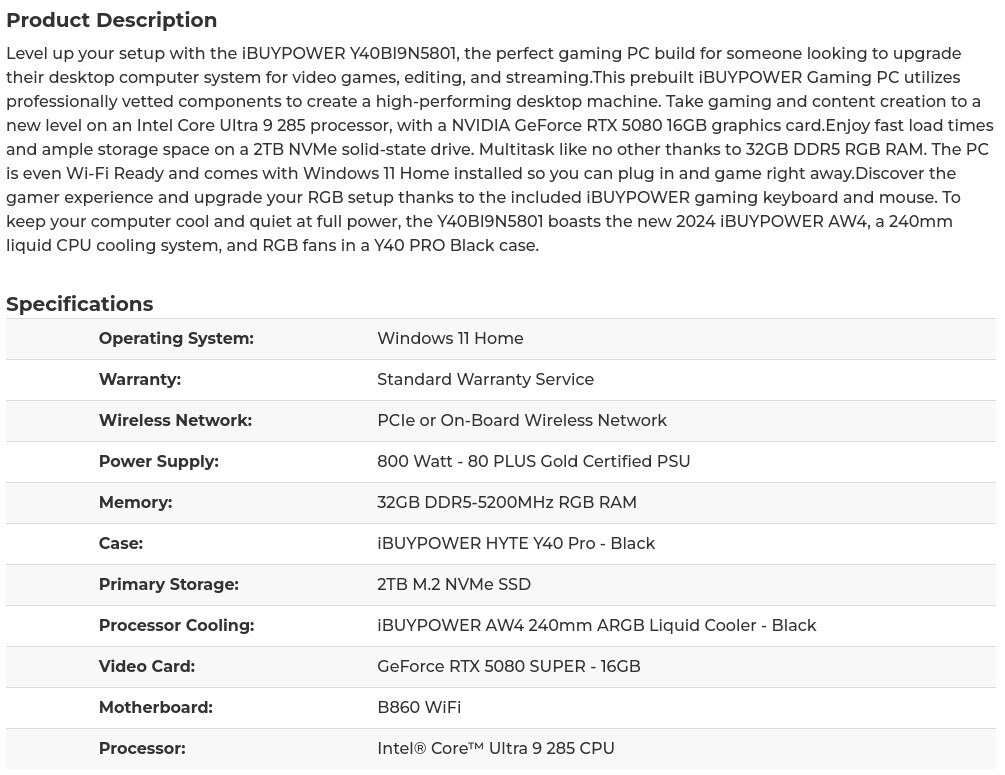
By now, it's a surprise to almost nobody that NVIDIA plans to launch its next-generation RTX 5000-series "Blackwell" gaming graphics cards at the upcoming CES 2025 event in Las Vegas in early January. Previously, leaks and rumors gave us a full run-down of expected VRAM amounts and other specifications and features for the new GPUs, but these have yet to be confirmed by NVIDIA—for obvious reasons. Now, though, it looks as though iBuyPower has jumped the gun and prematurely revealed the new specifications for its updated line-up of pre-built gaming PCs with RTX 5000-series GPUs ahead of NVIDIA's official announcement. The offending product pages have since been removed, but they both give us confirmation of the previously leaked VRAM amounts and of the expected release cadence for RTX 5000, which will reportedly see the RTX 5070 Ti and RTX 5080 launch before the RTX 5090 flagship.

On iBuyPower's now-pulled pages, the NVIDIA GeForce RTX 5080 16 GB and GeForce RTX 5070 Ti 16 GB can be seen as the GPUs powering two different upcoming Y40 pre-built gaming PCs from the system integrator. The VRAM specifications here coincide with what we have previously seen from other leaked sources. Unfortunately, while an archived version of the page for the pre-built containing the RTX 5080 appears to show the design for an ASUS TUF Gaming RTX 5080 with a triple-fan cooler, it looks like iBuyPower is using the same renders for both the 5080 and 5070Ti versions of the pre-built PCs. What's also interesting is that iBuyPower looks to be pairing the next-gen GPUs with 7000-series AMD X3D CPUs, as opposed to the newly released AMD Ryzen 9000 X3D chips that have started making their way out into the market.
Return to Keyword Browsing
Nov 27th, 2026 19:09 CST change timezone

New Forum Posts

Popular Reviews

TPU on YouTube

Controversial News Posts