News Posts matching #NVIDIA

Return to Keyword Browsing

SK hynix Ships HBM4 Samples to NVIDIA in June, Mass Production Slated for Q3 2025

SK hynix has sped up its HBM4 development plans, according to a report from ZDNet. The company wants to start shipping HBM4 samples to NVIDIA this June, which is earlier than the original timeline. SK hynix hopes to start supplying products by the end of Q3 2025, this push likely aims to get a head start in the next-gen HBM market. To meet this sped-up schedule, SK hynix has set up a special HBM4 development team to supply NVIDIA. Industry sources indicated on January 15th that SK Hynix plans to deliver its first customer samples of HBM4 in early June this year. The company hit a big milestone when it wrapped up the HBM4 tapeout in Q4 2024, the last design step.

HBM4 marks the sixth iteration of high-bandwidth memory tech using stacked DRAM architecture. It comes after HBM3E, the current fifth-gen version, with large-scale production likely to kick off in late 2025 at the earliest. HBM4 boasts a big leap forward doubling data transfer ability with 2,048 I/O channels up from its forerunner. NVIDIA planned to use 12-layer stacked HBM4 in its 2026 "Rubin" line of powerful GPUs. However, NVIDIA has moved up its timeline for "Rubin" aiming to launch in late 2025.

Axiomtek Reveals Edge AI Systems With NVIDIA Jetson Orin Nano and Orin NX Super Mode

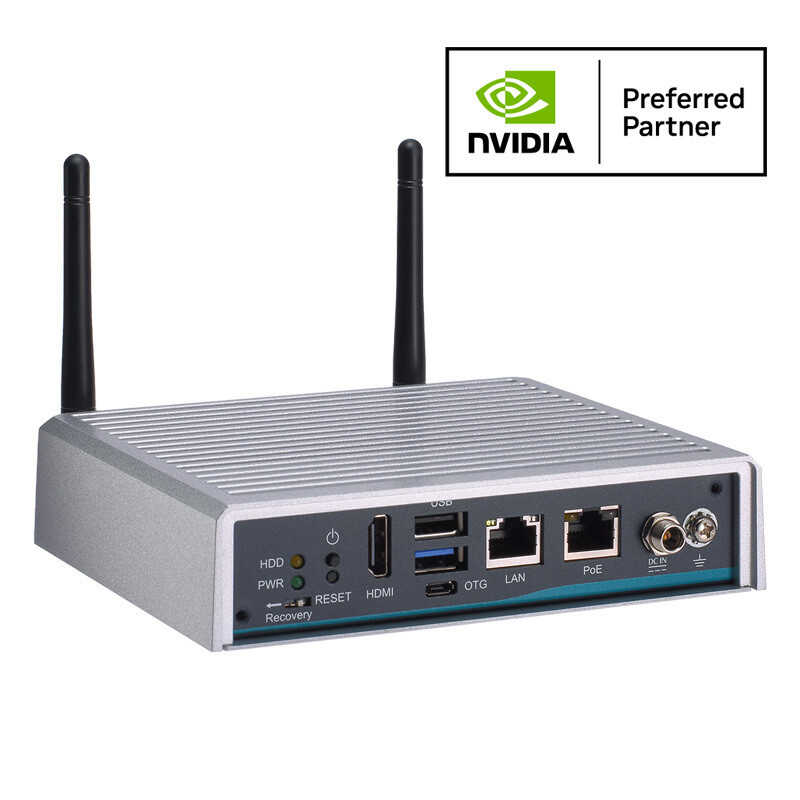
Axiomtek - a world-renowned leader relentlessly devoted to the research, development, and manufacture of innovative, highly efficient, and reliable industrial computer products - is thrilled to unveil an electrifying upgrade that its AIE100, AIE110, and AIE900 series edge AI systems are going to gear up to support NVIDIA's game-changing Super Mode for NVIDIA Jetson Orin Nano and Orin NX series modules, launching this year with the NVIDIA JetPack 6.2 software development kit release.

This enhancement catapults performance to new heights, supercharging groundbreaking applications like local AI chatbots, real-time computer vision, and advanced robotics. Axiomtek's commitment to pioneering edge AI solutions just got even stronger, marking another milestone in its strategic collaboration with NVIDIA, as a Preferred member of the NVIDIA Partner Network with an Embedded Compute competency.

ASUS Unveils IoT Edge AI Computers Powered by NVIDIA Jetson Orin

ASUS IoT, a global leader in AIoT solutions, today announced that ASUS IoT edge AI computers powered by the NVIDIA Jetson Orin platform have been upgraded to enable the new Super mode. This upgrade increases AI TOPS by up to 1.7X, memory bandwidth by up to 1.5X, and Gen AI model performance by up to 2X.

Up to 1.7X AI TOPS and extensive compatibility with Super mode
Since it enhances AI TOPS by up to 1.7X, Super mode enables a wide range of Gen AI models, including large language models (LLMs), visual language models (VLMs), and vision transformers (ViTs). Jetson Orin modules support popular machine learning frameworks such as Hugging Face Transformers, Ollama, llama.cpp, vLLM, MLC, NVIDIA TensorRT-LLM, and more. This makes them excellent options for edge applications, robotics, and multimodal systems.

JPR: 251 Million GPUs Shipped Globally in 2024, More Units than CPUs

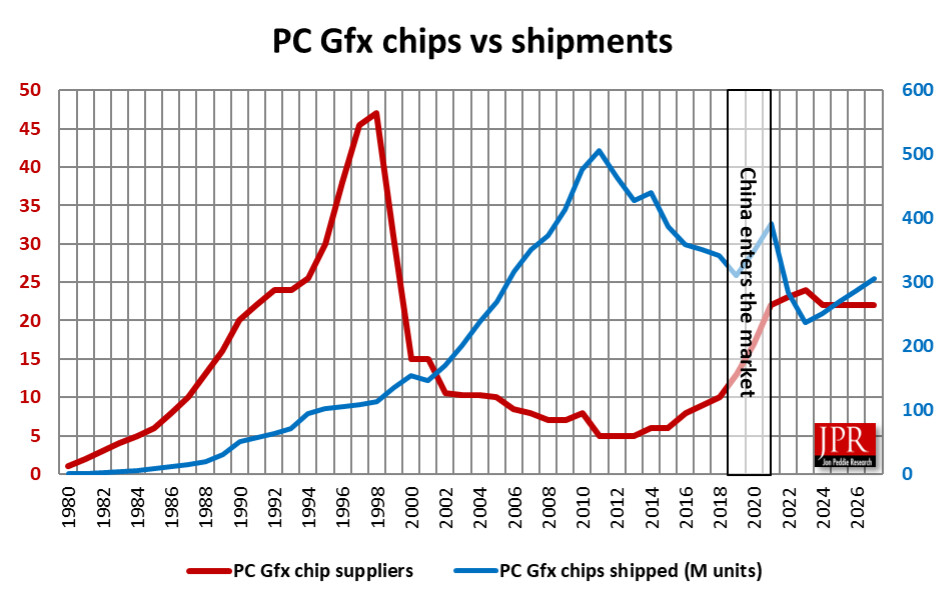
Jon Peddie Research (JPR) reports that shipments of integrated and standalone GPUs exceeded 251 million units in 2024, marking a 6% year-over-year rise. This growth continues to outpace the shipment figures for client CPUs, given that most desktop and laptop processors include built-in graphics, and that leading suppliers such as AMD and NVIDIA also provide tens of millions of discrete GPUs annually. Thanks to some earlier per-quarter data, we find that in the desktop segment, JPR shows that manufacturers shipped about 18.2 million discrete graphics cards in the first half of 2024—a 46% increase compared to the same period in 2023. However, shipments slowed in the third quarter, falling to 8.1 million units, down from 8.9 million units in Q3 2023.

Analysts partly attribute this dip to inventory adjustments at AMD, along with the end of product cycles for Ada Lovelace and RDNA 3 GPUs. Typically, the fourth quarter sees a boost in discrete GPU purchases as gamers gear up for new software releases. Yet it is not entirely clear whether that trend held through late 2024. Early indications suggest that total graphics card shipments for the year lightly exceed the totals from 2023, thanks primarily to strong demand in the first half. We still need data from Q4 of 2024 to see the trend in its final months of the year, despite knowing that the year-over-year growth is 6%. Nonetheless, current levels appear unlikely to approach the elevated peaks observed in 2021 or 2022.

ZOTAC Publishes GeForce RTX 5090 Tech Specs on Product Pages

ZOTAC's website has been updated with technical specifications for its GeForce RTX 5090 GPU-based custom models—the Hong Kong-based hardware company is perhaps the first NVIDIA board partner to publicly disclose these details. According to VideoCardz, this discovery was made by a loyal reader—product pages for SOLID, SOLID OC and AMP Extreme INFINITY seemed to have appeared online within the past couple of days. A resultant report suggests that Team Green has only recently communicated (potentially) finalized specs with its AIBs.

The aforementioned discoverer of ZOTAC's GeForce RTX 5090 spec sheets noticed an unusual memory clock figure on the SOLID OC model's listing—30 Gbps instead of 28 Gbps. This was an error—ZOTAC has since amended that particular data point (see VideoCardz's screenshots below)—their presumably more expensive AMP Extreme INFINITY card's memory clock spec is set at 28 Gbps. Interestingly, ZOTAC's upcoming flagship is the first example of an NVIDIA GPU configured with a power consumption rating of 600 W. It is not immediately apparent whether this TDP figure is an out-of-the-box default—VideoCardz reckons that the GeForce RTX 5090 AMP Extreme INFINITY will arrive with dual-BIOS functionality. A high-performance mode could be user selected. Will rival flagship GeForce RTX 5090 custom cards roll out with similar TDPs? TechPowerUp anticipates the emergence of pre-launch technical details—from other brands/manufacturers—over the next two weeks.

NVIDIA Schedules "Quantum Day" Event - March 20 at GTC 2025

Quantum computing is one of the most exciting areas in computer science, promising progress in accelerated computing beyond what's considered possible today. It's expected that the technology will tackle myriad problems that were once deemed impractical or even impossible to solve. Quantum computing promises huge leaps forward for fields spanning drug discovery and materials development to financial forecasting.

But just as exciting as quantum computing's future are the breakthroughs already being made today in quantum hardware, error correction and algorithms. NVIDIA is celebrating and exploring this remarkable progress in quantum computing by announcing its first Quantum Day at GTC 2025 on Thursday, March 20. This new focus area brings together leading experts for a comprehensive and balanced perspective on what businesses should expect from quantum computing in the coming decades—mapping the path toward useful quantum applications.

Supermicro Empowers AI-driven Capabilities for Enterprise, Retail, and Edge Server Solutions

Supermicro, Inc. (SMCI), a Total IT Solution Provider for AI/ML, HPC, Cloud, Storage, and 5G/Edge, is showcasing the latest solutions for the retail industry in collaboration with NVIDIA at the National Retail Federation (NRF) annual show. As generative AI (GenAI) grows in capability and becomes more easily accessible, retailers are leveraging NVIDIA NIM microservices, part of the NVIDIA AI Enterprise software platform, for a broad spectrum of applications.

"Supermicro's innovative server, storage, and edge computing solutions improve retail operations, store security, and operational efficiency," said Charles Liang, president and CEO of Supermicro. "At NRF, Supermicro is excited to introduce retailers to AI's transformative potential and to revolutionize the customer's experience. Our systems here will help resolve day-to-day concerns and elevate the overall buying experience."

NVIDIA Revises "Blackwell" Architecture Production Roadmap for More Complex Packaging

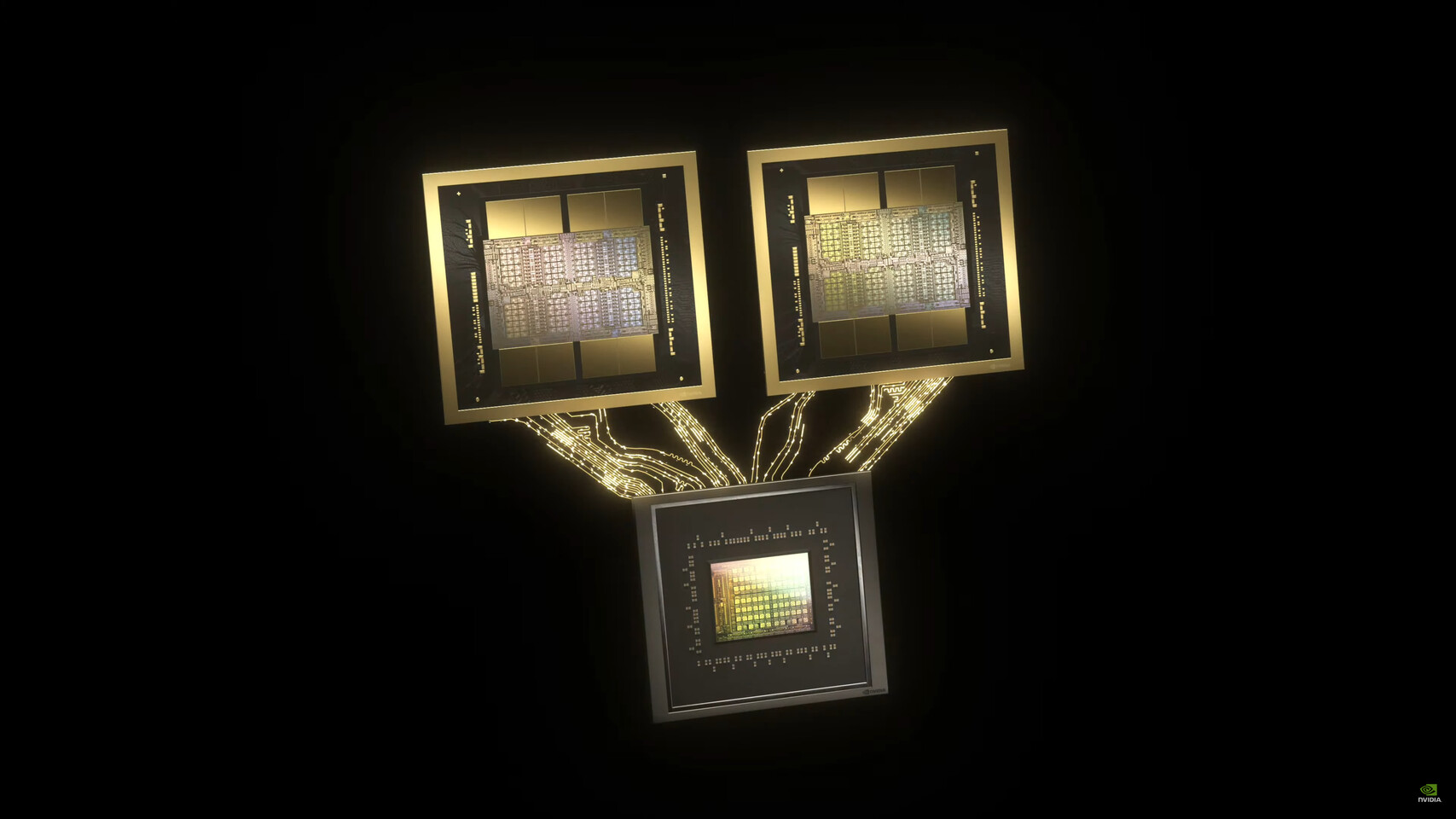
According to a well-known industry analyst, Ming-Chi Kuo, NVIDIA has restructured its "Blackwell" architecture roadmap, emphasizing dual-die designs using CoWoS-L packaging technology. The new roadmap eliminates several single-die products that would have used CoWoS-S packaging, changing NVIDIA's manufacturing strategy. The 200 Series will exclusively use dual-die designs with CoWoS-L packaging, featuring the GB200 NVL72 and HGX B200 systems. Notably absent is the previously expected B200A single-die variant. The 300 Series will include both dual-die and single-die options, though NVIDIA and cloud providers are prioritizing the GB200 NVL72 dual-die system. Starting Q1 2025, NVIDIA will reduce H series production, which uses CoWoS-S packaging, while ramping up 200 Series production. This transition indicates significantly decreased demand for CoWoS-S capacity through 2025.

While B300 systems using single-die CoWoS-S are planned for 2026 mass production, the current focus remains on dual-die CoWoS-L products. From TSMC's perspective, the transition between Blackwell generations requires minimal process adjustments, as both use similar front-end-of-line processes with only back-end-of-line modifications needed. Supply chain partners heavily dependent on CoWoS-S production face significant impact, reflected in recent stock price corrections. However, NVIDIA maintains this change reflects product strategy evolution rather than market demand weakness. TSMC continues expanding CoWoS-R capacity while slowing CoWoS-S expansion, viewing AI and high-performance computing as sustained growth drivers despite these packaging technology transitions.

ADLINK Launches the DLAP Supreme Series

ADLINK Technology Inc., a global leader in edge computing, unveiled its new "DLAP Supreme Series", an edge generative AI platform. By integrating Phison's innovative aiDAPTIV+ AI solution, this series overcomes memory limitations in edge generative AI applications, significantly enhancing AI computing capabilities on edge devices. Without increasing high hardware costs, the DLAP Supreme series achieves notable AI performance improvements, helping enterprises reduce the cost barriers of AI deployment and accelerating the adoption of generative AI across various industries, especially in edge computing.

Lower AI Computing Costs and Significantly Improved Performance
As generative AI continues to penetrate various industries, many edge devices encounter performance bottlenecks due to insufficient DRAM capacity when executing large language models, affecting model operations and even causing issues such as inadequate token length. The DLAP Supreme series, leveraging aiDAPTIV+ technology, effectively overcomes these limitations and significantly enhances computing performance. Additionally, it supports edge devices in conducting generative language model training, enabling them with AI model training capabilities and improving their autonomous learning and adaptability.

NVIDIA DLSS Comes to Assetto Corsa EVO, DYNASTY WARRIORS: ORIGINS, SMITE 2 and Honkai: Star Rail

More than 700 games and applications feature RTX technologies, and each week new games integrating NVIDIA DLSS, NVIDIA Reflex, and advanced ray-traced effects are released or announced, delivering the definitive PC experience for GeForce RTX players. On January 30th, DLSS gets even better with the launch of DLSS 4. Featuring improvements to all existing DLSS technologies, and our new DLSS Multi Frame Generation performance multiplier, DLSS 4 delivers supreme speed and superior visuals, powered by AI. Ahead of DLSS 4's release, there are another 5 DLSS games available to play this week: Assetto Corsa EVO, DYNASTY WARRIORS: ORIGINS, Honkai: Star Rail, SMITE 2, and Tankhead.

NVIDIA DLSS 4 With Multi Frame Generation Available January 30th
NVIDIA DLSS is a suite of neural rendering technologies powered by GeForce RTX Tensor Cores that boosts frame rates while delivering crisp, high-quality images that rival native resolution rendering. On January 30th, we're upgrading DLSS once again with the release of DLSS 4, featuring DLSS Multi Frame Generation for GeForce RTX 50 Series graphics cards and laptops, and upgrades to all other DLSS technologies.

Yeston Reveals GeForce RTX 50 Series Sakura & Game Ace Custom Models

Yeston's social media accounts have revealed upcoming NVIDIA "Blackwell" GPU-based Sakura Atlantis, Sakura and Game Ace models—a single teaser image shows off three different cards that will eventually contain GeForce RTX 50 series graphics hardware. Yeston has deployed common aesthetic traits across the three ranges—notably white PCBs and I/O brackets. Yeston previously revealed their new Sakura Atlantis shroud design with its recent announcement of an AMD Radeon RX 9070 XT model. Today's product unveiling does not include any information about specific Team Green GPU SKUs, but it would be safe to assume that the upper-echelon models will sport Sakura Atlantis livery.

The older Yeston Sakura and Game Ace designs have been rolled out across a number of current-gen "Ada Lovelace" GeForce RTX 40 series GPUs. A quick analysis of Yeston graphics card product hierarchies shows lower-end GPUs (GeForce RTX 4060 Ti and 4060) sporting the Game Ace shroud. The Sakura design is available across a selection of mid-tier GeForce RTX 4070 Ti and 4070 models. VideoCardz proposes that the Sakura Atlantis cooling solution could be robust enough—based on the Radeon RX 9070 XT's rumored 300 W TBP—to take on GeForce RTX 5080 (360 W) and 5070 Ti (300 W) GPUs. TechPowerUp expects Yeston to make further announcements closer to NVIDIA Blackwell's market debut at the end of this month.

YouTuber Stumbles Upon NVIDIA GeForce RTX 4090 "TITAN" Part at CES 2025

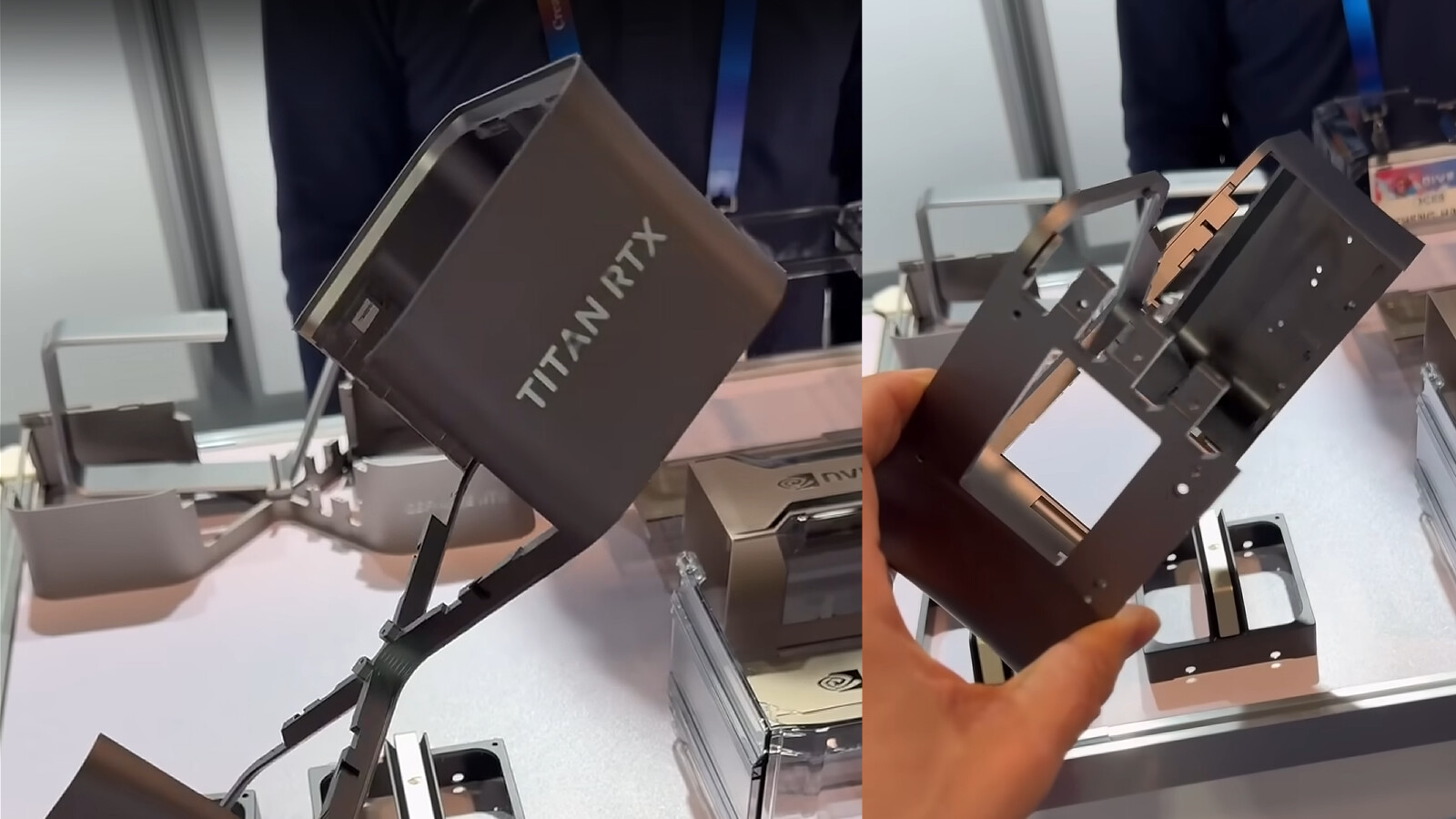
NVIDIA is focused on forward momentum—Jensen & Co. pounded the showroom floor at last week's CES trade with their next-gen "Blackwell" GPUs in hand. Team Green's GeForce RTX 50-series was one of the headline acts, but the preceding RTX 40 "Ada Lovelace" family made occasional appearances. Hardware enthusiasts were not expecting the re-emergence of an older unreleased model at CES 2025, but a YouTuber discovered the supposed RTX 4090 "TITAN" prototype's cooling solution frame. TechPowerUp's reported on this rare beast last month, and Gamers Nexus obtained an example for analysis (view their video feature below).

Industry experts believe that an unnamed contract manufacturer was tasked with producing the TITAN's quad-slot cooling solution—informed sources say that it was designed to temper the full-force of Team Green's unlocked AD102 GPU. This contract company reportedly displayed various NVIDIA-related component parts in Las Vegas last week. RTX 40-era Founders Edition font was evident on the TITAN's frame—a VideoCardz news piece highlights the component's silver/magnesium color scheme. This presents further proof of inclusion within that Founders Edition generation.

NVIDIA's GB200 "Blackwell" Racks Face Overheating Issues

NVIDIA's new GB200 "Blackwell" racks are running into trouble (again). Big cloud companies like Microsoft, Amazon, Google, and Meta Platforms are cutting back their orders because of heat problems, Reuters reports, quoting The Information. The first shipments of racks with Blackwell chips are getting too hot and have connection issues between chips, the report says. These tech hiccups have made some customers who ordered $10 billion or more worth of racks think twice about buying.

Some are putting off their orders until NVIDIA has better versions of the racks. Others are looking at buying older NVIDIA AI chips instead. For example, Microsoft planned to set up GB200 racks with no less than 50,000 Blackwell chips at one of its Phoenix sites. However, The Information reports that OpenAI has asked Microsoft to provide NVIDIA's older "Hopper" chips instead pointing to delays linked to the Blackwell racks. NVIDIA's problems with its Blackwell GPUs housed in high-density racks are not something new; in November 2024, Reuters, also referencing The Information, uncovered overheating issues in servers that housed 72 processors. NVIDIA has made several changes to its server rack designs to tackle these problems, however, it seems that the problem was not entirely solved.

NVIDIA AI Expected to Transform $10 Trillion Healthcare & Life Sciences Industry

At yesterday's J.P. Morgan Healthcare Conference NVIDIA announced new partnerships to transform the $10 trillion healthcare and life sciences industry by accelerating drug discovery, enhancing genomic research and pioneering advanced healthcare services with agentic and generative AI. The convergence of AI, accelerated computing and biological data is turning healthcare into the largest technology industry. Healthcare leaders IQVIA, Illumina and Mayo Clinic, as well as Arc Institute, are using the latest NVIDIA technologies to develop solutions that will help advance human health.

These solutions include AI agents that can speed clinical trials by reducing administrative burden, AI models that learn from biology instruments to advance drug discovery and digital pathology, and physical AI robots for surgery, patient monitoring and operations. AI agents, AI instruments and AI robots will help address the $3 trillion of operations dedicated to supporting industry growth and create an AI factory opportunity in the hundreds of billions of dollars.

NVIDIA & IQVIA Build Specialized Agentic AI for Life Science & Healthcare Applications

IQVIA, the world's leading provider of clinical research services, commercial insights and healthcare intelligence, is working with NVIDIA to build custom foundation models and agentic AI workflows that can accelerate research, clinical development and access to new treatments. AI applications trained on the organization's vast healthcare-specific information and guided by its deep domain expertise will help the industry boost the efficiency of clinical trials and optimize planning for the launch of therapies and medical devices—ultimately improving patient outcomes.

Operating in over 100 countries, IQVIA has built the largest global healthcare network and is uniquely connected to the ecosystem with the most comprehensive and granular set of information, analytics and technologies in the industry. Announced today at the J.P. Morgan Conference in San Francisco, IQVIA's collection of models, AI agents and reference workflows will be developed with the NVIDIA AI Foundry platform for building custom models, allowing IQVIA's thousands of pharmaceutical, biotech and medical device customers to benefit from NVIDIA's agentic AI capabilities and IQVIA's technologies, life sciences information and expertise.

NVIDIA Scolds Outgoing US Administration Over AI Diffusion Ruling

For decades, leadership in computing and software ecosystems has been a cornerstone of American strength and influence worldwide. The federal government has wisely refrained from dictating the design, marketing and sale of mainstream computers and software—key drivers of innovation and economic growth. The first Trump Administration laid the foundation for America's current strength and success in AI, fostering an environment where U.S. industry could compete and win on merit without compromising national security. As a result, mainstream AI has become an integral part of every new application, driving economic growth, promoting U.S. interests and ensuring American leadership in cutting-edge technology.

Today, companies, startups and universities around the world are tapping mainstream AI to advance healthcare, agriculture, manufacturing, education and countless other fields, driving economic growth and unlocking the potential of nations. Built on American technology, the adoption of AI around the world fuels growth and opportunity for industries at home and abroad. That global progress is now in jeopardy. The Biden Administration now seeks to restrict access to mainstream computing applications with its unprecedented and misguided "AI Diffusion" rule, which threatens to derail innovation and economic growth worldwide.

ASUS Announces New ROG NUC 2025 With RTX 5080 Laptop GPU at CES 2025

Although it wasn't present at the CES 2025 when we were around, ASUS has officially announced the new ASUS ROG NUC, pairing it up with Core Ultra 200HX CPUs and the NVIDIA GeForce RTX 5080 Laptop GPU. According to ASUS, the new ROG NUC will also get an upgraded cooling system, a better "easy-to-upgrade" toolless chassis system, and a slightly different design, all packed in a 282.4x187.7x56.5 mm (bottom: 146 mm) 3L chassis.

As far as the CPU goes, the ROG NUC will get a Core Ultra 9 Series 2 ARL-HX CPU, although it is possible that we will see an SKU with Core Ultra 7 200HX CPU as well. The GPU is NVIDIA's GeForce RTX 5080 Laptop GPU with 16 GB of GDDR7 memory, and it supports up to 96 GB of DDR5-6400 memory in two SO-DIMM slots. It supports up to 2 TB of SSD storage in M.2 slot, and comes with one Thunderbolt 4 Type-C port, a couple of USB 3.2 10 Gbps Type-A and one USB 3.2 Gen 2x2 Type-C port, two DisplayPort 2.1 and two HDMI 2.1 outputs.

AMD Radeon RX 9070 XT Tested in Cyberpunk 2077 and Black Myth: Wukong

The recently unveiled AMD Radeon RX 9070 XT has been the epicenter of a plethora of leaks in the past few weeks. We now have not only a rough idea of what kind of synthetic performance the highest-end RDNA 4 GPU is about to bring to the table, but also how much the card is expected to cost. Now, yet another leak seemingly sheds light on perhaps the most crucial aspect of any gaming GPU - it's in the name, gaming.

Hilariously enough, this leak, once again, has been sourced from a now-nerfed forum post on Chiphell. This time around, site admin nApoleon was able to run a few games on the brand-new RDNA 4 card, including Black Myth: Wukong and Cyberpunk 2077. The results have been added as screenshots below, but here is a summary - the RX 9070 XT performs decently well, trading blows with the RTX 4070 Ti Super. In NVIDIA's favorite Cyberpunk 2077 at 4K with ray tracing, the RX 9070 XT managed 26 FPS, neck and neck with the RTX 4070 Ti, whereas the RTX 4080 Super was well ahead with 32 FPS.

Microsoft Lays DirectX API-level Groundwork for Neural Rendering

Microsoft announced updates to the DirectX API that would pave the way for neural rendering. Neural rendering is a concept where portions of a frame in real-time 3D graphics are drawn using a generative AI model that works in tandem with classic raster 3D graphics pipeline, along with other advancements, such as real-time ray tracing. This is different from AI-based super resolution technologies. The generative AI here is involved in rendering the input frames for a super resolution technology. One of the nuts and bolts of neural rendering is cooperative vectors, enable an information pathway between the conventional graphics pipeline and the generative AI, telling it what it's doing, what needs to be done by the AI model, and what the ground truth for the model is.

Microsoft says that its HLSL team is working with AMD, Intel, NVIDIA, and Qualcomm to bring cross-vendor support for cooperative vectors in the DirectX ecosystem. The very first dividends of this effort will be seen in the upcoming NVIDIA GeForce RTX 50-series "Blackwell" GPUs, which will use cooperative vectors to drive neural shading. "Neural shaders can be used to visualize game assets with AI, better organize geometry for improved path tracing performance and tools to create game characters with photo-realistic visuals," Microsoft says.

LG Updates Gram Laptop Lineup at CES 2025 with AI Capabilities

LG Electronics has announced its 2025 Gram laptop lineup at CES 2025, featuring Intel's latest processors and a new AI system that combines on-device EXAONE language processing with cloud-based GPT-4o capabilities. The flagship Gram Pro (17Z90TR) features a 17-inch WQXGA LCD display with 2,560 x 1,600 resolution and a 31-144 Hz variable refresh rate. Powered by Intel Core Ultra 9 or Ultra 7 processors and an NVIDIA RTX 4050 with 6 GB GDDR6 memory, it supports up to 32 GB of LPDDR5X RAM at 8,533 MHz. The device includes dual SSD slots supporting up to 2 TB Gen 4 NVMe storage and a 90Wh battery, all within a 3.26-pound chassis.

The Gram Pro 2-in-1 (16T90TP) employs a 16-inch WQXGA+ OLED panel with 2,880 x 1,800 resolution and a 48-120 Hz refresh rate. Running on Intel Core Ultra 7 or Ultra 5 processors with Intel Arc graphics, it features up to 32 GB of LPDDR5X memory at 8,400 MHz. The convertible weighs 3.08 pounds and includes a 77Wh battery and a mega dual cooling system. At 2.73 pounds, the Gram Pro 16Z90TS combines Intel Core Ultra 7 processors with Intel Arc graphics, featuring a 16-inch WQXGA LCD display and 77Wh battery. All Pro models include dual USB4 Gen3x2 Type-C ports with Thunderbolt 4 support and HDMI 2.1 outputs capable of 4K@60 Hz.

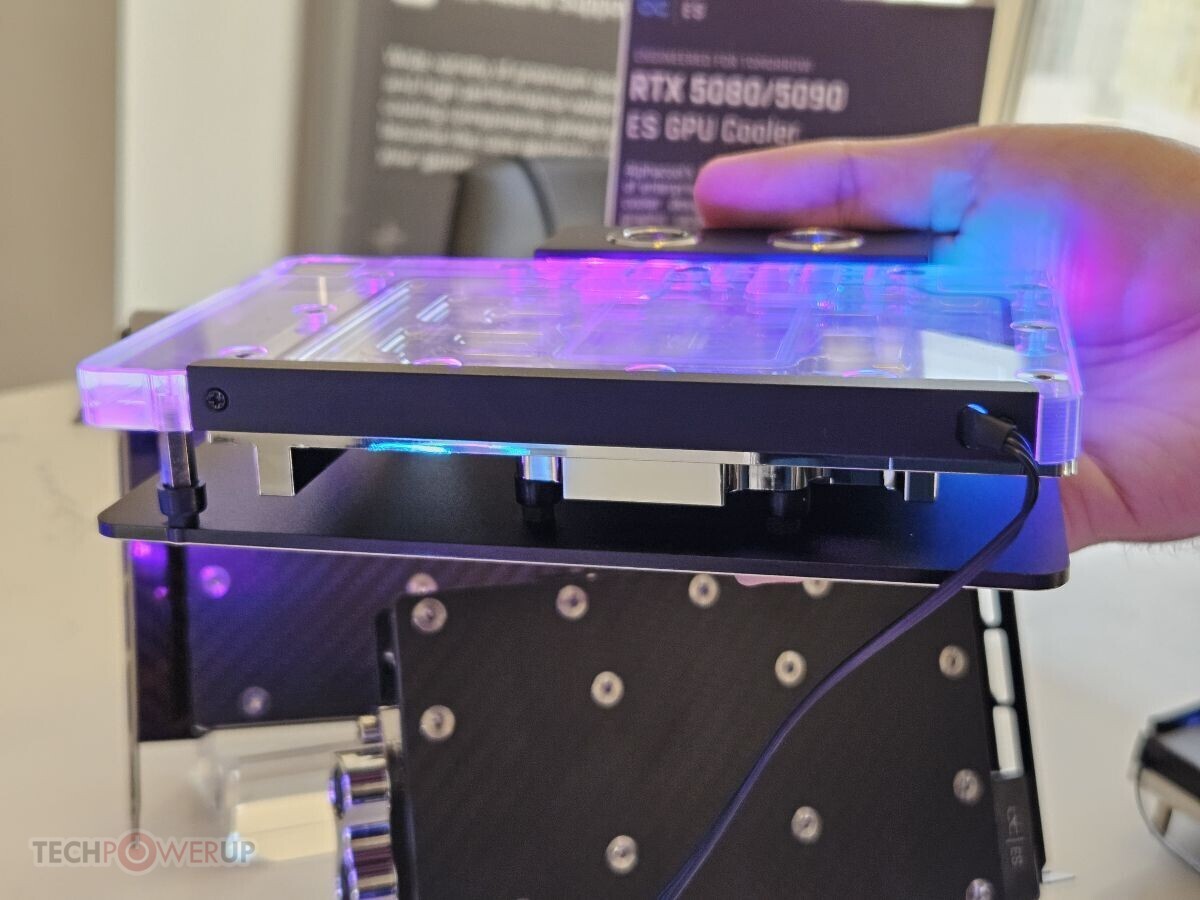
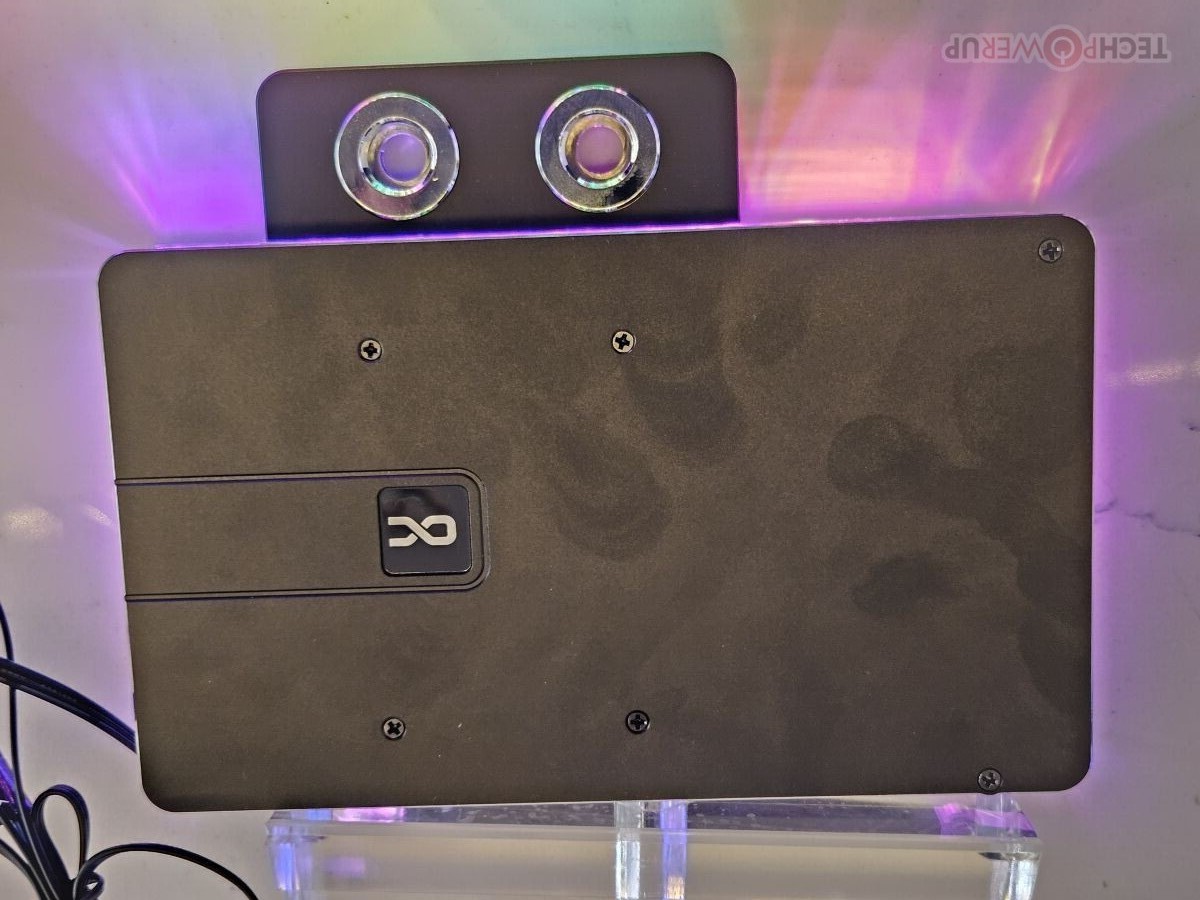
Alphacool Showcases Eiswolf AIO Watercoolers for NVIDIA GeForce RTX 5090 and RTX 5080

During our CES 2025 Alphacool booth visit, Alphacool has showcased its newest update in the Eiswolf AIO watercooling lineup, tailored specifically for NVIDIA's GeForce RTX 50 series "Blackwell" GPUs. The updated design features a GPU waterblock with an integrated pump and a radiator connected via quick-disconnect links, simplifying installation and maintenance. Alphacool continues its use of TPV hoses from the Enterprise Solution series, known for their durability and heat resistance, thanks to their EPDM/PP construction. These hoses, commonly used in servers and workstations, are free of plasticizers and paired with connectors from the same series to ensure robust performance. The GPU waterblock also includes an LED matrix display, demonstrated at the booth showing "RTX 5090," which reflects the GPU it cools. Designed with aesthetics in mind, the block incorporates an acrylic body with a top coat, illuminated by RGB lighting to suit various setups.

Alphacool Showcases GPU Waterblocks for NVIDIA GeForce RTX 5090/5080 and AMD X870 Motherboard Monoblocks

Alphacool has unveiled new waterblocks for NVIDIA's GeForce RTX 5090 and 5080 graphics cards at CES 2025. The company has redesigned its Core GPU waterblock series with updated component spacing and flow characteristics, developed through fluid dynamics simulations and practical testing. A change from previous water blocks for RTX 40 series includes the switch to chrome-plated copper cooling surfaces instead of nickel plating, which offers improved durability and surface finish. The waterblocks retain brass fittings and feature a Core emblem above the jetplate. The waterblocks will support cards from major manufacturers including ASUS, MSI, Palit, Gainward, and Inno3D. Specifically, compatibility extends to ASUS ROG Strix and TUF Gaming models, as well as MSI Suprim and Gaming variants. Both RTX 5090 and 5080 Core waterblocks are priced at €199.98.

NVIDIA Brings PC RTX Gaming Everywhere With GeForce NOW at CES

This GFN Thursday recaps the latest cloud announcements from the CES trade show, including GeForce RTX gaming expansion across popular devices such as Steam Deck, Apple Vision Pro spatial computers, Meta Quest 3 and 3S, and Pico mixed-reality devices. Gamers in India will also be able to access their PC gaming library at GeForce RTX 4080 quality with an Ultimate membership for the first time in the region. This follows expansion in Chile and Columbia with GeForce NOW Alliance partner Digevo. More AAA gaming is on the way, with highly anticipated titles DOOM: The Dark Ages and Avowed joining GeForce NOW's extensive library of over 2,100 supported titles when they launch on PC later this year. Plus, no GFN Thursday is complete without new games. Get ready for six new titles joining the cloud this week.

Head in the Clouds
CES 2025 is coming to a close, but GeForce NOW members still have lots to look forward to. Members will be able to play over 2,100 titles from the GeForce NOW cloud library at GeForce RTX quality on Valve's popular Steam Deck device with the launch of a native GeForce NOW app, coming later this year. Steam Deck gamers can gain access to all the same benefits as GeForce RTX 4080 GPU owners with a GeForce NOW Ultimate membership, including NVIDIA DLSS 3 technology for the highest frame rates and NVIDIA Reflex for ultra-low latency.

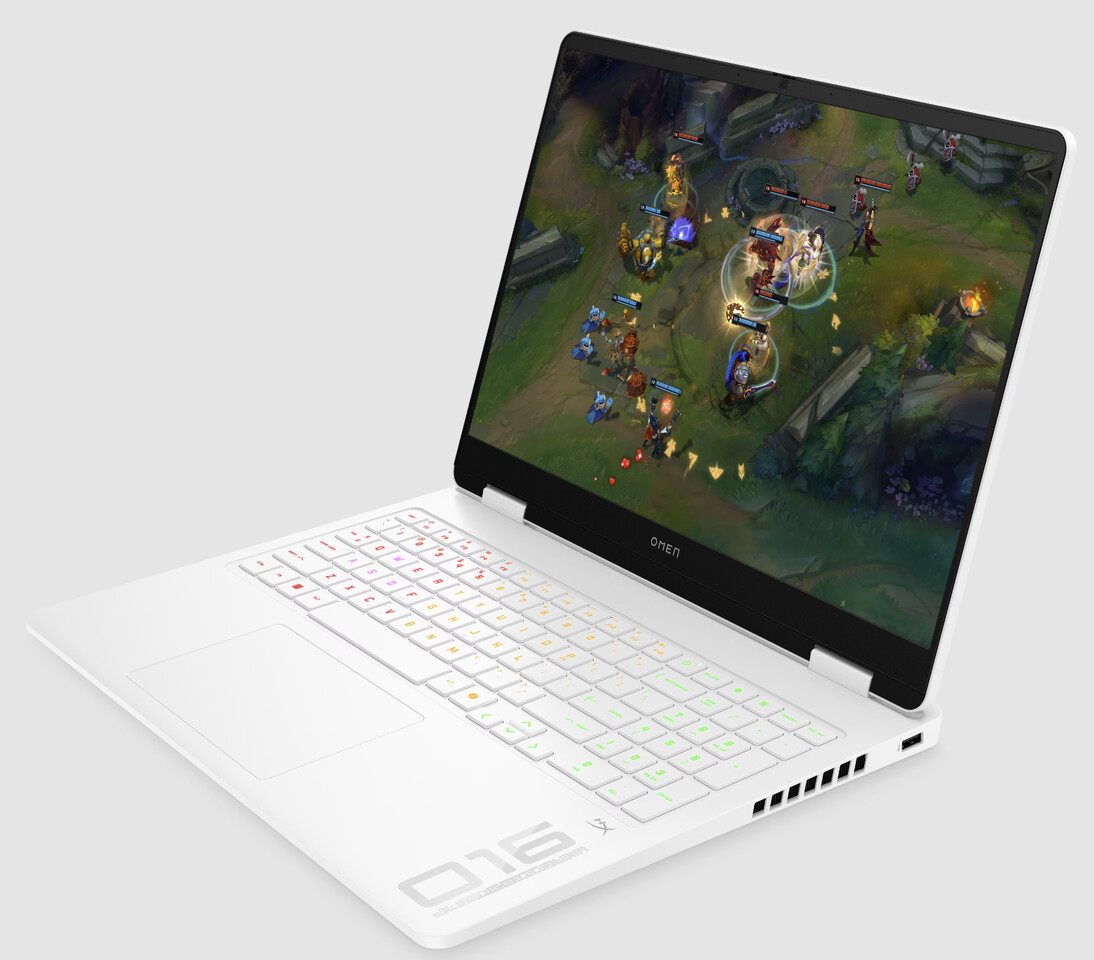
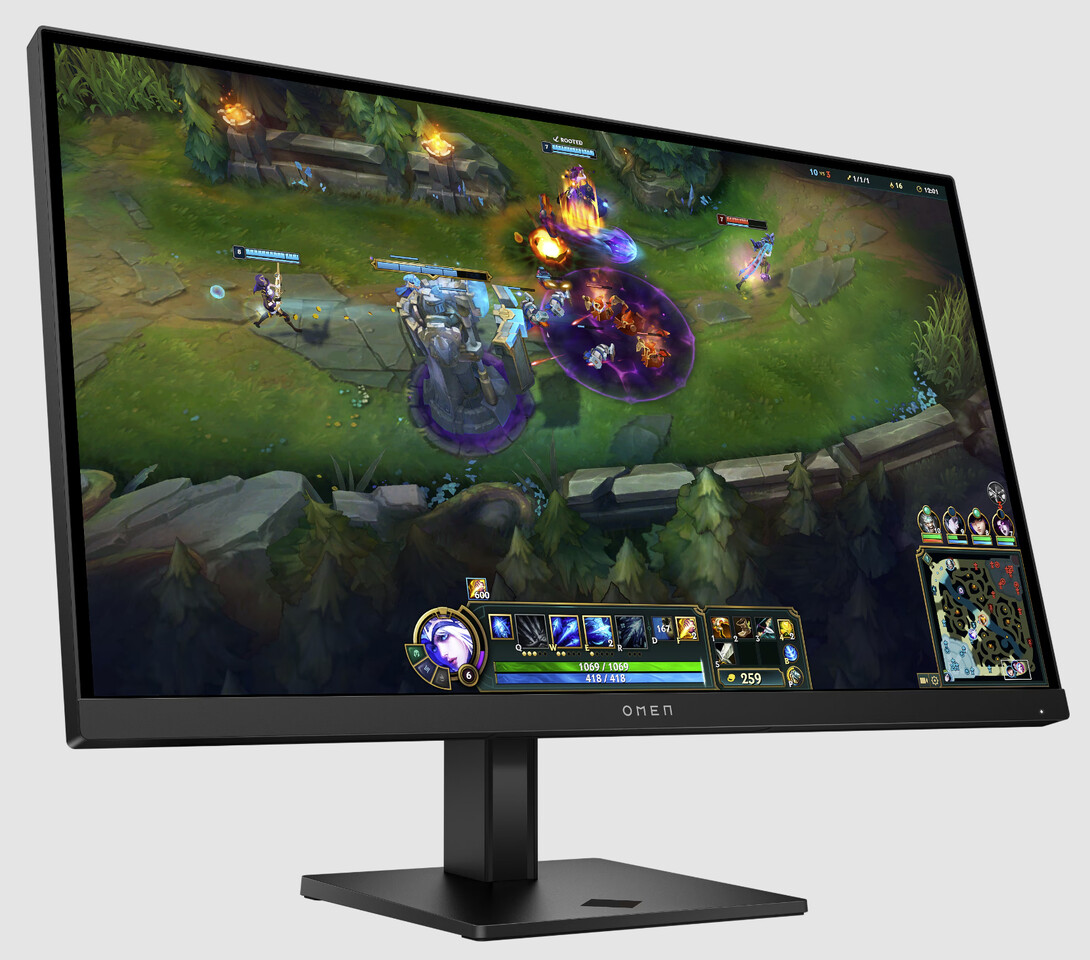
HP Shaping the Future of Play at CES 2025

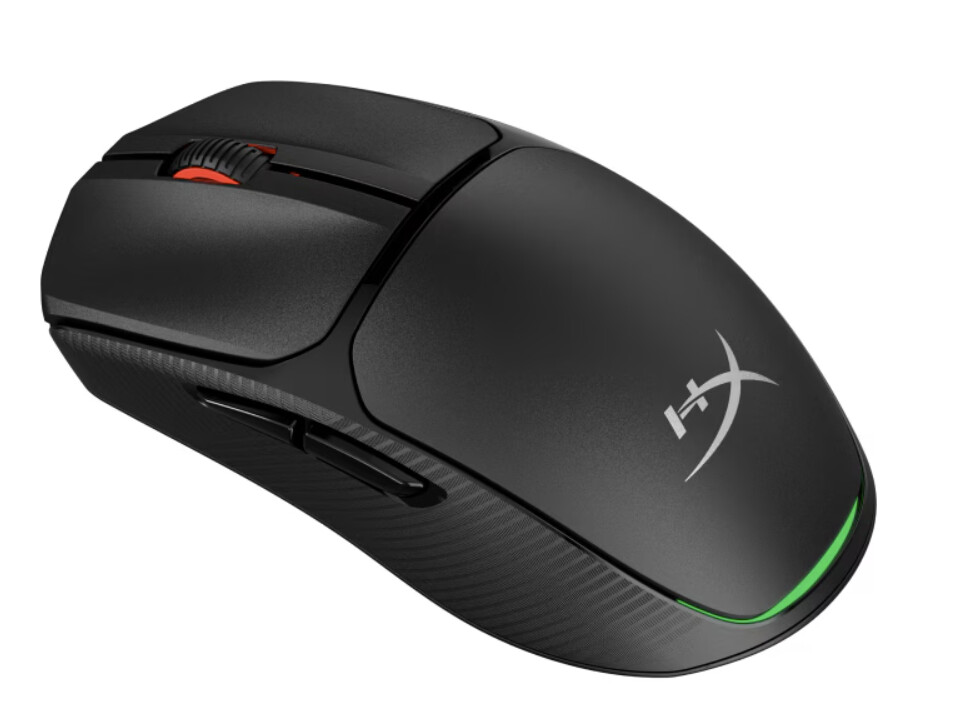
Today's gamers are not just players; we are the innovators and leaders of tomorrow's workforce. As someone who recognizes the incredible potential within our gaming community, I'm committed to supporting your journey both in and out of the game. In our latest announcements focusing on the future of play and work, we've shared exciting updates across various fronts, including some major innovations in gaming. I'm thrilled to introduce even more gear designed to enhance your gaming experience. From the powerful OMEN 16 Laptop and the compact OMEN 16L Desktop to our stunning new OMEN displays and precise HyperX mice, I can't wait to dive into the details and show you how these products will elevate your play and keep you ahead of the curve. We're not just creating innovations; we're shaping the future of play.

Power and Performance for All: The OMEN 16 Laptop and OMEN 16L Desktop
At HP, your feedback is our guiding star. You told us you want smooth, immersive gameplay on machines that stay cool and quiet; we created the third-generation OMEN 16 to be our coolest and quietest version yet. The OMEN 16 elevates your gaming experience with cutting-edge technology and thoughtful design, keeping performance at its peak. Let's dive into the technical specifics.

NVIDIA GeForce RTX 5090 Founders Edition Hands On, Taken Apart

At the 2025 International CES, we went hands on with the new NVIDIA GeForce RTX 5090 Founders Edition "Blackwell" graphics card. This thing is huge—longer and taller than the RTX 4090 FE, and yet just 2 slots thick. This is because NVIDIA's designers have figured out that the heat dissipation area of the heatsink lost to thinning the card can be recovered by stretching it in other directions. The card retains the essential aesthetic of Founders Edition cards from the past two generations going back to the RTX 30-series, but changes the concept of the dual-axial flow-through.

While past generations used an intake fan on one side, blowing onto the PCB, and another fan at the tail end of the backplate pull air through the heatsink and out the back, the RTX 5090 FE has two large fans, both of which blow cold air through the heatsink, and out the back of the card. The PCB is located in the center of the card, and relies on a set of breakout PCBs for host interface and display outputs.
Return to Keyword Browsing
Nov 27th, 2026 19:01 CST change timezone

New Forum Posts

Popular Reviews

TPU on YouTube

Controversial News Posts