Thursday, November 2nd 2023

Intel Itanium Reaches End of the Road with Linux Kernel Stopping Updates
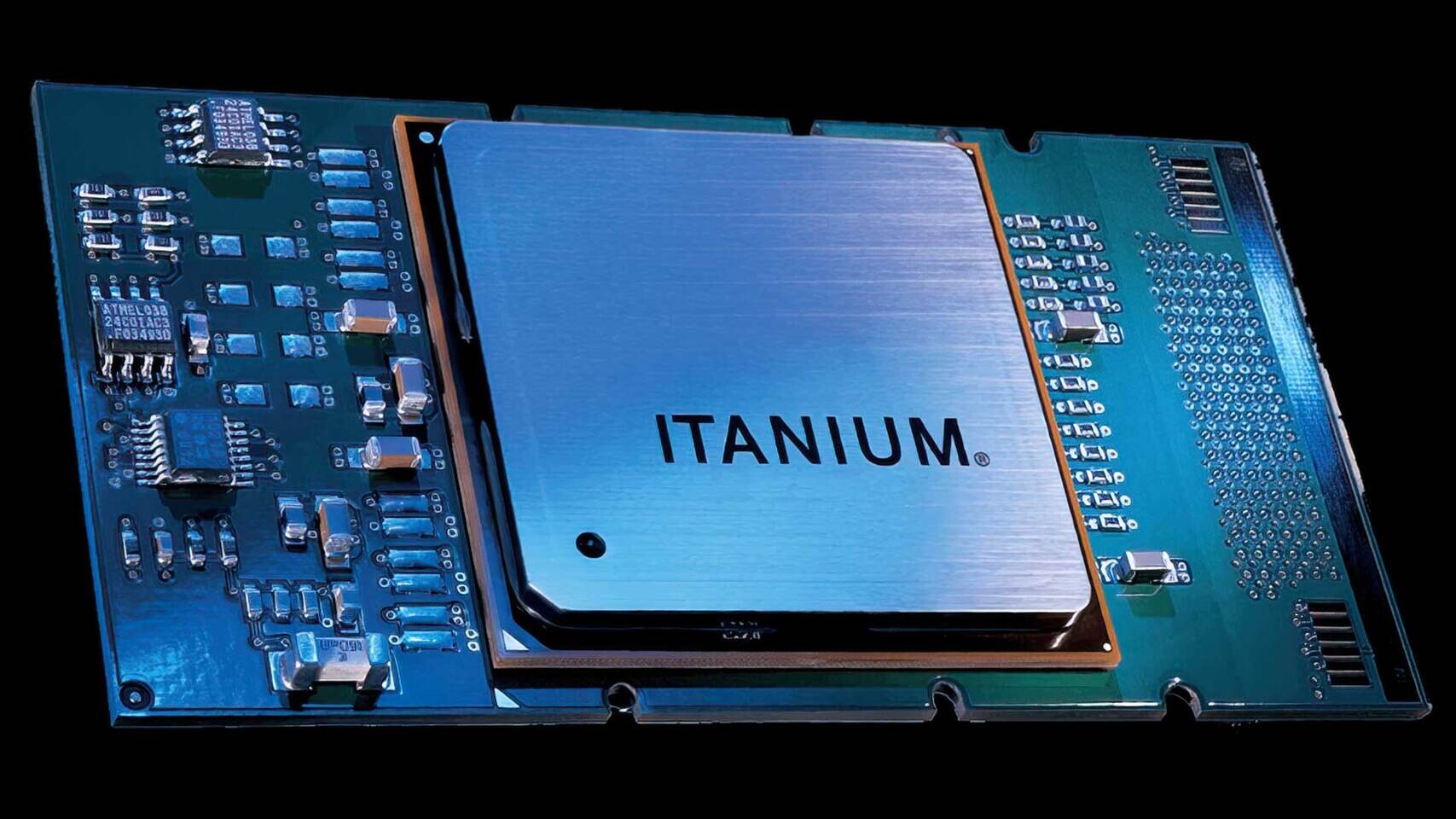
Today marks the end of support for Itanium's IA-64 architecture in the Linux kernel's 6.7 update—a significant milestone in the winding-down saga of Intel Itanium. Itanium, initially Intel's ambitious venture into 64-bit computing, faced challenges and struggled throughout its existence. It was jointly developed by Intel and HP but encountered delays and lacked compatibility with x86 software, a significant obstacle to its adoption. When AMD introduced x86-64 (AMD64) for its Opteron CPUs, which could run x86 software natively, Intel was compelled to update Xeon, based on x86-64 technology, leaving Itanium to fade into the background.
Despite ongoing efforts to sustain Itanium, it no longer received annual CPU product updates, and the last update came in 2017. The removal of IA-64 support in the Linux kernel will have a substantial impact since Linux is an essential operating system for Itanium CPUs. Without ongoing updates, the usability of Itanium servers will inevitably decline, pushing the (few) remaining Itanium users to migrate to alternative solutions, which are most likely looking to modernize their product stack.
Source:
Phoronix
Despite ongoing efforts to sustain Itanium, it no longer received annual CPU product updates, and the last update came in 2017. The removal of IA-64 support in the Linux kernel will have a substantial impact since Linux is an essential operating system for Itanium CPUs. Without ongoing updates, the usability of Itanium servers will inevitably decline, pushing the (few) remaining Itanium users to migrate to alternative solutions, which are most likely looking to modernize their product stack.
33 Comments on Intel Itanium Reaches End of the Road with Linux Kernel Stopping Updates
And automatically threading is not specific to Itanium.
Anyways, an emulation layer existed but sucked IIRC.Yep. Alpha comes to mind. PA-RISC as well.
Itanium supported big-endian mode for HP's 68K and PA-RISC Unix product lines. Itanium supports both x86's little endian and 68K/PA-RISC's big endian modes.
ARMv8 can run in big endian mode and proven to run big endian mode with Amiga related PiStorm Emu68 (hypervisor level 68K to ARM JIT translator).
Most Linux ARM and MacOS ARM builds are a little-endian like the X86. X86 can translate big endian into little endian with a 486-era BSWAP instruction.