Sunday, October 11th 2026

Modder Boots Googlebook OS on Apple Silicon Macs

Googlebook laptops arrived only a few weeks ago, and Googlebook OS is already running on hardware Google never built it for. Developer Skylar Taylor-Barrick has published gbos-vm, an open-source project that boots the OS inside a GPU-accelerated virtual machine on Apple Silicon Macs, with Chrome working. Apparently, the install script downloads Google's own recovery image for the Dell XPS Googlebook, an ARM64 build based on Android 17, replaces the hardware-specific vendor partition with virtual device components from Google's Cuttlefish project, and boots it under QEMU.

The Dell is one of the Snapdragon X-powered Googlebooks, so its Arm image runs on the Mac's hypervisor without emulation. That also means Intel Macs are out. Googlebook OS renders through Vulkan while Macs use Metal, so the project passes Vulkan calls through MoltenVK. The README asks for 16 GB of RAM, 60 GB of free storage, Xcode command line tools, and the Android SDK with NDK, plus a hefty 9 GB of downloads. First boot takes about 45 seconds on an M5 MacBook, which is the only machine the developer lists as tested.
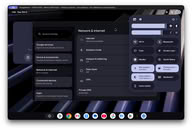
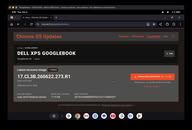
The rough edges are plenty, however. Bluetooth crashes on boot, a TPM daemon crash-loops, the display is capped at 60 FPS, and audio was silent on one boot. The rebuilt vendor partition uses software KeyMint and Gatekeeper with no verified boot, so keys aren't protected by a secure element. The developer recommends treating it like a dev VM, and it's reasonable to see it as a free way to poke at Google's Chromebook successor before buying one.
Sources: gbos-vm (GitHub), Reddit, via TweakTown
Add your own comment

12 Comments on Modder Boots Googlebook OS on Apple Silicon Macs

#1
Fatloader
Cool but like... why? I mean, aren't people already getting actual Linux to work on Macs now? And aren't things like Crossover perfectly adequate for a lot of software?
Posted on Reply
#2
remixedcat
DrUsmanSaleemGooglebook laptops arrived only a few weeks ago, and Googlebook OS is already running on hardware Google never built it for. Developer Skylar Taylor-Barrick has published gbos-vm, an open-source project that boots the OS inside a GPU-accelerated virtual machine on Apple Silicon Macs, with Chrome working. Apparently, the install script downloads Google's own recovery image for the Dell XPS Googlebook, an ARM64 build based on Android 17, replaces the hardware-specific vendor partition with virtual device components from Google's Cuttlefish project, and boots it under QEMU.

The Dell is one of the Snapdragon X-powered Googlebooks, so its Arm image runs on the Mac's hypervisor without emulation. That also means Intel Macs are out. Googlebook OS renders through Vulkan while Macs use Metal, so the project passes Vulkan calls through MoltenVK. The README asks for 16 GB of RAM, 60 GB of free storage, Xcode command line tools, and the Android SDK with NDK, plus a hefty 9 GB of downloads. First boot takes about 45 seconds on an M5 MacBook, which is the only machine the developer lists as tested.

The rough edges are plenty, however. Bluetooth crashes on boot, a TPM daemon crash-loops, the display is capped at 60 FPS, and audio was silent on one boot. The rebuilt vendor partition uses software KeyMint and Gatekeeper with no verified boot, so keys aren't protected by a secure element. The developer recommends treating it like a dev VM, and it's reasonable to see it as a free way to poke at Google's Chromebook successor before buying one.
methbook pro max bro max. lol
Posted on Reply
#3
FR3D1
Ninja Cat
The title is, in my opinion, 120% clickbait.

Regards,
Fred.
Posted on Reply
#4
aktpu
FR3D1The title is, in my opinion, 120% clickbait.

Regards,
Fred.
I have to agree
Posted on Reply
#5
ixi
Nowadays everyone is modder. :D

Purspose was to check if better hardware can run light os?
Posted on Reply
#6
Parn
FatloaderCool but like... why? I mean, aren't people already getting actual Linux to work on Macs now? And aren't things like Crossover perfectly adequate for a lot of software?
I guess someone just likes tinkering.

Maybe you're like me who has past those times and prefer a stable OS that helps doing the actual work for me than babysitting an unstable one on experimental hardware.
Posted on Reply
#7
forman313
aktpuI have to agree
Since he didn't boot the OS _on_ the silicon, but in a Type 2 Hypervisor, I would argue even stronger wording could be used to describe it.
ixiNowadays everyone is modder. :D

Purspose was to check if better hardware can run light os?
Maybe I should start running Peppermint on my workstation. Or IBM OS/2 WARP.....
Posted on Reply
#8
kondamin
forman313Since he didn't boot the OS _on_ the silicon, but in a Type 2 Hypervisor, I would argue even stronger wording could be used to describe it.


Maybe I should start running Peppermint on my workstation. Or IBM OS/2 WARP.....
Wouldn't be all that surprising to learn something really important is still working on OS/2, like the nuclear defence system or something like that.
if you get it to run on modern hardware you might just save the world.
Posted on Reply
#9
MikOnTopGG
FatloaderCool but like... why? I mean, aren't people already getting actual Linux to work on Macs now? And aren't things like Crossover perfectly adequate for a lot of software?
Yeah. I guess its just for the achievement. Also, I'm expecting there to be a performance penalty, since there must be a live emulator (Or however its called) that is translating the code.
Posted on Reply
#10
IamEzio
Apple silicon is still ARM, if the software is meant to run on ARM and the instruction set it needs is present on apple silicon there is no reason it won't work inside a VM.
native boot is another thing as apple doesn't give you any help and you must reverse engineer the whole thing to boot it natively on their hardware.
Posted on Reply
#11
Dukenukemx
FatloaderCool but like... why? I mean, aren't people already getting actual Linux to work on Macs now? And aren't things like Crossover perfectly adequate for a lot of software?
I feel like this is a paid promotion because nobody in their right mind would use GoogleBook OS over something like Linux Mint. It's just a different kind of Android OS.
Posted on Reply
#12
Fatloader
ParnI guess someone just likes tinkering.

Maybe you're like me who has past those times and prefer a stable OS that helps doing the actual work for me than babysitting an unstable one on experimental hardware.
Honestly that's fair. I would be lying if I said I didn't enjoy screwing around with things I probably shouldn't.
MikOnTopGGYeah. I guess its just for the achievement. Also, I'm expecting there to be a performance penalty, since there must be a live emulator (Or however its called) that is translating the code.
Emulators were stated in the article. Nothing too serious, so the performance loss I'd imagine would be minimal.
DukenukemxI feel like this is a paid promotion because nobody in their right mind would use GoogleBook OS over something like Linux Mint. It's just a different kind of Android OS.
I suppose it could be. Seems like a bit of a strange promotion tho.
Posted on Reply
Add your own comment
Nov 21st, 2026 02:45 PST change timezone

New Forum Posts

Popular Reviews

TPU on YouTube

Controversial News Posts