Saturday, November 21st 2026

28-Core Intel "Nova Lake-S" Appears in Testing Running at 5.2 GHz
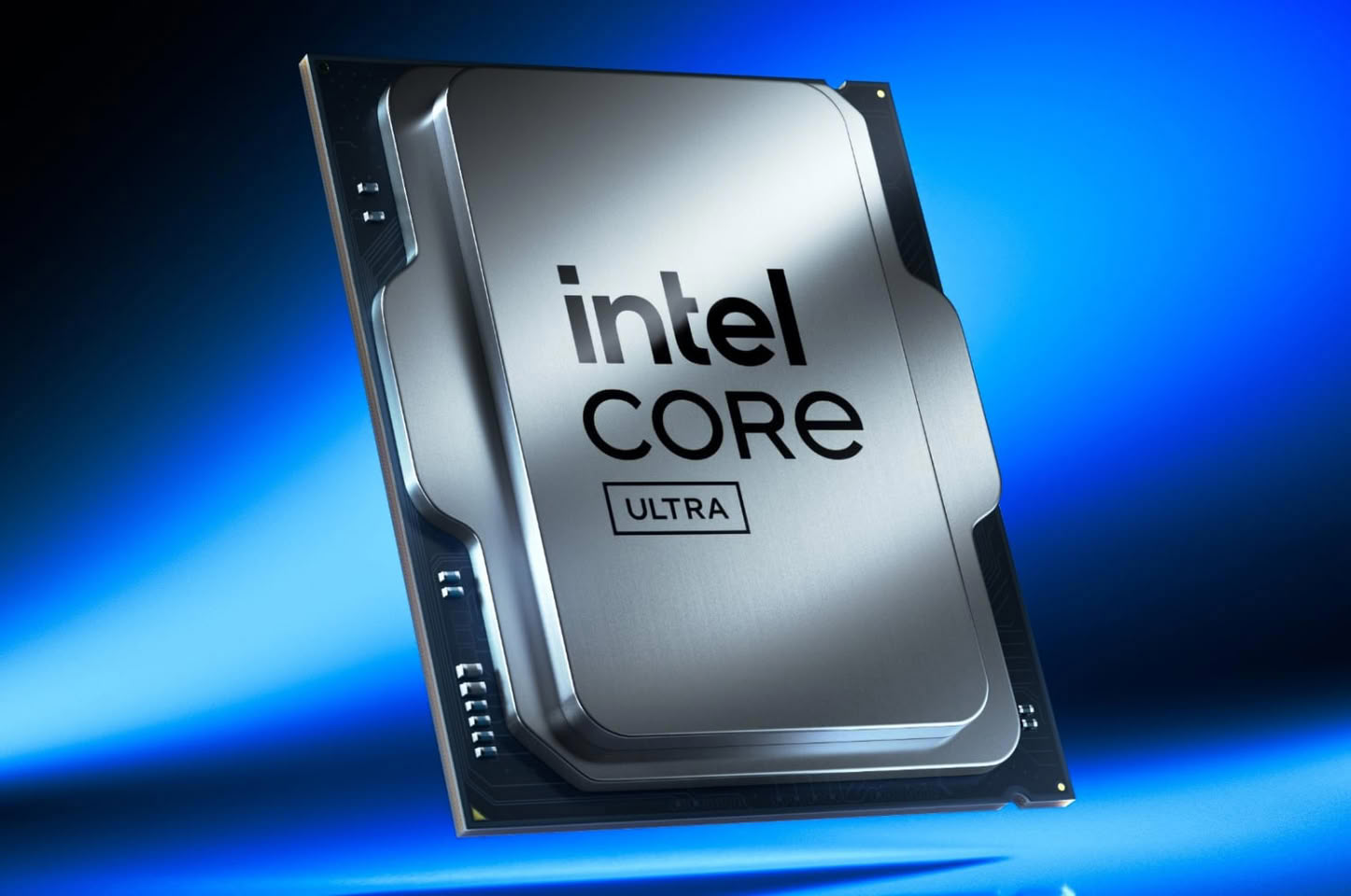
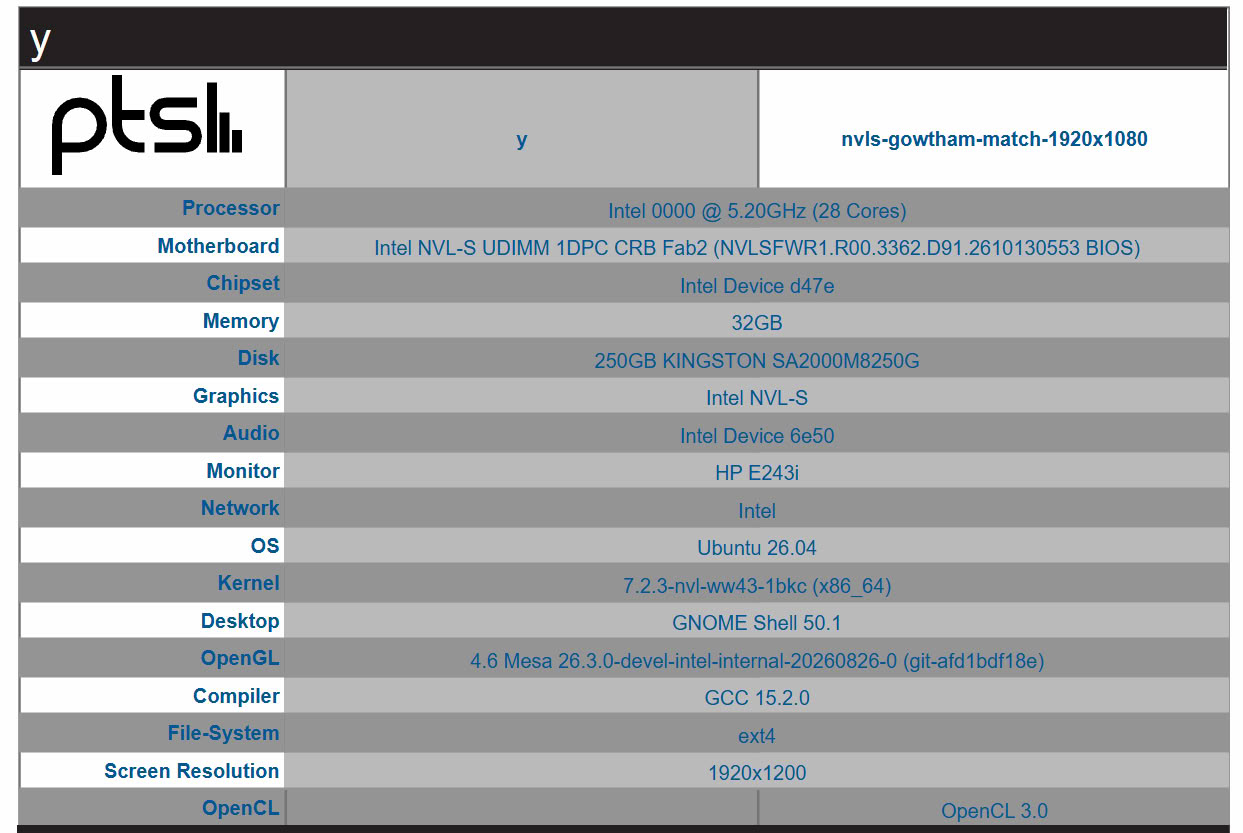
Intel's single-compute die "Nova Lake-S" variant has been spotted with a 28-core configuration and a boost frequency of 5.2 GHz, according to the OpenBenchmark testing suite. During the tests, a processor named Intel 0000 appeared with the "NVL" identifier, suggesting that a "Nova Lake-S" SKU with this configuration is indeed present. The processor's identification as Intel 0000 implies that the rumored four-number naming scheme is real, as confirmed by the benchmarks. This naming scheme could easily become standard, moving away from the three-digit SKU naming we've seen in the past.
Interestingly, the submission also identifies the integrated graphics as Intel NVL-S, indicating that the engineering platform is being tested beyond just CPU workloads. The tests include various graphics and compute applications, such as Quake II RTX, Unigine benchmarks, Hashcat, and multiple OpenCL workloads. While the 5.2 GHz figure is promising, it should not be taken as confirmation of the processor's final boost frequency. Engineering samples can operate with different firmware, power limits, and clock configurations than retail products. The listing also does not disclose whether the reported frequency represents a sustained operating clock or a maximum observed value.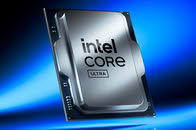
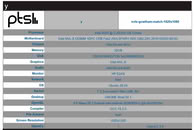 The system information lists 28 CPU cores, likely indicating a configuration with 8 P-Cores, 16 E-Cores, and 4 LPE-Cores, along with a reported operating frequency of 5.20 GHz. The motherboard is identified as an Intel "Nova Lake-S" reference platform, specifically an NVL-S UDIMM 1DPC CRB Fab2 configuration running an early BIOS build. The system was tested with 32 GB of memory under Ubuntu 26.04, suggesting that it could be Intel's internal engineering teams testing the system, or one of their OEM PC partners.
Source:
OpenBenchmark.org
Interestingly, the submission also identifies the integrated graphics as Intel NVL-S, indicating that the engineering platform is being tested beyond just CPU workloads. The tests include various graphics and compute applications, such as Quake II RTX, Unigine benchmarks, Hashcat, and multiple OpenCL workloads. While the 5.2 GHz figure is promising, it should not be taken as confirmation of the processor's final boost frequency. Engineering samples can operate with different firmware, power limits, and clock configurations than retail products. The listing also does not disclose whether the reported frequency represents a sustained operating clock or a maximum observed value.
46 Comments on 28-Core Intel "Nova Lake-S" Appears in Testing Running at 5.2 GHz
wait, is this year 2018?
And these get blocked on Geekbench
28 physical cores, performance is significantly better than 12 physical cores.
Based on what source?
or Trust me bro?
What workload do you run that need 28 cores?
Skymont can provide performance of Zen3.
There may be some progress, but definitely not that big.Pathetic Lake.
Next stop ... Hopeless Lake.
Good times. Was always happy with 1.2-1.4 over stock :)
Seems I am on an AMD loop again, so I will sit this one out with Intel.
www.pcgameshardware.de/Core-i9-14900KS-CPU-280292/Specials/AMD-Ryzen-X3D-Tuning-Benchmark-Vergleich-1558125/
The entire thread is weird. Are we back in Alder Lake times? I thought most sane people now agreed that E-cores are a fairly elegant solution to MT on consumer CPUs now that they are improving architecturally and software and OSs have caught up. Weren’t we all in agreement that the Arrow Lake Refresh were good products?
They used 8000 MT/s DDR5 on the 14900KS and 5600 MT/s DDR5 on the other CPUs? Not even tuned 6400 MT/s DDR5 on the other ones? This is more of a RAM speed test than a CPU test as the 14900KS is mid-pack with the 5600 MT/s memory.
I guess that's what spending $710 on 32GB can get you.
Don't forget to turn off Hyperthreading in the BIOS beforehand as well so yeah I guess the 14900KS is a better CPU for tinkerers.
What workload do you run that need 24 threads?