Monday, November 23rd 2026

TCL Debuts 120 Hz IPS LCD Drawing Just 1 W in Lenovo Yoga Prototype Laptop
TCL CSOT has been working on some significant display innovations recently, including its recent announcement of 1250 Hz QHD OLED monitors at DTC 2026. Also at DTC 2026, TCL has reportedly (via Notebookcheck) shown off a new 14-inch LCD prototype drawing as little as 1 W of power in a new Lenovo Yoga Pro laptop prototype. While it's unknown exactly what luminance settings and refresh rates are used to bring the power down so significantly, the display is said to reach a peak brightness somewhere between 300 and 400 nits.
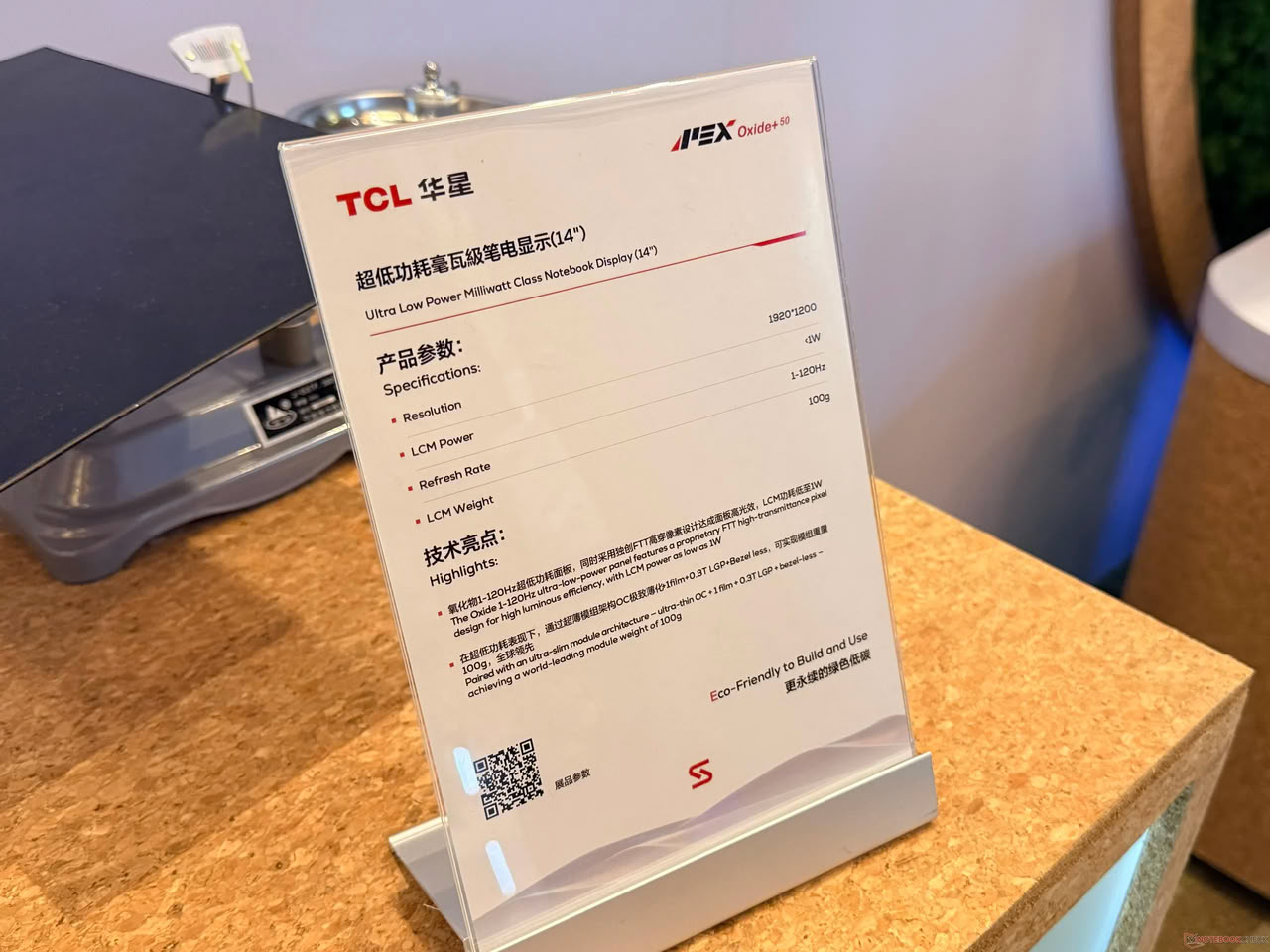
The display itself is called an Ultra Low Power Milliwatt Class Notebook Display, and TCL CSOT says that it uses an oxide panel with an "FTT high-transmittance pixel design for high luminous efficiency," allowing it to reach such low power draw. The display has an adaptive refresh rate range of 1-120 Hz, which could theoretically be used in conjunction with technology like FreeSync or G-Sync to enable more efficient mobile gaming in laptops—especially now that iGPUs like the one in Intel's Arc G3 Extreme are capable of high-speed gaming away from the wall.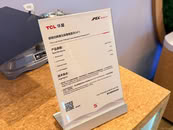
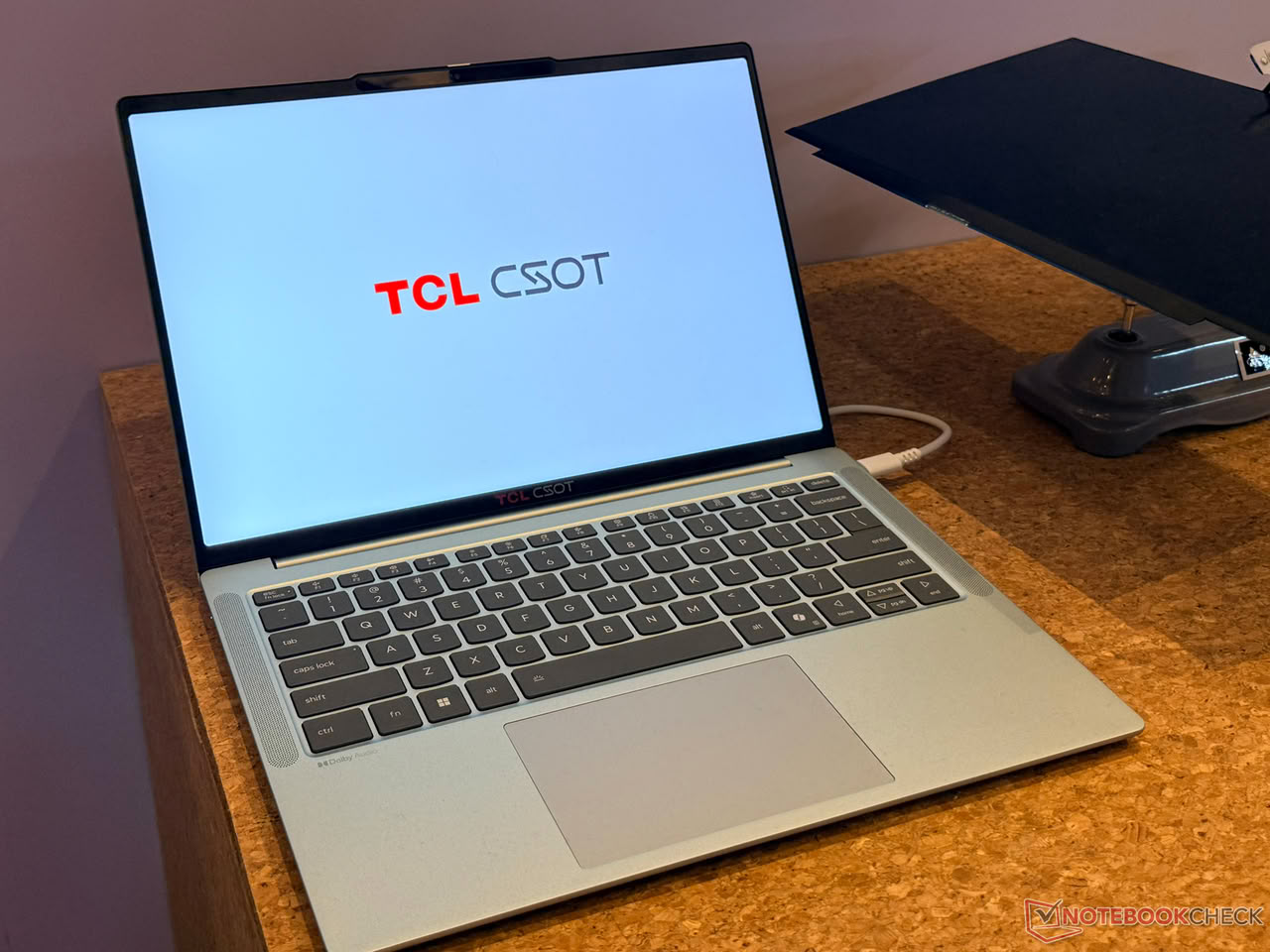
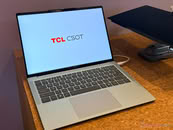 The LCD panel is also surprisingly lightweight, weighing in at just 100 g, which could make it an attractive option for thin-n-light laptops, like the Lenovo Yoga Pro it was previewed in. Also of note is that the display uses IPS tech, not OLED, so it will be less likely to flickering, which can be an annoying side effect of PWM dimming commonly used on OLED displays. That should also theoretically make it easier to color calibrate than OLED using traditional calibration tools.
Source:
Notebookcheck
The display itself is called an Ultra Low Power Milliwatt Class Notebook Display, and TCL CSOT says that it uses an oxide panel with an "FTT high-transmittance pixel design for high luminous efficiency," allowing it to reach such low power draw. The display has an adaptive refresh rate range of 1-120 Hz, which could theoretically be used in conjunction with technology like FreeSync or G-Sync to enable more efficient mobile gaming in laptops—especially now that iGPUs like the one in Intel's Arc G3 Extreme are capable of high-speed gaming away from the wall.
1 Comment on TCL Debuts 120 Hz IPS LCD Drawing Just 1 W in Lenovo Yoga Prototype Laptop