News Posts matching #AI

Return to Keyword Browsing

Polyn Technology Delivers NASP Test Chip for Tiny AI

Polyn Technology announced today that its first Neuromorphic Analog Signal Processor (NASP) chip is packaged and evaluated, demonstrating proof of the technology's brain-mimicking architecture. It is the first Tiny AI true analog design to be used next to sensors. Polyn Technology is an innovative provider of ultra-low-power-performance NASP technology and a producer of unique Tiny AI chips and their associated IP. "This achievement validates the intensive work of our multinational team," said Aleksandr Timofeev, CEO and founder of Polyn Technology. "Our chip represents the most advanced technology bridging analog computations and the digital core. It is designed with neuroscience in mind, replicating pre-processing the primary cortical area of the human brain does at the periphery before learning at the center."

The NASP chip enables full data processing disaggregation between the sensor node and the cloud; it truly embodies the Tiny AI concept. The NASP test chip contains several neural networks. The chip is implemented in 55 nm CMOS technology. Its design proves the NASP "neuron" model as well as the scalability of the technology and efficiency of the chip design automation tools developed by Polyn. "Our first chip is created from trained neural networks by NASP Compiler and synthesis tools that generated Netlist and the silicon engineering files from the software math model simulation. We will continue to refine our technology for creation of new generation chips," said Yaakov Milstain, COO of Polyn. Polyn anticipates the chip will be available to customers in the first quarter of 2023 as its first wearables product, with a fusion of PPG and IMU sensors for the most accurate heart rate measurement along with recognition and tracking of human activity.


Seagate and Phison Partner to Develop New Enterprise SSDs

Seagate Technology Holdings plc, a world leader in mass-data storage infrastructure solutions, and Phison Electronics Corp., a global leader in NAND flash controller and storage solutions, announced today plans to expand their SSD portfolio of next-gen high-performance, high-density enterprise NVMe SSDs. The new SSDs will help enterprises lower total cost ownership (TCO) through increased storage density, lower power consumption, and higher performance. The companies also announced that they have entered a long-term partnership that will strengthen the development cycle and distribution of enterprise-class SSDs.

Seagate and Phison have collaborated on Seagate's mainstream SATA SSD products since 2017. That close cooperation has continued through the company's performance-leading line of FireCuda consumer gaming NVMe PCIe Gen4 x4 SSDs and the world's first purpose-built NAS NVMe SSDs. The partnership will now focus on meeting the evolving global enterprise demand for higher density, faster, and smarter storage infrastructure needs that complement HDD storage to enable comprehensive enterprise applications such as hyperscale data center, high-performance computing and AI.

Microsoft Readies Security Feature-Update for Windows 11 Needing an OS Reinstall to Use

Microsoft is giving final touches to a what it refers to as a groundbreaking new security feature update for the Windows 11 operating system, which should significantly improve application-level security, and safeguard you from malicious apps based on the way they behave. Trouble is, to use the feature, you will have to reinstall your operating system (i.e. a clean reinstall), if you're on the current release of Windows 11, or any build that's older than the one that carries this update.

The Smart App Control feature by default blocks untrusted or uncertified applications from running on your PC, and unlike browser-level protections such as Smart Screen, is baked directly into the OS, and monitors application code at a process level, to detect potentially malicious application behavior. It does this using a combination of code-signing by the application publisher and an AI model for trust within the Microsoft cloud. The OS keeps in touch with the cloud 24x7 (whenever the PC is up), to receive the latest threat intelligence and AI model updates from the cloud. It's very likely that Smart App Control will be part of the next significant version milestone of Windows 11 (such as "22H2"), which means everyone on 22H1 or older will be made to reinstall to use it.

Oosto Launches Edge-Based Vision AI Appliance to Revolutionize the TCO Calculus of Video Analytics

Oosto announced today the launch of the Oosto Vision AI Appliance, a revolutionary near-edge device that delivers the power and security of Vision AI in a palm-sized device, allowing organizations to protect people, customers and assets more affordably while reducing IT complexity. The Vision AI Appliance is based on the NVIDIA Jetson Xavier NX system on module and is equipped with Oosto's state-of-the-art neural network models for video analytics that are optimized to support low-power devices. Significantly, this was achieved without compromising on superior performance, security or recognition accuracy which historically required compute-intensive GPU processing servers.

This announcement is part of Oosto's ongoing commitment to edge computing. In 2021, the company embedded its Vision AI algorithms on Ambarella's CV2x family of edge AI vision SoCs. Moving the workload to the chip level and to near-edge devices enables organizations to perform real-time video analysis. Significant processing power is required to analyze every frame of a video feed and perform a variety of instant computations to determine if the person entering a building is an authorized employee or on a watchlist (e.g., a VIP or security threat).

Seagate Announces 20TB Variant of SkyHawk AI Hard Drive

AI-enabled video imaging and analytics systems require support for heavy workloads that process and analyze multiple streams and thousands of hours of video data. Today during the ISC West trade show in Las Vegas, Nev., Seagate Technology Holdings plc, a world leader in mass-data storage infrastructure solutions, launched the new SkyHawk AI 20 TB hard disk drive (HDD). The mass-capacity HDD adds to the company's leading line of video imaging and analytics (VIA) devices.

Purposely designed for network video recorders (NVRs) enabled with AI for edge security applications, Seagate's SkyHawk AI 20 TB HDD intelligently adapts to the scale of the users' AI environment, supporting up to 64 HD video streams and 32 AI streams. With this capability to support scalable AI workloads, SkyHawk AI meets the growing needs of advanced VIA systems to analyze and record video footage while simultaneously supporting GPU analytics.

Google Uses Artificial Intelligence to Develop Faster and Smaller Hardware Accelerators

Designing Artificial Intelligence / Machine Learning hardware accelerators takes effort from hardware engineers in conjunction with scientists working in the AI/ML area itself. A few years ago, we started seeing AI incorporated into parts of electronic design automation (EDA) software tools, helping chip designers speed up the process of creating hardware. What we were "used to" seeing AI do are just a couple of things like placement and routing. And having that automated is a huge deal. However, it looks like the power of AI for chip design is not going to stop there. Researchers at Google and UC Berkeley have made a research project that helps AI design and develop AI-tailored accelerators smaller and faster than anything humans made.

In the published paper, researchers present PRIME - a framework that created AI processors based on a database of blueprints. The PRIME framework feeds off an offline database containing accelerator designs and their corresponding performance metrics (e.g., latency, power, etc.) to design next-generation hardware accelerators. According to Google, PRIME can do so without further hardware simulation and has processors ready for use. As per the paper, PRIME improves performance upon state-of-the-art simulation-driven methods by as much as 1.2x-1.5x. It also reduces the required total simulation time by 93% and 99%, respectively. The framework is also capable of architecting accelerators for unseen applications.

HYTE Launches Y60 Mid-Tower PC Case - A New Angle on Design

[Editor's note: We have posted our HYTE Y60 review here.]

HYTE, the new PC components, peripherals, and lifestyle brand of iBUYPOWER, today launched the new Y60 mid-tower PC case. Taking a new angle on design, the Y60 boasts a style unlike any other case available on the market.

The uniquely constructed Y60 ATX case features a three-part, bezel-less, tempered glass front and side panel that provides an unobstructed internal view from a left, right, or center orientation. When the glass panels are removed, chamfered molding on the ceiling and floor of the case draw the eye inward, creating a modern aesthetic and allowing the system to be displayed in an open-air format. Users will have the option to choose from three colorways, white and black, black and black, and red and black, to best fit the aesthetic of their setup.

ASRock Industrial Announces New Range of Industrial Motherboards with 12th Gen Intel Core Processors

ASRock Industrial launches a new range of industrial motherboards powered by 12th Gen Intel Core Processors (Alder Lake-S) with up to 16 cores and 24 threads, supporting the new Intel 600 Series W680, Q670, and H610 chipsets. Featuring high computing power with performance hybrid architecture and enhanced AI capabilities, rich IOs and expansions for up to quad displays 4K@60 Hz, USB 3.2 Gen2x2 (20 Gbit/s), triple Intel 2.5 GbE LANs with real-time TSN, multi M.2 Key M, ECC memory, plus TPM 2.0, and wide voltage support. The new series covers comprehensive form factors, including industrial Mini-ITX, Micro-ATX, and ATX motherboards for diverse applications, such as factory automation, kiosks, digital signage, smart cities, medical, and Edge AIoT applications.

Marvell Introduces Industry's First 800G Multimode Electro-Optics Platform for Cloud Data Centers

Marvell (NASDAQ: MRVL) today announced the industry's first 800 Gbps or 8x 100 Gbps multimode platform solution, that enables data center infrastructure to achieve dramatically higher speeds for short-reach optical modules and Active Optical Cable (AOC) applications. As artificial intelligence (AI), machine learning (ML) and high-performance computing (HPC) applications continue to drive greater bandwidth requirements, cloud-optimized solutions are needed that can bring lower power, latency and cost to short-range data center interconnections. The new 800G platform, which includes Marvell's PAM4 DSP with a multimode transimpedance amplifier (TIA) and Driver, enables faster data center speeds scaling to 800 Gbps, using conventional cost-effective vertical-cavity surface-emitting laser (VCSEL) technology while accelerating time-to-market with plug-and-play deployment.

Today's data centers are packed with equipment utilizing optical modules or AOCs connected by multimode optical fiber optimized for communication over short distances within data centers. This 100G per lane multimode fiber provides cost-effective, low-power, short-reach connectivity. To support multi-gigabit transmissions, multimode architectures often use VCSEL transmitters, which offer the cost benefits of reliability, power efficiency and easy deployment.

Intel Releases OpenVINO 2022.1 to Advance AI Inferencing for Developers

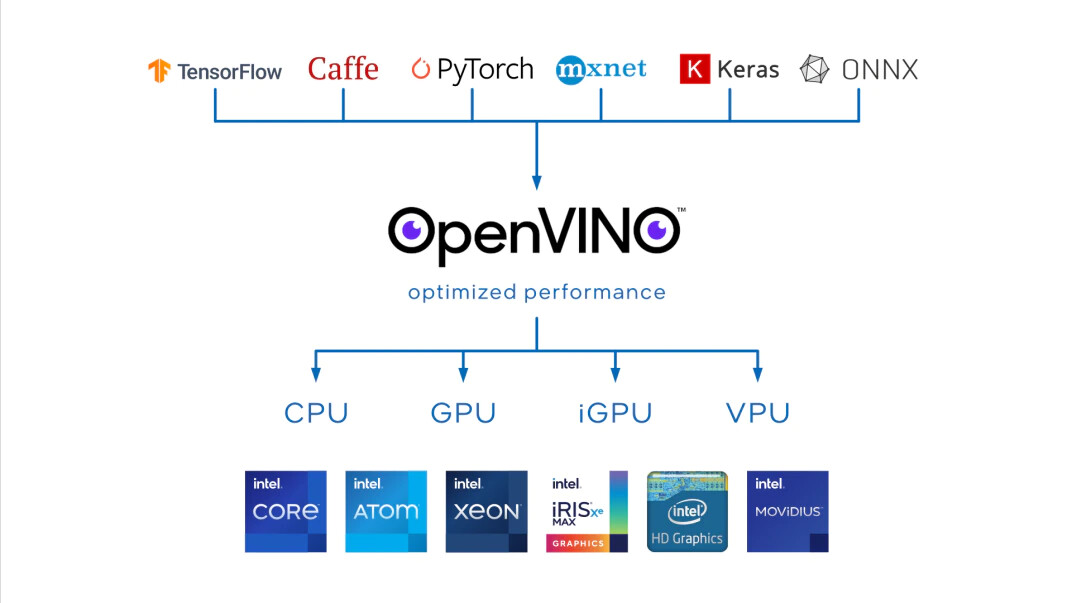
Since OpenVINO launched in 2018, Intel has enabled hundreds of thousands of developers to dramatically accelerate AI inferencing performance, starting at the edge and extending to the enterprise and the client. Today, ahead of MWC Barcelona 2022, the company launched a new version of the Intel Distribution of OpenVINO Toolkit. New features are built upon three-and-a-half years of developer feedback and include a greater selection of deep learning models, more device portability choices and higher inferencing performance with fewer code changes.

"The latest release of OpenVINO 2022.1 builds on more than three years of learnings from hundreds of thousands of developers to simplify and automate optimizations. The latest upgrade adds hardware auto-discovery and automatic optimization, so software developers can achieve optimal performance on every platform. This software plus Intel silicon enables a significant AI ROI advantage and is deployed easily into the Intel-based solutions in your network," said Adam Burns, vice president, OpenVINO Developer Tools in the Network and Edge Group.

Intel Updates Technology Roadmap with Data Center Processors and Game Streaming Service

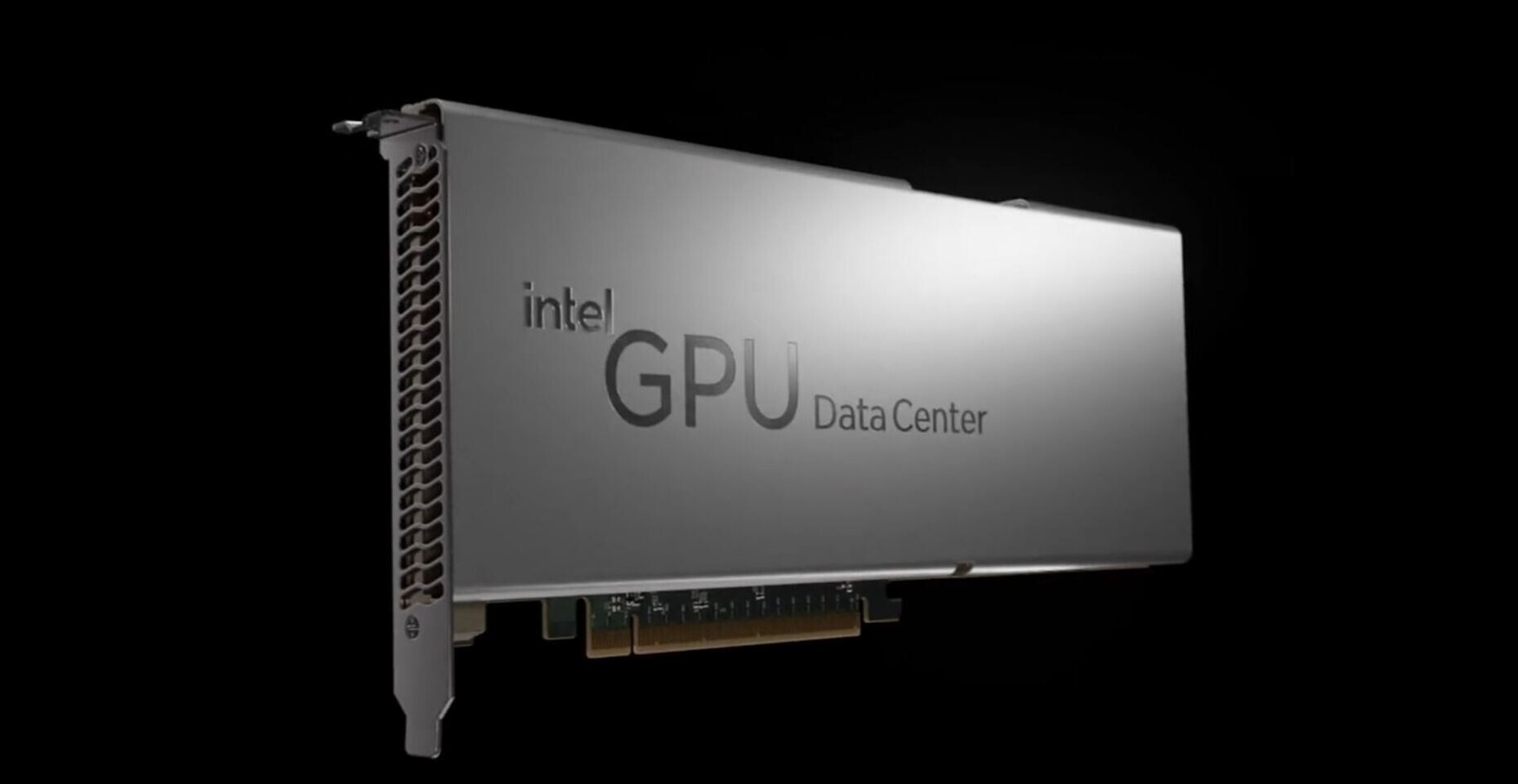
At Intel's 2022 Investor Meeting, Chief Executive Officer Pat Gelsinger and Intel's business leaders outlined key elements of the company's strategy and path for long-term growth. Intel's long-term plans will capitalize on transformative growth during an era of unprecedented demand for semiconductors. Among the presentations, Intel announced product roadmaps across its major business units and key execution milestones, including: Accelerated Computing Systems and Graphics, Intel Foundry Services, Software and Advanced Technology, Network and Edge, Technology Development, More: For more from Intel's Investor Meeting 2022, including the presentations and news, please visit the Intel Newsroom and Intel.com's Investor Meeting site.

SK hynix Develops PIM, Next-Generation AI Accelerator, the GDDR6-AIM

SK hynix announced on February 16 that it has developed PIM (processing-in-memory), a next-generation memory chip with computing capabilities. It has been generally accepted that memory chips store data and CPU or GPU, like human brain, process data. SK hynix, following its challenge to such notion and efforts to pursue innovation in the next-generation smart memory, has found a breakthrough solution with the development of the latest technology.

SK hynix plans to showcase its PIM development at the world's most prestigious semiconductor conference, 2022 ISSCC, in San Francisco at the end of this month. The company expects continued efforts for innovation of this technology to bring the memory-centric computing, in which semiconductor memory plays a central role, a step closer to the reality in devices such as smartphones.

Arm Appoints Rene Haas as Chief Executive Officer

Arm announced today that its board of directors has appointed 35-year semiconductor industry leader Rene Haas as chief executive officer and member of the board of directors, effective immediately. Mr. Haas succeeds Simon Segars, who has stepped down as chief executive officer and member of the board of directors after 30 years with the company. In the near-term, Mr. Segars will support the leadership transition in an advisory role for Arm.

"Rene is the right leader to accelerate Arm's growth as the company starts making preparations to re-enter the public markets," said Masayoshi Son, Representative Director, Corporate Officer, Chairman & CEO of SoftBank Group Corp. "I would like to thank Simon for his leadership, contributions and dedication to Arm over the past 30 years."

EuroHPC Joint Undertaking Launches Three New Research and Innovation Projects

The European High Performance Computing Joint Undertaking (EuroHPC JU) has launched 3 new research and innovation projects. The projects aim to bring the EU and its partners in the EuroHPC JU closer to developing independent microprocessor and HPC technology and advance a sovereign European HPC ecosystem. The European Processor Initiative (EPI SGA2), The European PILOT and the European Pilot for Exascale (EUPEX) are interlinked projects and an important milestone towards a more autonomous European supply chain for digital technologies and specifically HPC.

With joint investments of €140 million from the European Union (EU) and the EuroHPC JU Participating States, the three projects will carry out research and innovation activities to contribute to the overarching goal of securing European autonomy and sovereignty in HPC components and technologies, especially in anticipation of the European exascale supercomputers.

Tachyum Selected for Pan-European Project Enabling 1 AI Zettaflop in 2024

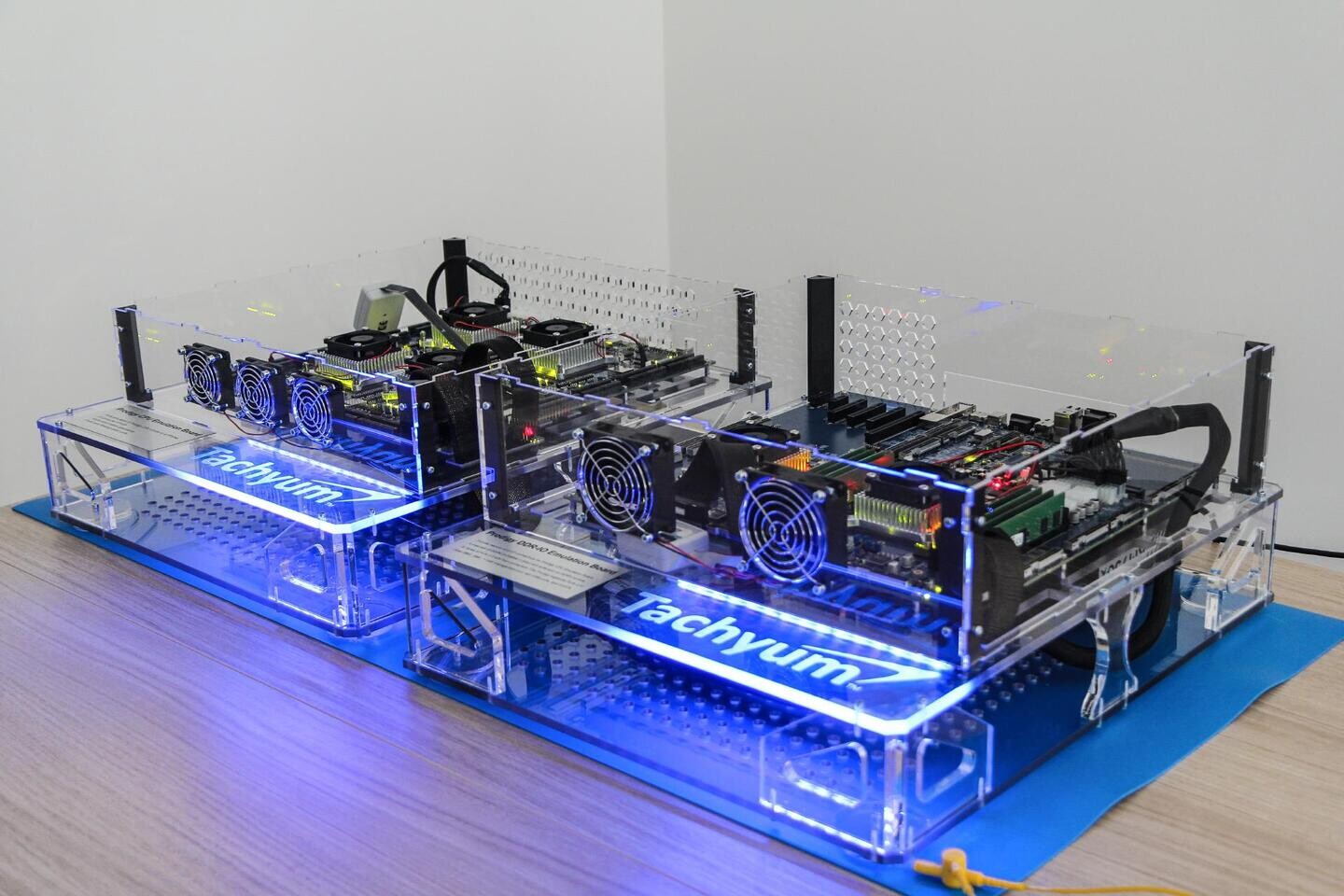
Tachyum today announced that it was selected by the Slovak Republic to participate in the latest submission for the Important Projects of Common European Interest (IPCEI), to develop Prodigy 2 for HPC/AI. Prodigy 2 for HPC/AI will enable 1 AI Zettaflop and more than 10 DP Exaflops computers to support superhuman brain-scale computing by 2024 for under €1B. As part of this selection, Tachyum could receive a 49 million Euro grant to accelerate a second-generation of its Tachyum Prodigy processor for HPC/AI in a 3-nanometer process.

The IPCEI program can make a very important contribution to sustainable economic growth, jobs, competitiveness and resilience for industry and the economy in the European Union. IPCEI will strengthen the EU's open strategic autonomy by enabling breakthrough innovation and infrastructure projects through cross-border cooperation and with positive spill-over effects on the internal market and society as a whole.

Ceremorphic Exits Stealth Mode; Unveils Technology Plans to Deliver a New Architecture Specifically Designed for Reliable Performance Computing

Armed with more than 100 patents and leveraging multi-decade expertise in creating industry-leading silicon systems, Ceremorphic Inc. today announced its plans to deliver a complete silicon system that provides the performance needed for next-generation applications such as AI model training, HPC, automotive processing, drug discovery, and metaverse processing. Designed in advanced silicon geometry (TSMC 5 nm node), this new architecture was built from the ground up to solve today's high-performance computing problems in reliability, security and energy consumption to serve all performance-demanding market segments.

Ceremorphic was founded in April 2020 by industry-veteran Dr. Venkat Mattela, the Founding CEO of Redpine Signals, which sold its wireless assets to Silicon Labs, Inc. in March 2020 for $308 million. Under his leadership, the team at Redpine Signals delivered breakthrough innovations and industry-first products that led to the development of an ultra-low-power wireless solution that outperformed products from industry giants in the wireless space by as much as 26 times on energy consumption. Ceremorphic leverages its own patented multi-thread processor technology ThreadArch combined with cutting-edge new technology developed by the silicon, algorithm and software engineers currently employed by Ceremorphic. This team is leveraging its deep expertise and patented technology to design an ultra-low-power training supercomputing chip.

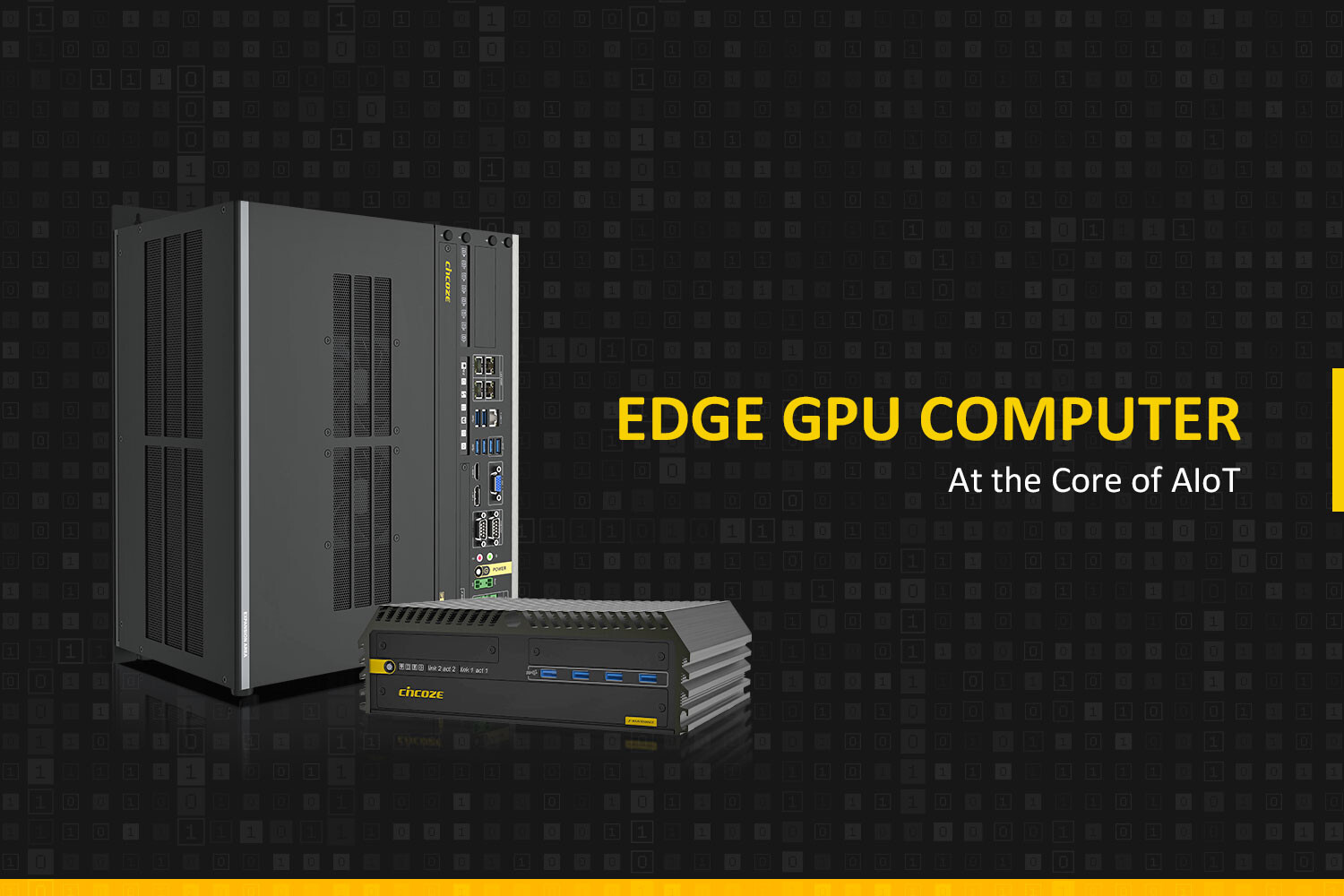
Cincoze Announces GOLD Series Edge GPU Computer

AIoT is the catalyst for the advent of the smart era, and edge computing devices lie at the core of real-time processing and analysis in the field. The Cincoze GOLD series is a range of GPU computers designed from the ground up to meet the needs of large-scale image processing, machine vision, and machine learning applications in AIoT. The series includes the GP-3000 and GM-1000, which are selectable according to application requirements like size, performance, I/O, functionality, and future upgradeability. Whether it is smart manufacturing, smart transportation, smart cities, or even national defense, the GOLD series is an excellent choice for building smart applications for AIoT.

The GP-3000 series is a top-of-the-line GPU edge computer that supports 720 W total system power. It uses a 9th/8th generation Intel Xeon /Core (Coffee Lake-R and Coffee Lake) high-performance CPU with up to eight cores, has a built-in Intel C246 chipset, and supports two sets of DDR4-2666 ECC/non-ECC SO-DIMM up to 64 GB. The front maintenance area provides four front-accessible SATA III (6 Gbps) 2.5" HDD/SSD trays and supports RAID 0/1/5/10 to improve data storage and security.

Samsung Demonstrates the World's First MRAM Based In-Memory Computing

Samsung Electronics, today announced its demonstration of the world's first in-memory computing based on MRAM (Magnetoresistive Random Access Memory). The paper on this innovation was published online by Nature on January 12, and is set to be published in the upcoming print edition of Nature. Titled 'A crossbar array of magnetoresistive memory devices for in-memory computing', this paper showcases Samsung's leadership in memory technology and its effort to merge memory and system semiconductors for next-generation artificial intelligence (AI) chips.

The research was led by Samsung Advanced Institute of Technology (SAIT) in close collaboration with Samsung Electronics Foundry Business and Semiconductor R&D Center. The first author of the paper, Dr. Seungchul Jung, Staff Researcher at SAIT, and the co-corresponding authors Dr. Donhee Ham, Fellow of SAIT and Professor of Harvard University and Dr. Sang Joon Kim, Vice President of Technology at SAIT, spearheaded the research.

The Power of AI Arrives in Upcoming NVIDIA Game-Ready Driver Release with Deep Learning Dynamic Super Resolution (DLDSR)

Among the broad range of new game titles getting support, we are in for a surprise. NVIDIA yesterday announced a feature list of its upcoming game-ready GeForce driver scheduled for public release on January 14th. According to the new blog post on NVIDIA's website, the forthcoming game-ready driver release will feature an AI-enhanced version of Dynamic Super Resolution (DSR), available in GeForce drivers for a while. The new AI-powered tech is, what the company calls, Deep Learning Dynamic Super Resolution or DLDSR shortly. It uses neural networks that require fewer input pixels and produces stunning image quality on your monitor.

NVIDIAOur January 14th Game Ready Driver updates the NVIDIA DSR feature with AI. DLDSR (Deep Learning Dynamic Super Resolution) renders a game at higher, more detailed resolution before intelligently shrinking the result back down to the resolution of your monitor. This downsampling method improves image quality by enhancing detail, smoothing edges, and reducing shimmering.

DLDSR improves upon DSR by adding an AI network that requires fewer input pixels, making the image quality of DLDSR 2.25X comparable to that of DSR 4X, but with higher performance. DLDSR works in most games on GeForce RTX GPUs, thanks to their Tensor Cores.
NVIDIA Deep Learning Dynamic Super Resolution NVIDIA Deep Learning Dynamic Super Resolution

DeepCool Launches CK Series Mid-Tower ATX Cases

DeepCool, a global brand in designing and manufacturing high-performance computer components for enthusiasts worldwide, announces the CK SERIES Mid-Tower Cases, which consists the CK500, CK500WH, CK560 and CK560WH. Available in black and white, all cases deliver a balance of airflow, silent performance and exceptional cooling for the modern-day builder.

The CK SERIES deliver a no-nonsense approach to a clean, sleek computer chassis design. For Minimalist Builders who appreciate the CK500 and CK500WH minimal solid front panel can be rest assured that airflow performance is not hindered thanks to enlarged ventilation outlets throughout the front, top, and rear panels for additional air movement. For Builders that insist for even more airflow, the CK560 and CK560WH feature a unique cross-hair patterned steel front panel. All cases offer a clean aesthetic and fits a modern day look while being feature-packed for additional hardware expansion and upgrades.

Immervision Announces the World's thinnest camera module for the laptop industry

Immervision, the world's leading developer of advanced vision systems combining optics, image processing, and sensor fusion technology, is pleased to announce its new 8 MP wide angle camera module for laptops, tablets and notepads with Immervision patented technology bringing edge-to-edge image clarity. Immervision's 8 MP ultra-wide-angle lens-and-sensor combination is only 3.8 mm thick and offers a high-quality solution for a variety of applications that require higher resolution, a wide field of view and advanced distortion control. This solution can handle a variety of videoconferencing scenarios capturing larger scenes with optimal image sensor coverage, pixel density, and quality.

Laptop manufacturers, answering customers' demands for high quality video conferencing, are faced with the difficult problem of increasing the video call resolution and camera field of view while having a limited space to fit advanced camera hardware. They must find ways to shrink both lenses and the camera module. Many are unable to achieve this, leaving them struggling with distorted images, low resolution, and narrow field of view cameras that perform poorly in low-light conditions.

congatec launches 10 new COM-HPC and COM Express Computer-on-Modules with 12th Gen Intel Core processors

congatec - a leading vendor of embedded and edge computing technology - introduces the 12th Generation Intel Core mobile and desktop processors (formerly code named Alder Lake) on 10 new COM-HPC and COM Express Computer-on-Modules. Featuring the latest high performance cores from Intel, the new modules in COM-HPC Size A and C as well as COM Express Type 6 form factors offer major performance gains and improvements for the world of embedded and edge computing systems. Most impressive is the fact that engineers can now leverage Intel's innovative performance hybrid architecture. Offering of up to 14 cores/20 threads on BGA and 16 cores/24 threads on desktop variants (LGA mounted), 12th Gen Intel Core processors provide a quantum leap [1] in multitasking and scalability levels. Next-gen IoT and edge applications benefit from up to 6 or 8 (BGA/LGA) optimized Performance-cores (P-cores) plus up to 8 low power Efficient-cores (E-cores) and DDR5 memory support to accelerate multithreaded applications and execute background tasks more efficiently.

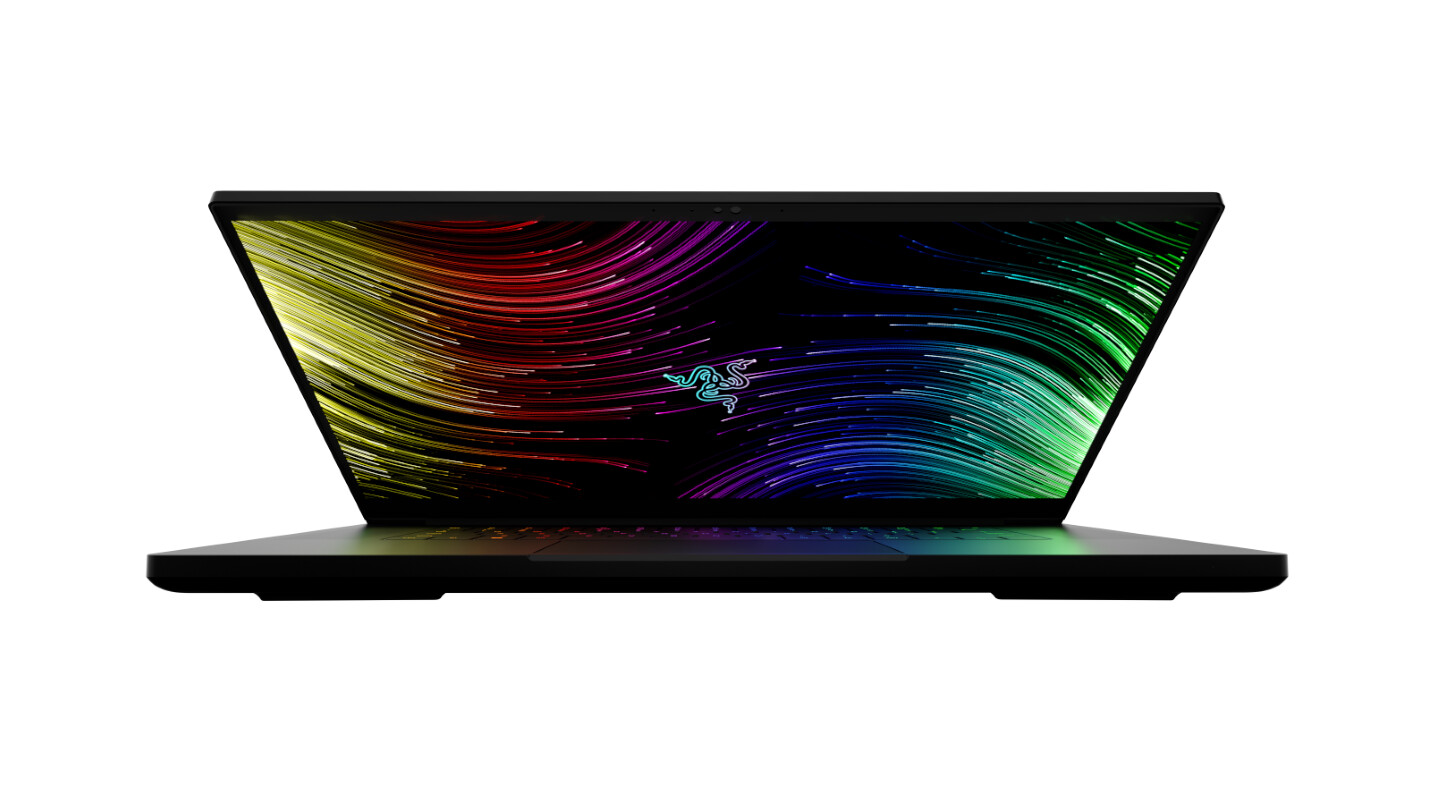
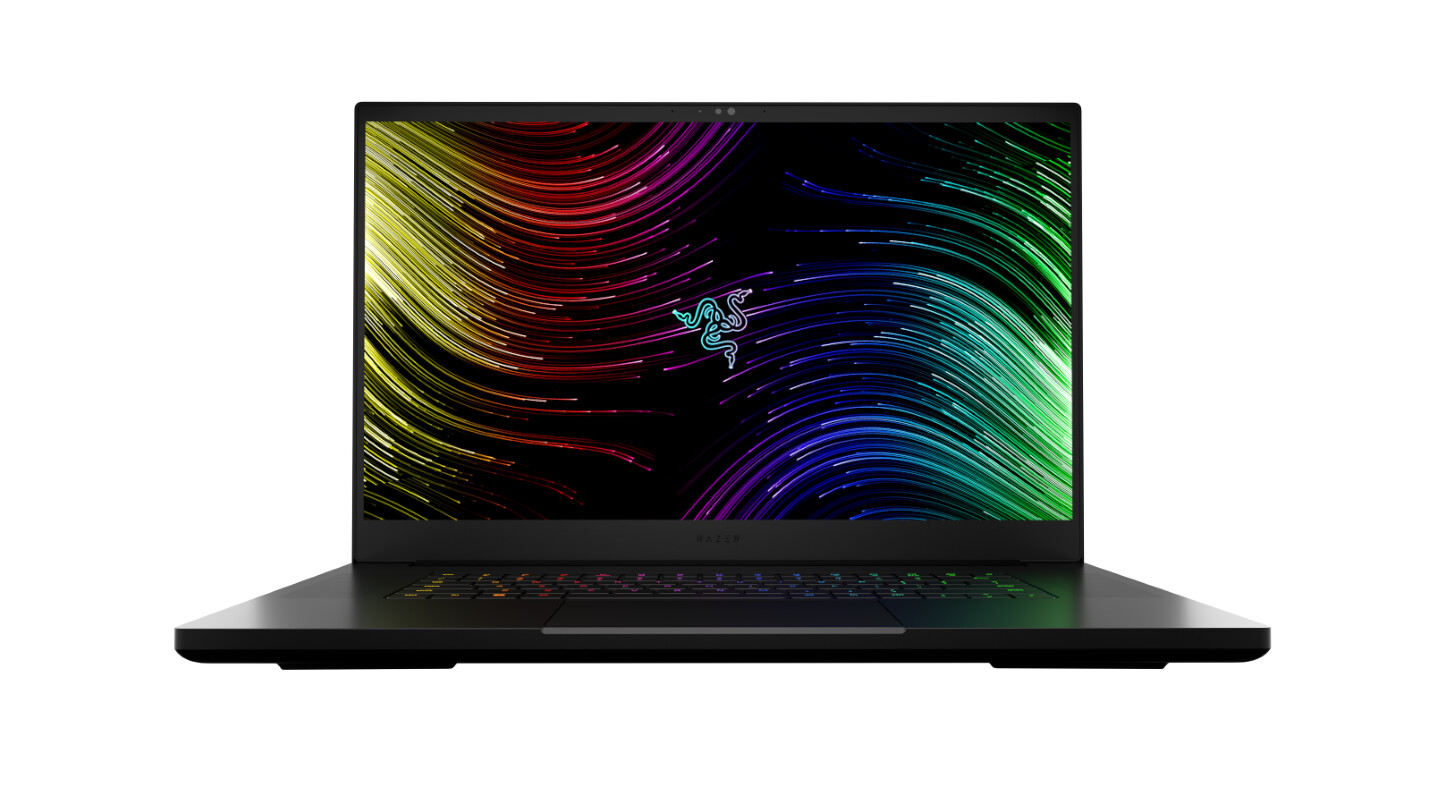
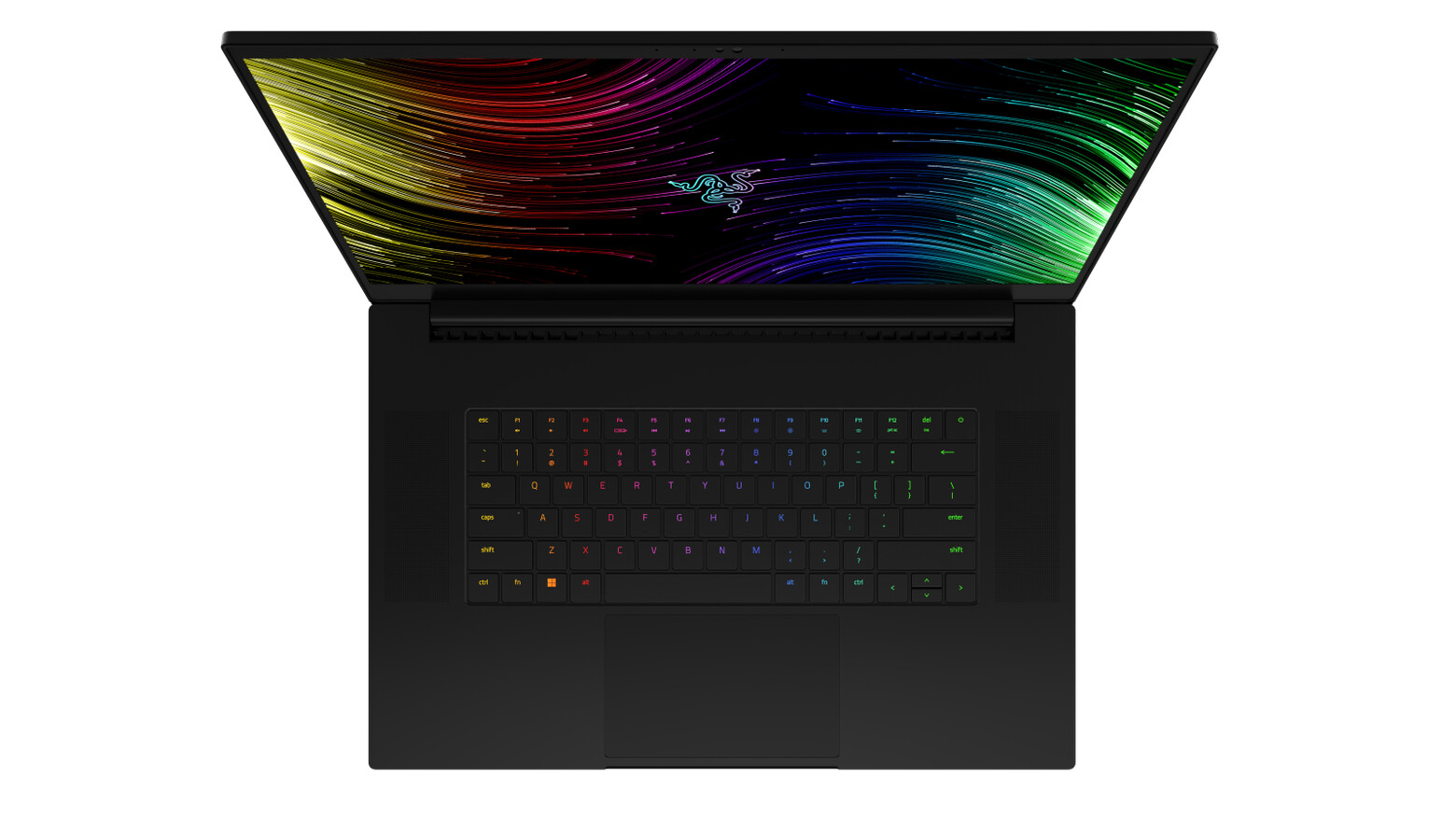
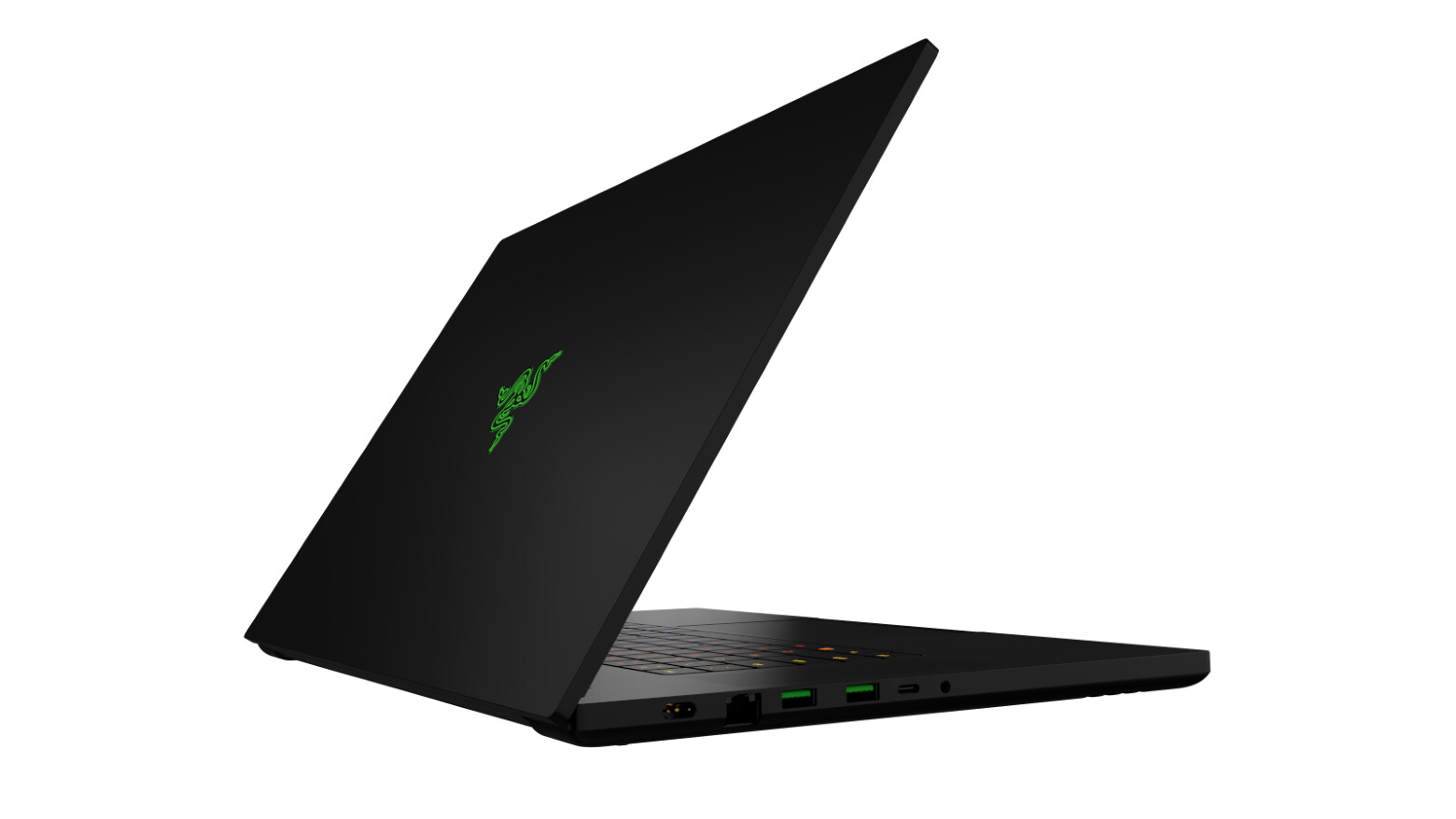
Razer Announces All-New Blade Gaming Laptops at CES 2022

Razer, the leading global lifestyle brand for gamers (Hong Kong Stock Code: 1337), is kicking off 2022 with new Razer Blade gaming laptop models including the Razer Blade 14, Razer Blade 15, and Razer Blade 17. The world's fastest laptops for gamers and creators are equipped with the recently announced NVIDIA GeForce RTX 30 Series Laptop GPUs, up to an RTX 3080 Ti, making the new Blades better than ever, now shipping with Windows 11. All new Razer Blade gaming laptops now also include groundbreaking DDR5 memory, providing blistering clock speeds up to 4800 MHz, an increase in frequency by up to 50% compared to the previous generation.

"The Razer Blade series continues to be the best gaming laptop by providing desktop-class performance on-the-go," says Travis Furst, Senior Director of Razer's Systems business unit. "Additionally, we've enabled creators to work anywhere with gorgeous displays, available NVIDIA Studio drivers, and up to 14-Core CPUs. Users will have the ability to choose any model or configuration that best fits their gaming or creating needs, while getting the latest and greatest in graphics, memory and processing technology."

Researchers at TU Wien have Developed Adaptive Transistor Using Germanium

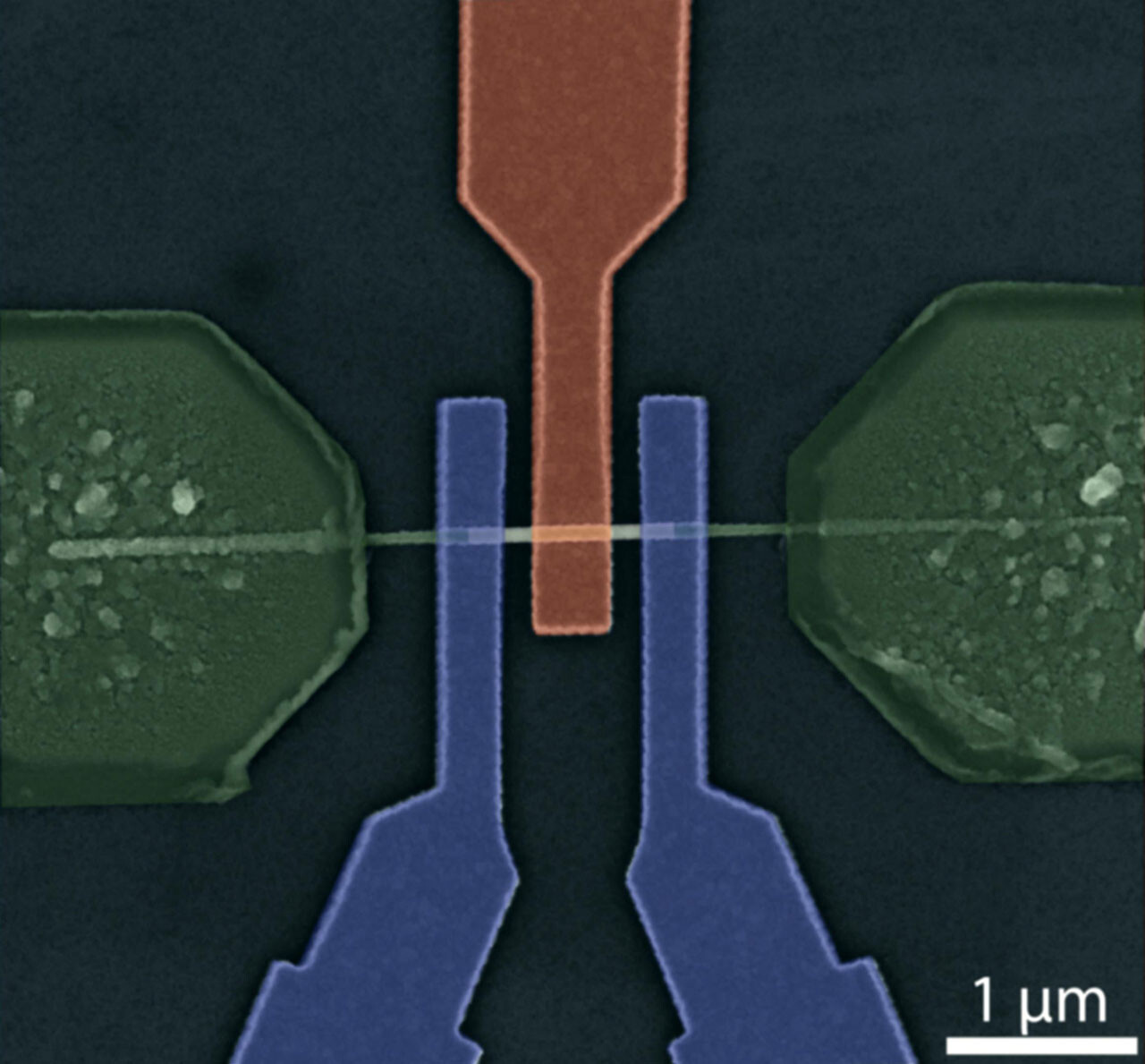
Transistors as we know them appear to be in for a big change, at least if the latest development by researchers at TU Wien has anything to say about it. The group of researchers have developed what they call an adaptive transistor, or in other words, a transistor that can do more than hold a 0 or a 1. This has huge implications and although they're currently at a very early stage, the working proof of concept could allow for a whole new range of applications for microchips.

It would appear that the new transistors are tricky to manufacture, based on the explanation by the researchers "We connect two electrodes with an extremely thin wire made of germanium, via extremely clean high-quality interfaces. Above the germanium segment, we place a gate electrode like the ones found in conventional transistors. What is decisive is that our transistor features a further control electrode, which is placed on the interfaces between germanium and metal. It can dynamically program the function of the transistor". The researchers are confident that this should be fairly straightforward to overcome, especially as their transistor doesn't require any "doping", something that is common with more complex transistors today.

NREL Acquires Next-Generation High Performance Computing System Based on NVIDIA Next-Generation GPU

The National Renewable Energy Laboratory (NREL) has selected Hewlett Packard Enterprise (HPE) to build its third-generation, high performance computing (HPC) system, called Kestrel. Named for a falcon with keen eyesight and intelligence, Kestrel's moniker is apropos for its mission—to rapidly advance the U.S. Department of Energy's (DOE's) energy research and development (R&D) efforts to deliver transformative energy solutions to the entire United States.

Installation of the new system will begin in the fall of 2022 in NREL's Energy Systems Integration Facility (ESIF) data center. Kestrel will complement the laboratory's current supercomputer, Eagle, during the transition. When completed—in early 2023—Kestrel will accelerate energy efficiency and renewable energy research at a pace and scale more than five times greater than Eagle, with approximately 44 petaflops of computing power.
Return to Keyword Browsing
Nov 11th, 2026 07:09 CST change timezone

New Forum Posts

Popular Reviews

TPU on YouTube

Controversial News Posts