News Posts matching #DDR5

Return to Keyword Browsing

DDR5 Memory Boosts Intel Raptor Lake Performance by up to 20% Compared to DDR4

As we approach the launch of Intel's upcoming Raptor Lake desktop processors, we are getting more leaks of testing performed by system integrators and 3rd parties that have early access to the engineering sample (ES) chips. A few days ago, we saw an Intel Core i7-13700K CPU run Geekbench 5 benchmark with the older DDR4 memory on ASRock Z690 Steel Legend WiFi 6E. Today, we are seeing a similar test performed on the same processor, with ASRock Z690 Steel Legend WiFi 6E/D5 equipped with DDR5 memory. While the previous DDR4 testing used modules running at 3200 MT/s, the DDR5 testing uses 5200 MT/s rated DRAM with unknown timings and setup.

As far as performance goes, the single-core result of the 16-core Intel Core i7-13700K processor was 2090 points with DDR4, while DDR5 showed a slight regression of 2069 points. Of course, this could be attributed to the margin of error. As far as multi-core performance goes, the DDR4 testing managed to produce 16542 points, whereas the DDR5-equipped platform scored 19811 points. This is an immediate 20% performance uplift in multi-core score. It shows that all the cores present in Raptor Lake processors are starving for bandwidth, and a faster memory protocol can bring quite an improvement. As usual, we have to wait to confirm this information with our testing so that we can draw more conclusions.

Intel Raptor Lake Launch and Availability Dates Revealed

A post on Chinese forum Bilibili has revealed more exact details with regards to when Intel's Raptor Lake series of processors will launch and if nothing changes between now and then, the K and KF SKU's should be announced as previously thought, at the Intel Innovation '22 event that kicks off on the 27th of September. Retail availability, alongside Z790 motherboards should be about a month later, starting the week of the 17th of October. We've confirmed these dates with our own sources, but as always with early information, these things can change.

The rest of the Raptor Lake family of CPUs, as well as the H770 and B760 chipsets are expected to launch at CES 2023 in January and the poster on Bilibili claims that retail sales should be sometime in the second half of January. We've not been able to confirm the latter information here. As per older rumours, Intel is expected to change the PCIe lane allocation for the Z790 chipset compared to Z690 and based on the information posted, Z790 will have 20 PCIe 4.0 and eight PCIe 3.0 lanes, vs. 12 PCIe 4.0 and 16 PCIe 3.0 for the Z690 chipset. Raptor Lake is also said to get native support for faster DDR5 5600 memory, rather than just 4800 MHz DDR5 for Alder Lake. There are apparently no changes to the CPU PCIe lanes and DDR4 support is still here, but once again, no changes have been made to the DDR4 memory controller.

Rambus Expands Portfolio of DDR5 Memory Interface Chips for Data Centers and PCs

Rambus Inc., a premier chip and silicon IP provider making data faster and safer, today announced the expansion of its DDR5 memory interface chip portfolio with the addition of the Rambus SPD (Serial Presence Detect) Hub and Temperature Sensor, complementing the industry-leading Rambus Registering Clock Driver (RCD). DDR5 achieves greater memory bandwidth and capacity by employing a new module architecture with an expanded chipset. The SPD Hub and Temperature Sensors improve DDR5 Dual Inline Memory Module (DIMM) system management and thermal control to deliver higher performance within the desired power envelope for servers, desktops and laptops.

"The new performance levels of DDR5 memory place an increased premium on signal integrity and thermal management for server and client DIMMs," said Sean Fan, chief operating officer at Rambus. "With over 30 years of memory subsystem design experience, Rambus is ideally positioned to deliver DDR5 chipset solutions which enable breakthrough bandwidth and capacity for advanced computing systems."

Kingston Announces the FURY Renegade DDR5 Memory Series

Kingston FURY, the gaming division of Kingston Technology Company, Inc., a world leader in memory products and technology solutions, announced today the release of Kingston FURY Renegade DDR5 and Kingston FURY Renegade DDR5 RGB memory. The Kingston FURY Renegade DDR5 family is engineered to maximize the performance of your system.

Kingston FURY Renegade DDR5 family pushes the performance of next-gen DDR5 platforms to the extreme with ultra-fast memory up to 6400MT/s1and quick CL32 timings. With premium components hand-tuned by engineers, rigorously tested for compatibility across the industry's leading motherboards, backed by 100% factory testing at speed, and Intel XMP 3.0 Certified, customers can enjoy the ultimate overclock experience.

Thermaltake Announces ToughRAM DDR5 Memory Series

Thermaltake, the leading PC DIY premium brand for Case, Cooling, Gaming peripherals, and enthusiast memory solutions, is delighted to announce a new series of DDR5 RAM, including TOUGHRAM RC DDR5, TOUGHRAM Z-ONE RGB D5, and the latest TOUGHRAM XG RGB D5 in black and white. In order to provide gamers with the most up-to-date tech, our new DDR5 lineups come with higher capacities, faster speeds, and better overall performance compared with the previous generation and will be compatible with mainstream hardware and the latest Intel motherboards. Let's have a look at our latest offerings:

To begin with, we have TOUGHRAM XG RGB D5 in black and white with a frequency of 5600MT/s recently released and are available for purchase. The TOUGHRAM XG RGB D5 series features a Hynix chipset, the built-in PMIC, On-die ECC, and XMP 3.0 one-click overclocking. However, what makes the TOUGHRAM XG series stand out is its 16 ultra-bright addressable LEDs that are fully compatible with TT RGB Plus 2.0 and NeonMaker, enabling users to highlight the aesthetics they pursue without any limitation. The series also features 2oz, 10-layer PCB, and 10μ Gold Finger, further reinforcing not only the overall quality of the product but its enhanced durability, for the package that's pleasing to look at and enjoyable to game on. Moreover, with its doubled bank group architecture, the new TOUGHRAM XG RGB D5 enhances access availability and brings you higher capacities without lag, paving the way for next-gen memory. Aside from that, the latest TOUGHRAM XG RGB D5 is also compatible with TT AI Voice Control and Amazon Alexa, allowing users to freely configure lighting effects through their voice.

ADATA to Unveil its Latest Products Inside an Immersive Virtual World

ADATA Technology, a leading manufacturer of memory modules, USB flash drives, memory cards, solid state drives, portable hard drives, and gaming peripherals, today announces that it will be displaying and unveiling its latest products inside the MERAVERSE. The MERAVERSE is a virtual universe created to engage the world beyond the limitations of distance and time. ADATA is keen to provide consumers with an interactive experience by offering virtual exhibitions. On show will be ADATA and XPG's next-generation DDR5 memory modules, solid state drives, gaming products, and more.

Products of note include the ADATA ACE 6400 DDR5 memory module, XPG Gen5 x 4 solid state drive (SSD), and the 2022 Red Dot Design Award winning XPG ALPHA WIRELESS gaming mouse, which has also received several additional awards from other globally recognized media.

Intel's Upcoming Core i9-13900K Appears on Geekbench

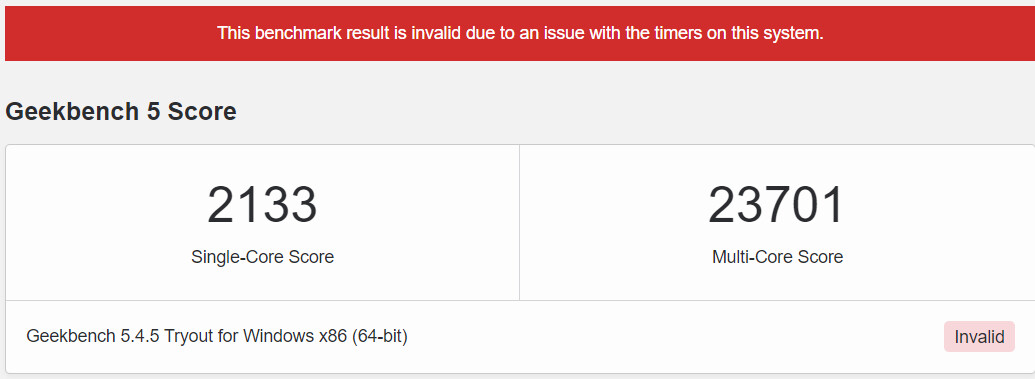
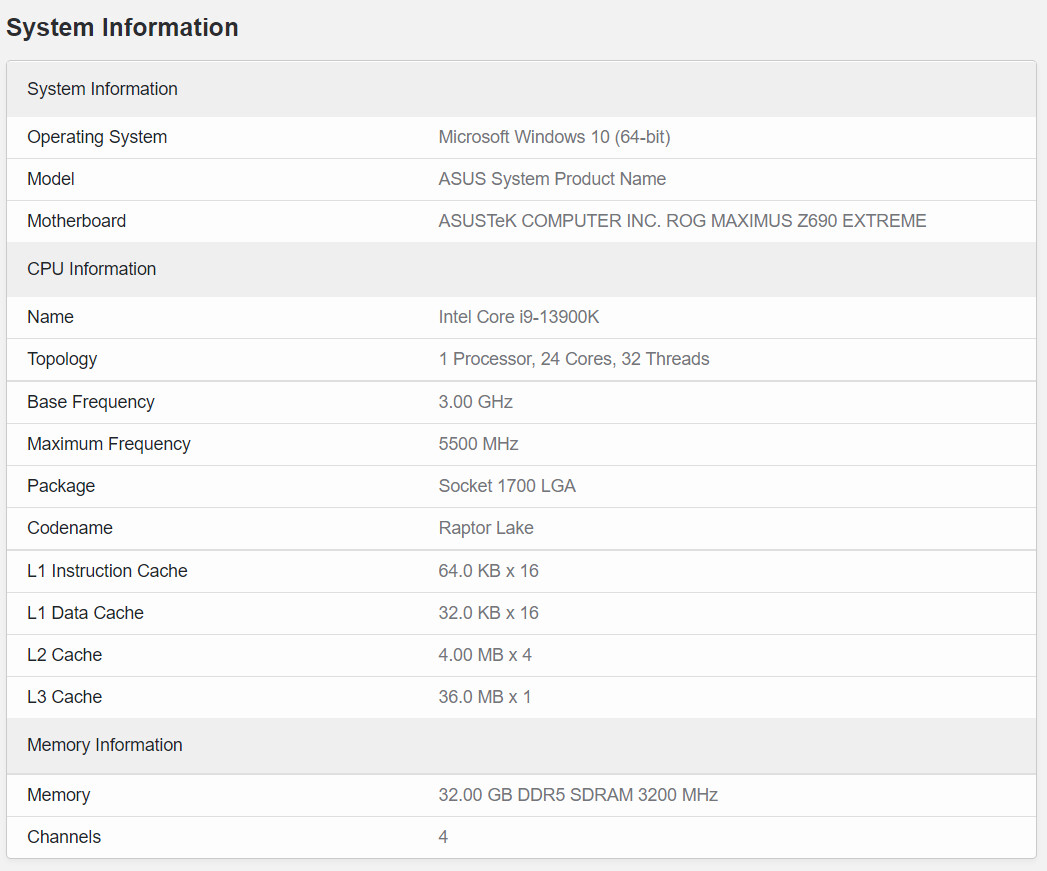
New week, new leak, as an engineer sample of Intel's upcoming Raptor Lake based Core i9-13900K has appeared in the infamous Geekbench database. It seems to be one of the ES samples that has been making the rounds over the past few weeks, but this is the first time we get an indication of what the performance might be like. There are no real surprises in terms of the specifications, we're looking at a base clock of 3 GHz, with a boost clock of 5.5 GHz, which has already been reported for these chips. The 24-core, 32-thread CPU was paired with 32 GB of 6400 MHz DDR5 memory and an ASUS ROG Maximus Z690 Extreme motherboard. Unfortunately the test results are reported as invalid, due to "an issue with the timers" on the system.

That said, we can still compare the results with a similar system using a Core i9-12900K on an ASUS ROG Strix Z690-F Gaming board, that's also paired up with 32 GB of 6400 MHz DDR5 memory. The older Alder Lake system is actually somewhat faster in the single core tests where it scores 2,142 points versus 2133 points for the Raptor Lake based system, despite having a maximum frequency of 5.1 GHz. The Raptor Lake system is faster in the multi-core test at 23,701 vs. 21312 points. However, it's no point doing any kind of analysis here, as the Raptor Lake results are all over the place, with it beating the Alder Lake CPU by a significant amount in some tests and losing against it in others, where it shouldn't be falling behind, simply based on the higher clock speed and additional power efficient cores. At least this shows that Raptor Lake is running largely as intended on current 600-series motherboards, so for those considering upgrading to the 13th gen of Intel CPUs, there shouldn't be any big hurdles to overcome.

Team Group Announces DDR5 Memory Made for Creators with New Cooling Design

World-leading memory manufacturer, Team Group is embracing the new DDR5 generation in full force by offering products that meet a wide range of user demands. In this case, T-CREATE, Team Group's label targeting content creators, is launching the EXPERT Desktop DDR5 RAM and CLASSIC SO-DIMM Laptop DDR5 RAM to serve the booming digital content market and join hands with digital content creators around the world to usher in the next generation.

T-CREATE's EXPERT Desktop DDR5 RAM, unlike its DDR4 iteration, uses a dedicated DDR5 cooling module and all-new cooling fin design to strengthen cooling under high-intensity applications and ensure digital content creators can continue to experience high-speed performances at the ideal operating temperature. Digital content creators require strong performances and large capacities. The EXPERT DDR5 has the specs to achieve speeds of up to 5600 MHz and dual-channel options available in 16 GB x2 or 32 GB x2, which can fulfill any multi-tasking needs and drastically enhances the creative experience.

Micron Launches Industrial DDR5 Server DRAM

Micron today announced commercial and industrial channel partner availability of Micron DDR5 server DRAM in support of industry qualification of next-generation Intel and AMD DDR5 server and workstation platforms. The move to DDR5 memory enables up to an 85% increase in system performance over DDR4 DRAM. Micron's new server DDR5 memory maximizes performance for AI, HPC and data-intensive applications that require more CPU compute capacity and higher memory bandwidth than DDR4 technology can support.

"As data continues to grow exponentially, the need to derive insights from that data is critical to business success," said Teresa Kelley, vice president and general manager of Micron's Commercial Products Group. "Data center operators need to maximize platform performance with advanced memory capabilities and processor advancements. Micron DDR5 server DRAM provides unparalleled bandwidth to manage even the most memory-intensive applications. Micron has been on the forefront of the industry's transition to DDR5 memory technology and is committed to empowering data center customers and channel partners in their server DDR5 DRAM qualification and readiness efforts."
Intel Raptor Lake-S CPU-attached NVMe Storage Remains on PCIe Gen4

Intel is preparing to launch its next-generation desktop platform codenamed Rocket Lake-S. According to the presentation held by Intel today in Shenzen, China, we have official information regarding some of the platform features that Raptor Lake is bringing. Starting with memory support, Raptor Lake is still carrying the transitional DDR4 and DDR5 support, as the full swing towards DDR5 is still in progress. Unlike the previous generation Alder Lake, which brought DDR5-4800 support, Raptor Lake's integrated memory controller can drive DDR5 modules with a 5600 MT/s configuration. As DDR4 support remains, it is limited to 3200 MT/s speed.

Interesting information from the leaked slide points out that support for CPU-attached NVMe storage remains PCIe Gen4. While AMD will provide an AM5 socket with CPU-attached NMVe storage on PCIe Gen5 protocol, Intel is taking a step back and holding on to Gen4. The CPU is outputting 16 PCIe Gen5 lanes on its own. Motherboard vendors for the upcoming 700-series boards for Raptor Lake can still provide a PCIe Gen5 NVMe slot; however, it will have to subtract eight Gen5 lanes from the PCI Express Graphics (PEG) slot and route them to NVMe storage. As our testing shows, this will affect GPU's performance by a few percent. AMD's upcoming AM5 platform has no such issues, as the CPU provides both the PEG and CPU-attached NVMe storage with sufficient PCIe Gen5 bandwidth.

Suppliers More Willing to Acquiesce on Price, 3Q22 DRAM Pricing Decline Expands to Nearly 10%, Says TrendForce

According to the latest TrendForce research, despite the rapid weakening of overall consumer demand in 1H22, DRAM manufacturers previously presented a tough stance on price negotiations and gave little ground, steadily conveying inventory pressure from buyers to sellers. Facing uncertain peak-season demand in 2H22, some DRAM suppliers have begun effectively expressing clear intentions to cut prices, especially in the server field, where demand is relatively stable, in order to reduce inventory pressure. This situation will cause 3Q22 DRAM pricing to drop from the previous 3~8% to nearly 10% QoQ. If a price war is incited due to companies competing for sales, the drop in prices may exceed 10%.

PC OEMs have continuously downgraded their shipment prospects. With average DRAM inventory levels at more than two months, unless a huge price incentive exists, there is no urgent demand for procurement. At the same time, thanks to continuous adoption of the advanced 1Z/1alpha process, supply continued to increase in 3Q22. DDR4 output could not be effectively reduced due to high pricing limiting the penetration rate of DDR5. The price decline of PC DRAM in 3Q22 is revised to 5~10%.

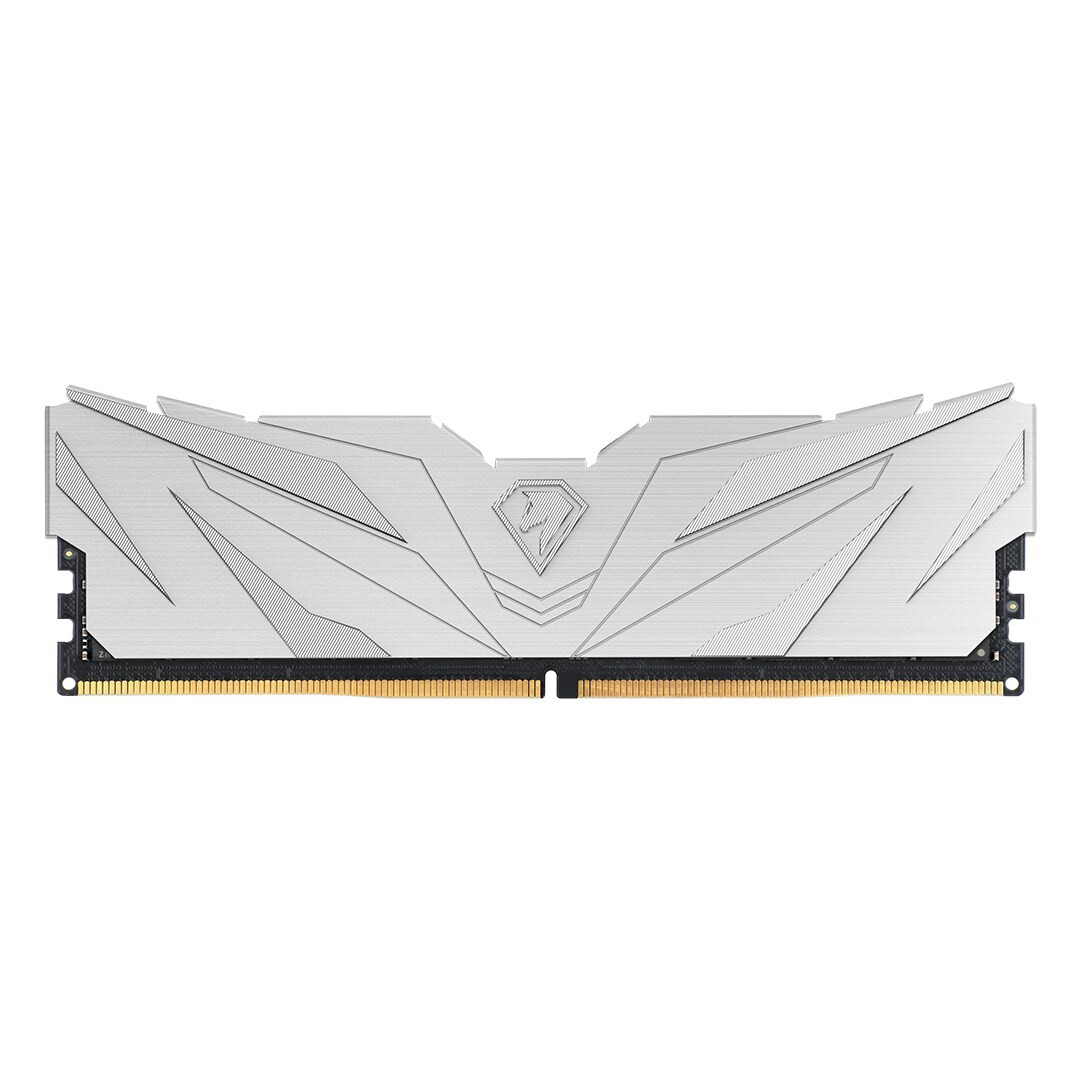
Netac Announces Shadow II DDR5 Memory Series

Netac officially announced its release of Shadow II DDR 5 memory. Since the end of 2021, DDR5-related topics have maintained a high level of popularity. The first reason is that the market has been looking forward to new productivity tools for a long time. Second, compared with the previous generation, DDR5 has a revolutionary improvement in both appearance and performance, such as doubling the frequency and starting at 4800 MHz; Integrated PMIC power management chip, the voltage reduces to 1.1 V, and the power consumption is lower; On-die ECC error correction function is added to make the operation more stable.

Besides the first-line brands, Netac, an established storage manufacturer, is also actively deploying this field. Netac introduces the memory of Shadow II DDR 5 after Shadow RGB DDR5. Like Shadow Series, Shadow II DDR 5 is also positioned in the middle and high end, but without RGB lighting function. In terms of parameters, the frequency specification of 4800 MHz will be launched soon, and 8/16/32 GB*2 high-capacity strap specifications will be available, with a latency of 40-40-77 and a voltage of 1.1 V. Netac said that high-frequency specifications such as 5600 MHz and 6200 MHz will be launched in the future.

CORSAIR Webstore Sale—Up To 25% Off on Memory till Midnight

CORSAIR presents a chance to save up to 25% off on your gaming PC memory upgrades with a one-day sale on the CORSAIR Webstore. Open for residents of the US, you can now bag some great deals on CORSAIR memory kits across several of the company's brands, including the top-of-the-line DOMINATOR Platinum; premium Vengeance PRO, and mid-range Vengeance series. This sale covers both DDR5 and DDR4 memory types, and should prove particularly handy for those on an older machine with DDR4 memory (think 2x 8 GB), to upgrade to not just higher capacity, but also higher frequencies. The sale is open until Midnight, 29th June, 2022.

CORSAIR Webstore Memory Sale—Up To 25% Off

Intel's 13th Gen Raptor Lake ES CPU gets Benchmarked

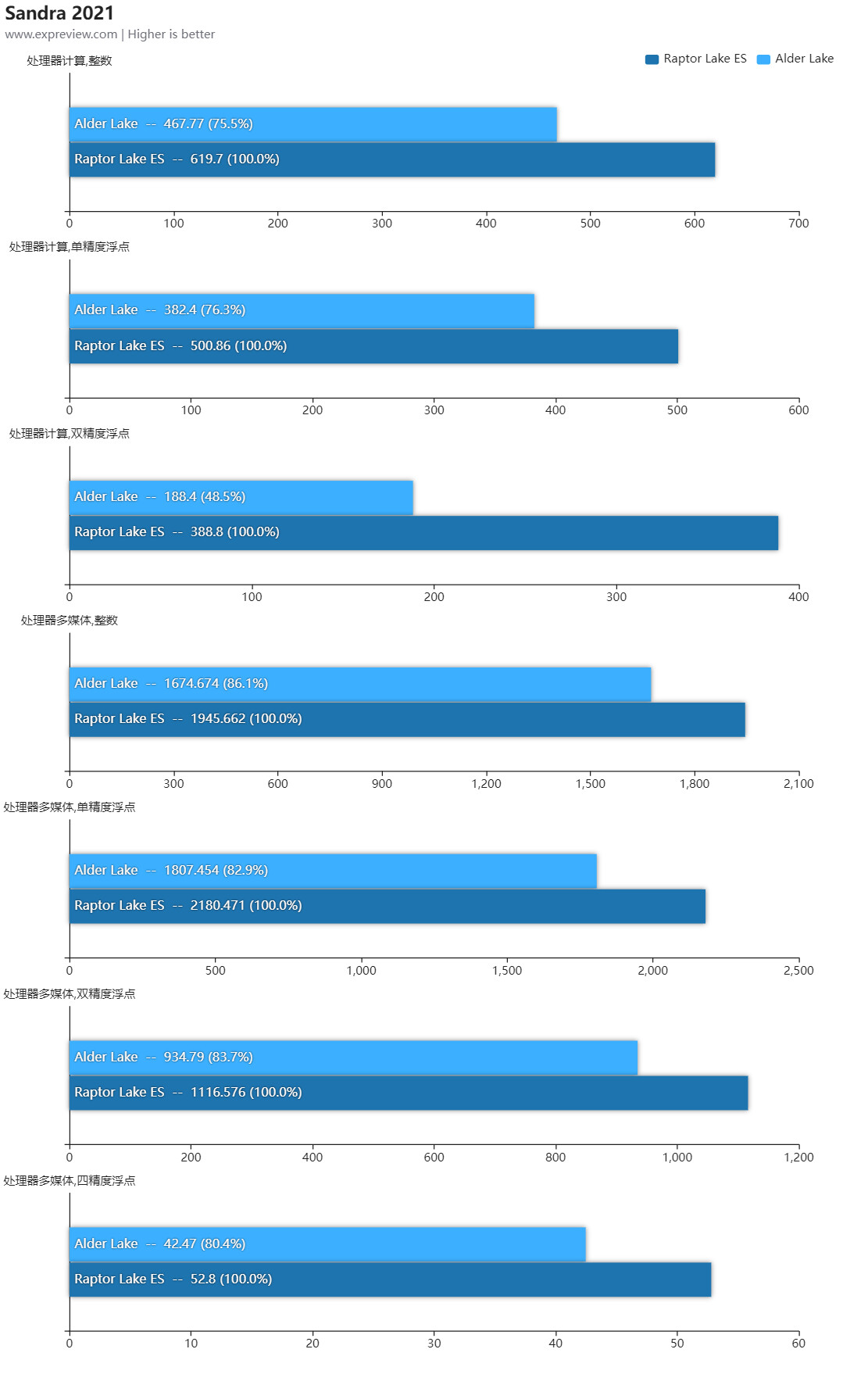
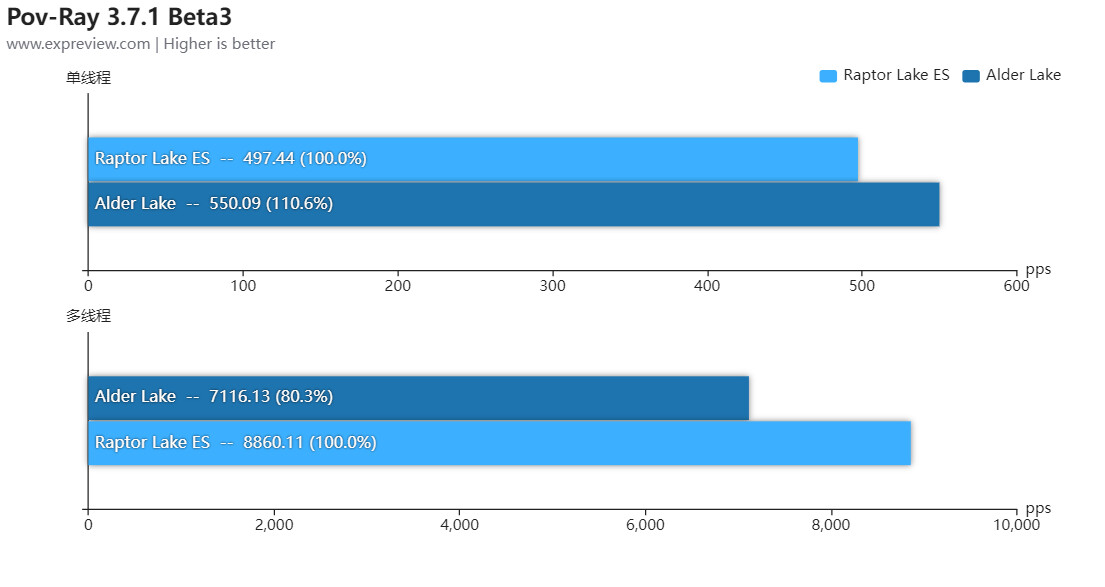
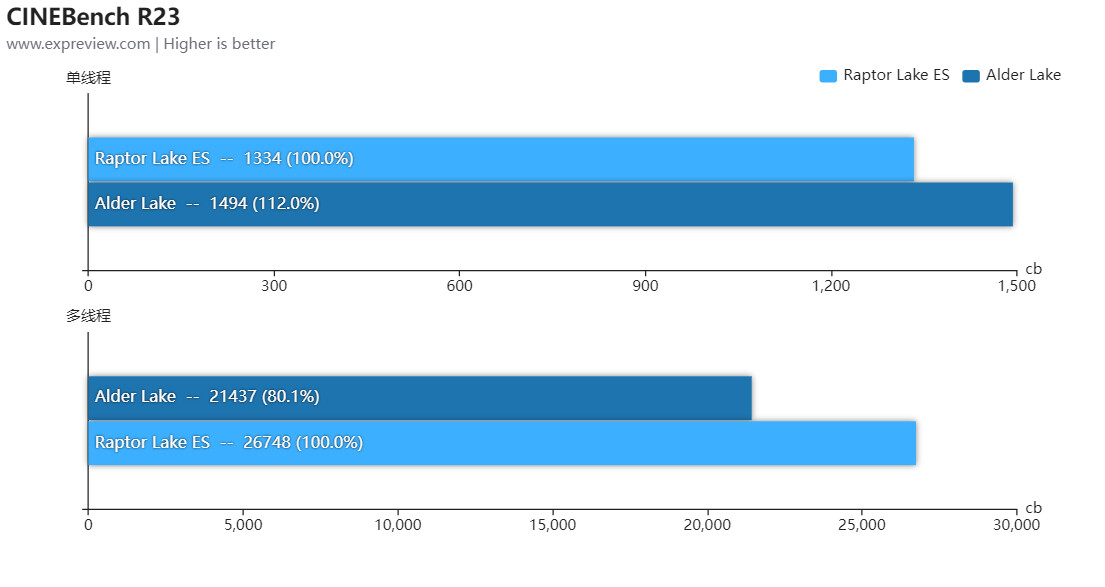
Just hours ago a CPU-Z screenshot of an Intel Raptor Lake ES CPU appeared and the same CPU now appears to have been put through a full battery of benchmark tests, courtesy of Expreview. This upcoming 13th gen Core CPU from Intel is limited to a maximum clock speed of 3.8 GHz and as such, was tested against a Core i9-12900K that was clocked at the same speed, for a fair comparison. Both CPUs were used with an unknown Z690 motherboard, 32 GB of DDR5 5200 MHz memory with unknown timings and a GeForce RTX 3090 Founders Edition graphics card. According to Expreview, the 13th gen CPU is on average around 20 percent faster than the 12th gen CPU, although the extra eight E-Cores might have something to do with that in certain benchmarks.

In Sisoft Sandra 2021 the ES sample is as much as 51.5 percent faster in the double precision floating point test, which is the extreme outlier, but it's ahead by around 15-25 percent in most of the other tests. In several other tests, it's ahead by anything from as little as less than three percent to as much as 25 percent, with more multithreaded types of benchmarks seeing the largest gains, as expected. However, in some of the single threaded tests, Alder Lake is edging out Raptor Lake by 10 percent or more, for example in Pov-Ray and Cinebench. Most of the game tests favour Intel's 12th gen over the 13th gen ES sample, although it's possible that the limited clock speeds are holding back the Raptor Lake CPU. The two are either neck in neck or Alder Lake being ahead with anything from a couple of percent to almost nine percent. Keep in mind that it's still early days and everything from UEFI support to drivers will be improved before Raptor Lake launches later this year. There's also the limited clock speed which is likely to play a significant role in the final performance as well, but this does at least provide a first taste of what's to come. Head over to Expreview for their full set of benchmarks.

Team Group Announces the First High-Performance Industrial DDR5-5600

In response to the evolution of industrial DDR5 memory platform specifications, global memory brand TEAMGROUP has utilized its outstanding R&D capabilities to develop the first industrial U-DIMM, SO-DIMM, ECC-DIMM, and R-DIMM DDR5 memory modules at 5,600MHz clock speeds and run at 1.1V. They are expected to meet the diverse needs of next-generation platforms, Intel Raptor Lake and AMD Raphael-X, with high-performance specifications in line with JEDEC standards, accelerating the development of high-end industrial applications.

TEAMGROUP has been making strides in the industrial market for years and is focused on DDR5 memory applications. The company previously developed a complete range of DDR5 4,800 MHz modules, and now thanks to its industry-leading R&D, TEAMGROUP has successfully increased the frequencies of its DDR5 product line to 5,600 MHz. For added security in industrial applications, an SPD Write Protection feature was also adopted, which prevents SPD parameter changes caused by abnormal interference. With these enhancements, the risk of shutdown is greatly reduced and the memory is able to operate with substantially improved performance and stability.

MediaTek Expands Flagship Smartphone Performance with the Dimensity 9000+

MediaTek today announced the Dimensity 9000+, an enhancement to the company's top-of-the-line 5G smartphone chipset. This new high-end offering delivers a boost in performance over the Dimensity 9000 to make the next generation of flagship smartphones even more powerful and efficient.

The new Dimensity 9000+ system-on-chip (SoC) integrates Arm's v9 CPU architecture with a 4 nm octa-core process, combining one ultra-Cortex-X2 core operating at up to 3.20 GHz (compared to 3.05 GHz with the Dimensity 9000) with three super Cortex-A710 cores and four efficiency Cortex-A510 cores. The advanced CPU architecture and Arm Mali-G710 MC10 graphics processor built into the new chipset provide more than a 5% boost in CPU performance and more than 10% improvement in GPU performance.

Memory Prices Going Down by Up to 8% in this Quarter, Says TrendForce

According to TrendForce research, despite the significance of peak season and rising DDR5 penetration, the 3Q22 DRAM market still succumbed to the negative impact of weak consumer electronics demand resulting from the Russian-Ukrainian war and high inflation, which in turn led to an increase in overall DRAM inventory. This is the primary reason for a 3-8% drop in DRAM prices in 3Q22 and a more than 8% pricing dip in certain DRAM products for PCs and smart phones cannot be ruled out.

In terms of PC DRAM, sustained weakening of demand has led to PC OEMs adjusting their annual shipment targets and also caused DRAM inventories to soar rapidly. In 3Q22, PC OEMs remain focused on adjusting and destocking DRAM inventories, making a rebound in purchasing momentum unlikely. At the same time, since the overall DRAM industry remains oversupplied, even if PC demand is sluggish, suppliers still experienced difficulties in reducing their PC DRAM supply, resulting in a slight quarterly increase in the number of supplied bits. Therefore, PC DRAM pricing is forecast to drop by 3~8%

AMD Ryzen 7000 "Zen 4" Launch Date and Lineup Revealed, Spectacular AM4 Rumor Surfaces

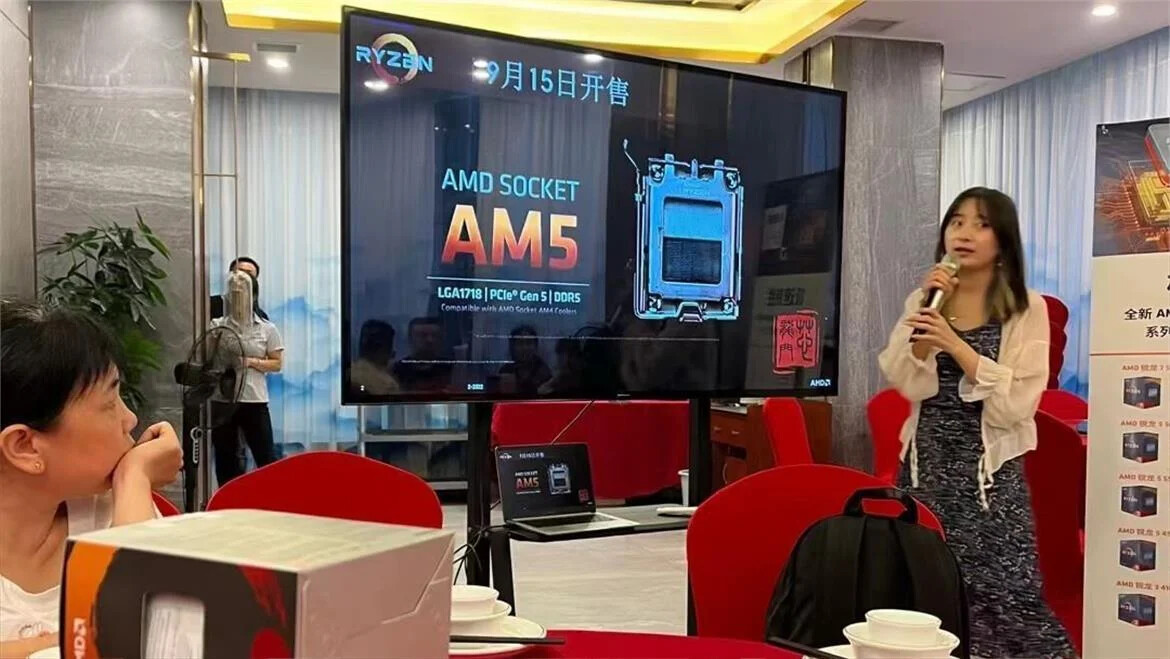
15th September, 2022, is when AMD will debut its Ryzen 7000 "Zen 4" desktop processors. The launch strategy of these chips looks similar to that of the Ryzen 5000 series. The company is preparing a lean launch lineup with just four SKUs—the Ryzen 9 7950X, the Ryzen 9 7900X, Ryzen 7 7800X, and the Ryzen 5 7600X. These SKUs succeed the 5950X, 5900X, 5800X, and 5600X, which made up the previous launch lineup. AMD in its recent interview with us, made it clear that 16-core/32-thread is the maximum core-count for the 7000 series, which would make the 7950X such a chip. The core-counts of the other SKUs are not known. All these models are built in the Socket AM5 package, featuring PCI-Express Gen 5 and DDR5 interfaces. But wait, there's more.

Although AMD led us to believe that it's going all-in with DDR5, we're hearing a spectacular rumor that suggests otherwise. Apparently, the company is designing Socket AM4 processors with "Zen 4" chiplets, possibly paired with the existing cIOD that supports PCI-Express Gen 4 and DDR4 interfaces. The rumor surfaced among sources lower down the supply-chain (resellers). It seems like AMD isn't convinced it could target the lower-end of the market with AM5 just yet, and isn't 100% confident that affordable DDR5 memory will come through in time. The "Zen 4" + AM4 processors would compete with Intel 600-series chipset motherboards that have DDR4 and PCIe Gen 4 connectivity. Trouble is, you can upgrade your Intel LGA1700 motherboard to one that has DDR5+PCIe Gen5 while keeping your processor; but you can't do so with an AM4 Zen 4 processor (you're stuck on AM4). AMD still gets to sell some processors, and those with AM4 platforms can rejoice.

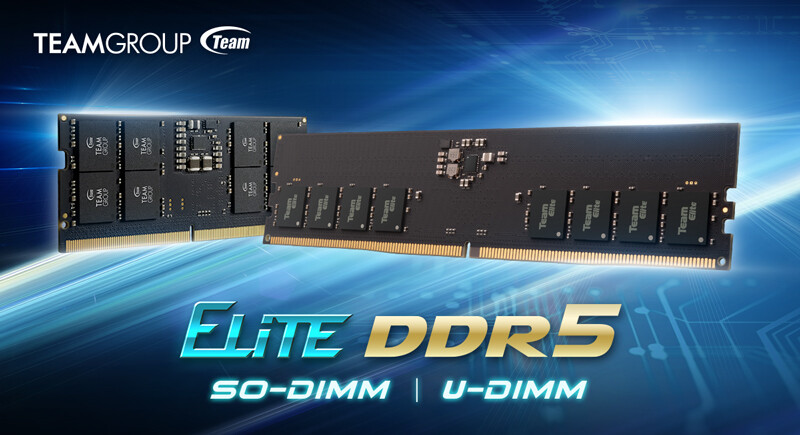
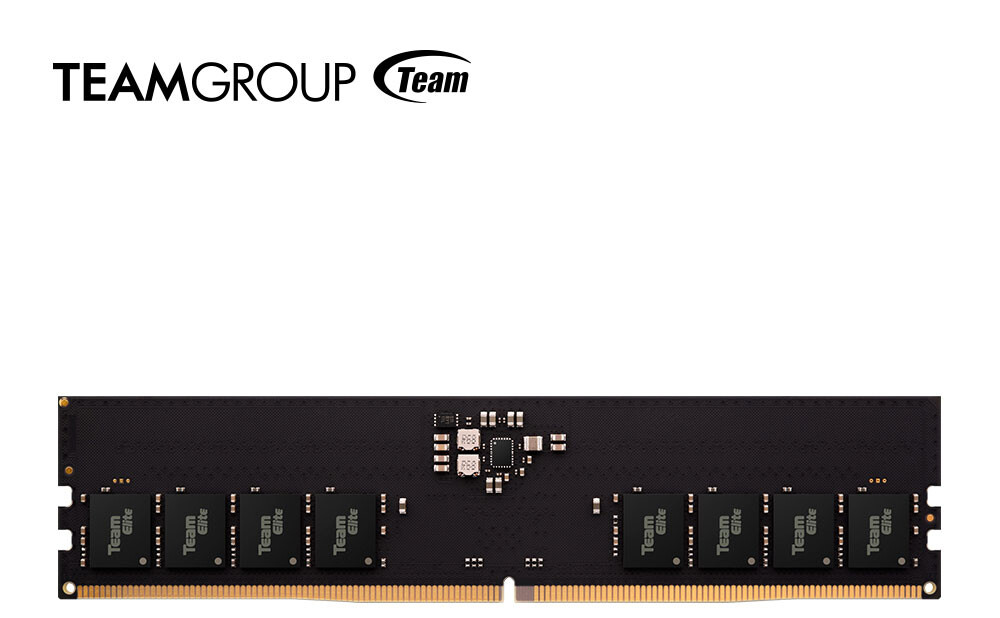
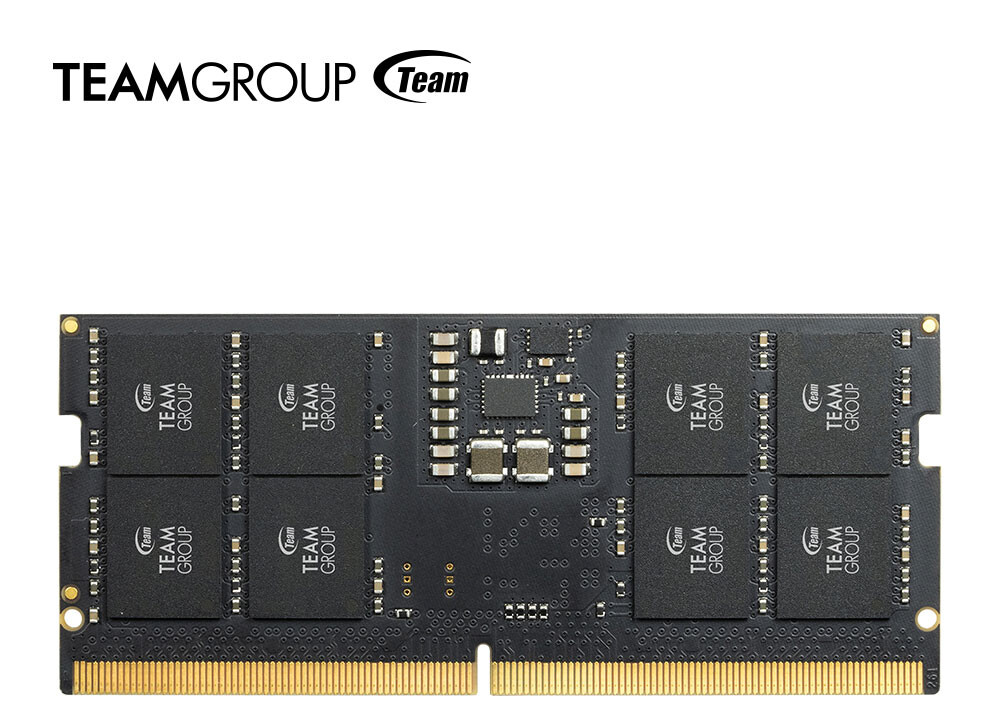
TEAMGROUP Launches New ELITE SO-DIMM DDR5 and ELITE U-DIMM DDR5 Standard Memory Modules Running at 5600MHz

To meet the demand for all types of multi-tasking, high-clock-speed experiences, and high-performance computing as well as to provide users with a full range of DDR5 upgrade options, TEAMGROUP, a global memory leader, has announced the release of its newly-updated ELITE SO-DIMM DDR5 and ELITE U-DIMM DDR5 5600 MHz high-speed memory modules. Both models will be available on Amazon in North America in early July, 2022. The high clock speed allows for higher-performance DDR5 memory for both desktop and laptop computers, enhancing user productivity and improving overall operational efficiency and storage performance. Consumers worldwide can also enjoy a more stable and efficient experience with lower power consumption provided by TEAMGROUP's ELITE memory.

In response to the growing demand for high-speed computing and digital technology, TEAMGROUP has introduced the upgraded ELITE SO-DIMM DDR5 5600 MHz and ELITE U-DIMM DDR5 5600 MHz memory modules, which boast higher frequencies and low power consumption. The updated specs of the ELITE memory fully meet the needs of business, learning, and entertainment applications on desktop and laptop computers. With a low operating voltage of 1.1 V, the power consumption of the memory is significantly reduced, extending the life of computers it is installed on. In addition, DDR5's Same-Bank Refresh feature and optimized IC structure can process double the amount of data simultaneously compared to DDR4, which enables computers to operate more smoothly while multi-tasking and significantly improves operating efficiency.

AMD Ryzen 3 7320U Surfaces, Possibly the "Mendocino" SoC

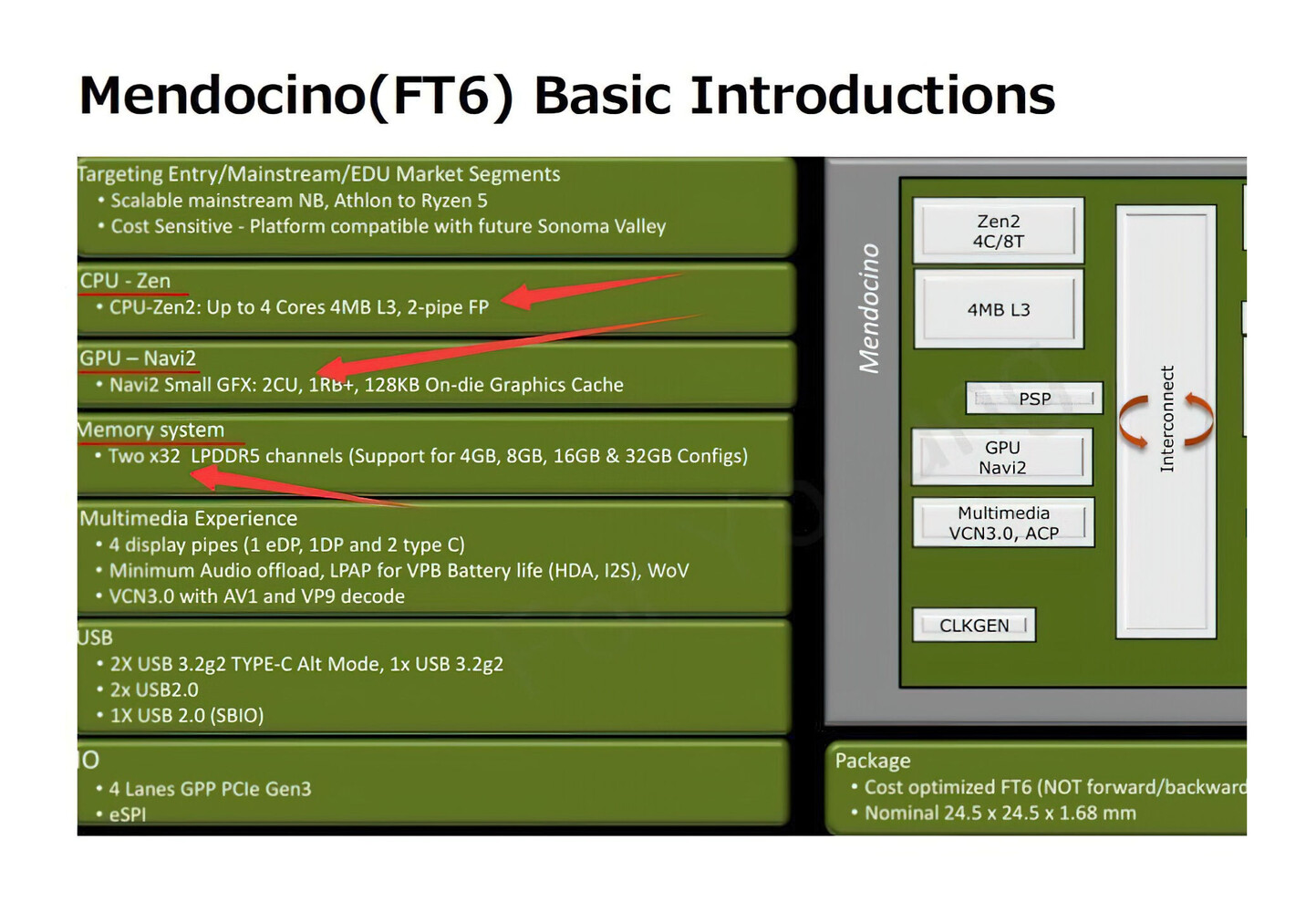
One of AMD's big announcements this fall has been its entry-level "Mendocino" Ryzen 3 mobile processor, which enables the company to compete with Intel's latest-generation Pentium Gold-powered notebooks by combining older-generation IP with the latest I/O and fabrication node. The chip has possibly surfaced on the UserBenchmark database, as the Ryzen 3 7320U processor.

Built on the TSMC N6 (6 nm) silicon fabrication process, the "Mendocino" chip features a 4-core/8-thread CPU based on the older "Zen 2" microarchitecture. This CPU is a single CCX with four "Zen 2" cores sharing a 4 MB L3 cache. It features an iGPU based on the latest RDNA2 graphics architecture, but with just two compute units (128 stream processors). The chip also features a single-channel DDR5 memory interface, and a PCI-Express Gen 3 interface with four PCIe 3.0 general-purpose lanes, besides some USB and display outputs.

Intel Core i9-13900 "Raptor Lake" Processor Gets a Preview

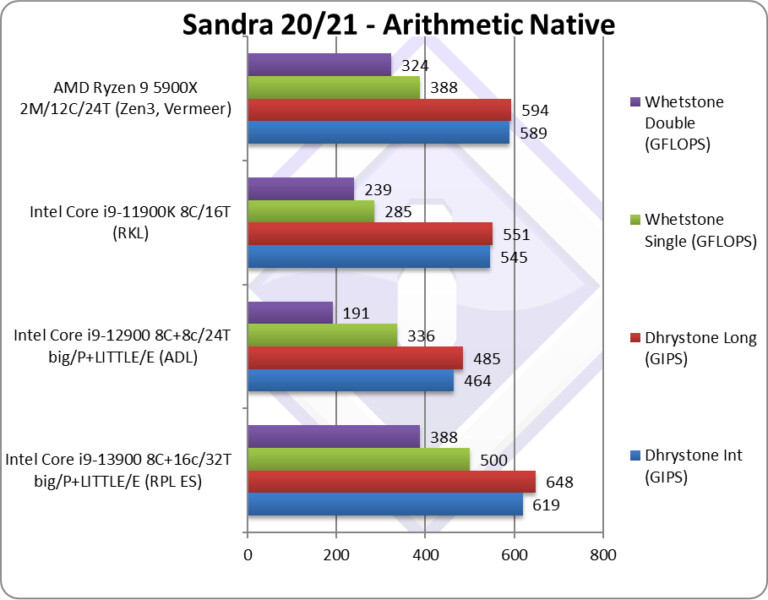
Intel is preparing to launch its 13th generation of desktop processors codenamed Raptor Lake. Succeeding Alder Lake, the 13th gen design will implement up to eight P-cores with 16 E-cores manufactured on Intel's improved 7+ technology node. Today, we got a performance preview from SiSoftware that has collected SiSoftware Sandra database scores of Intel Core i9-13900 Raptor Lake-S processor. They present an overview of a few benchmarks. Firstly, the SoC features 36 MB of unified L3 cache versus 30 MB in Alder Lake. With DDR5 memory running up to 5600 MT/s and PCIe 5.0, the SoC features the latest IO and memory standards. The big P-cores now lack AVX-512 and feature 2 MB of L2 cache per core. We see 4 MB of L2 cache for a cluster of small E-cores. An exciting addition to E-cores is the AVX/AVX2 support, which is a first for Atom cores.

Regarding testing, the author has collected a few tests that seemed appropriate to compare to the equivalent Alder Lake model. Starting with ALU/FPU tests that benchmark basic arithmetic tasks, Raptor Lake delivered 33% to 50% improvement over Alder Lake. The Raptor Lake design achieved this with 3.7 GHz P-Core and 2.76 GHz E-Core frequency. In vectorized and SIMD tests, the 13th gen design showed only 5% to 8% improvement over the previous generation. For more benchmarks and accurate results, we have to wait for TechPowerUp's test, which will be coming on the release day.

Silicon Power Announces XPOWER Zenith and XPOWER Zenith RGB DDR5 Memory

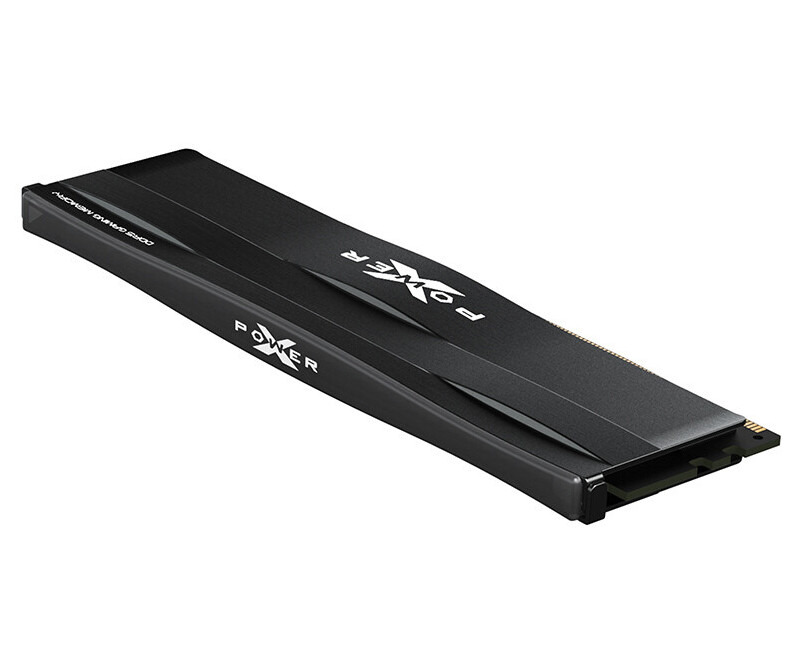
Silicon Power (SP) releases its first line of memory modules featuring the all-new, next-gen DDR5 technology. Designed for gaming, the XPOWER Zenith DDR5 UDIMM module is available in both RGB and non-RGB forms. Experience even faster frequencies, greater capacities, and lower voltages with the latest release in our Zenith Series, the XPOWER Zenith DDR5 UDIMM module. Take your gaming abilities to new high scores with turbo speeds ranging from 5200 MHz to 6000 MHz. It's available in 8 GB, 16 GB, and 32 GB module densities with double the banks and double the burst length compared to DDR4 to give hardcore gamers and overclockers the power to harness DDR5's game-changing performance.

AMD's Second Socket AM5 Ryzen Processor will be "Granite Ridge," Company Announces "Phoenix Point"

AMD in its 2022 Financial Analyst Day presentation announced the codename for the second generation of Ryzen desktop processors for Socket AM5, which is "Granite Ridge." A successor to the Ryzen 7000 "Raphael," the next-generation "Granite Ridge" processor will incorporate the "Zen 5" CPU microarchitecture, with its CPU complex dies (CCDs) built on the 4 nm silicon fabrication node. "Zen 5" will feature several core-level designs as detailed in our older article, including a redesigned front-end with greater parallelism, which should indicate a much large execution stage. The architecture could also incorporate AI/ML performance enhancements as AMD taps into Xilinx IP to add more fixed-function hardware backing the AI/ML capabilities of its processors.

The "Zen 5" microarchitecture makes its client debut with Ryzen "Granite Ridge," and server debut with EPYC "Turin." It's being speculated that AMD could give "Turin" a round of CPU core-count increases, while retaining the same SP5 infrastructure; which means we could see either smaller CCDs, or higher core-count per CCD with "Zen 5." Much like "Raphael," the next-gen "Granite Ridge" will be a series of high core-count desktop processors that will feature a functional iGPU that's good enough for desktop/productivity, though not gaming. AMD confirmed that it doesn't see "Raphael" as an APU, and that its definition of an "APU" is a processor with a large iGPU that's capable of gaming. The company's next such APU will be "Phoenix Point."

LG Announces Pricing and Availability of 2022 LG Gram Laptop Lineup and its First Portable Display

LG Electronics USA announced pricing and availability of its 2022 LG gram lineup of premium laptops. Ideal for a wide variety of users who value supreme portability and sleek, ultra-light designs that adopt innovative software and the latest hardware to offer even more power and convenience, LGs latest gram lineup - LG gram, LG gram 2-in-1 and +view for LG gram are available now at LG.com and at select LG-authorized retailers nationwide. The 2022 LG gram lineup features : gram 17 (17Z90Q), gram 16 (16Z90Q), gram 15 (15Z90Q), gram 14 (14Z90Q), gram 2-in-1 (16T90Q and 14T90Q), and the series' first-ever portable monitor, +view for LG gram (16MQ70).

Each new LG gram laptop provides powerful performance backed by a 12th Gen Intel Core processor. This year's laptops have also been upgraded to the latest Gen4 NVMe SSD, and employ low-voltage LPDDR5 RAM to achieve a performance boost versus outgoing models. Intel Evo Platform certified, the 2022 LG grams deliver excellent battery life, giving users the freedom to work, or play, wherever their day takes them. LG's premium laptops are synonymous with superb picture quality.. Featuring 16:10 aspect ratio, WQXGA (2,560 x 1,600) resolution IPS panels, the new grams provide sharp, vibrant images with high brightness, 99 percent coverage of the DCI-P3 color space, and plenty of screen real estate to meet users' diverse productivity and entertainment needs. What's more, LG's advanced IPS displays are now anti-glare, reducing distracting reflections and making it easier for users to see what they're working on, regardless of ambient light conditions.

DDR5 Memory Pricing Declining, Bolstering Hope for Next-Gen Platform Costs

DDR5 memory pricing has been declining faster than expected, with average pricing for modules based on the latest standard dropping by as much as 20% in a month's time. As reported by ComputerBase, pricing for 1 GB of DDR5 has fallen from around €15 by the end of 2021 down to around €5/GB at time of writing. At current pricing, an entry-level, 32 GB DDR5 kit DDR5-4800 memory (JEDEC standard) has fallen from a high of €430 down to a much more palatable €154.

The price decline comes as good news for anyone aiming to upgrade their PC in wake of AMD's Socket AM5 launch for its Zen 4 architecture, which the company has already confirmed will only support the latest RAM standard. AMD itself must be riding the sea of relief, as high DDR5 pricing could significantly shape the company's next-gen platform's value compared to arch-rival Intel, which already offers DDR4 and DDR5 support with its Alder Lake chips. Expectations place the same memory support for the next-gen Raptor Lake platform. Prices for DDR4 memory seem to have hit a bottom, however, as pricing hasn't significantly moved in around six months. Like with all new technologies, expect the price difference to eventually change in favor of DDR5 memory, as manufacturers adjust their outputs towards adoption.
Return to Keyword Browsing
Nov 13th, 2026 03:04 PST change timezone

New Forum Posts

Popular Reviews

TPU on YouTube

Controversial News Posts