News Posts matching #NVIDIA RTX

Return to Keyword Browsing

ASUS Showcases ProArt GR1X, ProArt P16 & P14 Laptops, ProArt OLED Monitors, and AI-Powered Solutions for Creatives at Adobe MAX 2026

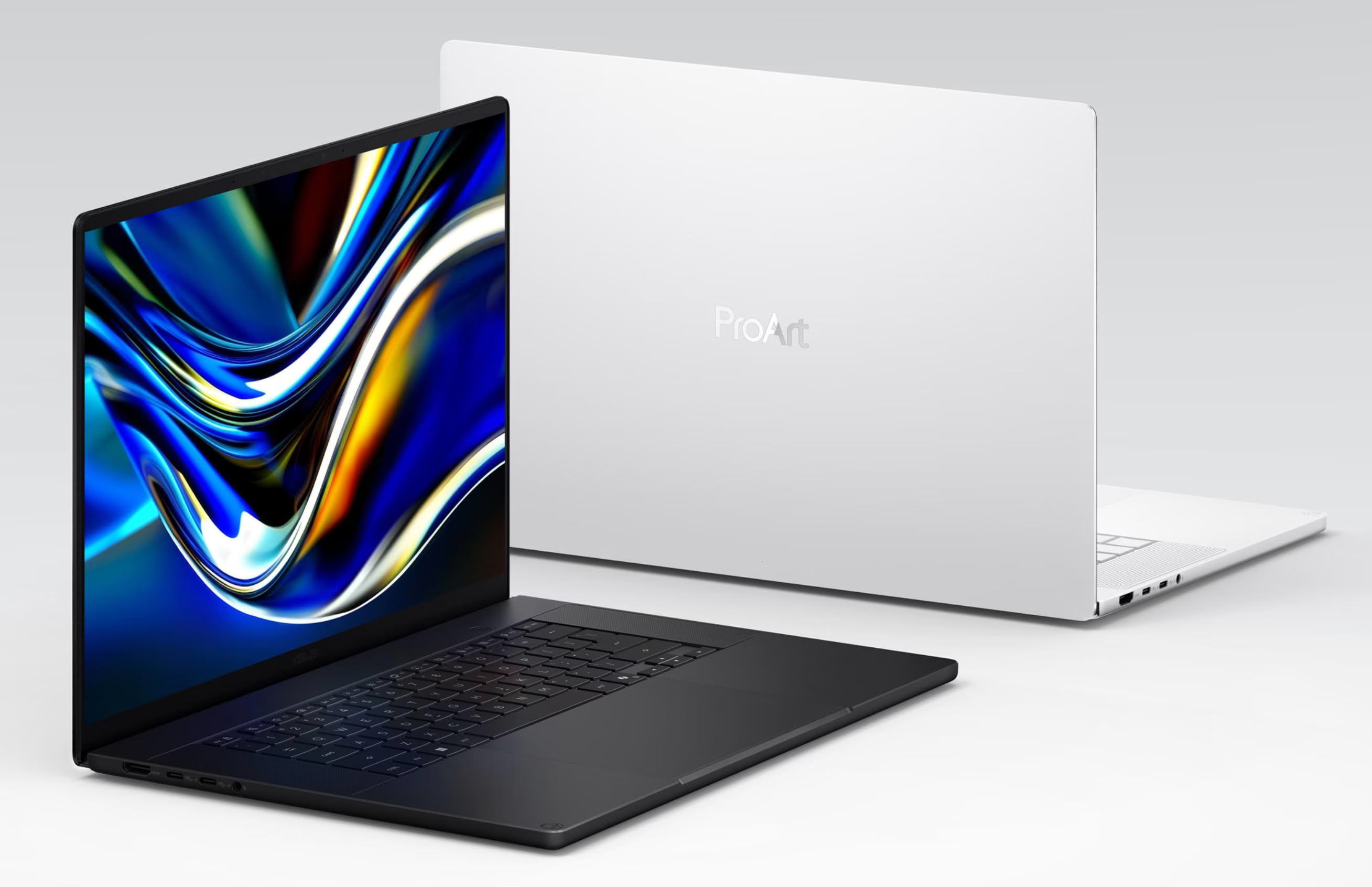
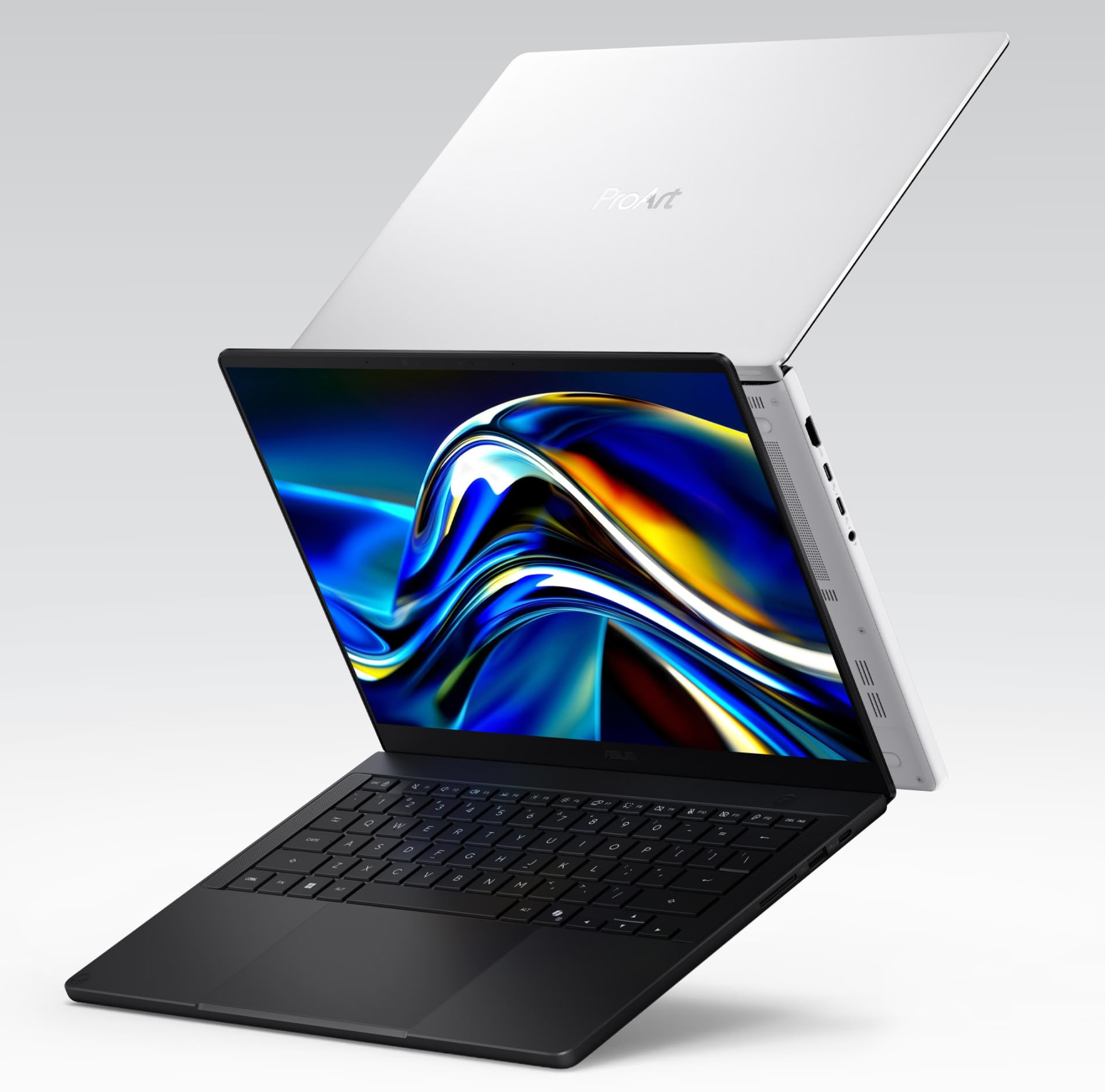
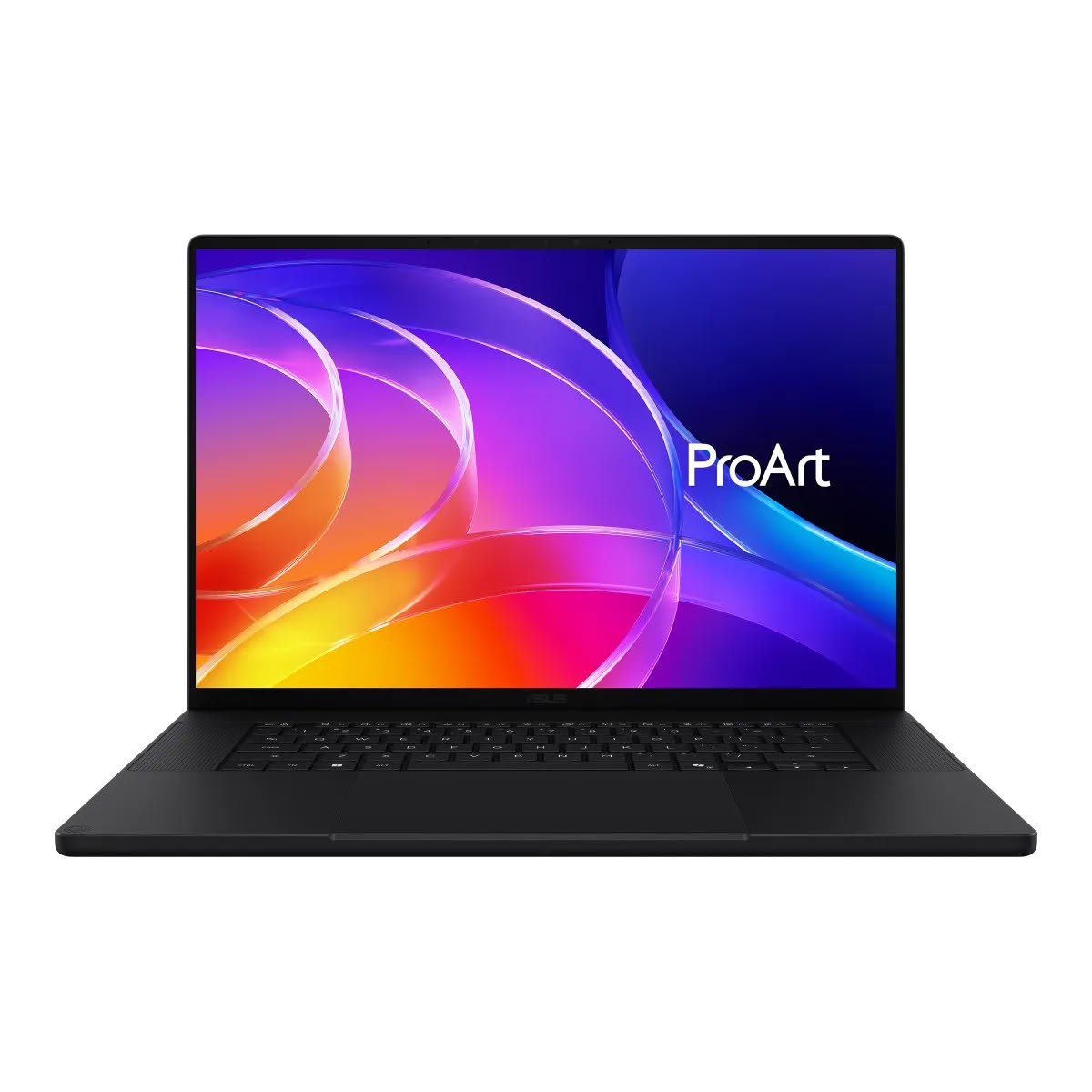
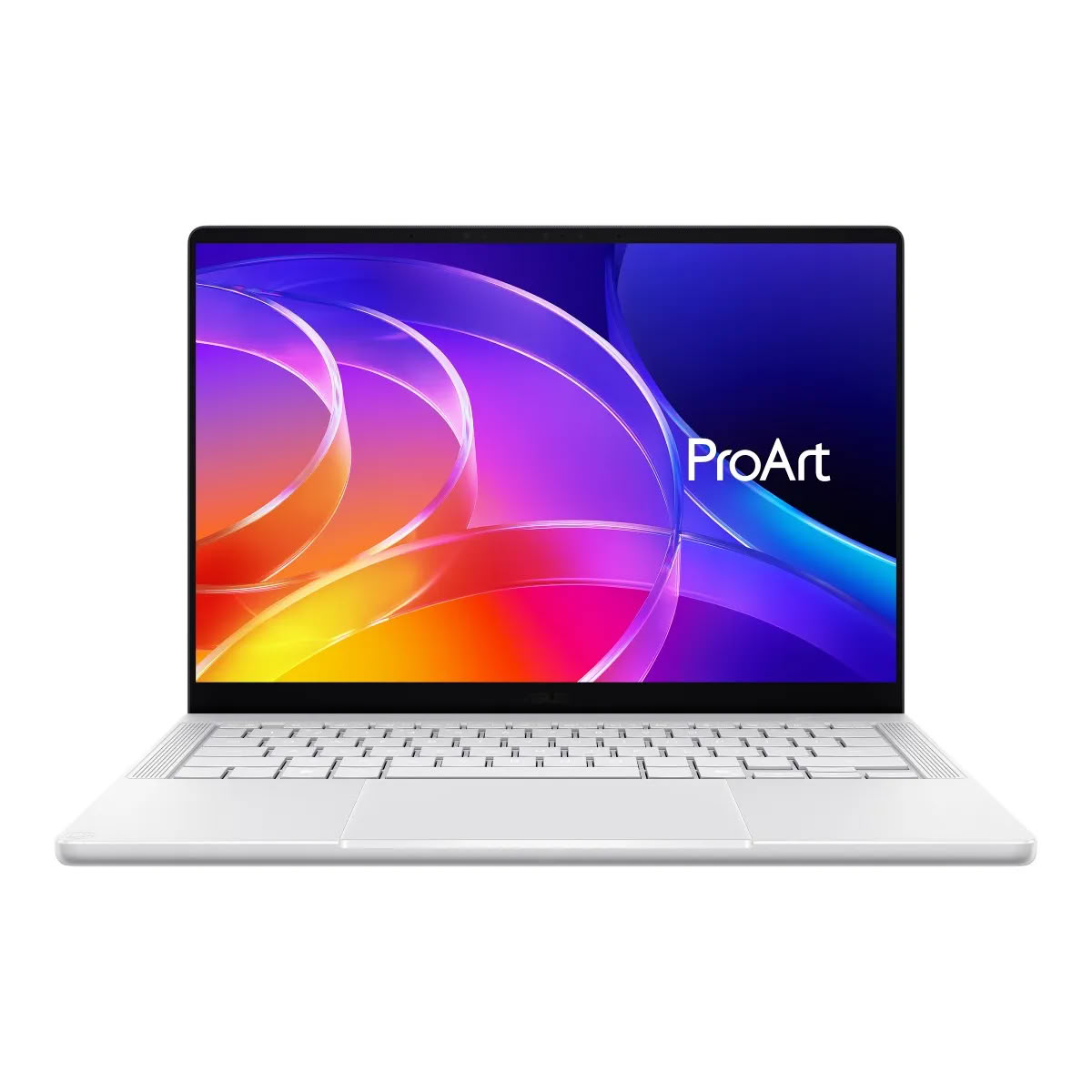
ProArt, the ASUS sub-brand created by creators, for creators, today announced its participation at Adobe MAX 2026, where it will showcase a complete ecosystem of AI-powered creator solutions designed to accelerate content creation, streamline workflows, and empower the next generation of creative professionals. Event attendees can experience hands-on demonstrations of the ProArt GR1X, a new agentic AI mini PC, and ProArt P16 & P14 laptops, bringing powerful on-device AI capabilities directly to creators, as well as ProArt OLED monitors featuring exceptional color accuracy and HDR performance. The demos will span AI content creation, visual effects production, professional photo editing, and color-critical workflows.

RTX Spark Creator Solutions
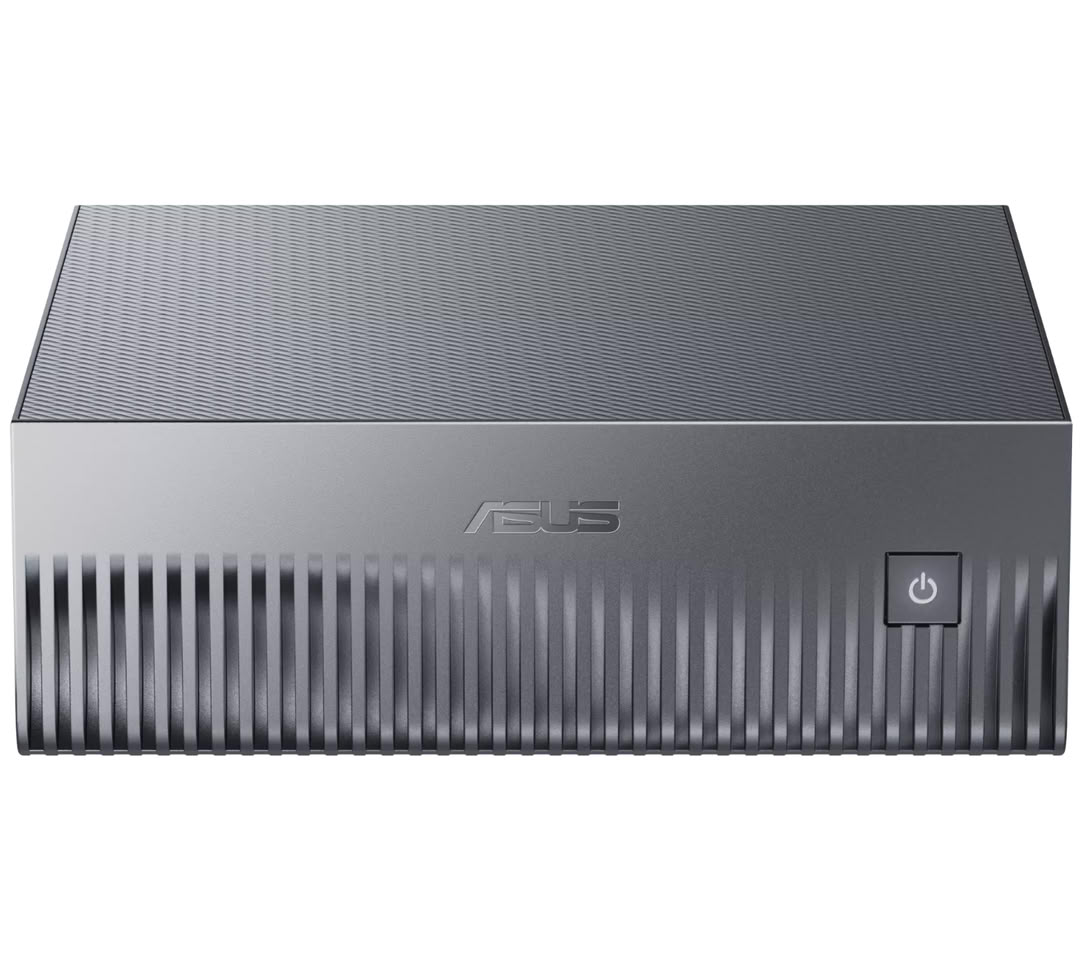
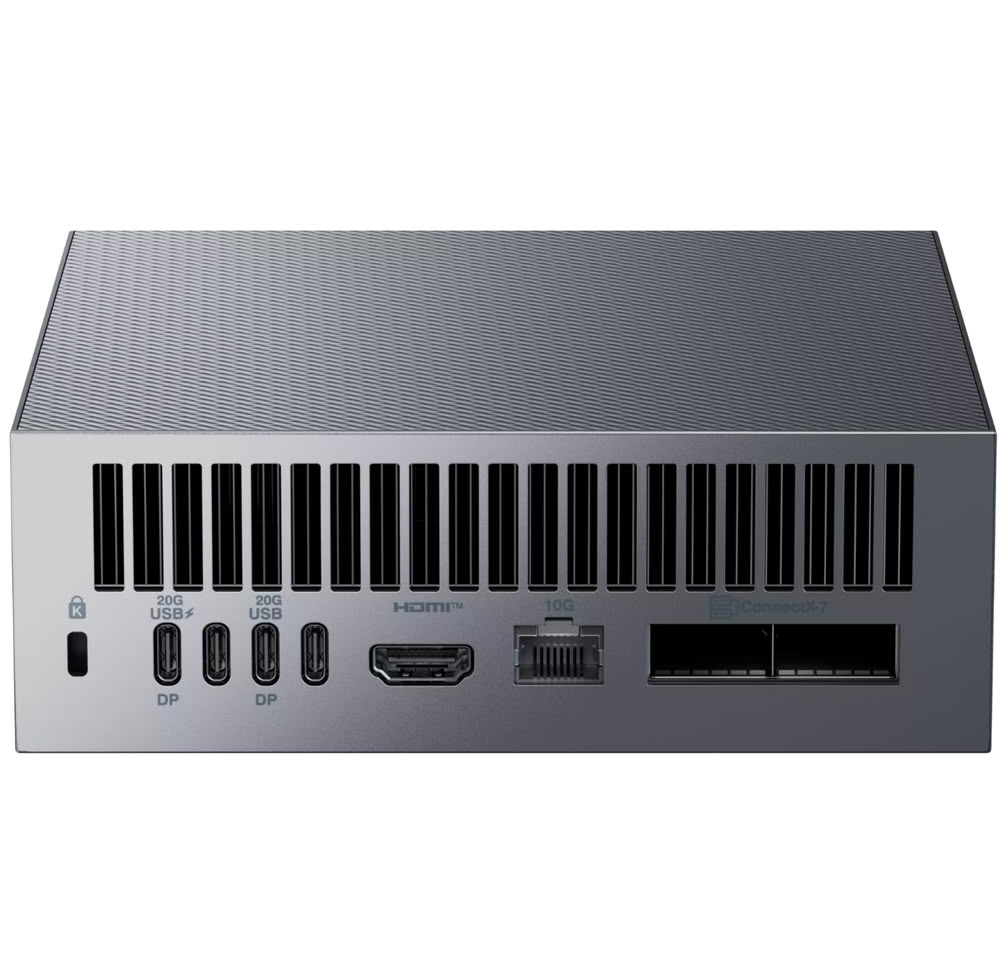
ProArt GR1X mini PC: Create without limits. Your AI agent, always on
The ProArt GR1X is a mini PC that brings on-device AI to creative workflows, from the Adobe Creative Suite, to generative AI tools like ComfyUI. The RTX Spark carries the full NVIDIA Stack, CUDA, TensorRT, NVFP4, RTX Ray Tracing, DLSS, and Optix. With up to 128 GB of unified memory, users can run agents alongside their largest creative projects, and iterate without per-token or per-generation fees. Because the GR1X has a 6144-core NVIDIA Blackwell RTX GPU, users can keep client footage and project files on their own machine, and feel confident when they utilize AI on their most sensitive client projects. Apps, tools, and workflows are connected into one seamless experience, private by default. RTX Spark brings NVIDIA's full-stack AI platform, ready for the AI workloads of today and whatever comes next. Delivered on the familiar, trusted Windows platform.


NVIDIA RTX 5070 Ti Climbs $160 in Eight Days, Now 79% Over MSRP

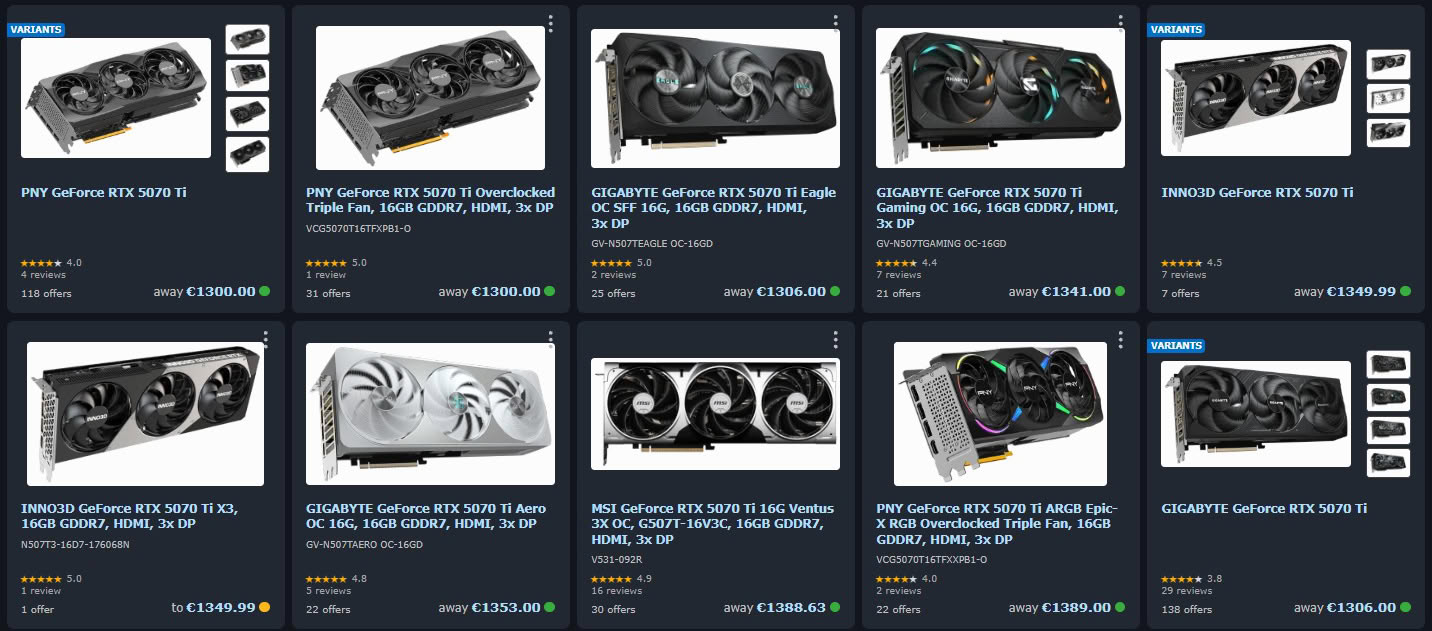
NVIDIA's GeForce RTX 5070 Ti is now close to double its $749 MSRP in the US. According to price tracking by VideoCardz, the cheapest RTX 5070 Ti at major US retailers was $1,339.99 on November 6, about 79% above MSRP, up from $1,179.99 on October 29. That's a $160 jump in just eight days. Some models have already crossed the 2x mark, like the ASUS TUF Gaming OC at $1,499.99 on B&H. Prices are also moving fast. At the time of writing, the cheapest RTX 5070 Ti sold by Newegg itself is an MSI SHADOW RTX 5070 Ti at $1,409.99. Things aren't much better in Germany, where the cheapest listing on Geizhals sits at €1,300 for a PNY model, roughly 48% above the €879 MSRP.

Things are probably going to get worse, too. NVIDIA's board partners in China are reportedly raising RTX 5070 Ti prices by around 1,000 RMB (about $150) this week, with retail prices expected to follow within a week or two. Unlike the RTX 5090 and 5080 16 GB, which have reportedly been discontinued, the RTX 5070 Ti is still officially in production. After reports of an end of production in January early this year, NVIDIA said it was still shipping all GeForce SKUs, and ASUS denied the card was end-of-life, while admitting that memory supply was hurting production and restocking. The card is still listed at major retailers, unlike the RTX 5080, which vanished from NVIDIA's US Marketplace two weeks after the RTX 5090 did the same. Anyone shopping for an RTX 5070 Ti should probably expect these prices to keep rising for a while.

NVIDIA RTX PRO 5500 Listing Spotted at $17,999, More Than the Flagship RTX PRO 6000

The NVIDIA RTX PRO 5500 "Blackwell" workstation card has shown up at a US retailer, and it surprisingly costs more than the flagship RTX PRO 6000. As spotted by Alex Ziskind on X and corroborated by Videocardz, SHI Government Solutions listed the PNY-built model (VCNRTXPRO5500B-PB) with an MSRP of $17,999 and a discounted price of $17,408.63. NVIDIA's own US marketplace, on the other hand, lists the RTX PRO 6000 for $16,000, even though that card has more CUDA cores (24,064 vs. 21,760) and more memory (96 GB vs. 84 GB). So even at SHI's discounted price, the cut-down card costs around $1,400 more. NVIDIA hasn't announced official pricing since it quietly added the RTX PRO 5500 to its lineup in September, so it isn't clear whether the $17,999 figure comes from NVIDIA or PNY.

Videocardz points out that Chinese demand is probably a big factor behind the RTX PRO 5500's price. According to Reuters, ByteDance, Alibaba, and Tencent have ordered over 3 million RTX PRO 5500 cards at roughly $11,400 each, with total orders from China reportedly topping 6 million. One source said NVIDIA can make no more than 3 million of them in 2027. With the B300 barred from China and the H200 reviewed case by case, the RTX PRO 5500 is one of the strongest NVIDIA GPUs Chinese firms can still buy. The card also packs 28 GDDR7 modules at a time, even as memory prices keep climbing. With orders far ahead of supply, it's reasonable to expect RTX PRO 5500 pricing to stay high for a while.

Phantom Blade Zero Launches Today For GeForce RTX & RTX Spark

Today, at 7pm PT, the much-anticipated Phantom Blade Zero launches with DLSS 4.5, ray tracing and path tracing, playable on GeForce RTX and RTX Spark. The Blood of Dawnwalker can now be upgraded to DLSS 4.5 Super Resolution and Dynamic Multi Frame Generation via the NVIDIA app.

NVIDIA RTX Remix 1.6 has been added to the Half-Life 2 RTX demo and Portal with RTX, introducing support for DLSS 3D-Guided Neural Rendering, and upgrading DLSS Ray Reconstruction and DLSS Frame Generation with our latest AI models. And our beta RTX Remix mod for Minecraft: Java Edition has been released.

DT Research Unveils LT365PA Rugged Laptop

DT Research, the leading U.S. designer and manufacturer of AI-capable, rugged computing solutions purpose-engineered for enterprise-scale customization, today announced the LT365PA Rugged Laptop, a high-performance mobile workstation that brings NVIDIA graphics, AI processing and advanced image analysis directly to law enforcement, forensic and military field operations, including mobile command environments that require local processing of multiple sensor inputs, video feeds, drone imagery and AI analytics.
Daw Tsai, president of DT Research"Today's field teams need the same high-performance AI computing capabilities at the edge that they have in a traditional enterprise or tactical operations setting. The LT365PA combines discrete NVIDIA graphics and Intel Core Ultra processing with the ruggedness and hot-swappable battery architecture required for true field mobility. This gives teams the speed and flexibility to analyze complex data and make informed decisions wherever operations take them."

NVIDIA RTXPT 1.9 Path Tracer Gets Around 20% Faster, Adds Windows on Arm Support

NVIDIA has released version 1.9.0 of RTX Path Tracing (RTXPT), its open-source reference path tracer on GitHub, claiming roughly 20% better performance than the previous 1.8.1 release, with comparable or better image quality. RTXPT is a code sample for developers, meant as a starting point for building a path tracer or as a reference for NVIDIA's other ray tracing SDKs. Several changes add up to that uplift. The path tracer can now optionally trace only three quarters, half, or a quarter of the pixels each frame, and the built-in performance presets use this by default, along with lower bounce limits in the faster modes.

On DirectX 12, async compute lets the previous frame's DLSS Ray Reconstruction and post-processing overlap with the next frame's path tracing, and TLAS instance generation has moved to the GPU. Lighting got some attention too. NEE-AT light sampling now handles up to 2 million lights, up from 512K, and the SHaRC radiance cache is on by default in real-time mode, apparently feeding more indirect lighting into DLSS Ray Reconstruction at about the same cost. Version 1.9 also adds Windows on ARM64 support. The release notes don't say why, though it's probably no coincidence, given NVIDIA's own Arm-based RTX Spark chip for Windows PCs.

GeForce Unlocked: Modders Boost RTX 20, RTX 30, and RTX 40 Compute Performance by Up to 2x

NVIDIA's GeForce RTX 30-series and RTX 40-series graphics cards are based on the same dies as their professional-grade GPUs. This means the compute potential of consumer-oriented RTX GPUs is restricted by NVIDIA's firmware stack, but modders have managed to unlock the instruction issuing rate equivalent to their professional GPU counterparts. Starting with the GeForce RTX 30-series "Ampere," a researcher developed an unlock that effectively doubles the instruction issuing speed of FP/BF16 FMA into FP32 operations on GA102, GA103, GA104, and GA106 cards. As a result, cards like the GeForce RTX 3090 Ti experience up to 80% faster matrix multiplication in BF16, which is crucial for running nearly all neural networks. The unlock supports GA102, GA103, GA104, and GA106-based GeForce RTX graphics cards.

Next, we have the GeForce RTX 40-series "Ada Lovelace" with another project that has demonstrated a massive 2× speedup in FP16 and BF16 tensor throughput with FP32 accumulation. When the GeForce RTX 4090 was tested with FP16 tensor throughput and matrix accumulation, the GPU achieved 165.6 TeraFLOPS, while the unlock pushed that number to 331.6 TeraFLOPS. This is intriguing as these computational performance numbers are typically reserved for the higher-end professional segment like the NVIDIA RTX 6000 "Ada Lovelace." It seems NVIDIA artificially limited the AD102 silicon's performance in compute-sensitive matrix multiplication and accumulation, affecting the performance of running large language models. For this unlock, AD102, AD103, and AD106 are officially unlocked.

Getac Announces Next-Gen B360X and B360X Pro Rugged Notebooks

Getac Technology Corporation (Getac), a leading provider of rugged computing and mobile video solutions and a manufacturer with advanced in-house capabilities, today announced the launch of its next generation B360X and B360X Pro fully rugged notebooks.

Both new devices build on the proven heritage of Getac's popular B360 series, offering upgraded AI-powered processing, a larger 14-inch screen size, enhanced security, and comprehensive connectivity options, all in a compact and portable form factor. This makes them ideally suited to frontline professionals in industries such as public safety, utilities, manufacturing and defense, who need powerful yet versatile devices to accomplish complex tasks in a diverse range of field environments.

Durabook Introduces the R12 Rugged Tablet Active Edge AI Platform

Durabook, the global rugged mobile solutions brand owned by Twinhead International Corporation, today announced its new R12 Rugged Tablet active edge AI platform. With the Intel Core Ultra Series 3 CPU, the R12 Rugged Tablet delivers exceptional computing power with enhanced AI performance, energy efficiency, and multitasking capability. It is well-suited to teams from defense, public safety, and industrial operations working from vehicles or outdoors where connectivity is unreliable.

With the potential for up to 412 TOPS of combined AI compute the platform is built for demanding edge AI workloads. 180 TOPS of integrated AI performance can process data from cameras, sensors, and connected systems locally, helping teams analyze information and use it to make decisions on the spot. The R12's integrated AI power can be boosted by an optional 232 TOPS of discrete GPU delivering up to 412 TOPS. This scalable architecture gives users the flexibility to run advanced AI inference, computer vision, and mission-critical software-enabled AI applications directly at the edge.

Rumor: NVIDIA RTX 6060 May Be Years Away, and Possibly Slower Than the PS6

Anyone holding out for an affordable next-gen NVIDIA card might have a long wait. Hardware leaker Kepler_L2 claims on NeoGAF that the GeForce RTX 6060 will "launch much later," adding that, based on recent trends, he doubts it will even match the PlayStation 6. He was replying to a forum member who argued the PS6 would compete with the RTX 6060, in the same thread where he claimed the console's RAM and storage alone cost over $680. Kepler didn't give an actual date, and the 2029 figure going around seems to be an extrapolation. Both Kepler and kopite7kimi have placed NVIDIA's Rubin-based RTX 60 series in 2028, and the x60 cards usually trail the flagship by a few months. The RTX 5060 arrived under four months after the RTX 5090, while the RTX 4060 took over eight months to follow the RTX 4090.

With a flagship launch around mid-2028 or later, that could push the RTX 6060 into 2029. That said, the "much later" comment seems to be relative to the PS6, which is reportedly targeting late 2027, so the exact timing is still anyone's guess. Kepler didn't say why, but the ongoing memory shortage looks like the obvious suspect. NVIDIA reportedly postponed its RTX 50 SUPER refresh earlier this year to prioritize AI products that use the same GDDR7 memory, and the company recently admitted that RTX 5090 supply is tight. Of course, NVIDIA hasn't announced the RTX 60 series officially yet, so treat this as a rumor. Anyone looking to buy a new NVIDIA GPU should probably expect the current RTX 50 lineup to stick around for quite a while.

NVIDIA RTX Spark PCs Available Today—A New Beginning for Windows PCs

NVIDIA today announced the availability of NVIDIA RTX Spark laptops, bringing together RTX graphics and NVIDIA's full-stack AI platform in slim, premium Windows PCs for accelerated creation, immersive gaming and powerful local AI—rolling out from ASUS, Dell, HP, Lenovo, Microsoft and MSI.

Combining decades of NVIDIA innovation into a single superchip, RTX Spark delivers up to 128 GB of unified memory and 1 petaflop of FP4 AI performance to run large language models and AI agents locally. On a single device, creators, developers and gamers can move seamlessly between their everyday workflows and emerging AI agents on the familiar Windows platform.

ASUS ProArt P16 & P14, Powered by NVIDIA RTX Spark, Now Available for Purchase in North America

ASUS today announced that the ProArt P16 and P14 laptops, powered by NVIDIA RTX Spark, are now available for purchase in Canada, with select configurations shipping starting today through the ASUS Store, Amazon Canada, Best Buy Canada, Memory Express and Newegg Canada. Purpose-built for creators, AI developers and workflow builders, these Windows PCs combine high-capacity unified memory, an NVIDIA Blackwell RTX GPU and an NVIDIA Grace CPU to support demanding local AI and creative workloads. The NVIDIA CUDA ecosystem and an expanding ASUS-exclusive agent-and-application solution make local AI easier to deploy, personalize and use, with the flexibility to connect cloud services when needed.

Together, Hermes Agent and ComfyUI deliver a compelling local-first, cloud-flexible AI experience. By bringing industry-validated workflows and agent-connected creative tools to users' own PCs, they enable generative AI creation and AI-assisted development, with the flexibility to integrate cloud services when needed.

NVIDIA RTX 5060 Ti 16 GB Price Hikes Put Entry-Level GPU Above $1,200 in Japan

On two separate occasions, in August and again in September, it was predicted that entry-level GPUs would see significant price increases in the second half of 2026, and it seems as though that prediction has come true, as showed in a recent Reddit post sharing updated retailer listing prices for NVIDIA GeForce RTX 50-series GPUs from Japan—one of the countries where PC hardware prices are often felt sooner than in international markets. According to the price list, the cheapest available RTX 5060 Ti 8 GB was ¥118,800 (~$750 converted), while RTX 5060 Ti 16 GB prices start at ¥139,800 (~$882 converted).

Meanwhile, the RTX 5070 12 GB starts at ¥145,800 (~$920 converted), 5070 Ti prices start at ¥230,800 (~$1,456 converted), and the RTX 5080 16 GB has climbed to a starting price of ¥295,801 (~$1,867 converted). Compared to MSRP, these new prices represent an increase of around 59% for the RTX 5060 Ti 8 GB, 66-144% for the 5060 Ti 16 GB, 32-82% for the 5070, and as much as 94% for the RTX 5080.

NVIDIA RTX Spark Game Ready for Dozens of AAA Titles at Launch, Including DLSS 5 and Anti-Cheat Support

NVIDIA today announced that its new RTX Spark superchip that will power the next-generation of AI-native PCs, will be Game Ready for dozens of AAA games at launch on Windows 11, providing an uncompromising gaming experience that's maxed out for 1440p. The RTX Spark superchip features a 20-core Grace CPU and a GeForce RTX Blackwell iGPU featuring 6,144 CUDA cores. NVIDIA is closely collaborating with Microsoft and the various game developers to ensure not just Spark-native ports of popular titles, but also seamless translation of games to the RTX Spark platform for both the system- and graphics APIs.

A key announcement here is that NVIDIA is working with developers of competitive online games to ensure that their anti-cheat solutions work seamlessly with RTX Spark. Modern anti-cheat solutions rely heavily on kernel-mode interactions with hardware to ensure trust, something that has the potential to break in scenarios where games originally developed for Windows x64 machines are made to run on Windows Arm64 machine through translation layers. NVIDIA's developer collaboration ensures that the hardware-end of the anti-cheat trust-chain remains intact, and you should be able to play your favorite online games such as Counter-Strike 2, Dota 2, Fortnite, Marvel Rivals, NARAKA: BLADEPOINT, Rocket League, RUST, THE FINALS, War Thunder, World of Tanks, and more.

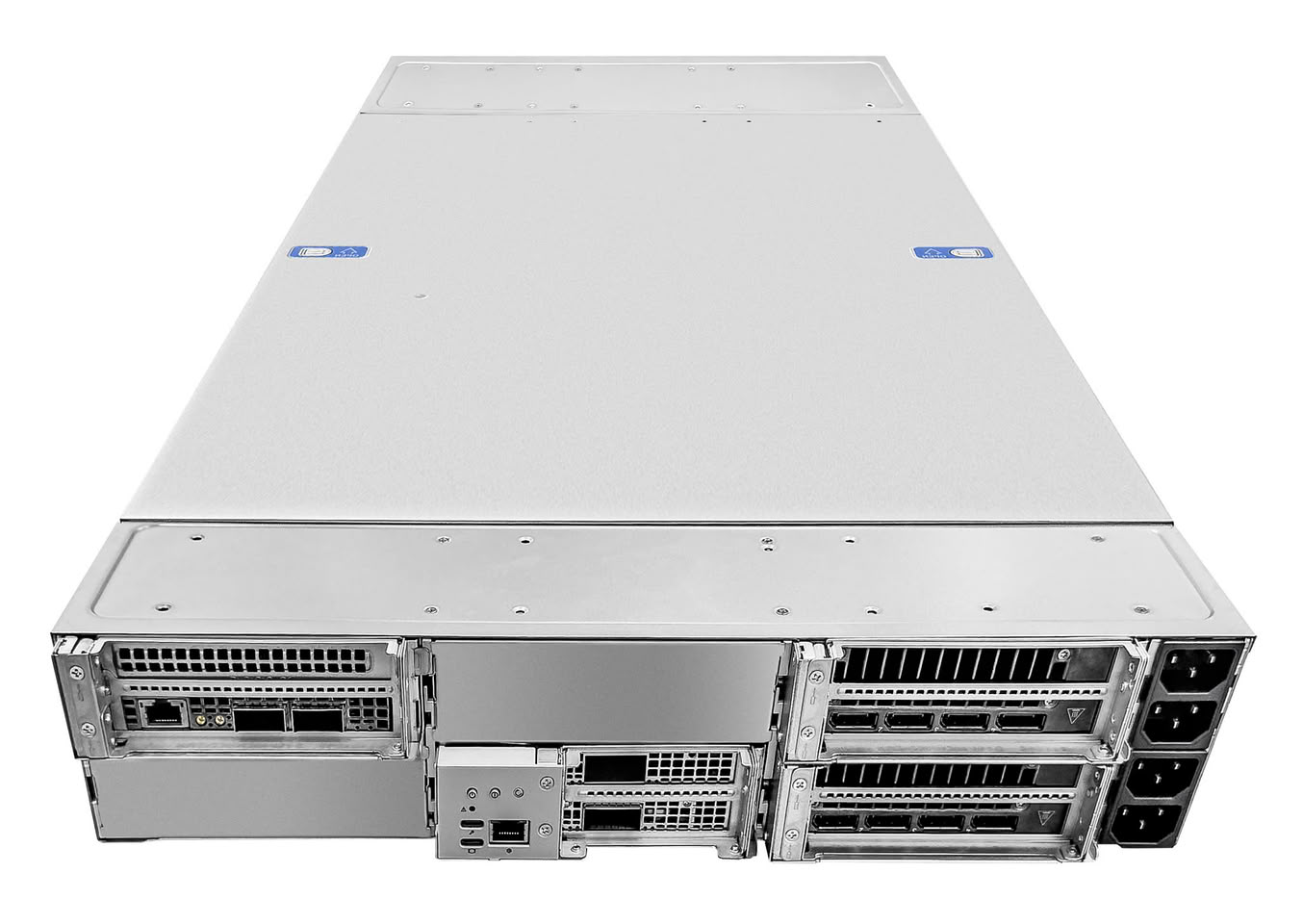
ASUS Unveils XA P2N-E2 Powered by NVIDIA Vera CPU at OCP 2026

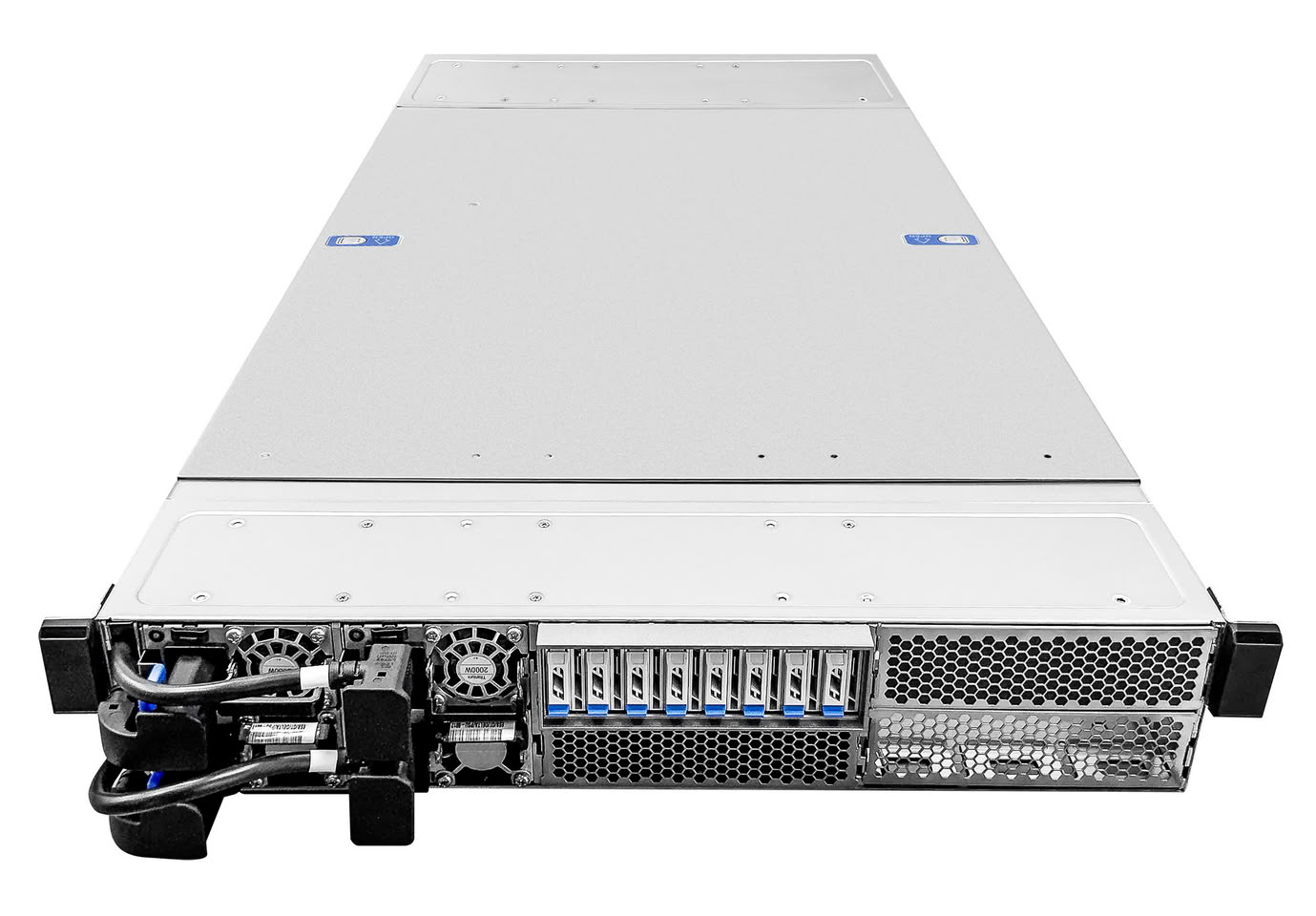
ASUS is expanding its AI infrastructure portfolio with the launch of the XA P2N-E2, a 2U NVIDIA MGX architecture-based server powered by NVIDIA Vera CPUs and designed for agentic AI and reinforcement learning workloads. Unveiled at OCP Global Summit 2026, this new ASUS server powered by the Vera CPU targets the execution layer of AI applications, handling workloads such as code execution, tool use, sandboxing, data processing and orchestration that extend beyond the AI model itself. The XA P2N-E2 supports up to two dual-slot NVIDIA RTX PRO 6000 Blackwell Server Edition GPUs, combining high-performance CPU computing with flexible GPU acceleration in a compact 2U platform. The high single-thread CPU performance and high-bandwidth, energy-efficient memory are designed to keep AI agents responsive during demanding execution and evaluation tasks.

At OCP, ASUS also showcases a broader portfolio covering rack-scale AI systems, accelerated computing, high-speed networking, context memory, low-latency inference and high-density storage. At the rack level, XA VR721-E3, the ASUS AI POD integrates 36 NVIDIA Vera CPUs and 72 NVIDIA Rubin GPUs through the NVIDIA Vera Rubin NVL72 platform, using a fully liquid-cooled architecture for large-scale AI training, post-training and inference. For a more flexible server configuration, the XR R1I12B-M1BHFS combines NVIDIA HGX Rubin NVL8 with direct-to-chip liquid cooling for the GPU baseboard and air cooling for Intel Xeon 6 processors. Together, the systems reflect the ASUS approach to scaling AI infrastructure across different compute densities, cooling architectures and deployment requirements, from individual servers to large-scale AI environments.

NVIDIA RTX 5080 24 GB Reportedly Planned For Q1 2027, but Board Partners Are Still in the Dark

Taiwanese outlet BenchLife has added more detail to last week's report that NVIDIA is pulling GB202 silicon away from the GeForce RTX 5090. According to BenchLife, board partners are no longer receiving GB202 chips for RTX 5090 production. The same applies to the China-specific RTX 5090 D and RTX 5090 D V2 variants. NVIDIA hasn't said anything officially yet. Apparently, the company doesn't see this as an end-of-life (EOL) move either, since the chips are simply being shifted to more profitable GB202-based RTX PRO cards like the RTX PRO 6000 and the recently unveiled RTX PRO 5500. In the meantime, any RTX 5090 cards still reaching shelves are built from chips partners already have. The card immediately sold out at Walmart for $4,299 last month, so buyers shouldn't expect prices to come down anytime soon.

The RTX 5080 part of the story is a bit more interesting. BenchLife says NVIDIA plans to launch an RTX 5080 with 24 GB of GDDR7 in the first quarter of 2027, replacing the current 16 GB model. However, board partners have yet to receive any development material for it. So far they've only been told verbally that it should arrive soon. That's odd, considering partners reportedly had RTX 50 SUPER silicon in hand back in July, before GDDR7 pricing put that launch on hold. We still don't know if the RTX 5080 24 GB and the long-rumored RTX 5080 SUPER are the same card. A Q1 2027 window would make CES in January a likely stage, though that's guesswork for now.

INNO3D Announces AGS-4UMGX-R1 4U GPU Server With NVIDIA MGX

INNO3D announces the AGS-4UMGX-R1 NVIDIA MGX 4U GPU Server, a high-performance platform built for AI training, AI inference, large language models (LLMs), digital twins, and high-performance computing (HPC) workloads.

Powered by dual Intel Xeon 6 processors and supporting up to 32 DDR5 RDIMMs, the AGS-4UMGX-R1 delivers the scalability required for modern AI deployments. The system supports up to eight NVIDIA RTX PRO 6000 Blackwell Server Edition GPUs and features the NVIDIA ConnectX -8 SuperNIC with eight 400 Gbps QSFP ports for ultra-fast AI networking.

Senao Networks Releases x86 Enterprise Server Series

Senao Networks Inc. today announced the launch of its new x86 enterprise server portfolio, featured on the company's Senao computing website at www.senaocomputing.com. The portfolio includes the SR810, SR710, SR610, SE210, and SE110 and is designed to support a broad range of enterprise computing and AI workloads, including generative AI, AI inference, model fine-tuning, data analytics, visualization, and intelligent edge computing. NVIDIA RTX GPU support is available in selected configurations.

Bringing AI Closer to Enterprise Data
As enterprises accelerate AI adoption, organizations increasingly need computing infrastructure that can address different workload requirements while maintaining greater control over sensitive corporate data.

Microsoft Surface Laptop Ultra Starts at $2,599, Ships October 16

Microsoft has finally put a price on the Surface Laptop Ultra, and preorders are open as of today. The announcement came at the company's Windows and Surface keynote in San Francisco, with a starting price of $2,599 and shipments set to begin on October 16. Microsoft first showed the laptop at Computex in June without a price or a launch date. The base model gets a 15-inch mini-LED display and the lower of the two NVIDIA RTX Spark N1X configurations, which means an 18-core CPU, a 5,120-core Blackwell GPU, and 24 GB of unified memory. The 20-core version with a 6,144-core GPU starts at $3,699 with 32 GB, and the top model with 128 GB of memory and a 1 TB SSD costs a steep $5,899. The only 2 TB option is a 64 GB model at $4,699. A Surface RTX Spark Dev Box was also announced at a hefty $5,999.

The other reveal is the oversized USB-C port that has had people guessing since June. Microsoft says the Surface Laptop Ultra is the first laptop in the world with a breakaway USB-C port, so a tripped-over cable should pull free without dragging the machine off the desk. The idea is the same as Apple's MagSafe and Microsoft's own Surface Connect, except those are proprietary connectors. This one apparently still works as a regular USB-C port with any USB-C device. As for the price, the $2,599 entry point is a little lower than expected. A TechPowerUp Forums member who spent about a month with a prototype guessed $2,799 for a 24 GB model. That prototype was tested on preview drivers, however, so readers are advised to wait for reviews of retail hardware before preordering.

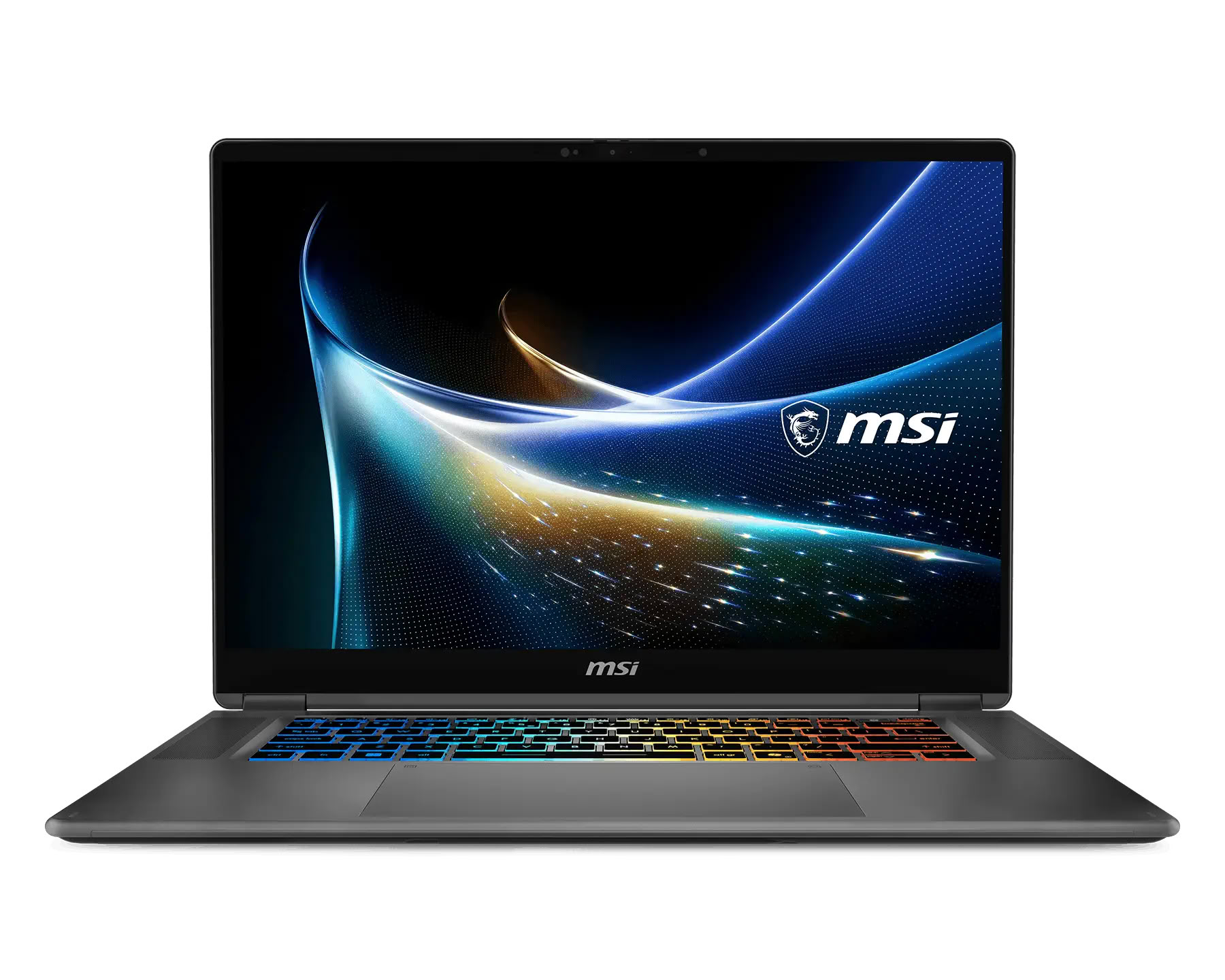
MSI Unveils Prestige N16 Flip AI+: An NVIDIA RTX Spark-Powered 2-in-1 Built for the Agentic AI Era

MSI, a global leader in high-performance and AI computing, today announced that the Prestige N16 Flip AI+ is now available for pre-order through MSI-certified partners in select markets.

Prestige N16 Flip AI+ is powered by NVIDIA RTX Spark, uniting NVIDIA AI, RTX graphics, and unified memory in one powerful and efficient thin-and-light Windows PC. Designed to run larger AI models locally—without cloud dependency—and move between creative work, development, and immersive gaming without missing a beat. Connect apps, tools, and workflows into one seamless experience. Private by default. RTX Spark brings NVIDIA's full-stack AI platform, ready for the AI workloads of today and whatever comes next. Delivered on the familiar, trusted, and secure Windows platform.

Dell Technologies Drives the Agentic AI Era with New Windows PCs and Workstations

Dell Technologies announces an expanded portfolio of Windows PCs and workstations built for the age of agentic AI. Together with NVIDIA and Microsoft, Dell delivers agentic AI across every stage of the creative and development journey, spanning a premium creator laptop, compact creator desktop and an AI workstation within the Windows environment.
NVIDIA RTX Spark comes to the XPS and Dell lineup for the first time, powering the new XPS 16 Creator Edition laptop and Dell Creator Edition Desktop. Paired with Windows, RTX Spark brings advanced AI, creative and gaming workloads together on a platform optimized for its performance. Dell Pro Precision with GB300 will be available on Windows, bringing always-on AI compute into the environment enterprise teams already depend on.

Pimax Unveils Crystal Pro Wireless PC VR Headset with Native Foveated Streaming

Pimax, a leading manufacturer of high-end PC virtual reality headsets, today unveiled Crystal Pro, a wireless PC VR headset built around a streaming technology it calls Native Foveated Streaming, at its "Frontier: Change To Stay The Same" launch event. Pimax also debuted Ringless VR Controllers, the Spation mini-PC, and a refreshed brand identity built around a new signature color, Stratosphere Blue.

Crystal Pro ships with built-in Wi-Fi streaming and a dedicated Wi-Fi 6E adapter. For the GPU's native image, Pimax offers an optional 60G AirLink kit, bundled or sold separately. Using eye-tracking, its 60 GHz connection sends the GPU's native image directly to the panels in the user's focus area, without the encoding Wi-Fi streaming requires. The kit's two Room Antennas run in a 2x2 MIMO configuration—a first for VR headsets, Pimax says—for up to 6 Gbps combined throughput and under 2 ms of added latency.

ASUS Announces New 64GB Configuration of the Ascent GX10

ASUS today announced a new 64 GB configuration of ASUS Ascent GX10, expanding the lineup alongside the existing 128 GB model. This compact AI supercomputer is designed to bring local agentic AI development within reach of more developers, researchers and data scientists. Based on the NVIDIA DGX Spark platform and powered by the full NVIDIA AI software stack, ASUS Ascent GX10 64 GB delivers the same petaflop-scale architecture found on ASUS Ascent GX10 128 GB in a memory configuration built for today's efficient open-source models—enough to build and run today's most capable 30-35B class models and autonomous agents. When workloads grow, two systems can be clustered with the NVIDIA Sync Cluster Assistant for 128 GB of pooled memory and around 1.7X the throughput.

Ubiquitous AI, engineered for more builders
Guided by its Ubiquitous AI. Incredible Possibilities. strategy, ASUS is working to put agentic AI within reach of every builder, empowering not only the early professional AI teams already running frontier-scale models locally, but the much larger early-majority audience of developers, researchers and AI-curious teams who are ready to start experimenting hands-on.

NVIDIA Launches DGX Spark 64 GB Desktop AI Systems

Local AI is becoming more useful by the token. As AI agents move from experiments into everyday development, increasingly capable open models are shrinking to fit on more devices, giving builders more to run locally.

Coming this month, NVIDIA DGX Spark will be available with 64 GB of unified memory from top manufacturer partners—Acer, ASUS, Dell, Gigabyte, HP and MSI—giving developers, researchers and AI enthusiasts a new configuration with DGX OS and the NVIDIA AI software stack ready to use from day one.

ASRock DeskSlim Series Delivers RTX PRO Blackwell Performance in a Compact 5L Workstation

ASRock, the global leading manufacturer of motherboards, graphics cards, mini PCs, gaming monitors, power supply units, and AIO liquid coolers, today announced that the DeskSlim X600 and DeskSlim B760 compact desktop platforms support NVIDIA RTX PRO 4000 Blackwell SFF Edition and NVIDIA RTX PRO 2000 Blackwell professional graphics cards.

Designed for professional users who require desktop-class expandability in a space-saving form factor, the DeskSlim series features a PCIe 5.0 x16 expansion slot that supports a low-profile, dual-slot graphics card up to 200 mm in length. In a compact 5L chassis, the systems can be configured for AI-assisted workflows, content creation, 3D visualization, engineering applications, and data analysis.
Return to Keyword Browsing
Nov 11th, 2026 07:08 CST change timezone

New Forum Posts

Popular Reviews

TPU on YouTube

Controversial News Posts