News Posts matching #NVIDIA

Return to Keyword Browsing

Latest AMD and NVIDIA GPUs Are Losing the MSRP Battle: Real-World Prices Far Above MSRP

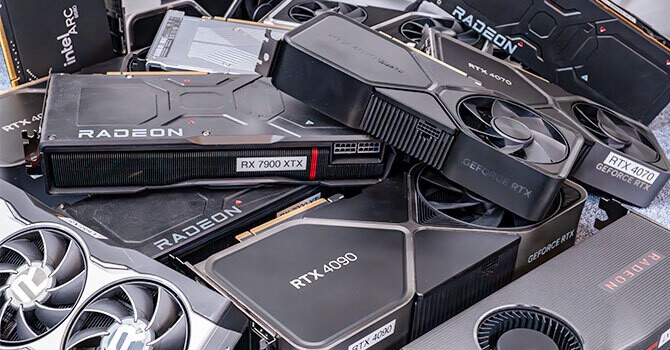
Tom's Hardware just published an intensive data collection of online prices of the latest GPUs from AMD and NVIDIA, suggesting that real-world prices are nowhere near MSRP. With an investigation into the 30-day eBay average price based on listings, the data shows that a lot of GPU SKUs are retailing for well-above-average price premiums. The data tracker also looked for the best-priced listing of a specific SKU. For instance, NVIDIA's GeForce RTX 5070 is seen retailing at around $700—a 27% increase over its official MSRP of $550—while the RTX 5080 pushes these premiums even further by selling at over 50% above its suggested price. The flagship RTX 5090 tops the chart with a staggering $4,222 on secondary markets compared to its $2,000 MSRP, an increase of roughly 111%.

In contrast, earlier models like the RTX 4060 and RTX 4060 Ti show relatively minor inflation, with increases of only about 3% and 5%, respectively, according to recent eBay averages. Still, selling years-old GPUs at MSRP today proves that there is demand. On the AMD side, the Radeon RX 9070 series is no less dramatic. The base RX 9070, with a $550 MSRP, averages around $817 in real-world sales—a nearly 48% premium—while its high-end sibling, the RX 9070 XT, jumps to approximately $1,001 from a $600 MSRP, marking an increase of roughly 66%. Early figures even suggest that first-week sales for the RX 9070 series were ten times higher than those of previous AMD models, justifying the price surge. AMD is working on addressing this supply, which should improve in April, and NVIDIA is working with AIB partners, too, to deliver more Blackwell GPUs.

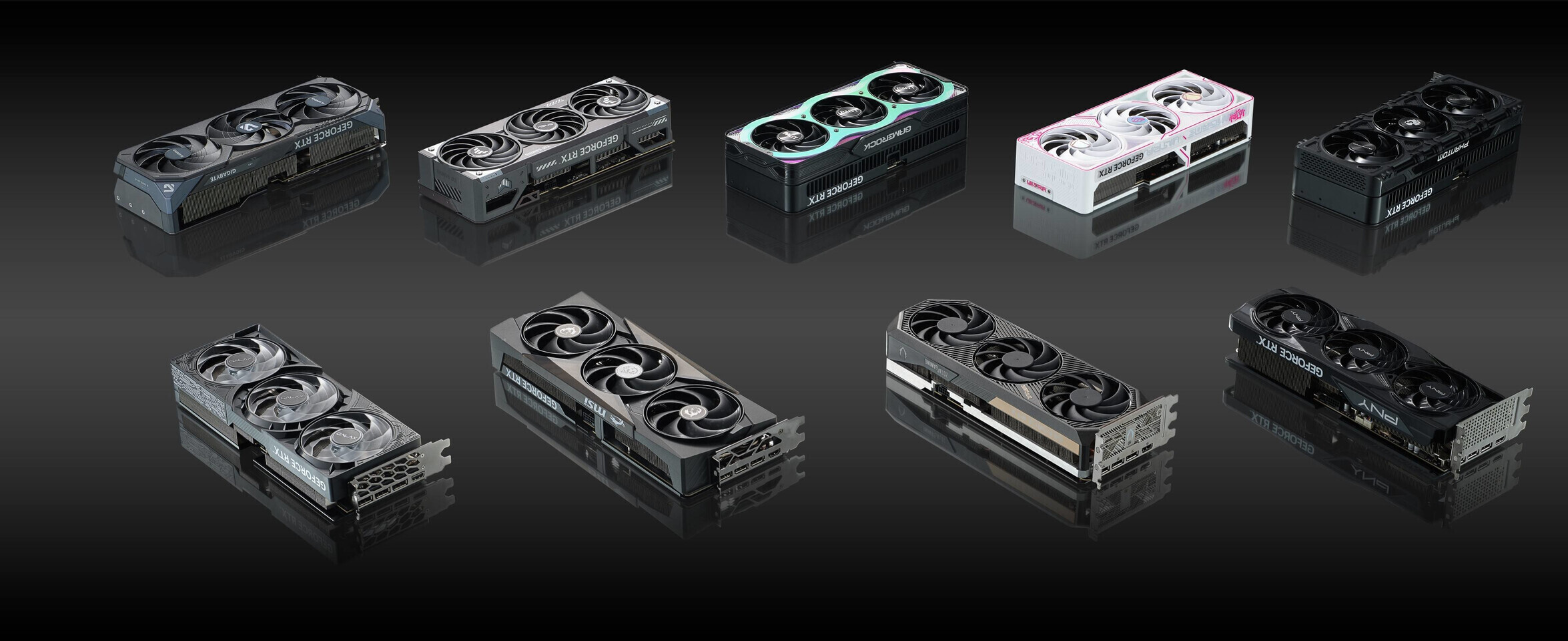
ZOTAC China Unveils GeForce RTX 5080 Apocalypse OC Model

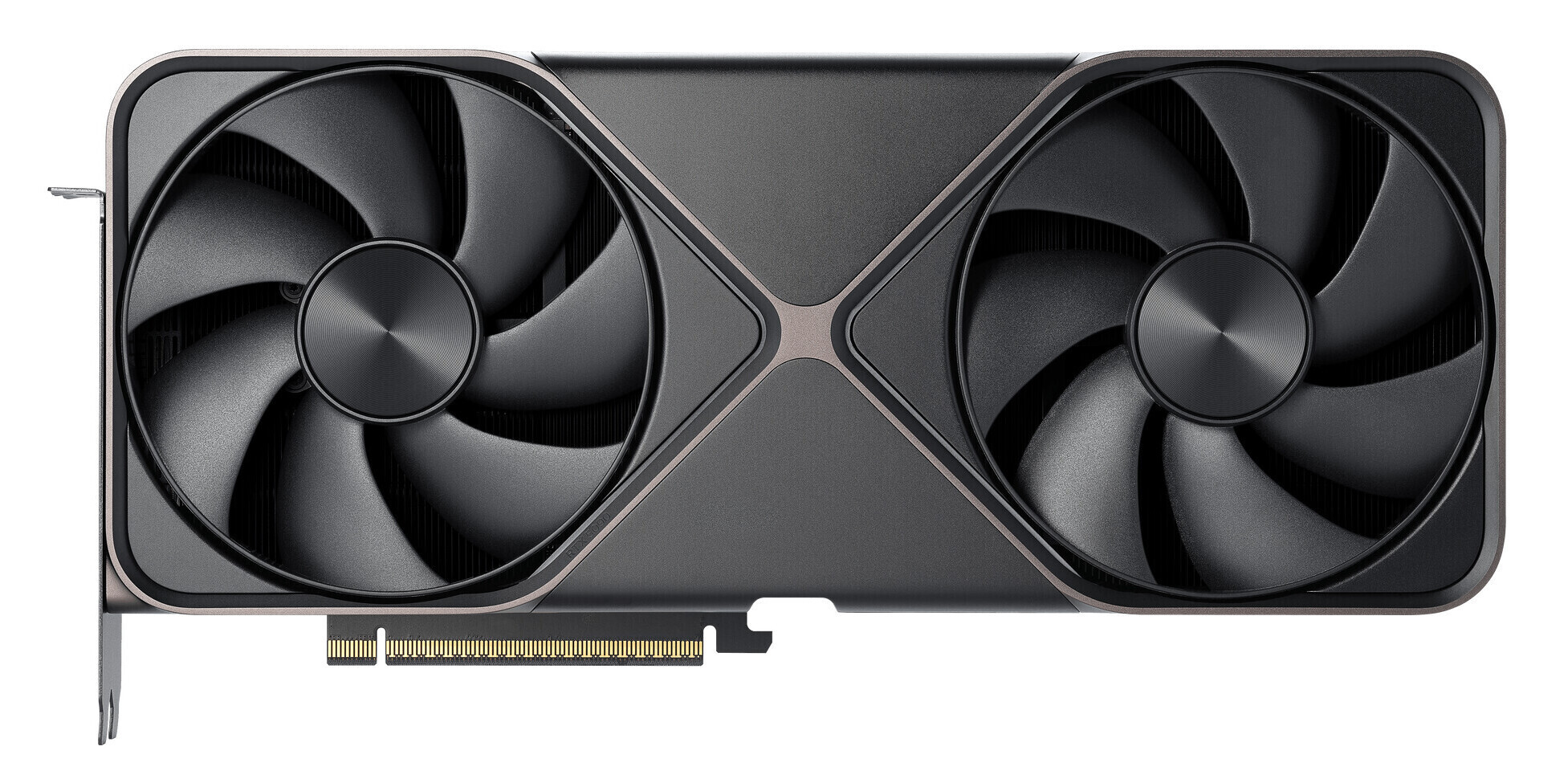
Last week, ZOTAC's Chinese branch fully unveiled their GeForce RTX 5080 Apocalypse OC graphics card via a special regional giveaway. The brand's Weibo account detailed a JX Online 3-themed competition, with the brand-new "elegant + powerful" card advertised as featuring: "a very beautiful mecha appearance, luxurious materials, and excellent performance." The Hong Kong-based manufacturer started to tease its new-gen Apocalypse model back in January, alongside familiar SOLID and AMP Extreme INFINITY offerings. Lucky winners will be getting their hands on one of ZOTAC's most extravagant shroud designs.

The latest iteration seems to sport a slightly evolved take on a previous-gen offering: ZOTAC's RTX 4080 Apocalypse OC SKU (see last photo below). We are likely looking at another quad-slot behemoth, with a sizeable ARGB ring surrounding the card's central cooling fan. The brand's design team has decided to go with a white backplate (instead of black), decorated with angular "mecha" graphics, while the shroud sports a few gold sections. Curiously, the latest setup seems to lack rear-mounting points for two extra mini-ARGB cooling fans placed over backplate cutouts—as seen on Ada Lovelace-era options. ZOTAC's January teaser hinted about Apocalypse SKUs emerging across their GeForce RTX 50-series stack (5090 down to 5070)—VideoCardz has heard murmurs about a possible RTX 5070 Ti variant being released in the near future. At the time of writing, ZOTAC China's website does not feature a dedicated GeForce RTX 5080 Apocalypse OC product page.

NVIDIA Reportedly Narrows Down GeForce RTX 5060 Ti Launch to April 16

Last week, we heard rumors about NVIDIA delaying its launches of GeForce RTX 5060 Ti and RTX 5060 by a couple of weeks. Initially, PC hardware watchdogs anticipated a product unveiling before GTC 2025 kick-off time. Industry insiders did not fully disclose the reasons behind Team Green's revised release schedules for more "budget-friendly" GB206 GPU-based offerings, but supply chain moles posited that GeForce RTX 5060 Ti graphics cards would reach retail by mid-April. As noted by VideoCardz last Saturday, a specific date was leaked by a reliable source: wxnod.

The tenured PC hardware soothsayer reckons that NVIDIA's GeForce RTX 5060 Ti "will be released on April 16th at 9 pm" in 16 GB and 8 GB forms. According to VideoCardz's insider network, "briefings" regarding this alleged launch date were not yet distributed to key figures (i.e. board partners). An upcoming Wednesday rollout could be legitimate, given that Team Green and AIBs let loose GeForce RTX 5070 cards on March 5. A recent leak of GeForce RTX 5060 Ti "full specifications" indicates the laying of groundwork; leading to a potential launch in the coming weeks.

NVIDIA NIM Microservices Now Available to Streamline Agentic Workflows on RTX AI PCs and Workstations

Generative AI is unlocking new capabilities for PCs and workstations, including game assistants, enhanced content-creation and productivity tools and more. NVIDIA NIM microservices, available now, and AI Blueprints, in the coming weeks, accelerate AI development and improve its accessibility. Announced at the CES trade show in January, NVIDIA NIM provides prepackaged, state-of-the-art AI models optimized for the NVIDIA RTX platform, including the NVIDIA GeForce RTX 50 Series and, now, the new NVIDIA Blackwell RTX PRO GPUs. The microservices are easy to download and run. They span the top modalities for PC development and are compatible with top ecosystem applications and tools.
The experimental System Assistant feature of Project G-Assist was also released today. Project G-Assist showcases how AI assistants can enhance apps and games. The System Assistant allows users to run real-time diagnostics, get recommendations on performance optimizations, or control system software and peripherals - all via simple voice or text commands. Developers and enthusiasts can extend its capabilities with a simple plug-in architecture and new plug-in builder.

NVIDIA App Update Adds Project G-Assist, DLSS Super Resolution Custom Scaling & New Control Panel Features

NVIDIA app is the essential companion for users with NVIDIA GPUs in their PCs and laptops. Whether you're a gaming enthusiast or a content creator, NVIDIA app simplifies the process of keeping your PC updated with the latest GeForce Game Ready and NVIDIA Studio Drivers, and enables quick discovery and installation of NVIDIA applications like GeForce NOW and NVIDIA Broadcast. In a new NVIDIA app update that's available now, we've expanded the functionality of our DLSS overrides, enabling you to fine tune image quality or boost performance for DLSS Super Resolution.

Additionally, we've brought Display Scaling and Display Color settings over from the NVIDIA Control Panel, modernizing and improving them, and taking another step towards unifying all NVIDIA GPU features in one responsive application. And via the Discover section, you can now download Project G-Assist, an experimental AI assistant that runs locally on GeForce RTX AI desktop PCs, helping users control a broad range of PC settings, from optimizing game and system settings, charting frame rates and other key performance statistics, to controlling select peripherals settings such as lighting - all via basic voice or text commands.

NVIDIA Project G-Assist Now Available in NVIDIA App

At Computex 2024, we showcased Project G-Assist - a tech demo that offered a glimpse of how AI assistants could elevate the PC experience for gamers, creators, and more. Today, we're releasing an experimental version of the Project G-Assist System Assistant feature for GeForce RTX desktop users, via NVIDIA app, with GeForce RTX laptop support coming in a future update. As modern PCs become more powerful, they also grow more complex to operate. Users today face over a trillion possible combinations of hardware and software settings when configuring a PC for peak performance - spanning the GPU, CPU, motherboard, monitors, peripherals, and more.

We built Project G-Assist, an AI assistant that runs locally on GeForce RTX AI PCs, to simplify this experience. G-Assist helps users control a broad range of PC settings, from optimizing game and system settings, charting frame rates and other key performance statistics, to controlling select peripherals settings such as lighting - all via basic voice or text commands.

NVIDIA DLSS 4 with Multi Frame Generation Available In 5 New Games, Including Half-Life 2 RTX Demo

More than 700 games and applications feature RTX technologies, and each week new games integrating NVIDIA DLSS, NVIDIA Reflex, and advanced ray-traced effects are released or announced, delivering the definitive PC experience for GeForce RTX players. This week, DLSS 4 with Multi Frame Generation is multiplying performance in Enlisted, the Half-Life 2 RTX demo, KARMA: The Dark World, The First Berserker: Khazan, and Warhammer 40,000: Darktide. And we can announce that Remedy Entertainment's FBC: Firebreak will launch with DLSS 4 Multi Frame Generation support.

Additionally, there's a DLSS and technology-upgrading Control update available, Kingdom Come: Deliverance II has updated to the latest DLSS Super Resolution transformer AI model, and RF Online Next is launching with support for DLSS Super Resolution. Read on for further details about each of these announcements, and check out our last DLSS article to learn about the addition of DLSS 4 with Multi Frame Generation to future releases, including Lost Soul Aside, Mecha BREAK, Phantom Blade Zero, Stellar Blade, Tides of Annihilation, and Wild Assault.

Brazilian Modders Give 8GB Memory to GeForce GTX 970

Paulo Gomes, a hardware modder from Brazil, specializes in memory chip replacement mods for graphics cards. In his latest project, he attempted to give the GeForce GTX 970 from a decade ago a memory upgrade to 8 GB, up from its default specs of 4 GB. This was done by replacing the default 4 Gbit (512 MB) 7 Gbps GDDR5 memory chips with 8 Gbit ones. Eight such chips across the GPU's 256-bit wide memory interface results in 8 GB.

It is important to bring up the memory partition controversy of the GTX 970 here. While the GTX 970 is advertised as a 4 GB graphics card, its memory is partitioned into two chunks of 3.5 GB and 512 MB. NVIDIA came up with no other reason for this than for better segmentation with the GTX 980. Given this partitioning, the modded GTX 970 should have at least 7 GB operating at full speed—larger than the 6 GB of the GTX 980 Ti.

Dune: Awakening Pre-Orders Now Live; Special Editions, and PC Specs Revealed

Dune: Awakening, the multiplayer survival game inspired by Frank Herbert's legendary sci-fi novel and Legendary Entertainment's award-winning films, will launch on May 20th. Funcom is excited to share that pre-orders begin today, and gamers everywhere are now less than two months away from descending upon the most dangerous planet in the universe.

The standard edition, the Deluxe Edition, and the Ultimate Edition are now available for pre-order on Steam, with the latter including, among many other goodies, an incredible, 90-minute-long digital soundtrack. In celebration of this moment, Funcom has prepared a journey behind the scenes of the making of the music, giving viewers a unique glimpse at how award-winning composer Knut Avenstroup Haugen brought the album to life with a live orchestra at the legendary AIR Lyndhurst studio in London.

MSI Typos Hint at 24GB Variant of RTX 5080

MSI made at least two typos and corrections spaced apart from each other that hint at the possibility of a 24 GB variant of the NVIDIA GeForce RTX 5080. The first instance was on the side of the retail box of an RTX 5080 Vanguard OC Launch Edition, which had "24 GB GDDR7" printed on top of the RTX 5080 label. The second instance was in the VGA Support list in the product page of the MAG X870 Tomahawk motherboard, where the memory size is displayed as 24,576 MB (24 GB). There are two possible interpretations of this.

One possibility is that NVIDIA originally planned the RTX 5080 to feature 24 GB of memory, using 3 GB (24 Gbit) GDDR7 memory chips across the 256-bit wide memory bus of the "GB203" silicon, and initially communicated this to its board partners, but revised the specs in the months leading up to the launch, with the card ending up with 16 GB (8x 16 Gbit). The other possibility is that there is actually a 24 GB variant in the works, which NVIDIA could end up calling the "RTX 5080 24 GB." The RTX 5080 in the market already maxes out the "GB203" silicon it's based on, so the variant could just offer a 50% increase in memory size at the same or similar memory bandwidth. The additional memory could come in handy with 4K Ultra HD + ray tracing + DLSS 4 MFG scenarios where a gamer is looking to turn their roughly 60 FPS framerates to match the 120 Hz refresh rates of their displays.

NVIDIA GeForce RTX 5060 Ti GPU "Full Specification" Leaks Out

A ramped up flow of early-to-mid March period leaks—regarding upcoming NVIDIA GeForce RTX 5060 Ti and RTX 5060 graphics cards—suggested an official pre-GTC 2025 unveiling of lower-end Blackwell gaming GPUs. Speculative specifications appeared online earlier in the month, but some key technical talking points seemed to be missing. As reported yesterday, insiders believe that Team Green has adjusted its new product release schedule. Leaked roadmaps have outlined GeForce RTX 5060 Ti cards arriving by mid-April 2025, with less potent RTX 5060 models launching around the middle of May. Despite the alleged delay, VideoCardz has continued its investigation into pre-launch conditions. Their latest report points to full GeForce RTX 5060 Ti specifications being distributed to board partners, at least in the recent past.

Leaked details seemingly reconfirm the existence of 16 GB and 8 GB variants (on a 128-bit memory bus); both utilizing the same GB206-300-A1 GPU with 4608 CUDA cores. VideoCardz disclosed a couple of finer (new) details:"based on the specs we have, both models will ship with 28 Gbps memory. This means that the bandwidth is 448 GB/s, which is 55% higher than the last-gen model. Moving on to GPU clocks, NVIDIA has set a 2407 MHz base clock and a 2572 MHz boost clock for this GB206-based model. This means that the base clock is 97 MHz and the boost is 37 MHz higher than the RTX 4060 Ti." The fresh leak suggest that a few of Team Green's AIBs will be configuring their custom designs with 8-pin power connectors; sufficient for a reported 180 W TDP-rated product. VideoCardz anticipates that the vast majority of GeForce RTX 5060 Ti models will utilize 16-pin connectors. Unfortunately, finalized price guides were not discovered during recent sleuthing sessions.

Microsoft DirectX Raytracing 1.2 and Neural Rendering Brings up to 10x Speedup for AMD, Intel, and NVIDIA GPUs

Microsoft's DirectX Raytracing (DXR) 1.2 announcement at GDC 2025 introduces two technical innovations that address fundamental ray tracing performance bottlenecks. Opacity micromaps (OMM) reduce the computational overhead in alpha-tested geometry by storing pre-computed opacity data, eliminating redundant ray-geometry intersection tests. Shader execution reordering (SER) tackles the inherent GPU inefficiency caused by incoherent ray behavior by dynamically grouping shader invocations with similar execution paths, minimizing thread divergence that has historically plagued ray tracing workloads. The real-world implications extend beyond Microsoft's claimed 2.3x OMM and 2x SER performance improvements. Both techniques are shifting development from brute-force computational approaches toward more intelligent resource management. Notably, both features require specific hardware support.

Hardware vendors' implementation timelines remain undefined despite NVIDIA's announced support across RTX GPUs, raising questions about broader ecosystem adoption rates. Microsoft's Shader Model 6.9 introduces cooperative vectors. This hardware acceleration architecture drastically improves matrix computation performance, enabling a 10x speedup in neural texture compression while reducing memory footprint by up to 75% compared to traditional methods. It bridges the gap between conventional rendering and neural rendering, with Intel, AMD, and NVIDIA already demonstrating implementations that combine path tracing with neural denoising algorithms, potentially making computationally intensive graphics accessible on mid-range consumer hardware by late 2025. While the technical merit of these advancements is clear, the April 2025 preview release timeline for the Agility SDK means developers face at least several months before these features can be meaningfully implemented in production environments.

NVIDIA Plans US Supply Chain Investment Worth Hundreds of Billions, "Blackwell" Already Manufactured in Arizona

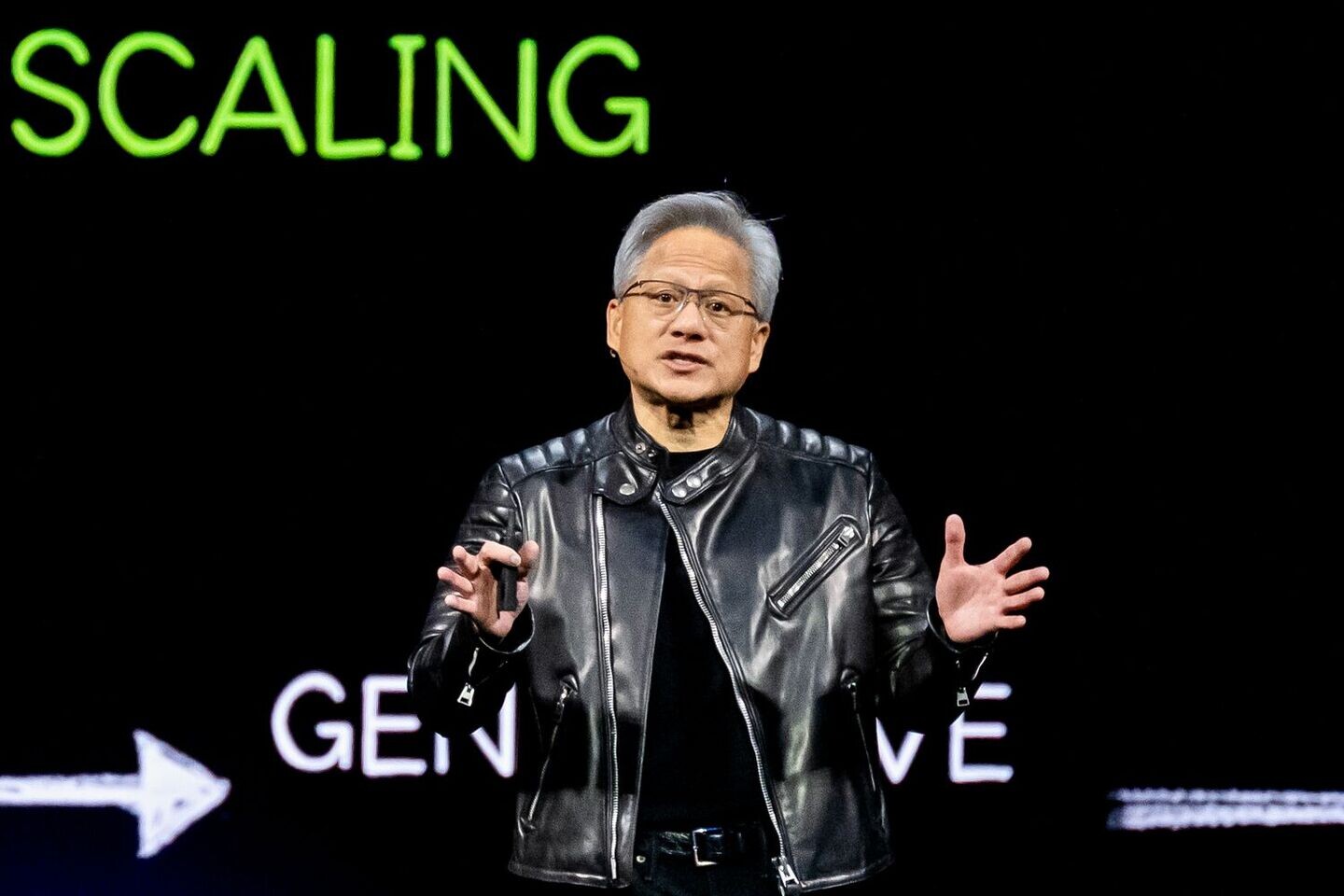
NVIDIA's CEO Jensen Huang made some interesting commentary for the Financial Times, stating that the company will procure over half a trillion US Dollars worth of electronics over the next four years, and it it plans to keep hundreds of billions from the supply chain procurement in the US. "Overall, we will procure, over the course of the next four years, probably half a trillion dollars worth of electronics in total. And I think we can easily see ourselves manufacturing several hundred billion of it here in the US," said Jensen for FT. NVIDIA currently manufactures its silicon at TSMC's facilities, as well as electronics like motherboards and servers at Foxconn. However, the geopolitical situation is making NVIDIA reconsider its supply chain dependencies, and the company is looking for more US-based manufacturing.

NVIDIA confirmed that its latest "Blackwell" series of GPUs, including the latest Blackwell Ultra, are being manufactured at TSMC's Arizona facilities. TSMC announced a $100 billion investment in its Arizona expansion, and NVIDIA is ready to take up more of TSMC's capacity to meet its ever-growing demand for GPUs. During the GTC 2025 event, Jensen noted that only four cloud service providers will use 3.6 million GPUs this year. That is without any AI labs and enterprises, which are massive consumers of GPUs (xAI only has 200,000 GPU clusters). To continue manufacturing excellence so customers won't suffer, NVIDIA is also looking at other options for supply chain manufacturing partners. Intel, the only US-based company capable of producing advanced silicon, is a potential target for NVIDIA. "We evaluate their foundry technology on a regular basis, and we are ongoing in doing that... We look for opportunities to be a customer of theirs... I have every confidence that Intel can do it," added Jensen, who also stated that NVIDIA is interested in silicon manufacturing and chip packaging services, as Intel's Foveros 3D packaging and other technologies are attractive for Team Green.

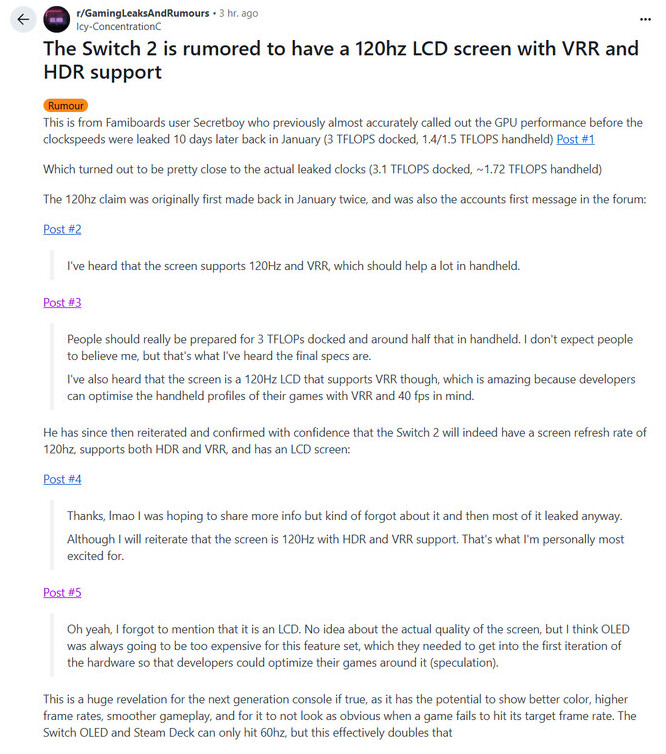
Leak Indicates Nintendo Switch 2 Utilizing 120 Hz LCD Screen with VRR & HDR Capabilities

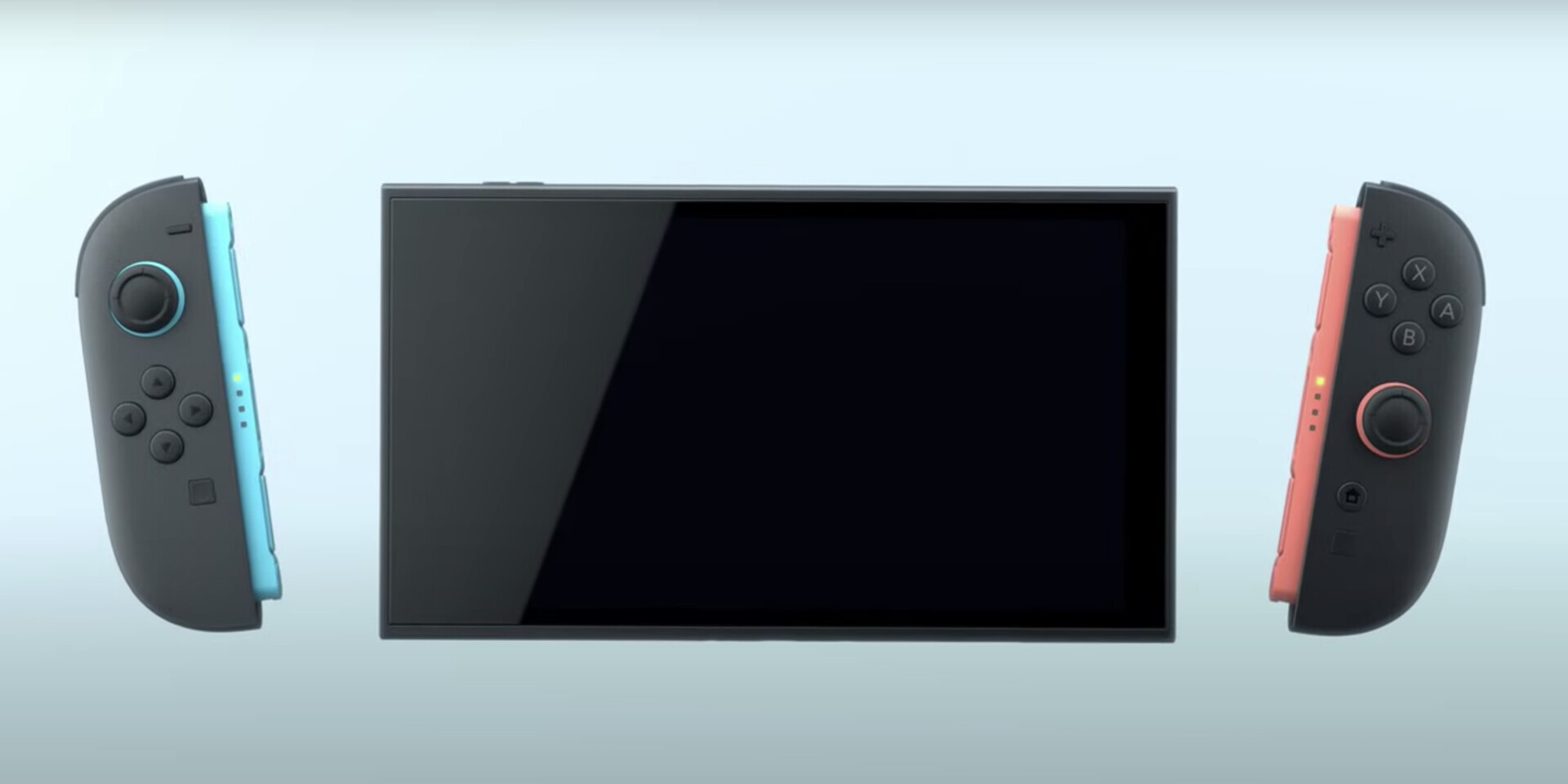
As expected, Nintendo has kept quiet about the upcoming Switch 2 hybrid console's feature set and internal makeup. The next-gen portable gaming system's debut presentation served as a mostly surface-level teaser. News outlets have relied heavily on leaks for "insider" reportage, going back to the early 2020s—starting off with kopite7kimi's discovery of a mysterious NVIDIA "T239" chipset. As reported last week, Famiboards—a Nintendo-centric online forum—has served as a somewhat reliable source of inside track information. Earlier in the year, one member started to share NDA-busting details about Switch 2's display technology: "I've heard that the screen supports 120 Hz and VRR, which should help a lot in handheld." Weeks later, SecretBoy elaborated on the benefits of this setup: "developers can optimize the handheld profiles of their games with VRR and 40 FPS in mind."

The GamingLeaksAndRumours subreddit views SecretBoy's leaks as being fairly accurate/legitimate: "(they) called out the GPU performance before the clock speeds were leaked; 10 days later back in January (3 TFLOPS docked, 1.4/1.5 TFLOPS handheld)." Earlier today, the tipster's latest musings were compiled into a Reddit summary—another set of quotes reads as follows (in condensed form): "I will reiterate that the screen is 120 Hz with HDR and VRR support. That's what I'm personally most excited for...No idea about the actual quality of the screen, but I think OLED was always going to be too expensive for this feature set, which they needed to get into the first iteration of the hardware so that developers could optimize their games around it (speculation)." Screen technology connoisseurs have expressed much disappointment about Nintendo's alleged selection of an "inferior" panel—many will point out that Valve was inspired by the Switch OLED model (2021); their Steam Deck handheld was famously upgraded/refreshed in 2023 with a fancier screen. Invited guests will get to experience Switch 2's "hugely revelatory" LCD tech at various Nintendo-hosted international preview events in April.

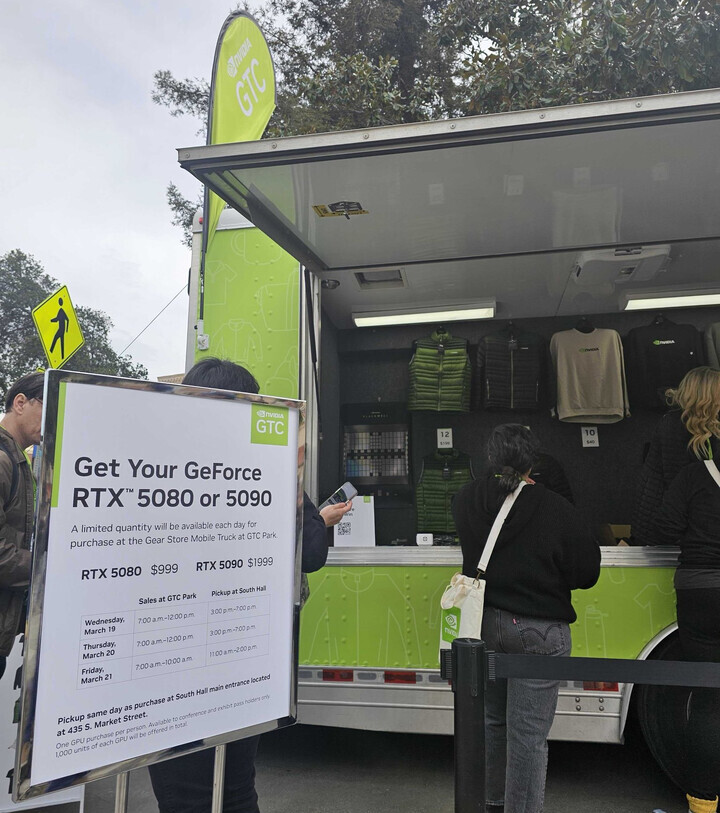
NVIDIA GTC 2025 Merchandise Truck Slinging Limited Quantities of GeForce RTX 5090 & 5080 Cards

Yesterday evening, the NVIDIA AI Developer social media account sent out a red alert regarding a time limited sale of flagship-tier Blackwell gaming hardware: "GeForce RTX 5090s are available at the Gear Store in the park right now at GTC 2025. 90 units are available for the next 30 minutes, with more coming tomorrow. Come say hi!" PC hardware news outlets have picked up on Team Green's latest stock bulletin, with Tom's Hardware disclosing some extra details. Under normal circumstances, NVIDIA's Gear Store Mobile Truck would be selling fairly standard merchandise—e.g. T-shirts, sweaters, hats, etc. According to the latest reports, the company's mobile pop-up store is taking orders for add-in-boards (AIB) GeForce RTX 5090 and RTX 5080 models. An information placard advertises old school/launch day guide prices of $1999 and $999 (respectively).

Tom's Hardware noted several caveats: "the graphics cards must be purchased from NVIDIA's van from 7 AM to 12 PM on Thursday or Friday and then picked up at South Hall main entrance the same day. The graphics boards are available to conference pass ($1145 for one day, or $2295 for five days) and exhibit pass holders only; with a limit of one card per person." According to folks on the ground, Team Green and its board partners have stockpiled a thousand of each highly-desirable GPU model at the San Jose Convention Center. The first waves of time-limited batches were made available yesterday (March 19). Demand for flagship and top-end GeForce RTX 50 series cards has far exceeded supply, starting back in late January. Following an absorption of plentiful feedback, NVIDIA revived its "Verified Priority Access" scheme a couple of weeks ago. This anti-scalping initiative was advertised as offering: "a limited number of verified GeForce gamers and creators in the United States the opportunity to purchase one GeForce RTX 5090 or RTX 5080 Founders Edition graphics card from the NVIDIA Marketplace."

GeForce Now Announces New Additions: Assassin's Creed Shadows, Fable Anniversary, & more...

Time to sharpen the blade. GeForce NOW brings a legendary addition to the cloud: Ubisoft's highly anticipated Assassin's Creed Shadows is now available for members to stream. Plus, dive into the updated version of the iconic Fable Anniversary—part of 11 games joining the cloud this week.

Silent as a Shadow
Explore 16th-century Japan, uncover conspiracies and shape the destiny of a nation—all from the cloud. Assassin's Creed Shadows unfolds in 1579, during the turbulent Azuchi-Momoyama period of feudal Japan, a time of civil war and cultural exchange. Step into the roles of Naoe, a fictional shinobi assassin and daughter of Fujibayashi Nagato, and Yasuke, a character based on the historical African samurai. Their stories intertwine as they find themselves on opposite sides of a conflict.

NVIDIA Pushes GeForce RTX 5060 Ti Launch to Mid-April, RTX 5060 to May

NVIDIA is reportedly pushing the launch dates of its upcoming mid-range GeForce RTX 5060-series graphics cards by a couple of weeks, each. The faster RTX 5060 Ti is now expected to launch some time in mid-April 2025, while the RTX 5060 is now slated for a month later in mid-May, just before the media gears up for the 2025 Computex later that month. The RTX 5060 Ti comes in 16 GB and 8 GB memory variants, and both are expected to launch around the same time, if not on the same day; while the RTX 5060 is expected to come in just 8 GB.

Both SKUs are expected to be based on the "GB206" silicon, which probably features 36 or 40 streaming multiprocessors, from which the RTX 5060 Ti is configured with 36, to yield 4,608 CUDA cores. The RTX 5060 is significantly cut down, enabling 30 SM for 3,840 CUDA cores. The silicon features a 128-bit GDDR7 memory interface, and both SKUs are expected to be configured with 28 Gbps memory speeds, giving them 448 GB/s memory bandwidth.

NVIDIA & Storage Industry Leaders Unveil New Class of Enterprise Infrastructure for the AI Era

At GTC 2025, NVIDIA announced the NVIDIA AI Data Platform, a customizable reference design that leading providers are using to build a new class of AI infrastructure for demanding AI inference workloads: enterprise storage platforms with AI query agents fueled by NVIDIA accelerated computing, networking and software. Using the NVIDIA AI Data Platform, NVIDIA-Certified Storage providers can build infrastructure to speed AI reasoning workloads with specialized AI query agents. These agents help businesses generate insights from data in near real time, using NVIDIA AI Enterprise software—including NVIDIA NIM microservices for the new NVIDIA Llama Nemotron models with reasoning capabilities—as well as the new NVIDIA AI-Q Blueprint.

Storage providers can optimize their infrastructure to power these agents with NVIDIA Blackwell GPUs, NVIDIA BlueField DPUs, NVIDIA Spectrum-X networking and the NVIDIA Dynamo open-source inference library. Leading data platform and storage providers—including DDN, Dell Technologies, Hewlett Packard Enterprise, Hitachi Vantara, IBM, NetApp, Nutanix, Pure Storage, VAST Data and WEKA—are collaborating with NVIDIA to create customized AI data platforms that can harness enterprise data to reason and respond to complex queries. "Data is the raw material powering industries in the age of AI," said Jensen Huang, founder and CEO of NVIDIA. "With the world's storage leaders, we're building a new class of enterprise infrastructure that companies need to deploy and scale agentic AI across hybrid data centers."

Pat Gelsinger Repeats Observation that NVIDIA CEO "Got Lucky" with AI Industry Boom

Pat Gelsinger has quite bravely stepped into the belly of the beast this week. The former Intel boss was an invited guest at NVIDIA's GTC 2025 conference; currently taking place in San Francisco, California. Technology news outlets have extracted key quotes from Gelsinger's musings during an in-person appearance on Acquired's "Live at GTC" video podcast. In the past, the ex-Team Blue chief held the belief that NVIDIA was "extraordinarily lucky" with a market leading position. Yesterday's panel discussion provided a repeat visit—where Gelsinger repeated his long-held opinion: "the CPU was the king of the hill, and I applaud Jensen for his tenacity in just saying, 'No, I am not trying to build one of those; I am trying to deliver against the workload starting in graphics. You know, it became this broader view. And then he got lucky with AI, and one time I was debating with him, he said: 'No, I got really lucky with AI workload because it just demanded that type of architecture.' That is where the center of application development is (right now)."

The American businessman and electrical engineer reckons that AI hardware costs are climbing to unreasonable levels: "today, if we think about the training workload, okay, but you have to give away something much more optimized for inferencing. You know a GPU is way too expensive; I argue it is 10,000 times too expensive to fully realize what we want to do with the deployment of inferencing for AI and then, of course, what's beyond that." Despite the "failure" of a much older Intel design, Gelsinger delved into some rose-tinted nostalgia: "I had a project that was well known in the industry called Larrabee and which was trying to bridge the programmability of the CPU with a throughput oriented architecture (of a GPU), and I think had Intel stay on that path, you know, the future could have been different...I give Jensen a lot of credit (as) he just stayed true to that throughput computing or accelerated (vision)." With the semi-recent cancelation of "Falcon Shores" chip design, Intel's AI GPU division is likely regrouping around their next-generation "Jaguar Shores" project—industry watchdogs reckon that this rack-scale platform will arrive in 2026.

NVIDIA Adjusts GeForce RTX 50 Series Pricing in Europe; Slight Reduction Result of Favourable Exchange Rate

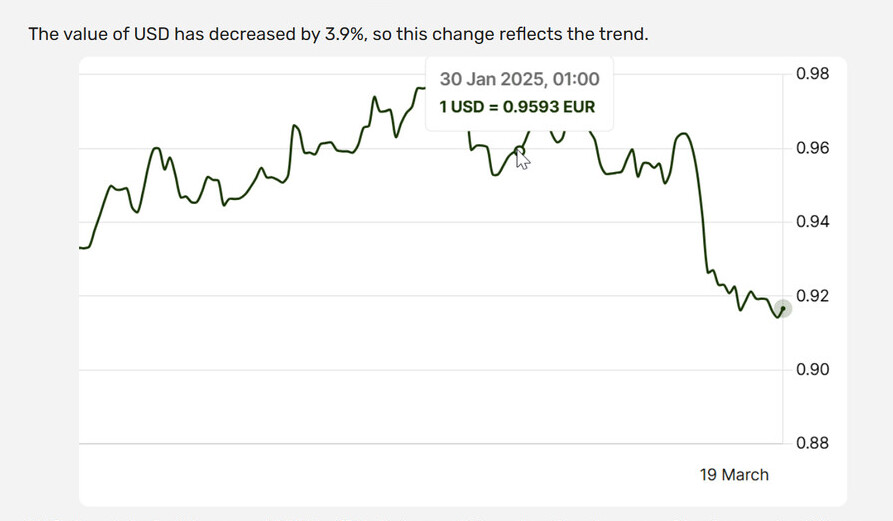
Graphics card price watchers have highlighted refreshing downward motion in Europe, apparently affecting three out of the four GeForce RTX 50 series graphics cards. VideoCardz received a couple of email tip-offs from its pan-European audience, prompting the publication of a short investigative piece. NVIDIA's slight adjustment of official pricing for GeForce RTX 5090, RTX 5080, and RTX 5070 models is the result of a strengthened Euro. The US dollar's value has dropped by roughly 3.9 %; according to recent detective work, focusing on German trends. Team Green's "generous" reductions have arrived roughly two weeks after a stabilization of the USD-EUR exchange rate.

Curiously, the GeForce RTX 5070 Ti is an outlier here—NVIDIA did not reduce its German guide price (€879 + VAT) for this upper-mid-range offer. A Founders Edition does not exist at this GPU level, so Team Green has tasked its board partners with the creation of so-called "MSRP conformant" alternatives. One of VideoCardz's tipsters has observed various GeForce RTX 50 series models simply "rotting on shelves," due to potential buyers balking at unreasonable retailer-implemented price hikes. NVIDIA's minor changes (4.3 to 4.6 %) are unlikely to make a noticeable impact across the Euro zone.

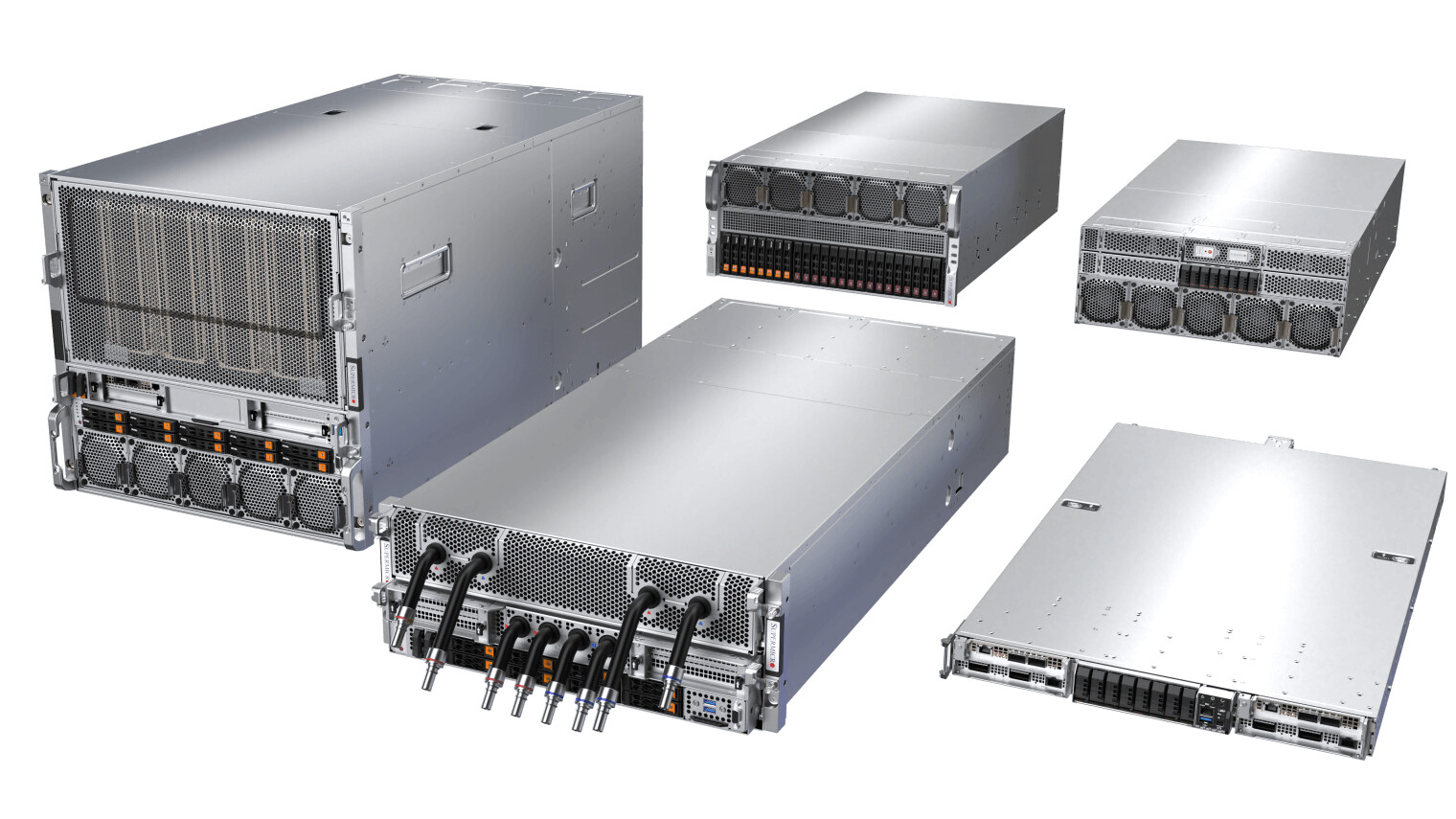
Supermicro Adds Portfolio for Next Wave of AI with NVIDIA Blackwell Ultra Solutions

Supermicro, Inc., a Total IT Solution Provider for AI, Cloud, Storage, and 5G/Edge, is announcing new systems and rack solutions powered by the NVIDIA's Blackwell Ultra platform, featuring the NVIDIA HGX B300 NVL16 and NVIDIA GB300 NVL72 platforms. Supermicro and NVIDIA's new AI solutions strengthen leadership in AI by delivering breakthrough performance for the most compute-intensive AI workloads, including AI reasoning, agentic AI, and video inference applications.

"At Supermicro, we are excited to continue our long-standing partnership with NVIDIA to bring the latest AI technology to market with the NVIDIA Blackwell Ultra Platforms," said Charles Liang, president and CEO, Supermicro. "Our Data Center Building Block Solutions approach has streamlined the development of new air and liquid-cooled systems, optimized to the thermals and internal topology of the NVIDIA HGX B300 NVL16 and GB300 NVL72. Our advanced liquid-cooling solution delivers exceptional thermal efficiency, operating with 40℃ warm water in our 8-node rack configuration, or 35℃ warm water in double-density 16-node rack configuration, leveraging our latest CDUs. This innovative solution reduces power consumption by up to 40% while conserving water resources, providing both environmental and operational cost benefits for enterprise data centers."
MiTAC Computing Unveils Advanced AI Server Solutions Accelerated by NVIDIA at GTC 2025

MiTAC Computing Technology Corporation, a leading server platform design manufacturer and a subsidiary of MiTAC Holdings Corporation, will present its latest innovations in AI infrastructure at GTC 2025. At booth #1505, MiTAC Computing will showcase its cutting-edge AI server platforms, fully optimized for NVIDIA MGX architecture, including the G4527G6, which supports NVIDIA H200 NVL platform and NVIDIA RTX PRO 6000 Blackwell Server Edition to address the evolving demands of enterprise AI workloads.
Enabling Next-Generation AI with High-Performance Computing
With the increasing adoption of generative AI and accelerated computing, MiTAC Computing introduces the latest NVIDIA MGX-based server solutions, the MiTAC G4527G6, designed to support complex AI and high-performance computing (HPC) workloads. Powered by Intel Xeon 6 processors, the G4527G6 accommodates up to eight NVIDIA GPUs, 8 TB of DDR5-6400 memory, sixteen hot-swappable E1.s drives, four NVIDIA ConnectX -7 NICs for high-speed east-west data transfer, and an NVIDIA BlueField -3 DPU for efficient north-south connectivity. The G4527G6 further enhances workload scalability with the NVIDIA NVLink interconnect, ensuring seamless performance for enterprise AI and high-performance computing (HPC) applications.

Lenovo Announces Hybrid AI Advantage with NVIDIA Blackwell Support

Today, at NVIDIA GTC, Lenovo unveiled new Lenovo Hybrid AI Advantage with NVIDIA solutions designed to accelerate AI adoption and boost business productivity by fast-tracking agentic AI that can reason, plan and take action to reach goals faster. The validated, full-stack AI solutions enable enterprises to quickly build and deploy AI agents for a broad range of high-demand use cases, increasing productivity, agility and trust while accelerating the next wave of AI reasoning for the new era of agentic AI.

New global IDC research commissioned by Lenovo reveals that ROI remains the greatest AI adoption barrier, despite a three-fold spend increase. AI agents are revolutionizing enterprise workflows and lowering barriers to ROI by supporting employees with complex problem-solving, coding, and multistep planning that drives speed, innovation and productivity. As CIOs and business leaders seek tangible return on AI investment, Lenovo is delivering hybrid AI solutions that unleash and customize agentic AI at every scale.

Supermicro Expands Enterprise AI Portfolio With Support for Upcoming NVIDIA RTX PRO 6000 Blackwell Server Edition and NVIDIA H200 NVL Platform

Supermicro, Inc., a Total IT Solution Provider for AI/ML, HPC, Cloud, Storage, and 5G/Edge, today announced support for the new NVIDIA RTX PRO 6000 Blackwell Server Edition GPUs on a range of workload-optimized GPU servers and workstations. Specifically optimized for the NVIDIA Blackwell generation of PCIe GPUs, the broad range of Supermicro servers will enable more enterprises to leverage accelerated computing for LLM-inference and fine-tuning, agentic AI, visualization, graphics & rendering, and virtualization. Many Supermicro GPU-optimized systems are NVIDIA Certified, guaranteeing compatibility and support for NVIDIA AI Enterprise to simplify the process of developing and deploying production AI.

"Supermicro leads the industry with its broad portfolio of application optimized GPU servers that can be deployed in a wide range of enterprise environments with very short lead times," said Charles Liang, president and CEO of Supermicro. "Our support for the NVIDIA RTX PRO 6000 Blackwell Server Edition GPU adds yet another dimension of performance and flexibility for customers looking to deploy the latest in accelerated computing capabilities from the data center to the intelligent edge. Supermicro's broad range of PCIe GPU-optimized products also support NVIDIA H200 NVL in 2-way and 4-way NVIDIA NVLink configurations to maximize inference performance for today's state-of-the-art AI models, as well as accelerating HPC workloads."

PNY Announces Support for the New NVIDIA RTX PRO Blackwell Graphics Card Family

PNY announced today it is adding the new NVIDIA RTX PRO 6000 Blackwell Workstation Edition, RTX PRO 6000 Blackwell Max-Q Workstation Edition, RTX PRO 5000 Blackwell, RTX PRO 4500 Blackwell, and RTX PRO 4000 Blackwell graphics cards to its lineup of NVIDIA RTX PRO GPU offerings for professionals.

Built for professionals and the future of work, NVIDIA RTX PRO Desktop GPUs based on the revolutionary NVIDIA Blackwell architecture deliver exceptional performance for AI-enhanced creative, design, and engineering workflows. Featuring the latest generation Tensor Cores, RT Cores, and up to 96 GB of ultra-high-speed GDDR7 memory, they enable groundbreaking advancements in AI, ray tracing, and neural graphics technology. Supercharge workstations for the next era of AI-driven workflows with the ultimate tools for professionals.
Return to Keyword Browsing
Nov 27th, 2026 19:01 CST change timezone

New Forum Posts

Popular Reviews

TPU on YouTube

Controversial News Posts