News Posts matching #Taiwan

Return to Keyword Browsing

NVIDIA Underestimated AMD's Efficiency Gains from Tapping into TSMC 7nm: Report

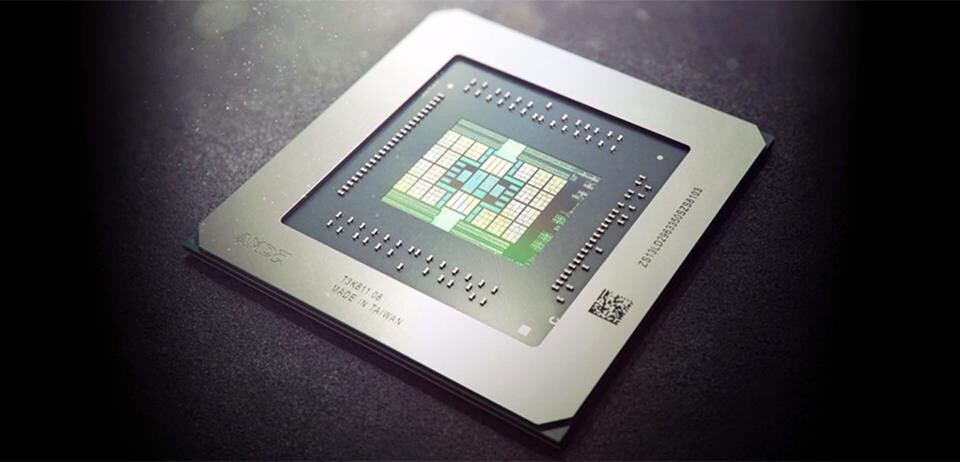
A DigiTimes premium report, interpreted by Chiakokhua, aka Retired Engineer, chronicling NVIDIA's move to contract TSMC for 7 nm and 5 nm EUV nodes for GPU manufacturing, made a startling revelation about NVIDIA's recent foundry diversification moves. Back in July 2019, a leading Korean publication confirmed NVIDIA's decision to contract Samsung for its next-generation GPU manufacturing. This was a week before AMD announced its first new-generation 7 nm products built for the TSMC N7 node, "Navi" and "Zen 2." The DigiTimes report reveals that NVIDIA underestimated the efficiency gains AMD would yield from TSMC N7.

With NVIDIA's bonhomie with Samsung underway, and Apple transitioning to TSMC N5, AMD moved in to quickly grab 7 nm-class foundry allocation and gained prominence with the Taiwanese foundry. The report also calls out a possible strategic error on NVIDIA's part. Upon realizing the efficiency gains AMD managed, NVIDIA decided to bet on TSMC again (apparently without withdrawing from its partnership with Samsung), only to find that AMD had secured a big chunk of its nodal allocation needed to support its growth in the x86 processor and discrete GPU markets. NVIDIA has hence decided to leapfrog AMD by adapting its next-generation graphics architectures to TSMC's EUV nodes, namely the N7+ and N5. The report also speaks of NVIDIA using its Samsung foundry allocation as a bargaining chip in price negotiations with TSMC, but with limited success as TSMC established its 7 nm-class industry leadership. As it stands now, NVIDIA may manufacture its 7 nm-class and 5 nm-class GPUs on both TSMC and Samsung.
Huawei Moves 14 nm Silicon Orders from TSMC to SMIC

Huawei's subsidiary, HiSilicon, which designs the processors used in Huawei's smartphones and telecommunications equipment, has reportedly moved its silicon orders from Taiwan Semiconductor Manufacturing Company (TSMC) to Semiconductor Manufacturing International Corporation (SMIC), according to DigiTimes. Why Huawei decided to do is move all of the 14 nm orders from Taiwanese foundry to China's largest silicon manufacturing fab, is to give itself peace of mind if the plan of the US Government goes through to stop TSMC from supplying Huawei. At least for the mid-tier chips built using 14 nm node, Huawei would gain some peace as a Chinese fab is a safer choice given the current political situation.

When it comes to the high-end SoCs built on 7 nm, and 5 nm in the future, it is is still uncertain how will Huawei behave in this situation, meaning that if US cuts off TSMC's supply to Huawei, they will be forced to use SMIC's 7 nm-class N+1 node instead of anything from TSMC. Another option would be Samsung, but it is a question will Huawei put itself in risk to be dependant on another foreign company. The lack of 14 nm orders from Huawei will not be reflecting much on TSMC, because whenever someone decides to cut orders, another company takes up the manufacturing capactiy. For example, when Huawei cut its 5 nm orders, Apple absorbed by ordering more capacity. When Huawei also cut 7 nm orders, AMD and other big customers decided to order more, making the situation feel like there is a real fight for TSMC's capacity.
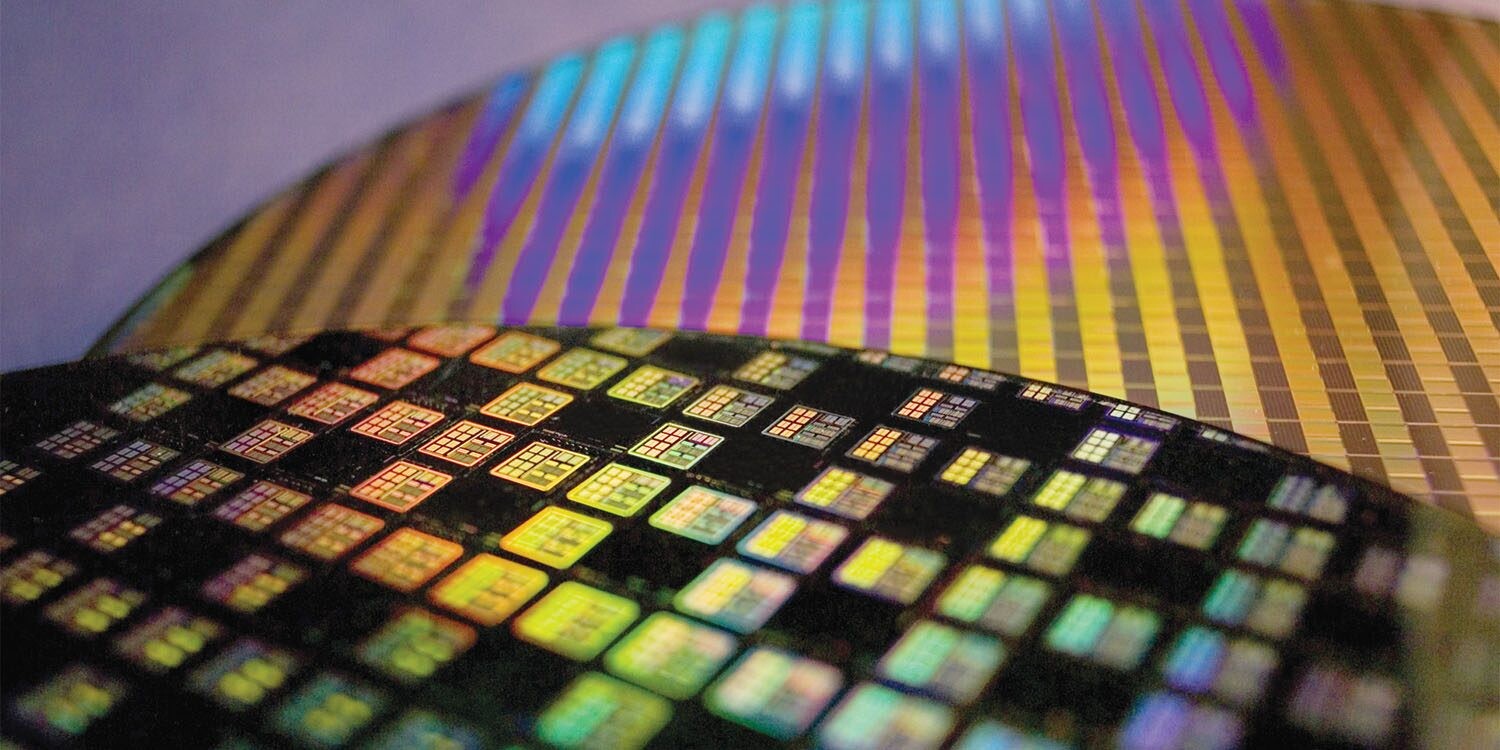
Silicon Wafer

TSMC Sees Higher Demand for CoWoS Packaging

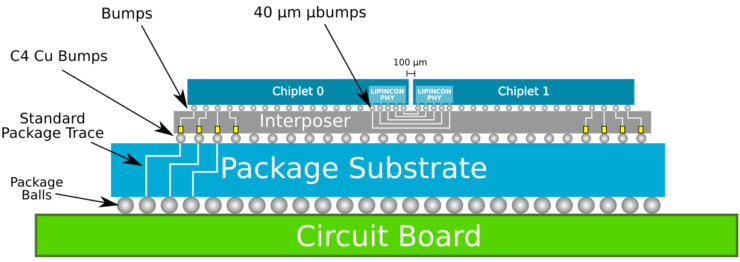
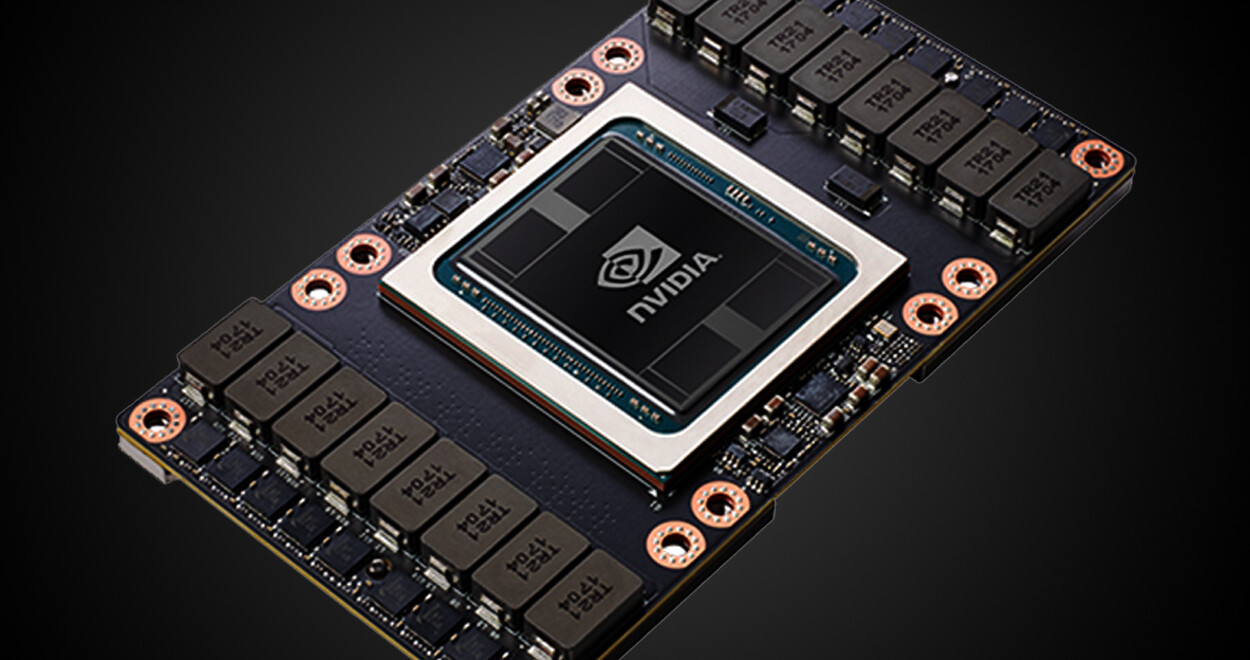
TSMC, Taiwan's flagship manufacturer of silicon, has seen a substantial increase in demand for Chip-on-Wafer-on-Substrate (CoWoS) packaging technology, according to the report from DigiTimes. CoWoS is a multi-chip packaging technology that gives an option to build silicon like LEGO, allowing for dies to be placed side by side on interposer that is providing high interconnect density and performance. You can see more about CoWoS in detail here. Some of the examples of CoWoS are NVIDIA's P100 and V100 dies that integrate logic (computing elements), and memory (in the form of HBM) on a single die.

Recently, TSMC updated its CoWoS technology, where this new second-generation parts could scale far larger than the first-generation implementation - up to 1700 squared millimeters of die space, allowing for some very creative solutions to be implemented. This may be the reason that the demand in Q2 has risen so substantially and that TSMC's production lines are now running at full capacity, trying to meet the demand for this packaging technology.
TSMC CoWoS NVIDIA V100

U.S. Government Tightens Screws on Huawei's Global Chip Supply from TSMC

The U.S. government announced advanced measures that make it harder for foreign companies, such as Taiwan's TSMC, to supply chips to Chinese telecom hardware giant Huawei. Foreign companies that use American chipmaking equipment, are required to obtain a license from the U.S. before supplying certain chips to Huawei. Sources comment that the new rule was tailor-made to curb TSMC fabricating smartphone SoCs for Huawei's HiSilicon subsidiary.

Mainland Chinese semiconductor companies are still behind Samsung and TSMC in 7 nm-class fab technologies, forcing HiSilicon to source from the latter. 7 nm fabrication is a key requirement for SoCs and modem chips capable of 5G. The high data transceiving rates of 5G requires a certain amount of compute power that can fit into smartphone-level power-envelopes only with the help of 7 nm, at least for premium smartphone form-factors. Same applies to 5G infrastructure equipment. This is hence perceived as a means for the U.S. to clamp brakes on Huawei's plans of playing a big role in 5G tech rollouts around the world, buying western 5G tech suppliers such as Nokia time to catch up. Huawei has been a flashpoint for a bitter political spat between the U.S. and China, with the Chinese press even threatening that the matter could hamper medical supplies to the U.S. to fight the COVID-19 pandemic.

Team T-Force Xtreem Mirror ARGB Memory Wins 2020 German RED DOT Design Award

The world's leading memory brand, TEAMGROUP today announces that the T-FORCE XTREEM ARGB Full Mirror Gaming Memory has won the Red Dot Design Award 2020. The XTREEM ARGB has earned an enthusiastic response from gamers around the globe ever since its release. It stands out among 6,500 entries worldwide and overwhelmingly praised by international experts. TEAMGROUP's strength and creativity in product research and development make the T-FORCE gaming brand shine at international design awards once again.

The German Red Dot Design Award, one of the world's four major design awards, has an extraordinary influence in the industry and is also an important indicator for designers. It was founded by the famous German design association, Design Zentrum Nordrhein Westfalen in 1955. Global professional jury judge entries based on creativity, solutions, product communication design and concept. The award has attracted over six thousand entries from more than 60 countries. And T-FORE XTREEM ARGB Full Mirror Gaming Memory has won the award with product uniqueness and rich creativity, and shines in the design field.
Team T-Force Xtreem Mirror ARGB Memory Team T-Force Xtreem Mirror ARGB Memory Team T-Force Xtreem Mirror ARGB Memory

Computex 2020 in Jeopardy as Taiwan Bans All Foreign Visitors

The Taiwan (ROC) Government announced a ban on the entry of all foreign visitors into the country until further notice. The ban takes effect from Thursday, March 19, in the wake of the COVID-19 global pandemic that has claimed thousands of lives worldwide. All foreign arrivals already on their way will be placed in a mandatory 14-day quarantine.

Exceptions to the ban include ARC (alien resident certificate) holders, diplomatic passport holders, and businesspersons with special entry permits issued by the government (these are not the same as business visas), although even these persons must subject themselves to the quarantine. The ban is expected to force most commercial airlines to reduce or suspend their services to the country. The travel ban to Taiwan puts Computex 2020 in jeopardy. Although held in June, preparations for the show typically begin as early as April, with foreign exhibitors preparing to import their exhibits, organizing their booths, arranging logistics, etc.
Taiwan bans foreigners in the wake of COVID-19

TSMC to Hire 4000 new Staff for Next-Generation Semiconductor Node Development

TSMC is set to hire about 4000 new staff members to gain a workforce for its development of next-generation semiconductor manufacturing nodes. The goal of the company is to gather talent so it can develop the world's leading semiconductor nodes, like 3 nm and below. With 15 billion USD planned for R&D purposes alone this year, TSMC is investing a big part of its capital back into development on new and improved technology. Markets such as 5G and High-Performance Computing are leading the charge and require smaller, faster, and more efficient semiconductor nodes, which TSMC plans to deliver. To gather talent, TSMC started job listing using recruitment website TaiwanJobs and started campaigns on university campuses to attract grad students.

ASRock Revenue Soars Due to the Ryzen Effect

ASRock, a Taiwanese manufacturer of motherboards and graphics cards, had an amazing 2019 when it comes to the revenue. Surging around 31% on a Year-over-Year (YoY) basis and delivering revenue of 443.16 million US Dollars, ASRock is expecting to deliver even better results in 2020. When it comes to the underlying reasons for this notable increase, ASRock attributes it to the recent success of AMD's Ryzen family of processors and strong demand for the platform surrounding it. Adopting the AMD Ryzen processors in Mini-PCs, motherboards and server boards, ASRocks see strong demand for these products that should carry over in 2020.

Another reason for strong profits and even better chapters ahead is the developments in the US and European markets. Having previously been focused on the Asian market and marketing its products to that part, ASRock changed the strategy and started advertising its brand more to other regions like the US and Europe. This new strategy is progressing well and is expected to continue in the coming years. Additionally, it is worth noting that ASRock's graphics card sales started to turn profitable in 2019, and now that part of ASRock is attributing to profits as well.

TSMC Becomes Asia's Most Valuable Company

Taiwan Semiconductor Manufacturing Company, Limited, also known as TSMC shortly became Asia's biggest and the most valuable company with a market cap of over 8.02 trillion New Taiwan Dollars, which roughly translates to 262.75 billion US Dollars. Becoming the biggest Asian company, TSMC's market capitalization has now surpassed Samsung for the first time in the history of company existence.

The underlying reasons for becoming a company that TSMC is today, are plenty. Firstly, they are providing customers with the flexibility of choosing any manufacturing node, whatever it is the latest 7 nm or the older ones like 180 nm. They have a choice whatever they want to use something older and less expensive or something newer for high-performance and lower power. Additionally, TSMC is re-investing a big part of its profits into research and development efforts to stay competitive and deliver only the best technology to its customers, on time.

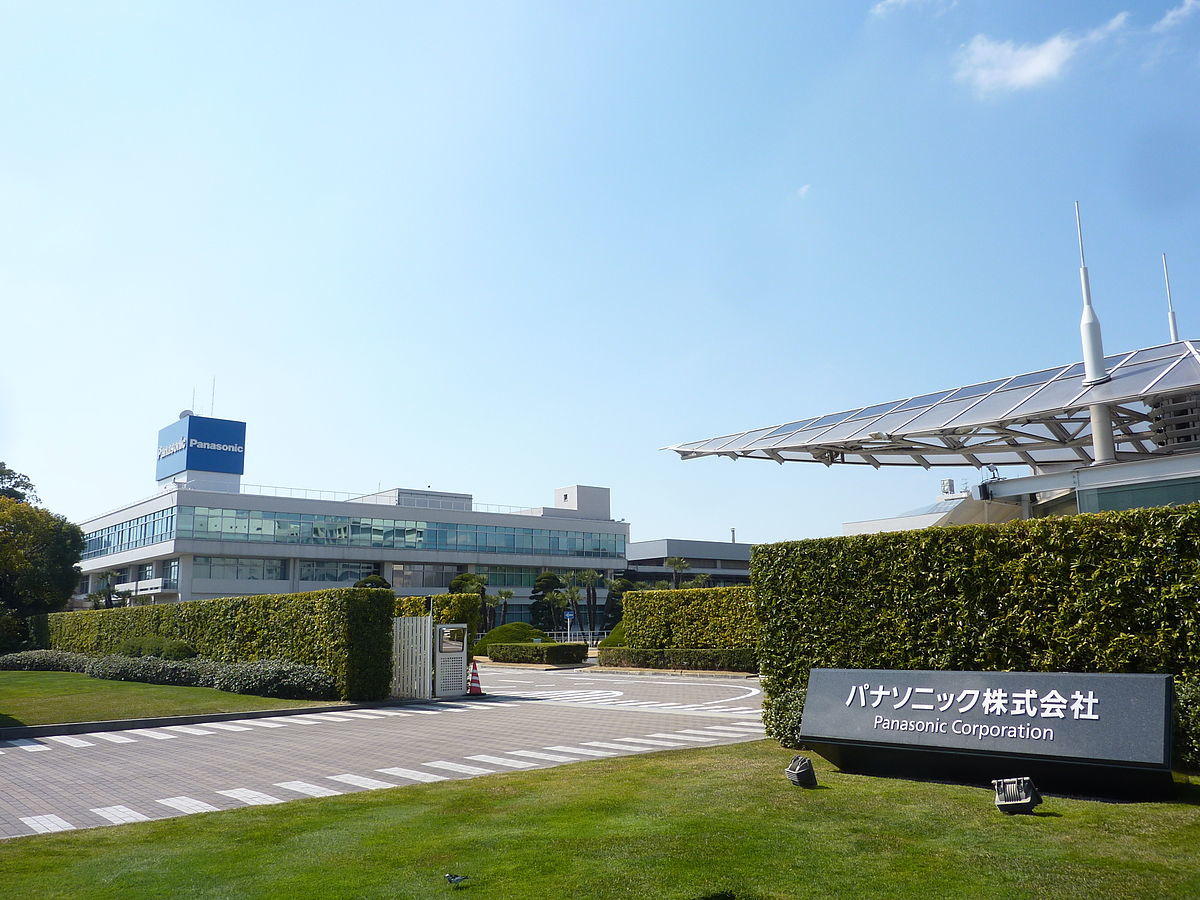
Panasonic Exits Silicon Manufacturing Business

Panasonic, an electronics manufacturing giant, has today sold its silicon manufacturing business, marking the end of an era of Japanese semiconductor manufacturing. Once a big player in silicon manufacturing scene, particularly in the '80s and '90s era when Japan's silicon output was huge, Panasonic was considered one of the main players in the silicon manufacturing business. However, due to some difficulties like operating a business with a loss of over $215 million yearly, and having to compete with Chinese and Taiwanese silicon manufacturing firms, Panasonic is selling its silicon production lines.
The subsidiary of Panasonic called "Semiconductors Solutions" is being sold to Nuvoton Technology Corporation, a semiconductor company that spun-off from Winbond Electronics Corporation in 2008, where Winbond still owns 61% stake in Nuvoton despite the spinoff. Additionally, Panasonic forecasts a 27% drop in operating profit for this physical year, with the declining semiconductor manufacturing business counted. The reasoning behind this sale is that the company plans to exit all declining businesses that also include LCD manufacturing, as Chinese alternative manufacturers are stiff competition for Panasonic when it comes to pricing and panel output.

TSMC Begins 3 nm Fab Construction

TSMC has been very aggressive with its approach to silicon manufacturing, with more investments into its R&D that now match or beat the capex investments of Intel. That indicates a strong demand for new technologies and TSMC's strong will not drop out of the never-ending race for more performance and smaller node sizes.

According to the sources over at DigiTimes, TSMC has acquired as much as 30 hectares of land in the Southern Taiwan Science Park to begin the construction of its fabs that are supposed to start high-volume manufacturing 3 nm node in 2023. Construction of 3 nm manufacturing facilities are set to begin in 2020 when TSMC will lay the groundwork for the new fab. The 3 nm semiconductor node is expected to be TSMC's third attempt at EUV lithography, right after the 7 nm+, and 5 nm nodes which are also based on EUV technology.

Apacer Unveils its First XR-DIMM DRAM Module with RTCA DO-160G Certification

Apacer, the leading manufacturer of industrial-grade memory, announces the release of the XR-DIMM. This rugged memory module is the first on the market to meet the exacting standards of the US RTCA DO-160G test, an aviation equipment certification that marks the XR-DIMM as resistant to high levels of vibration and therefore ideal for defense and aeronautical applications.

Since 2018, Apacer has been manufacturing DDR4 XR-DIMM modules with rugged stability in mind. Though previous models have been compliant with MIL-STD-810G, this new module is the first to be proven compliant with the US RTCA DO-160G standard, making it the ideal choice for manufacturers who need reliable operation through extreme vibration and shock.

Japan-Korea Trade Spat and Toshiba Blackout Hike DRAM Prices by 20 Percent

Prices of DRAM shot up by 20 percent as Japan put in place export curbs that restrict high-technology exports to South Korea, and as Toshiba recovers from a power blackout that temporarily halted production. This could impact prices of end-user products such as PC memory modules, or consumer electronics, such as smartphones, in the coming weeks, as inventories either dry up, or are marked-up at various stages of the supply-chain. The memory industry is inter-dependent between fabrication and packaging units spread across South Korea, Japan, and Taiwan.

Memory and flash industry observer DRAMeXchange reported that spot-pricing of 8-gigabit DDR4 DRAM chips, which is used as a benchmark for DRAM pricing as a whole, closed at USD $3.74 at the end of trading on Friday (19/07). It's up 14.6 percent week-over-week, and 23 percent up pricing as on 5th July. An industry observer who spoke with KBS World notes that the recent hikes are not directly infuenced by the trade-spat between Japan and Korea, but rather a power blackout experienced at a Toshiba DRAM manufacturing facility last month. The observer noted that if the trade-spat affects production at Samsung Electronics or SK Hynix, DRAM prices could "skyrocket."

Intel Unveils Project Athena Open Labs

Intel today revealed plans for Project Athena Open Labs in Taipei, Shanghai and Folsom, California, to support performance and low-power optimization of vendor components for laptops built to Project Athena design specifications and target experiences in 2020. Located in key ecosystem hubs and operated by teams of Intel engineers with system-on-chip (SOC) and platform power optimization expertise, the three Open Labs sites will begin operating in June 2019 to enable and optimize components.

"Across the industry, we each play an important role in delivering the advanced laptops of today and the future. Project Athena Open Labs are a critical step in enabling more extensive, day-to-day collaboration with the components ecosystem to continuously raise the bar for innovation across the platform," said Josh Newman, Intel vice president and general manager of PC Innovation Segments, Client Computing Group.

TSMC Cleared to Build New 3 nm Manufacturing Factory in Southern Taiwan

The world's largest contract semiconductor manufacturing company, TSMC, has been cleared to commence construction of a new 3 nm chip factory at the Southern Taiwan Science Park in Tainan. The new factory is expected to use 20 percent renewable energy and 50 percent recycled water.

The factory's environmental impact assessment was accepted by the Environmental Protection Administration (EPA) on Dec. 19, after concerns were raised about use of water and power sources. TSMC is expected to invest NT$600 million (US$19.45 million) in the project, with construction to begin in 2022. Production is planned to start in late 2022 or early 2023. At the same site, TSMC is also building a 5 nm chip factory, which is expected to be up and running in late 2019 or early 2020.

Bad Times for Motherboard and GPU Makers: Oversupply and High Prices in 1H19

The "sustained chill in the crypto mining sector" is, according to Taiwan-based sources cited at DigiTimes, one of the leading reasons motherboard and graphics cards makers will face a bleak scenario in the next few months. According to those sources, other factors such as the US-China trade war doesn't help a situation on which NVIDIA new RTX family hasn't helped due to the high price of those GPUs. ASUSTeK Computer and Gigabyte Technology have seen their inventory levels drive up, "causing their revenues for the peak season to fall under expectations".

These problems now join the ones Intel is facing with its shortage of processors, and according to DigiTimes, revenue prospects for the fourth quarter are further dimmed by lingering sluggish demand from the DIY market among other things. To counteract these problems those companies could actually be could be further adversely affected: "Nvidia and Intel likely to raise their chip prices to maintain profitability", a move that could lead to a bleak profitability period starting in 2019.

PRC State-Owned Company, Taiwan Company, and Three Individuals Charged With Economic Espionage

A federal grand jury indicted a state-owned enterprise of the People's Republic of China (PRC), a Taiwan company, and three individuals, charging them with crimes related to a conspiracy to steal, convey, and possess stolen trade secrets of an American semiconductor company for the benefit of a company controlled by the PRC government. All of the defendants are charged with a conspiracy to commit economic espionage, among other crimes. Attorney General Jeff Sessions, FBI Director Christopher Wray, Assistant Attorney General for National Security John Demers, Assistant Attorney General for the Criminal Division Brian A. Benczkowski, United States Attorney Alex G. Tse of the Northern District of California, and FBI Special Agent in Charge for the San Francisco Field Office John F. Bennett made the announcement.

In addition, the United States filed a civil lawsuit seeking to enjoin the further transfer of the stolen trade secrets and to enjoin certain defendants from exporting to the United States any products manufactured by UMC or Jinhua that were created using the trade secrets at issue. The indictment was filed on September 27, 2018, and unsealed today. The civil lawsuit was filed today.

TSMC Ex-Employee Charged with Smuggling 16nm and 10nm IP to HLMC

A former employee of TSMC, Taiwan's premier silicon fabrication foundry, has been charged with stealing trade-secrets to his next employer across the straits. Mentioned as "Chou" by DigiTimes, the employee has been charged with IP theft and smuggling trade-secrets of vital 10 nanometer and 16 nanometer silicon fabrication technologies over to his next job at Shanghai Huali Microelectronics (HLMC).

Before Chou could flee TSMC to HLMC, he was arrested by Taiwan Police, and indicted for breach of trust. With the matter now in the hands of the applicable District Prosecutors' Office, it has become subjudice and TSMC isn't issuing comments. Development of 10 nanometer (and newer) silicon fabrication nodes is proving exceedingly costly and painstaking for foundry companies, and it hurts their future just that much worse when someone does away with billions of dollars worth R&D.

Finer Details of Intel Core i7-9700K and Core i9-9900K Emerge

Taiwanese tech site BenchLife.info scored finer details of Intel's upcoming premium LGA1151 processors through screenshots of leaked documents; revealing more about the Core i7-9700K 8-core/8-thread processor, and the top-dog 8-core/16-thread Core i9-9900K. The i7-9700K has the QDF number QQPK, and the i9-9900K "QQPP." The tables below also reveal their extended product code, CPUID, and iGPU device ID. There's also a confirmation that the TDP of both parts is rated at just 95 W. The next table provides a great insight to the clock speeds of the two chips.

Both chips idle at 800 MHz, and have an identical nominal clock speed of 3.60 GHz. The two differ with their Turbo Boost states. The i7-9700K has a maximum Turbo Boost state of 4.90 GHz, which it awards to 1-core. As a reminder, this chip is the first Core i7 SKU ever to lack HyperThreading support. 2-core boost frequency for this chip is 4.80 GHz. 4-core boost is up to 4.70 GHz. 4.60 GHz is the all-core boost (cores 5 thru 8). The i9-9900K gives both 1-core and 2-core the highest boost frequency of 5.00 GHz (that's up to 4 threads). The 4-core boost state is 4.80 GHz, and all-core (cores 5 thru 8) get 4.70 GHz. Intel is keeping its boost states rather high for this round of processors, as it tries to compete with the Ryzen 7 "Pinnacle Ridge" series.

TSMC Details Impact of Computer Virus Incident

TSMC today provided an update on the Company's computer virus outbreak on the evening of August 3, which affected a number of computer systems and fab tools in Taiwan. The degree of infection varied by fab. TSMC contained the problem and found a solution, and as of 14:00 Taiwan time, about 80% of the company's impacted tools have been recovered, and the Company expects full recovery on August 6.

TSMC expects this incident to cause shipment delays and additional costs. We estimate the impact to third quarter revenue to be about three percent, and impact to gross margin to be about one percentage point. The Company is confident shipments delayed in third quarter will be recovered in the fourth quarter 2018, and maintains its forecast of high single -digit revenue growth for 2018 in U.S. dollars given on July 19, 2018. Most of TSMC's customers have been notified of this event, and the Company is working closely with customers on their wafer delivery schedule.

Taiwan ODMs Pulling Back Production from Mainland in Wake of US Import Tariffs

You could see more "Made in Taiwan" and lesser "Made in China" on the shelves of your friendly neighborhood Microcenter, as major Taiwanese original device manufacturers (ODMs) are considering moving manufacturing back from Mainland China to Taiwan. ODMs are contract manufacturers of PC hardware, which take designs from [mostly western] electronics companies, and turn them into marketable product.

Among the first such ODMs is Quanta Computer, which manufactures some components in Shanghai, with server assembly either in Fremont, California; or just outside Cologne, Germany. The move is triggered by harsh import tariffs imposed by the Trump Administration on imports of electronics goods from China (PRC), running up to 25 percent, as part of the ongoing trade-war between the world's top-two economies. Tech stocks are rattled at the prospect of cheap hardware imports getting significantly pricier for American consumers.

Micron Technology Faces Ban in China After Losing IP Spat to UMC

Stocks of Micron Technology tanked on Tuesday as reports emerged of the company being banned in China, the world's largest semiconductor market. A Chinese court ruled in favor of Taiwanese semiconductor foundry UMC in its patent infringement lawsuit against Micron. The Fuzhou Intermediate People's Court issued a preliminary injunction stopping the sale of 26 Micron products, spanning across both its DRAM and NAND flash product lines, UMC said in a statement.

Micron, meanwhile, maintains that it hasn't read the injunction order yet, and that it won't comment until it does. Micron's position is doing precious little in stopping its hemorrhage at the markets, as its stock prices fell 8 percent at the time of this writing. The Micron-UMC spat is fascinating in a broader geopolitical context. Micron accuses UMC of serving as a conduit for funneling away its IP to midwife Chinese DRAM companies such as Fujian Jinhua Integrated Circuit Co. It is the counter-suit to this by UMC, which was won today. China accounted to more than 50 percent of Micron's revenues in FY 2017, with most of the chips being mopped up by the consumer electronics and PC manufacturing industries.

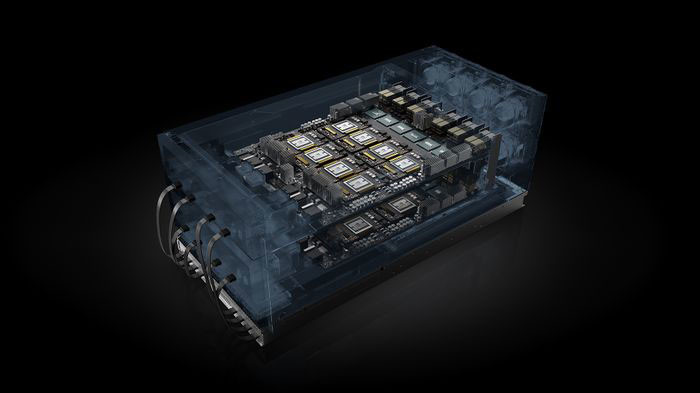
NVIDIA Introduces HGX-2, Fusing HPC and AI Computing into Unified Architecture

NVIDIA HGX-2 , the first unified computing platform for both artificial intelligence and high performance computing. The HGX-2 cloud server platform, with multi-precision computing capabilities, provides unique flexibility to support the future of computing. It allows high-precision calculations using FP64 and FP32 for scientific computing and simulations, while also enabling FP16 and Int8 for AI training and inference. This unprecedented versatility meets the requirements of the growing number of applications that combine HPC with AI.

A number of leading computer makers today shared plans to bring to market systems based on the NVIDIA HGX-2 platform. "The world of computing has changed," said Jensen Huang, founder and chief executive officer of NVIDIA, speaking at the GPU Technology Conference Taiwan, which kicked off today. "CPU scaling has slowed at a time when computing demand is skyrocketing. NVIDIA's HGX-2 with Tensor Core GPUs gives the industry a powerful, versatile computing platform that fuses HPC and AI to solve the world's grand challenges."

NVIDIA Teases "Ultimate Gaming Experience" At GTC Taiwan

NVIDIA has posted a short (literally short) teaser, treating users to the promise of the "Ultimate Gaming Experience". This might mean something, such as the new, expected NVIDIA 11** series of graphics cards... Or it may mean something much less exciting, and have something to do with the 4K, HDR gaming experience that is supposed to be reaching gamers in a couple of weeks, at an expected cost of more kidneys than the average human has.

Officially, though, GTC 2018 Taiwan will revolve around artificial intelligence tech (what doesn't these days, really?) Translated, the teaser image reads something along the lines of "Utilizing GPU computing to explore the world's infinite possibilities - witness the power of artificial intelligence and the ultimate gaming experience in GTC Taiwan and Computex 2018." Remember, however, that marketing almost always has a way of blowing things out of proportion - don't hold your breath for a new graphics card series announcement.

TSMC Breaks Ground on 5nm 'Fab 18' in Taiwan

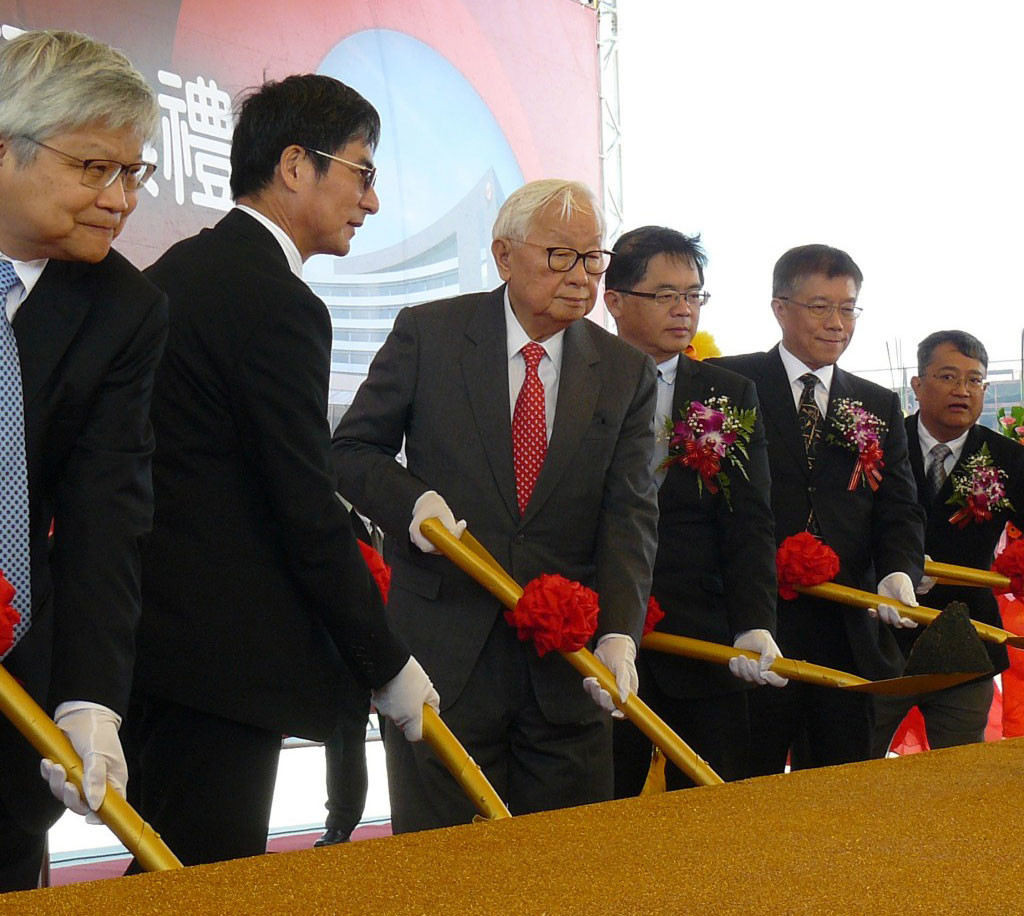
TSMC today held a groundbreaking ceremony for its Fab 18, Phase 1 facility at the Southern Taiwan Science Park. Led by Chairman Dr. Morris Chang, the event demonstrates TSMC's ongoing commitment to investing in Taiwan as well as to environmental sustainability, and marks another milestone in TSMC's 30-year history and its competitive advantage in technology leadership, manufacturing excellence, and customer trust. TSMC's Fab 18 will be its fourth 12-inch GigaFab in Taiwan and is scheduled for production of the advanced 5 nanometer process.

Following today's groundbreaking, the Company plans to complete construction of Phase 1 and begin equipment move-in in the first quarter of 2019, with volume production in early 2020. Phase 2 will start construction in third quarter 2018 and also enter volume production in 2020, while Phase 3 construction is scheduled for third quarter 2019 for volume production in 2021. Once all three phases enter production, the facility's estimated annual capacity will exceed one million 12-inch wafers, providing 4,000 high-quality jobs and becoming another bastion of TSMC's manufacturing excellence.
Return to Keyword Browsing
Nov 11th, 2026 06:15 CST change timezone

New Forum Posts

Popular Reviews

TPU on YouTube

Controversial News Posts