Monday, October 22nd 2018

Intel Could Have Killed 10 nm Process According to SemiAccurate Report [Updated]
Update: Intel has made an official statement on Twitter denying this and explaining that "Media reports published today that Intel is ending work on the 10nm process are untrue. We are making good progress on 10nm. Yields are improving consistent with the timeline we shared during our last earnings report."
Intel has been talking for years about the leap to the 10 nm process, a technology whose launch has been delayed time and time again. We were supposed to start seeing these microprocessors in 2016, but that date was postponed to 2017 and later to 2018. The manufacturer assumed the problems once again this year, but made a new promise: you will have 10 nm processors by the end of 2019.
The market seems to continue to trust Intel despite everything. Others, on the other hand, say that Intel is about to announce the total cancellation of this project. You have to take this news of Charlie Demerjian in SemiAccurate not with a grain of salt, but with a lot of grains of salt, because according to their sources, Intel would have already killed the process of 10 nm. This analyst has maintained the theory that Intel would never take that step, and in his analysis indicates that in his opinion this is the right decision. Evidently there has not been any official confirmation or comment from Intel, so for the moment Demerjian's statement raises many doubts and could be mere speculation.
 In SemiAccurate they mention reliable sources that indicate that Intel has already taken this decision, which they welcome as being the most accurate despite the economic cost that such abandonment could cause in Intel. Demerjian not only reveals that Intel has decided to abandon this 10 nm process, but also adds that Intel's discourse has been deceptive all along: what it said publicly and its internal discourse were very different things.
Events at Intel don't help to clarify the situation. With Krzanich out, there is now new information that indicates Intel splitting manufacturing into three different segments. The problems with 10 nm silicon fabrication continue, and some analysts have mentioned how Intel is at least 5 years behind TSMC and may never catch up. On the other hand, recent reports give us (and their stock) some optimism, but the recent piece published at SemiAccurate shakes things up again.
Source:
SemiAccurate
Intel has been talking for years about the leap to the 10 nm process, a technology whose launch has been delayed time and time again. We were supposed to start seeing these microprocessors in 2016, but that date was postponed to 2017 and later to 2018. The manufacturer assumed the problems once again this year, but made a new promise: you will have 10 nm processors by the end of 2019.
The market seems to continue to trust Intel despite everything. Others, on the other hand, say that Intel is about to announce the total cancellation of this project. You have to take this news of Charlie Demerjian in SemiAccurate not with a grain of salt, but with a lot of grains of salt, because according to their sources, Intel would have already killed the process of 10 nm. This analyst has maintained the theory that Intel would never take that step, and in his analysis indicates that in his opinion this is the right decision. Evidently there has not been any official confirmation or comment from Intel, so for the moment Demerjian's statement raises many doubts and could be mere speculation.
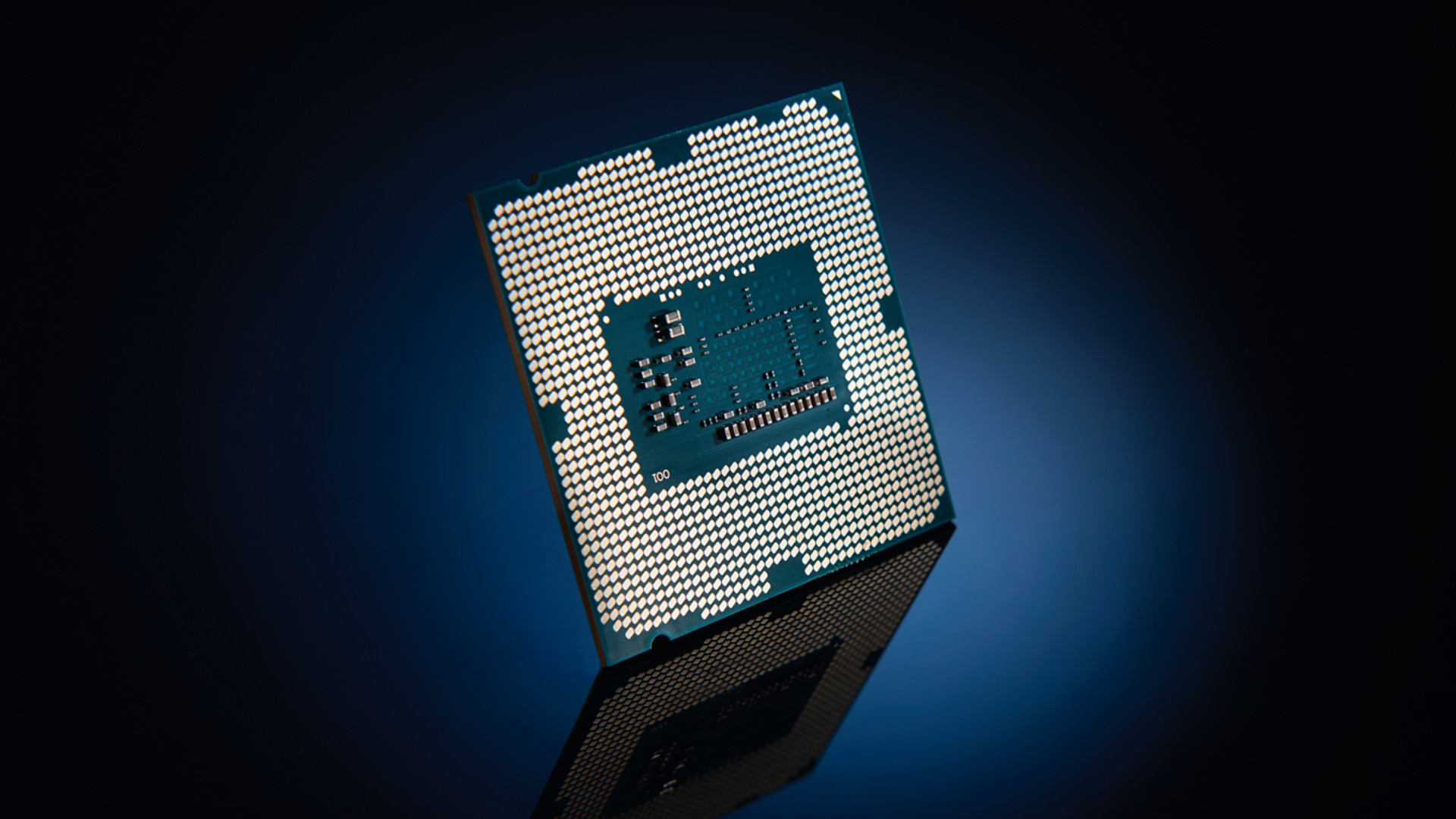
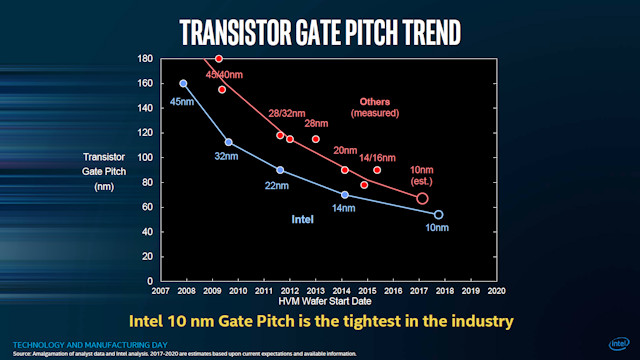
Events at Intel don't help to clarify the situation. With Krzanich out, there is now new information that indicates Intel splitting manufacturing into three different segments. The problems with 10 nm silicon fabrication continue, and some analysts have mentioned how Intel is at least 5 years behind TSMC and may never catch up. On the other hand, recent reports give us (and their stock) some optimism, but the recent piece published at SemiAccurate shakes things up again.
32 Comments on Intel Could Have Killed 10 nm Process According to SemiAccurate Report [Updated]
It's even worse on those i3s than stated by intel on those if they don't adhere to very strict throttling haha. Has anyone bothered to get a hold of those notebook and do a comparison (no point but would be interesting given no IGP too)?
I can't begin to parse that passage. And the referenced link doesn't seem to support it.
And for the glib Demerjian detractors: Say what you want about his passions and style BUT he is exceptionally smart, does far more homework than most journos, and does more with what he learns from that. He is always ahead of the crowd, and much more often right than wrong. Pretty valuable, no? I'll bet that AMD buys his pro service and considers it money well spent.
Demerjian correctly predicted Intel's consecutive 10 nm delays for years now, and he's probably correct this time too. I suppose Intel will save face by producing a very small money-losing 10 nm family and trumpeting that as a success. They'll hope that by then no one will care what they said in 2015 - and no one will.
And even more, they even do some math like 25W/2=12.5W on some CFL-R chips, assuming the iGPU consumes 50% of power, LMAO.
Is also disturbing that we don't know yet anything beyond Intel's 10 nm, either a 10+ nm or 7 nm, not to mention plans of releasing products on it in X year.