Tuesday, July 21st 2026

NVIDIA Shows DLSS 5 Progress and Technical Details at SIGGRAPH 2026
NVIDIA has once again showcased its DLSS 5 neural rendering at the SIGGRAPH 2026 event, currently taking place in Los Angeles. Despite the initial negative reaction from gamers, NVIDIA is continuing to develop the technology, offering improvements and a new demonstration of how DLSS 5 is intended to function. One of the most interesting aspects is that game developers can choose from three DLSS 5 models, each providing a different level of structural intensity, global illumination, texture detail, and more. These models, labeled Model A, Model B, and Model C, can be tailored to specific scenes or character needs, allowing developers to mix and match according to their requirements. Each model carries a different parameter count, meaning that some are more compute and memory-intensive than others. However, they generally fit and run fine on a single GPU without any problems.
Another noteworthy feature is the preservation of artistic intent, which was heavily criticized in the original DLSS 5 demo. Each individual object, scene, and game setting can be customized according to the developer's vision. This is one of the challenges NVIDIA faced with DLSS 5, as maintaining visual identity, object semantics, and character poses, along with output lighting semantics, motion, and art direction, is crucial. Within these strict parameters, DLSS 5 applies material photorealism to enhance visual appeal. Below you can even see the customization of the applied model, where there are adjustable parameters that can be done per scene and per character.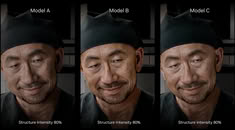





 The second challenge that the company faced is temporal streaming. Traditional generative AI video generators process in chunks, reasoning across a frame and generating a batch of frames at once. However, real-time rendering requires immediate generation, frame by frame. Since DLSS 5 uses motion vectors from the game engine, it can generate additional textures instantly, without delay. This results in no shimmer or image corruption, as DLSS 5 know exactly where to attach itself and perform its texture generation instantly.



 The final challenge for DLSS 5 is speed. To render a 4K frame with 8.3 million pixels at over 60 FPS, NVIDIA achieves this in less than 16 ms, with most of the processing time consumed by the game engine rather than the DLSS 5 model. The model is so efficient that users will not notice any delay during gameplay, and it operates on a single GPU. While NVIDIA highlights VRAM efficiency, it remains unclear whether 4K gaming will be limited to high VRAM GPUs or something else. As the launch is expected this fall, the company will provide general system requirements and further details, but the improvements compared to the original demo seem promising for now.
Source:
NVIDIA at SIGGRAPH 2026
Another noteworthy feature is the preservation of artistic intent, which was heavily criticized in the original DLSS 5 demo. Each individual object, scene, and game setting can be customized according to the developer's vision. This is one of the challenges NVIDIA faced with DLSS 5, as maintaining visual identity, object semantics, and character poses, along with output lighting semantics, motion, and art direction, is crucial. Within these strict parameters, DLSS 5 applies material photorealism to enhance visual appeal. Below you can even see the customization of the applied model, where there are adjustable parameters that can be done per scene and per character.



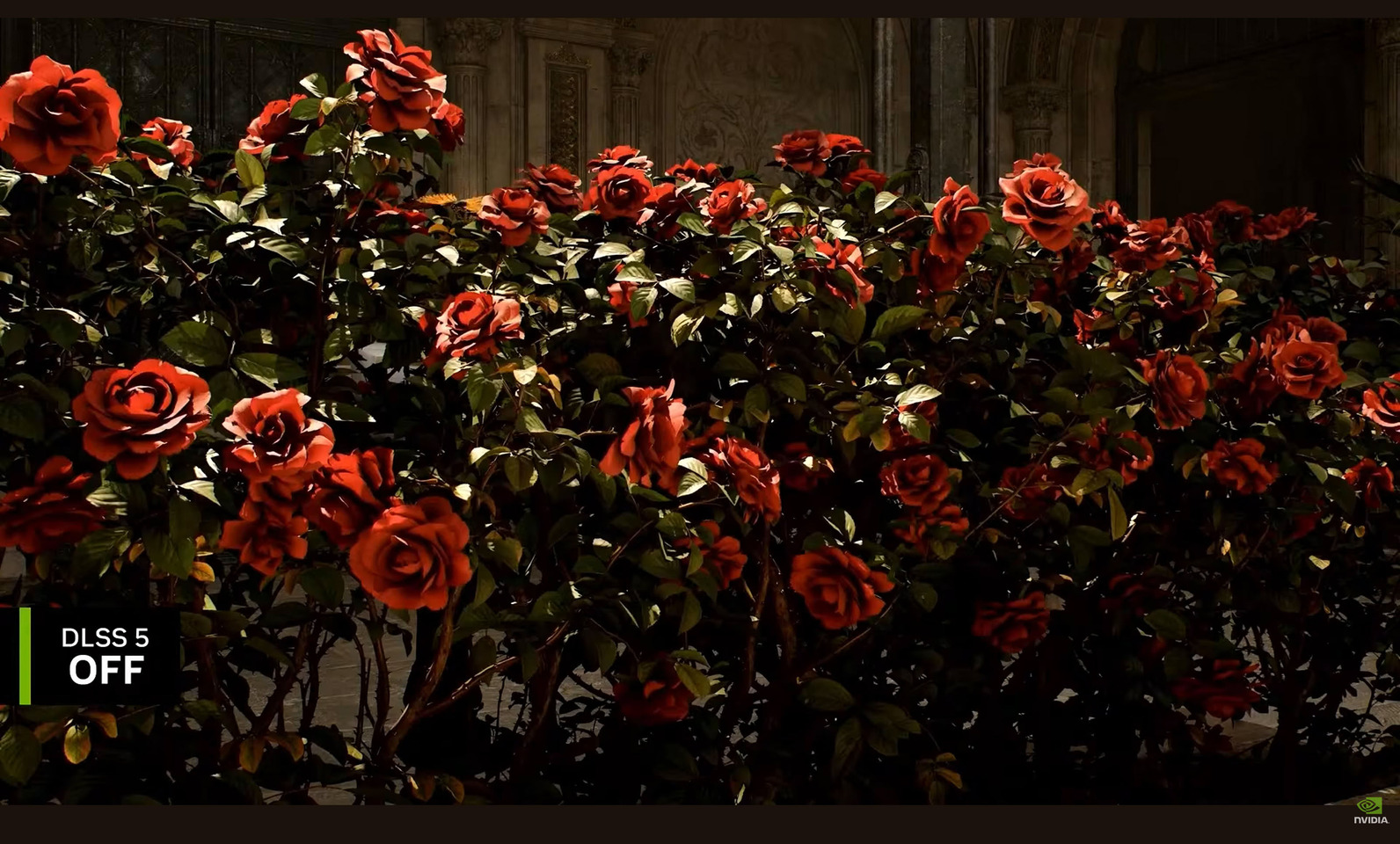

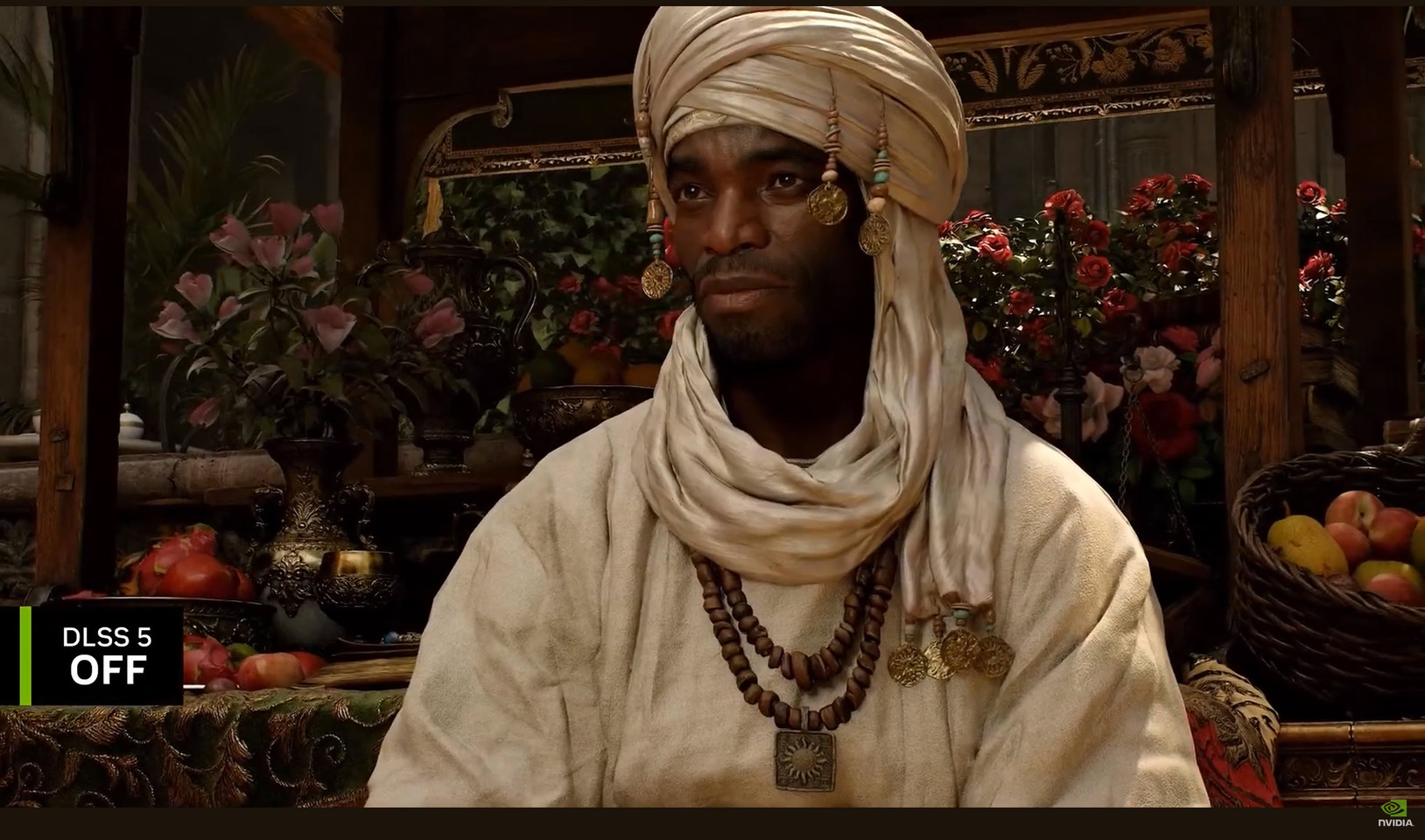

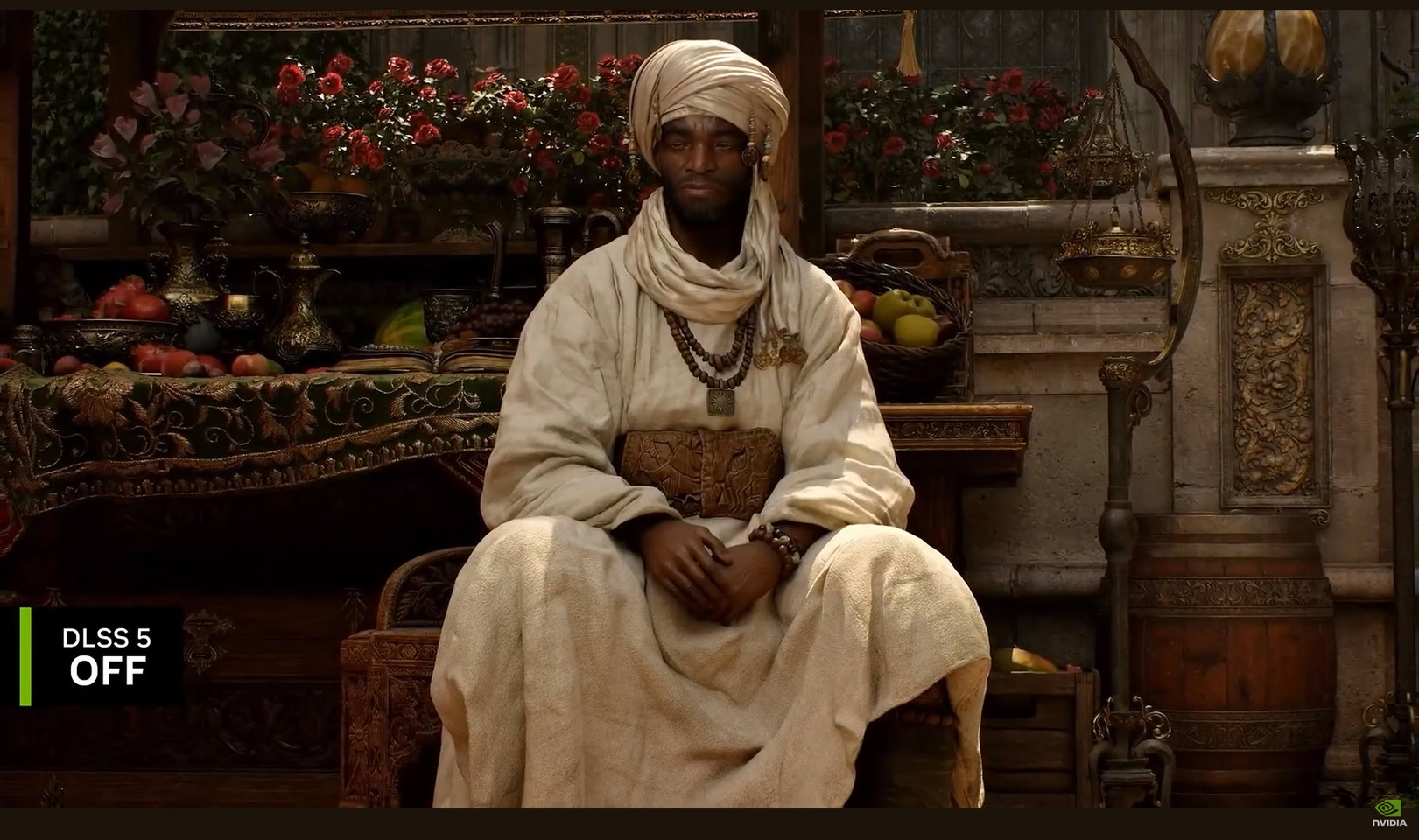

153 Comments on NVIDIA Shows DLSS 5 Progress and Technical Details at SIGGRAPH 2026
My traditional go-to is CAS, FakeHDR and Ambient Light shaders. When tuned right it gives sharper image with darker less washed out colors that are annoying me so much in all games and not even native HDR solves it properly. This kinda does and I really like it.
What I'd actually love more than DLSS 5 would actually be official API for ReShade so people could do it for free using ReShade with official engine integration so you could use it in multiplayer games (without depth coz then you could wallhack) or without a lot of fiddling officially. Then gamers would have total freedom and full ReShade support, theoretically not limited to screen space and not limited to one graphics card brand.
You have to have terrible eyesight in order to not notice the obvious difference. Just compare screenshot Oz from tpu itself, they have plenty of side by sides. 1440p native looks like garbage next to 4k dlss.
- Hardware texture filtering
- Shaders in general (Vertex, Pixel, Programmable, Mesh, Geometry etc etc etc)
- Hardware Tessellation/Displacement mapping
- Texture compression
- Detail textures
- Fullsceen Super-Sampling Anti-Aliasing
- 32-bit color
etc etc etc etc
DLSS probably wouldn't make a top 10 of biggest advancements in image quality ever. It's great, don't get me wrong... but it's at best the greatest advancements in Temporal AA and upscaling. Maybe one of the greatest use's of AI in gaming so far 👍
That being said, this presentation isn't as bad as the original, but it still doesn't show anything that would justify taking a massive performance hit.
Seems like we are hitting diminishing returns, each iteration requires a factor of additional horsepower, and the differences are more subjective heavy than objective heavy.
Kinda like going from 8x MFG to 12x MFG. 1x to 2x to 4x are huge and require some good AI power behind them, but then the more you add it just diminishes your returns.
Games need to start coming out with Game Maker Mode settings preset, like TVs have Film Maker Mode, so you can play the game to the original intent of the developer.
EDIT, to be fair...
It's awfully like the stereotypical militant vegan who spends more time attacking meat-eaters than positively promoting veganism and positively engaging with non-vegans.
People don't just reject the message, they decide they don't want to be associated with the messenger.
I've reached a point where slop is officially my most hated word. It sounds like someone took a dump and slipped on it.
Getting back to business: If the full DLSS 5 feature set lands on 50-series, thats a big plus in my book. I haven't really felt the need to use DLSS at 1440p so far but the direction the industry is heading makes DLSS (and other upscalers) less like an optional extra and something we'll all end up relying on. At the moment for me its either native quality or where applicable, upscaled implementation which is extremely close to native.
Mini comparison from TPUs screenshots, fps is similar (35 vs 36). Just look at the billboard, the health warning text. Horrifying
And this is the difference between 4k native and 4k dlss
Native = 18 fps
DLSS = 35 fps
Double the framerate, better image quality. I guess im just blind, ill just check with the doctor
Also, DLSS 5 would just be another temporal slop.
Also not everyone plays on a beefy graphics card, Laptops and handhelds need DLSS and Framegen.