Globalfoundries: 7 nm to Enable up to 2.7x Smaller Dies, 5 GHz CPUs
Globalfoundries' Chief Technical Officer, Gary Patton, talked about the future he believes can be possible in future manufacturing processes, calling for particular attention towards the next step in the ladder at 7 nm. Apparently, the 7 nm process at Globalfoundries has received a shot in the arm from the integration of ex IBM engineering specialists (remember that IBM practically paid Globalfoundries to take its manufacturing division of its hands), and the company now expects better than foreseen technical specs and achievements of its 7 nm process.
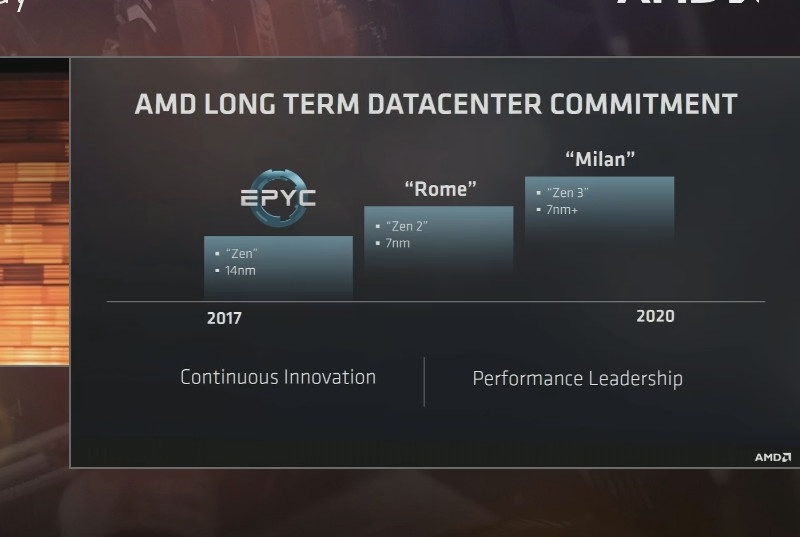
While a move from 14 nm to 7 nm was expected to provide, at the very best, a halving in the actual size of a chip manufactured in 7 nm compared to 14 nm, Gary Patton is now saying that the are should actually be reduced by up to 2.7 times the original size. To put that into perspective, AMD's 1000 series processors on the Zeppelin die and 14 nm process, which come in at 213 mm² for the full, 8-core design, could be brought down to just 80 mm² instead. AMD could potentially use up that extra die space to either build in some overprovisioning, should the process still be in its infancy and yields need a small boost; or cram it with double the amount of cores and other architectural improvements, and still have chips that are smaller than the original Zen dies.

While a move from 14 nm to 7 nm was expected to provide, at the very best, a halving in the actual size of a chip manufactured in 7 nm compared to 14 nm, Gary Patton is now saying that the are should actually be reduced by up to 2.7 times the original size. To put that into perspective, AMD's 1000 series processors on the Zeppelin die and 14 nm process, which come in at 213 mm² for the full, 8-core design, could be brought down to just 80 mm² instead. AMD could potentially use up that extra die space to either build in some overprovisioning, should the process still be in its infancy and yields need a small boost; or cram it with double the amount of cores and other architectural improvements, and still have chips that are smaller than the original Zen dies.