News Posts matching #NVIDIA

Return to Keyword Browsing

Two COLORFUL GeForce RTX 5060 Laptop Models Spotted in Benchmark Database

Just over two weeks ago, NVIDIA officially outlined a vague May launch window for GeForce RTX 5060 Mobile 8 GB dGPU-based partner-produced laptops/notebooks—"starting at $1099." Industry watchdogs reckon that a comprehensive product reveal will happen at Computex 2025. Team Green's mid-April PR article mentioned that models "are coming from every major OEM"—an included promotional image showcased devices built by Acer, ASUS, Dell, GIGABYTE, HP, Lenovo, MSI, and Razer. The ever watchful Olrak29 has unearthed two unannounced COLORFUL devices; listings have appeared within the Geekbench Browser database. A next-gen "P15 Pro" entry—published on April 20—posted an OpenCL score of 109431 (in Geekbench 6.4).

This leak lists a Intel Core i9-13900HX "Raptor Lake" CPU and an "NVIDIA GeForce RTX 5060 Laptop GPU." A more modern specced "iGame M15 Origo"—powered by Team Blue's Core Ultra 9 285HX "Arrow Lake" APU—option was also put through the Geekbench 6.4 wringer; this sample produced an OpenCL score of 102564 (on April 27). As observed by VideoCardz, the lower end "Blackwell" GPU beats its "Ada Lovelace" predecessor—GeForce RTX 4060 Mobile—by roughly 18% in overall OpenCL Geekbench gauntlets. Naturally, Vulkan-based scores would be better indicators of gaming performance. Early evaluators recorded maximum GPU clocks—of 2025 MHz and 2212 MHz (respectively)—on their GeForce RTX 5060 Mobile subjects.

Japanese Retailers Attempt to Block "Tourism" Purchases of GeForce RTX 5090 & 5080 Cards

GeForce RTX 5090 graphics cards—whether in Founders Edition or AIB custom form—are still in very high demand; certain buyers are even flying into nearby nations to take advantage of even the slightest favorable conditions. This was apparent during launch week—three months ago—with so-called "tourists" queuing up alongside locals in Japan, Taiwan and South Korea. Day one anti-scalping measures were implemented, but launch stock of GeForce RTX 5090 and RTX 5080 graphics cards was rapidly depleted. According to the latest reports, (mostly) Chinese buyers have been making regular visits to Japan's big electronics retail hub, in Osaka. Up until fairly recently, tax-free circumstances—for non-natives—have made the purchase of flagship NVIDIA "Blackwell" GPU-based gaming GPUs worth the trip, even with the added expense of plane tickets and other overheads.

Additionally, certain outlets actually had units readily available on shelves or behind shop counters. Eventually, stores dropped the whole tax-free thing. This measure did not cause much discouragement; tourists were still willing to pay the extra cost—still reasonable, compared to escalated (global) card prices. As disclosed in a MyDrivers news report, multiple Osaka-based retailers have bolstered their anti-tourist sales methodologies—one visitor spotted an updated placard that stated: "GeForce RTX 5090/RTX 5080 cards are only sold to customers who use it in Japan. If the purchased product is to be taken out of Japan, it will not be sold." VideoCardz believes that this newer "symbolic" countermove will be tricky to enforce; are shop workers going to be tasked with performing "Japanese citizen tests" on a regular basis? Chinese ultra high-end GPU seekers could continue to source units from abroad; the latest rumblings suggest a potential forthcoming ban of NVIDIA's region-exclusive GeForce RTX 5090D model.

NVIDIA AI Blueprint for 3D-Guided Generative AI Allows Controlled Composition

AI-powered image generation has progressed at a remarkable pace—from early examples of models creating images of humans with too many fingers to now producing strikingly photorealistic visuals. Even with such leaps, one challenge remains: achieving creative control. Creating scenes using text has gotten easier, no longer requiring complex descriptions—and models have improved alignment to prompts. But describing finer details like composition, camera angles and object placement with text alone is hard, and making adjustments is even more complex.

Advanced workflows using ControlNets—tools that enhance image generation by providing greater control over the output—offer solutions, but their setup complexity limits broader accessibility. To help overcome these challenges and fast-track access to advanced AI capabilities, NVIDIA at the CES trade show earlier this year announced the NVIDIA AI Blueprint for 3D-guided generative AI for RTX PCs. This sample workflow includes everything needed to start generating images with full composition control. Users can download the new Blueprint today.

ASUS V16 (V3607) 16-inch Gaming Laptop Gets Intel Core 7 Processors (Series 2) and NVIDIA GeForce RTX 50 Series Laptop GPU

ASUS today announced the latest version of the ASUS V16 (V3607) 16-inch gaming laptop, an entry level model that broadens the appeal of the innovative ASUS laptop portfolio. Featuring futuristic uber-cool design details and unparalleled performance from the new up to Intel Core 7 processor (Series 2) and NVIDIA GeForce RTX 50 Series Laptop GPU, ASUS V16 is built to win - or create - in distinctive style.Its fast 16-inch 16:10 144 Hz FHD IPS display, with an impressive 89% screen-to-body ratio, ensures fluid gaming visuals, while Dirac audio technology and ASUS Audio Booster provide powerful and immersive sound.

Offering an outstanding user experience, the laptop also includes a large touchpad and a comfortable ASUS ErgoSense keyboard. AI noise-cancelation technology and 3DNR for enhanced video conferencing. Designed to deliver an immersive gaming experience with an unparalleled blend of performance and affordability, ASUS V16 also offers military-grade durability, a 63Wh battery, superb power efficiency, and a bundled PC Game Pass Ultimate. It's reliable and cost-effective choice for gaming, creativity, and everyday tasks. Whether conquering virtual realms or unleashing newfound creativity, ASUS V16 is the gateway to limitless possibilities.

Alphacool Introduces New Core PNY GeForce RTX 5090 / 5080 EPIC-X GPU Cooler with Backplate

Alphacool International GmbH, based in Braunschweig, has been a pioneer in PC water cooling technology for over 20 years. With one of the most comprehensive product portfolios in the industry and over 20 years of experience, Alphacool is now expanding its portfolio with the new Core GeForce RTX 5090 EPIC-X with Backplate and Core GeForce RTX 5080 EPIC-X with Backplate graphics card water coolers.

The GPU water coolers have been completely redesigned. Precise adjustments to the spacing between the cooler and the PCB, along with optimized water flow simulations and extensive practical testing, have resulted in significant improvements to the cooler base and jetplate. These enhancements ensure maximum cooling performance for the newest NVIDIA GeForce RTX generation. The GPU water coolers feature a precisely machined copper base with high-quality chrome plating for exceptional durability and a smooth surface. The design is further complemented by robust brass fittings with a nylon cover, ensuring maximum safety and reliability.

Yeston Launches GeForce RTX 5070 Ti Sakura Atlantis OC Model in China

Yeston teased GeForce RTX 50-series Sakura Atlantis and Game Ace card designs back in January, but it has taken a while—for this Chinese manufacturer—to actually get finalized retail stock out there. A slightly underwhelming stopgap arrived in the form of the brand's Deluxe series; launched earlier this month. In fact, these uncharacteristically standard black options are just barely rebadged Gainward Phoenix products. Yeston's brighter truly in-house designs have gained plenty of media attention over the past three months, albeit mainly from their custom AMD graphics card portfolio. As spotted by VideoCardz, Yeston's social media accounts have announced the retail launch of: "(our) GeForce RTX 5070 Ti Sakura Atlantis OC is now online! She is finally here! You can search and buy it in the official flagship stores of major platforms! Come and see if this is your dream love."

The freshly released NVIDIA "Blackwell" GB203 GPU-based model seems to sport a familiar enclosure, but Yeston has updated this variant with the usual GeForce tags. A different "waifu" (or "icon") illustration adorns the card's backplate (with different cutouts); thus making this SKU somewhat visually distinct from Radeon RX 9070 series equivalents. Industry observers believe that the new generation Sakura Atlantis triple-fan cooling solution is robust enough to temper larger GPU dies; Yeston could be working on a GeForce RTX 5080 variant. The company has not made much noise about Team Green-powered Sakura (non-Atlantis) and Game Ace product lines, since issuing their mid-January teaser. In the meantime, Chinese buyers will get to experience the sights and smells of a very special option. Yeston's Weibo account previewed this experience: "something exciting is coming your way. Yes, GeForce RTX 5070 Ti Sakura Atlantis is here! Ocean flavor (scent), new back panel design, and a chameleon spray paint process. Keep following for more information!" VideoCardz reckons that there is a likelihood of this particular SKU turning up for sale in the States; but it could take a while before stock arrives at warehouses (e.g. Newegg).

NVIDIA Bringing Cybersecurity Platform to Every AI Factory

As enterprises increasingly adopt AI, securing AI factories—where complex, agentic workflows are executed—has never been more critical. NVIDIA is bringing runtime cybersecurity to every AI factory with a new NVIDIA DOCA software framework, part of the NVIDIA cybersecurity AI platform. Running on the NVIDIA BlueField networking platform, NVIDIA DOCA Argus operates on every node to immediately detect and respond to attacks on AI workloads, integrating seamlessly with enterprise security systems to deliver instant threat insights. The DOCA Argus framework provides runtime threat detection by using advanced memory forensics to monitor threats in real time, delivering detection speeds up to 1,000x faster than existing agentless solutions—without impacting system performance.

Unlike conventional tools, Argus runs independently of the host, requiring no agents, integration or reliance on host-based resources. This agentless, zero-overhead design enhances system efficiency and ensures resilient security in any AI compute environment, including containerized and multi-tenant infrastructures. By operating outside the host, Argus remains invisible to attackers—even in the event of a system compromise. Cybersecurity professionals can seamlessly integrate the framework with their SIEM, SOAR and XDR security platforms, enabling continuous monitoring and automated threat mitigation and extending their existing cybersecurity capabilities for AI infrastructure.

TSMC Outlines Roadmap for Wafer-Scale Packaging and Bigger AI Packages

At this year's Technology Symposium, TSMC unveiled an engaging multi-year roadmap for its packaging technologies. TSMC's strategy splits into two main categories: Advanced Packaging and System-on-Wafer. Back in 2016, CoWoS-S debuted with four HBM stacks paired to N16 compute dies on a 1.5× reticle-limited interposer, which was an impressive feat at the time. Fast forward to 2025, and CoWoS-S now routinely supports eight HBM chips alongside N5 and N4 compute tiles within a 3.3× reticle budget. Its successor, CoWoS-R, increases interconnect bandwidth and brings N3-node compatibility without changing that reticle constraint. Looking toward 2027, TSMC will launch CoWoS-L. First up are large N3-node chiplets, followed by N2-node tiles, multiple I/O dies, and up to a dozen HBM3E or HBM4 stacks—all housed within a 5.5× reticle ceiling. It's hard to believe that eight HBM stacks once sounded ambitious—now they're just the starting point for next-gen AI accelerators inspired by AMD's Instinct MI450X and NVIDIA's Vera Rubin.

Integrated Fan-Out, or InFO, adds another dimension with flexible 3D assemblies. The original InFO bridge is already powering AMD's Instinct cards. Later this year, InFO-POP (package-on-package) and InFO-2.5D arrive, promising even denser chip stacking and unlocking new scaling potential on a single package, away from the 2D and 2.5D packaging we were used to, going into the third dimension. On the wafer scale, TSMC's System-on-Wafer lineup—SoW-P and SoW-X—has grown from specialized AI engines into a comprehensive roadmap mirroring logic-node progress. This year marks the first SoIC stacks from N3 to N4, with each tile up to 830 mm² and no hard limit on top-die size. That trajectory points to massive, ultra-dense packages, which is exactly what HPC and AI data centers will demand in the coming years.

NVIDIA RTX PRO 6000 GDDR7 Memory Comes in 3 GB Modules, Sandwiching the PCB on Both Sides

NVIDIA has significantly advanced professional graphics by rebranding its workstation lineup as "RTX PRO" and incorporating an amazing 96 GB of GDDR7 memory capacity into a single RTX PRO 6000 card. This marks the first time 3 GB GDDR7 modules have been employed in a workstation GPU, each supporting error-correcting code for enhanced reliability. By arranging 16 such modules on each side of the PCB, NVIDIA achieves the remarkable 96 GB capacity while maintaining a TDP limit of 300 W for its Max-Q variant (pictured below) and up to 600 W for other SKUs. A recent leak on the Chiphell forum provides a clear insight into the new PCB layout. The customary 12 V-6×2 power connector has been omitted and replaced by four solder points intended for a cable extension.

This design choice suggests preparation for both Server and Max-Q editions, where power inputs are relocated to the rear of the card. Despite the simplified power interface and reduced footprint, the Max-Q model retains the full GB202 Blackwell GPU and the complete memory capacity. At the top of the series, the RTX PRO 6000 Blackwell will be offered in three distinct configurations. The Workstation and Server editions feature 24,064 CUDA cores, 96 GB of GDDR7 ECC memory, and a 600 W power budget, ensuring consistent performance in desktop towers and rack-mounted systems. The Max-Q edition employs the identical GPU and memory configuration but limits power consumption to 300 W through lower clocks and power limits, making it particularly well suited for compact chassis and noise-sensitive environments.

Giga Computing Showcases Next-Gen OCP Solutions at OCP EMEA Regional Summit 2025

Giga Computing, a subsidiary of GIGABYTE and an industry leader in high-performance computing and server solutions, proudly announces its participation in the OCP EMEA Regional Summit 2025, taking place in Dublin, Ireland. As an active contributor to the Open Compute Project (OCP), Giga Computing will showcase its latest data center solutions tailored to meet the demands of hyperscale infrastructure, high-density storage, and AI-centric workloads.

The OCP EMEA Summit serves as a platform where global technical leaders come together to address critical challenges in data center sustainability, energy efficiency, and heat reuse across the region. The summit focuses on how innovations pioneered by hyperscale data center operators can help tackle these issues and drive meaningful change. Additionally, the event spotlights real-world deployments of OCP-recognized equipment in the EMEA region.

NVIDIA Releases GeForce Hotfix Driver 576.26

NVIDIA has just rolled out GeForce Hotfix Driver 576.26, an essential update for RTX 50 series graphics cards that fixes an array of game crashes, display oddities, and performance quirks that have been cropping up lately. If you've been getting random crashes in Black Myth: Wukong when the hero transforms or freezes in Horizon Forbidden West after loading a save, those problems are gone. DisplayPort 2.1 users will no longer see blank screens on those new LG monitors running HDR and you won't get that annoying flicker at high refresh rates, and if your multi-monitor setup was showing a grey-screen crash, that too should be fixed. Forza Horizon 5 fans can put nighttime light flickers behind them, and Forza Motorsport tracks will stay intact whether you're racing at night or running benchmarks.

Red Dead Redemption 2 now starts smoothly in DX12 mode, and you should see Dead Island 2 run OK again after updating past game-ready driver 576.02. Resident Evil 4 Remake's background textures will stop flickering, and the fixes from the previous 576.15 hotfix are included here too, so shadow corruption, Lumion 2024 crashes, missing GPU temperature reports after sleep, shader compile crashes, notebook standby black screens, SteamVR micro-stutters and low idle clock speeds have all been addressed. In a true tone of hotfix, the driver is quickly patching out weird game quirks after they were established as bugs on a wide range of user machines.
DOWNLOAD: NVIDIA GeForce Hotfix Driver 576.26

NVIDIA Reportedly Working on GeForce RTX 5080 SUPER 24 GB & RTX 5070 SUPER 18 GB Designs

Mere months after the launch of GeForce RTX 5080 16 GB and RTX 5070 12 GB graphics cards, industry rumors are already swirling about a potential "SUPER" semi-successor. Sections of NVIDIA's previous-gen "Ada Lovelace" GeForce RTX 40-series family received mid-generation refresh treatment around early 2024. It is not clear whether it will take a year+ for the speculated arrival of upgraded "Blackwell" desktop gaming solutions, but members of the Chiphell forum have been openly discussing alleged "in-progress" GeForce RTX 5080 SUPER 24 GB and RTX 5070 SUPER 18 GB card designs. Past weekend theorizations were highlighted by ITHome and VideoCardz—in particular, one Chiphell participant posited the two follow-ups will not be deployed with noticeably "faster" performance.

Larger pools of onboard GDDR7 VRAM could pave the way for improvements in AI productivity, although greater capacities could lead to beneficial conditions in gaming scenarios—e.g. extra provisions for large textures and complex assets. The speculated GeForce RTX 5080 SUPER card could borrow aspects from Team Green's GeForce RTX 5090 Mobile 24 GB model; namely the latter's usage of 3 GB GDDR7 memory modules. Press interpretations—of fresh Chiphell leaks—point to company engineers enabling existing PCB designs with 8×3 GB (24 GB) and 6×3 GB (18 GB) parts; thus preventing a major overhaul of board layouts. Global PC gaming hardware communities have often expressed a dislike of NVIDIA's repeated deployment of 8 GB and 12 GB capacity products. A theoretical GeForce RTX 5070 SUPER 18 GB option could receive a warmer welcome. Very early speculation proposes an introduction—of SUPER "Blackwell" models—just before or during CES 2026.

MSI Expands GeForce RTX 50-series Range Again - GAMING DUKE RTX 5070 Cards Appear Online

MSI has quietly introduced a refreshed GAMING DUKE product line; starting with GeForce RTX 5070 12 GB graphics card models—in standard and overclocked forms, with an "almost perfect" two-slot thick profile. The manufacturer has a recent track record of adding new designs—to its GeForce RTX 50-series "Blackwell" portfolio—with little press fanfare. We heard about SHADOW 3X options (stealthily) turning back up in February, followed by dual-fan siblings—almost a month later. VideoCardz's past weekend discovery of GeForce 5070 12G GAMING DUKE 3X OC and non-OC (global website) product pages sends MSI's custom GB205 GPU-based offering count up to a grand total of 21 SKUs. Their news article posits that new generation DUKE cards will slide somewhere in-between existing SHADOW and VENTUS ranges—therefore we expect these new models to be relatively inexpensive; perhaps "MSRP conformant."

Going back to last April, MSI unveiled an "Ada Lovelace" generation GeForce RTX 4060 GAMING DUKE 8 GB SKU—as a Chinese market exclusive. The brand's latest marketing blurb mentions "speed and strength" being the cornerstones of this year's all-black refreshed design. Elaborating further: "GAMING DUKE channels the power of the dragon, ensuring smooth and stable performance in every battle. Its shadowy, armored design, reinforced with a metal backplate, offers solid protection, while glowing accents hint at the energy within." Graphics card industry watchdogs anticipate the release of more GAMING DUKE products—smaller GeForce RTX 5060 Ti and RTX 5060 designs could be next.

Oracle Cloud Infrastructure Bolstered by Thousands of NVIDIA Blackwell GPUs

Oracle has stood up and optimized its first wave of liquid-cooled NVIDIA GB200 NVL72 racks in its data centers. Thousands of NVIDIA Blackwell GPUs are now being deployed and ready for customer use on NVIDIA DGX Cloud and Oracle Cloud Infrastructure (OCI) to develop and run next-generation reasoning models and AI agents. Oracle's state-of-the-art GB200 deployment includes high-speed NVIDIA Quantum-2 InfiniBand and NVIDIA Spectrum-X Ethernet networking to enable scalable, low-latency performance, as well as a full stack of software and database integrations from NVIDIA and OCI.

OCI, one of the world's largest and fastest-growing cloud service providers, is among the first to deploy NVIDIA GB200 NVL72 systems. The company has ambitious plans to build one of the world's largest Blackwell clusters. OCI Superclusters will scale beyond 100,000 NVIDIA Blackwell GPUs to meet the world's skyrocketing need for inference tokens and accelerated computing. The torrid pace of AI innovation continues as several companies including OpenAI have released new reasoning models in the past few weeks.

Biostar Set to Unveil Cutting-Edge Innovations at Computex 2025

BIOSTAR, a leading manufacturer of Edge AI platform, IPC solutions, motherboards, graphics cards, and storage solutions, is excited to announce its participation at COMPUTEX Taipei 2025, set to take place from May 20 to May 23 at the Nangang Exhibition Center, Hall 2, 1F (Booth No. P0808) in Taipei, Taiwan. With the theme "Unlock the Future of Edge AI," BIOSTAR's booth will feature a wide array of innovative technologies designed to meet the evolving needs of modern computing. Visitors can expect a diverse showcase that spans industrial-grade edge AI platforms, EdgeComp embedded IPC systems, and the latest consumer PC motherboards, graphics cards, SSDs, and DDR memory for creators, gamers, and casual use, all presented in a sleek exhibition space that highlights sustainable living.

BIOSTAR's COMPUTEX 2025 booth will center around its latest edge AI computing solutions. Visitors will be able to experience real-world applications powered by the NVIDIA Jetson Orin Edge AI platform and collaborative AI solutions developed in partnership with DEEPX and MemryX. These systems are designed to meet the demands of industrial automation, smart city infrastructure, and advanced HMI applications, offering scalable, high-efficiency performance at the edge. As a major player in the IPC motherboard and industrial computer sector, BIOSTAR reinforces its position as a driving force in developing edge computing technologies.

SK Hynix GDDR7 Memory Overclocked to 34 Gbps on NVIDIA GeForce RTX 5070 Ti

As a GPU supply chain gets regularly updated, NVIDIA quietly added a new memory partner to its GeForce RTX 50 series lineup, bringing SK Hynix on board alongside Samsung for GDDR7 modules. Early mentions suggested that SK Hynix memory would appear on standard RTX 5070 cards. Still, the first sightings were on RTX 5070 Ti models, especially in China, where these cards have arrived ahead of other regions. Users on Chiphell and Baidu, verifying their GPUs with GPU-Z, discovered that the SK Hynix chips, which officially run at 28 Gbps, can be safely overclocked to 34 Gbps. This shows that switching to a second supplier does not hurt performance or overclocking headroom, so enthusiasts can expect the same headroom they've enjoyed with Samsung-sourced modules.

That said, some owners have encountered an obstacle when cross-flashing BIOS files with SKUs that use Samsung memory. Flashing an RTX 5070 Ti BIOS from a Samsung-equipped card onto one built with SK Hynix memory sometimes prevents the GPU from booting. However, dual-BIOS designs let users switch back to factory firmware and restore normal operation without too much fuss. As VideoCardz pointed out, TechPowerUp's BIOS database indicates that current firmware versions from various board partners already include support for GDDR7 modules from Samsung, SK Hynix, and even Micron. This suggests that these flashing issues aren't simply a matter of unrecognized memory. It could be related to board-specific power settings or other configuration quirks, with every GPU maker designing their boards differently, yielding possible errors if the firmware is swapped. Since SK Hynix-based cards run fine out of the box, most users won't have any reason to flash different firmware.

Intel Foundry's 18A Process Reportedly Generates Much Praise from ASIC Customers

As revealed during a recent Q1 earnings call, Intel leadership mentioned that "external clients are getting their ASICs designs tested." The company's foundry business is working towards the finalization of its much discussed 18A node process, with alleged trial samples receiving an "impressive performance rating." According to Ctee Taiwan, Team Blue's foundry service has submitted test subjects to the likes of NVIDIA, Broadcom and Faraday Technology. The latter organization has (reportedly) disclosed that the 18A platform tape-out was completed last October—since then, received samples have been "successfully connected." Industry moles believe that NVIDIA and Broadcom are in the middle of conducting manufacturing tests. Additional whispers suggest the delivery of 18A prototypes chez IBM and several other unnamed partner companies. Insiders have indicated impressive/good "verification results." Contrary to reports from other sources, Ctee has picked up on insider chatter about Intel's next-gen Nova Lake compute tile design being "not entirely outsourced." Further conjecture points to Team Blue becoming increasingly confident in its own manufacturing techniques.

Rumors Emerge About NVIDIA GeForce RTX 5060 Launch Date; Could be May 19

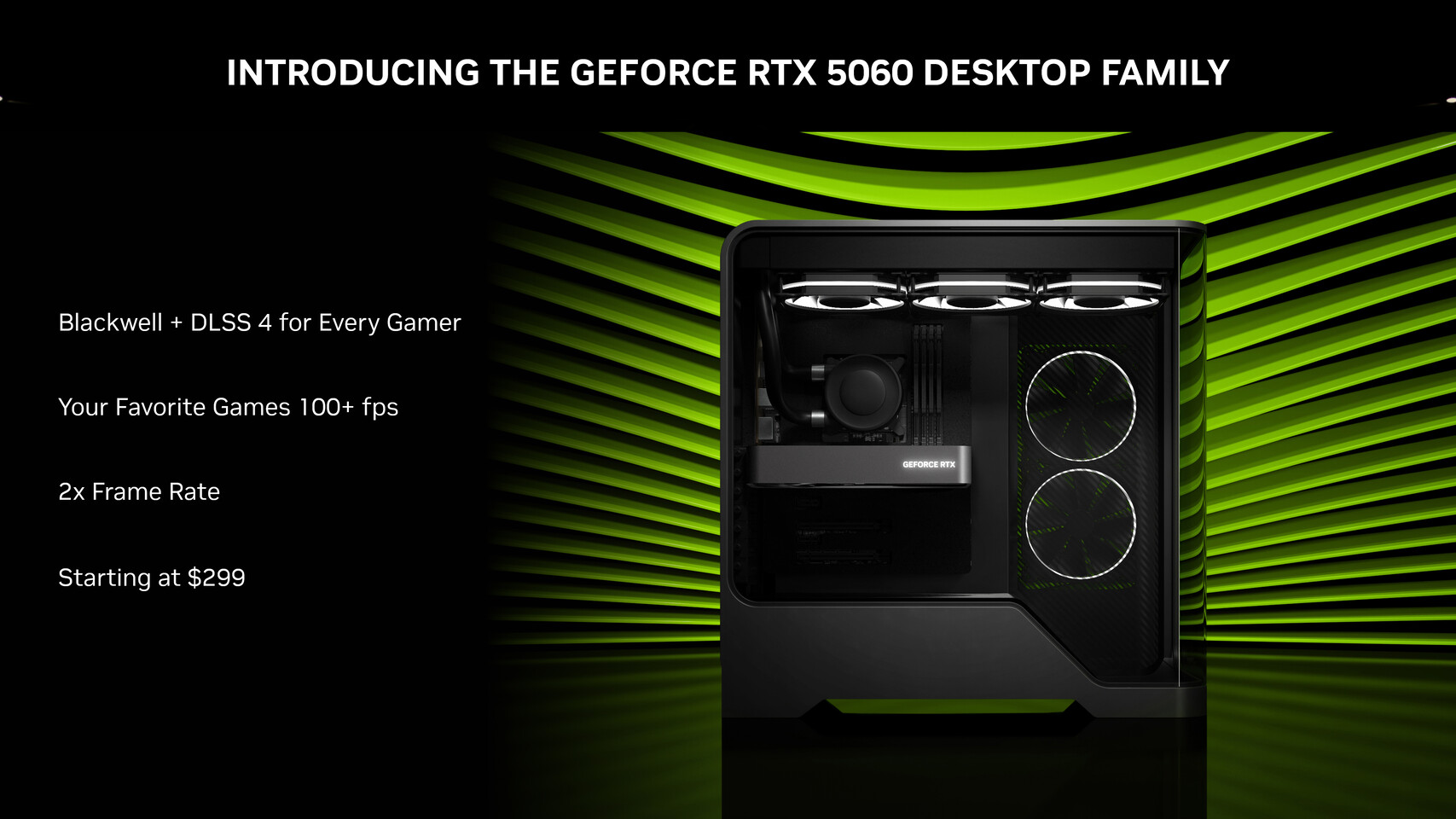
On April 15, NVIDIA revealed its "coming soon + starting at $299" GeForce RTX 5060 8 GB graphics card model—along with the freshly launched GeForce RTX 5060 Ti 16 GB and 8 GB cards. Not long after that, board partners introduced entire custom GeForce RTX 5060 Series product ranges. To the surprise of many, Team Green's mid-month PR material seemed to place a lot of emphasis on the cheapest offering. VideoCardz reckons that public demand for launch day GeForce RTX 5060 cards is not expected to reach high levels, but NVIDIA seems to be readying a simultaneous retail release and lifting of review embargoes. According to inside track information, May 19 appears to be the big day of choice.

Clever day one maneuvering could be in play—VideoCardz outlined a potential strategy: "this approach means customers may purchase the card without prior access to independent performance data. In other words, gamers will have to rely on NVIDIA's official benchmarks, unless they want to risk not being able to buy the card at MSRP." Team Green's mid-April "desktop family" marketing piece did tease the GeForce RTX 5060's Tensor and RT Core performance (respectively): 614 AI TOPs and 58 TFLOPS—versus RTX 5060 Ti's 750 AI TOPS, and 72 TFLOPS. Insider whispers suggest that AMD is readying rival hardware for release within a similar time frame; Radeon RX 9060 XT. The competing companies could be making important new product announcements just before the start of Computex 2025 (on May 20).

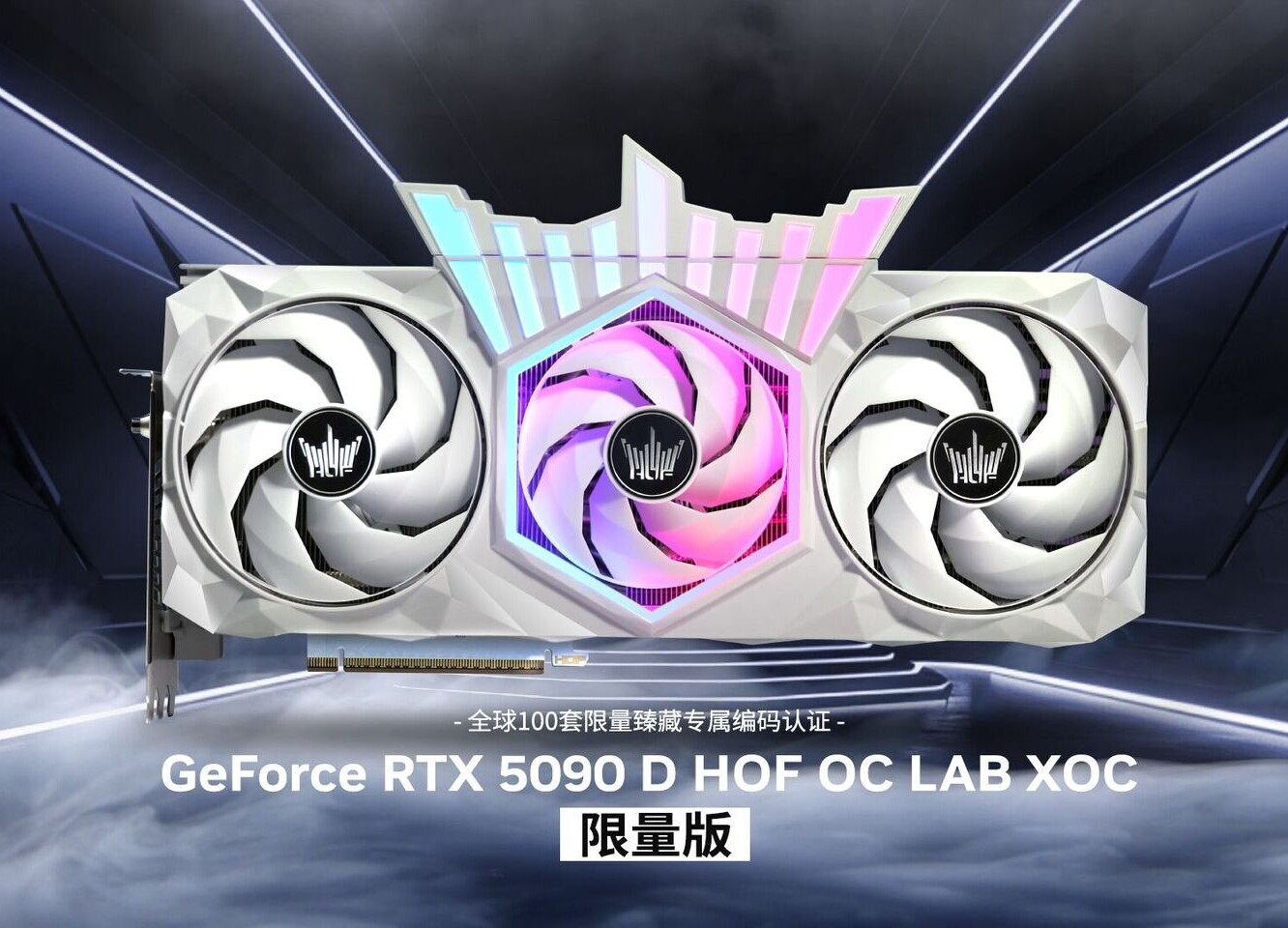
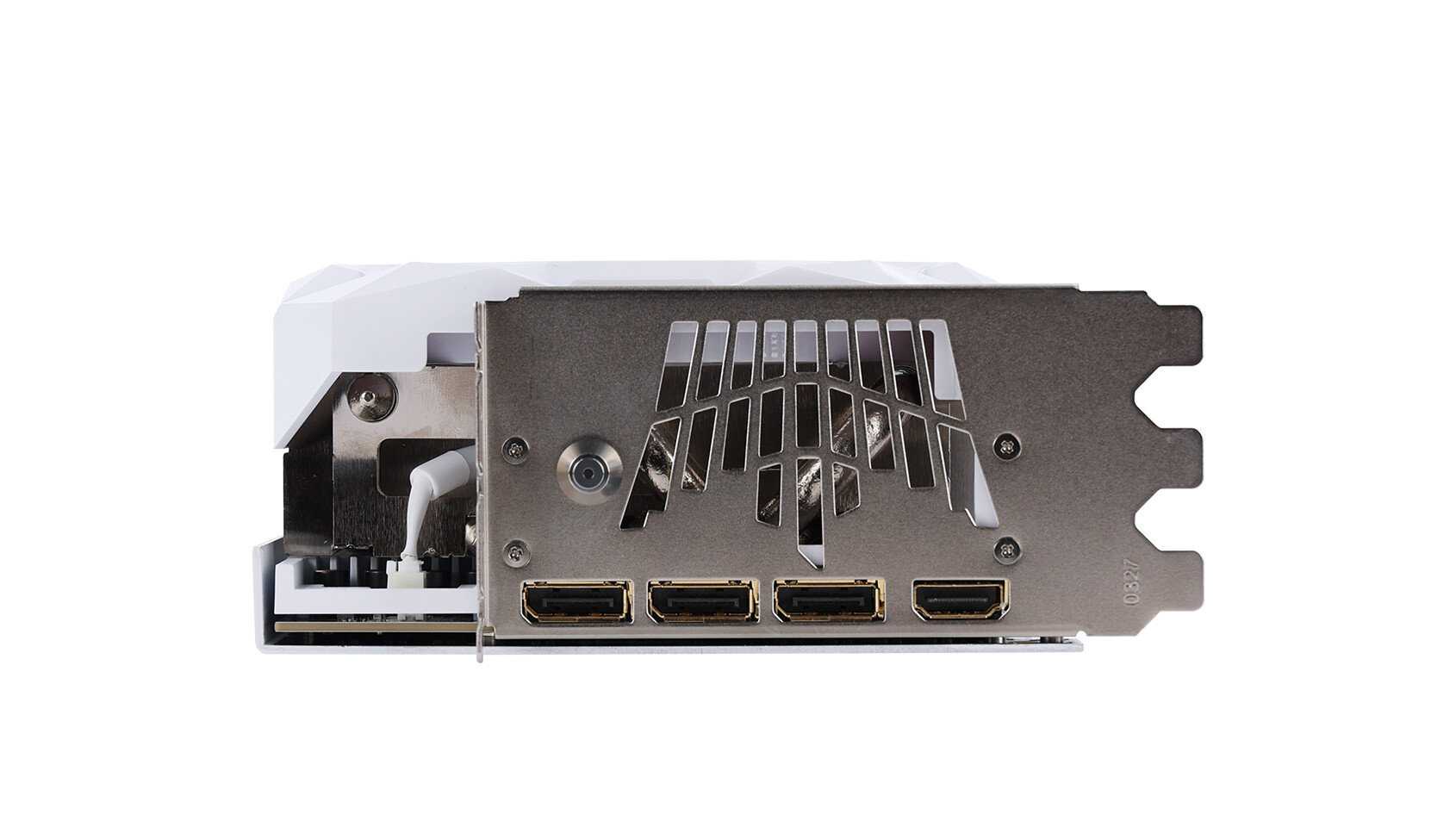
GALAX's HOF OC LAB Launches GeForce RTX 5090D XOC LE Flagship Card - Price: $4120

GALAX has deliberated over the fine-tuning of its pedigree custom GeForce RTX 5090D design throughout early 2025—mid-way through April we heard about an imminent retail release of the Chinese manufacturer's finalized Hall of Fame (HOF) Extreme Overclock (XOC) Limited Edition card. According to the latest reports, the brand has announced the availability of its ultra-premium option; featuring the very best pre-binned GB202 GPU dies and GDDR7 memory modules. Apparently reserved for upper echelon buyers; with a 29,999 RMB (~$4117 USD) launch price tag.

In parallel, GALAX seems to be launching two "lesser" variants—as reported by VideoCardz, the "OC LAB Plus-X" (~$3595 USD) and "OC LAB" (~$3582 USD) SKUs make do with single 12V-2×6 power connectors. Despite this handicap, the Plus-X model is still a record breaker. Naturally, its XOC LE sibling—enabled with twin 12V-2×6 power inputs—sits atop global benchmark tables. GALAX currently boasts about this design achieving nine overclocking world records. Given the limited edition nature of GALAX's top 29,999 RMB offering, stock counts could be small—VideoCardz did not pick up on any local information about launch numbers or involved retail outlets/platforms. There are mutterings about a potential closing off of GB202 "Blackwell" GPU die shipments into China—in effect this could lead to the end of GeForce RTX 5090D 32 GB custom card production.

COLORFUL Launches iGame GeForce RTX 5080 Vulcan W Quad-fan Flagship Model in China

COLORFUL introduced its premium iGame GeForce RTX 5080 Vulcan OC 16 GB SKU earlier this year; complete with a mounted angle-adjustable 5th generation iGame Smart LCD screen. As of this week, the already launched standard black model is accompanied by a pale sibling—the manufacturer describes this new entry as sporting "snow-white armor." This spin-off is advertised as redefining the "visual language of high-end graphics cards." Unlike recently revealed lower end custom "Blackwell" gaming graphics cards, the quad-fan Vulcan W model gets special PR treatment—as demonstrated by COLORFUL's slick photo shoot and high-minded marketing blurb.

The Chinese AIB announced a retail launch—as of yesterday, their iGame GeForce RTX 5080 Vulcan W design headed to retail. Their own webstore and other regional platforms (JD, Tmall, Douyin, etc.) have started selling this SKU—the official starter price is 12,999 yuan (~$1784 USD). TechPowerUp's W1zzard reviewed a related (black) GeForce RTX 5080 Vulcan OC model; this triple-fan card was awarded with a "but expensive" badge—thanks to a potential $1300+ price point. COLORFUL's freshly introduced "pure white" flagship seemingly borrows cooling solution design inspiration from a key rival; the ASUS ROG Astral. A fourth 107 mm "sickle blade" fan is mounted on the Vulcan W's backplate.

MSI Presenting AI's Next Leap at Japan IT Week Spring 2025

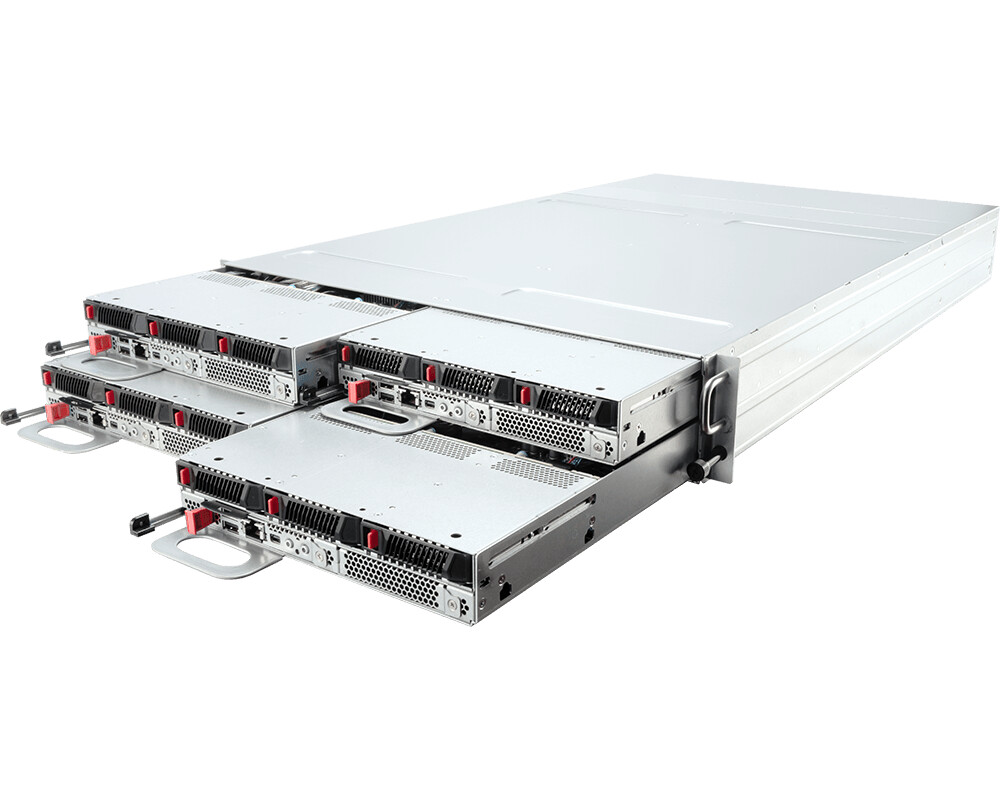
MSI, a leading global provider of high-performance server solutions, is bringing AI-driven innovation to Japan IT Week Spring 2025 at Booth #21-2 with high-performance server platforms built for next-generation AI and cloud computing workloads. MSI's NVIDIA MGX AI Servers deliver modular GPU-accelerated computing to optimize AI training and inference, while the Core Compute line of Multi-Node Servers maximize compute density and efficiency for AI inference and cloud service provider workloads. MSI's Open Compute line of ORv3 Servers enhance scalability and thermal efficiency in hyperscale AI deployments. MSI's Enterprise Servers provide balanced compute, storage, and networking for seamless AI workloads across cloud and edge. With deep expertise in system integration and AI-driven infrastructure, MSI is advancing the next generation of intelligent computing solutions to power AI's next leap.

"AI's advancement hinges on performance efficiency, compute density, and workload scalability. MSI's server platforms are engineered to accelerate model training, optimize inference, and maximize resource utilization—ensuring enterprises have the processing power to turn AI potential into real-world impact," said Danny Hsu, General Manager of MSI Enterprise Platform Solutions.

GeForce NOW Welcomes Bethesda's The Elder Scrolls IV: Oblivion Remastered

Get the controllers ready and clear the calendar—it's a jam-packed GFN Thursday. Time to revisit a timeless classic for a dose of remastered nostalgia. GeForce NOW is bringing members a surprise from Bethesda—The Elder Scrolls IV: Oblivion Remastered is now available in the cloud. Clair Obscur: Expedition 33, the spellbinding turn-based role-playing game, is ready to paint its adventure across GeForce NOW for members to stream in style. Sunderfolk, from Dreamhaven's Secret Door studio, launches on GeForce NOW, following an exclusive First Look Demo for members. And get ready to crack the case with the sharpest minds in the business—Capcom's Ace Attorney Investigations Collection heads to the cloud this week, offering members the thrilling adventures of prosecutor Miles Edgeworth. Stream it all across devices, along with eight other games added to the cloud this week, including Zenless Zone Zero's latest update.

A Legendary Quest
Step back into the world of Cyrodiil in style with the award-winning The Elder Scrolls IV: Oblivion Remastered in the cloud. The revitalization of the iconic 2006 role-playing game offers updated visuals, gameplay and plenty of more content. Explore a meticulously recreated world, navigate story paths as diverse character archetypes and engage in an epic quest to save Tamriel from a Daedric invasion. The remaster includes all previously released expansions—Shivering Isles, Knights of the Nine and additional downloadable content—providing a comprehensive experience for new and returning fans. Rediscover the vast landscape of Cyrodiil like never before with a GeForce NOW membership and stop the forces of Oblivion from overtaking the land. Ultimate and Performance members enjoy higher resolutions and longer gaming sessions for immersive gaming anytime, anywhere.

NVIDIA's Project G-Assist Plug-In Builder Explained: Anyone Can Customize AI on GeForce RTX AI PCs

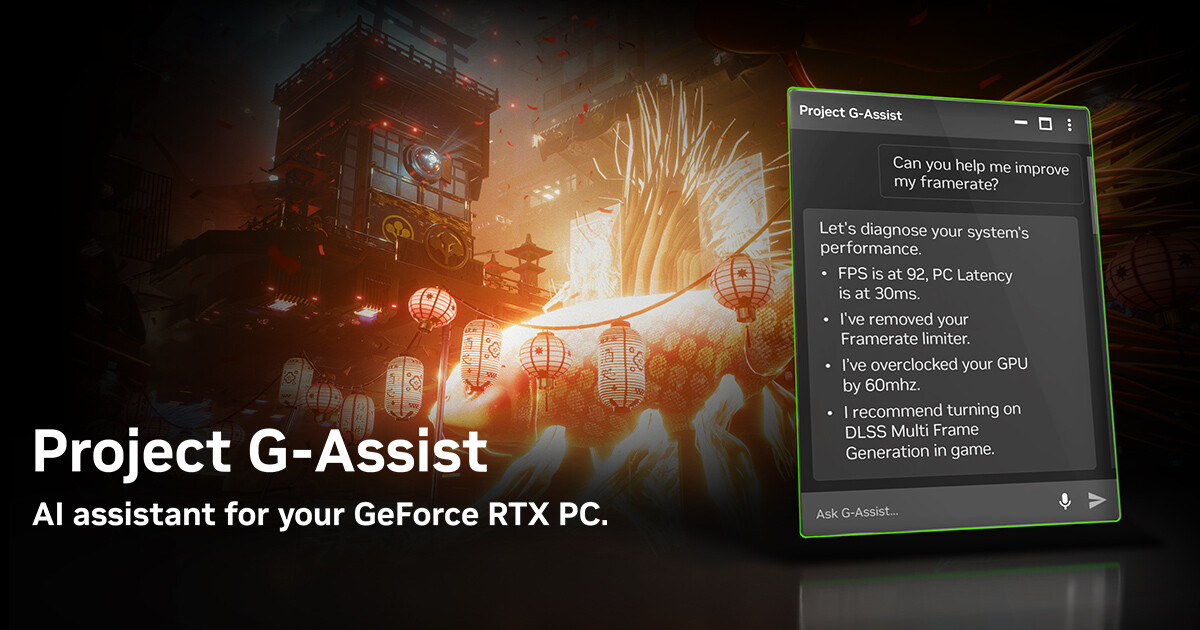
AI is rapidly reshaping what's possible on a PC—whether for real-time image generation or voice-controlled workflows. As AI capabilities grow, so does their complexity. Tapping into the power of AI can entail navigating a maze of system settings, software and hardware configurations. Enabling users to explore how on-device AI can simplify and enhance the PC experience, Project G-Assist—an AI assistant that helps tune, control and optimize GeForce RTX systems—is now available as an experimental feature in the NVIDIA app. Developers can try out AI-powered voice and text commands for tasks like monitoring performance, adjusting settings and interacting with supporting peripherals. Users can even summon other AIs powered by GeForce RTX AI PCs.

And it doesn't stop there. For those looking to expand Project G-Assist capabilities in creative ways, the AI supports custom plug-ins. With the new ChatGPT-based G-Assist Plug-In Builder, developers and enthusiasts can create and customize G-Assist's functionality, adding new commands, connecting external tools and building AI workflows tailored to specific needs. With the plug-in builder, users can generate properly formatted code with AI, then integrate the code into G-Assist—enabling quick, AI-assisted functionality that responds to text and voice commands.

COLORFUL Expands GeForce RTX 5060 Ti Graphics Card Range with MEOW Editions

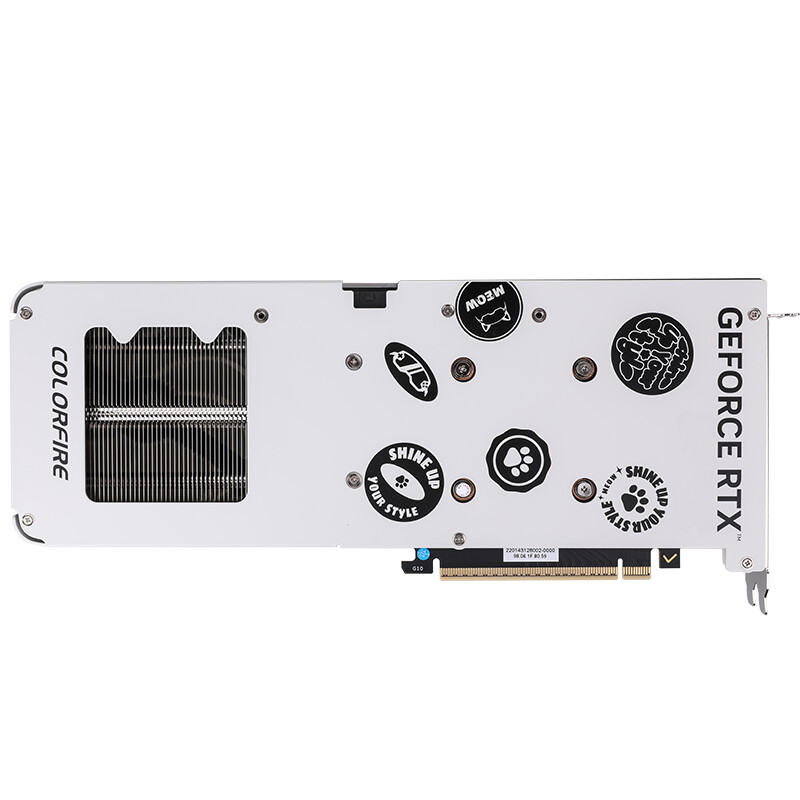
Last week, COLORFUL introduced an impressive selection of GeForce RTX 5060 Ti and RTX 5060 models—across Advanced, iGame, Ultra W and NB product lines. Barring their "youthful" graffiti-decorated iGame options, the Chinese manufacturer's brand-new lineup largely consisted of very sober looking affairs. Earlier in the week, VideoCardz noticed that COLORFUL had updated its native website with two new entries; under the company's COLORFIRE sub-brand. Previous generation MEOW Series graphics cards debuted almost two years ago; starting with custom GeForce RTX 4060 Ti 8 GB and RTX 4060 8 GB models.

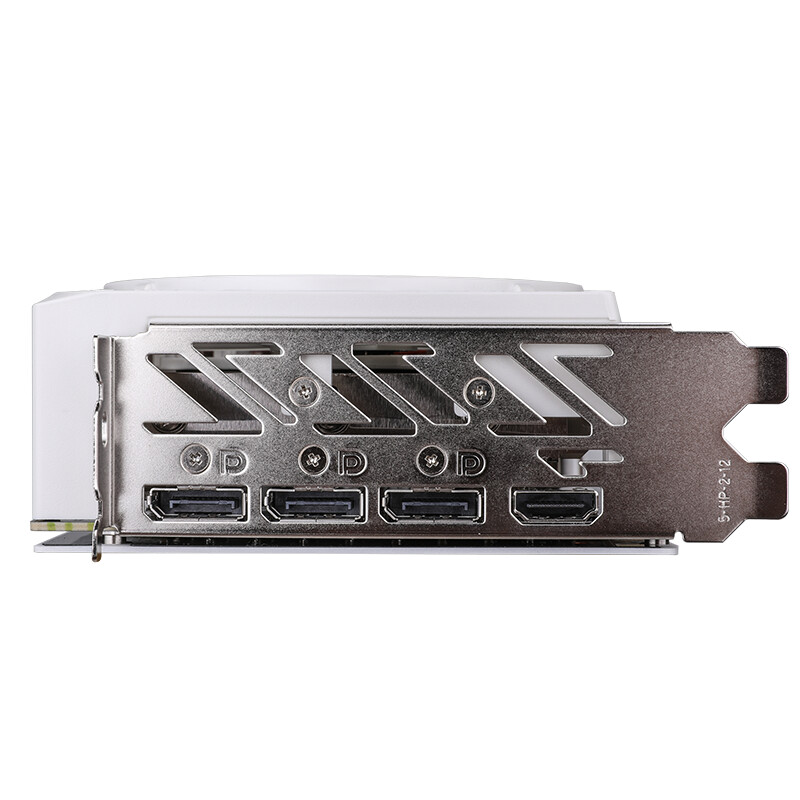
Beyond making brightly-colored graphics card designs, COLORFIRE's MEOW product line consists of equally "loud" motherboards, cases, laptops and peripherals. COLORFIRE's new generation MEOW desktop graphics cards—available in GeForce RTX 5060 Ti 16 GB or 8 GB configurations—have appeared with a new triple-fan shroud and backplate design. The 2.5-slot thick enclosure seems to house reference spec-conforming hardware. VideoCardz expects these fairly basic white/orange offerings to launch "at or near" baseline MSRP. It is refreshing to see the emergence of another feline pet/mascot-themed product; as opposed to the recent dearth of cute "idol" or "waifu"-decorated options. Nearby rival manufacturers—including ASUS, Yeston, and ZOTAC—have resorted to utilizing such clichéd marketing tactics.

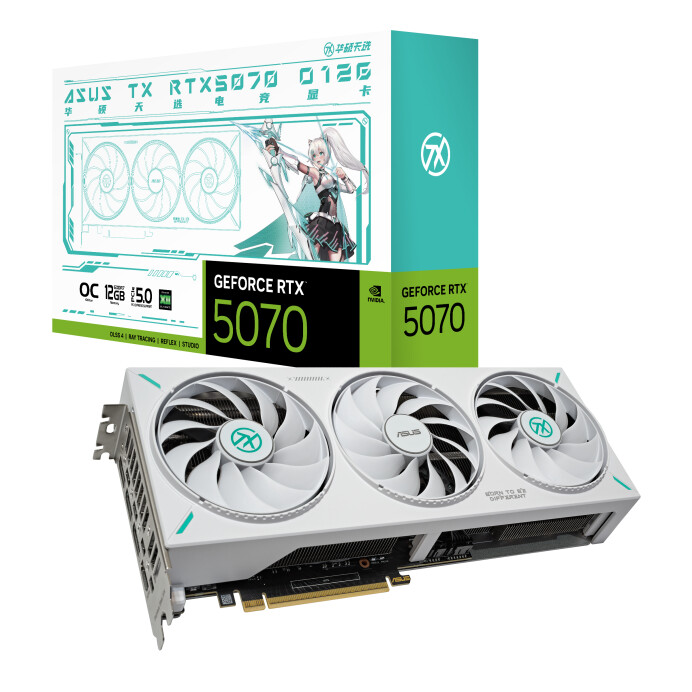
ASUS Debuts TX Gaming GeForce RTX 5070 12 GB Card Design in China

ASUS China showcased a compelling new custom graphics card design during their presentation of a Hatsune Miku-themed product collection. Global audiences were treated to TUF Gaming x Hatsune Miku crossover peripherals/accessories, but Chinese gamers will get access to a wider gamut of options—under the TX Gaming banner; a regional spin-off of TUF Gaming—including a cutely decorated GeForce RTX 5060 Ti 8 GB model. ASUS seems to be reusing this card's basic shroud/backplate design—minus elaborate character illustrations and graphics—on a brand-new TX Gaming GeForce RTX 5070 12 GB SKU. A "Born to be Different" message adorns a largely plain white front section, and familiar "GeForce RTX" texts are placed on a side panel and on the 2.5-slot thick card's metallic silver backplate. A large X-formation cut-out grants a glimpse at an enclosed fin stack.

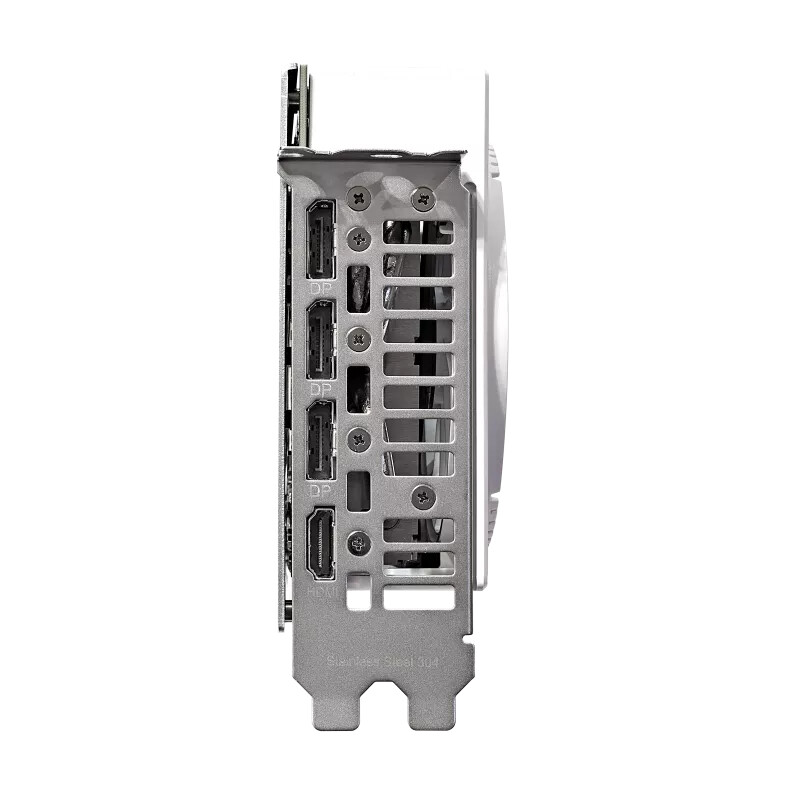
In the past, ASUS TX Gaming products have been accompanied by sci-fi "idol" characters—on related retail box art and in promotional material. Evidently, ASUS has extended this "marketing technique" into the NVIDIA "Blackwell" GPU generation. As expected, the TX Gaming GeForce RTX 5070 models—in standard and factory overclocked forms—will launch as Chinese market exclusives. VideoCardz did not find any global listings of these offerings, nor launch details—e.g. a release date and MSRPs. They noted that a TUF Gaming equivalent model features five display connectors; as opposed to the TX Gaming's deployment of four (1x HDMI 2.1b, 3x DisplayPort 2.1b).
Return to Keyword Browsing
Nov 27th, 2026 19:09 CST change timezone

New Forum Posts

Popular Reviews

TPU on YouTube

Controversial News Posts