News Posts matching #computer

Return to Keyword Browsing

OpenAI CEO Argues Home PCs Waste the World's Limited DRAM Supply

OpenAI CEO Sam Altman thinks the DRAM sitting inside personal computers would be better used in data centers. He made the comments on the Cheeky Pint podcast, hosted by Stripe co-founder John Collison, in an episode released on October 29. The two were discussing the memory supply chain when the topic turned to local inference, meaning running AI models on your own hardware instead of the cloud. Here's what Altman said, at roughly the 29-minute mark:

Sam Altman, OpenAI CEOA lot of people want local inference. And somehow, they assume that the problem is solved now. Because, we are going to have open-source models. We're going to be able to run them on our computers. And so we're not going to need all the stuff in the data center. But from a global allocation perspective, actually, it's quite terrible to have everybody have a bunch of the world's limited supply of DRAM sitting in their own computer. And, being used 5% of the time. You want maximum utilization in the cloud if you're trying to deal with this very supply constrained environment. And somehow everyone's... many people's intuition is the opposite of that.

PSA: Fake KytyPS5 and AnyPS5 Repos on GitHub Are Spreading Malware

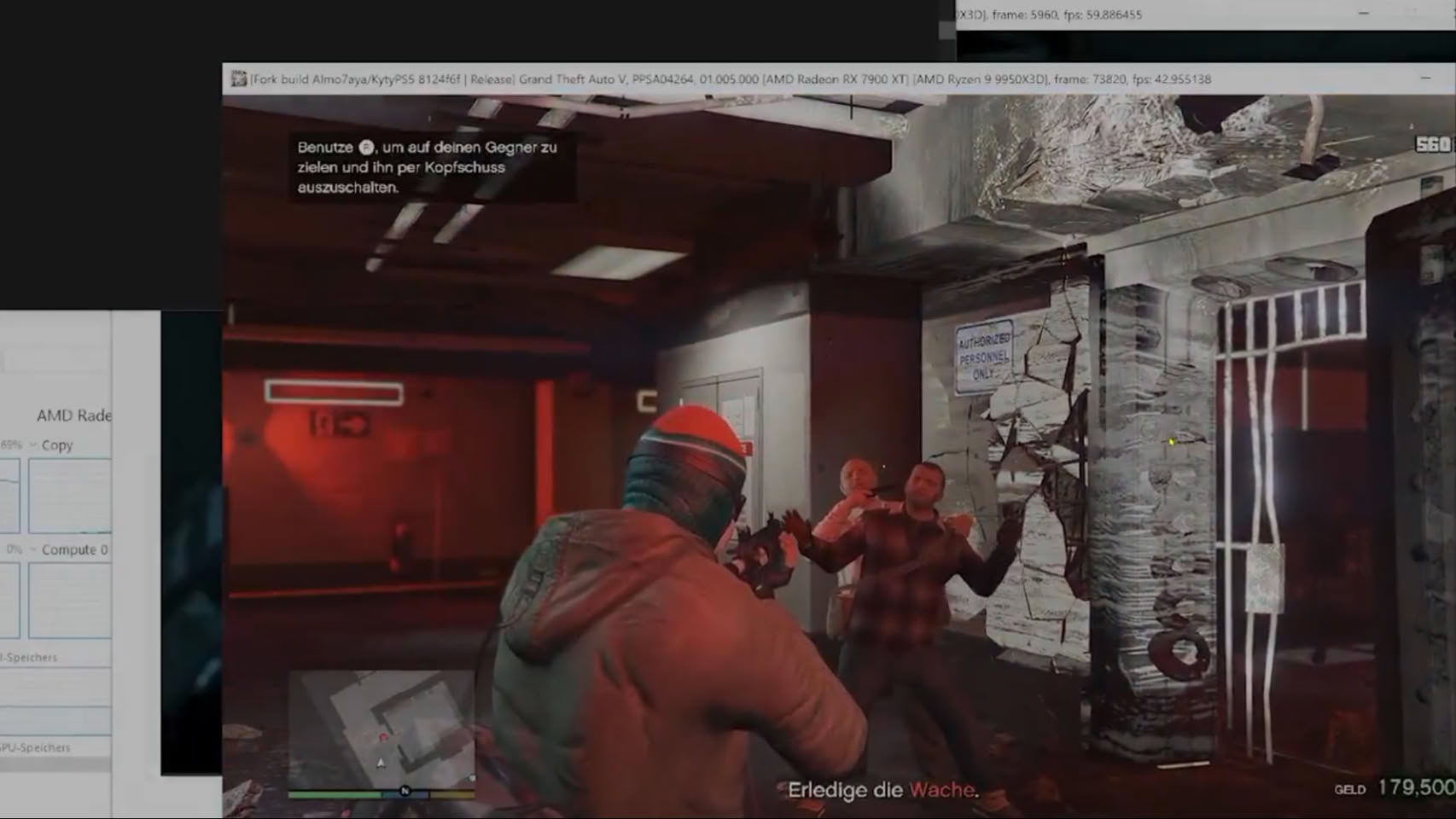
Fake GitHub repositories posing as two PS5 projects, the KytyPS5 emulator and the AnyPS5 porting tool, are being used to spread password-stealing malware, according to NordVPN's Threat Intelligence team. As reported by Tom's Hardware, visitors get pointed to a ZIP file whose Windows executable unpacks a hidden multi-stage loader. The loader first checks whether it's on a real gaming PC, and exits if the system has less than 2 GB of RAM or no physical GPU, or looks like a virtual machine or cloud server. It seems built to dodge sandboxes and security researchers. Here's how NordVPN CTO Marijus Briedis put it:
Emulation fans are a perfect target. They are used to downloading experimental software from GitHub and running unsigned files, so nothing about this feels suspicious. But this is not an emulator. It steals your data, hides from your antivirus and erases its own tracks before you notice anything is wrong.
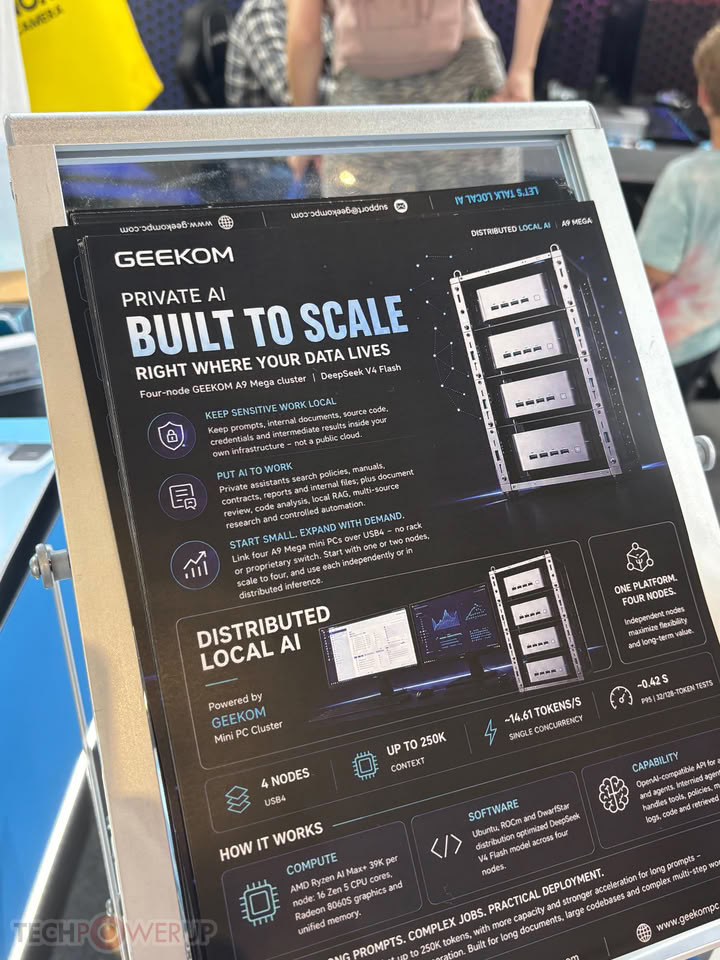

Modder Builds "Slurptop" Cyberdeck with Full Height Keyboard, Swappable Tool Batteries, and Trackball

The concept of a cyberdeck is to customize hardware to better suit your specific needs and use cases, and a modder who goes by "Slurp Burgers" online has taken the concept to something of an extreme, with their take on a laptop, the Slurptop. Unlike many DIY cyberdeck builds, which are based on Raspberry Pi computers, the Slurptop uses a full-fat AMD Ryzen 7 7730U in the motherboard from a GMKtec M5 Ultra mini PC. As a result, it has somewhat better I/O than a traditional laptop, although the mini PC's three front USB Type-C ports were all used to connect the display and peripherals internally.

The modder took the GMKtec innards and built a custom 3D printed shell around them, replete with a columnar-stagger ergonomic keyboard using MX-style switches and SA profile keycaps, a central num pad, and a trackball mounted at the bottom of the cyberdeck. Perhaps more interesting, the modder designed custom circuitry to be able to run the device off a 24 V Kobalt power tool battery, which is swappable in the event that you need an emergency charge. The modder says that, with light productivity use, like word processing, the battery lasts around five hours, but that could be increased with a bigger 8 Ah battery.

HP EliteBoard G2a Keyboard Computer Launches with Eyewatering Price and AMD Ryzen AI 400 APUs

HP revealed the EliteBoard G2a keyboard PC at CES 2026, promising "next-generation local AI power in a keyboard-sized form factor." Now, 10 months later, HP has released the updated EliteBoard G2a, revealing pricing and some of the keyboard and underlying PC specs, in the process. The G2a features either the updated AMD Ryzen AI 7 Pro 450 APU or its smaller Ryzen AI 5 Pro 435 counterpart. The cheapest version of the HP EliteBoard G2a, which packs a Ryzen AI 5 Pro, 16 GB of DDR5-5600 memory, and 512 GB of PCIe Gen 5 SSD storage, comes in at $3,028, while the SKU with the Ryzen AI 7 Pro 450 APU paired with 32 GB of memory and a 512 GB SSD, comes in at $4,167.

The small form factor PC is capable of drawing 65 W over USB Power Delivery, and the only I/O it features is a single USB4 port and a single USB Type-C 10 Gbps port. The EliteBoard G2a also features built-in dual speakers and comes bundled with an HP 675M wireless mouse. The keyboard component of the mini PC is a membrane keyboard, not mechanical, and it follows what appears to be an 1800 layout, and it has white backlighting. Fortunately, the EliteBoard G2a uses SODIMM RAM, so it's upgradeable in the event that you want 32 GB of RAM but don't want to pay HP's upgrade cost.

NexPhone, a Pocket PC-Smartphone Running Windows 11 Linux and Android, Launching in 2027

Nex Computer is the company behind the NexPhone, an upcoming smartphone that doubles as a pocketable computer running Android, Linux, and Windows 11. While the project was first announced a whole 14 years ago, Nex Computer recently published a development blog update revealing a Q1 2027 launch, indicating that the NexPhone will launch around March 2027.
Our estimated shipping window is now the end of Q1 2027 (March 2027). New preorders are priced at $599, and the device price remains protected for customers who reserved at either $549 or $599. NexPhone is now running Android 17 on development devices, with continued Linux and Windows development.

Atari 800XL Home Computer Relaunched: Pre-Orders Open Today, Ships April 2027

Atari today announced THE 800XL - a faithful recreation of its best-selling 8-bit computer, bringing the iconic machine and its extensive collection of games and software to a new generation. Designed by Retro Games Ltd., renowned for authentic recreations of 1980s hardware, THE 800XL retains the look and feel of the original, including a full-sized mechanical keyboard, baked-in Atari BASIC, and a working cartridge slot, while adding features for modern displays and gaming setups. The hardware, manufactured and distributed by PLAION REPLAI, is available for pre-order now for USD $219.99, GBP £199.99, EUR €219.99 and AUD $349.99, with shipping beginning on 23 April 2027.
Matt Burnett, VP of Strategic Operations at Atari"The 800XL represents an important moment in Atari's history, when home computers were becoming a gateway to gaming, programming and creativity. It gave an entire generation the opportunity to discover what they could do with a computer, while offering an incredible catalog of games and software. That combination is what makes the 800XL such an important part of Atari's legacy, and working with Retro Games Ltd. and Plaion we are excited to bring back this modernized version."

Dell Technologies Drives the Agentic AI Era with New Windows PCs and Workstations

Dell Technologies announces an expanded portfolio of Windows PCs and workstations built for the age of agentic AI. Together with NVIDIA and Microsoft, Dell delivers agentic AI across every stage of the creative and development journey, spanning a premium creator laptop, compact creator desktop and an AI workstation within the Windows environment.

NVIDIA RTX Spark comes to the XPS and Dell lineup for the first time, powering the new XPS 16 Creator Edition laptop and Dell Creator Edition Desktop. Paired with Windows, RTX Spark brings advanced AI, creative and gaming workloads together on a platform optimized for its performance. Dell Pro Precision with GB300 will be available on Windows, bringing always-on AI compute into the environment enterprise teams already depend on.

MSI Extends EdgeXpert Lineup With 64 GB Model

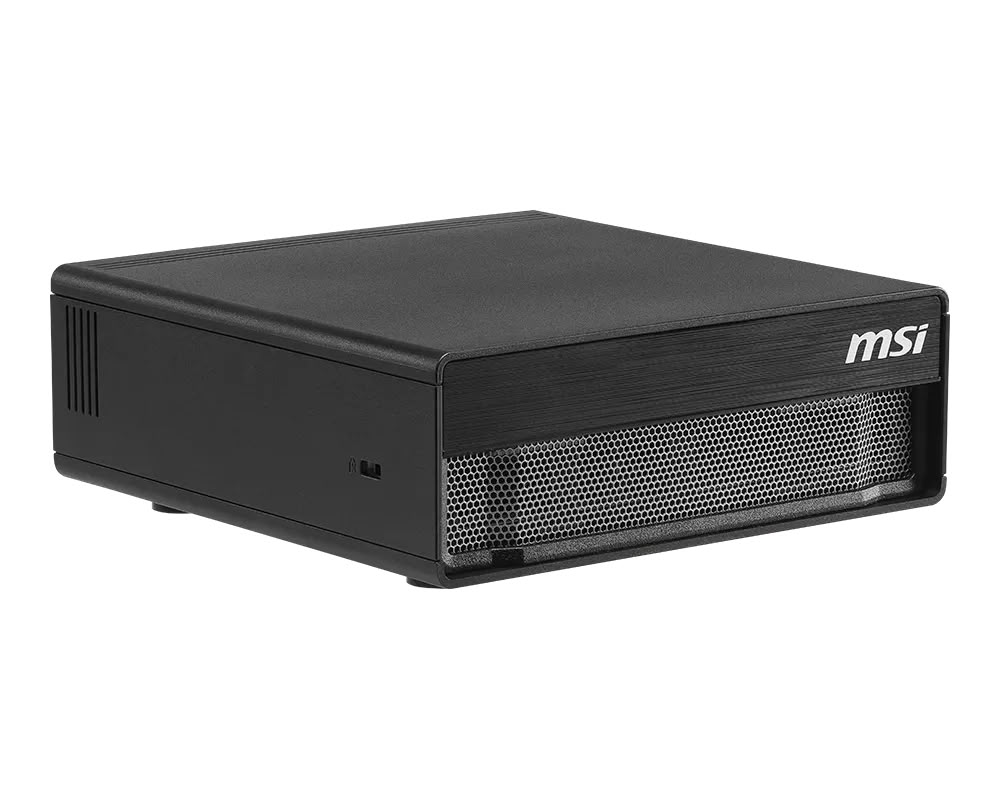
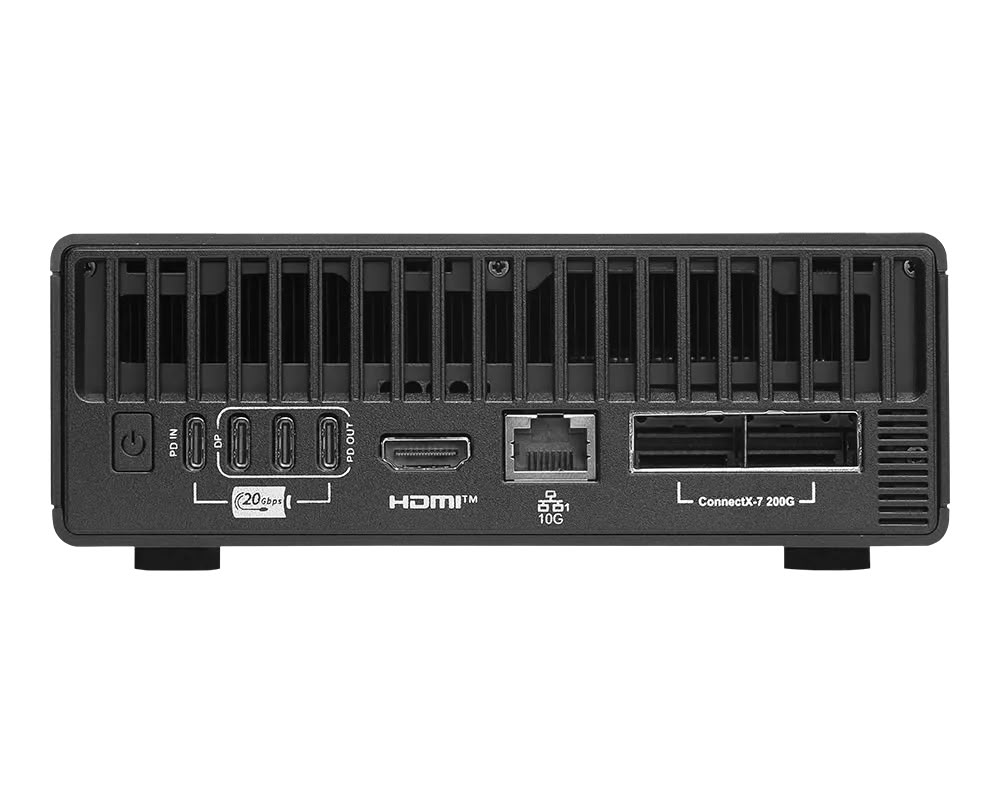
MSI today announced a 64 GB configuration of its EdgeXpert desktop AI supercomputer, based on the NVIDIA DGX Spark platform. Grounded in proven deployments across legal IP governance, factory intelligence, offline voice translation, and agentic workflows, the 64 GB model complements the existing 128 GB tier to give enterprises a cost-effective path to scale AI agents. NVIDIA Sync helps teams set up a cluster of connected systems and monitor CPU and GPU activity from one desktop app.

Always-On Agentic AI at the Edge
As AI evolves from chatbots to autonomous agents, workloads require 24/7 residency, multistep reasoning, and direct access to local data. Based on the NVIDIA DGX Spark platform (1 petaFLOP FP4 AI compute), the MSI EdgeXpert 64 GB model runs up to 100B parameter open-source models entirely inside the firewall:
  • Manufacturing: Drives visual quality inspection agents for real-time defect detection and corrective actions.
  • Banking & Legal: Powers fraud investigation and audit agents with total data sovereignty.
  • Healthcare & Retail: Hosts clinical documentation and inventory agents close to operational data.

Microsoft Copilot+ Branding Disappears from Latest Surface PCs

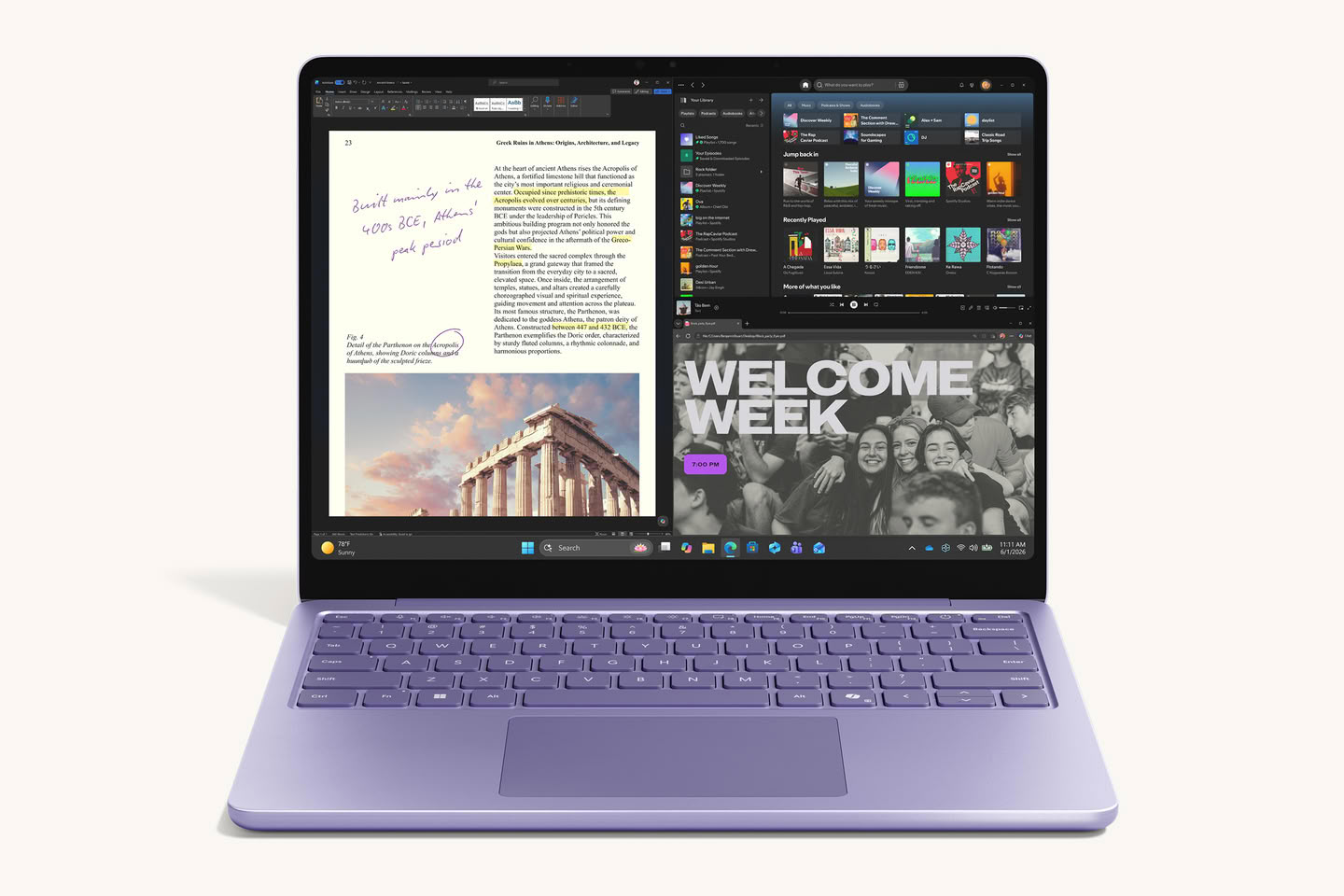
Microsoft's recent Snapdragon-powered Surface Laptop and Surface Pro launch was surprisingly absent the usual Copilot+ branding, aside from as a callout to the inclusion of the actual AI assistant on the devices. Apparently, this was an intentional branding change, according to Surface Corporate Vice President, Brett Ostrum, in a new interview with Windows Central.
The purpose for Copilot+ PCs was to be able to deliver experiences. So it was to define a certain category of devices with a certain bar and metric, like for example, a 45 TOPS NPU... So from that perspective, it's more offering the same experiences, probably without just using [Copilot+] terminology now."

Honor Reveals 2 Liter AI Workstation with AMD, Intel, or NVIDIA CPU Options

Honor, the smartphone and computer company formerly owned by Huawei, has officially revealed the Tiangong AXB35, a new AI workstation platform that designed for enterprise use and made to run on a choice of AMD, Intel, or NVIDIA hardware in a tiny SFF desktop chassis measuring just 70 × 192 × 203 mm, or around 2 L volume. Honor says that the Tiangong SFF PC is designed for everything from high-level office work and local knowledge bases, AI inference workloads, and agentic applications, but it would also be useful as a raw computational workstation for everything from 3D modelling and creative tasks to developing, and even gaming.

The Tiangong AXB35 comes in three variants: Standard, Pro, and Ultra, The Standard AXB35 comes equipped with Intel's Core Ultra X7 358H CPU, which features the new Intel Arc B390 iGPU, a total of 16 cores (4× P-Cores, 12× E-Cores, 4× LP E-Cores), and support for up to 96 GB of memory. The Pro version comes with AMD's 16-core Ryzen AI Max+ 395, packing the Radeon 8060S iGPU and up to 128 GB of LPDDR5X memory on a wide 256 GB/s bus. Meanwhile, the Ultra version comes with NVIDIA's new RTX Spark platform, based on the Arm architecture.

GEEKOM's A9 Mega Mini PCs Form Local Inference Cluster at IFA 2026

At IFA 2026, GEEKOM revealed that the company has successfully interconnected multiple miniature PCs into a single local supercomputer capable of running inference with ease. At the company booth, GEEKOM demonstrated how it linked four of its A9 Mega mini PCs into a local inference cluster. The GEEKOM Private AI setup uses USB4 to connect these four mini PCs directly, eliminating the need for a dedicated rack or proprietary networking hardware. The result is essentially a miniature supercomputer that can sit on a desk, keeping AI workloads and data entirely local.

Each node is based on AMD's Ryzen AI Max+ 395, featuring 16 "Zen 5" CPU cores with integrated Radeon 8060S graphics and up to 128 GB of unified LPDDR5X memory running at 8,000 MT/s. Storage is provided by two PCIe 4.0 x4 M.2 slots, supporting drives up to 4 TB. The compact 171 x 171.1 x 70.1 mm system also includes dual 2.5 GbE, Wi-Fi 7, Bluetooth 5.4, USB4, and HDMI 2.1 connectivity. The processor has a 140 W TDP and an NPU rated at up to 50 TOPS, which means the total mini rack system will draw less than 1,000 W at peak load, making this setup extremely power efficient.

AMD Introduces Threadripper Halo Station at IFA 2026

The opening keynote at IFA 2026 was held by AMD and our team on the ground was there to see it. During the event, AMD announced the Threadripper Halo Station, a liquid-cooled workstation built around the 96-core Threadripper PRO 9995WX CPU codenamed "Shimada Peak" and up to four AMD Instinct MI350P accelerators. The system is designed around one specific use case: run AI models with more than one trillion parameters locally, without a cloud connection. Jack Huynh, AMD's SVP and GM of Computing and Graphics, described it as a new class of workstation bringing supercomputer-class compute to individual users and developers. The Threadripper PRO 9995WX Zen 5 CPU has 96 cores and 192 threads, 5,4 GHz boost frequency and supports up to 2 TB of DDR5 system memory.

Going further down the specifications, each MI350P card features 144 GB of HBM3E running at 4 TB/s, offering a bandwidth 14 times higher than any LPDDR5X variant. At IFA 2026, AMD presented a configuration based on two MI350P PCIe cards for a total of 288 GB of HBM3E memory. Users can upgrade the system to four cards and 576 GB of HBM3E. This amount of accelerator memory is enough, says AMD, to hold a trillion-parameter model entirely on-device. Each Instinct MI350P card has a TBP of up to 600 W and is liquid-cooled independently, as is the CPU. Complete system specifications, availability and pricing have not been announced.

Lenovo Introduces New Think-Family Devices, Displays, and Security Solutions at IFA 2026

As AI becomes increasingly embedded across the workplace, organizations need solutions that not only deliver strong performance but support the way their employees work. At Lenovo Innovation World at IFA 2026, Lenovo unveiled its latest commercial portfolio, advancing Hybrid AI for business with new technologies spanning AI-powered devices, displays, enterprise security, and breakthrough proof-of-concepts that help organizations accelerate AI adoption and confidently embrace the next generation of enterprise computing. Together, these innovations build on Lenovo's broader Hybrid AI strategy, bringing together intelligent devices, infrastructure, and services to help organizations move from AI experimentation to production.

Showcased at a special event in Berlin, the portfolio includes new ThinkCentre desktops, ThinkBook laptops, ThinkVision monitors, ThinkShield security innovations, and ThinkBook proof-of-concepts, highlighting Lenovo's commitment and vision in the future of business technology.

Acer Relaunches Packard Bell With a New Collection of Products

At IFA 2026, Packard Bell, under the Acer Group, marks its 100th anniversary with a full relaunch: a new visual identity, a "Tech it easy" philosophy, and a new collection of products, led by the 14.5-inch DotBook laptop, arriving in European retail starting from Q4 2026.

Founded in 1926 in Los Angeles, Packard Bell first made consumer radios accessible to a wider audience, then helped democratize color television and, decades later, personal computers. Across every era, the brand built its reputation on the same principle: bringing useful technology to the many, not the few.

AMD Instinct GPUs and EPYC CPUs to Power Europe's Next-Generation LUMI-AI Supercomputer

The EuroHPC Joint Undertaking (EuroHPC JU) has signed a procurement contract with Bull to deliver LUMI-AI, a next-generation supercomputer at the CSC - IT Center for Science Ltd. data center in Kajaani, Finland. Powered by AMD Instinct MI430X GPUs and 6th Gen AMD EPYC 256-core processors, the system is expected to provide 10 times the AI capacity and nearly twice the high-performance computing (HPC) capability of the current LUMI supercomputer. Deployment is scheduled for the second half of 2027.

LUMI-AI will serve as the computing backbone of the LUMI AI Factory, supporting industrial AI innovation, academic research, AI training and inference, and large-scale scientific simulation. Its combination of AI and high-precision HPC capabilities is designed to strengthen Europe's capacity for data-driven research and innovation while expanding access to advanced computing for researchers, startups and industry.

ASUS Shows Off ProArt P14 NVIDIA RTX Spark-Powered Creator Laptop

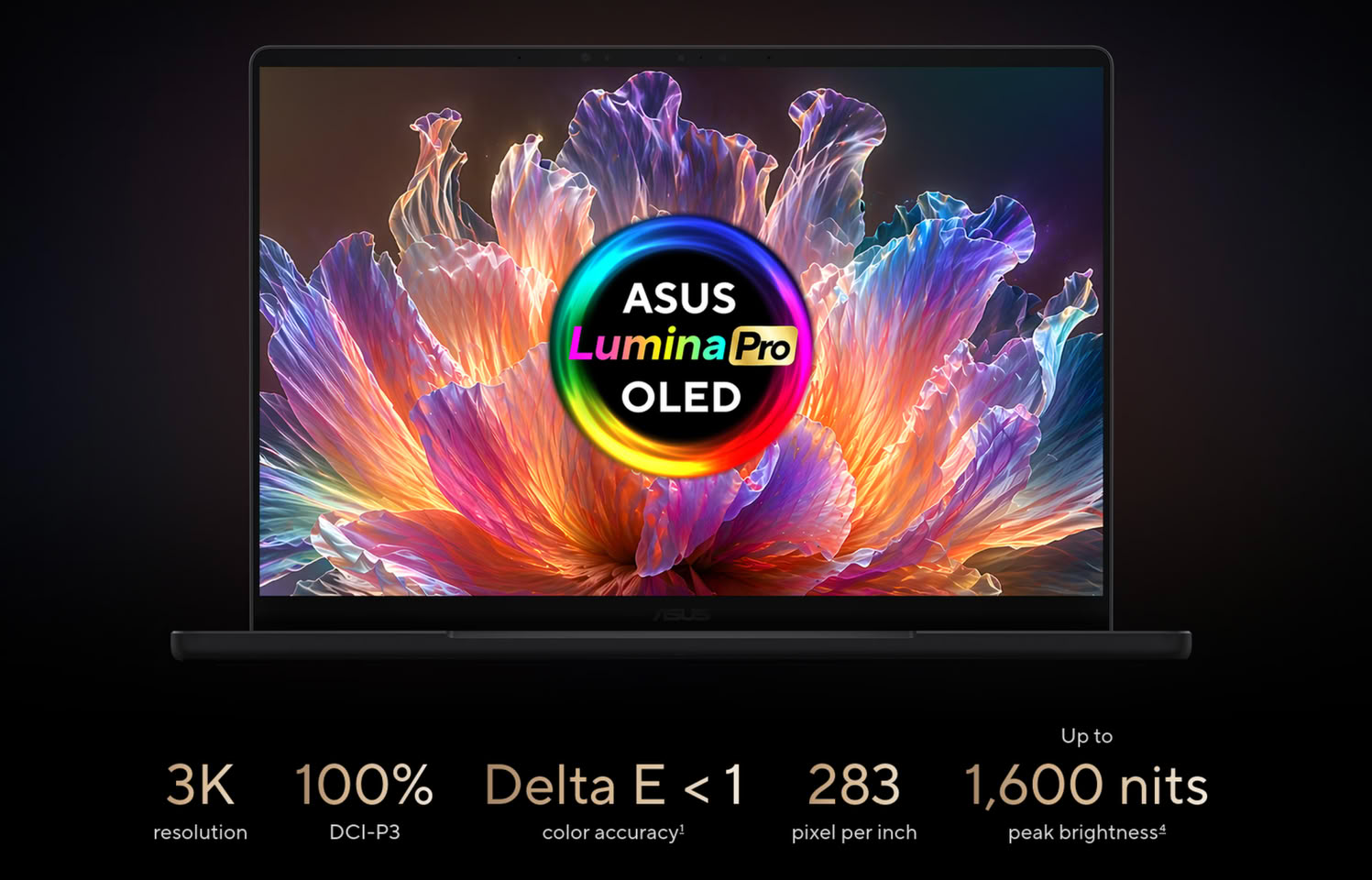
ASUS has officially launched its ProArt P14 creator laptop, which features NVIDIA's new RTX Spark Arm SoC. The 14-inch laptop is currently listed on ASUS's site as the H7407BA, and it is available with two touch-enabled G-Sync display options: a 14-inch, 2880 × 1800 OLED display with a 120 Hz refresh rate and up to 700 nits of brightness in SDR mode and 1,600 nits in HDR mode; or a 120 Hz, 2880 × 1800 OLED display with identical color reproduction but with 500 nits peak SDR brightness and 1,100 nits peak HDR brightness. Both displays also feature 100% coverage of the DCI-P3 color gamut and support for a pressure-sensitive stylus, all of which should make for a pretty convincing laptop for photographers and video editors alike.

ASUS says the ProArt P14 measures in at just 13.9 mm thick and 1.48 kg, while packing 24, 32, 48, 64, or 128 GB of LPDDR5X unified system memory and 512 GB or 1 TB of NVMe PCIe 4.0 storage—it does not seem as though there is a 16 GB RAM variant available. The P14's I/O relies largely on USB4 ports, featuring 3x USB4 Gen 3 Type-C ports with USB-PD and DisplayPort Alt Mode support alongside a single USB 3.2 Gen 2 Type-A port, a 3.5 mm audio combo jack, an HDMI 2.1 FRL port, and an SD 4.0 card reader. Pricing has not yet been revealed.

NVIDIA Introduces Jetson Orin Nano 2 Robotics Computer

NVIDIA today announced NVIDIA Jetson Orin Nano 2, a new robotics computer set to redefine entry-level edge AI—putting frontier-class generative AI performance in the hands of millions of developers.

As AI models grow smaller and more efficient, more edge devices can become autonomous systems that understand context, interpret language and images, and act in real time. To bring these capabilities into physical machines like robots, delivery and inspection drones, and vision AI systems, developers need compact, energy-efficient robotics computers built for edge AI.

Commodore Unveils Special Edition Commodore 77 Inspired by Cyberpunk 2077

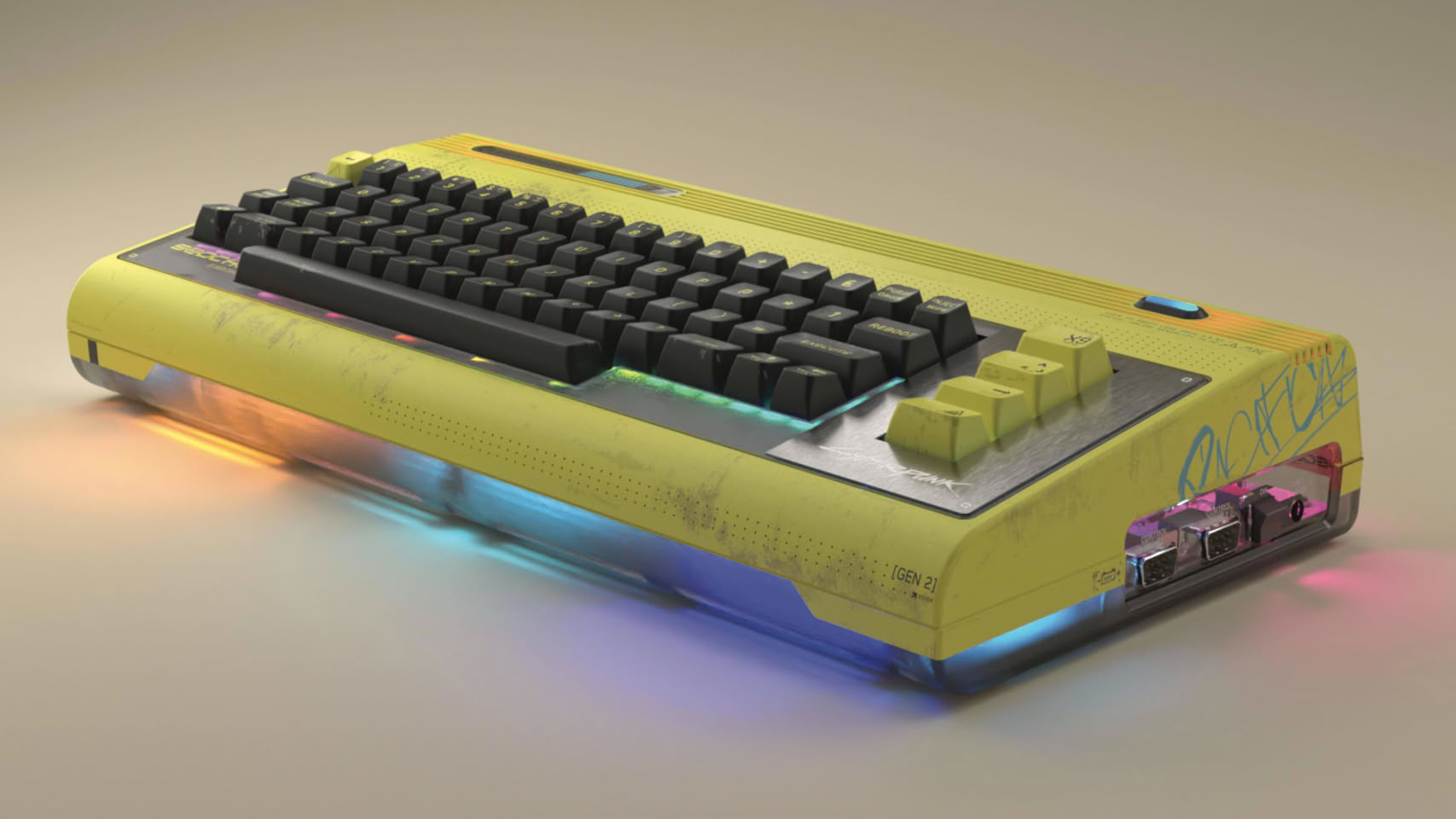
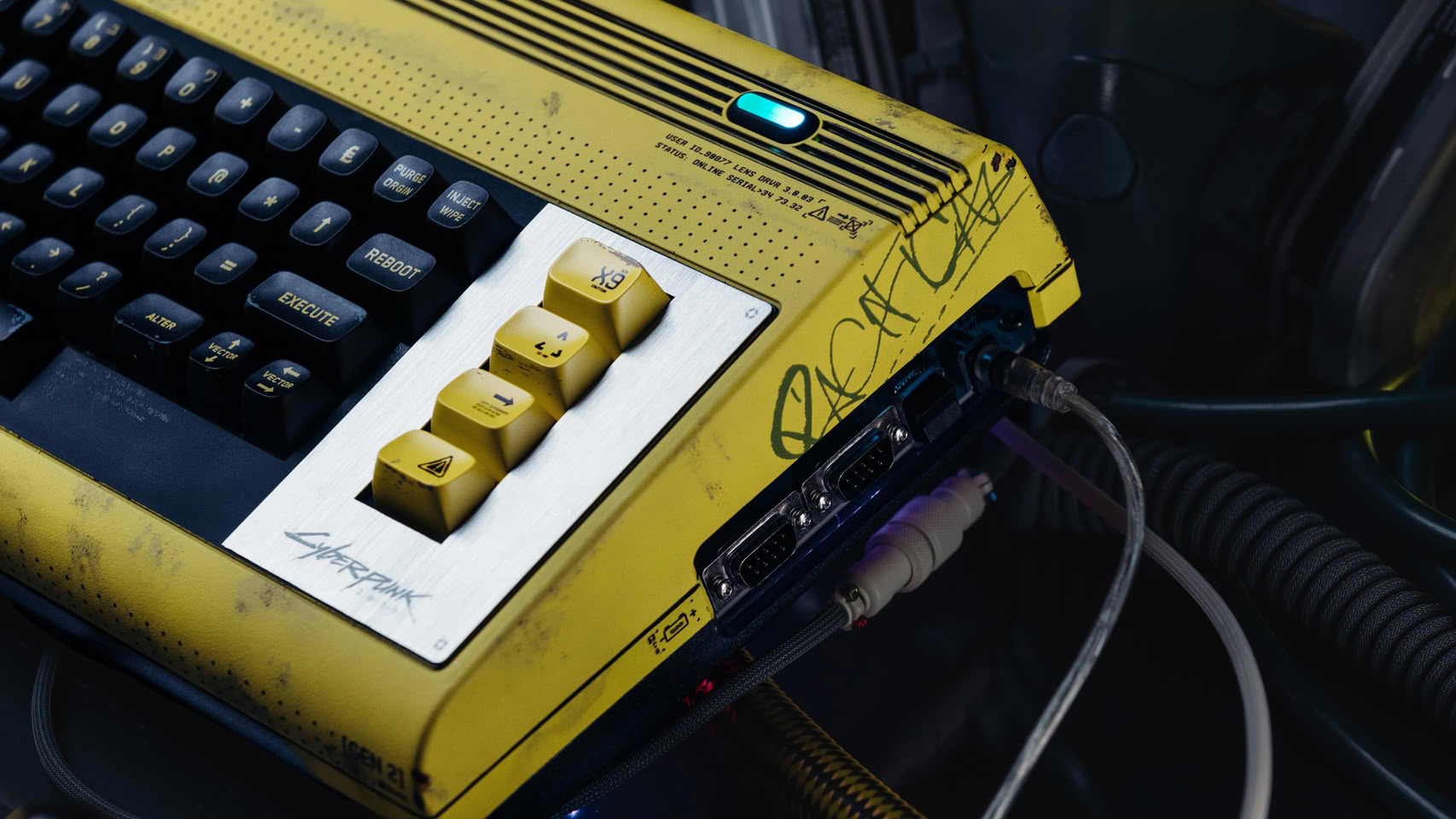
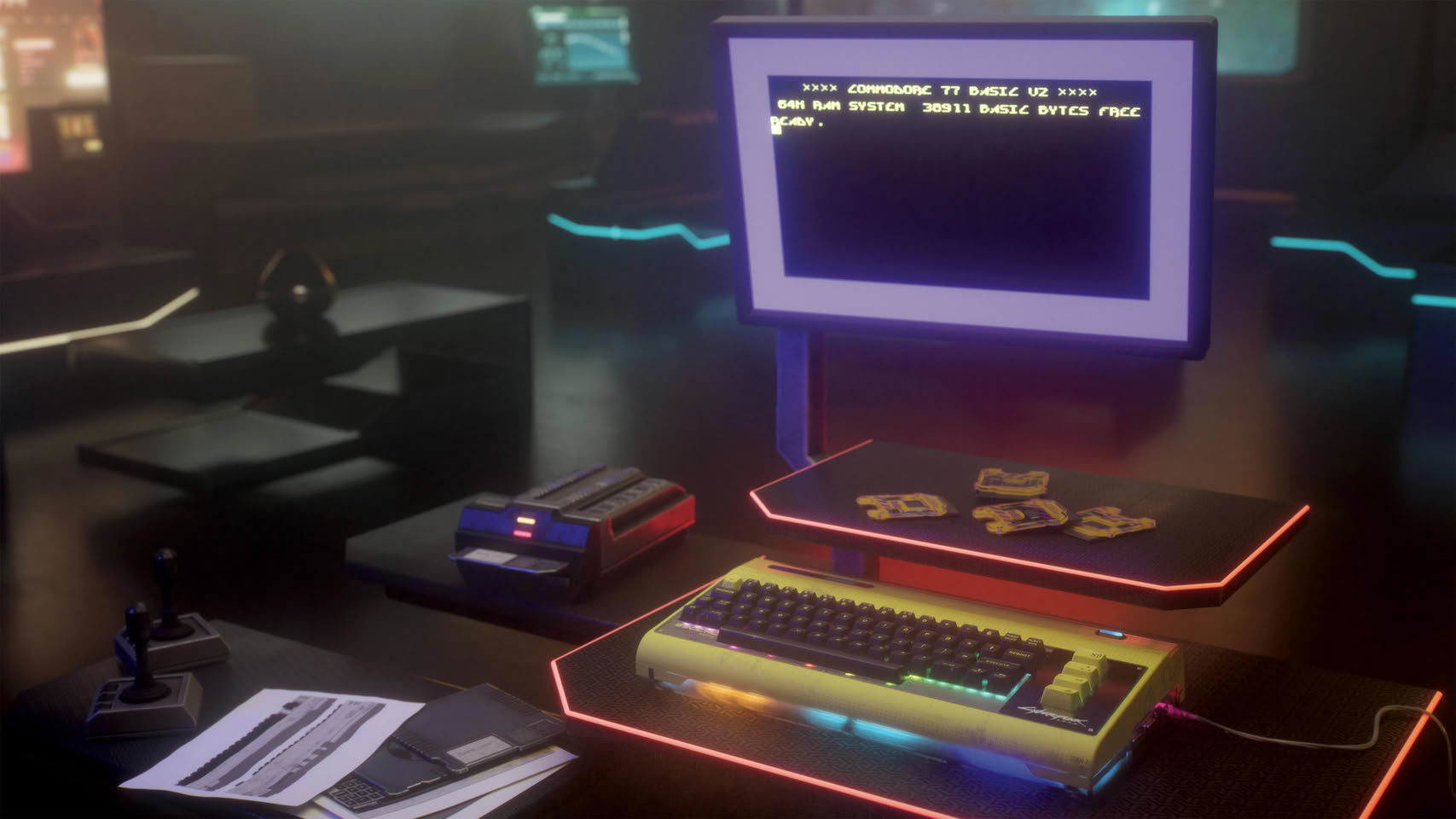
Before the Relic, before the Blackwall, before Arasaka owned your soul, there were 64 kilobytes and a dream. Welcome back to the world of Commodore, netrunner. In collaboration with CD PROJEKT RED, Commodore has today announced the Commodore 77 - the first special edition Commodore 64 Ultimate computer, inspired by Cyberpunk 2077's unmistakable aesthetic. Shipping in early 2027 - a full 50 years ahead of the world of Night City - the Commodore 77 is now available for pre-order at commodore.net.

Alongside the sleek metal plate addition, soft turquoise glow, and graffiti tags of the computer itself, Commodore 77 owners will also receive an original demo, offering an all-new experience that expands the lore of the Cyberpunk universe. The demo is only available with the Commodore 77 and will be shipping on an exclusive "Arasaka" cartridge design inspired by the "shards" from Cyberpunk 2077.

Framework Laptop 12 Gets Intel Core Series 3 CPUs and Thunderbolt 4 Upgrade

The Framework Laptop 12 was an almost instant hit when it launched, thanks to its whimsical, compact design and durable chassis, but there was always a bit of a perception amongst hardware enthusiasts that the small laptop wasn't a serious computer, thanks to its outdated 13th-Gen Intel CPUs. Now, Framework has just announced that the convertible laptop has received an update to Intel's latest Core Series 3 CPUs.

Following the update, the Framework 12 is available for pre-order with the Intel Core 3 304, Core 5 320, and Core 7 350 CPUs, delivering Intel's latest six-core (2× P-Cores, 4× E-Cores) CPUs. Unfortunately, there are still no versions with the Intel Core Ultra X7 358H or any with a proper Intel Arc B390 iGPU. That said, the Framework Laptop 12 also now ships with two Thunderbolt 4-capable USB Type-C ports in the two rear-most expansion bays, theoretically allowing for eGPU expansion or other Thunderbolt peripherals.

TrustKernel Launches PlugClaw, a Thumb-Sized Private AI Computer That Gets Things Done

TrustKernel, a global pioneer in secure operating systems and privacy-preserving computing with over a decade of experience protecting more than 1 billion devices worldwide, today announced PlugClaw, a thumb-sized Private AI Computer designed to help people delegate real work to AI. As AI rapidly evolves from answering questions to taking actions, people are asking it to do far more than write text or generate ideas. They want AI to reply to messages, organize information, complete workflows, operate apps, and handle everyday tasks.

But today's phones and computers were designed for people, not autonomous AI. Running increasingly capable AI directly inside a personal device creates significant risks around privacy, permissions, and security. At the same time, relying entirely on local AI limits reasoning capability, while conventional cloud AI requires users to expose their highly sensitive credentials and personal data to remote servers.

iBUYPOWER Expands Its Prebuilt and Custom Systems Lineup With PRO Workstations

iBUYPOWER, a leading system integrator of high-performance gaming PCs, announced today a formal expansion of its lineup with the launch of iBUYPOWER PRO Workstations, a new line of prebuilt and custom systems designed to meet the technical demands of creative professionals, software developers, and data-intensive workloads. The company also announced a warranty expansion, where it now offers three years of parts support as part of its existing three-year labor warranty.

With over 25 years of experience building gaming systems, iBUYPOWER brings its proven quality and service to the workstation space, where powerful machines are needed for a diverse range of workloads. Since workstations need to be highly reliable, iBUYPOWER is adding even more value to their PCs via their new warranty. Starting today, any new systems bought from iBUYPOWER.com are backed by a three-year warranty for parts and labor, a one-year increase from its previous two-year labor warranty. Customers will also benefit from fast turnaround times, with most systems shipping within five days or less; a sixty-day coverage period to ship their PC for repairs and diagnostics; and lifetime technical support.

HPE Showcases Cray Supercomputing GX5000 Featuring 6th Gen AMD EPYC Processors

Today, at AMD Advancing AI 2026 in San Francisco, HPE showcased its latest engineering innovation in supercomputing with the HPE Cray Supercomputing GX5000 featuring 6th Gen AMD EPYC processors. The GX5000 builds on the success of previous HPE supercomputing architecture that broke the exascale speed barrier, and dominates the world's top 10 list of fastest supercomputers, to support the most complex scientific and engineering problems involving AI and quantum.

The GX5000 delivers the industry's highest density performance with 40% more AMD EPYC 9996 cores per rack than the market's next densest offering. The GX5000 also maximizes capacity for growing HPC and AI workloads and improves operational efficiency by reducing carbon footprint with 25% less floor space compared to the previous generation and an increase of warm facility water by 25%, with up to 40C heating capacity, through next-generation direct-liquid cooling capabilities from HPE.

Slimbook Launches Nexus AI Workstation Series

The new Nexus family is available in two configurations Ryzen AI and Threadripper AI ranging from high-performance systems to uncompromising professional workstations engineered for Local AI development and deployment.

Artificial Intelligence is transforming the way we develop software, analyze data, and create new products. At the same time, an increasing number of professionals, businesses, and enthusiasts are choosing to run AI models directly on their own machines, keeping full control over their data, reducing reliance on cloud services, and taking full advantage of the power of modern hardware.

AMD's FSR 4.1 Performance on RDNA 3 Notably Slower than FSR 3.1

AMD recently released FSR 4.1 for its RDNA 3 GPUs, which demonstrated a handy performance increase over native rendering on RDNA 3, but a recent comparison by German outlet, ComputerBase, has revealed that there are noticeable performance regressions when comparing FSR 4.1 to FSR 3.1 on RDNA 3 GPUs. The publication tested FSR 4.1 and FSR 3.1 on the AMD Radeon RX 7900 XTX, RX 7800 XT, and RX 7600, and FSR 4.1 on the Radeon RX 9070 XT. In geometric mean results of nine tested games, the 9070 XT scores an identical frame rate to the RX 7900 XTX in 4K native resolution, but the RDNA 3 flagship scores 52.6 FPS when using FSR 4.1 Quality settings, compared to 56.5 FPS on the 9070 XT—a 7% performance penalty. Looking at FSR 4.1 Performance, the gap grows, with the 7900 XTX serving 65.2 FPS in the test, while the 9070 XT scores 71.9 FPS, making the 7900 XTX 9% slower than the 9070 XT at FSR 4.1 compute.

The comparison between FSR 4.1 and FSR 3.1 on RDNA 3 is where it becomes even more interesting, with the geometric mean reflecting an 11% performance penalty for FSR 4.1 in Quality mode and a 14.5% regression in Performance mode. AMD previously explained in an interview with TechPowerUp that there were notable differences between the implementation of FSR 4.1 on RDNA 4 and RDNA 3, specifically that the older hardware uses 8-bit integer (INT8) data, while the RDNA 4 implementation uses the built-in FP8 support in the 2nd-generation AI accelerators in RDNA 4 GPUs. Despite this, AMD claims that it aimed for quality parity across different RDNA generations, which may partially explain the bigger performance penalty on RDNA 3 GPUs. FSR 4.1 support has yet to make it to RDNA 2 GPUs, with official support for the RX 6000-series graphics cards planned for early 2027, so we have yet to see what sort of performance penalty will be incurred there, however, AMD also commented that supporting that older hardware is even more complex, since there are no dedicated AI accelerators. This means RX 6000 GPUs will need to rely on Stream Processors to compute FSR 4.1 upscaling.

Pre-RAMpocalypse Steam Machine Pricing was ~30% Cheaper

It's no secret that Valve's Steam Machine is launching at possibly the worst moment for both PC and console gaming hardware, given the ongoing DRAM crisis, but Valve engineer, Pierre-Loup Griffais, has recently shed light on the pre-RAM crisis pricing of the Steam Machine, revealing that it was never going to be a cheap device. According Griffais in an interview with IGN, the price difference between the actual Steam Machine at launch and the price if it had launched without the influence of the DRAM crisis was "probably similar" to the price increase Valve was all but forced to apply to the Steam Deck in May. That means that the Steam Machine could have cost as little as $730-750, based on the 30% difference between the current entry-level Steam Deck pricing and its original MSRP.

This pricing would have put the Steam Machine within spitting distance of the Sony PlayStation 5 and below the $899.99 price of the PS5 Pro after the recent Sony price hikes. Given that the Steam Machine is a hybrid device and can easily serve as both a console and a desktop computer, it's easy to see how the original price would have been more palatable, even if more expensive than a base PS5. Part of the high pricing can no doubt be attributed to the Steam Machine's openness. Where consoles like the Xbox and PS5 are subsidized by game sales, there's nothing stopping anyone from installing Windows on it and leaving Valve's ecosystem, removing the incentive to subsidize hardware entirely—you wouldn't even need to remove SteamOS to play games outside of Steam on the Steam Machine.
Return to Keyword Browsing
Nov 11th, 2026 07:07 CST change timezone

New Forum Posts

Popular Reviews

TPU on YouTube

Controversial News Posts