News Posts matching #lighting

Return to Keyword Browsing

NVIDIA RTXPT 1.9 Path Tracer Gets Around 20% Faster, Adds Windows on Arm Support

NVIDIA has released version 1.9.0 of RTX Path Tracing (RTXPT), its open-source reference path tracer on GitHub, claiming roughly 20% better performance than the previous 1.8.1 release, with comparable or better image quality. RTXPT is a code sample for developers, meant as a starting point for building a path tracer or as a reference for NVIDIA's other ray tracing SDKs. Several changes add up to that uplift. The path tracer can now optionally trace only three quarters, half, or a quarter of the pixels each frame, and the built-in performance presets use this by default, along with lower bounce limits in the faster modes.

On DirectX 12, async compute lets the previous frame's DLSS Ray Reconstruction and post-processing overlap with the next frame's path tracing, and TLAS instance generation has moved to the GPU. Lighting got some attention too. NEE-AT light sampling now handles up to 2 million lights, up from 512K, and the SHaRC radiance cache is on by default in real-time mode, apparently feeding more indirect lighting into DLSS Ray Reconstruction at about the same cost. Version 1.9 also adds Windows on ARM64 support. The release notes don't say why, though it's probably no coincidence, given NVIDIA's own Arm-based RTX Spark chip for Windows PCs.

NVIDIA's Faster DLSS 5 Model Gets Extracted From NBA 2K27, Modders Report Up to 90% Gains

NVIDIA shipped its faster DLSS 5 Neural Rendering model with NBA 2K27 on October 16, and it didn't take modders long to pull it out and test it elsewhere. Renan Maniero on X extracted the new 310.9.16.0 build of the DLL. That lets people inject it into games that don't officially support DLSS 5 through tools like RenoDX and OptiScaler. The new DLL also keeps the older model around as Preset A, with the new one sitting under Preset B, so comparing the two is as simple as switching presets. Gaming Optimized on X did exactly that, and found the new model running up to 90% faster than the old one in The Witcher 3. The channel points out that the gain varies from game to game, so 90% looks like the best case rather than the norm.

That roughly aligns with NVIDIA's own claims. The company says the October update shrinks the model by 24% to roughly 118 million parameters, cuts VRAM use at 4K by 20%, and runs the neural rendering workload up to 2x faster than the September version. NVIDIA also quoted up to 40% higher frame rates in NBA 2K27 specifically. Officially, DLSS 5 is still limited to RTX 50-series GPUs and GeForce NOW. NVIDIA plans to bring it to the RTX 40-series, though there's no date yet, and there's no word on RTX 30 or RTX 20 support. Modders, apparently, aren't waiting, since the OptiScaler README notes a modified runtime that gets it running on RTX 20-series cards as well.

Yunzii Unveils C21 Tri-Mode Wireless Mechanical Numpad & Calculator

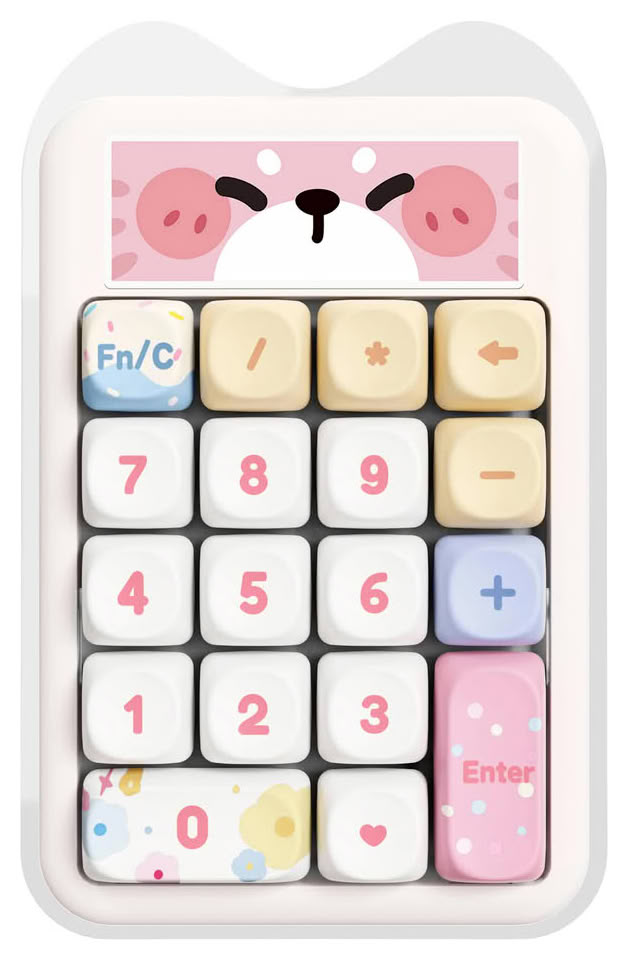
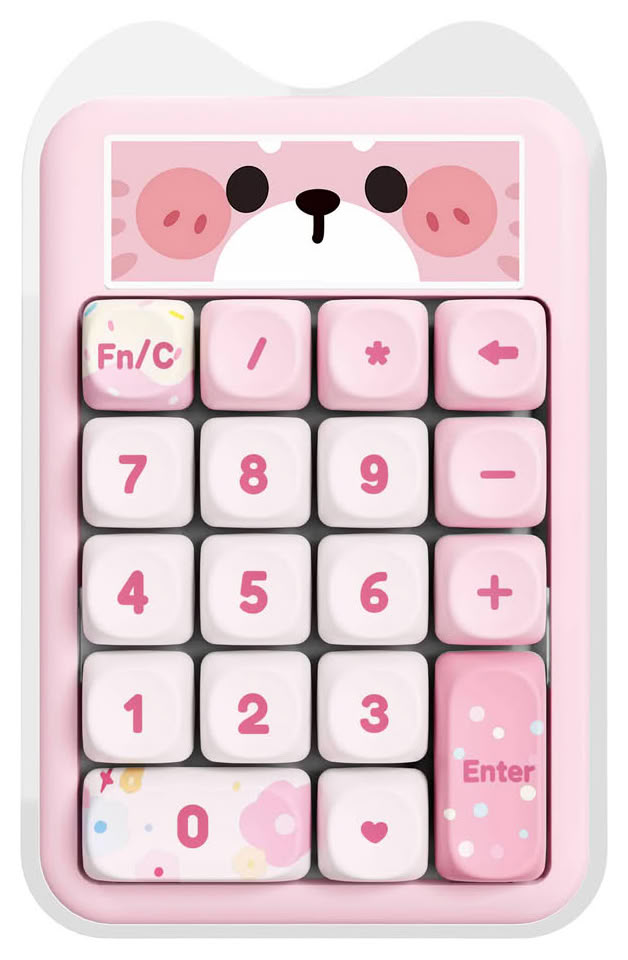
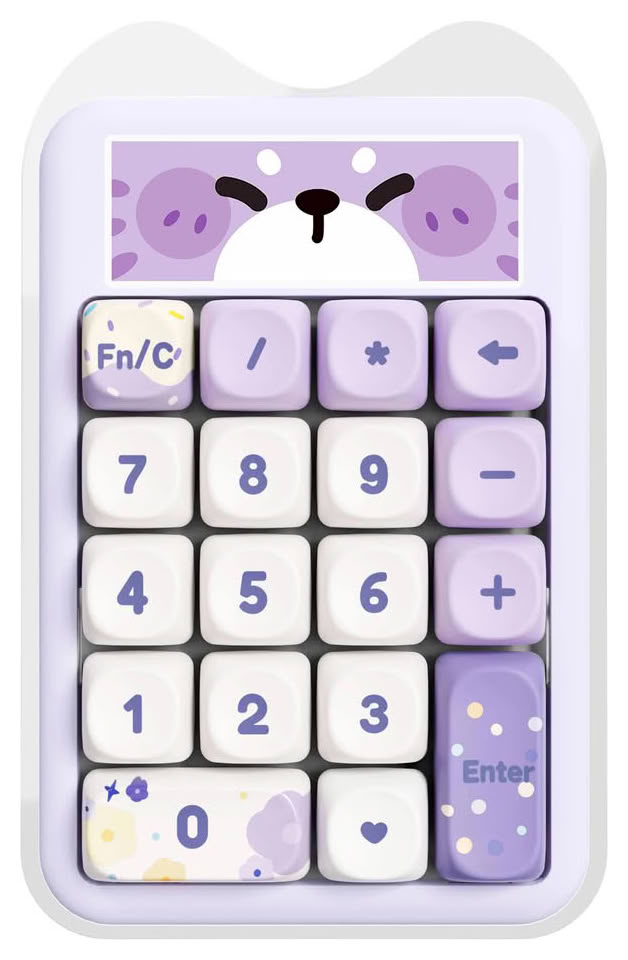
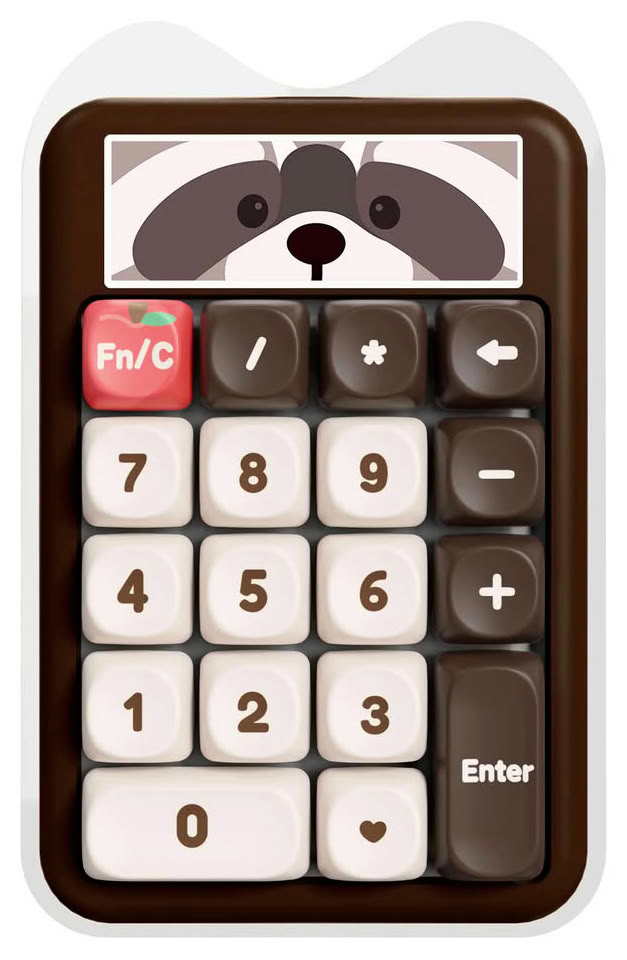
Small, adorable, and highly anticipated, the YUNZII C21 is finally on its way! If you think its charming appearance is all it has to offer, think again. The C21 is more than just a numpad keyboard. It also works as a calculator, with convenient tri-mode connectivity for flexible use. Its customizable TFT display lets you personalize your desktop with your favorite images and GIFs, while a built-in mini-game adds a little fun to your daily routine.

With backlighting and sidelight to create the perfect desktop atmosphere, plus an irresistibly fluffy tail accessory, the C21 brings together practical functions and playful cat-inspired charm in one compact design. Curious to see what makes this little cutie so special? Let's take a closer look!

HYTE Launches Nexus App to Unify PC Monitoring, RGB Control, and More

Today, HYTE officially launched the Nexus 3.1.0 desktop application, a completely rebuilt PC management tool that unifies hardware monitoring, lighting control, gaming statistics, and system customization into one package. The software is designed to reduce the need for multiple background utilities while keeping resource consumption low, with support for Windows, macOS, and Linux. Unlike its predecessor, Nexus 2.0, the new Nexus 3.1.0 has been rewritten from the ground up. HYTE claims the application occupies less than 50 MB at launch and uses just 0.1% to 1% of system resources across the CPU, GPU, and memory.

In our testing, we observed the application using about 142 MB of RAM and roughly 0.2%-0.5% of CPU resources, so HYTE's claims were not far off. Perhaps with a fresh reboot, things would be different. The software can monitor individual components, tracking temperatures, storage, memory, graphics hardware, fans, and liquid-cooling pumps in real time. It can also identify conflicting applications and close them, potentially helping users avoid running several overlapping utilities simultaneously. HYTE says the monitoring system will notify users when it detects issues that could require attention.

DOWNLOAD: HYTE Nexus 3.1.0

Epomaker Reveals Galaxy75 Wireless Mechanical Keyboard with Aluminium Case and VIA Support

Epomaker has officially confirmed that it is planning to launch a 75% version of its popular Galaxy series mechanical keyboards, building on the Galaxy100, Galaxy100 Lite, Galaxy80, Galaxy70, and Galaxy68. Although pricing is yet to be confirmed, the keyboard was shown off in a recent Epomaker livestream, and there is already a product page for it on the Epomaker online store, denoting key specs and features. Speculation would put the Galaxy75 somewhere around the $80-100 price point, since the Galaxy68 and Galaxy70 are priced at $99.99 on Epomaker's website and Amazon. According to the site, the Galaxy75 will be available only with Epomaker's Creamy Jade linear switches.

Unlike the Galaxy70 and Galaxy68, the Galaxy75 follows a more traditional, no-frills 75% layout, replete with a key in the F13 position and a full four-key navigation column on the right edge of the keyboard. The construction is also fairly standard, with an aluminium chassis, polycarbonate switch plate, and five layers of sound-damping foam, all of which Epomaker says delivers a "dense thock" sound signature. The case is also gasket mounted, and the keyboard has two aesthetic touches in the sparkle in what appears to be an electrophoretic coating and in the keycap sets. The Galaxy75 will launch in three colors, each of which has a matching Cherry profile keycap set: the black keyboard comes with black and orange dye-sublimated keycaps with cityscape printing, and the lavender and pink versions come with a mix of dye-sublimated solid PBT keycaps with accent keycaps featuring opaque ABS under a clear PC layer with UV-printed legends.

The Witcher 3 Wild Hunt Remastered Gets Substantial Improvements Following Player Feedback

The Witcher 3: Wild Hunt Remastered launched on September 29, bringing with it a number of improvements to the legendary RPG's gameplay and graphics and pushing it to its highest peak concurrent player count to date. However, despite the widespread praise for the remaster's overall execution, there were still complaints about issues with the game's performance and some aspects of the remaster's visual style, especially on consoles, where some graphics toggles were missing for users. One complaint in particular was distracting or unappealing graphics, which came down to poor lighting, tone mapping, and bloom implementation.

At a global scale, Patch 5.01, which is already available for Steam, GOG, Epic Games, Battle.net, and Xbox Play Anywhere, as well as on PS5 and Xbox Series consoles, improves bloom, tone mapping, character lighting, Ray Tracing, and Path Tracing. On PC, the update fixes a bunch of graphics settings, like being able to enable hardware-specific graphics settings when the hardware was not available to support them; dynamic resolution scaling not applying correctly; and disabling dynamic resolution scaling by default. It also addresses some of the visual issues some console players were having, adding options in the graphics settings for bloom, light shafts, and depth of field. Consoles also received "various optimizations to improve performance," although there are no specifics attached to that claim.

Intel Patent Describes Micro LEDs Built Into Glass Substrate CPU Packages

Intel has been granted a US patent for a chip package with tiny LEDs built into it, according to a TrendForce report. Titled "IC Package with Micro LEDs" (patent 12,733,303), it describes a semiconductor die with a micro LED attached, embedded at least partially into a glass substrate. Through-glass vias (TGVs) supply power to the LED and connect to the package substrate. The LEDs can apparently use nanowire structures to emit red, green, and blue light. The patent lists a few uses, including illuminated lettering on the CPU surface, personalization for DIY electronics (think RGB lighting), and indicators for electrical testing inside the package. The patent was filed in 2022 but has now been disclosed by Intel.

Of course, most CPUs sit under a heatsink, so it's hard to think of a scenario where glowing letters on a CPU package would make sense. The optical angle is more interesting. It looks like the patent doesn't describe a working optical link, but AU Optronics is developing a Micro LED co-packaged optics module for links of up to 10 meters in AI data centers, and there are rumors of Intel and AUO collaborating. We don't know if anything has been agreed yet. Intel reportedly stepped back from in-house glass substrate R&D last year, then moved to license the tech to others, and in January it showed a glass core substrate with EMIB at NEPCON Japan. Companies file patents all the time, and most never become products, so I wouldn't expect RGB CPUs anytime soon.

Modder Brings Path Tracing And Frame Generation to Grand Theft Auto 2 via RTX Remix

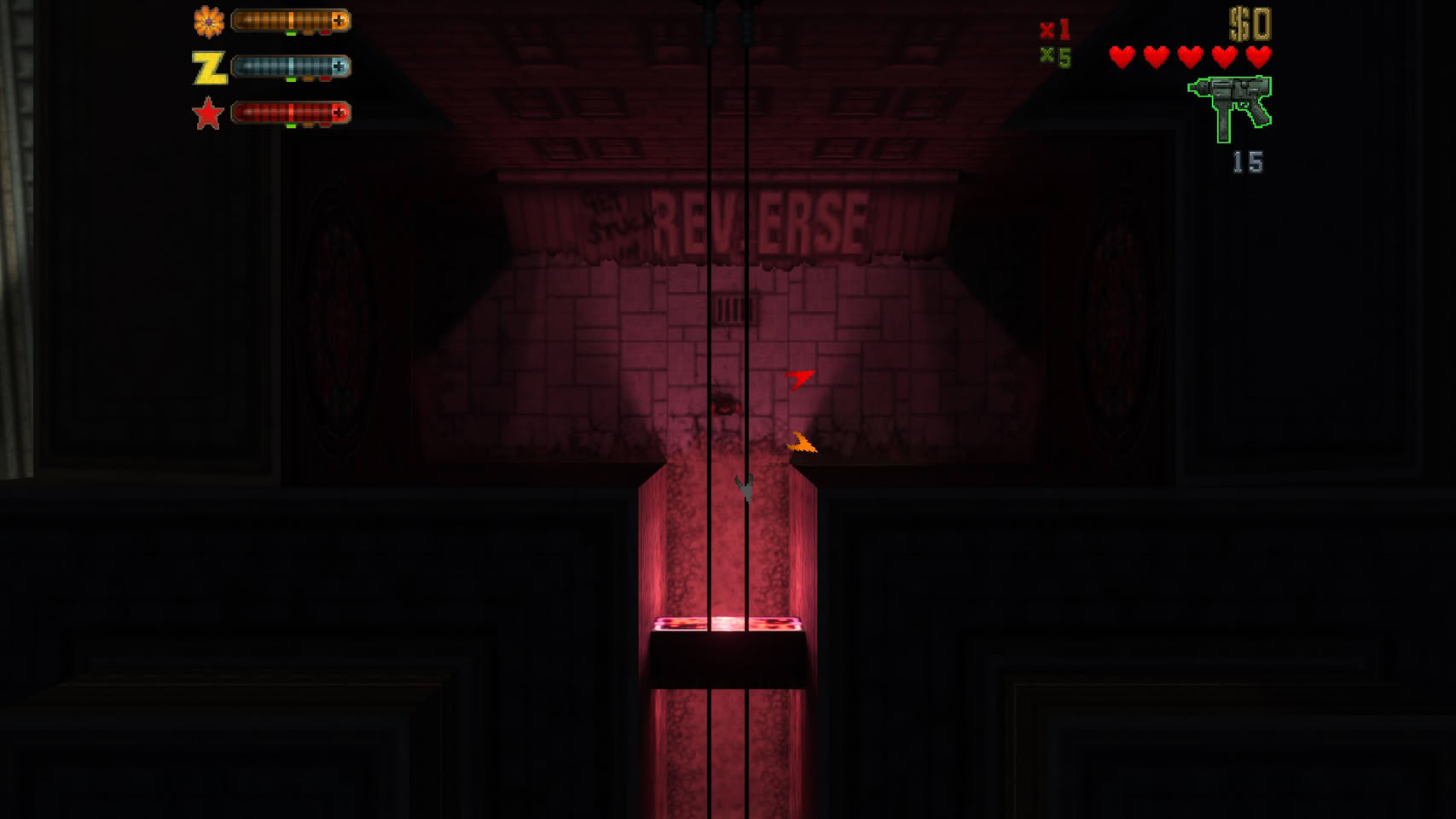
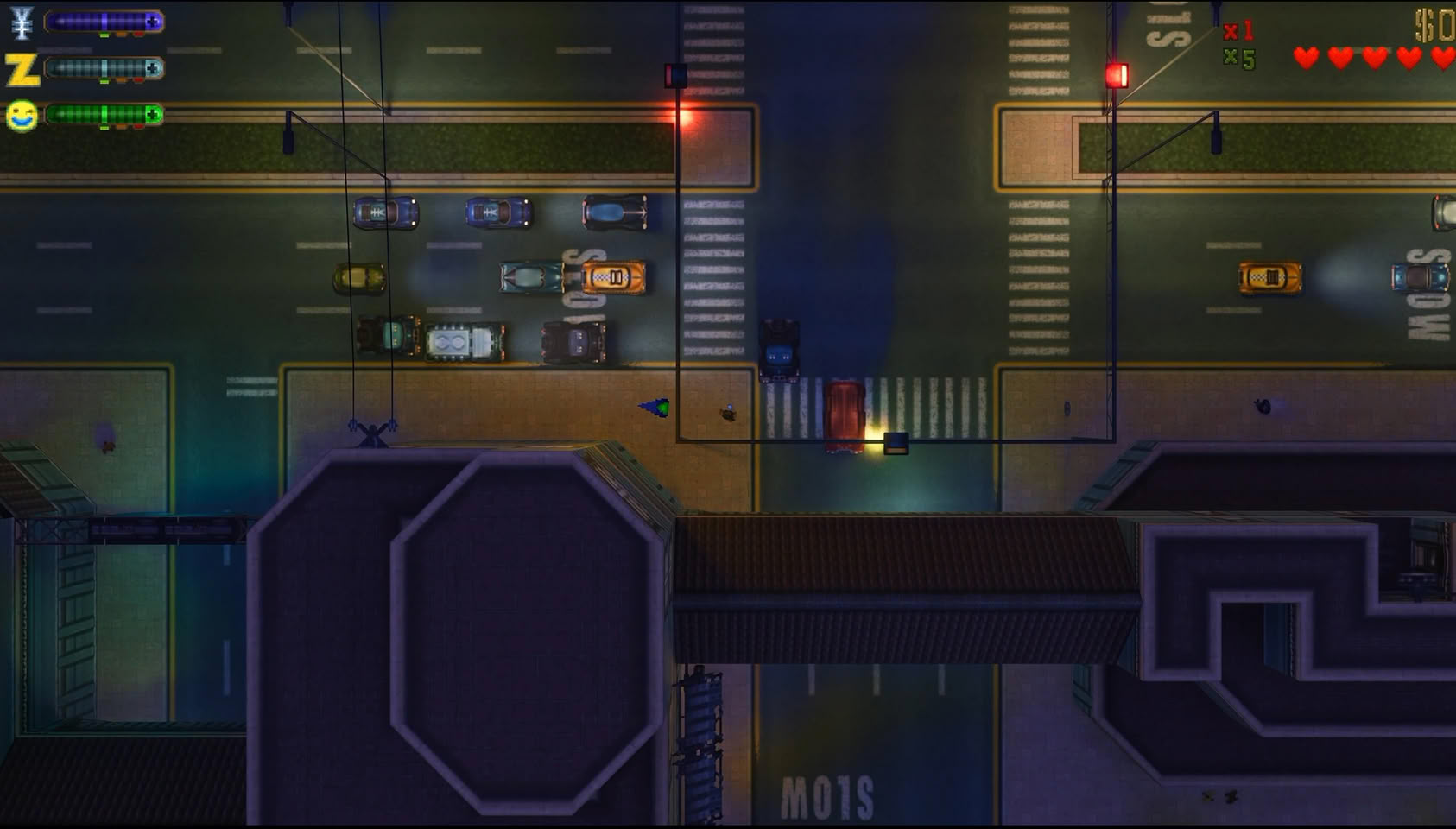
Modder gebdag has released GTA2 RTX Remix, a mod that brings full path tracing and dynamic time-of-day lighting to Grand Theft Auto 2, the 1999 top-down classic. NVIDIA's Jacob Freeman shared a clip of the mod on X, showing a day-night cycle that looks quite well-done. Apparently, the biggest hurdle in the process was technical, as GTA 2 ran on DirectDraw and an early version of Direct3D, neither of which RTX Remix supports natively. To get around this, the modder built a custom Direct3D 9 wrapper using two DLLs that translate the game's legacy rendering calls into something RTX Remix can actually read. The result reportedly adds real-time path-traced lighting, so explosions, car fires, and neon signs now cast their own glow, and the day-night cycle shifts lighting as it passes.

The mod also unlocks widescreen 16:9 support (the original was locked to 4:3) and adds frame generation for up to 60 FPS, well above what the original release could hit. GTA2 RTX Remix is open source on GitHub and was reportedly tested on version 9.6 of the game, the free release Rockstar distributed in 2004. It needs 64-bit Windows 10 or 11 alongside the RTX Remix runtime. It's certainly a niche release given how old the base game is, but it's another one in the chain of RTX Remix mods breathing new life into titles most people wrote off years ago. Similar projects already exist for Max Payne, Morrowind, and Need for Speed Carbon, and modders keep finding new ways to push the tool's limits.

Mchose Launches Ace75 Hall Effect Gaming Keyboard on Kickstarter

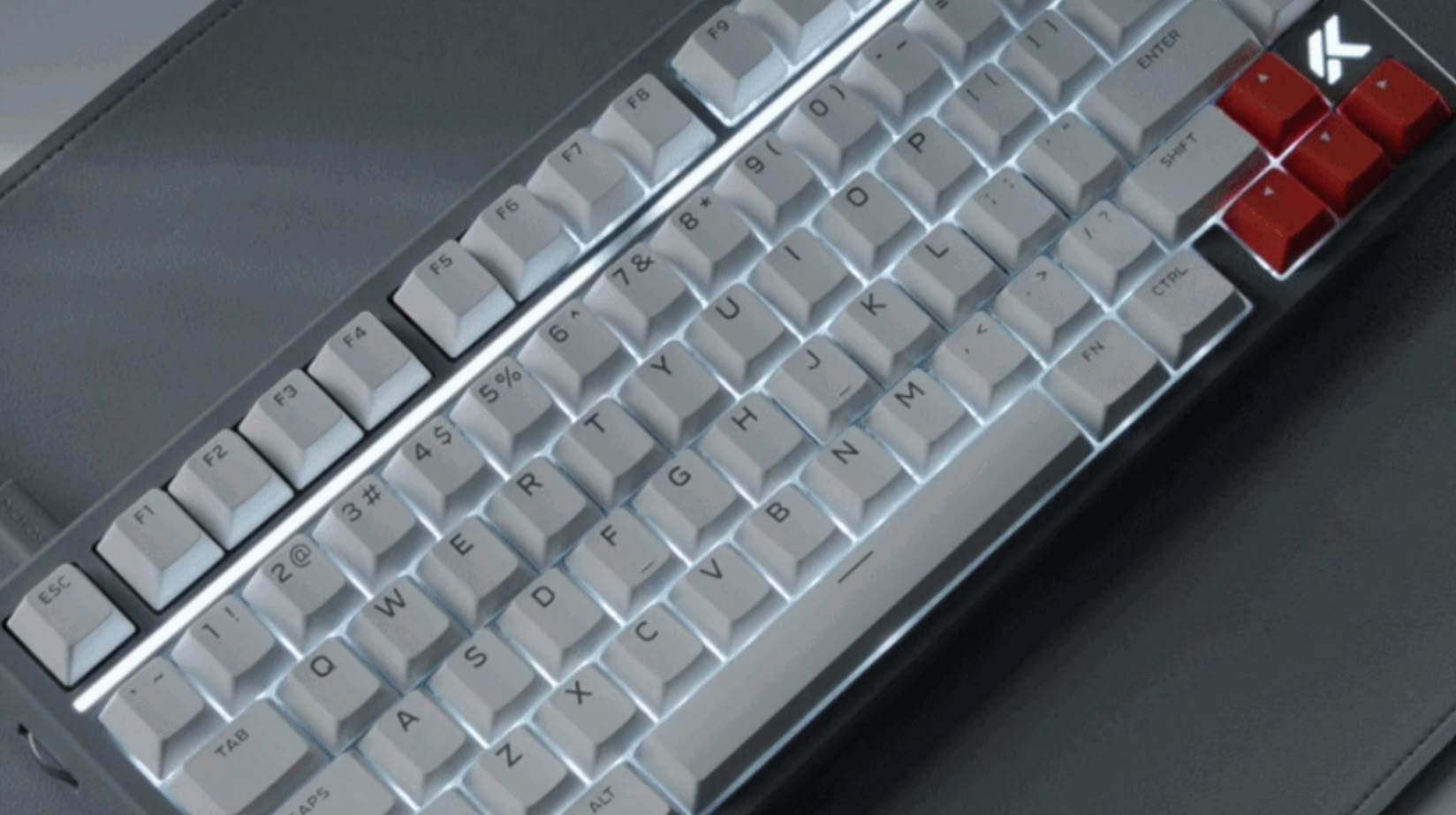
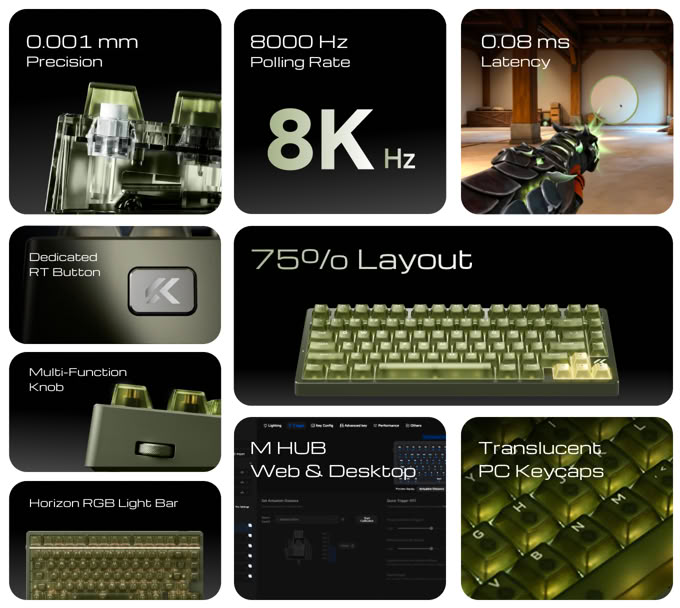
Mchose, a brand known for making affordable high-performance gaming peripherals, has officially launched the Ace75, a new Hall effect gaming keyboard with a 75% layout and a focus on both aesthetics and gaming performance. Mchose hasn't specified what the keyboard is made from, but the images on the Kickstarter page suggest an aluminium case that's been anodized to color-match the keycaps for various colorways. On Kickstarter, the Mchose Ace75 starts at $109, but the MSRP will be $149 when it eventually launches out of the Kickstarter.

The Ace75 offers the choice of two switches, depending on what keyboard color you choose: the Moon Rock Grey keyboard will come with Berserker Magnetic Switches, while the more exciting Mecha Green, Navy Blue, and Midnight Purple versions will come with TTC Royal Steed switches. The Moon Rock Grey colorway will also be the only one of the lot to ship with opaque PBT keycaps, while the other three colorways come with translucent polycarbonate, instead. Aside from the fairly minimalist case design, the Ace75 comes with a few tricks up its sleeve that may make it particularly useful as a keyboard that's both a daily driver and a gaming accessory.

AMD Rumored To Have DLSS 5-Like Neural Rendering Coming With RDNA 5

AMD's next-gen RDNA 5 architecture might get its own neural rendering feature, something in the same ballpark as NVIDIA's DLSS 5. That's according to Kepler_L2, a well-known AMD leaker, though it's worth being clear that this is a single-source claim and should be treated as a rumor for now. Posting on the Anandtech forums, Kepler_L2 said AMD will have its own version of "Neural Lighting" comparable to DLSS 5 with its next-gen hardware. Asked whether this would be limited to RDNA 5, the leaker said it's probably going to be the case, since this kind of workload is apparently pretty heavy. That's about as far as the concrete part of the leak goes.

Kepler_L2 also shared thoughts on how AMD's approach should differ from NVIDIA's. He thinks the model should have direct access to raw game data like geometry and depth buffers instead of having to guess at scene details, plus splitting lighting and shading into separate models instead of one pipeline. It's worth stressing that this part is the leaker's own wishlist, and not a description of what AMD is actually building. AMD hasn't confirmed RDNA 5 by name yet, and launch estimates currently range from mid-2027 to early 2028 depending on who you ask. Therefore, even if this pans out, we're probably looking at something that's early in the development pipeline.

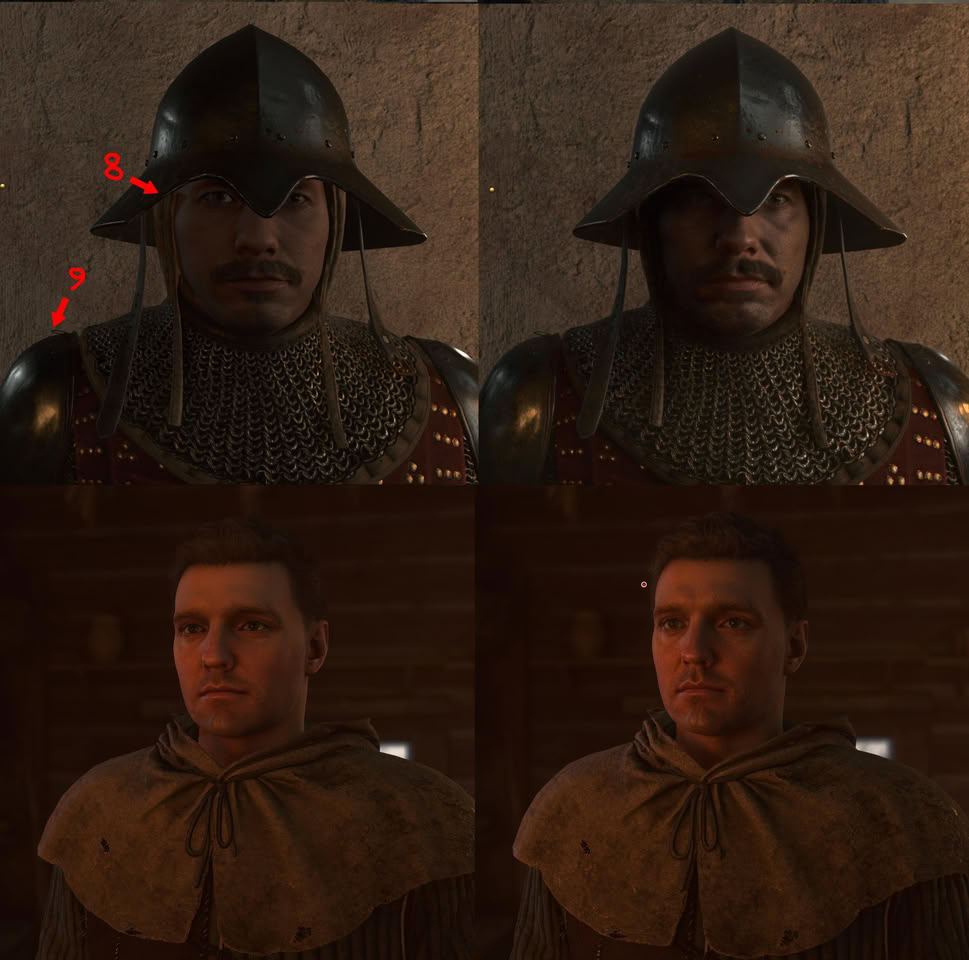
Warhorse Developer Defends DLSS 5, Says It's Not an AI Slop Filter

Kingdom Come: Deliverance 2 director Daniel Vávra has praised DLSS 5 again, saying the tech now looks closer to how his team originally envisioned the game's lighting and character faces. Speaking on X, he said character models that once looked flat in-engine finally read the way artists intended, closing the gap between how faces looked on artists' workstations and what actually shipped in the game.

Vávra singled out shadow rendering as a big win. He said Warhorse struggled for years to get shadows from hats, hoods, helmets, and small props like buckles and pouches to render on characters, calling it a persistent frustration during development. DLSS 5 apparently solves this, and Vávra called it an excellent upgrade to the character lighting model, though he noted it roughly halves frame rate in its current form. He also sees potential in DLSS 5 when applied to older games:
"It's not the infamous AI slop we saw couple months ago. I see huge potential here for the future, and it's absolutely great that even older games lighting could be improved this way."
Return to Keyword Browsing
Nov 11th, 2026 06:14 CST change timezone

New Forum Posts

Popular Reviews

TPU on YouTube

Controversial News Posts