Friday, January 23rd 2026

NVIDIA Ends "Open Price Program," Pushing GPUs Way Past MSRPs
According to Roman "der8auer" Hartung and HardwareLuxx, NVIDIA has effectively ended its Open Price Program (OPP). This program was intended to help NVIDIA's add-in card partners sell GPUs at NVIDIA-suggested MSRPs. The program reportedly ended a few days ago, which means the pricing of GPUs from NVIDIA's AIC partners will now fluctuate beyond MSRP. NVIDIA supplies its GPU dies and GDDR7 memory as a DIY kit to AIC partners, who purchase these kits at predetermined prices. They then install the GPU and memory on their customized PCBs to create third-party GPU designs. However, due to the scarcity of memory, GDDR7 prices have been rising significantly, and NVIDIA is passing these cost increases onto its AIC partners.
As per to HardwareLuxx, the OPP program helped NVIDIA's AICs maintain MSRPs for their custom GPUs. Participation in the OPP program allowed manufacturers to list their GPUs at MSRPs, making them more appealing to consumers due to their perceived value. However, with the end of the OPP program, prices are expected to rise significantly since NVIDIA will no longer "subsidize" these listings. This change is likely influenced by the strained supply chain in the memory segment, where manufacturers are running low on available memory, leading to increased lead times and higher costs. Fortunately, NVIDIA continues to provide GDDR7 memory with its GPUs, so AIC partners don't need to source it independently.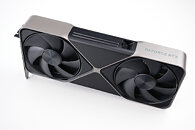
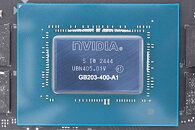
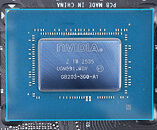 There were initial rumors about NVIDIA discontinuing the GeForce RTX 5070 Ti GPUs. Both the RTX 5070 Ti and the RTX 5080 use the same GB203 base die and 16 GB of GDDR7 memory. NVIDIA is reportedly prioritizing the RTX 5080, which has a higher MSRP. The RTX 5070 Ti has not been discontinued, but its production will make up a smaller portion of the manufacturing capacity. Since the RTX 5080 has a $250 higher MSRP, it makes sense to favor the higher-end model. In typical GPU manufacturing, chips that fully meet the RTX 5080's performance and power specifications are allocated to that SKU, while those that fall slightly short can be repurposed through binning for the RTX 5070 Ti. This approach optimizes yield without increasing silicon consumption, as both models come from the same die family.
Source:
HardwareLuxx
As per to HardwareLuxx, the OPP program helped NVIDIA's AICs maintain MSRPs for their custom GPUs. Participation in the OPP program allowed manufacturers to list their GPUs at MSRPs, making them more appealing to consumers due to their perceived value. However, with the end of the OPP program, prices are expected to rise significantly since NVIDIA will no longer "subsidize" these listings. This change is likely influenced by the strained supply chain in the memory segment, where manufacturers are running low on available memory, leading to increased lead times and higher costs. Fortunately, NVIDIA continues to provide GDDR7 memory with its GPUs, so AIC partners don't need to source it independently.


34 Comments on NVIDIA Ends "Open Price Program," Pushing GPUs Way Past MSRPs
Yes, they are suffering tremendously!
EVGA keeps on being right on exiting the market at the right time after all of these fake MSRP's, connector issues, or driver issues.
But why does Nvidia feel the need to gaslight and lie to consumers on cards that have effectively gone EOL? It's clear that production has been cut significantly, and prices have already gone up, though I guess Nvidia can ship their AIB's a handful of GPU's to technically say nothing was discontinued.
Economics would demand these companies ramp up supply ahead of time to better supply the market, because obviously selling a product means more money than telling their AIB partners and loyal customers to go eat sh*t.
PCGH a questionable website, has shown a few days ago, the radeon 9070xt to be on the 4th place for their rankings.
--
News: Nvidia cards stopped productions
Rephrased News: We will sell gpu and dram packages in smaller amounts with different prices per package
In my point of view: Nvidia wants 30% extra on teh gpu die and 30% extra on the dram. Always at least 30%, not less. Before it was more than 30% and therefore the prices could stay in the determined sale price.
This is just a customer calm down news.
That's a funny one, thanks :toast:
This "OPP" termination mean very little if any, obviously.
It is just more of the same. More $$ per GPU, as usual.
2026 couldn't end soon enough.
Now the current gen is getting cutback or discontinued or whatever the hell they want to call it....
Pricing (OOP) has been discontinued....
People have been reporting price increases on Nvidia cards for the past few weeks....
You will get what Nvidia gives you and you will like it!
The AMD 9060XT 16GB has gone from ~£320 to over £400, the 9070 doesn`t seem to have risen as much yet.
Trouble is, for a while the prices are only going one way, it stinks...
Starve them out. Fuck AI, dont use it. The more you use it, the more you enable them, the corporations.
During the pandemic the people spoke, and they said price does not matter. The corporations listened.
Make them listen again.
In the end, the choice is up to you.