Thursday, June 4th 2026

Cooler Master Showcases Hybrid CPU Cooler and Innovative Master Flow GPU Exhaust Fans at Computex
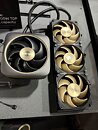
At Computex 2026, we've covered a number of well-designed and unique CPU coolers, from the new Cryorig semi-passive cooling case to AIO coolers with swiveling displays on them, and Cooler Master is expanding the list of innovative products at the show with its new hybrid AIO CPU cooler, a new GPU exhaust system, and new active RAM cooling developed in conjunction with. Arguably the most interesting of the lot, and winner of a TechPowerUp "Best of Computex" award, the G11M is a concept cooler that combines air and liquid cooling in an attempt to reach 400 W of cooling capacity. The G11M uses liquid channels, cooling fins, and a downward-firing fan mounted directly on the CPU block to start the heat dissipation process before the warm liquid inside the AIO has even left the CPU block. The rest of the cooler is effectively just a regular 360 mm AIO, so it would theoretically deliver the same performance as a regular AIO with the added benefit of the CPU block cooling and additional airflow over the VRMs and memory.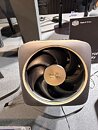

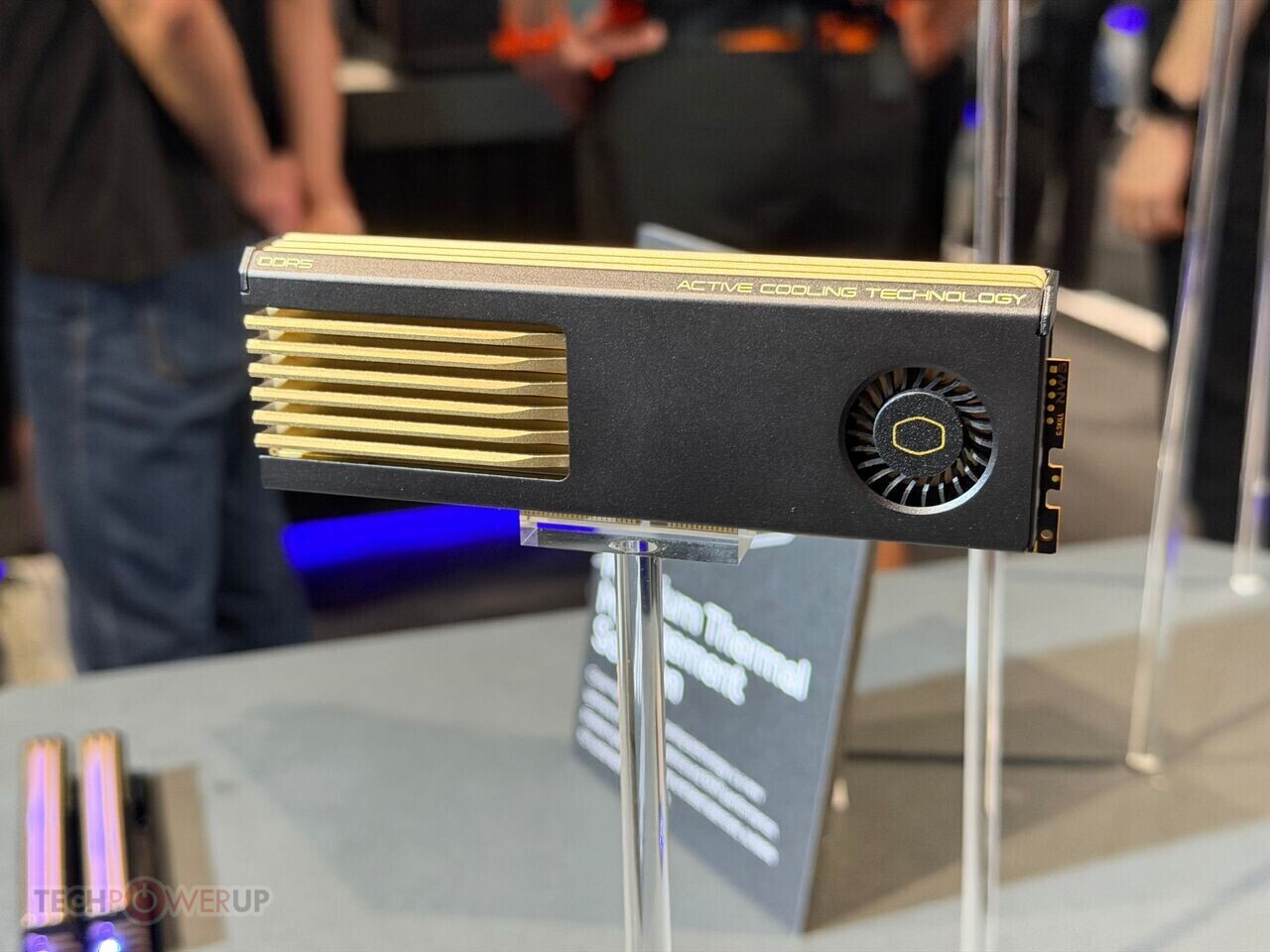
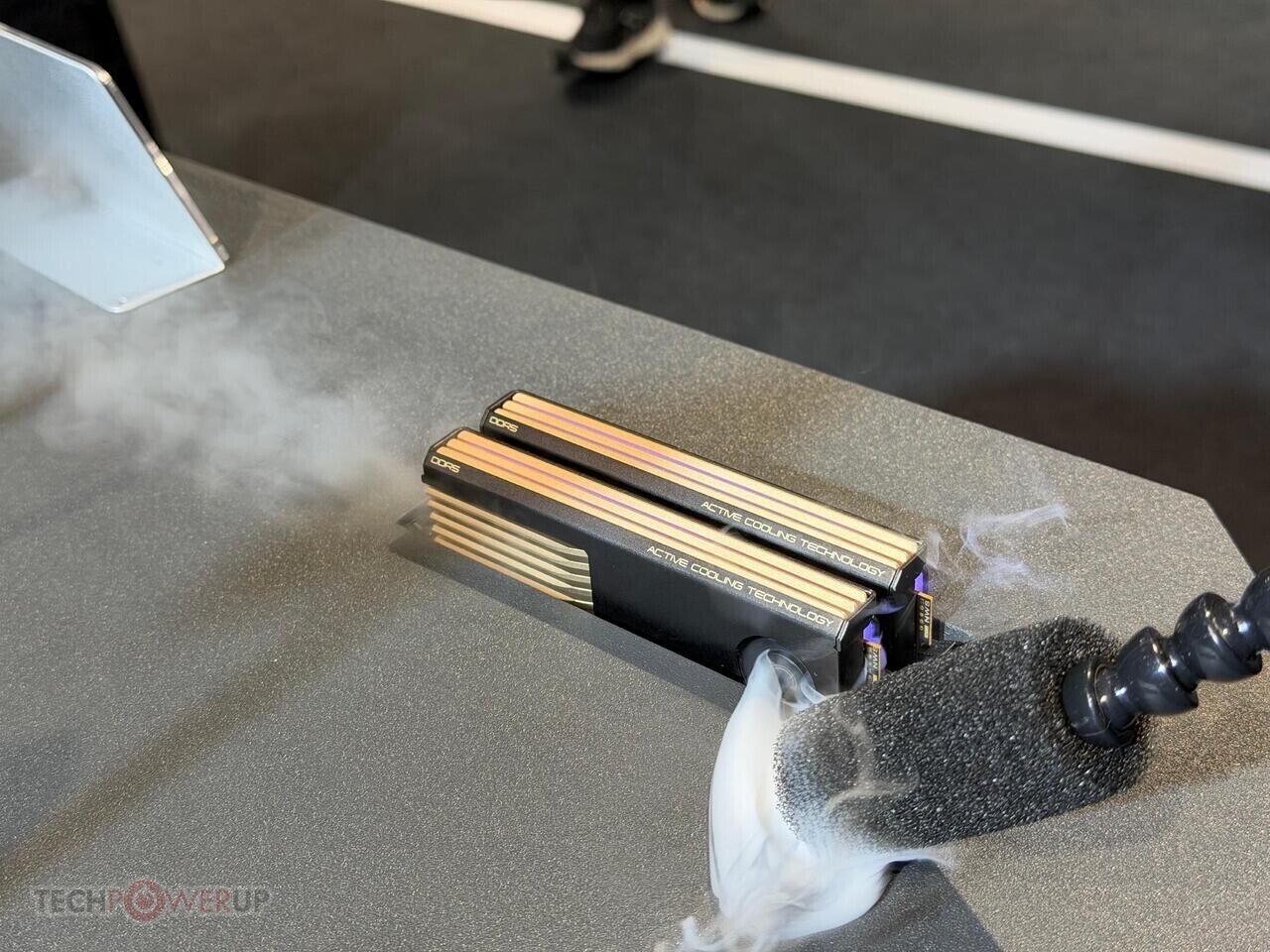
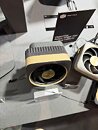 Another interesting addition to Cooler Master's Computex showcase is the new MasterDimm, a blower-style active memory cooling solution developed in conjunction with G.Skill. It seems as though MasterDimm will be limited to DDR5 Dimms. At the Computex booth, Cooler Master demonstrated the airflow through the DDR5 cooler with a smoke machine, the hot air gets effectively pulled through the fan and exhausted into the top of the PC case area. The top edge of the memory module will also feature RGB lighting strips running along the length of the module.
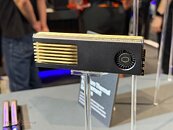
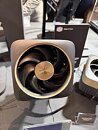
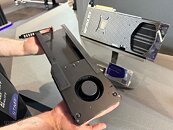
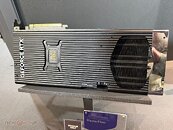
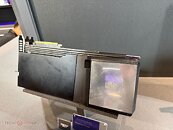
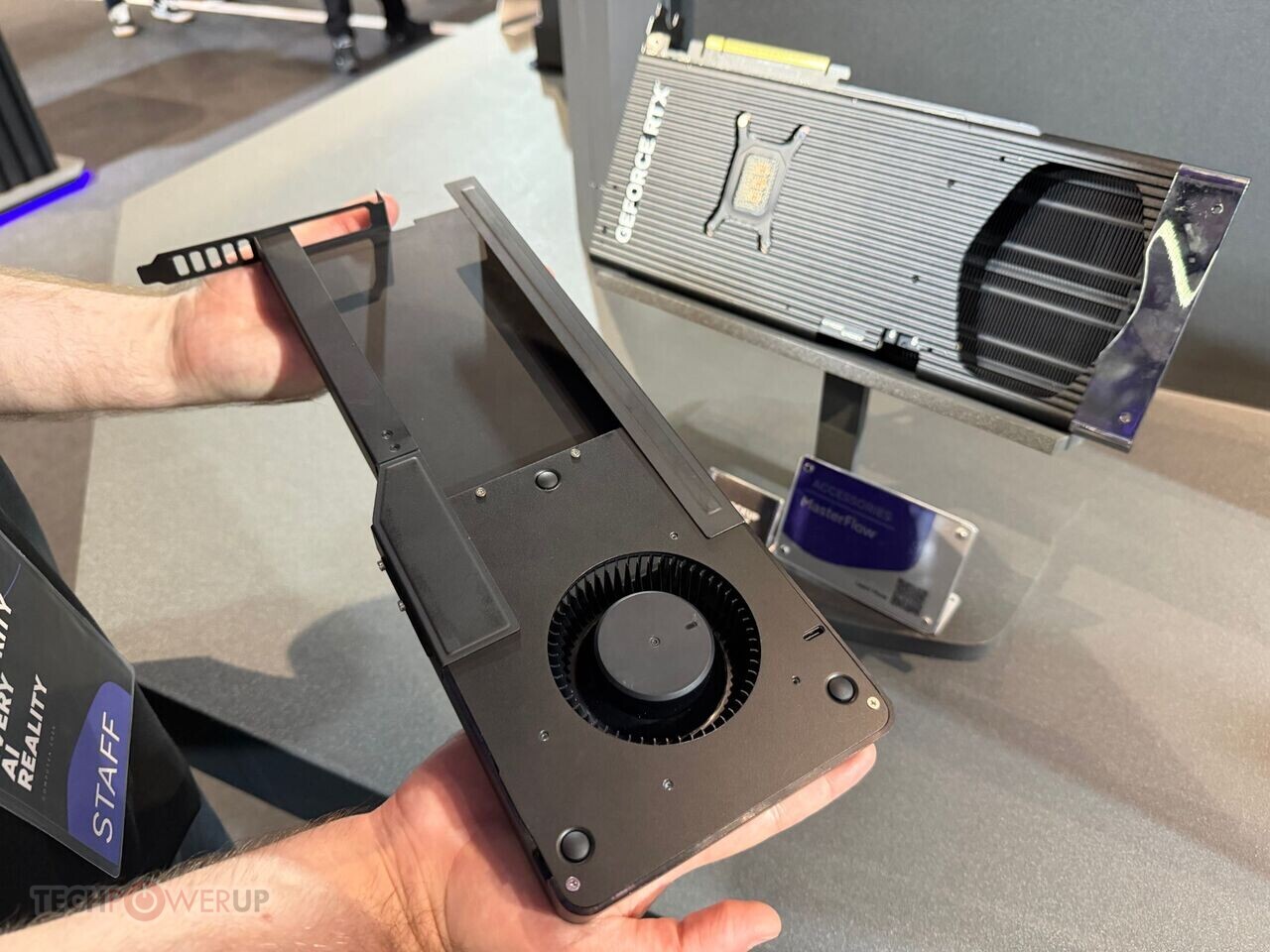
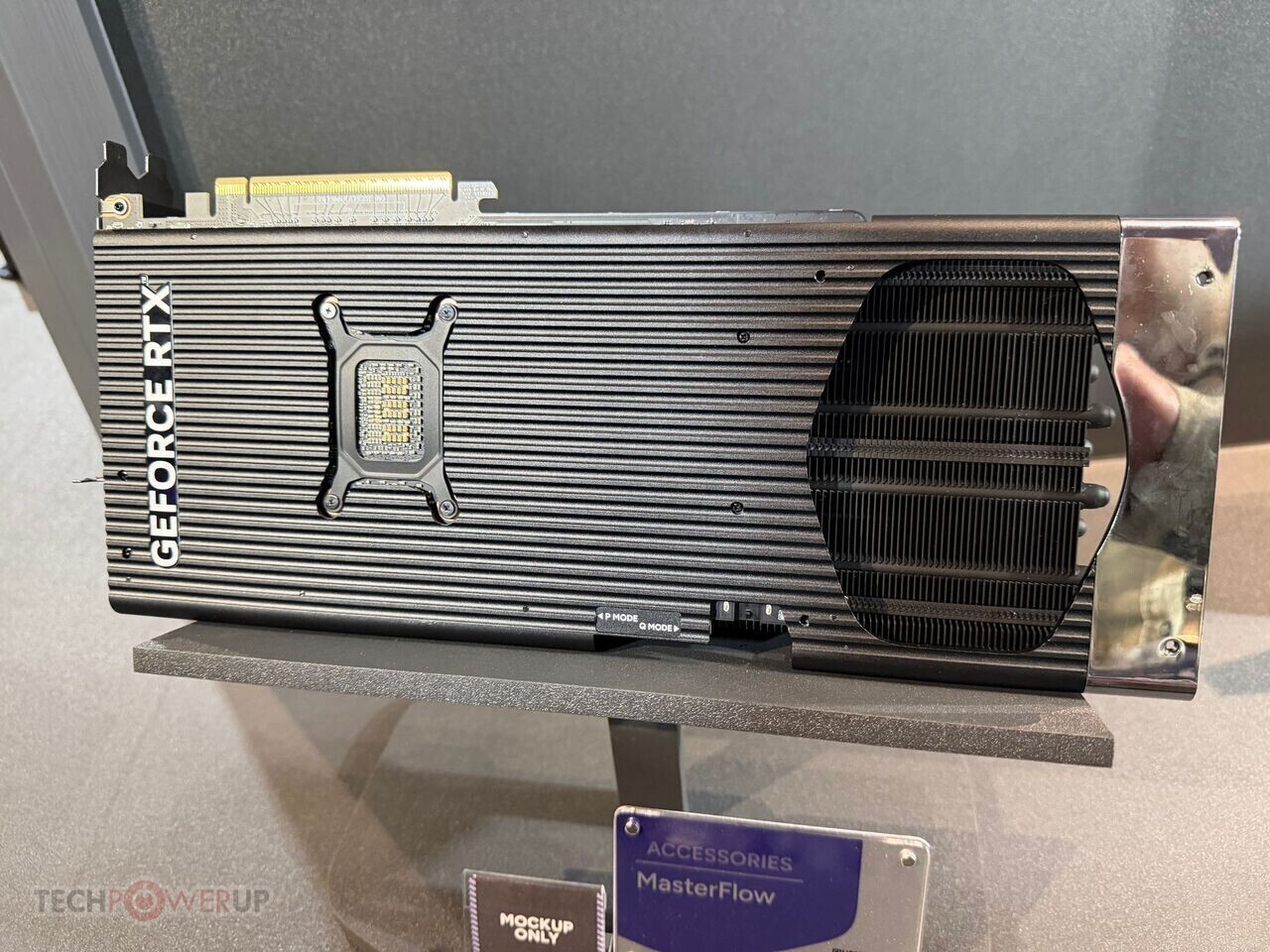
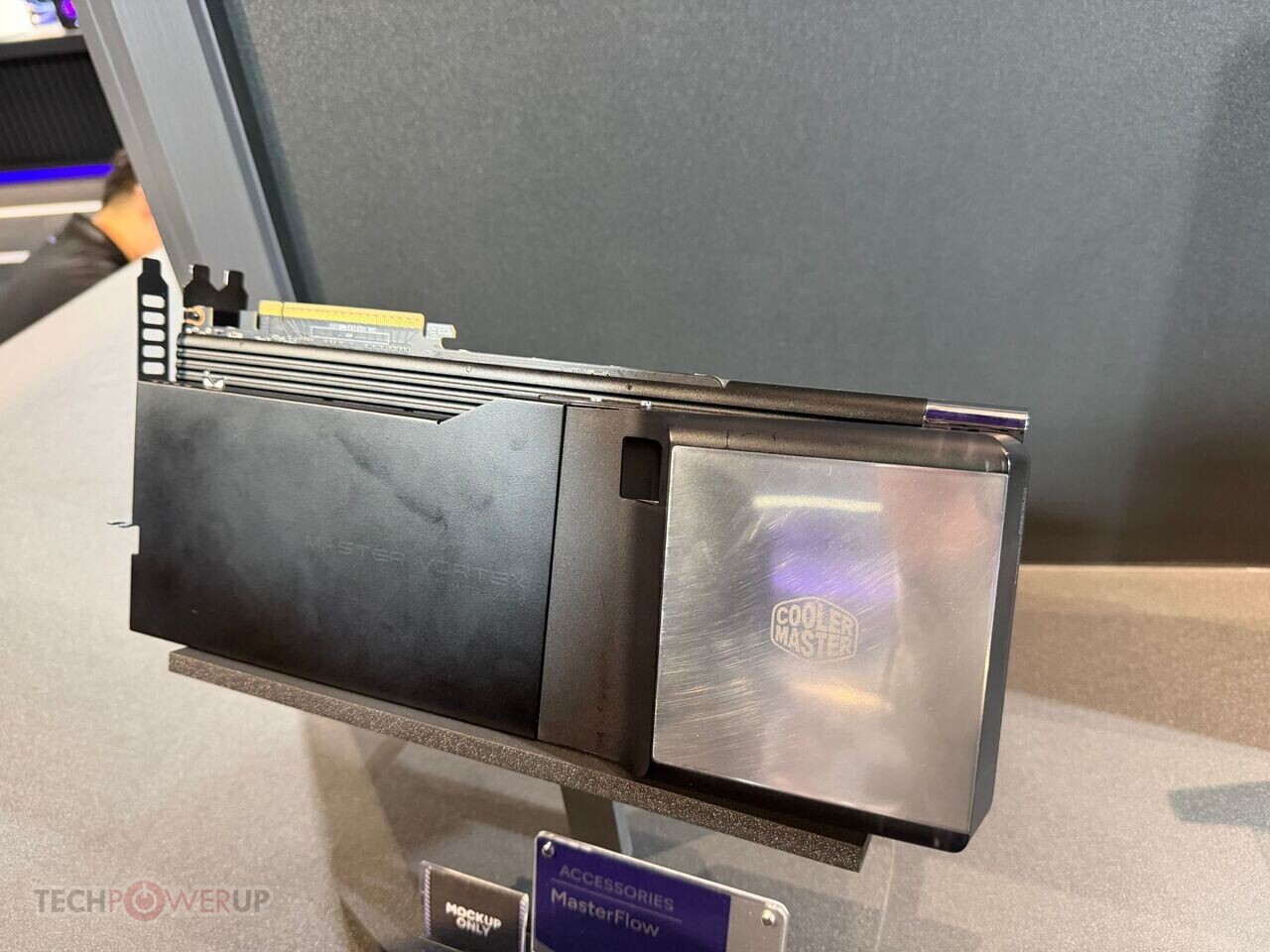
 Cooler Master is also looking to expand into the GPU cooling space with the MasterFlow, a new blower style cooler that slots into the PCIe slot above an installed GPU and exhausts hot air that would otherwise be blown into the case out of the back of the PCIe slot cover. This has a double benefit of keeping the GPU's hot air away from the CPU and reducing overall internal case temperatures, which, in turn, should improve GPU thermal performance. The MasterFlow also improves general case exhaust airflow without occupying another fan mount. The cooling potential depends on the GPU having a flow-through segment to work properly, and while that design has become popular in recent years, it's not necessarily universal, so that's worth keeping in mind.

Source:
Cooler Master


5 Comments on Cooler Master Showcases Hybrid CPU Cooler and Innovative Master Flow GPU Exhaust Fans at Computex
While the other hipsters are strapping smartphone-sized screens on the pump block Cooler Master figured why not strap an aircooler on the pump block?
Apparently the voice of reason in a sea of spiraling absurdity.
www.tomshardware.com/reviews/cooler-master,828-3.html
As for that GPU cooler Lian Li used to have coolers you would put between expansion cards and side to suck air and exhaust it from back:
www.coolerguys.com/products/lian-li-aluminum-pci-120mm-cooling-kit-bs-03x-all-black-or-bs-03a-silver
The 4005 was a tower-type cooler that blew the air through the fin stack and towards the rear or top of the case, depending on orientation. The 4008 was a top-down that blew air down towards the motherboard to help cool the VRMs and RAM. The 4008 was an oddity because it actually worked better reversing the fan to blow upwards; thus sucking air from around the VRMs and RAM up into the cooler and towards the side vent that most 90s and 00s cases had specifically for cooling the CPU.
On that subject, the first company to sell a liquid cooled CPU block with a fan to help cool the VRMs and RAM was Gigabyte, with their 3D Galaxy II liquid cooling kit (I actually had 2 of these, for FX builds running real hot). It took until Arctic did it in their LF2 series that we started to see companies once again start adding a fan to their CPU blocks/pumpblocks to help cool down the surroundings a bit.