News Posts matching #Acer

Return to Keyword Browsing

Googlebook Update Frees Up RAM From On-Device AI

Google has started rolling out the November update for Googlebook, and the biggest change is how much memory the platform's on-device AI takes up. On the Acer Googlebook 14, ASUS Googlebook 14, and Lenovo Googlebook 15, Google's release notes say it has improved memory usage for on-device AI to make multitasking more stable on 16 GB devices. Apparently, this comes down to updated memory management in the NPU driver, which reportedly frees up between 3 GB and 6 GB of system RAM and lets the OS claw back memory when Chrome needs more of it. The Help Center notes don't put a number on it, though, and the 3 GB to 6 GB figure comes from Google's announcement on Reddit.

The update, build CL3B.260622.286.R2, carries the November 1 security patch and around 30 fixes in total. Among them are keyboard and trackpad input dropping out on convertibles, black screens with DRM-protected video on external monitors, external USB microphones not working, Zoom crashes with background effects, and bootloops when an update gets interrupted. HP and Dell owners also get a fix for Bluetooth audio lip-sync issues, and the Linux Terminal gets several reliability fixes. All three models getting the memory fix ship with 16 GB of RAM. Freeing up to 6 GB on those machines is a big deal, since that's over a third of the total memory. The update is rolling out gradually, and owners can check for it under Settings > System > Software updates > System update.
Bazzite 45 Launches With Start of Linux EAC V2 Support and Wider Handheld Compatibility

Shortly after the official Fedora 45 launch, Bazzite 45 has launched, with a rebase to Fedora 45, Gnome 51.1, and KDE Plasma 6.8.2. The new Bazzite version lists updated OGC Linux kernels—7.2.15 for AMD and Intel, and 6.18.60 for NVIDIA users—and additional hardware support, including for the Acer Predator Atlas 8 and ASUS ROG Xbox Ally X20, but also for more peripherals, including the Logitech TrueForce racing wheel hardware. The Mesa driver version has also been updated to 26.2.6, InputPlumber has been updated, and CoolerController has been moved to the official docker container, while XWaylandVideoBridge has been removed in the name of stability and squashing KDE bugs. The rest of the actual updates are minor back-end changes, save one.

As per the announcement post on the Universal Blue Discourse page, as of Bazzite 45, Bazzite has become accepted by Epic Games as a signing key provider, and the development team behind Bazzite has added a Linux EAC V2 readiness checker to Bazzite 45. The checker automatically updates the latest Linux EAC V2 requirements and compares the requirements to the current kernel and BIOS configurations—specifically kernel and module signing, Secure Boot, TPM 2.0, measured boot, IOMMU, kernel lockdown, kexec, and BPF LSM. If there are any incompatibilities, the user will be notified by the readiness checker.

Acer Predator Atlas 8 Debuts With Intel Arc G3 Extreme Starting at $1,299.99

Acer and Intel showed off the Predator Atlas 8 gaming handheld, powered by the new Intel Arc G3 APUs, at Computex in June 2026, and while it was speculated that the new handhelds would not be cheap, given the specs and expected performance, it seems less and less likely that there will be even a single Acer Predator Atlas 8 priced at under $1,000.

Acer recently updated its Predator Atlas 8 product page in the UK in order to allow users to "register their interest," and the OEM handily included prices for the various different Atlas 8 models on the page, giving us an idea of what to expect for the rest of the world as well. The cheapest version of Acer's Predator Atlas 8 gaming handheld will cost £999.99, which converts to $1,346, although it's likely that pricing will be lower in the US. The Acer Predator Atlas 8 is slated to release "this autumn," suggesting a release window sometime between September and December.

Update Oct 31st: Acer has officially listed the Predator Atlas 8 for $1,299.99 at Best Buy, and the only available configuration at the time of update is the Intel Arc G3 Extreme-powered variant with a 512 GB SSD and 24 GB of memory—a variant not previously listed on Acer's product page and likely introduced to bring the price down, given the ever-increasing cost of SSDs. It's unclear when the Arc G3 versions with less memory will be available.

Bazzite Linux Gets New Handheld PC Support With ASUS ROG Xbox Ally X20 and Acer Predator Atlas

The launch of Valve's Steam Deck ignited a renewed interest in both Linux gaming and handheld x86 gaming PCs, and that push has resulted in accelerated development for projects like Bazzite. In a recent post, Bazzite developer, Andy East, aka Andy10115 online, has announced preliminary hardware support for both the ASUS ROG Xbox Ally X20 and the Acer Predator Atlas handhelds in Bazzite.

The developer notes in the update, which also serves as a call for testers, that the ASUS ROG Xbox Ally X20 that there is already full support for the display and back buttons—replete with VRR and HDR on the former and full button remapping on the latter—as well as working sleep/wake support. Support for RGB lighting customization is not yet implemented, but should arrive soon with Open Gaming Collective components. Similarly, fan control is still missing, but can be implemented with the usual Decky plugins, and an official OGUI plugin is in development.

The Witcher's Henry Cavill Will Build a Video Game on a Googlebook This November

Google has announced that actor Henry Cavill will build a video game on a Googlebook this November, as part of a marketing partnership for its new Android-based laptops. In its blog post, Google describes Cavill as an actor, producer, and tech enthusiast with his own production company and a passion for gaming and fantasy lore, and says he is already using the laptop for personal passion projects. Google hasn't shared the genre, the game engine, who else is involved, or what form the end result will take. Updates are apparently coming through a landing page and an Instagram account. Here's what Cavill had to say about the project.
"When Google reached out to me and explained what they are doing with Googlebook, and all of its new, integrated tools, it had me intrigued. So, I asked for the opportunity to have a play with it ahead of release. After being hands on and spending some time with their team, I believe this has the potential to be the start of something rather special. Time and technology are marching forward at a breakneck pace, this, and all that Google are trying to do with it, has the whispers of the next generation."

Googlebook Launches With Intel Core Ultra Series 3 Processors

Intel today announced the first Googlebook devices powered by Intel Core Ultra Series 3 processors (codenamed Panther Lake), bringing together Google's next-generation computing with the proven performance, best-in-class connectivity and efficiency of Intel's flagship client platform. Launching with premium devices from Acer, ASUS and Lenovo, Intel-powered Googlebook laptops are thoughtfully designed and engineered to support the way people work, play and create.

Whether collaborating with colleagues, exploring new ideas, streaming content, or multitasking across apps, Intel-powered Googlebook laptops enable responsive performance and long battery life in sleek, modern designs, creating a fast, intelligent and seamless computing experience.

Googlebook Laptops Arrive with Designs from ASUS, Acer, Dell, HP, and Lenovo

Google's collective effort to introduce a new generation of Gemini-powered laptops, called "Googlebook," has officially launched today. Now available on the Google storefront, Googlebooks are being produced by some of the biggest laptop OEMs, including ASUS, Acer, Dell, HP, and Lenovo. Starting with ASUS, the company has prepared a 14-inch Googlebook 14, powered by the Intel "Panther Lake" Core Ultra Series 3, with 16 GB of RAM and a 512 GB SSD. Acer offers a similarly named Googlebook 14 with comparable specifications, while Lenovo uses the same base but delivers a 15-inch screen. Dell and HP provide Googlebooks in a 14-inch body, powered by Qualcomm's Snapdragon X Elite processors, with 16 GB of memory and 512 GB of storage. Pricing ranges from $899 to $1,299, depending on the manufacturer and specifications.

Generally, Googlebooks follow a consistent philosophy across all models, featuring premium materials like aluminium, magnesium, and carbon fiber instead of traditional plastic. The screens on these models are also higher resolution. A key feature of these laptops is the integration of Android applications and Glowbar, along with Gemini intelligence throughout the operating system experience. Powered by Googlebook OS, the operating system is essentially a desktop version of Android that runs Android applications through the Google Play Store. The OS can run a Linux terminal, and since Android is a heavily modified version of Linux, Linux applications are also supported.

Acer Expects PC Prices to Rise by Up to 20% in Q4, Peak Around Mid-2027

Acer Chairman and CEO Jason Chen says PC prices could rise by another 5% to 20% in the fourth quarter of 2026, according to Taiwan's Economic Daily News. Chen reportedly said that DDR4 and DDR5 memory are no longer in short supply and that CPU supply is mostly fine, with only some low-end and mid-range chips still tight. Prices haven't followed this change, though. Memory and SSD costs are still high, so systems with more RAM or storage will probably see bigger increases. Chen expects the average selling price of PCs to peak around mid-2027, with a possible drop in the second half of that year.

Even if component costs fall earlier, it takes several months for cheaper parts to reach finished PCs. Chen also reportedly said suppliers keep pushing through price increases, some of which he considers hard to justify. He also pointed to expanding Chinese memory production, and by the sound of it, he doesn't think the shortage can run until 2030, as many in the industry have claimed. That capacity is still ramping up, though. Chinese giant CXMT is reportedly preparing to enter the NAND flash market with an R&D line, and YMTC is expanding with new fabs.

Google Confirms Googlebook Pre-Orders Start September 21

Google will open pre-orders for its first Googlebook laptops on September 21 at 9 AM ET. The company confirmed the date in an email to people who signed up for updates, and the same date now appears on Google's official Googlebook website. That's the first firm date tied to the product since Google teased a fall launch back in May. Acer, ASUS, Dell, HP, and Lenovo are all lined up as first-wave Googlebook manufacturers, and several of their machines have already leaked ahead of launch.
The Lenovo Googlebook 15 is probably the most exposed so far, reportedly pairing an Intel Core Ultra 5 325 "Panther Lake" chip with up to 32 GB of LPDDR5X memory, a 15.3-inch 120 Hz OLED touchscreen, and Google's colorful Glowbar light strip. That same Core Ultra 5 325 keeps showing up across leaked Acer and ASUS models too, which is a change from how Chromebooks have typically launched with entry-level Intel silicon. Google still hasn't said which models will actually be available on September 21, and it hasn't shared a shipping date either, only that units will arrive this fall.

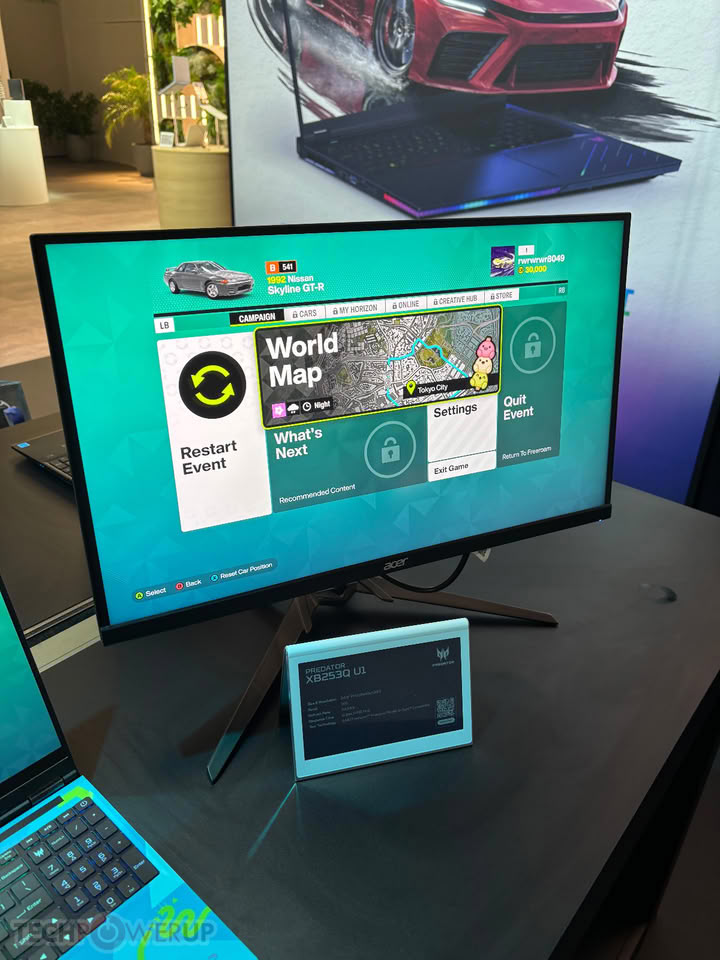
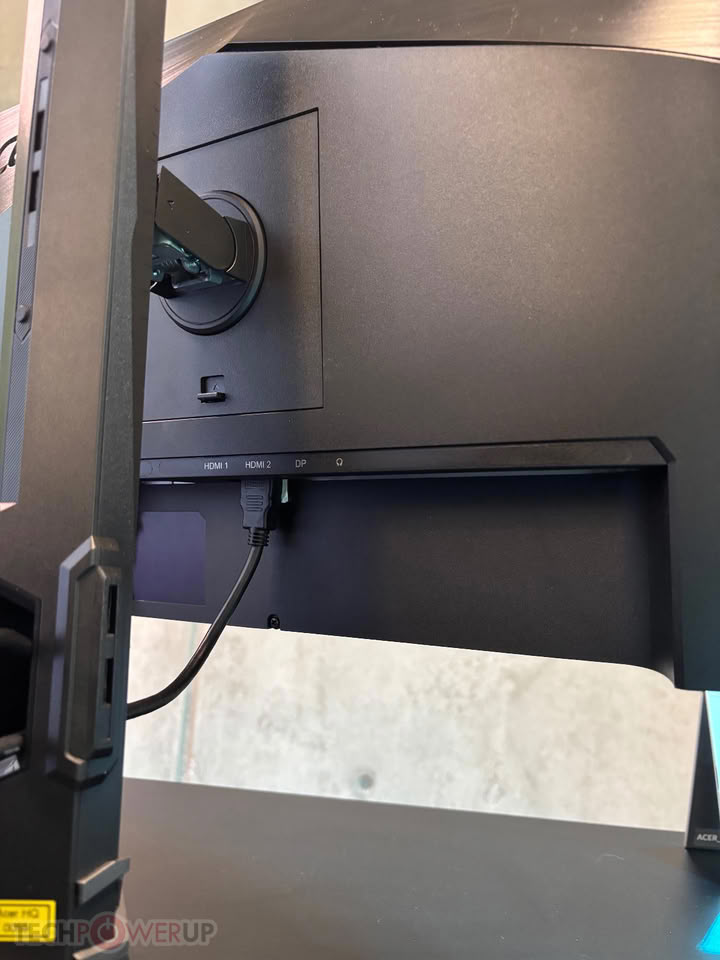
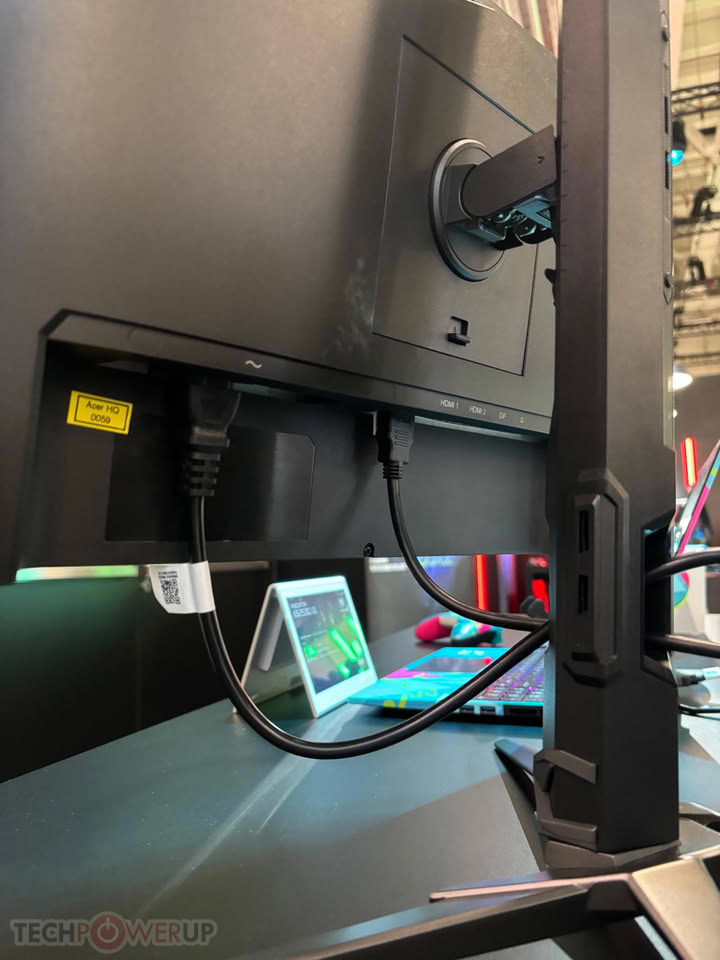
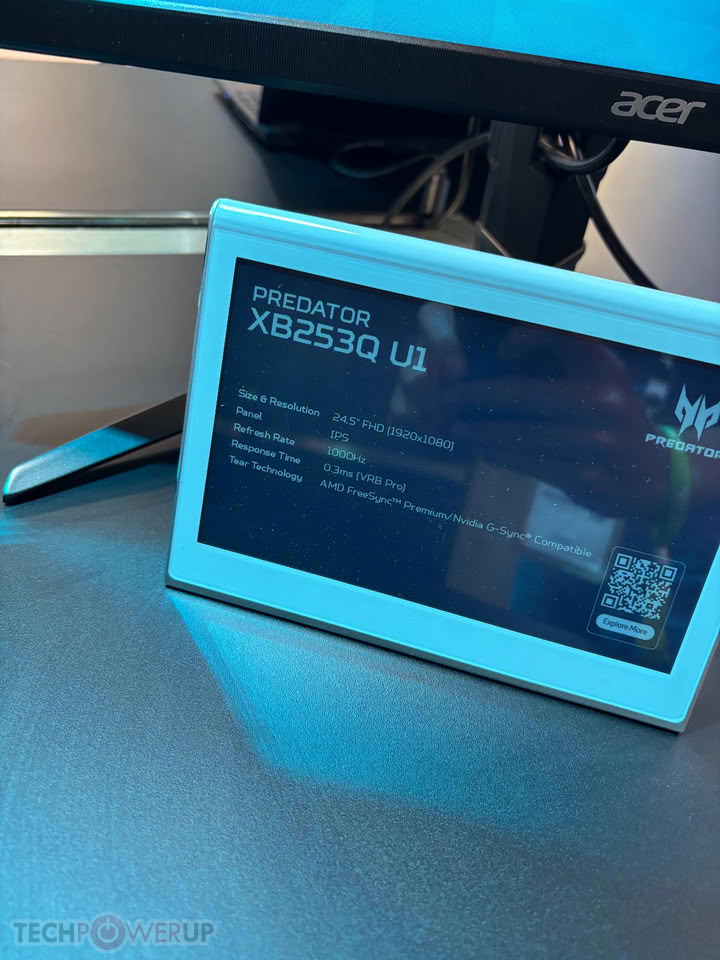
Hands-On with the Acer Predator XB253Q U1 1000 Hz Monitor at IFA 2026

Acer used IFA Berlin to show off the Predator XB253Q U1, a 24.5-inch monitor that hits 1000 Hz at its native 1920x1080 resolution. That's notable because most "1000 Hz" monitors so far have needed a resolution cut to get there. Acer's own XB273U F6 from CES 2026, for example, only reaches 1000 Hz at 720p, dropping down from its native 1440p resolution. The XB253Q U1, on the other hand, uses an IPS panel and skips that compromise, offering full FHD at the full refresh rate. It also comes with Acer's VRB Pro backlight strobing tech to cut down motion blur, along with a circular polarizer layer aimed at reducing eye strain during long sessions. It's also VESA DisplayHDR 400 certified.
It's not the first monitor to pull this off. LG's UltraGear 25G590B got there first, also at 25 inches and 1000 Hz native FHD, and launched at $999.99. Acer's asking $1,099.99 for the XB253Q U1, a $100 premium over LG's price. In Europe it's priced at €1,099, and in China at RMB 7,999. Availability is set for Q1 2027 across North America, EMEA, and China, so this isn't a monitor you can buy just yet. We'll have to wait for independent testing to confirm whether the panel's 0.3 ms response times can actually keep up with 1000 Hz in real gameplay, rather than just on a spec sheet

Acer's PD163Q P3 Triple-Screen Portable Monitor at IFA 2026

In the Acer booth at IFA 2026, our team on the ground spotted the PD163Q P3 triple-screen portable monitor being showcased just two days after its initial announcement. This model extends the PD163Q family, adding three 15.6-inch displays in a foldable design for users who need additional screen space. Each display uses an IPS matte panel with a 1920 x 1080 resolution at 60 Hz, 8 ms GTG response time and 250 nits brightness. The panel offers typical IPS 170° viewing angles, has 6-bit color with FRC (Frame Rate Control) and covers 45% of the NTSC color gamut (around 65% sRGB). Each of the three panels can operate independently in either extended or cloned display mode. When connected to a laptop, the PD163Q P3 can provide up to four displays in total, while a single USB-C handles the connection to the host keeping cable clutter to a minimum. An external 45 W USB-C power adapter is included, and brightness can be adjusted uniformly across all three panels.

The three displays fold together for transport, with the upper panel offering a 0°-270° adjustment range. The unit also supports 75 x 75 mm VESA mounting. Looking at the refresh rate and response time, we can see that this is clearly not a product aimed at gamers, though casual gaming is not excluded. Furthermore, brightness and color gamut are also not really well suited for professional photo-video editing. The PD163Q P3 targets those office or work-from-home users who simply need more screen real estate in a portable solution and without a high price tag. Speaking of pricing and availability, the Acer PD163Q P3 will launch in North America in Q1 2027 starting at $349.99, while EMEA pricing starts at €349 and Australian pricing at AUD 899.

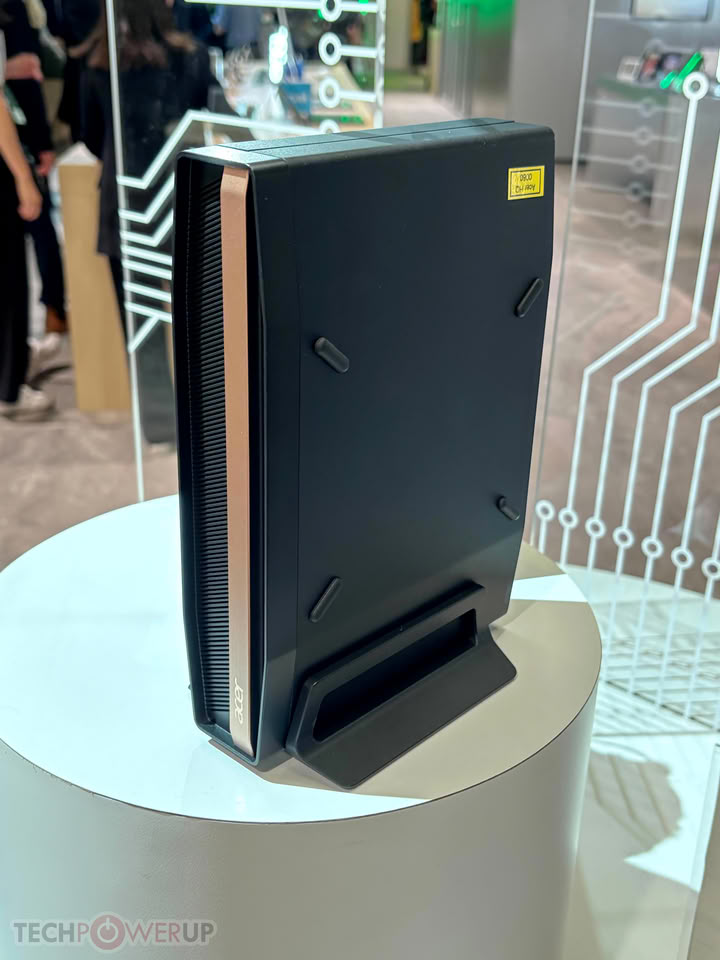
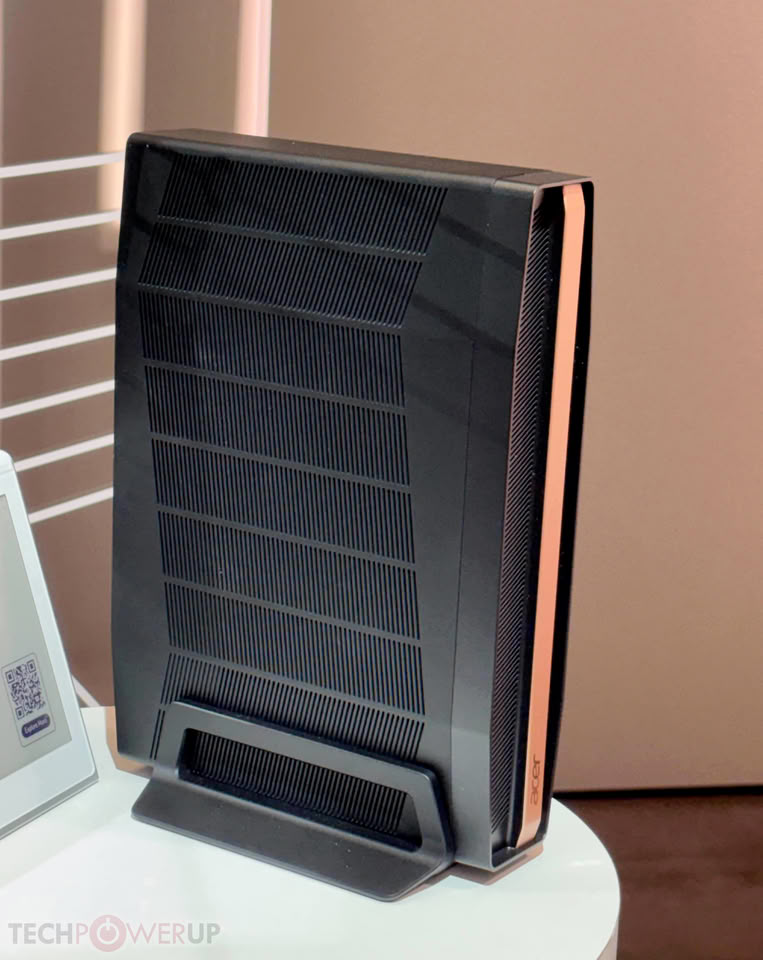
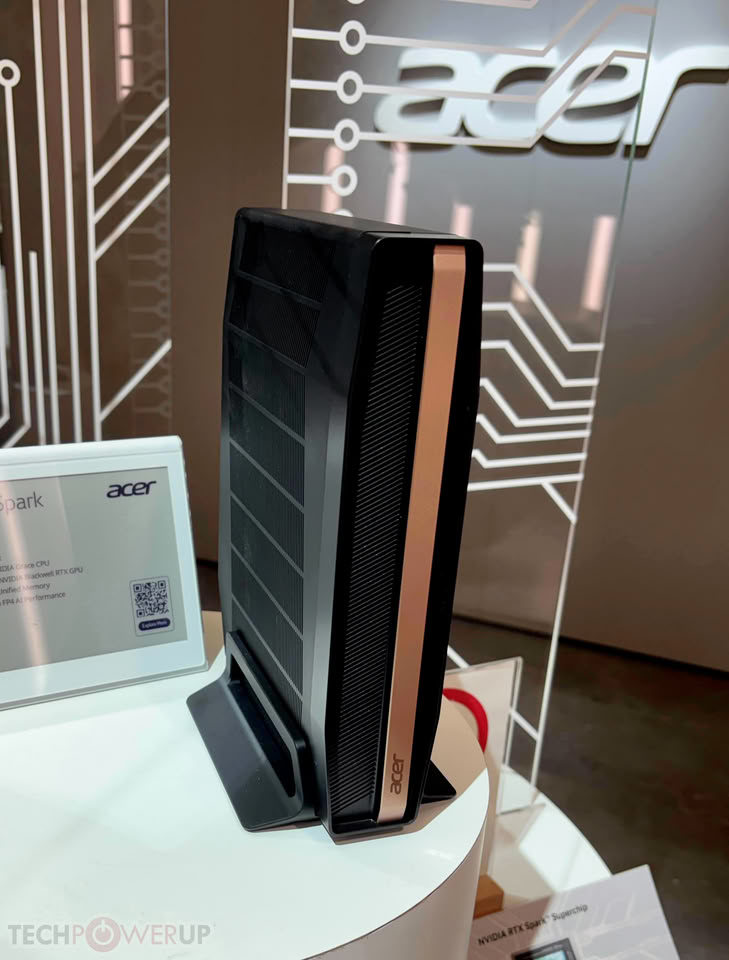
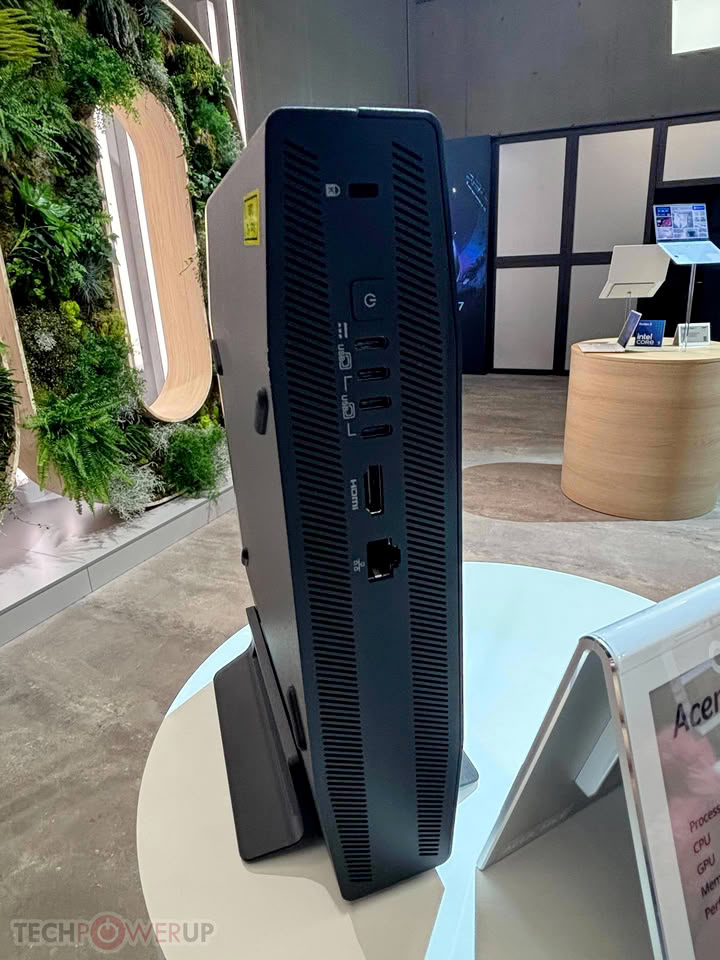
Acer Showcases SFF RTX Spark with a Unique Chassis Design

At IFA 2026, Acer showcased its unique take on the new NVIDIA RTX Spark desktop PC platform with a new chassis. In a package Acer calls the SFF RTX Spark, likely emphasizing the small-form-factor of this PC, the design differs from previous DGX Sparks. The RTX naming convention focuses more on home office users, creators, gamers, and local AI enthusiasts. The SFF RTX Spark from Acer features up to a 6,144-core GeForce RTX "Blackwell" GPU, alongside up to 20 cores on the NVIDIA "Grace" CPU, delivering a total of 1 PetaFLOPS of FP4 compute power. The entire package can be configured with up to 128 GB of LPDDR5X unified memory, all running on the Windows 11 desktop operating system.

Acer used a black shroud with a single bronze accent, providing an elegant and edgy design. The system can stand on its own in a horizontal position, while there is a specific holder for a vertical position, as shown in the images below. NVIDIA's full optimization stack for gaming and local AI is included, along with Acer's customizations that are typically featured in the company's PCs and laptops.

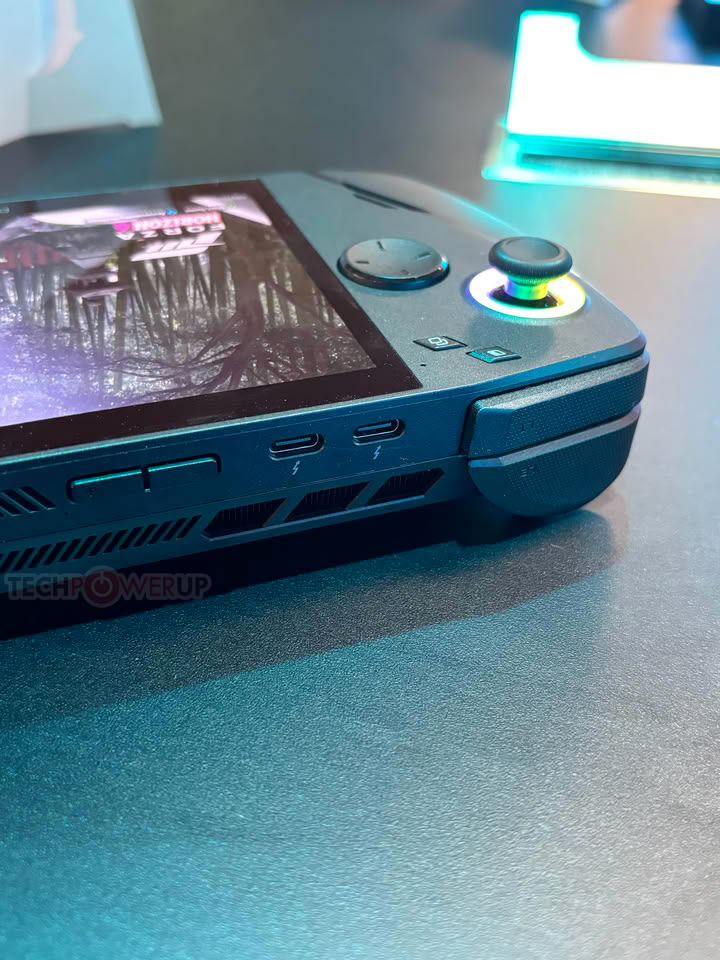
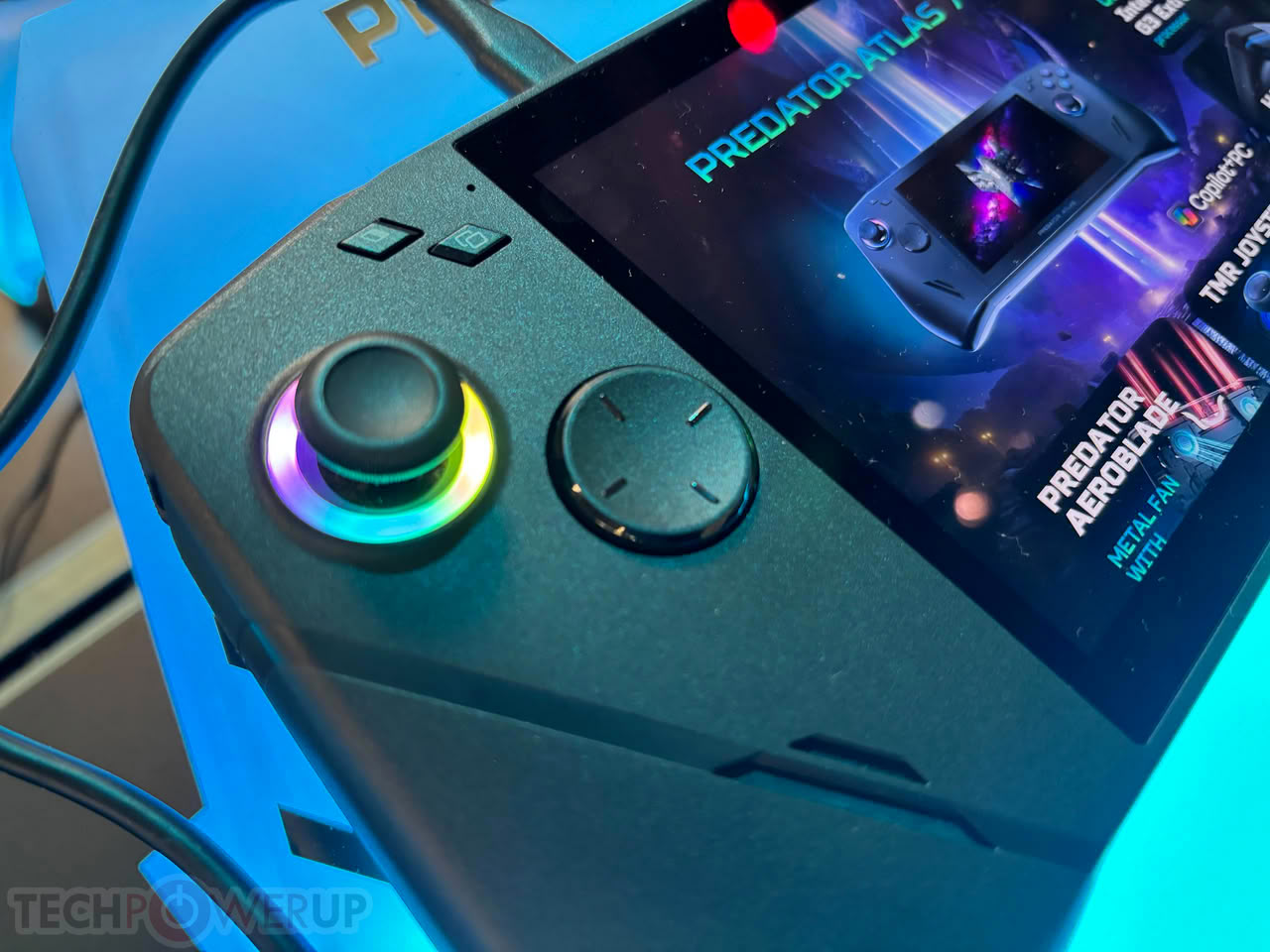
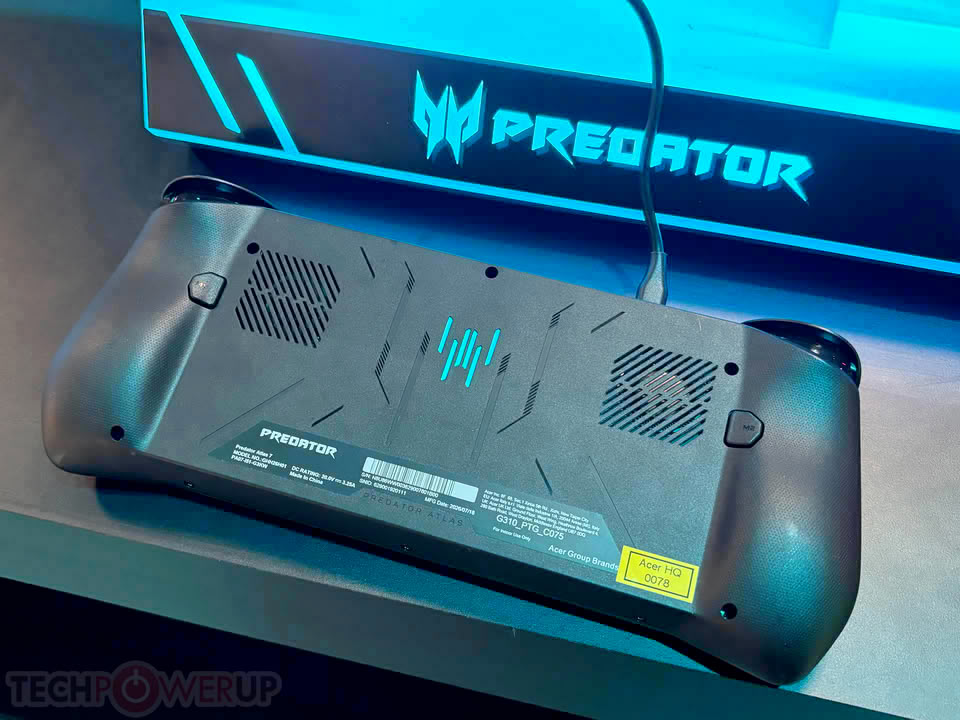
Hands-On with the Acer Predator Atlas 7 Gaming Handheld at IFA 2026

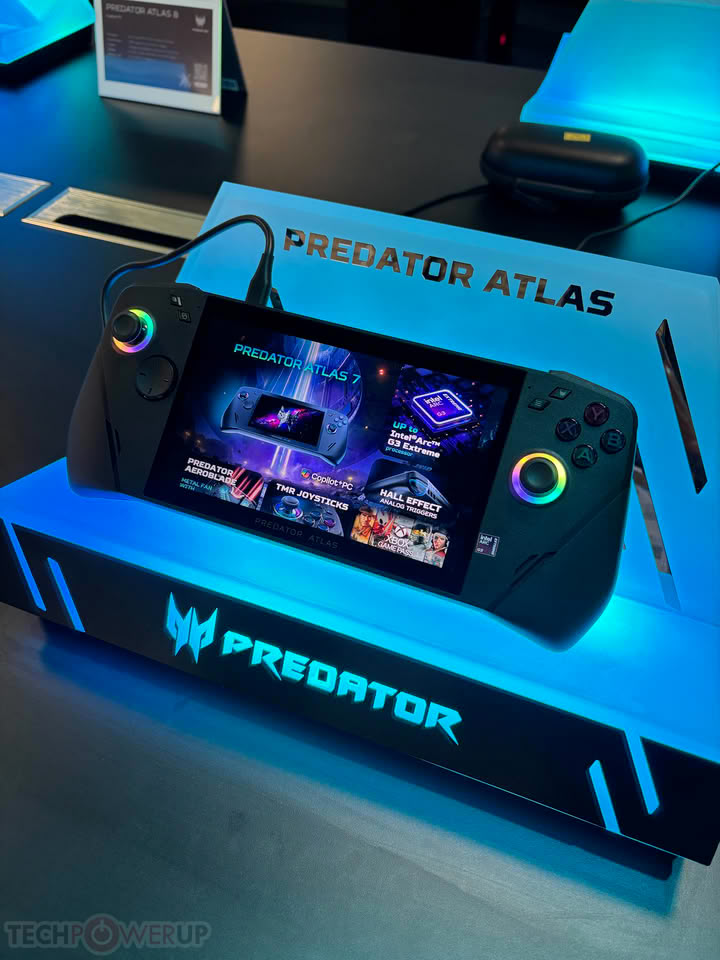
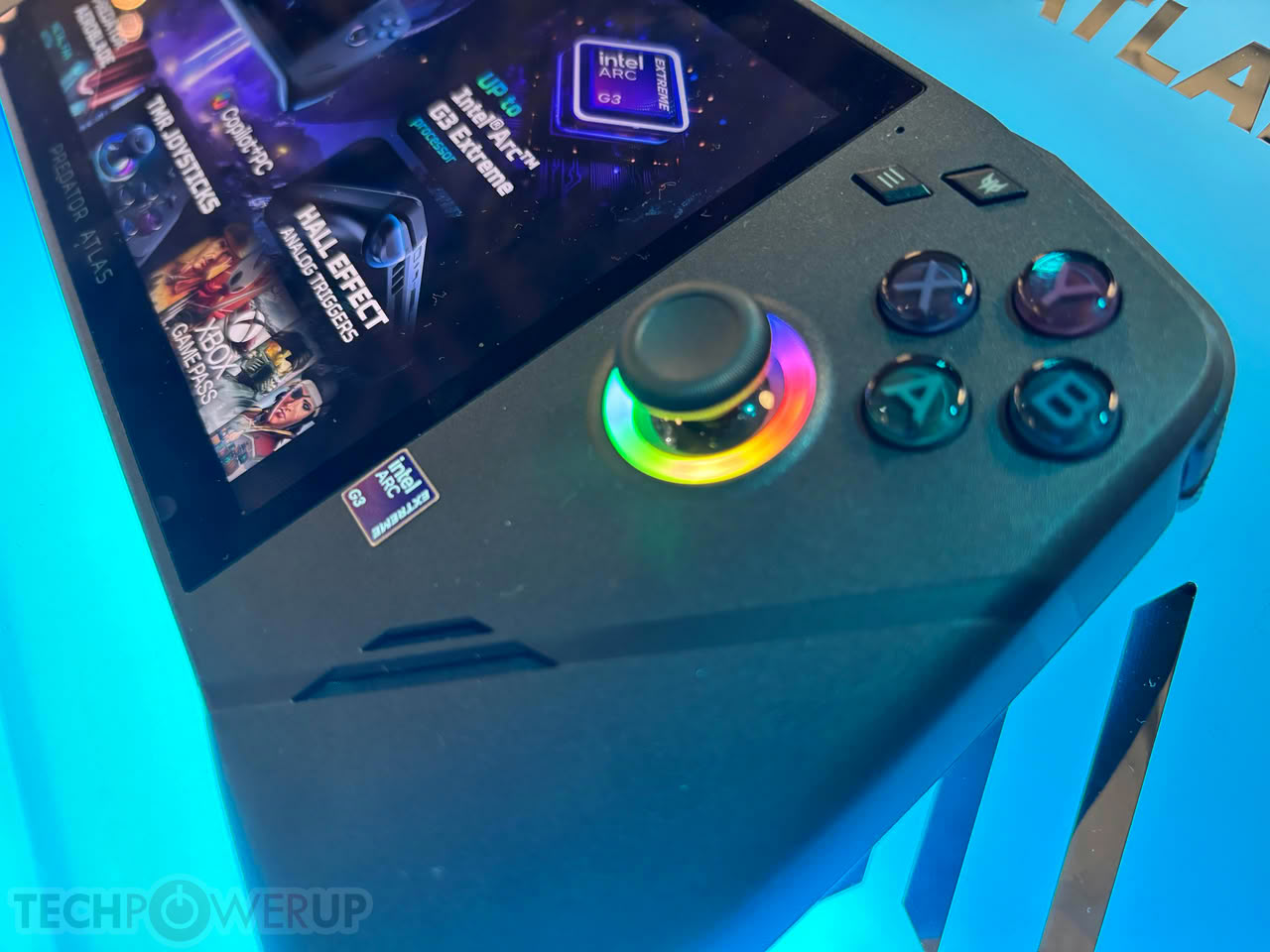
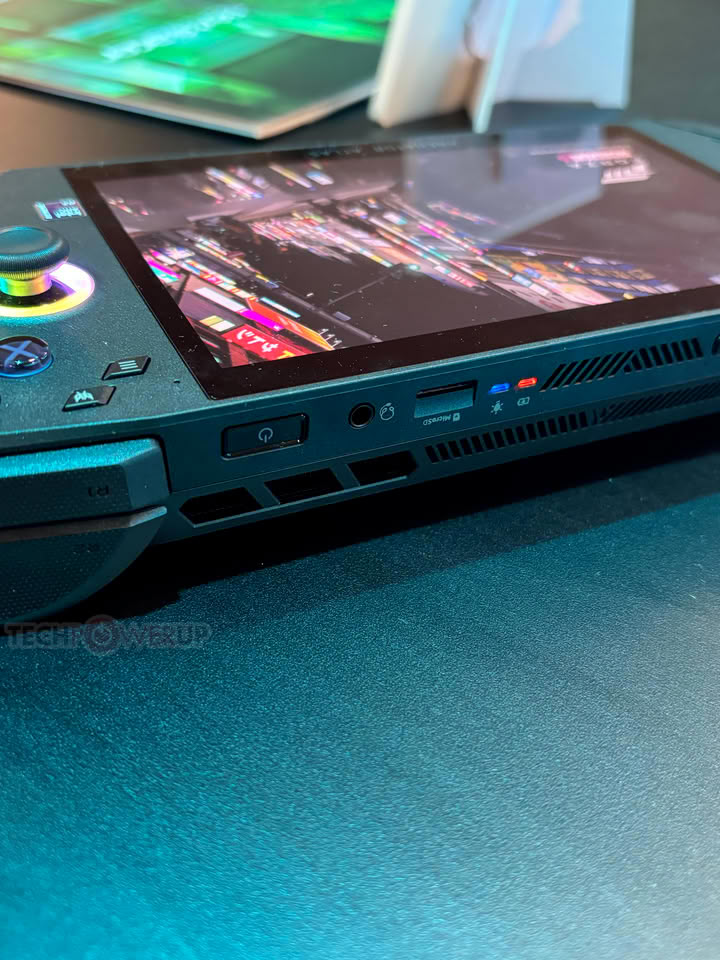
It is day zero at IFA 2026 in Berlin, and the TechPowerUp crew is on the ground checking out what companies are offering. Today, we stopped by the Acer booth to explore the company's latest Predator Atlas 7 gaming handheld device, powered by Intel's Arc G3 series of processors. The new Atlas 7 is a smaller sibling of the Atlas 8, which was already announced at Computex 2026, but with a slight tweak in size. It features a 7-inch 1080p IPS display with a 120 Hz refresh rate, supports VRR, and includes a tempered glass screen protector. The system is powered by either an Intel Arc G3 or Intel Arc G3 Extreme processor, which includes Intel Arc B370 and Arc B390 integrated graphics, respectively.

For memory, the system offers up to 24 GB of LPDDR5X running at 7,467 MT/s, and storage expansion allows for up to a 1 TB PCIe 4.0 NVMe SSD in the 2280 form factor. Acer has optimized this smaller device to ensure the cooling remains effective, featuring one Predator AeroBlade metal fan and one plastic fan for Vortex Flow cooling. Audio is delivered by two 2 W speakers, while the entire system runs on an 80 Wh 4-cell battery.

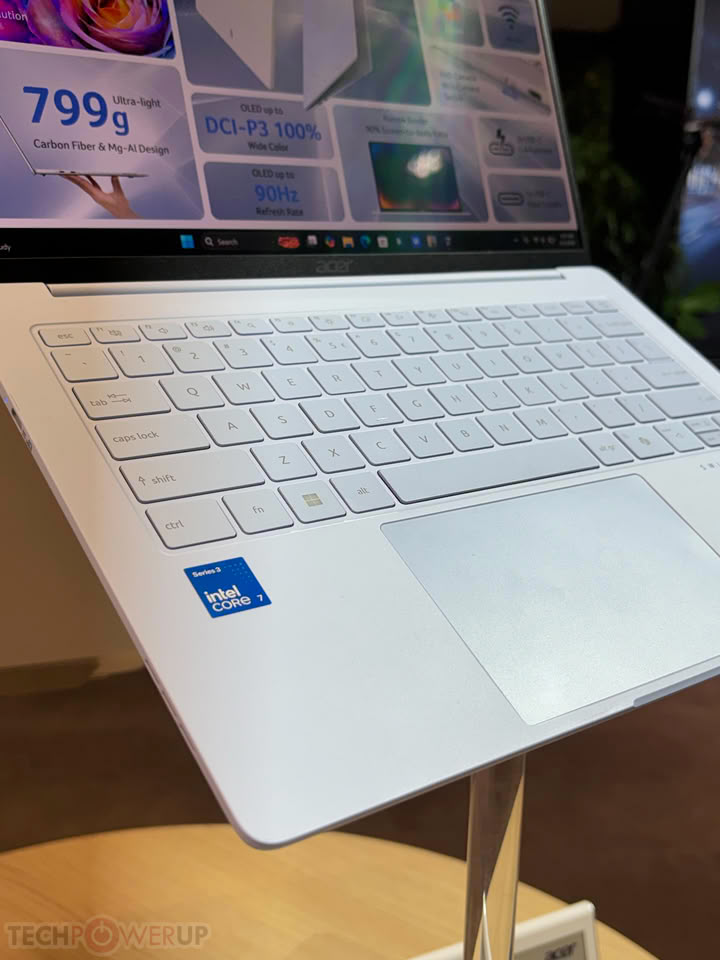
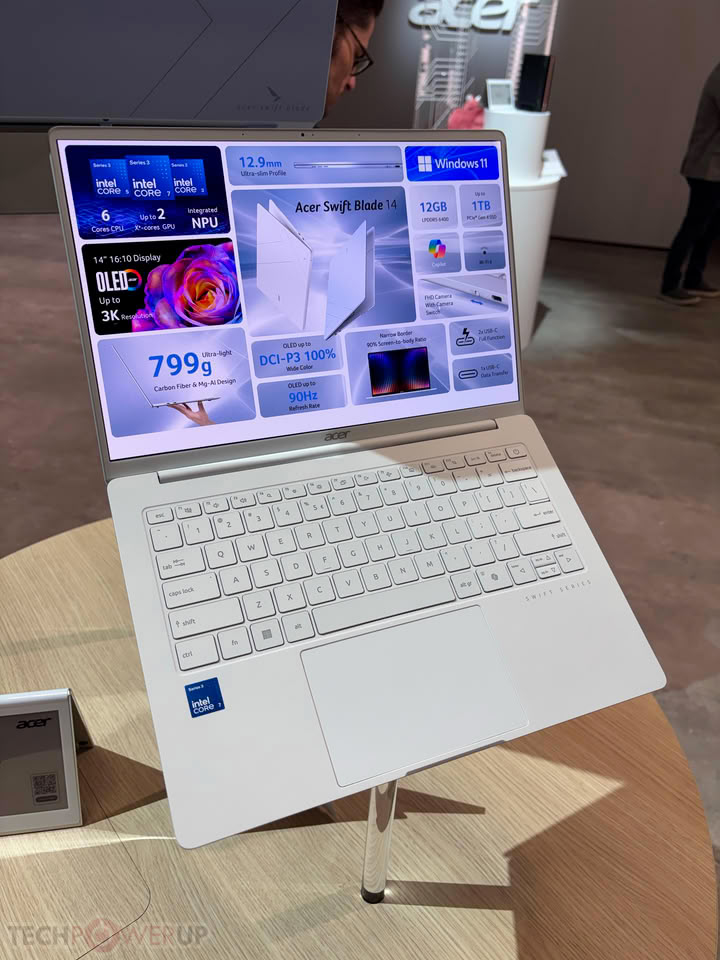
Acer Shows Off the 799g Swift Blade 14 at IFA

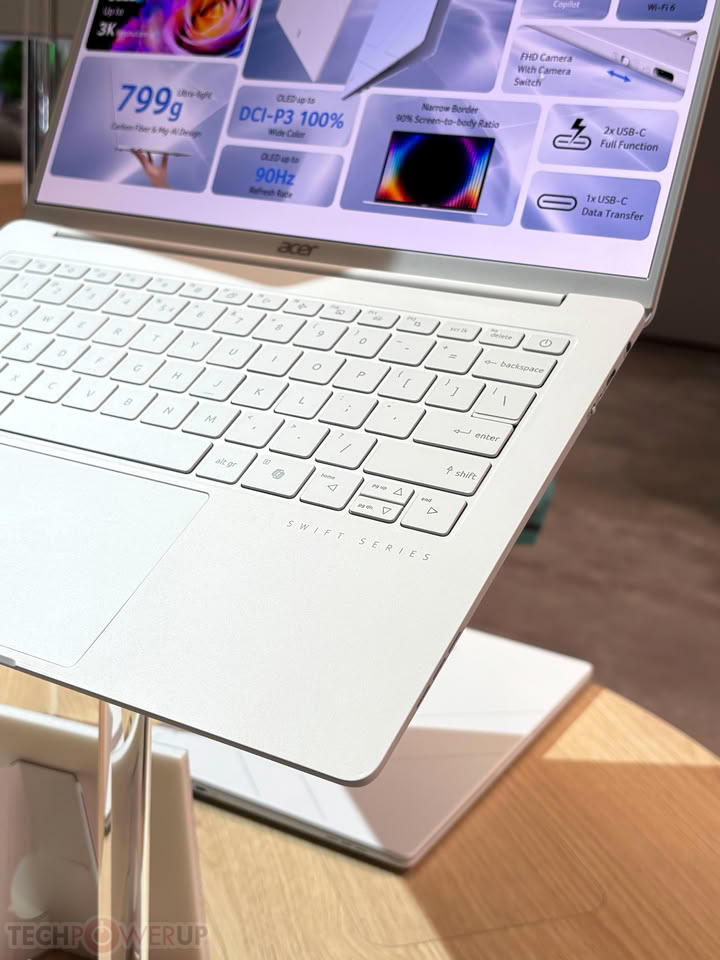
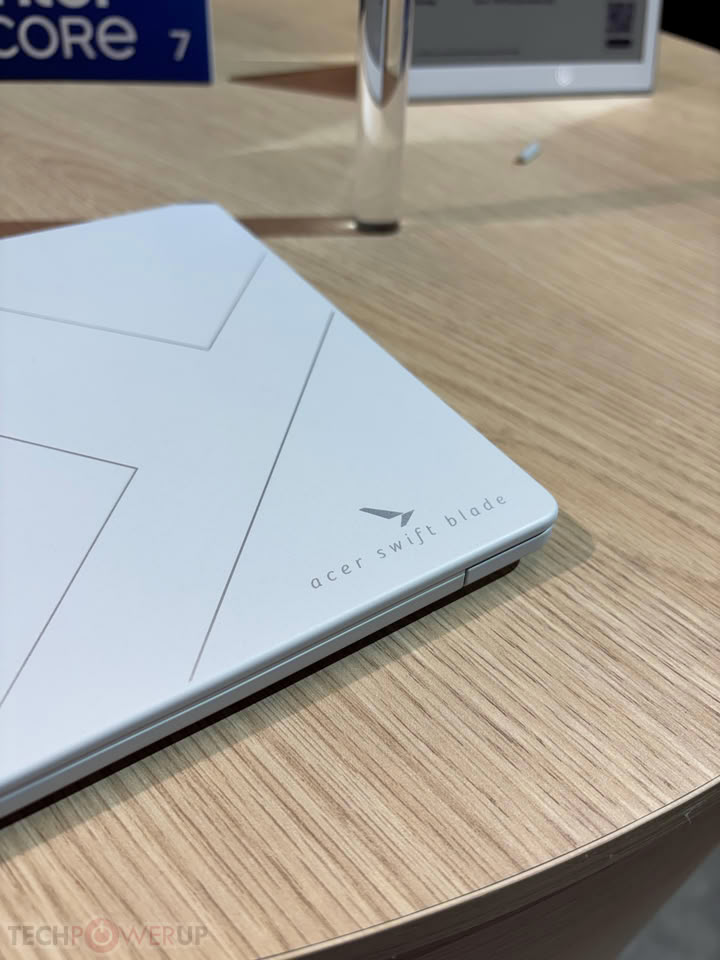
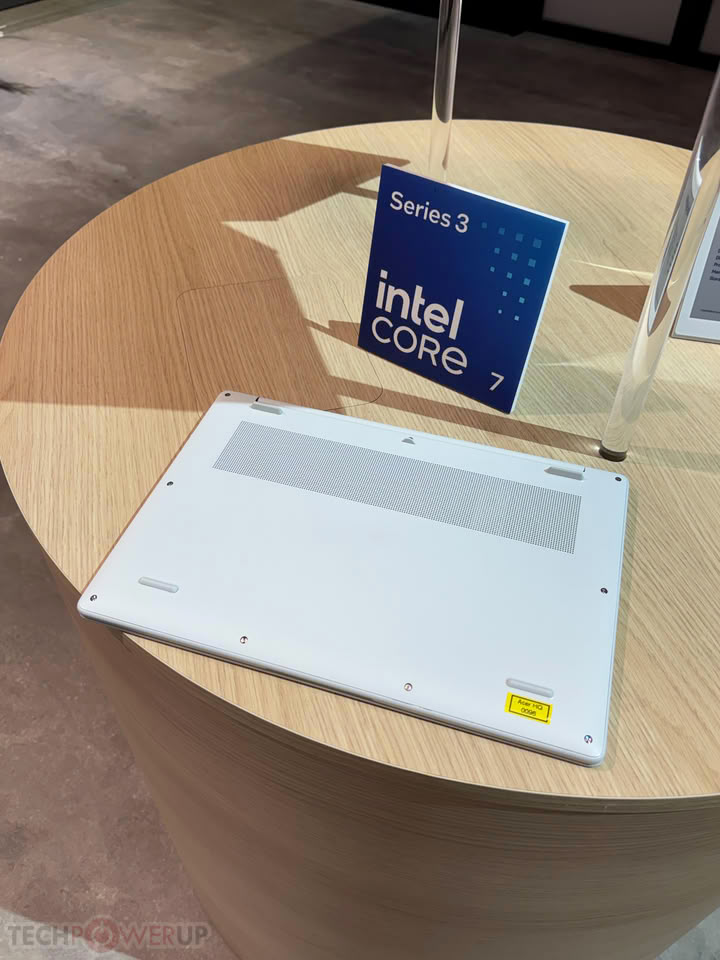
We're on the ground at IFA in Berlin this week, and one of the more interesting machines we walked past on the show floor was the Acer Swift Blade 14. It's a new sub-brand under Acer's Swift lineup, and the first thing you notice picking it up is just how little of it there is to hold. Acer built the Swift Blade 14 to weigh just 799 grams (1.76 pounds), making it one of the lightest 14-inch Windows laptops we've come across. The chassis pairs carbon fiber on the top and bottom covers with a magnesium-aluminum alloy keyboard deck, keeping the weight down without the machine feeling flimsy in hand. It measures 12.9mm thin on the base configuration and 13.5mm on OLED models. That's not quite as thin as a 13-inch MacBook Air, but it is significantly lighter.

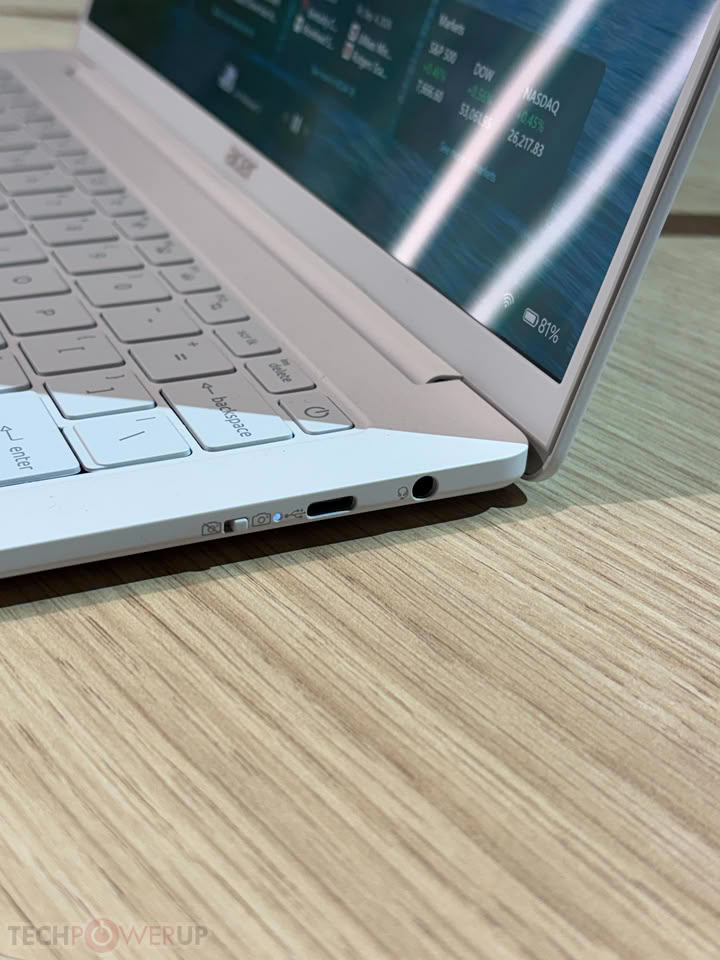
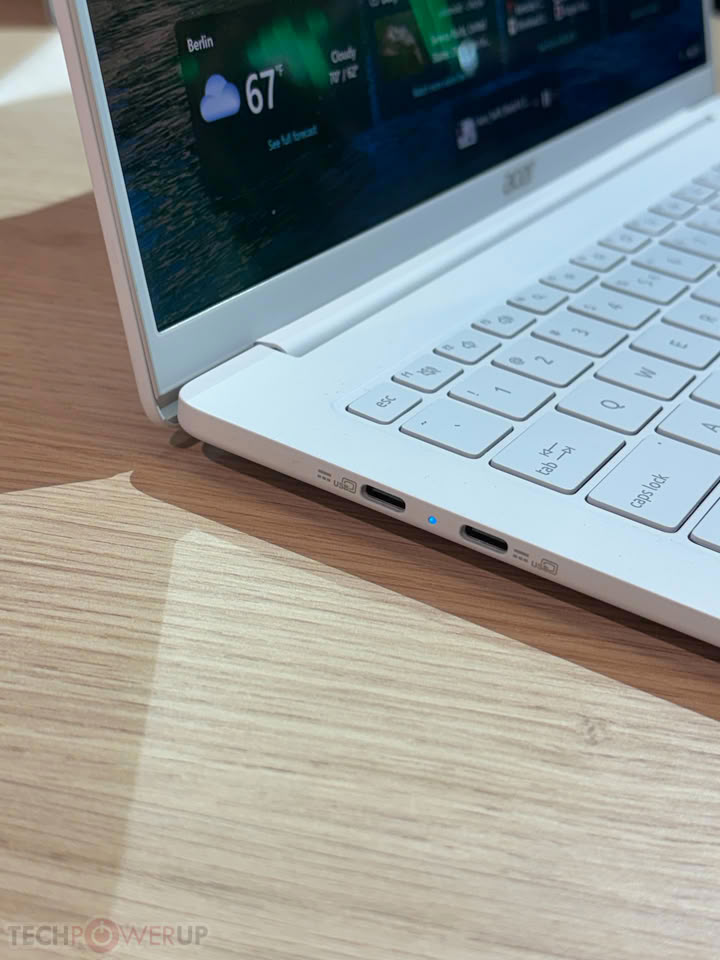
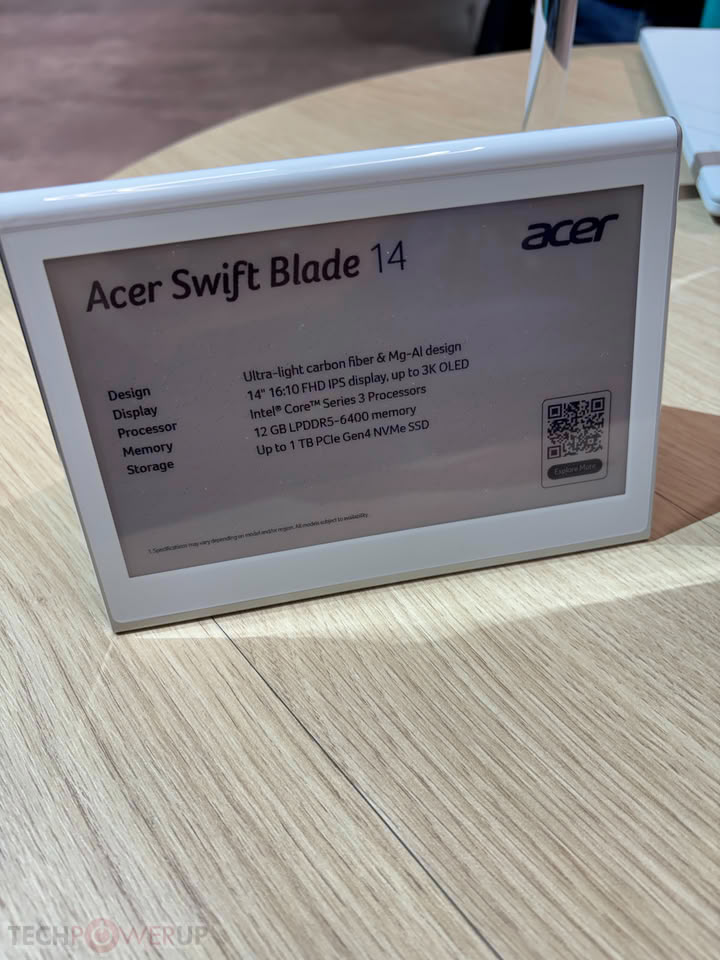
Inside, the laptop runs on Intel's Wildcat Lake platform, scaling up to a Core 7 350 CPU alongside 12GB of onboard LPDDR5-6400 memory and up to 1TB of PCIe Gen 4 NVMe storage. The display comes in three tiers, topping out at a 3K OLED WQXGA+ panel running at 90Hz with 400 nits and full DCI-P3 coverage, packed into a 90% screen-to-body ratio with 4.3mm bezels. A 50Wh battery, three USB Type-C ports, Wi-Fi 6, and Bluetooth 5.3 round out the spec sheet. Of course, thermal performance will be a concern in a chassis this thin, so we'll have to wait for independent testing to comment on that. Acer confirmed the Swift Blade 14 launches across EMEA in December, though pricing hasn't been announced yet.

Acer Expands Thin-and-Light Portfolio With Swift Blade 14 and Swift Air 16 Laptops

Acer today announced two new thin-and-light laptops that expand possibilities for portable performance: the ultralight Acer Swift Blade 14 and the Acer Swift Air 16, both running on Windows 11.

Acer Swift Blade 14: 799 g Laptop for Mobile Productivity
Weighing only 799 g and as thin as 12.9 mm, the super-compact 14-inch Acer Swift Blade 14 (SFB14-53CF) is designed around mobile productivity and visual-driven workflows on the go. The ultra-light laptop is powered by up to an Intel Core 7 processor 350, paired with 12 GB of LPDDR5 memory and up to 1 TB of storage, delivering portable performance for work, play, and creativity. For premium visuals, the laptop offers up to a 3K OLED display with up to 100% DCI-P3 color gamut for vibrant colors and sharp details. A 90% screen-to-body ratio, 4.3 mm ultra-slim bezels, and 16:10 aspect ratio maximize screen space and deliver immersive viewing on the go.

Acer Focuses on Repairability and AI-powered Performance With New Vero 16 Laptop

Acer today announced the Acer Vero 16 (V16-I71 / V16-I71T), a premium laptop that incorporates purposefully sourced materials and significant repairability without compromising performance. Its design makes the device easier to repair and upgrade, while the chassis leverages recycled materials and low-carbon aluminium. Powered by Intel Core Ultra Series 3 processors, the Acer Vero 16 is a Copilot+ PC that delivers responsive performance and advanced on-device AI features for productivity, content creation, and entertainment. Combined with a stunning 16-inch OLED display and modern connectivity, the Acer Vero 16 delivers top-notch capabilities in a purposefully designed package.

"Sustainability should be built into every stage of a product's lifecycle—from raw materials all the way to packaging," said James Lin, General Manager, Notebooks, Acer Inc. "The Acer Vero 16 embodies this philosophy through its thoughtfully sourced materials and repairability-driven design, while delivering the AI-powered performance consumers expect from a modern PC."

Acer Introduces Veriton RI110 AI Mini Workstation for Powering Hybrid Agentic AI Workloads

Acer today announced the Acer Veriton RI110 AI Mini Workstation (VRI110), a compact yet powerful device engineered for organizations looking to accelerate AI innovation without compromising space, performance, or security. Powered by an Intel Core Ultra X7 processor 358H and Windows 11 Pro, the system delivers high-performance AI computing to expedite AI-assisted content creation, inference, design, and everyday productivity. Designed for modern AI workflows, the Veriton RI110 delivers the scalability and intelligence organizations require to balance local and cloud resources with the performance professionals expect.

Performance for Advanced AI Workflows
Built to support up to 120 billion parameter AI models, the Acer Veriton RI110 pairs an Intel Core Ultra X7 processor 358H with Intel Arc B390 graphics to deliver responsive performance across content creation, development, and AI-powered applications. Complemented by up to 96 GB of LPDDR5X memory and up to 4 TB of PCIe Gen 4 SSD storage, the system enables fast multitasking and effective handling of complex datasets, models, and creative projects.

Acer Presents Their NVIDIA RTX Spark Design at IFA 2026

Acer showcased the Acer SFF RTX Spark design for a compact desktop powered by the NVIDIA RTX Spark superchip at Acer's next@Acer global press conference on September 2 during IFA 2026. NVIDIA RTX Spark redefines personal computing, combining personal agents, advanced content creation and high-performance gaming in a new platform engineered from the ground up for the next wave of Windows PC experiences. Designed for creators, AI developers and gamers, NVIDIA RTX Spark brings NVIDIA's full-stack AI platform and full suite of RTX technologies to compact desktops.

Powered by NVIDIA RTX Spark at its core, the Acer SFF RTX Spark offers major compute power in a space-saving footprint for tapping into agentic AI running locally. The design is built to deliver up to 1 petaflop of AI performance and up to 128 GB of high-speed unified memory, delivering a combination of compute and data privacy. It features up to a 6,144-core Blackwell RTX GPU, up to a 20-core NVIDIA Grace CPU, up to 1 petaflop of AI compute, and up to 128 GB of unified memory, paired with NVIDIA's full-stack AI platform and full suite of RTX technologies to accelerate AI innovation at the edge.

Acer Relaunches Packard Bell With a New Collection of Products

At IFA 2026, Packard Bell, under the Acer Group, marks its 100th anniversary with a full relaunch: a new visual identity, a "Tech it easy" philosophy, and a new collection of products, led by the 14.5-inch DotBook laptop, arriving in European retail starting from Q4 2026.

Founded in 1926 in Los Angeles, Packard Bell first made consumer radios accessible to a wider audience, then helped democratize color television and, decades later, personal computers. Across every era, the brand built its reputation on the same principle: bringing useful technology to the many, not the few.

Acer Expands Gaming Handheld Portfolio With Predator Atlas 7

Acer today announced the Predator Atlas 7, a new addition to the Predator handheld portfolio that brings the same flagship performance of the recently launched 8-inch model into a more compact 7-inch form factor. Acer is also unveiling Project DualPlay Mini, an innovation concept that functions as both a high-powered gaming handheld and a mobile productivity device, blurring the line between designs for gaming and working. Both devices are featured in Acer's next@acer global press conference in Berlin, Germany.

Predator Atlas 7
Designed for mobile-first gamers who want flagship Predator experiences in a more compact, portable form factor, Predator Atlas 7 (PA07-I51) is powered by up to an Intel Arc G3 Extreme processor and up to Intel Arc B390 graphics for breakthrough gaming handheld performance. Paired with a subscription to XBOX Game Pass, the device allows for immediate high-powered gameplay right out of the box across hundreds of titles and brings the full benefits of Windows 11 gaming experiences.

Acer Unveils Its First FHD 1000 Hz Gaming Monitor - Predator XB253Q U1

Acer today announced a full lineup of monitors for high-powered gaming and content creation across the Predator, Acer Nitro, and Acer ProDesigner portfolios. Spanning ultrafast refresh rates, high-resolution panels, and adaptive display technologies, the new monitors are designed to meet the needs of a wide range of gamers and creators.

Predator XB253Q U1: Top-tier Responsiveness for Esports
The Predator XB253Q U1 monitor is a premium gaming display designed for hardcore gamers and enthusiasts seeking the ultimate speed and responsiveness for fast-paced titles and esports competitions. The 24.5-inch size is optimal for esports environments and delivers ultrafast visual response, motion clarity, and consistent performance, enabling gamers to react more quickly and maintain precision during fast-paced gameplay. It features a 1000 Hz refresh rate with FHD resolution, along with Acer's proprietary Visual Response Boost (VRB) Pro technology, which reduces motion blur and ghosting so that fast-moving objects on screen appear sharper and easier to track. The monitor is VESA DisplayHDR400 certified and includes Circular Polarizer technology to reduce glare and eye strain during longer gaming sessions. It also offers AMD FreeSync Premium and NVIDIA G-SYNC Compatible for tear-free gaming visuals.

Acer Nitro 30 PC Launches With Radeon RX 9070 XT and Ryzen 7 8700F for $3,700

Acer has officially launched the Nitro 30 PC in Japan, a 28 L gaming PC powered by the AMD Ryzen 7 8700F and the AMD Radeon RX 9070 XT, as the latest in its line-up of Nitro pre-built gaming desktops. The chassis features a semi-closed front panel with an edgy Nitro logo emblazoned on the front, and it has a tempered glass side panel to show off the internals. For now, it seems as though the Nitro 30 is exclusive to Japan, but a global launch may be planned for a later date, given the presence of the Nitro 85 and Nitro 60 in international markets.

The internals feature the aforementioned AMD Ryzen CPU, 32 GB of DDR5-5600 RAM in dual channel, a 1 TB PCIe Gen 4 NVMe SSD, and a built-in wireless card with Wi-Fi 7 and Bluetooth 5.4 connectivity. The compact desktop chassis comes with an 850 W 80 Plus Gold PSU and two pre-installed 120 mm RGB case fans and another 120 mm RGB fan on the top-flow CPU cooler. The front intake has space for another 120 mm fan, but it does not look like there is additional space for more intake or exhaust fans.

CXMT Surpasses 90% DDR5 Yield, Challenges Industry Giants

Chinese memory giant CXMT has reportedly achieved a significant milestone in DDR5 production, with manufacturing yields now comfortably above 90%. This is comparable to what major manufacturers like Samsung, SK hynix, and Micron are achieving. According to reports, CXMT uses a 17 nm node for DDR5 chip production and has reached a 90% yield for these chips. This is only 2-3% lower than Samsung's yield on its 10 nm class node for DDR5 production, indicating that CXMT's production quality is matching that of the world's largest memory maker. This is a remarkable achievement for a company that excels in cleanroom construction time, taking only 12 months to build its fab's cleanroom compared to the two years others require. As the company plans to end the year with 350,000 DRAM wafers per month, high yields mean there is little waste or leftover.

Chinese MyDrivers also notes that PC OEMs have mixed reactions to adopting CXMT DRAM in their products. For instance, Dell has completely banned the use of CXMT in its machines, while HP only allows CXMT DRAM in its Chinese PCs. Major Taiwanese brands such as ASUS and Acer have increased adoption in some models, as they have more flexibility in supply chain procurement. However, both companies use CXMT memory for PCs sold in mainland China and some emerging markets, meaning the West is still far from receiving PCs with CXMT memory modules. PC OEMs are also cautious about procuring CXMT memory due to concerns about disrupting their relationships with the big three memory makers.

ASUS & Acer Resume Notebook Sales in Germany After Nokia Patent Dispute

Earlier this year, the Munich Regional Court banned ASUS and Acer from directly selling their notebooks in Germany due to a patent dispute with Nokia. However, the two major notebook OEMs have reached an agreement with Nokia that allows them to sell their notebooks through agreements or by circumventing the rule. Readers may recall that Nokia's patent claims, which included patents related to core HEVC/H.265 encoding and decoding technology, forced both ASUS and Acer to halt notebook sales in Germany. Since their products use GPUs, processors, and other digital decoding/encoding engines for video, they must be licensed, and sales can only proceed with Nokia's approval. The judges concluded that the two OEMs had not demonstrated the behavior of willing licensees under FRAND rules, allowing the court to grant injunctive relief instead of limiting the remedy to damages.

However, Acer has now confirmed to its partners at a conference in Hamburg that it will resume shipping the disputed notebooks, though it did not provide specific details. In a statement obtained by ChannelPartner, Acer said, "Acer will ship products both with and without the HEVC codec. For products without a pre-installed HEVC codec, customers can activate support by installing the necessary software separately via official third-party channels." This could effectively be a circumvention of the rules, but a way to continue sales in Europe's largest economy.

Acer Predator at Computex 2026: Atlas Handheld, Helios 18 AI, XB273K 3D Monitor

At Computex 2026, we went hands-on with the latest gaming gear at the dedicated booth of Acer Predator. The star attraction is the new Acer Predator Atlas gaming handheld powered by the Intel Arc G3 Extreme processor, along with 24 GB of LPDDR5X memory and 1 TB NVMe storage. Perhaps its most striking feature is its 16:10 aspect-ratio, 1920×1200 120 Hz touchscreen. It comes with the PredatorSense custom interface that runs on top of Windows 11 Home. It lets you control all the hardware features of the Predator Atlas, as well as serves as a game organizer.

The Acer Predator Helios 18 AI is the company's enthusiast-segment gaming notebook powered by the Intel Core Ultra 9 290HX Plus "Arrow Lake Refresh" processor (8P+16E), NVIDIA GeForce RTX 5090 Laptop GPU, and a stunning display with 16:10 aspect-ratio, a Mini LED WQUXGA (3840×2400) panel with 1000 nits Calman-verified display. The cooling system uses Acer's AeroBlade 3D fans. The keyboard uses MagKey 4.0 low-profile mechanical switches.
Return to Keyword Browsing
Nov 11th, 2026 02:55 CST change timezone

New Forum Posts

Popular Reviews

TPU on YouTube

Controversial News Posts