Wednesday, August 12th 2026

CXMT Surpasses 90% DDR5 Yield, Challenges Industry Giants

Chinese memory giant CXMT has reportedly achieved a significant milestone in DDR5 production, with manufacturing yields now comfortably above 90%. This is comparable to what major manufacturers like Samsung, SK hynix, and Micron are achieving. According to reports, CXMT uses a 17 nm node for DDR5 chip production and has reached a 90% yield for these chips. This is only 2-3% lower than Samsung's yield on its 10 nm class node for DDR5 production, indicating that CXMT's production quality is matching that of the world's largest memory maker. This is a remarkable achievement for a company that excels in cleanroom construction time, taking only 12 months to build its fab's cleanroom compared to the two years others require. As the company plans to end the year with 350,000 DRAM wafers per month, high yields mean there is little waste or leftover.

Chinese MyDrivers also notes that PC OEMs have mixed reactions to adopting CXMT DRAM in their products. For instance, Dell has completely banned the use of CXMT in its machines, while HP only allows CXMT DRAM in its Chinese PCs. Major Taiwanese brands such as ASUS and Acer have increased adoption in some models, as they have more flexibility in supply chain procurement. However, both companies use CXMT memory for PCs sold in mainland China and some emerging markets, meaning the West is still far from receiving PCs with CXMT memory modules. PC OEMs are also cautious about procuring CXMT memory due to concerns about disrupting their relationships with the big three memory makers.
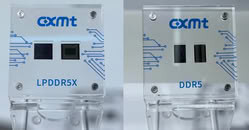
Finally, it is worth noting that all of the 2027 memory production capacity from the big three makers has reportedly been sold out, prompting OEMs to turn to CXMT for additional capacity. However, CXMT is expected to nearly match Micron's output by the end of this year, and there is no clear projection of how much DRAM the Chinese giant will produce next year. It is assumed that most of the available DRAM will be consumed domestically within mainland China, with little expected to be sold in Western markets.
Source: MyDrivers
Add your own comment

41 Comments on CXMT Surpasses 90% DDR5 Yield, Challenges Industry Giants

#1
TheinsanegamerN
Good. Build more. Develop more. Keep chomping at their heels.
Posted on Reply
#2
Shihab
I so hope Western leaders are wise enough to block this obvious Sino conspiracy from landing on their soils. Us in the rest of the world would be more than happy to make the sacrifice and secure safe disposal for this e-waste.
Posted on Reply
#3
_JP_
ChaitanyaWont be long before there are similar headlines regarding CXMT's DRAM.
6 hours and 52 minutes after, to be exact. :laugh:
Posted on Reply
#4
TheinsanegamerN
ShihabI so hope Western leaders are wise enough to block this obvious Sino conspiracy from landing on their soils. Us in the rest of the world would be more than happy to make the sacrifice and secure safe disposal for this e-waste.
Is this supposed to be sarcasm? I'd hope so, because if you're serious, your argument makes no sense. CXMT is no more or less e-waste then Crucial, Samsung, or SK Hynix products. Protecting the cartel benefits only the cartel.
Posted on Reply
#5
Panther_Seraphin
TheinsanegamerNIs this supposed to be sarcasm? I'd hope so, because if you're serious, your argument makes no sense. CXMT is no more or less e-waste then Crucial, Samsung, or SK Hynix products. Protecting the cartel benefits only the cartel.
Eh....he feels like the Western world has protected the cartel for long enough, if they want to protect the cartel then they hope they will say its not allowed based on security grounds etc

That way other parts of the world who arent to the whims of the almighty dollar may get access to cheaper memory
Posted on Reply
#6
sam_86314
AleksandarKPC OEMs are also cautious about procuring CXMT memory due to concerns about disrupting their relationships with the big three memory makers.
Tell me you're running a cartel without telling me you're running a cartel...
Posted on Reply
#7
windwhirl
TheinsanegamerNIs this supposed to be sarcasm? I'd hope so, because if you're serious, your argument makes no sense. CXMT is no more or less e-waste then Crucial, Samsung, or SK Hynix products. Protecting the cartel benefits only the cartel.
I read it as sarcasm. Fitting for the times in which American "leaders" go "everything China bad"
Posted on Reply
#8
SnoutBaron
TheinsanegamerNIs this supposed to be sarcasm? I'd hope so, because if you're serious, your argument makes no sense. CXMT is no more or less e-waste then Crucial, Samsung, or SK Hynix products. Protecting the cartel benefits only the cartel.
It's quite obviously sarcasm.
Posted on Reply
#9
Shihab
TheinsanegamerNIs this supposed to be sarcasm? I'd hope so, because if you're serious, your argument makes no sense. CXMT is no more or less e-waste then Crucial, Samsung, or SK Hynix products. Protecting the cartel benefits only the cartel.
If it works, I would sign an affidavit confirming that I am dead serious.
Posted on Reply
#10
sam_86314
TheinsanegamerNIs this supposed to be sarcasm? I'd hope so, because if you're serious, your argument makes no sense. CXMT is no more or less e-waste then Crucial, Samsung, or SK Hynix products. Protecting the cartel benefits only the cartel.
He's saying that the western world banning CXMT would mean more CXMT memory for the rest of the world.
Posted on Reply
#11
Shrek
  • CXMT: 17 nm
  • Samsung: 10 nm
I wonder how this reflects on chip power consumption
Posted on Reply
#12
b1k3rdude
Blah, blah, blah. again news that will never benefit the consumer. CXMT are going to try and sell to the highest bidder, the consumer will be told to get fcked.
Posted on Reply
#13
THANATOS
b1k3rdudeBlah, blah, blah. again news that will never benefit the consumer. CXMT are going to try and sell to the highest bidder, the consumer will be told to get fcked.
Not like I disagree with you that they will sell It as high as possible, but bigger memory supply thanks to CXMT still helps the prices to not increase that much, because difference between supply vs demand is not as big as without CXMT.
Shrek
  • CXMT: 17 nm
  • Samsung: 10 nm
I wonder how this reflects on chip power consumption
Of course negatively, but who knows by how much.
Especially higher clocked memory should have the biggest problem with power consumption.
Posted on Reply
#14
TumbleGeorge
Shrek
  • CXMT: 17 nm
  • Samsung: 10 nm
I wonder how this reflects on chip power consumption
Not sure how you understand what is 10nm class DRAM lithography. That's mean all between 10 and 19nm. Samsung didn't make DRAM exactly on 10nm. 12nm halfpitch Samsung DRAM production begins from 2023, 11nm from 2025, today this is in mass production. I think that 10nm first production maybe around end of this year not sure when will be in mass production maybe next year.
But I understand why you make comparison with Samsung because other "western" DRAM manufacturers are not so sweet.
Posted on Reply
#15
THANATOS
If they can get CXMT memory for relatively good price then they should use It at least for the Chinese market.

Dell banning It doesn't look very smart to me, unless they basically have no presence in China, don't know what's their share there. On the other hand If in the future they will need extra memory then this move can actually backfire because CMXT will instead sell to others, but honestly I don't think CXMT really care at this point, supposedly they have more than enough customers to sell their memory.
TumbleGeorgeNot sure how you understand what is 10nm class DRAM lithography. That's mean all between 10 and 19nm. Samsung didn't make DRAM exactly on 10nm. 12nm halfpitch Samsung DRAM production begins from 2023, 11nm from 2025, today this is in mass production. I think that 10nm first production maybe around end of this year not sure when will be in mass production maybe next year.
But I understand why you make comparison with Samsung because other "western" DRAM manufacturers are not so sweet.
Didn't you notice that in the article they mentioned specifically Samsung?
So I don't see what's wrong with what he wrote.

P.S. I myself overlooked 10nm class node, only noticed It after reading your comment.
Posted on Reply
#16
Pepamami
ShihabI so hope Western leaders are wise enough to block this obvious Sino conspiracy from landing on their soils. Us in the rest of the world would be more than happy to make the sacrifice and secure safe disposal for this e-waste.
I don't think u can fit spyware into DRAM chipsets. This memory can work at 6000mhz speeds with no problems, yes they are worse than Hynix M-Die, but I doubt they are worse than Micron(Crucial) garbage.
Posted on Reply
#17
Testsubject01
Shrek
  • CXMT: 17 nm
  • Samsung: 10 nm
I wonder how this reflects on chip power consumption
Most likely: “could be better, but good enough”. However, CXMT is using the opening and momentum the big three left to catch up in capacity and technology, so it won't be an issue for long.
Posted on Reply
#18
freeagent
They can build some of the best electric cars.. how hard can it be to make memory :laugh:

Pretty sure now that they have a fire lit under their butt they will pound this out and get it done.

You can be sure they are being closely watched by their competition.
Posted on Reply
#19
Legacy-ZA
TheinsanegamerNGood. Build more. Develop more. Keep chomping at their heels.
The problem is, we need even more competition; otherwise, they will just become the 4th to feast on our wallets.
Posted on Reply
#20
Wirko
TumbleGeorgeNot sure how you understand what is 10nm class DRAM lithography. That's mean all between 10 and 19nm. Samsung didn't make DRAM exactly on 10nm. 12nm halfpitch Samsung DRAM production begins from 2023, 11nm from 2025, today this is in mass production. I think that 10nm first production maybe around end of this year not sure when will be in mass production maybe next year.
But I understand why you make comparison with Samsung because other "western" DRAM manufacturers are not so sweet.
It's hard to even compare Samsung to Samsung. They usually use the now-standard obfuscated 1x, 1y, 1z, 1a, 1b, 1c series just like Micron and Hynix, but sometimes they talk numeric nanometers.
Posted on Reply
#21
Sunlight91
There are plenty of Chinese mini-pc companies selling worldwide. They happily build you AI workstations with 128GB RAM.
Posted on Reply
#22
svan71
TheinsanegamerNCXMT hitting 90% yields on DDR5 is a massive technical achievement that proves China is closing the manufacturing gap faster than the West expected. However, the "17nm vs 10nm" comparison is misleading because DRAM node names are marketing fluff. More importantly, the global memory market is not a free market. It is a geopolitical weaponized market dominated by a cartel (the Big 3). OEMs are choosing to endure shortages rather than risk legal bans, geopolitical sanctions, or retaliation from their primary suppliers by openly embracing CXMT
Posted on Reply
#23
Prima.Vera
AleksandarKDell has completely banned the use of CXMT in its machines, while HP only allows CXMT DRAM in its Chinese PCs. Major Taiwanese brands such as ASUS and Acer have increased adoption in some models, as they have more flexibility in supply chain procurement. However, both companies use CXMT memory for PCs sold in mainland China and some emerging markets, meaning the West is still far from receiving PCs with CXMT memory modules. PC OEMs are also cautious about procuring CXMT memory due to concerns about disrupting their relationships with the big three memory makers.
Off course. They don't want to upset the memory Cartel.
It's still unbelievable how can they let it slide in both US and EU, specially in EU, which is known for bringing down the hammer on those mafia practices.
Posted on Reply
#24
aktpu
THANATOSDell banning It doesn't look very smart to me
(Michael) Dell has been a eager trump guy for a long time
Posted on Reply
#25
Hecate91
AleksandarKChinese MyDrivers also notes that PC OEMs have mixed reactions to adopting CXMT DRAM in their products. For instance, Dell has completely banned the use of CXMT in its machines, while HP only allows CXMT DRAM in its Chinese PCs. Major Taiwanese brands such as ASUS and Acer have increased adoption in some models, as they have more flexibility in supply chain procurement. However, both companies use CXMT memory for PCs sold in mainland China and some emerging markets, meaning the West is still far from receiving PCs with CXMT memory modules. PC OEMs are also cautious about procuring CXMT memory due to concerns about disrupting their relationships with the big three memory makers.
I really hope this backfires on western companies and OEM's, banning or avoiding CXMT RAM seems like a very shortsighted move.
Posted on Reply
Add your own comment
Nov 21st, 2026 20:39 PST change timezone

New Forum Posts

Popular Reviews

TPU on YouTube

Controversial News Posts