News Posts matching #native

Return to Keyword Browsing

Nintendo Switch 2 Jailbreak Reportedly Patched With Firmware 23.5.0

Nintendo's latest Switch 2 system update, version 23.5.0, seems to have shut down ns2jb, the console's first software-only jailbreak. Dataminer OatmealDome says the OS exploit the jailbreak relied on is now patched, and that dumping and modding games won't be possible from here on. The one exception, he says, could be some cartridge games, and maybe game updates, released in the near future. Exploits inside individual titles, such as the SmileBASIC 4 programming app and Civilization VII, still work. However, it is no longer possible to break out of those apps into the rest of the system, so homebrew is stuck with whatever they can already do.

Nintendo's patch notes don't mention any of this. The listed changes cover accessibility options during first-time setup, groundwork for eShop gifting within family groups, and a new text-to-speech language, plus general fixes. It is also the first Switch 2 firmware since 23.0.1, the version ns2jb targeted when security researcher Sammy "pepsipu" Hajhamid released it on October 22. His exploit began with an integer overflow bug in SmileBASIC 4, a Switch 1 programming app that runs on the Switch 2 through backward compatibility. It was tethered to a PC and didn't survive reboots. Nintendo pulled SmileBASIC 4 from the eShop shortly after the release.


GTA 6 Comes to Xbox One at Launch via Cloud Gaming, PC Players Out of Luck

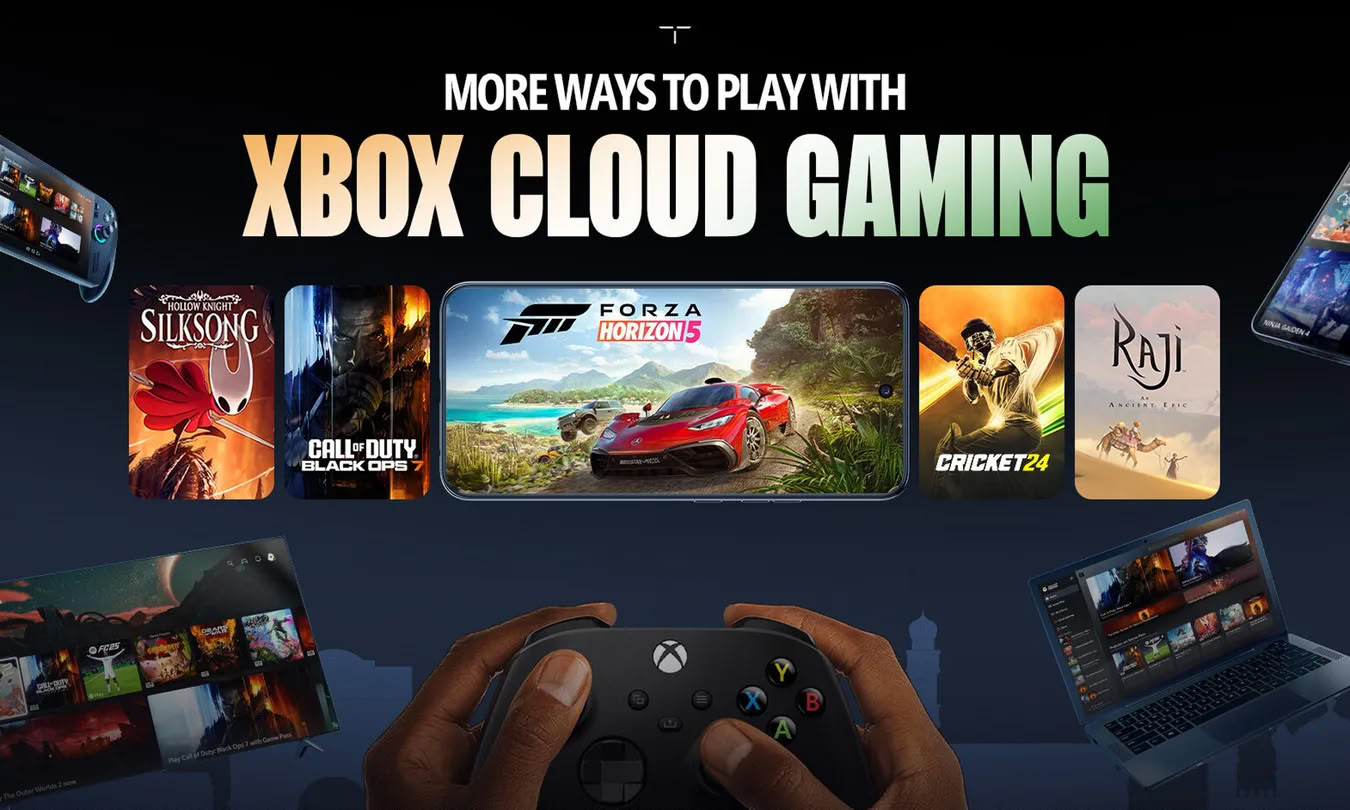
Xbox One owners will be able to play GTA 6 when it launches on November 19, while PC players still have no official way in. In its pre-load announcement, which also confirmed a 30 FPS target on consoles, Rockstar says the game will be available through Xbox Cloud Gaming on Xbox Series X|S and Xbox One consoles, using Xbox Series S graphics settings. Xbox says streaming opens at 1 AM ET on launch day, and the game still has to be bought separately. Rockstar also warns that connection speed and other technical factors may affect performance in ways that local play would not.

Xbox CEO Asha Sharma framed the news as the start of a much bigger deal with Rockstar's parent company. In a post on X, she called the Xbox One cloud launch the first step of a new 10-year strategic partnership with Take-Two, adding that GTA 6 is already the most pre-ordered game ever on the Microsoft Store. Neither company has shared the terms of that partnership so far. Xbox did confirm that GTA 5, Red Dead Redemption 2, and more Rockstar titles will join Xbox Cloud Gaming in the coming months. Back in October, Sharma reportedly told staff at an internal town hall that Xbox had something planned around GTA 6 that "no other platform holder is doing," which led to reports of exclusive streaming rights. Xbox CSO Matthew Ball shot those down shortly after, saying the game "will not be streaming exclusively or to PC."

Zelda: Ocarina of Time Remake Gets a Native PC Port Through Static Recompilation

A GitHub developer going by tangerineturtle1 has released NX2navi, a native Windows port of the new Zelda: Ocarina of Time remake built through static recompilation. Rather than emulating Switch 2 hardware, it converts the game into x86-64 code before you play, then draws everything through a custom Vulkan renderer. No game files are included, so players need their own dump of version 1.1.1, and the launcher then builds the game locally, which takes 10 to 25 minutes the first time. RTX owners get DLSS, while FSR 3.1 and its frame generation work on any GPU, and HDR is supported too. Resolution goes beyond 1440p to 5K, frame rate can be uncapped or set as high as 240 FPS (60 FPS is the default), and 21:9 or 32:9 ultrawide screens are supported with the HUD kept at 16:9.

The remake only launched last week, and it was already running through an emulator on launch day, albeit poorly. NX2navi is much further along, but it is still labeled early development. Visual bugs, the occasional crash and brief stutters when entering new areas are listed as known issues. It also needs 16 GB of RAM, about 30 GB of storage and a GPU with Vulkan 1.3 and mesh shader support. An earlier showcase on an RTX 5090 reportedly used 18.6 GB of VRAM, though a newer showcase claims memory use is way down.

Call of Duty: Warzone Arrives on Nintendo Switch 2 as PS4 and Xbox One Support Ends

Nintendo Switch 2 owners can now play Call of Duty: Warzone for free, without buying Modern Warfare 4. The battle royale arrived on the eShop with the start of Season 1 on November 6, which also fully folds Modern Warfare 4 into Warzone. According to Activision, the Switch 2 version gets the same features and seasonal content as every other platform, including the new Hajin battle royale map set in South Korea, the Zodiac Resurgence map, and all other playlists. Progress is tied to your Activision account. At the same time, Warzone has stopped running on PlayStation 4 and Xbox One, though players on those consoles can carry their progress over to any supported platform by logging in with the same account.

This comes about two weeks after Modern Warfare 4 launched on October 23 as the first Call of Duty on a Nintendo console since Ghosts on the Wii U back in 2013, something that was first rumored late last year. Infinity Ward built that port natively for Switch 2 with help from Digital Legends, and the game has generally been well received, at least on PC. However, Activision hasn't shared resolution or frame rate targets for Warzone on Switch 2. Modern Warfare 4's multiplayer reportedly aims for 60 FPS when docked, with a fairly low base resolution and upscaling, but Warzone's large maps and player counts will probably be tougher to run. Readers planning to play on Switch 2 may want to wait for proper performance tests before making it their main platform.

Epic Games Names SteamOS Among Planned Linux Targets for Its New Launcher

SteamOS is now officially on the list of Linux distributions Epic Games plans to support with its new Epic Games Launcher. In a statement to GamingOnLinux, Epic communications director Jake Jones said the launcher is still in Preview, and that Epic plans to "support as many Linux distributions as possible, including Fedora, SteamOS, Cachy, Omarchy, and more." It seems to be the first time Epic has explicitly named SteamOS, which runs on the Steam Deck and Steam Machine. For now, the Preview only ships as a.deb package for Debian and Ubuntu, though Epic says it is testing other packaging formats and will bring back the AppImage version this month. Epic first said a native Linux launcher was coming back in August, and the Preview arrived on October 14.

For Steam Deck owners, official support could mean an easier way into their Epic libraries without third-party tools like the Heroic Games Launcher. However, Epic hasn't said how the launcher will work in SteamOS's Game Mode, and Windows games will still need a compatibility layer. In the current Preview, the launcher handles that by downloading GE-Proton. As for Fortnite, Epic plans to bring it to Linux through the new launcher once EAC Linux v2 is ready, but the new anti-cheat relies on a signed kernel, Secure Boot, and several other security features. Back in October, Epic said the Steam Deck doesn't currently support what EAC v2 needs, and that it is talking with Valve about it. It looks like Steam Deck owners will get the launcher well before they get Fortnite.

Discord Is Rebuilding Its App in Rust, Early Build Uses Just 290 MB of RAM

Discord is rewriting its desktop app in Rust and dropping Electron, and the early numbers look very promising. Discord CTO and co-founder Stanislav Vishnevskiy posted a Task Manager screenshot on X showing the new client, listed as "Discord Phoenix," using just 290.2 MB of RAM. In the same screenshot, Steam's WebHelper sits at 856 MB and Battle.net at 344 MB. That's a big drop, as Discord said late last year that its current Windows client normally stays under 1 GB, and it even tested auto-restarting the app once it crossed 4 GB. Vishnevskiy also shared a side-by-side clip on two laptops showing the new client booting much faster, adding that clicking around "feels instant."

Mobile is getting the same treatment. According to Vishnevskiy, Discord is dropping React Native as well, so the mobile apps will keep their native interface while sharing app code with the desktop client through Rust. The new client is built on GPUI, the Rust UI framework from the team behind the Zed code editor, rather than Tauri as many had guessed. There's no release date yet, and Discord only says it hopes to get it into testing with users soon.

Road Rash Finally Goes Digital as EA Adds 25 Classic Games to Steam

EA has put 25 classic PC games on Steam with a very interesting story behind them. Seven of them are restored Anniversary Editions of Road Rash and six Wing Commander titles. The other 18, which include Theme Hospital, Strike Commander, both Crusader games, and eleven Ultima games, are on Steam for the first time, according to EA. The Anniversary Editions cost $9.99 and the rest go for $4.99, and Steam currently has them at 50% off until November 19. EA returned to Steam back in 2020 and has been slowly adding older classics since.

Apparently, it all started in March 2022, when EA producer Jim Vessella found a storage room at EA's Redwood Shores campus with nearly 20,000 old tapes, film reels, and CD-ROMs, including the master recordings for Wing Commander and Road Rash. By April 2026, around 6,000 had been digitized, and EA says that helped restore over 1,500 cutscenes. Much of the work happened on personal time, with Vessella using lunch breaks and evenings and Brian Barnes spending his weekends on Road Rash, the same pair that helped make the Command & Conquer source code public last year. Fan modders also played a big part, as the Wing Commander releases ship with community patches, and GOG's engineers built the Prophecy edition.

Nintendo Switch 2 Exclusives Already Booting on iPhone and PC, Days After First Jailbreak

Less than a week after the Switch 2's first jailbreak went public, Switch 2 exclusives are already showing up on hardware Nintendo doesn't make. Developer Will Faust posted footage of Mario Kart World running on an iPhone 18 Pro through a private fork of nxnative, a project that runs original Switch games natively on Apple Silicon. That came a day after his macOS demo, which had missing geometry and wrong colors, so many people called it fake. Faust says the iPhone build uses just under 6.5 GB of physical memory thanks to a swap-like, file-backed memory setup. Switch 2 support needed extra work on NVN2, the console's newer graphics API, and Faust has said he won't release the code.

On PC, developer Sheepish got Splatoon Raiders booting in a private build of the Eden emulator. It now reaches character select, though it lags quite a bit, has no VSync, and is missing plenty of features. Sheepish credited AI-assisted development and hinted at a public release later this week. Centro LEAKS also posted that DK Bananza is running on PC, though only an image was shared, and it's unclear who is behind it.

RecompLauncher Gathers Nearly 200 Fan-Made Console Ports Into One PC Catalog

Anyone hunting for fan-made PC ports of console games now has one place to look. RecompLauncher, from the developer behind RecompStore, a homebrew store for jailbroken PS5 consoles, is live as a catalog of community recompilations, listing a hefty 192 PC projects at the time of writing. Many of these are static recompilations, which turn a console game's code into a native PC program instead of emulating the original hardware. The list spans several Nintendo, PlayStation, and Xbox generations, with Zelda 64, God of War III, and Skate 3 among the familiar names, and it can be filtered by Windows, macOS, and Linux support. Not every entry is finished or downloadable yet, though. Apparently, the project started out as a PC expansion of RecompStore and picked up its current name after community feedback.

The launcher itself isn't out yet. Its download page marks it as coming soon to Windows, and promises to install recomps, pull updates from each developer's GitHub, and set games up from the user's own disc image or ROM. Titles available on both platforms can also be configured once on PC and then sent over to RecompStore on a PS5. No game files are included, and the site says every game needs a legally owned copy. Videocardz points out that Quiver Launcher already offers a downloadable app with install and update management, so RecompLauncher isn't the first to try this. We have seen a huge boom in native fan ports recently, including a Driveclub recomp and the original Uncharted trilogy, both of which also need the player's own game dump.

Valve Enables CD Drive Support in Steam Frame Kernel After a Single Request

Valve has switched on optical drive support in the Steam Frame's Linux kernel, a day after one owner asked for it on the Steam Community forums. On October 18, user Aiodensghost posted that the Frame couldn't power their detachable disc drive and lacked the drivers to read a disc, which killed their plans to watch movies on the road and install the 2006 racing game Need for Speed Carbon from its disc. Valve developer Gabe Rowe replied on October 19 that the team would look into it, and apparently minutes later, a commit landed in a public mirror of the Frame's kernel sources. It adds CD drive support "for parity with steamdeck/machine."

Rowe enabled three existing options as loadable modules in the Frame's ARM64 kernel config: the generic CD-ROM layer, the SCSI CD-ROM driver that USB optical drives use, and generic SCSI device access. These drivers have been in Linux for decades, so nothing new had to be written. However, a commit isn't an update on your headset. The Frame runs on Valve's own downstream SteamOS kernel builds, and Valve hasn't said when this will reach owners. Power is still a problem too, since the 60 W USB-C hub the poster tried wasn't enough. The Frame is mainly built for streaming from a PC, but it can also play games standalone, so a directly connected drive makes the most sense there. Owners who paid $1,059 or more and want this today would likely have to build a custom kernel from the commit themselves.

Steam Frame Gets Mainline Linux Support, Signalling SteamOS Alternatives for VR Gaming

The Valve Steam Frame has been supported in downstream SteamOS kernel builds since its launch in September, but a new set of patches submitted for inclusion in the mainline Linux kernel 7.4 will officially add support for the new VR headset in the mainline Linux kernel. The patches were submitted by Neil Armstrong on behalf of Valve Software and provide initial support for the Steam Frame.

The patch notes specifically mention support for system reserved memory, regulators, GPIO keys PMIC functions, PMIC ADC channels, USB gadget, Wi-Fi 7 and Bluetooth, I2C and basic peripherals, and the built-in SD card slot. While support isn't yet feature-complete, it lays the groundwork for further kernel support down the line and should make it significantly easier for other distributions to support the Steam Frame without implementing a bunch of custom code and tools. This is also just one of many Linux 7.4 patches that will improve hardware support in the upcoming Linux kernel version.

New Project Lets Nintendo Switch Games Run Natively on Apple Silicon Macs and iPhones

An open-source project called nxnative lets Nintendo Switch games run natively on Apple Silicon, without an emulator in between. Built by developer seedds, the tool takes a user's own game files and prod.keys and turns them into an app for iPhone, iPad, or Mac. YouTuber Andrew Tsai put it to the test on Macs, where Monster Hunter Rise held a locked 60 FPS on a base fanless M1 MacBook Air with 8 GB of RAM. Unicorn Overlord, Dragon Quest XI S, and Dark Souls Remastered also ran, though Doom Eternal refused to boot.

Since the Switch and Apple's chips both use the Arm64 instruction set, nxnative rewrites the game's code to run directly on the Apple chip, swaps the Switch's Horizon OS for a small stand-in host, and rebuilds Nintendo's NVN graphics API on top of Metal. Shader translation is borrowed from Ryujinx, the Switch emulator that Nintendo shut down in 2024. The approach itself comes from d2r-mobile, which did the same for Diablo II: Resurrected. The README now lists around 70 tested games, mostly aimed at the iPhone 15 Pro or newer and iPads with M1 or later, and Mac apps need an extra build step. There's also no online play or amiibo support.

Uncharted Trilogy Reaches PC Through Unofficial Ports

The first three Uncharted games have made their way to PC, though Sony had nothing to do with it. Developer SuperMedo, who is also behind an unofficial Bloodborne port, has released Uncharted for Windows. It's an unofficial port of the PS4's Uncharted: The Nathan Drake Collection, covering Drake's Fortune, Among Thieves, and Drake's Deception. Its first public build went up on GitHub on October 15. Sony did bring Uncharted 4 and The Lost Legacy to PC back in 2022, but the original trilogy never followed. The port runs the PS4 version's own x86-64 game code directly on the PC and replaces the console's system functions. It then translates the graphics work to Vulkan through a renderer based on the shadPS4 emulator. Players need their own decrypted dump of the collection, since no game files are included.

All three games get 60 and 120 FPS modes, with anything higher marked as experimental. Anti-aliasing options include TAA, FSR 3.1, FSR 4, and DLAA. Frame generation comes as FSR 3 on any GPU, or as DLSS Frame Generation at 2x on RTX 40 cards and up to 4x on RTX 50. It's not all smooth sailing, of course. Per the GitHub page, one user finished Drake's Fortune on an RTX 4060 laptop at 1080p with DLAA, mostly seeing 100 to 120 FPS, though a crash in chapter 11 corrupted their save. A separate project from BilalReloaded takes a similar approach, with render resolutions from 720p up to 4K. With Sony reportedly scaling back its single-player PC releases, community projects like this one and the recent native Driveclub port are piling up, while work on PS5 emulators continues to be impressive.

PS4 Exclusive Driveclub Now Runs Natively on PC Through New Recomp

Driveclub, Evolution Studios' 2014 PS4 racer, now runs natively on Windows through DriveClub Recomp, a fan project released on GitHub by OverkillLabs3. While PlayStation emulation has been progressing rapidly, this one doesn't use CPU emulation. The game's own x86-64 code runs directly on the PC's processor, while the PS4 system libraries are reimplemented and GPU commands are translated to Vulkan. The port supports resolutions from 720p to 8K, ultrawide displays, and an unlocked frame rate that doesn't speed up the game. It also replaces the original anti-aliasing with NVIDIA DLAA on RTX cards or AMD FSR 3.1 on any GPU, both at native resolution, and RTX owners can swap between the two in-game with F10.

The developer says the game holds about 60 FPS at 4K in its heaviest scenes on an RTX 5070 Ti paired with a Ryzen 7 5800X3D, and the v0.2.3 update pushed one 4K test race from roughly 62 to 71 FPS. It is still rough around the edges, however. Some reflections look too bright, shaders compile during the first few minutes, slower CPUs drop frames in busy scenes, and online features don't work. It has also only been tested on NVIDIA hardware so far. A second project, DCport by qnfn, takes a similar route with FSR 3.1 and FSR 4 support. Both need the player's own dump of version 1.28. It's in the same vein as how modders recently got Gran Turismo Sport running on PC. These recomps arrive a couple of months after a ShadPS4 patch let Driveclub run at up to 8K, quite the jump for a game that shipped at 1080p and 30 FPS.

Modder Fits RTX 5090 With Four 8-Pin Connectors, Halving Current per Wire

Reddit user DallasGrave, who recently soldered a dual 8-pin board to an RTX 5090's 16-pin header, is back with a more ambitious take on the same idea. The new "Quad 2x8 Header Conversion" mounts four 8-pin PCIe connectors right on the card, tapping the contact points of the 12V-2x6 header, so the 16-pin connector can either stay in use alongside it or be skipped entirely. Each 8-pin carries three 12 V conductors, which spreads the load over twelve wires instead of six.

According to the modder, current per conductor is "almost perfectly halved" compared to the native connector, landing at roughly 4.1 to 4.4 A per wire at 600 W, with wire temperatures dropping by around 20°C. The sense pins are set for 600 W, and the board has apparently been tested up to 800 W on a shunt-modded card, where the PCB itself reportedly sat at about 45°C. Videos covering installation, live current data, and a 24-hour sustained load test are apparently being shot now, and custom backplates are in the works to make the mod look more factory-made. Versions for nearly every card, Founders Edition included, are also going into production.

TCL Readies 700 Hz OLED Panels for 2028

TCL's panel arm, TCL CSOT (China Star), is planning OLED monitor panels with refresh rates of up to 700 Hz, according to a new Omdia report on OLED monitor shipments. The panels will apparently come from TCL's Gen 8.6 inkjet-printed (IJP) OLED line in Guangzhou, which is expected to begin production in 2028, and will include larger sizes such as 32-inch and 34-inch. No resolutions were given, and it's not clear whether 700 Hz will be a native refresh rate or a dual-mode setting at a lower resolution. TCL is starting smaller, with its Gen 5.5 line set to ship 27-inch UHD 120 Hz IJP OLED panels in Q3 2026 for an MSI content-creation monitor. If the 2028 timeline pans out, TCL could be the first to mass-produce IJP OLED monitor panels at Gen 8.6.

The 700 Hz figure isn't a record, however. LG Display already makes a 24.5-inch 1080p 720 Hz OLED panel, used in the ASUS ROG Swift OLED PG259QWS Ace, and the ROG Swift PG27AQWP-W hits 720 Hz in its lower-resolution dual mode. The interesting part is getting that kind of speed onto 32-inch and 34-inch panels, using a printing process that wastes less material. As for the rest of the industry, Omdia expects 6.1 million OLED monitor panels to ship in 2026, a 79% jump over last year, rising to 7.5 million in 2027. Prices are falling too, as 27-inch 240 Hz OLED monitors dropped over 40% this year. A third major supplier next to Samsung Display and LG Display should help that trend, though 2028 is still a long way off.

Homebrew App Brings Xbox Cloud Gaming to Jailbroken PS5s

Jailbroken PS5 owners can now stream Xbox games on Sony's console. Developer RafaelNGP has released PSBox Cloud Gaming on GitHub, an unofficial Xbox Cloud Gaming client that runs natively on homebrew-enabled PS5s through a loader such as ShadowMountPlus. Sign-in works through a code entered at microsoft.com/link, and a Game Pass Ultimate subscription is still required. The DualSense acts as an Xbox controller, rumble included, and the latest build even adds voice chat through the DualSense mic. Streams run at 1080p60 by default, with 720p for slower connections and an experimental 1440p mode where Microsoft offers it. Interestingly, the app can also use the PS5's GPU to upscale the stream to 4K, with a choice between AMD FSR 1 and the Anime4K upscaler.

The project is moving fast, too. Version 0.5.0, which brought the 4K upscaling, landed on October 8, and version 0.9.5 followed just two days later, picking up Remote Play to your own Xbox along the way. Video is H.264 decoded on the CPU, so there's no HDR for now, and bitrate sits at around 10 to 12 Mbps at 1080p. Some early testers reportedly ran into macroblocking, pink artifacts, and DualSense vibration issues. It's the latest in a busy stretch for PS5 homebrew, following emulators that run Nintendo Switch games, load PS2 discs, and even get Halo 2 running on the console. Of course, Microsoft could change or block the services the client relies on at any time, something the developer notes in the project's own README notes.

Microsoft Promises Day-One Gaming on RTX Spark, but Call of Duty Has to Wait

Microsoft says "hundreds" of AAA and indie games will run on NVIDIA RTX Spark PCs from day one, though Call of Duty will not be one of them. Windows and Devices head Pavan Davuluri made the claim at Microsoft's Windows and Surface event on October 7, where he also said Call of Duty support is coming in 2027. Apparently, no reason was given for the wait, and Microsoft didn't say which Call of Duty title they meant. That is an awkward gap, since Activision is a Microsoft-owned studio and the RTX Spark-equipped Surface Laptop Ultra starts at $2,599 with shipping set for October 16.

Anti-cheat is probably the holdup, although Microsoft hasn't confirmed that. RTX Spark uses an Arm-based CPU, so games run on Windows on Arm, and kernel-level anti-cheat drivers have to be rebuilt for it. Call of Duty relies on Activision's own Ricochet anti-cheat, which, as far as we know, only works on x86 systems today. Davuluri did show Gears of War: E-Day running at 60 FPS on the Surface Laptop Ultra. However, the resolution and upscaling settings were not disclosed, so the figure says little about real performance. It also isn't clear how many of those "hundreds" of games are native Arm builds and how many run through emulation. NVIDIA released its RTX Spark toolkit for Windows-on-Arm game development in July, and EA, Embark, and Ubisoft committed titles such as Apex Legends, ARC Raiders, and Anno 117: Pax Romana at Gamescom.

Halo 2 Reportedly Runs at 30 FPS on a Jailbroken PS5 Thanks to New Xbox Emulator

A jailbroken PlayStation 5 can now run original Xbox games, which is quite ironic, to say the least. Developer ZiZc3 has published XPSemu Alpha 1 on GitHub, a port of the open-source xemu emulator that runs as a native PS5 app. In the developer's own testing, an unmodified Halo 2 holds 30 FPS on average. With the community 60 FPS patch, it apparently reaches 51 to 60 FPS in the opening and 36 to 50 FPS during gameplay. Crash Bandicoot: The Wrath of Cortex is said to run smoothly as well. The other results, however, are less impressive. Forza Motorsport drops to 15 to 21 FPS in races, and Fable: The Lost Chapters falls to 10 to 20 FPS in heavy scenes. It looks like the CPU is the limit here.

ZiZc3 says the emulated Xbox CPU thread stays at 85 to 97% load while the GPU sits mostly idle. That spare headroom lets you raise the internal resolution by 4x at almost no cost. You'll need your own Xbox BIOS, MCPX boot ROM, hard disk image, and games as XISO files, since discs aren't supported. Save states are missing, and audio DSP emulation is off by default because it hurts performance. Frame generation through an FSR 3 port is on the roadmap. XPSemu comes about a week after ProsperoEden brought Switch games to jailbroken PS5s and the Relapse exploit unlocked nearly every PS5 model, so more ports like this are probably on the way.

Experimental Emulator Brings Nintendo Switch Games to Jailbroken PS5 Consoles

An unofficial port of the Eden Nintendo Switch emulator is now running natively on jailbroken PlayStation 5 consoles. Developer BlackBearReloaded released ProsperoEden, which adapts Eden, itself a fork of the now-defunct Yuzu project, to run directly on Sony's hardware as homebrew rather than through Linux or another layer. The developer also shared compatibility results from the latest v1.000.010 build, and the numbers look better than expected for something still in alpha. Cuphead reportedly hits 60 FPS, Metroid Dread runs at around 40 FPS, and Super Mario 3D World is playable in tested sections. Mario Kart 8 Deluxe now boots into actual gameplay too, though it doesn't hold a steady 60 FPS just yet.

Some caveats apply, though. The port only supports OpenGL so far, with no Vulkan backend built for the PS5 side. Several of the frame rate numbers come from menu and title-screen testing instead of full playthroughs, and games like Pokemon Legends Z-A are still described as very slow with crashes on shutdown. Even so, going from nothing to playable 2D titles in one alpha release is a fast pace. Nintendo has shut down emulation projects before, Yuzu being the clearest example, so how long ProsperoEden lasts probably depends on how much attention it draws and how fast it progresses.

Modder Brings Path Tracing And Frame Generation to Grand Theft Auto 2 via RTX Remix

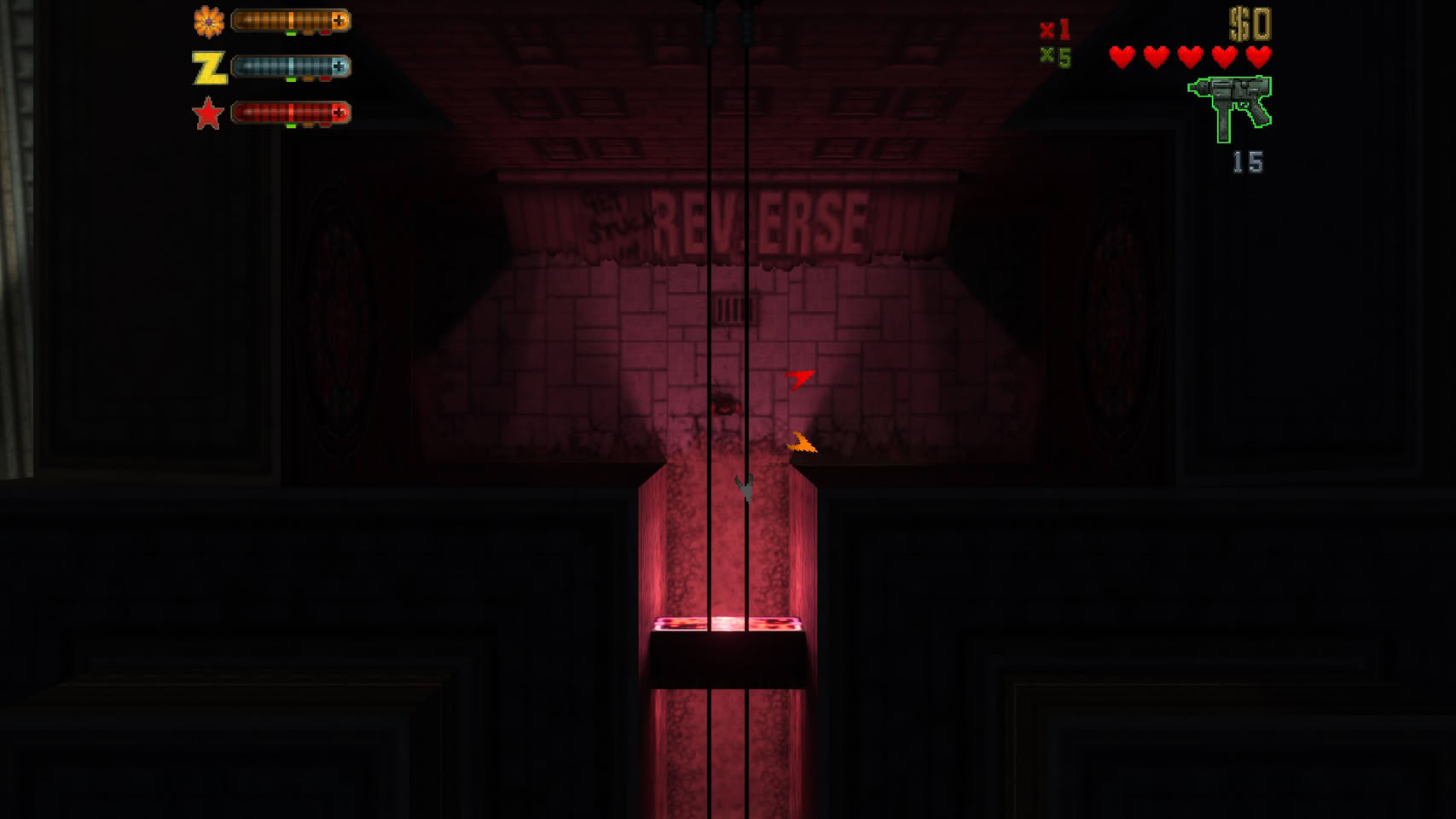
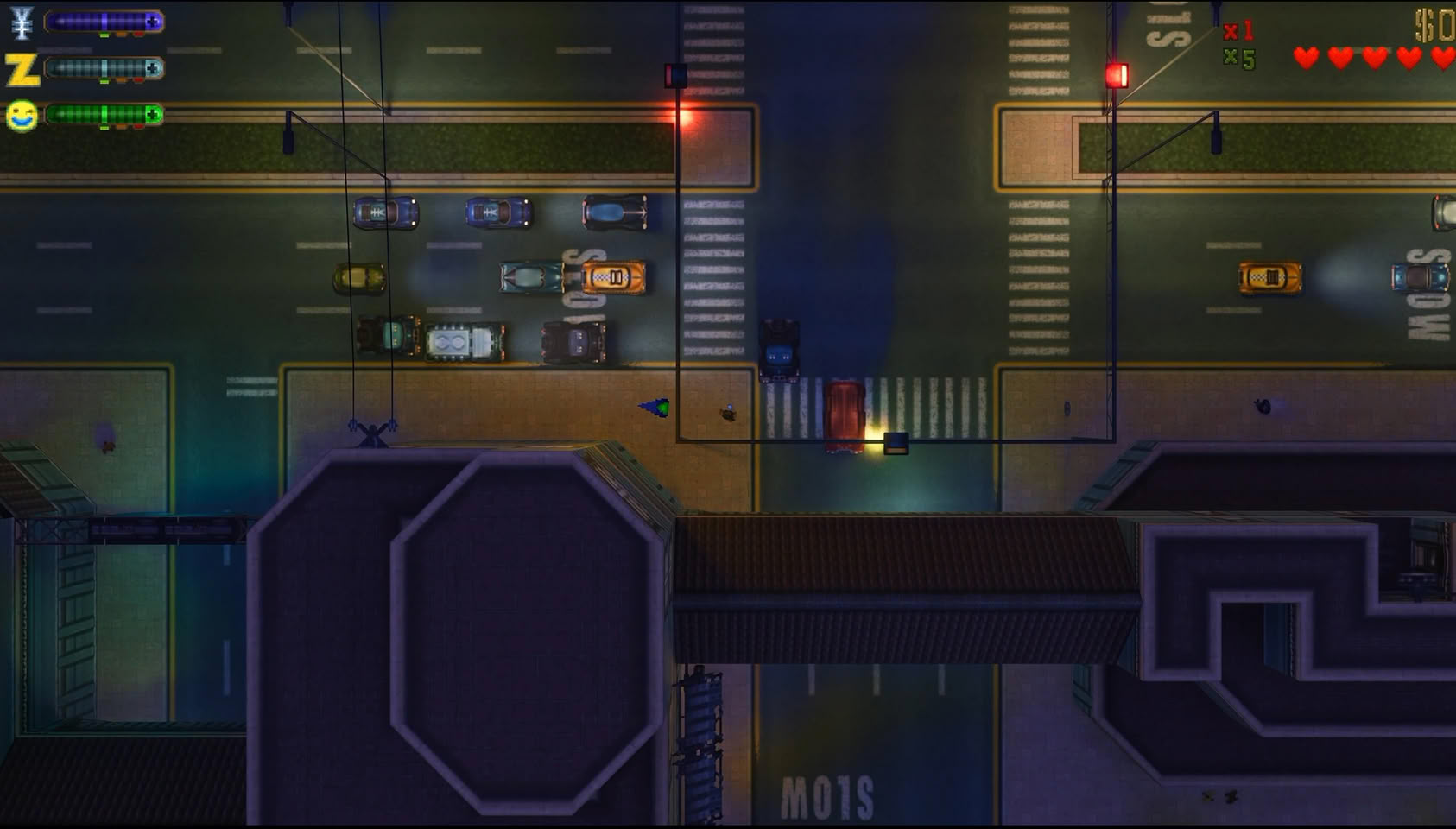
Modder gebdag has released GTA2 RTX Remix, a mod that brings full path tracing and dynamic time-of-day lighting to Grand Theft Auto 2, the 1999 top-down classic. NVIDIA's Jacob Freeman shared a clip of the mod on X, showing a day-night cycle that looks quite well-done. Apparently, the biggest hurdle in the process was technical, as GTA 2 ran on DirectDraw and an early version of Direct3D, neither of which RTX Remix supports natively. To get around this, the modder built a custom Direct3D 9 wrapper using two DLLs that translate the game's legacy rendering calls into something RTX Remix can actually read. The result reportedly adds real-time path-traced lighting, so explosions, car fires, and neon signs now cast their own glow, and the day-night cycle shifts lighting as it passes.

The mod also unlocks widescreen 16:9 support (the original was locked to 4:3) and adds frame generation for up to 60 FPS, well above what the original release could hit. GTA2 RTX Remix is open source on GitHub and was reportedly tested on version 9.6 of the game, the free release Rockstar distributed in 2004. It needs 64-bit Windows 10 or 11 alongside the RTX Remix runtime. It's certainly a niche release given how old the base game is, but it's another one in the chain of RTX Remix mods breathing new life into titles most people wrote off years ago. Similar projects already exist for Max Payne, Morrowind, and Need for Speed Carbon, and modders keep finding new ways to push the tool's limits.

AnyPS5 Project Skips Emulation Entirely, Aims to Port PlayStation 5 Games to PC Directly

A new open-source project called AnyPS5 aims to run PlayStation 5 games natively on Windows and Linux, without emulation. Its GitHub page describes it as a tool that relinks PS5 executables into the host system's native format and reimplements the console's system libraries for dynamic linking, similar in concept to Wine or Proton. Since the PS5 already runs on x86-64 Zen 2 hardware, close to a modern PC, AnyPS5 skips CPU emulation and recompiles shaders into SPIR-V for Vulkan instead.

As for progress, the developer says execution now reaches a game's main function, with exception handling built out, and the shader recompiler produces SPIR-V that validates cleanly. The repo's status notes claim a real game reaches its logo, main menu, and some gameplay with audio, though there's no public build to verify that yet. No releases exist, and the developer says one won't go out until a game fully launches through the tool. It's tempting to think about God of War Laufey or GTA 6 running on a PC through AnyPS5, but that's not realistic anytime soon. AnyPS5 hasn't run a full game yet, and going by how long PS4 and PS3 compatibility work took, that tends to take years.

KDE Begins Drafting AI Guidelines: "Don't Be a Meat Proxy"

Despite the immense popularity of LLMs and AI coding agents in software development, the open-source community seems to be quite divided on the topic at times. On the one hand, you have projects like GIMP banning AI from its codebase entirely, while other projects, like Nobara Linux and Omarchy, are very much all-in on AI coding. There is, however, a middle ground, like the Linux Kernel project, which allows AI-assisted and -generated code in the codebase, but all code requires human review and a proper merge request write-up that demonstrates an understanding of the actual code submitted. This appears to be where KDE Plasma will land as a project, if the recent proposed KDE LLM guidelines are anything to go by.

The draft of KDE's LLM guidelines was submitted for discussion by project lead, Nate Graham, and it outlines rules that effectively summarized by the golden rule: "Don't be lazy." In the KDE LLM guidelines discussion post, the proposed draft explains that "contributions with obvious and lazy LLM usage may be ignored or closed," and that "nobody should know if you use an LLM," because the output should be indistinguishable from what you could produce yourself without an LLM. It also places rules on AI-generated text, forbidding AI-generated text for merge requests, commit messages, or replying to a question or comment. The current draft also seeks to prevent additional work being placed on maintainers by limiting vibe-coded changes to that maintainers are expected to clean up and implement—an issue faced by Godot maintainers not long ago.

Modder Behind GTA 5's Switch Port Is Now Bringing It to Android

An unofficial, native Android port of Grand Theft Auto 5 is reportedly in development, though it looks like only a small portion of phones will actually be able to run it at launch. The project comes from M0jso of Paralympics Productions, the same developer behind the unofficial GTA 5 port for the original Nintendo Switch that we recently covered. Unlike solutions that run the Windows version through compatibility layers like Winlator, this port is being built to run GTA 5 natively on Arm. It reportedly uses the same base as the Switch port, which itself was built on GTA 5 Legacy 1.0.2699 and the leaked 2023 source code.

Minimum requirements are said to be a Snapdragon 865, 8 GB of RAM, and 65 GB of storage, with support extending up through recent Snapdragon 7 and 8 series chips. The first public build is Snapdragon-only, so Exynos chips (including the 1480, 1580, 2200, 2400, and 2600), Pixel Tensor with PowerVR graphics, and MediaTek Helio chips are apparently left out for now, at least until Mali GPU support gets added later. There's no word on an actual release date yet, and it's still worth treating this as an early and unofficial project until we see it running. However, it is confirmation that GTA 5 will be coming to Android phones pretty soon, if the Nintendo Switch port timeline is anything to go by.

Microsoft Now Lets AI Build Native WinUI 3 Apps for Windows 11 in Under 30 Minutes

Microsoft has published a quick-start guide showing developers how to build a native WinUI 3 app for Windows 11 in about 30 minutes using AI. The workflow runs on free tools, VS Code,.NET 10, GitHub Copilot's free tier, and Microsoft's winapp CLI, so Visual Studio isn't needed. The guide covers scaffolding a project, using an AI agent to add features like a settings page, testing the result, and packaging it as an MSIX installer for the Microsoft Store.

The agent used here, called winui-dev, isn't the general Copilot chatbot most Windows users already know. Rather, it's a specialized plugin with skills for WinUI design, code review, UI testing, packaging, and migrating older apps. Microsoft also recommends connecting it to its Learn MCP server so it pulls current WinUI documentation instead of relying on training data, since WinUI 3 is newer and less represented in AI training sets than older frameworks like WPF and UWP.
Return to Keyword Browsing
Nov 11th, 2026 07:05 CST change timezone

New Forum Posts

Popular Reviews

TPU on YouTube

Controversial News Posts