News Posts matching #price

Return to Keyword Browsing

Intel "Panther Lake" Reportedly Gets Up to 20% Price Hike, Older Generations Also Impacted

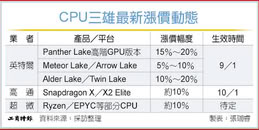
Intel is reportedly preparing for a significant price increase across its silicon designs, according to supply chain sources cited by Commercial Times Taiwan. The first to experience this price hike is the latest "Panther Lake" processor generation, built on the Intel 18A node, with an increase ranging from 15% to 20% depending on the SKU. Intel reportedly made these adjustments on September 1, but consumer price increases have not yet been observed, or it may take a few more weeks for the old supply to clear. This supply-side price hike doesn't mean that Intel is directly changing its consumer pricing, but rather adjusting the pricing for major laptop OEMs such as Acer, ASUS, Lenovo, Dell, and HP. With a potential 20% price hike, this could translate to a few dozen US dollars more for the OEMs. Laptop manufacturers are likely to pass these increased costs onto consumers, especially given the current challenges with memory and storage pricing, which are already squeezing margins.

The reported price hikes don't stop there. The "Meteor Lake" and "Arrow Lake" processor families are also expected to see price increases, with reports indicating a 5% to 10% hike for these two generations, depending on the SKU. Intel sources silicon from both TSMC and its internal foundry, but the demand for silicon in the form of CPUs is skyrocketing in the age of AI, making price increases likely. Consumer demand remains, but much of the available CPU manufacturing capacity, both internally and externally, is being absorbed by agentic AI workloads, which are pushing server configurations to a 50:50 ratio of CPUs to GPUs.

GTA 6 Leaker Claims to Have Full Build, Threatens to Release It Unless Take-Two Apologizes

The notorious leaker known as Cyberleek is now threatening to release what is claimed to be a playable build of GTA 6 ahead of the game's November 19 launch. According to a post on the leaker's own website, the build supposedly includes the full story mode, playable through to the end credits. The threat comes with two conditions. The build would apparently go out if a meme coin tied to the leaker reaches a $30 million market cap, and the coin reportedly sits roughly $26 million short of that mark. The post also offers Take-Two a way to avoid the release, stating: "Take-Two gets one way out: physical disks and a public apology."

That is a reference to GTA 6 launching without a disc, as boxed copies are set to ship with a download code. Neither Take-Two nor Rockstar appears to have responded publicly so far, but Rockstar did acknowledge the leaks in late August. Tying the threat to a coin's market cap also gives the post an obvious financial angle, since the attention alone could move the price, so the claim is probably best treated with caution. The claim has not been independently verified, there is no date attached to it, and it may well turn out to be a bluff. Readers are also advised to stay away from the leaker's site and from any files that claim to be the full GTA 6 build, as there is no way to tell what they actually contain.

AMD Reportedly Raises GDDR6 Prices for Board Partners

AMD has reportedly raised the price of the GDDR6 memory it supplies to its board partners, with the change said to be in effect since October 1. The claim comes from a post on the Chinese forum Board Channels, and it doesn't mention a percentage or a dollar figure. AMD sells its GPUs to add-in board (AIB) partners bundled with memory, so a costlier kit usually ends up in the retail price of the finished card. The timing matches the higher suggested Radeon prices in China reported earlier this week, where the RX 9070 went up by the equivalent of $104 and the RX 9060 XT 8 GB by $45, while the RX 9070 XT was left untouched.

NVIDIA, however, apparently hasn't sent its partners a similar notice for GDDR7 this time, and the same post suggests the company may not touch memory pricing again this year. That would be a small relief for GeForce buyers, although NVIDIA already raised GDDR6 and GDDR7 kit prices in July, and the RTX 5090 was tracked at 136% above MSRP globally in early September. AMD's partners have been through this a few times in 2026 already. A 10% hike on Radeon GPU kits was reported for July, and in September there was word of another 10% increase across GPUs, chipsets, and possibly CPUs, tied to rising TSMC wafer costs. AMD hasn't confirmed the latest increase, and we don't know how much or how soon store prices outside China will move.

Xbox and PlayStation US Sales Sink as Average Console Prices Hit Record Highs

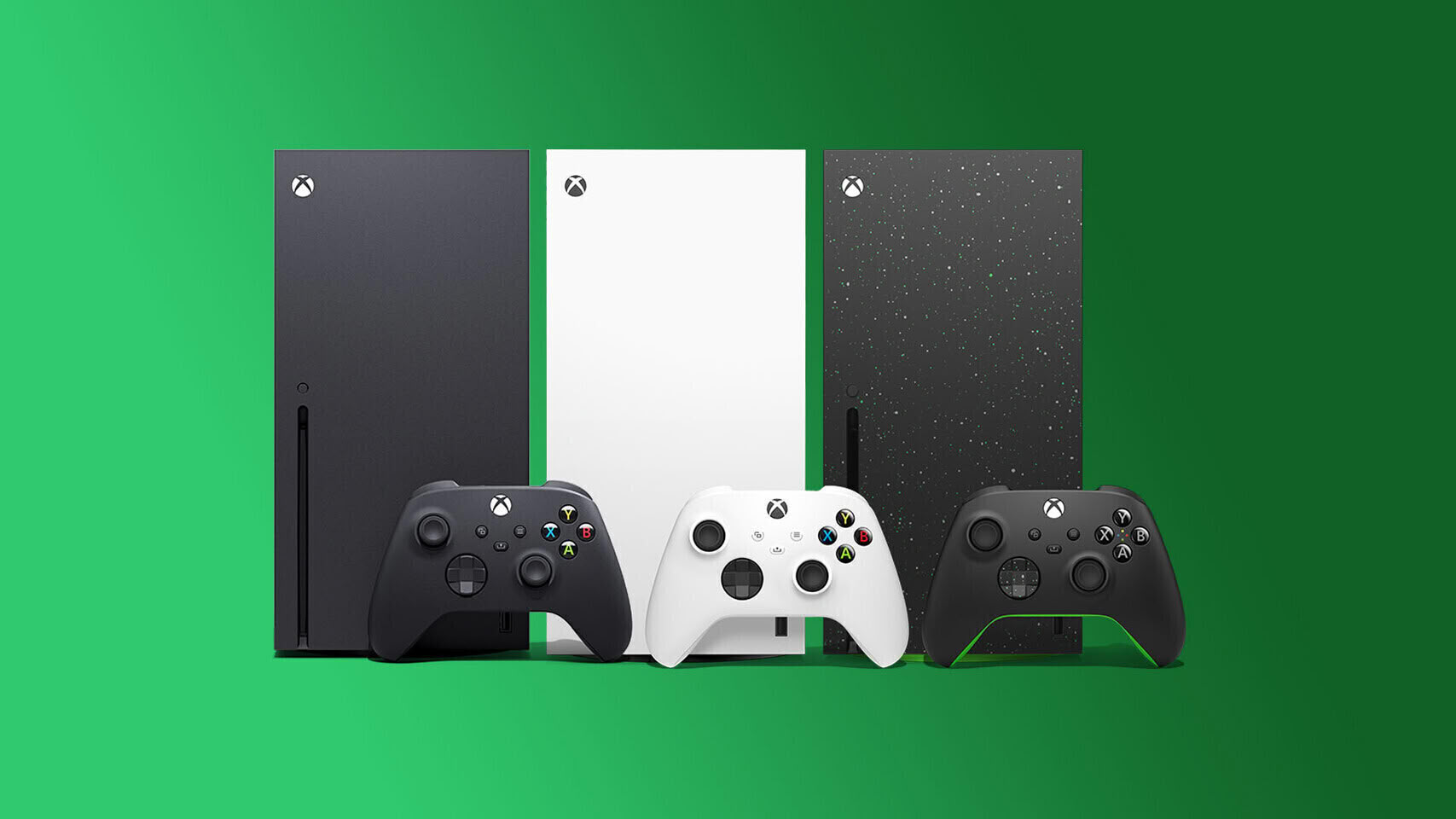
Xbox and PlayStation console sales in the US are having a rough 2026, according to new Circana data that analyst Mat Piscatella shared on Bluesky. For the year 2026 through August, Xbox hardware unit sales are down 33% year over year, while PlayStation units are 25% lower. That puts Xbox at an all-time low and PlayStation at its lowest point since 2013. As one might expect, it looks like pricing is the main culprit. Buyers paid an average of $529 for a new Xbox console this year, 26% more than a year ago, and $597 for a PlayStation, up 20%. Both are record highs for the US, and Piscatella says price sensitivity is becoming a real problem.

The decline follows a string of price hikes tied to the memory and storage shortage. Sony raised the PS5 Pro to $899.99 in April, Microsoft pushed the Xbox Series X to $799.99 on August 1, and Nintendo moved the Switch 2 to $499.99 in September, a hike analysts had warned about back in January. August itself was weak, with total hardware unit sales falling 15% to 559,000, the lowest August total since 2013. The Switch 2, however, remains the best-selling console of 2026 in both units and dollars. Piscatella said the US hardware market hasn't been "in a more precarious position since the early 80s." He thinks GTA 6's big launch might ease some of these declines, although that depends on console availability and pricing.

PC Shipments Drop 20.1% in Q3 2026, HP and Dell Hit Hardest

Worldwide PC shipments fell a steep 20.1% year over year in Q3 2026 to 62.7 million units, according to preliminary data from IDC, down from 78.5 million in the same quarter last year. It is the second straight quarterly decline, and a much deeper one than Q2, which IDC now lists as a 3.8% drop. Shipments also slipped 9.1% compared to Q2, even though Q3 is normally the bigger quarter. IDC puts this down to the first half of the year, when vendors and channels stocked up ahead of memory-driven price hikes. That pulled volume out of the second half, and with supply still constrained and prices high, Q3 apparently had little demand left to work with.

The three largest vendors took the hardest hits. HP shipments dropped 30.9% to 10.3 million units, Dell fell 25% to 7.6 million, and Lenovo, still first with a 23.8% share, was down 22.6% to 14.9 million. Together they gave up 4.2 points of market share. Apple and ASUS also shipped fewer PCs, down 11.3% and 8.6%. However, both fell slower than the market and ended up with a larger share, at 9.5% and 8.7%.

Rising Costs Threaten Notebook Demand in 2027, Raising Risks of Shipment Declines and Price Increase

TrendForce's latest notebook industry research reveals that the primary risk facing the market in 2027 is expected to shift from supply constraints to the impact of rising costs on demand. Global notebook shipments are currently projected to decline by a low-single-digit percentage in 2027. However, if DRAM and CPU prices remain elevated, brands may be forced to pass more of these costs on to consumers. These higher retail prices could further extend replacement cycles, potentially pushing the full-year shipment decline into the high-single-digit range.

In 2026, improved CPU availability, early procurement by brands, and the pull-forward of some replacement demand helped support notebook shipments. However, this does not indicate a meaningful recovery in end-market demand. With some purchases originally expected in the second half of 2026 and beyond already brought forward, replacement momentum in subsequent periods is likely to weaken. Furthermore, as lower-cost inventories are gradually depleted, brands will face more direct pressure from rising CPU, DRAM, and SSD prices.

Microsoft Surface Laptop Ultra Starts at $2,599, Ships October 16

Microsoft has finally put a price on the Surface Laptop Ultra, and preorders are open as of today. The announcement came at the company's Windows and Surface keynote in San Francisco, with a starting price of $2,599 and shipments set to begin on October 16. Microsoft first showed the laptop at Computex in June without a price or a launch date. The base model gets a 15-inch mini-LED display and the lower of the two NVIDIA RTX Spark N1X configurations, which means an 18-core CPU, a 5,120-core Blackwell GPU, and 24 GB of unified memory. The 20-core version with a 6,144-core GPU starts at $3,699 with 32 GB, and the top model with 128 GB of memory and a 1 TB SSD costs a steep $5,899. The only 2 TB option is a 64 GB model at $4,699. A Surface RTX Spark Dev Box was also announced at a hefty $5,999.

The other reveal is the oversized USB-C port that has had people guessing since June. Microsoft says the Surface Laptop Ultra is the first laptop in the world with a breakaway USB-C port, so a tripped-over cable should pull free without dragging the machine off the desk. The idea is the same as Apple's MagSafe and Microsoft's own Surface Connect, except those are proprietary connectors. This one apparently still works as a regular USB-C port with any USB-C device. As for the price, the $2,599 entry point is a little lower than expected. A TechPowerUp Forums member who spent about a month with a prototype guessed $2,799 for a 24 GB model. That prototype was tested on preview drivers, however, so readers are advised to wait for reviews of retail hardware before preordering.

Forza Horizon 6 PS5 Port Tipped for January 2027, Disc Included

Forza Horizon 6 will apparently reach the PlayStation 5 on January 26, 2027, according to billbil-kun, the generally reliable leaker at Dealabs. That would put the port a little over eight months behind the Xbox Series X|S and PC versions, which launched on May 19, and it would miss the 2026 window that Microsoft and Playground Games have been promising since January. The game is also said to be getting a physical disc release on the same day as the digital version. That is a change from Forza Horizon 5, which arrived on PS5 in April 2025 as a digital-only title. Pricing is reportedly set at €69.99 in Europe and £59.99 in the UK, the same as the Xbox version, and billbil-kun expects the US price to land at $69.99.

An official announcement is expected as early as this week, with pre-orders opening shortly after. Of course, neither Microsoft nor Playground Games has confirmed any of this. In early September, the studio's own blog still said the PS5 version would be out "later this year". The Verge's Tom Warren had been saying otherwise since late August, and he later reported that the port was being pushed to early 2027, apparently to coincide with the game's first expansion. It looks like he had it right. PS5 owners should keep an eye out for the official launch date and pre-order details.

Xbox Helix Will Be "a Great Console First" With Portable Play in Mind, Says CEO

Xbox CEO Asha Sharma has reportedly told staff that the next-generation "Project Helix" hardware will lead with a home console, with portable play apparently coming as part of the same lineup. The remarks come from an internal town hall, and Windows Central says it obtained and verified a transcript. Helix was already known to be a "family of devices" instead of a single box, but this is the clearest hint so far about what else is in that family. Here's what she said:
We are moving to a family of devices for Gen-10. There is not one device that fits all. We will certainly have a great console first, but we also know that many players will be on the go. There are some things that we are the best in the world to manufacture, and there are other things that we will partner on. So, we will be sharing more about that as our plans develop. The operating system is starting to look really good. We're very excited about this.

Leaked GameStop Memo Calls $1,399.99 Used PS5 Pro Pricing "Intentional"

GameStop is now reportedly asking $1,399.99 for a pre-owned PlayStation 5 Pro, which is $500 more than Sony's $899.99 list price for a new one. Consoles with the disc drive attached go for $1,499.99, and GameStop Pro members apparently get the base unit for $1,329.99. An internal memo shared on the r/GameStop subreddit, reportedly by a store employee, addresses the gap directly. It says "the preowned console will have a higher price than the new console," and calls this "intentional." The memo doesn't seem to spell out a reason, but it isn't hard to guess. New PS5 Pro units are largely sold out at list price, and the few listings left at big retailers are apparently going for around $1,500.

Contrary to how it may appear at first, then, GameStop's used price still sits under what a new console costs on the open market today. The same memo reportedly puts trade-in values at $800 for the Pro and $850 with a disc drive, which is more than the console's $699.99 launch price in 2024. Sony raised the PS5 Pro to $899.99 in April and blamed rising memory costs. With GTA 6 arriving on November 19 and the memory crisis in full swing, demand probably isn't going to ease soon. Although r/GameStop moderators have since confirmed the validity of the poster, readers should still treat it as an internal leak for now, not an official price change. GameStop hasn't commented on this incident yet.

German Utility Sells a "Gaming" Electricity Plan for Gamers and Power Users

German utility SWK Energie, the municipal power company of Krefeld, is selling an electricity plan aimed squarely at gamers. It's called meinGAMING, and the pitch is simple enough: a higher fixed monthly fee in exchange for a lower price per kilowatt-hour. SWK says the plan starts to make sense at around 2,500 kWh per year, which is where the calculator's "Casual Gamer" preset sits. The "Pro Gamer" and "Gaming Haushalt" presets default to 3,500 kWh and 5,000 kWh. Of course, the wall socket doesn't know what's plugged into it. The same plan works just as well for a household with a heat pump or an electric car, so the gaming part appears to be branding more than anything else.

Pricing depends on the postcode. One example for postcode 51381 listed 25.01 cents per kWh and a €23.67 monthly base fee, along with a €100 new customer bonus and a price guarantee of up to 24 months. Apparently, that per-kWh rate was raised after a rush of sign-ups. A gaming PC alone probably won't get most people to 2,500 kWh, though. An RTX 5090 at its full 575 W for 30 hours a week works out to roughly 900 kWh a year. SWK also says the power is 100% renewable, backed by certificates of origin from European hydroelectric plants. Readers in Germany are advised to compare the plan against regular tariffs for their own postcode before switching.

Chinese NAND Maker YMTC Reportedly Expects Memory Shortage to Last Another Three Years

Chinese NAND flash maker YMTC apparently expects the global memory shortage to last another three years. The claim comes from a profile of the company published by The Wire China, in which a YMTC employee, speaking anonymously, shared the outlook. The same employee said YMTC has raised prices for its chips and shifted capacity toward higher-margin products. The excerpt was shared on X by @jukan05, who read it as a NAND forecast, although the employee's wording covers memory in general. Three more years would put the end of the shortage somewhere around late 2029. This is one unnamed employee's words, of course, and not public guidance from YMTC.

That 2029 prediction is well past TrendForce's estimate, which has NAND flash supply loosening in the second half of 2027 as new capacity comes online. It sits closer to Micron's view, with CEO Sanjay Mehrotra saying last week that supply will be much tighter in 2027 and 2028. The shift in capacity matters too, especially for regular PC builders. Counterpoint Research ranked YMTC fourth in NAND bit shipments in Q2 with a 14% share, yet only fifth in revenue, since its product mix leans toward consumer applications. Moving capacity to higher-margin chips could leave less for consumer SSDs, even as YMTC works to double its wafer output with new fabs. Nevertheless, readers planning a storage upgrade shouldn't count on prices dropping anytime soon.

NVIDIA Raises Shield TV Pro Price to $299, Discontinues Standard Shield TV

NVIDIA has raised the price of the Shield TV Pro from $199.99 to $299.99, effective October 2. The streaming box launched in October 2019 at $199.99 and held that price for almost seven years. Earlier this year, NVIDIA promised to keep updating the Shield TV, with hardware engineering SVP Andrew Bell saying the company had no plans to abandon it anytime soon. NVIDIA has also stopped making the standard, tube-shaped Shield TV, which had reportedly been out of stock for months. That leaves the Pro as the only Shield model in production. NVIDIA confirmed both changes in a statement. Here's what the company said:
Starting October 2, SHIELD Pro will be priced at $299. The cost of components, including memory, has increased substantially across the industry. We've also stopped producing the standard SHIELD TV model as we focus on production for SHIELD TV Pro.

NVIDIA Could Account for 37% of 2027 HBM Capacity, Worth $279 Billion

NVIDIA's supply commitments climbed to $279 billion in the quarter ended July 26, up from $119 billion the quarter before. The company says the increase is primarily related to memory procurement. Morgan Stanley estimates that NVIDIA has claimed about 37.3% of global high-bandwidth memory (HBM) supply for 2027, with Alphabet at 36% and AMD at 12.1%. That adds up to roughly 85%, leaving everyone else to split the rest. These are Morgan Stanley's estimates, as reported by The Inference.

About $267 billion of the commitments come due by the end of fiscal 2029, according to the filing. NVIDIA reported record revenue of $96.2 billion for the quarter, but memory costs are weighing on margins. Gross margin was 75% and is guided to 74% this quarter, with a trough of 71% to 72% expected in the January quarter. CFO Colette Kress tied that pressure to memory pricing. Operating cash flow also fell to $24.1 billion from $50.3 billion the quarter before. Jensen Huang said on September 17 that he expects NVIDIA to sell twice as many chips next year, and the company's formal guidance is about 70% revenue growth.

Raspberry Pi Raises Prices of 2 GB Raspberry Pi 4 and Pi 5

Raspberry Pi CEO Eben Upton has announced today in a blog post a $12.50 price increase for the 2 GB variants of both the Raspberry Pi 4 and Raspberry Pi 5. Starting today, the 2 GB Pi 4 costs $67.50, and the 2 GB Pi 5 hits $77.50. Back in April, Raspberry Pi was able to keep the 1 GB and 2 GB pricing unchanged while raising costs on higher-density models. However, that approach has now become unsustainable. For the moment, prices for 1 GB variants of both boards, and the 2 GB Compute Module 4 and Compute Module 5, remain unchanged. Upton also pointed users to consider whether older models like the Pi 3B, 3A+, or 3B+ might be a better fit for their needs given the current pricing environment.

The future is yet to bring that tiny light at the end of the tunnel, at least for consumers. Yesterday, Sanjay Mehrotra, Micron's CEO, said during the company's fiscal Q4 2026 earnings call that memory and storage supply will likely be even tighter in 2027 and 2028 than it was this year. Moreover, according to TrendForce's latest research, conventional DRAM prices are on track to rise another 10-15% quarter over quarter, as suppliers continue to prioritize advanced-process capacity for high-performance server products over mainstream consumer memory.

Micron CEO Says Memory Supply Will Be Much Tighter in 2027 and 2028 Than in 2026

Micron CEO Sanjay Mehrotra says memory and storage supply will likely be much tighter in 2027 and 2028 than it was in 2026. He made the remarks during Micron's fiscal Q4 2026 earnings call on September 30, where the company reported record quarterly revenue of $54.2 billion. Here's what he said:
Industry demand has strengthened since our last earnings call, and we expect memory and storage supply-demand conditions to be much tighter in fiscal 2027 and 2028 than they were in 2026. AI is becoming super intelligent, and memory enhances this intelligence and the competitiveness of our customers' platforms. Even with additional industry DRAM clean room space plans with robust demand trends, including new upside requests from customers, we do not have line of sight to when supply and demand will return to balance.

AMD Publishes Full EPYC 9006 "Venice" Specs and Pricing: 8-Core at $700, 256-Core at $14,904

AMD has published the full EPYC 9006 "Venice" lineup on its product page, listing specifications and 1,000-unit pricing for all 31 Zen 6 server processors across the SP7 and SP8 platforms. Prices start at $700 for the 8-core EPYC 9016 and top out at $14,904 for the 256-core EPYC 9996. AMD says the specifications are subject to change. The EPYC 9996 is the flagship, with 256 Zen 6c cores and 512 threads, a 2.55 GHz base clock, up to 4.1 GHz boost, 1 GB of L3 cache, and a default CPU power of 600 W (configurable from 400 W to 600 W). That works out to roughly $58 per core, and it costs about the same as the 192-core EPYC 9965 did at launch, which was around $14,800.

The SP7 platform covers nine chips, from the 64-core EPYC 9556 at $8,008 up to the 9996. The 22 chips on the SP8 platform run from 8 cores up to the 128-core EPYC 9746 at $11,679. AMD has also retired TDP as its power label for this generation, using "Default CPU Power" instead. SP7 systems are expected in Q4 2026, with SP8 following in the first half of 2027. These are 1Ku prices, so what OEMs charge for complete systems will probably look quite different. Nevertheless, it looks like the EPYC 9996 is the one to watch for this generation, especially after AMD's claims of beating NVIDIA's Vera CPUs by a significant margin.

Redditor Orders One MSI RTX 5070 Ti From Walmart for $1,099, Gets Four

Orders that get mixed up often tend to leave buyers with the short end of the stick. For instance, in 2025, a Micro Center customer found backpacks inside a Zotac GeForce RTX 5090 box, and another Best Buy customer reportedly got rocks instead of an ASUS TUF RTX 5080 and was initially denied a refund. This time, apparently, the order error went the other way. Reddit user deadmanwonderland_23 says they ordered a single MSI GeForce RTX 5070 Ti 16 GB from Walmart for $1,099 and received four identical cards. The card looks like MSI's Frieren Edition, which comes with a bundled blanket, and currently goes for $1,259 on MSI's website. It was already a relatively good deal at $1,099, but getting four cards really sounds too good to be true. At the price paid, the four cards add up to roughly $4,400, and there's no word on whether the buyer has told Walmart about the extras.

One plausible explanation is that someone in a Walmart warehouse mistook a carton of four cards for a single special edition package. That seems like a possibility, but the actual reason is not currently known. As of now, Walmart hasn't commented on this incident, and the only account comes from a Reddit post, so take it with a grain of salt. Retailers have often let customers keep extra units in the past, though that is usually decided case by case. Walmart has been generous with mistakes before, like when a customer managed to pick up an RTX 5070 for just $129 due to a labeling error. Either way, it's something we don't often see in a GPU market where prices just keep climbing.

Colorful Resorts to RTX 3050 and DDR4 for P15E Budget Gaming Laptop

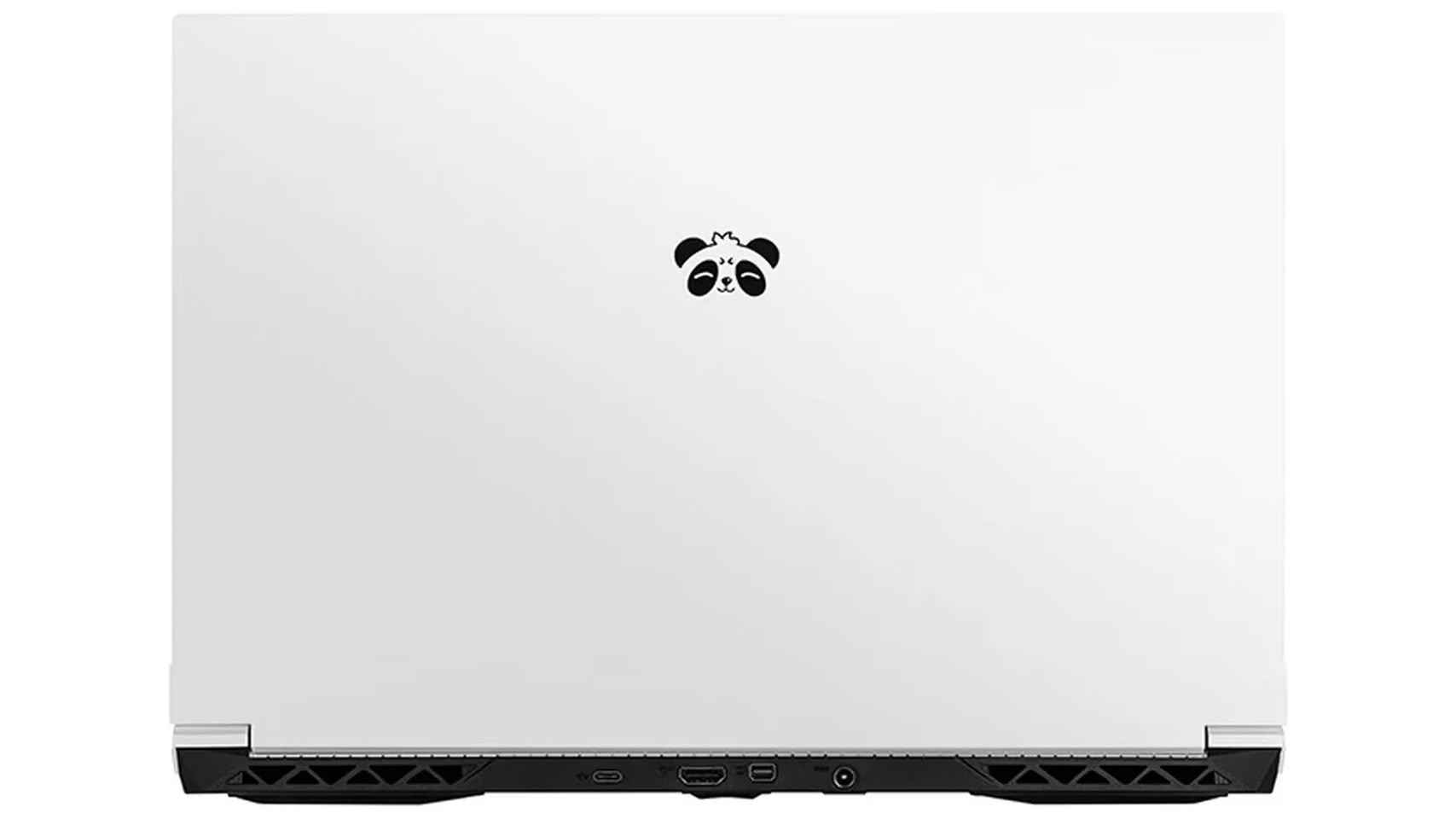
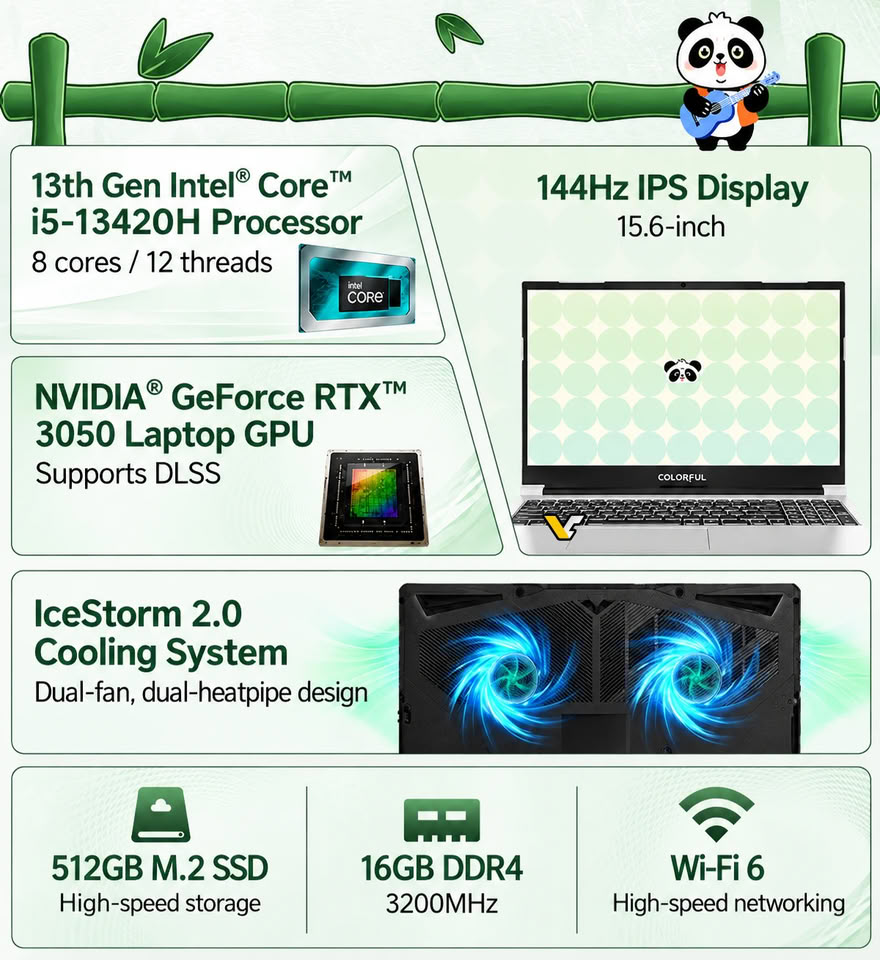
Seemingly in light of the recent PC hardware crisis, which has affected PC OEMs big and small alike, Colorful has just revived the NVIDIA GeForce RTX 3050 for its latest Panda laptop design. The latest revision of the Colorful Panda P15E features the typical 15-inch form factor and chassis from the RTX 5050 version the brand previously sold, but it carries a significant downgrade in internals.

The new CPU in the Panda P15E is the Intel Core i5-13420H, an 8-core, 12-thread part with 4 P-Cores and 4 E-Cores and an Intel Iris Xe 80EU iGPU, while the dGPU featured in the new laptop is the NVIDIA GeForce RTX 3050. As a result of the older platform, the laptop also resorts to 16 GB of DDR4-3200 memory and a 512 GB M.2 SSD. The display is a 144 Hz IPS unit that measures in at 15.6 inches. At the time of writing, it does not appear as though there is an international version of the RTX 3050 version of the laptop, but it is available on JD.com for RMB 6,299, which converts to roughly $938.70.

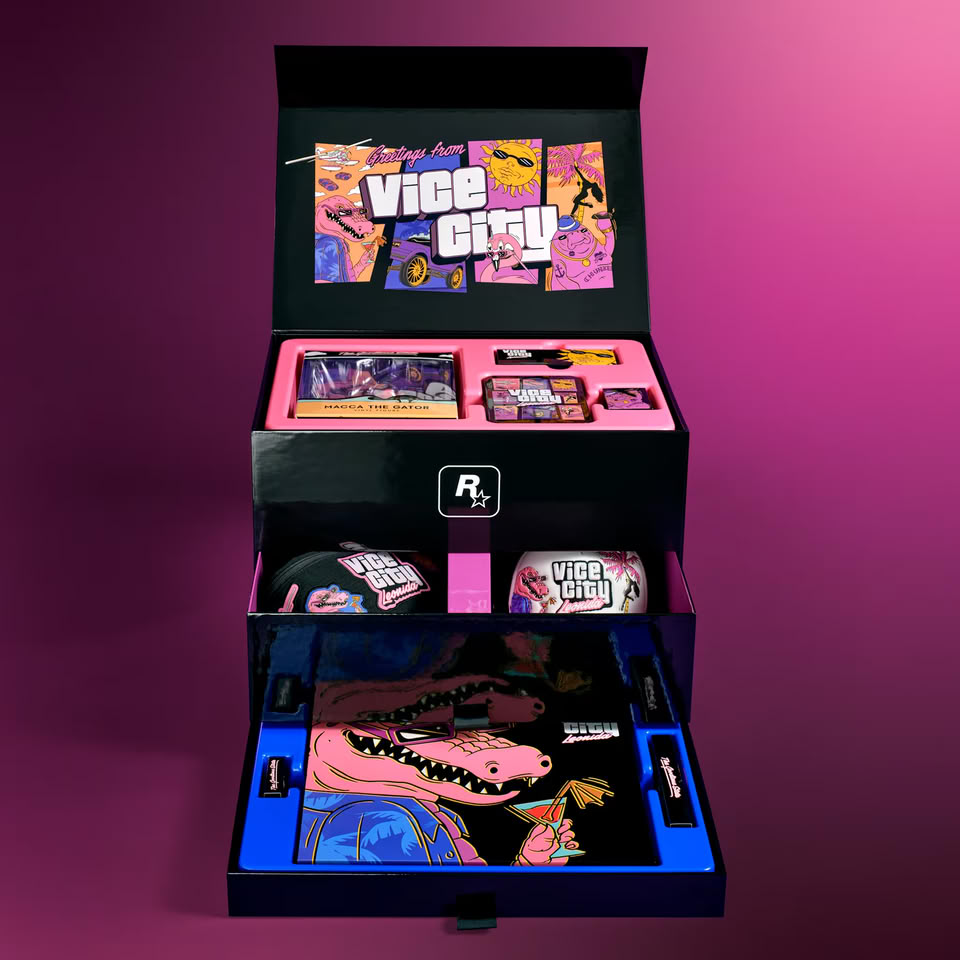
Rockstar Reveals GTA 6 Vice City Collection Box at $399.99, Game Not Included

Rockstar has opened pre-orders for the Grand Theft Auto 6: The Goodtime State - Vice City Collection, a collector's box priced at $399.99 in the US and £349.99 in the UK. Despite how it may sound, this is not a collector's edition of the game. Rockstar's store page says GTA 6 is sold separately, so the box neither has a disc nor a download code. The collection instead has 11 items themed around Macca the Gator, a fictional TV show from the game's Leonida setting.

These include a Macca the Gator figure with a twist-open base, Oakley Frogskins sunglasses, a Leonida Keys crossbody bag, and a New Era 9FORTY snapback hat. The smaller items are a magnetic mirror, a Chunkee the Manatee shot glass, a Vice City swizzle spoon, and a razor blade-style keychain. The set also includes nine enamel pins, nine vinyl stickers, and a double-sided poster with a map of Leonida. Rockstar lists it as an adult collectible for ages 18 and up, and shipping is not free.

XMG Adjusts Laptop Prices as RAMpocalypse Hits Supply Chain

XMG has announced on Reddit another round of laptop price increases, with most affected models going up €100 to €150. The new prices took effect on September 18 through the company's bestware store. Memory remains the biggest factor as DDR5 SO-DIMM prices for laptops have risen nearly sixfold compared to mid-2025. Also, desktop DDR5 modules and SSDs prices have followed a similar trajectory. XMG says that now it's no longer just the memory. GPU chips, GDDR7 video memory, Intel and AMD laptop CPUs, and PCBs are all costing more. Due to the conflict in the Middle East and rising fuel prices, air freight costs are higher, while sea freight through the Red Sea and Suez Canal now comes with higher insurance costs.

The XMG APEX 16, CORE 15, CORE 16, FUSION 16, NEO 16, and several PRO models are up €100. The APEX 16 MAX, APEX 17, FOCUS 17, and FUSION 15 went up €150. The SCHENKER KEY 18 Pro saw the largest single adjustment at €300. The RTX 5090 Laptop GPU upgrade is now €120 more expensive across the NEO 16 and SCHENKER KEY 18 Pro. A couple of RTX 5070 upgrade prices were trimmed slightly, though XMG notes the overall system cost is still higher than before. XMG EVO, SCHENKER CONNECT, ELEMENT, and SCHENKER WORK models are not affected this round. The company says the price adjustments are a direct result of rising costs, not a margin expansion, and commits to lowering prices again if component costs drop.

Micron's 2 GB GDDR7 Memory Chips Reportedly Reach End of Life

Micron has reportedly discontinued its 2 GB GDDR7 memory chips, the same modules used on several GeForce RTX 50 series cards. Spotted by UNIKO's Hardware, Micron's 28 Gbps D8FHL chip (MT68A512M32DF-28:A) is now listed as end of life on the company's own website. Every 2 GB GDDR7 chip in Micron's catalog, both the 28 Gbps and 32 Gbps variants, now carries the same EOL status, leaving 3 GB modules as the only option going forward.

Micron only started supplying GDDR7 to NVIDIA in a meaningful way earlier this year, and its chips were never the primary source for RTX 50 cards. Samsung and SK Hynix still cover the bulk of the supply, so this shouldn't cause an immediate shortage. Still, losing even a partial supplier during an already tight memory market isn't reassuring, and it says something about where these companies would rather put their manufacturing capacity these days.

Raspberry Pi Confirms Boards Are Locked to Factory RAM Size via Firmware

Raspberry Pi has confirmed its boards are firmware-locked to their factory RAM configuration, closing off a popular DIY upgrade path. The disclosure came from PhilE, a Raspberry Pi engineer and forum moderator, responding to a user who couldn't get a newly soldered-in 4 GB chip to register on a Compute Module 5. Apparently, the lock isn't new. According to the forum thread, it has been in place for some time, just not spelled out this plainly before. The lockdown reportedly dates back to late 2024, before this year's RAM price surge, so it's not a reaction to the current memory crunch either. That part obviously doesn't sit well with the repair and modding crowd, a community Raspberry Pi has usually supported.

PhilE explained the reasoning candidly. Apparently, some resellers were buying boards with cheaper RAM, swapping in higher-capacity chips "of dubious origin," and reselling them as factory 8 GB units. Those boards were never tested by Raspberry Pi, so when buyers ended up with unreliable hardware, support headaches landed on the company. Locking devices to their original RAM size removes that incentive, PhilE said. The firmware also reads other device attributes tied to the RAM part, so even a same-capacity swap from another board may not work, thus complicating repairs. It seems the tinkerer culture Raspberry Pi built its reputation on has unfortunately run into a hardware lock.

AMD Ryzen 5 5500F and 7500 Arrive on Amazon $20 Above MSRP

AMD's Ryzen 5 5500F and Ryzen 5 7500 are finally available in the US, but both are selling above their announced pricing. On Amazon, the Ryzen 5 5500F lists for $120 and the Ryzen 5 7500 for $210, each $20 over AMD's MSRP of $99 and $189, respectively. The Ryzen 5 5500F has been spotted fluctuating between $118 and $125. Both listings are sold directly by Amazon rather than third-party sellers, so this doesn't appear to be a case of resellers padding the price. AMD revealed the two budget chips nearly two weeks ago, though they only became available for purchase now. At the time of writing, Amazon is the only US retailer stocking either chip, with Micro Center and Newegg still showing no listings.

To recap, the Ryzen 5 5500F is a 6-core, 12-thread Zen 3 part built on the Vermeer die, unlike the older $90 Ryzen 5 5500, which uses Cezanne. That gives it PCIe 4.0 support and a 4.4 GHz boost clock, versus PCIe 3.0 and 4.2 GHz on the 5500. The Ryzen 5 7500 is essentially a Ryzen 5 7500F with integrated graphics, packing six Zen 4 cores, DDR5 support, PCIe 5.0, and a 5 GHz boost clock, all within a 65 W envelope. AMD's Ryzen 9 9950X3D2 saw something similar earlier this year, launching on Amazon $100 above MSRP before settling down once other retailers picked it up, so pricing here could correct itself too.

Stronger North American Demand to Keep Enterprise SSD Prices on an Upward Trend in 4Q26

U.S. CSPs have recently upgraded their enterprise SSD demand forecasts over the past two weeks, according to TrendForce's research. This shift is mainly driven by major CSPs speeding up deployments and expanding enterprise SSD use across more applications. Notably, this demand increase isn't confined to high-performance TLC products; QLC products, known for their superior cost efficiency and capacity, have become a significant growth catalyst.

Recent procurement momentum suggests that total enterprise SSD orders in the fourth quarter could surpass the already elevated levels seen in 3Q26, maintaining a strong upward trajectory. This has given NAND Flash suppliers greater control over capacity allocation and pricing in the enterprise segment, while further supporting continued increases in enterprise SSD prices.
Return to Keyword Browsing
Nov 11th, 2026 06:16 CST change timezone

New Forum Posts

Popular Reviews

TPU on YouTube

Controversial News Posts