Wednesday, October 22nd 2025

Intel "Nova Lake" Could Arrive Without AVX10, APX, and AMX Support

Intel is still finalizing its next-generation "Nova Lake" specifications. However, the core microarchitecture has been done, the NPU design is finished and upgraded, and the instruction set is finalized. It could be the case that these consumer CPUs will again lack support for Intel's AVX10, APX, and AMX instruction set—designed to encompass 512-bit acceleration and fast vector/matrix multiplication for tasks like content creation, encoding/decoding, AI, and much more—remaining exclusive to Intel Xeon processors. According to the latest GCC compiler patch, the initial Nova Lake enablement patch does not include AVX10, AMX, or APX. This might suggest that support for these new x86 instructions could be missing from the next-generation CPU. Initially, Intel decided to disable AVX-512 for "Alder Lake" and "Raptor Lake" client-oriented CPU lineups, meaning that only server-grade Xeon CPUs got the accelerated 512-bit data paths.

This GCC patch seems to contradict the findings from August, when Intel introduced AVX10.2 support for "future Intel Core processors" in the oneDNN software library, likely targeting the Nova Lake series. We need to wait for more information from other enablement patches or direct confirmation from Intel regarding whether AVX10, APX, and AMX will be included in the 52-core Nova Lake SKUs. Enabling fast vector and matrix acceleration on 52 cores would be ideal for consumers, content creators, gamers, and workstation users alike. In comparison, AMD introduced full AVX-512 support with its "Zen 5" cores across its product range, providing a performance boost in optimized applications for both desktop and server CPUs. This marked the first time AMD did not emulate 512-bit AVX, which previously required splitting 512-bit data into two 256-bit units to be processed over two cycles.
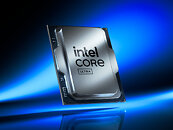
The latest patch states the following instructions are now supported:
Intel Nova Lake CPU with 64-bit extensions, MOVBE, MMX, SSE, SSE2, SSE3, SSSE3, SSE4.1, SSE4.2, POPCNT, AES, PREFETCHW, PCLMUL, RDRND, XSAVE, XSAVEC, XSAVES, XSAVEOPT, FSGSBASE, PTWRITE, RDPID, SGX, GFNI-SSE, CLWB, MOVDIRI, MOVDIR64B, WAITPKG, ADCX, AVX, AVX2, BMI, BMI2, F16C, FMA, LZCNT, PCONFIG, PKU, VAES, VPCLMULQDQ, SERIALIZE, HRESET, AVX-VNNI, UINTR, AVXIFMA, AVXVNNIINT8, AVXNECONVERT, CMPCCXADD, AVXVNNIINT16, SHA512, SM3, SM4 and PREFETCHI instruction set support.
Source: Phoronix
Add your own comment

61 Comments on Intel "Nova Lake" Could Arrive Without AVX10, APX, and AMX Support

#51
Dr. Dro
AnotherReaderWe have had AVX since Sandy Bridge which was built using the 32 nm node, well before the troubles with Intel 7. Compare the Core i3-4000M with the 20th anniversary edition Pentium G3258. TechPowerUp's CPU database shows that the former has a smaller die size and still supports AVX. The Pentiums and Celerons before Coffee Lake had AVX disabled: see @efikkan 's post #46. That's pure product segmentation which limits the adoption of AVX.
AVX was deliberately disabled in Celeron and Pentium-branded chips until 12th gen, it's not a hardware limitation. Intel can selectively disable entire instruction sets at the firmware and microcode levels, latter has been done to Haswell-EP which had TSX support cut post-launch.
Posted on Reply
#52
Rulumi
AnotherReaderWe have had AVX since Sandy Bridge which was built using the 32 nm node, well before the troubles with Intel 7. Compare the Core i3-4000M with the 20th anniversary edition Pentium G3258. TechPowerUp's CPU database shows that the former has a smaller die size and still supports AVX. The Pentiums and Celerons before Coffee Lake had AVX disabled: see @efikkan 's post #46. That's pure product segmentation which limits the adoption of AVX.
I know that, I still have Arrandale and Sandy Bridge systems somewhere, I was talking more about the current situation of AVX-512 in modern Intel chips specifically.

If going to AVX and AVX2 in that older Celeron and Pentiums, yes that was product segmentation. Equally as how HyperThreading (SMT) was reserved for segmentation purpouses by Intel as baseline only for Core i7 (i7 9700 be cursed without HT to favor the i9 9900 by Intel) or better in desktop back then, with only some specific desktop i3 SKUs exceptions having HT back then and HT being active in the whole Core i lineup only in mobile until Comet Lake that made it standard on all Comet Lake-S models.
Posted on Reply
#53
AnotherReader
Dr. DroAVX was deliberately disabled in Celeron and Pentium-branded chips until 12th gen, it's not a hardware limitation. Intel can selectively disable entire instruction sets at the firmware and microcode levels, latter has been done to Haswell-EP which had TSX support cut post-launch.
Precisely. It's an artificial limitation. Product segmentation isn't bad in and of itself, but gating new architectural extensions like AVX doesn't help adoption. Contrast this behaviour with Nvidia which uses its GeForce line as a way to entice new developers.
Posted on Reply
#54
efikkan
RulumiThat's no true, Windows 11 will install and work completely fine on Coffee Lake systems, is still officially supported by Microsoft. It's Kaby Lake that's artificially blocked by Microsoft to install Windows 11 by default.
I misspoke, I meant up to Comet Lake, which is the same architecture. At least as of May this year, Windows 11 24H2 wasn't compatible. For a Comet Lake system I had to use an older installation medium, and it didn't want to install the feature update afterwards either. But this has nothing to do with ISA support though.
Dr. DroAVX was deliberately disabled in Celeron and Pentium-branded chips until 12th gen, it's not a hardware limitation. Intel can selectively disable entire instruction sets at the firmware and microcode levels, latter has been done to Haswell-EP which had TSX support cut post-launch.
They certainly can disable a lot in firmware, but are you sure that's always the case? If there are iterations where they share dies with the i3s, then it's obvious, but if it's a smaller die cut down as much as possible, then perhaps not. It was only with Alder Lake and later that Pentiums/Celerons got "Haswell level" ISA.

Either way, it's very unfortunate for consumers that instructions meant for general use are segmented, not to mention a headache for developers.
Posted on Reply
#56
Unregistered
efikkanEither way, it's very unfortunate for consumers that instructions meant for general use are segmented, not to mention a headache for developers.
Just like how Intel segmented ECC memory support, the consumer always loses.
#57
Dr. Dro
efikkanThey certainly can disable a lot in firmware, but are you sure that's always the case? If there are iterations where they share dies with the i3s, then it's obvious, but if it's a smaller die cut down as much as possible, then perhaps not. It was only with Alder Lake and later that Pentiums/Celerons got "Haswell level" ISA.

Either way, it's very unfortunate for consumers that instructions meant for general use are segmented, not to mention a headache for developers.
At least for Haswell-EP, yes, that is the case. The CPUs can actually boot without any microcode loaded, with all of the bugs wriggling around the silicon :)

The famous "all core turbo" exploit for Xeon E5 v3 processors actually requires you to initialize the processor raw, and then apply the microcode on top, which triggers the bug that the core 0 turbo multiplier (which is always the highest) gets applied to all cores. Windows will load mcupdate_GenuineIntel.dll upon boot, which has a newish (around the age of the OS) microcode, if you delete that it boots into Windows raw and you can use the VMware-provided driver to load any MCU version you want. Staying on 1F and below will preserve TSX functionality in E5 v3 CPUs, of course with the hardware bugs that led Intel to disable it.
Posted on Reply
#58
azrael
TheinsanegamerNWhat rock did you crawl out of?

Fusing off broken silicon is called "binning" and it's been a thing for decades. If one of those segments is hot, they will, yes, intentionally make more parts for that segment. Somehow you've twisted that into a major negative point.
It seems to me you do not quite grasp the concept of "fusing off" features. No one but you is talking about defective silicon. Tell me the difference between e.g. a Core and a Xeon processor of the same generation and I will tell you the differences are purely artificial. But hey, who am I to ruin your world view...

Thanks for the insult, btw. Let me return it unused.
Posted on Reply
#59
Dr. Dro
azraelIt seems to me you do not quite grasp the concept of "fusing off" features. No one but you is talking about defective silicon. Tell me the difference between e.g. a Core and a Xeon processor of the same generation and I will tell you the differences are purely artificial. But hey, who am I to ruin your world view...

Thanks for the insult, btw. Let me return it unused.
I think there's been a misunderstanding there somewhere, caused by the way you worded the initial post. You aren't wrong that the difference between a Core and Xeon branded CPU is indeed purely artificial, with the features either fused off or disabled in firmware. For example, the Core tends to have things like unlocked multiplier, while the Xeon has more security oriented features. In most cases, the silicon is the same, at least until the point Core and Xeon split as the latter keeps getting larger and larger (E5, E7 tiers), and Core, which is client oriented and tuned for higher clock rates, stops growing.

I understand why market segmentation exists, though some of these really make no sense to me. I think the most egregious case today is the Threadripper Pro processor. AMD got really greedy really fast there, since they have the HEDT market in a chokehold since Intel discontinued the X299 platform and phased the i9-10980XE out.
Posted on Reply
#60
Rulumi
According to the README here since one of the August 22 commits and still saying so in the latest commit, Nova Lake should support AVX 10.2, but I guess to be sure it's better to wait and see more proper detils close to launch.

github.com/uxlfoundation/oneDNN
efikkanI misspoke, I meant up to Comet Lake, which is the same architecture. At least as of May this year, Windows 11 24H2 wasn't compatible. For a Comet Lake system I had to use an older installation medium, and it didn't want to install the feature update afterwards either. But this has nothing to do with ISA support though.
That's interesting, because I have a Comet Lake system deployed for some side things that aren't that primary to me and since someone else also is using that system from time to time that has Windows 11 installed right now, and I just updated it this week from 23H2 to 24H2 from Windows Update just fine. Microsoft it's even listing those CPUs in their 24H2 compatible CPUs list.

learn.microsoft.com/en-us/windows-hardware/design/minimum/supported/windows-11-24h2-supported-intel-processors

I do believe you, but I wonder what was preventing you from installing and updating. I know with the 400 and 500 Intel chipsets some motherboard vendors used to turn off some things like SecureBoot in their default settingin some models, I wonder if it could be a motherboard default setting turning off something and Microsoft's lately more agressive checks to some things they want putting off or I guess with Windows 11 track record lately, Microsoft could have just broken something temporarily for a bit too.
Posted on Reply
#61
shanoaice
LastDudeALiveNot the only thing, the e-cores are extremely powerful for multithreaded work. As I mentioned above, they enabled Intel to match the 9900X in Stockfish without AVX-512, and in rendering they enable the 285K to match or best the 9950X (depending on the software) despite an 8-thread deficit. If the rumors of a 52-core Ultra 9 CPU are true, then it'll likely wipe the floor with the Ryzen 9 Zen 6 flagship, even with 24c/48t.


That actually shows the 9950X is extremely power-limited with AVX-512, that's the maximum power limit of the CPU. As noted above, when power limits are removed, loading the AVX-512 units causes power consumption to skyrocket.
It is kinda known that AMD PBO Auto often sets a too conservative power limit on most of its higher-end CPUs which causes noticable penalty on performance. It is not surprising at all that AVX-512 or anything similar will cause a lot of heat, because it brings a huge boost on throughput which requires more energy to be supplied within the same amount of time. At least, AMD still have better power efficiencies on tasks other than AVX-512.
ShadowizedPretty sad that these Estrogen cores keep holding things back so much. I could understand if it was disabled on the mobile chips but on desktop? Bonehead move Intel.
Quite contrary to your point, the Skymount E-core of Arrow Lake achieves 92.9% INT IPC and 96.9% FP IPC of the Lion Cove P-core, with much smaller die area occupied. That's a stunning efficiency. I do imagine why Intel decided to keep Lion Cove on Arrow Lake, which loses SMT, ability and still costs about 3x area than the E-cores. Additionally, reverse engineering shows that Skymount has the potential ability of AVX-512 FMA, it's just that Intel decides to not put more effort in enabling them.
Posted on Reply
Add your own comment
Nov 22nd, 2026 03:27 PST change timezone

New Forum Posts

Popular Reviews

TPU on YouTube

Controversial News Posts