Thursday, November 12th 2026

Kioxia and Dell Build a 157 PB Rack With 640 SSDs
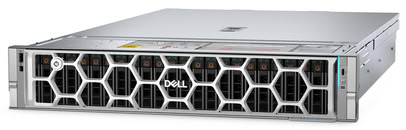
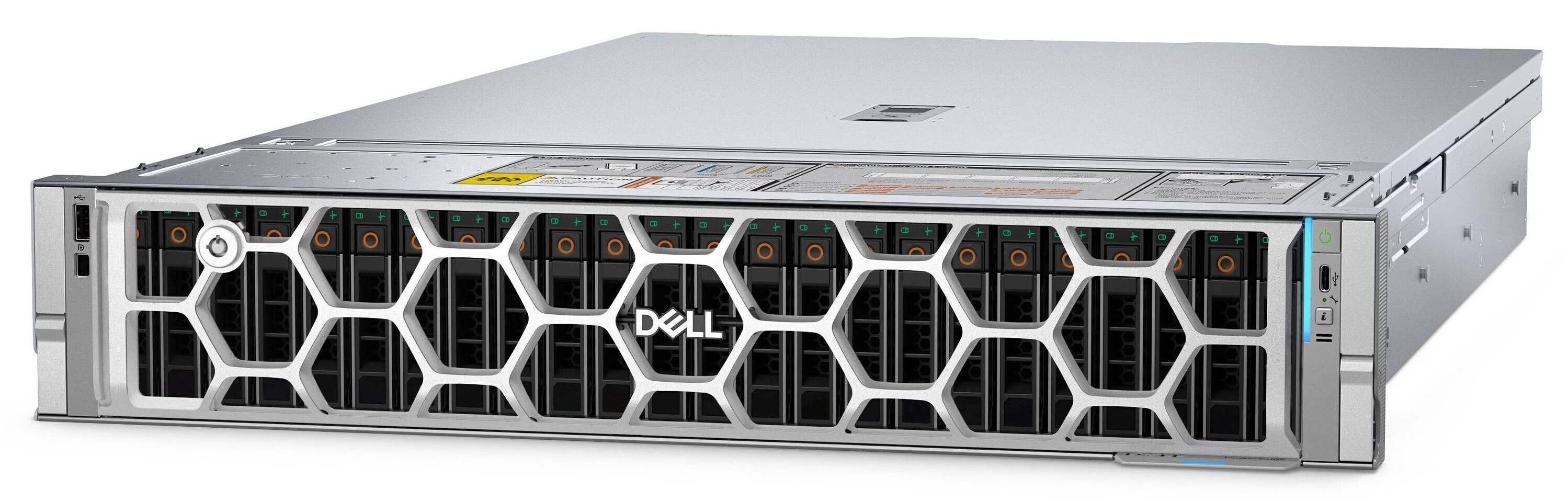
Kioxia and Dell have managed to fit a massive 157 PB of raw flash storage into a single 42U server rack. The configuration runs Dell's software-defined ObjectScale object storage platform on 16 PowerEdge R7725xd servers, which together carry 640 of Kioxia's 245.76 TB LC9 Series SSDs. Kioxia calls it the industry's first 157 PB single-rack object store, a claim it bases on its own market survey. Each 2U server holds 40 of the E3.L drives, the same setup the two companies showed off in May at 9.8 PB per server, so the 16 servers take up 32U and leave 10U of the rack free.
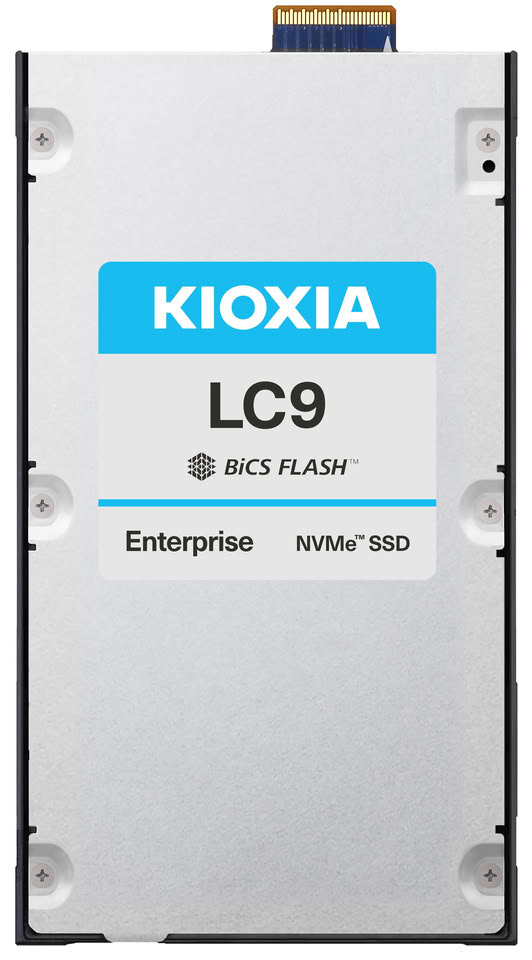
The LC9 drives are PCIe 5.0 NVMe SSDs built on Kioxia's eighth-generation BiCS FLASH QLC with a 32-die stack. The full 245.76 TB capacity is limited to the E3.L form factor, though, since the 2.5-inch and E3.S versions top out at 122.88 TB, which would roughly halve the rack to about 78.6 PB. Dell's George Papadopoulos says customers can "consolidate more data into fewer systems and racks" while cutting down on cabling, power, and cooling.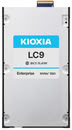
 Both companies pitch the rack as more efficient than HDDs or lower-capacity SSDs at the same capacity, but the announcement doesn't include any power or footprint figures to back that up. There's no word on pricing or availability either. Kioxia also isn't alone at this capacity, as Micron started shipping its own 245 TB 6600 ION earlier this year and quotes up to 176.9 PB per rack in E3.L configurations.
Source:
Kioxia (via Business Wire)
The LC9 drives are PCIe 5.0 NVMe SSDs built on Kioxia's eighth-generation BiCS FLASH QLC with a 32-die stack. The full 245.76 TB capacity is limited to the E3.L form factor, though, since the 2.5-inch and E3.S versions top out at 122.88 TB, which would roughly halve the rack to about 78.6 PB. Dell's George Papadopoulos says customers can "consolidate more data into fewer systems and racks" while cutting down on cabling, power, and cooling.
9 Comments on Kioxia and Dell Build a 157 PB Rack With 640 SSDs
The switches alone were north of $20k/piece
Now if only those drive sizes would trickle down to the consumer market. The consumer side is held back by m.2 It needs to be taken out behind the barn.
I assume these are mainly for read heavy workloads, othewise they would be using TLC?
Finally, enough storage for a picture of your mom.
(With the way the world is right now, a touch of childish humour won’t hurt)
On a serious note, is this not long past the storage density at which speed is not high enough to recover a RAID after a failed drive before a second failure can occur? Even with NVMe speed, is the degraded array exposure window small enough for reliability not to be a concern?