Saturday, November 28th 2026
DRAM Prices May Level Off in Late 2027 Before Dropping in 2028
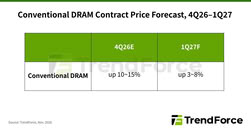
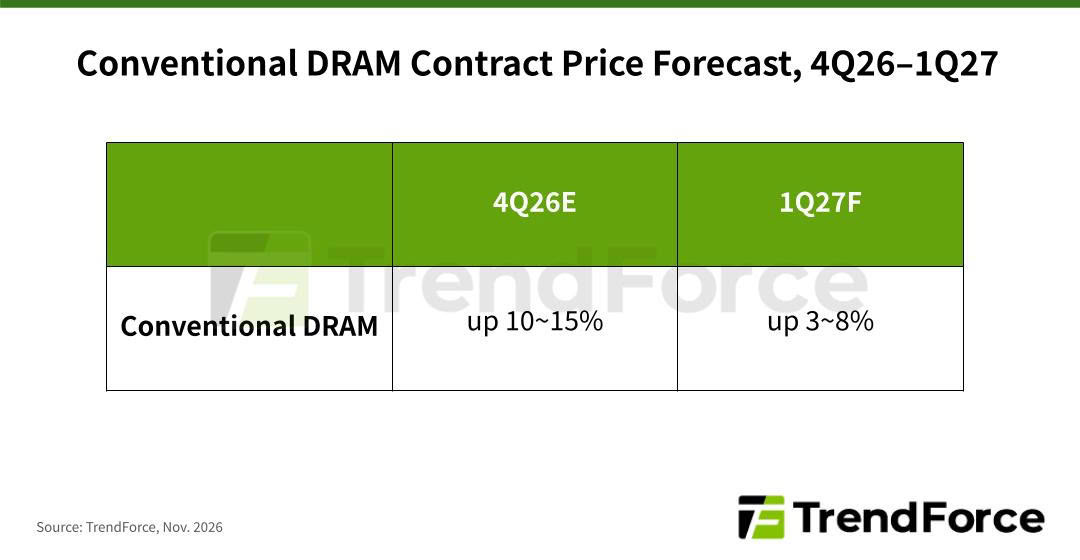
We have heard several predictions from industry leaders about how long the DRAM shortage is expected to last. SK hynix expects the shortage to last through 2030, Micron's CEO expects things to get worse in 2027 and 2028, and Dell's CEO also said something similar. However, it looks like that timeline might be a bit overblown. According to the latest TrendForce report, contract DRAM prices may start leveling off in the second half of 2027, and might even drop in 2028. Apparently, DRAM supply chain players have been reassessing their 2027/2028 production and sales plans since early Q4 2026, which has resulted in a slowdown in DRAM procurement.
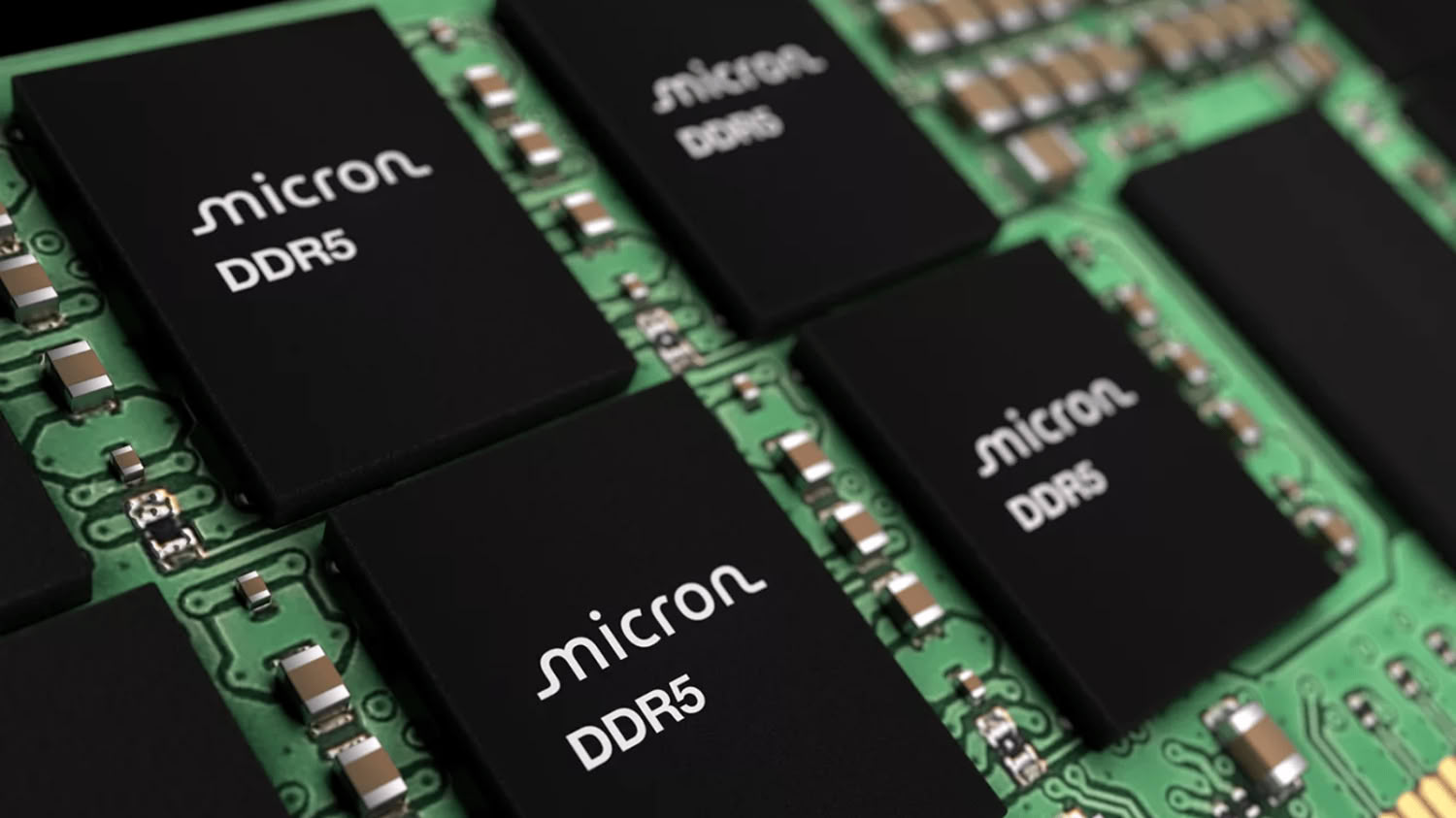
The reason behind this slowdown is multifactorial. Chinese cloud providers apparently began reducing their server DRAM orders early this quarter, but that supply was mostly diverted to North American clients. Moreover, there's also the potential for a revised U.S. stance on data center construction since the midterm elections. NVIDIA is also in the mix, possibly scaling back financing for neocloud providers. Overall, TrendForce's read is that server shipment growth will start slowing down in 2027 (in the best case). Meanwhile, DRAM bit supply is expected to grow due to new capacity and process migration. This reads a lot like Acer CEO Jason Chen's opinion that memory makers might be overstating the shortage to protect their margins. However, this is a forecast based on industry trends, and we don't really know when prices will actually start falling for consumer DDR5 kits.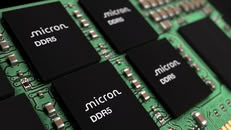
Source:
TrendForce
The reason behind this slowdown is multifactorial. Chinese cloud providers apparently began reducing their server DRAM orders early this quarter, but that supply was mostly diverted to North American clients. Moreover, there's also the potential for a revised U.S. stance on data center construction since the midterm elections. NVIDIA is also in the mix, possibly scaling back financing for neocloud providers. Overall, TrendForce's read is that server shipment growth will start slowing down in 2027 (in the best case). Meanwhile, DRAM bit supply is expected to grow due to new capacity and process migration. This reads a lot like Acer CEO Jason Chen's opinion that memory makers might be overstating the shortage to protect their margins. However, this is a forecast based on industry trends, and we don't really know when prices will actually start falling for consumer DDR5 kits.
14 Comments on DRAM Prices May Level Off in Late 2027 Before Dropping in 2028
2028 might be an accurate expectation, I said this before... the techbros cannot sell another year of 'yeah, need more pls' while not destroying the world as proof they reached something great. I also think we've already seen the miracles AI can bring, or, the larger part of them at least. We're gonna be happy and content chewing on the tech as is right now for quite a while - and its still on a trajectory of causing major disruption, especially to everything that is code.
This is inherently the problem. In the era of cheap consumer RAM they were selling at cost or a loss to keep the lights on and many companies have gone under. Now is a boom time. But they need to be ready for a bust which means no expansion.
What PC gamers want is simply not compatible with a market or reality. So they need to get ready and accept gaming as a service on the cloud. Or you know, stop gaming.
We've had cheap RAM every time the memory makers got sued for price fixing and collusion, which is simply what they're doing again, but on a scale much worse than the last time the memory mafia was caught price fixing when prices doubled and tripled in 2016.
The entire PC industry needs affordable memory again, not just gamers, or the entire market will keep retracting until only the ultra wealthy own a PC, memory prices will inevitably affect businesses and critical infrastructure as well causing prices of everything to increase.
Although the hyperscalers don't want mere users to have memory, let alone to play games on a locally owned PC. Gamers aren't going to stop gaming just because RAM Altman wants to hoard the majority of the entire worlds memory supply, we'll make do until the bubble pops.