News Posts matching #price

Return to Keyword Browsing

NVIDIA May Cut TSMC Chip Orders Amid Mounting Pressure, Report Claims

NVIDIA may be slowing down its chip orders at TSMC, according to a new report from Taiwan's Commercial Times. The outlet cites unnamed supply chain sources but doesn't name a product, node, size, or timeline. Neither NVIDIA nor TSMC have commented so far, and the claims are single-sourced for now. The report frames this as NVIDIA being squeezed from inside and out. On the inside, there's Jensen Huang's November 8 email to staff, in which he apologized for an extramarital affair, and the board's independent investigation into reports that he was targeted by a foreign intelligence effort. The board has said it has no reason to believe national security or NVIDIA secrets were compromised.

The outside pressure mostly comes down to export controls. The report points to tighter export reviews and H200 chips reportedly stockpiled in Hong Kong, both of which it says raise the risk of NVIDIA scaling back orders. It also cites foreign media reports suggesting that some firms approved to handle H200 could be shell companies, which feeds concerns that chips might reach China through fronts like these or middlemen in other countries. The report presents that as a suspicion rather than a finding, and if cuts do happen, upstream suppliers such as TSMC and ASE are the most exposed.


Microsoft Patent Describes Paying PC Owners to Train AI on Idle GPUs

Gaming PCs sitting idle could one day earn their owners credits, or even cash, by training AI models, at least if a newly published Microsoft patent application ever becomes a product. Titled "Opportunistic Micro-training on Edge Devices Using Spare GPU Utilization," the filing US-20260349820-A1 from Microsoft Technology Licensing was submitted in April 2025 and made public on November 5. It describes chopping large training jobs into small micro-tasks sized to what each device can handle, then sending them to phones, laptops, and gaming PCs whenever they have spare capacity. Owners would have to explicitly opt in, after which the system could track the work done and apply credits to their account, redeemable for free software, access to the trained model, or money.

To stay out of the way, the system watches GPU and CPU load, memory use, temperature and power draw, and checks less often when the GPU is busy or hot. Apparently, tasks can be paused or stopped when limits are crossed, and results get cross-checked across devices to catch faulty or tampered work. The filing doesn't give a payout rate or list supported hardware, and Microsoft hasn't announced a Windows or Xbox service, so it's impossible to say whether the rewards would cover the extra electricity. Of course, this is only an application for now, and plenty of those never turn into products.

Terafab Wants to Become One of the Largest Memory Makers by 2032

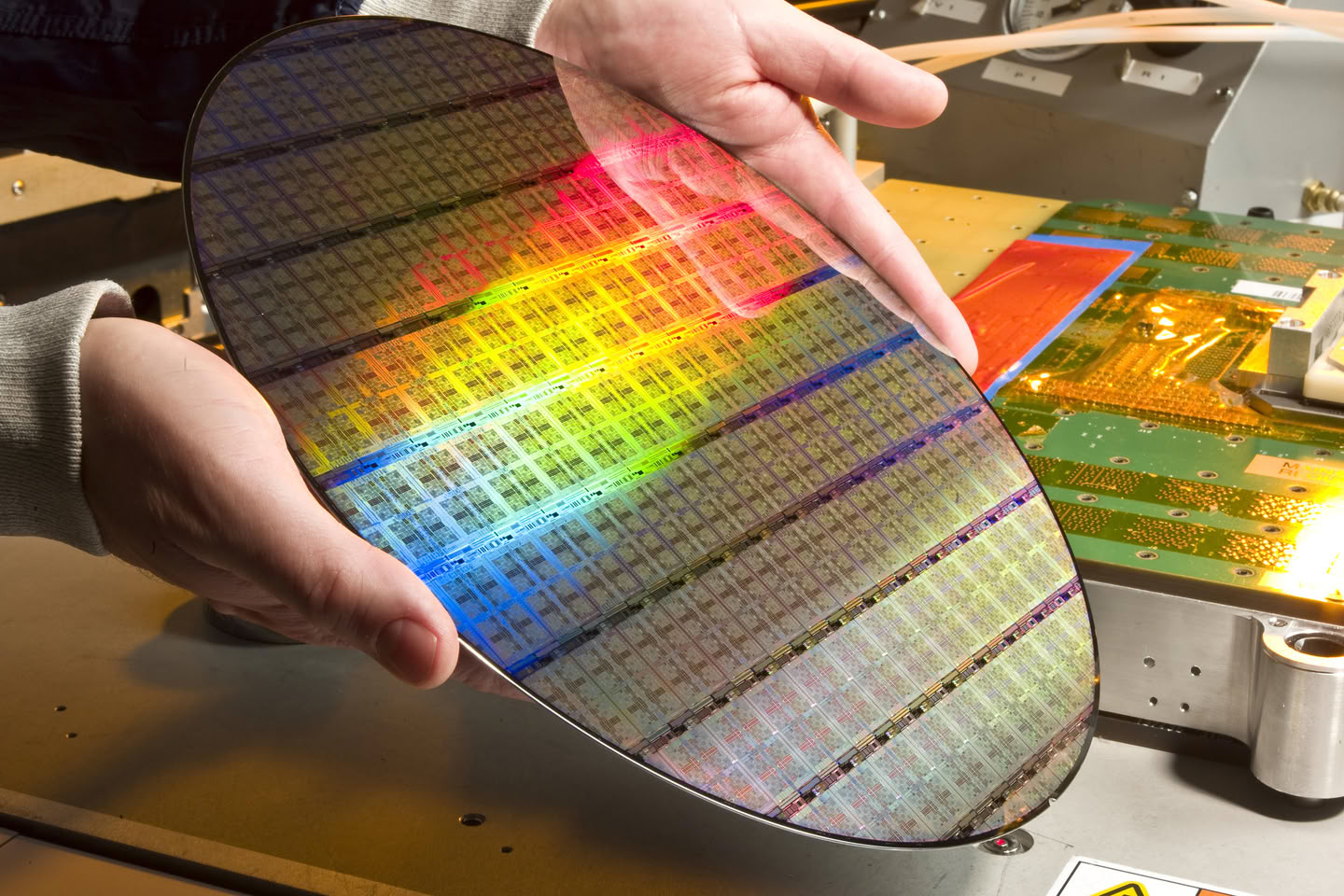
According to Nikkei, a procurement team from Terafab, the chip venture between Tesla and SpaceX, visited Japan and walked local equipment makers through what it plans to buy. The targets it reportedly shared are gigantic: 1 million wafers per month from 2032 onward, with around 700,000 of those going to memory chips and 300,000 to logic. Nikkei's headline puts that at 40 times the output of Japan's Rapidus. The same split first surfaced in a Jiji Press report last month, which said a single Texas plant would handle both memory and logic, with a pilot fab completed as early as July 2027. Intel is reportedly helping with logic using its 2 nm and 1.4 nm-class technology, while a Taiwanese company has been floated as a technology partner for memory. That could be Nanya, though nothing is confirmed.

For context, Samsung's entire DRAM output was estimated at 650,000 to 700,000 wafers a month late last year, while SK hynix was at about 550,000 earlier this year and hopes to reach roughly 1 million by 2030 or 2031. It isn't clear whether Terafab's memory figure covers DRAM alone or also includes NAND, so the Samsung comparison is a loose one. Musk has also been careful with his own dates. On an October SpaceX call, he put "big error bars" on reaching volume production by Q3 2028, with a first SRAM test chip planned for mid-2027 at Terafab's Austin research lab.

New PlayStation Portal Player Gets Built-In Storage in Japan and Korea, Purpose Still Unknown

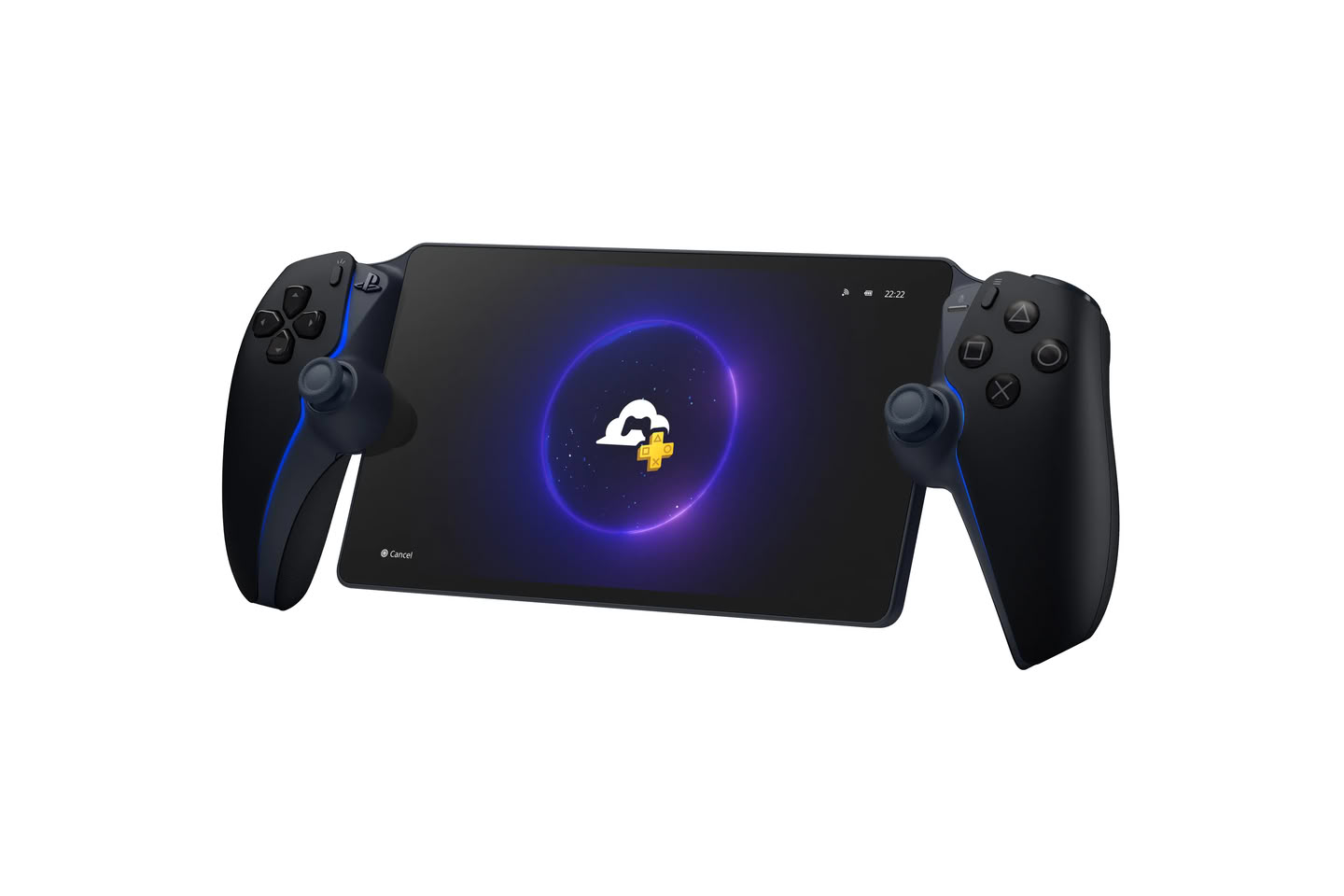
Sony is adding built-in storage to a new PlayStation Portal model for Japan and South Korea, though it hasn't said how much storage it has or what it will be used for. The PlayStation Portal Player Midnight Black goes on sale December 10 for ¥39,980 in Japan and ₩378,000 in South Korea, the same price the current model sells for after this year's price hikes. Preorders open November 13, and each unit ships with one month of PlayStation Plus Premium. Like the Japan-only Midnight Black PS5, both versions are locked to the local language and only work with PlayStation accounts registered in that country. Sony's Japanese post only says the storage is there for future features, with details to follow once those are decided.

Interestingly, the Korean post calls it expanded internal storage instead of new storage, which makes sense since the Portal needs some flash just to run its OS. The "Remote" part of the name is also gone, so the device is now simply the PlayStation Portal Player, as it can stream games from the cloud without a PS5 these days. Everything else carries over, including the 8-inch 1080p 60 FPS LCD, haptic feedback, adaptive triggers, and 3D Audio. That also means no OLED panel, which leaker KeplerL2 claimed back in January would come with a refreshed Portal sometime in 2026. Offline play or local downloads would be the obvious guess for the storage, though Sony hasn't confirmed anything along those lines. There's also no word on a wider release, so buyers elsewhere shouldn't hold out for this model just yet.

CPU-Z Data Shows 16 GB RAM Gaining Ground While 32 GB and 64 GB RAM Shares Shrink

PCs with 32 GB and 64 GB of RAM are becoming less common, at least in the latest CPU-Z Validator statistics. According to Doc TB, one of the developers behind CPU-Z, this is the first time RAM capacity on PCs has declined year over year. 32 GB is still the most popular configuration at 37.2% of validations, though its share is down 2.5% compared to a year ago. 64 GB took a much bigger hit, falling 18% to 7.3%. Lower capacities are moving the other way, with 16 GB up 12.9% to 33.0% and 8 GB up 5.5% to 11.0%, while 96 GB and 128 GB setups dropped by more than 26% each. Memory type tells a similar story, with DDR4 now making up 54.5% of validations, up 6.0%, while DDR5 slipped 2.9% to 32.9%.

Of course, these figures only cover systems that users actually submit to the validator over the last three months, so they aren't a full picture of the PC market. Steam's September survey, for example, showed 32 GB overtaking 16 GB as the most common configuration among gamers, but that promptly flipped with the October survey. Still, the timing makes sense. Memory prices have climbed sharply this year, and Team Group expects the worst of the shortage to land between Q4 2026 and Q2 2027. DDR4 platforms may also get a second wind, with DDR4 motherboards getting released for unannounced LGA1700 processors expected in early 2027. It looks like plenty of people are sticking with older DDR4 systems or settling for 16 GB instead of paying current prices.

NVIDIA Marks 20 Years of the GeForce 8800 GTX With a Free Path-Traced Steam Demo

NVIDIA is celebrating 20 years of the GeForce 8800 GTX, which hit store shelves on November 8, 2006, with a free tech demo on Steam. Called GeForce 8800 GTX - 20 Years of a Legend, it was created by Unreal Engine artist Dylan Browne, the developer of Through The Ages, with support from NVIDIA. The semi-interactive demo puts players in a 2006-era PC gaming room, where they can unbox the 8800 GTX, inspect it up close, and install it in an era-accurate PC tower, with GeForce easter eggs scattered around. The scene is rendered with path tracing, DLSS 4.5 Ray Reconstruction, Dynamic Multi Frame Generation, and RTX Mega Geometry. It is available now on Steam and is coming soon to GeForce NOW for Ultimate members.

Naturally, the 8800 GTX itself can't run any of this, which is quite ironic, to say the least. Steam lists an RTX 4070 as the bare minimum and recommends an RTX 5080, alongside 32 GB of system RAM and 30 GB of storage. That RAM figure alone is over 40 times the 8800 GTX's 768 MB of video memory. The recommended RTX 5080 is far from cheap right now either, with TechSpot's October survey putting its lowest US price at around $2,200. So a demo built around the thrill of unboxing a new GPU in 2006 wants one of the priciest gaming cards of 2026 to look its best.

Custom Hogwarts Legacy RTX 5090 Founders Edition Up for Grabs Until November 12

NVIDIA is giving away a GeForce RTX 5090 Founders Edition with a custom Hogwarts Legacy wrap to celebrate DLSS 5 arriving in the game on November 5. To enter, users need to find the official giveaway post on one of NVIDIA GeForce's accounts on X, Instagram, Facebook, or TikTok and comment with #RTXON. Only one entry per person is allowed across all four platforms. The giveaway runs until November 12 at 11:59 PM PT, with a single winner drawn at random on or around November 13. NVIDIA values the prize at $2,599, which covers $1,999 for the card and $600 for the wrap. Entrants must be 18 or older and live in an eligible country, a list that includes the US, UK, Canada (excluding Quebec), Germany, France, Japan, South Korea, and Taiwan, among others. No purchase is necessary.

The $1,999 figure is NVIDIA's MSRP, though actual retail prices are much higher. TechSpot's October survey put the RTX 5090's normalized global price at $7,240, with the cheapest in-stock US model at $9,400. Supply has also been extremely tight. Reports last month claimed NVIDIA had stopped allocating GB202 GPUs to the RTX 5090, and Jeff Fisher, NVIDIA's senior vice president of personal computing, responded that the card has not been discontinued, while acknowledging constrained supply. NVIDIA has run similar wrapped RTX 5090 giveaways for games like Battlefield 6 and 007 First Light. With prices several times above MSRP and supply this constrained, giveaways like this one seem like the only realistic way for many gamers to have a chance at obtaining an RTX 5090 at the moment.

Six Pallets of NVIDIA Hardware Worth $11.4 Million Stolen on the Way to Texas

Police in Oakland, California, are investigating the theft of six pallets of NVIDIA hardware worth $11.4 million that were bound for Fort Worth, Texas, the Bay Area News Group reports. A truck carrying a food transportation company's logo picked up the cargo in Oakland on August 29 as planned, but the truck and its drivers then went off the grid heading south. According to authorities, the truck made several multi-hour stops before police lost track of it in San Bernardino County. Apparently, nobody realized the cargo was gone until early September, and Oakland police say the theft was reported to them on September 13. No arrests have been announced.

What exactly was on those pallets hasn't been disclosed, so we don't know if it was AI accelerators, complete systems, or GeForce graphics cards. Speaking to ABC7, UC Berkeley professor Olaf Groth said NVIDIA chips can sell for roughly double their US price abroad, with a $550,000 compute system going for $1 million or more. He added that the heists are getting bigger and more complex, which points to increasingly professional crews.

NVIDIA RTX 5070 Ti Climbs $160 in Eight Days, Now 79% Over MSRP

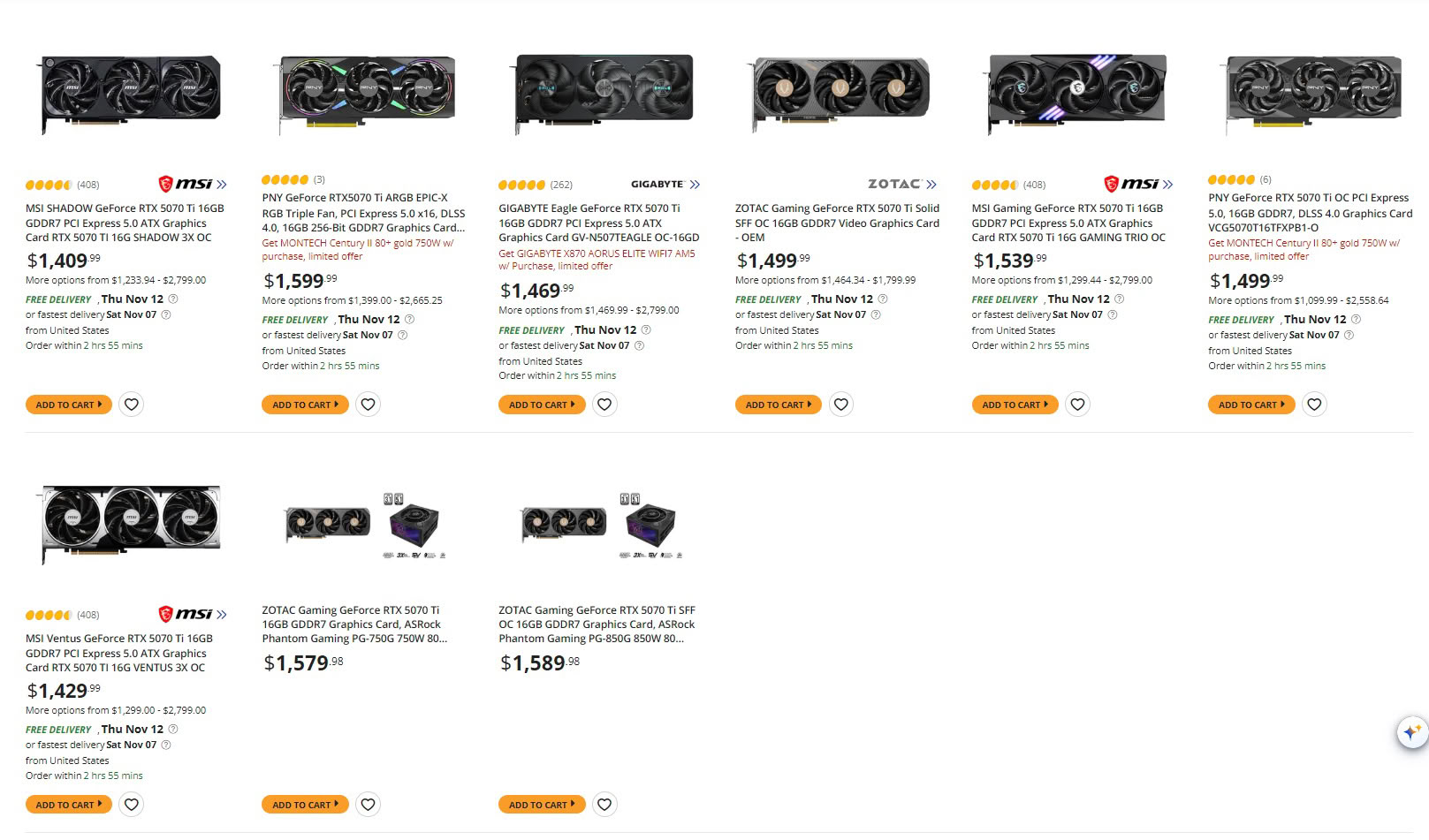
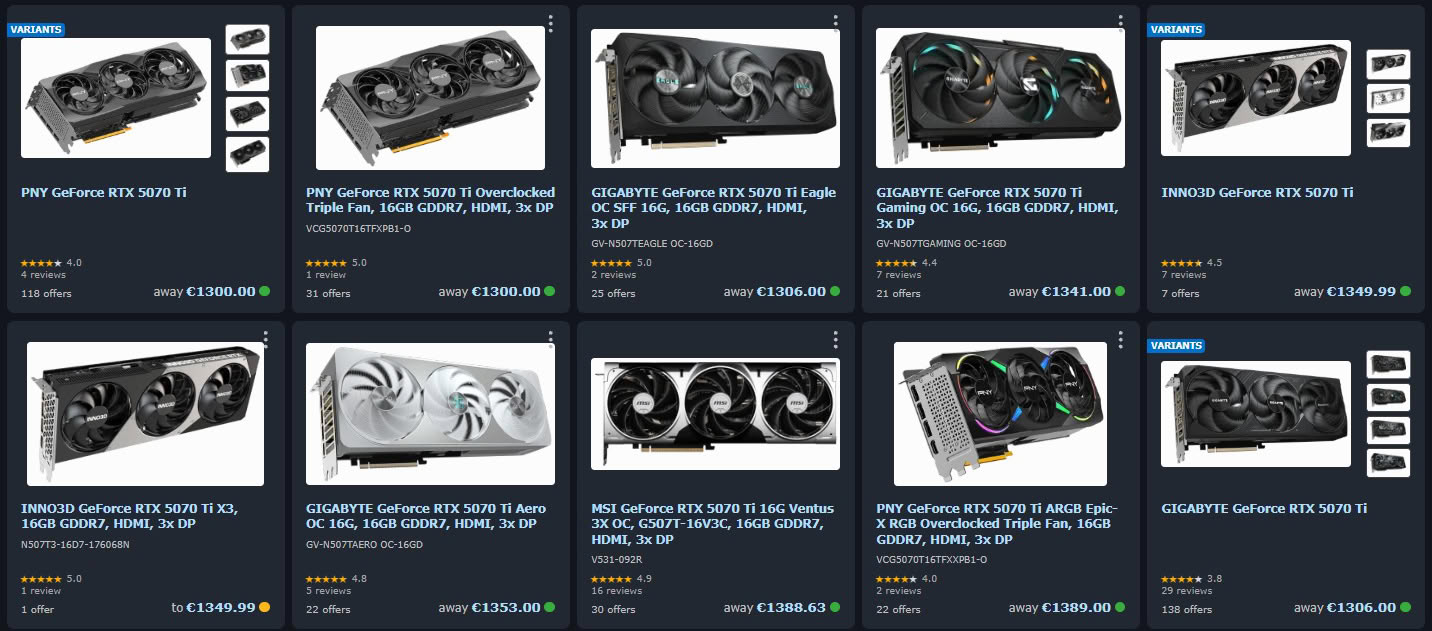
NVIDIA's GeForce RTX 5070 Ti is now close to double its $749 MSRP in the US. According to price tracking by VideoCardz, the cheapest RTX 5070 Ti at major US retailers was $1,339.99 on November 6, about 79% above MSRP, up from $1,179.99 on October 29. That's a $160 jump in just eight days. Some models have already crossed the 2x mark, like the ASUS TUF Gaming OC at $1,499.99 on B&H. Prices are also moving fast. At the time of writing, the cheapest RTX 5070 Ti sold by Newegg itself is an MSI SHADOW RTX 5070 Ti at $1,409.99. Things aren't much better in Germany, where the cheapest listing on Geizhals sits at €1,300 for a PNY model, roughly 48% above the €879 MSRP.

Things are probably going to get worse, too. NVIDIA's board partners in China are reportedly raising RTX 5070 Ti prices by around 1,000 RMB (about $150) this week, with retail prices expected to follow within a week or two. Unlike the RTX 5090 and 5080 16 GB, which have reportedly been discontinued, the RTX 5070 Ti is still officially in production. After reports of an end of production in January early this year, NVIDIA said it was still shipping all GeForce SKUs, and ASUS denied the card was end-of-life, while admitting that memory supply was hurting production and restocking. The card is still listed at major retailers, unlike the RTX 5080, which vanished from NVIDIA's US Marketplace two weeks after the RTX 5090 did the same. Anyone shopping for an RTX 5070 Ti should probably expect these prices to keep rising for a while.

AMD Goes "Data Center First" While Gaming Revenue Drops 40%

AMD CEO Lisa Su now calls AMD a "data center first" company, two days after AMD reported a 40% drop in gaming revenue. Speaking to Yahoo Finance's Brian Sozzi on November 5, Su said AMD's data center business should grow 50% sequentially from Q3 to Q4, and suggested it could more than double next year. Here's how she put it:
Dr. Lisa Su, AMD CEOWe are a data center first company, that is our profile, and you know, people need more computing to power all these applications.
Data Center brought in a record $8.5 billion in Q3, up 97%, and now makes up 64% of AMD's $13.4 billion total, up from 47% a year ago. Gaming fell to $773 million, or under 6% of revenue. AMD blames it mostly on lower semi-custom sales, meaning the console chips it makes for Sony and Microsoft, along with weaker graphics demand. Gaming was flat against Q2, though, and last year's Q3 was boosted by a 181% console-driven jump to $1.3 billion. Su used the same "data center first" line back in 2024, when data center was just over half of revenue.

NVIDIA RTX PRO 5500 Listing Spotted at $17,999, More Than the Flagship RTX PRO 6000

The NVIDIA RTX PRO 5500 "Blackwell" workstation card has shown up at a US retailer, and it surprisingly costs more than the flagship RTX PRO 6000. As spotted by Alex Ziskind on X and corroborated by Videocardz, SHI Government Solutions listed the PNY-built model (VCNRTXPRO5500B-PB) with an MSRP of $17,999 and a discounted price of $17,408.63. NVIDIA's own US marketplace, on the other hand, lists the RTX PRO 6000 for $16,000, even though that card has more CUDA cores (24,064 vs. 21,760) and more memory (96 GB vs. 84 GB). So even at SHI's discounted price, the cut-down card costs around $1,400 more. NVIDIA hasn't announced official pricing since it quietly added the RTX PRO 5500 to its lineup in September, so it isn't clear whether the $17,999 figure comes from NVIDIA or PNY.

Videocardz points out that Chinese demand is probably a big factor behind the RTX PRO 5500's price. According to Reuters, ByteDance, Alibaba, and Tencent have ordered over 3 million RTX PRO 5500 cards at roughly $11,400 each, with total orders from China reportedly topping 6 million. One source said NVIDIA can make no more than 3 million of them in 2027. With the B300 barred from China and the H200 reviewed case by case, the RTX PRO 5500 is one of the strongest NVIDIA GPUs Chinese firms can still buy. The card also packs 28 GDDR7 modules at a time, even as memory prices keep climbing. With orders far ahead of supply, it's reasonable to expect RTX PRO 5500 pricing to stay high for a while.

Nintendo Has No Plans for Another Switch 2 Price Hike

Nintendo isn't considering another price increase for the Switch 2, at least for now. Speaking at the company's financial results briefing on November 5, president Shuntaro Furukawa said there hasn't been any major change in the memory situation and that Nintendo is still able to secure "sufficient quantities," according to Reuters. That's welcome news for anyone still on the fence, since the console has already gone up once this year. Nintendo announced a $50 price hike back in May, which took the US price from $449.99 to $499.99 on September 1, while the Japanese model went from ¥49,980 to ¥59,980 and the European My Nintendo Store price climbed from €469.99 to €499.99.

The comments seem to arrive as Switch 2 hardware sales are slowing down. Nintendo shipped 2.67 million units between July and September, down 41% from a year earlier, though the console has now reached 26.35 million units overall and is still ahead of where the original Switch was at the same point. Nintendo has kept its forecast of 16.5 million Switch 2 units for the fiscal year ending March 2027. Of course, "not considering" isn't the same as a promise, so it's best not to treat this as a price freeze. Sony said much the same thing this week, noting that it has already agreed on memory volumes with suppliers for its next fiscal year. Elsewhere, hardware keeps getting pricier, with NVIDIA's GeForce RTX 50-series reportedly set for price hikes of up to $500, but at least Nintendo is staying put for now.

PlayStation 6 Is on Track, but Sony Wants to Be Careful With How Much It Spends

Sony says work on its next-generation PlayStation, presumably the PS6, is still on schedule despite the ongoing memory crunch. During the company's Q2 FY2026 earnings call, CFO Lin Tao said development is "progressing as scheduled," adding that investment in the new platform will ramp up from next fiscal year, which begins in April 2027. On the memory front, Sony says it has offset rising memory prices on the PS5 through pricing, promotions and cost cuts, and has already agreed with suppliers on how much memory it needs for next year's projected hardware sales. Here's what Tao said about the next generation in her prepared remarks:
Although new PS5 unit sales are gradually declining as expected in this stage of the console life cycle, the PS platform continues to expand and grow in a stable manner. Looking ahead to next fiscal year, we aim to continue to enhance user engagement and further strengthen monetization through the release of strong titles and the expansion of our service. We also intend to make solid progress in preparing for the next generation platform.
Later, during the Q&A, she added:
For future growth, we have to attach great importance to our new platform. We have to make the necessary investments for that. But we have to support this soundness of our platform and try to think how rationally we can invest in our platform.

Google Says Detachable Googlebooks Are Next in Line

Google has confirmed that Googlebooks with removable keyboards are on the way. During its Android Dev Summit 2026 keynote last week, the company said its Chromebook successor "spans across large screen form factors from clamshells, convertibles, and soon detachables." That's all Google said, so there's no date, price, or specific device attached to it yet. The current lineup is mostly made up of clamshells, and the Acer Googlebook 14, with its 360-degree hinge, is the only convertible in it.

Reports claim that the first detachable will most likely come from Lenovo, which already sells the Googlebook 15. Its Googlebook Duet m, codenamed "Sapphire," showed up in the Bluetooth SIG database back in August, and a matching keyboard and Lenovo Pen Pro stylus have now cleared the FCC under the IDs O57DUET13BTKB and O57AP501U1. The keyboard schematics carry Googlebook branding on the left palm rest, and it seems to work both through pogo pins when attached and over Bluetooth LE on its own battery. Leaks point to a 13-inch OLED panel and a MediaTek chip, though reports disagree on which one, and Lenovo hasn't confirmed any of it.

AMD Guidance Points to Its First Quarter Ever With More Revenue Than Intel

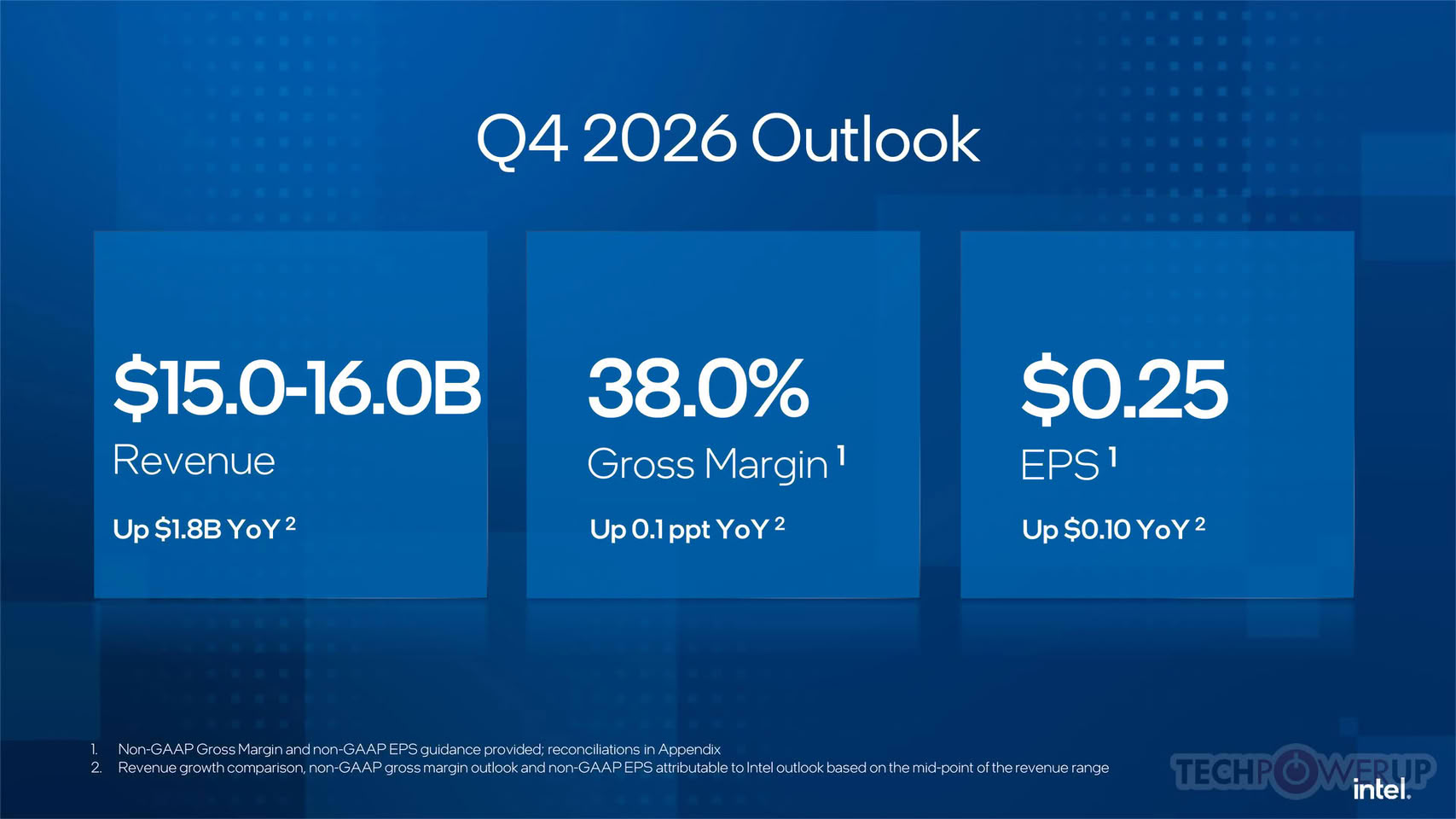
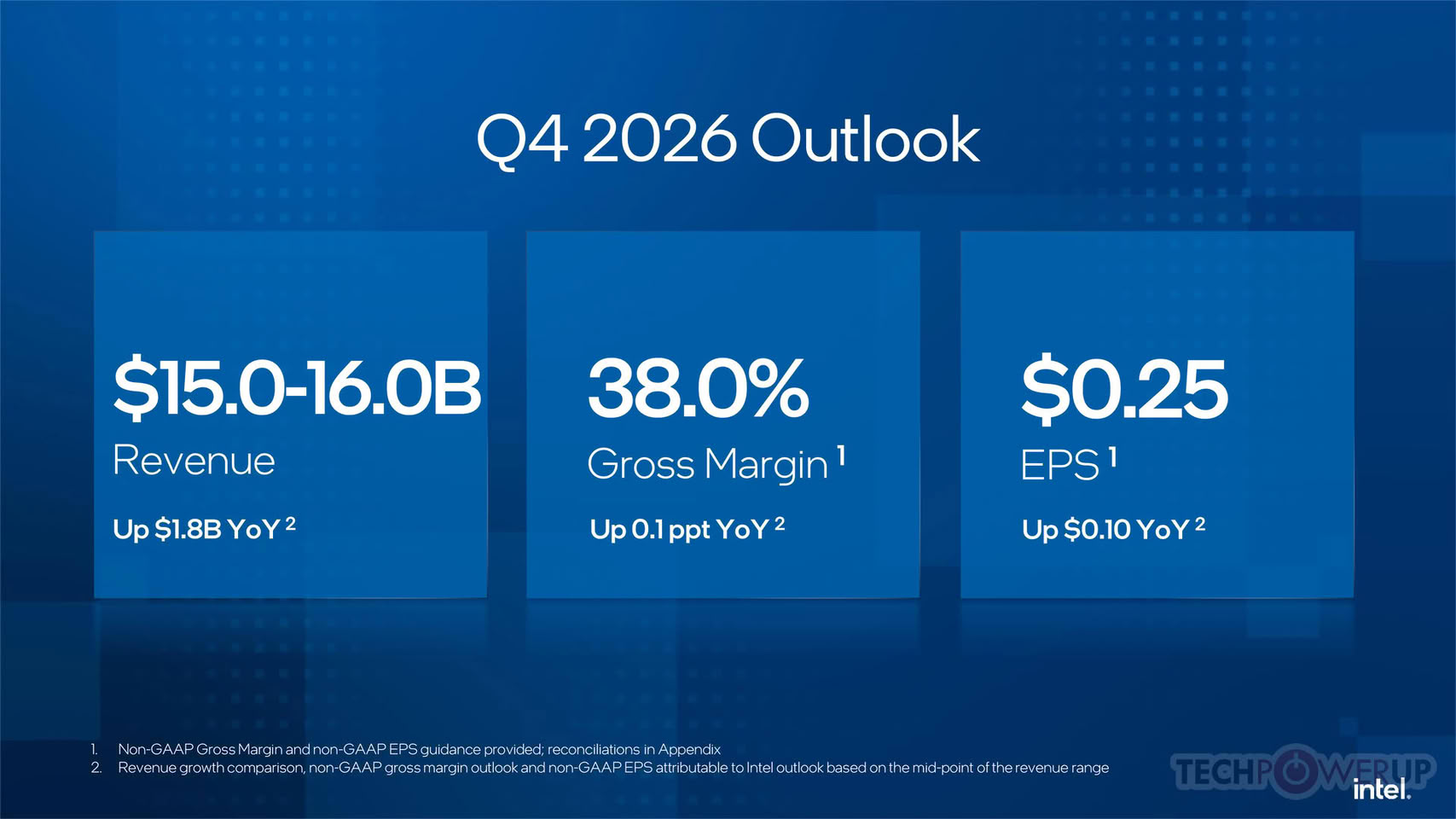
AMD looks set to bring in more quarterly revenue than Intel for what appears to be the first time ever. Alongside its record Q3 2026 results, AMD guided Q4 revenue to approximately $17 billion, plus or minus 3%, or roughly $16.5 billion to $17.5 billion. Intel, on the other hand, expects Q4 revenue between $15 billion and $16 billion. Even the bottom of AMD's range sits above the top of Intel's, so unless either company misses its guidance badly, the flip is pretty much locked in.

Most of AMD's growth comes from the data center. AMD's Data Center segment hit a record $8.5 billion in Q3, up 97% year over year, on strong EPYC demand and the launch of the Instinct MI450 Series GPUs inside its Helios racks. AMD expects the segment to grow about 50% sequentially in Q4, while Client and Gaming is expected to drop by more than 20%. Intel's Q4 outlook, meanwhile, came in well below expectations, partly due to a two-week shutdown at Fab 28 in Israel that Intel says will cost about $300 million in Q4 revenue.

After Xbox, Sony Starts Asking Owners to Trade In Their PS5

Sony has started nudging some PlayStation owners in the US to sell their PS5, with a PlayStation app notification shared on ResetEra offering "up to $400" for a standard console. The trade-in itself runs through Back Market, which inspects the hardware and then sends cash straight to the owner's bank account instead of offering store credit. That $400 figure comes with some fine print, though. It is based on quotes for a standard PS5 in Grade 0 condition, which is basically flawless, with two or more controllers included, collected between August 23 and September 22. PS5 Pro owners aren't part of this one. The timing certainly looks pretty convenient, with GTA 6 launching on November 19 and pre-load starting on November 10.

Coincidentally, Microsoft also started emailing inactive Xbox owners last month, offering up to $375 for a Series X traded in at Best Buy. Sony's offer looks a little better on paper, since Microsoft pays out in Best Buy eGift Cards rather than cash. A couple of users who ran the online trade-in estimate got a little over $400 for a base PS5, so the headline number seems realistic for consoles in good shape. A new PS5 now costs $649.99 after Sony's April price hike, while the $899.99 PS5 Pro is hard to find at list price, and GameStop is reportedly asking $1,399.99 for used units. With retailers already expecting console shortages around the GTA 6 launch, used PS5s will probably sell fast. Owners with an idle console are advised to compare Back Market's quote with local resale prices before shipping it off.

GPU Prices Up Again in October, RTX 5090 Now Sells for 262% Over MSRP Worldwide

In a big surprise to no one, graphics card prices went up again in October. TechSpot's latest survey across 10 countries shows GPU prices rising 11% month over month, following a 15% jump in August and 7% in September, or roughly 35% over three months. On average, cards now sell for 44% above MSRP, climbing to 58% in the US and Canada. Keep in mind these numbers track the lowest in-stock price in each region, so most models cost even more. Moreover, there is another GeForce RTX 50-series price hike on the horizon, so these numbers will rise again pretty soon.

The GeForce RTX 5090 is in a league of its own. It got 32% pricier in a month, and its normalized global price of $7,240 sits a staggering 262% above its $1,999 MSRP, almost double the 136% figure from early September. In the US, the cheapest in-stock model now costs $9,400, or 370% over MSRP, and most models now sit above $11,000 comfortably. The RTX 5080 is following a similar path, up 22% in a month to $2,200 in the US, while Newegg had none of its own in stock when the data was collected. TechSpot argues the GDDR7 memory crisis can't explain a jump that big, and some retail sources apparently told them wholesale RTX 5080 costs have gone up recently too.

Intel Might Discontinue the Arc B580 to Prioritize Higher-Margin Arc Pro Cards

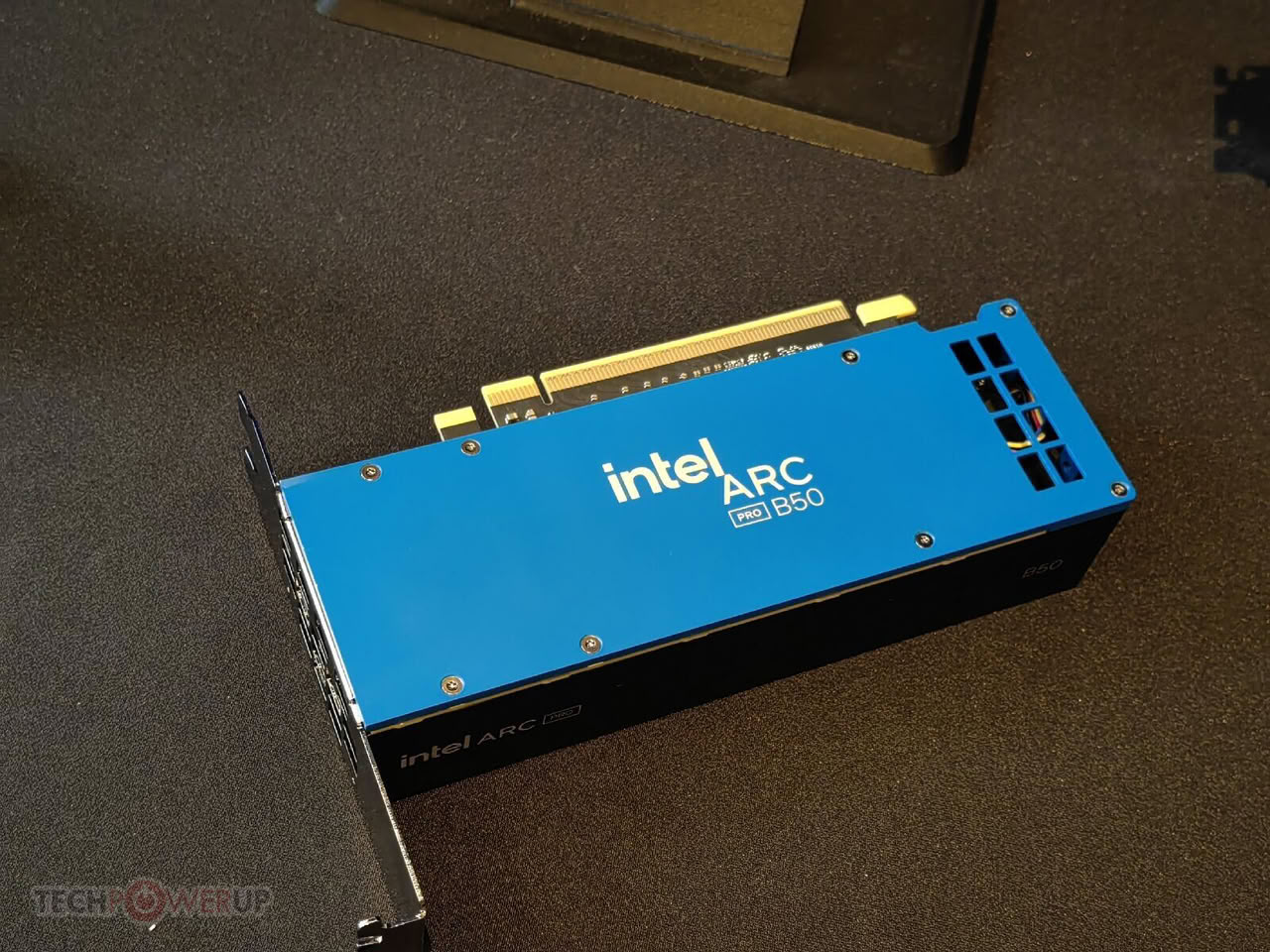
Leaker Haze2K1 says on X that Intel might put the Arc B580 on the end-of-life (EOL) list. Apparently, Intel wants to prioritize workstation and AI inference cards like the Arc Pro B50, which are reportedly selling really well and carry higher margins. Intel hasn't confirmed anything, and Haze2K1 only says the card "might" go EOL, so this is only a rumor for now. However, the logic checks out. The Arc B580 launched in December 2024 at $249 and beat the RTX 4060 in TechPowerUp's review. The Arc Pro B50 and B60 use the same BMG-G21 silicon, and the B60 pairs the same 20 Xe cores with 24 GB of memory instead of 12 GB. Intel estimated the B60 at around $500 at launch, roughly double the B580's price. Clearly, Intel stands to gain more monetary benefit from the workstation cards.

As for the consumer GPUs, their supply already looks quite thin. The B580 is reportedly out of stock at most retailers, and prices have also climbed well above MSRP. The leaker doesn't mention the Arc B570, so we don't know if Intel has similar plans for that card as well. Intel's larger BMG-G31 chip also showed up in March in the workstation-only Arc Pro B70 and B65, so the shift toward pro cards seems to be underway already. If the B580 does go away, gamers will lose one of the more affordable 12 GB cards, even though the Arc B580 was selling above its MSRP. That said, I wouldn't expect cheaper Arc cards anytime soon

Raspberry Pi 5 16 GB Hits $385 Following Latest Price Hikes

Raspberry Pi has raised prices again, and this time the 16 GB Raspberry Pi 5 takes the hit. CEO Eben Upton announced in a blog post that the 16 GB model goes up by $80 to $385, more than triple the $120 it launched at in January 2025. The 16 GB Compute Module 5 variants are also going up by $40, with updated prices listed in the product brief on the Compute Module 5 page. This follows the October 1 increase, when the 2 GB Pi 4 and Pi 5 each went up by $12.50. Compared to today's hike, that one was minor. Upton blames a lack of alternative supply for 16 GB DRAM, made worse by other ongoing component shortages.

Upton encouraged customers to make sure they are not paying for more memory than they need. He pointed out that lower-density variants or older Raspberry Pi models could be a solution. Also, underlined developers to optimize memory use in their applications. He closes the post by saying the current memory situation is difficult but temporary. Raspberry Pi Foundation intends to roll the increases back once memory costs start to decrease.

OpenAI CEO Argues Home PCs Waste the World's Limited DRAM Supply

OpenAI CEO Sam Altman thinks the DRAM sitting inside personal computers would be better used in data centers. He made the comments on the Cheeky Pint podcast, hosted by Stripe co-founder John Collison, in an episode released on October 29. The two were discussing the memory supply chain when the topic turned to local inference, meaning running AI models on your own hardware instead of the cloud. Here's what Altman said, at roughly the 29-minute mark:
Sam Altman, OpenAI CEOA lot of people want local inference. And somehow, they assume that the problem is solved now. Because, we are going to have open-source models. We're going to be able to run them on our computers. And so we're not going to need all the stuff in the data center. But from a global allocation perspective, actually, it's quite terrible to have everybody have a bunch of the world's limited supply of DRAM sitting in their own computer. And, being used 5% of the time. You want maximum utilization in the cloud if you're trying to deal with this very supply constrained environment. And somehow everyone's... many people's intuition is the opposite of that.

Intel Data Center Revenue Jumps 78%, but Weak Q4 Guidance Drags Stock Down 30%

Intel shares fell roughly 29% on Friday to $65.76 after the company's fourth-quarter outlook came in well below Wall Street expectations. According to CNBC, it was the stock's worst day since the 1970s. Intel had closed at $92.07 on Thursday, right before it posted its third-quarter 2026 results. Oddly enough, the quarter itself was a good one. Revenue came in at $16.5 billion, up 21% year over year, and adjusted EPS of $0.52 easily beat the roughly $0.40 analysts were expecting. Data Center and AI revenue jumped 78% to $7.3 billion, while the Client Computing Group slipped 5% to $8.1 billion.

Investors, however, were looking at Q4. Intel expects revenue between $15 billion and $16 billion, against a consensus of around $17 billion, with adjusted EPS of just $0.25. Non-GAAP gross margin is also expected to fall to about 38% from 44% in Q3. Part of the shortfall comes from a plant shutdown in Israel. CFO David Zinsner said Intel sees "the PC slowdown continuing at least through the first half of next year." On the earnings call, the company said it expects the PC market to shrink by about 12% in units this year, and it reportedly sees another 10% decline in 2027.

AMD Reportedly Plans Another Radeon GPU and GDDR6 Kit Price Hike for November

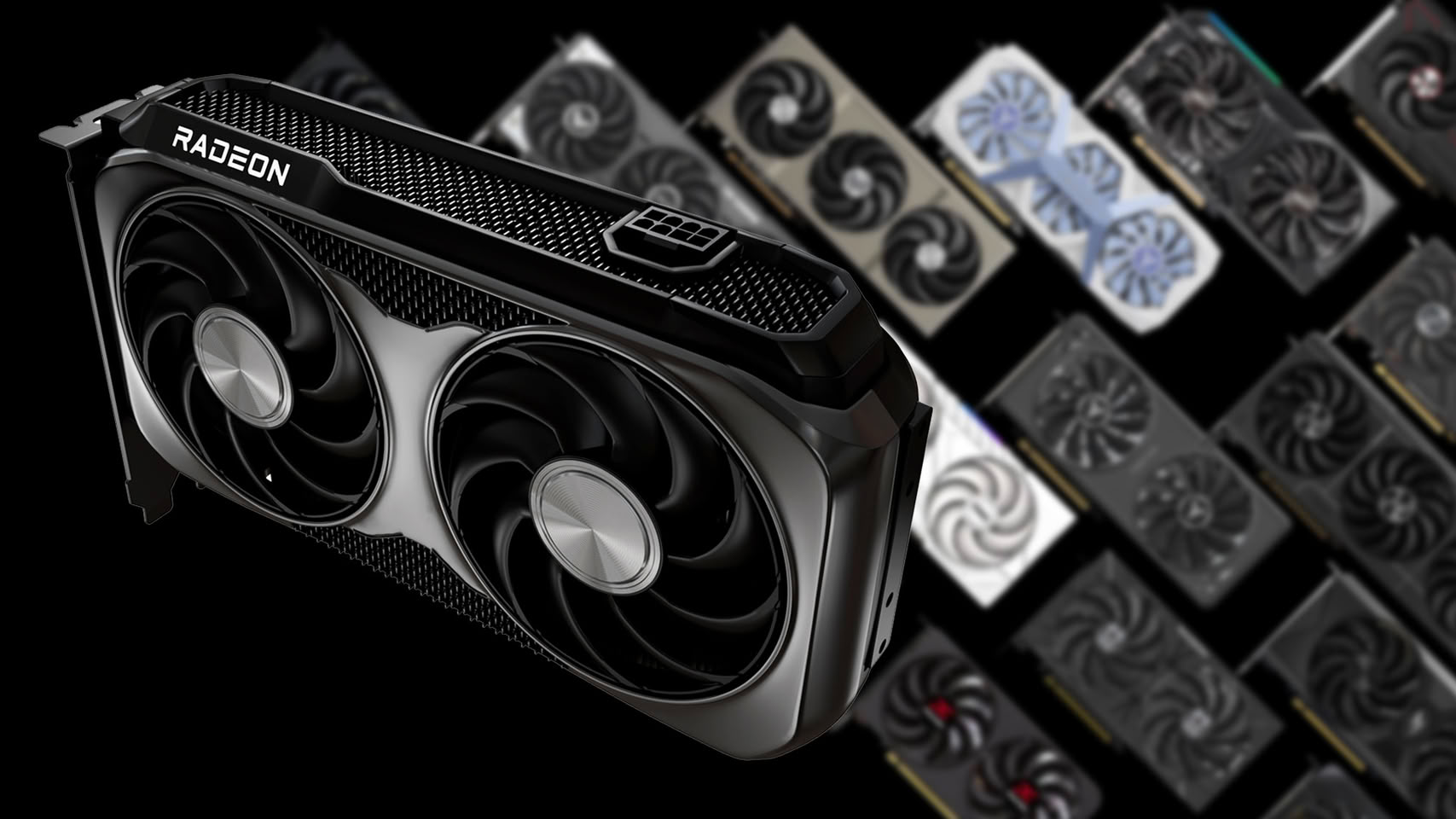
AMD is reportedly getting ready to raise prices on its Radeon GPU and GDDR6 memory kits again in November. According to a new post from Board Channels, the increase would follow an earlier adjustment in October, when AMD apparently started charging its board partners more for GDDR6 from October 1. The exact scope of the November hike isn't known yet. The main reason seems to be memory, since GDDR6 prices reportedly went up by around 8 to 10% in the third quarter. Board Channels also claims AMD now reviews its kit pricing every quarter to keep up with rising GPU and memory costs. AMD sells its GPUs to add-in board partners bundled with memory, so any increase there usually ends up in the price of the finished card.

This would add to a long list of reported increases this year. A 10% hike on Radeon GPU kits was reported for July, another 10% increase across GPUs, chipsets, and possibly CPUs followed in September, and AMD's suggested Radeon prices in China went up in early October. Retail prices are already moving, too. According to Hardware Unboxed's latest pricing survey, cited by Videocardz, the RX 9060 XT 16 GB costs 17% more than it did in September, while the RX 9070 and RX 9070 XT are up 12%. Of course, AMD hasn't officially confirmed any of this. How much the November change affects store prices will depend on board partner pricing and existing inventory, so buyers who were already planning on a Radeon RX 9000 card might want to buy sooner rather than later.

RTX 5080 Vanishes From NVIDIA's US Marketplace Two Weeks After the RTX 5090

NVIDIA's US Marketplace no longer lists the GeForce RTX 5080. The GPU filter on the store's graphics card page now tops out at the RTX 5070 Ti, followed by the RTX 5070, RTX 5060 Ti, RTX 5060, and RTX 5050, with partner RTX 5080 models gone as well. The same thing happened to the RTX 5090 about two weeks ago and, barring a brief cameo at $5,599, the card still hasn't returned. NVIDIA has since denied that the RTX 5090 is discontinued, though it hasn't said anything about the RTX 5080 yet. Oddly enough, its RTX 5080 product page still says "Starting at $999."

The removal seems limited to the US for now. NVIDIA's UK Marketplace still has 13 RTX 5080 listings and two RTX 5090 cards. Of course, a missing listing could simply mean there's no stock left, since the RTX 5080 already costs close to $2,000 at US retailers, roughly double its MSRP. That leaves the RTX 5070 Ti as the fastest card on NVIDIA's US store, and it isn't cheap either. The seven listings there range from $1,269.99 to $1,499.99, well above its $749 launch price.

NVIDIA Reportedly Moves Up RTX 5080 24 GB Launch

NVIDIA's GeForce RTX 5080 24 GB might arrive sooner than expected. A new post from Board Channels' ChannelGate account claims NVIDIA is speeding up the launch, with availability now expected around January 2027 and December 2026 as the earliest option. Earlier this month, various sources relayed that the card was reportedly planned for Q1 2027. The same post says NVIDIA will stop supplying the RTX 5080 16 GB and the RTX 5090 D V2 to China, leaving the 24 GB RTX 5080 as the only flagship model in that market. The report only covers China, so there's no word yet on whether the 16 GB card is going away globally. If the January window pans out, a CES 2027 reveal seems likely, though NVIDIA hasn't confirmed anything.

Apparently, NVIDIA has already cleared out its RTX 5080 16 GB GPU inventory, and the remaining stock should last around two months. That roughly matches a leaker's claim that NVIDIA has January discontinuation dates set for the 16 GB card. The post is machine-translated, so some wording may be off. Specs are still unknown, though 24 GB on the same 256-bit bus would most likely mean 3 GB GDDR7 modules instead of 2 GB ones. Board Channels previously suggested the card could cost around 19,999 yuan (nearly $3,000) in China, while the 16 GB model already sells for close to $2,000 at U.S. retailers, double its $999 MSRP. With the memory shortage expected to get worse in 2027, it's reasonable to expect the 24 GB card to be both expensive and hard to find.

Xbox Console Sales Fall 14% as Microsoft Points to Supply Shortages

Microsoft's gaming business shrank again in the first quarter of its 2027 fiscal year, which ended on September 30. Xbox revenue came in at $5.38 billion, down 2% from $5.51 billion a year ago, while Microsoft as a whole grew revenue by 19% to $92.3 billion. Content and services revenue fell 2%, and hardware dropped a bigger 14% on a lower volume of consoles sold. CFO Amy Hood said the overall Xbox decline was driven by third-party content and Xbox Game Pass, partly offset by growth in first-party games.

Microsoft Gaming CEO Asha Sharma, however, put a positive spin on the numbers in a post on X. She pointed out that the 2% decline is much smaller than the 10% drop a quarter earlier, and that margins improved. She also listed record results for Minecraft and World of Warcraft Forever, called Modern Warfare 4 Call of Duty's most acclaimed release in over a decade, and said PC platform revenue grew by double digits. As for hardware, Sharma claims console sales are being held back by supply, with demand currently outpacing the number of consoles available. She added that Xbox is working to get more units out to players, partly through an expanded refurbishment program.
Return to Keyword Browsing
Nov 11th, 2026 03:59 CST change timezone

New Forum Posts

Popular Reviews

TPU on YouTube

Controversial News Posts