Monday, November 9th 2026
Terafab Wants to Become One of the Largest Memory Makers by 2032
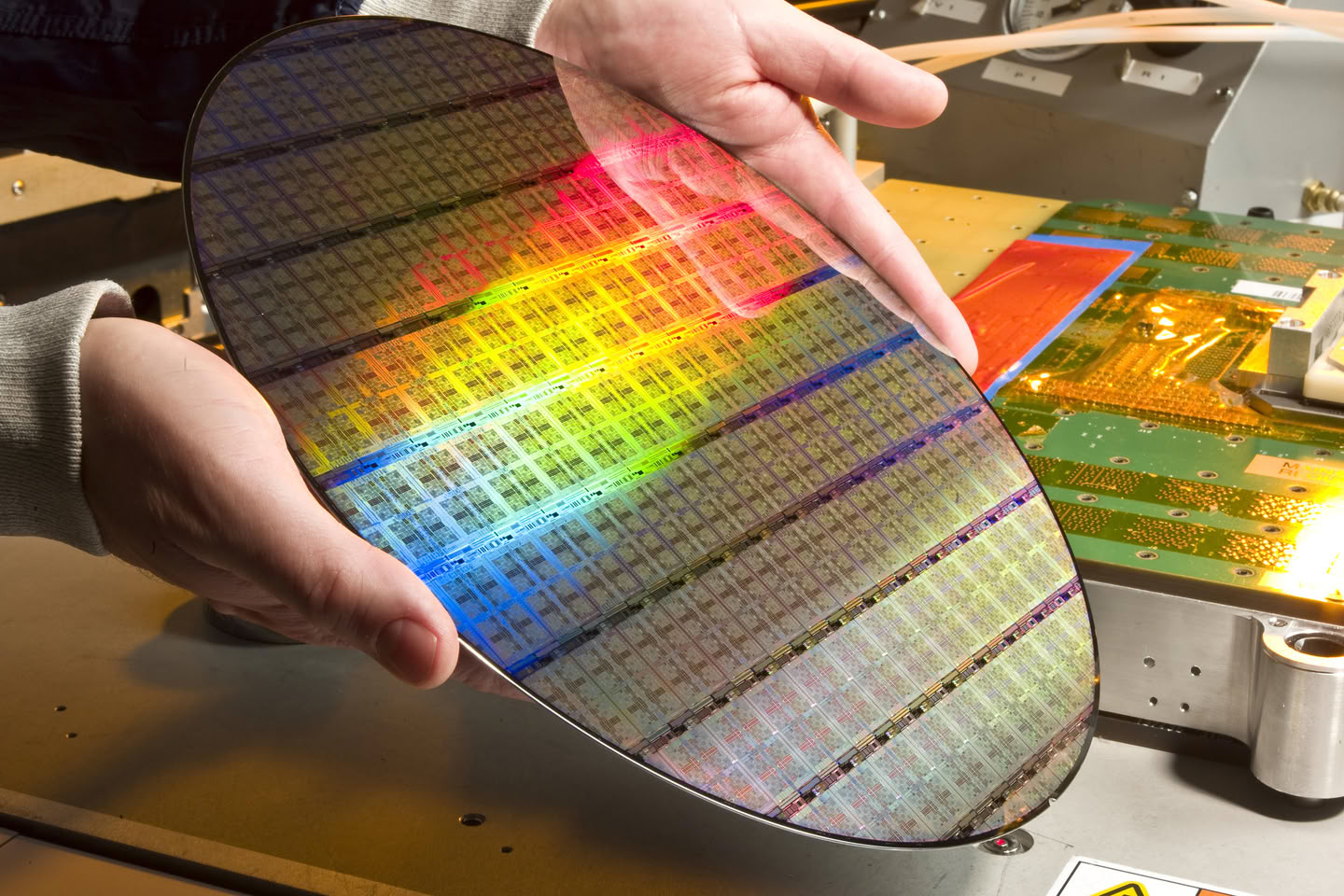
According to Nikkei, a procurement team from Terafab, the chip venture between Tesla and SpaceX, visited Japan and walked local equipment makers through what it plans to buy. The targets it reportedly shared are gigantic: 1 million wafers per month from 2032 onward, with around 700,000 of those going to memory chips and 300,000 to logic. Nikkei's headline puts that at 40 times the output of Japan's Rapidus. The same split first surfaced in a Jiji Press report last month, which said a single Texas plant would handle both memory and logic, with a pilot fab completed as early as July 2027. Intel is reportedly helping with logic using its 2 nm and 1.4 nm-class technology, while a Taiwanese company has been floated as a technology partner for memory. That could be Nanya, though nothing is confirmed.
For context, Samsung's entire DRAM output was estimated at 650,000 to 700,000 wafers a month late last year, while SK hynix was at about 550,000 earlier this year and hopes to reach roughly 1 million by 2030 or 2031. It isn't clear whether Terafab's memory figure covers DRAM alone or also includes NAND, so the Samsung comparison is a loose one. Musk has also been careful with his own dates. On an October SpaceX call, he put "big error bars" on reaching volume production by Q3 2028, with a first SRAM test chip planned for mid-2027 at Terafab's Austin research lab.
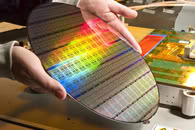 The project itself has moved fast on paper. Intel signed on in April, filings showed the full build-out could cost up to $119 billion, and TSMC held talks about joining as well. With SK hynix expecting memory demand to outpace supply through 2030, another large memory maker would sound like good news for PC buyers. However, 2032 is still six years away, and Terafab's chips seem to be meant for Musk's own robots, cars, and data centers first, so consumers probably shouldn't count on it easing DRAM prices anytime soon.
Sources:
Nikkei, Jiji Press, via Jukan05 on X
For context, Samsung's entire DRAM output was estimated at 650,000 to 700,000 wafers a month late last year, while SK hynix was at about 550,000 earlier this year and hopes to reach roughly 1 million by 2030 or 2031. It isn't clear whether Terafab's memory figure covers DRAM alone or also includes NAND, so the Samsung comparison is a loose one. Musk has also been careful with his own dates. On an October SpaceX call, he put "big error bars" on reaching volume production by Q3 2028, with a first SRAM test chip planned for mid-2027 at Terafab's Austin research lab.

4 Comments on Terafab Wants to Become One of the Largest Memory Makers by 2032
Hopefully by then the world won't be burning, but there will be an oversupply!
World peace and global economic equality are an uptopia.
Additionally oversupply is most likely whishfull thinking (as in dumping on the consumer market) as the demand from AI is not the only sector in need of DRAM chips, although at this moment the biggest market.
Just imagine with the ever innovating automotive industry and the need there for it, as well as many other possible applications.
Main reason of producing DRAM (or advanced chips) in one's own country is to decrease/eliminate dependancy on foreign producers for all to obvious political/economical/millitairy reasons, not necessarily for the big money.
I would not be suprised if the whole circus regarding import/export restrictions for thechnology intensifies upcoming decade(s), call it an economical weapon/enforcement measure.
This, AI developments and some ongoinig conflicts, have made that very clear in the last couple of years, time of being naive is over.
So yeah, we may come to the point that supply meets demand, but due to external factors we (ordinary consumers) probably will not benefit from it as commercial interests may be overruled by bigger actors.
Hopefully I'm wrong, but that's how I expect (near) future developments will go.
This will certainly help, since they wouldn't have to source RAM from others, but, those numbers are assuming everything goes right, and if they can manage that, things will be super interesting
I'm still trying to figure out how the AI companies plan to pay for all the orders that they signed long term contracts with, since they got no profits at all... the first real test will be the highly mismanaged anthropic when they do their IPO soonish...