Tuesday, October 13th 2020

NVIDIA Reportedly Moving Ampere to 7 nm TSMC in 2021
A report straight from DigiTimes claims that NVIDIA is looking to upgrade their Ampere consumer GPUs from Samsung's 8 nm to TSMC's 7 nm. According to the source, the volume of this transition should be "very large", but most likely wouldn't reflect the entirety of Ampere's consumer-facing product stack. The report claims that TSMC has become more "friendly" to NVIDIA. This could be because TSMC now has available manufacturing capacity in 7 nm due to some of its clients moving to the company's 5 nm node, or simply because TSMC hadn't believed NVIDIA to consider Samsung as a viable foundry alternative - which it now does - and has thus lowered pricing.
There are various reasons being leveraged at this, none with substantial grounds other than "reported from industry sources". NVIDIA looking for better yields is one of the appointed reasons, as is its history as a TSMC customer. NVIDIA shouldn't have too high a cost porting its manufacturing to TSMC in terms of design changes to the silicon level so as to cater to different characteristics of TSMC's 7 nm, because the company's GA100 GPU (Ampere for the non-consumer market) is already manufactured at TSMC. The next part of this post is mere (relatively informed) speculation, so take that with a saltier disposition than what came before. That NVIDIA is looking to tier its manufacturing process across high-end and the rest of its product stack (with 7 nm for high-end and 8 nm for the rest of it) would become a headache for themselves and for consumers, should NVIDIA just have two suppliers for the same graphics products. There would likely be need for some changes in the power delivery designs, there are a range of new quality assurance tests that have to be taken for the new silicon, and NVIDIA would set itself up for legal troubles should they just silently update the manufacturing process on high-end models - not only would early adopters be understandably miffed about their product having evolved over time, as there could be some claims regarding 8 nm-based models being bought after the 7 nm ones are launched. And if NVIDIA were to put a sticker on retail boxes updating the 8 nm to 7 nm, well, then any user could just decline to purchase any 8 nm cards, and only look for the 7 nm versions, which might leave NVIDIA with a real immovable supply problem.
No. If this report checks out, NVIDIA will likely launch the newly produced top-end Ampere cards (we're thinking RTX 3090, RTX 3080 and RTX 3070) in 7 nm Super versions, taking a page from their RTX 20-series book. The introduction of a higher-performing product built in 7 nm within a whole new series would protect NVIDIA from legal troubles while allowing them to publicly announce the transition. This would keep early adopters "happy" in the respect that this is a whole new product launch - users would receive that much better than by feeling that they were beta testers for NVIDIA's tango with Samsung, as reception for the 20-series Super cards shows. The usage of this new process would also allow NVIDIA to improve performance further over the original 30-series cards, due to lower leakage and higher potential operational frequencies - perhaps in addition to NVIDIA's 20-series strategy of trickling down bigger GPU designs.
Source:
DigiTimes
There are various reasons being leveraged at this, none with substantial grounds other than "reported from industry sources". NVIDIA looking for better yields is one of the appointed reasons, as is its history as a TSMC customer. NVIDIA shouldn't have too high a cost porting its manufacturing to TSMC in terms of design changes to the silicon level so as to cater to different characteristics of TSMC's 7 nm, because the company's GA100 GPU (Ampere for the non-consumer market) is already manufactured at TSMC. The next part of this post is mere (relatively informed) speculation, so take that with a saltier disposition than what came before.
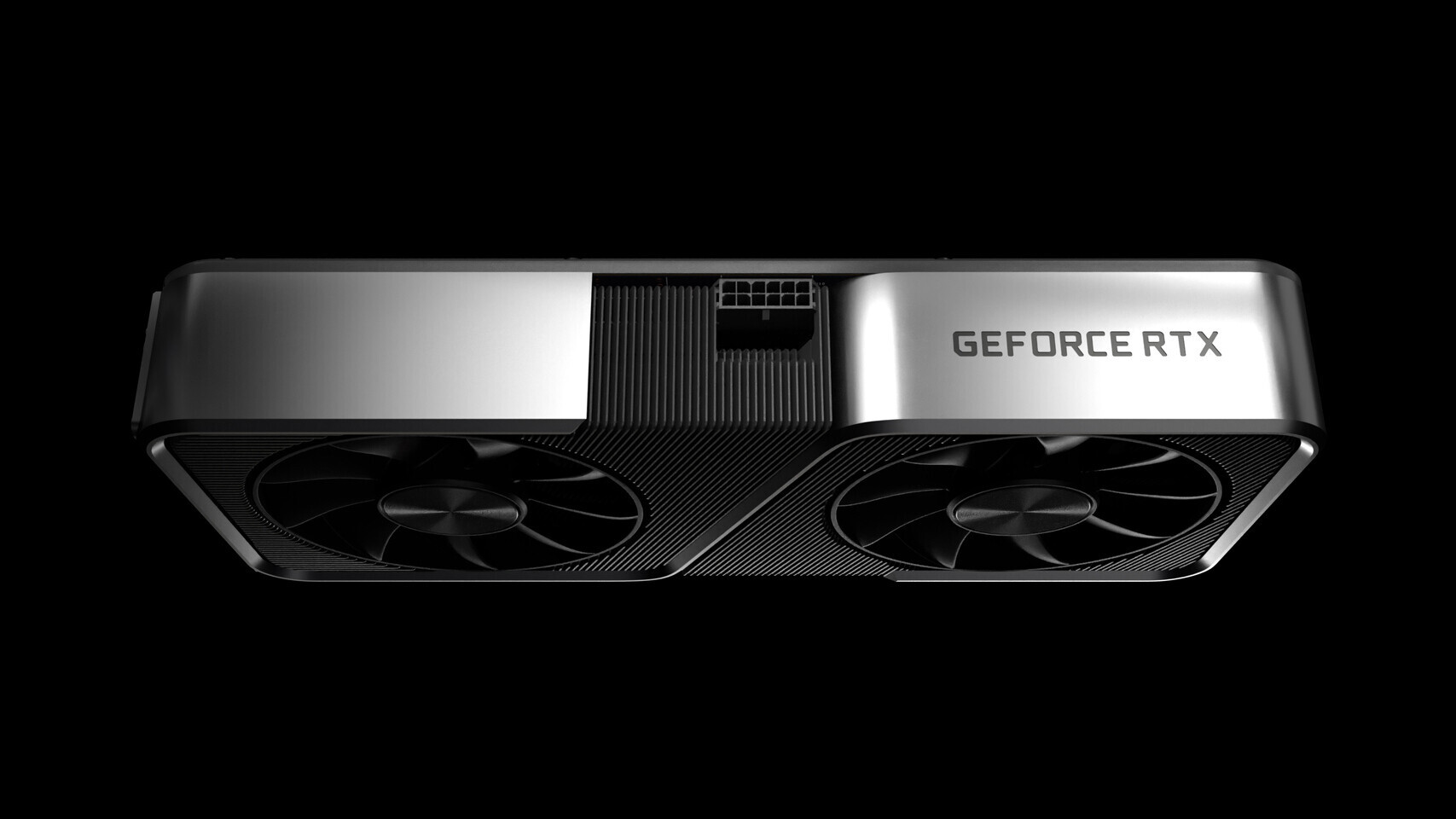
No. If this report checks out, NVIDIA will likely launch the newly produced top-end Ampere cards (we're thinking RTX 3090, RTX 3080 and RTX 3070) in 7 nm Super versions, taking a page from their RTX 20-series book. The introduction of a higher-performing product built in 7 nm within a whole new series would protect NVIDIA from legal troubles while allowing them to publicly announce the transition. This would keep early adopters "happy" in the respect that this is a whole new product launch - users would receive that much better than by feeling that they were beta testers for NVIDIA's tango with Samsung, as reception for the 20-series Super cards shows. The usage of this new process would also allow NVIDIA to improve performance further over the original 30-series cards, due to lower leakage and higher potential operational frequencies - perhaps in addition to NVIDIA's 20-series strategy of trickling down bigger GPU designs.
120 Comments on NVIDIA Reportedly Moving Ampere to 7 nm TSMC in 2021
Now, let's not take a shortcut to thinking and accuse me of being an AMD fanboy, as if AMD's and Nvidia's positions were switched, I'd STILL be advocating for the same thing. We have all witnessed what increased competition did for the CPU market and broke a multi-year stagnation, so how anybody would not want the same for the GPU market is beyond me.Even IF this is true, don't ignore the fact that AMD literally has a fraction of the R&D budget and resources that Intel has. The fact that AMD has been able to catch up with and now overtake Intel while being seriously financially hamstrung is unbelievably impressive, and is literally a feat that has never been accomplished before (no, Cyrix was not able to overtake Intel). Why is there this constant effort by some to minimize, reduce and outright take this accomplishment away from AMD? Hypothetically, speaking, if if AMD was 10% behind Intel in every metric, it'd STILL be impressive because they're managing to do it with a fraction of the resources. Another way of saying it is that there is literally no excuse for Intel to be beaten by AMD.
I think the same can be said for AMD in the GPU market.... Nvidia has at least three times the resources of AMD's graphics division, and yet, AMD is still able to compete in the tiers with the largest T.A.M., and this is seriously impressive... With Nvidia's drastic advantages in resources and even talent, it can be argued that AMD shouldn't even have a presence in the GPU market, but not only do they have a presence, but they're poised to match Nvidia in performance, possibly beat them in value and probably in efficiency, all while having a quarter of the market share Nvidia does and a fraction of the money. And in spite of all these material realities, a large portion of the community continually bashes AMD for not outperforming Nvidia in every metric!
I'm sure some will write this off as some fanboy rant, but these are literally the undeniable facts of the situation, namely that AMD has drastically fewer resources than both Intel and Nvidia and yet are able to compete (Nvidia) and even overtake(Intel) their competitors... How is it that there are those that are not impressed by this?
I personally want to see more competitio to TSMC at the moment they are too far ahaed from rest.
We all know it's all about the bottom line for them so untill they need to spend for the latest fab they won't.
The problem under my translation, this is the volume of production that NVIDIA this can adsorb.
What is not cost effective for Samsung this seems as cost effective to some one else.
www.techpowerup.com/237189/amd-to-build-2nd-gen-ryzen-and-radeon-vega-on-glofo-12nm
www.tomshardware.com/reviews/amd-radeon-rx-590,5907.html
www.techpowerup.com/review/nvidia-geforce-rtx-3080-founders-edition/31.html
Just look at those numbers...
www.techpowerup.com/review/nvidia-geforce-rtx-3080-founders-edition/35.html
And that performance per watt is just sad for a new gen architecture. RDNA2 will most definitely do better in performance/watt even if it doesn't compete at the highest end
GloFo just isn't on the leading edge any more, but they are still competitive on modern nodes (12nm and above). They had potential with their early experimental 7nm processes rivaling early TMSC 7nm, but they couldn't afford to make the jump/full conversion, which is why AMD was able to aggressively renegotiate the Wafer Supply Agreement and reduce their reliance on GloFo.