News Posts matching #MSI

Return to Keyword Browsing

MSI Advances Next-Gen Data Center Infrastructure with AMD EPYC 9006 Series Server CPUs

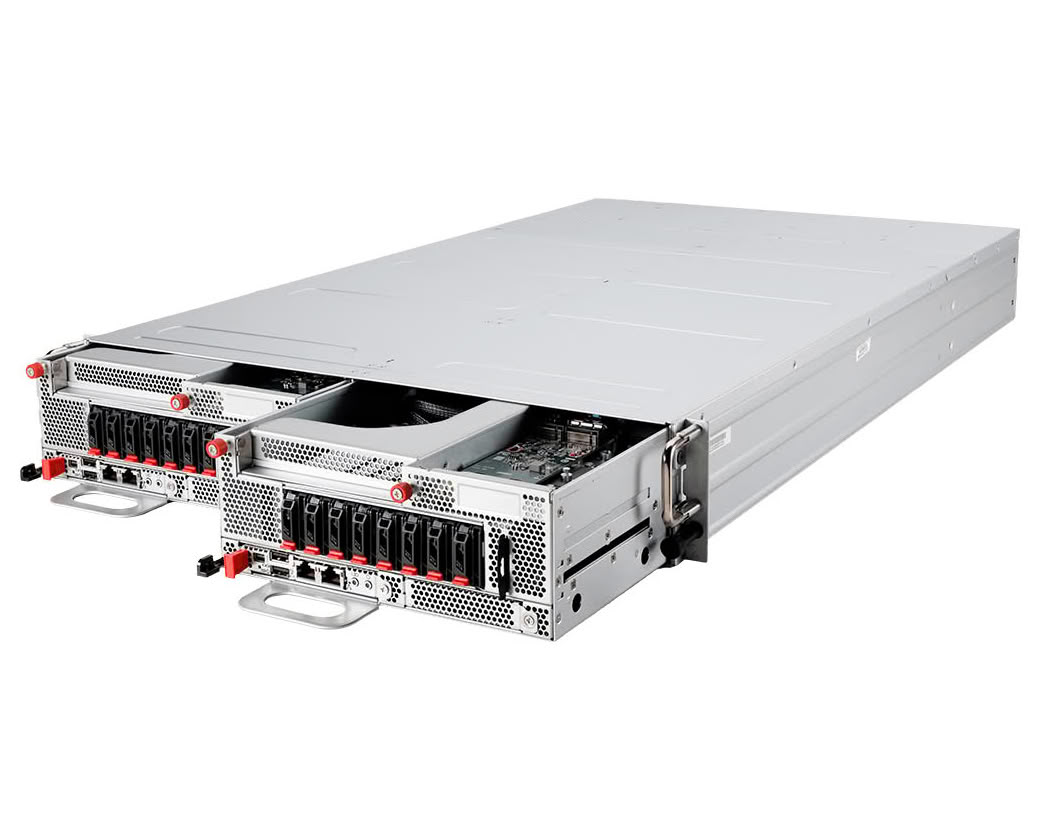
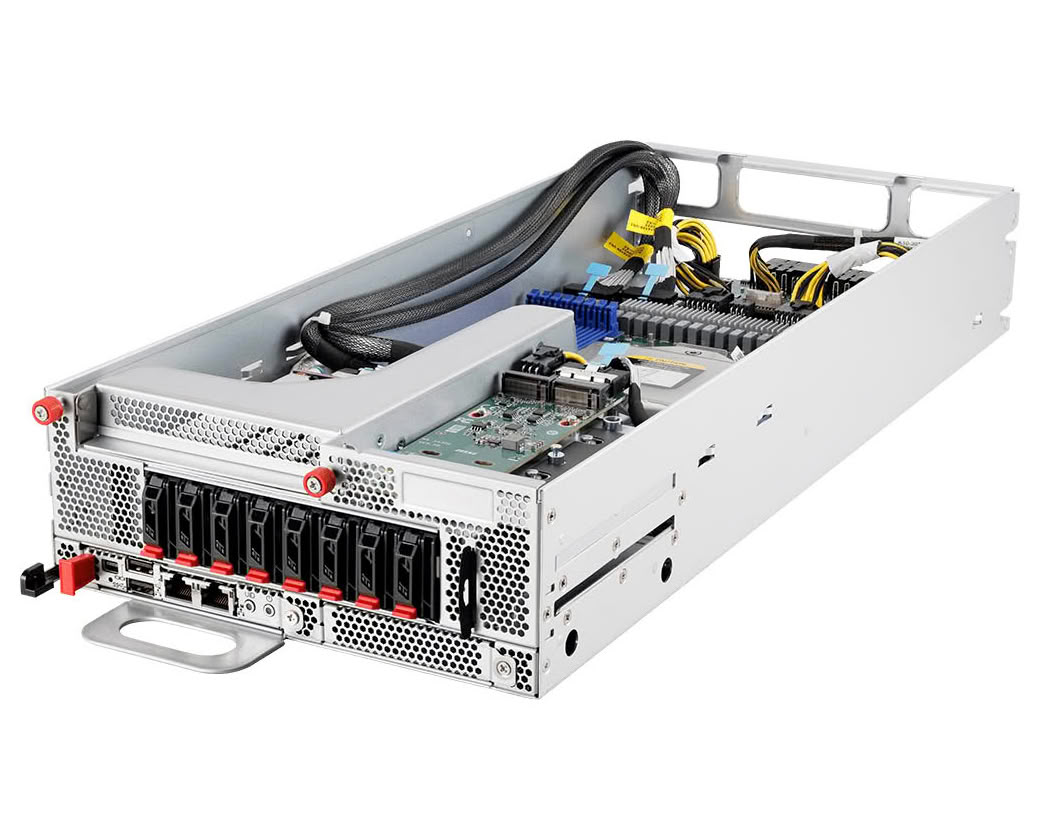
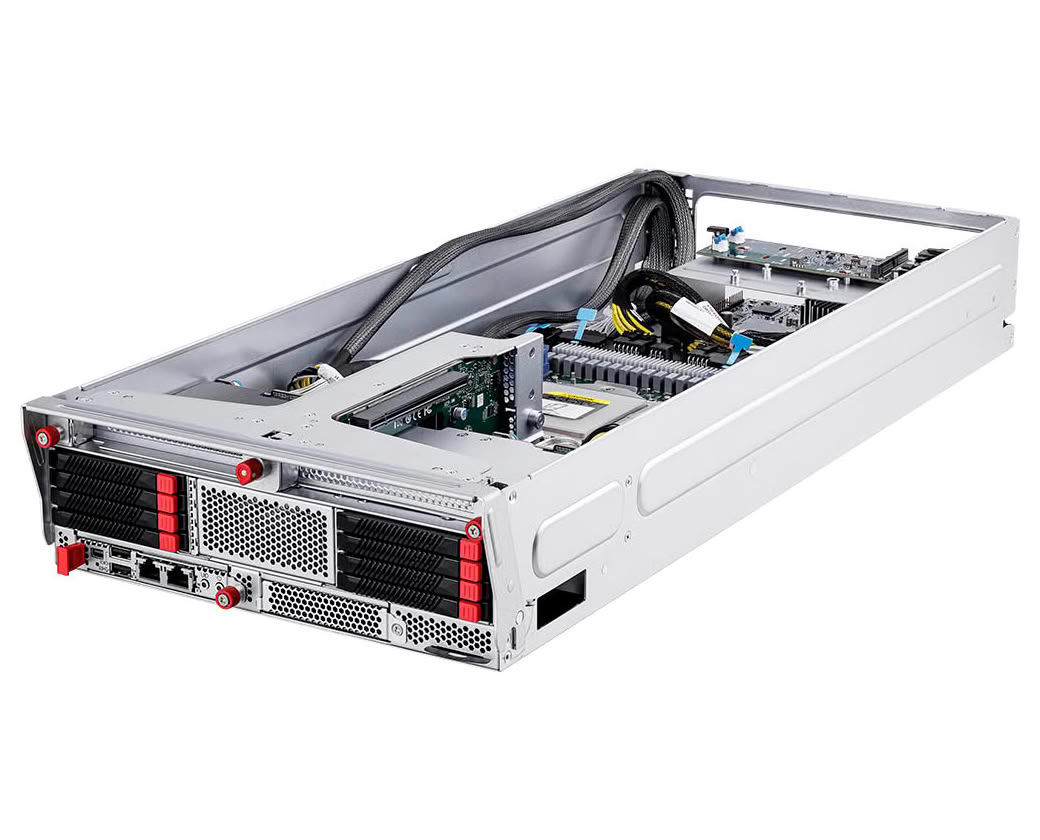
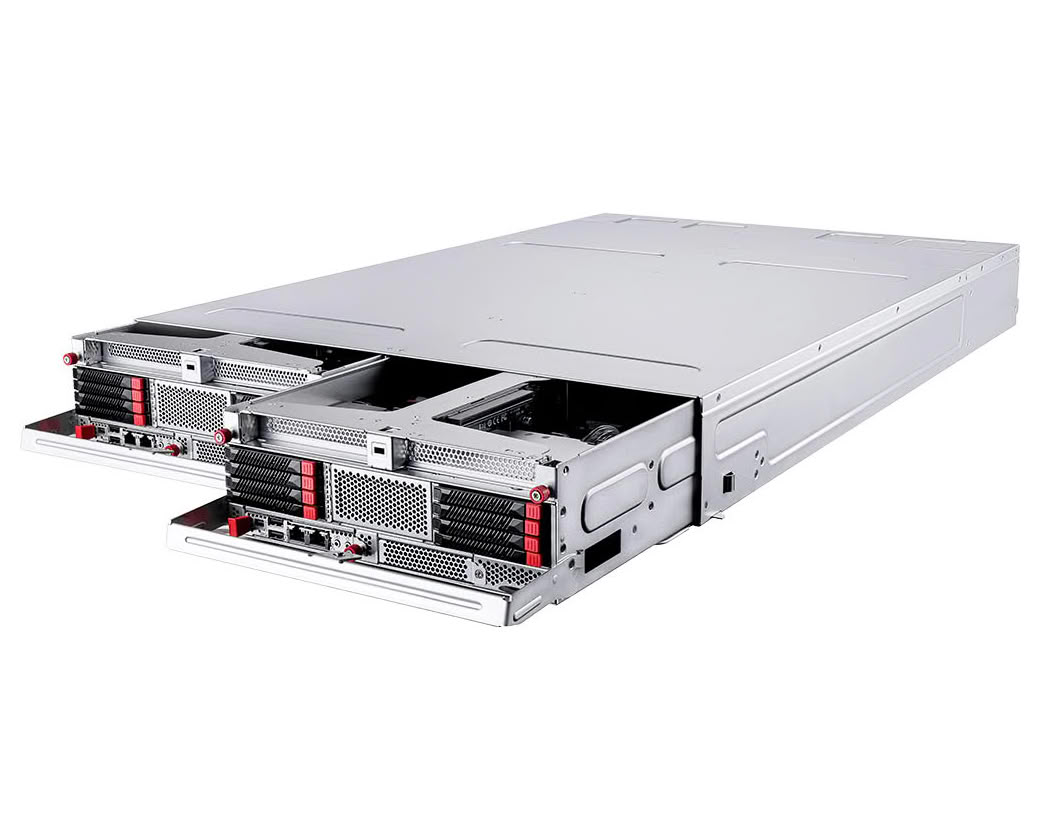
As agentic AI drives new demands for compute density, memory bandwidth, and data movement, MSI is advancing next-generation data center infrastructure with server platforms powered by AMD EPYC 9006 Series SP7 Server CPUs. With SP7 systems entering the shipping phase in Q4 2026 and SP8 platforms planned for the first half of 2027, MSI's portfolio spans liquid-cooled GPU servers, 19" DC-MHS and 21" ORv3 multi-node platforms, and enterprise servers, supporting AI, cloud, HPC, virtualization, and business-critical workloads.

Built on the Zen 6 architecture, AMD EPYC 9006 Series Server CPUs deliver up to 256 cores and 512 threads per socket for high-density computing and AI agent execution. With up to 1.6 TB/s of memory bandwidth and PCIe Gen 6 connectivity, they support data-intensive workloads and high-speed I/O for GPUs, networking, and storage.

NVIDIA RTX 5070 Ti Climbs $160 in Eight Days, Now 79% Over MSRP

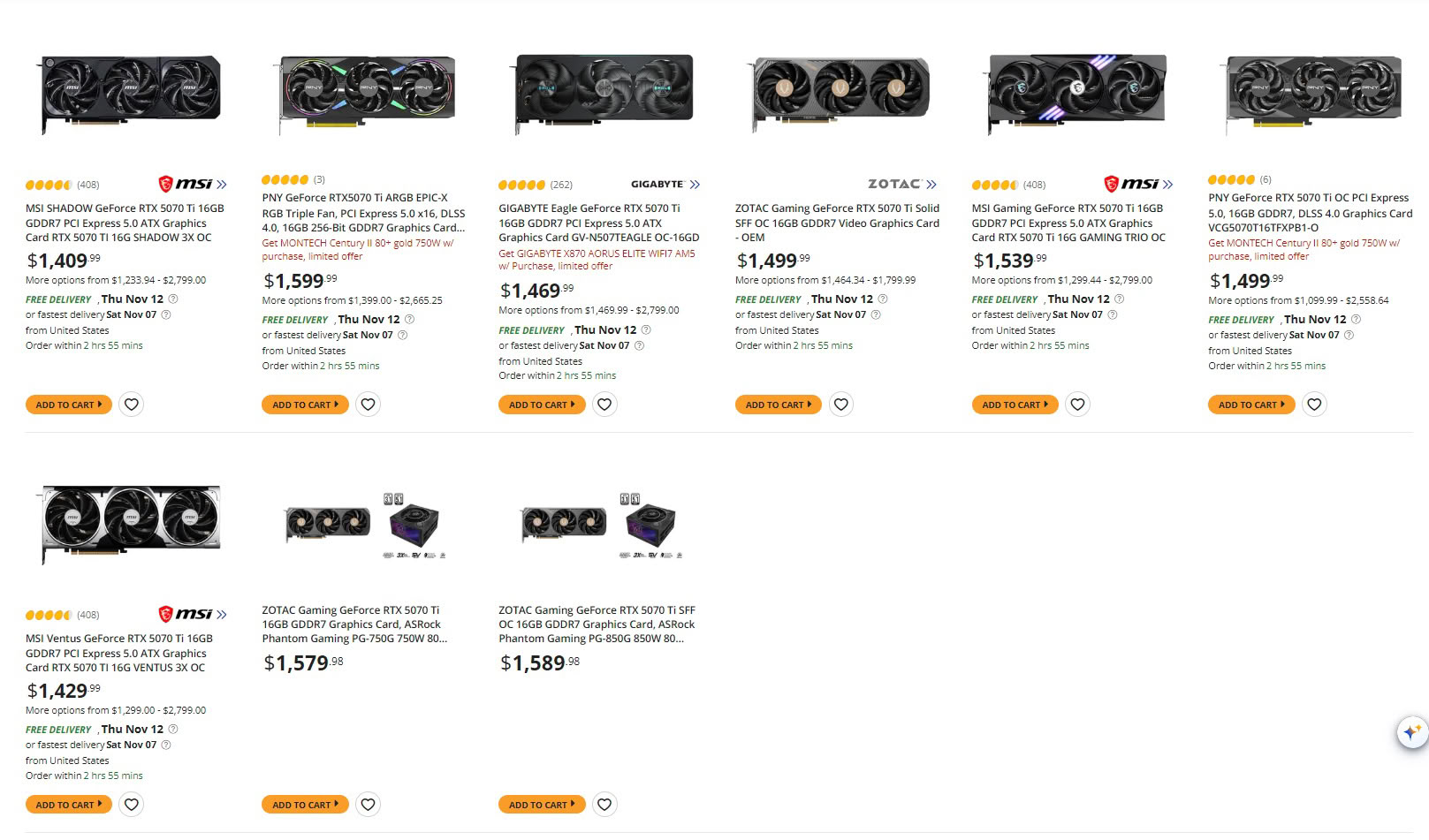
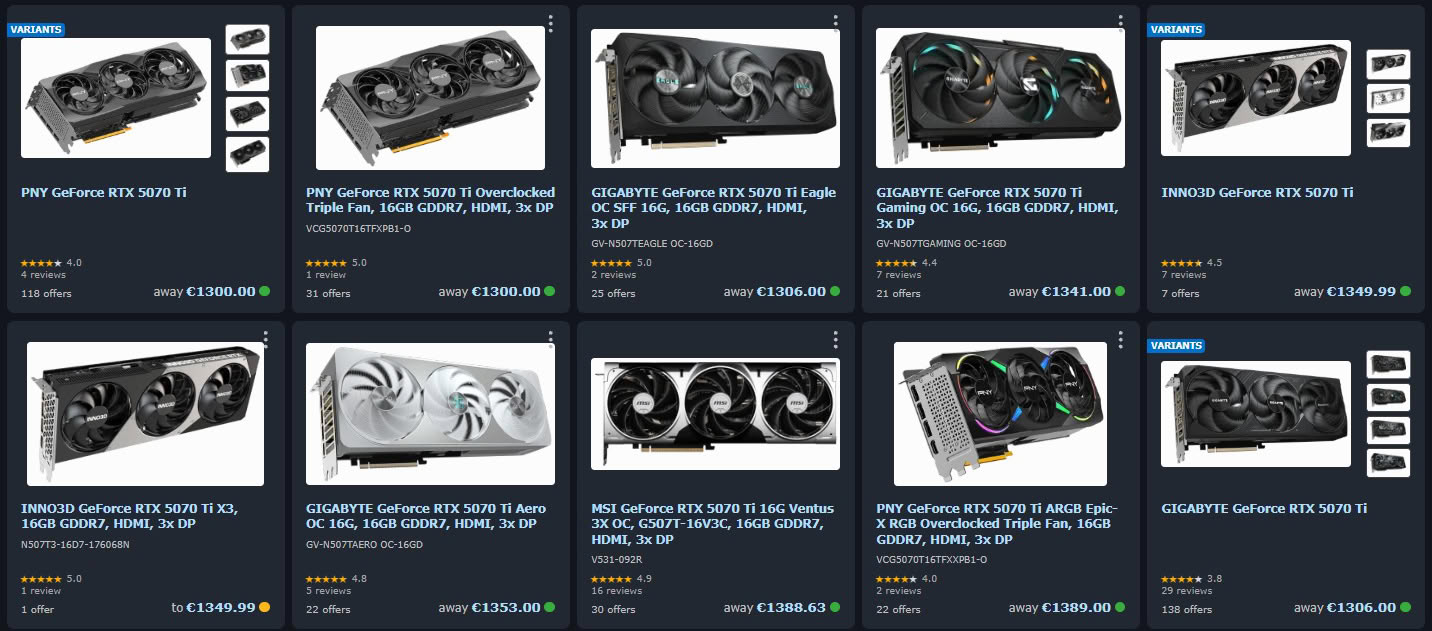
NVIDIA's GeForce RTX 5070 Ti is now close to double its $749 MSRP in the US. According to price tracking by VideoCardz, the cheapest RTX 5070 Ti at major US retailers was $1,339.99 on November 6, about 79% above MSRP, up from $1,179.99 on October 29. That's a $160 jump in just eight days. Some models have already crossed the 2x mark, like the ASUS TUF Gaming OC at $1,499.99 on B&H. Prices are also moving fast. At the time of writing, the cheapest RTX 5070 Ti sold by Newegg itself is an MSI SHADOW RTX 5070 Ti at $1,409.99. Things aren't much better in Germany, where the cheapest listing on Geizhals sits at €1,300 for a PNY model, roughly 48% above the €879 MSRP.

Things are probably going to get worse, too. NVIDIA's board partners in China are reportedly raising RTX 5070 Ti prices by around 1,000 RMB (about $150) this week, with retail prices expected to follow within a week or two. Unlike the RTX 5090 and 5080 16 GB, which have reportedly been discontinued, the RTX 5070 Ti is still officially in production. After reports of an end of production in January early this year, NVIDIA said it was still shipping all GeForce SKUs, and ASUS denied the card was end-of-life, while admitting that memory supply was hurting production and restocking. The card is still listed at major retailers, unlike the RTX 5080, which vanished from NVIDIA's US Marketplace two weeks after the RTX 5090 did the same. Anyone shopping for an RTX 5070 Ti should probably expect these prices to keep rising for a while.

MSI Introduces Cubi NUC WCG with Intel Core Processor 3 Series and Tool-less 2.0 Design

MSI announces the Cubi NUC WCG, an ultra-compact 0.55-liter mini PC designed to enhance productivity, connectivity, and operational efficiency in modern business environments. Powered by the Intel Core Processor 3 Series, the Cubi NUC WCG delivers responsive performance for everyday business applications. Measuring just 40.1 mm in height, its space-saving design makes it ideal for offices, retail environments, and commercial installations where flexibility and workspace efficiency are essential.

Designed for seamless multitasking, the Cubi NUC WCG features Thunderbolt 4 connectivity with data transfer speeds of up to 40 Gbps and up to 98 W power delivery input, simplifying workspace setups through a single cable. With support for up to three displays, users can efficiently manage multiple applications and information streams simultaneously. Wi-Fi 6E and dual LAN ports (2.5G + 1G) further provide flexible network connectivity for professional workflows and business operations.

MSI Launches MPG COREFROZR AP15 CPU Cooler with Integrated Dispay

MSI has launched the MPG COREFROZR AP15, its first air cooler with an integrated display built into the top cover. The cooler uses a dual-tower design with asymmetric tower widths, six 6 mm copper heat pipes, and a copper base. The DIGI-DISPLAY top cover module connects via magnetic POGO-PIN contacts and MSI's EZ Conn single-cable connection, showing real-time CPU, GPU, and memory temperatures, loads, and frequencies without additional software. In terms of dimensions, MSI says that the heatsink measures 168 x 126.5 x 128 mm and has 102 fins. The two included 120 mm ARGB fans operate at different speeds. The front fan runs at 2000 RPM with 66.41 CFM and 1.98 mmH2O static pressure at 31.1 dB(A), while the mid fan is quieter at 1600 RPM, 54.14 CFM, 1.30 mmH2O, and 25.06 dB(A). Both are PWM controlled.

MSI MPG COREFROZR AP15 cooler is compatible with Intel LGA1700 and LGA1851, and AMD AM4 and AM5 platforms. According to MSI, the cooler was designed with AMD Ryzen X3D processors in mind, so even without any official information regarding its thermal capabilities, it should handle pretty much all CPUs well. In China, it's priced at 549 yuan, around $82, however international pricing and availability have not been confirmed yet.

MSI Launches Limited MSI GeForce RTX 5080 16G COD MW4 EDITION OC Graphics Card Inspired by Call of Duty: Modern Warfare 4

MSI proudly announces the launch of the limited MSI GeForce RTX 5080 16G COD MW4 EDITION OC Graphics Card, inspired by the intense action of Call of Duty: Modern Warfare 4. Developed in close collaboration with Activision, this exclusive edition brings together MSI's cutting-edge graphics technology and the unmistakable identity of the Call of Duty franchise.

Featuring a distinctive, custom-designed aesthetic created exclusively for this collaboration, the graphics card captures the spirit of Call of Duty: Modern Warfare 4 through a bold, military-inspired design that sets it apart from standard graphics cards. Combining high-performance gaming technology with a one-of-a-kind design, this limited edition is a collector-worthy centerpiece for gamers and Call of Duty fans.

Micro Center Reportedly Drops the RTX 5090 From Its Catalog as End-of-Life Rumors Pile Up

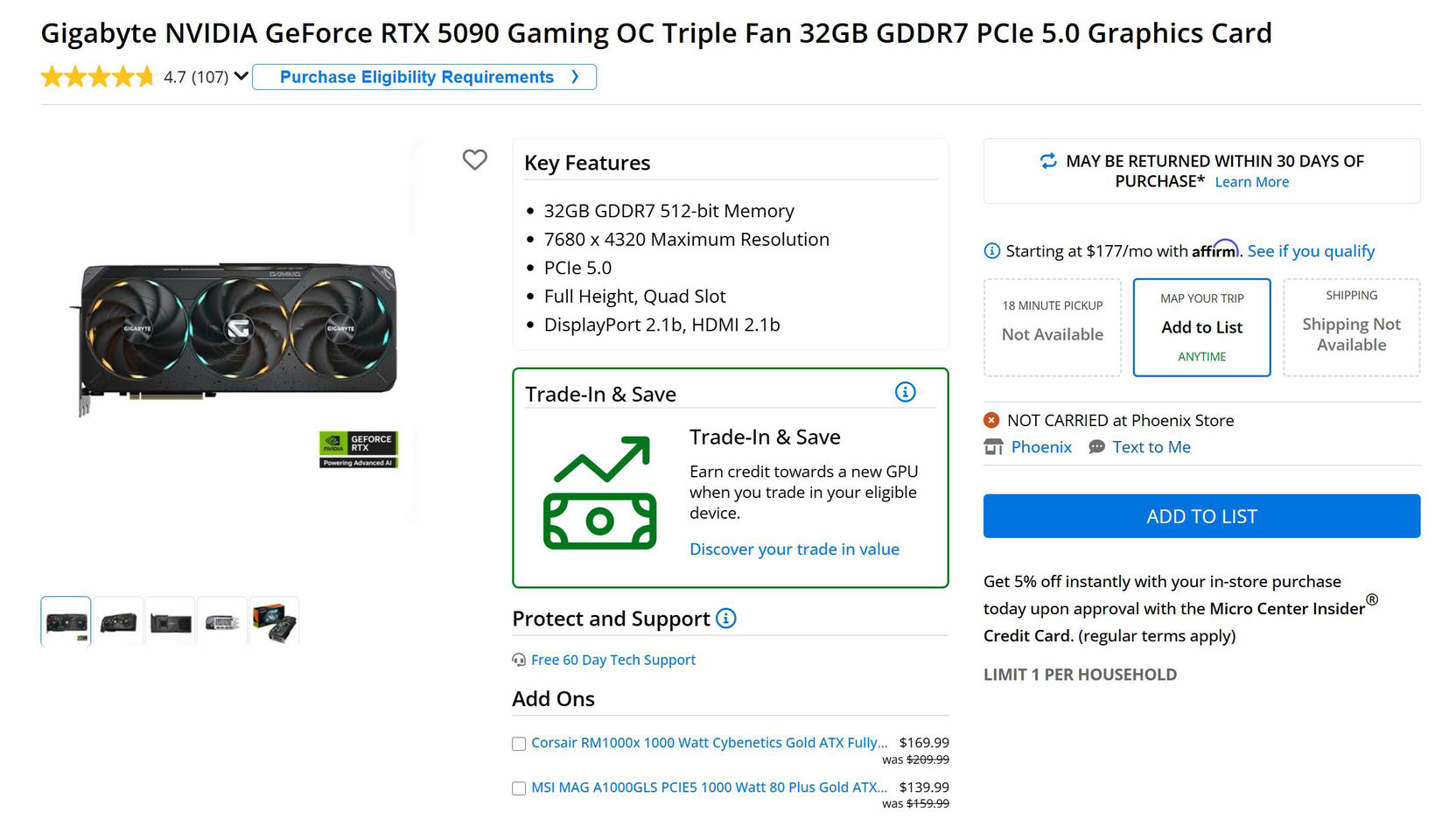
Micro Center seems to have quietly stopped selling the GeForce RTX 5090. Several RTX 5090 listings on the retailer's US website now show as "Not Carried," and a post on r/gpu claims every single one of them does. That label usually means a product has been dropped from the active catalog and won't be restocked. Custom models from ASUS, MSI, and Gigabyte are still listed but out of stock at physical stores, and the only RTX 5090 reportedly still sitting on shelves at most locations is an ASUS ROG Astral sold inside a 20th Anniversary bundle for almost $11,000. Neither NVIDIA nor Micro Center has commented on the situation yet, and NVIDIA's own website still lists the RTX 5090 at the now-mythical price of $1,999.

Separately, Redditor johnnyphotog on r/Microcenter says staff were already pulling RTX 5090 cards from the shelves on October 9. Apparently, a manager told him the cards were being sent somewhere else, and while he did manage to buy one, an employee told him it was probably the last RTX 5090 the store would sell. That timing is interesting, since it came a day before leakers claimed NVIDIA stopped allocating GB202 silicon to the RTX 5090 and is saving it for far pricier workstation cards like the RTX PRO 5500. Of course, the MSRP of the RTX 5090 hasn't meant much for a while, with the card selling out at Walmart for $4,299 last month. If GB202 supply has really dried up, whatever partner stock is left will likely get even pricier, so readers set on buying one shouldn't expect prices to come down anytime soon.

TCL Readies 700 Hz OLED Panels for 2028

TCL's panel arm, TCL CSOT (China Star), is planning OLED monitor panels with refresh rates of up to 700 Hz, according to a new Omdia report on OLED monitor shipments. The panels will apparently come from TCL's Gen 8.6 inkjet-printed (IJP) OLED line in Guangzhou, which is expected to begin production in 2028, and will include larger sizes such as 32-inch and 34-inch. No resolutions were given, and it's not clear whether 700 Hz will be a native refresh rate or a dual-mode setting at a lower resolution. TCL is starting smaller, with its Gen 5.5 line set to ship 27-inch UHD 120 Hz IJP OLED panels in Q3 2026 for an MSI content-creation monitor. If the 2028 timeline pans out, TCL could be the first to mass-produce IJP OLED monitor panels at Gen 8.6.

The 700 Hz figure isn't a record, however. LG Display already makes a 24.5-inch 1080p 720 Hz OLED panel, used in the ASUS ROG Swift OLED PG259QWS Ace, and the ROG Swift PG27AQWP-W hits 720 Hz in its lower-resolution dual mode. The interesting part is getting that kind of speed onto 32-inch and 34-inch panels, using a printing process that wastes less material. As for the rest of the industry, Omdia expects 6.1 million OLED monitor panels to ship in 2026, a 79% jump over last year, rising to 7.5 million in 2027. Prices are falling too, as 27-inch 240 Hz OLED monitors dropped over 40% this year. A third major supplier next to Samsung Display and LG Display should help that trend, though 2028 is still a long way off.

NVIDIA Throws RTX Spark Launch Party in Berlin on October 16. You Can Be There, it's Public

NVIDIA is marking the retail launch of its RTX Spark laptops with a public party in Berlin, and anyone aged 18 or older can attend. The RTX Spark Launch Celebration takes place on October 16, the same day the first laptops ship, at XPERION on Alexanderplatz. NVIDIA is presenting it as "a new beginning for Windows PCs" in the run-up to GTC Berlin, and the evening combines a stage program with hands-on demo stations and a laptop raffle. The company is even lighting up the Berlin TV Tower in NVIDIA green for the occasion.

Entry is free, although registration through Luma is required beforehand. The queue opens at 18:00 local time and doors open at 18:45. XPERION sits inside the Saturn store at Alexanderplatz 3, and capacity is limited, especially for the stage show. NVIDIA recommends arriving early for that reason, since that is how visitors secure entry, a spot in the raffle, and a goodie bag. The Berlin event is a chance to try RTX Spark hardware in person, across AI, creative, and gaming workloads.

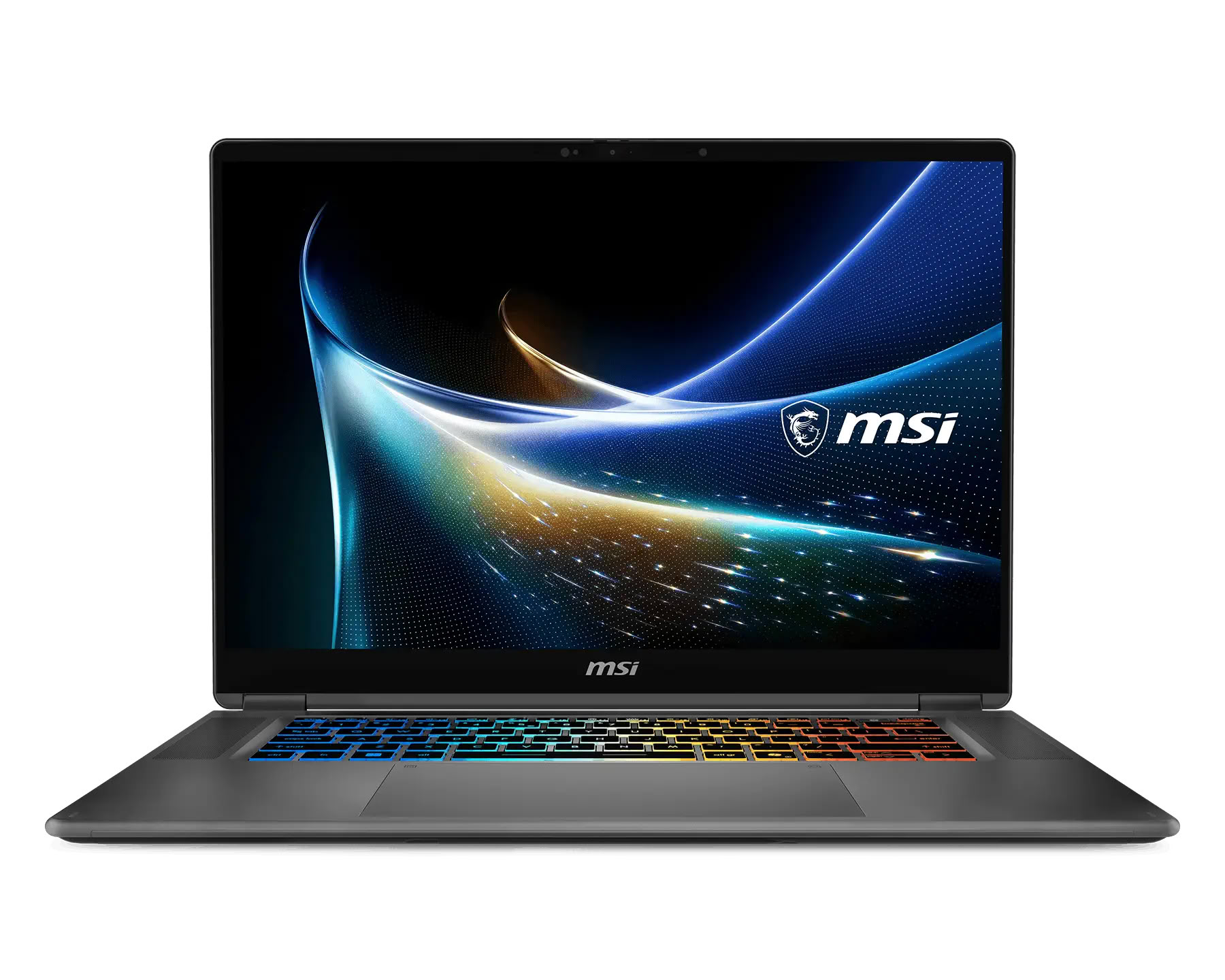
MSI Unveils Prestige N16 Flip AI+: An NVIDIA RTX Spark-Powered 2-in-1 Built for the Agentic AI Era

MSI, a global leader in high-performance and AI computing, today announced that the Prestige N16 Flip AI+ is now available for pre-order through MSI-certified partners in select markets.

Prestige N16 Flip AI+ is powered by NVIDIA RTX Spark, uniting NVIDIA AI, RTX graphics, and unified memory in one powerful and efficient thin-and-light Windows PC. Designed to run larger AI models locally—without cloud dependency—and move between creative work, development, and immersive gaming without missing a beat. Connect apps, tools, and workflows into one seamless experience. Private by default. RTX Spark brings NVIDIA's full-stack AI platform, ready for the AI workloads of today and whatever comes next. Delivered on the familiar, trusted, and secure Windows platform.

Modder Solders Dual 8-Pin Board to RTX 5090's 16-Pin Header, Wires Stay Below 40°C

Melting 16-pin connectors keep making headlines, and some RTX 5090 owners have started taking the protection of their expensive cards into their own hands. Reddit user DallasGrave has modified an MSI GeForce RTX 5090 with two extra 8-pin PCIe power inputs that work alongside the card's original 16-pin connector. According to their post on r/pcmasterrace, a small pickup PCB is soldered to the contacts of the 16-pin header, and that board feeds a second PCB carrying the two 8-pin sockets. The card then runs on three cables in total. DallasGrave says each conductor now carries roughly 3 A, and that the wires never crossed 40°C during a 48-hour run at 550 W, even at the joint. More test data is apparently on the way, so for now these are the modder's own numbers.

The 12V-2x6 revision was supposed to fix the melting power connector issues. In early 2025, NVIDIA said the 16-pin melting issues were over, pointing to the updated connector on the RTX 50-series. However, the first melted RTX 5090 Founders Edition was reported shortly after, in that case with a third-party cable. Since then, several RTX 5090 power connectors have reportedly melted, including one with an undervolt and a -100 W power limit. Moreover, last month Hardware Unboxed watched its RTX 5090 power cable reach 175°C with a single wire pulling around 22 A.

MSI Extends EdgeXpert Lineup With 64 GB Model

MSI today announced a 64 GB configuration of its EdgeXpert desktop AI supercomputer, based on the NVIDIA DGX Spark platform. Grounded in proven deployments across legal IP governance, factory intelligence, offline voice translation, and agentic workflows, the 64 GB model complements the existing 128 GB tier to give enterprises a cost-effective path to scale AI agents. NVIDIA Sync helps teams set up a cluster of connected systems and monitor CPU and GPU activity from one desktop app.

Always-On Agentic AI at the Edge
As AI evolves from chatbots to autonomous agents, workloads require 24/7 residency, multistep reasoning, and direct access to local data. Based on the NVIDIA DGX Spark platform (1 petaFLOP FP4 AI compute), the MSI EdgeXpert 64 GB model runs up to 100B parameter open-source models entirely inside the firewall:
  • Manufacturing: Drives visual quality inspection agents for real-time defect detection and corrective actions.
  • Banking & Legal: Powers fraud investigation and audit agents with total data sovereignty.
  • Healthcare & Retail: Hosts clinical documentation and inventory agents close to operational data.

Micro Center Reportedly Requires ID and a Signed No-Export Declaration for RTX 5090 Sales

Micro Center may have started asking some RTX 5090 buyers for ID and a signed declaration form. A Redditor on r/Microcenter says they bought a PowerSpec AI90 prebuilt with an RTX 5090 at the Tustin store, where a manager had them fill out a form and scan their driver's license. Apparently, staff called the process new, starting about two days earlier. The form looks to be an "Advanced Computing Product Purchaser Declaration" that asks for contact and ID details, and it reportedly says "No exports, No exceptions." The form requires buyers to certify that they will not export the hardware, nor will they resell to someone intending to take it outside the country. Micro Center hasn't officially commented on this incident or on the rule in general.

The standard RTX 5090 isn't meant to be sold officially in China under US export rules, and MSI previously said that any units showing up there came through unauthorized parallel imports. That may be why the retailer wants a paper trail, but that's unconfirmed for now. Pricing could also play a role. NVIDIA has hiked RTX 5090 prices multiple times over the past few months, and German listings recently passed €5,000, about 73% above January. AI firms are reportedly buying RTX 5090 cards in bulk, tightening supply for consumers. If other stores follow Micro Center's approach, buying a 5090 in person could come with some paperwork. Regardless, we don't yet know whether this is a new widespread policy or a one-off.

MSI Bundles Ace Combat 8: Wings of Theve With QD-OLED Gaming Monitors

In ACE COMBAT 8: WINGS OF THEVE, every second in the cockpit matters. Spotting distant aircraft, tracking fast-moving targets, and reacting quickly in close-range dogfights can make the difference between completing the mission and losing control of the skies. MSI QD-OLED gaming monitors combine outstanding visual performance with intelligent features designed for immersive and comfortable gameplay.

DarkArmor Film enhances black levels while reducing screen reflections, revealing critical details in the game's dark environments without compromising its ominous atmosphere. Uniform Luminance maintains consistent screen brightness across different scenes, delivering stable visuals during rapid transitions between shadowy environments, fiery attacks, and glowing supernatural effects. AI Care Sensor intelligently detects user presence to provide a smarter, more seamless viewing experience while supporting greater comfort and privacy. Combined with vivid QD-OLED color, ultra-fast refresh rates, and near-instant response times, these features keep sword fights clear, fluid, and responsive - allowing players to follow rapid attacks and execute precisely timed counters.

Redditor Orders One MSI RTX 5070 Ti From Walmart for $1,099, Gets Four

Orders that get mixed up often tend to leave buyers with the short end of the stick. For instance, in 2025, a Micro Center customer found backpacks inside a Zotac GeForce RTX 5090 box, and another Best Buy customer reportedly got rocks instead of an ASUS TUF RTX 5080 and was initially denied a refund. This time, apparently, the order error went the other way. Reddit user deadmanwonderland_23 says they ordered a single MSI GeForce RTX 5070 Ti 16 GB from Walmart for $1,099 and received four identical cards. The card looks like MSI's Frieren Edition, which comes with a bundled blanket, and currently goes for $1,259 on MSI's website. It was already a relatively good deal at $1,099, but getting four cards really sounds too good to be true. At the price paid, the four cards add up to roughly $4,400, and there's no word on whether the buyer has told Walmart about the extras.

One plausible explanation is that someone in a Walmart warehouse mistook a carton of four cards for a single special edition package. That seems like a possibility, but the actual reason is not currently known. As of now, Walmart hasn't commented on this incident, and the only account comes from a Reddit post, so take it with a grain of salt. Retailers have often let customers keep extra units in the past, though that is usually decided case by case. Walmart has been generous with mistakes before, like when a customer managed to pick up an RTX 5070 for just $129 due to a labeling error. Either way, it's something we don't often see in a GPU market where prices just keep climbing.

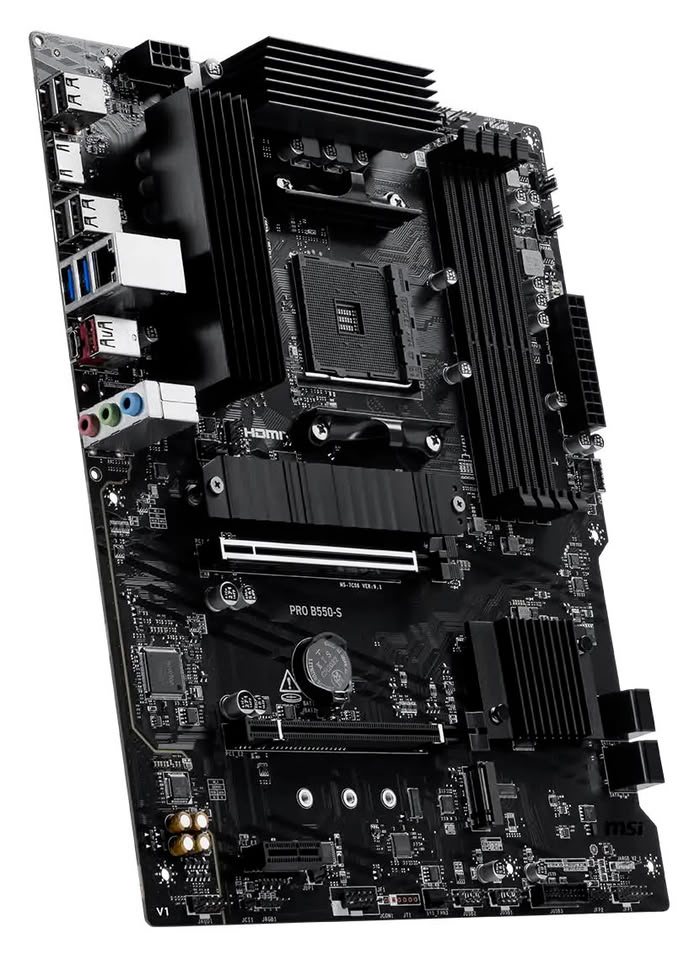
MSI Silently Adds New AMD B550 Motherboards to Its AM4 Lineup

MSI quietly added three new B550 motherboards to its AM4 lineup, one microATX model and two ATX boards. The new models are the PRO B550M WIFI6E, PRO B550-S, and B550-S WIFI6E, all targeting AMD's Ryzen 3000, 4000G and 5000 processors. The PRO B550M WIFI6E is the microATX model measuring 243.84 x 210 mm. MSI opted for a spartan layout with only a tiny radiator on top of the AMD B550 chipset. The motherboard has two DDR4 DIMM slots supporting memory up to 4600+ MT/s (OC). For expansion, there is one PCIe 4.0 x16 slot and two PCIe 3.0 x1 slots, with one M.2 slot and four SATA 6 Gb/s ports for storage. The M.2 slot runs at PCIe 4.0 x4, while the wireless connectivity is provided by a pre-installed Wi-Fi 6E module.

The PRO B550-S and B550-S WIFI6E are full-size ATX boards measuring 243.84 x 304.8 mm. MSI opted for a more robust cooling package with dedicated heatsinks for the VRM, chipset and M.2 slot. Both feature four DDR4 DIMM slots with support for up to 128 GB and up to 4800+ MT/s (OC). The boards have two PCIe x16 slots, one PCIe x1, two M.2 slots, and four SATA ports. The first M.2 slot supports PCIe 4.0 x4, while the second runs at PCIe 3.0 x4. There are USB 5 Gbps Type-A and Type-C ports, along with 10 Gbps Type-A and Type-C ports on the rear I/O. The B550-S WIFI6E adds a pre-installed Wi-Fi 6E module. All three boards use the Realtek ALC897 7.1-channel audio codec and Realtek RTL8111H Gigabit Ethernet. MSI has not yet announced pricing or international availability.

NVIDIA RTX 5090 Sells Out at Walmart for $4,299 After 10,000 Shoppers Add It to Cart

Walmart's GeForce Week promotion briefly listed MSI's GeForce RTX 5090 32 GB Gaming Trio OC at $4,299.99, and it sold out after showing up in roughly 10,000 shoppers' online carts. The listing has since gone out of stock, according to Videocardz, who first spotted it. That price sits about $2,300 above NVIDIA's $1,999 MSRP, a premium of roughly 115 percent. On paper, that looks steep, but RTX 5090 prices have been climbing hard lately, with some cards reportedly passing $9,000 to $10,000 on the secondary market. Against that, $4,299 from a major retailer apparently looked like a decent option.

It says a lot about how tight the RTX 5090 market has gotten that 10,000 people still added it to their carts. Part of the shortage seems to come from AI firms reportedly picking up RTX 5090 stock in bulk before it reaches gaming-focused retail, though it's hard to say how much of the scarcity traces back to that versus general Blackwell supply limits. The MSI Gaming Trio OC itself is a solid variant, with 21,760 CUDA cores, 32 GB of GDDR7 memory on a 512-bit bus, a 2,482 MHz boost clock, and a 575 W power draw. NVIDIA hasn't announced a successor to the RTX 5090 yet, so anyone chasing the fastest consumer GPU right now has very little room to negotiate on price.

MSI MAG 271KPD7 27-inch 5K Dual Mode Gaming Monitor Launches in Japan

MSI introduced the MAG 271KPD7 gaming monitor in Japan following its presentation at CES 2026 in January. The main feature of this 26.9-inch monitor is the Dual Mode Ultra technology. This allows users to switch between modes: 5K (5120 x 2880) at 75 Hz or WQHD (2560 x 1440) at 300 Hz, closer to the MSI MAG 274QPF X32 WQHD 320 Hz model launched in July. The 5K mode offers 218 pixel density and is best suited for creatives and professionals, while the WQHD mode is best for gaming with its 0.5 ms GtG response time. There is also a 24.5-inch mode for FPS and battle royale games where a smaller field of view is useful. The Rapid IPS panel offers 350 cd/m² brightness with 500 cd/m² peak, 1500:1 contrast ratio, 95% DCI-P3 and 99.1% sRGB, and has typical IPS 178° viewing angles. The monitor has VESA DisplayHDR 400 certification and supports AMD FreeSync Premium.

Connectivity options include two HDMI 2.1 ports, one DisplayPort 1.4a, one USB-C with DisplayPort Alt Mode and 15 W power delivery. There are two USB 3.2 Gen 1 Type-A hub ports, one USB 3.2 Gen 1 Type-B for a PC connection and a headphone output. MSI also included a built-in KVM switch that lets users control two PCs. The MSI MAG 271KPD7 will be available from October 1 at around 98,800 yen (around $622) with a three-year warranty.

Thermaltake Unveils New SWAFAN UNIFY Series Fans with Single-Frame Design and Swappable Fan Blades

Thermaltake, a leading PC DIY brand for premium hardware solutions, expands its cooling lineup with the SWAFAN 240 UNIFY ARGB Sync and SWAFAN 360 UNIFY ARGB Sync PC Cooling Fans, available in black and snow editions. Featuring a single-frame design and swappable fan blades, the SWAFAN UNIFY simplifies installation and offers different airflow directions. Dual Infinity Mirror Lighting creates layered lighting effects and adds visual depth to the fans.

The SWAFAN UNIFY series integrates multiple fans into a single frame, reducing the number of cables and mounting points required. With a set of cables and four corner screws, the design makes installation easier while keeping the build neat. Featuring Thermaltake's signature swappable fan blade design, the SWAFAN UNIFY comes with standard fan blades pre-installed and reverse fan blades included in the package. This allows the fans to be configured for either exhaust or intake airflow while keeping the fan face forward for a consistent and refined appearance.
MSI IPC Unveils MS-C9ZA Edge AI Box PC Powered by NVIDIA Jetson Orin Nano

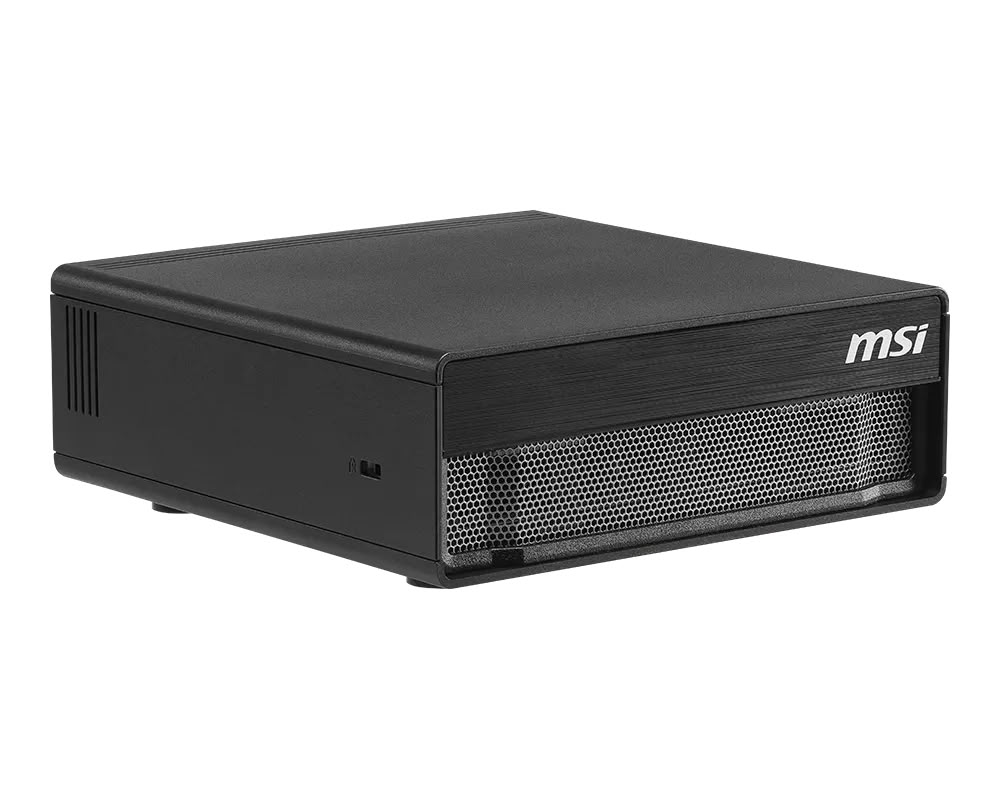
MSI IPC introduces the MS-C9ZA, a compact fanless Edge AI Box PC powered by NVIDIA Jetson Orin Nano 8 GB for machine vision, robotics, and embedded edge AI applications. It integrates local AI inference, industrial I/O, dual Gigabit Ethernet, M.2 expansion, and 12-24 V DC input.

Powered by a 6-core Arm Cortex -A78AE CPU, NVIDIA Ampere GPU, and 8 GB LPDDR5 memory, the MS-C9ZA enables AI inference and computer vision processing at the edge, helping reduce cloud dependency, bandwidth usage, and network latency.

Asetek Brings Custom RTX 5070 Liquid-Cooled Desktop at TGS 2026 with Mouse Computer and MSI

Asetek, the global leader in PC liquid cooling, today announced its collaboration with Mouse Computer and MSI at TOKYO GAME SHOW 2026 to launch the Mouse Original NVIDIA GeForce RTX 5070 Liquid-Cooled Overclocked Edition, available immediately in Mouse's flagship "G TUNE" desktop gaming lineup. As Mouse Computer's trusted cooling partner, Asetek engineered a bespoke 240 mm AIO liquid cooling architecture specifically for this custom GPU. Designed to tackle high thermal density and high-heat memory, the system far surpasses traditional air-cooling limits.

Overpowering Air Cooling: Up to 300 W TGP Thermal Headroom
  • 300 W TGP Designed Capacity: Effortlessly handles the RTX 5070's default 250 W load while leaving significant overclocking headroom, keeping temperatures well below throttling limits.
  • Custom Full-Cover Copper Cold Plate: Directly cools both the GPU core hot spot and neighboring VRAM modules for sustained peak performance.
  • Direct External Exhaust: Vents thermal energy directly outside the chassis via the 240 mm slim radiator, preventing internal heat buildup and protecting ambient components.

MSI Officially Announces PRO MAX 341QPXW14G Ultra-Wide Monitor for Apple Ecosystem

MSI, a global leader in high-performance computing, has officially announced the PRO MAX 341QPXW14G, a new ultrawide monitor designed to meet the evolving demands of Mac workflows. As multitaskers increasingly move between creative applications, spreadsheets, communication tools, and AI-powered tasks, expansive screen space has become essential for viewing more, organizing work efficiently, and staying productive across multiple applications.

Smarter Mac Integration with MSI M-Mate
Built specifically around Mac workflows, the PRO MAX 341QPXW14G pairs seamlessly with the MSI M-Mate app to bring intuitive display controls and Mac integration directly to the desktop. M-Color Mode helps maintain consistent color performance with compatible MacBooks, while M-Sync Mode allows users to control screen brightness and volume directly using their MacBook's dedicated brightness and volume keys—delivering a more seamless and integrated experience.

DLSS 5 Testing Ends in a Melted RTX 5090 Connector, Power Shoots Past 600 W

DLSS 5 seems to be contributing to increased power draw, and we have our first victim here. Videocardz reports a new melted-connector case on an MSI GeForce RTX 5090 Gaming Trio OC, which surfaced during DLSS 5 Neural Rendering testing in NBA 2K27, currently the only officially supported game. A reader nicknamed erek documented the incident, noting DLSS 5 pushed the card's power draw from around 450 W to over 600 W, which is above MSI's 575 W rating. A GPU-Z screenshot showed a peak board power reading of 613.5 W, which erek says held steady rather than spiking briefly.

Erek reported the card stopped working shortly after, and a burning smell led him to find that the connector's plastic had melted and fused to the socket. We already reported last week that DLSS 5 can push the RTX 5090's power draw unusually high, so this seems to be the first reported case where that added power draw has burned the notorious RTX 5090 power connectors. However, it should be remembered that GPU-Z tracks total board power rather than just the auxiliary connectors, since the PCIe slot also supplies power, so the reading doesn't necessarily mean the connector carried the full load.

Motherboard Prices May Rise Again as PCB Costs Climb Up to 50%

Another increase in motherboard prices looks likely, according to a report from the Chinese industry forum Board Channels. The source claims that motherboard production costs have risen by at least 10%, while the price adjustments manufacturers actually made in August averaged only about 3%, a gap that suggests further increases are coming. PCBs appear to be the biggest driver, with prices reportedly up 15% to 50% depending on board type. Capacitors are said to have climbed by around 50%, and Wi-Fi modules are up an estimated 10 to 20%. Those are bill-of-materials costs, before manufacturing and logistics get factored in.

The August price increases were apparently uneven. MSI reportedly raised prices across its whole lineup, while ASUS and Gigabyte stuck to select higher-volume models. If accurate, that 3% bump falls well short of covering the reported cost increase, which suggests that manufacturers have been absorbing part of the difference so far. It's worth noting that this is not an official manufacturer statement, so these figures should be treated as industry chatter for now. Still, multiple outlets have independently sourced similar numbers, and earlier reports already pointed to ASUS, Gigabyte, and MSI prepping Q3 pricing changes.

AMD Ryzen 7 7800X3D Swells and Burns Again, This Time on an ASUS Crosshair X670E Hero

Another Ryzen 7 7800X3D has reportedly swollen and burned, while also damaging the ROG Crosshair X670E Hero motherboard in the process. UNIKO's Hardware flagged the case, citing a video posted to Bilibili as the original source. The video shows a Ryzen 7 7800X3D CPU with clear swelling on the underside where it made contact with the CPU socket. There is discoloration on both the CPU and the socket itself. Moreover, the socket pins are warped and damaged in the middle, presumably due to the pressure of the swelling. One peculiar finding is that one of the notches on the CPU socket looks slightly off. Perhaps more importantly, the board's BIOS version wasn't confirmed, which is directly relevant due to AMD's proposed fix.

This kind of failure first showed up in April 2023, when several 7800X3D and 7950X3D chips bulged and took their sockets with them on X670E boards. AMD pinned it on SoC voltage running too high and rolled out AGESA firmware that capped it at 1.30V across AM5 motherboards. This new case might be straightforward if the BIOS hadn't been updated at all. However, even after the BIOS fix, the reports never fully stopped. Just weeks ago, a 7800X3D reportedly burned out on an MSI PRO X870-P WIFI board running the latest BIOS, with EXPO enabled and nothing else touched. We have even seen reports of Ryzen 7 9800X3D CPUs burning in the exact same manner. If you're running a 7800X3D, it's probably worth checking that you're on the latest BIOS and keeping an eye on SoC voltage.
ASUS and Galax Raise GeForce RTX 50-Series Prices by Up to $74

ASUS and Galax have become the latest NVIDIA board partners to raise prices on RTX 50-series cards, with increases landing September 1. According to a report from Channel Gate, ASUS is bumping RTX 5070 prices by 150 to 300 Yuan, or roughly $22 to $44, while Galax is applying a 200 Yuan (about $30) hike to the same card. Galax's RTX 5070 Ti is going up 300 Yuan (around $44), and its RTX 5080 sees the steepest jump at 500 Yuan (about $74). Budget cards like the RTX 5060 and RTX 5050, along with the flagship RTX 5090, are apparently untouched this time. The increases here are smaller in dollar terms than some earlier hikes, but they add up, and mid-range buyers eyeing the RTX 5070 family are in the crosshairs this time.

This is likely the third or fourth 2026 price hike for NVIDIA's board partners, and it results from the GDDR7 cost pressure we have tracked for months. NVIDIA reportedly raised the price of its GPU-memory kits for partners back in July, and that increase still seems to be trickling down one vendor at a time. NVIDIA had already raised prices on the RTX 5090 specifically in May for the same reason. With ASUS and Galax moving this week, other partners like MSI, Gigabyte, and Colorful will probably follow with adjustments of their own soon, since that's been the pattern all year. Right now, there seems to be no plausible end in sight either.
Return to Keyword Browsing
Nov 11th, 2026 03:58 CST change timezone

New Forum Posts

Popular Reviews

TPU on YouTube

Controversial News Posts