Tuesday, January 20th 2026

NVIDIA's GPU Memory Bundles Cost Less Than AMD's, Note AIB Partners
Taiwanese media outlet Benchlife has reportedly obtained information about the pricing of AMD and NVIDIA GPU and memory bundles shipped to their respective add-in-board partners. According to their findings, both AMD and NVIDIA have increased the prices of GDDR6 and GDDR7 memory to reflect the current industry-wide DRAM shortage. However, the report highlights that NVIDIA's pricing for GDDR6 and GDDR7 memory is significantly lower than AMD's. As AMD and NVIDIA bundle their GPU dies with GDDR6/GDDR7 memory, they can set the pricing of these bundles based on several factors. These factors include the cost at which they acquire the DRAM and the desired profit margin for the GPU dies. Typically, the memory is paired with the GPU die, which also influences the final pricing strategy.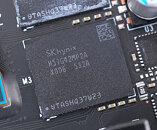 Fortunately, NVIDIA and AMD continue to include GDDR6 and GDDR7 memory with their GPU kits, which means AIBs don't have to independently source the costly graphics DRAM under less favorable terms. When AMD and NVIDIA negotiate with DRAM manufacturers like Samsung, Micron, and SK Hynix, they wield greater influence over the total capacity required and the pricing structure. This is especially true as they enter into long-term agreements regarding costs and purchasing decisions. If AIBs were to source DRAM on their own, they would likely face limited availability and significantly higher prices for any DRAM variant.
Source:
Benchlife
BenchlifeOn January 16th, NVIDIA officially notified its AIC partners that all bundled GDDR6 and GDDR7 memory packages are now increasing in price. We have been informed of the price increase through familiar AIC partners, but we won't specify the exact price here. What we can say is that NVIDIA's new prices are still lower than those announced by AMD to its AIB partners.

33 Comments on NVIDIA's GPU Memory Bundles Cost Less Than AMD's, Note AIB Partners
Stranger things
Take RTX 5080 for example, easy to calculate. In Europe basic models went handily from 1000 to 1200 EUR. That's only 20% rise, not 400, right? But the card is not made from memory - 16 GB of GDDR7 chips costed Nvidia way less than 40$ that these chips were offered for repair, modding. In $1000 card. Even the 400% rise in that cost only nets half of that price increase, leaving some margin for extra marketing cost of how they're the ones bleeding here.
But it doesn't really matter, PC sales in Q4 2025 were apparently 10% up from the Q4 2024, despite memory and storage prices already shooting up - GPUs started getting more expensive only recently. As a friend who works in sales told me - "If we knew customers would respond like that, we would rise the prices sooner!" - Apparently gamers, builders of DIY more expensive PCs are still buying, despite the 400% memory, 200% storage, 20+% GPU price increases - people are genuinely stampeding for the PC builds. Apparently a lot of people think this can only get worse.