Wednesday, November 12th 2025

Valve Announces Steam Machine, Steam Frame, and Steam Controller
Valve has finally put an end to the months-long rumor cycle about its next-generation hardware. Today, Valve has introduced three new additions to its hardware library with Steam Machine, Steam Frame, and Steam Controller. Starting with the more interesting hardware, we finally have a successor to the original Steam Machine more than a decade after the original was introduced. Also called the Steam Machine, this one brings more modern hardware optimized to co-exist with the SteamOS Linux build, and a powerful software stack to run any game. Available in 512 GB and 2 TB SSD models with microSD expansion, it pairs a semi-custom AMD Zen 4 processor with RDNA 3 graphics to achieve supposed 4K gaming at 60 FPS with ray tracing and FSR support. Being semi-custom GPU, it might be closer to AMD's RDNA 3.5, than the pure RDNA 3.
Bundled with a Steam Controller, the system features an integrated 2.4 GHz radio alongside Wi-Fi 6E and Bluetooth for wide peripheral compatibility. Video output options include DisplayPort 1.4 for up to 4K at 240 Hz and HDMI 2.0, complemented by Ethernet, USB-C 10 Gbps, and four USB-A ports. Running SteamOS with rapid suspend/resume and wake-on-controller functionality, it combines 16 GB DDR5 system memory with 8 GB GDDR6 VRAM, an internal power supply, and a customizable LED bar that reflects system status for a complete living room experience. Valve has packaged it as a small black box, which will blend in with any HTPC environment.


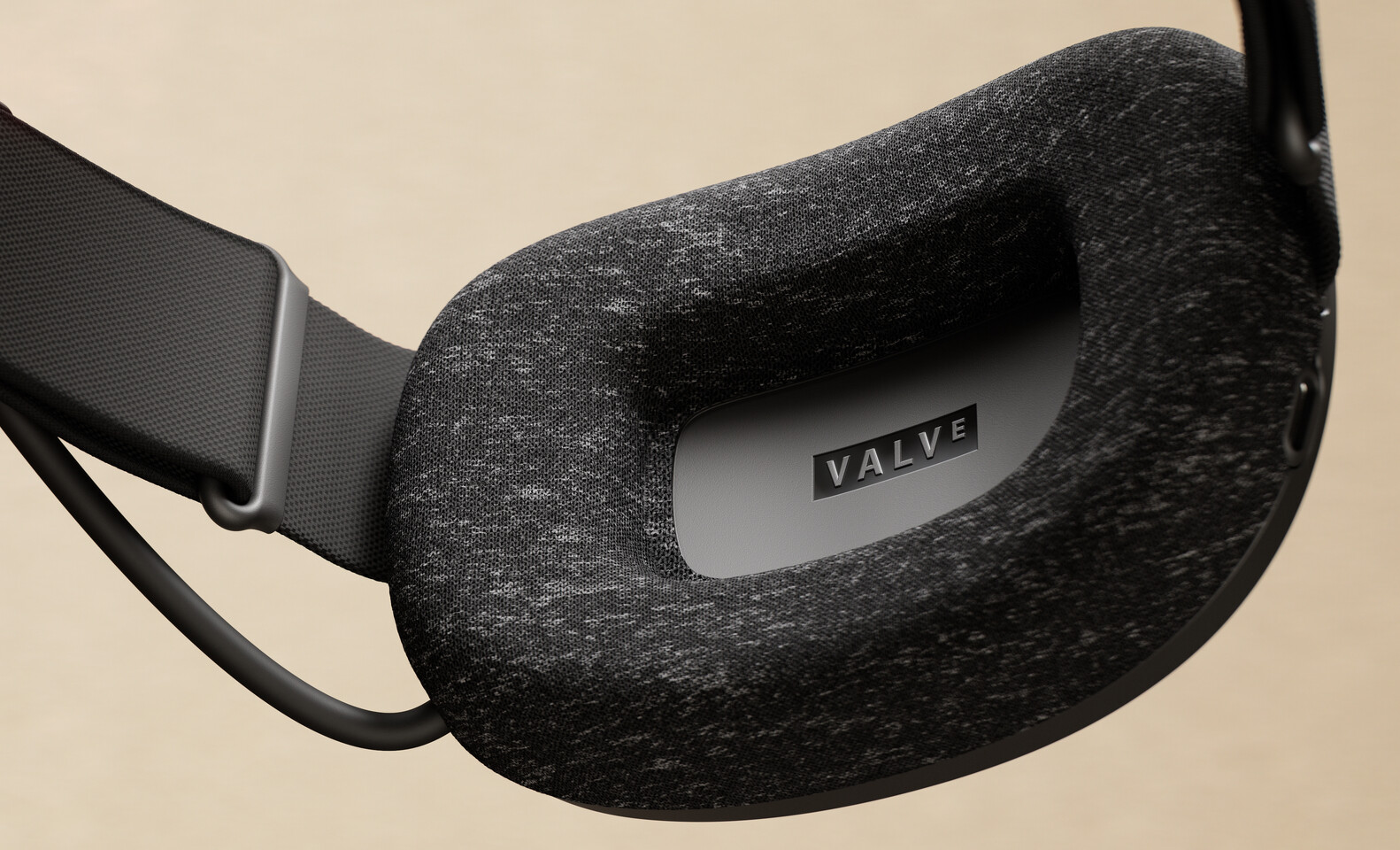
 Next, we have Valve's Steam Frame—the second VR headset from the company. The Steam Frame is designed as a featherweight PC VR gaming headset with a modular architecture, weighting a mere 185 g by itself, and 440 g with included headstrap that includes facial interface, audio, and a rear battery. Inside there is a Snapdragon 8 Gen 3 processor with 16 GB unified LPDDR5X RAM and up to 1 TB storage. This will help it stream Steam games via Wi-Fi 7 and an included low-latency adapter, using eye-tracking to drive foveated streaming that sharpens resolution precisely where you look.
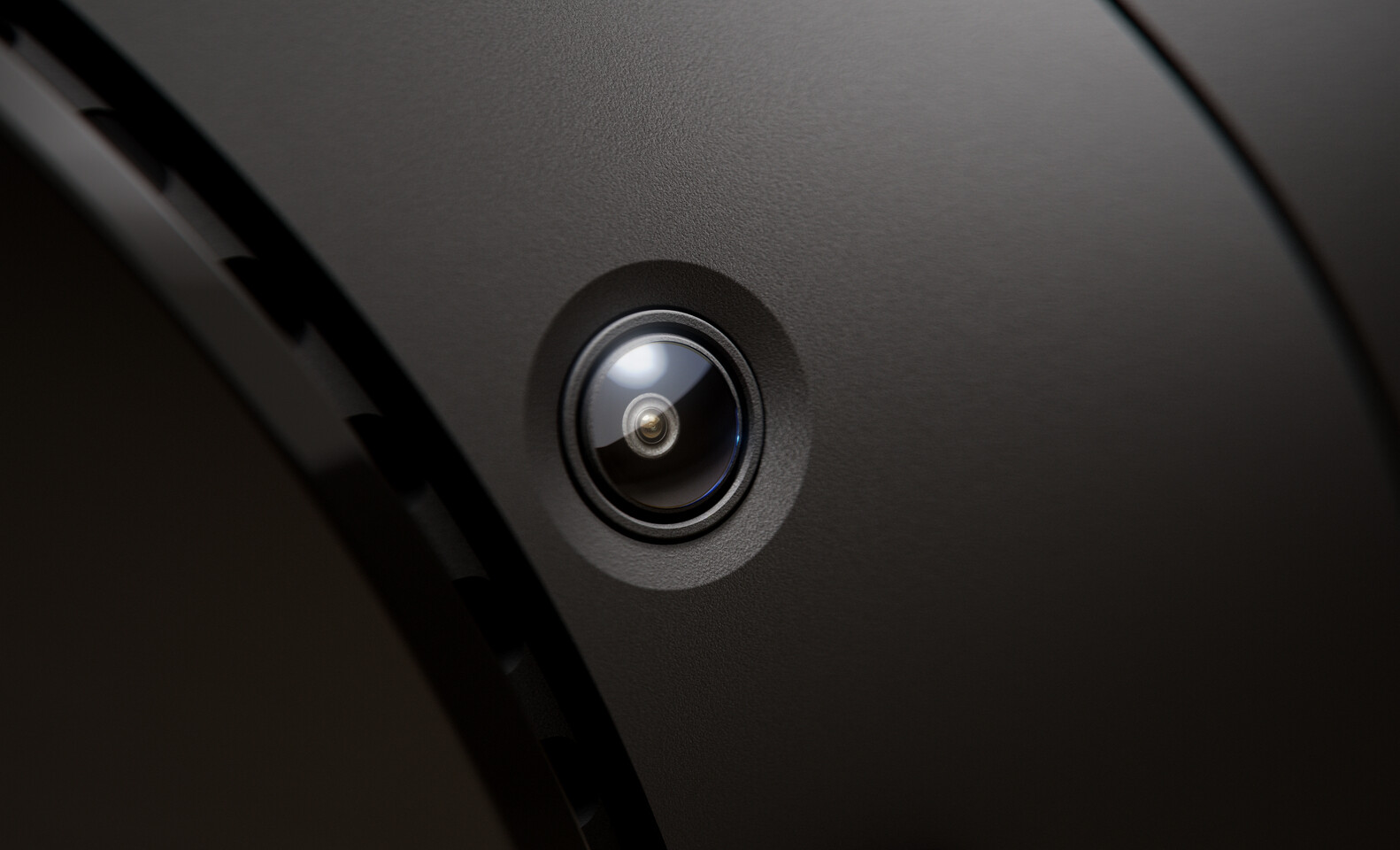
There is a dual 2160x2160 pancake display pair that refreshes at 144 Hz across a 110-degree field. Four outward cameras and an IR illuminator maintain tracking in any environment, so that your VR experience becomes life-like. Integrated audio and a 21.6Wh battery complement the SteamOS experience with full suspend/resume, powering Steam Frame Controllers that feature magnetic TMR thumbsticks and capacitive finger sensing on 40-hour batteries, bridging traditional gamepad familiarity with VR immersion.



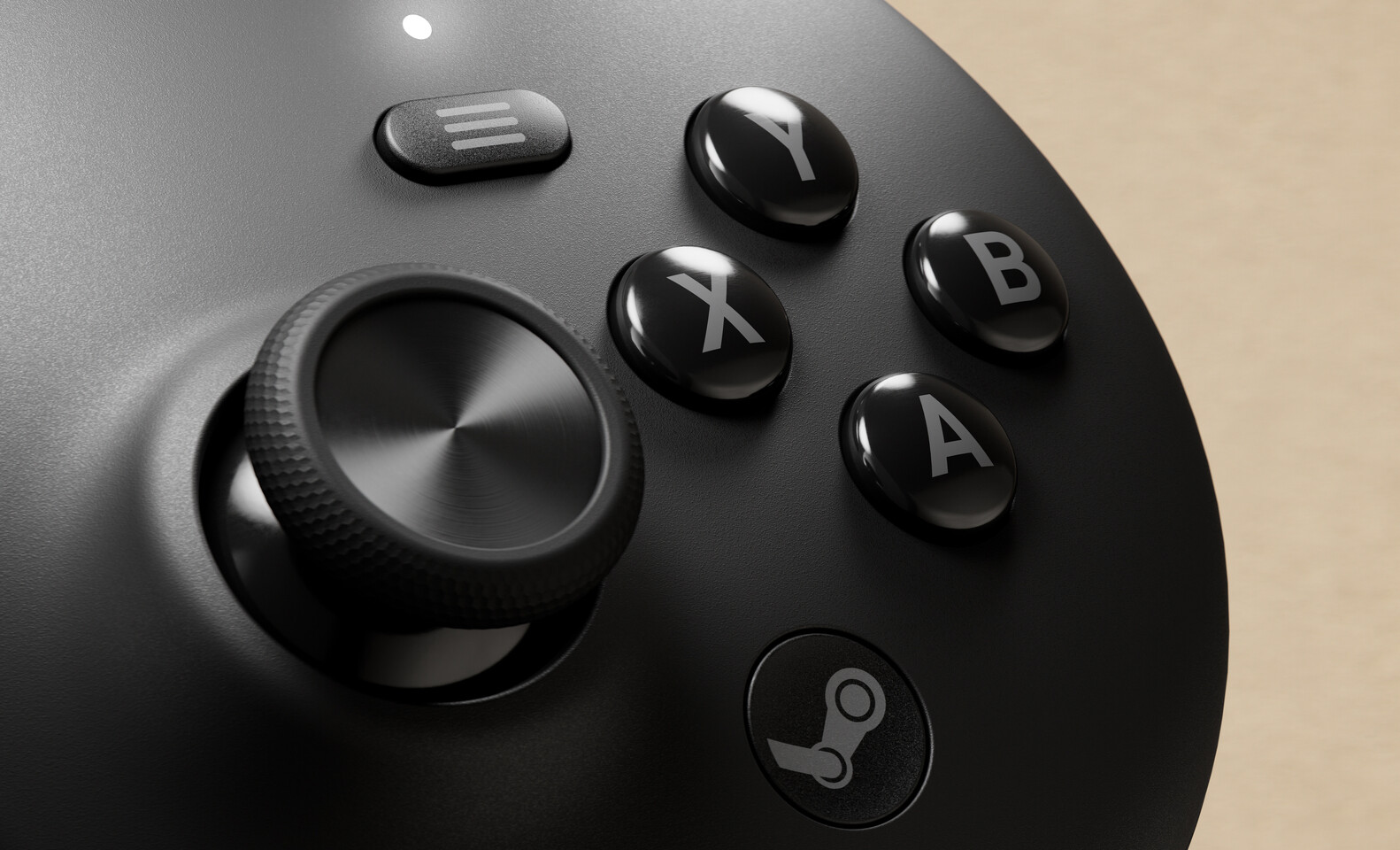
 Last but not least, we have Valve Steam Controller. This controller works across Steam's whole ecosystem with three ways to connect. The pre-paired Steam Controller Puck is the main hookup, using a proprietary wireless signal that hits about 8 milliseconds of lag at 5 meters—more stable than Bluetooth—and lets you sync up to four controllers at once. You can also use regular Bluetooth or just plug in via USB. The rechargeable battery runs for 35+ hours and charges either through the Puck or a USB cable. For controls, you get magnetic TMR thumbsticks that are super responsive, capacitive grips that can trigger gyro or other commands, and four haptic motors that give really detailed feedback. There's also pressure-sensitive trackpads with a 6-axis IMU, four programmable grip buttons, and all the standard controls you expect. It works with Windows, Mac, Linux, handhelds, phones via Steam Link, and all Steam hardware. Every new hardware announced today will start shipping in early 2026.




Source:
Valve
Bundled with a Steam Controller, the system features an integrated 2.4 GHz radio alongside Wi-Fi 6E and Bluetooth for wide peripheral compatibility. Video output options include DisplayPort 1.4 for up to 4K at 240 Hz and HDMI 2.0, complemented by Ethernet, USB-C 10 Gbps, and four USB-A ports. Running SteamOS with rapid suspend/resume and wake-on-controller functionality, it combines 16 GB DDR5 system memory with 8 GB GDDR6 VRAM, an internal power supply, and a customizable LED bar that reflects system status for a complete living room experience. Valve has packaged it as a small black box, which will blend in with any HTPC environment.


There is a dual 2160x2160 pancake display pair that refreshes at 144 Hz across a 110-degree field. Four outward cameras and an IR illuminator maintain tracking in any environment, so that your VR experience becomes life-like. Integrated audio and a 21.6Wh battery complement the SteamOS experience with full suspend/resume, powering Steam Frame Controllers that feature magnetic TMR thumbsticks and capacitive finger sensing on 40-hour batteries, bridging traditional gamepad familiarity with VR immersion.





204 Comments on Valve Announces Steam Machine, Steam Frame, and Steam Controller
so i meanm $85 more, why hinder yourself with last gen hardware... really doubt this comes in less than $599
While it seems pretty neat if you are really looking at it for what it is, well it seems they cut every corner they could. It isn't an Apple product over engineered with every little detail and no expense spared. It seems like every expense was spared.
i'm skeptical of the claims it can run any game at 4k 60 fps for 30 watts though, and if you want to play at 30 fps, just get a ps5 at that point
30 watts for the CPU isn't that low. Even the 65w Ryzen Chips I believe in the bios let you set them to like 45w I believe. Plus unlike all these other systems from like Minisforum that are 8 core 16 thread or 16 core 32 threads this is only a 6 core 12 thread CPU.
well that is kind of neat then, still wish it had FSR4 though, maybe it technically does they just haven't announced it yet? PS5 Pro technically has FSR4 support and it uses a similar 3.5 custom chip
www.tweaktown.com/news/102229/sony-explains-how-it-modified-ps5-pros-gpu-to-enable-pssr-neural-network-ai-upscaling/index.html
The concept of the Steam Machine is good. Its a mini-pc with an entry graphics card. But the outdated tech holds it back.
I’m honestly a bit surprised it’s not just a modded strix halo. I’d think the BOM would be similar, but maybe not.
B570 instead of 9060XT but I get more VRAM and Zen5 in a relatively decent 760$ buildbrother what
RDNA3 and Zen4 are quite literally LAST GEN, what do you even mean *outdated*???