Wednesday, November 12th 2025

Valve Announces Steam Machine, Steam Frame, and Steam Controller
Valve has finally put an end to the months-long rumor cycle about its next-generation hardware. Today, Valve has introduced three new additions to its hardware library with Steam Machine, Steam Frame, and Steam Controller. Starting with the more interesting hardware, we finally have a successor to the original Steam Machine more than a decade after the original was introduced. Also called the Steam Machine, this one brings more modern hardware optimized to co-exist with the SteamOS Linux build, and a powerful software stack to run any game. Available in 512 GB and 2 TB SSD models with microSD expansion, it pairs a semi-custom AMD Zen 4 processor with RDNA 3 graphics to achieve supposed 4K gaming at 60 FPS with ray tracing and FSR support. Being semi-custom GPU, it might be closer to AMD's RDNA 3.5, than the pure RDNA 3.
Bundled with a Steam Controller, the system features an integrated 2.4 GHz radio alongside Wi-Fi 6E and Bluetooth for wide peripheral compatibility. Video output options include DisplayPort 1.4 for up to 4K at 240 Hz and HDMI 2.0, complemented by Ethernet, USB-C 10 Gbps, and four USB-A ports. Running SteamOS with rapid suspend/resume and wake-on-controller functionality, it combines 16 GB DDR5 system memory with 8 GB GDDR6 VRAM, an internal power supply, and a customizable LED bar that reflects system status for a complete living room experience. Valve has packaged it as a small black box, which will blend in with any HTPC environment.


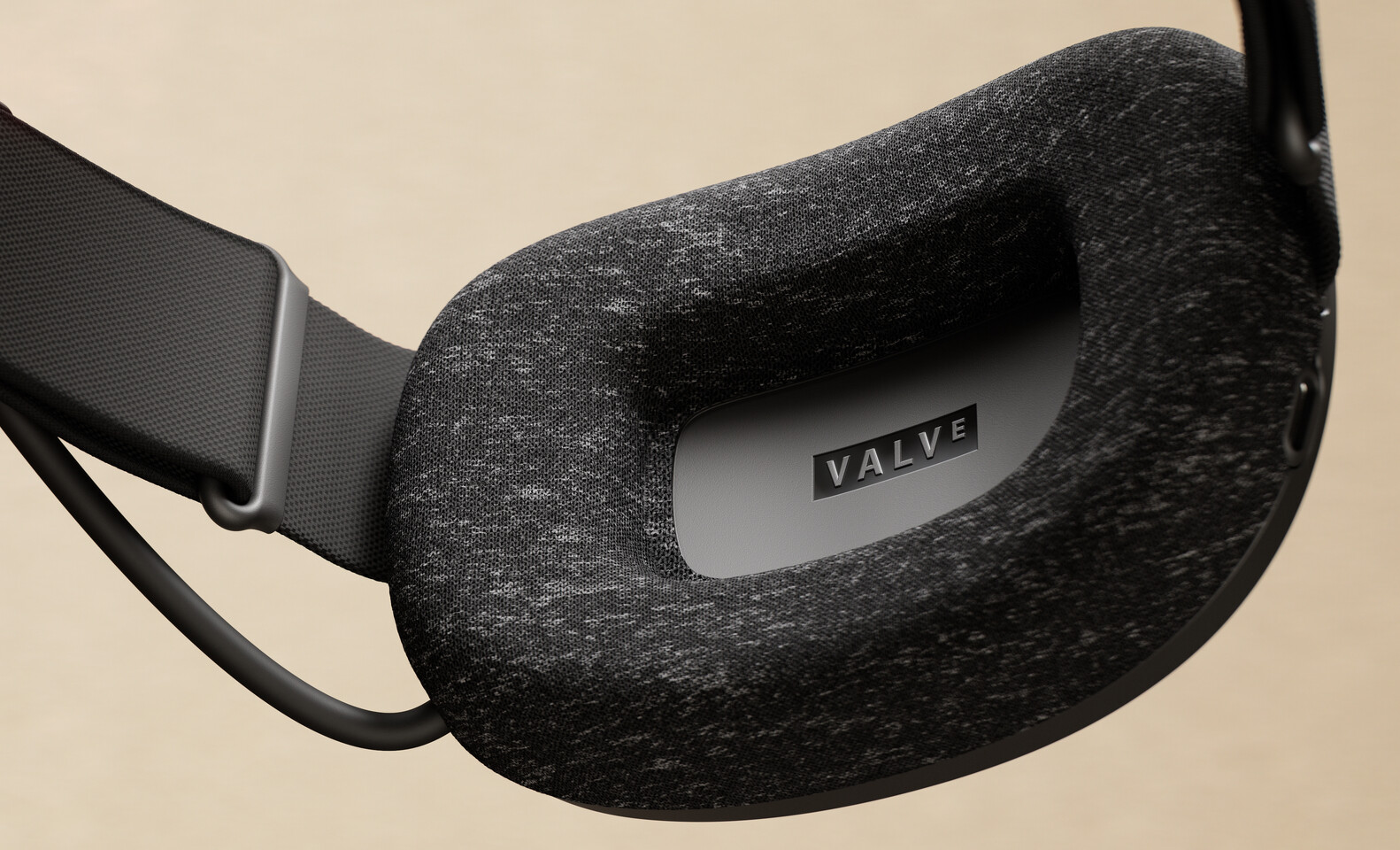
 Next, we have Valve's Steam Frame—the second VR headset from the company. The Steam Frame is designed as a featherweight PC VR gaming headset with a modular architecture, weighting a mere 185 g by itself, and 440 g with included headstrap that includes facial interface, audio, and a rear battery. Inside there is a Snapdragon 8 Gen 3 processor with 16 GB unified LPDDR5X RAM and up to 1 TB storage. This will help it stream Steam games via Wi-Fi 7 and an included low-latency adapter, using eye-tracking to drive foveated streaming that sharpens resolution precisely where you look.
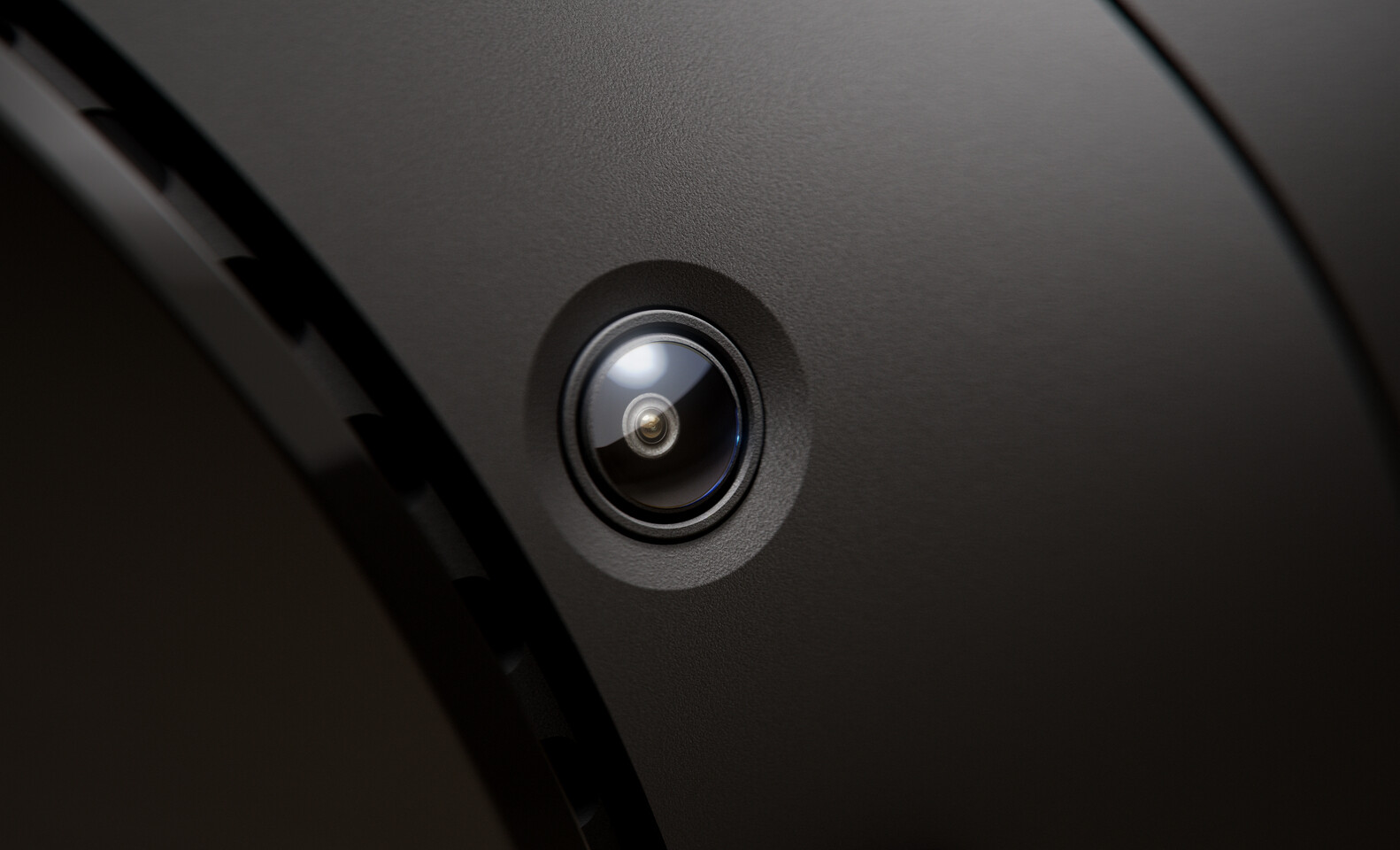
There is a dual 2160x2160 pancake display pair that refreshes at 144 Hz across a 110-degree field. Four outward cameras and an IR illuminator maintain tracking in any environment, so that your VR experience becomes life-like. Integrated audio and a 21.6Wh battery complement the SteamOS experience with full suspend/resume, powering Steam Frame Controllers that feature magnetic TMR thumbsticks and capacitive finger sensing on 40-hour batteries, bridging traditional gamepad familiarity with VR immersion.



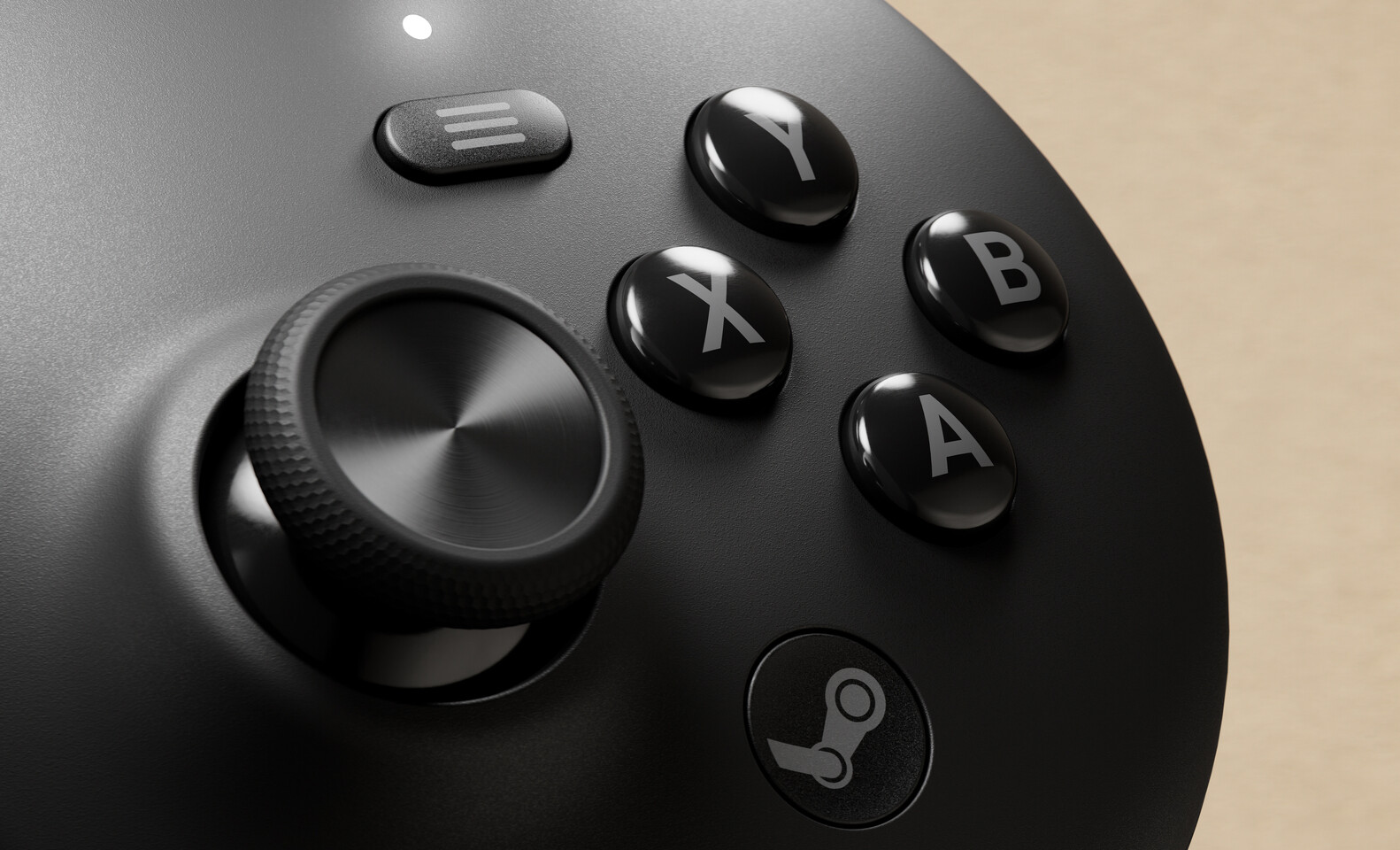
 Last but not least, we have Valve Steam Controller. This controller works across Steam's whole ecosystem with three ways to connect. The pre-paired Steam Controller Puck is the main hookup, using a proprietary wireless signal that hits about 8 milliseconds of lag at 5 meters—more stable than Bluetooth—and lets you sync up to four controllers at once. You can also use regular Bluetooth or just plug in via USB. The rechargeable battery runs for 35+ hours and charges either through the Puck or a USB cable. For controls, you get magnetic TMR thumbsticks that are super responsive, capacitive grips that can trigger gyro or other commands, and four haptic motors that give really detailed feedback. There's also pressure-sensitive trackpads with a 6-axis IMU, four programmable grip buttons, and all the standard controls you expect. It works with Windows, Mac, Linux, handhelds, phones via Steam Link, and all Steam hardware. Every new hardware announced today will start shipping in early 2026.




Source:
Valve
Bundled with a Steam Controller, the system features an integrated 2.4 GHz radio alongside Wi-Fi 6E and Bluetooth for wide peripheral compatibility. Video output options include DisplayPort 1.4 for up to 4K at 240 Hz and HDMI 2.0, complemented by Ethernet, USB-C 10 Gbps, and four USB-A ports. Running SteamOS with rapid suspend/resume and wake-on-controller functionality, it combines 16 GB DDR5 system memory with 8 GB GDDR6 VRAM, an internal power supply, and a customizable LED bar that reflects system status for a complete living room experience. Valve has packaged it as a small black box, which will blend in with any HTPC environment.


There is a dual 2160x2160 pancake display pair that refreshes at 144 Hz across a 110-degree field. Four outward cameras and an IR illuminator maintain tracking in any environment, so that your VR experience becomes life-like. Integrated audio and a 21.6Wh battery complement the SteamOS experience with full suspend/resume, powering Steam Frame Controllers that feature magnetic TMR thumbsticks and capacitive finger sensing on 40-hour batteries, bridging traditional gamepad familiarity with VR immersion.





204 Comments on Valve Announces Steam Machine, Steam Frame, and Steam Controller
AMD not adding FSR4 to RDNA3 or RDNA2 doesn't mean they don't want to, the performance impact can be significant, as RDNA4 has added hardware for upscaling, though I would like to see an FSR4 lite for RDNA3 and RDNA2 GPU's.
www.tweaktown.com/news/108952/fsr-4-support-comes-to-steamos-and-proton-hinting-at-steam-machine-support/index.html
My post:
"To all of those who are arguing over why the steam machine has only 8 gbs of vram consider this:
- AMD could be limiting the vram on such a small GPU
- Vram management could be better on linux
- vbios vram management could have been updated to the one on rx 9000"
I Meant that AMD could limit the amount of Vram so that The Steam machine could not invade the console space.AMD could do this because Microsoft / Sony are their bigger customers.
PSA
I do know that people at valve have stated that they used the hardware survey to make the specifications of the steam machine
I am just stating the original purpose of my post
8GB VRAM is ideal for 1080p medium 60fps, upscalable to 4k60 with FSR4, which is what it's designed for.
Steam Machine will take Xbox customers due to lower price, larger game library, and the first time a PC has been a proper console.
Lower price is based on a 'Moores Lore Is Dead' leak about next gen Xbox and PS being similar to Strix Halo. Large custom die, very high number of GPU cores. Very high price.
I had the original post and I said "Steam Machine will take Xbox customers", meaning most next-gen Xbox buyers due to price, and existing Xbox owners looking for entry into the Steam game library.
I wished AMD just shipped FSR4 INT8 instead of withholding it like they currently are
Personally, I don't think it matters for someone buying a low budget system whether you're using FSR 3 or 4. It is something only us, owners of high-end systems argue about, and quite pointlessly, I might add.
Hence why Sony had to fix FSR 3 with PSSR, low end hardware, especially when paired with big screens, is where good upscalers are most needed.
On the high end good upscalers are useful for high FPS, turning on demanding effects without crippling performance, and better than native anti aliasing.
The fact that XeSS in compatibility mode and the hassle of setting that up is the best option to get acceptable image quality for all AMD handhelds and prebuilts that don't have RDNA 3, but are too weak for native, is quite sad.There's a pretty major performance and image quality drop when using the unofficial INT8 FSR 4, even if it is available with a toggle, it's basically a bit better than FSR 3, and a bit more performant than native. Not the same performance/quality improvements that gave FSR 4 on RDNA 4 a very positive reception (no longer the worst upscaler).
There's a latency and quality cost to running the ML model on cards that don't have native support for it.
Especially when someone not dealing with economies of scale like Valve is, can build this for the same 1000 price point. Excuses shouldn't be made. They publically stated the Steam Deck wasn't refreshed due to nothing significantly better available on the market APU wise, then go and use RDNA 3 cards when RDNA 4 is available and within budget.
All I can say at this point is that RDNA 3 is far from being obsolescent. Lacking the newest version of FSR doesn't make it unusable by any means.
Same budget of ~1000.
Valve should have done better.
The only way I would ever try 4K on a 7600 is a TV that I sit far enough from not to notice the shortcomings of heavy upscaling (regardless of the version number used).