Monday, March 16th 2026
Memory Makers Expect Shortages to End in Late 2028, Could Pause Expansion Plans
Memory manufacturers are forecasting that memory shortages will persist until the end of 2028, when the supply chain balance is expected to be restored and memory will once again reach its commodity status. However, according to the South Korean Chosun Biz newspaper, memory manufacturers are reconsidering their expansion plans to ensure they don't overinvest in building new capacity after demand cools down. Reportedly, Samsung's internal projections indicate that demand for DRAM in forms like HBM and regular DDR will peak in the next few quarters, up until the end of 2028. This is the point where Samsung expects industry-wide demand to cool down and balance to be restored.
When the AI expansion began, memory manufacturers received massive orders from hyperscalers around the world, ordering DRAM supply months in advance. With no end in sight, SK Hynix, Micron, and Samsung started ordering more lithography tools from ASML to expand their wafer manufacturing capacity to meet their customers' needs for more HBM, DDR, and GDDR memory. According to ASML, the company estimates that in 2027, based on current order information and demand, it will deliver 56 Low-NA EUV scanners. This includes seven units for Samsung and as many as 20 units for SK Hynix, specifically for memory and storage. According to South Korean media, SK Hynix plans to install 20 Low-NA EUV units in the next two years, all designed for HBM memory and advanced storage solutions. However, as the demand is expected to stay in line with previous expansion plans, this is stopping memory makers from considering taking the fab capacity expansion further than initially planned.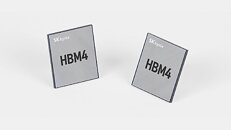 For example, if SK Hynix and Samsung submitted orders to ASML for a few Low-NA EUV units and they start high-volume production in new facilities, the supply chain balance shifts and memory prices will become stable again. However, with AI demand sitting at predictable levels, based on hyperscaler orders and their CapEx plans, adding more fab capacity and investing additional funds when the demand can be satisfied based on ongoing projects will not make financial sense. Memory makers have been in a difficult situation where adding additional expansion might cost them by having too much capacity at one point, as ordering machines, building fabs, and having high-volume production takes years to materialize. Hence, we will only enjoy the benefits of added expansion once SK Hynix, Samsung, and Micron realize their existing plans.
Source:
Chosun Biz
When the AI expansion began, memory manufacturers received massive orders from hyperscalers around the world, ordering DRAM supply months in advance. With no end in sight, SK Hynix, Micron, and Samsung started ordering more lithography tools from ASML to expand their wafer manufacturing capacity to meet their customers' needs for more HBM, DDR, and GDDR memory. According to ASML, the company estimates that in 2027, based on current order information and demand, it will deliver 56 Low-NA EUV scanners. This includes seven units for Samsung and as many as 20 units for SK Hynix, specifically for memory and storage. According to South Korean media, SK Hynix plans to install 20 Low-NA EUV units in the next two years, all designed for HBM memory and advanced storage solutions. However, as the demand is expected to stay in line with previous expansion plans, this is stopping memory makers from considering taking the fab capacity expansion further than initially planned.

18 Comments on Memory Makers Expect Shortages to End in Late 2028, Could Pause Expansion Plans
Oh no... No way.
We, the consumers, are screwed either way, it seems. Nice bet.
Two years later we have no tech advances, no new capacities in consumer space, and prices are jumping another 100%.
I bet you can always paint a picture how the current situation is good for someone. Just don't try to sell us how this is a good thing for us, consumers.
investors.micron.com/news-releases/news-release-details/micron-technology-inc-reports-results-first-quarter-fiscal-2026
www.techinasia.com/news/sk-hynix-2025-profit-soars-surpasses-samsung-ai-boom
Doesnt look Razor thin to me.
I didnt post samsung, as they sell a lot more products that are not memory/nand related.
It's a lot like the truck dealership prices in the U.S., prices are historically high. Inventory at dealerships are high, because they keep the prices high, and hardly anyone is buying. Once this happened, there's a surplus of new trucks that haven't reached dealerships, but since the previous year's trucks aren't selling, manufacturers are now producing less trucks, which creates more demand, which will now keep the prices high. Only when the bubble bursts will truck prices go back to normal.
You dont say!
Perfect timing to sell you expensive DDR6 that has worse initial performance than DDR5.