News Posts matching #Asus

Return to Keyword Browsing

ASUS ROG Xbox Ally X20 Launches With $300 Price Premium for OLED and TMR Upgrade

When ASUS first revealed the ROG Xbox Ally X20 at Computex 2026, it said that the gaming handheld would be available as a bundle with a set of Xreal R1 Edition 20 AR glasses or as a standalone handheld, but pricing and details on the standalone version were still somewhat nebulous, but ASUS has finally announced pricing and imminent pre-order availability for the X20 handheld on both its online store and on Best Buy.

The standalone handheld gets a price of $1,299.99, which is a $300 price increase over the standard ROG Xbox Ally X. The X20 Anniversary Edition is powered by the same AMD Ryzen AI Z2 Extreme APU, 24 GB of RAM, and 1 TB SSD as the original handheld, but the flashy new smoky translucent chassis isn't the only upgrade. The Xbox Ally X20 features a new 7.4-inch, 120 Hz ROG Nebula HDR OLED display that boasts an increased 1,400 nits of peak brightness and upgraded controller ergonomics.

Update Sep 28th: The ASUS ROG Xbox Ally X20 has officially become available to pre-order on Best-Buy at the $1,299.99 pre-order price, and the product page also confirms October 15 as the start date for official sale and shipment.



ASUS ROG Gjallar Premium Gaming Soundbar Available in Europe for €599.99

ASUS Republic of Gamers (ROG) today announced the ROG Gjallar premium gaming soundbar designed to deliver impactful, cinematic surround sound, clear in-game communication, and multi-platform compatibility to streamline any setup. It immerses gamers in a realistic 3D soundstage via 2.1.2 Dolby Atmos surround sound with left and right full-range speakers, tweeters, up-firing channels and a powerful 5G wireless subwoofer. The Gjallar includes an all-in-one audio control hub that provides convenient access to EQ settings, playback controls, input source selection, and RGB lighting. The audio control hub also houses the built-in Acoustic Echo Cancellation (AEC) microphones for seamless communication.

The Gjallar offers versatile multi-device, multi-platform connectivity via USB-C, HDMI 2.1 (eARC), optical and AUX input, along with Bluetooth 5.3. In addition, a built-in USB hub on the side of the soundbar allows for easy device connections via USB Type-A. ASUS Aura RGB lighting offers up to 16.8 million colors and four preset effects for a complete, cohesive gaming setup. Gamers can use the web-based Gear Link PC tool or the mobile app to fine-tune EQ, adjust microphone settings, lighting, and more to create personalized listening experiences.

Thermaltake Unveils New SWAFAN UNIFY Series Fans with Single-Frame Design and Swappable Fan Blades

Thermaltake, a leading PC DIY brand for premium hardware solutions, expands its cooling lineup with the SWAFAN 240 UNIFY ARGB Sync and SWAFAN 360 UNIFY ARGB Sync PC Cooling Fans, available in black and snow editions. Featuring a single-frame design and swappable fan blades, the SWAFAN UNIFY simplifies installation and offers different airflow directions. Dual Infinity Mirror Lighting creates layered lighting effects and adds visual depth to the fans.

The SWAFAN UNIFY series integrates multiple fans into a single frame, reducing the number of cables and mounting points required. With a set of cables and four corner screws, the design makes installation easier while keeping the build neat. Featuring Thermaltake's signature swappable fan blade design, the SWAFAN UNIFY comes with standard fan blades pre-installed and reverse fan blades included in the package. This allows the fans to be configured for either exhaust or intake airflow while keeping the fan face forward for a consistent and refined appearance.

The ASUS ROG G1000 Gaming Desktop Brings Top-Tier Performance

Republic of Gamers (ROG) today announced that the ROG G1000, a flagship gaming desktop engineered to redefine the boundaries of performance, is now available for purchase and order. Powered by up to an AMD Ryzen 7 9800X3D CPU and our ROG Astral GeForce RTX 5080 GPU, the G1000 introduces the ROG Thermal Atrium—a specialized compartment decoupled from the main chassis to provide its 420 mm AIO radiator with unrestricted access to cool ambient air. Combined with the groundbreaking AniMe Holo platform, the G1000 offers a whisper-quiet, high-performance experience housed in a commanding ultra tower built exclusively with premium ASUS and ROG components.

AniMe Holo: A New Era of Personalization
Beyond its raw power, the ROG G1000 is a visual masterpiece featuring the all-new AniMe Holo technology. This system utilizes full-color holographic projectors, allowing gamers to personalize their desktop like never before. The side panel showcases a massive 380 mm holographic fan with 720 LEDs, complemented by dual 215 mm fans on the front panel.

Googlebook Launches With Intel Core Ultra Series 3 Processors

Intel today announced the first Googlebook devices powered by Intel Core Ultra Series 3 processors (codenamed Panther Lake), bringing together Google's next-generation computing with the proven performance, best-in-class connectivity and efficiency of Intel's flagship client platform. Launching with premium devices from Acer, ASUS and Lenovo, Intel-powered Googlebook laptops are thoughtfully designed and engineered to support the way people work, play and create.

Whether collaborating with colleagues, exploring new ideas, streaming content, or multitasking across apps, Intel-powered Googlebook laptops enable responsive performance and long battery life in sleek, modern designs, creating a fast, intelligent and seamless computing experience.

ASUS Announces the New ASUS Googlebook 14

ASUS today announced ASUS Googlebook 14 (CX9406CAA), a 14-inch ultraportable laptop that's the first ever ASUS laptop designed for Gemini Intelligence. Built for users who want a more connected experience with their Android phone, ASUS Googlebook 14 combines effortless portability, strong performance, and a premium-crafted design that keeps productivity moving seamlessly throughout the day.

ASUS Googlebook 14 comes with 12 months of Google AI Pro. Users can get expanded access to powerful features in Gemini, Flow, and Gemini Notebook as well as Gemini directly in the Google apps they know and use. Plus, they get 5 TB of cloud storage to keep photos and files backed up.

Googlebook Laptops Arrive with Designs from ASUS, Acer, Dell, HP, and Lenovo

Google's collective effort to introduce a new generation of Gemini-powered laptops, called "Googlebook," has officially launched today. Now available on the Google storefront, Googlebooks are being produced by some of the biggest laptop OEMs, including ASUS, Acer, Dell, HP, and Lenovo. Starting with ASUS, the company has prepared a 14-inch Googlebook 14, powered by the Intel "Panther Lake" Core Ultra Series 3, with 16 GB of RAM and a 512 GB SSD. Acer offers a similarly named Googlebook 14 with comparable specifications, while Lenovo uses the same base but delivers a 15-inch screen. Dell and HP provide Googlebooks in a 14-inch body, powered by Qualcomm's Snapdragon X Elite processors, with 16 GB of memory and 512 GB of storage. Pricing ranges from $899 to $1,299, depending on the manufacturer and specifications.

Generally, Googlebooks follow a consistent philosophy across all models, featuring premium materials like aluminium, magnesium, and carbon fiber instead of traditional plastic. The screens on these models are also higher resolution. A key feature of these laptops is the integration of Android applications and Glowbar, along with Gemini intelligence throughout the operating system experience. Powered by Googlebook OS, the operating system is essentially a desktop version of Android that runs Android applications through the Google Play Store. The OS can run a Linux terminal, and since Android is a heavily modified version of Linux, Linux applications are also supported.

LG Display Launches 24.5-inch 720Hz Gaming OLED Panel

LG Display, the world's leading innovator of display technologies, announced today its launch of a 24.5-inch 720 Hz Gaming OLED panel, leading the esports monitor market paradigm. The company's 24.5-inch 720 Hz Gaming OLED panel is the first-ever OLED panel tailored specifically for esports.

Standard monitors used for esports are primarily in the 24-inch class, enabling players to view the entire screen at a glance. By initiating mass production of its 24.5-inch 720 Hz Gaming OLED panel, LG Display aims to pioneer the mainstreaming of OLED technology across the esports monitor market.

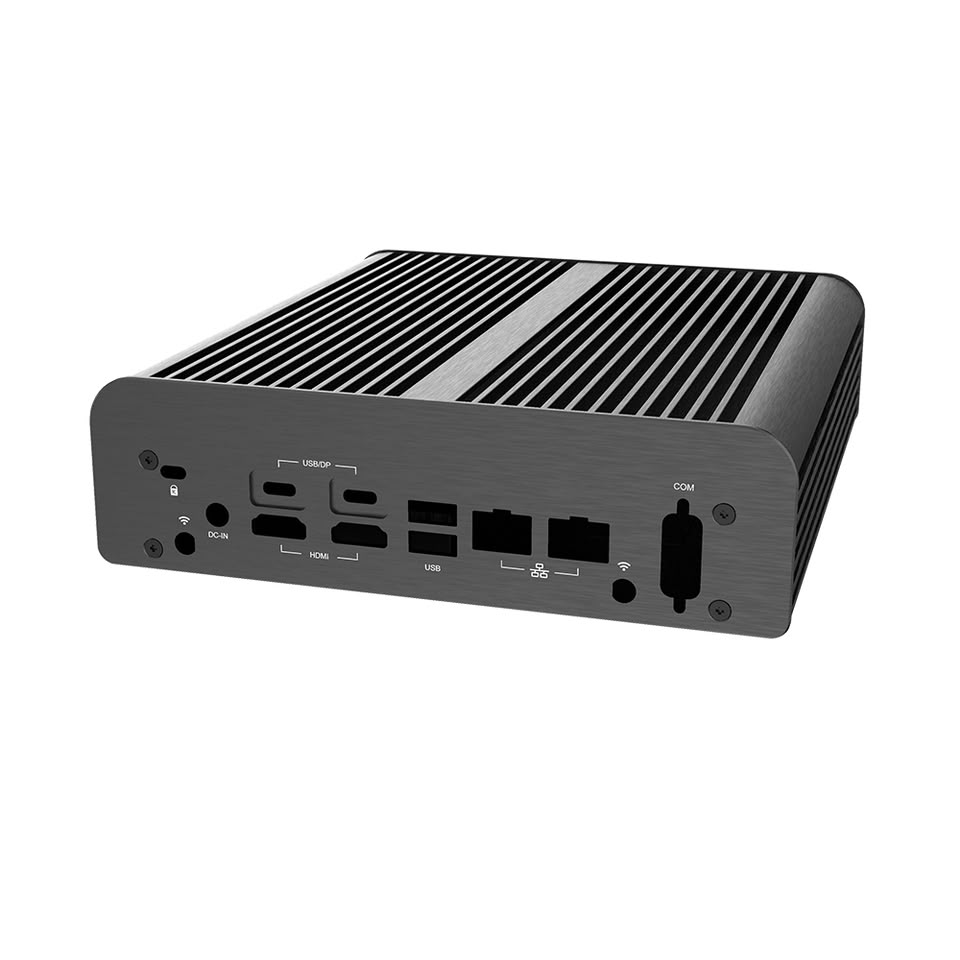
Akasa Launches Newton N16, Compact Fanless Case for ASUS NUC 16 Pro

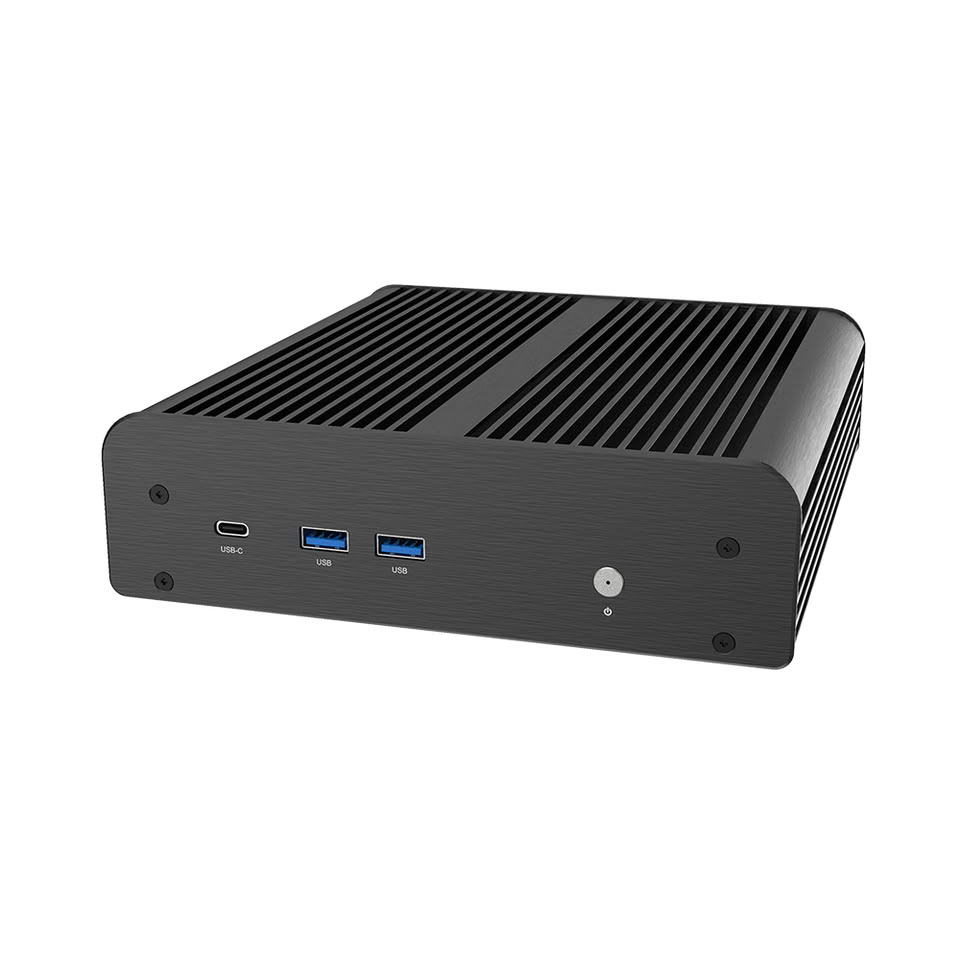
Akasa, a leading provider of thermal solutions, introduces the Newton N16, a compact aluminium fanless case designed for the ASUS NUC 16 Pro. Available in dual HDMI (A-NUC109-M1B) and dual DisplayPort (A-NUC109-M2B) versions, the Newton N16 includes dedicated passive cooling for the CPU and dual M.2 SSDs. Measuring just 188.6 x 204 x 53.6 mm (W x D x H) with a volume of 2.1 L, it provides a compact fanless platform for digital signage, industrial automation, POS, surveillance, AI and embedded computing applications.

Designed for ASUS NUC 16 Pro
Built specifically for the new ASUS NUC 16 Pro AI Mini PC, the Newton N16 keeps access to the board's native interfaces within an aluminium chassis designed for silent, passive cooling. Supporting Intel Core Ultra Series 3 processors up to 28 W TDP, the NUC 16 Pro platform combines integrated Intel Arc graphics with a dedicated NPU for business, industrial and local AI applications.

ASUS Announces the Snapdragon X2 Elite Based Ascent QN10 Mini PC

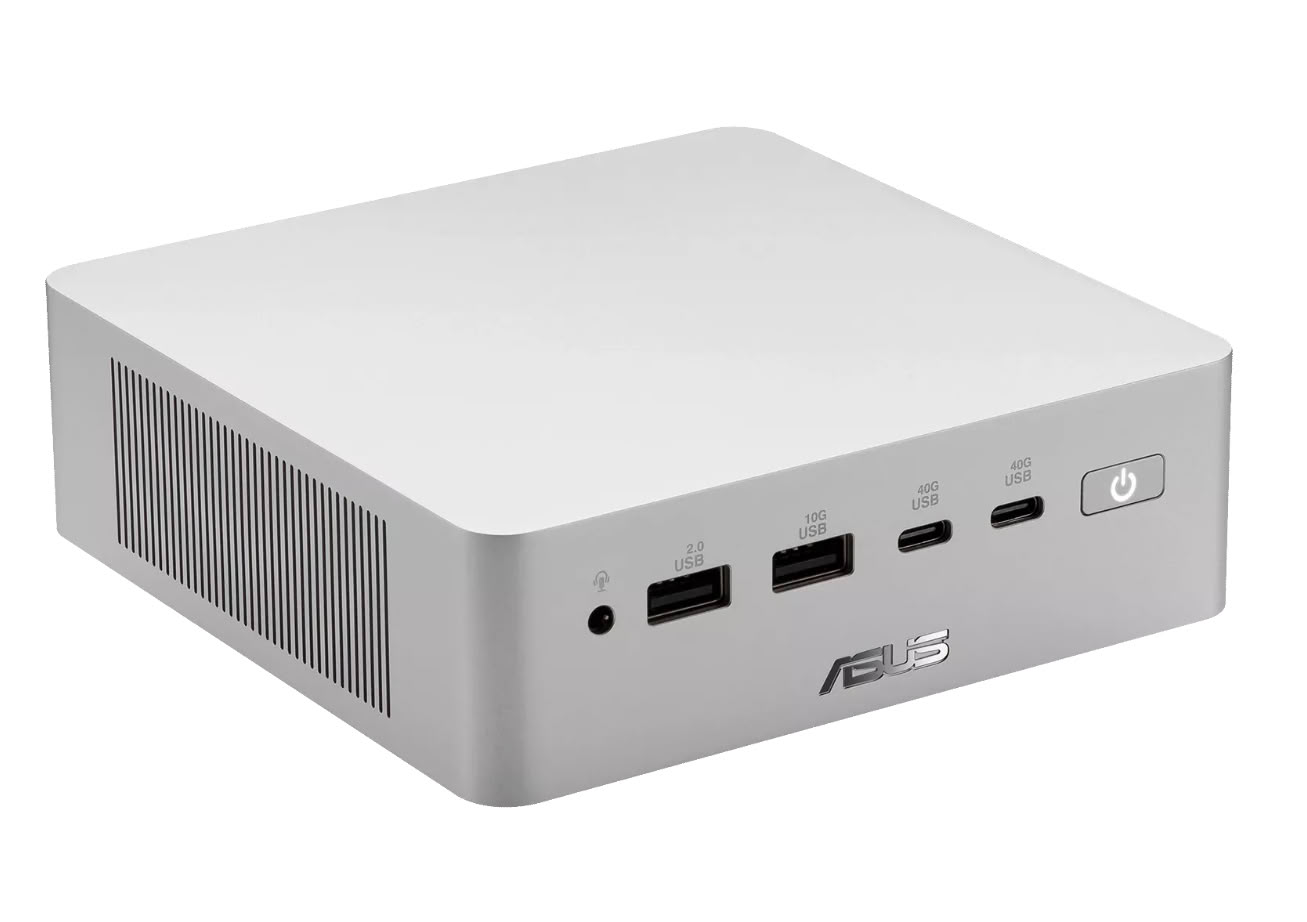
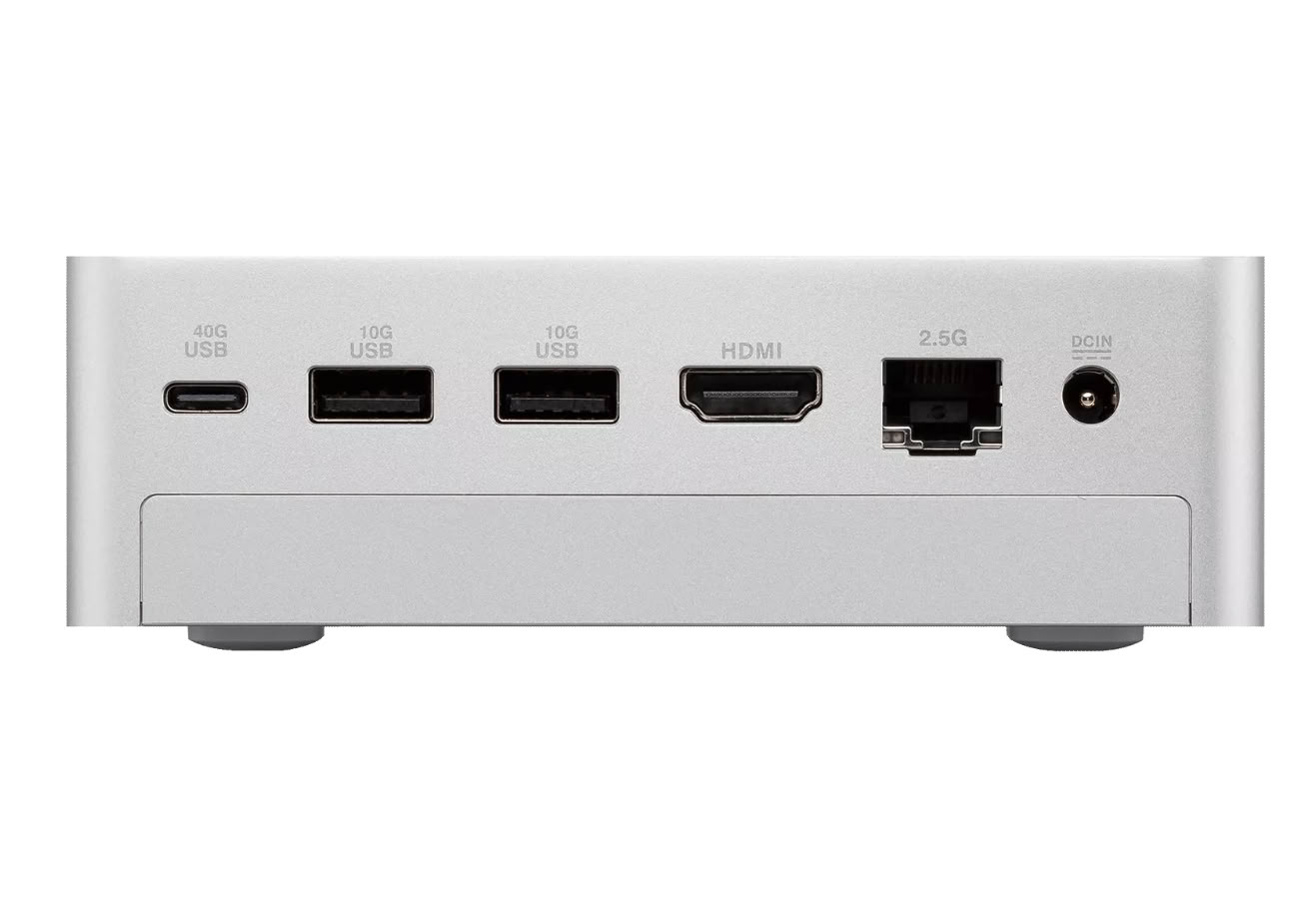
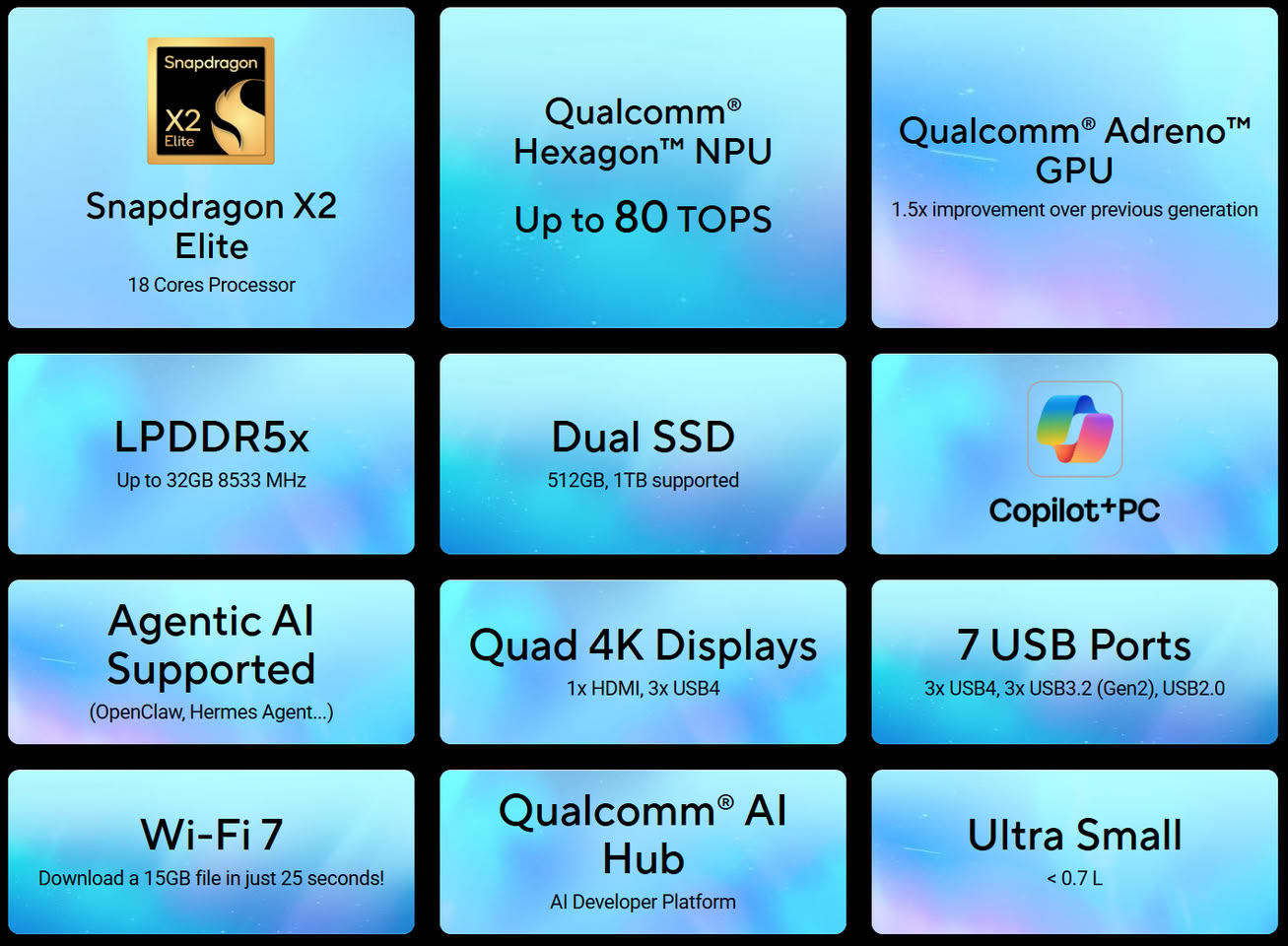
ASUS today announced ASUS Ascent QN10, the world's first AI mini PC featuring an 80 TOPS NPU, redefining AI computing in an ultracompact form factor. Powered by the latest Snapdragon X2 Elite platform with an 18-core Qualcomm Oryon CPU, Ascent QN10 exceeds Copilot+ PC requirements and delivers exceptional performance, responsive AI experiences, and outstanding energy efficiency.

With advanced on-device AI acceleration and enterprise-grade security, ASUS Ascent QN10 enables real-time AI workloads, intelligent content generation, productivity enhancement, and AI-assisted applications directly on the device. Designed for creators, developers, and enterprises, it empowers next-generation intelligent workflows in a compact yet powerful device, making it ideal for edge AI environments.

ASUS ROG Announces New ROG Cronox EATX PC Case and ROG Eurux GR120 Case Fan

ASUS Republic of Gamers (ROG) today announced the ROG Cronox ARGB PC case and ROG Eurux GR120 ARGB case fan. The ROG Cronox is an EATX full tower gaming case with a tool free, curved, and tempered-glass side panel, hinged 9.2-inch LCD screen, and rotatable side fan bracket. It also supports ASUS BTF (Back to the Future) motherboards, graphics cards up to 400 mm long, and up to two 360 mm radiators. The ROG Eurux GR120 ARGB fan offers premium cooling performance, with liquid-crystal polymer blades for maximum airflow and patented daisy-chain connectors for easy installation and cable management. It is available in a three-pack or individually.

ROG Cronox ARGB PC case
The aluminium-trimmed frame of the ROG Cronox ARGB PC case draws attention while its panoramic tempered-glass panel displays internal components. Its side fan bracket plays double duty, making it easy to install fans while letting users direct airflow right where it's needed most. The case has room for all the latest and greatest PC hardware and is available in black and white.
Google Confirms Googlebook Pre-Orders Start September 21

Google will open pre-orders for its first Googlebook laptops on September 21 at 9 AM ET. The company confirmed the date in an email to people who signed up for updates, and the same date now appears on Google's official Googlebook website. That's the first firm date tied to the product since Google teased a fall launch back in May. Acer, ASUS, Dell, HP, and Lenovo are all lined up as first-wave Googlebook manufacturers, and several of their machines have already leaked ahead of launch.

The Lenovo Googlebook 15 is probably the most exposed so far, reportedly pairing an Intel Core Ultra 5 325 "Panther Lake" chip with up to 32 GB of LPDDR5X memory, a 15.3-inch 120 Hz OLED touchscreen, and Google's colorful Glowbar light strip. That same Core Ultra 5 325 keeps showing up across leaked Acer and ASUS models too, which is a change from how Chromebooks have typically launched with entry-level Intel silicon. Google still hasn't said which models will actually be available on September 21, and it hasn't shared a shipping date either, only that units will arrive this fall.

Redditor's AMD Ryzen 9 9950X3D Reportedly Dies Shortly After Changing Motherboards

A Ryzen 9 9950X3D has reportedly died just an hour after being moved into an ASUS ROG Crosshair X670E Hero motherboard. According to Reddit user SpecialistConcept423, posting in r/GamersNexus, the chip had been running fine for about a year and a half in an ASRock X670E Taichi Carrara before the swap. After switching to the new board, no manual overclocking or voltage tweaks were applied; only one of the board's built-in memory presets was enabled for a set of SK hynix 6200 MHz modules. After saving that setting and rebooting, the board threw a "00" Q-Code and refused to post. Pulling the CPU and inspecting it revealed two brown marks on its contacts, which all but confirmed the catastrophic failure.

Things got stranger when the user resorted to an older Ryzen 5 8500G that had previously worked fine on the same board. That chip apparently now throws a "4D" code too, pointing at the motherboard itself as the culprit, not just the CPU. There's no confirmation yet on whether a faulty BIOS, a bad batch of boards, or something else is to blame, and ASUS hasn't commented on this specific case. It is worth noting that the ASUS board was not new, and it had undergone USB-related repairs and a BIOS rewrite. The user has since contacted AMD in Brazil for an RMA, but has shared no updates yet.

ASUS Announces Wi-Fi 8 Router Availability in Canada Ahead of Worldwide October Release

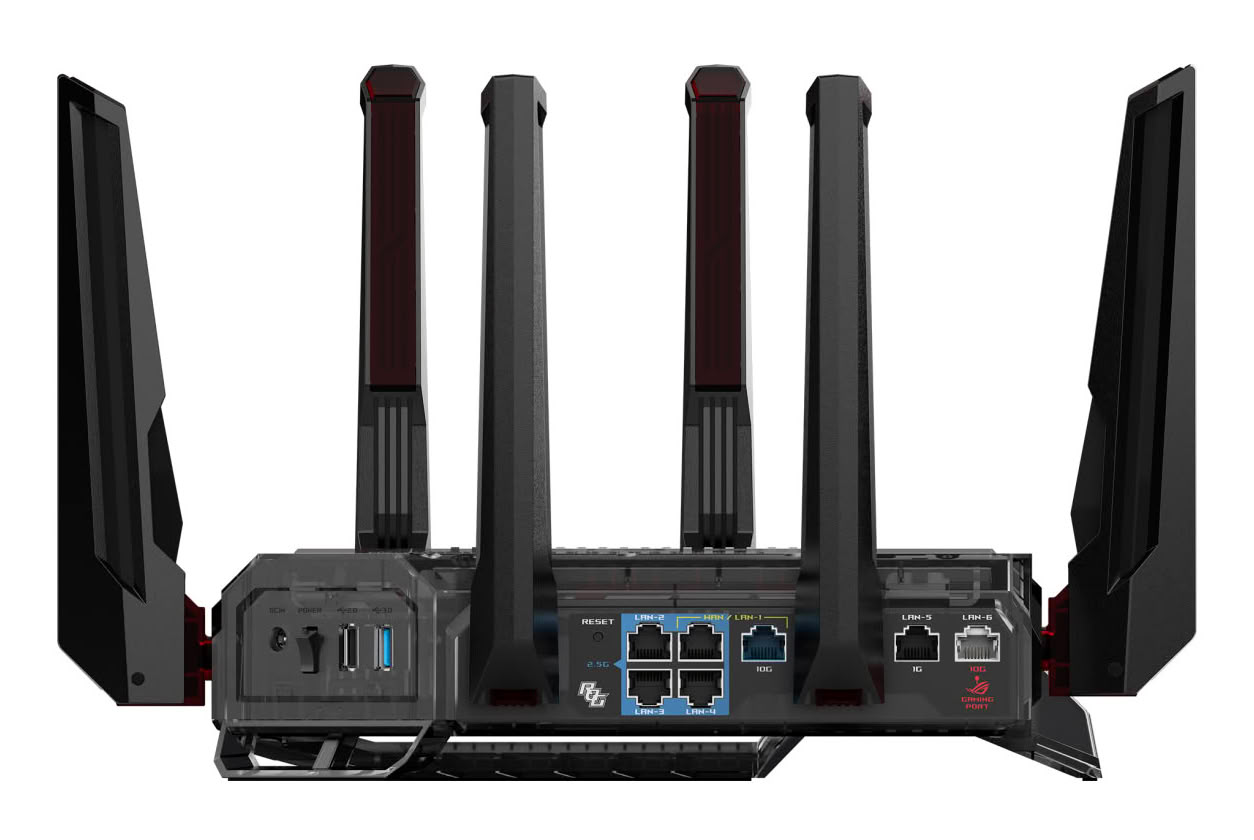
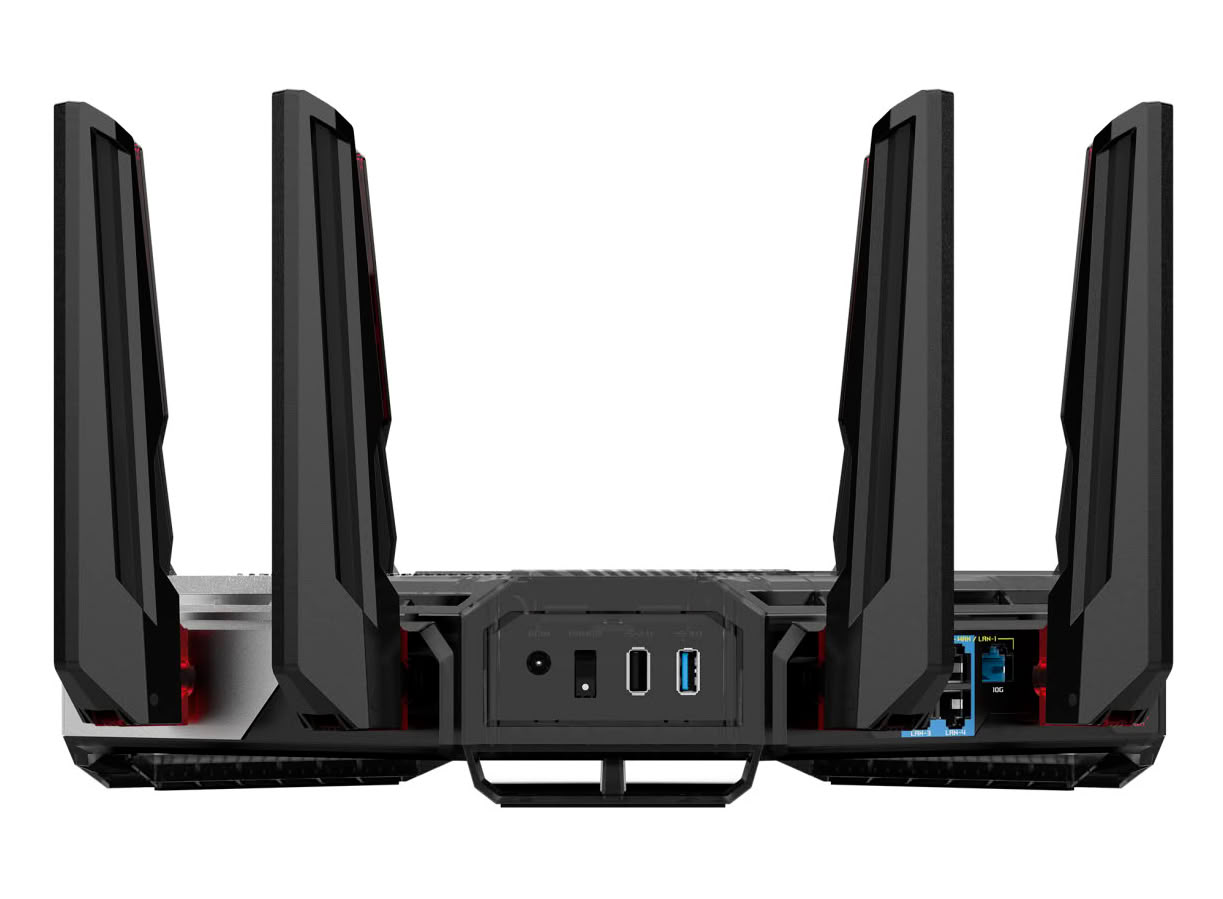
ASUS today demonstrated its lead in the next-gen networking era with the announcement of the immediate Canadian retail availability of the ROG Rapture GT-BN98 series, which includes the world's only quad-band Wi-Fi 8 router currently available to buy from retail stores. The ROG Rapture GT-BN98 series is scheduled for worldwide release in October, with details for the US launch to follow shortly. Also launching in October is the ASUS ZenWiFi BN12 Wi-Fi 8 router—a first-to-market dedicated Wi-Fi 8 Mesh ecosystem designed for high-capacity homes and connected households.

ASUS ROG Rapture GT-BN98 series: Introducing the first-to-market Wi-Fi 8 router
Built on the Wi-Fi 8 architectural framework, the ROG Rapture GT-BN98 series brings the benefits of next-generation networking to current and future client devices. ROG engineer testing indicates that the router can deliver measurable performance gains when paired with existing Wi-Fi 7 client devices, helping users improve network performance before Wi-Fi 8 devices become widely available.

Motherboard Prices May Rise Again as PCB Costs Climb Up to 50%

Another increase in motherboard prices looks likely, according to a report from the Chinese industry forum Board Channels. The source claims that motherboard production costs have risen by at least 10%, while the price adjustments manufacturers actually made in August averaged only about 3%, a gap that suggests further increases are coming. PCBs appear to be the biggest driver, with prices reportedly up 15% to 50% depending on board type. Capacitors are said to have climbed by around 50%, and Wi-Fi modules are up an estimated 10 to 20%. Those are bill-of-materials costs, before manufacturing and logistics get factored in.

The August price increases were apparently uneven. MSI reportedly raised prices across its whole lineup, while ASUS and Gigabyte stuck to select higher-volume models. If accurate, that 3% bump falls well short of covering the reported cost increase, which suggests that manufacturers have been absorbing part of the difference so far. It's worth noting that this is not an official manufacturer statement, so these figures should be treated as industry chatter for now. Still, multiple outlets have independently sourced similar numbers, and earlier reports already pointed to ASUS, Gigabyte, and MSI prepping Q3 pricing changes.

ASUS Shows RTX Spark Mini PCs and Laptop Designs at IFA 2026

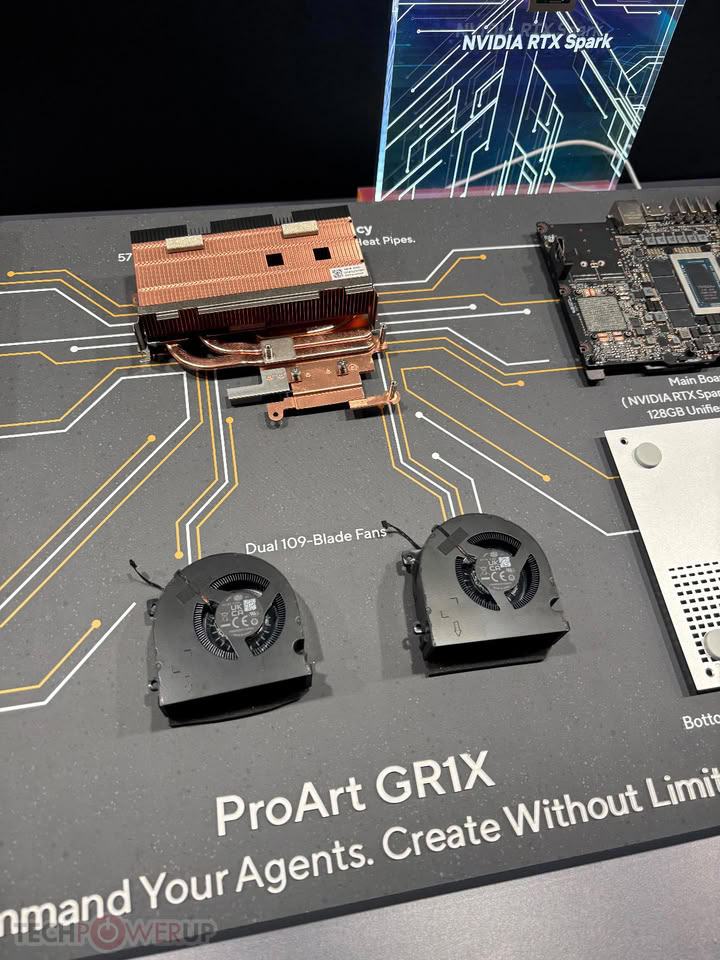
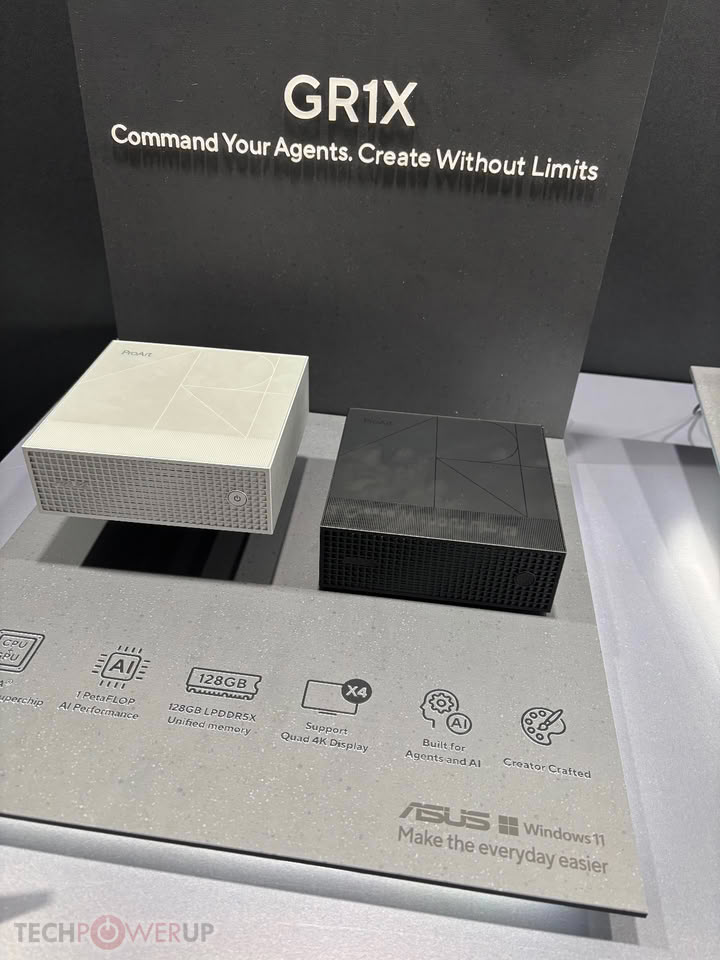
At IFA 2026 in Berlin, Germany, ASUS introduced mini PCs and laptops powered by NVIDIA's RTX Spark SoC. Starting with the GR1X mini, ASUS showcased the power of the RTX Spark N1X in grey or black aluminium enclosures. These are available with up to a 6,144-core GeForce RTX "Blackwell" GPU, alongside up to 20 cores on the NVIDIA "Grace" CPU, delivering a total of 1 PetaFLOPS of FP4 compute power. The entire package can be configured with up to 128 GB of LPDDR5X unified memory, all running on the Windows 11 desktop operating system. However, ASUS will also offer less powerful configurations, such as the second N1X configuration with a slightly less powerful 18-core "Grace" CPU, a "Blackwell" GPU with 5,120 CUDA cores, and 24-32 GB of LPDDR5X unified memory. The system is cooled by a custom copper heatsink paired with two blower fans, each with 109 blades.

AMD Ryzen 7 7800X3D Swells and Burns Again, This Time on an ASUS Crosshair X670E Hero

Another Ryzen 7 7800X3D has reportedly swollen and burned, while also damaging the ROG Crosshair X670E Hero motherboard in the process. UNIKO's Hardware flagged the case, citing a video posted to Bilibili as the original source. The video shows a Ryzen 7 7800X3D CPU with clear swelling on the underside where it made contact with the CPU socket. There is discoloration on both the CPU and the socket itself. Moreover, the socket pins are warped and damaged in the middle, presumably due to the pressure of the swelling. One peculiar finding is that one of the notches on the CPU socket looks slightly off. Perhaps more importantly, the board's BIOS version wasn't confirmed, which is directly relevant due to AMD's proposed fix.

This kind of failure first showed up in April 2023, when several 7800X3D and 7950X3D chips bulged and took their sockets with them on X670E boards. AMD pinned it on SoC voltage running too high and rolled out AGESA firmware that capped it at 1.30V across AM5 motherboards. This new case might be straightforward if the BIOS hadn't been updated at all. However, even after the BIOS fix, the reports never fully stopped. Just weeks ago, a 7800X3D reportedly burned out on an MSI PRO X870-P WIFI board running the latest BIOS, with EXPO enabled and nothing else touched. We have even seen reports of Ryzen 7 9800X3D CPUs burning in the exact same manner. If you're running a 7800X3D, it's probably worth checking that you're on the latest BIOS and keeping an eye on SoC voltage.

Hardware Unboxed Falls Victim to Melted RTX 5090 Power Connector as Cable Reaches 175°C

Hardware Unboxed has become the latest hardware channel to watch a 12V-2×6 connector melt on an RTX 5090 test bench. The setup paired an ASUS ROG Astral RTX 5090 with a be quiet! Dark Power 13 PSU, and host Steve reportedly only caught the fault after touching the cable and finding it hot enough to burn his hand. A thermal camera later confirmed readings above 150°C, climbing to roughly 175°C under load. A Thermal Grizzly WireView Pro caught the underlying problem immediately: a severe current imbalance where some pins carried almost nothing while a single wire was pulling around 22A. Oddly, the damage turned out to be worse on the PSU side rather than at the GPU.

The cable had fused inside the Dark Power 13's connector and needed pliers to remove, while the card's own connector escaped without visible marks. Hardware Unboxed says the cable was fully seated and isn't blaming the incident on installation. This is far from an isolated case, as this connector is notorious for melting. We have reported RTX 5090 connectors melting even after users apply undervolts and power limits, and reported on at least one instance where an ASRock PSU's thermal cutoff saved a card from a similar fate. Some frustrated modders have gone so far as to solder wires directly to the PCB just to sidestep the connector altogether.

ASUS and Galax Raise GeForce RTX 50-Series Prices by Up to $74

ASUS and Galax have become the latest NVIDIA board partners to raise prices on RTX 50-series cards, with increases landing September 1. According to a report from Channel Gate, ASUS is bumping RTX 5070 prices by 150 to 300 Yuan, or roughly $22 to $44, while Galax is applying a 200 Yuan (about $30) hike to the same card. Galax's RTX 5070 Ti is going up 300 Yuan (around $44), and its RTX 5080 sees the steepest jump at 500 Yuan (about $74). Budget cards like the RTX 5060 and RTX 5050, along with the flagship RTX 5090, are apparently untouched this time. The increases here are smaller in dollar terms than some earlier hikes, but they add up, and mid-range buyers eyeing the RTX 5070 family are in the crosshairs this time.

This is likely the third or fourth 2026 price hike for NVIDIA's board partners, and it results from the GDDR7 cost pressure we have tracked for months. NVIDIA reportedly raised the price of its GPU-memory kits for partners back in July, and that increase still seems to be trickling down one vendor at a time. NVIDIA had already raised prices on the RTX 5090 specifically in May for the same reason. With ASUS and Galax moving this week, other partners like MSI, Gigabyte, and Colorful will probably follow with adjustments of their own soon, since that's been the pattern all year. Right now, there seems to be no plausible end in sight either.

ASUS Unleashes Agentic Creativity with ProArt RTX Spark PCs at IFA 2026

At IFA 2026, ASUS is showcasing its new generation of ProArt AI creator PCs - the P16 and P14 laptops and GR1X mini PC - powered by NVIDIA RTX Spark, with hands-on demonstrations at the ASUS IFA Media Showroom. RTX Spark pairs a Blackwell RTX GPU with 6,144 CUDA cores and a 20-core NVIDIA Grace CPU, giving creators and developers on-device performance with fully private local data and full workflow customization - without relying exclusively on the cloud.

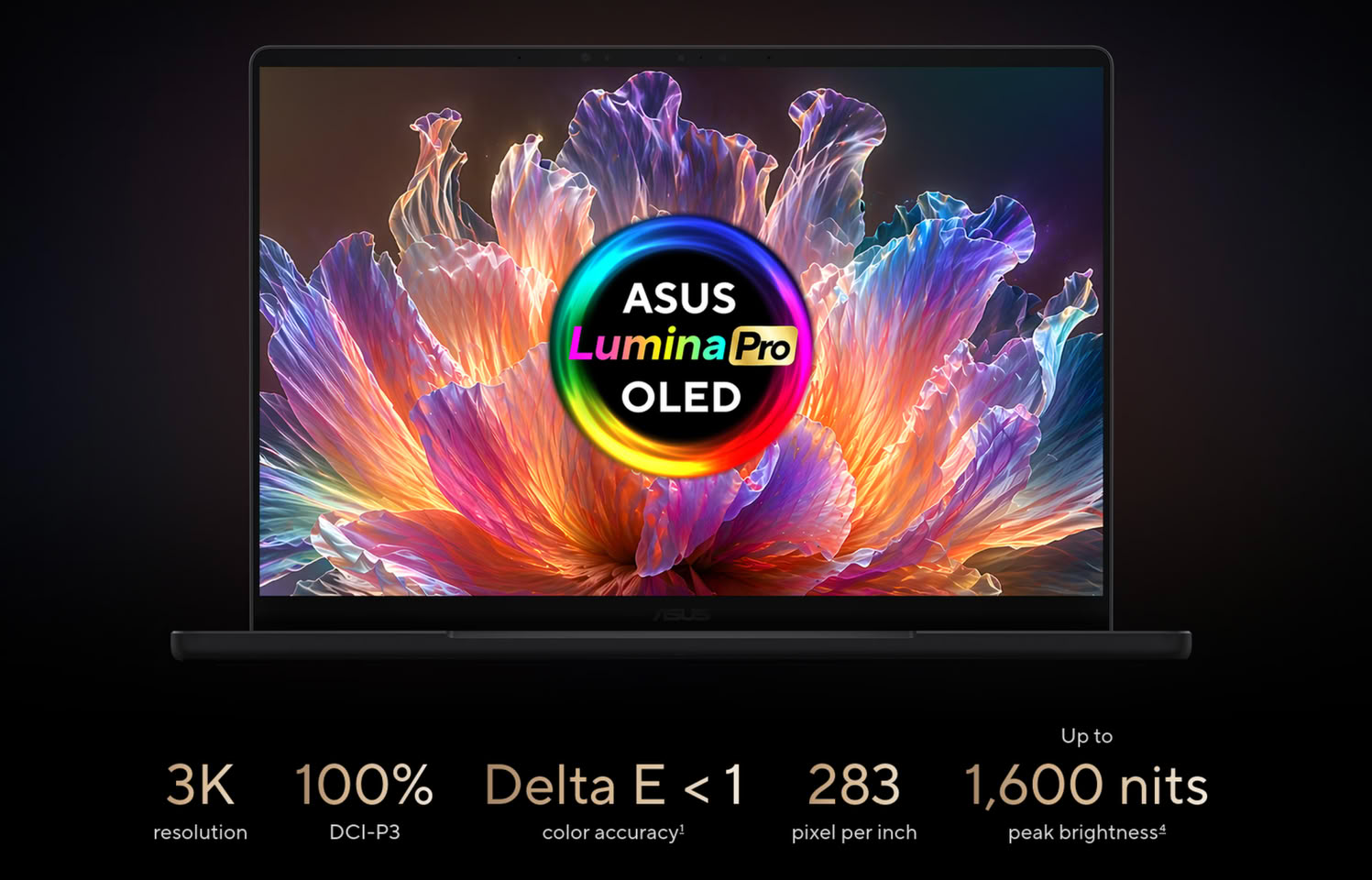
The ProArt P16 & P14 come with the thinnest ProArt laptop yet with RTX performance due to its integrated chip design - plus up to 99Wh battery capacity. Both feature ASUS Lumina Pro OLED displays with Delta E < 1 color accuracy, up to 1,600 nits peak brightness and 120 Hz visuals. The compact GR1X mini PC brings performance to a 150 x 150 x 51 mm desktop built for 24/7 AI workloads, available in Nano Black or a new Neo White.

Taiwanese Hardware Manufacturers Sell Out NVIDIA RTX Spark Laptop Stock Ahead of Launch

News out of Taiwan suggests that both ASUS and MSI have sold their entire production run of NVIDIA RTX Spark based laptops before a single unit has shipped. It would appear that allocation of the MediaTek co-developed chip has been pretty sparse by NVIDIA, which is one reason for the first stock being sold out. Investor.com.tw claims that ASUS and MSI were allocated 100,000 units of the N1 and/or N1x version of the SoC for their first production run, which doesn't seem like a super-small amount, although it's unclear how many chips NVIDIA's other launch partners were allocated.

Dell, HP, Lenovo and Microsoft are the other RTX Spark launch partners, with Acer and Gigabyte said to be following later. According to the source above, NVIDIA will be providing a higher allocation for the next production run, of somewhere between 300 and 500,000 chips. Considering that there's an expected starting MSRP of somewhere around US$3,500 for an RTX Spark laptop in Taiwan, it doesn't seem like there might be as much demand for these new laptops as the channel might think, unless they know something that isn't public information as yet. Nonetheless, it'll be interesting to see how well received NVIDIA and MediaTek's Arm based laptop SoC will be and if the asking price will be a hurdle or not.

Modder Creates Affordable Open-Source Hall Effect Split Ergonomic Keyboard

Aside from the pricey ASUS ROG Falcata and Sunder keyboard line-up, there are very few split, ergonomic, Hall effect keyboards for gamers who either want the comfort of a split keyboard for everyday use or want a small form factor that allows them to keep just one half of the keyboard on the desk at a time. Now, thanks to a new open-source project, there is at least one third option available in the Silakka54 HE project, which is an adapted version of the popular, affordable Silakka54 split mechanical keyboard.

The Silakka54 HE features an identical layout to the original Silakka54, meaning it has 54 keys in total, arranged in a grid of six columns and four rows, with two three-key thumb clusters. It is built on the RP2040 Zero MCU, and runs on open-source QMK firmware with support for the VIAL browser-based configuration tool. The keyboard is fully wired, and the two halves connect to each other via TRRS cable, which might limit the polling rate, although reports claim the mechanical Silakka54 is capable of at least 1 kHz.

ASUS Shows Off ProArt P14 NVIDIA RTX Spark-Powered Creator Laptop

ASUS has officially launched its ProArt P14 creator laptop, which features NVIDIA's new RTX Spark Arm SoC. The 14-inch laptop is currently listed on ASUS's site as the H7407BA, and it is available with two touch-enabled G-Sync display options: a 14-inch, 2880 × 1800 OLED display with a 120 Hz refresh rate and up to 700 nits of brightness in SDR mode and 1,600 nits in HDR mode; or a 120 Hz, 2880 × 1800 OLED display with identical color reproduction but with 500 nits peak SDR brightness and 1,100 nits peak HDR brightness. Both displays also feature 100% coverage of the DCI-P3 color gamut and support for a pressure-sensitive stylus, all of which should make for a pretty convincing laptop for photographers and video editors alike.

ASUS says the ProArt P14 measures in at just 13.9 mm thick and 1.48 kg, while packing 24, 32, 48, 64, or 128 GB of LPDDR5X unified system memory and 512 GB or 1 TB of NVMe PCIe 4.0 storage—it does not seem as though there is a 16 GB RAM variant available. The P14's I/O relies largely on USB4 ports, featuring 3x USB4 Gen 3 Type-C ports with USB-PD and DisplayPort Alt Mode support alongside a single USB 3.2 Gen 2 Type-A port, a 3.5 mm audio combo jack, an HDMI 2.1 FRL port, and an SD 4.0 card reader. Pricing has not yet been revealed.

Windows 11 Deletes ASUS GPU Drivers After Extended Eco Mode Usage

As was recently discovered by an ASUS ROG Zephyrus G14 owner on Reddit, there is apparently a conflict between Windows 11's built-in driver management tools and ASUS's proprietary power profiles. After leaving their Zephyrus G14 laptop, with an NVIDIA GeForce RTX 5070 Ti dGPU, in Eco Mode for a number of weeks, Reddit user u/OK-Horse-3169 switched their laptop back into performance mode in order to play some games, only to discover that Windows had deleted the GPU driver. According to ASUS's support documentation, this is expected behavior.

As it turns out, on basically any laptop with a MUX switch that disables the dGPU entirely, Windows 11 will automatically remove the drivers, because the driver is no longer necessary for a device that's no longer connected—it treats it much like it would a removable USB drive or peripheral. The source of the problem, as discovered by the redditor, is called pnpclean.dll, a maintenance task that deletes the aforementioned drivers if a device hasn't been connected for 15-30 days. After the driver was deleted, Windows recognized the user's RTX 5070 Ti as a generic display adaptor until the driver was reinstalled.

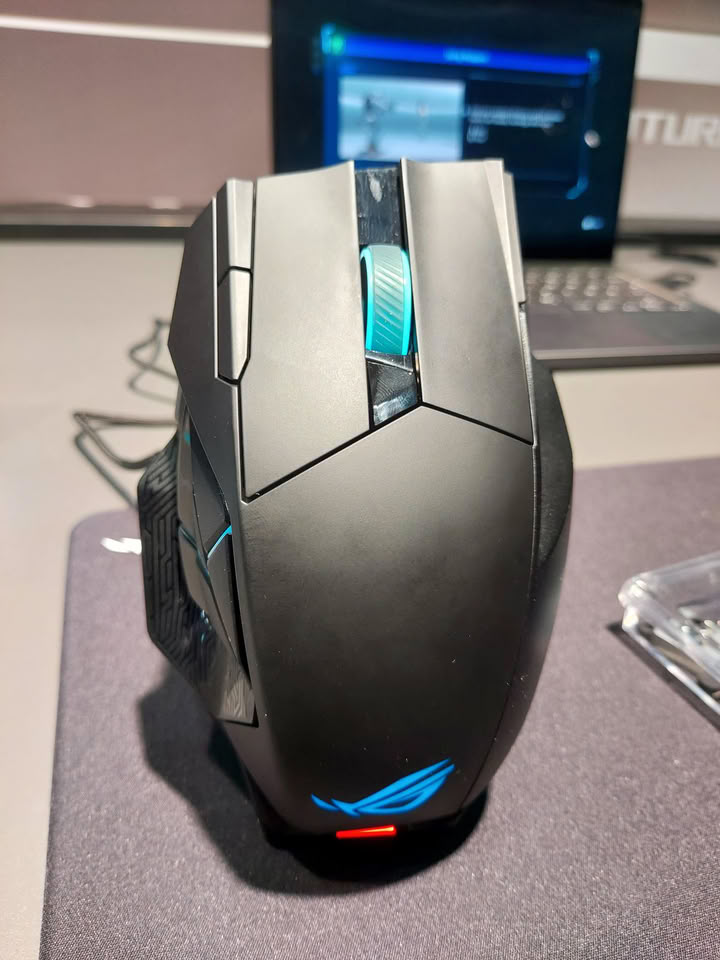
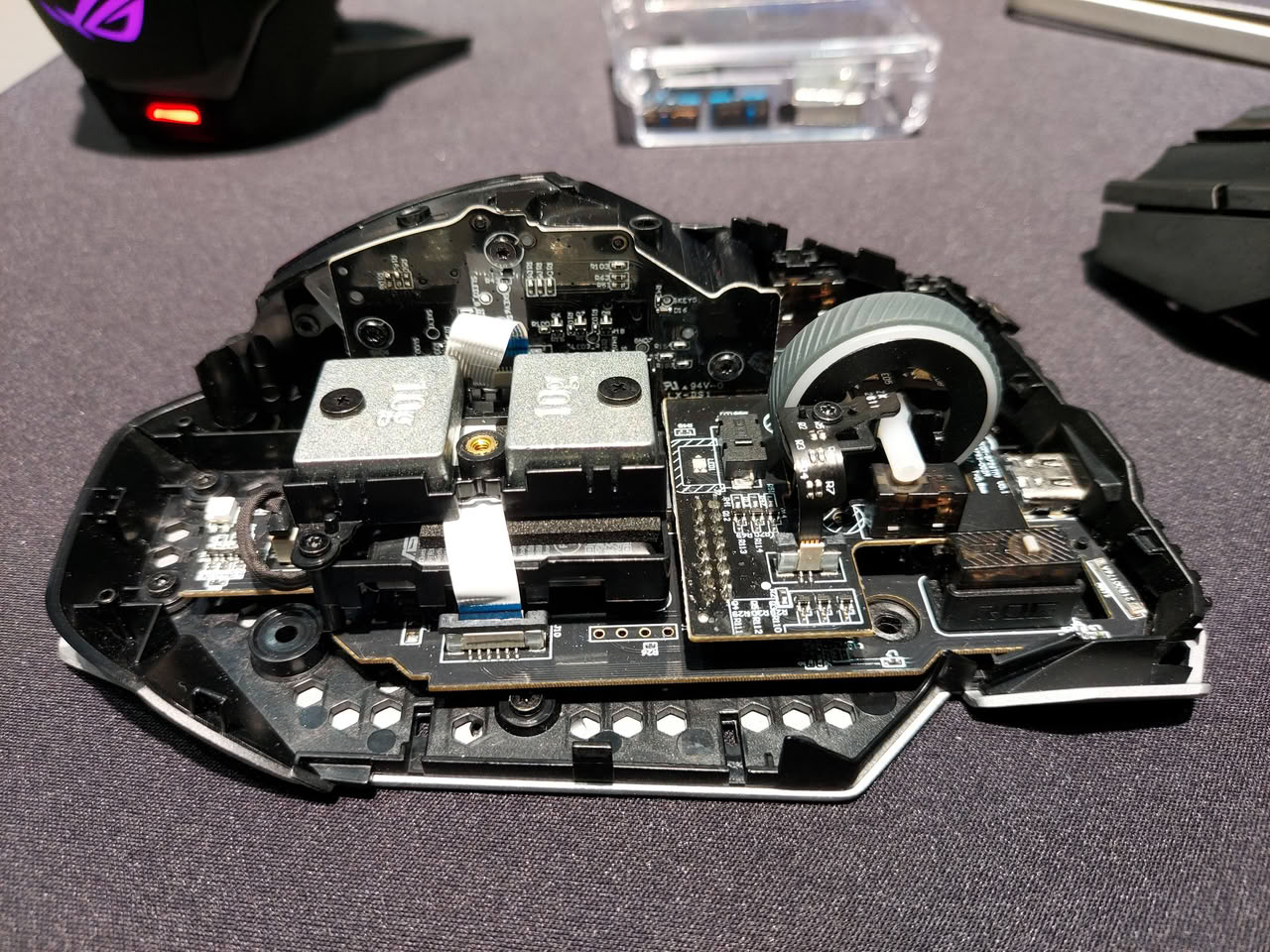
ASUS Launches ROG Spatha X 65K Gaming Mouse With New Sensor and Hot-Swappable Switches

ASUS launched the ROG Spatha X wireless gaming mouse in 2021 as an upgrade to the 2016 MMO gaming mouse, and at Gamescom 2026, the company has once again updated the MMO mouse with new capabilities and a spec bump. The new Spatha X 65K, as the name suggests, features an upgrade to the same Aimpoint Pro 65K sensor that's being used in the new ASUS ROG Gladius IV Ace wireless mouse also introduced at Gamescom.

The sensor update allows the Spatha X 65K a sensitivity of up to 65,000 DPI and adjustable lift-off distance (LOD). The Spatha X 65K also has ASUS's updated ROG Push-Fit Switch Socket III hot-swap design for the main clicks. By default, the Spatha X 65K is available with the ROG Micro Switch II, which has a crisp click and 100 million-click durability rating, or the ROG Silent Micro Switch, which is a silent switch with a rated lifespan of 50 million clicks.
Return to Keyword Browsing
Nov 25th, 2026 22:55 CST change timezone

New Forum Posts

Popular Reviews

TPU on YouTube

Controversial News Posts