Saturday, October 10th 2026

NVIDIA Reportedly Ending the RTX 5090, Reserves GB202 Silicon for Workstation GPUs
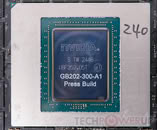
NVIDIA has reportedly stopped allocating GB202 silicon to the GeForce RTX 5090, according to leaker MEGAsizeGPU (@Zed__Wang) on X. "No more GB202 for 5090, confirmed," the leaker posted, adding in a follow-up that "all future GB202 supplies are RTX Pro exclusive." GB202 is the largest "Blackwell" graphics chip, and the RTX 5090 doesn't even max it out. The same chip powers the 96 GB RTX PRO 6000 with 24,064 CUDA cores, as well as the recently unveiled RTX PRO 5500, which pairs the RTX 5090's 21,760 CUDA cores with 84 GB of memory. Apparently, NVIDIA would rather put every GB202 it gets into those far pricier workstation cards. The company hasn't confirmed any of this as of the time of writing.
A second leaker, hongxing2020, posted "5090 EOL, 5080 24GB ready" alongside an apparent factory notice saying NVIDIA will no longer sell any RTX 5090 model, China-market D variants included. The same notice says an RTX 5080 24 GB will become the top GeForce card and the 16 GB version will be discontinued. That sounds a lot like the RTX 5080 SUPER, which was rumored with 24 GB of GDDR7 on the same GB203 chip, although it isn't clear if the two are the same card. SUPER cards reportedly reached board partners in July, only to be put on hold over GDDR7 pricing. As for the RTX 5090, I doubt NVIDIA would formally call this an end-of-life (EOL) move, since the chips are simply being redirected to a more profitable product line.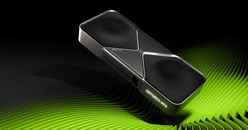
 RTX 5090 buyers were already having a rough time. The card launched in January 2025 at $1,999, and last month European listings went past €5,000 while Walmart sold out at $4,299. Cards built from GB202 chips that partners already have could keep trickling out for a while, though it's reasonable to expect prices to climb further once that stock dries up. Of course, the RTX 5090 was hardly a gaming card for most people by this point, with AI firms reportedly picking up stock in bulk before it ever reached gaming retail. With the RTX 60-series reportedly slipping to 2028, the RTX 5080 24 GB may stay the fastest GeForce card in production for a long time.
Sources:
MEGAsizeGPU on X, hongxing2020 on X, via Videocardz
A second leaker, hongxing2020, posted "5090 EOL, 5080 24GB ready" alongside an apparent factory notice saying NVIDIA will no longer sell any RTX 5090 model, China-market D variants included. The same notice says an RTX 5080 24 GB will become the top GeForce card and the 16 GB version will be discontinued. That sounds a lot like the RTX 5080 SUPER, which was rumored with 24 GB of GDDR7 on the same GB203 chip, although it isn't clear if the two are the same card. SUPER cards reportedly reached board partners in July, only to be put on hold over GDDR7 pricing. As for the RTX 5090, I doubt NVIDIA would formally call this an end-of-life (EOL) move, since the chips are simply being redirected to a more profitable product line.


228 Comments on NVIDIA Reportedly Ending the RTX 5090, Reserves GB202 Silicon for Workstation GPUs
Edit: And how is this obvious fact such a big surprise to you that you have to keep bringing it up in every mildly GPU related thread in 2026? Do you think all 4 people who keep hanging onto their 5700 XTs are so stupid that they thought they would play the new James Bond game with path tracing or something?
You are purposefully looking for single generational differences between AMD and Nvidia to bring home an overarching argument about the two companies, completely disregarding every other factor (like the price), and every other generation. This reeks of malicious intent, and it is completely unnecessary. As I said, no one in their right mind expected any RT or ML upscaling out of RDNA 1, ever. Not a single person.