News Archive
Friday, November 20th 2026
Today's Reviews
Cases
CPU Coolers
Desktop PC
Game Controllers
Headphones

Microsoft Surface Laptop Ultra Review - The Next-gen Arm Laptop
Microsoft's Surface Laptop Ultra, powered by NVIDIA RTX Spark, is a well-built machine with a spectacular screen and superb touchpad. As a mobile AI workstation, it sits in a class of its own for efficiency and capability. No other Windows laptop gives you this much GPU-accessible memory, together with the full NVIDIA software stack, in such a refined package.

Persona Franchise To Continue After Persona 6: Atlus Promises Shorter Development Cycles For Future Games
It's been over ten years since the launch of Persona 5, with Persona 6 expected to launch sometime in mid-2027, however, in a recent interview with Sega Sammy, Kazuhisa Wada, the general producer at Altus's Persona Studio, commented that Persona 6 is not the end of the franchise, and that it would not be that long before the successor for Persona 6 is released.

Kazuhisa Wada, General Producer, Persona Studio, Altus (machine translated)And Persona 6 is not the end. We are working on various things to ensure that you don't have to wait as long for the next installment as we have in the past. And in order to make Persona an even bigger IP, we are constantly thinking about creative ideas and developments that will not disappoint your expectations. Please look forward to what's to come from Persona.



GTA VI Proves Too Demanding For Some PS5 Consoles, Even at 30 FPS
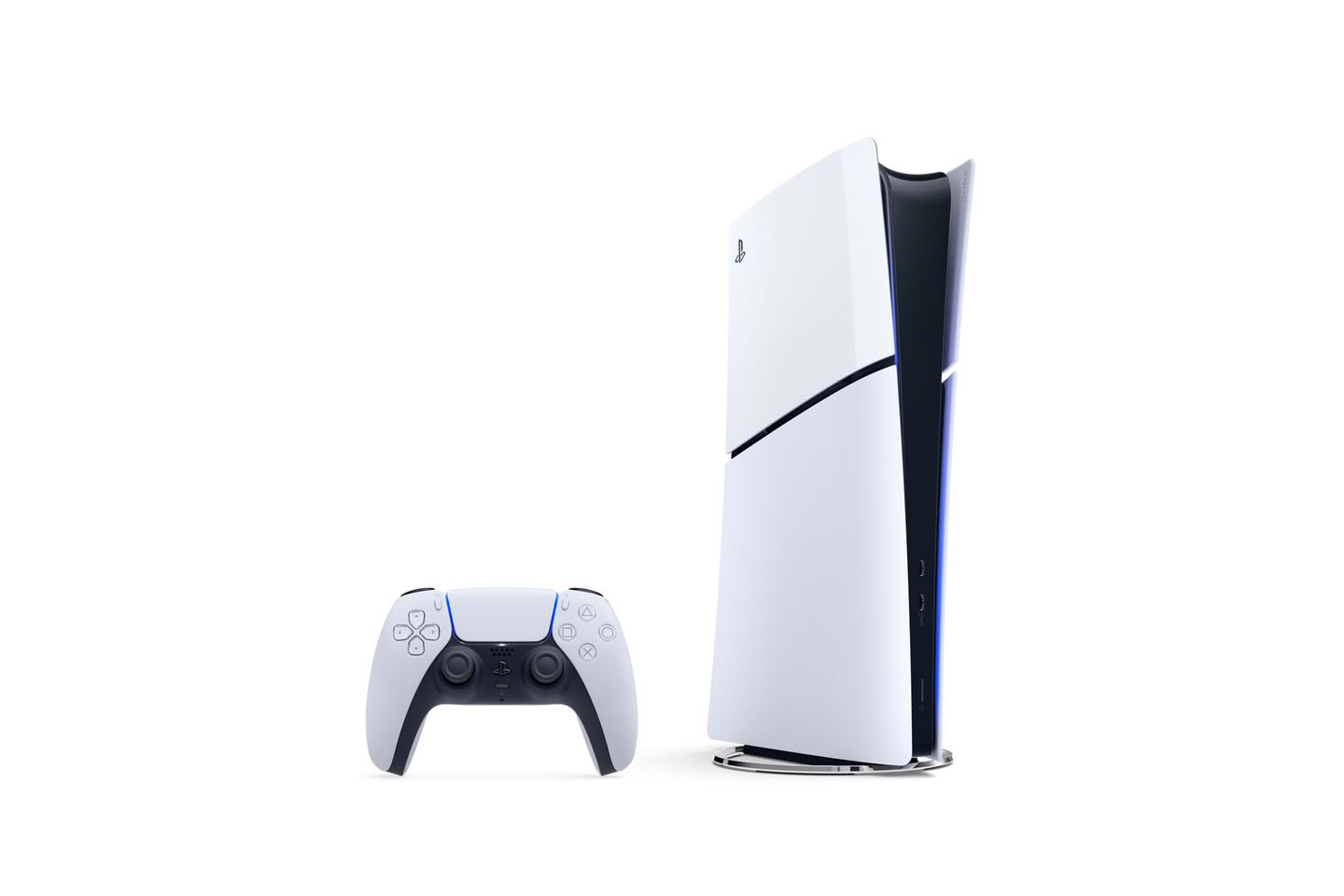
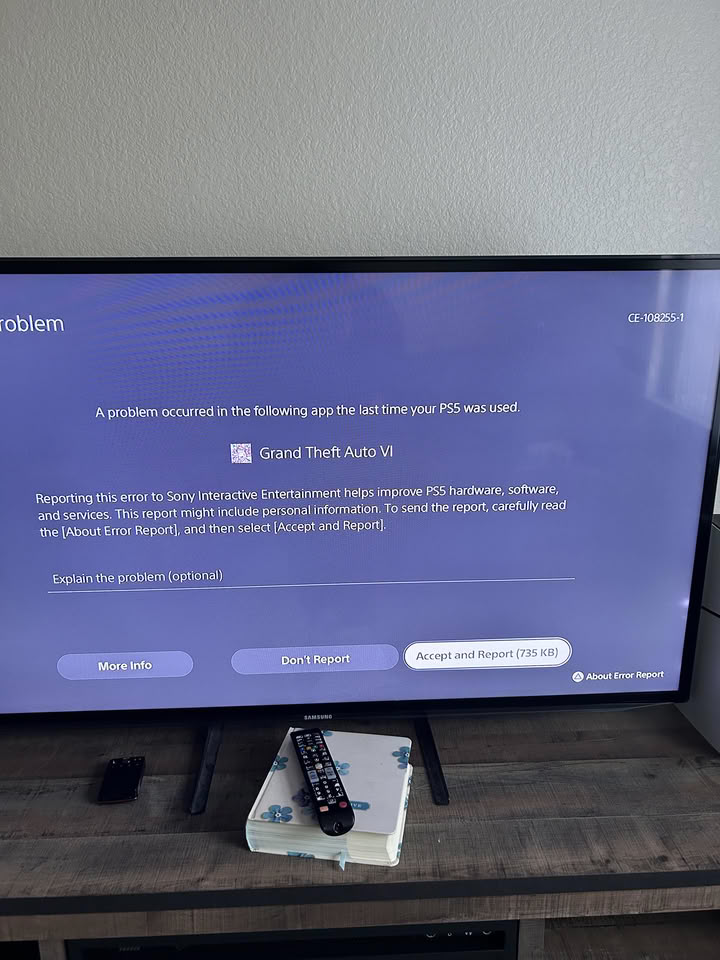
The PlayStation 5 has been plagued with issues caused by its liquid metal thermal interface material since the year it was launched, having prompted Sony to release revisions of the console with improved designs to mitigate issues with the liquid metal. However, with the launch of GTA VI, those liquid metal issues appear to be rearing their ugly heads once more. As spotted by X user @ghost_motley, several Reddit threads have been posted in the day after the launch of GTA VI about random system crashes while gamers are playing GTA VI.
Gamers appear to be frequently encountering error CE-108255-1 while playing GTA VI, in which the console runs fine for a short period of time, then crashes to the home screen or crashes the system entirely and forces the PS5 to shut down or, in some cases, even to enter a boot loop. In some cases, it appears as though rebooting the console into safe mode and rebuilding the database helps, but there are also indications that these issues are being caused by liquid metal having run off the APU, resulting in dry spots and improper cooling contact and overheating consoles.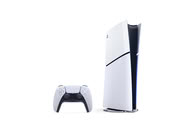


Gamers appear to be frequently encountering error CE-108255-1 while playing GTA VI, in which the console runs fine for a short period of time, then crashes to the home screen or crashes the system entirely and forces the PS5 to shut down or, in some cases, even to enter a boot loop. In some cases, it appears as though rebooting the console into safe mode and rebuilding the database helps, but there are also indications that these issues are being caused by liquid metal having run off the APU, resulting in dry spots and improper cooling contact and overheating consoles.

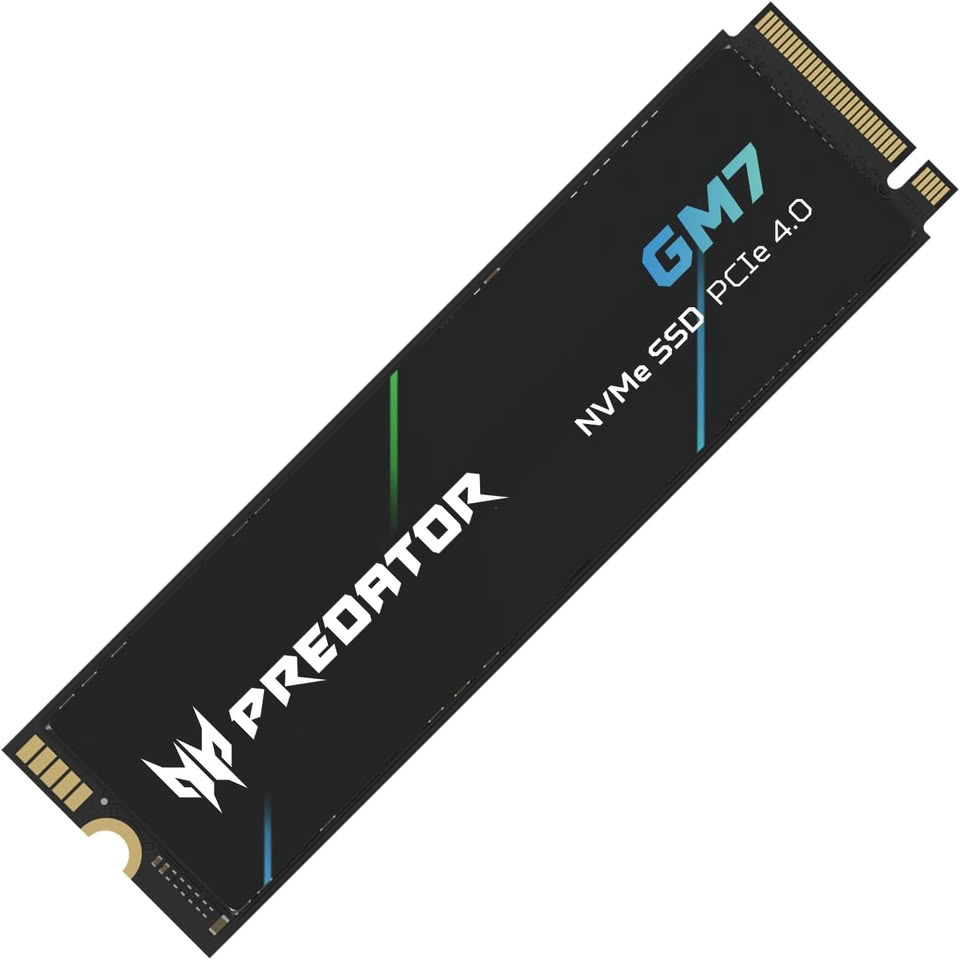
Max Out Your Gen 4 Slot: Predator GM7 NVMe SSD (Up to 7400 MB/s)
If you've been waiting for the Black Friday sales to upgrade your rig, expand your PS5 storage, or give your laptop a massive speed boost, the award-winning Predator GM7 PCIe 4.0 SSD is built to deliver top-tier performance without the top-tier heat. Powered by the highly efficient Maxio MAP1602 controller and fast 3D TLC NAND flash, this award-winning drive brings flagship-level Gen 4 speeds to a streamlined, DRAM-less design. Because it runs incredibly cool and utilizes a single-sided M.2 2280 form factor, it is just as perfect for thin-and-light laptops and tight Mini-ITX builds as it is for maximizing your PlayStation 5 storage or pushing high frame rates on a desktop PC. Whether you are rendering 4K video or just want to eliminate game loading screens, the GM7 is engineered to fully saturate your PCIe Gen 4 connection.
Buy Predator GM7 2 TB SSD at $293.99 | Buy Predator GM7 1 TB SSD at $161.49 (a 15% discount from the market price)
Buy Predator GM7 2 TB SSD at $293.99 | Buy Predator GM7 1 TB SSD at $161.49 (a 15% discount from the market price)

GTA 6 Shatters Entertainment Records, Pulls In $3.79 Billion in a Single Day
We all saw it coming. Grand Theft Auto 6 brought in $3.79 billion in retail sales on its first day. This is according to Rockstar Games itself, as opposed to the third-party estimates we have been reading for a while. This figure is based on Rockstar's own estimates of worldwide sales through the end of the November 19 launch day. The studio is calling it the "biggest entertainment launch in history," across any medium. That includes film, music, and TV as well. Rockstar also confirmed 32.5 million units sold before release, which it claims is a new record across all platforms. For a bit of perspective, Grand Theft Auto 5 made around $800 million in its first 24 hours back in 2013, breaking several records at the time too. The hype seems to be justified as well, at least according to critics, with GTA 6 sitting at a 99 on Metacritic at the time of writing.
Of course, there was much pre-launch speculation about how GTA 6 would perform, and what the pre-order numbers looked like. According to the third-party tracker Sensor Tower, GTA 6 had accumulated about 15 million pre-orders just a couple of days before launch. Newzoo had predicted that GTA 6 would rake in roughly $3.3 billion to $5.2 billion for the whole launch week, but that estimate seems tame in view of the real numbers. Both Sony and Xbox confirmed that GTA 6 was the most pre-ordered game ever on their respective stores, so the numbers make sense. This is all before PC players join the party, reportedly sometime early next year. Rockstar still didn't say how many copies the $3.79 billion represents. It is fair to say that while GTA 6 is certainly controversial, it is undoubtedly an entertainment juggernaut and the arguably biggest mainstream representation of the video game industry today.

Of course, there was much pre-launch speculation about how GTA 6 would perform, and what the pre-order numbers looked like. According to the third-party tracker Sensor Tower, GTA 6 had accumulated about 15 million pre-orders just a couple of days before launch. Newzoo had predicted that GTA 6 would rake in roughly $3.3 billion to $5.2 billion for the whole launch week, but that estimate seems tame in view of the real numbers. Both Sony and Xbox confirmed that GTA 6 was the most pre-ordered game ever on their respective stores, so the numbers make sense. This is all before PC players join the party, reportedly sometime early next year. Rockstar still didn't say how many copies the $3.79 billion represents. It is fair to say that while GTA 6 is certainly controversial, it is undoubtedly an entertainment juggernaut and the arguably biggest mainstream representation of the video game industry today.


Introducing the Open Benchtable 10Y Anniversary Edition
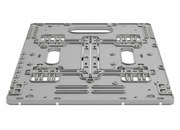
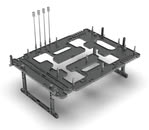
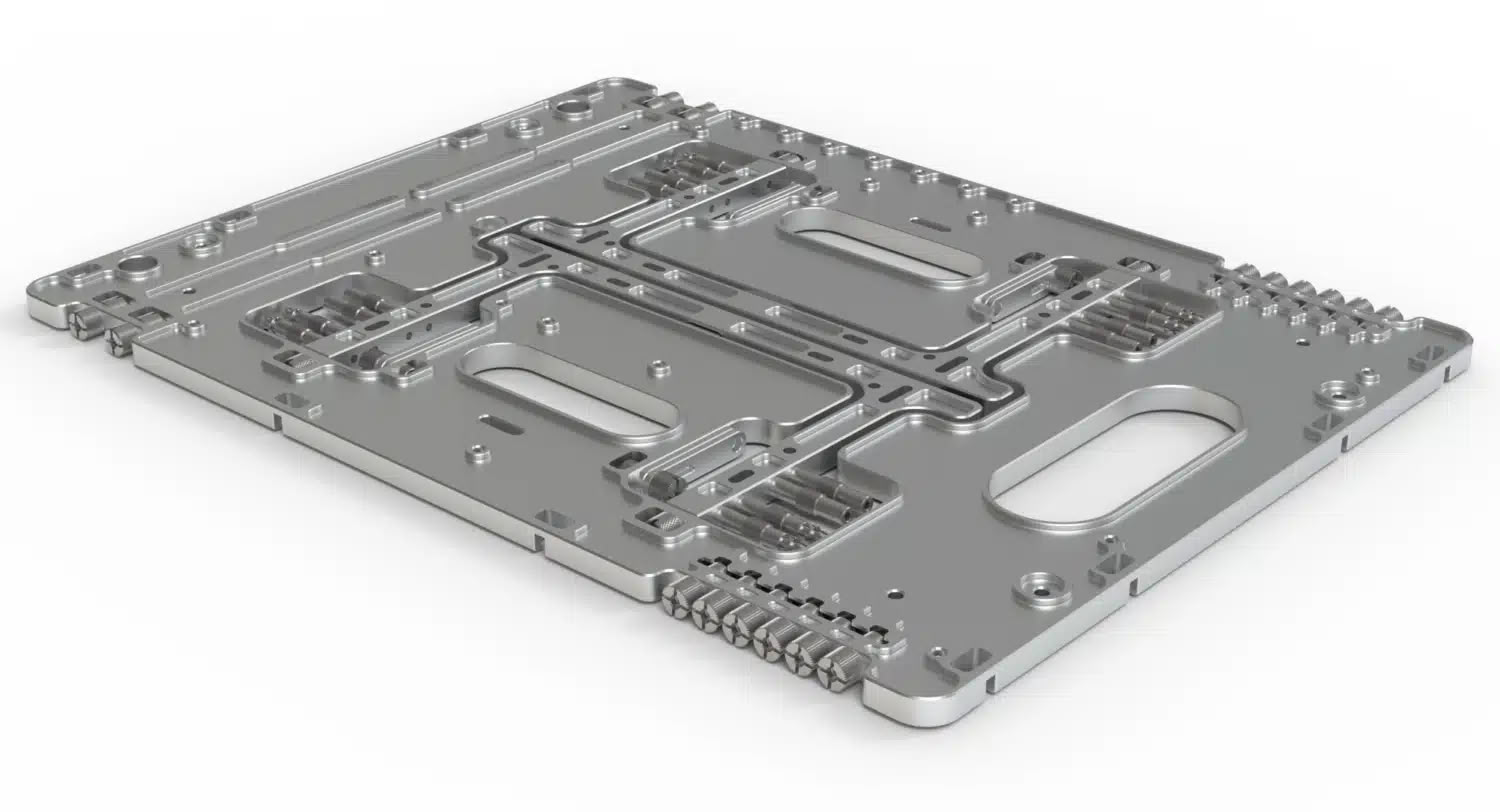
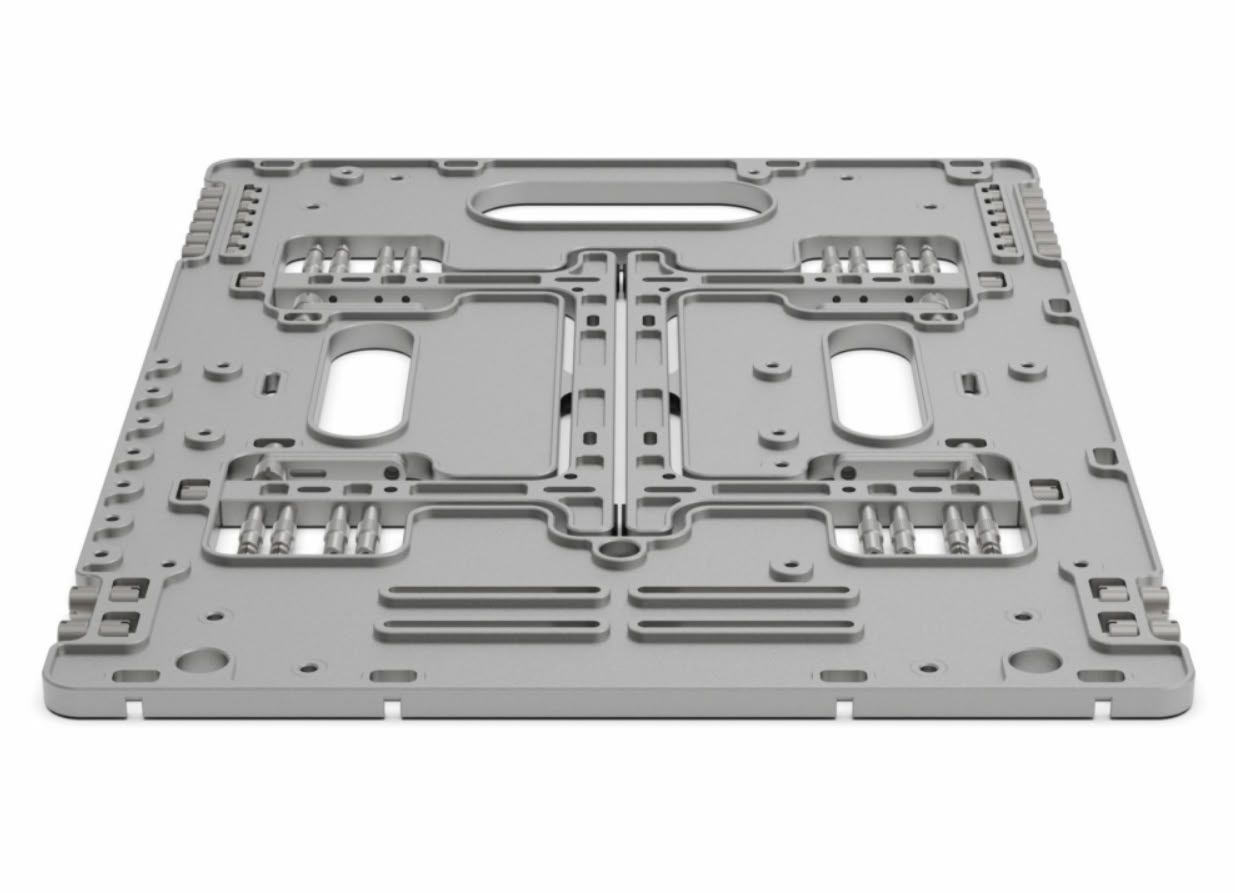
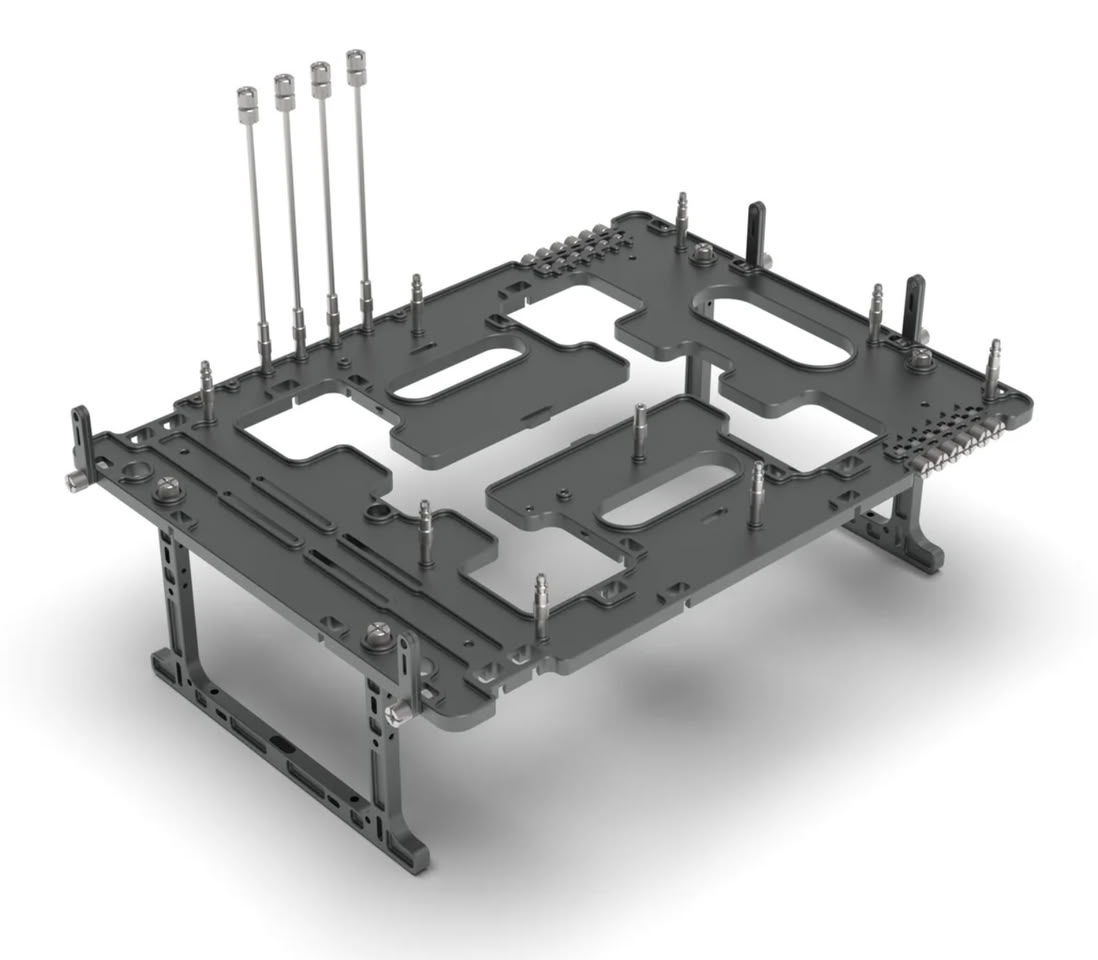
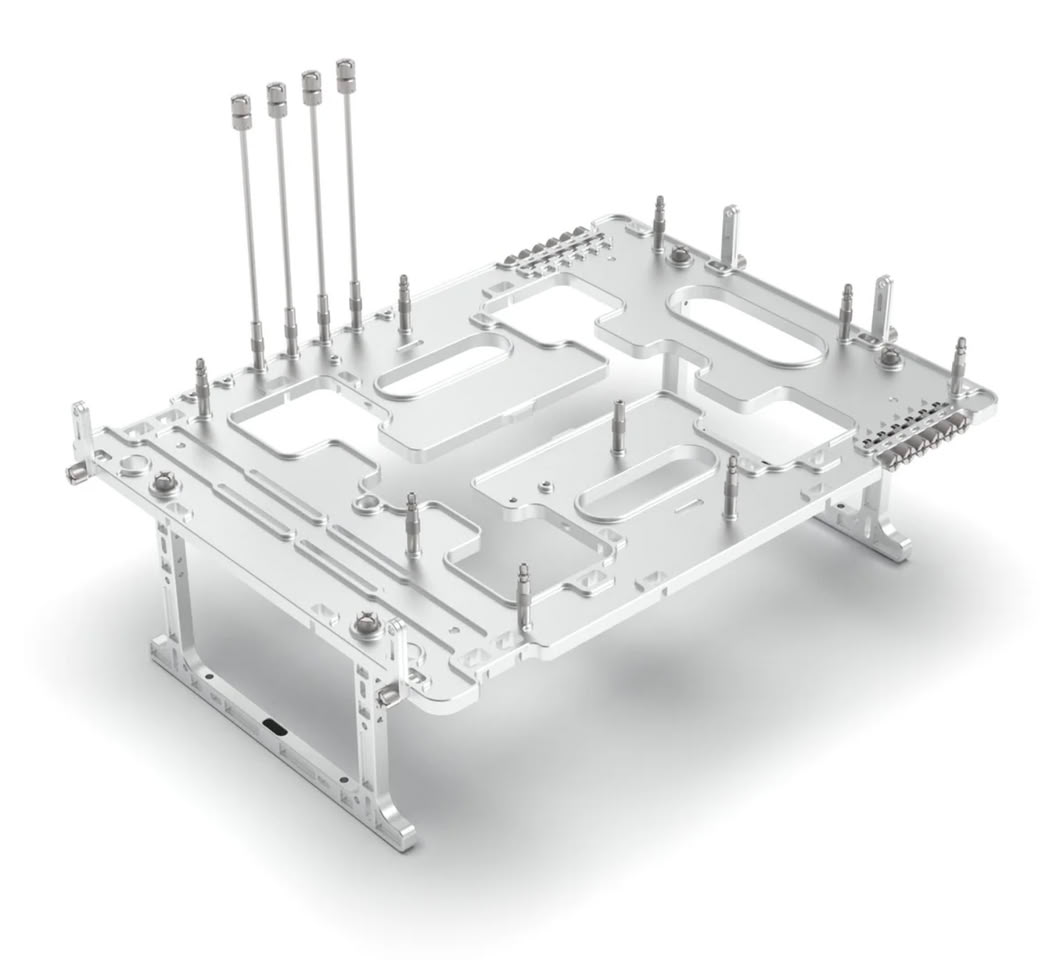
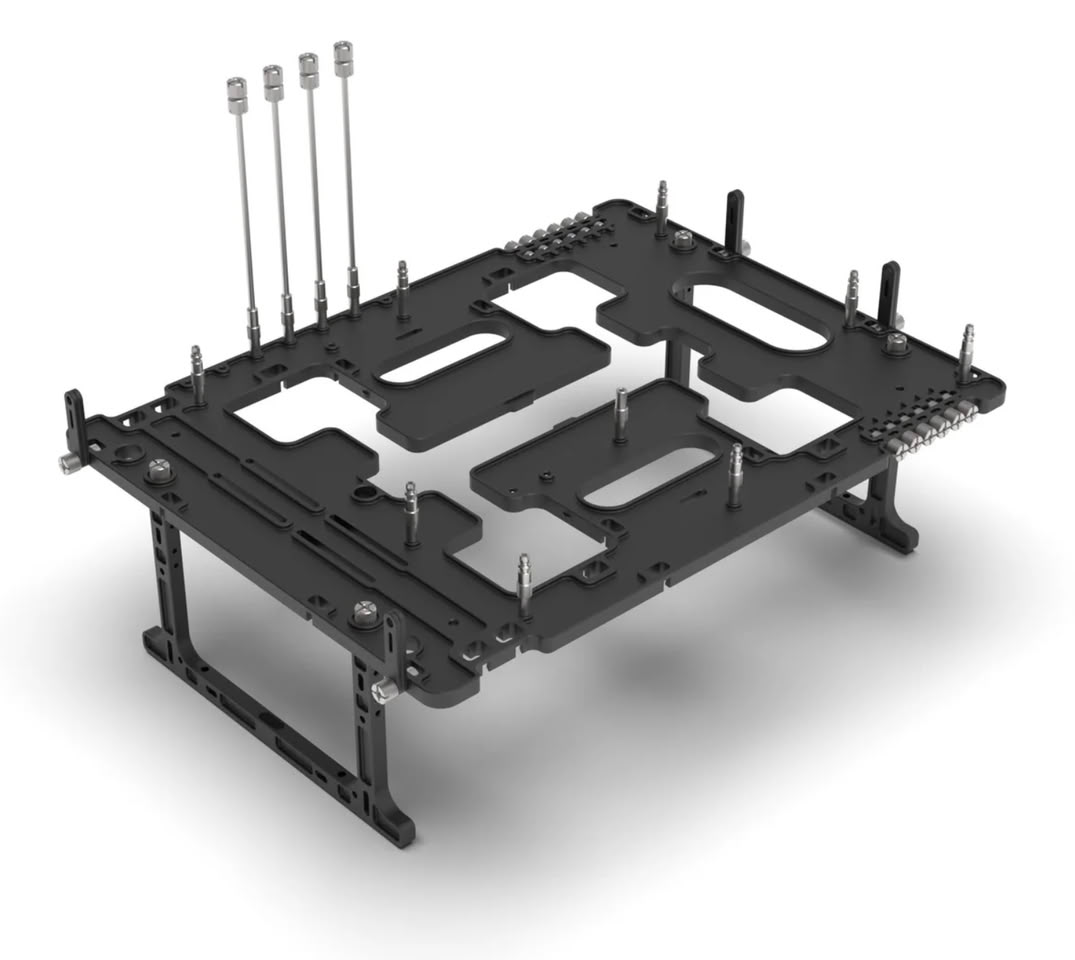
Ten years ago, the BC1 Open Benchtable launched with one clear goal: a portable, toolless test bench for traveling overclockers. It went on to become the standard open-frame platform for enthusiasts, AI R&D labs, universities, and hardware reviewers worldwide. Today, we're introducing the OBT 10Y Anniversary Edition: a strictly limited run of 101 units per finish, built with an additional CNC machining pass that makes it the lightest Open Benchtable we've ever produced.
10 years in the Making
The BC1 was conceived out of a shared frustration between folks at HWBOT, OverClocking-TV, and Streacom: nothing on the market was built for an overclocker who needed to travel with their test bench. The result was a toolless, flat-pack platform light enough to check as luggage and rigid enough to hold flagship hardware.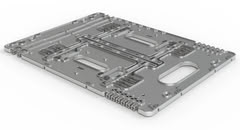
10 years in the Making
The BC1 was conceived out of a shared frustration between folks at HWBOT, OverClocking-TV, and Streacom: nothing on the market was built for an overclocker who needed to travel with their test bench. The result was a toolless, flat-pack platform light enough to check as luggage and rigid enough to hold flagship hardware.
Which Water Filter Is Right for You? Waterdrop Filter's Black Friday Picks for Different Needs
Clean, great-tasting water is part of everyday life, from the first glass in the morning to coffee, tea, and meals shared with family. A water filtration system that fits your home can make those daily moments more enjoyable.
Waterdrop Filter offers under-sink and countertop solutions for different households, spaces, and budgets. From November 19-30, 2026, its Black Friday & Cyber Monday deals offer approximately 24%-31% off, making a home water upgrade more accessible. From premium RO water filtration for a busy family kitchen to convenient hot-and-cold dispensing in an apartment, here's a closer look at the options.


Waterdrop Filter offers under-sink and countertop solutions for different households, spaces, and budgets. From November 19-30, 2026, its Black Friday & Cyber Monday deals offer approximately 24%-31% off, making a home water upgrade more accessible. From premium RO water filtration for a busy family kitchen to convenient hot-and-cold dispensing in an apartment, here's a closer look at the options.



AI Server Boards Are Now Draining the PCB Supply Chain
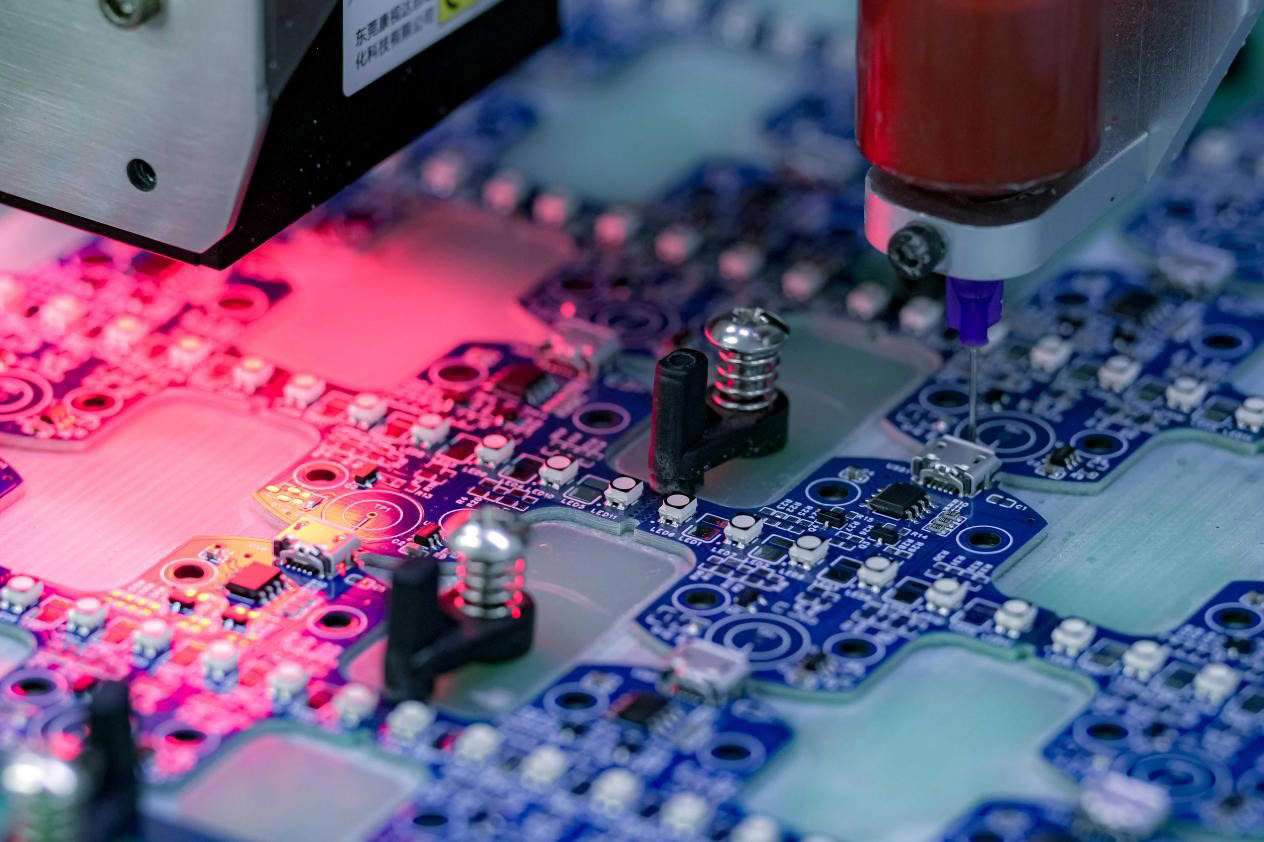
If there was one humble component relatively safe from the component crisis brought about by the AI boom, it was the PCB. However, it looks like that is no longer the case. The Global Electronics Association, formerly known as IPC, issued a new industry alert warning that AI servers are soaking up board capacity and materials at an alarming rate. PCB bookings in North America are reportedly up 56.1% this year through September, while shipments have grown just 13.3%. The group thinks this shortage could rival the 2021 chip crisis, as lead times for high-layer boards are 16 to 20 weeks, or even more. Companies in the automotive, industrial, defense, medical, and telecom sectors are reportedly struggling to secure enough supply. As a result, the association sees availability as a bigger risk than supply.
The reasoning behind their concern is also quite interesting. A typical PCB has around 12 layers, while AI server boards are moving to 40 to 60 layers or more. Each extra layer uses more glass fabric, resin, copper foil, laminate, and other raw materials. The industry is trying to expand to match the demand, with at least $10 billion going into PCB plants in Southeast Asia and China over the past three years. However, the raw materials themselves are in short supply, and hyperscalers have their eyes on that limited supply too. Last month, we reported that some PCB orders were taking up to 30 months, and motherboard prices also increased roughly 15% to 50%. The association expects the PCB shortage to last through at least the first half of 2027, and meaningful relief is unlikely before mid-2028.

The reasoning behind their concern is also quite interesting. A typical PCB has around 12 layers, while AI server boards are moving to 40 to 60 layers or more. Each extra layer uses more glass fabric, resin, copper foil, laminate, and other raw materials. The industry is trying to expand to match the demand, with at least $10 billion going into PCB plants in Southeast Asia and China over the past three years. However, the raw materials themselves are in short supply, and hyperscalers have their eyes on that limited supply too. Last month, we reported that some PCB orders were taking up to 30 months, and motherboard prices also increased roughly 15% to 50%. The association expects the PCB shortage to last through at least the first half of 2027, and meaningful relief is unlikely before mid-2028.
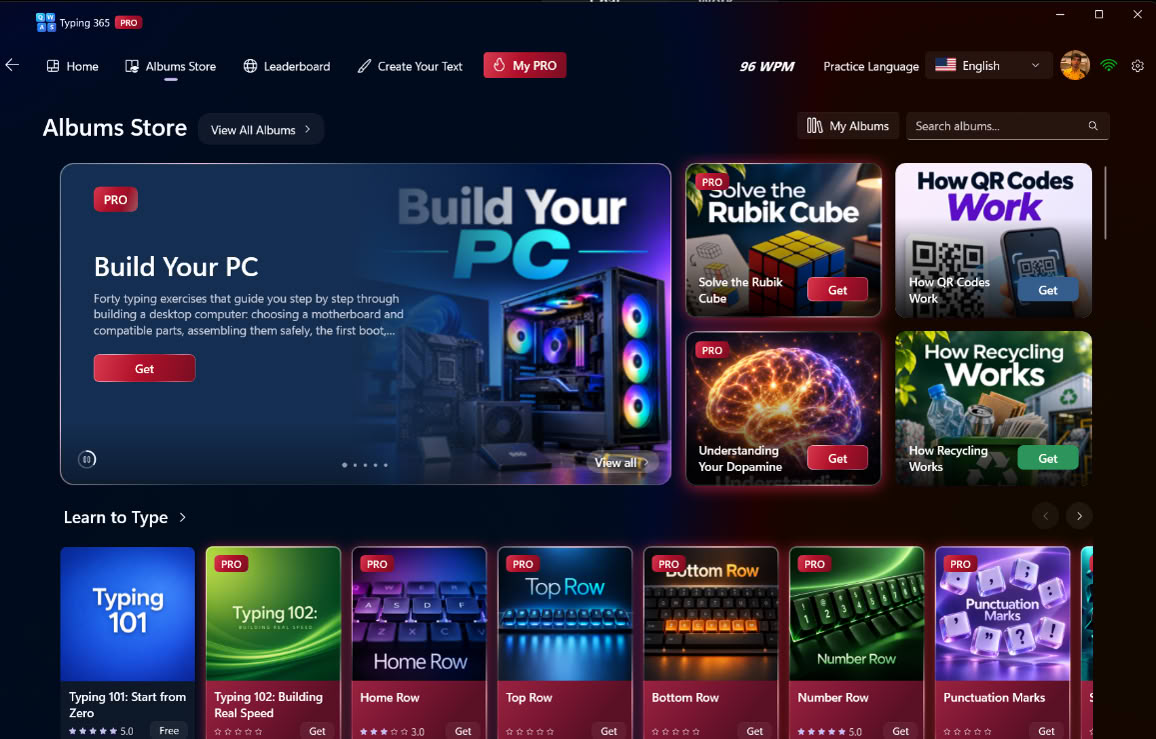
Typing 365 Turns PC Building, Technology and More into Typing Practice
Typing faster is useful, but what if practice could also teach you something? Typing 365 is a free native Windows app that combines structured typing lessons, educational content, and competitive challenges.
With over 100,000 installs and nearly 4 million typing races completed worldwide, Typing 365 has grown into more than a speed test. Its Albums Store offers themed collections covering technology, science, history, psychology, and more.
With over 100,000 installs and nearly 4 million typing races completed worldwide, Typing 365 has grown into more than a speed test. Its Albums Store offers themed collections covering technology, science, history, psychology, and more.
TCL CSOT Prototype Reaches 1250 Hz at Full QHD Resolution
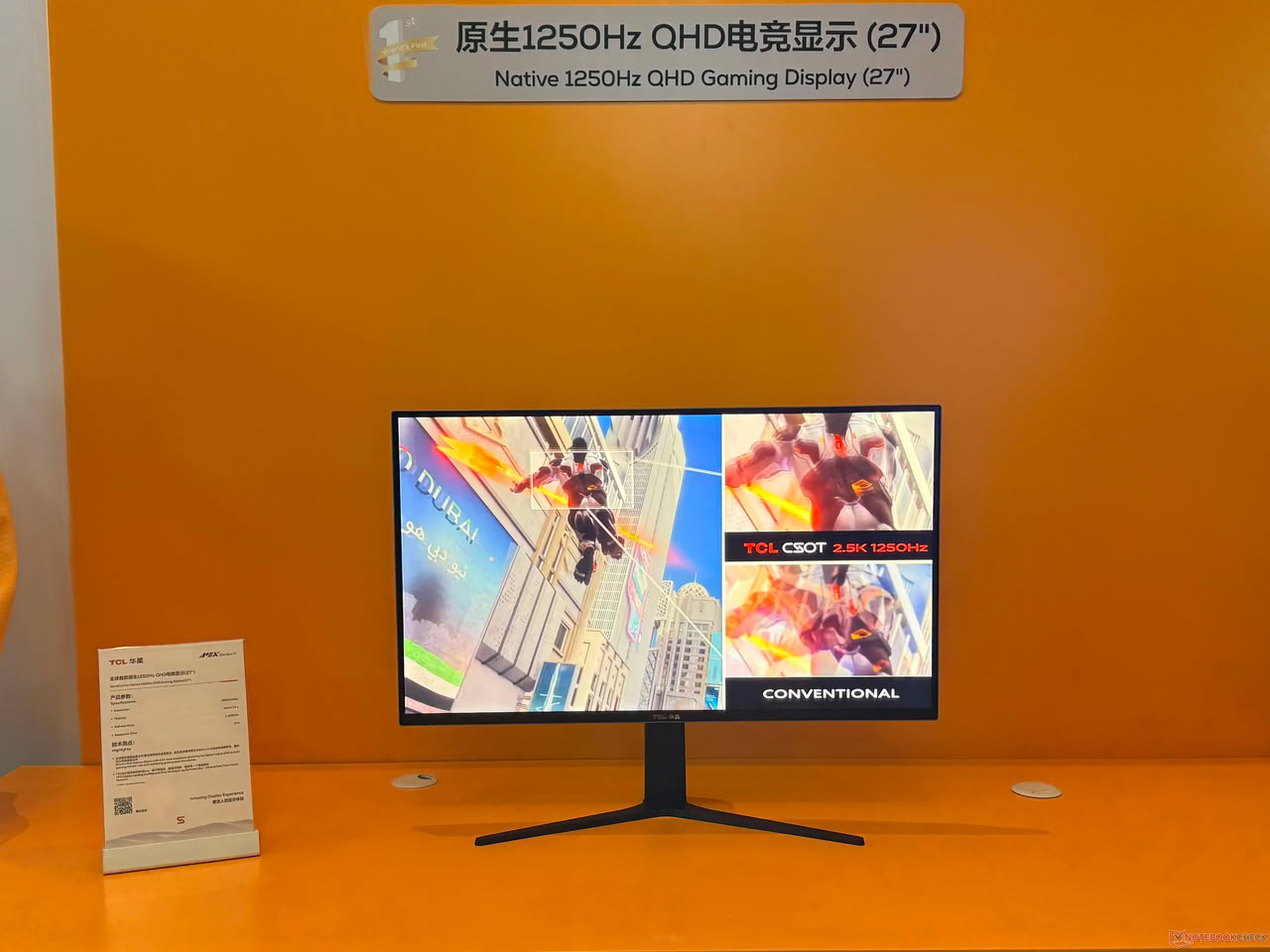
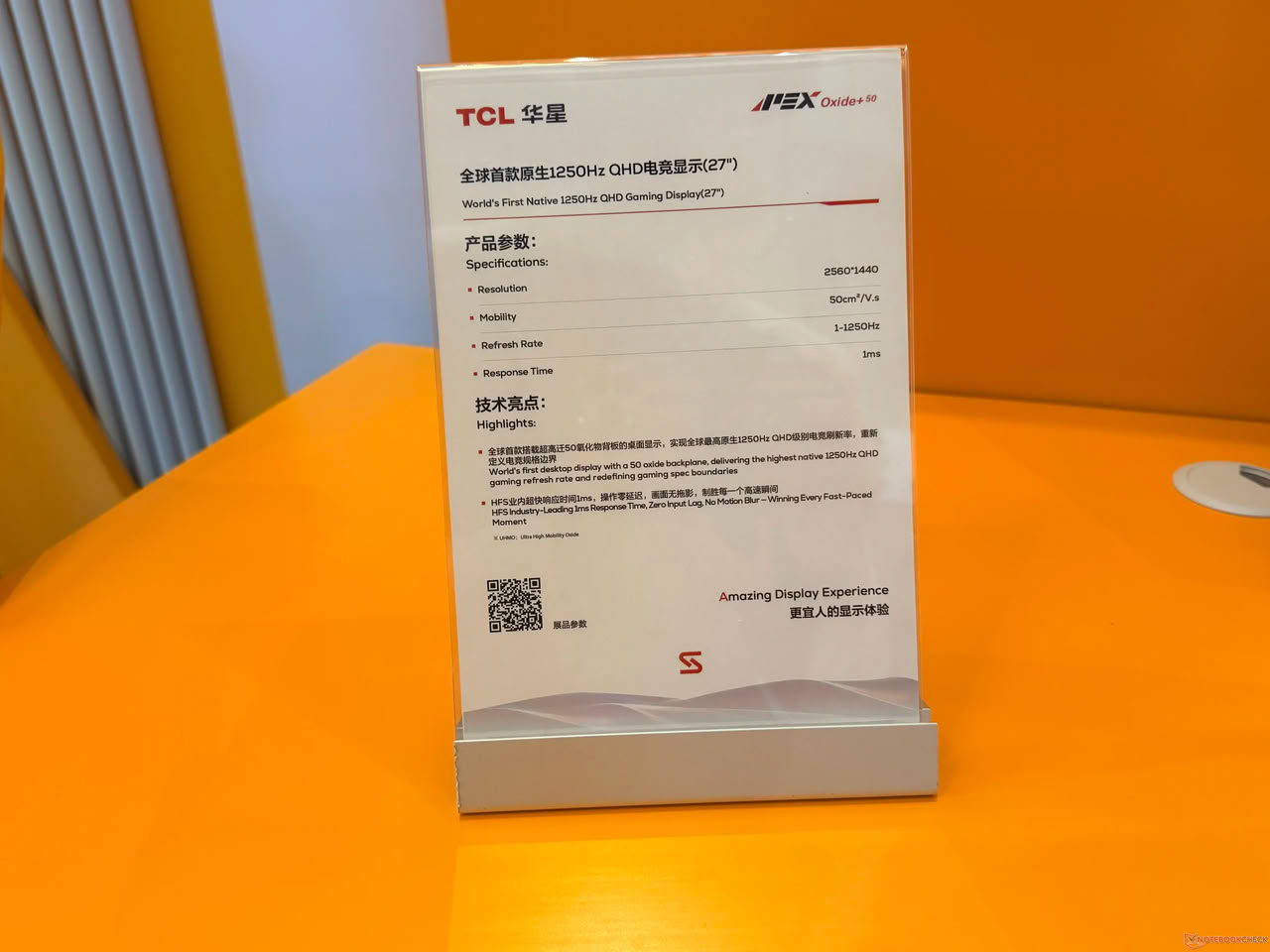
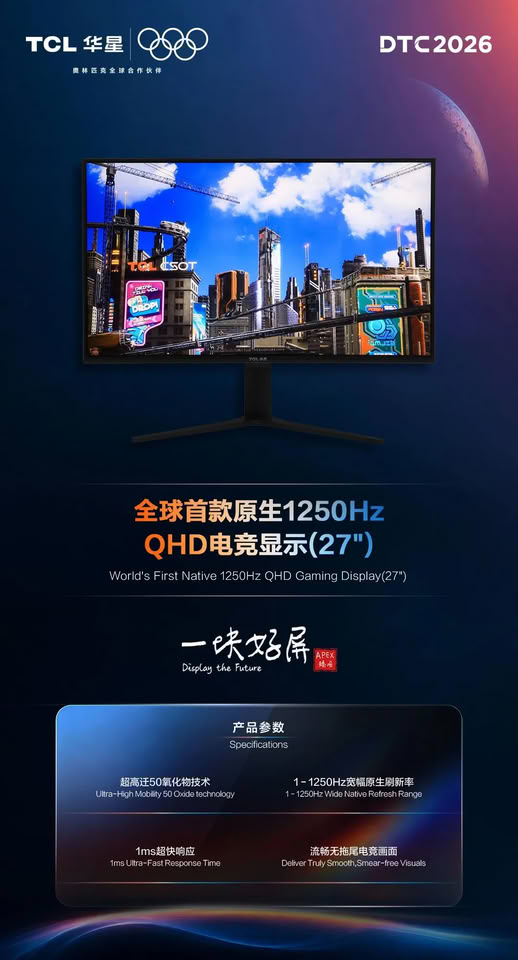
TCL CSOT used the DTC 2026 display conference in Wuhan, China, to show off a 27-inch QHD gaming panel that runs at a native 1250 Hz. It's a prototype that uses what TCL calls UHMO (ultra-high-mobility oxide) backplane tech, with a carrier mobility of 50 cm²/V·s. The magic number is the refresh rate, which can scale from 1 Hz up to 1250 Hz, with a claimed 1 ms response time. TCL hasn't yet confirmed the panel type behind this display. Since this is a prototype and just a demo for now, there's no price or release date available yet. TCL CSOT says it is working with partners to bring the monitor to market soon.
Of course, the most impressive bit here is the 1250 Hz refresh rate number, but it's also the fact that this panel reaches that refresh rate at its native QHD resolution. Earlier displays couldn't combine the two. The LG UltraGear 25G590B reached 1000 Hz, but only at 1080p, and several other "1000 Hz" models could only do it at 720p. Notebookcheck reports (after seeing the demo in person) that it looks like a non-OLED display and feels very responsive without any noticeable motion blur. There's still a lot we don't know about this panel, such as the VRR standard or display interface. TCL CSOT also showed a 27-inch QHD 500 Hz IJP OLED panel at the same event, and we covered an earlier report saying the company is also planning 700 Hz OLED monitors for 2028.
Thanks to Notebookcheck for providing the images.

Of course, the most impressive bit here is the 1250 Hz refresh rate number, but it's also the fact that this panel reaches that refresh rate at its native QHD resolution. Earlier displays couldn't combine the two. The LG UltraGear 25G590B reached 1000 Hz, but only at 1080p, and several other "1000 Hz" models could only do it at 720p. Notebookcheck reports (after seeing the demo in person) that it looks like a non-OLED display and feels very responsive without any noticeable motion blur. There's still a lot we don't know about this panel, such as the VRR standard or display interface. TCL CSOT also showed a 27-inch QHD 500 Hz IJP OLED panel at the same event, and we covered an earlier report saying the company is also planning 700 Hz OLED monitors for 2028.
Thanks to Notebookcheck for providing the images.

Wooting Revamps Keyboard Utility: Per-App Profiles for Linux, Global Keymap Profiles, and Fresh UI Tweaks
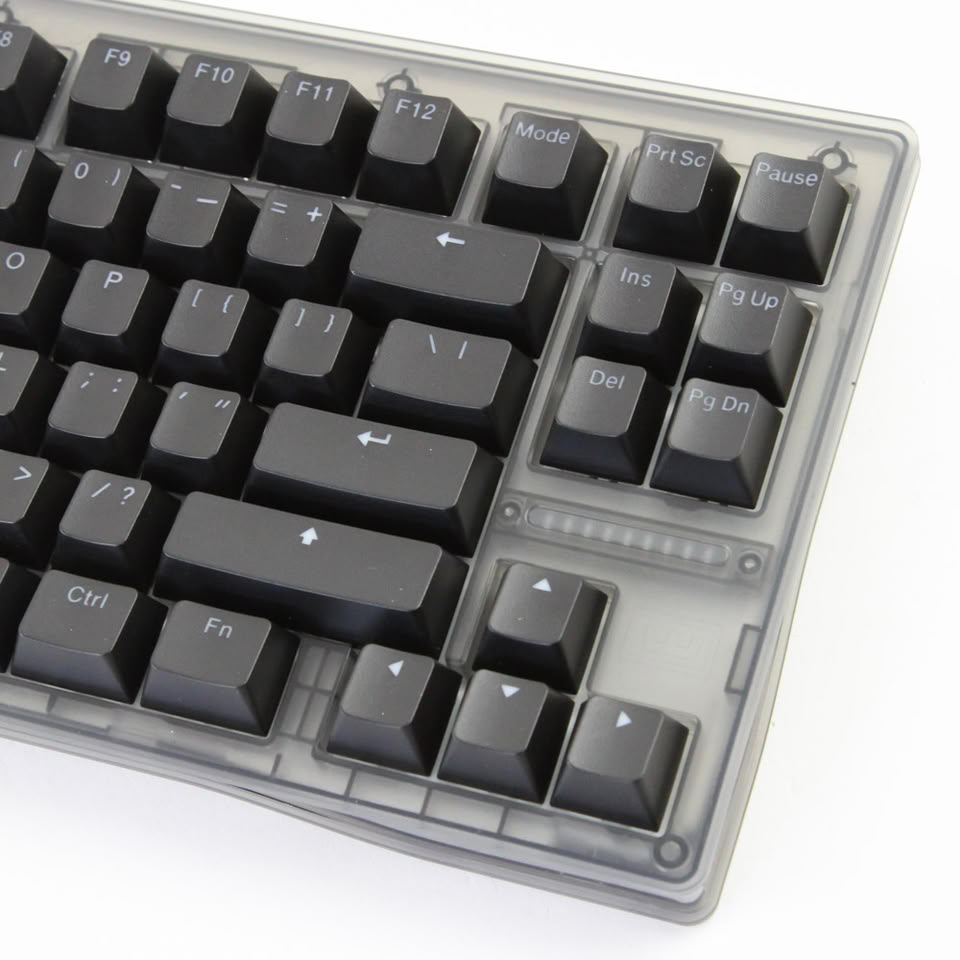
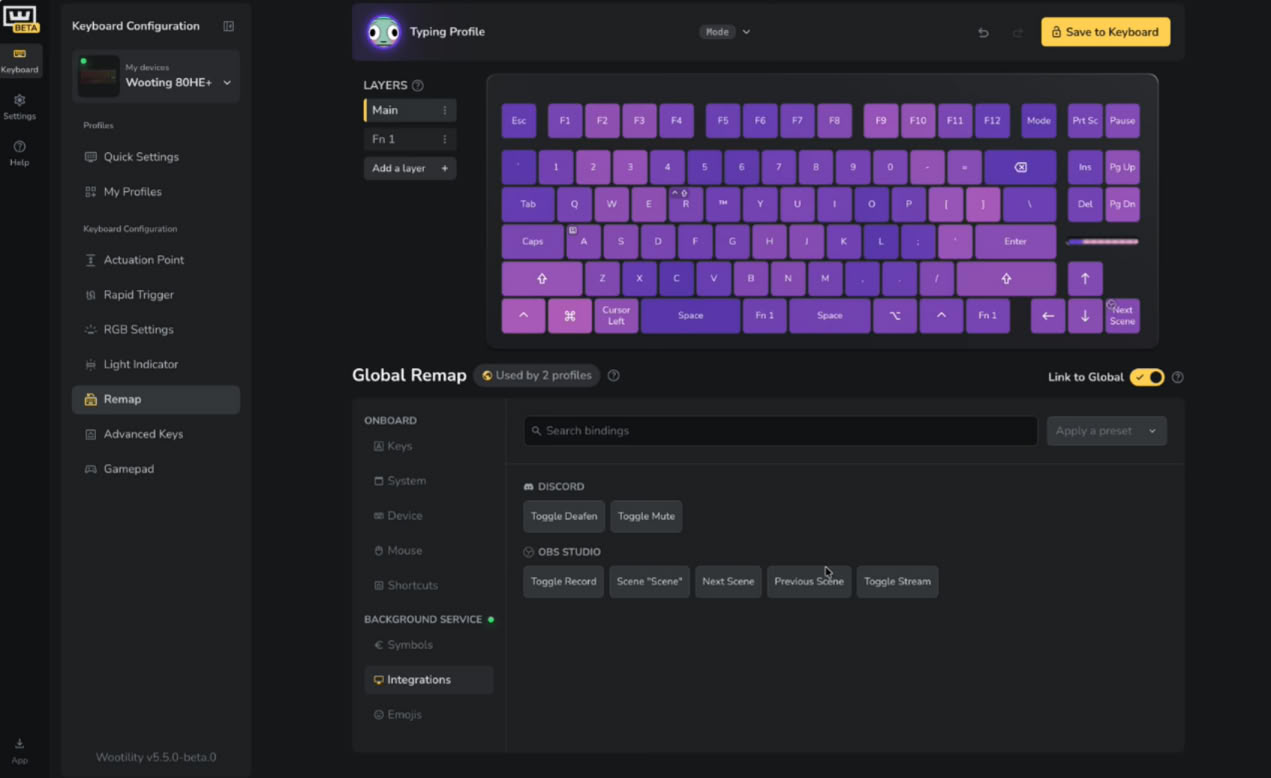
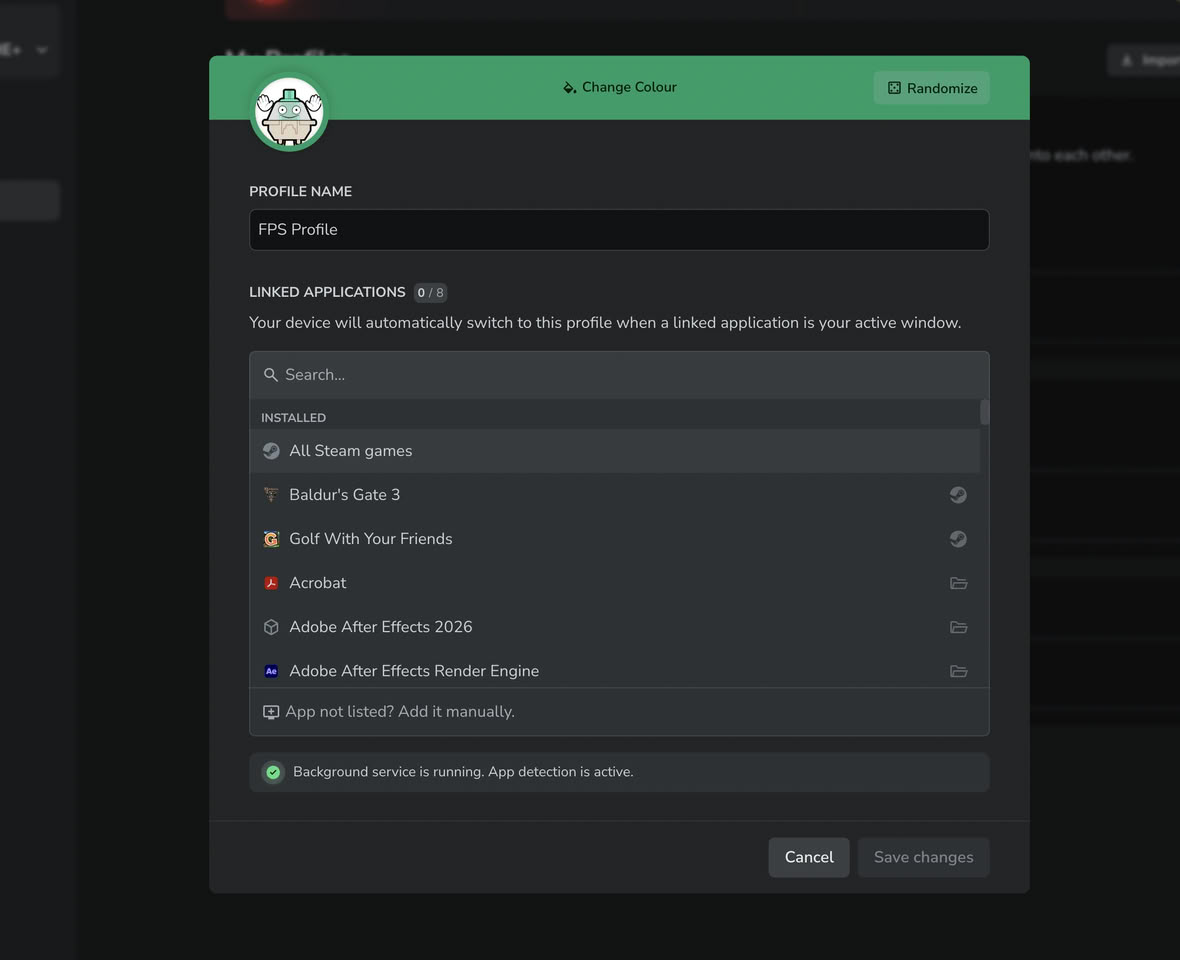
One of the main reasons gamers recommend Wooting keyboards to first-time Hall effect keyboard buyers is the brand's software. Wootility has continuously stood out for its quality, solid UI, and rich feature set, and with the latest Wootility beta, Wooting is testing a bunch of new features, including an overhaul of the core remapping screen. Wootility v5.5.0-beta.0 is now available to Wooting owners, although it requires an update to firmware version 2.15.0-beta.0.
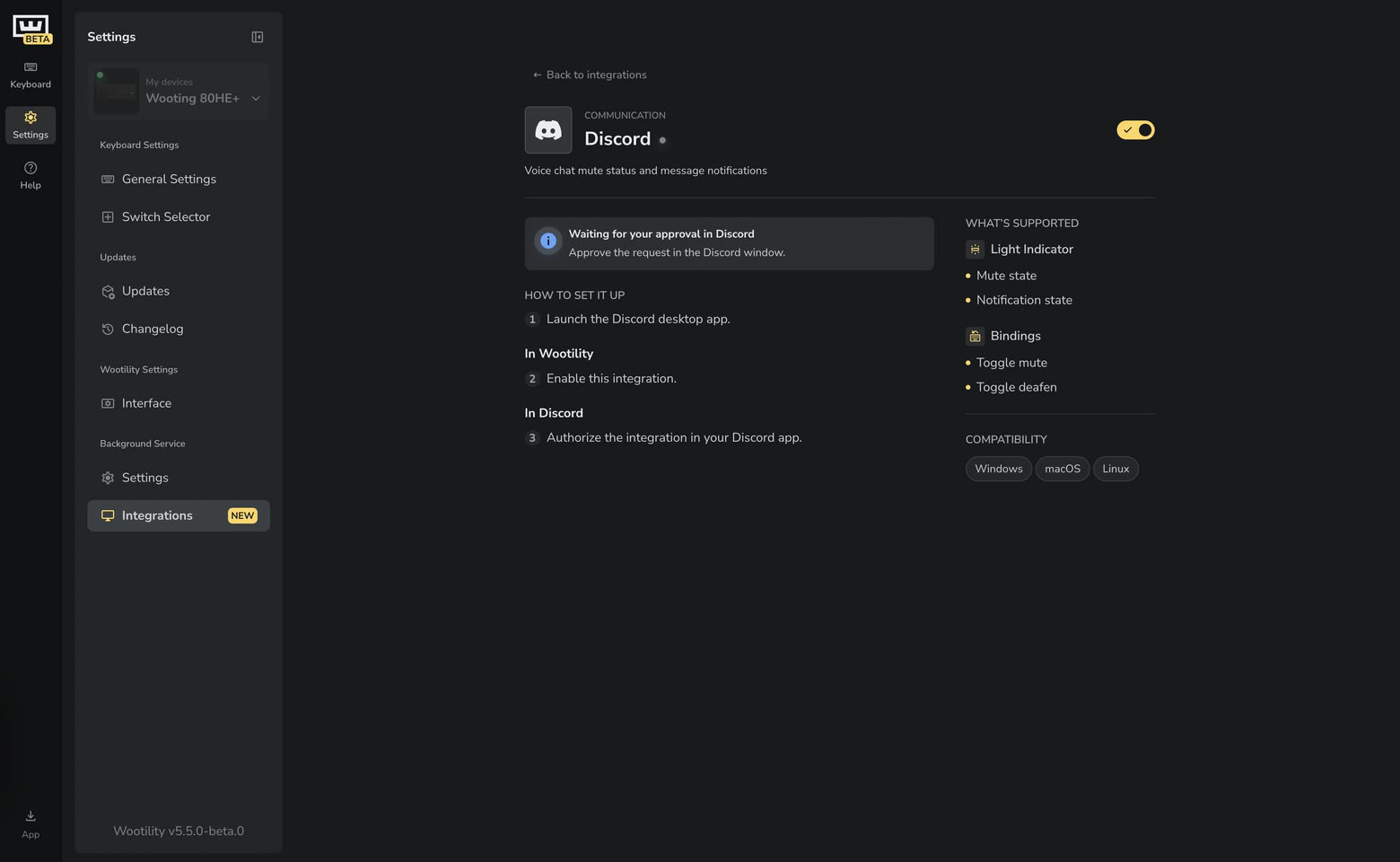
The most obvious change in the Wootility beta is the move to Remap V2, which is the new keyboard remapping screen, now featuring a new binding picker with new symbols, emojis, shortcuts, mouse controls, and app integrations that tie in with the Wooting Background Service. As part of Remap v2, Wooting is shifting to a Global Remap, which can be linked or unlinked to individual profiles, allowing you to set up specific shortcuts and keymaps across all profiles and unlink highly specified profiles for use with specific apps or games.


The most obvious change in the Wootility beta is the move to Remap V2, which is the new keyboard remapping screen, now featuring a new binding picker with new symbols, emojis, shortcuts, mouse controls, and app integrations that tie in with the Wooting Background Service. As part of Remap v2, Wooting is shifting to a Global Remap, which can be linked or unlinked to individual profiles, allowing you to set up specific shortcuts and keymaps across all profiles and unlink highly specified profiles for use with specific apps or games.

Microsoft Brings RDMA over USB4 to Windows 11 for Daisy-Chained PCs
Microsoft is finally enabling Remote Direct Memory Access (RDMA) over the USB4 protocol on Windows 11, allowing multiple PCs to be daisy-chained and used together to process large workloads. This means that Windows 11 now has a mechanism to distribute a workload across multiple interconnected PCs, enabling faster processing. Essentially, AI inferencing at home is now limited by the number of PCs and their specifications, rather than a single PC. RDMA allows the workload to directly access system memory on another PC, all through USB4, which offers up to 80 Gbps bandwidth for fast data transfer.
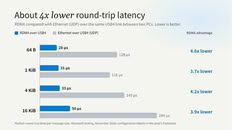
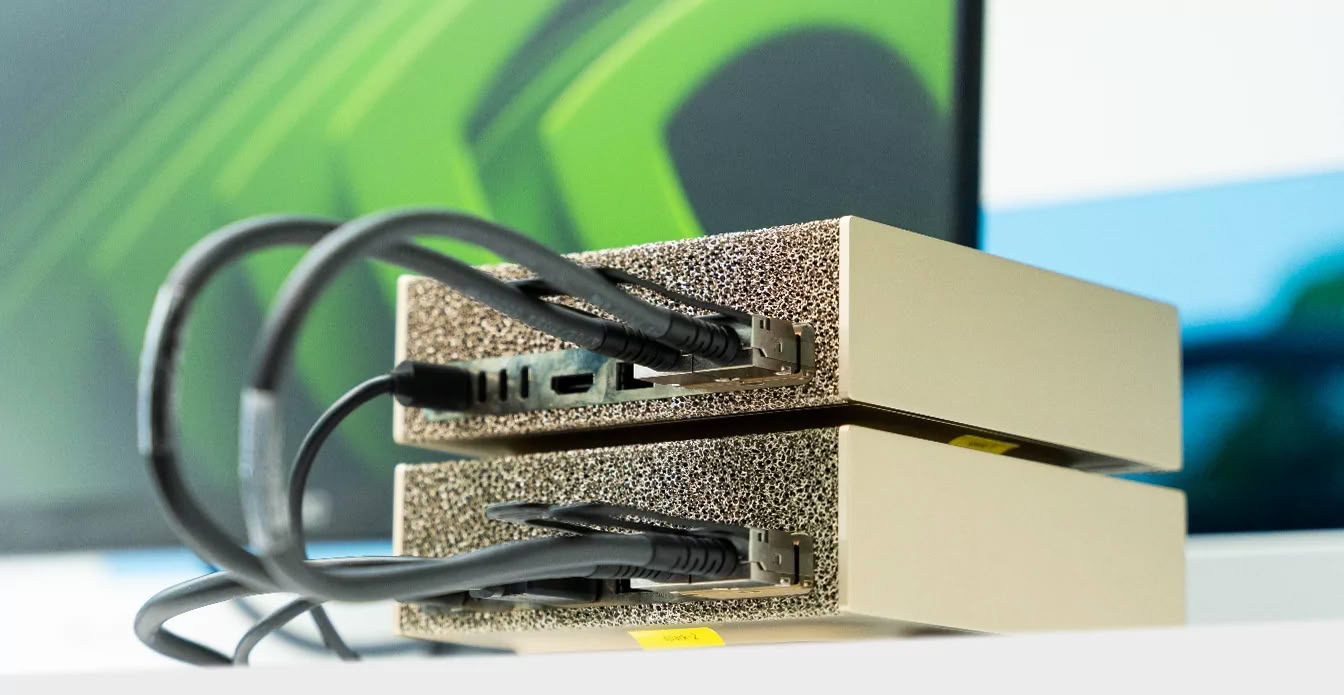
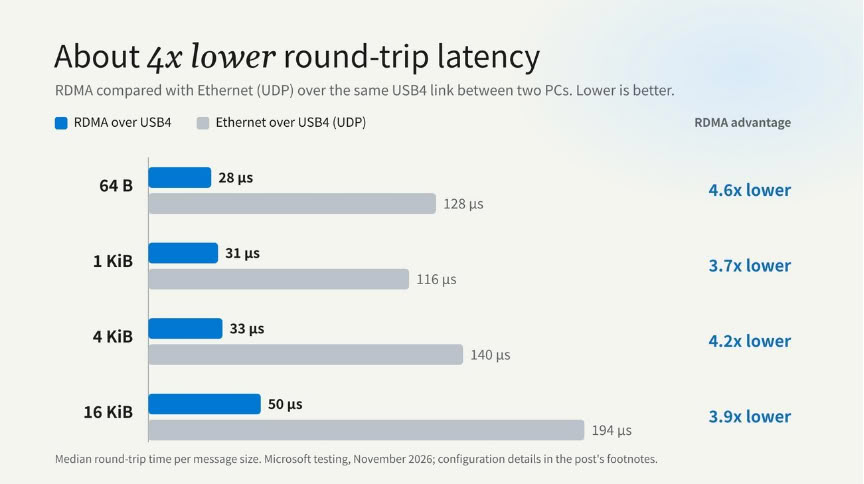
Instead of using Ethernet over USB4 in a UDP packet configuration, Microsoft chose to implement RDMA over USB4 to significantly reduce data access latency. Microsoft interconnected two PCs to measure round-trip latency by message size, finding that RDMA over USB4 achieves latency between 28 and 50 microseconds. In contrast, Ethernet over USB4 using UDP results in latency between 116 and 194 microseconds, making the RDMA implementation roughly four times faster. This lower latency will greatly benefit systems running large workloads, especially in latency-sensitive tasks like AI inferencing. Below DGX Spark mini PCs are connected over Ethernet, not USB4, but it serves the purpose of illustration.
Instead of using Ethernet over USB4 in a UDP packet configuration, Microsoft chose to implement RDMA over USB4 to significantly reduce data access latency. Microsoft interconnected two PCs to measure round-trip latency by message size, finding that RDMA over USB4 achieves latency between 28 and 50 microseconds. In contrast, Ethernet over USB4 using UDP results in latency between 116 and 194 microseconds, making the RDMA implementation roughly four times faster. This lower latency will greatly benefit systems running large workloads, especially in latency-sensitive tasks like AI inferencing. Below DGX Spark mini PCs are connected over Ethernet, not USB4, but it serves the purpose of illustration.
ShiftUp Claims Stellar Blade Blood Rain is "Handmade Start To Finish" After AI Music Video Backlash
ShiftUp, the game studio behind the Stellar Blade franchise, has been open about its use of generative AI for both its games and its promotional material, with a recent Stellar Blade: Blood Rain music video receiving substantial backlash online for being AI-generated. However, the studio's CEO, Kim Hyung-tae, recently clarified the studio's AI use at G-Con 2026, a Korean game expo hosted on November 19-22. As reported by Inven, the CEO says that the recent backlash taught the game studio a lot about how AI and the gaming audience.
He said that, following the backlash, the studio established a new internal policy that he describes as "handmade from start to finish," and he explains that ShiftUp will start with a human-made foundation, and that AI will be used in intermediate tasks, like prototyping and testing for things like texturing, lighting, weathering, and for tasks like retopology and mesh optimization. Human artists will also be used to evaluate and polish any assets before they're implemented into the game, serving as a sort of quality control for the end product.
He said that, following the backlash, the studio established a new internal policy that he describes as "handmade from start to finish," and he explains that ShiftUp will start with a human-made foundation, and that AI will be used in intermediate tasks, like prototyping and testing for things like texturing, lighting, weathering, and for tasks like retopology and mesh optimization. Human artists will also be used to evaluate and polish any assets before they're implemented into the game, serving as a sort of quality control for the end product.

Revopoint Launches MIRACO 2 on Kickstarter: Scan in One, Create with Agents
An all-in-one 3D scanner combining high-precision capture, powerful onboard computing, and AI-driven workflows—with Super Early Bird pricing starting at $1,425.
The Offer is available from today, November 18 on Kickstarter. Grab the Super Early Bird Offer, with up to 38% off, starting at $1,425.
Back MIRACO 2 on Kickstarter
The Offer is available from today, November 18 on Kickstarter. Grab the Super Early Bird Offer, with up to 38% off, starting at $1,425.
Back MIRACO 2 on Kickstarter

AV Access Unveils iDock B12 8K KVM Docking Station
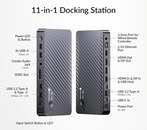
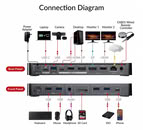
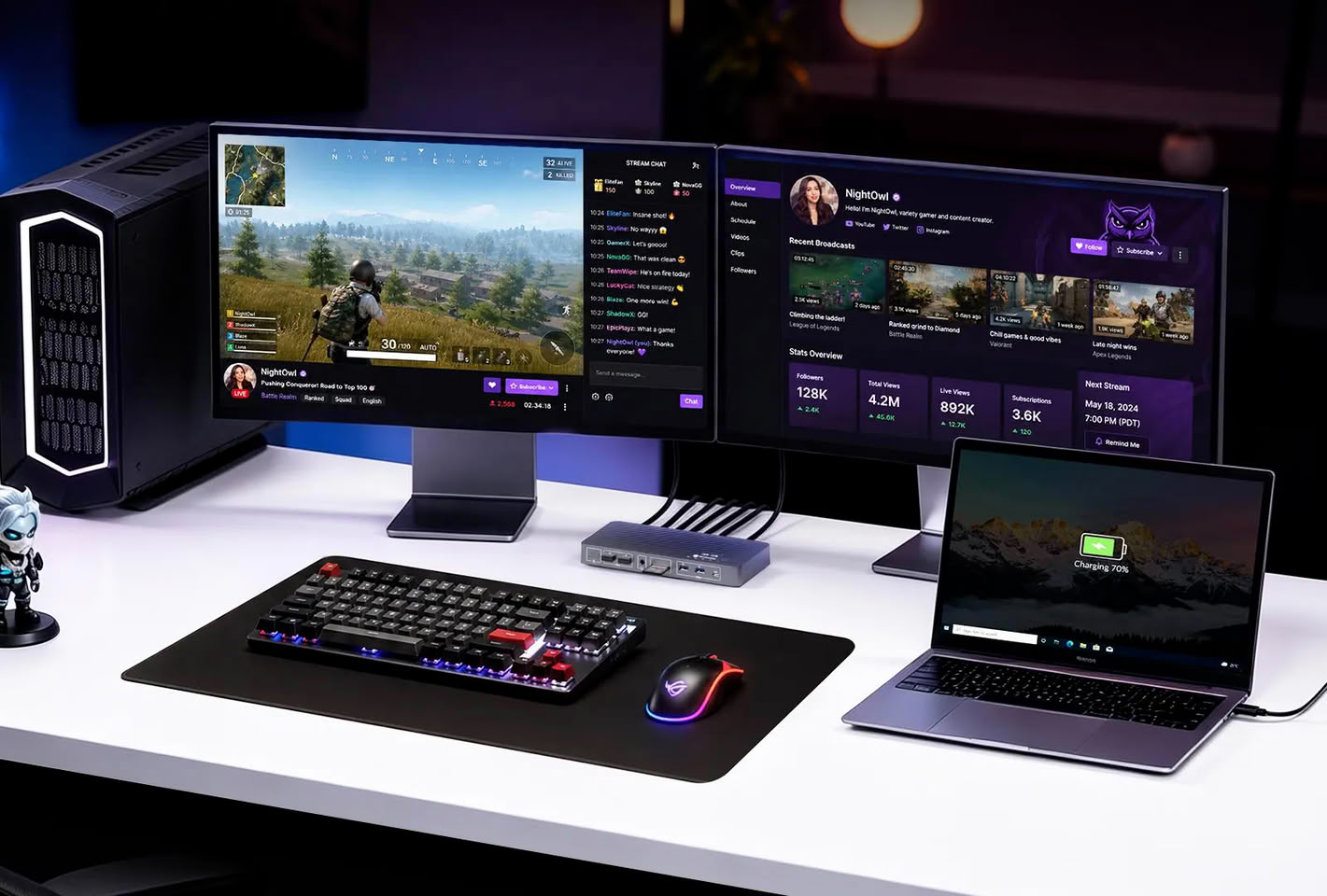
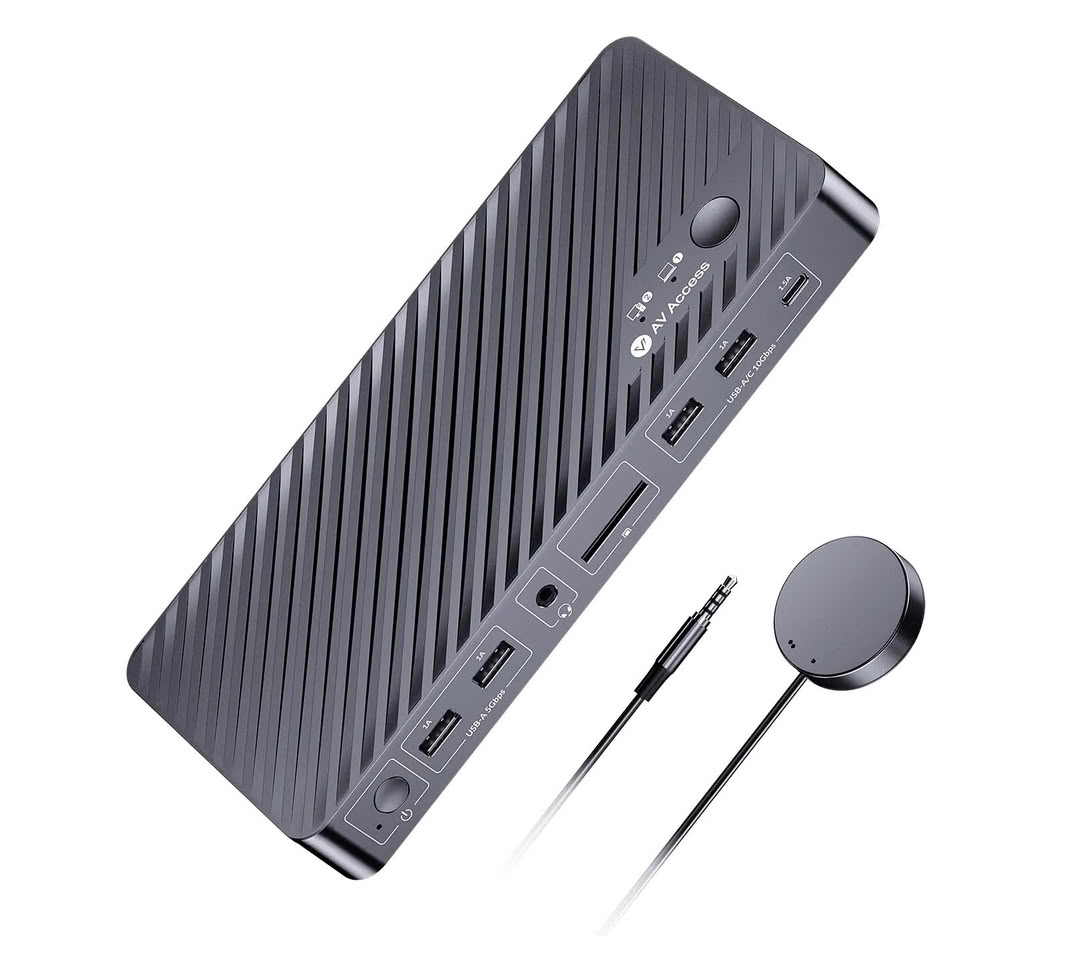
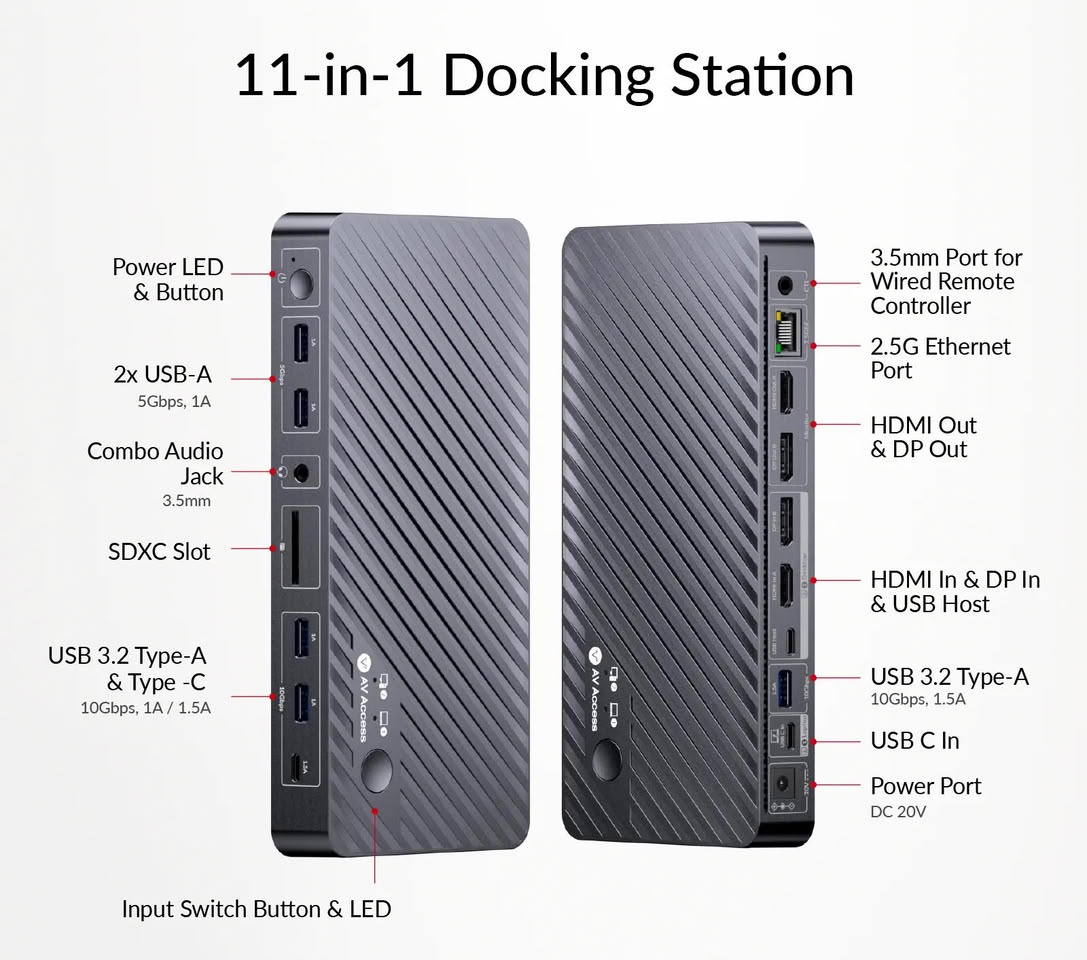
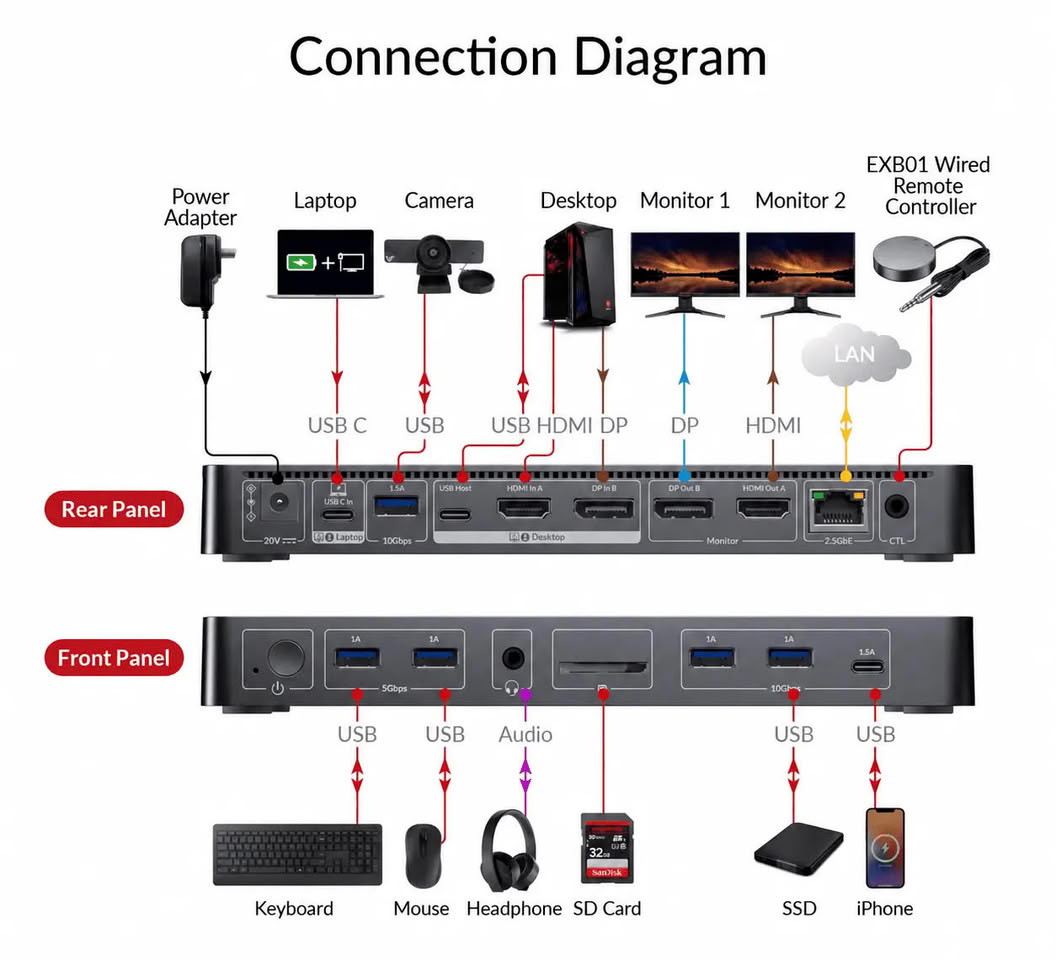
AV Access, a leading provider of Pro AV and AV over IP solutions, has introduced the iDock B12, an 8K dual-monitor KVM docking station designed to make switching between work and gaming setups effortless. With refresh rates of up to 4K@165 Hz or 1080p@480 Hz and 2.5 GbE networking, the iDock B12 delivers smooth visuals and fast connectivity in one compact solution for gamers, creators, and hybrid professionals.
High-Refresh Gaming with 2.5 GbE Networking
Built for high-performance gaming and demanding visual workflows, the iDock B12 supports resolutions and refresh rates up to 8K@60 Hz, 4K@165 Hz, or 1080p@480 Hz/360 Hz on compatible desktop PCs. It also supports Variable Refresh Rate (VRR), including NVIDIA G-SYNC and AMD FreeSync, helping reduce screen tearing and deliver smoother, more responsive gameplay.
High-Refresh Gaming with 2.5 GbE Networking
Built for high-performance gaming and demanding visual workflows, the iDock B12 supports resolutions and refresh rates up to 8K@60 Hz, 4K@165 Hz, or 1080p@480 Hz/360 Hz on compatible desktop PCs. It also supports Variable Refresh Rate (VRR), including NVIDIA G-SYNC and AMD FreeSync, helping reduce screen tearing and deliver smoother, more responsive gameplay.
TCL CSOT Announces World's First Mass Production of Ultrahigh-Mobility Oxide Panels at DTC2026
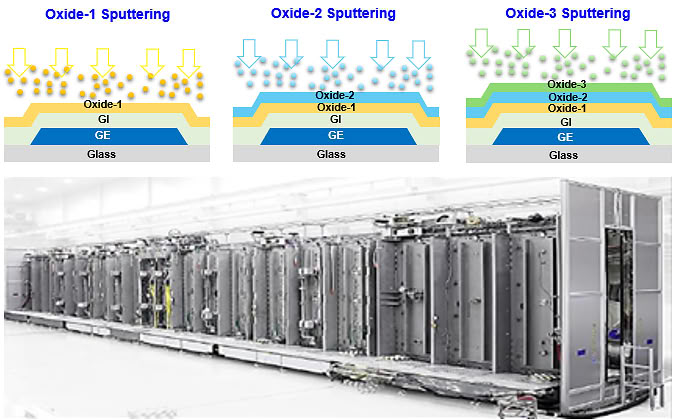
TCL CSOT became the world's first to achieve mass production of ultrahigh-mobility oxide technology (electron mobility of ~50 cm² V⁻¹ s⁻¹) on an 8.6-generation line. The major technical breakthrough marks the first time high mobility oxide technology has gone beyond the 50 cm² V⁻¹ s⁻¹ threshold in mass production, presenting exciting new possibilities in display applications.
Beyond 50 cm² V⁻¹ s⁻¹: Premium Displays Without the Compromise
For years, the production of high-end displays has involved a series of trade-offs: high refresh rates versus lower power consumption, high resolution versus brightness, and narrow bezels versus cost. The mass production of ultrahigh-mobility oxide technology breaks this deadlock by enabling drive currents that surpass the critical threshold needed to deliver these properties without such compromises.

Beyond 50 cm² V⁻¹ s⁻¹: Premium Displays Without the Compromise
For years, the production of high-end displays has involved a series of trade-offs: high refresh rates versus lower power consumption, high resolution versus brightness, and narrow bezels versus cost. The mass production of ultrahigh-mobility oxide technology breaks this deadlock by enabling drive currents that surpass the critical threshold needed to deliver these properties without such compromises.
New Windows Search Finally Arrives in Windows 11 Update
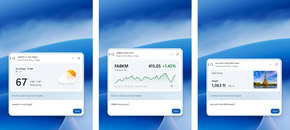
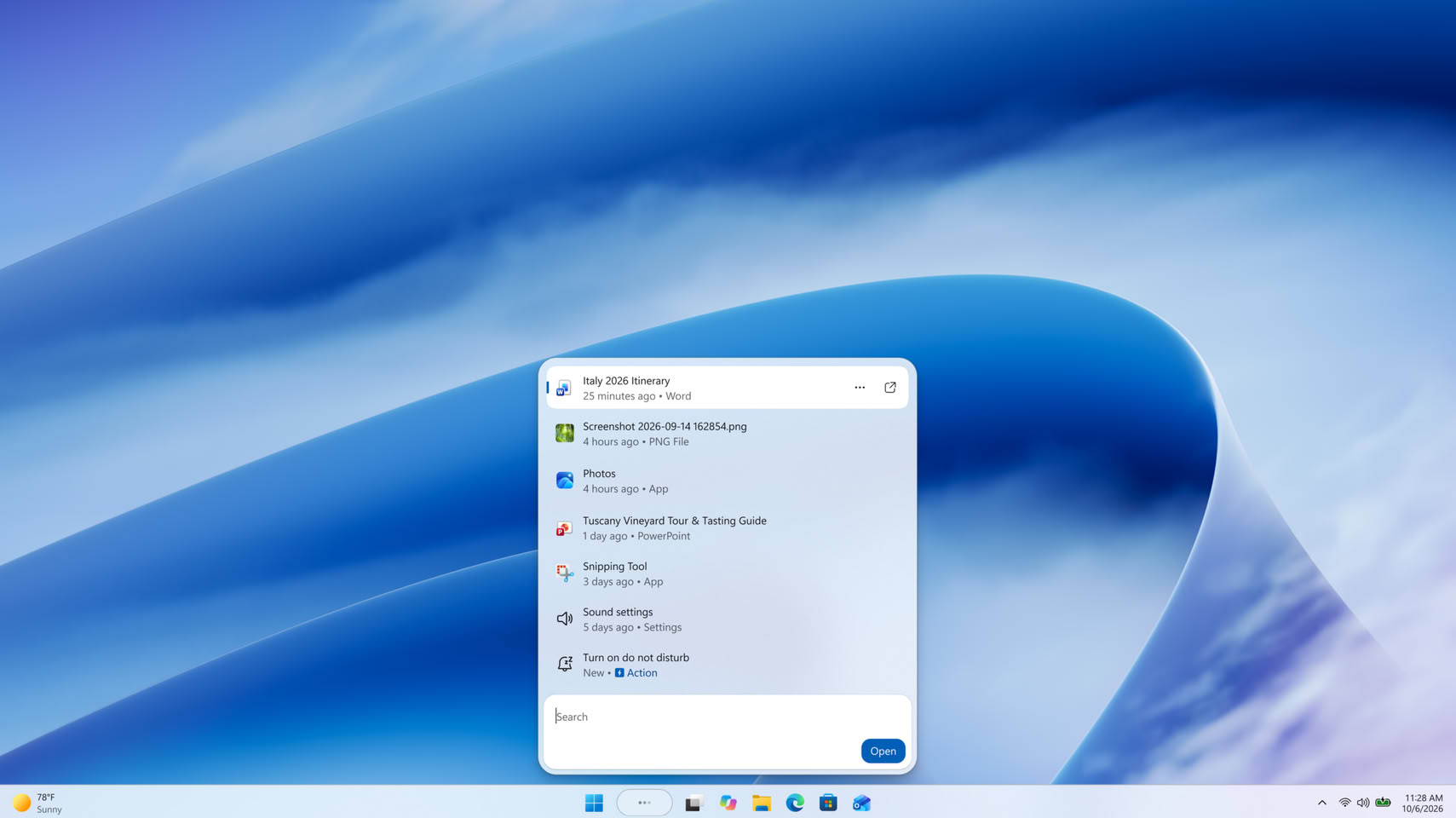
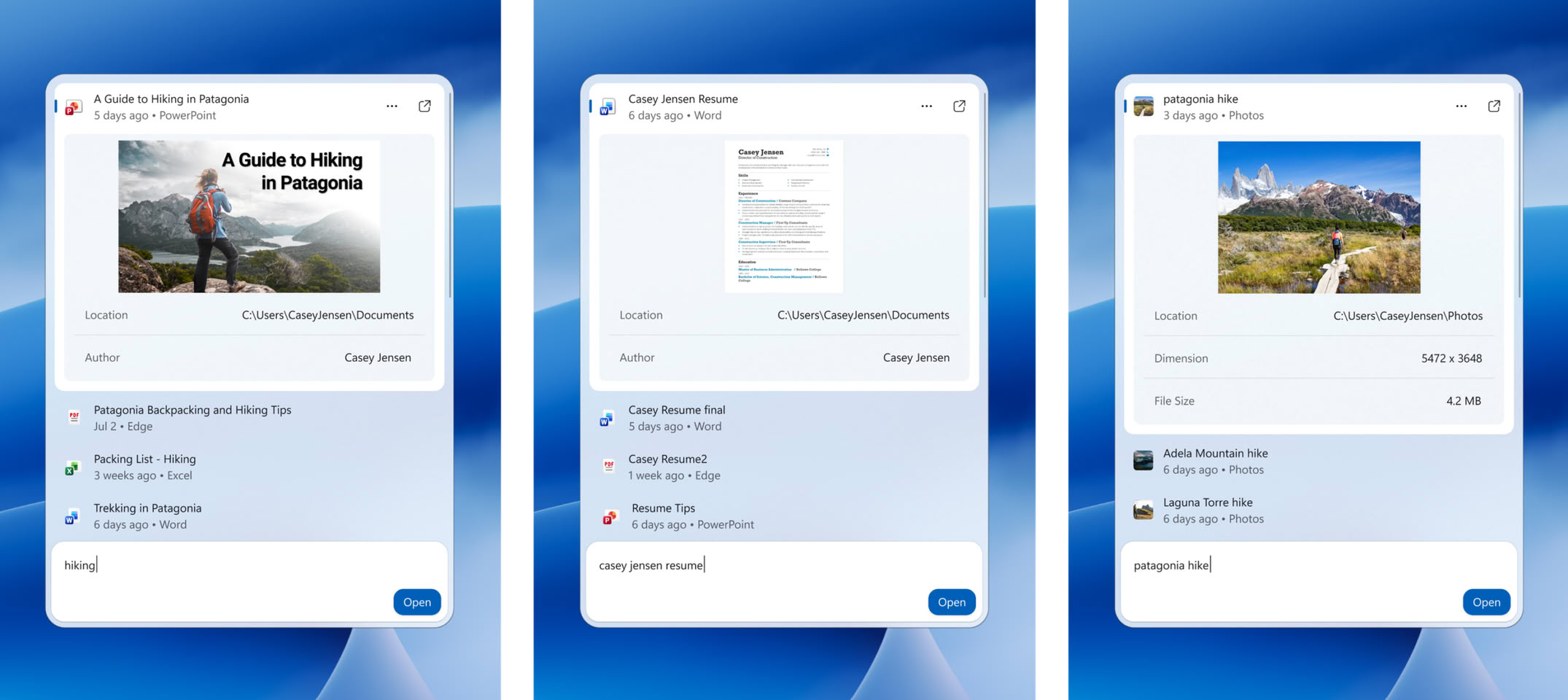
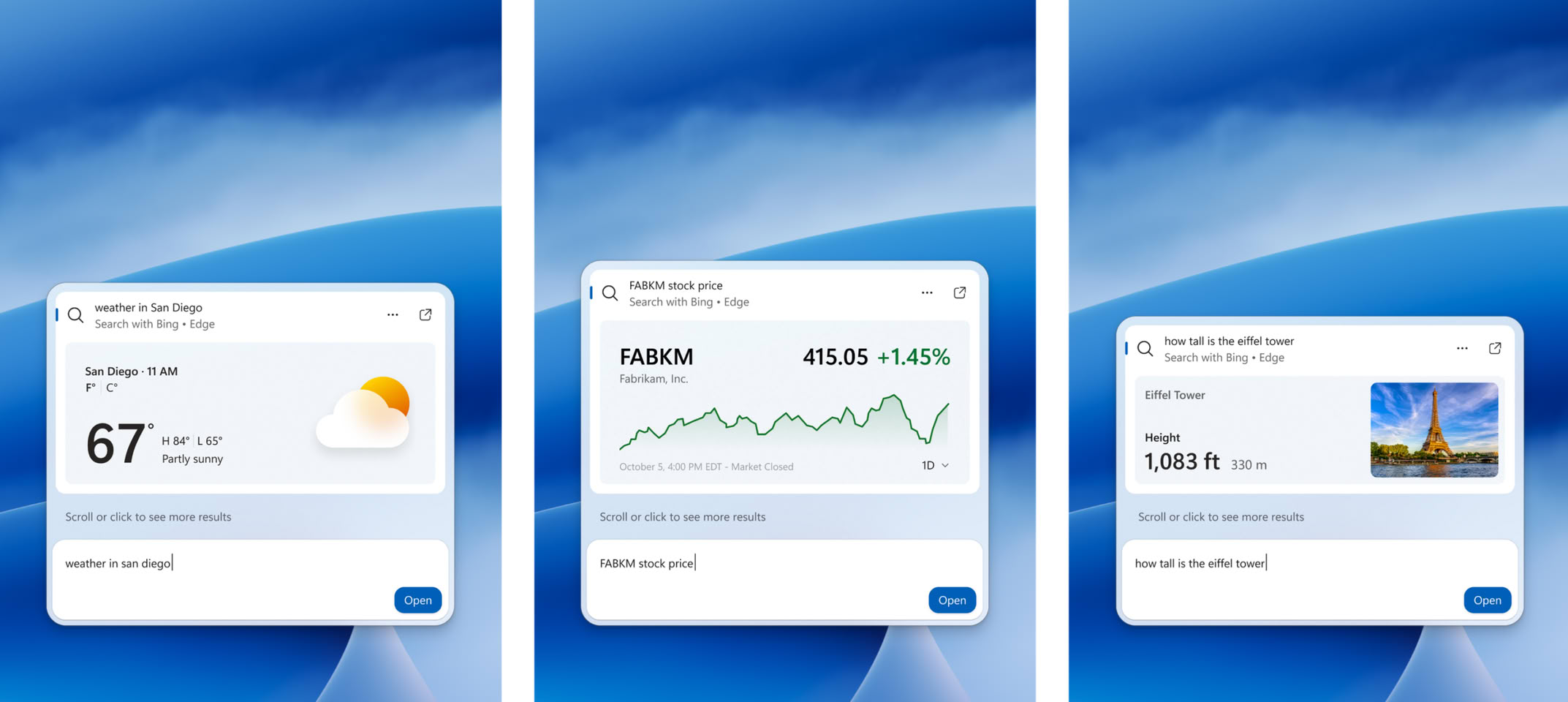
Microsoft has released the Windows 11 KB5132057 update, which finally introduces the much-anticipated Windows Search update, addressing a longstanding issue with the operating system. The new search box can execute thousands of quick actions typed as simple commands, such as "switch to dark mode," "turn on Bluetooth," "dim my screen," "mute," and "minimize all my windows." Additionally, actions related to Phone Link, like sending a text message from a connected phone, are available, along with options to access weather, stocks, and other data directly from search. For enthusiasts, the most intriguing aspect is likely the underlying technology. The new Search is built on WinUI 3, which Microsoft claims enhances speed and reduces system resource usage. Early testing has reportedly shown significant improvements in both speed and memory efficiency.
The layout now features a single list of results, replacing the previous design with its large preview pane. Search is expected to better handle typos and synonyms, with a way for richer file details and web previews. Copilot is also integrated, with its answers appearing within Search and a shortcut to open the full app. This follows the July update that removed ads and promotional content from Search and added a setting to hide web and Microsoft Store suggestions. Microsoft notes that the new Windows Search experience is initially available in English, and the system now manages typos much more effectively, making interactions with the OS more seamless through search.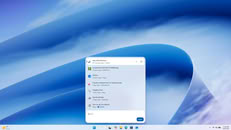

The layout now features a single list of results, replacing the previous design with its large preview pane. Search is expected to better handle typos and synonyms, with a way for richer file details and web previews. Copilot is also integrated, with its answers appearing within Search and a shortcut to open the full app. This follows the July update that removed ads and promotional content from Search and added a setting to hide web and Microsoft Store suggestions. Microsoft notes that the new Windows Search experience is initially available in English, and the system now manages typos much more effectively, making interactions with the OS more seamless through search.
Thursday, November 19th 2026
Today's Files
Today's Reviews
Accessories
Desktop PC
Memory
Mouse
Corsair RM1200e (Second Generation) Review
Corsair RM1200e (Second Generation) packs 1200 W, ATX 3.1 support, and PinProtect into a compact 150 mm chassis, making it a smart fit for modern high-end builds. It delivers excellent voltage regulation, high quality cables, and quiet everyday operation, with a ten-year warranty inspiring confidence.
Debian Linux Forms Gaming Hardware Team for Handheld and Bleeding Edge Hardware Testing
While newer gaming distributions, like CachyOS and Bazzite, are all the rage these days, Debian has always been a go-to distro for a lot of Linux users who simply need something reasonably lightweight and highly stable. This is why distributions like Linux Mint are based on Debian. However, it seems as though the Debian development team is finally starting to broaden its horizons, following the popularization of Linux as a gaming platform, thanks to devices like the Steam Deck and Machine. As per a recent announcement in the Debian mailing list, project maintainer, Aryan Karamtoth, has officially started the Debian Gaming Hardware Team.
He explains in the post that the Debian Gaming Hardware Team's main focus is to "bring over some attention towards Debian as a choice for gaming hardware," after he noticed that all the popular gaming distributions are based on Arch or Fedora Linux. The Debian Gaming Hardware Team will focus on testing gaming hardware, including "handhelds, emulation devices, and home consoles," in order to document compatibility and issues, and subsequently explore the possibility of introducing patches and fixes for hardware issues. He goes so far as to say that the Gaming Hardware Team may go so far as to "address the elephant in the room" regarding compatibility with bleeding-edge gaming hardware—an area Debian has struggled with in the past—without losing its reputation for stability.
He explains in the post that the Debian Gaming Hardware Team's main focus is to "bring over some attention towards Debian as a choice for gaming hardware," after he noticed that all the popular gaming distributions are based on Arch or Fedora Linux. The Debian Gaming Hardware Team will focus on testing gaming hardware, including "handhelds, emulation devices, and home consoles," in order to document compatibility and issues, and subsequently explore the possibility of introducing patches and fixes for hardware issues. He goes so far as to say that the Gaming Hardware Team may go so far as to "address the elephant in the room" regarding compatibility with bleeding-edge gaming hardware—an area Debian has struggled with in the past—without losing its reputation for stability.
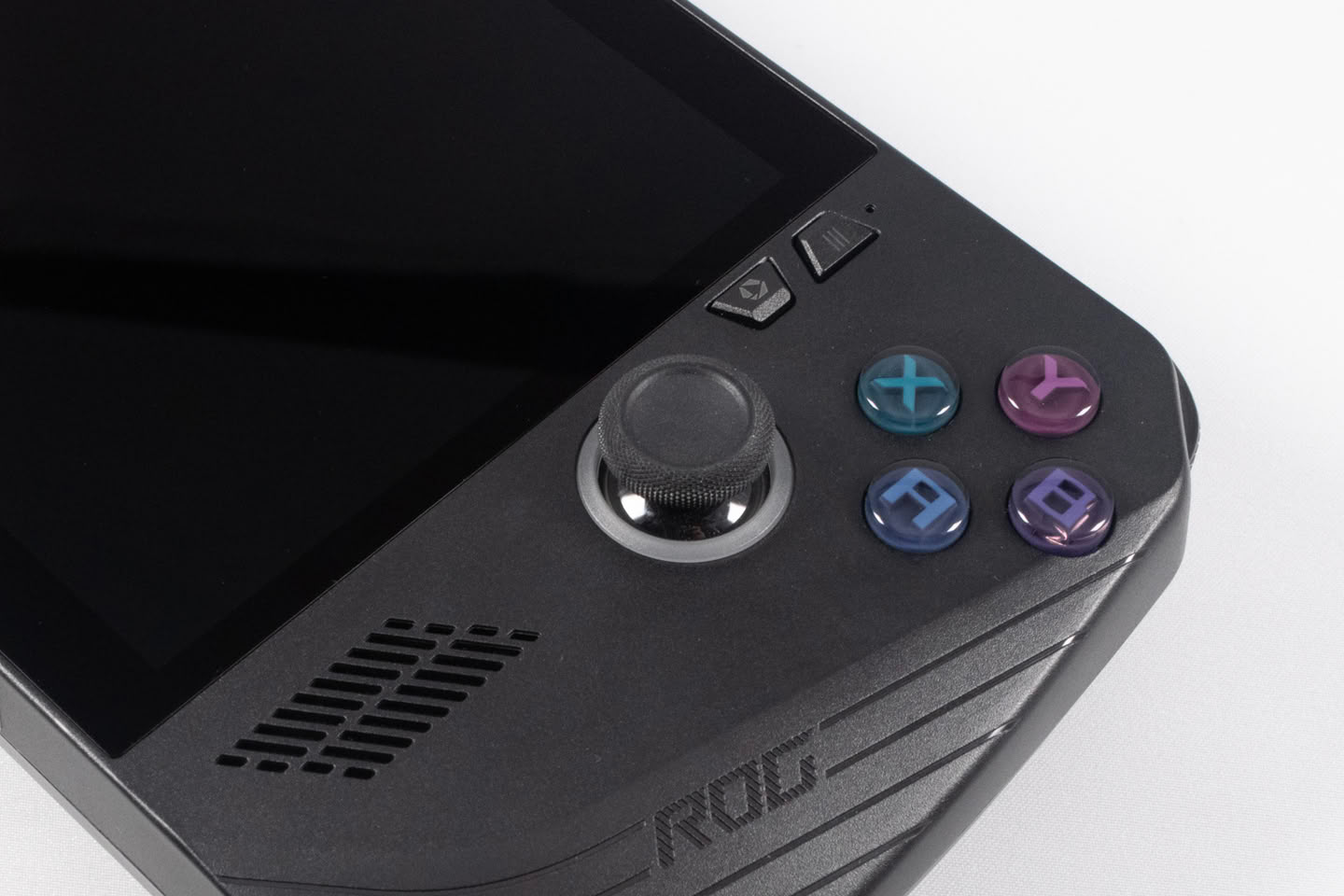

Ubisoft Lays Off 166 Staff at Its Montréal and Québec City Studios
Ubisoft is cutting another 166 jobs at its Montréal and Québec City studios, According to a statement given to GamesIndustry.biz, the cuts mostly affect production and support roles, and amount to under 4% of the total headcount of the two studios. It is reported that the layoffs mostly targeted staff with projects that were recently canceled or changed, including some members of Vantage Studios. That's the Tencent-backed subsidiary that runs heavy-hitters like Assassin's Creed, Far Cry, and Rainbow Six. Ongoing projects are apparently not affected by this round. Here's Ubisoft's statement:
UbisoftUbisoft is reducing its workforce by 166 positions across its Montréal and Québec City operations. As our portfolio evolves, our production needs are changing, requiring us to adjust the size of some teams to ensure our resources are aligned with current production priorities and business needs. We deeply value the contributions of these teams and recognise the impact this may have on our colleagues. We are committed to supporting them through this process with care and respect. Those affected are being provided with severance, extended health care benefits, career transition services and other resources.

INNOCN Black Friday Monitor Deals: Save on QD-OLED Gaming, Ultrawide and 4K Displays
Looking to upgrade your gaming setup or add more screen space to your workstation? INNOCN is running Black Friday offers on eight monitors at Amazon US from November 19 through November 30, 2026. The lineup covers fast gaming displays, expansive ultrawide screens and sharp 4K monitors for everyday productivity. Here are the deals worth checking out.
Gaming and ultrawide monitor deals
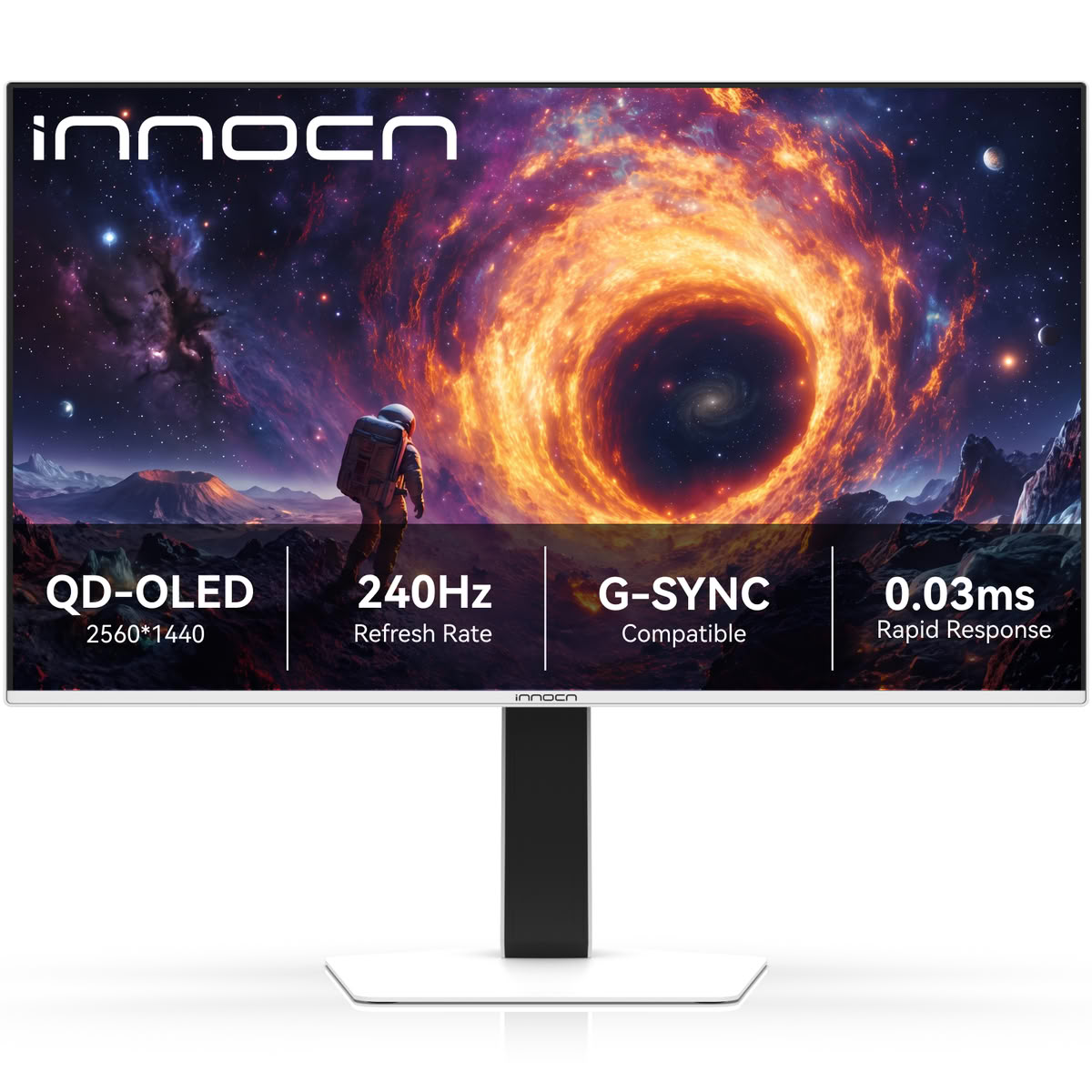
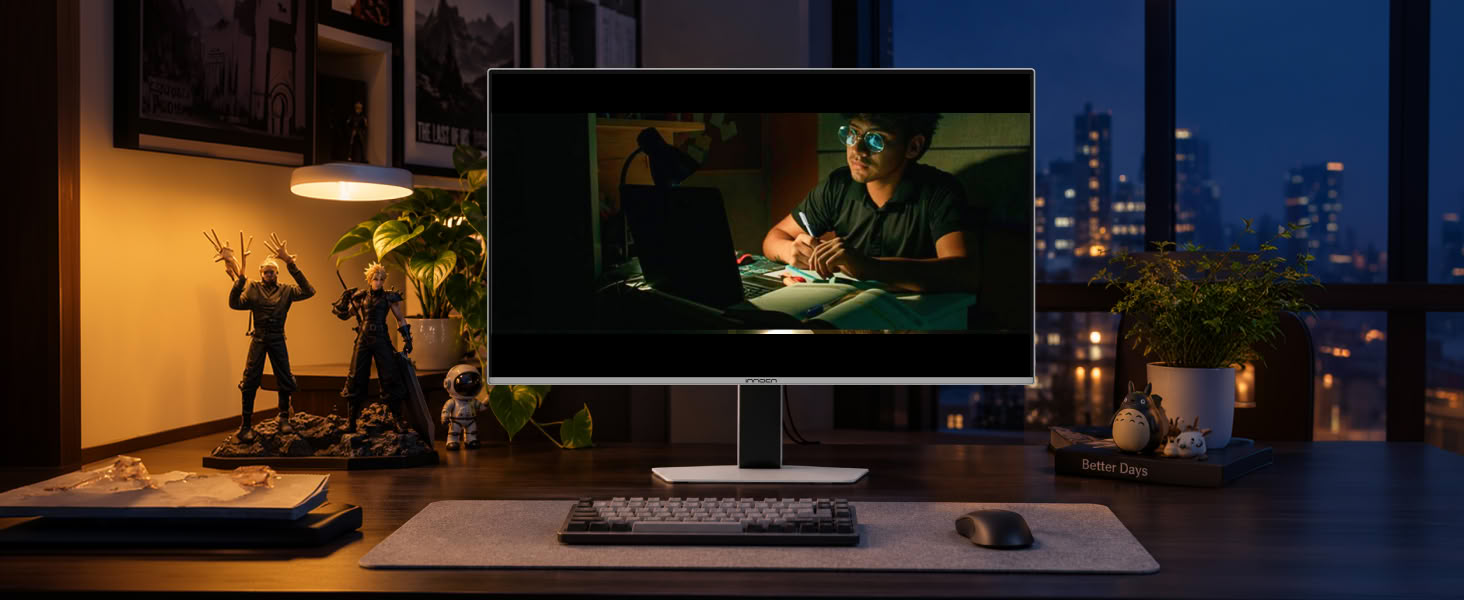
INNOCN 2780S is a 27-inch QD-OLED gaming monitor with 1440p resolution and a 240 Hz refresh rate, making it an option for players looking for a high-refresh display with OLED visuals. Normally $349.99, it is available for $279.99 during the sale (save $70.00).

Gaming and ultrawide monitor deals
INNOCN 2780S is a 27-inch QD-OLED gaming monitor with 1440p resolution and a 240 Hz refresh rate, making it an option for players looking for a high-refresh display with OLED visuals. Normally $349.99, it is available for $279.99 during the sale (save $70.00).

Seasonic Teases Imminent Launch of 3,200 W PRIME ENTERPRISE PX-3200 PSU
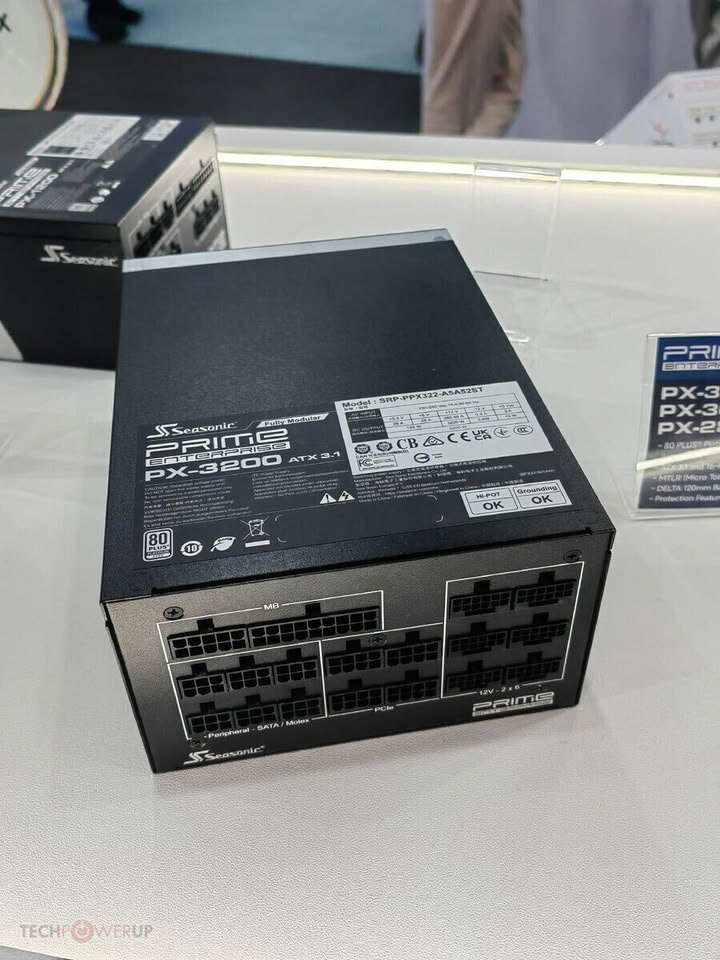
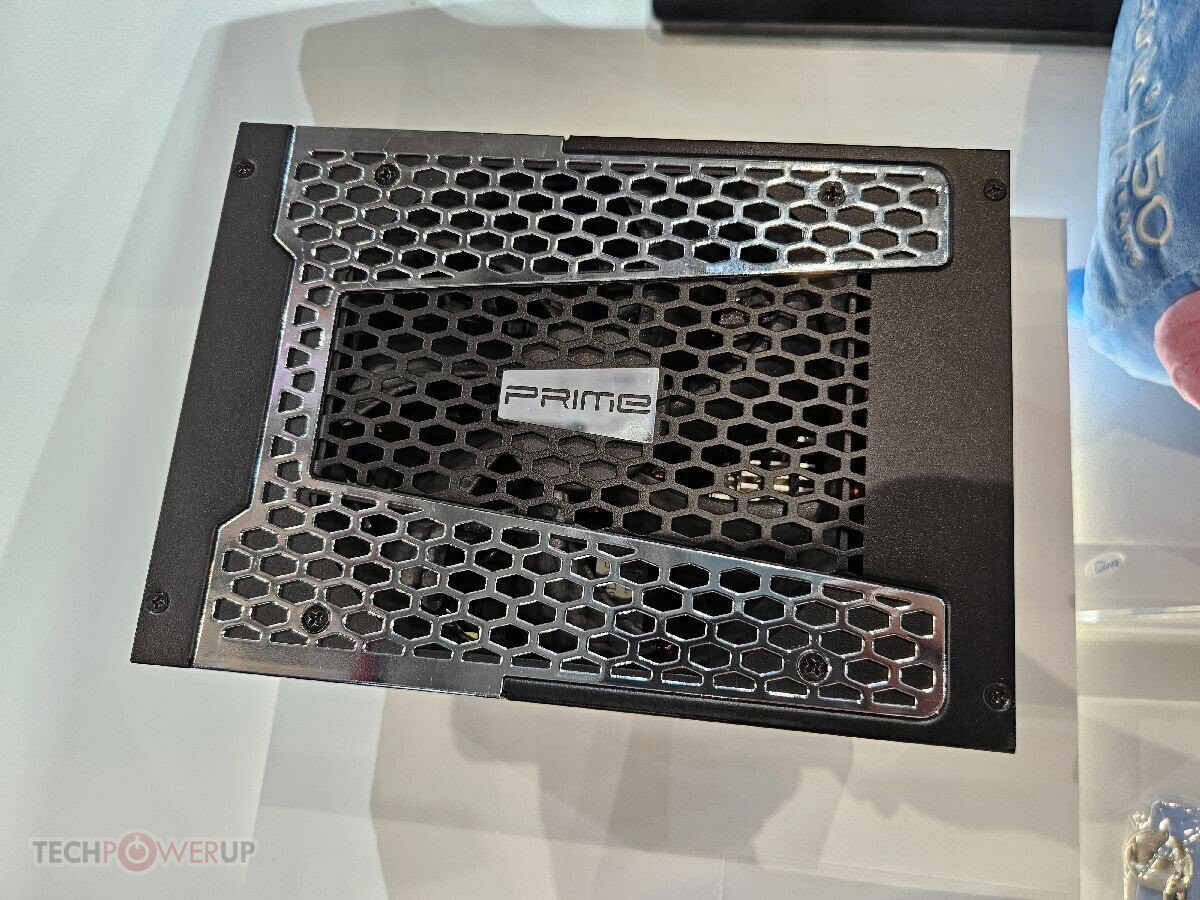
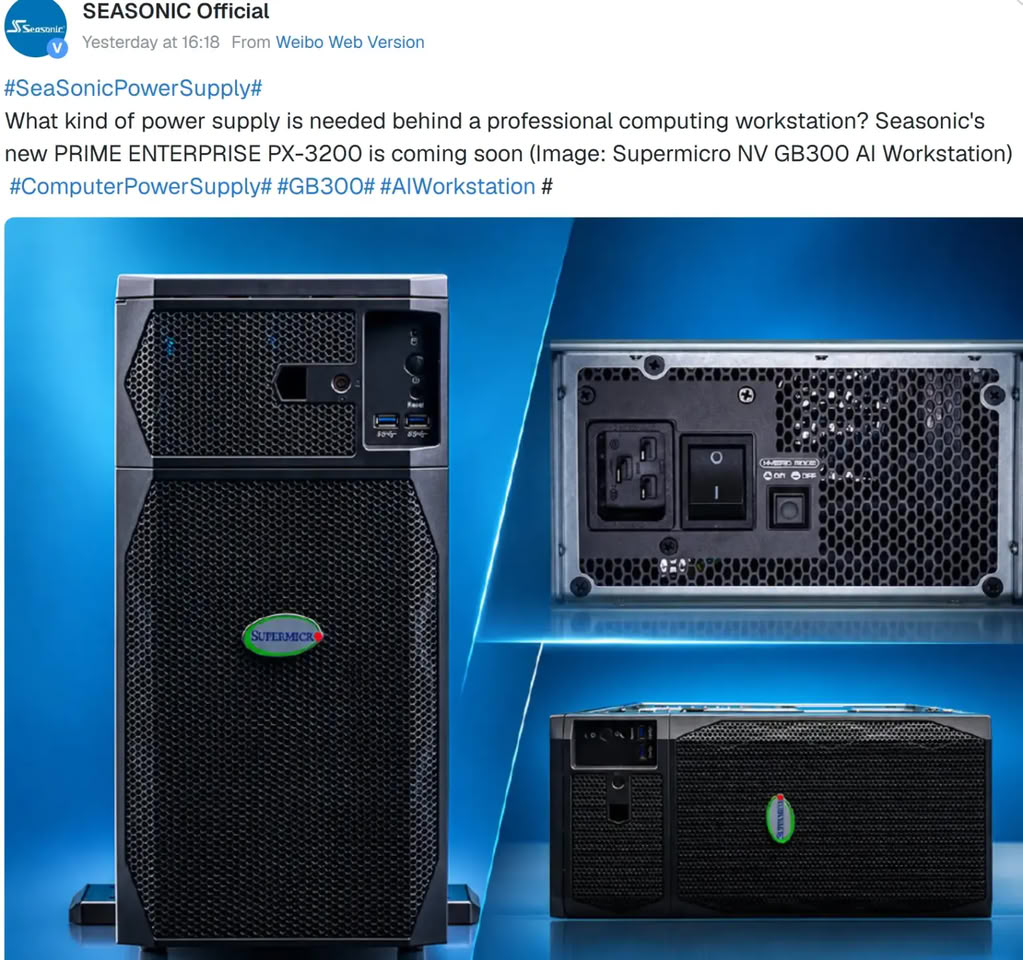
It looks like Seasonic's 3,200 W PRIME ENTERPRISE PX-3200 PSU is close to launch. As spotted by Videocardz, the company's official Weibo account posted that the new PSU is coming soon, attaching an image of Supermicro's NVIDIA GB300 AI workstation as well. The PX-3200 offers six 12V-2x6 connectors, ideal for feeding several high-end GPUs directly. It also carries 80 Plus Platinum and Cybernetics Platinum ratings, as far as efficiency goes. There's no official word on pricing or a public release date, but the post does suggest that the launch is just around the corner.
Seasonic first showed the PRIME PX-3200 at Computex 2025, so it's not exactly a new unit. Back then, the company quoted 266.7 A on a single +12 V rail, up to 94% efficiency at typical loads, and a 12-year warranty for that version. We saw the unit again at Computex 2026, this time under the PRIME ENTERPRISE banner, alongside 2,800 W and 3,000 W models aimed at multi-GPU workstations. For the show, Seasonic used two 3,200 W units to power a system with four NVIDIA RTX PRO 6000 Blackwell cards. At the time, Japanese outlet GDM reported that the series was shipping only to enterprise customers, with no consumer release planned. It's still unclear whether the "coming soon" in Seasonic's post points to retail availability.
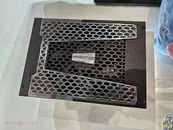

Seasonic first showed the PRIME PX-3200 at Computex 2025, so it's not exactly a new unit. Back then, the company quoted 266.7 A on a single +12 V rail, up to 94% efficiency at typical loads, and a 12-year warranty for that version. We saw the unit again at Computex 2026, this time under the PRIME ENTERPRISE banner, alongside 2,800 W and 3,000 W models aimed at multi-GPU workstations. For the show, Seasonic used two 3,200 W units to power a system with four NVIDIA RTX PRO 6000 Blackwell cards. At the time, Japanese outlet GDM reported that the series was shipping only to enterprise customers, with no consumer release planned. It's still unclear whether the "coming soon" in Seasonic's post points to retail availability.
Pay $25 once for Microsoft Office Pro 2021 and drop the Monthly Fees
Microsoft 365 is a money-hole for most people—you don't really need most of it, the plan bills you monthly or annually, and you lose full access to the apps when payments stop. To keep Office on your PC without a recurring charge, consider a Microsoft Office Professional 2021 for Windows lifetime license. You can get it for $24.97 (reg. $219.99) with code DEAL20.
Your license includes Word, Excel, PowerPoint, Outlook, OneNote, Access, and Publisher, plus the free version of Teams. Access comes with the Professional edition, so people who work with databases and records get it alongside the standard apps. This is a one-time purchase with no monthly or annual fees, and it isn't Microsoft 365.
Your license includes Word, Excel, PowerPoint, Outlook, OneNote, Access, and Publisher, plus the free version of Teams. Access comes with the Professional edition, so people who work with databases and records get it alongside the standard apps. This is a one-time purchase with no monthly or annual fees, and it isn't Microsoft 365.

Block Ads, Encrypt Traffic—This AdGuard Bundle is $44 This Week
A VPN and an ad blocker usually come as two separate subscriptions, with two renewal dates to keep track of. A simpler option is the AdGuard VPN + Ad Blocker Family Security Suite, a bundle with a 5-year VPN subscription and a lifetime ad blocker subscription. Code DEAL20 brings the price to $43.99 (reg. $439.39).
AdGuard VPN encrypts your internet connection and routes it through servers in more than 60 locations around the world. Connecting through another country gets you past geographic restrictions on websites and streaming services. AdGuard uses its own VPN protocol for faster, more secure connections, and its zero-logging policy means your personal data and browsing activity aren't collected.
AdGuard VPN encrypts your internet connection and routes it through servers in more than 60 locations around the world. Connecting through another country gets you past geographic restrictions on websites and streaming services. AdGuard uses its own VPN protocol for faster, more secure connections, and its zero-logging policy means your personal data and browsing activity aren't collected.

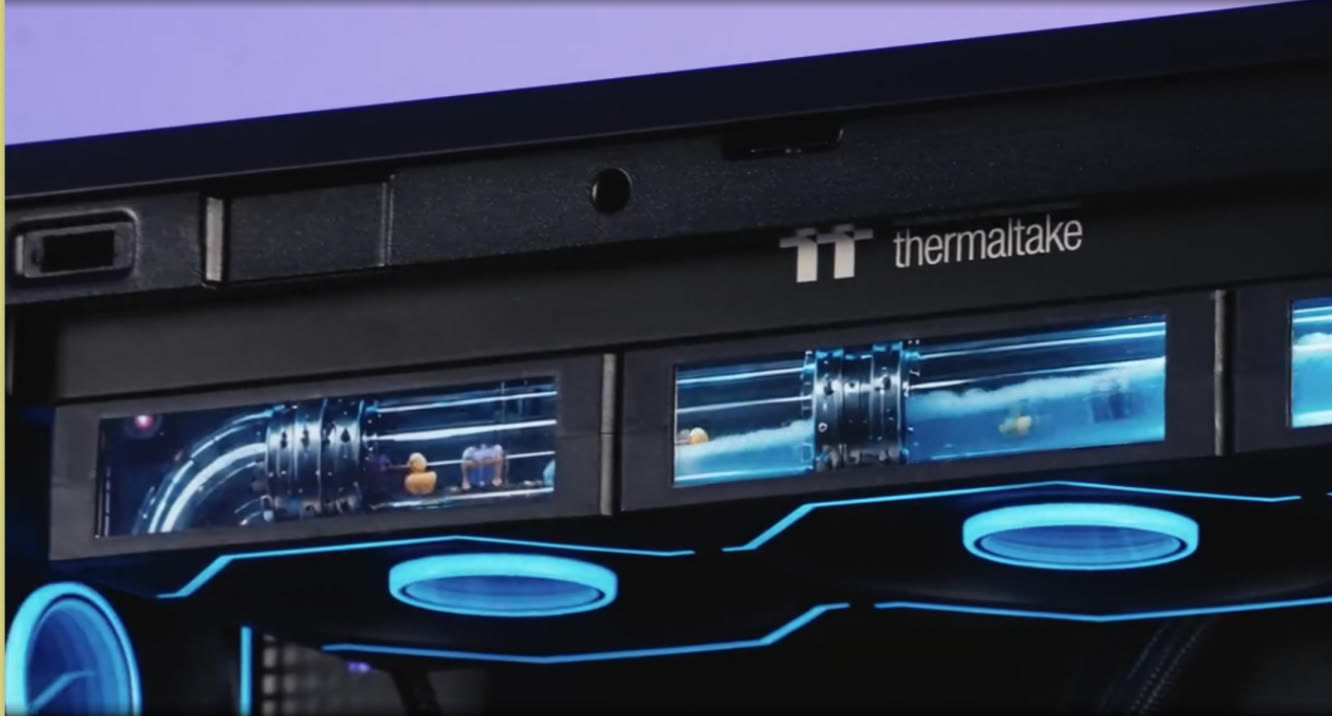
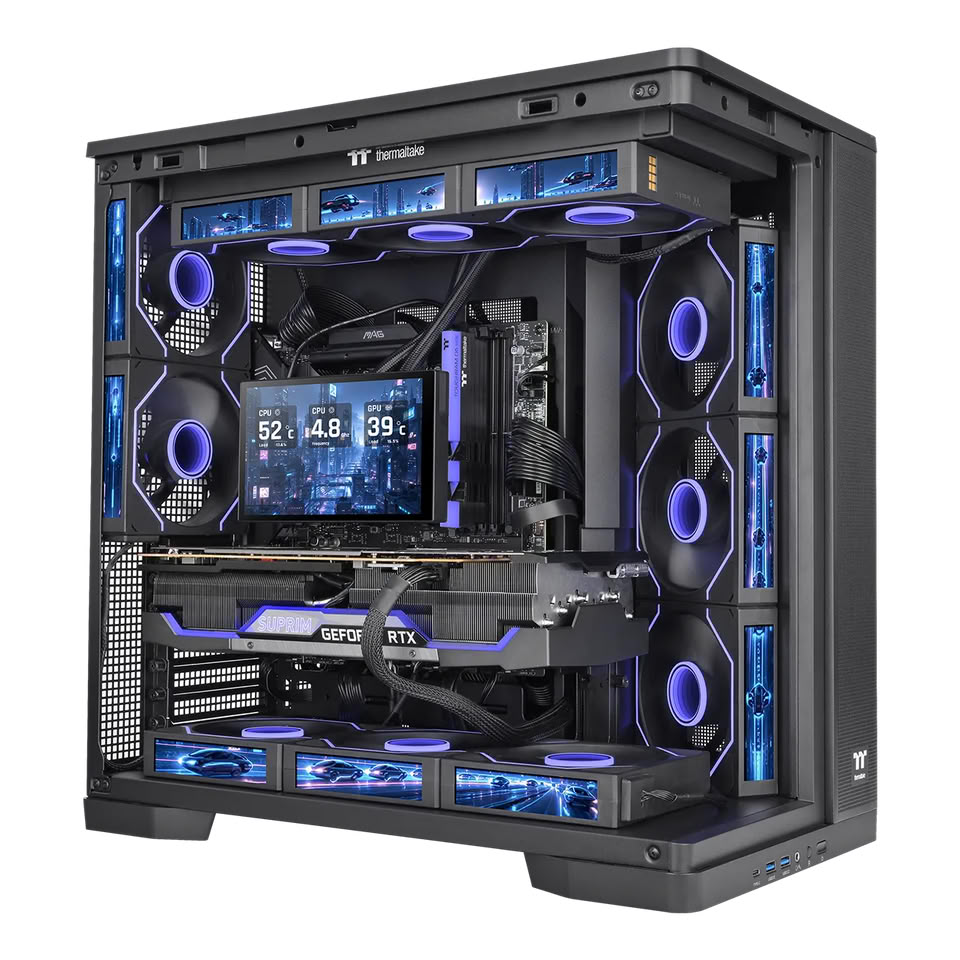
Thermaltake's New 120 mm PC Case Fans Have Tiny Screens for Real-Time Monitoring or Built-In Games
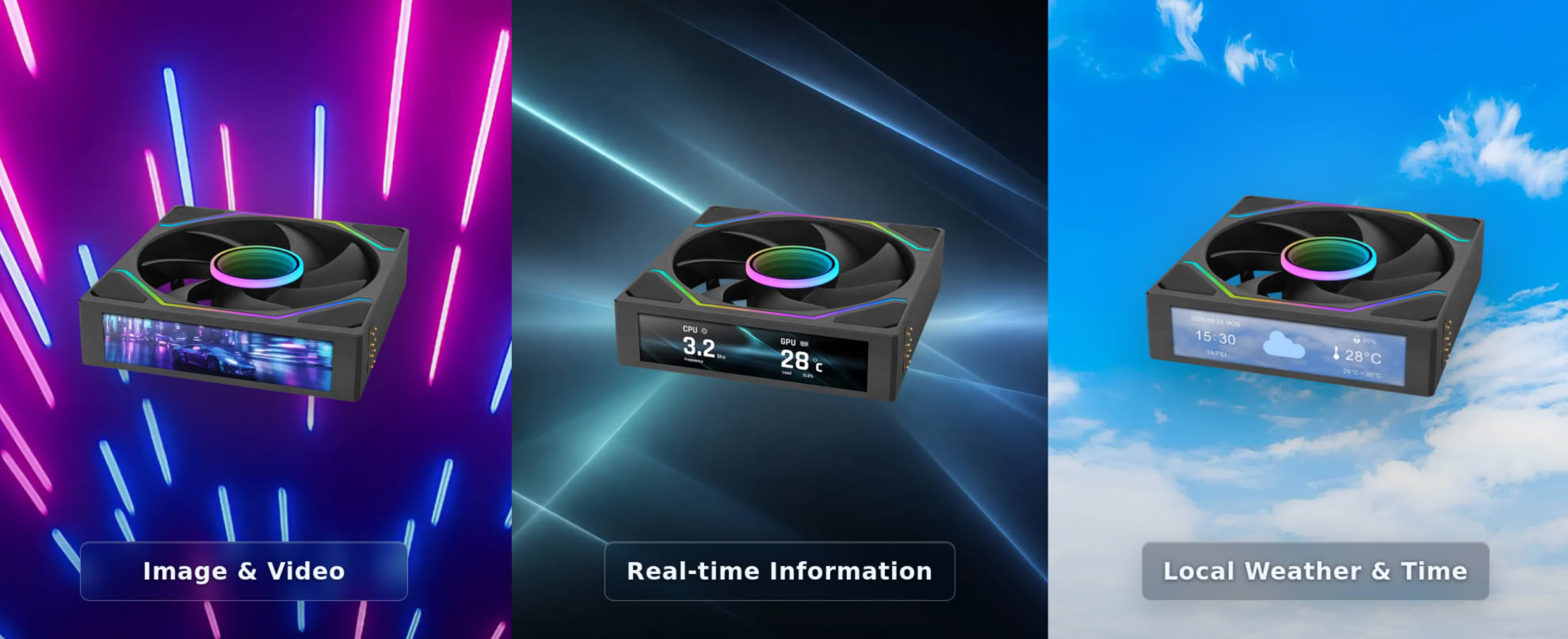
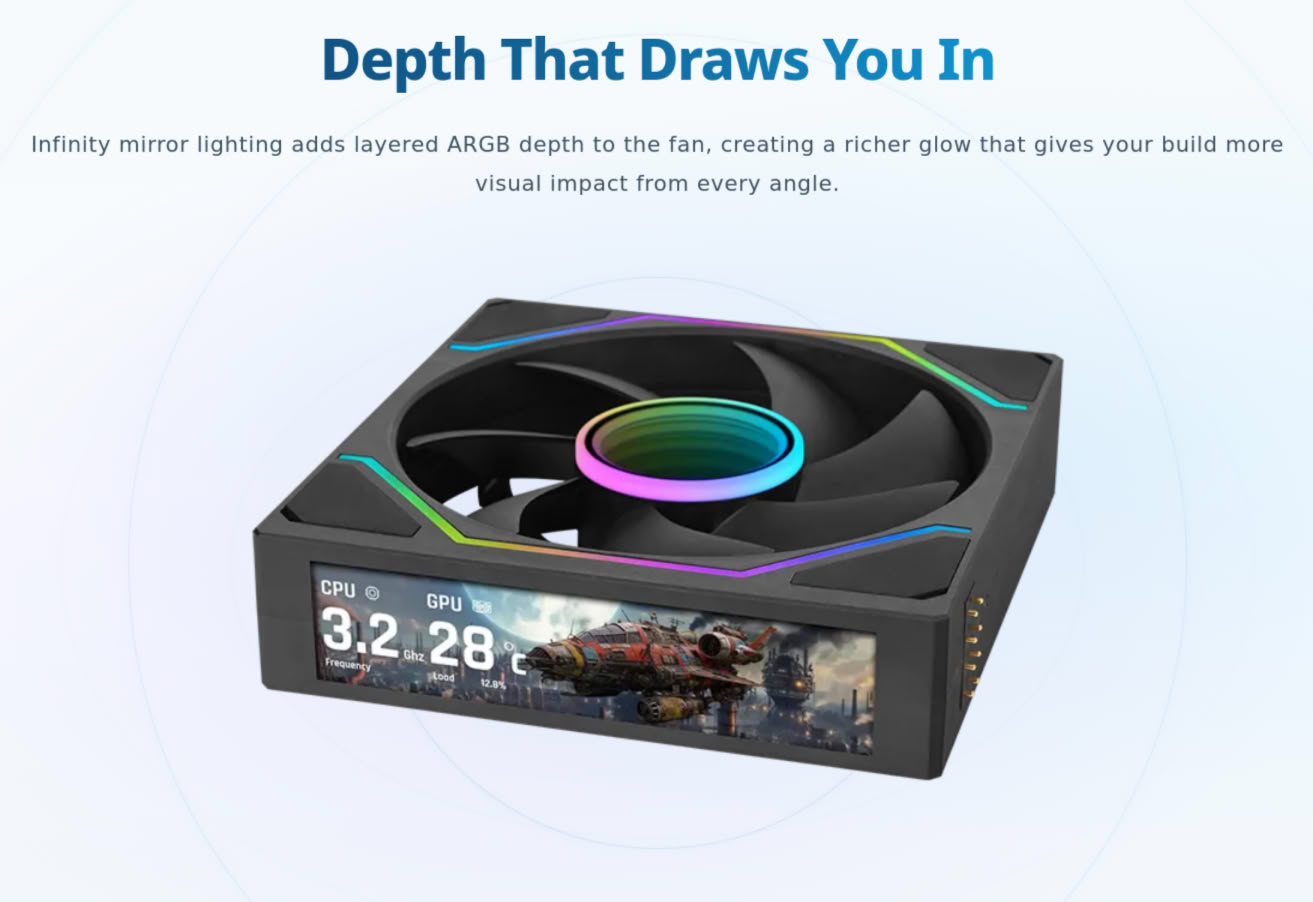
Thermaltake is no stranger to weird and wonderful DIY PC cooling accessories, but its latest fan model, the Swafan Ultra 120, takes things to another level, incorporating a tiny 4-inch LCD on the side of each fan for additional case customization and various other shenanigans. The Swafan Ultra's displays automatically connect and sync up in a daisy-chain configuration, and they can be controlled from the TT RGB Plus 3.0 software, where you can upload images and animations, display real-time system information, and show the local weather and time.
The built-in controller in the Swafan Ultra also has two built-in retro mini-games: RGB runner is a side-scroller run-and-jump game, and Crazy Climber is a vertical climbing game. As was the case with previous Swafan models, the Swafan Ultra features magnetic, modular fan cables and easy-to-remove fan blades for easy cleaning. Each Swafan Ultra kit will come with both conventional fan blades and reverse fan blades for each fan frame, enabling various airflow setups in custom PC builds.
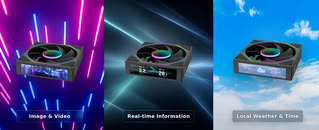
The built-in controller in the Swafan Ultra also has two built-in retro mini-games: RGB runner is a side-scroller run-and-jump game, and Crazy Climber is a vertical climbing game. As was the case with previous Swafan models, the Swafan Ultra features magnetic, modular fan cables and easy-to-remove fan blades for easy cleaning. Each Swafan Ultra kit will come with both conventional fan blades and reverse fan blades for each fan frame, enabling various airflow setups in custom PC builds.
JAPANNEXT Launches JN-X6K2 31.5-inch 6K IPS Display for Content Creators
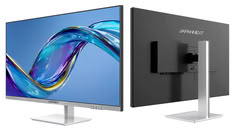
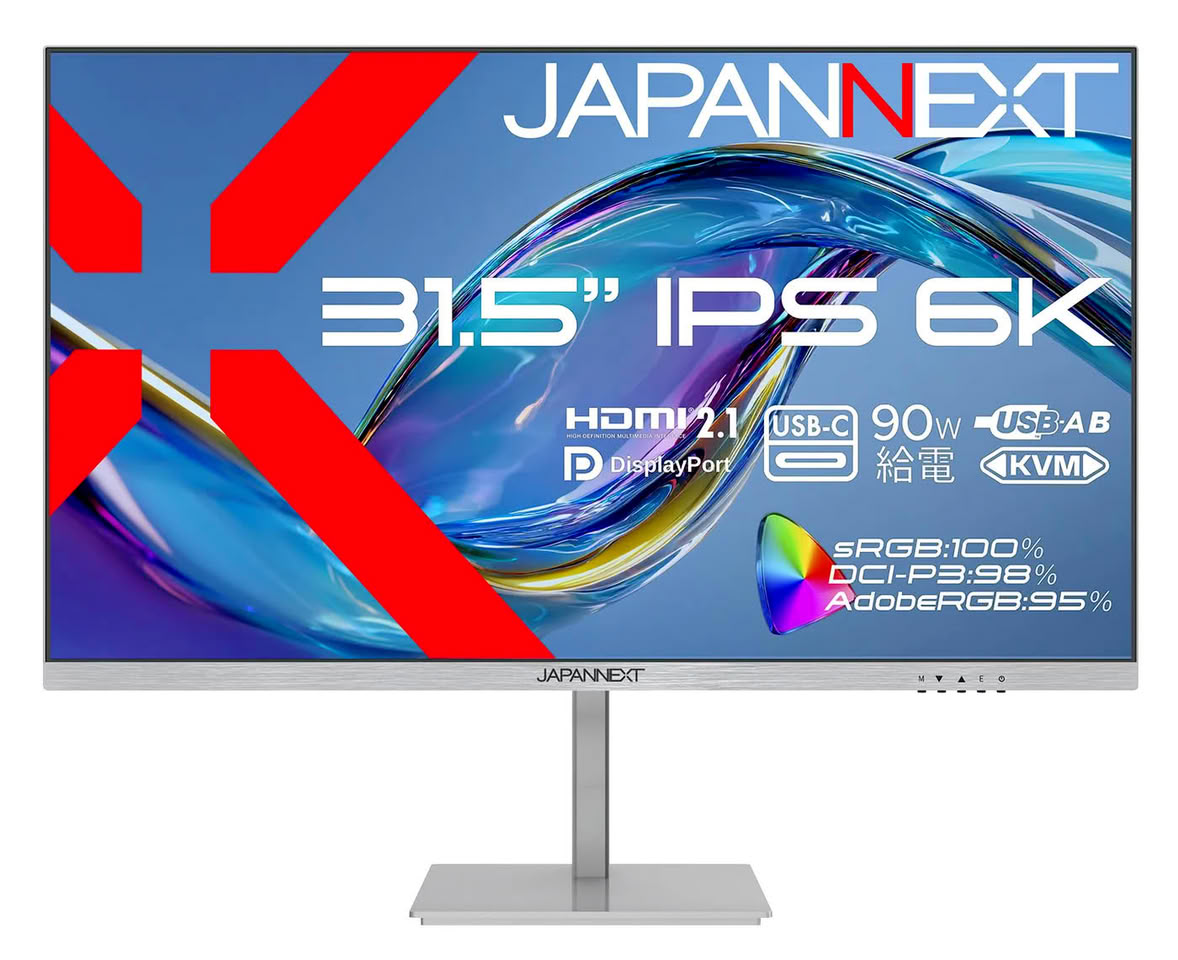
JAPANNEXT has launched the JN-X6K2, a 31.5-inch 6K monitor aimed at content creators. The display uses an IPS (AHVA) panel with 6016 x 3384 resolution, a 60 Hz refresh rate and 7 ms (GtG) response time. It has a matte, non-glossy surface, with 300 nits of brightness, a 2,000:1 contrast ratio, and HDR support. The JN-X6K2 covers 100% of the sRGB color space, 98% of DCI-P3, and 95% of Adobe RGB. JAPANNEXT also lists factory color calibration and includes a calibration report, although it has not provided exact Delta E figures. The panel offers 178-degree horizontal and vertical viewing angles. Other features include Adaptive-Sync and flicker-free. It offers two HDMI 2.1 ports, one DisplayPort 1.4 input, and one USB-C port with up to 90 W power delivery. All three interfaces support native 6K resolution at 60 Hz.
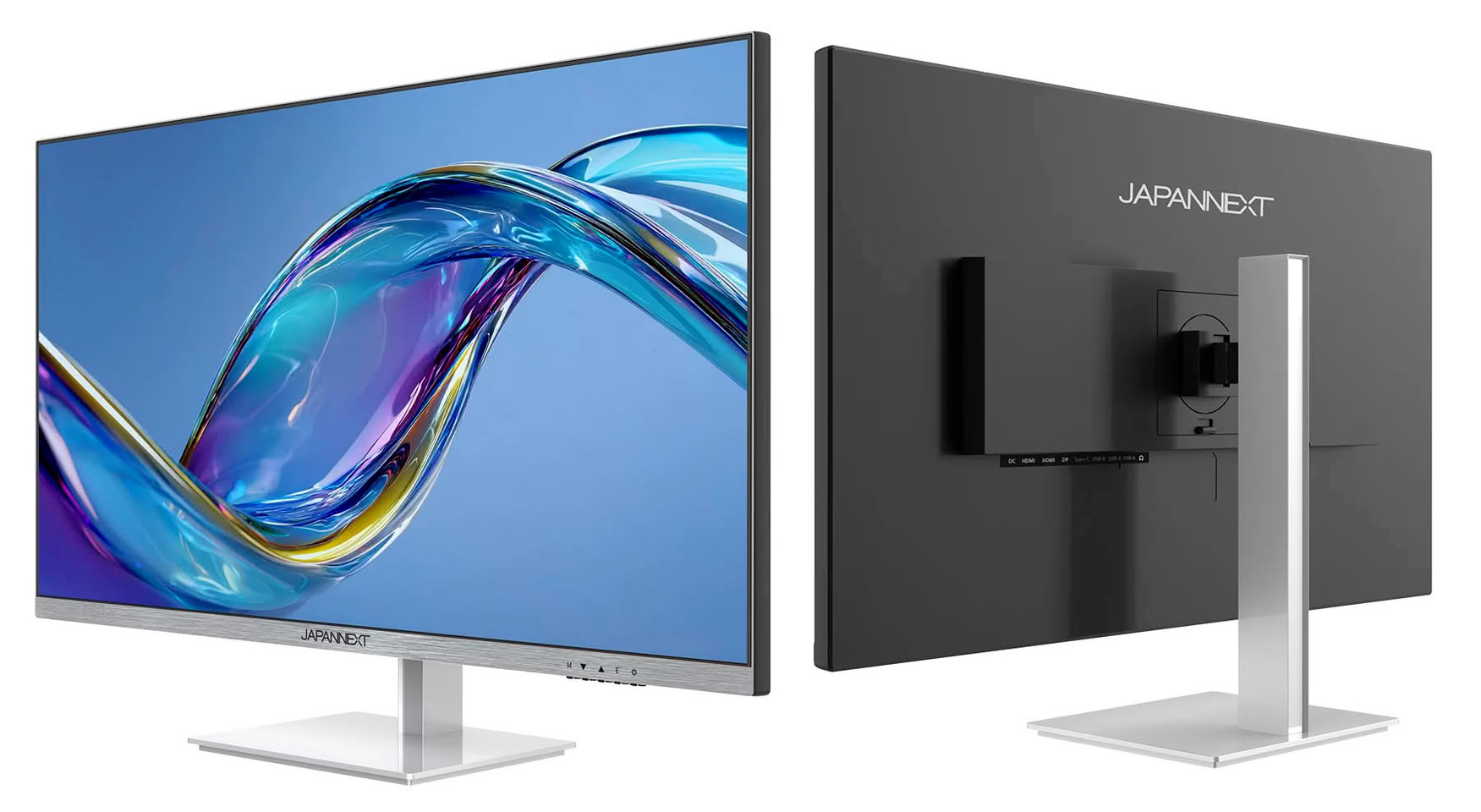
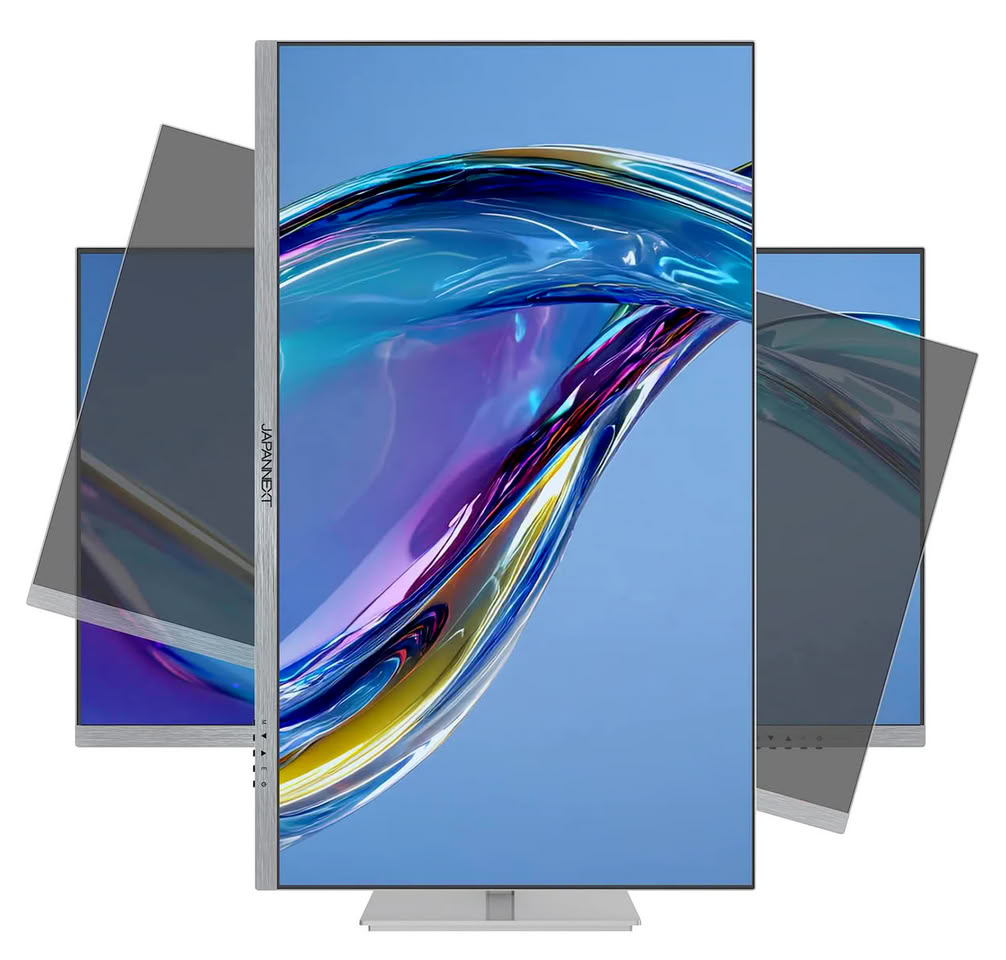
The monitor also includes a USB 3.0 hub with two USB-A ports and one USB-B upstream. The KVM function allows users to share a keyboard and mouse between connected systems. PBP and PIP modes are also supported for displaying multiple input sources simultaneously. The monitor includes two built-in 5 W speakers, an audio output, and a stand with height adjustment, pivot, and 30-degree swivel. 100 x 100 mm VESA mounting is also supported. JAPANNEXT lists the JN-X6K2 in Japan for ¥169,800, including tax, or approximately $1,062. The monitor comes with a two-year manufacturer's warranty.


The monitor also includes a USB 3.0 hub with two USB-A ports and one USB-B upstream. The KVM function allows users to share a keyboard and mouse between connected systems. PBP and PIP modes are also supported for displaying multiple input sources simultaneously. The monitor includes two built-in 5 W speakers, an audio output, and a stand with height adjustment, pivot, and 30-degree swivel. 100 x 100 mm VESA mounting is also supported. JAPANNEXT lists the JN-X6K2 in Japan for ¥169,800, including tax, or approximately $1,062. The monitor comes with a two-year manufacturer's warranty.
Ubisoft Merges "For Honor" and "The Crew" Team with Casual Game Division
Ubisoft started a massive organizational overhaul in January 2026, rearranging its various studios into five Creative Houses, each of which would be responsible for the funding, creative direction and development, and branding of the games under its purview. In Ubisoft's recent H1 financial report, the gaming giant says that it has officially concluded that restructuring effort—which has led to significant layoffs over the course of the year—with the combination of Creative House 3 and Creative House 5 into a single entity.
Creative House 2, which includes iconic franchises like The Division, Ghost Recon and Splinter Cell alongside March of Giants, has been named Massive Entertainment. Creative Houses 3 and 5 have been combined under the leadership of Julien Bares to leverage synergies between Live experiences across platforms. With the appointment of an external General Manager for Creative House 4, who will join in January, all Creative House leadership positions are now filled.


TechPowerUp Formula V Line Giveaway: Entries Close Soon, Hurry!
TechPowerUp, in partnership with Formula V Line brings our readers from all over the world a unique chance to bag one of a dozen pieces of Formula V Line hardware, including cases, AIO liquid CPU coolers, and case fans. The first lucky winner gets a Formula V Line G10 case, plus an Ice Nova Pro 3 CPU cooler, and a set of three Air Bridge VT Vision case fans. The second lucky winner gets a Formula V Line G10 case, and an Ice Nova Pro 3 cooler. The third lucky winner gets a Formula V Line G10 case. Winners 4th thru 10th get a selection of Ice Nova Pro 3 coolers and Air Bridge VT Vision 3-fan sets. Sounds good? Well, you better hurry as entries close tomorrow, November 20.
For more details, and to participate, visit this page.
For more details, and to participate, visit this page.


Valve Ditches Steam Machine Reservations but Warns of Price Hikes and Shortages
Valve officially released the Steam Machine in mid-2026 with a reservation program and limitations on per-customer sales in order to minimize the impact of the ongoing RAM crisis and ensure that as many people as possible got a fair shout at buying a living room console-PC hybrid. Now, nearly five months after the console's initial launch, Valve has dropped the Steam Machine's reservation program and started selling the device to the public. At the time of the announcement, Valve had stock of the 512 GB Steam Machine, but it has not yet cleared out the existing reservation queue of the 2 TB unit. However, the announcement that the Steam Machine's general availability also comes with a warning that supply and pricing aren't guaranteed.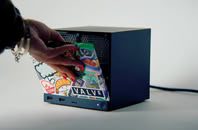
We are continuing to build more Steam Machine units, but memory and storage costs continue to increase at unprecedented levels; as a result we don't yet know the number we are able to make, and at what price we'll be able to offer them. The 2 TB model in particular will be especially constrained.
We anticipate having more information to share come January.

Windows 7 Gets Unofficial DirectX 12 Support for Modern GPUs
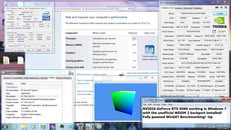
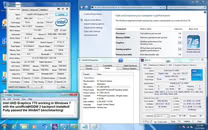
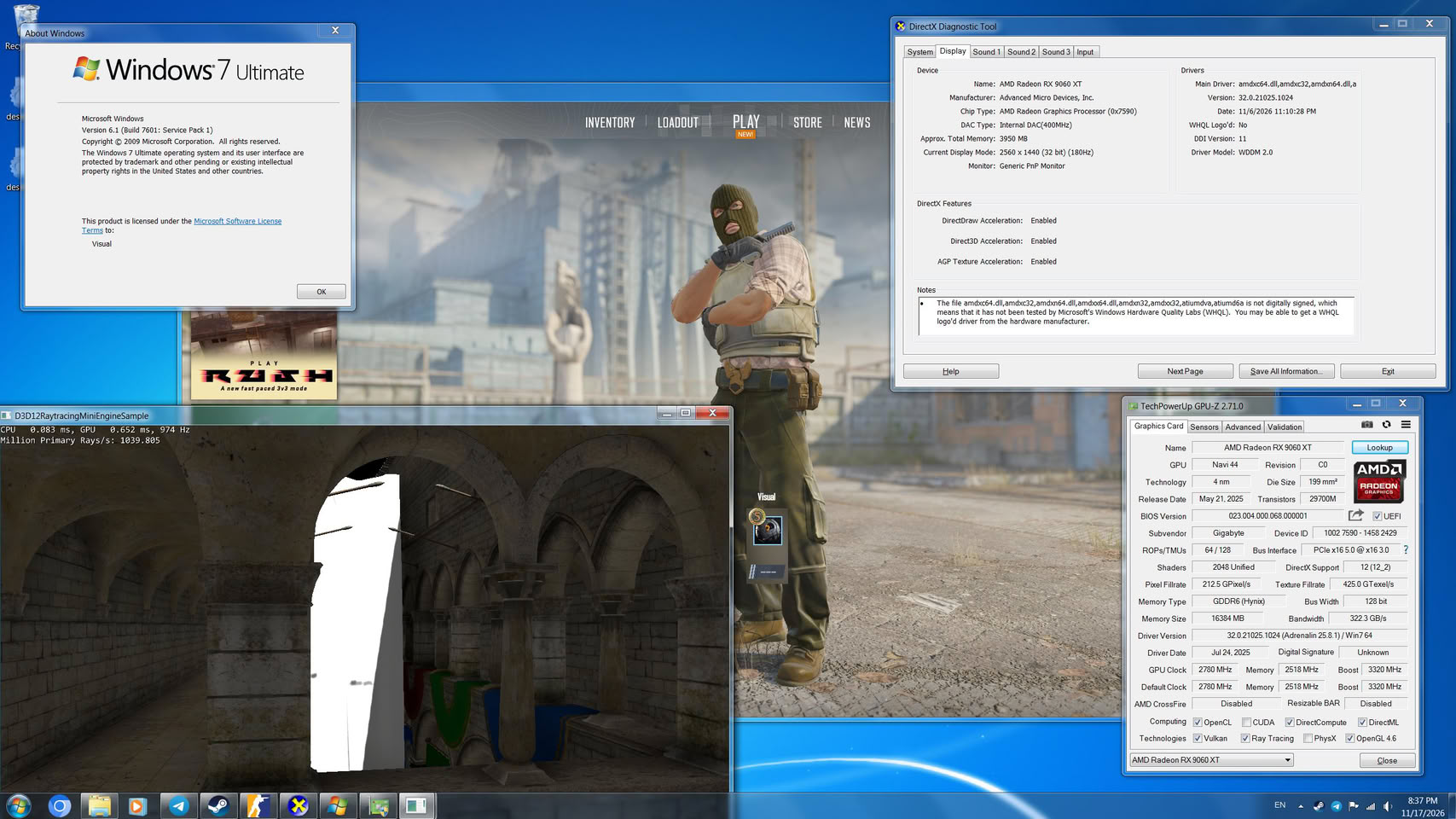
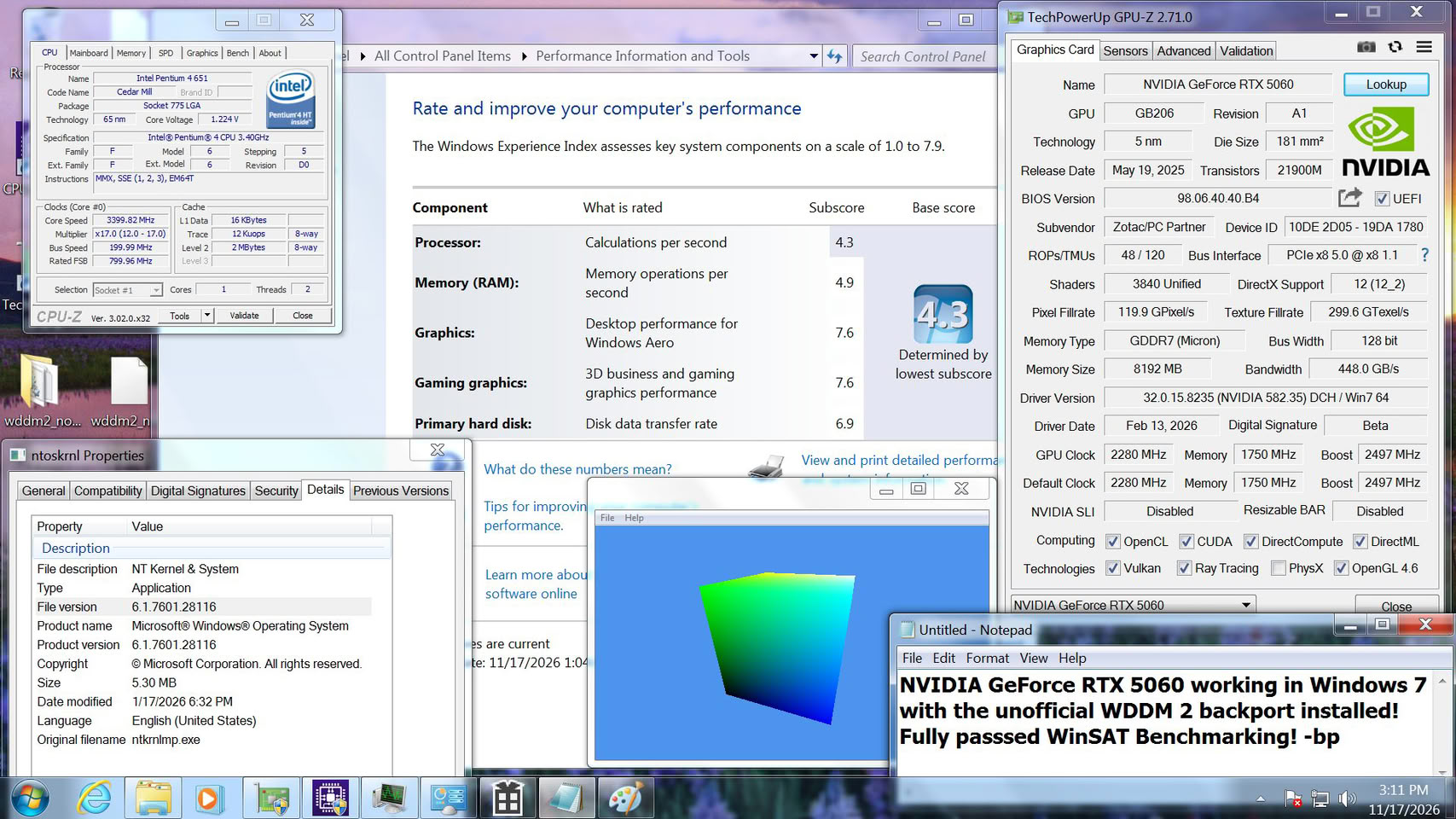
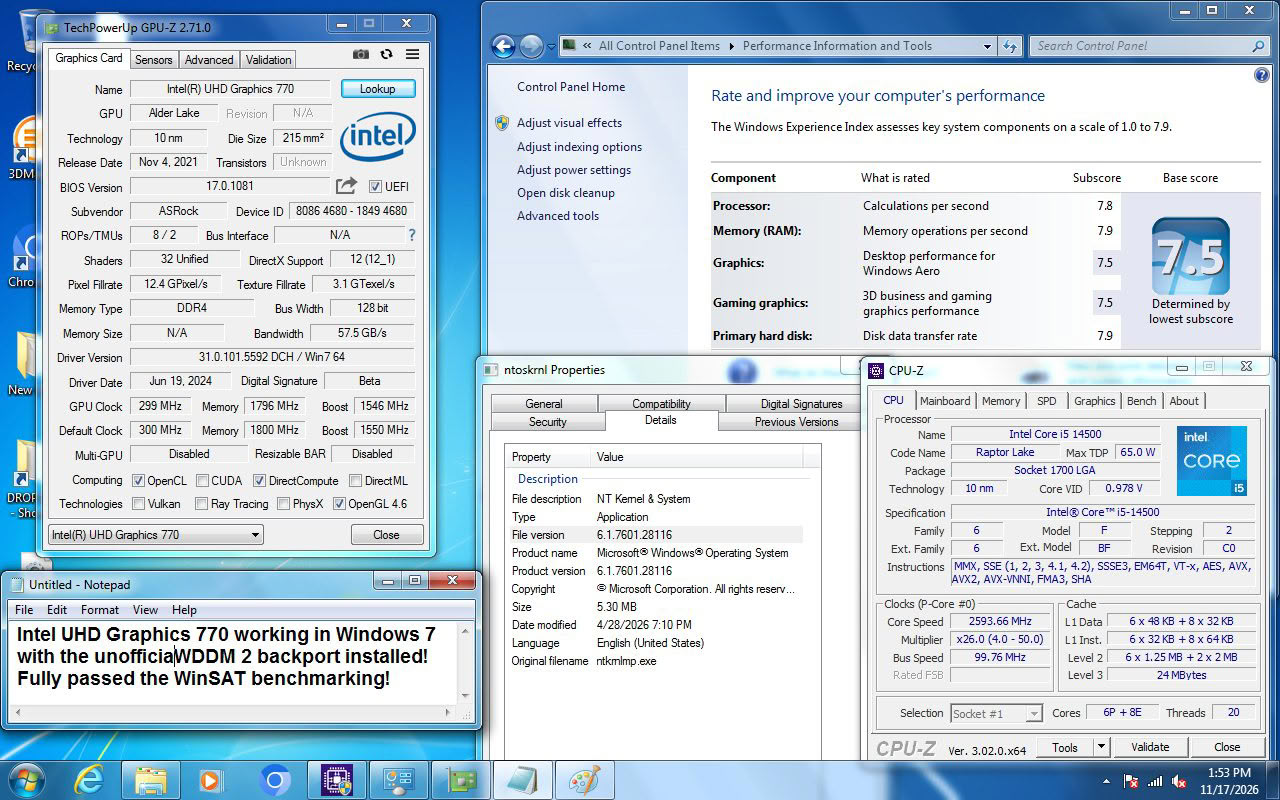
Windows 7 was a beloved operating system for many, and if you're still running a machine with that OS, this release might be for you. Three Windows 7 enthusiasts have managed to get current-generation GPUs and DirectX 12 running on Microsoft's 17-year-old OS. Bob Pony shared the project on X, called WDDM2Win7, an unofficial backport of the Windows Display Driver Model (WDDM) 2. The screenshots show Intel UHD Graphics 770, an NVIDIA GeForce RTX 5060, and an AMD Radeon RX 9060 XT, all detected in TechPowerUp's GPU-Z and running in Windows 7. According to the developer, GeForce RTX 40-series and 50-series cards, as well as Radeon RX 7000 and RX 9000 series cards, work. Intel UHD and Xe graphics are also supported, and DirectX 12 works as well.
Windows 7 originally shipped with WDDM 1.1, while WDDM 2.0 arrived alongside Windows 10 in 2015, bringing DirectX 12 along with it. Microsoft then brought DirectX 12 to Windows 7 in 2019, though only as a user-mode runtime. Individual games like World of Warcraft had to ship it themselves, which limited compatibility. The developers behind this project also backported the Steam client beta to Windows 7 last December after Valve dropped support for the OS in early 2024. As for WDDM2Win7, there is still plenty of testing to be done, but so far there are screenshots showing various GPUs being detected and some DX12 games working. Windows 7 stopped getting free security updates in January 2020, so if you have to try this, make sure it is on a secondary or offline machine.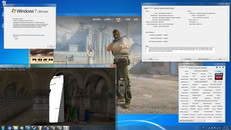
Windows 7 originally shipped with WDDM 1.1, while WDDM 2.0 arrived alongside Windows 10 in 2015, bringing DirectX 12 along with it. Microsoft then brought DirectX 12 to Windows 7 in 2019, though only as a user-mode runtime. Individual games like World of Warcraft had to ship it themselves, which limited compatibility. The developers behind this project also backported the Steam client beta to Windows 7 last December after Valve dropped support for the OS in early 2024. As for WDDM2Win7, there is still plenty of testing to be done, but so far there are screenshots showing various GPUs being detected and some DX12 games working. Windows 7 stopped getting free security updates in January 2020, so if you have to try this, make sure it is on a secondary or offline machine.
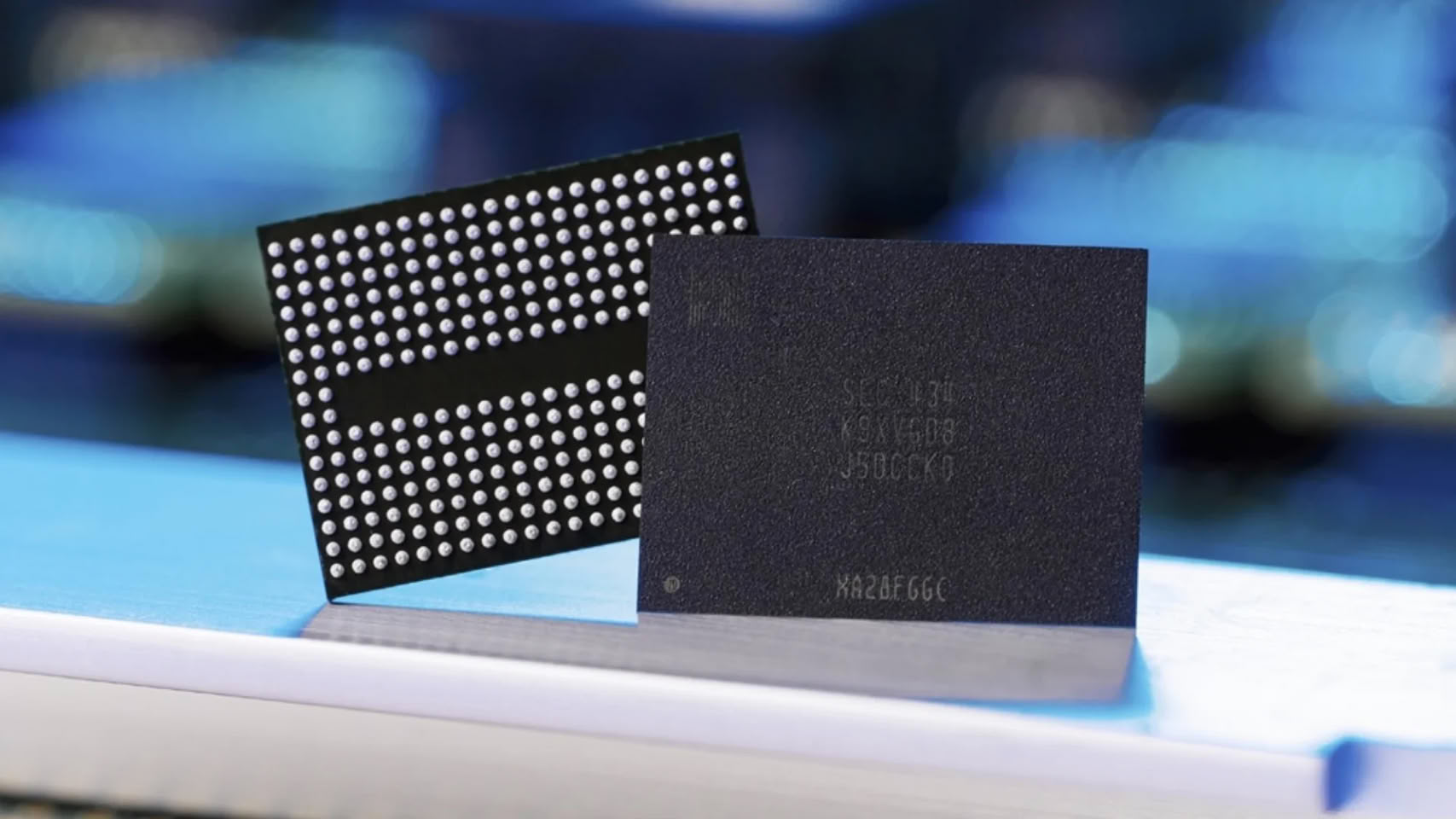
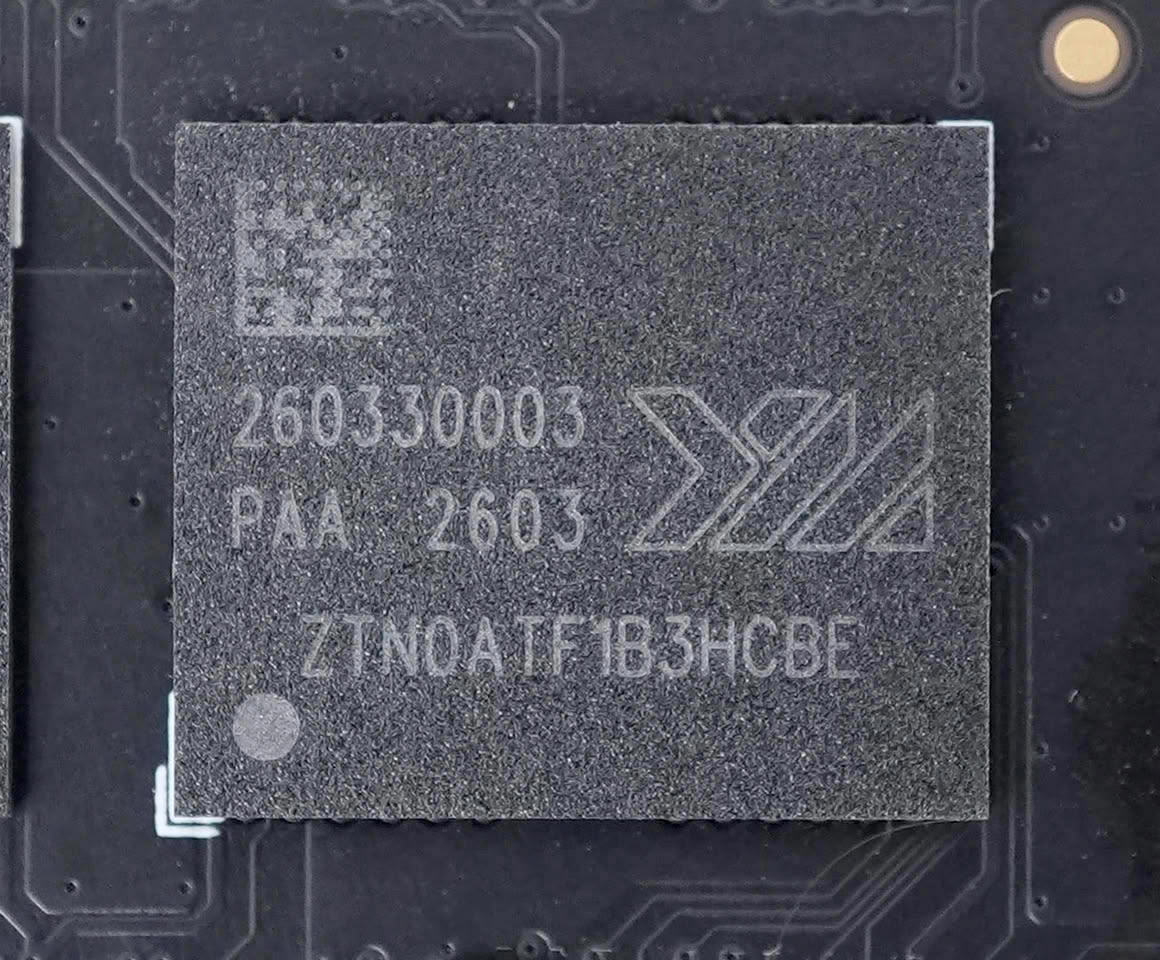
NAND Spot Prices Slide 20% in Weeks as Consumer Demand Dries Up
NAND flash appears to be finally getting cheaper, at least on the spot market. According to the Seoul Economic Daily, spot prices for NAND flash have dropped roughly 20% since the second half of October. TrendForce says the drop in price took just two weeks, as Chinese traders dumped inventory. A 512 Gb wafer now goes for about $14.30, which is 32% below last quarter, and 1 Tb products are down 19% to $24.90. Apparently, the reasoning is weak consumer demand, since buyers are now delaying upgrades due to high prices. Moreover, phone manufacturers are trimming base storage specs, and PC makers are selling through their existing stock as shipments continue to fall.
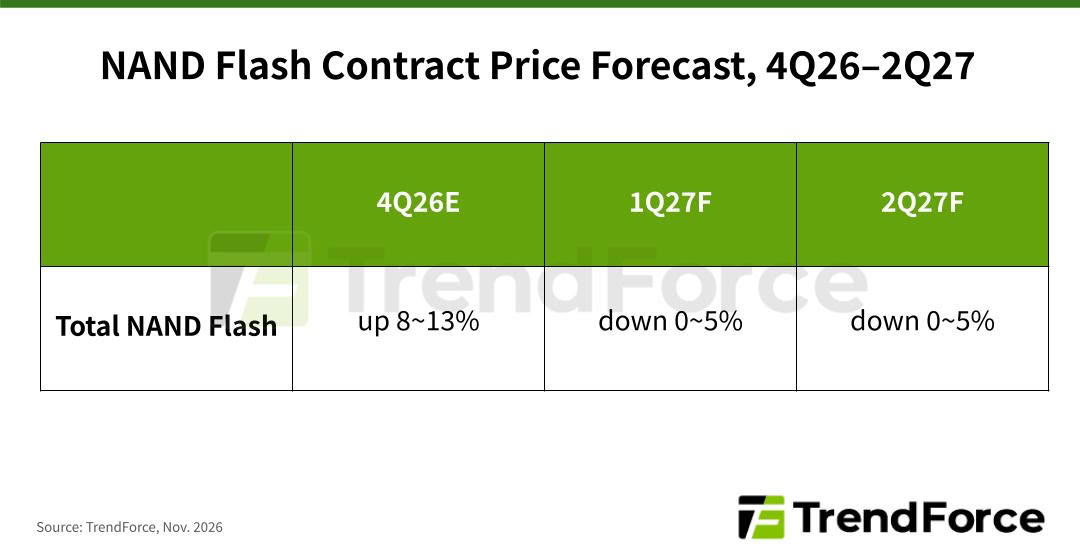
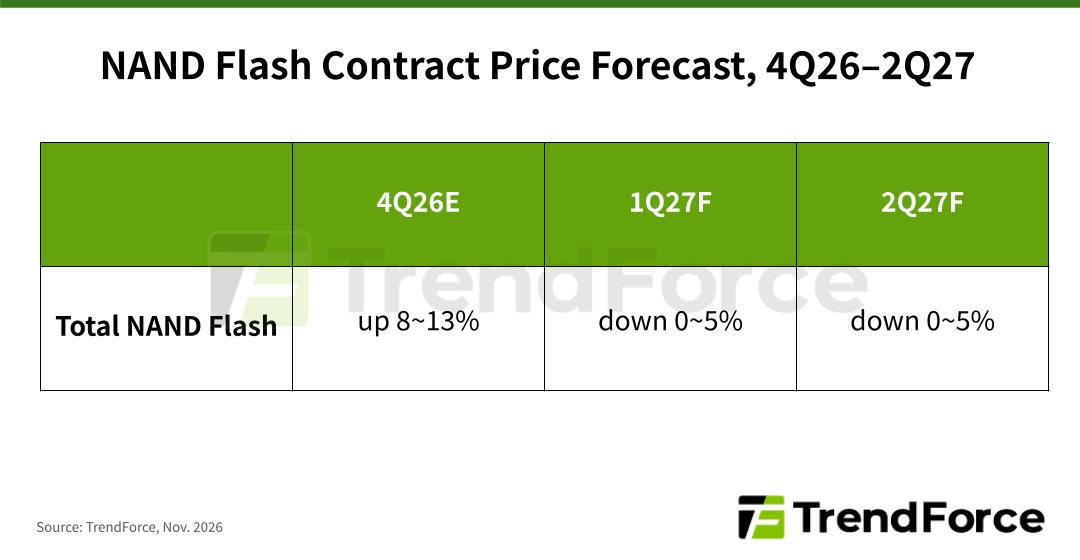
That's the spot side of the story, but contract prices run on long-term deals and have been slower to react. Bank of America reportedly expects smartphone and PC NAND contract prices to fall 5-10% QoQ in Q1 2027, while enterprise products are expected to hold flat or slightly creep up. TrendForce also expects overall NAND contract prices to slip 0-5% in Q2 2027. In light of all these predictions, it looks like there is some relief on the horizon as far as NAND prices go. That's a turnaround from early reports that predicted the shortage would last at least three more years. However, now it looks like SSD prices will continue to fall slowly but surely into 2027, at least on the consumer side.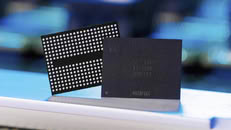
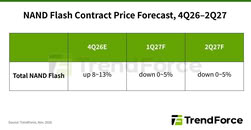
That's the spot side of the story, but contract prices run on long-term deals and have been slower to react. Bank of America reportedly expects smartphone and PC NAND contract prices to fall 5-10% QoQ in Q1 2027, while enterprise products are expected to hold flat or slightly creep up. TrendForce also expects overall NAND contract prices to slip 0-5% in Q2 2027. In light of all these predictions, it looks like there is some relief on the horizon as far as NAND prices go. That's a turnaround from early reports that predicted the shortage would last at least three more years. However, now it looks like SSD prices will continue to fall slowly but surely into 2027, at least on the consumer side.
Tuxedo Launches InfinityBook Pro 15 Gen11 Lightweight Linux Ultrabook with Ryzen AI 9
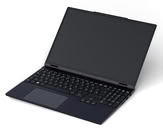
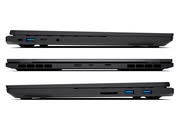
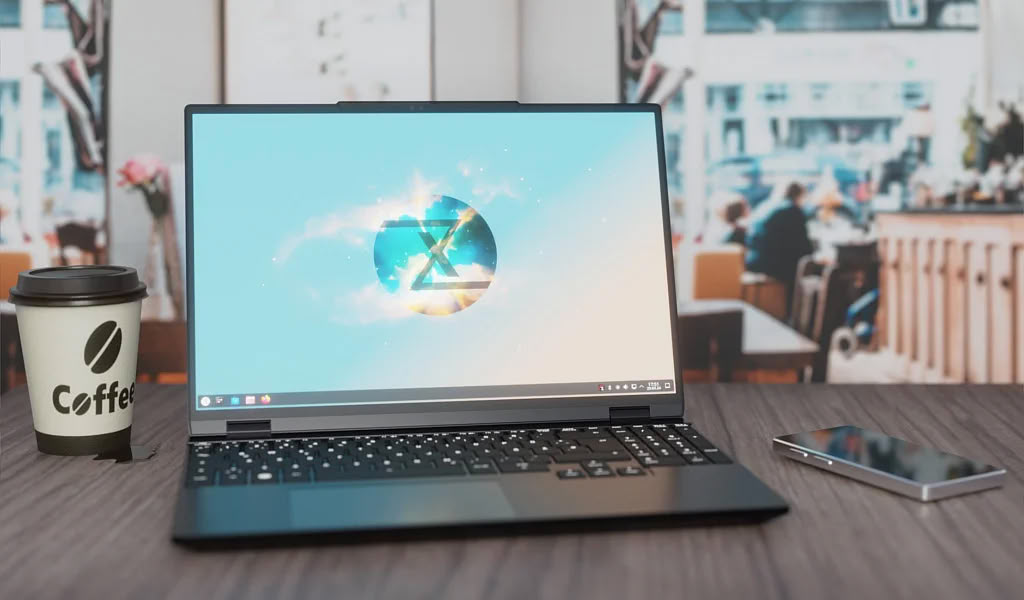
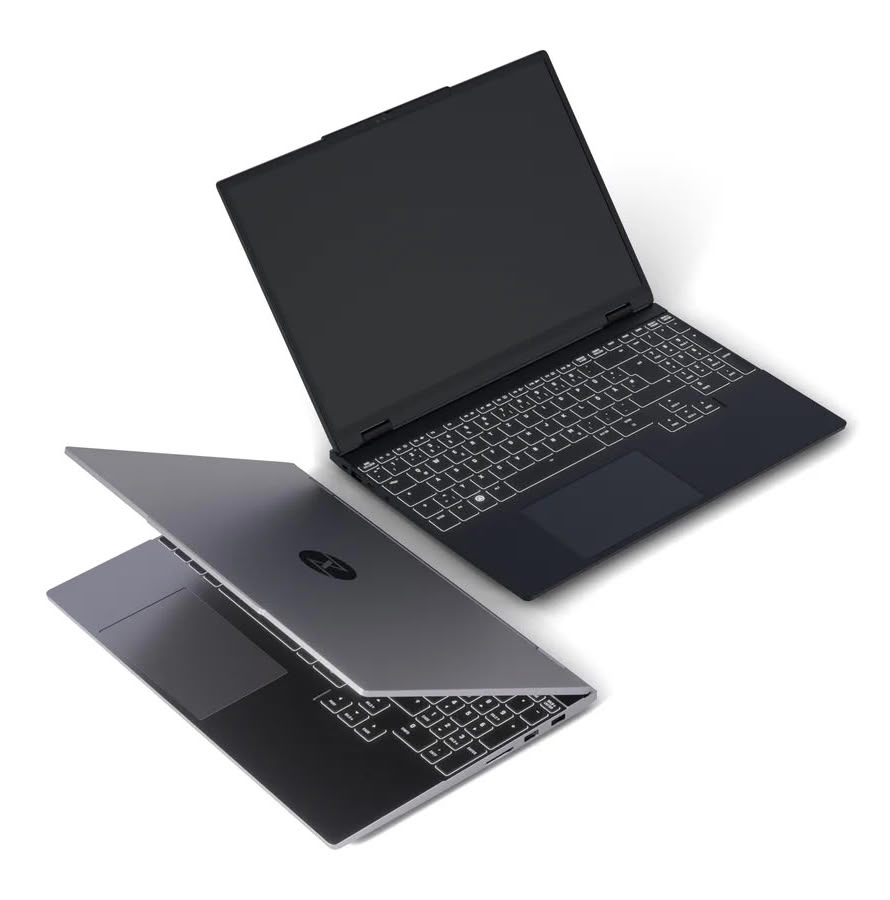
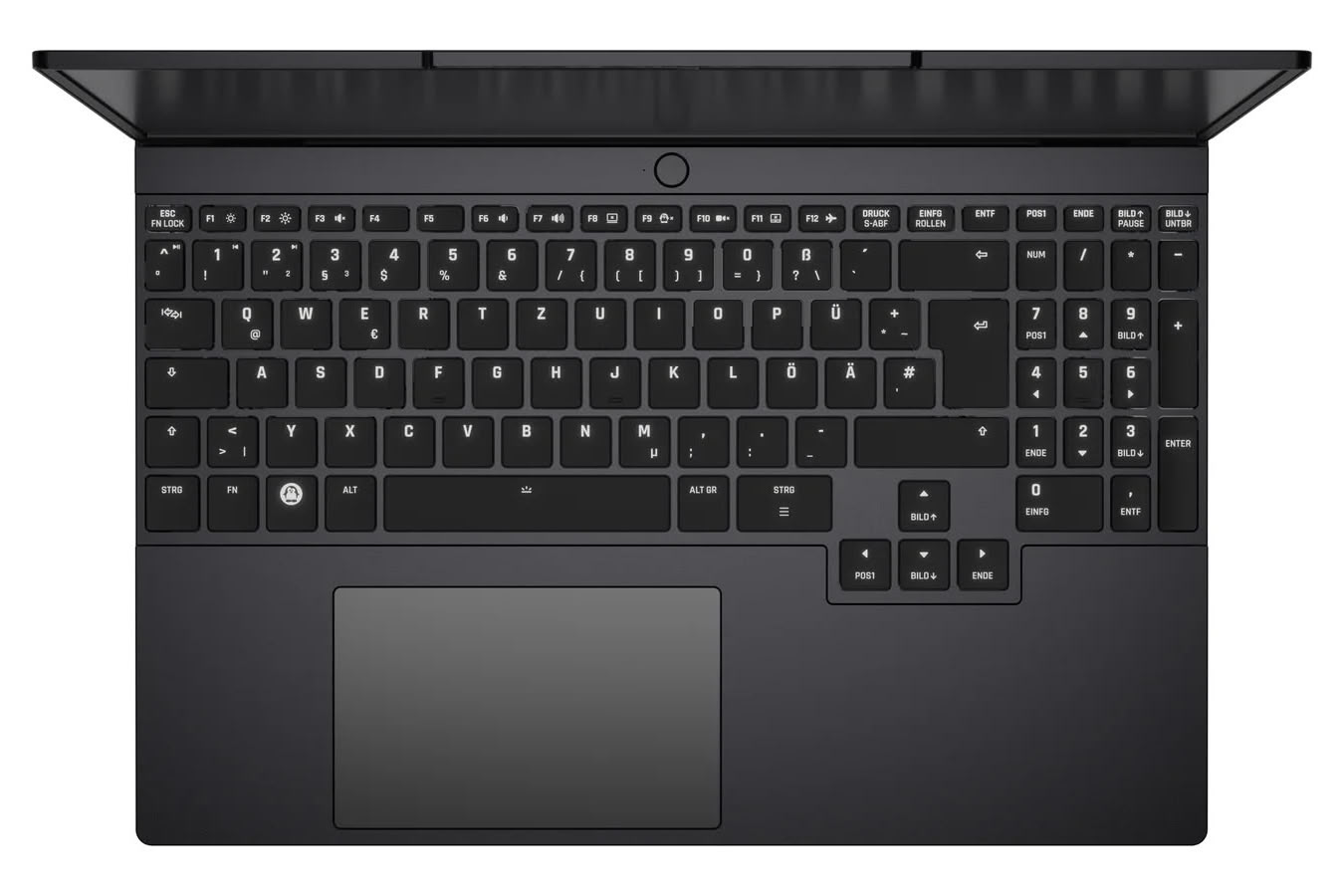
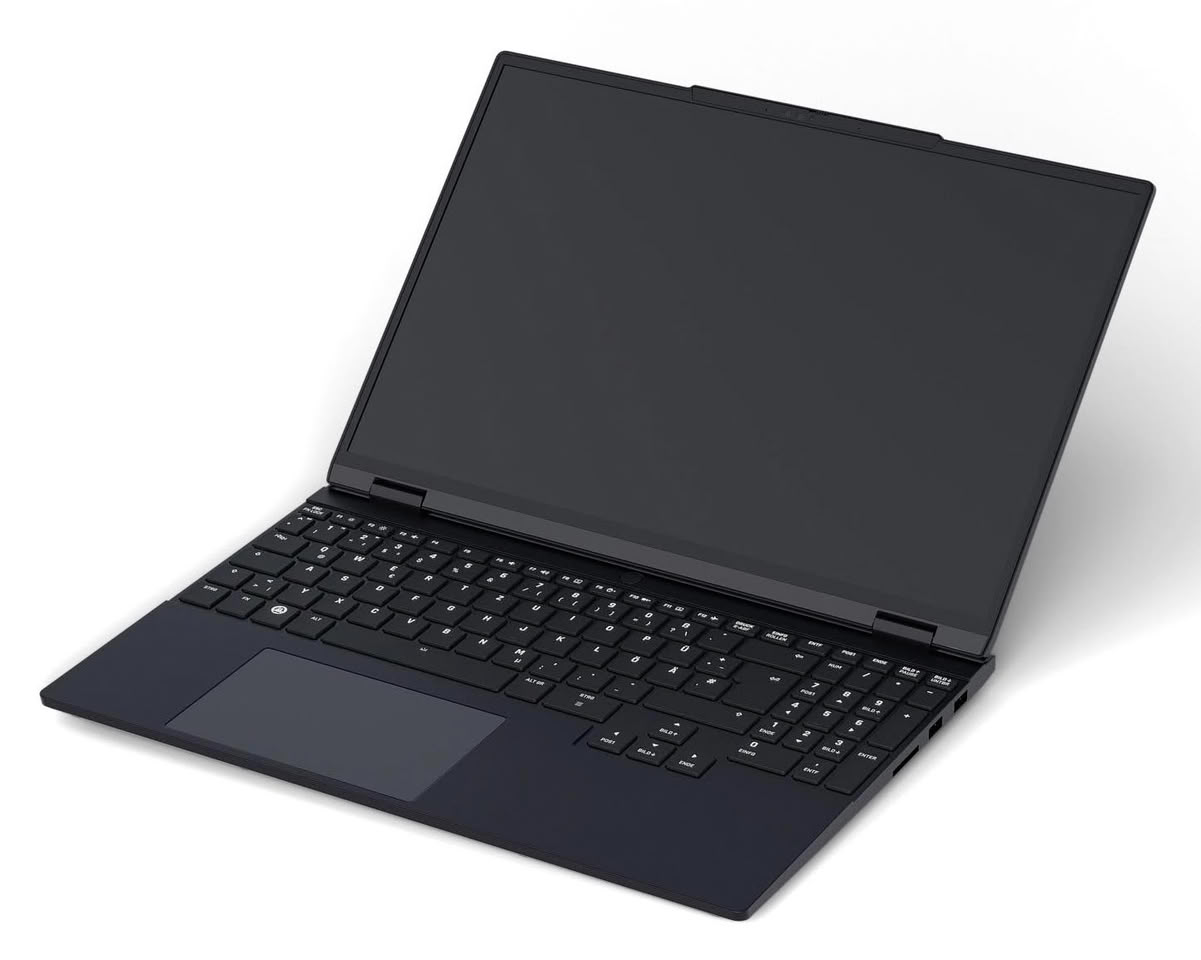
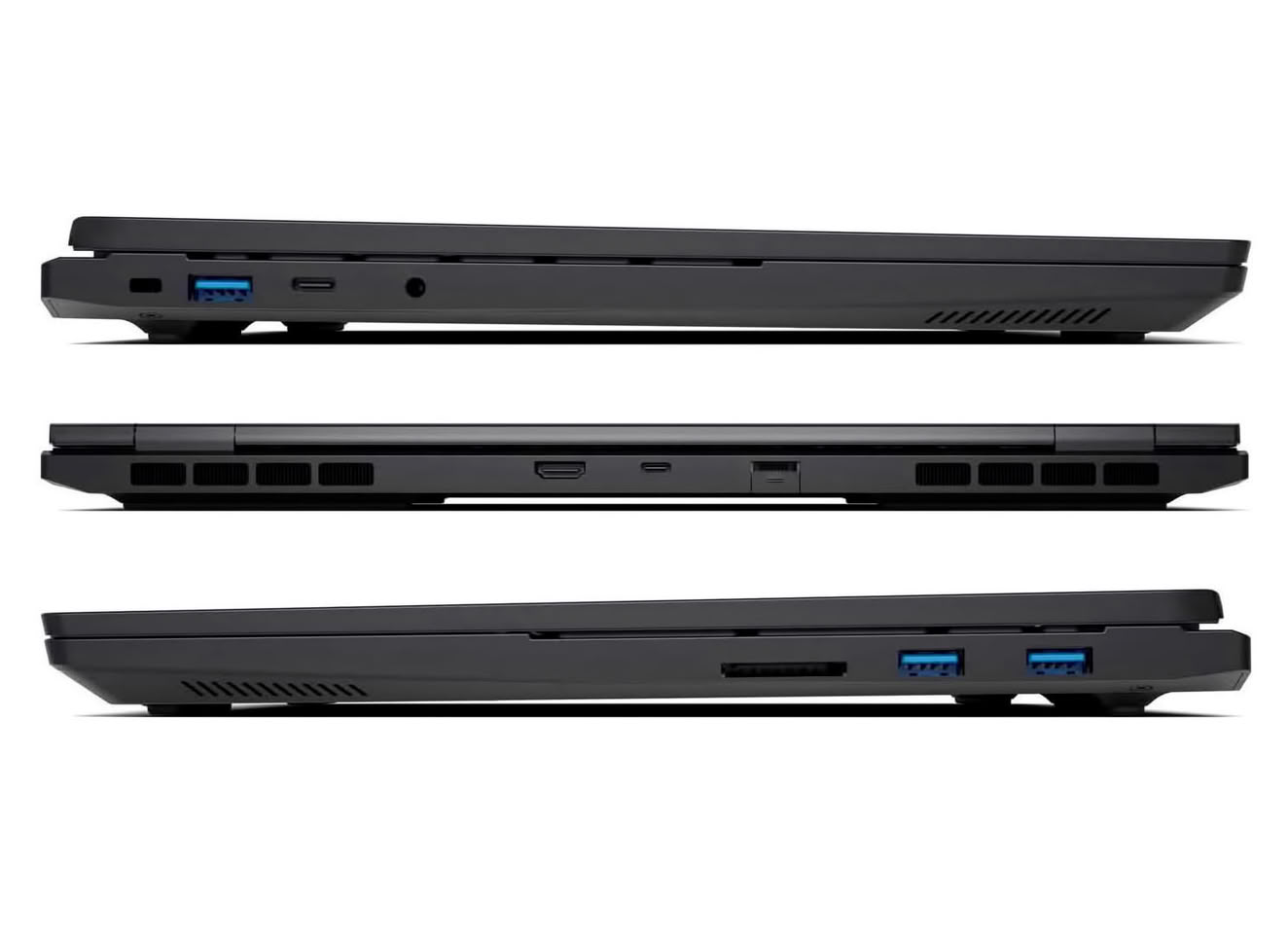
The TUXEDO InfinityBook Pro 15 - Gen11 combines a pleasantly large, bright 15.3-inch screen with plenty of speed for software developers and media content creators, thanks to a 12-core AMD Ryzen AI 9 HX 470 and up to 128 GB of RAM. At the same time, it is built for mobility: an ultra-thin and very light all-aluminium body, a maximum-sized 99 Wh battery and flexible USB-C charging.
Very Light and Ultra-Slim All-aluminium Chassis
Despite weighing just 1.75 kg and measuring under 20 mm thick (chassis plus slim-bezel display lid), the InfinityBook Pro 15 features a sturdy all-metal case. It not only feels great to the touch but also reliably protects the hardware inside during transport.

Very Light and Ultra-Slim All-aluminium Chassis
Despite weighing just 1.75 kg and measuring under 20 mm thick (chassis plus slim-bezel display lid), the InfinityBook Pro 15 features a sturdy all-metal case. It not only feels great to the touch but also reliably protects the hardware inside during transport.

AMD Stock Dives 15% Over Shortseller Report Alleging Export Control Violations to China, Rebounds Later
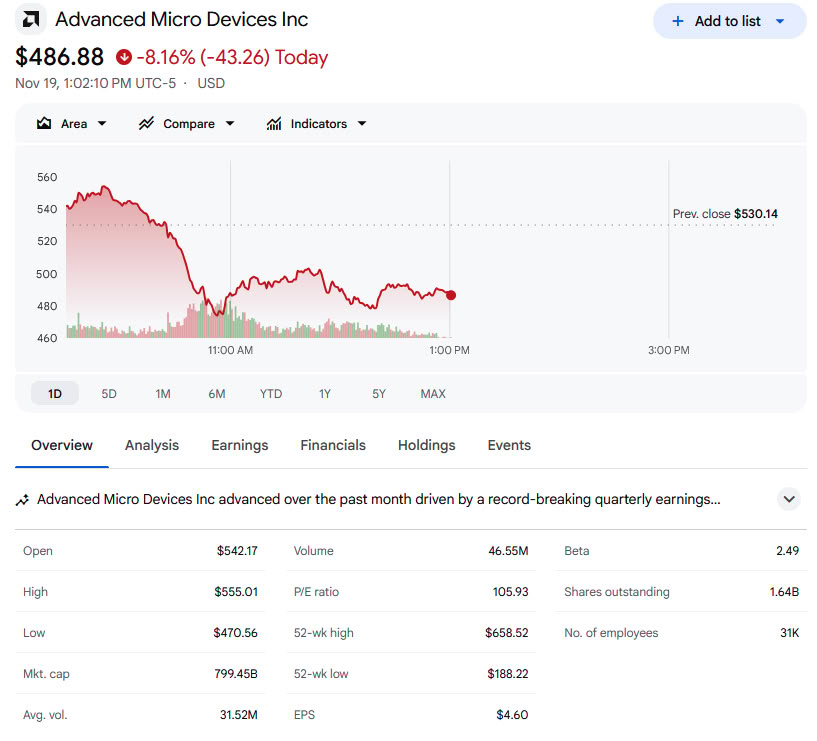
The AMD stock briefly crashed 15% in 30 minutes after a report by market research firm Hunterbrook Media alleged that AMD "has its own China problem," alleging export control violations resembling those by NVIDIA, which cost CEO Jensen Huang his job. The firm disclosed that it holds a shorting position against the AMD stock. Unlike in NVIDIA's case which involved alleged smuggling of advanced AI GPUs to AI research and inferencing firms in China; AMD has a problem with improper exports of controlled server systems to IEIT Systems, a Chinese server builder placed on export controls by the U.S. Government, the report alleges.
It is very important to note here that the report itself says that these findings don't necessarily prove an export control violation—that restricted products were either directly or indirectly transferred from AMD to IEIT Systems—it only notes IEIT's server firmware implementing newer versions of AGESA microcode that it normally shouldn't have access to, given that it is no longer supposed to be doing business with AMD. AGESA isn't publicly available software, it is a software component that's encapsulated into system firmware by OEMs, and implementing it requires an OEM to be doing business with AMD and be subject to its terms of sale and other agreements. It's entirely possible that IEIT Systems obtained AGESA through illicit means, by sourcing it from bad actors within another OEM that's currently doing business with AMD, or IEIT's engineers "transplanted" it from finished-product firmware distributed by a lawful OEM.
It is very important to note here that the report itself says that these findings don't necessarily prove an export control violation—that restricted products were either directly or indirectly transferred from AMD to IEIT Systems—it only notes IEIT's server firmware implementing newer versions of AGESA microcode that it normally shouldn't have access to, given that it is no longer supposed to be doing business with AMD. AGESA isn't publicly available software, it is a software component that's encapsulated into system firmware by OEMs, and implementing it requires an OEM to be doing business with AMD and be subject to its terms of sale and other agreements. It's entirely possible that IEIT Systems obtained AGESA through illicit means, by sourcing it from bad actors within another OEM that's currently doing business with AMD, or IEIT's engineers "transplanted" it from finished-product firmware distributed by a lawful OEM.
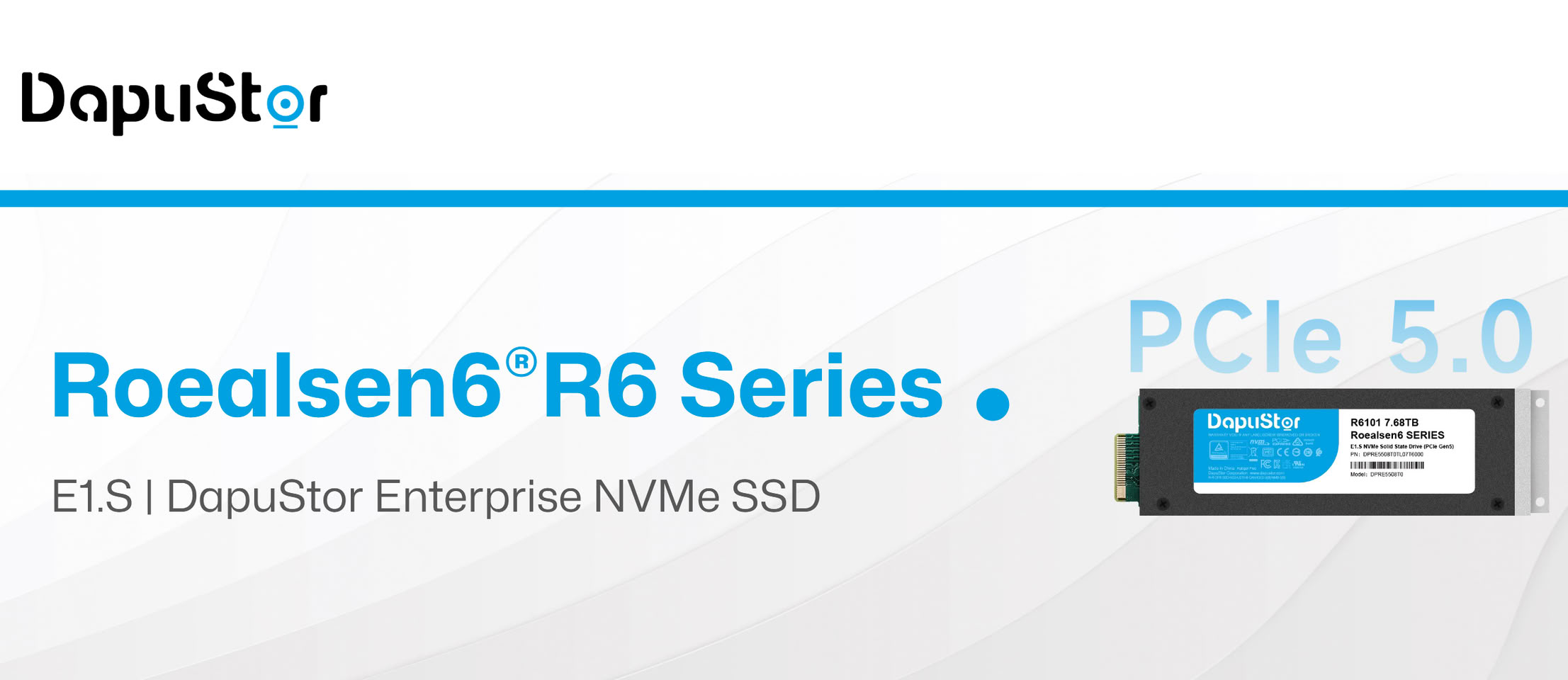
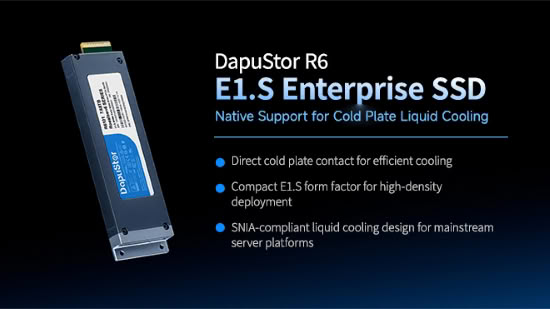
DapuStor Introduces the R6 E1.S Liquid-Cooled Enterprise NVMe SSD
As AI and high-performance computing (HPC) workloads evolve, data center rack power consumption is increasing from the 10 kW range toward 100 kW. At these power densities, traditional air cooling is approaching its physical limits in efficiency, space, and system stability. Liquid cooling is increasingly becoming essential to the thermal management of AI data centers.
Enterprise SSDs run 24/7 under relentless AI workloads, generating substantial thermal loads at scale. DapuStor introduces the R6 E1.S enterprise NVMe SSD, supporting native cold plate liquid cooling, to deliver efficient thermal management and reliable storage for high-performance, scalable AI data centers.

Enterprise SSDs run 24/7 under relentless AI workloads, generating substantial thermal loads at scale. DapuStor introduces the R6 E1.S enterprise NVMe SSD, supporting native cold plate liquid cooling, to deliver efficient thermal management and reliable storage for high-performance, scalable AI data centers.
AMD "Zen 6" for Desktop Reportedly Pushed to Computex 2027
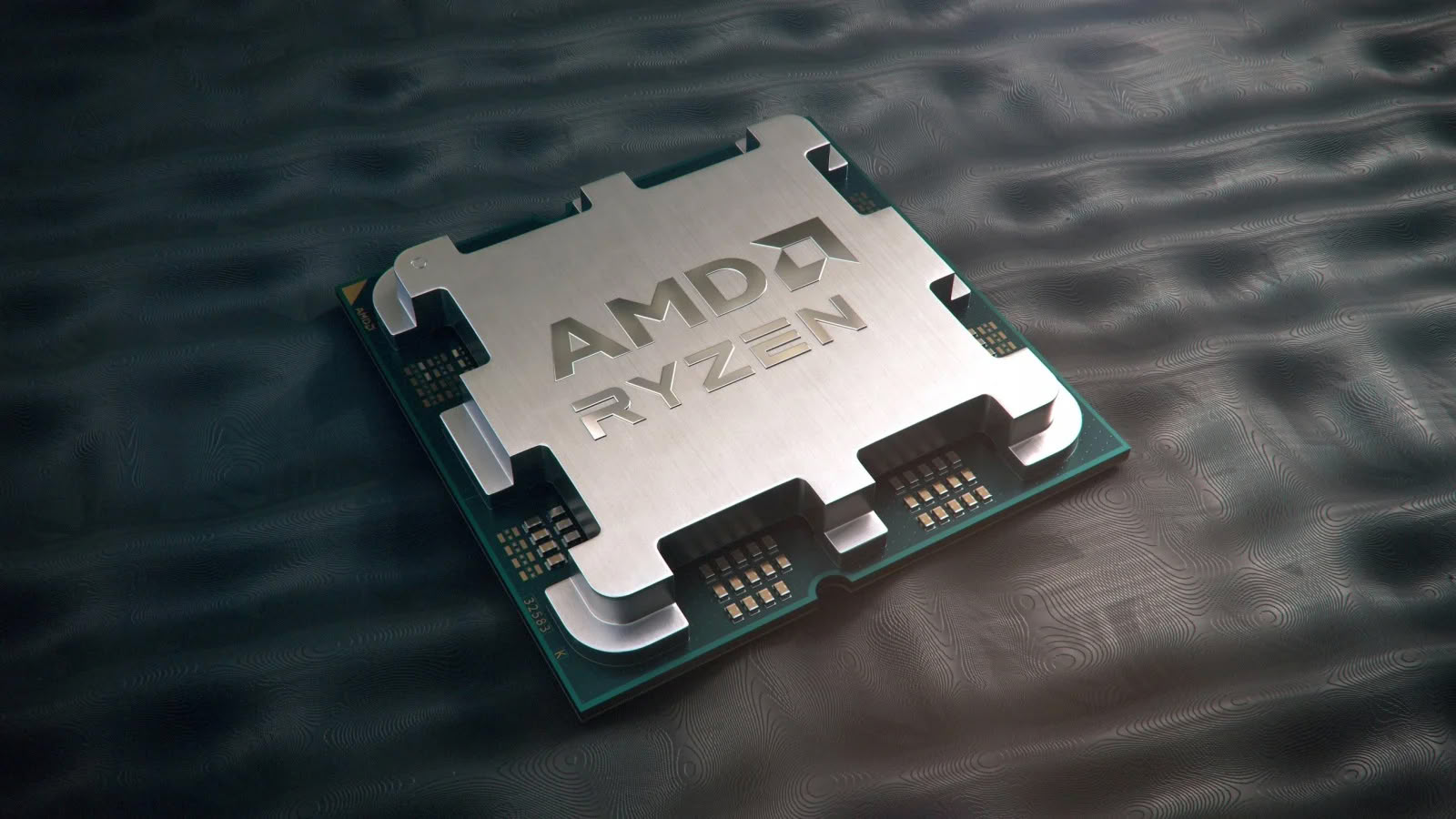
AMD's upcoming Ryzen processors based on the new "Zen 6" core architecture are reportedly delayed until Computex 2027, according to the latest information from Chiphell. The "Zen 6" EPYC lineup will utilize TSMC's N2 node, with the standard version for "Venice" and the enhanced N2P for "Verano." However, for the desktop "Zen 6" Ryzen family, codenamed "Olympic Ridge," AMD is switching to TSMC's N2X node, an enhanced variant of the standard N2 that targets higher frequencies. This switch results in delayed mass production and rollout of desktop Ryzen. TSMC plans to begin mass production of its N2X node in 2027, meaning "Olympic Ridge" will likely arrive a few months later, with Computex 2027 being the probable announcement date.
AMD likely chose the N2X node for its higher clock potential. Originally, TSMC targeted HPC workloads, but desktop processors can also benefit from high clock speeds for maximum performance. The N2X node offers two advantages over the standard N2: an ultra-high performance standard cell that delivers a 5% higher clock speed, and a high-speed device, which provides an additional 5% boost, resulting in a combined 10% speed increase.
AMD likely chose the N2X node for its higher clock potential. Originally, TSMC targeted HPC workloads, but desktop processors can also benefit from high clock speeds for maximum performance. The N2X node offers two advantages over the standard N2: an ultra-high performance standard cell that delivers a 5% higher clock speed, and a high-speed device, which provides an additional 5% boost, resulting in a combined 10% speed increase.

Gigabyte Debuts the Completed Anime-themed AORUS ARI Series with Co-branded DDR5 Memory and Chassis
Gigabyte, the world's leading technology brand, introduced Ari, an ACG character from AORUS' vast universe, AORUSVERSE. As the tech guardian angel, Ari embodies performance, creativity, and gaming spirit, bringing gaming performance and anime-inspired aesthetics together. Inspired by the character, Gigabyte developed the AORUS ARI Series, enabling gamers and PC DIY enthusiasts to express their personal style through customized PC builds.
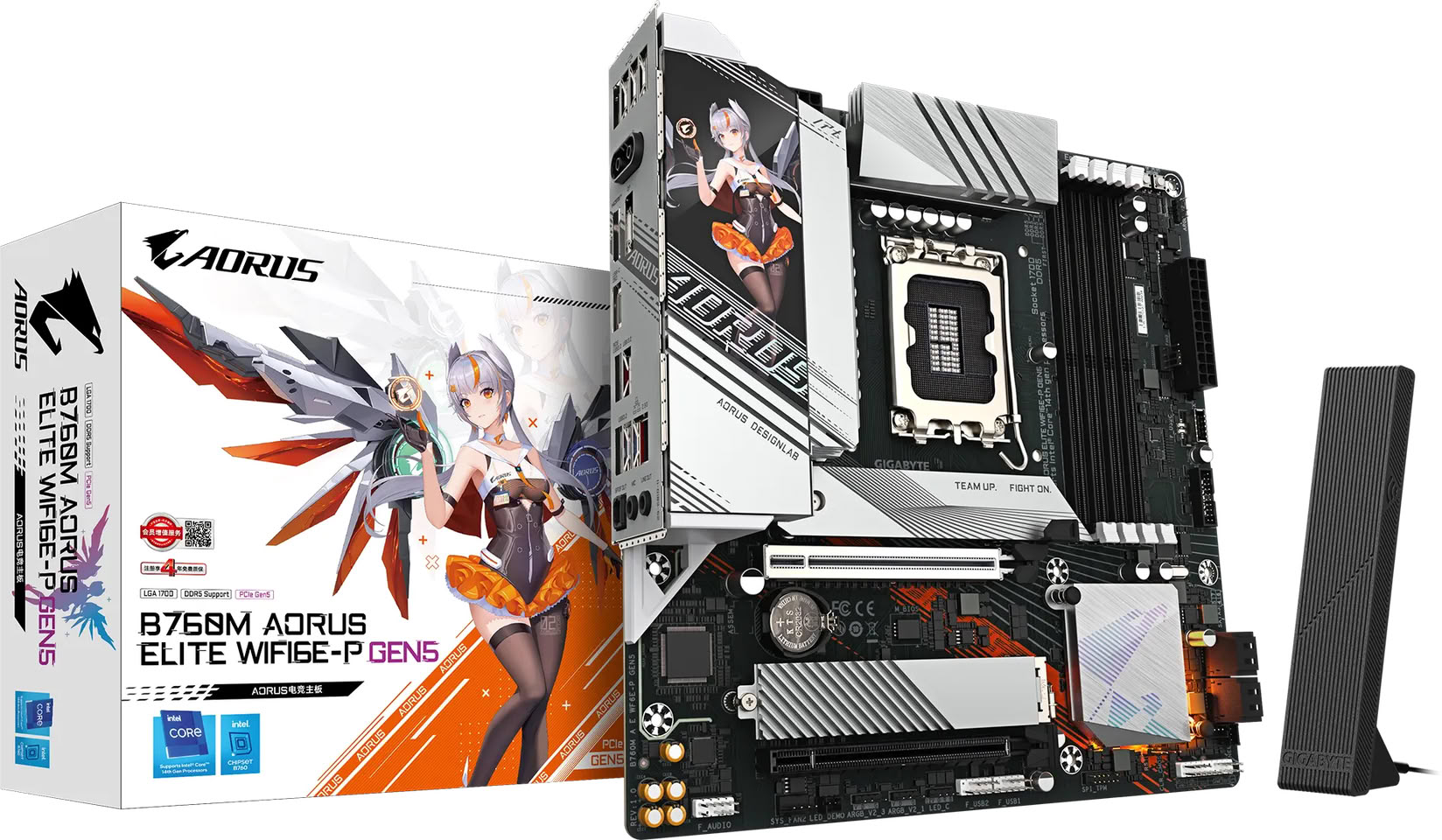
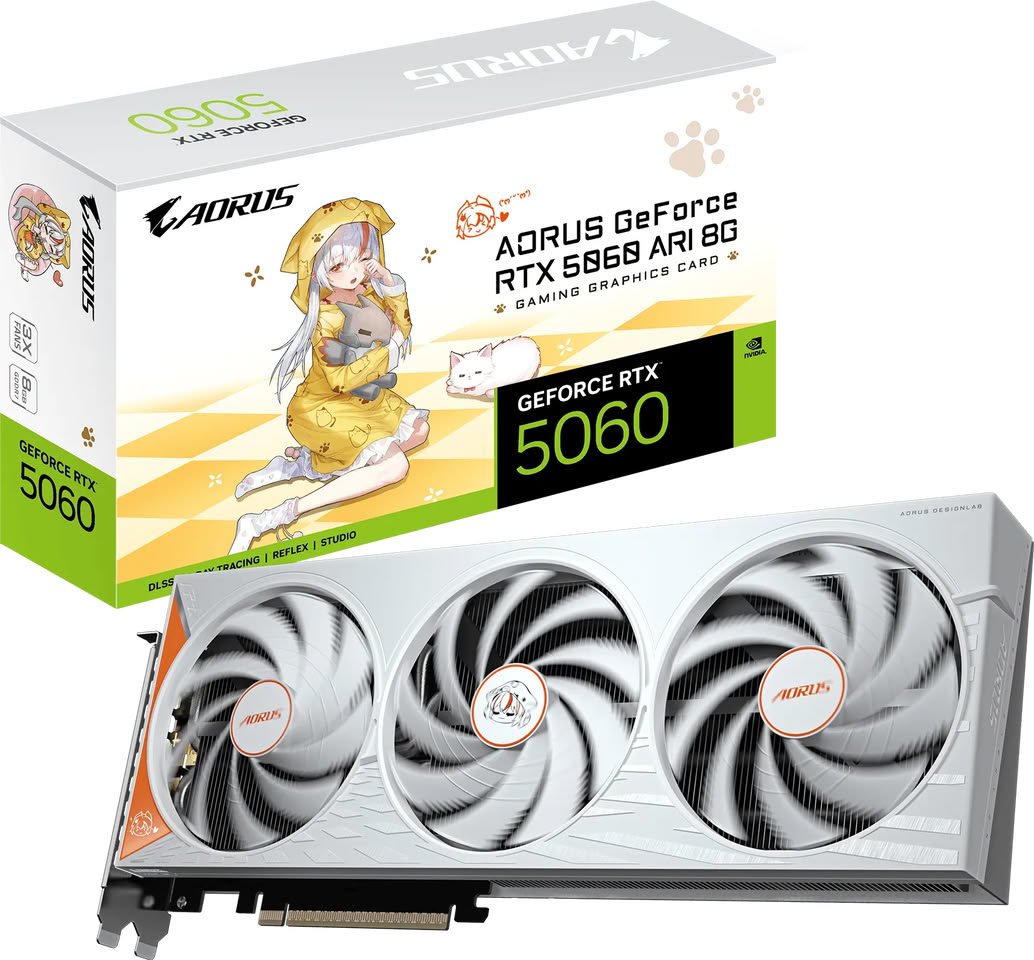
Building on this concept, the series made its debut with Gigabyte's performance-driven motherboards, followed by graphics cards featuring ARI-themed design. The B850 AORUS ELITE-P ICE and B760M AORUS ELITE WIFI6E-P GEN5 motherboards deliver outstanding DDR5 compatibility, supporting memory speeds of up to 8200 MT/s and 7800 MT/s, respectively. Gigabyte's EZ-DIY innovations further simplify component installation and disassembly, making PC building more accessible. Complementing the motherboards, the AORUS GeForce RTX 5060 ARI 8G graphics card features the WINDFORCE cooling system with a patented Hawk fan design that increases air pressure by up to 53.6% and airflow volume by up to 12.5% while reducing resistance and noise. Server-grade thermal conductive gel further enhances heat transfer and long-term reliability.

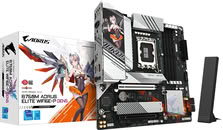

Building on this concept, the series made its debut with Gigabyte's performance-driven motherboards, followed by graphics cards featuring ARI-themed design. The B850 AORUS ELITE-P ICE and B760M AORUS ELITE WIFI6E-P GEN5 motherboards deliver outstanding DDR5 compatibility, supporting memory speeds of up to 8200 MT/s and 7800 MT/s, respectively. Gigabyte's EZ-DIY innovations further simplify component installation and disassembly, making PC building more accessible. Complementing the motherboards, the AORUS GeForce RTX 5060 ARI 8G graphics card features the WINDFORCE cooling system with a patented Hawk fan design that increases air pressure by up to 53.6% and airflow volume by up to 12.5% while reducing resistance and noise. Server-grade thermal conductive gel further enhances heat transfer and long-term reliability.



AMD Software Adrenalin 26.11.2 WHQL Drivers Released
AMD has released the latest Adrenalin 26.11.2 WHQL graphics drivers. This release fixes the excessive system drive write bug for Radeon RX 5000 and RX 6000 owners on Windows 10. The earlier 26.11.1 optional release only listed Radeon RX 7000 and newer cards for that fix, but now AMD is bringing that patch to older generations as well. The update also adds ROCm 10.2 support, along with game support for Phantom Blade Zero and the Crimson Desert: Charting the Unknown DLC. AMD has also sorted out the issue of Smart Access Memory switching itself off after a driver install. Other fixes include a memory leak on RX 5000 and newer cards, and crashes or driver timeouts while streaming with OBS Studio on RX 9000 series cards.
There are some known issues as well. Crimson Desert may fail to launch on RX 6000 series cards, and AMD suggests staying on 26.11.1 if that happens. Users may also experience some crashes in Assassin's Creed Black Flag Resynced on Radeon RX 7000 cards. You can grab the new driver from the link, and the full changelog is listed below as well.
DOWNLOAD: AMD Software Adrenalin 26.11.2 WHQL


There are some known issues as well. Crimson Desert may fail to launch on RX 6000 series cards, and AMD suggests staying on 26.11.1 if that happens. Users may also experience some crashes in Assassin's Creed Black Flag Resynced on Radeon RX 7000 cards. You can grab the new driver from the link, and the full changelog is listed below as well.
DOWNLOAD: AMD Software Adrenalin 26.11.2 WHQL

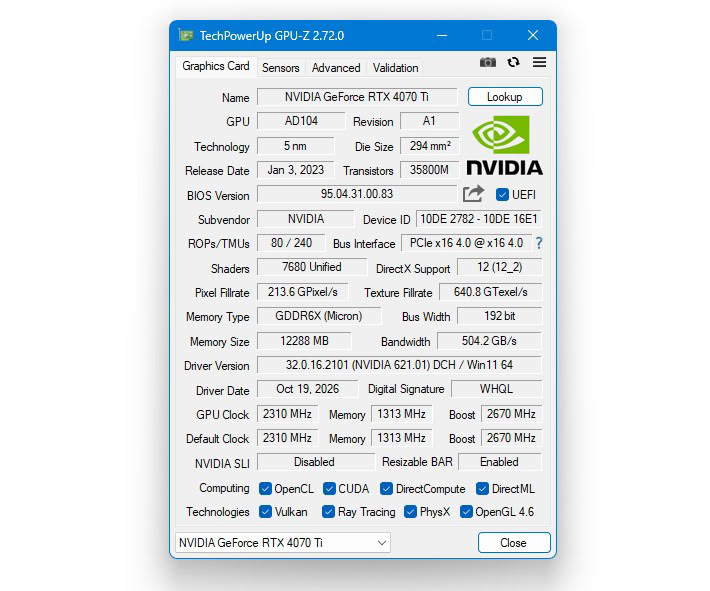
TechPowerUp GPU-Z v2.72.0 Released
TechPowerUp today released the latest version of GPU-Z, the popular graphics subsystem information and diagnostic utility for gamers, PC enthusiasts, and engineers. Version 2.72.0 comes with support for the NVIDIA RTX Spark processor. Support is also added for a rare GeForce RTX 5070 variant based on the larger GB203 silicon; and the unreleased GeForce RTX 4090 Ti engineering sample. Over in the red team, support is added for the AMD BC-250 mining GPU; and the new Intel graphics solutions supported cover "Raptor Lake-H" Refresh; and Iris Pro P555.
On machines with integrated graphics, the memory now shows "iGPU" followed by committed memory share size. A tooltip that shows sensor value statistics when hovering over the sensor's number display has been added. We've added support for yet-unknown NVIDIA power rails in the Advanced view, which are now displayed as "Rail ### power draw." This feature is disabled by default. For graphics cards with unknown GPUs (such as fake ones), GPU-Z will now detect DirectX API version and feature-level support from the software instead of showing "unknown."
DOWNLOAD: TechPowerUp GPU-Z v2.72.0
On machines with integrated graphics, the memory now shows "iGPU" followed by committed memory share size. A tooltip that shows sensor value statistics when hovering over the sensor's number display has been added. We've added support for yet-unknown NVIDIA power rails in the Advanced view, which are now displayed as "Rail ### power draw." This feature is disabled by default. For graphics cards with unknown GPUs (such as fake ones), GPU-Z will now detect DirectX API version and feature-level support from the software instead of showing "unknown."
DOWNLOAD: TechPowerUp GPU-Z v2.72.0

ADATA XPG INVADER X MINI Chroma Series Launched
XPG, the gaming brand of ADATA Technology, today announced the INVADER X MINI Chroma Series mid-tower gaming chassis, giving the popular INVADER X MINI a vibrant new look. Available in SKY, CORAL, IRIS, and AQUA, the series marks XPG's first officially launched colorful chassis. It features panoramic glass, five pre-installed ARGB fans, ATX motherboard support, GPU clearance up to 330 mm, and support for 240 mm radiators, combining distinctive style with cooling performance and build flexibility.
Building on the popular INVADER X MINI, the Chroma Series introduces four expressive colorways—SKY, CORAL, IRIS, and AQUA. From refreshing sky blue and vibrant coral to dreamy purple and aqua green, the new palette brings a fresh alternative to gaming chassis traditionally dominated by black, white, and darker tones. As XPG's first colorful chassis series, it combines bold exterior colors with glass panels and ARGB lighting, creating greater visual harmony between internal components and the overall desktop setup while giving gamers more freedom to express their personal style.
Building on the popular INVADER X MINI, the Chroma Series introduces four expressive colorways—SKY, CORAL, IRIS, and AQUA. From refreshing sky blue and vibrant coral to dreamy purple and aqua green, the new palette brings a fresh alternative to gaming chassis traditionally dominated by black, white, and darker tones. As XPG's first colorful chassis series, it combines bold exterior colors with glass panels and ARGB lighting, creating greater visual harmony between internal components and the overall desktop setup while giving gamers more freedom to express their personal style.


Patriot Launches AI Matrix SSD and DRAM Series Engineered for Local AI Workloads
Patriot Memory today announced the Patriot AI Matrix series, a dedicated lineup of DDR5 memory modules and PCIe M.2 2280 NVMe SSDs engineered for local AI computing. Organized across PRO, Mid, and Entry tiers, the portfolio pairs screened memory ICs and high-endurance NAND flash with ongoing open-source LLM benchmark validation, enabling builders, creators, and SMBs to match hardware directly to on-device AI demands.
Running AI locally provides direct data privacy, offline reliability, and predictable hardware costs without recurring API token fees. However, scaling local LLMs exposes critical bottlenecks beyond GPU compute—namely memory-bound limits when holding multi-billion-parameter weights and runtime context, and storage-bound constraints when loading large checkpoints or querying local RAG datasets.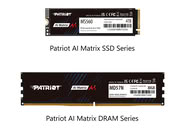
Running AI locally provides direct data privacy, offline reliability, and predictable hardware costs without recurring API token fees. However, scaling local LLMs exposes critical bottlenecks beyond GPU compute—namely memory-bound limits when holding multi-billion-parameter weights and runtime context, and storage-bound constraints when loading large checkpoints or querying local RAG datasets.
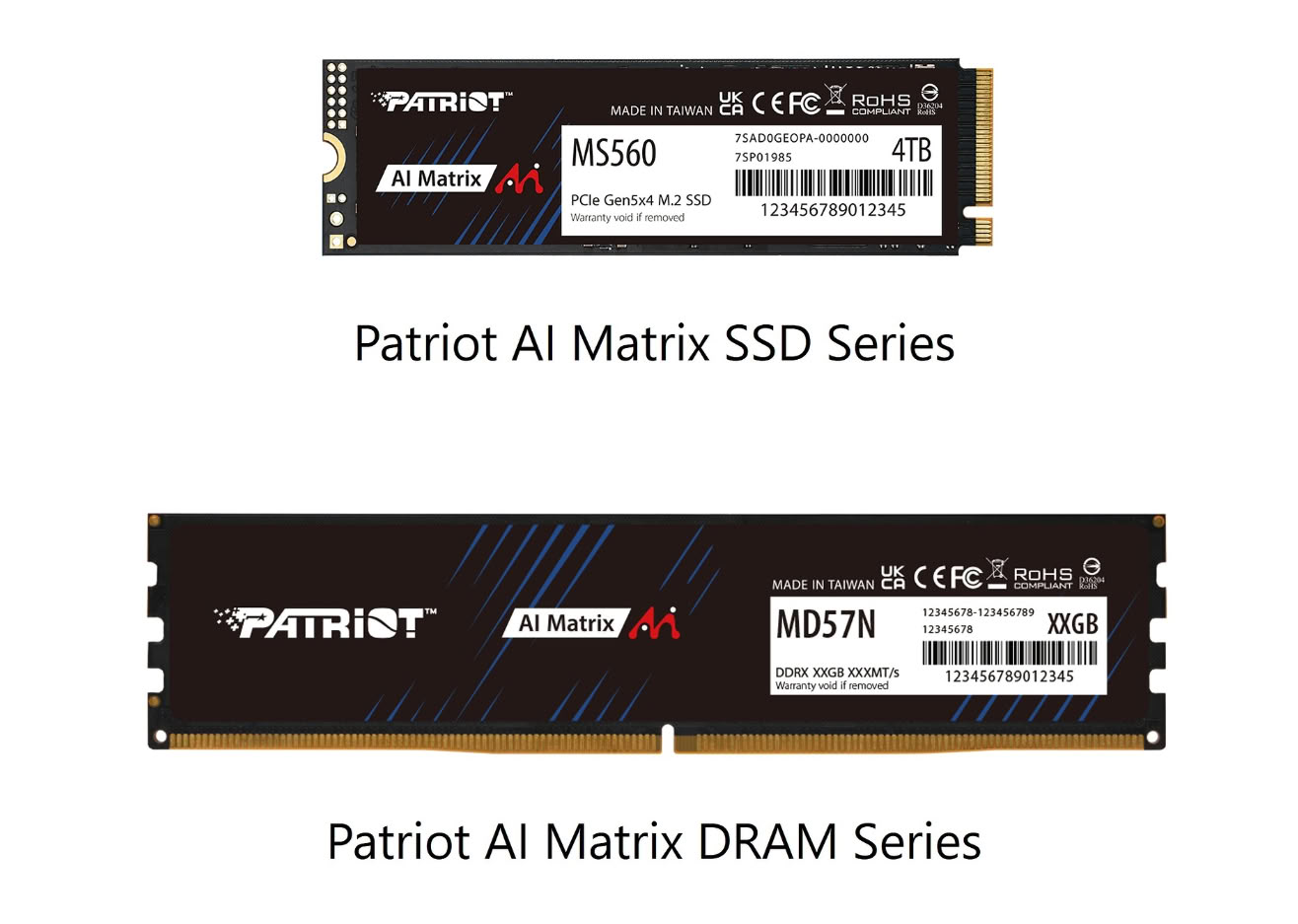

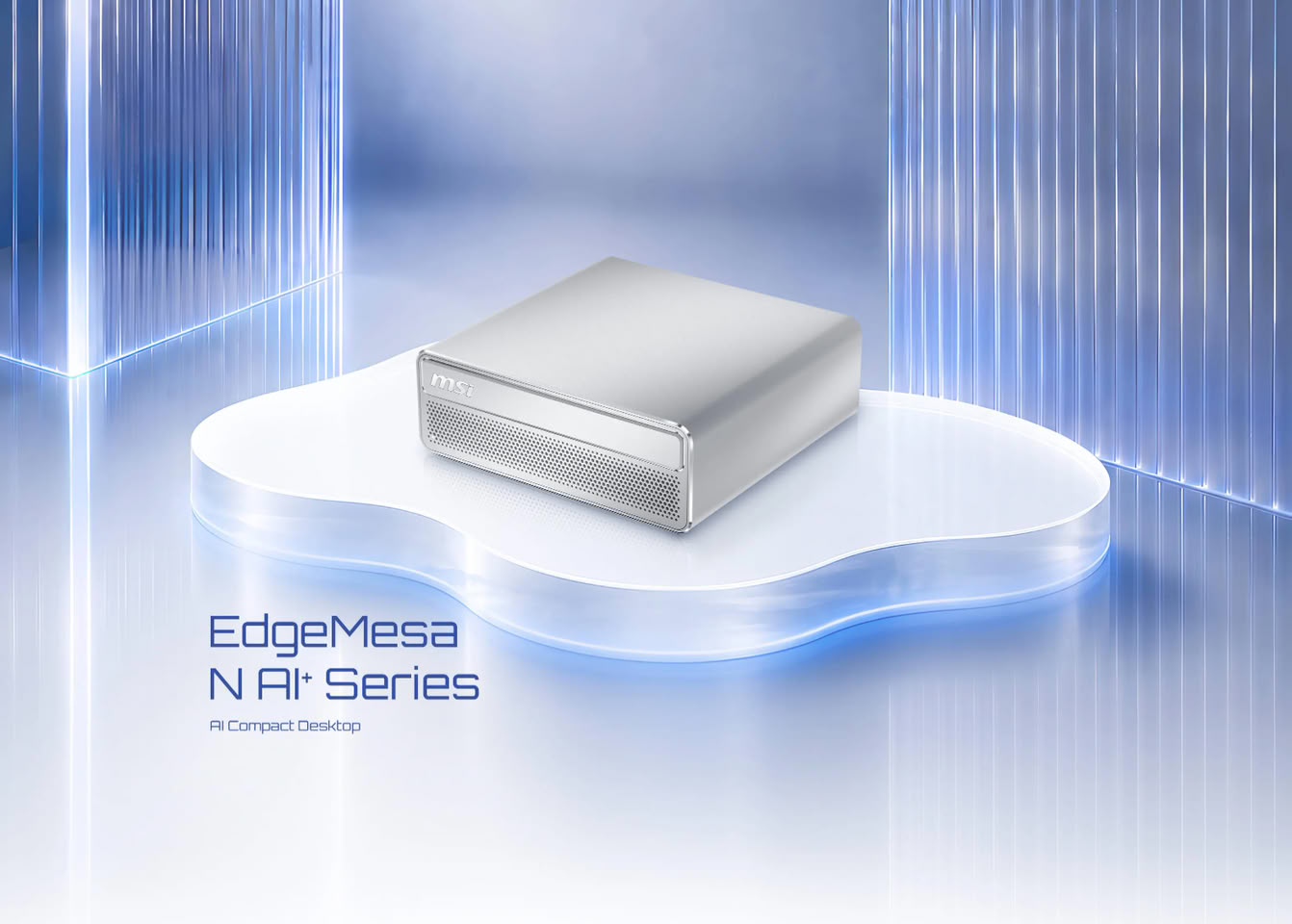
MSI Unveils the EdgeMesa N AI+ Series, Powering the Future of AI Teammates
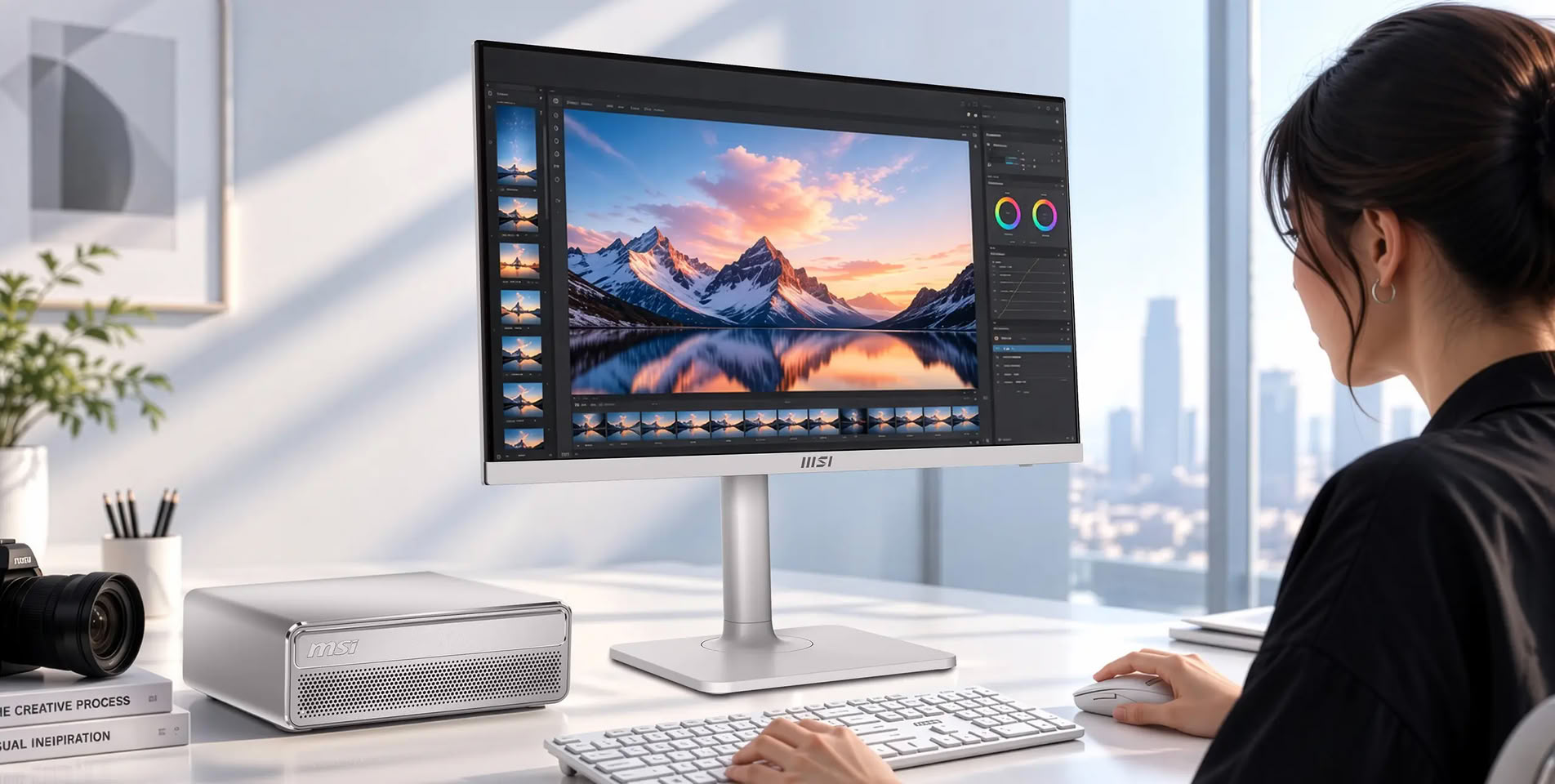
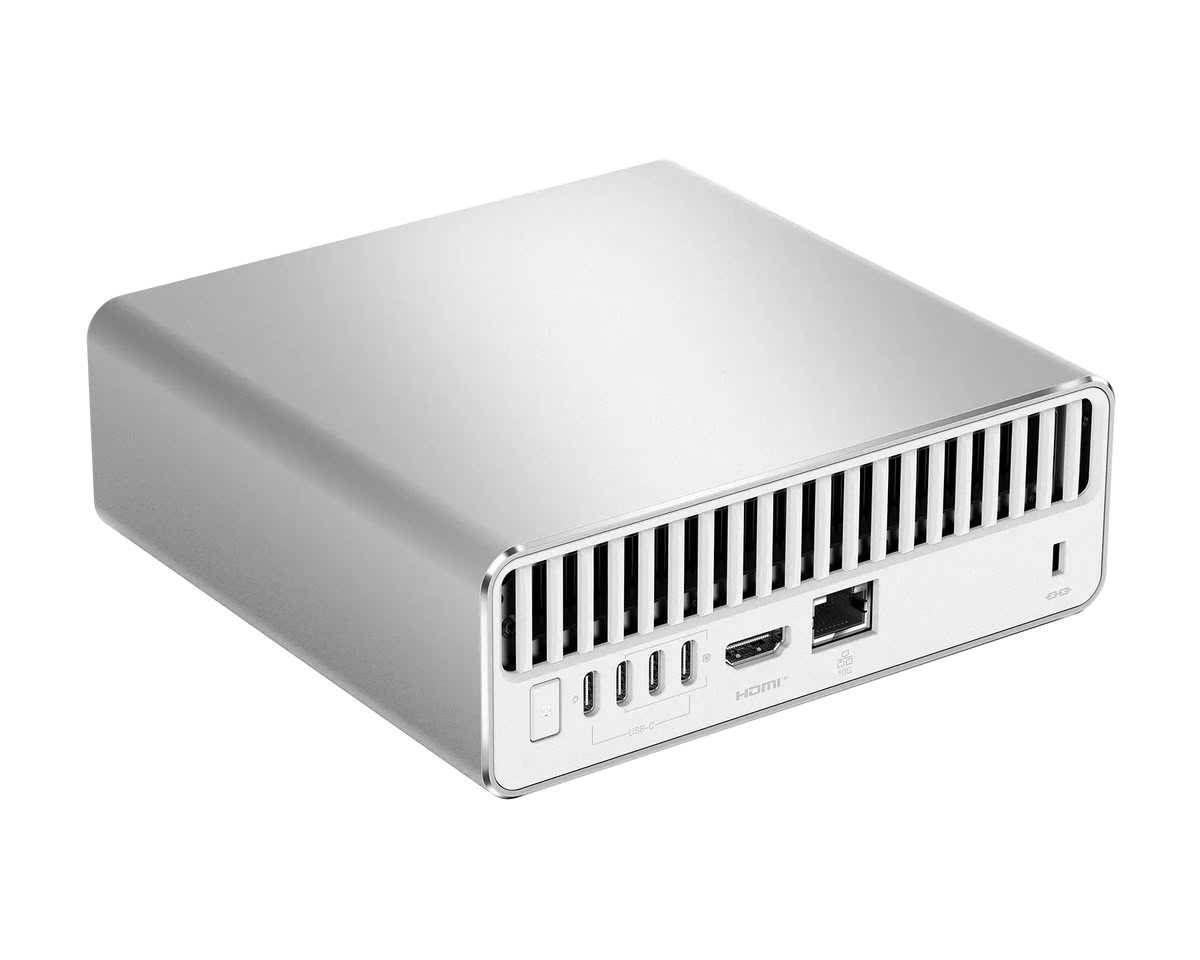
MSI, a global leader in AI computing and innovative technology solutions, introduces the EdgeMesa N AI+ Series, a compact AI desktop designed to bring powerful local AI computing into everyday workspaces. Powered by NVIDIA RTX Spark, the new series combines advanced AI acceleration with MSI's thoughtful engineering, enabling developers, creators, and AI enthusiasts to build, run, and deploy AI applications locally. With Windows 11 and a space-saving design, it provides a practical platform for turning AI experimentation into real-world workflows while maintaining greater control over data and computing resources.
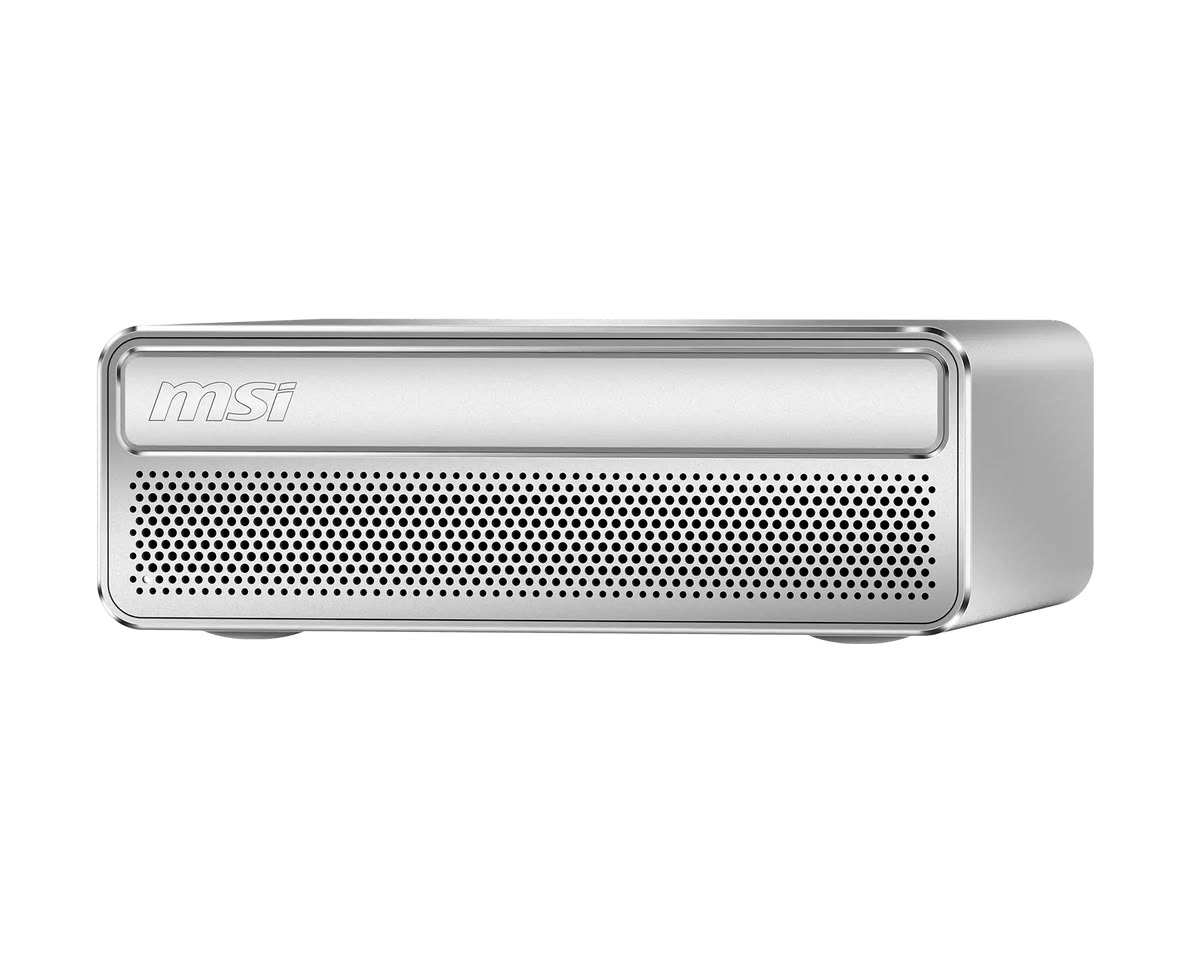
Designed for continuous AI workloads, the EdgeMesa N AI+ Series features a refined 1.3-liter aluminium chassis with a fingerprint-resistant finish. Its MSI AI Pulse Cooling System integrates Vapor Chamber technology and dual turbo fans to manage heat efficiently, helping sustain 140 W TDP performance and support reliable 24/7 AI agent operation. This combination brings demanding AI computing to desktops without occupying valuable workspace.

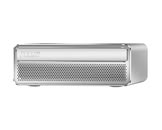
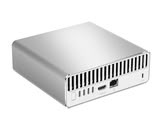
Designed for continuous AI workloads, the EdgeMesa N AI+ Series features a refined 1.3-liter aluminium chassis with a fingerprint-resistant finish. Its MSI AI Pulse Cooling System integrates Vapor Chamber technology and dual turbo fans to manage heat efficiently, helping sustain 140 W TDP performance and support reliable 24/7 AI agent operation. This combination brings demanding AI computing to desktops without occupying valuable workspace.
NAND Flash Prices Set to Decline in 2027 as Chinese CSP Order Cuts Outweigh North American Demand Growth
TrendForce's latest memory industry research indicates that the global NAND Flash market is expected to see a reversal in supply-demand dynamics in 2027. With supply set to grow rapidly, substantial cuts to enterprise SSD orders from Chinese CSPs—coupled with a potential further contraction in consumer electronics demand—are expected to exacerbate oversupply.
TrendForce forecasts that the overall NAND Flash contract prices will begin declining in the first quarter of 2027, with quarterly price drops potentially widening as the year progresses. TrendForce estimates that global NAND Flash industry CapEx will increase 26.7% YoY to US$29.9 billion in 2027.
TrendForce forecasts that the overall NAND Flash contract prices will begin declining in the first quarter of 2027, with quarterly price drops potentially widening as the year progresses. TrendForce estimates that global NAND Flash industry CapEx will increase 26.7% YoY to US$29.9 billion in 2027.

Lenovo Delivers Record Q2 Performance, Confident in Long-term Hybrid AI Opportunities
Lenovo Group Limited (HKSE: 992) (ADR: LNVGY), together with its subsidiaries ('the Group'), today reported second quarter results for fiscal year 2026/27, demonstrating strong growth, a leap forward in profitability, and structural enhancements to the Group's business fundamentals.
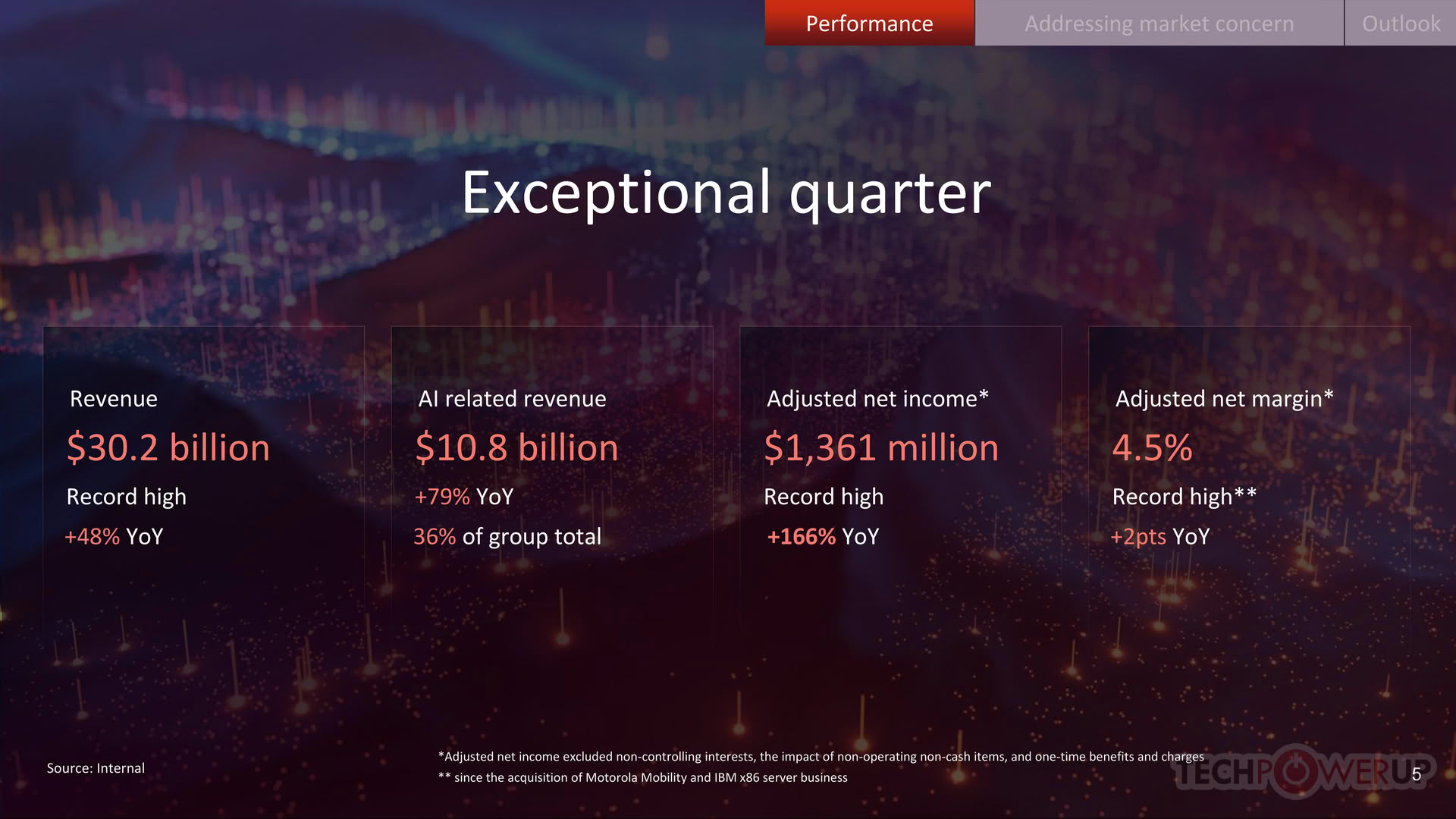
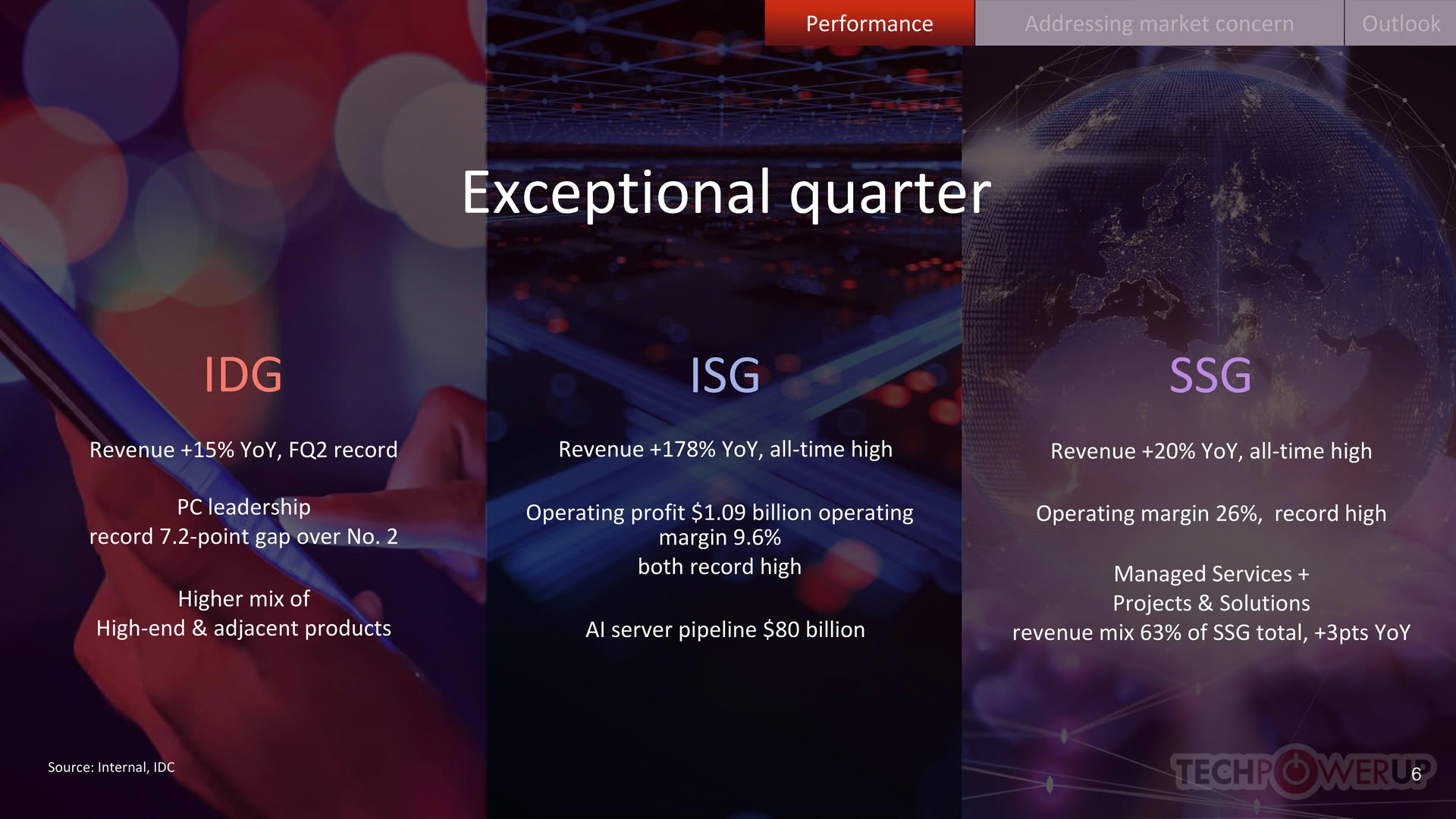
Overall Group revenue for the second quarter reached an all-time high of US$30.2 billion, up 48% year-on-year. All business groups delivered record second-fiscal-quarter revenue while demonstrating strong profitability, with the Infrastructure Solutions Group (ISG) becoming an engine of hyper-growth with operating profit surpassing US$1 billion for the first time. Adjusted net income was up 166% year-on-year to US$1.4 billion, with adjusted net margin improvements of two percentage points year-on-year. AI-related revenue grew 79% year-on-year, surpassing the US$10 billion mark for the first time and accounting for 36% of total Group revenue in Q2.



Overall Group revenue for the second quarter reached an all-time high of US$30.2 billion, up 48% year-on-year. All business groups delivered record second-fiscal-quarter revenue while demonstrating strong profitability, with the Infrastructure Solutions Group (ISG) becoming an engine of hyper-growth with operating profit surpassing US$1 billion for the first time. Adjusted net income was up 166% year-on-year to US$1.4 billion, with adjusted net margin improvements of two percentage points year-on-year. AI-related revenue grew 79% year-on-year, surpassing the US$10 billion mark for the first time and accounting for 36% of total Group revenue in Q2.

TSMC Reportedly Reviews Customer Finances, Asks Some Chip Buyers to Pay Upfront
TSMC is reportedly seeking to audit its customers' ability to finance chip allocations, as the company aims to secure funding for its production runs. The report states that TSMC is going as far as obtaining data on customers' financial situations, data center construction stages, and other factors that influence demand assessments. These assessments are then used to propose credit lines based on each company's balance sheet. This evaluation includes collecting information on past debt defaults, the company's position in the industry, and its liquidity. For any orders that exceed the TSMC-imposed credit limit, TSMC requires cash payments for its production runs, with some customers even needing to make upfront payments to secure production capacity. Those who cannot secure a good credit line may pre-pay their production runs to ensure allocation.
With NVIDIA CEO Jensen Huang now out of the loop, TSMC is conducting checks with customers to ensure that, in the event of a broader industry shakeup, its production remains well-funded. The reported AI circular financing scheme that the entire industry has been engaging in is net positive for valuations, but TSMC wants to ensure it gets paid first, regardless of the situation. Many chipmakers and startups have been raising capital to access more cash to fund operations, and a significant portion of that will go to TSMC for its production lines. It is important to note that TSMC isn't changing the way it allocates supply. The company is simply protecting the way that allocation is settled, and the old rule of "first come, first served" remains in practice for securing allocation on any node, including leading-edge and upcoming ones.
With NVIDIA CEO Jensen Huang now out of the loop, TSMC is conducting checks with customers to ensure that, in the event of a broader industry shakeup, its production remains well-funded. The reported AI circular financing scheme that the entire industry has been engaging in is net positive for valuations, but TSMC wants to ensure it gets paid first, regardless of the situation. Many chipmakers and startups have been raising capital to access more cash to fund operations, and a significant portion of that will go to TSMC for its production lines. It is important to note that TSMC isn't changing the way it allocates supply. The company is simply protecting the way that allocation is settled, and the old rule of "first come, first served" remains in practice for securing allocation on any node, including leading-edge and upcoming ones.

Wednesday, November 18th 2026
Today's Files
Today's Reviews
Cooling
CPU Coolers
Desktop PC
Headphones
Keyboards
Notebooks
Ugreen NASync DXP4800 GT Review
Ugreen's first AMD powered NAS comes with dual 10 Gbps Ethernet and, rather unusually, support for a pair of U.2 drives. Will the older AMD SoC be able to compete with more recent hardware that we've tested in other recent NAS models, or is this a product that has passed its best before date already?

Pulsar Office Tour & First Look at P1 Dual-Sensor Mouse
Pulsar invited us to a tour of their HQ in Seoul, where their mice are designed, tested, and in part even assembled. Aside from granting a peek into their coveted R&D department, Pulsar also presented their latest novelty, which is the P1, a dual-sensor mouse capable of calculating a virtual sensor position.
International Game Workers Unions Rally Against AI in Video Games: "Games Are Best Made By People"
The IWGB Game Workers Union—the union Rockstar employees would fall under if their union recognition vote is successful—Game Workers Unite Ireland, CSVI, and the FIOM-GCIL Milan Work Council, a collection of European game workers unions, have published a new manifesto rallying against generative AI in video games, which has been a rising trend in gaming, especially in large AAA studios, where it has been pushed as a solution to increasing productivity and accelerating game development timelines. The IWGB Game Workers et al. call for limits to be placed on the use of generative AI in video games, citing harm to the gaming industry, its workers, and gamers.
GenAI is currently harming the games industry, its workers, and the games they produce. Left unchecked, this harm will continue to grow and impact more workers, more games, and more players, even more acutely. Our goal is to bring to light the risks and dangers genAI poses to the workforce, as well as to set guidelines and standards for games industry workers, stakeholders, and regulators, suggesting actions which can be taken to reduce—and ideally eliminate—these dangers.

GTA VI Unofficially Breaks Twitch Viewership Records with 3.3 Million Viewers
GTA VI has already been predicted to be one of the biggest, if not the biggest, video game launches in the industry so far, with analysts previously predicting that it could rake in as much as $4.5 billion in its first week on the market alone. As the game starts to roll out across the world, it appears to be living up to those high expectations, with its Twitch viewership metrics giving us an indication of its popularity once more.
As pointed out by a ResetEra forums user, on the morning of November 18, leading up to the game's worldwide launch, Grand Theft Auto VI recorded a concurrent Twitch viewer count of 3.3 million viewers. While official statistics have yet to be released by Twitch or platforms like Twitch Tracker, that 3.3 million viewer figure shown in the Twitch overview is the highest concurrent viewer count ever on Twitch for a single game, beating out League of Legends, which had previously raked in 3.1 million concurrent viewers at its height.

As pointed out by a ResetEra forums user, on the morning of November 18, leading up to the game's worldwide launch, Grand Theft Auto VI recorded a concurrent Twitch viewer count of 3.3 million viewers. While official statistics have yet to be released by Twitch or platforms like Twitch Tracker, that 3.3 million viewer figure shown in the Twitch overview is the highest concurrent viewer count ever on Twitch for a single game, beating out League of Legends, which had previously raked in 3.1 million concurrent viewers at its height.


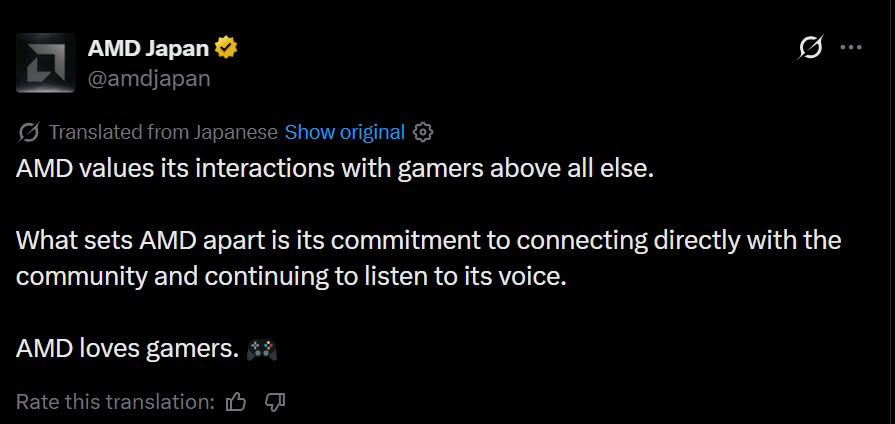
AMD's "We Love Gamers" Post Clashes With Its Own CEO's Comments
AMD Japan took to X today to say "AMD loves gamers," while also claiming that the company values its interactions with gamers above all else. The post was a quote tweet to coverage of CEO Dr. Lisa Su attending the opening of Micro Center's new Austin store. AMD handed out 300 swag bags and also raffled off a Radeon RX 9070 XT signed by Dr. Su at that event. However, that gesture was certainly not enough to undo Dr. Lisa Su's comments less than two weeks ago, where she called AMD a "data center first" company. The replies, and later a community note, were quick to remind AMD Japan of that contradiction.
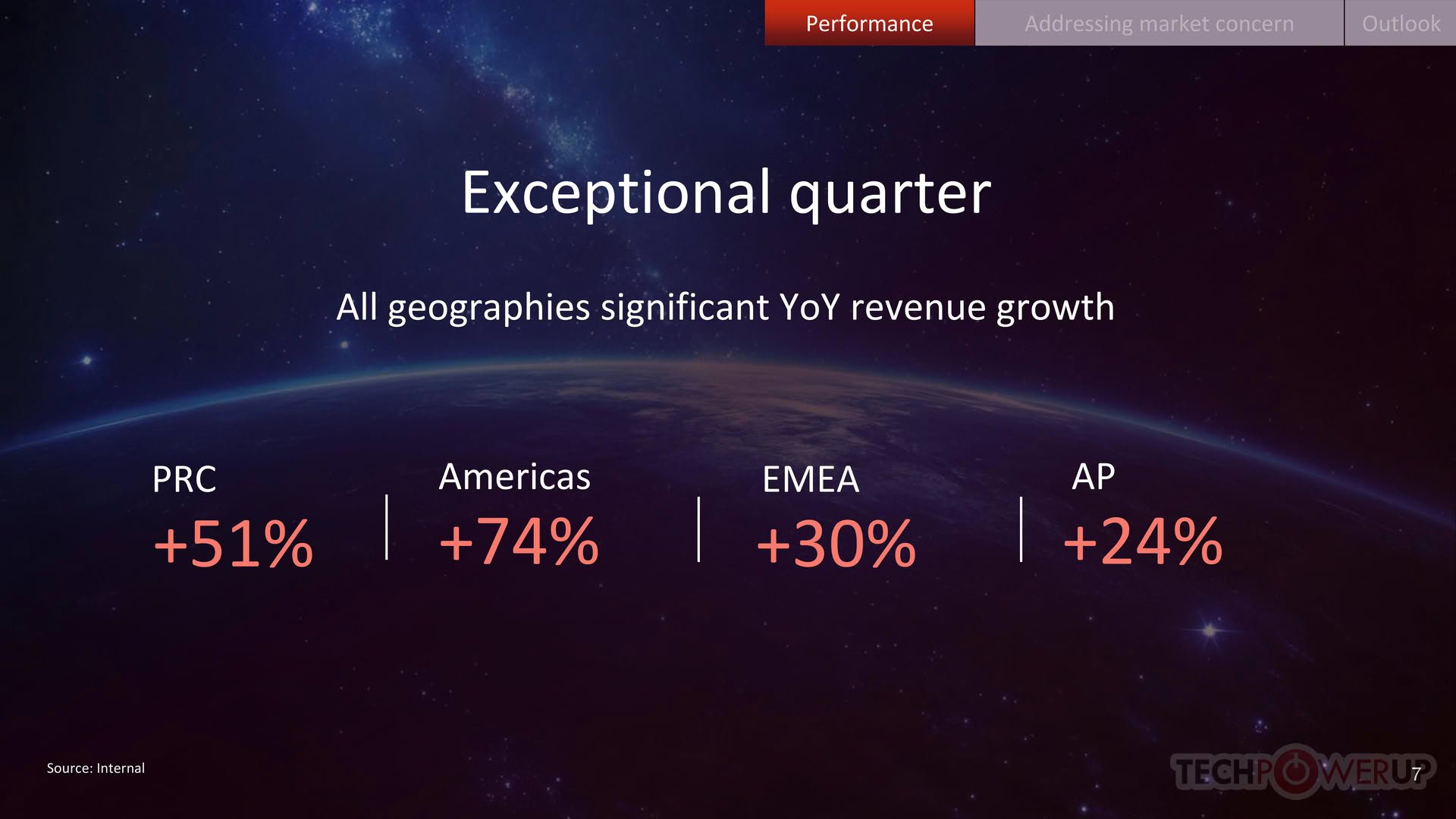
In addition to its own CEO's comments, AMD's latest earnings also don't agree with its X post today. AMD posted record Q3 2026 revenue of $13.4 billion, up 45% year over year, and the Data Center segment did most of the heavy lifting. It brought in a record $8.5 billion, 64% of the total revenue, which was up 97% year over year. By comparison, the Client and Gaming segment fell 8% to $3.7 billion. This is the part that caters to gamers, and what's more interesting is that the Client revenue actually grew 7%, which means that the damage sits almost entirely in gaming. The latter dropped 40% to $773 million, under 6% of AMD's total revenue now. Not to mention, AMD expects data center sales to grow roughly 50% from Q3 to Q4, while there's nothing officially on the horizon for gamers except a CES 2027 teaser.


In addition to its own CEO's comments, AMD's latest earnings also don't agree with its X post today. AMD posted record Q3 2026 revenue of $13.4 billion, up 45% year over year, and the Data Center segment did most of the heavy lifting. It brought in a record $8.5 billion, 64% of the total revenue, which was up 97% year over year. By comparison, the Client and Gaming segment fell 8% to $3.7 billion. This is the part that caters to gamers, and what's more interesting is that the Client revenue actually grew 7%, which means that the damage sits almost entirely in gaming. The latter dropped 40% to $773 million, under 6% of AMD's total revenue now. Not to mention, AMD expects data center sales to grow roughly 50% from Q3 to Q4, while there's nothing officially on the horizon for gamers except a CES 2027 teaser.


New Battery Law Shuts Down Keychron Orca Echo Shipments In EU
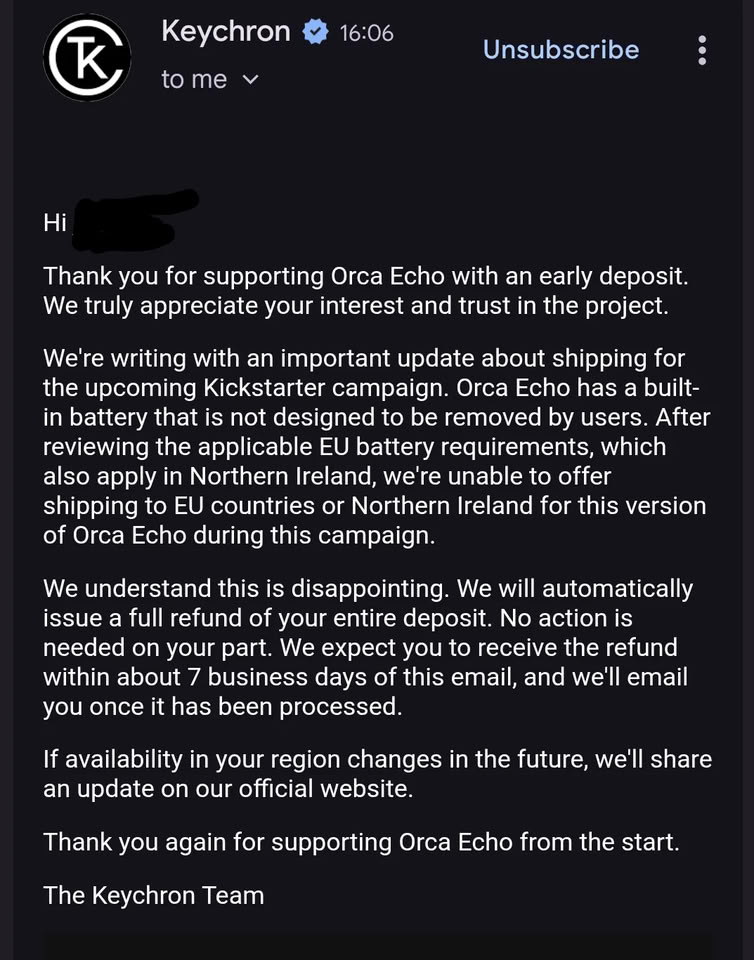
Keychron recently announced the upcoming Orca Echo wireless split ergonomic mechanical keyboard, simultaneously launching the device's early bird reservations ahead of the official crowdfunding campaign. Now, just a day before the launch of the aforementioned crowdfunding campaign, Keychron has refunded Orca Echo reservations in the EU, citing concerns about non-compliance with new EU regulations that require user-serviceable batteries in consumer electronics. Keychron sent out emails to reservation holders confirming the withdrawal and refunds (via u/Dosalod on Reddit), part of which reads:

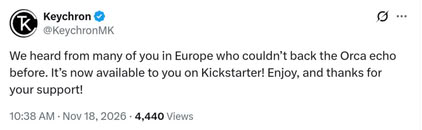
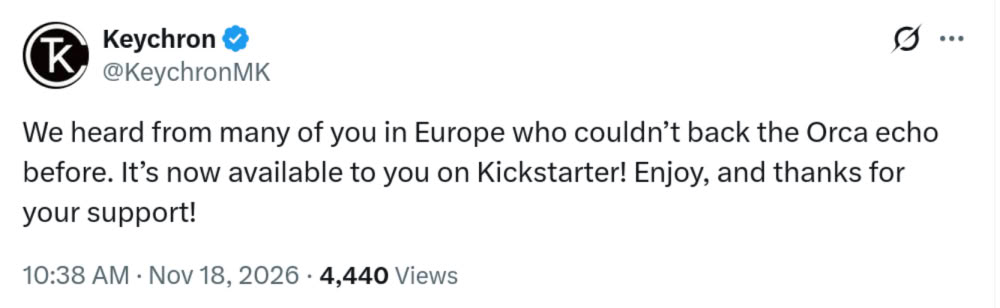
Orca Echo has a built-in battery that is not designed to be removed by users. After reviewing the applicable EU battery requirements, which also apply in Northern Ireland, we're unable to offer shipping to EU countries or Northern Ireland for this version of Orca Echo during this campaign.Update Nov 18th: Keychron has announced in a post on X that the Orca Echo is available on Kickstarter again (screenshot below), although it's unclear what has changed to allow the device to be sold in Europe.

Lenovo Legion Go Beam Handheld Leaks Sans Iconic Trackpad
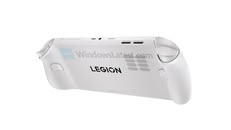
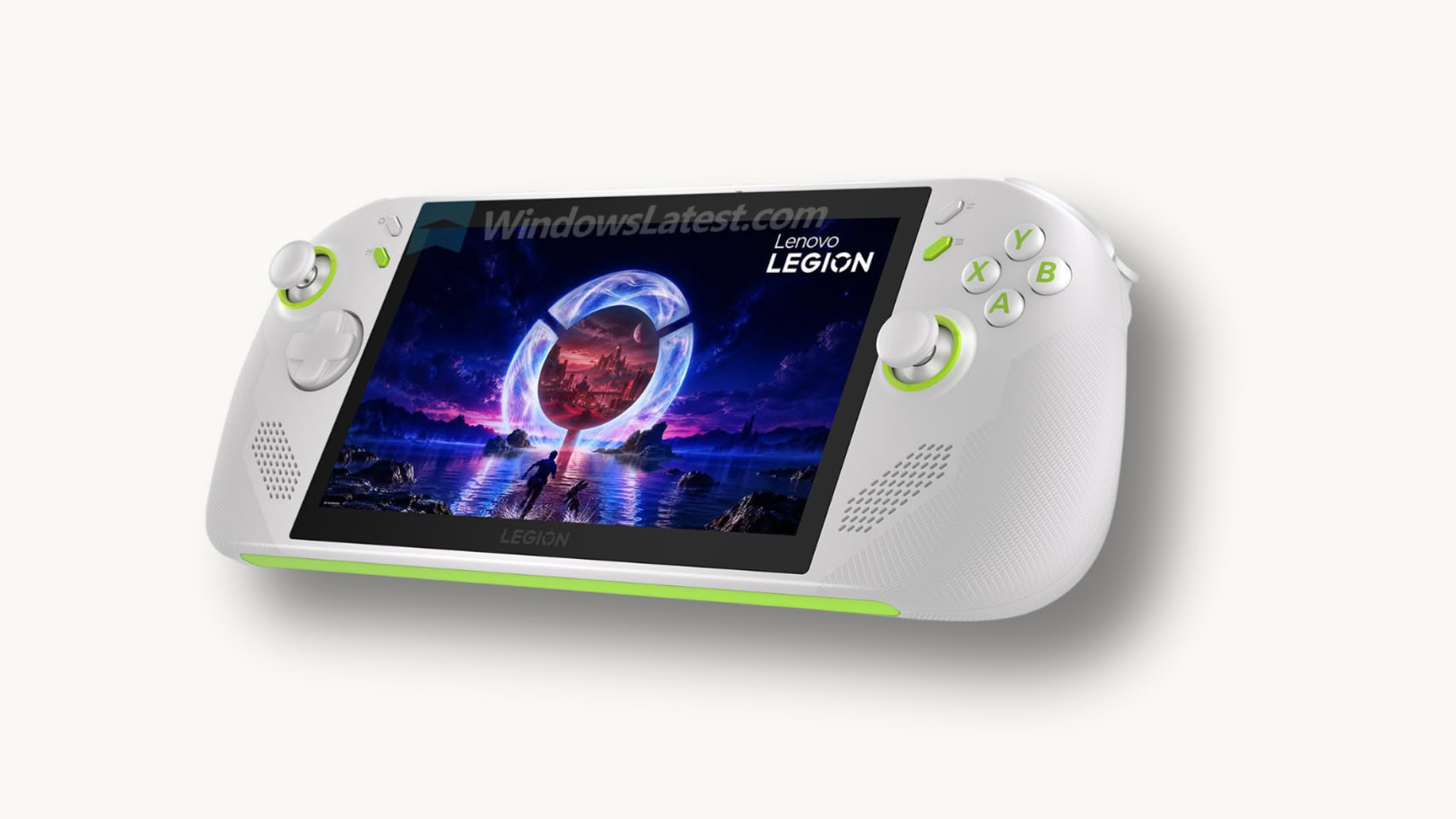
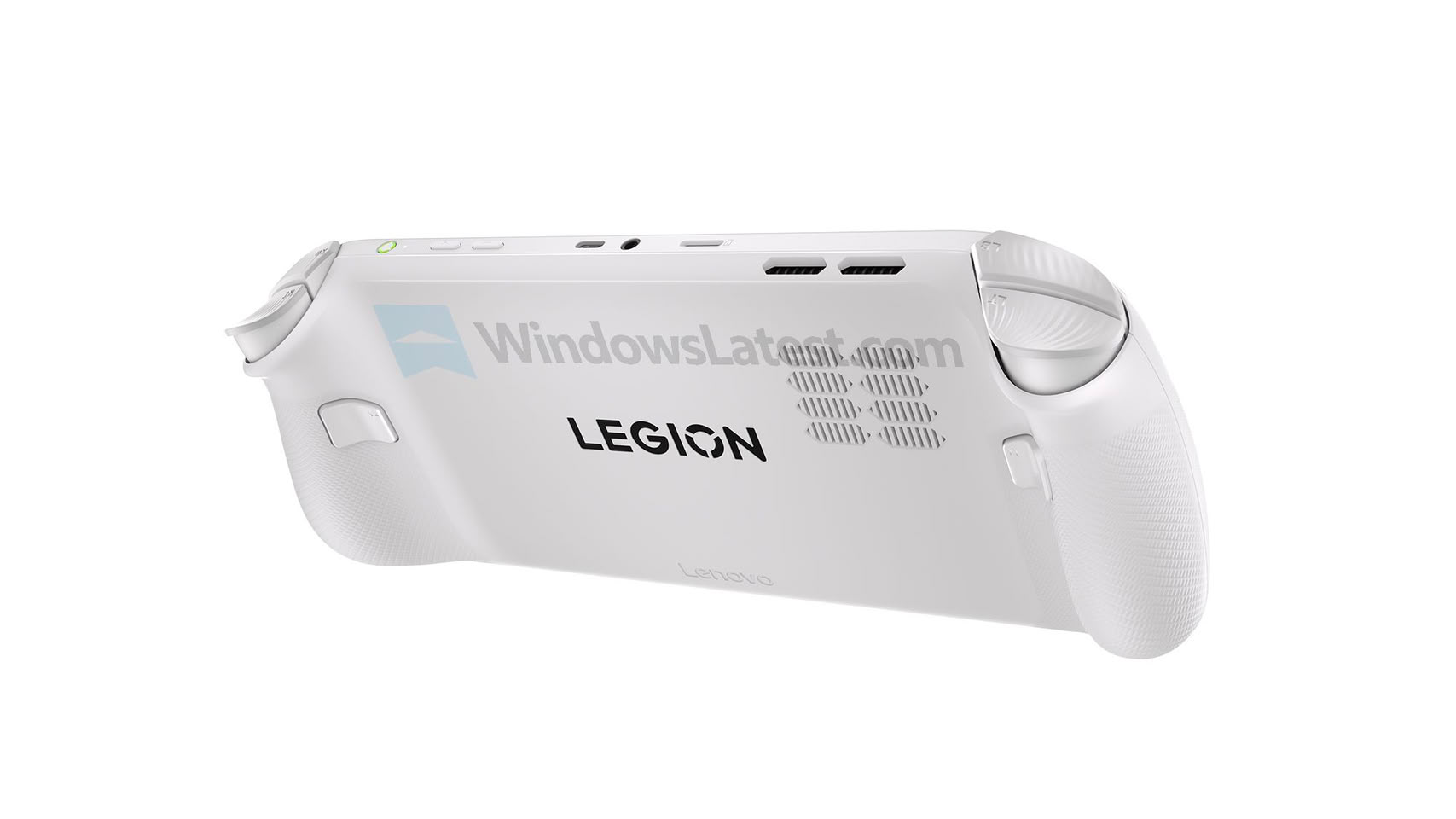
Following the launch of the Legion Go 2, which has apparently had a rough time of things, with a recent RAMpocalypse-induced price hike resulting in a retail price of over $2,000 for some Legion Go 2 models. Now, it seems as though Lenovo may be responding to the RAM crisis by making a cheaper Legion Go gaming handheld under the Legion Go Beam moniker. The new devices leaked via a Windows Latest report, showing off a white case design with lime green accents on some parts of the gaming handheld.
It's so far unclear what exactly the differences will be between the Legion Go and the Legion Go Beam devices, but the Legion Go Beam appears to be an even more affordable version of the Legion Go S, with a cut-back feature set, targeting severely budget-constrained buyers. Some of the most notable changes, aside from the new lick of paint, are more rounded grips, larger display bezels, and forward-facing speakers, all of which would theoretically address complaints leveled at the original Legion Go and the Legion Go 2.
It's so far unclear what exactly the differences will be between the Legion Go and the Legion Go Beam devices, but the Legion Go Beam appears to be an even more affordable version of the Legion Go S, with a cut-back feature set, targeting severely budget-constrained buyers. Some of the most notable changes, aside from the new lick of paint, are more rounded grips, larger display bezels, and forward-facing speakers, all of which would theoretically address complaints leveled at the original Legion Go and the Legion Go 2.
8BitDo Unveils GameCube-Inspired Controller for Switch 2 and PC
8BitDo has unveiled the GC Bluetooth Gamepad, a GameCube-inspired controller for the Nintendo Switch, Switch 2, and Windows PCs. It keeps the shape of the original and the same ABXY button layout, along with a matte finish and a familiar shell texture. The controller measures 140.1 x 102.95 x 67.6 mm and weighs 218.1 grams. The joysticks are TMR with octagonal gates and a 10-bit ADC sampling chip. 8BitDo's goal was to deliver precise directional input while keeping the eight-direction movement of the original GameCube stick. The triggers use Hall Effect sensors, and the Z and ZL shoulder buttons have a symmetrical layout.
The rest of the feature list covers a classic D-pad, a single-rotor rumble motor, a Capture button for screenshots and gameplay recording, and a Turbo function. Connectivity includes Bluetooth 5.0, 2.4 GHz wireless, and wired USB-C. Bluetooth is supported on the Nintendo Switch, while the 2.4 GHz and wired modes work with both Switch consoles and Windows PCs. 8BitDo offers the GC Bluetooth Gamepad in Orange and Purple editions, both priced at $49.99.
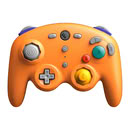
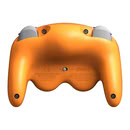


The rest of the feature list covers a classic D-pad, a single-rotor rumble motor, a Capture button for screenshots and gameplay recording, and a Turbo function. Connectivity includes Bluetooth 5.0, 2.4 GHz wireless, and wired USB-C. Bluetooth is supported on the Nintendo Switch, while the 2.4 GHz and wired modes work with both Switch consoles and Windows PCs. 8BitDo offers the GC Bluetooth Gamepad in Orange and Purple editions, both priced at $49.99.
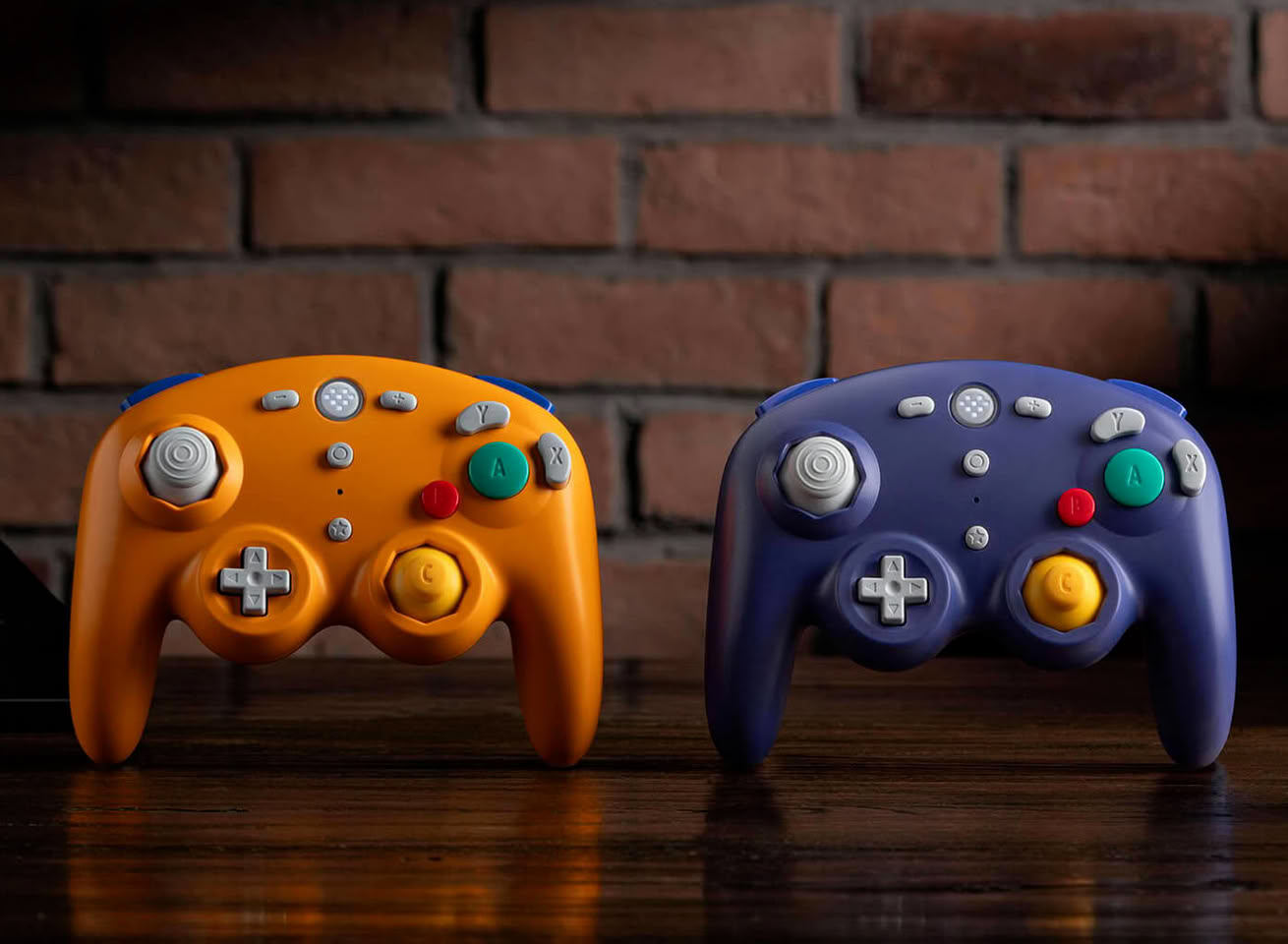
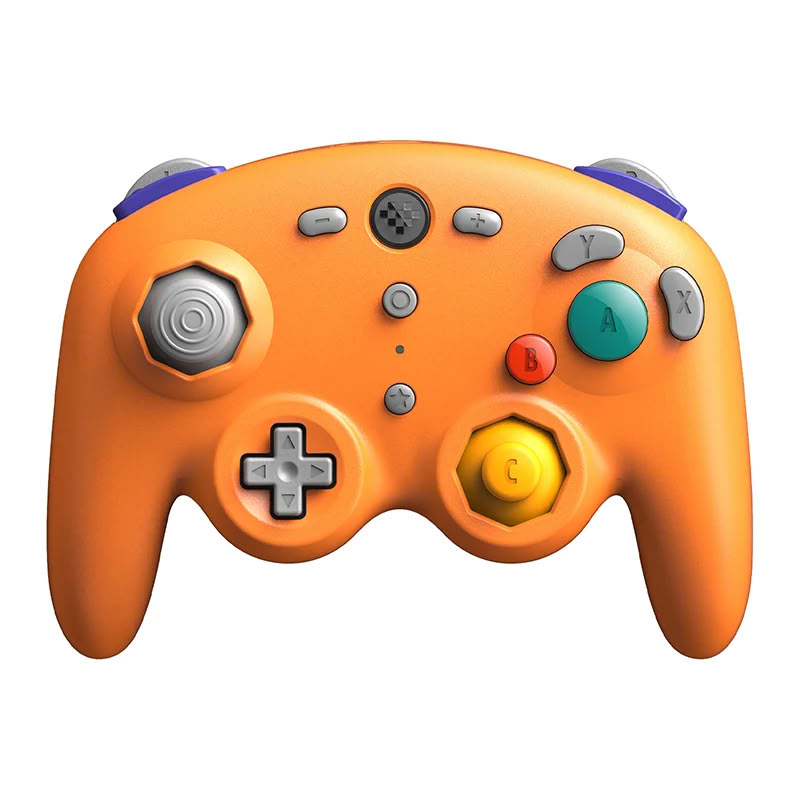
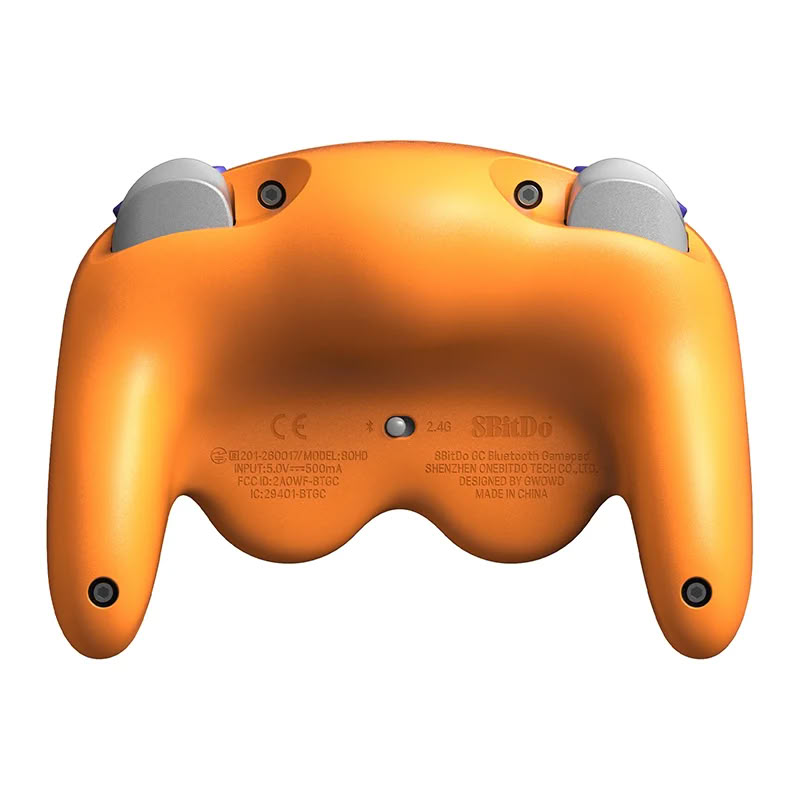
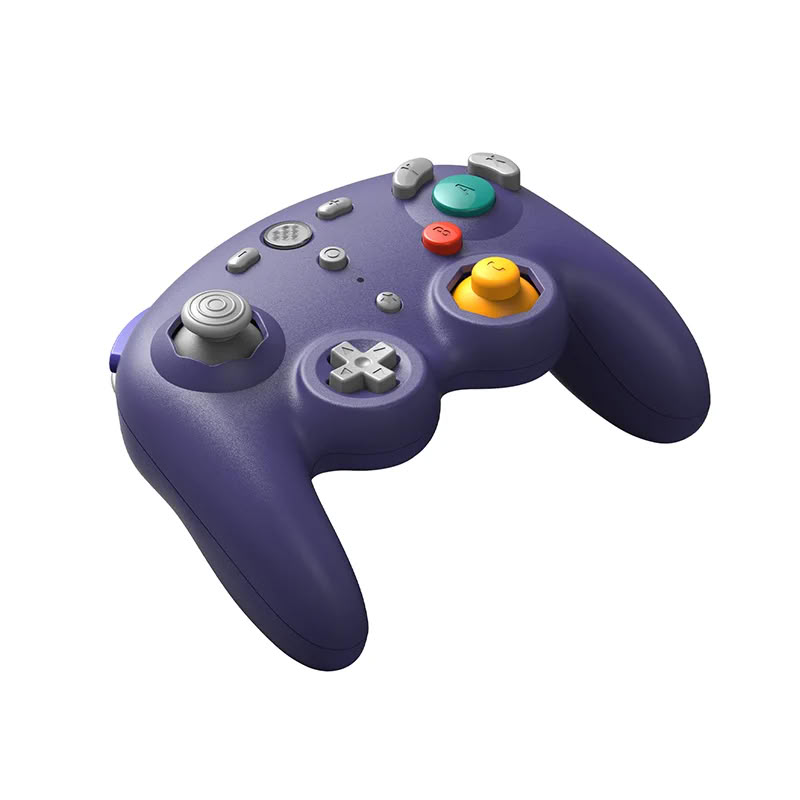
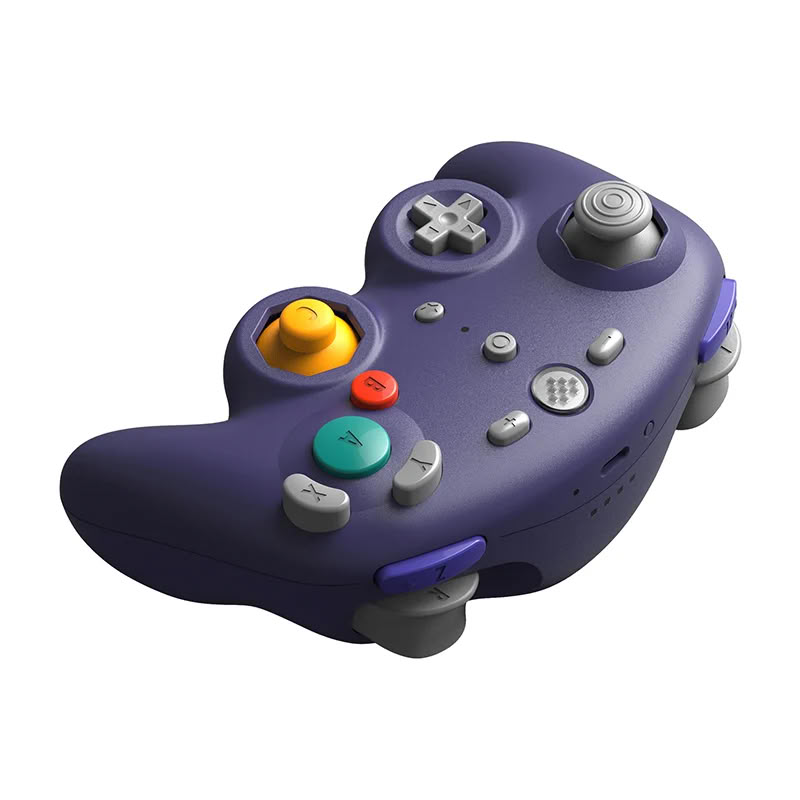
GTA 6 Reportedly Plays Best on PS5 Pro, Xbox Series S Struggles
Digital Foundry has published its detailed platform comparison for GTA 6 based on over 100 hours of testing. Rockstar has officially confirmed that every console targets 30 FPS, and even the PS5 Pro misses out on a 40 FPS or 60 FPS mode. The PS5 Pro, PS5, and Xbox Series X all render at 1440p, but only the PS5 Pro reconstructs that into a 4K-like image using PSSR. The other two get a softer spatial upscale through Rockstar's own TAA. The Pro is also the only version with ray-traced shadows, while the other consoles have to make do with RT global illumination and RT reflections only.
In DF's technical analysis, the PS5 Pro was able to hold 30 FPS across roughly 75 hours of play, briefly dropping to 24 FPS in scenes with intense explosions. The base PS5 and Xbox Series X bounce between 30 FPS and the high 20s during combat and fast traversal, but they can also dip into the low 20s in very intense scenes. DF notes that the Xbox Series X feels slightly smoother thanks to Xbox's 120 Hz VRR container. The PlayStation does not benefit from VRR at all, since it only kicks in above 48 FPS. Still, Digital Foundry's verdict is that both versions look and play well. Then there's the Xbox Series S…
In DF's technical analysis, the PS5 Pro was able to hold 30 FPS across roughly 75 hours of play, briefly dropping to 24 FPS in scenes with intense explosions. The base PS5 and Xbox Series X bounce between 30 FPS and the high 20s during combat and fast traversal, but they can also dip into the low 20s in very intense scenes. DF notes that the Xbox Series X feels slightly smoother thanks to Xbox's 120 Hz VRR container. The PlayStation does not benefit from VRR at all, since it only kicks in above 48 FPS. Still, Digital Foundry's verdict is that both versions look and play well. Then there's the Xbox Series S…

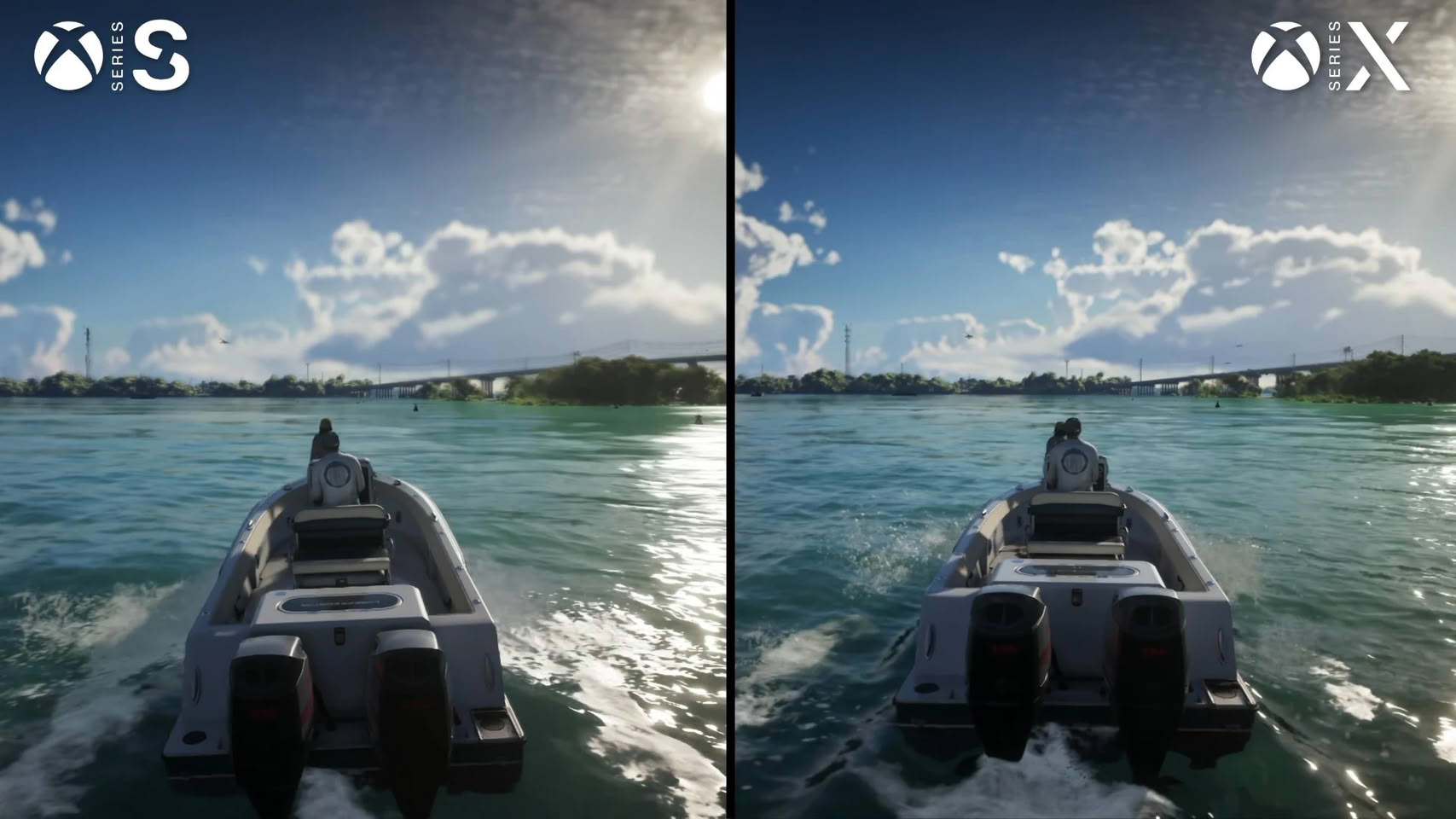
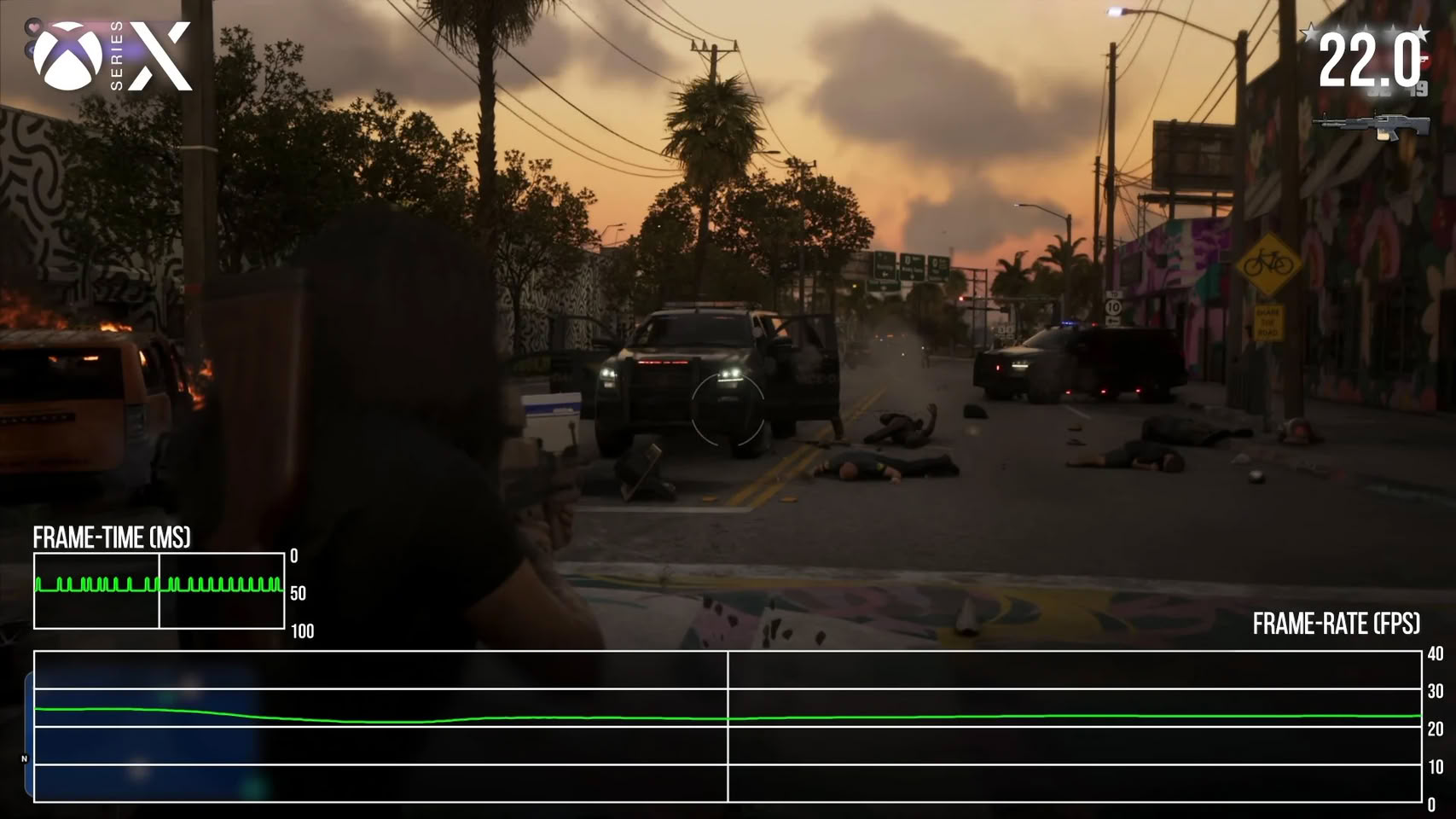

Latest NVIDIA Drivers Might Cause Excessive SSD Writing
NVIDIA's latest GeForce Game Ready GPU drivers are reportedly causing excessive SSD writing on multiple systems. Users have been reporting numbers of up to 30 GB per hour of SSD writes, even when no typical writing activity is occurring. With driver version 621.01 installed, the NVIDIA Display Container process recorded less than 2 MB of writes while the PC was idle. However, with the upgrade to the version 621.14, released on November 4, the same five-minute check resulted in approximately 515 MB of writes. Another report indicates write activity as high as 30 GB per hour with the newer 621.24 driver. Reports collected by TroubleGrid and posts on NVIDIA's forums point to a binary log named nvlog.nvlgstg, stored in the NVIDIA Corporation folder under C:\ProgramData.
While this may seem minor, it's important to remember that systems can run for extended periods, and the writing can accumulate over time, potentially leading to SSD wear and tear. SSD lifespan largely depends on its ability to endure constant random writes, and forcing random writes onto an SSD will undoubtedly shorten its lifecycle. This is particularly concerning given the high cost of NAND Flash, as users are operating expensive SSDs that could undergo unnecessary wear. Users monitoring the file found that NVDisplay.Container.exe seemed to rewrite it repeatedly. GeForce owners can check their systems by opening the Disk tab in Windows Resource Monitor and looking for NVDisplay.Container.exe under Disk Activity. Disabling recording and overlay features reduced activity in some cases. Below resource monitor is an image from Wccftech.
While this may seem minor, it's important to remember that systems can run for extended periods, and the writing can accumulate over time, potentially leading to SSD wear and tear. SSD lifespan largely depends on its ability to endure constant random writes, and forcing random writes onto an SSD will undoubtedly shorten its lifecycle. This is particularly concerning given the high cost of NAND Flash, as users are operating expensive SSDs that could undergo unnecessary wear. Users monitoring the file found that NVDisplay.Container.exe seemed to rewrite it repeatedly. GeForce owners can check their systems by opening the Disk tab in Windows Resource Monitor and looking for NVDisplay.Container.exe under Disk Activity. Disabling recording and overlay features reduced activity in some cases. Below resource monitor is an image from Wccftech.
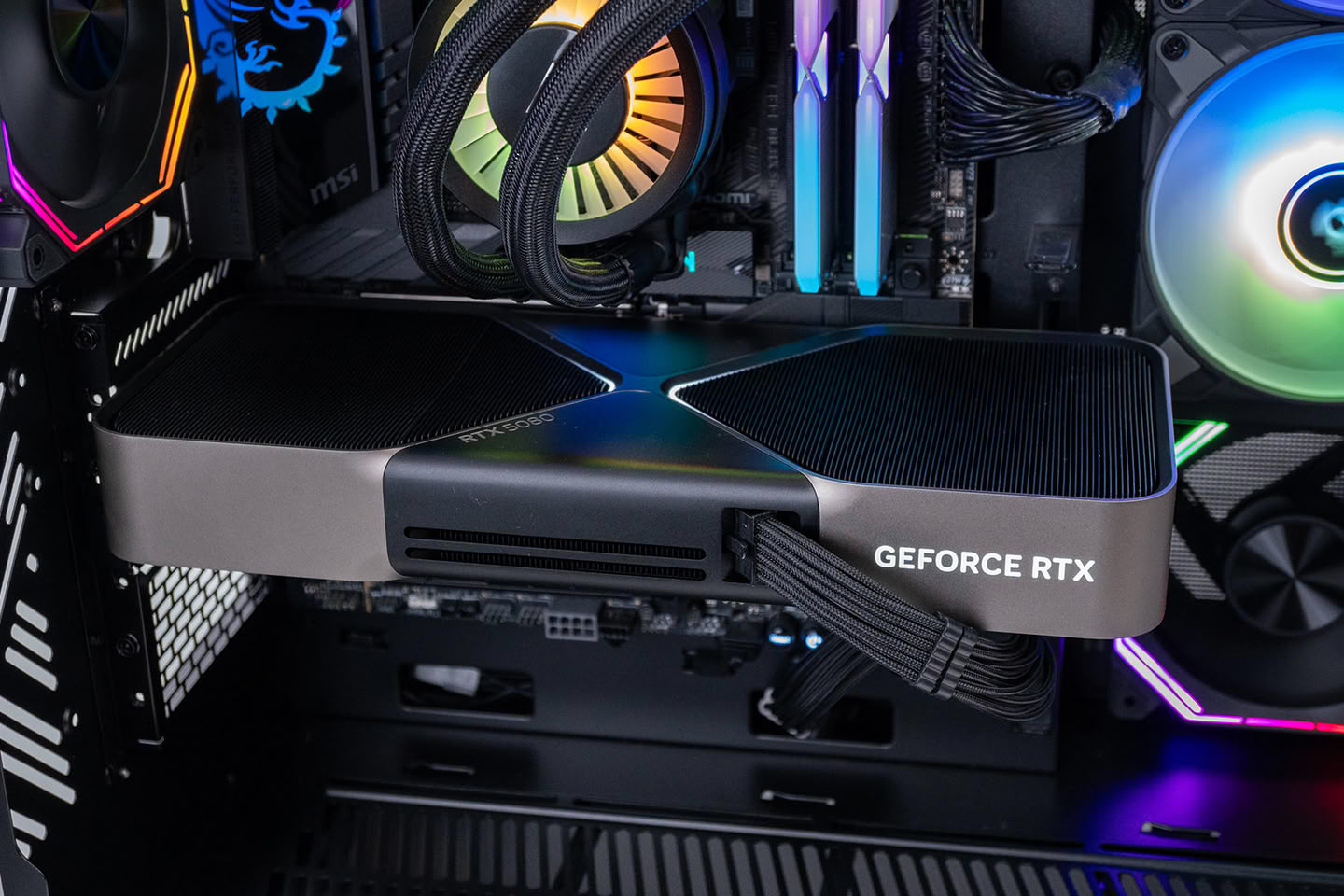
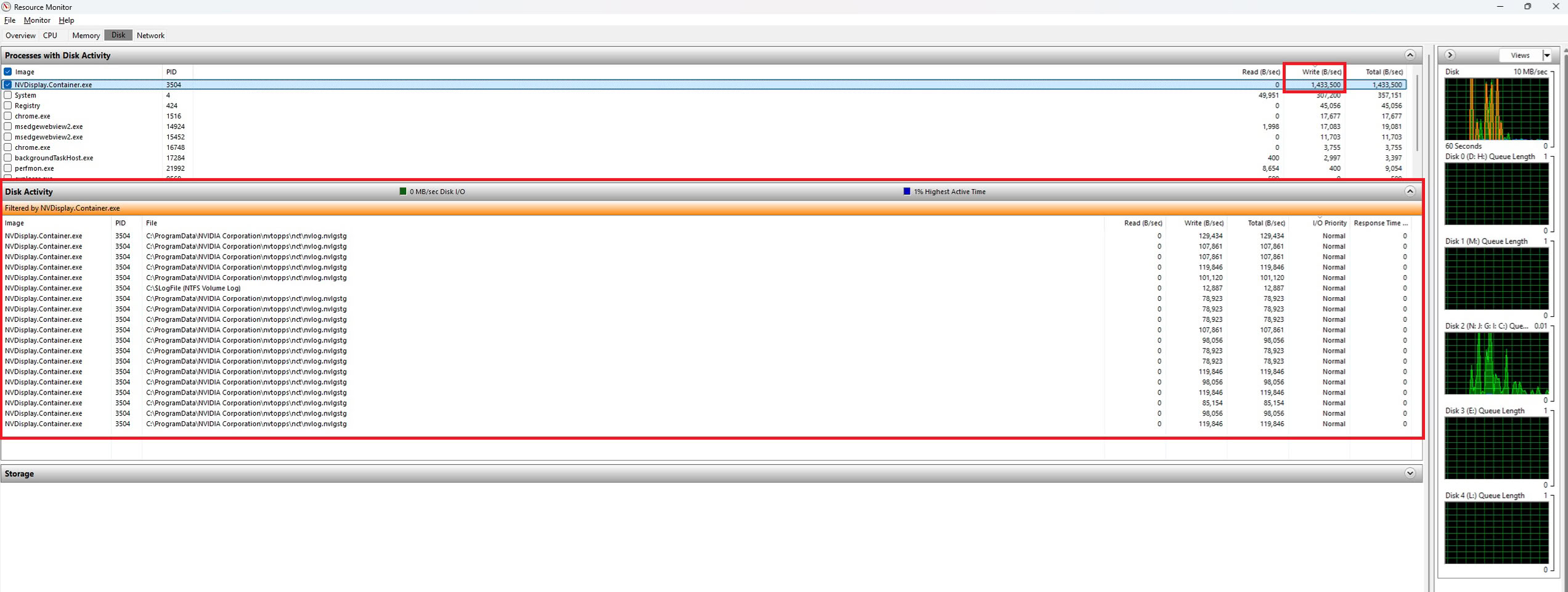
Sony Defeats UK PlayStation Store Lawsuit With Help From Physical Discs
London's Competition Appeal Tribunal (CAT) unanimously dismissed the £1.97 billion ($2.6 billion) class action lawsuit against Sony on November 17, according to The Game Business. As a result, 12.2 million UK PlayStation users won't receive a payout. The claim was filed by consumer rights advocate Alex Neill in August 2022, accusing Sony of abusing a near-monopoly over digital PlayStation games and add-ons. He added that Sony funnels every purchase through the PlayStation Store, where it takes a 30% commission. The case went to trial back in March, and it covered everyone who bought digital PlayStation content in the UK between August 2016 and February 2026. Sony, however, came out on top on every issue.
The tribunal rejected the argument that PlayStation owners are trapped in a market of their own. It argued that Sony competes in a "systems market" with other players like Xbox, Nintendo, and PC, with physical games also acting as a real alternative to the PlayStation Store. That last bit is quite interesting, to say the least, since Sony is actively phasing out physical disc production by 2028, moving to an all-digital future. It is ironic that the very medium that Sony is moving away from has helped it win a class-action lawsuit. The tribunal found that Sony wasn't dominant in any relevant market, and Neill couldn't show that Sony's margins were excessive, since console makers often sell their hardware at thin margins and rely on software sales to earn it back.

The tribunal rejected the argument that PlayStation owners are trapped in a market of their own. It argued that Sony competes in a "systems market" with other players like Xbox, Nintendo, and PC, with physical games also acting as a real alternative to the PlayStation Store. That last bit is quite interesting, to say the least, since Sony is actively phasing out physical disc production by 2028, moving to an all-digital future. It is ironic that the very medium that Sony is moving away from has helped it win a class-action lawsuit. The tribunal found that Sony wasn't dominant in any relevant market, and Neill couldn't show that Sony's margins were excessive, since console makers often sell their hardware at thin margins and rely on software sales to earn it back.

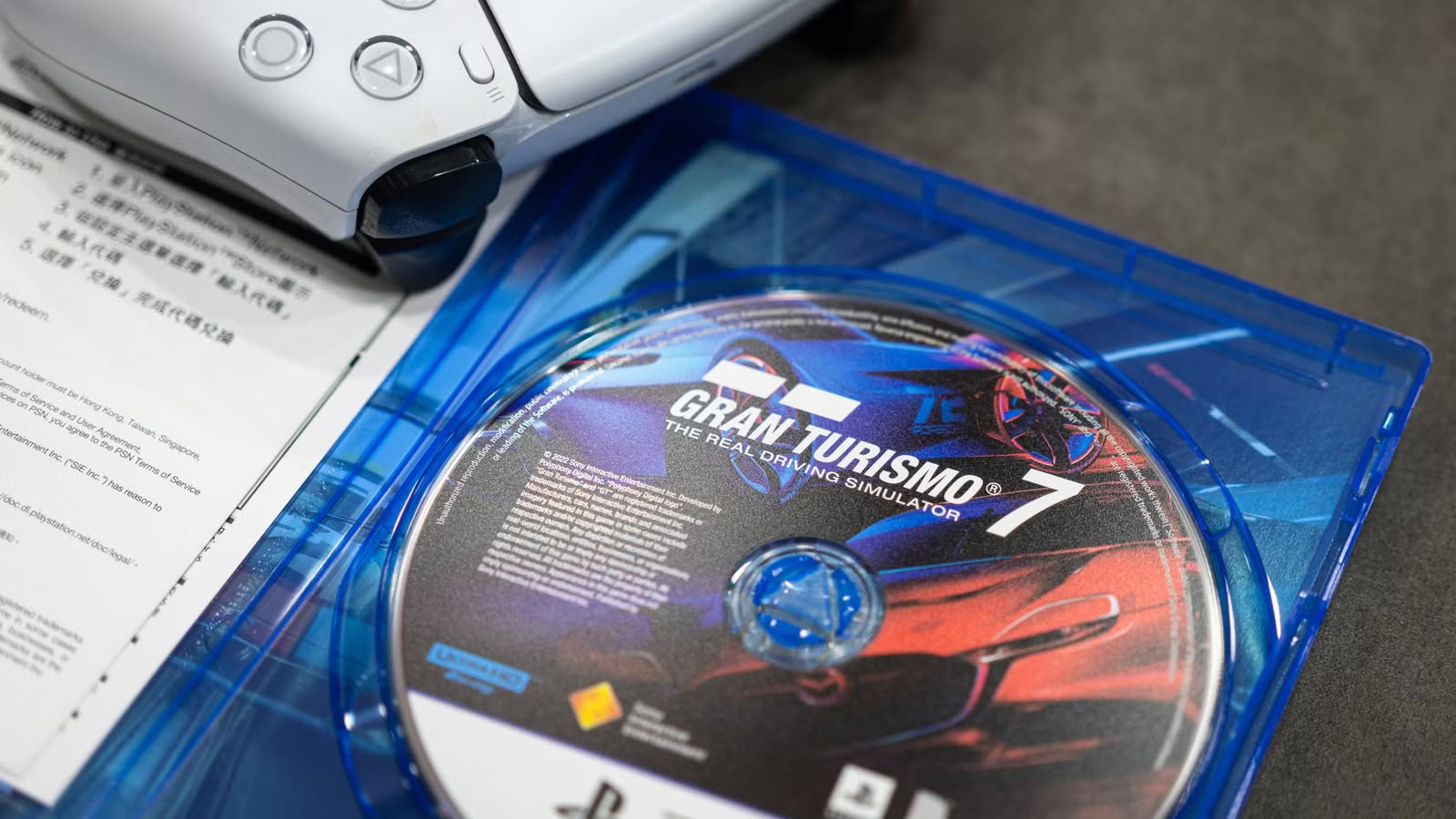
GTA 6 Review Roundup: 99 on Metacritic and 118 Perfect Scores
After more than a decade of anticipation, Grand Theft Auto 6 finally launched on November 19th worldwide. Critics got early access to the game, and the reviews embargo lifted a day earlier. There was some concern about whether or not Grand Theft Auto 6 would be able to satisfy the enormous hype around it, but that has seemingly been put to rest. With a record-breaking Metascore of 99 at launch, made up of 118 perfect scores from critics, GTA 6 is one of the most well-received games of all time. On Metacritic, Rockstar's game has tied the original Legend of Zelda: Ocarina of Time with a score of 99. That means GTA 6 is tied for the highest Metascore ever, and ahead of every previous Rockstar game, including GTA 4 at 98.
The breakdown is also interesting to analyze. Out of 147 critic reviews for the PS5 version of GTA 6 on Metacritic, 118 are perfect scores, which made the 99 overall Metascore possible. Each one of those reviews is classed as positive, with zero mixed or negative reviews at the time of writing. The Xbox Series X version also sits at 99, though that's based on just 14 reviews. Plenty of big names handed out full marks to GTA 6, including IGN, GameSpot, Game Informer, Edge, Eurogamer, GamesRadar+, VGC, TechRadar Gaming, Destructoid, Push Square, Screen Rant, DualShockers, CGMagazine, ComicBook, Digital Spy, and Forbes.


The breakdown is also interesting to analyze. Out of 147 critic reviews for the PS5 version of GTA 6 on Metacritic, 118 are perfect scores, which made the 99 overall Metascore possible. Each one of those reviews is classed as positive, with zero mixed or negative reviews at the time of writing. The Xbox Series X version also sits at 99, though that's based on just 14 reviews. Plenty of big names handed out full marks to GTA 6, including IGN, GameSpot, Game Informer, Edge, Eurogamer, GamesRadar+, VGC, TechRadar Gaming, Destructoid, Push Square, Screen Rant, DualShockers, CGMagazine, ComicBook, Digital Spy, and Forbes.

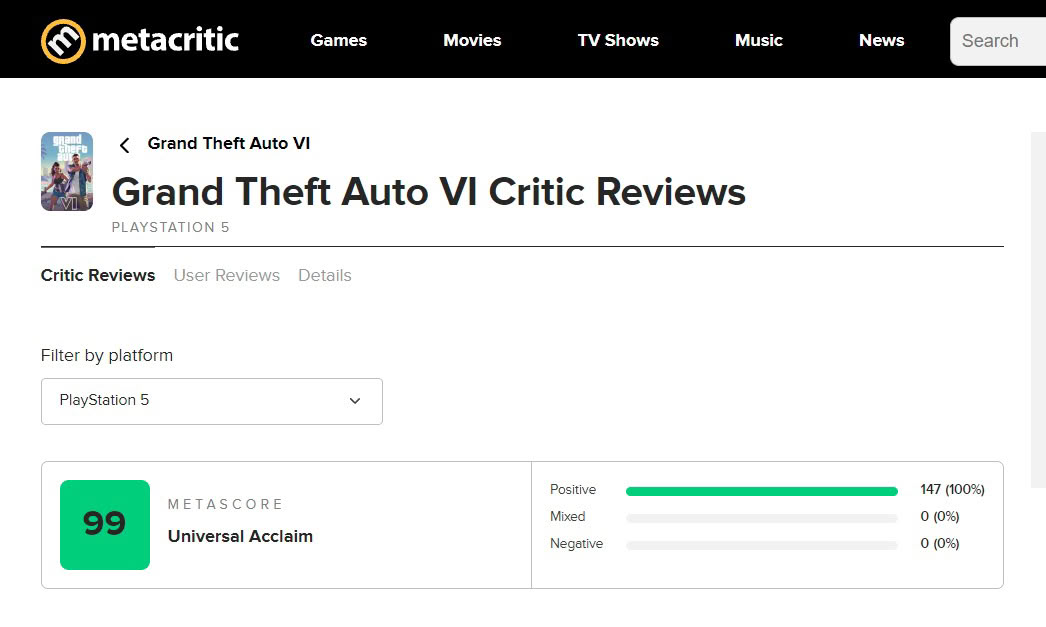

HighPoint Enters Enterprise Networking Marketplace with Rocket 9500A 25GbE and 100GbE NIC Series
HighPoint Technologies, Inc., a U.S.-based provider of high-performance NVMe storage and PCIe connectivity solutions, today announced its entry into the enterprise networking market with the introduction of the Rocket 9500A Series of 25GbE and 100GbE Ethernet Network Interface Cards (NICs).
Built on Intel's established E810 Ethernet architecture, the Rocket 9500A series expands HighPoint's enterprise infrastructure portfolio with the introduction of high-bandwidth network connectivity for virtualization, AI/HPC, data centers, and enterprise storage environments. Rocket 9500A series NICs provide IT professionals, system integrators, and solution providers with an array of flexible networking choices engineered to strike the ideal balance between performance, reliability, and deployment cost.
Built on Intel's established E810 Ethernet architecture, the Rocket 9500A series expands HighPoint's enterprise infrastructure portfolio with the introduction of high-bandwidth network connectivity for virtualization, AI/HPC, data centers, and enterprise storage environments. Rocket 9500A series NICs provide IT professionals, system integrators, and solution providers with an array of flexible networking choices engineered to strike the ideal balance between performance, reliability, and deployment cost.

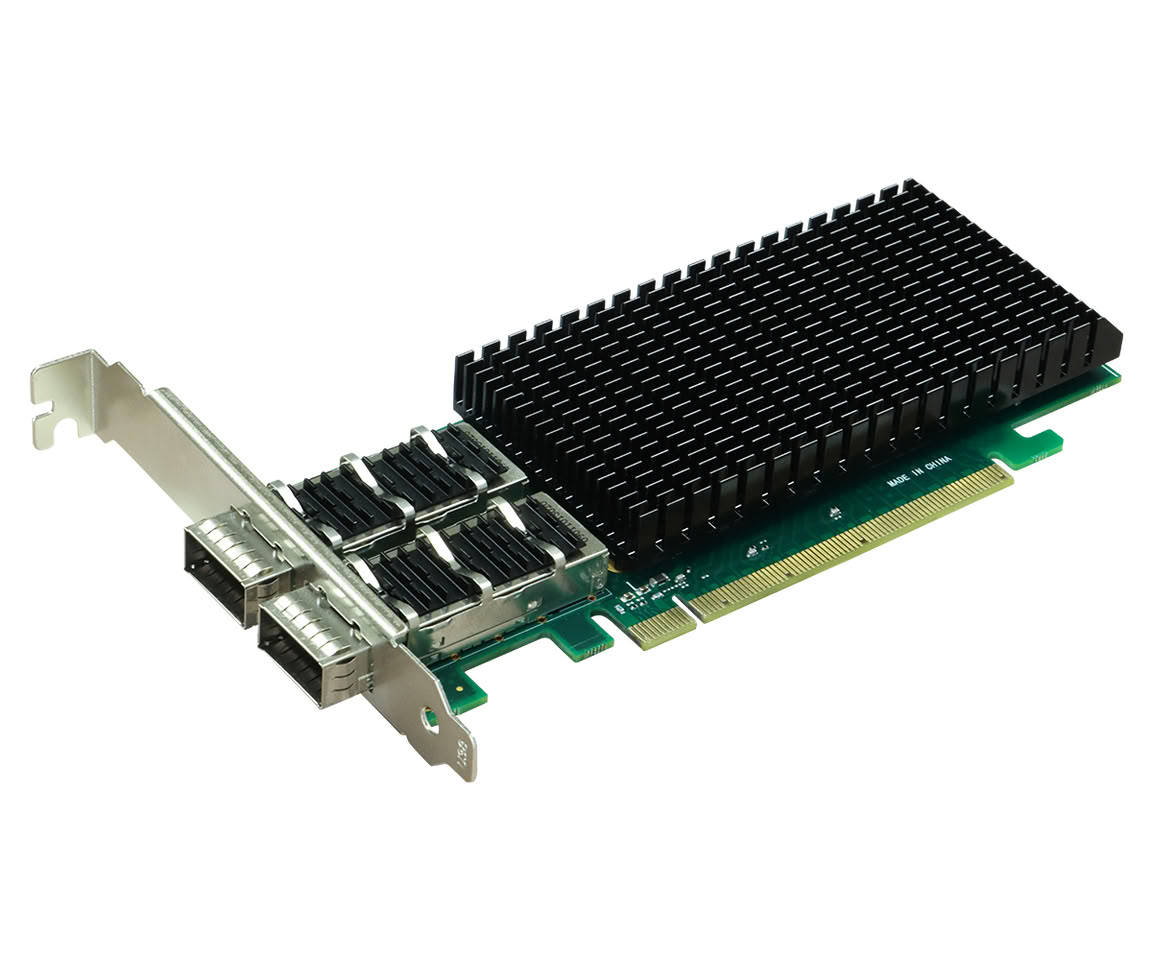
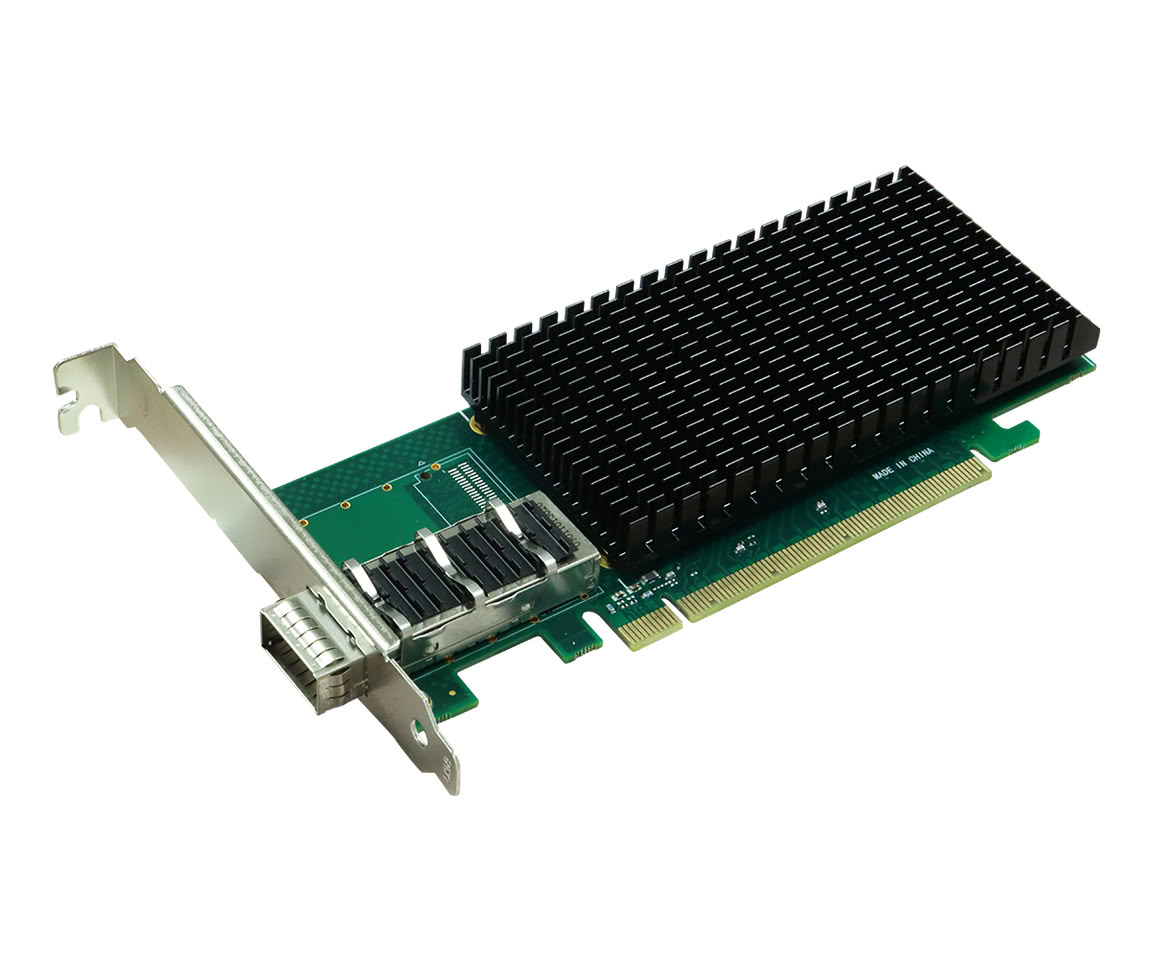
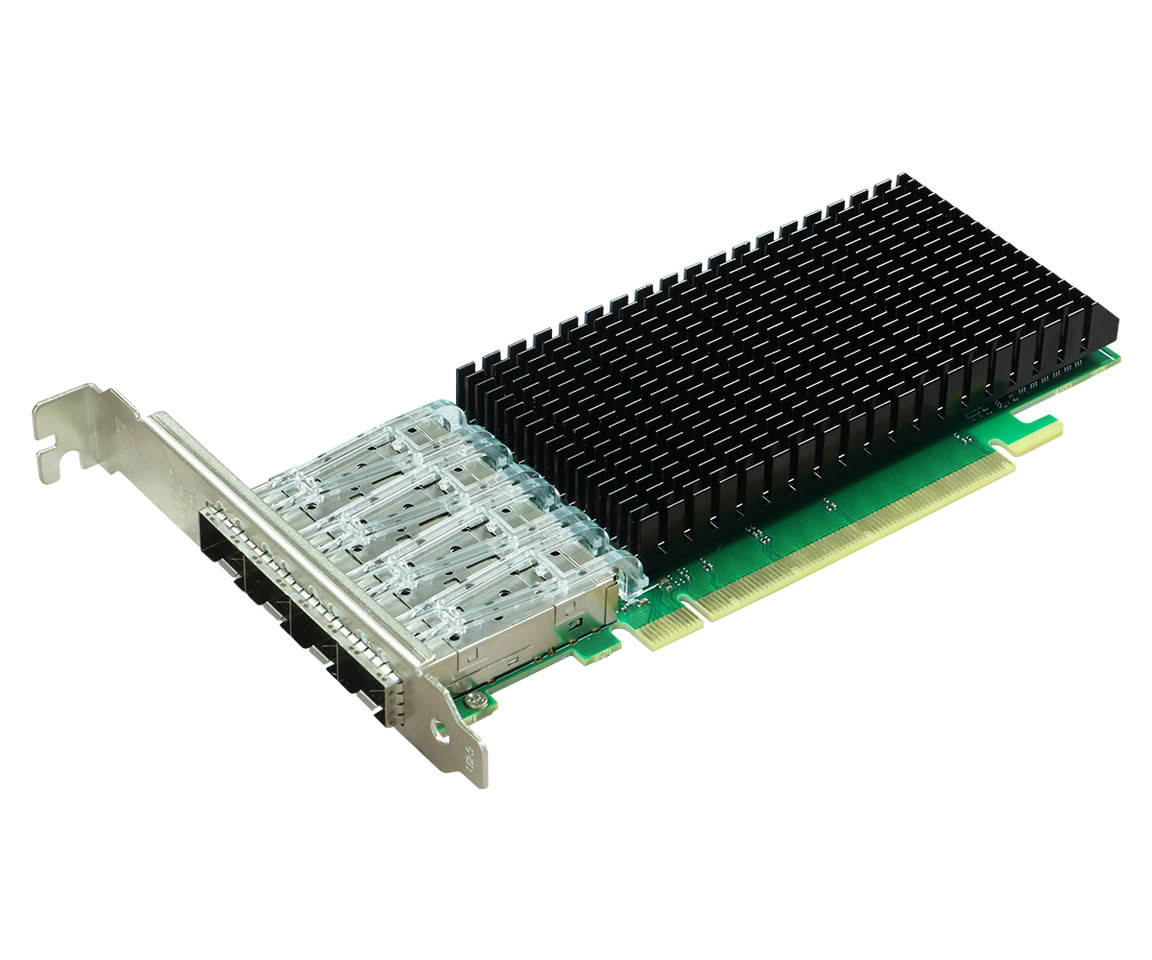

JEDEC Previews Next-Generation DDR6 DRAM
JEDEC Solid State Technology Association, the global leader in the development of standards for the microelectronics industry, today unveiled a preview of its DDR6 DRAM standard, the next-generation main memory standard designed to support the accelerating demands of AI, cloud, data center, server and client computing. Currently in development in JEDEC, DDR6 will introduce a new architecture aimed at delivering significant gains in bandwidth, capacity, power efficiency and reliability, helping to enable the next era of high-performance computing.
The following features reflect current JEDEC DDR6 development plans rather than a finalized standard, and are subject to change through JEDEC's development and approval process:
Increased Performance
The following features reflect current JEDEC DDR6 development plans rather than a finalized standard, and are subject to change through JEDEC's development and approval process:
Increased Performance
- Higher bandwidth: Improved data rates and a wider bus will combine to increase bandwidth more than 50% at introduction, with further bandwidth increases as data rates increase. This bandwidth target is distinct from a claim of equivalent improvement in application performance.
- Higher data rates: DDR6 RDIMMs move beyond DDR5's 9.2 GT/s to a data rate that will start at 12.8 GT/s with a roadmap extending to 14.4 GT/s and beyond.
- Wider bus: The data bus expands from 64 to 96 DQ, a 50% increase in data bus width.
- Pseudo-channel architecture: DDR6's planned architecture organizes memory access into pseudo-channels to support higher bandwidth per DRAM package. It is intended to provide greater configuration flexibility for system reliability and more efficient data movement.
- Higher bank availability: 2X bank count and improved refresh boost data bus efficiency, enabling system performance at higher speed grades and higher capacities.

Build Your Dream Anime-Inspired PC with the AORUS ARI Bundle, Exclusively at Newegg
GIGABYTE brings anime aesthetics and gaming performance together with the AORUS ARI Bundle, featuring the AORUS GeForce RTX 5060 ARI 8G graphics card and B850 AORUS ELITE-P ICE motherboard. Inspired by Ari, AORUS's original anime character, this exclusive bundle combines distinctive character artwork, sleek white hardware, and advanced gaming technologies to create a PC build that truly stands out.
At the heart of the bundle is the AORUS GeForce RTX 5060 ARI 8G, powered by NVIDIA's Blackwell architecture and equipped with 8 GB of GDDR7 memory. Featuring NVIDIA DLSS technology and advanced ray tracing capabilities, the graphics card delivers enhanced visuals and smooth gaming performance. GIGABYTE's WINDFORCE cooling system incorporates patented Hawk fans, server-grade thermal conductive gel, and composite copper heat pipes to optimize heat dissipation. Its reinforced metal backplate, featuring exclusive ARI artwork, combines long-term durability with a bold anime-inspired design.
Buy GIGABYTE AORUS ARI Bundle on Newegg!
At the heart of the bundle is the AORUS GeForce RTX 5060 ARI 8G, powered by NVIDIA's Blackwell architecture and equipped with 8 GB of GDDR7 memory. Featuring NVIDIA DLSS technology and advanced ray tracing capabilities, the graphics card delivers enhanced visuals and smooth gaming performance. GIGABYTE's WINDFORCE cooling system incorporates patented Hawk fans, server-grade thermal conductive gel, and composite copper heat pipes to optimize heat dissipation. Its reinforced metal backplate, featuring exclusive ARI artwork, combines long-term durability with a bold anime-inspired design.
Buy GIGABYTE AORUS ARI Bundle on Newegg!

Microsoft to Use Intel's EMIB Advanced Packaging Technology
Microsoft announced today that it will officially adopt Intel Foundry's Embedded Multi-die Interconnect Bridge (EMIB) advanced packaging technology for its custom silicon used in Azure. Specifically, Microsoft will use Intel's EMIB-T, which includes through-silicon vias (TSVs) to enable vertical power delivery across multiple stacked chips, supporting the concept of vertical power delivery for 3D silicon modules at the package level. As a reminder, Microsoft's fleet of custom silicon solutions includes valuable accelerators, such as the current Maia 200, which powers AI inferencing workloads like large-scale reasoning, and the Cobalt 200 CPUs, designed for agentic workloads. The next-generation versions of these silicon projects will be packaged at Intel Foundry, supported by EMIB and its variants like EMIB-T.
Additionally, Microsoft confirmed its commitment to using Intel's Xeon processors and the upcoming "Diamond Rapids" Xeon 7 CPUs to power Azure infrastructure. The company will collaborate with Intel to integrate Intel Xeons on Compute Express Link (CXL) to achieve greater memory efficiency and system-level control across its data centers. Microsoft will also utilize Intel QuickAssist (Intel QAT) and confidential computing through Intel Trust Domain Extensions (Intel TDX). The company has measured a 2.5x increase in performance and flexibility on some workloads, such as SQL backups, thanks to CXL and other optimizations.
Additionally, Microsoft confirmed its commitment to using Intel's Xeon processors and the upcoming "Diamond Rapids" Xeon 7 CPUs to power Azure infrastructure. The company will collaborate with Intel to integrate Intel Xeons on Compute Express Link (CXL) to achieve greater memory efficiency and system-level control across its data centers. Microsoft will also utilize Intel QuickAssist (Intel QAT) and confidential computing through Intel Trust Domain Extensions (Intel TDX). The company has measured a 2.5x increase in performance and flexibility on some workloads, such as SQL backups, thanks to CXL and other optimizations.
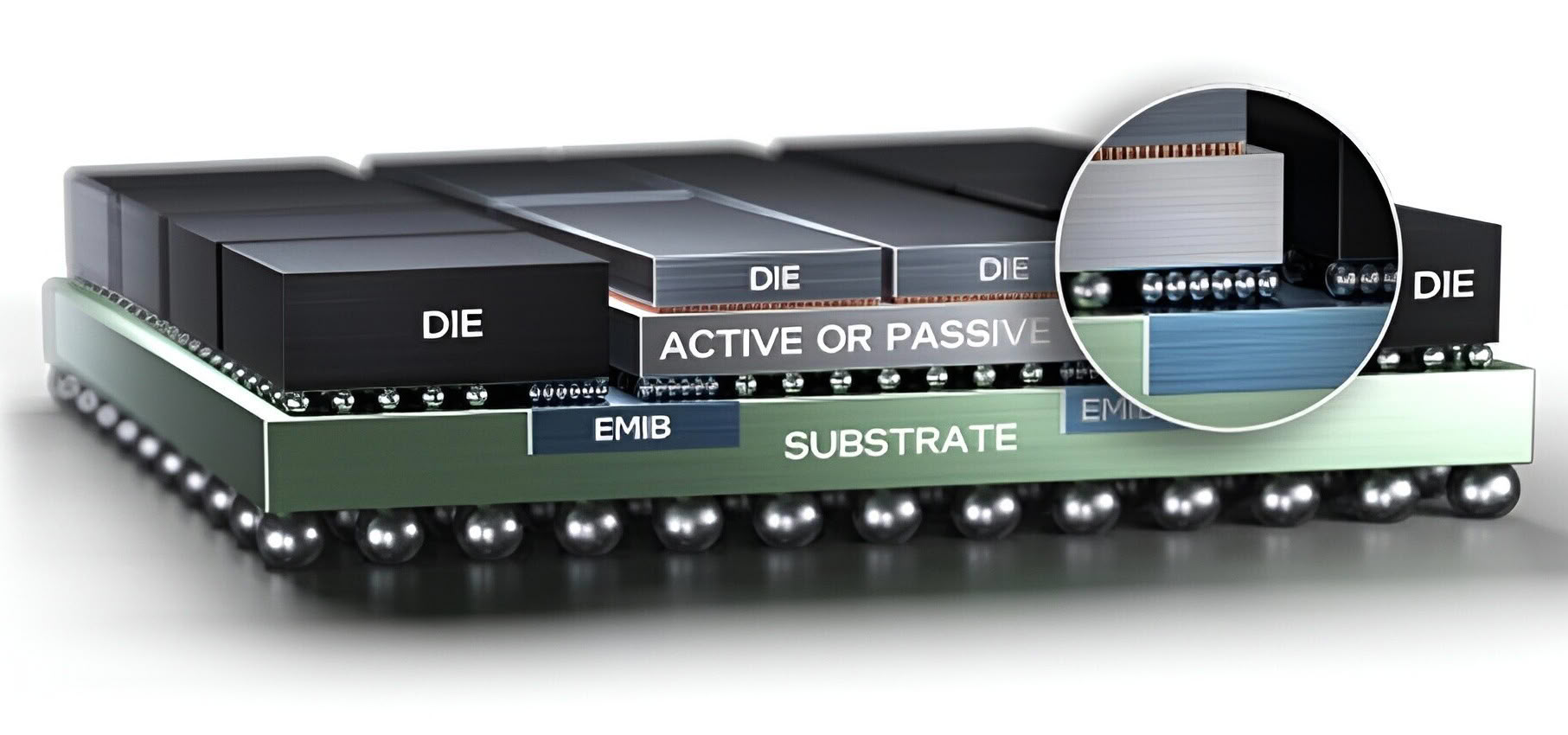
NVIDIA RTX Spark Compact Desktops Out Now
New NVIDIA RTX Spark compact desktops from ASUS, Dell and MSI are available today, bringing local AI agents, image and video generation, and model fine-tuning to a dedicated Windows PC. With up to 128 GB of unified memory and NVIDIA's AI software stack, these systems provide room for larger local models alongside RTX-accelerated creative and development tools. A dedicated desktop can keep agents and scheduled tasks running while a laptop travels or handles other work.
Alongside the new desktops, an expanding software ecosystem brings more creative and development workflows to RTX Spark laptops and compact desktops. Native Windows on Arm applications from Adobe, the NVIDIA DLSS Ray Reconstruction feature in Blender and local generation workflows in ComfyUI expand what creators and developers can do on RTX Spark—all on one Windows PC.


Alongside the new desktops, an expanding software ecosystem brings more creative and development workflows to RTX Spark laptops and compact desktops. Native Windows on Arm applications from Adobe, the NVIDIA DLSS Ray Reconstruction feature in Blender and local generation workflows in ComfyUI expand what creators and developers can do on RTX Spark—all on one Windows PC.
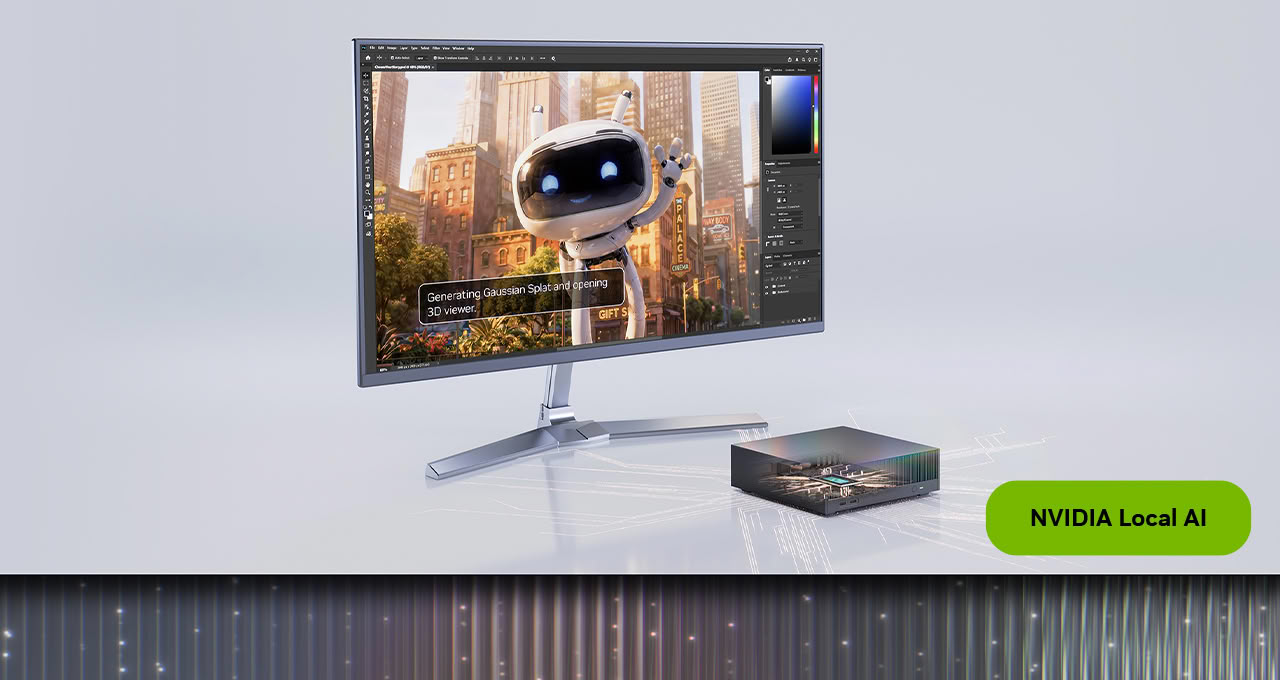
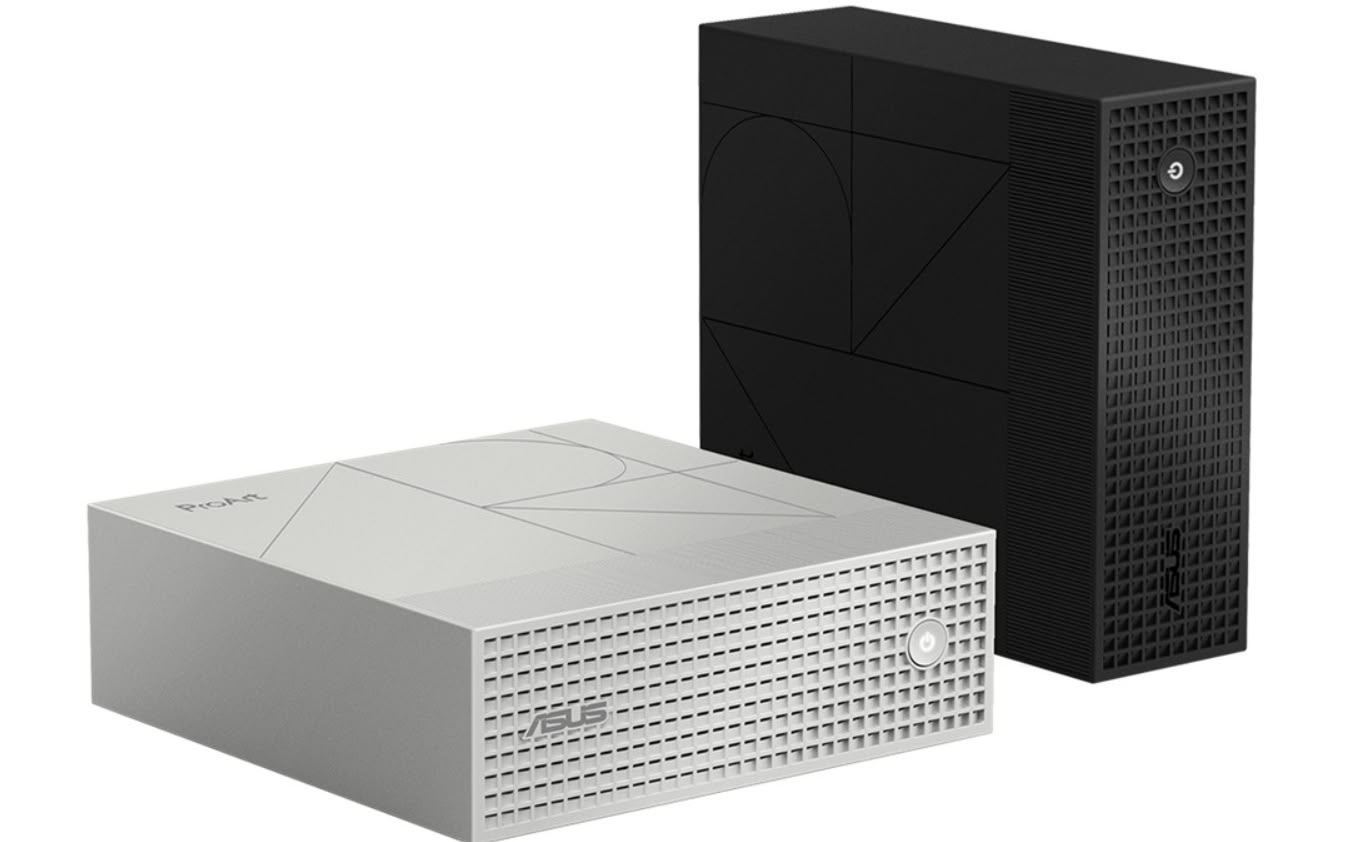
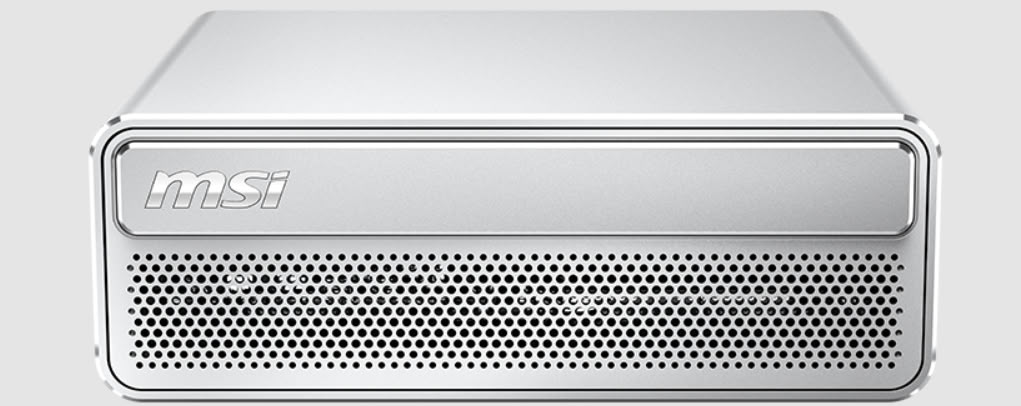
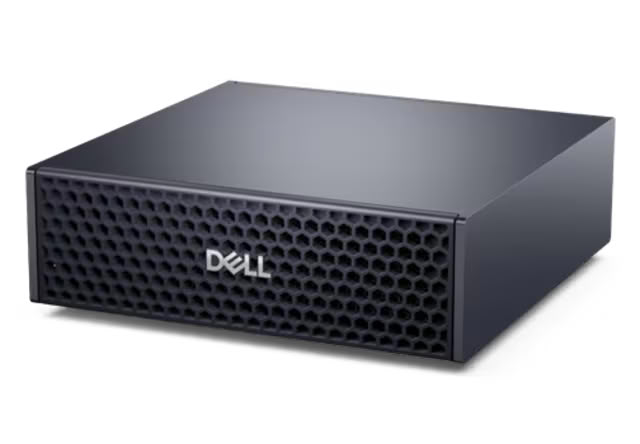

ASUS Announces Availability of the ProArt GR1X
ASUS today announced the availability of the ProArt GR1X mini PC. Built on the NVIDIA RTX Spark superchip, ProArt GR1X is a Windows PC designed as an always-on home for local AI agents. It is able to run large models on-device, keep prompts and project files private, and work with the agent and creative tools people already use. ProArt GR1X can be specified with 128 GB and 64 GB of unified memory.
Built for agentic AI, powered by RTX Spark
AI agents work best when they can run continuously, see local files and apps, and use large models without per-token fees. ProArt GR1X is built for that job—its NVIDIA RTX Spark platform pairs a 6,144-core Blackwell RTX GPU with a 20-core Grace CPU over NVLink-C2C, sharing one pool of up to 128 GB unified memory.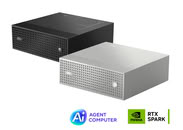
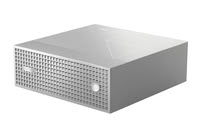
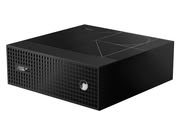
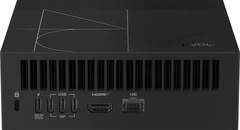
Built for agentic AI, powered by RTX Spark
AI agents work best when they can run continuously, see local files and apps, and use large models without per-token fees. ProArt GR1X is built for that job—its NVIDIA RTX Spark platform pairs a 6,144-core Blackwell RTX GPU with a 20-core Grace CPU over NVLink-C2C, sharing one pool of up to 128 GB unified memory.
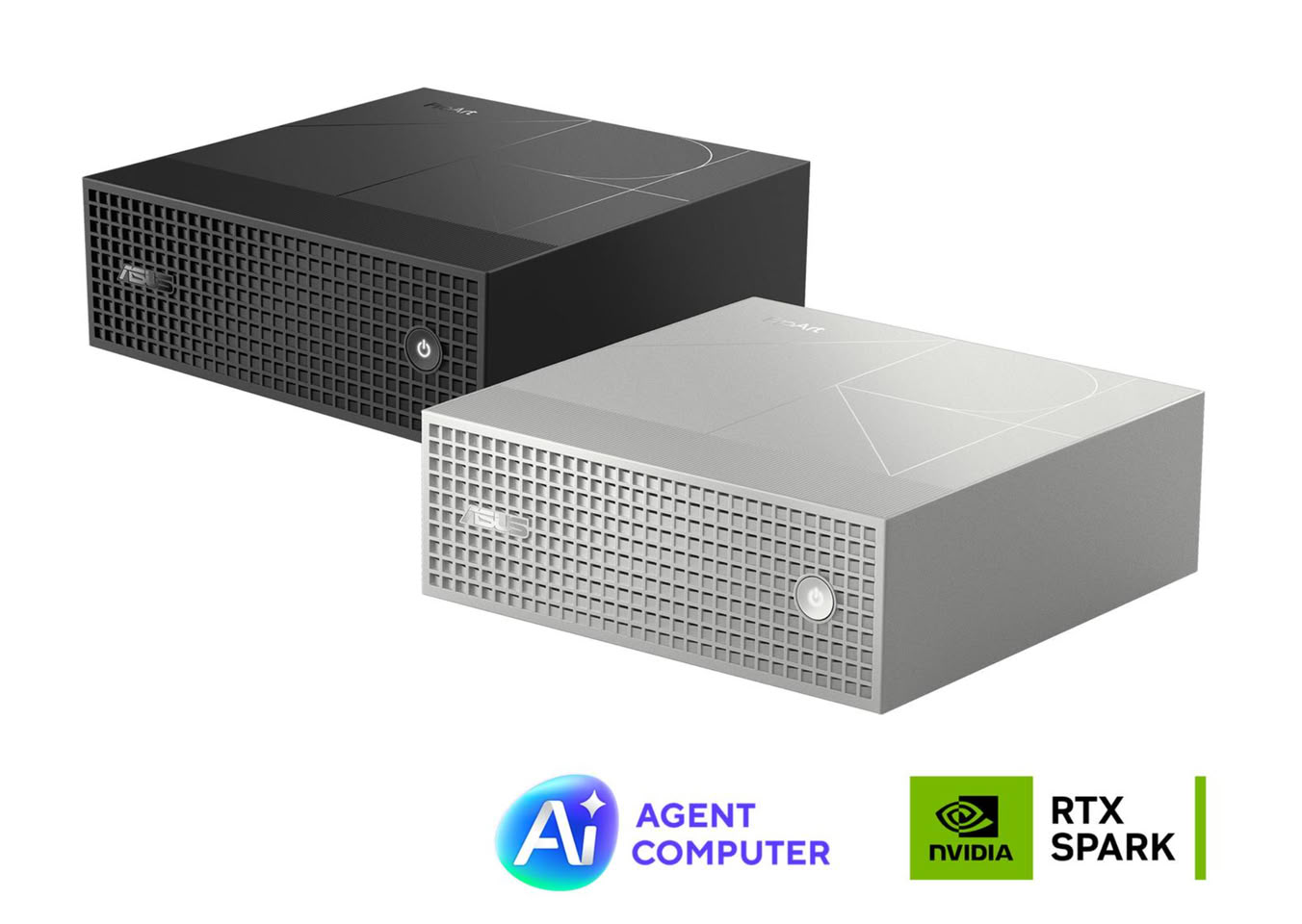
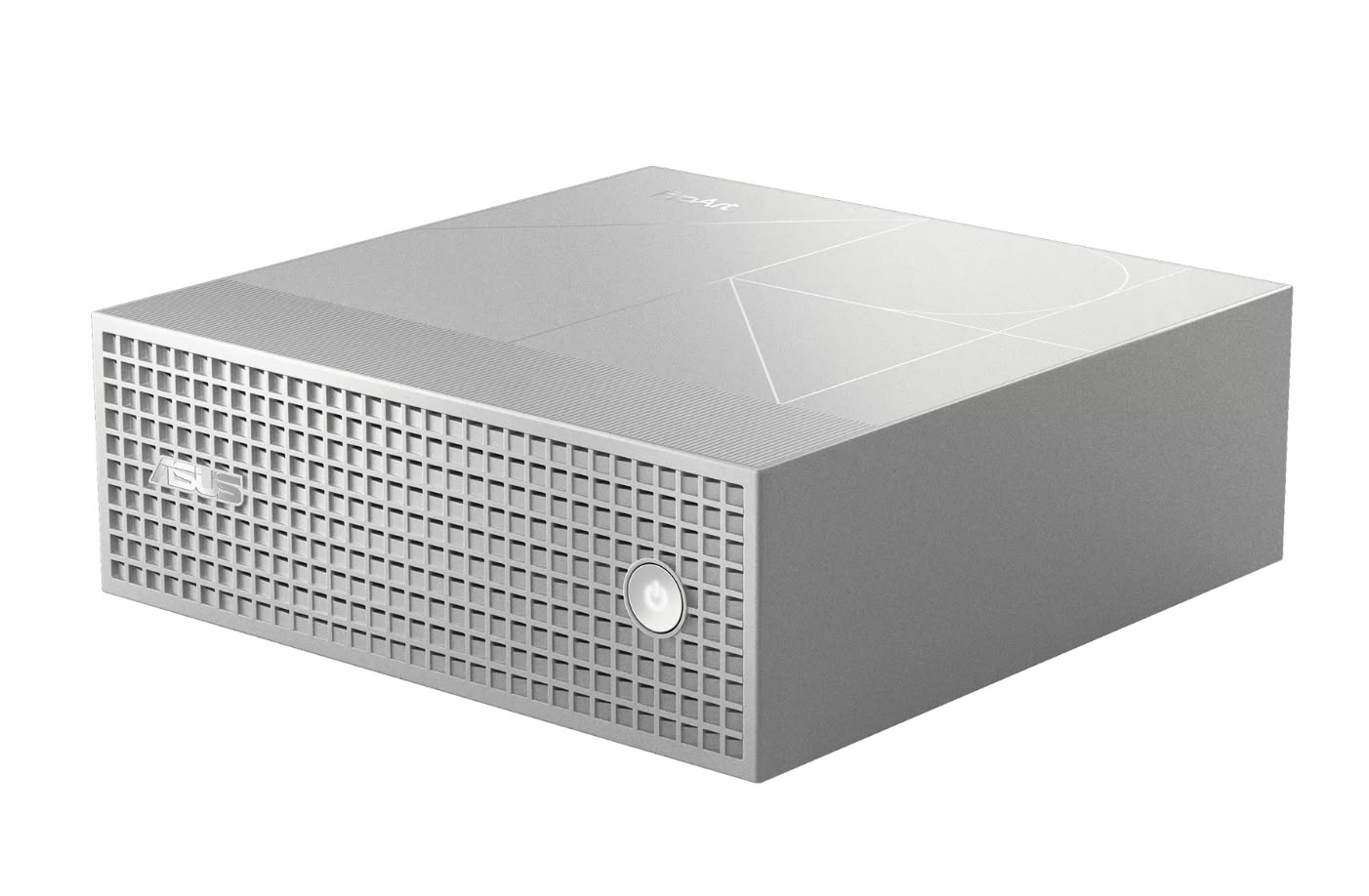
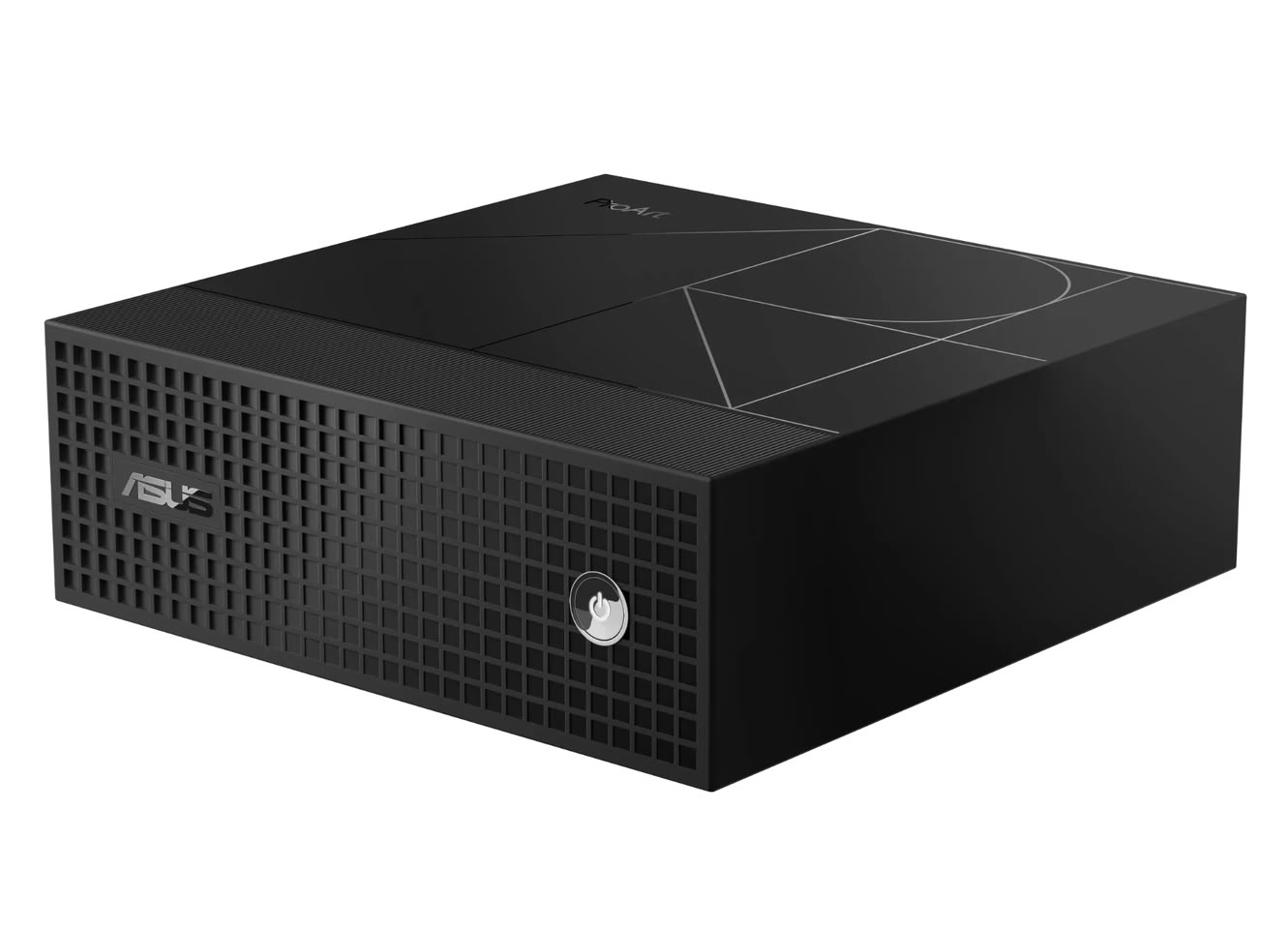
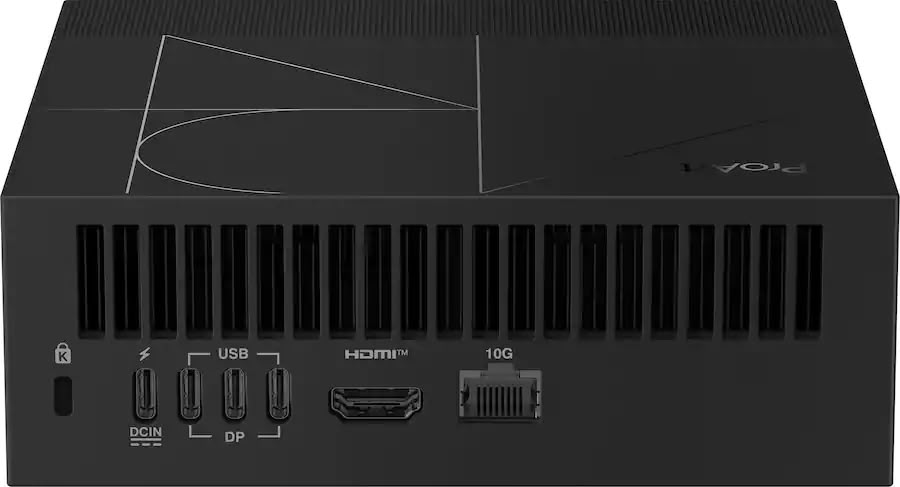
Supermicro Ships First All-Flash Storage Servers, Delivering PCIe Gen 6 Performance and Broad Software-Defined Storage Support
Supermicro, Inc., an AI, Enterprise, Storage, and 5G/Edge Total IT Solution Provider featuring Data Center Building Block Solutions (DCBBS), today announced new extensions to the broad portfolio of AMD EPYC based all-flash storage servers. The first systems, now shipping, include the Petascale system powered by the 6th Gen AMD EPYC 9006 Series processors (formerly codenamed "Venice"), with more products to follow as AMD launches new SP8 CPU versions. These are the first storage products supporting the PCIe Gen 6 I/O specification with 100% greater sequential read bandwidth over PCIe Gen 5.
Vik Malyala, chief business officer at Supermicro"Expanding AI and HPC workloads require storage that can match the performance of today's CPU and GPU clusters," "With our new all-flash storage servers based on AMD EPYC processors, and the flexibility of the DCBBS architecture, we are delivering improved PCIe Gen 6 bandwidth, high density, and scalable capacity. These platforms can be customized for HPC, AI training, and inference workloads, while providing software-defined storage partners with proven, validated systems they can rely on."


LG Electronics Launches LG Gram Book 14
LG Electronics USA announced the U.S. launch of the LG gram Book 14, a new Windows 11 Home laptop that combines long battery life, an ultra-light design and a 14-inch display in an accessible package for work, school and entertainment. Available in touchscreen (14U40V-H.AR51U3 and 14U40V-H.AA65U1) and standard (14U40V-G.AR51U3 and 14U40V-G.AA65U1) configurations, the gram Book 14 comes in Titan Silver and Black and is available now at LG.com, starting at $799.99.
Thin, Light and Built to Last
Designed for users who want a slim, lightweight Windows laptop without stepping up to a premium price tier, the gram Book 14 weighs 2.86 pounds and measures just 0.59 inches thick. Its compact design makes it easy to carry between home, school, office and travel.


Thin, Light and Built to Last
Designed for users who want a slim, lightweight Windows laptop without stepping up to a premium price tier, the gram Book 14 weighs 2.86 pounds and measures just 0.59 inches thick. Its compact design makes it easy to carry between home, school, office and travel.
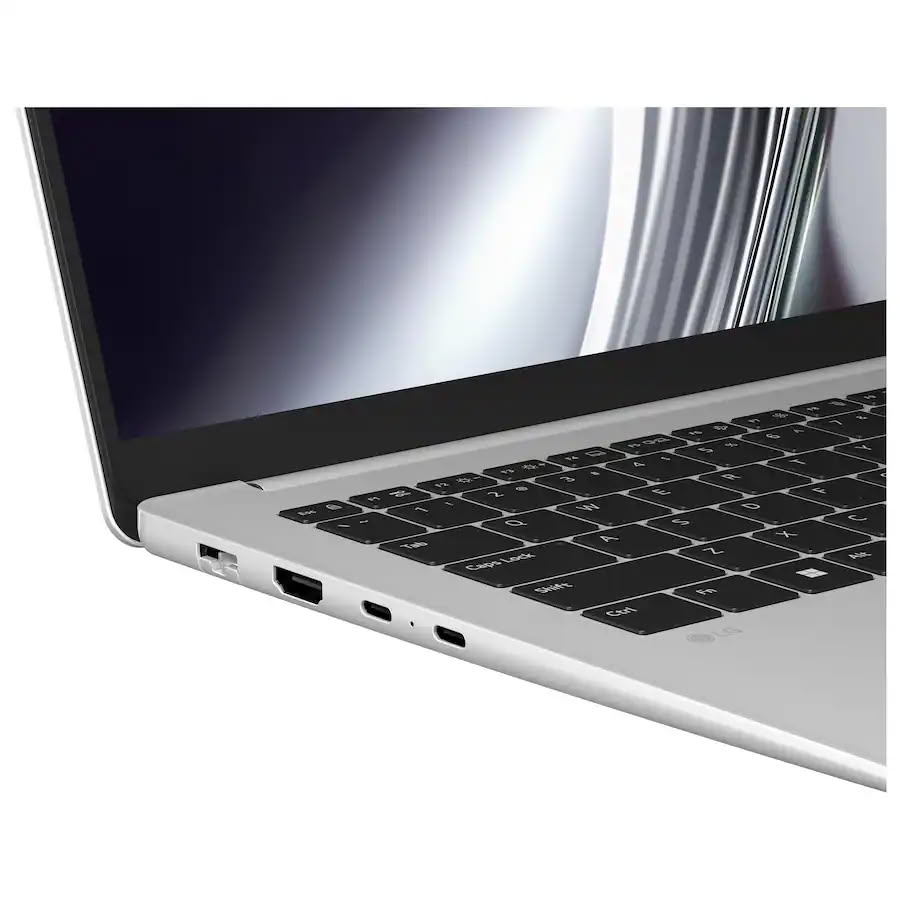
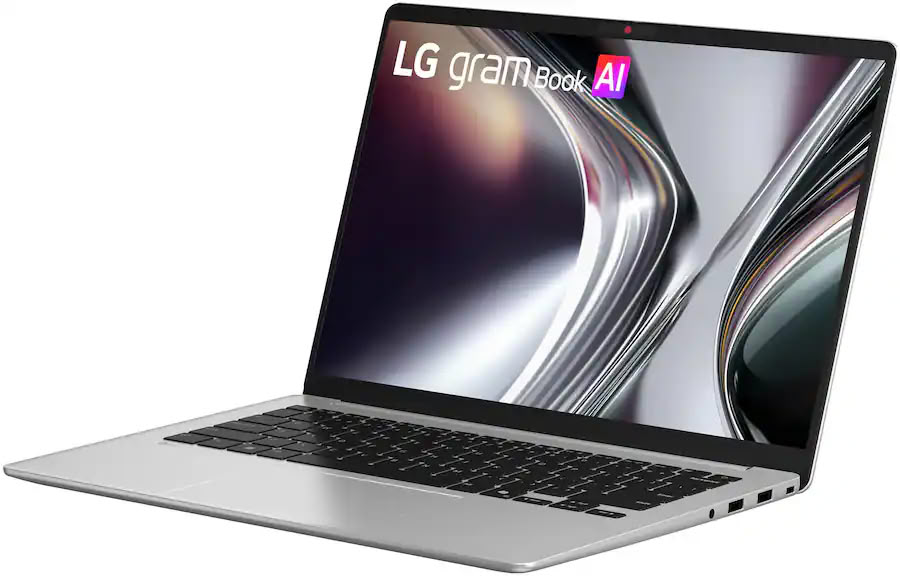
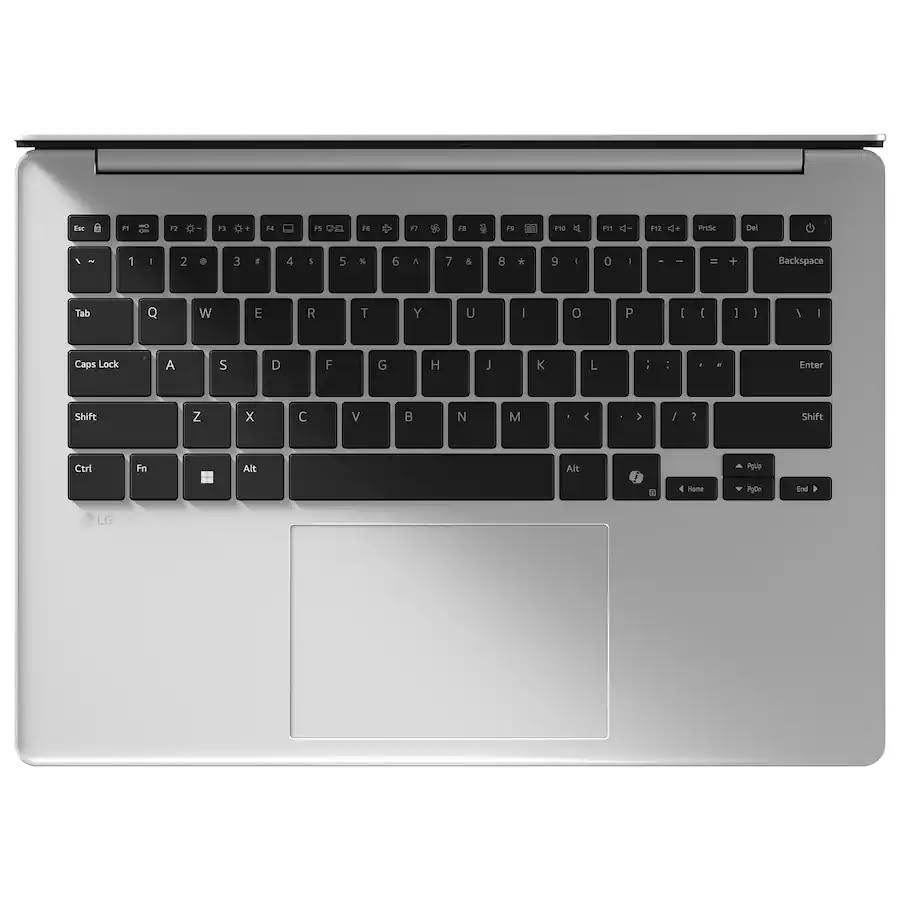
NVIDIA Expands Commitments With Supply Chain Partners to Support AI Infrastructure Buildout
NVIDIA today announced expanded commitments with supply chain partners to support sustainable long-term growth, aligning supply and manufacturing capacity with demand for its accelerated computing and AI infrastructure platforms.
Working with Amkor Technology, Foxconn, Kinsus Interconnect Technology, Samsung Electro-Mechanics, Siliconware Precision Industries (SPIL) and TSMC, NVIDIA is expanding manufacturing capacity across substrates, advanced packaging, wafer and contract manufacturing to scale production of its current and next-generation accelerated computing platforms.
Working with Amkor Technology, Foxconn, Kinsus Interconnect Technology, Samsung Electro-Mechanics, Siliconware Precision Industries (SPIL) and TSMC, NVIDIA is expanding manufacturing capacity across substrates, advanced packaging, wafer and contract manufacturing to scale production of its current and next-generation accelerated computing platforms.
Global OLED Monitor Shipments Double YoY in 3Q26
Global OLED monitor shipments maintained strong momentum in the third quarter of 2026, rising 13% QoQ and doubling compared with the same period in 2025, according to TrendForce's latest research. Growth was driven not only by continued product launches from major brands, which helped boost shipment volumes, but also by ample upstream panel supply. The latter has enabled second-tier and emerging brands to significantly expand their shipments.
ASUS retains top spot as MSI climbs to second place for the first time
TrendForce reports that competition in the OLED monitor market intensified in the third quarter as brands adjusted their strategies and product portfolios. Rankings shifted considerably among the second- through fifth-largest vendors, highlighting the increasingly fierce competition among brands vying for positions just below the market leader.
ASUS retains top spot as MSI climbs to second place for the first time
TrendForce reports that competition in the OLED monitor market intensified in the third quarter as brands adjusted their strategies and product portfolios. Rankings shifted considerably among the second- through fifth-largest vendors, highlighting the increasingly fierce competition among brands vying for positions just below the market leader.
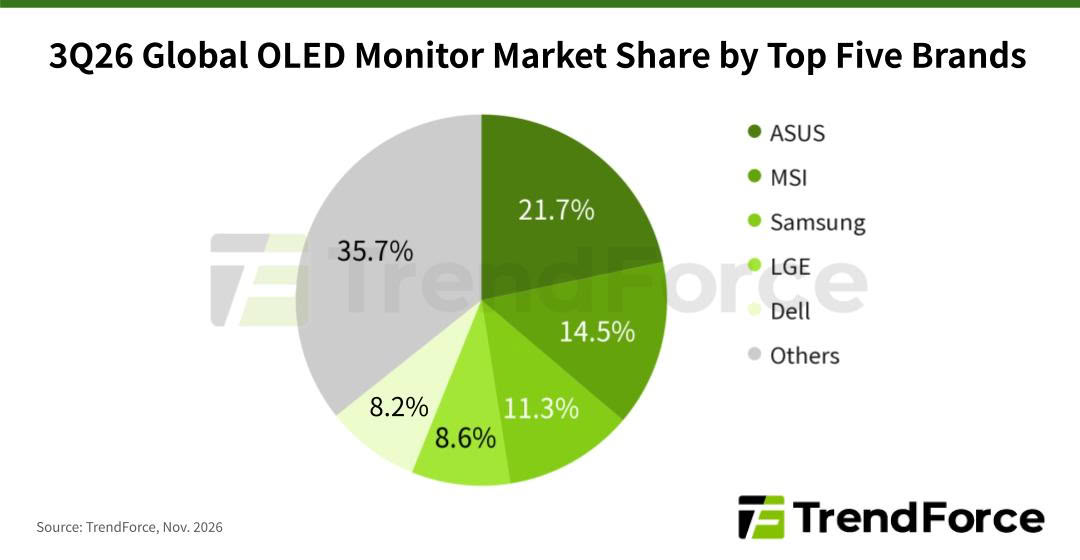
Tuesday, November 17th 2026
Today's Reviews
Desktop PC
Game Controllers
Headphones
Biwin Black Opal NV7400 2 TB Review
At €280 for the 2 TB version, the Biwin Black Opal NV7400 2 TB is a competitively priced mainstream PCIe Gen 4 SSD built around Maxio's MAP1602A controller, YMTC 128-layer TLC flash. In our testing, we saw impressive sustained write rates that outperform nearly all competing drives.
Slay the Spire 2 Sold Nearly 8 Million Units on Steam in Just 8 Months
It was clear with in the first 24 hours of the game's early access launch that Slay the Spire 2 would be a screaming success, with the indie game peaking at over 430,000 concurrent players on Steam in its first day on the market. According to recent Alinea Analytics data (via Rhys Elliott), Slay the Spire 2's success has continued in the eight months following its launch leading up to November, with the market research firm estimating that the game has sold a whopping 7.9 million copies on Steam since its launch.
Other notable analytics include that, in early November, Slay the Spire sat at around 500,000 daily active users, but that number jumped to 1.1 million shortly after the game's v0.113.0 update, which introduced a new character and new gameplay modes and mechanics alongside the usual bug fixes and patches. The analytics firm also estimates that as many as 100,000 Slay the Spire owners haven't even launched the game, but as many as 24% of the game's players have played it for over 100 hours.

Other notable analytics include that, in early November, Slay the Spire sat at around 500,000 daily active users, but that number jumped to 1.1 million shortly after the game's v0.113.0 update, which introduced a new character and new gameplay modes and mechanics alongside the usual bug fixes and patches. The analytics firm also estimates that as many as 100,000 Slay the Spire owners haven't even launched the game, but as many as 24% of the game's players have played it for over 100 hours.

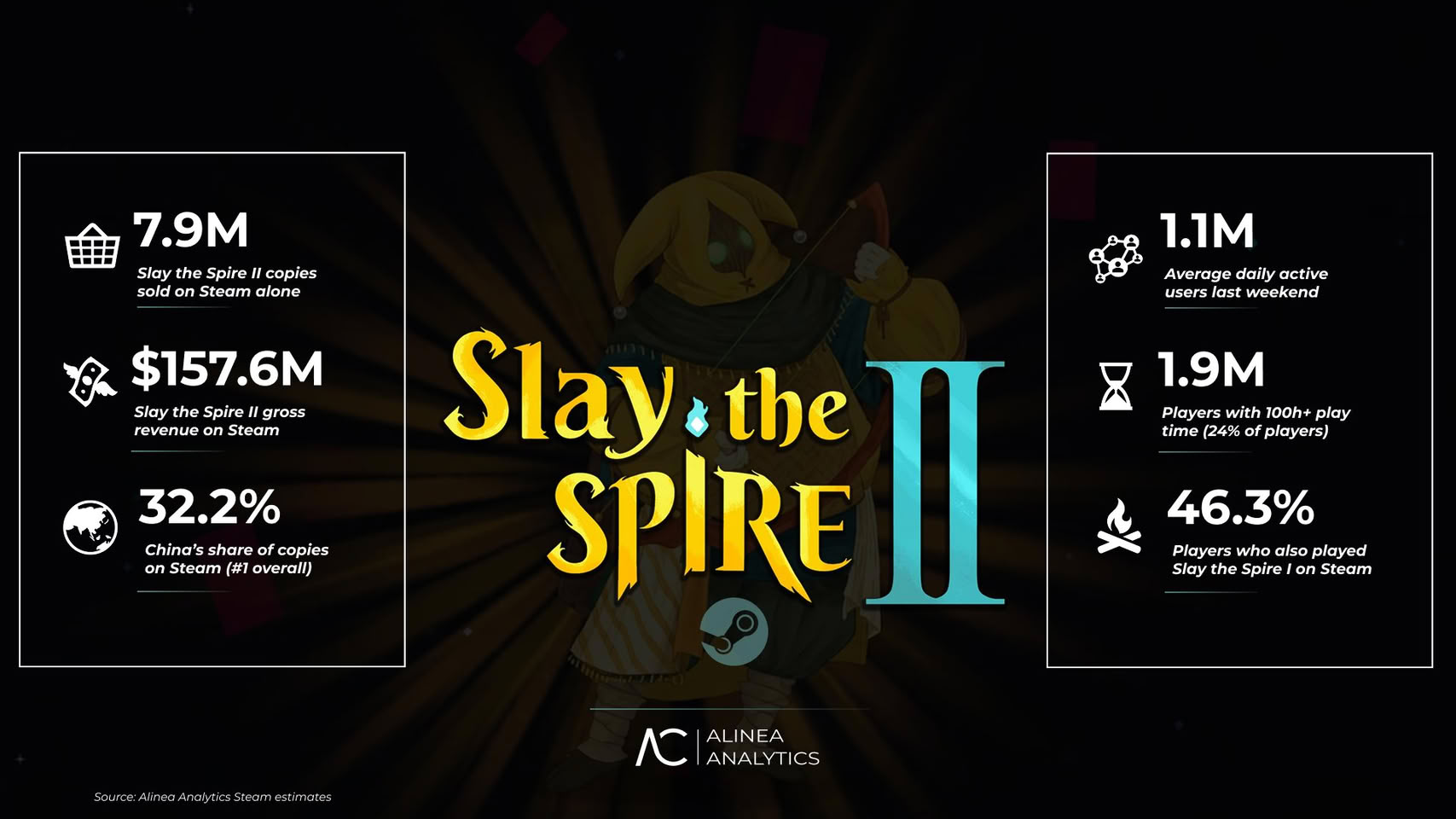

Pulsar Launches X2 CrazyLight 2: 40-43 g Wireless Gaming Mouse In Small and Medium Sizes
Following the recent launch of the X2F CrazyLight fingertip gaming mouse and a teaser of two upcoming HE gaming keyboards with some novel, ideas and minimalist designs, Pulsar has officially launched the first of its next-gen CrazyLight gaming mice, the X2 CrazyLight 2. The X2 CrazyLight 2 is an iteration of the previous design with updated internals. The X2 CrazyLight 2 has launched in two sizes: Mini and Medium, made for small and larger hands, respectively.
The actual shell designs of the X2 CrazyLight 2 Mini and Medium are identical, but the Mini is notably smaller and a tad lighter than the Medium, with the Medium weighing in at 43 g with stock skates, while the Mini weighs in at 40 g with stock skates. The biggest updates to the Pulsar X2 CrazyLight 2 series is the new XS-2 sensor, which offers up to 42,000 DPI, 800 IPS tracking, up to 70 G acceleration, and up to 8 kHz polling—whether any of that is noticeable in practice is debatable, but they are improvements, nonetheless.



The actual shell designs of the X2 CrazyLight 2 Mini and Medium are identical, but the Mini is notably smaller and a tad lighter than the Medium, with the Medium weighing in at 43 g with stock skates, while the Mini weighs in at 40 g with stock skates. The biggest updates to the Pulsar X2 CrazyLight 2 series is the new XS-2 sensor, which offers up to 42,000 DPI, 800 IPS tracking, up to 70 G acceleration, and up to 8 kHz polling—whether any of that is noticeable in practice is debatable, but they are improvements, nonetheless.

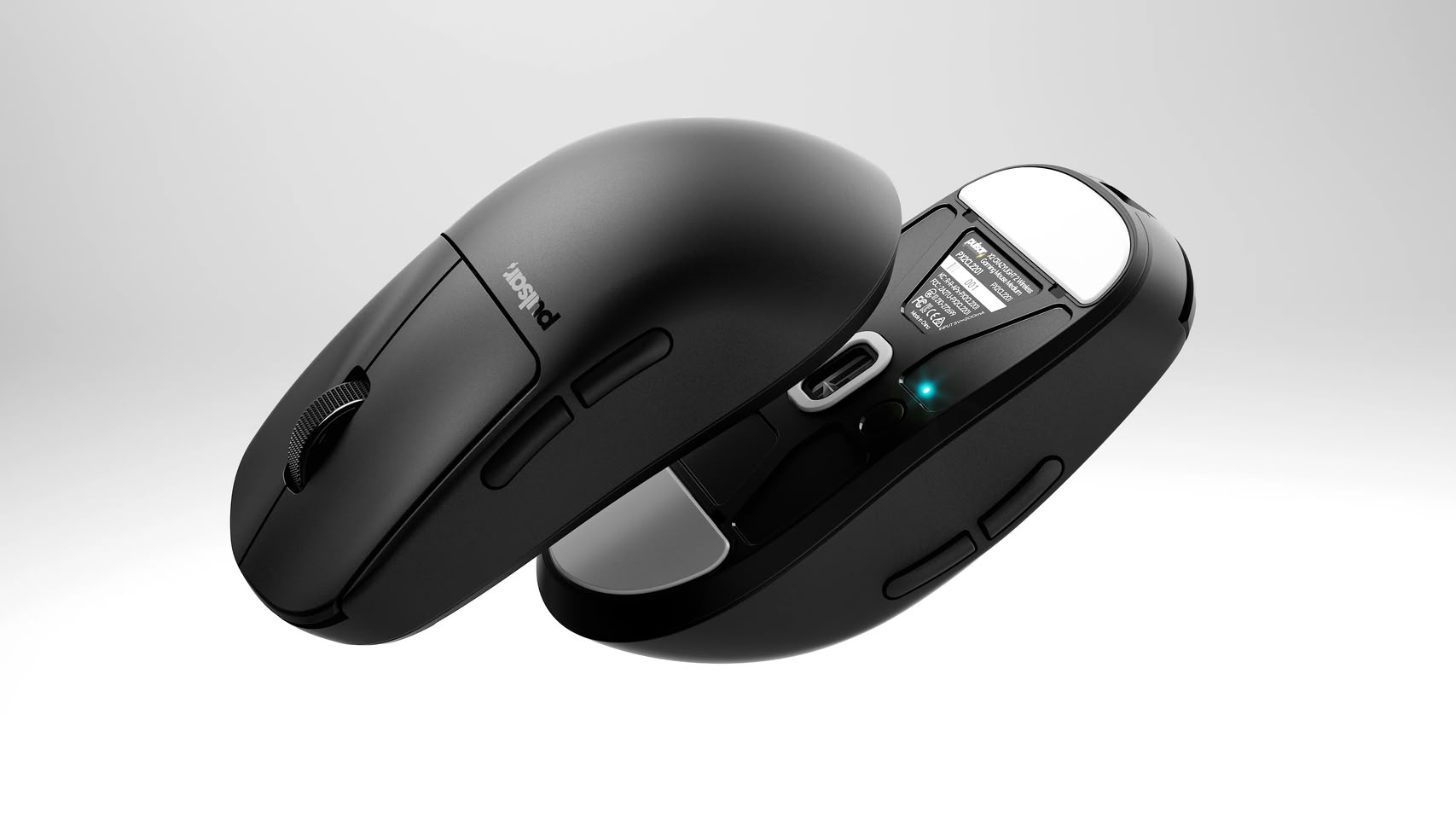


Chosfox Teases Geonix Plus: 50% Wireless Mechanical Keyboard With Unorthodox Ortholinear and Row-Staggered Layouts
Chosfox, the maker of the Geonix keyboard, which was arguably one of the keyboards that helped kickstart interest in modern 40% and ortholinear keyboards, has just confirmed that it will launch the Geonix Plus, a new, larger version of the original Geonix. Much like it has done with the Geonix Rev 2.5 and its Init40 counterpart, Chosfox has confirmed via a post on X that it plans on offering the Geonix Plus in both an ortholinear and row-staggered layout, with the latter being more familiar to users of traditional keyboards. No release date has yet been officially confirmed, but Chosfox says that the Geonix Plus is "coming soon."
The Geonix Plus moves away from the 40% layout of the Init40, seemingly adopting a highly unorthodox 50% layout. Although it remains to be seen how this design will work on the row-staggered version, the ortholinear version seems to be a 12×5 grid of keys with a 2u spacebar in the middle of the bottom row. It also seemingly has a dedicated arrow cluster on the right side of the keyboard, although this has resulted in some seriously peculiar placements—like the += and /? keys on the bottom row, instead of in the num row and row two, respectively.
The Geonix Plus moves away from the 40% layout of the Init40, seemingly adopting a highly unorthodox 50% layout. Although it remains to be seen how this design will work on the row-staggered version, the ortholinear version seems to be a 12×5 grid of keys with a 2u spacebar in the middle of the bottom row. It also seemingly has a dedicated arrow cluster on the right side of the keyboard, although this has resulted in some seriously peculiar placements—like the += and /? keys on the bottom row, instead of in the num row and row two, respectively.
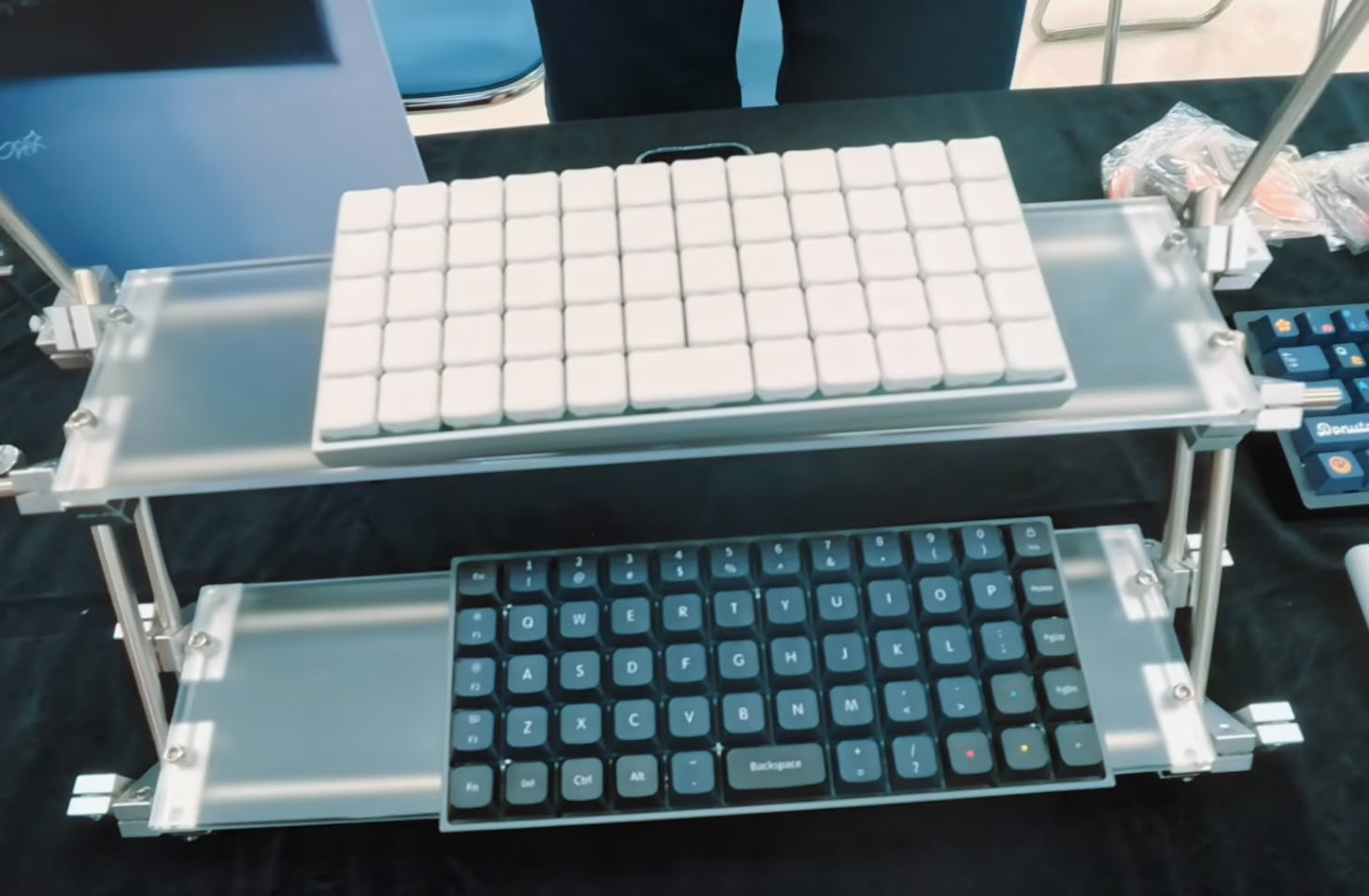
Tomb Raider Studio Crystal Dynamics Lays Off Even More Workers
Crystal Dynamics has seemingly had to conduct its fifth round of layoffs in the last two years, following a round of layoffs in March that saw 20 workers lose their jobs. The news broke via Vertical Slice, who cited several LinkedIn posts from Former Crystal Dynamics employees, including a UI software engineer, a developer working on internal procedural tools, and a game design lead. While it's still unclear just how many workers were laid off during this latest round of layoffs, Crystal Dynamics has since issued a statement confirming the layoffs.
Crystal Dynamics via Vertical SliceCrystal Dynamics made a difficult, but necessary business decision to reduce our current studio staff by 8 people. Whenever we phase roles off a project, we make every effort to find new spots for our great colleagues first. Everyone affected receives a full severance package as well as job placement assistance to aid them through this transition. We wish them the best and hope to work together in the future.

The Game Awards: GTA VI Nominated for Game of the Year Before It Even Launches
The Game Awards has published its official nominations list for the 2026 awards. Grand Theft Auto 6, the most anticipated game of the decade, has indeed made the nominations but only by a single day, as the cutoff is November 20. It is also the most nominated game at The Game Awards 2026 with eight nominations, including Game of the Year, Best Game Direction, Best Narrative, Best Art Direction, Best Score and Music, Best Audio Design, Best Action/Adventure Game, plus a Best Performance nomination for Lucia actor, Manni L.Perez. Control Resonant and Resident Evil Requiem follow with six nominations each. The jury can apparently get early access to games, which is why we see GTA VI on the list even before it has launched. However, it's still unclear how much time the jury actually spent with the game before nominations were locked in.
Other nominations for Game of the Year include Control Resonant, Resident Evil Requiem, Phantom Blade Zero, 007 First Light, and The Legend of Zelda: Ocarina of Time Remake. On a personal level, I find something quite amusing about that nominations list, since the original Legend of Zelda: Ocarina of Time first came out for the Nintendo 64 in 1998, while GTA VI is still a day away from launch at the time of writing. That's a 28-year gap between the oldest and youngest nominees, at least from a certain viewpoint. The 2026 remake of Ocarina of Time has made dramatic improvements over the original and has also performed exceptionally well. It sold over 5.2 million units in its first four days and has also earned four nominations at The Game Awards. Winners will be revealed on December 10 at the Peacock Theater in Los Angeles, and fan voting is open until December 9.


Other nominations for Game of the Year include Control Resonant, Resident Evil Requiem, Phantom Blade Zero, 007 First Light, and The Legend of Zelda: Ocarina of Time Remake. On a personal level, I find something quite amusing about that nominations list, since the original Legend of Zelda: Ocarina of Time first came out for the Nintendo 64 in 1998, while GTA VI is still a day away from launch at the time of writing. That's a 28-year gap between the oldest and youngest nominees, at least from a certain viewpoint. The 2026 remake of Ocarina of Time has made dramatic improvements over the original and has also performed exceptionally well. It sold over 5.2 million units in its first four days and has also earned four nominations at The Game Awards. Winners will be revealed on December 10 at the Peacock Theater in Los Angeles, and fan voting is open until December 9.


EVE Vanguard, Assetto Corsa Rally, Lightyear Frontier 1.0 & Teardown Adds NVIDIA DLSS 4.5
NVIDIA DLSS gives GeForce RTX and RTX Spark the highest levels of image quality, and a range of options for accelerating performance. This week, we're highlighting the launch of EVE Vanguard's 24/7 alpha, which is accelerated and enhanced by DLSS 4.5, and bringing you news of DLSS 4.5 upgrades and additions for Assetto Corsa Rally, Blender, Lightyear Frontier, and Teardown.
Additionally, gamers can now download Marvel Rivals Season 11, which adds native support for RTX Spark devices.



Additionally, gamers can now download Marvel Rivals Season 11, which adds native support for RTX Spark devices.





Zelda: Ocarina of Time Remake Tops US Physical Sales for 2026
The Legend of Zelda: Ocarina of Time Remake sold over 1 million physical copies in the US during its launch week, according to data shared by Circana's Mat Piscatella on Bluesky. That single week was enough to make it the best-selling physical game of 2026 in the US, and it didn't even need a full week. The data runs through November 7, so the figure only covers the first three days after the game's November 5 launch. It's the first game to pass 1 million physical units in a US launch week since The Legend of Zelda: Tears of the Kingdom in 2023. These are numbers for physical copies only, so digital sales are, of course, excluded. Nintendo already announced 5.2 million total units sold in four days, which was the best four-day haul for any Nintendo-published Switch 2 game so far.
Like everything else in the gaming space right now, Ocarina of Time Remake has to watch out for Grand Theft Auto VI. Rockstar's game launches on November 19, but it does not have a physical edition in the true sense of the word. Its boxed edition comes with just a download code, but that may not be a problem for Circana's data. According to Piscatella, Circana counts the code-in-a-box products as physical software, alongside discs, carts, and Switch 2 game-key cards. He separately argued that fans of physical media should be glad that game-key cards and code-in-a-box releases are selling well, since that may keep physical retail around for just a bit longer. Nintendo has said that it has no plans to end Switch 2 physical game releases, while Sony is ending disc production for new PlayStation games in 2028.

Like everything else in the gaming space right now, Ocarina of Time Remake has to watch out for Grand Theft Auto VI. Rockstar's game launches on November 19, but it does not have a physical edition in the true sense of the word. Its boxed edition comes with just a download code, but that may not be a problem for Circana's data. According to Piscatella, Circana counts the code-in-a-box products as physical software, alongside discs, carts, and Switch 2 game-key cards. He separately argued that fans of physical media should be glad that game-key cards and code-in-a-box releases are selling well, since that may keep physical retail around for just a bit longer. Nintendo has said that it has no plans to end Switch 2 physical game releases, while Sony is ending disc production for new PlayStation games in 2028.


Acer Extends Nitro Series with Two 34-Inch Ultrawide Curved Gaming Monitors
Acer has expanded its Nitro gaming monitor lineup with two 34-inch ultrawide curved models: Nitro ED340CKRP and ED340CKRJ. Both use a 1500R VA matte anti-glare panel with Dynamic Frequency and Resolution (DFR). In the 5120 x 2160 mode, the refresh rates are up to 180 Hz on the ED340CKRP and 120 Hz on the ED340CKRJ. In the 2560 x 1080 mode, refresh rates goes up to 360 Hz and 240 Hz, respectively. Both models also support AMD FreeSync Premium. Acer lists typical contrast ratios of 3,300:1 for the ED340CKRP and 3,000:1 for the ED340CKRJ. Brightness is rated at 250 nits, and both displays support HDR10 and 90% DCI-P3 coverage.
Response times differ between the models. The ED340CKRJ is rated with 1 ms VRB (Visual Response Boost), while the ED340CKRP is listed with 1 ms GTG and 0.5 ms minimum. Connectivity includes two HDMI 2.1 ports, one DisplayPort 1.4 input, and a headphone jack. Both monitors also have built-in 2 W stereo speakers and a tilt-adjustable stand. Acer lists the Nitro ED340CKRP in Japan for ¥99,980 (around $627), and the ED340CKRJ for ¥69,800 (around $438). The company has not provided international pricing or availability.

Response times differ between the models. The ED340CKRJ is rated with 1 ms VRB (Visual Response Boost), while the ED340CKRP is listed with 1 ms GTG and 0.5 ms minimum. Connectivity includes two HDMI 2.1 ports, one DisplayPort 1.4 input, and a headphone jack. Both monitors also have built-in 2 W stereo speakers and a tilt-adjustable stand. Acer lists the Nitro ED340CKRP in Japan for ¥99,980 (around $627), and the ED340CKRJ for ¥69,800 (around $438). The company has not provided international pricing or availability.
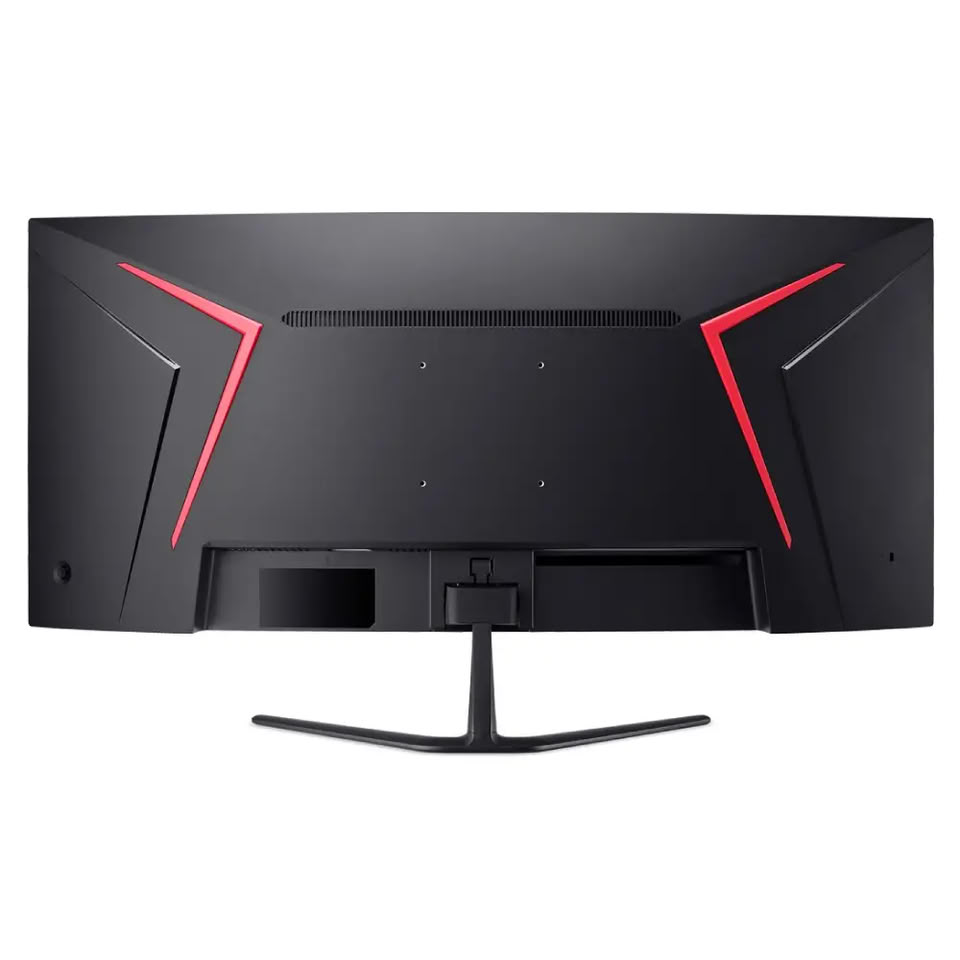
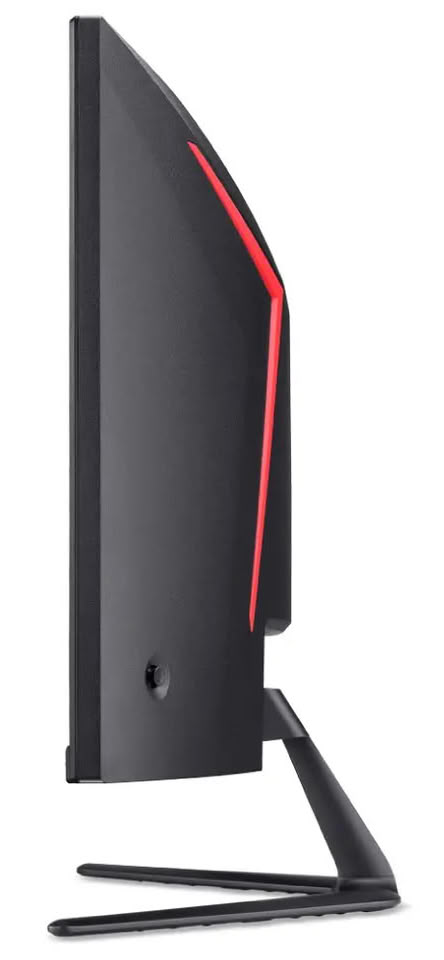
Jensen Huang Will Not Be Reinstated as CEO, Says NVIDIA Board Chief
After much speculation, NVIDIA's leadership situation has finally gained a bit of clarity. Jensen Huang will not be brought back as CEO, according to NVIDIA board chairman Harvey Jones. The remarks were made during NVIDIA's Q3 FY2027 earnings call on Tuesday, merely hours after Jensen Huang said on X that he would be "honored" to return as CEO. However, it looks like the NVIDIA board has different plans, and even though Jensen had plenty of support online and in tech circles, the board seems to be content with his resignation and is only looking forward. Here's what board chair Harvey Jones said at the very start of the earnings call.
Harvey Jones, NVIDIA Board ChairmanOn November 12th, our board of directors announced that after disclosure of personal behavior inconsistent with the company's code of conduct, standards, and cultural norms, Jensen Huang voluntarily resigned his positions as president, CEO, and board member. The NVIDIA board unanimously accepted his resignation and does not intend to reinstate Jensen as CEO... We will not be addressing or taking questions on today's call regarding the circumstances of Jensen's resignation and the ongoing investigation. Our board will communicate further when appropriate.

NVIDIA Reports Q3 2026 Earnings of $115.8 Billion
NVIDIA (NASDAQ: NVDA) today reported revenue for the third quarter ended October 25, 2026, of $115.8 billion, up 20% from the previous quarter and up 103% from a year ago. For the quarter, GAAP and non-GAAP gross margins were 74.8% and 74.9%, respectively. GAAP and non-GAAP earnings per diluted share were $2.70 and $2.68, respectively. "Our momentum is real. NVIDIA is an exceptional technology leader, powered by the relentless innovation of our people," said Colette Kress, interim CEO and executive vice president and chief financial officer of NVIDIA. "Vera Rubin is off to an explosive start, our roadmap is on track and our ambition has never been greater."
In September 2026, NVIDIA's Board of Directors approved an increase of $150 billion to the company's share repurchase authorization, without expiration. During the third quarter of fiscal 2027, NVIDIA returned $28.1 billion to shareholders in the form of shares repurchased and cash dividends. As of the end of the third quarter, the company had approximately $227.3 billion remaining under its share repurchase authorization.
In September 2026, NVIDIA's Board of Directors approved an increase of $150 billion to the company's share repurchase authorization, without expiration. During the third quarter of fiscal 2027, NVIDIA returned $28.1 billion to shareholders in the form of shares repurchased and cash dividends. As of the end of the third quarter, the company had approximately $227.3 billion remaining under its share repurchase authorization.

AMD CES 2027 Invite Hints at Possible Ryzen Zen 6 "Olympic Ridge" Reveal
AMD just sent out invitations to its CES 2027 media event to be held in Las Vegas next January. The invitation has a curious peak-shaped motif. This could hint at "Olympic Ridge," codename for the next-generation Ryzen desktop processor powered by the "Zen 6" microarchitecture. AMD in its recent EPYC 9006 "Venice" server processor release unveiled "Zen 6" to offer significant IPC increases in enterprise workloads; but these gains were evaluated in enterprise benchmarks. "Zen 6" not only offers an IPC increase, but also a significant multithreaded performance increase thanks to a 50% increase in CPU core counts per CCD over "Zen 5." The standard "Zen 6" CCD features 12 CPU cores, and 48 MB of shared L3 cache; along with preparation for 96 MB stacked 3D V-Cache memory in select models, for a whopping 144 MB L3 cache on the SKU that succeeds the current Ryzen 7 9850X3D.

RIG Launches Coastal Cruise and Horizon Haze Mod-Sets for R5 PRO and R8 PRO Headsets
NACON, a global leader in gaming accessories and parent company of the premium audio brand RIG, today announced the launch of Miami-inspired Mod-Sets, for its critically acclaimed R5 PRO and R8 PRO headsets.
Drawing inspiration from Miami's coastal scenery and classic retro aesthetic, each Mod-Set features a pair of unique, interchangeable Mod-Plates with distinctive artwork and matching ear cushions with colorful inner accents.

Drawing inspiration from Miami's coastal scenery and classic retro aesthetic, each Mod-Set features a pair of unique, interchangeable Mod-Plates with distinctive artwork and matching ear cushions with colorful inner accents.


ASUS Showcases Full-Stack AI Infrastructure at SC26, Featuring Intel and AMD Platforms
At SC26, ASUS unveils a unified AI Factory blueprint that gives enterprises the flexibility to build AI infrastructure around their workloads, performance targets, and deployment needs. Spanning AMD, Intel and NVIDIA platforms—from rack-scale AI systems and enterprise servers to edge computing—ASUS brings architectural choice together with integrated engineering, automated manufacturing, rigorous validation, and lifecycle support. With volume shipments of its latest rack-scale AI systems underway this quarter, ASUS demonstrates how it turns next-generation computing architectures into deployment-ready infrastructure, helping enterprises move from AI ambition to real-world implementation with greater confidence, consistency, and scalability.
Next-gen power redefines value for enterprise
For computationally intensive enterprise deployments, ASUS showcases its lineup powered by the 6th Gen AMD EPYC 9006 processor family, giving organizations more control over compute density, storage capacity and rack space. The dual-socket 1U RS700A-E14B-R16U combines PCIe 6.0 connectivity with support for up to 16 E3.S drives for demanding data and compute services. Single-socket alternatives address different deployment priorities: the 2U RS520A-E14B-R12U offers flexible GPU and NVMe configurations, while the compact 1U RS500A-E14B-R12U concentrates high-speed storage and DC-MHS serviceability in a smaller footprint. At the accelerator level, ESC8000A-E13P supports AMD Instinct MI350P, and the air-cooled XA AM3A-E13 integrates eight AMD Instinct MI355X GPUs for compute-intensive model development and scientific simulation. Across both CPU and GPU offerings, ASUS emphasizes configuration flexibility and serviceability to help customers tailor infrastructure to budget, facility and application requirements.

Next-gen power redefines value for enterprise
For computationally intensive enterprise deployments, ASUS showcases its lineup powered by the 6th Gen AMD EPYC 9006 processor family, giving organizations more control over compute density, storage capacity and rack space. The dual-socket 1U RS700A-E14B-R16U combines PCIe 6.0 connectivity with support for up to 16 E3.S drives for demanding data and compute services. Single-socket alternatives address different deployment priorities: the 2U RS520A-E14B-R12U offers flexible GPU and NVMe configurations, while the compact 1U RS500A-E14B-R12U concentrates high-speed storage and DC-MHS serviceability in a smaller footprint. At the accelerator level, ESC8000A-E13P supports AMD Instinct MI350P, and the air-cooled XA AM3A-E13 integrates eight AMD Instinct MI355X GPUs for compute-intensive model development and scientific simulation. Across both CPU and GPU offerings, ASUS emphasizes configuration flexibility and serviceability to help customers tailor infrastructure to budget, facility and application requirements.

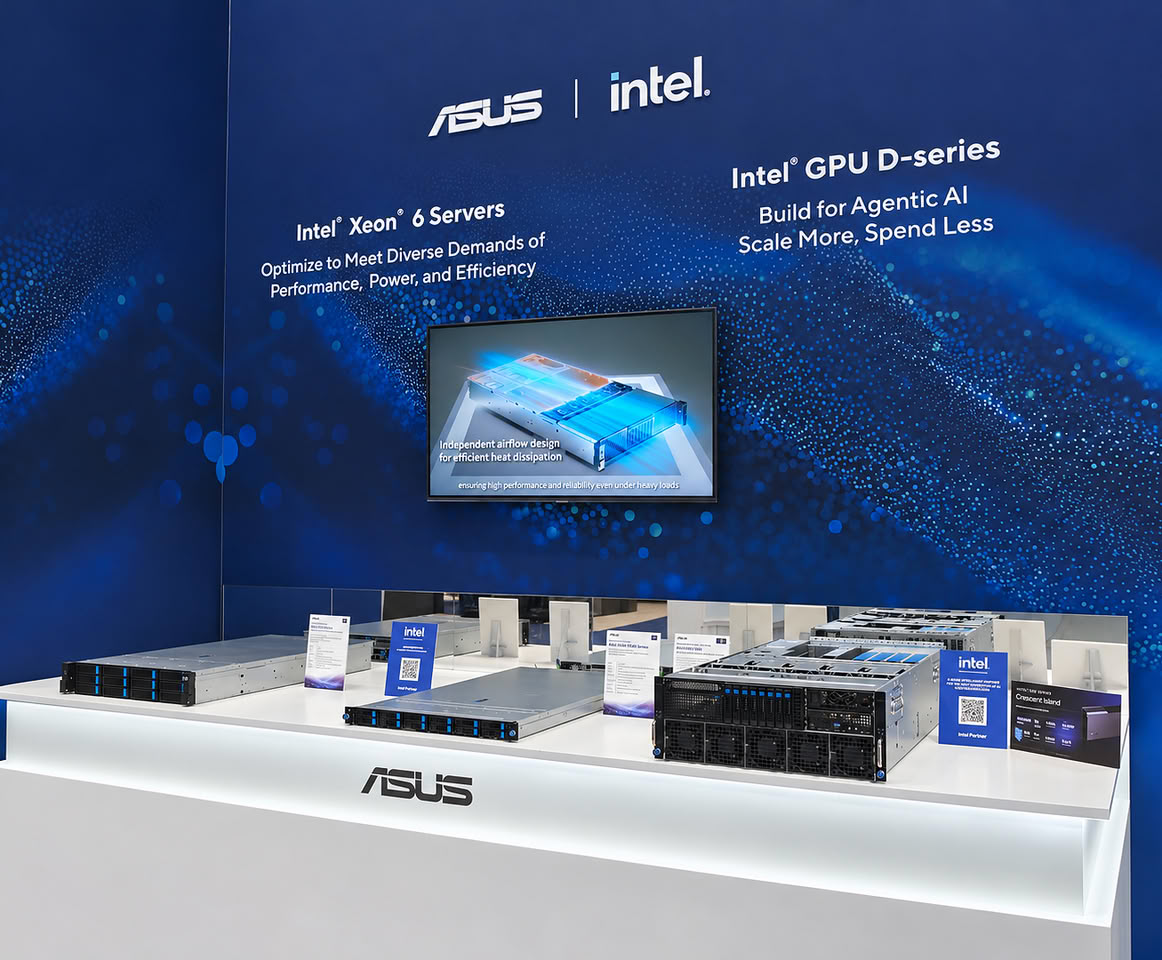
Framework Launches Customizable Slim Wireless Touchpad Keyboard With Open-Source CAD Files
Framework, the pro-repair laptop company, has officially announced the Framework Wireless Touchpad Keyboard, a compact 75% chiclet keyboard designed for use with devices like the Framework Desktop and its laptops while they're docked in a workstation or couch gaming setup. The Wireless Touchpad Keyboard is currently on pre-order for $99 from Framework's online shop, and two batches have already sold out, with shipping expected to start in Q1 2027. The scissor switches have 1.5 mm of travel and 19 mm key spacing, which is fairly standard key spacing, even among MX-style mechanical keyboards. It has a smoky translucent bottom case and an opaque ABS top case.
Framework pitches the Wireless Touchpad Keyboard as "a couch keyboard that you want to use," and, it has a number of features that make it stand out from something like the Logitech K400 Plus, which costs just $35. The Framework keyboard, much like the company's laptops, features a serviceable design with a replaceable battery that will be available to consumers via the Framework Marketplace, and it features both 2.4 GHz and Bluetooth wireless connectivity. More importantly to Framework's general audience, who likes to tinker, the Wireless Touchpad Keyboard has ZMK firmware, which is both incredibly efficient and allows for extensive layout customization.


Framework pitches the Wireless Touchpad Keyboard as "a couch keyboard that you want to use," and, it has a number of features that make it stand out from something like the Logitech K400 Plus, which costs just $35. The Framework keyboard, much like the company's laptops, features a serviceable design with a replaceable battery that will be available to consumers via the Framework Marketplace, and it features both 2.4 GHz and Bluetooth wireless connectivity. More importantly to Framework's general audience, who likes to tinker, the Wireless Touchpad Keyboard has ZMK firmware, which is both incredibly efficient and allows for extensive layout customization.
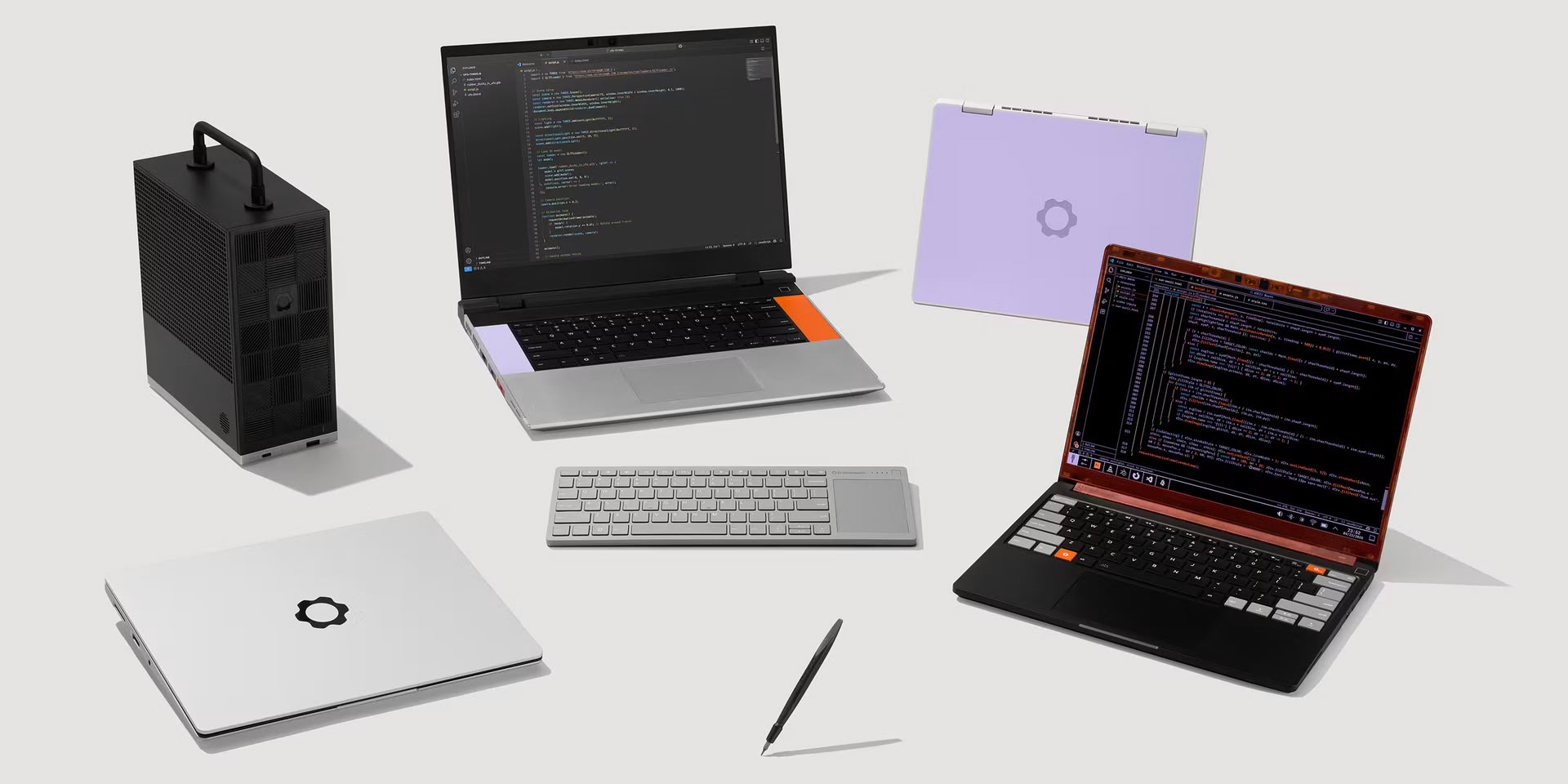
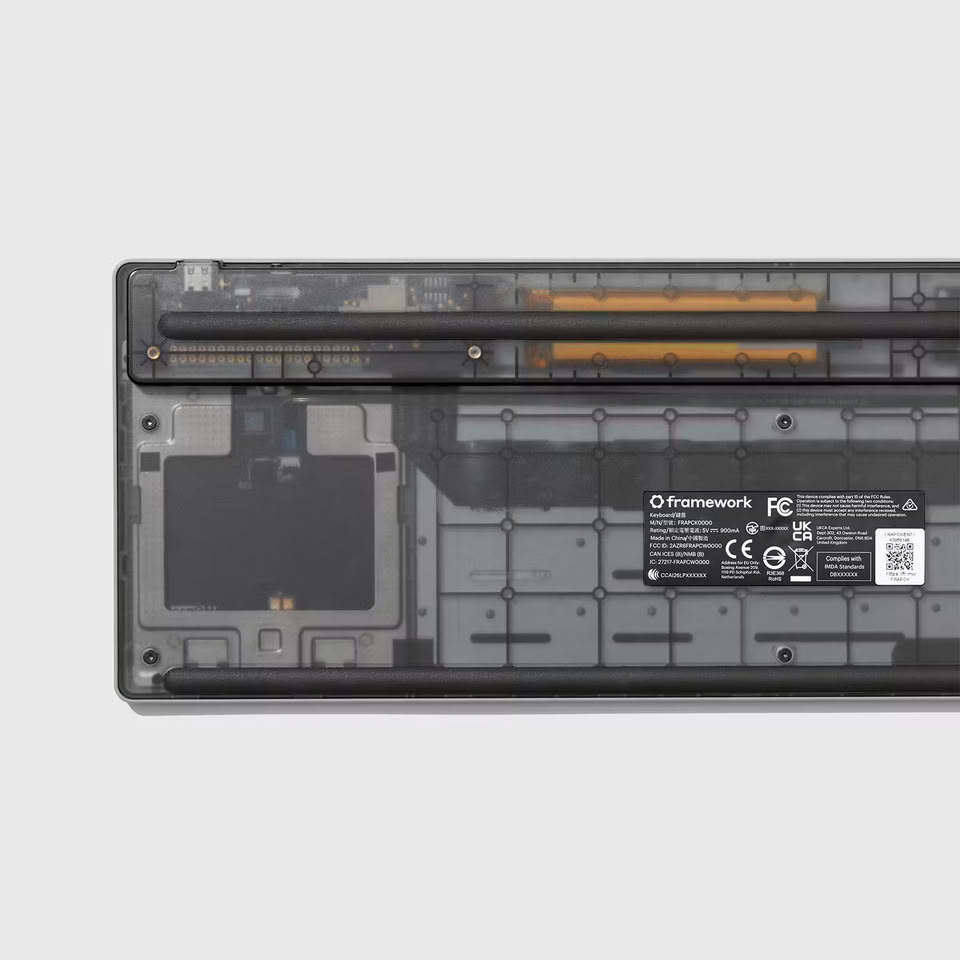

NVIDIA's Canceled RTX 4090 Ti Resurfaces as an Engineering Sample in China
A bare PCB that appears to be a GeForce RTX 4090 Ti engineering sample has turned up on Xianyi, which is Alibaba's second-hand marketplace. The listing was shared on X by user 明永, spotted by Videocardz, and it includes a few photos as well as a GPU-Z screenshot of the card. Going through the GPU-Z data, this card apparently has 18,176 CUDA cores, 192 ROPs, and 568 TMUs. That's up from 16,384 CUDA cores, 176 ROPs, and 512 TMUs on the standard retail RTX 4090. There's also a difference in memory configuration, with the "4090 Ti" having 24 GB of Micron GDDR6X VRAM on a 384-bit bus, rated at 24 Gbps, which pushes the bandwidth from 1,008 GB/s to 1,152 GB/s. The clock speeds are 2,340 MHz for the base clock and 2,580 MHz for boost.
Of course, GPU-Z does not recognize the device. The ID is 10DE 2682, compared to 10DE 2684 for the RTX 4090, and the BIOS and driver fields are blurred out. The seller also says that this card only works with an internal NVIDIA driver. What's more interesting is that these specs match the RTX 4090 Ti leaks that were reported in early 2023, which also mentioned a board power of around 600 W. This listing doesn't show the power draw, but the core count and memory configuration do match the leaks. NVIDIA reportedly shelved the RTX 4090 Ti in mid-2023, after months of leaks showing its ridiculous four-slot "cinder block" cooler.
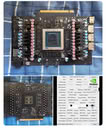
Of course, GPU-Z does not recognize the device. The ID is 10DE 2682, compared to 10DE 2684 for the RTX 4090, and the BIOS and driver fields are blurred out. The seller also says that this card only works with an internal NVIDIA driver. What's more interesting is that these specs match the RTX 4090 Ti leaks that were reported in early 2023, which also mentioned a board power of around 600 W. This listing doesn't show the power draw, but the core count and memory configuration do match the leaks. NVIDIA reportedly shelved the RTX 4090 Ti in mid-2023, after months of leaks showing its ridiculous four-slot "cinder block" cooler.
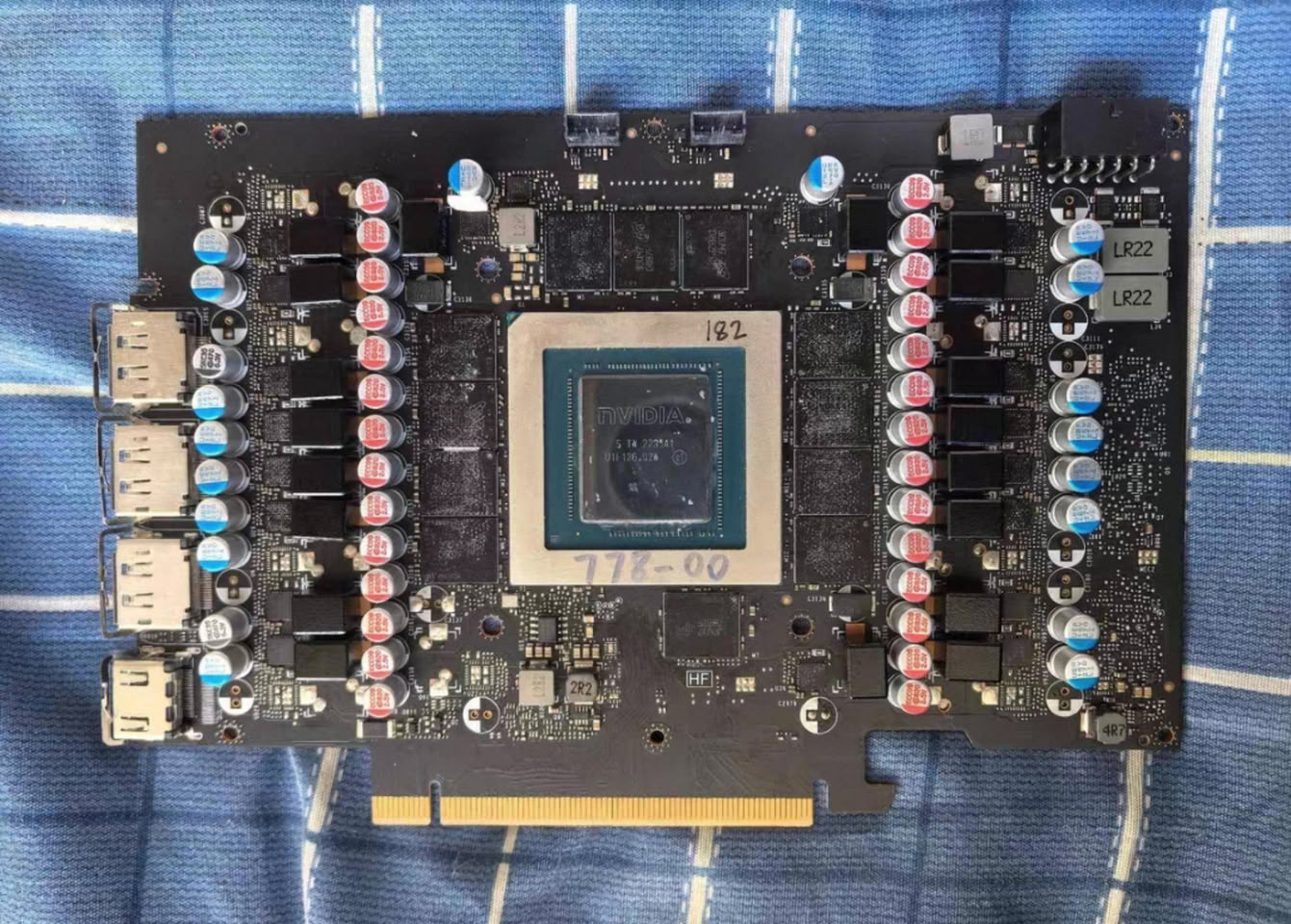
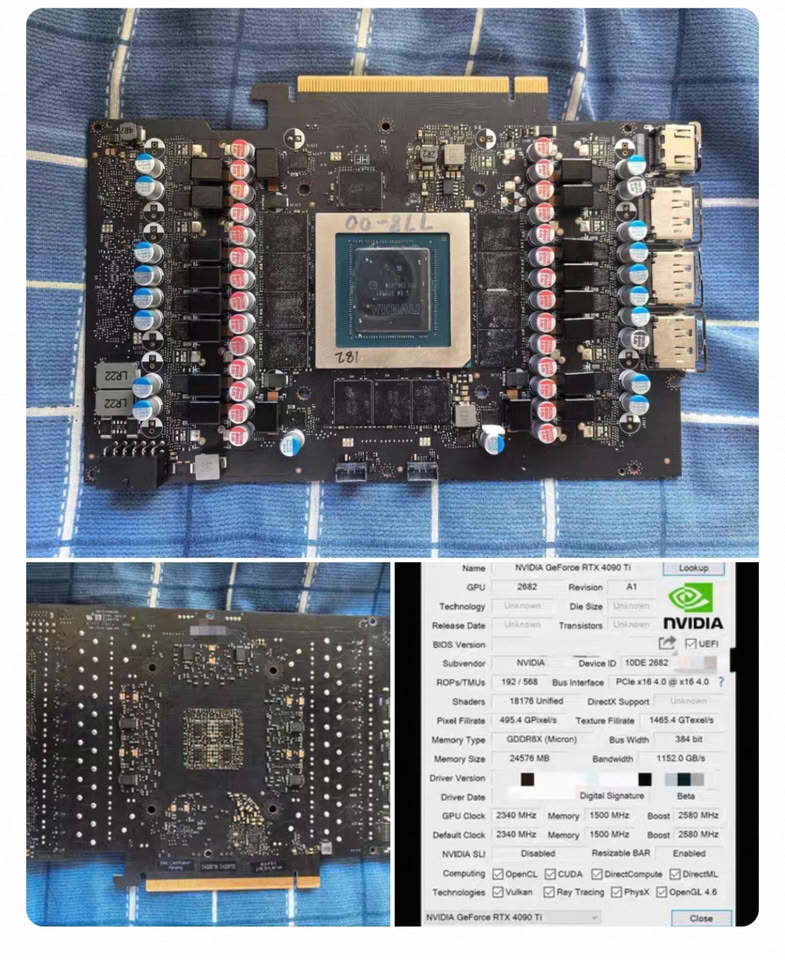
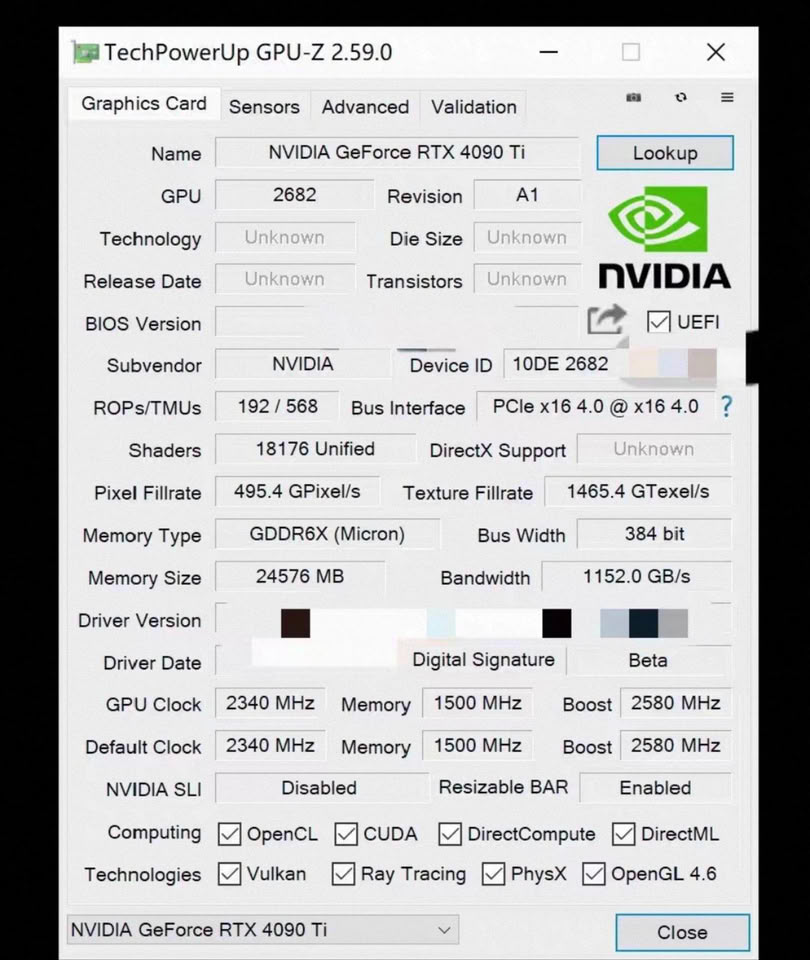

Arctic Introduces the PX-1 Thermal Putty Pad Series
ARCTIC introduces the PX-1 Series, a new approach to thermal interface materials. Combining a moldable putty-like texture with reliable thermal performance, PX-1 and PX-1 Extreme adapt to uneven surfaces, varying component heights, and complex hardware layouts - offering a flexible alternative to conventional thermal pads. Both products come with a dedicated application kit for easy handling and precise application.
PX-1 - Versatile Cooling for PC Hardware
Designed for versatile use across PC hardware, PX-1 features a soft, clay-like texture that adapts easily to different component heights and uneven surfaces. Its moldable consistency makes application straightforward and allows the material to be shaped and adjusted to fit a wide range of hardware configurations.



PX-1 - Versatile Cooling for PC Hardware
Designed for versatile use across PC hardware, PX-1 features a soft, clay-like texture that adapts easily to different component heights and uneven surfaces. Its moldable consistency makes application straightforward and allows the material to be shaped and adjusted to fit a wide range of hardware configurations.


Shure Launches MV360 and Previews MV360+ Spatial Audio Microphones
Shure today announced the MV360 Spatial Audio Microphone, a $349 USB-C microphone that makes immersive audio capture accessible to creators at every level. Available now, MV360 offers 360° spatial audio capture and four additional ready-to-use Capture Modes: immersive binaural, stereo, mono, and auto tracking.
The MV360 helps creators capture more than sound. It captures a sense of place. Listeners can feel closer to a podcast conversation, more immersed in an ASMR scene, or transported into the middle of a bustling market or quiet forest. Housed in a compact, all-metal design built to go wherever creativity leads, the MV360 combines versatile recording modes with professional-grade spatial audio capture, helping creators deliver a more engaging listening experience without adding complexity to their workflow.


The MV360 helps creators capture more than sound. It captures a sense of place. Listeners can feel closer to a podcast conversation, more immersed in an ASMR scene, or transported into the middle of a bustling market or quiet forest. Housed in a compact, all-metal design built to go wherever creativity leads, the MV360 combines versatile recording modes with professional-grade spatial audio capture, helping creators deliver a more engaging listening experience without adding complexity to their workflow.

Jensen Huang: "I Would Be Honored to Return as CEO"
Jensen Huang took to X today to declare that he is willing to return as NVIDIA CEO if the company's board wants him back. In his statement, the former NVIDIA CEO thanked all his supporters and claimed that many employees, investors, business partners, and customers had reached out to him, asking him to come back. That part of the statement also seems like an indirect acknowledgment of the various online movements that have sprung up in his favor since he stepped down. This is also Jensen Huang's first public statement since he resigned from all his roles at NVIDIA on November 12, following the start of an investigation by the NVIDIA board of directors into Huang's extramarital affairs.
Perhaps most importantly, Jensen Huang opened the door to his return as NVIDIA CEO, at least from his side. This is important after reports recently emerged that Huang had discussed the possibility of a comeback with his close confidants, and the "Stand with Jensen" open letter continues to gain momentum online. Other than that, Huang also admitted that he "did not live up to the standards expected of everyone at NVIDIA" and acknowledged the mistakes he made in his personal life. Jensen says he is cooperating with the board's investigation, and if the board judges that his return would be in the best interest of "our shareholders, our employees, the company, and America," then he would be honored to return to his former position as CEO.
Perhaps most importantly, Jensen Huang opened the door to his return as NVIDIA CEO, at least from his side. This is important after reports recently emerged that Huang had discussed the possibility of a comeback with his close confidants, and the "Stand with Jensen" open letter continues to gain momentum online. Other than that, Huang also admitted that he "did not live up to the standards expected of everyone at NVIDIA" and acknowledged the mistakes he made in his personal life. Jensen says he is cooperating with the board's investigation, and if the board judges that his return would be in the best interest of "our shareholders, our employees, the company, and America," then he would be honored to return to his former position as CEO.


Razer Unveils the Carbon Fiber Collection
Razer, the leading global lifestyle brand for gamers, today announced the Razer Carbon Fiber Collection, featuring two professional-grade wireless gaming mice: the Razer Viper V4 Pro Carbon Fiber Edition and the Razer DeathAdder V4 Pro Carbon Fiber Edition.
The #1 Mouse Brand takes the two shapes pros trust and reforged the shell in one of the strongest materials available: real woven carbon fiber.

The #1 Mouse Brand takes the two shapes pros trust and reforged the shell in one of the strongest materials available: real woven carbon fiber.

Intel Prepares "Razor Lake" in Three Flavors: S, U, and L
Intel appears to have prepared three versions of its next-generation "Razor Lake" platform, designated as S, U, and L, which provides a clearer picture of the company's future lineup, according to the latest set of Linux kernel patches. Additionally, there is a separate "Razor Lake" entry without a suffix, bringing the total to four processor identifiers. Intel engineer Tony Luck submitted the patch on November 13, following the publication of model numbers in Intel's updated instruction set reference. All four client entries belong to CPU Family 18. The desktop models use identifiers 0x06 and 0x0A for "Razor Lake" and "Razor Lake-S," respectively, while the mobile entries assign 0x07 to "Razor Lake-L" and 0x09 to "Razor Lake-U." There is no "Razor Lake-H" definition in this submission. However, these internal labels do not determine the final product range, and Intel has yet to explain what differentiates the underlying configurations.
Compiler work published on the same day provides another detail: GCC initially treats "Razor Lake" as an alias of "Nova Lake." Both targets share the instruction capabilities listed in the patch, including AVX10.2 and APX. This informs developers about which instructions the compiler can generate but reveals little about potential changes to core designs, cache capacity, or performance. A shared compiler profile alone cannot establish how closely the finished processors will resemble one another.
Compiler work published on the same day provides another detail: GCC initially treats "Razor Lake" as an alias of "Nova Lake." Both targets share the instruction capabilities listed in the patch, including AVX10.2 and APX. This informs developers about which instructions the compiler can generate but reveals little about potential changes to core designs, cache capacity, or performance. A shared compiler profile alone cannot establish how closely the finished processors will resemble one another.


Intel Publishes Benchmarks for D270 "Crescent Island" GPU, Claims Wins Over RTX PRO 6000
Intel's GPU D270 AI accelerator card, previously known as "Crescent Island," just got some first-party benchmarks. According to Intel, the GPU is up to 5.9 times faster than NVIDIA's RTX PRO 6000 Blackwell Server Edition in FP64 financial workloads. Going through the individual test results, the D270 system posted a 5.6x lead in European Black-Scholes, 4.6x in Binomial, and 1.92x in American Black-Scholes. Intel also points out the fact that the D270 runs at 350 W, while the NVIDIA RTX PRO 6000 has a 600 W power limit. Most of the lead seems to come from the D270's 32 Xe3P cores, each handling 64 FP64 FMA operations at native full rate. These benchmarks were published at SC26 in Chicago.
As for the AI figures, they are a lot more modest. Intel claims up to 29% lower latency on the Drex decision model and 1.12x the output token throughput on Qwen3-30B-A3B in FP8. These tests were both run against a single RTX PRO 6000. In the financial tests previously mentioned, the NVIDIA system had eight RTX PRO 6000 cards running against a single D270, though Intel doesn't mention how many were used per run. Intel also showed FP32 seismic modeling with Veridien, although performance figures were left out for this one. All results come from pre-production silicon, and it is important to note that these are first-party results that are intended to showcase the best-case scenarios for the D270. As a reminder, the D270 "Crescent Island" GPU can pack up to 480 GB of memory, while Intel-branded cards come with 160 GB of LPDDR5X as standard. There's still no official word on pricing or launch date.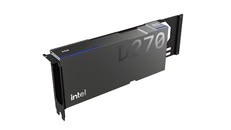
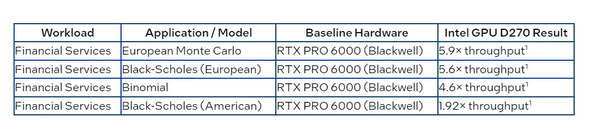
As for the AI figures, they are a lot more modest. Intel claims up to 29% lower latency on the Drex decision model and 1.12x the output token throughput on Qwen3-30B-A3B in FP8. These tests were both run against a single RTX PRO 6000. In the financial tests previously mentioned, the NVIDIA system had eight RTX PRO 6000 cards running against a single D270, though Intel doesn't mention how many were used per run. Intel also showed FP32 seismic modeling with Veridien, although performance figures were left out for this one. All results come from pre-production silicon, and it is important to note that these are first-party results that are intended to showcase the best-case scenarios for the D270. As a reminder, the D270 "Crescent Island" GPU can pack up to 480 GB of memory, while Intel-branded cards come with 160 GB of LPDDR5X as standard. There's still no official word on pricing or launch date.
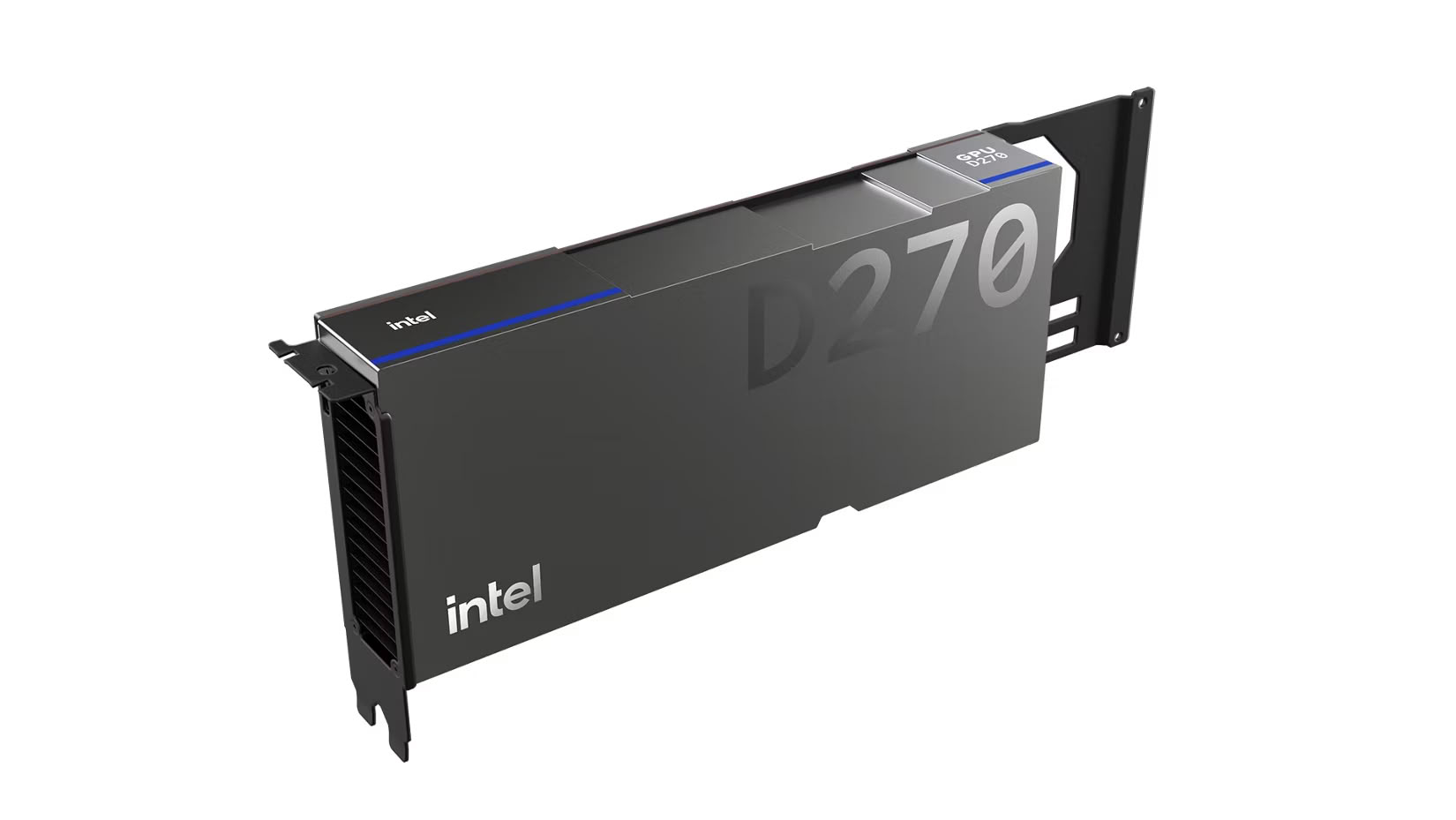
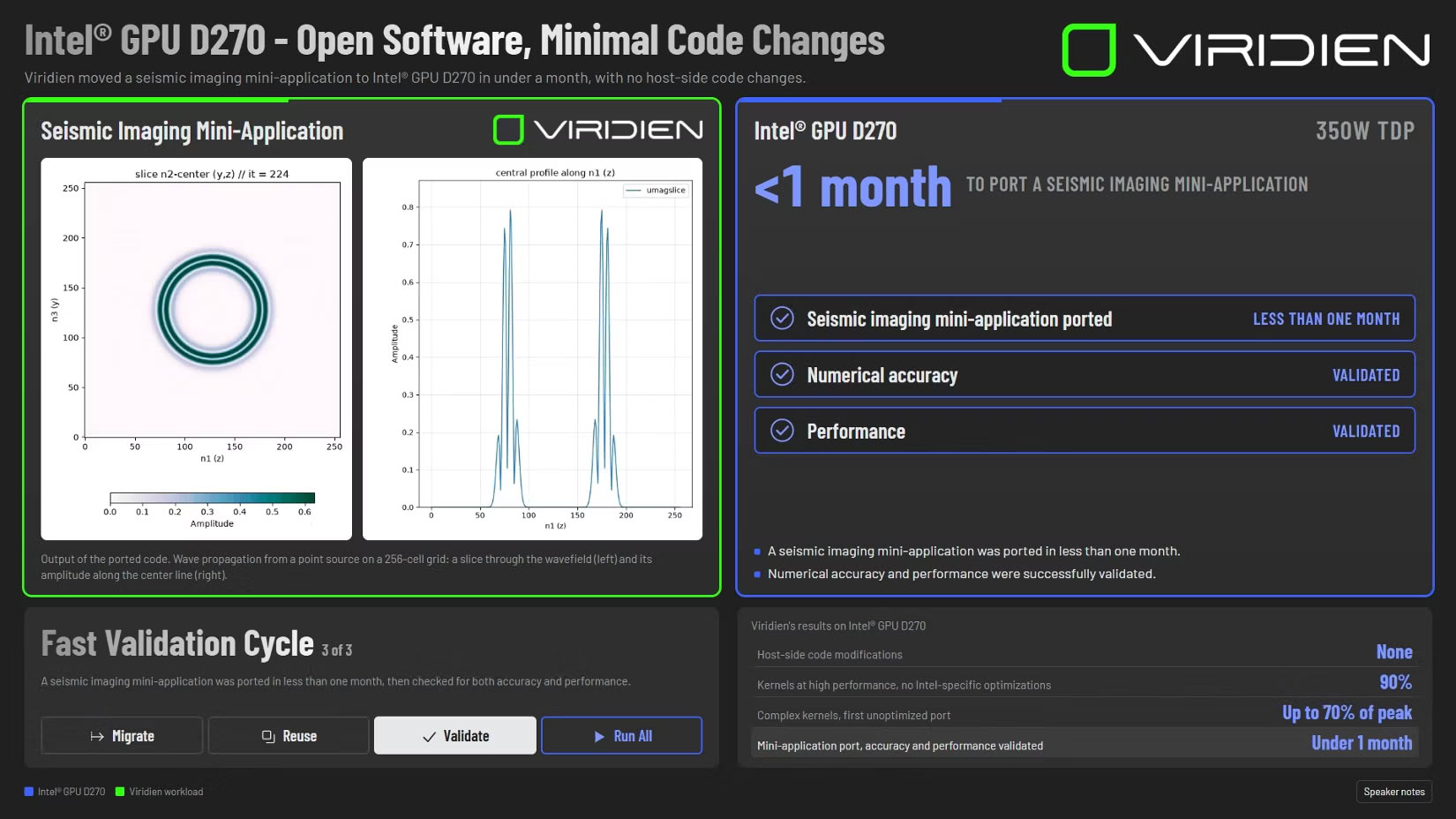
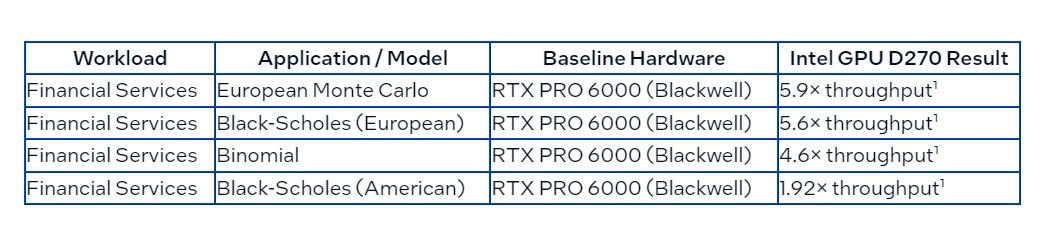
AMD Completes Acquisition of Taalas to Advance AI Inference Innovation
AMD today announced the completion of its acquisition of Taalas, a pioneer in specialized AI inference silicon, further strengthening the company's full-stack AI portfolio and long-term inference roadmap. As demand for AI inference accelerates, Taalas brings differentiated technology and world-class engineering expertise designed to deliver breakthrough performance and efficiency for increasingly specialized AI workloads.
"AI inference is evolving rapidly, and customers need a broad range of compute solutions optimized for their workloads," said Vamsi Boppana, senior vice president of the Artificial Intelligence Group at AMD. "With Taalas now part of AMD, we're expanding our ability to deliver differentiated inference performance and efficiency, while strengthening our full-stack AI platform."
"AI inference is evolving rapidly, and customers need a broad range of compute solutions optimized for their workloads," said Vamsi Boppana, senior vice president of the Artificial Intelligence Group at AMD. "With Taalas now part of AMD, we're expanding our ability to deliver differentiated inference performance and efficiency, while strengthening our full-stack AI platform."

Geometric Future Introduces the Eskimo Ultra 42 AIO and Squama Ultimate 3003-14 Fans
Geometric Future, an innovative PC components and peripherals brand, expands its cooling lineup with the launch of high-performance Eskimo Ultra 42 AIO and Squama Ultimate 3003-14 fans. The Eskimo Ultra 42 features a 420 mm radiator, a 2600 RPM pump (1.5 L/min), and a 55.8 x 55.8 mm copper coldplate. Its CNC-machined aluminium housing has a mirror top with ARGB lighting. It includes three interlocking 30 mm-thick Squama Ultimate 3003-14 fans. Also sold separately, these fans deliver up to 106.27 CFM airflow and 4.72 mmH2O pressure using a patented daisy-chaining system. They feature Fluid Dynamic Bearings, a 3-phase 6-pole motor, 800-2400 RPM PWM control, ARGB lighting, and standard or reverse airflow options for high performance and clean cable management.
The Eskimo Ultra 42 is a performance-focused 420 mm liquid cooler designed for both cooling capacity and refined presentation. Its 27 mm aluminium radiator is paired with three 140 mm Squama Ultimate fans, and the pump block features a large, pure-copper contact surface that efficiently transfers heat from the CPU. The CNC-machined, anodized aluminium housing gives the cooler a premium finish, complemented by a mirror-like top surface and a narrow, diffused ARGB accent that adds lighting without overwhelming the overall design.

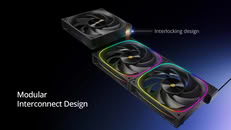
The Eskimo Ultra 42 is a performance-focused 420 mm liquid cooler designed for both cooling capacity and refined presentation. Its 27 mm aluminium radiator is paired with three 140 mm Squama Ultimate fans, and the pump block features a large, pure-copper contact surface that efficiently transfers heat from the CPU. The CNC-machined, anodized aluminium housing gives the cooler a premium finish, complemented by a mirror-like top surface and a narrow, diffused ARGB accent that adds lighting without overwhelming the overall design.
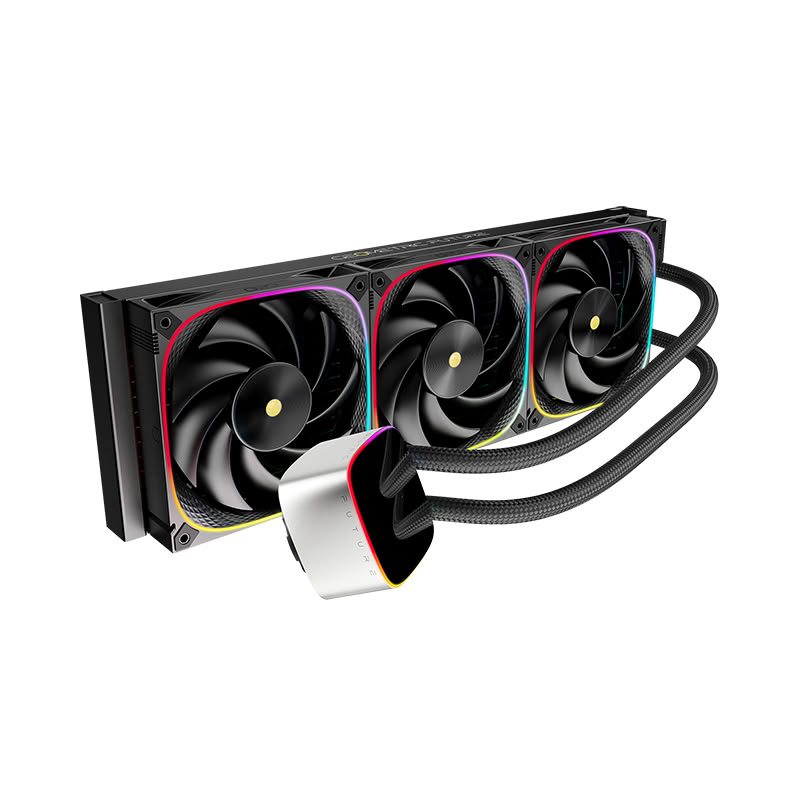
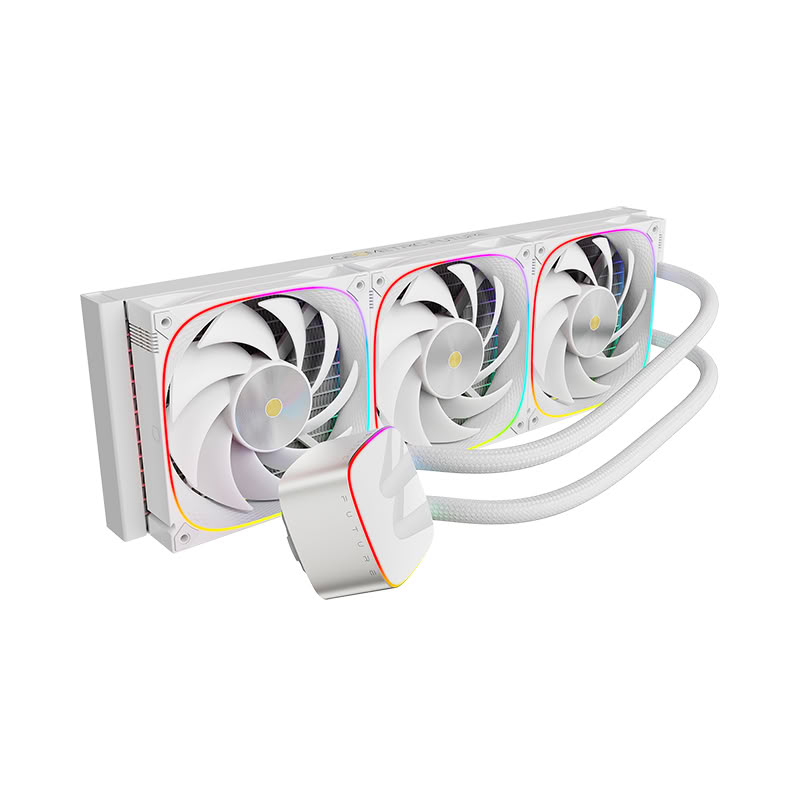
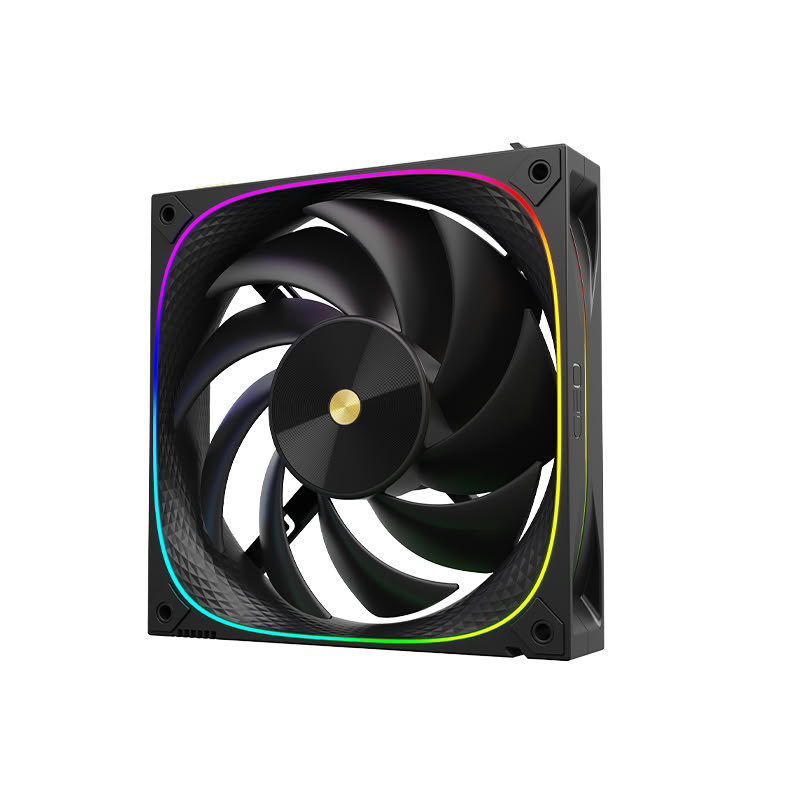
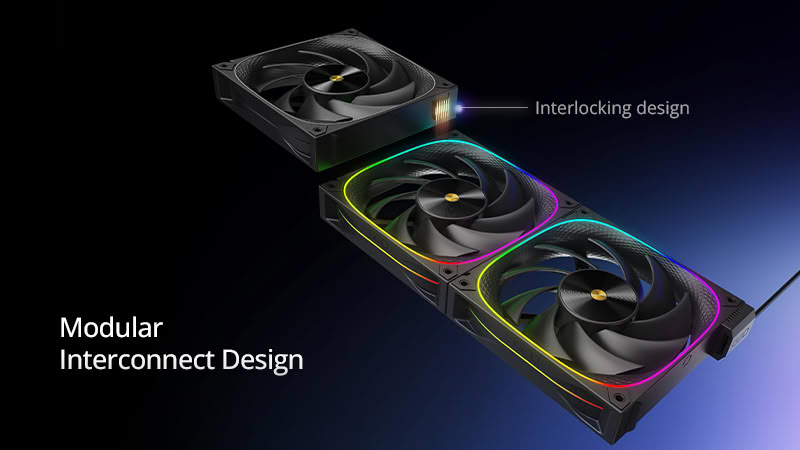
NVIDIA Establishes National Security and Export Control Oversight Committee
NVIDIA (NASDAQ: NVDA) today announced that the Board of Directors has established the National Security and Export Control Oversight Committee, a new standing committee responsible for board-level oversight of the company's national security policies, export control compliance and global trade risk management. NVIDIA's existing National Security Team and Global Trade Compliance Team will report directly to the Committee and to Interim CEO, Colette Kress, on day-to-day operations.
The Committee will be chaired by director Suzanne Nora Johnson and will also include directors Stephen C. Neal and John O. Dabiri as members. It will meet at least quarterly, including with management and in executive session. The Committee will oversee the Company's ongoing efforts to enhance its internal National Security Team and Global Trade Compliance Team, and work closely with independent third-party experts in law, national security and global trade compliance.
The Committee will be chaired by director Suzanne Nora Johnson and will also include directors Stephen C. Neal and John O. Dabiri as members. It will meet at least quarterly, including with management and in executive session. The Committee will oversee the Company's ongoing efforts to enhance its internal National Security Team and Global Trade Compliance Team, and work closely with independent third-party experts in law, national security and global trade compliance.


GAMDIAS Unveils ATLAS P7 Mid-Tower PC Case
GAMDIAS, a global provider of high-performance gaming hardware, proudly announces the latest addition to its ATLAS Series, the ATLAS P7. As a key expression of GAMDIAS's 2026 vision, "AUGMENTED IMMERSION," the ATLAS P7 reimagines the PC case as more than a functional component, transforming it into an expressive, immersive display. Combining striking aesthetics, innovative floating design, optimized airflow engineering, and user-focused features, the ATLAS P7 brings a new dimension to modern PC building.
"The ATLAS P7 represents the culmination of our vision for immersive PC design—where performance, creativity, and personal expression converge into one unified experience," said Stimson Wang, CEO of GAMDIAS. "This is more than a case; it is a platform that transforms every build into a dynamic showcase."
"The ATLAS P7 represents the culmination of our vision for immersive PC design—where performance, creativity, and personal expression converge into one unified experience," said Stimson Wang, CEO of GAMDIAS. "This is more than a case; it is a platform that transforms every build into a dynamic showcase."
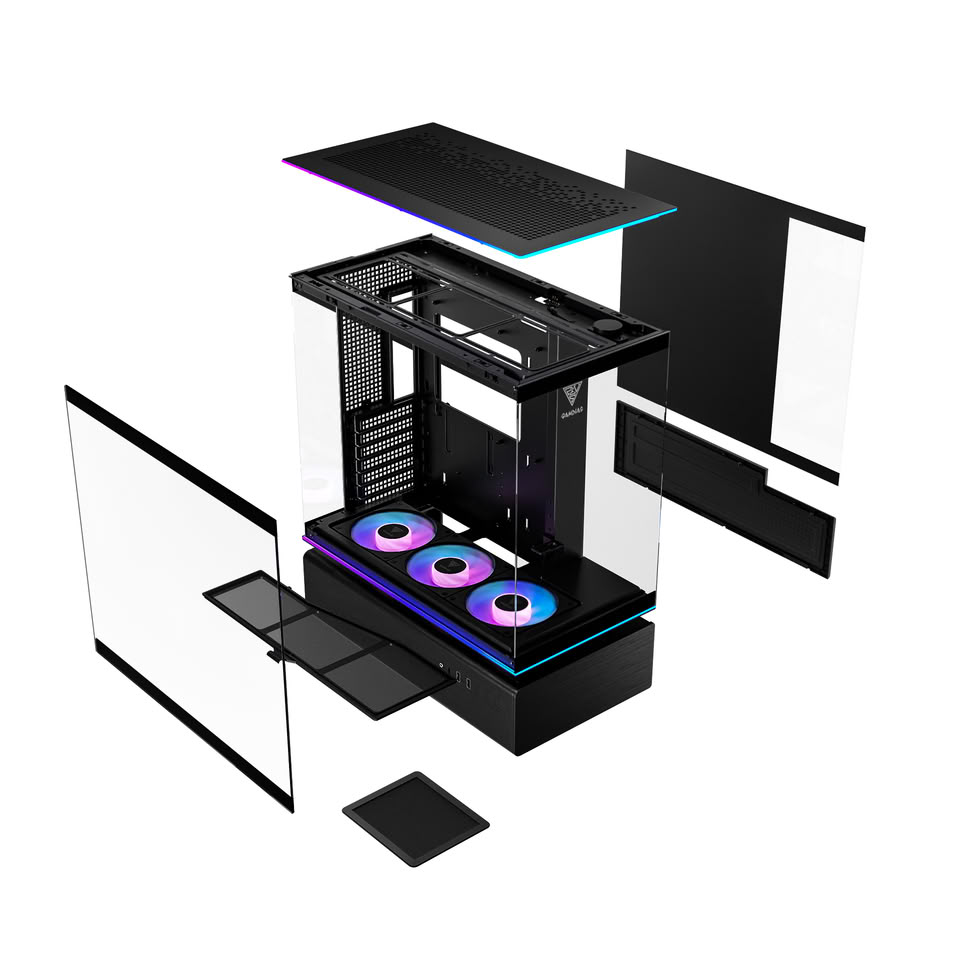

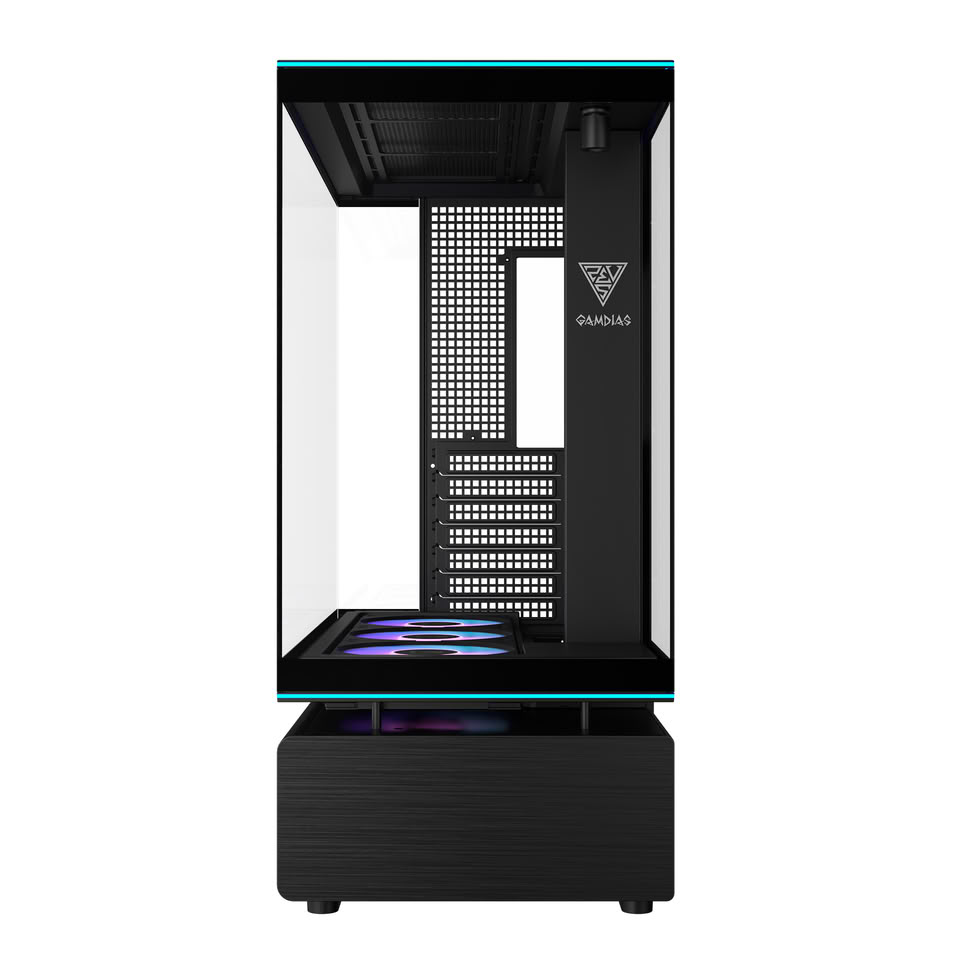
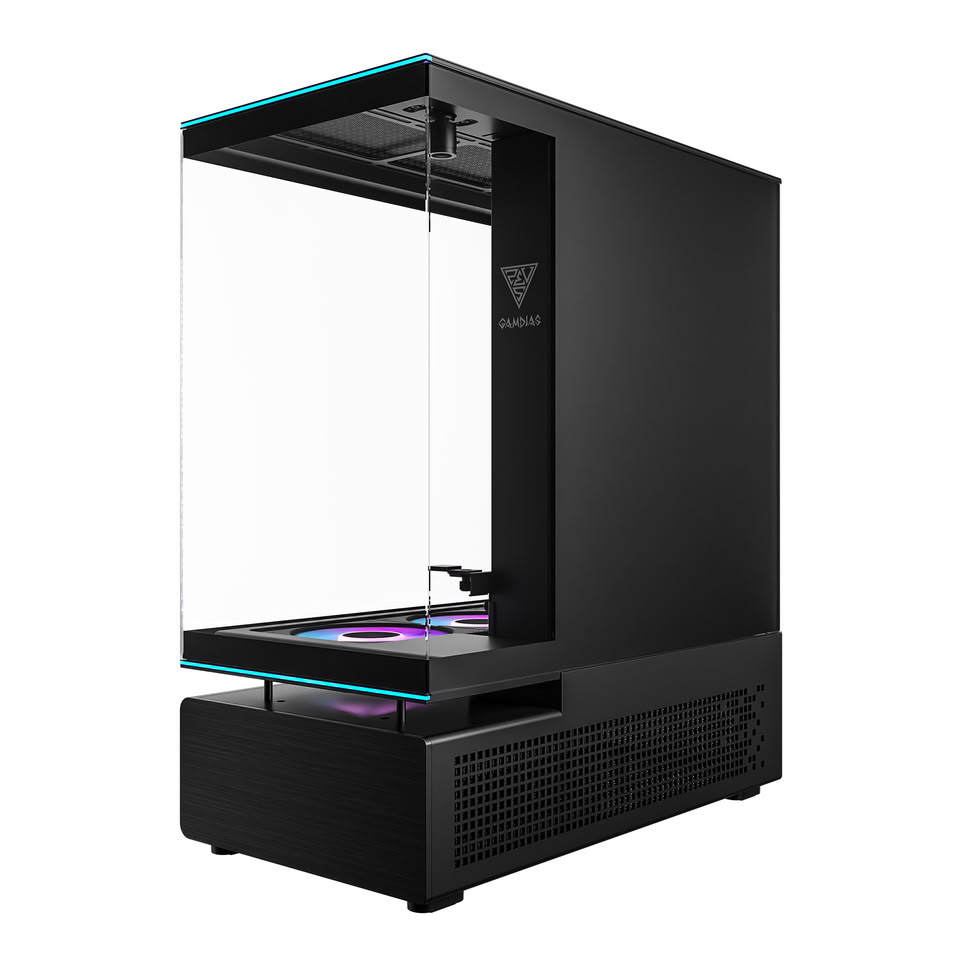
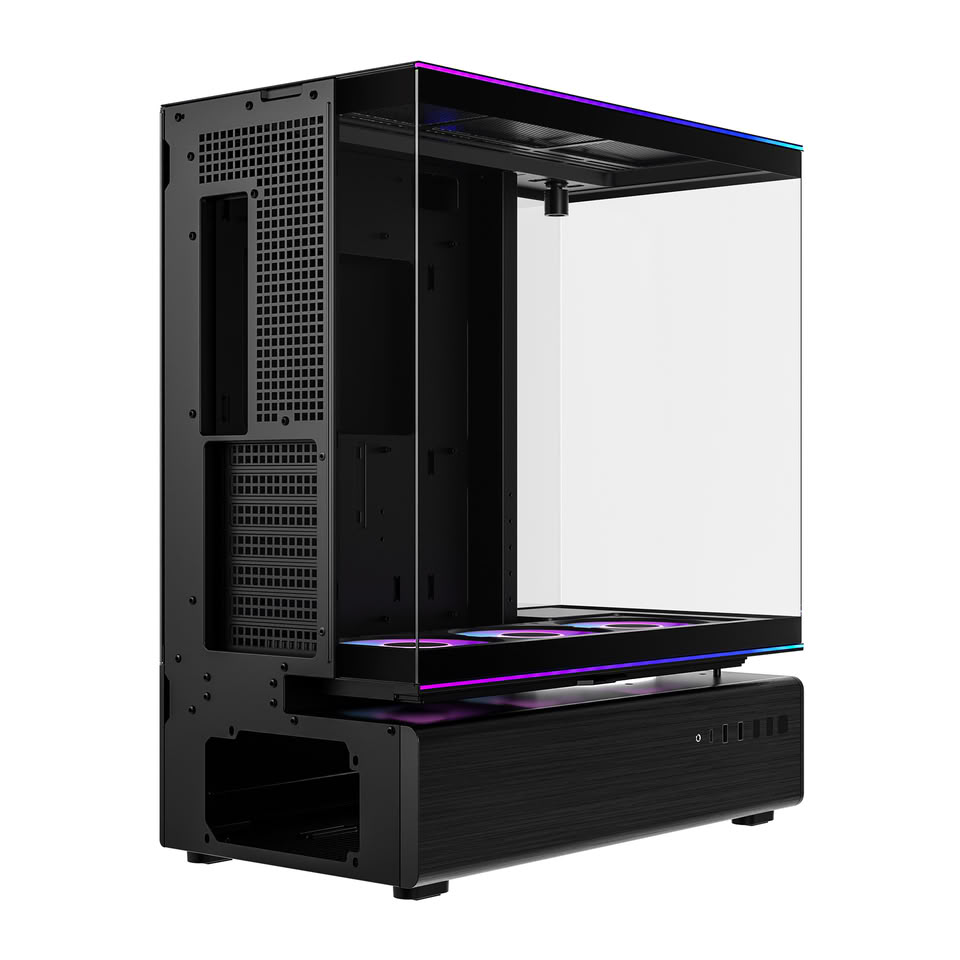
Q.ANT Unveils NPU Gen 2+: Photonic Fourier Transforms Power Large Language Model
Q.ANT, the pioneer in commercial photonic computing, today unveiled the NPU Gen 2+, the latest generation of its Native Processing Unit (NPU) technology, at SC26 in Chicago. The NPU Gen 2+ adds optical Discrete Fourier Transforms (DFTs), which expands the set of mathematical functions developers can run directly in light with photonic computing. With it, developers can build faster, leaner AI models and high-performance computing (HPC) applications.
Advanced functions like the DFT let AI models work with fewer parameters and less data. On digital hardware, however, computing the transform itself with high data volumes costs time and energy. Because the NPU Gen 2+ delivers DFTs natively in light, Q.ANT demonstrates the potential algorithmic and performance advantages of photonic computing already now.
Advanced functions like the DFT let AI models work with fewer parameters and less data. On digital hardware, however, computing the transform itself with high data volumes costs time and energy. Because the NPU Gen 2+ delivers DFTs natively in light, Q.ANT demonstrates the potential algorithmic and performance advantages of photonic computing already now.

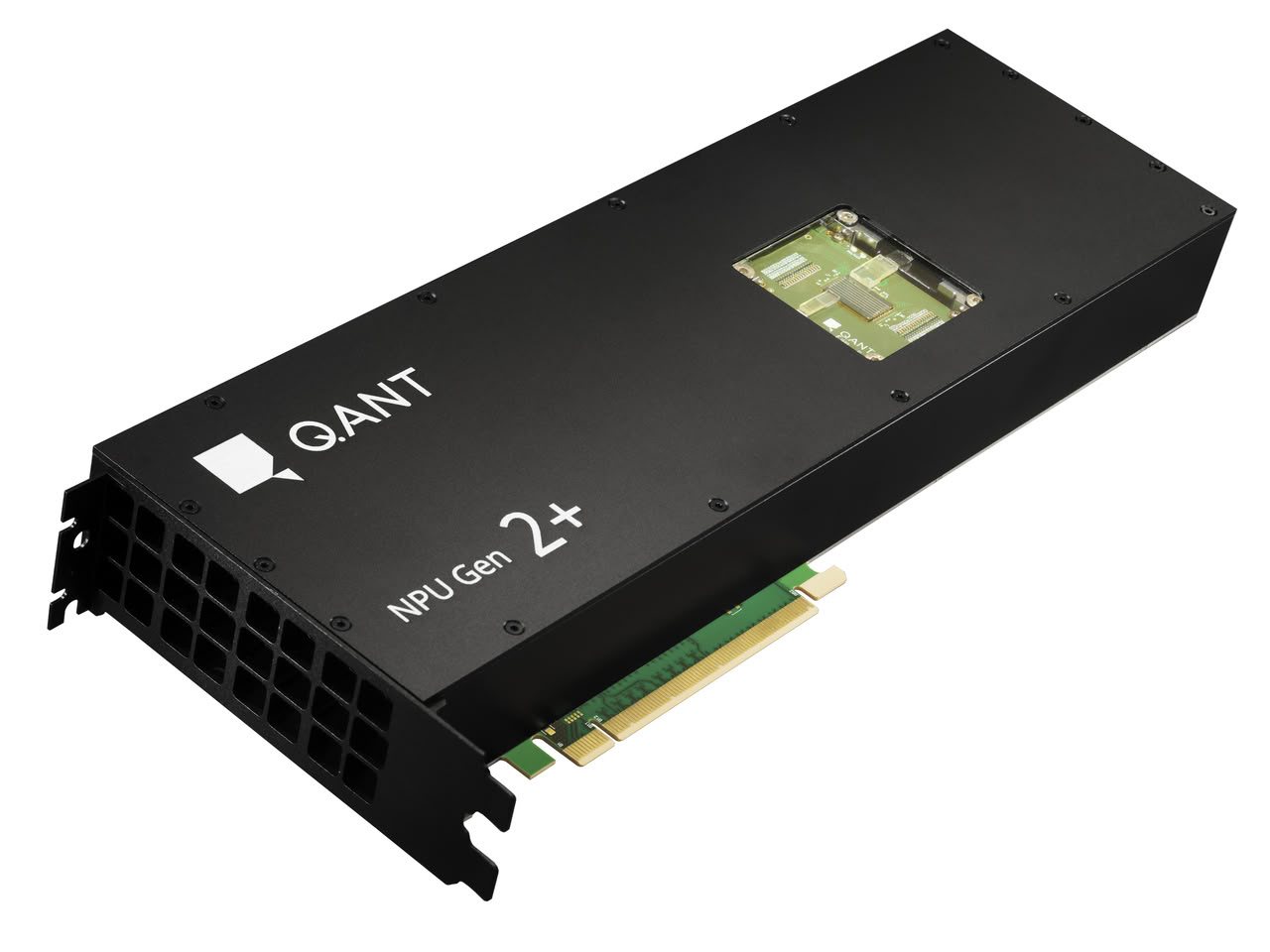
Kensington Launches the Expert Mouse Pro TB900 EQ Trackball
Kensington, a worldwide leader in desktop computing and mobility solutions for IT, business, and home office professionals, today announced the launch of Expert Mouse Pro TB900 EQ Trackball, a wired and wireless trackball designed for engineers, editors, and creative professionals who need precise cursor control and customizable navigation.The TB900 combines Kensington's DIAMONDEYE dual-sensor optical tracking system with a large 55 mm trackball and polling rates up to 1 kHz for smooth, accurate cursor movement with less hand and wrist motion compared to traditional mice. Designed for precision-intensive applications including CAD, video editing, audio production, graphic design, and professional computing, the advanced dual-sensor system maximizes tracking coverage and enables highly accurate cursor control from nearly the entire surface of the ball.
Users can connect up to four devices at once using two Bluetooth channels, one 2.4 GHz wireless connection, or wired USB-C. The TB900 supports quick switching between connected computers and tablets without re-pairing.



Users can connect up to four devices at once using two Bluetooth channels, one 2.4 GHz wireless connection, or wired USB-C. The TB900 supports quick switching between connected computers and tablets without re-pairing.
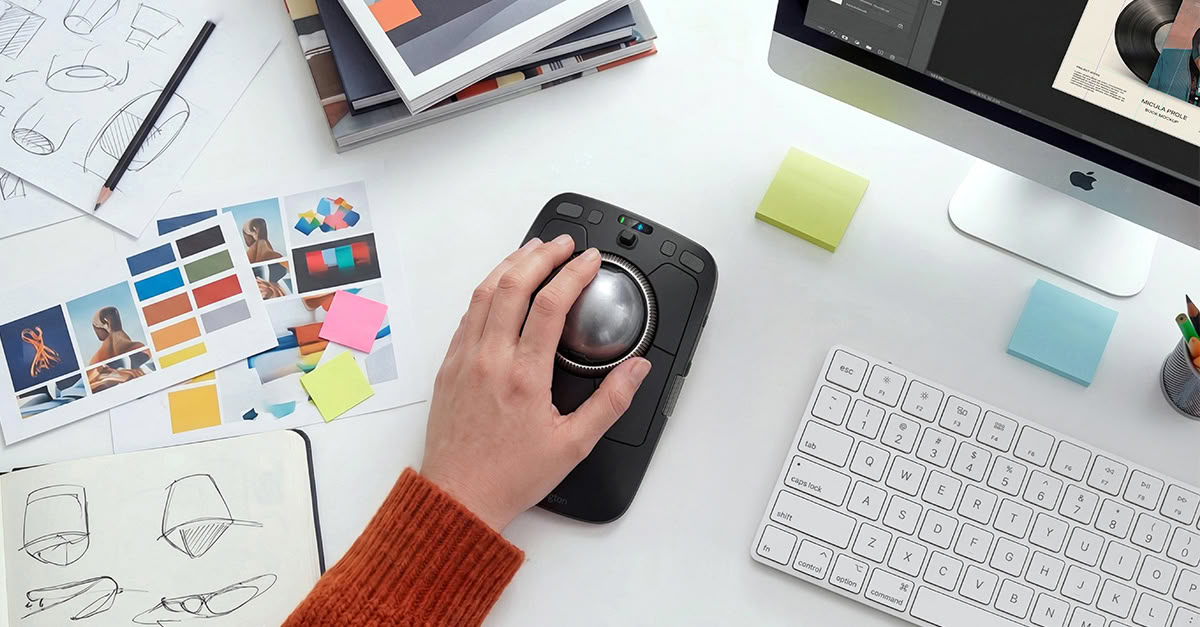
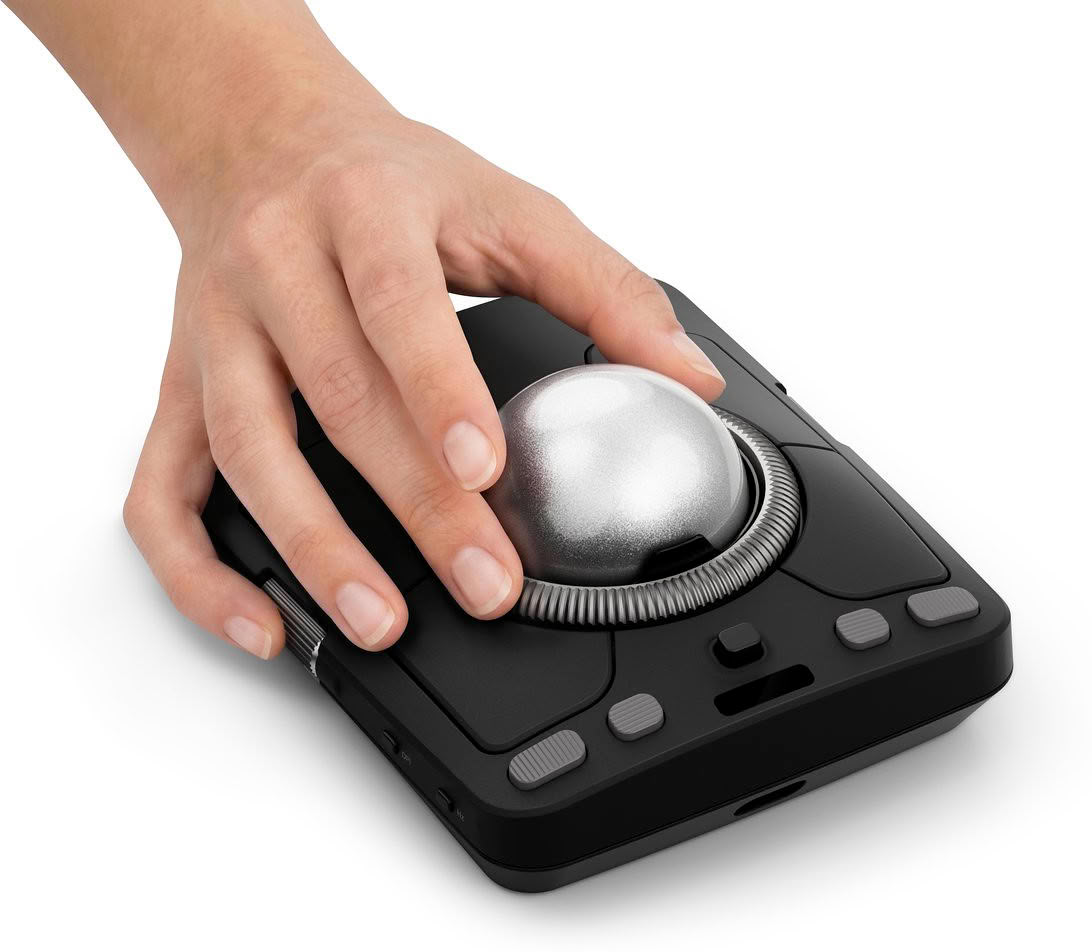
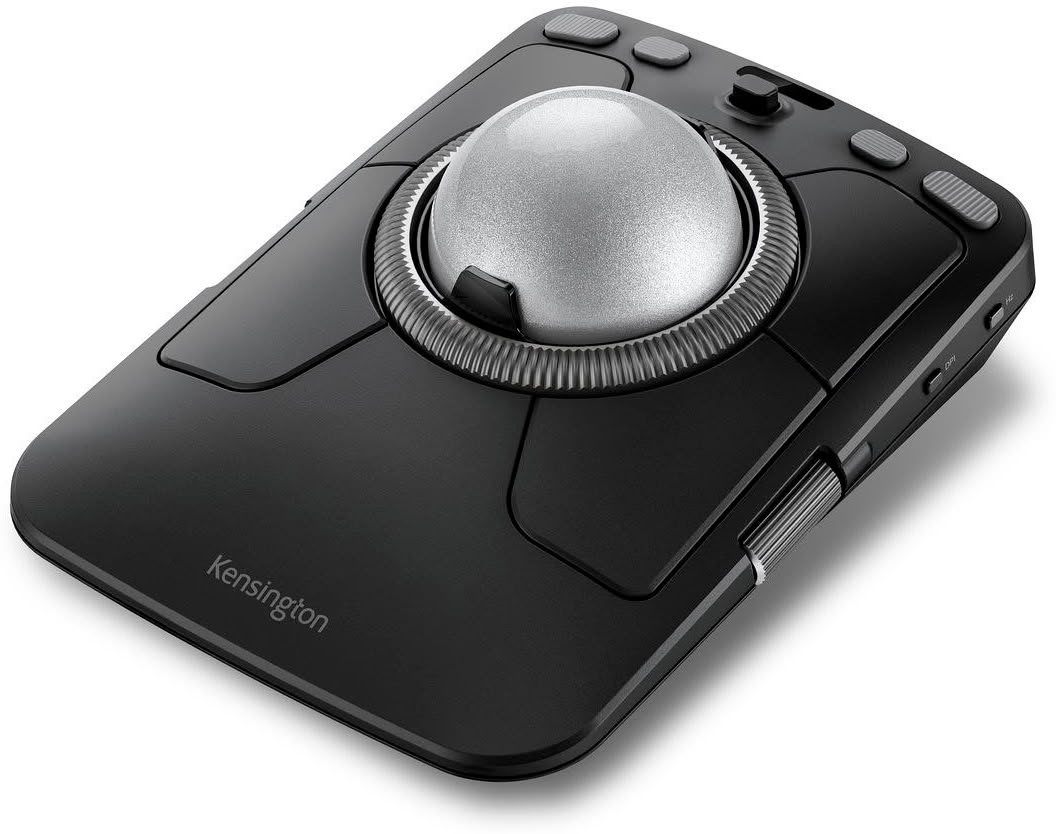
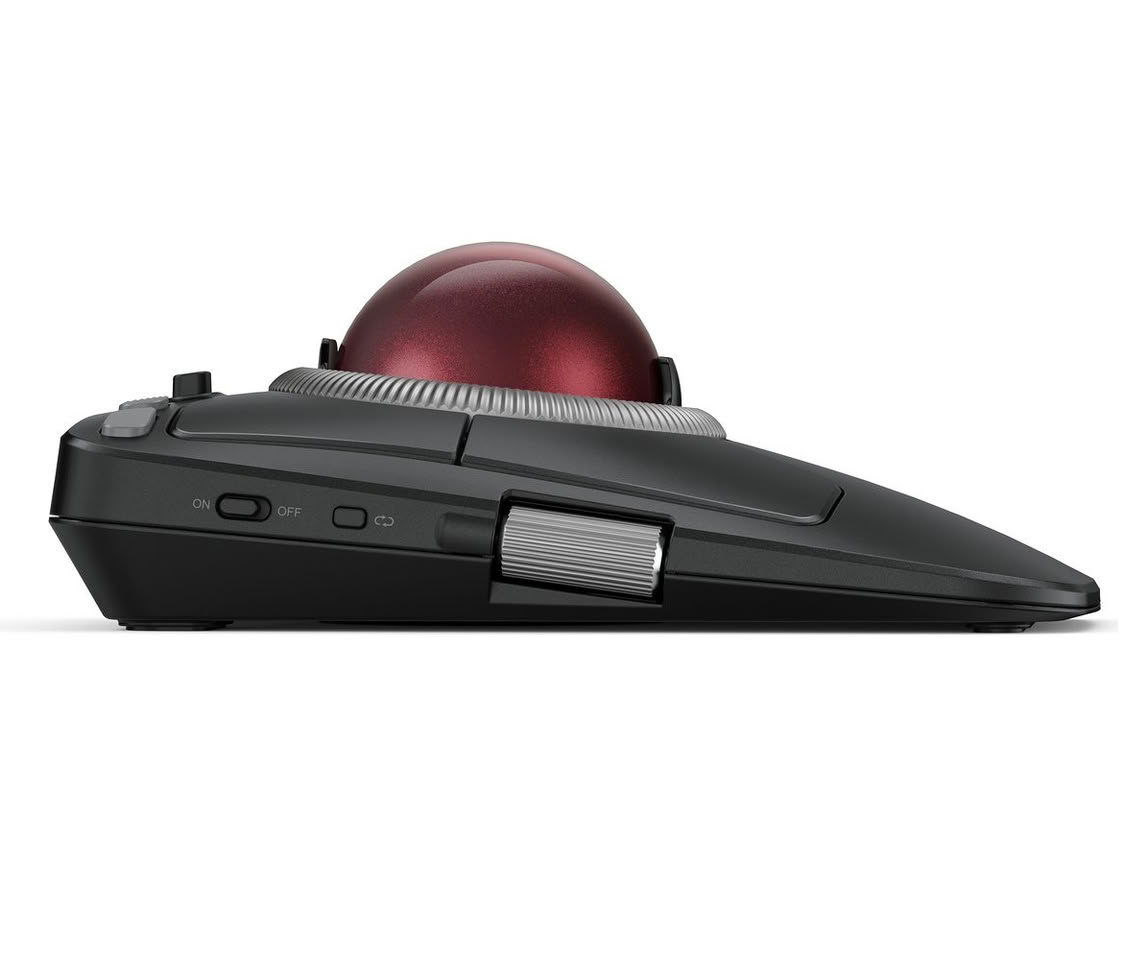
Meet Kandao Focus & Focus SE: 4K AI Webcams
KanDao Technology, a global pioneer in the video camera and imaging industry, has launched Kandao Focus & Focus SE, the 4K AI webcam. This series of webcams is designed to provide a professional image experience at an affordable price for everyday work, study, and content creation. Although it's Kandao's first exploration in the webcam field, the Focus has already won the 2026 Red Dot Design Award.
The 4K AI webcams are designed for video conferencing, live streaming, online teaching, and content creation. AI tracking and built-in 2-axis gimbal detect presenter's movement and keep it always in frame. With gesture control, fast autofocus, landscape and portrait shooting, and multiple modes for different scenarios, the Kandao Focus makes presentations clearer and everyday workflows easier.

The 4K AI webcams are designed for video conferencing, live streaming, online teaching, and content creation. AI tracking and built-in 2-axis gimbal detect presenter's movement and keep it always in frame. With gesture control, fast autofocus, landscape and portrait shooting, and multiple modes for different scenarios, the Kandao Focus makes presentations clearer and everyday workflows easier.

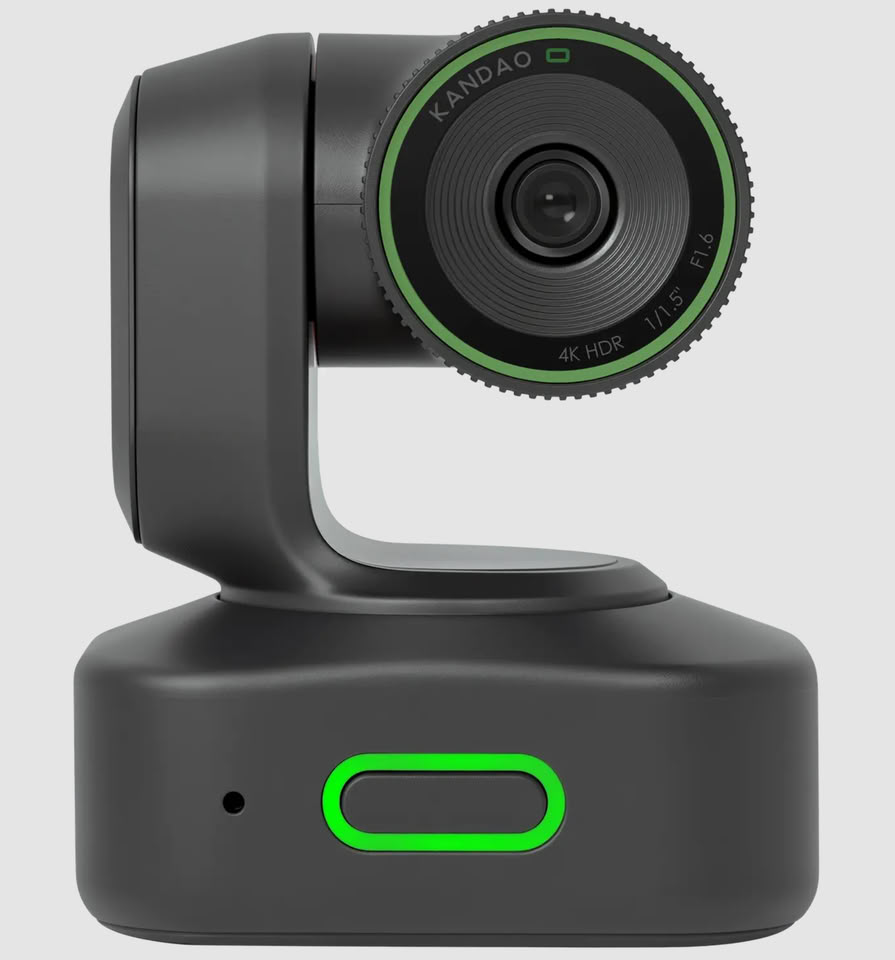
SSSTC Introduces PCIe Gen4 QLC SSDs for AI PCs and Industrial Applications
Solid State Storage Technology Corporation (SSSTC), a subsidiary of Kioxia Corporation, today announced the PQ2 series, the company's first industrial-grade QLC SSD. Featuring a PCIe Gen 4 x4 interface and BiCS FLASH generation 8 QLC flash memory, PQ2 combines responsive data access with industrial-grade reliability.
Designed for read-intensive workloads, PQ2 supports AI PC tasks such as loading locally stored AI models and accessing application data. The series is also suitable for point-of-sale (POS) terminals, thin clients, and networking devices, as well as boot storage in embedded systems.
Designed for read-intensive workloads, PQ2 supports AI PC tasks such as loading locally stored AI models and accessing application data. The series is also suitable for point-of-sale (POS) terminals, thin clients, and networking devices, as well as boot storage in embedded systems.

U.S. Cracks Down on China Renting AI GPUs Through Overseas Data Centers
Yesterday, the U.S. Commerce Department's Bureau of Industry and Security (BIS) released an interim final rule to address remote access to advanced AI chips and servers. This rule significantly addresses a long-standing gap in U.S. export controls, where Chinese companies that are barred from accessing NVIDIA's latest GPUs have been renting overseas computing power instead of purchasing the chips outright. Notably, BIS states that the rule was written by and at the direction of the Department of the Treasury and the National Security Council.
Under the new rule, a license is required to ship any advanced accelerators to any data center worldwide that provides more than 12 million "aggregate TPP" of computing power to companies headquartered in Macau or Country Group D:5, which includes China. TPP, or Total Processing Performance, is BIS's metric for chip computing power, calculated as a chip's peak dense throughput multiplied by the bit length of the operation. For example, an H100 rates about 15,800 TPP. "Aggregate TPP" sums up every accelerator in the facility, so the cap equates to roughly 750 H100s or around 330 B200s. The limit also applies to "linked data centers" and indirect access, such as a cloud reseller training models for a Chinese firm. Data centers already serving such customers have 90 days to obtain a license. Only "commercial recommender systems" are exempt, and anything that generates text, images, video, or code does not qualify.
Under the new rule, a license is required to ship any advanced accelerators to any data center worldwide that provides more than 12 million "aggregate TPP" of computing power to companies headquartered in Macau or Country Group D:5, which includes China. TPP, or Total Processing Performance, is BIS's metric for chip computing power, calculated as a chip's peak dense throughput multiplied by the bit length of the operation. For example, an H100 rates about 15,800 TPP. "Aggregate TPP" sums up every accelerator in the facility, so the cap equates to roughly 750 H100s or around 330 B200s. The limit also applies to "linked data centers" and indirect access, such as a cloud reseller training models for a Chinese firm. Data centers already serving such customers have 90 days to obtain a license. Only "commercial recommender systems" are exempt, and anything that generates text, images, video, or code does not qualify.

Monday, November 16th 2026
Today's Files
Today's Reviews
Cases
CPU Coolers
Desktop PC
Game Controllers
Keyboards
Monitors
Motherboards
Mouse
Chieftec Iceberg PRO 360 DARK Review
The Chieftec Iceberg PRO 360 DARK lands in the middle of the 360 mm AIO pack, but its snap-on fans, separately controlled VRM blower, and huge socket support make it stand out. At about €100, it's a smart pick for mid-range builds that value features over raw chart-topping cooling.
Acemagic Retro X3 Review
Acemagic's Retro X3 puts a Ryzen 7 H 255 and Radeon 780M inside a nostalgic console-style Mini-PC. It's quick enough for office work and lighter 1080p gaming, with quiet cooling, USB4, and two SSD slots. That said, the 16 GB RAM is soldered, so you'll want to be happy with that limit for the long term.
U.S. Departments of Commerce and Justice Issue Rare Joint-Statement on the NVIDIA-Megaspeed Investigation
The U.S. Department of Commerce and Department of Justice just issued a rare joint-statement on their ongoing investigation into NVIDIA's dealings with Singapore-based Megaspeed Corporation, a cloud computing firm that had been buying cutting-edge AI GPUs and is alleged to have been involved in the diversion of these GPUs to entities in China, in violation of U.S. export controls for AI compute processors. In their statement, the two Government departments provide a brief timeline of their investigation into Megaspeed, which was initiated by the Department of Commerce as far back as 2024.
In May 2025, investigators from the Commerce department requested records from NVIDIA on their direct and indirect sales of GPUs to Megaspeed. The statement says that NVIDIA put Megaspeed on their "no sell" list in June 2025. In cooperation with Singaporean law enforcement officials, agents from the Commerce department's Bureau of Industry and Security conducted searches at Megaspeed's locations to verify the end-use of AI GPUs purchased from NVIDIA; and interviewed CEO Alice Huang, the woman in the center of the storm that media reports earlier this month alleged to have been an agent of the Chinese state. Following this, the U.S. Department of Justice took the lead role into the criminal investigation of Megaspeed into violations of U.S. export controls.
In May 2025, investigators from the Commerce department requested records from NVIDIA on their direct and indirect sales of GPUs to Megaspeed. The statement says that NVIDIA put Megaspeed on their "no sell" list in June 2025. In cooperation with Singaporean law enforcement officials, agents from the Commerce department's Bureau of Industry and Security conducted searches at Megaspeed's locations to verify the end-use of AI GPUs purchased from NVIDIA; and interviewed CEO Alice Huang, the woman in the center of the storm that media reports earlier this month alleged to have been an agent of the Chinese state. Following this, the U.S. Department of Justice took the lead role into the criminal investigation of Megaspeed into violations of U.S. export controls.

GPD Publishes Full WIN Mini Ultra Specs, Pricing Still Under Wraps
GPD has published the full spec sheet for the WIN Mini Ultra. The company's new product page confirms the Intel Arc G3 Extreme inside, with 14 CPU cores in a 2P+8E+4LPE configuration. The chip can boost up to 4.7 GHz, and the Arc B390 graphics feature 12 Xe3 cores at up to 2.3 GHz. As for the screen, it is an 8-inch, 1920x1200 LTPS IPS panel with a 48-120 Hz variable refresh rate. The RAM tops out at 64 GB of LPDDR5X memory at up to 8533 MT/s, and the TDP is listed as 15-45 W. These specs are a bit different from the leaked configuration we saw in GPD's Weibo teaser last month. Notably, the leak listed a 9.8-inch display and only up to 32 GB of memory.
Compared to the Ryzen-powered WIN Mini, the Ultra steps up the I/O quite a bit. There are two USB4 v2 ports, each rated at 80 Gbps, both with DisplayPort 2.1, plus a microSD Express slot for good measure. The M.2 2280 slot can take full-size PCIe 5.0 x4 drives, although units ship with PCIe 4.0 SSDs by default. The battery gets a boost too, now up to 56.01 Wh from 44.24 Wh on the Mini, and a 100 W charger is included in the box. However, the Win Mini Ultra is about 290 g heavier than the Mini 2025, tipping the scales at 845 g.
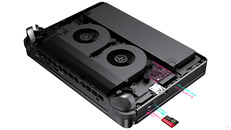
Compared to the Ryzen-powered WIN Mini, the Ultra steps up the I/O quite a bit. There are two USB4 v2 ports, each rated at 80 Gbps, both with DisplayPort 2.1, plus a microSD Express slot for good measure. The M.2 2280 slot can take full-size PCIe 5.0 x4 drives, although units ship with PCIe 4.0 SSDs by default. The battery gets a boost too, now up to 56.01 Wh from 44.24 Wh on the Mini, and a 100 W charger is included in the box. However, the Win Mini Ultra is about 290 g heavier than the Mini 2025, tipping the scales at 845 g.

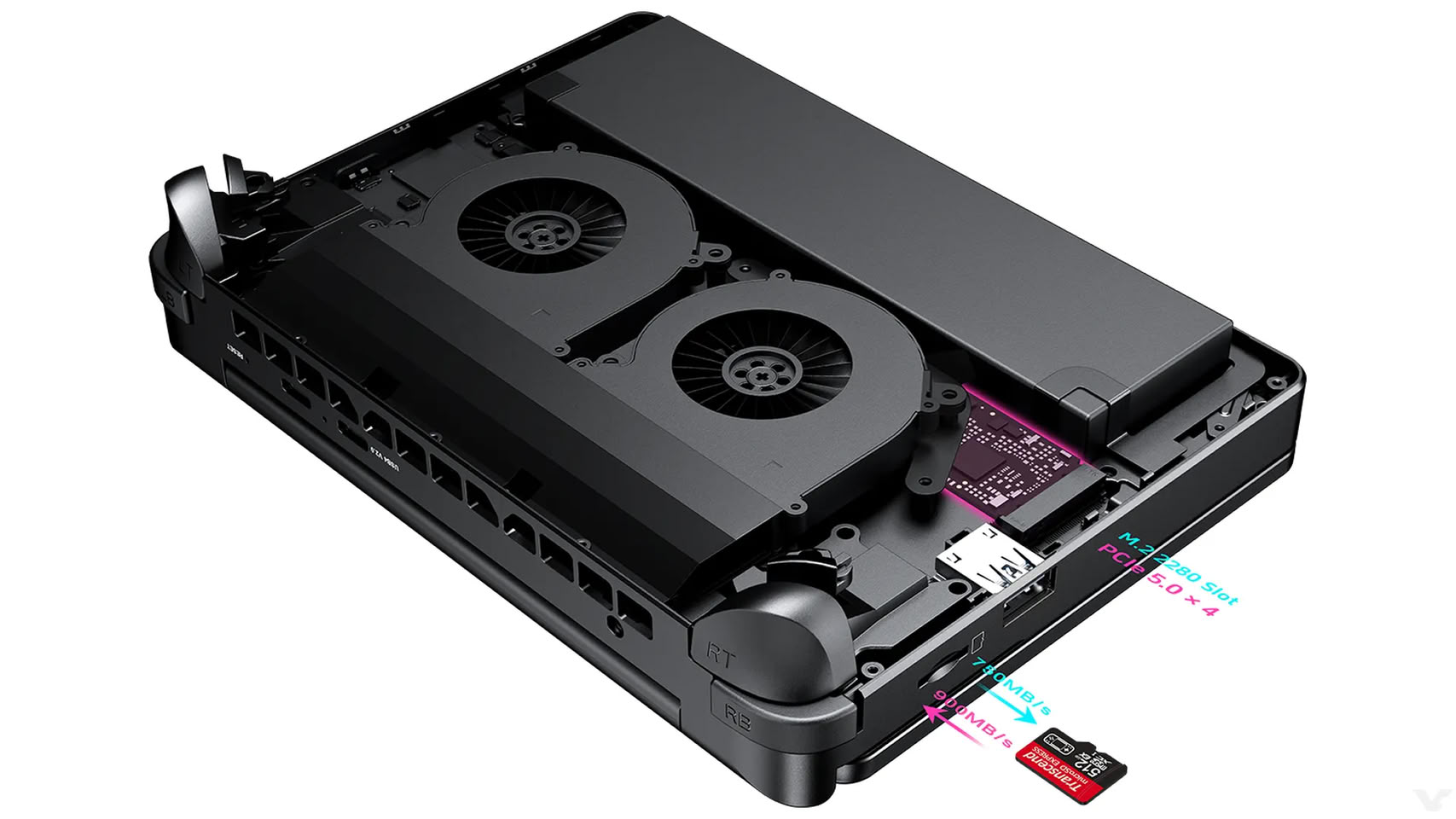
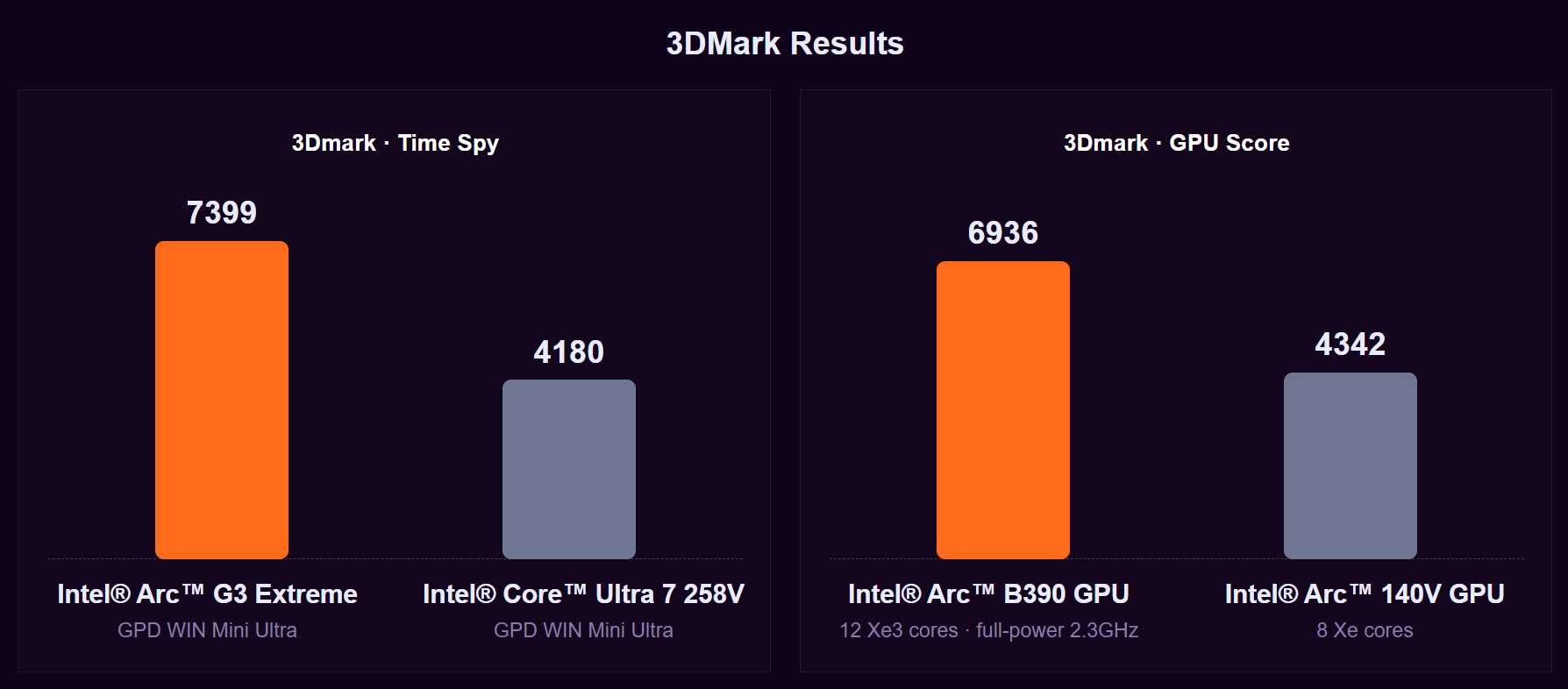
Overclocker Tries to Revive SkyOC BCLK Overclocking via BIOS Mod
Back in 2015, ASRock introduced SkyOC, a feature that let users overclock locked non-K series Intel CPUs via BCLK overclocking. That BIOS trick might be making an unofficial comeback, thanks to a decompilation attempt by Spanish creator Hardware 360°. He posted on X about a modified BIOS that he had built for his ASUS ROG Maximus XI Extreme Z390 motherboard with the help of AI tools. That modified BIOS ports the SkyOC feature from ASRock motherboards of the time, using firmware from before and after ASRock pulled the plug on it. Apparently, Intel was not happy about BCLK overclocking on Skylake CPUs using SkyOC.
The idea behind this modified BIOS is to let non-K Intel CPUs be overclocked using BCLK without destabilizing the entire system. Typically, BCLK overclocking raises the clocks for the entire motherboard, including RAM, PCIe buses, etc. Therefore, Intel implemented a limit on BCLK, so that the CPUs shut down if they detected a BCLK higher than 103 MHz (up from 100 MHz). SkyOC got around this limit by feeding the CPU a false BCLK reading, which is why Intel directed ASRock to remove this feature in early 2016 with a microcode update. Hardware 360° says that he has modified his motherboard's BIOS to implement SkyOC; however, there have been no results posted yet.

The idea behind this modified BIOS is to let non-K Intel CPUs be overclocked using BCLK without destabilizing the entire system. Typically, BCLK overclocking raises the clocks for the entire motherboard, including RAM, PCIe buses, etc. Therefore, Intel implemented a limit on BCLK, so that the CPUs shut down if they detected a BCLK higher than 103 MHz (up from 100 MHz). SkyOC got around this limit by feeding the CPU a false BCLK reading, which is why Intel directed ASRock to remove this feature in early 2016 with a microcode update. Hardware 360° says that he has modified his motherboard's BIOS to implement SkyOC; however, there have been no results posted yet.

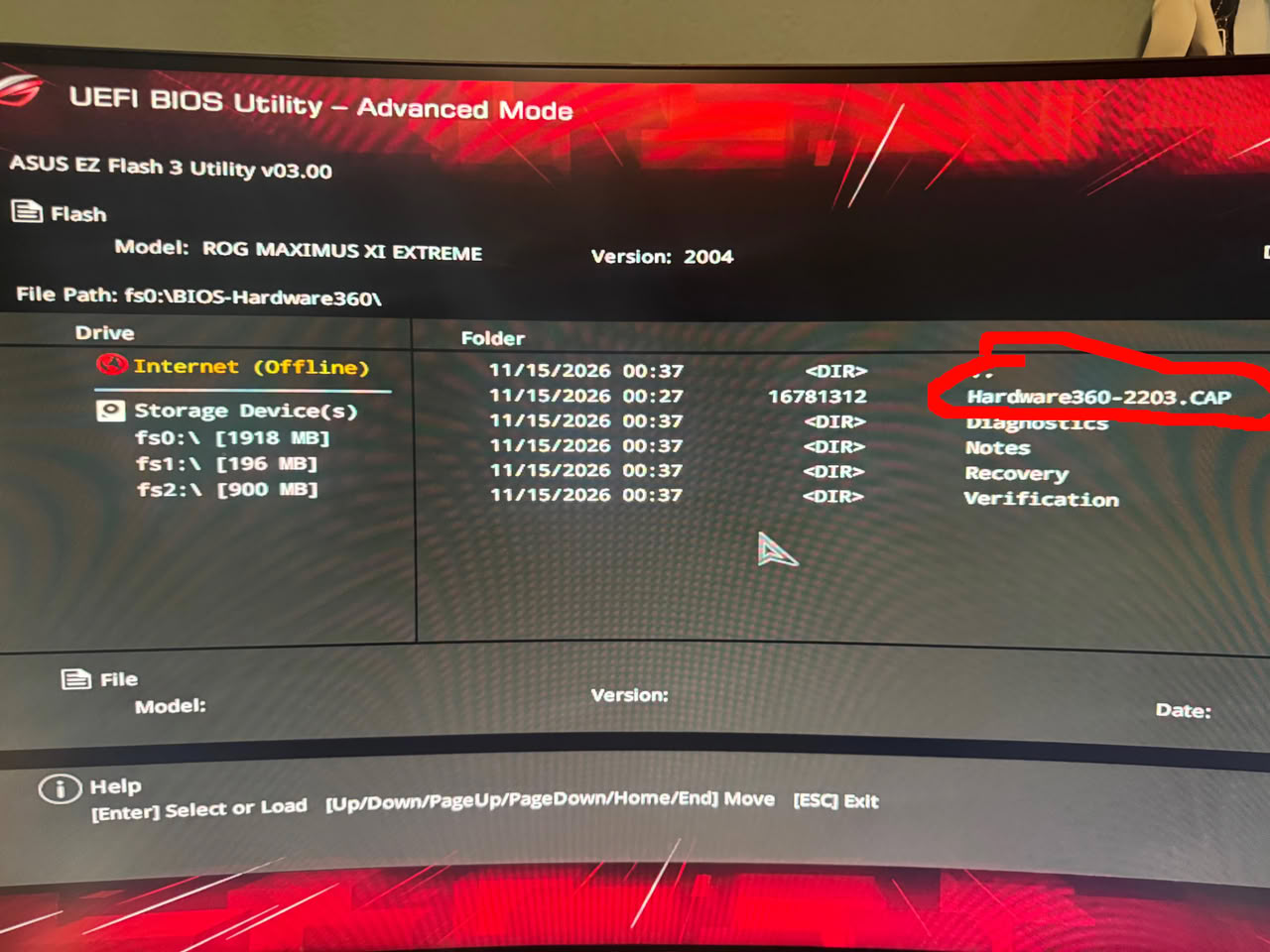

Linux Kernel Gets AMD Capacity-Aware Scheduling for Zen 6 Heterogeneous CPU Architectures
It has long been rumored that AMD is working on new Zen 6 LP cores for its next-gen Zen 6 (see our Zen 6 Technical Deep Dive here) CPU architecture—which has already been unveiled for server applications—and it now appears as though the Linux kernel is being prepared to support that new architecture across the board. A patch series by AMD itself details support for a Capacity-Aware Scheduling, which would effectively allow the Linux kernel to detect the capabilities of each individual CPU core and assign work to that CPU core accordingly.
Amd-pstate does not export per-CPU capacity today, so the scheduler treats all cores as equal and places tasks without regard to core strength.
Patch 1 makes amd-pstate publish asymmetric per-CPU capacities via the arch hybrid capacity scaling interface. It is enabled by default on supported hardware and can be turned off with the "amd_cas=disable" boot parameter.
Patch 2 makes amd-hfi stand down when CAS is active, since both manage the same scheduler state.
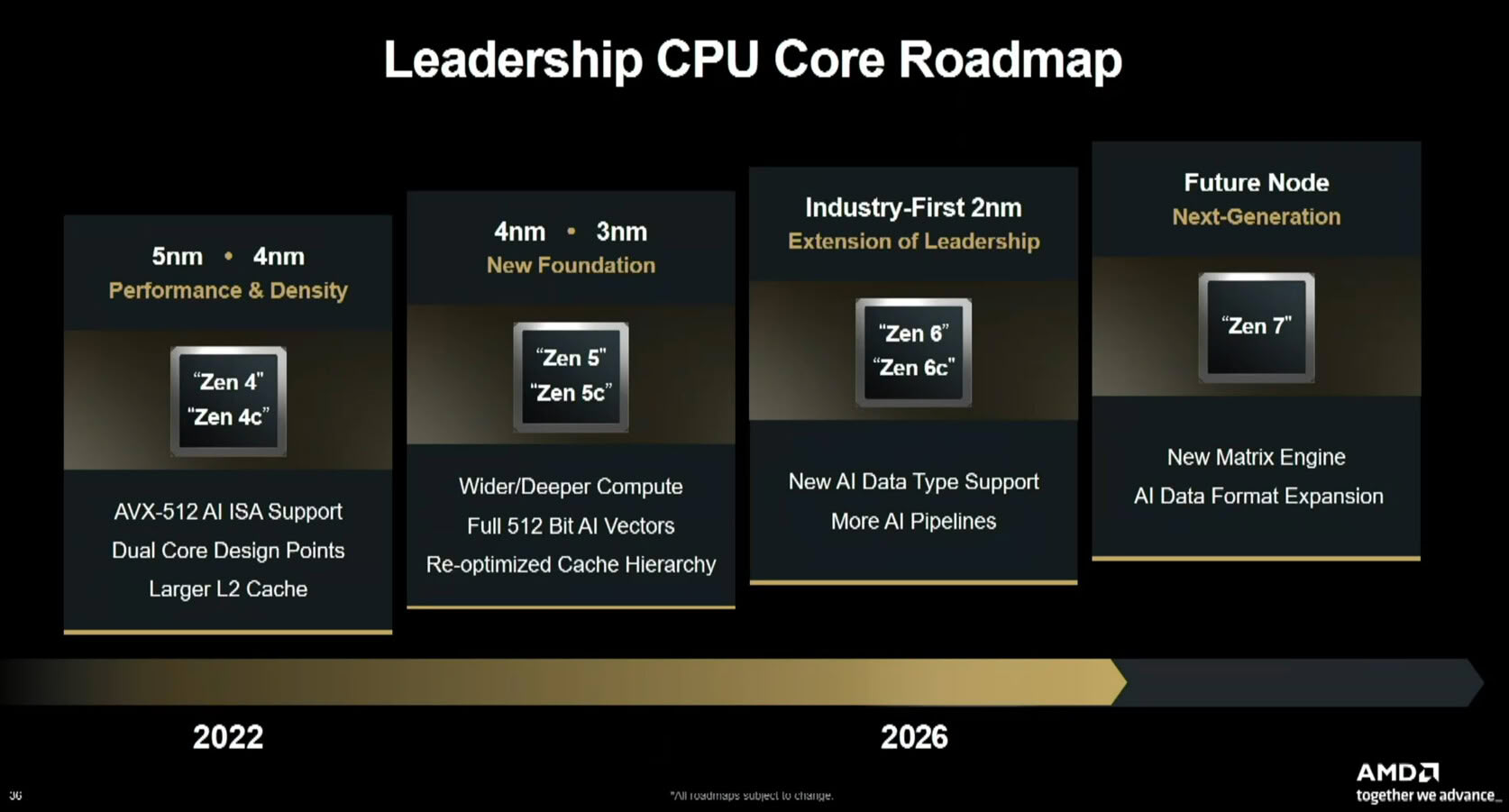

KDE Plasma 6.9 Cuts Overhead with On-Demand XWayland Implementation
KDE Plasma is one of the most commonly recommended Linux desktop environments, thanks to its flexibility, frequent updates, and surprisingly low performance footprint. According to the latest issue of This Week in Plasma by KDE's Nate Graham, KDE Plasma 6.9 will introduce a more streamlined implementation of XWayland.
The big change would enable XWayland—the compatibility layer that enables compatibility with legacy X11 apps—to run on-demand. That is to say that XWayland will only run when the user or system launch an application that requires the compatibility layer, as opposed to running in the background all the time.
The big change would enable XWayland—the compatibility layer that enables compatibility with legacy X11 apps—to run on-demand. That is to say that XWayland will only run when the user or system launch an application that requires the compatibility layer, as opposed to running in the background all the time.

ORICO Introduces FlashMem FM9800 SSDs with Dedicated AI Cache
Chinese peripherals company ORICO introduced the FlashMem AI SSD FM9800. The M.2 drive uses a graphene thermal pad, PCIe 5.0 interface and 3D TLC NAND. It will be available in 1 TB and 2 TB models, fairly standard for this type of drive. However, the drive splits its capacity between two areas (partitions) combining regular storage with a dedicated cache area for local AI. Storage OS area holds the operating system, applications, and regular files. The so-called AI Cache stores data used for local AI inference. The 1 TB model allocates 85 GB to AI Cache and 768 GB to Storage OS. The 2 TB version reserves 128 GB for AI Cache and 1,638 GB for Storage OS. ORICO has not explained how the remaining capacity is allocated, with over-provisioning being an option.
According to the company, the two areas use separate wear-management strategies and read/write scheduling. ORICO intends the AI Cache to work alongside system RAM and GPU memory. Moreover, compatible applications could use it as an additional storage layer for local AI. It does not replace RAM or VRAM, and software support will be needed to use the feature. ORICO has yet to share exact performance or endurance ratings. However, an additional image from ORICO's blog post advertises read speeds of up to 9,800 MB/s. Warranty details, availability, and pricing are also unknown.

According to the company, the two areas use separate wear-management strategies and read/write scheduling. ORICO intends the AI Cache to work alongside system RAM and GPU memory. Moreover, compatible applications could use it as an additional storage layer for local AI. It does not replace RAM or VRAM, and software support will be needed to use the feature. ORICO has yet to share exact performance or endurance ratings. However, an additional image from ORICO's blog post advertises read speeds of up to 9,800 MB/s. Warranty details, availability, and pricing are also unknown.




Xbox Confirms Project Helix Is Not a PC, But It's Closer Than Ever
It's basically a running joke at this point that gaming consoles are just PCs with extra steps, and Xbox previously confirmed that the upcoming Project Helix would be a PC-console hybrid, capable of playing both PC and console games. This led to speculation and even rumors that Xbox would finally treat the Helix as if it were a proper PC, similarly to the Steam Machine. In the recent Xbox 25th Anniversary Magazine, Xbox Vice President of Next Gen, Jason Ronald, has confirmed that this will not be the case, although he also suggested that the way the Xbox Helix games will work is more akin to a PC than a console.

Jason Ronald, VP of Next Gen at XboxWe're very clear on the design goal: Helix is designed to be a console capable of playing PC games from your PC. It is not a PC that can also play console games. The goal is making it easy, intuitive, and instant to access my games. But if you're a hardcore gamer or a power user who wants to have that deeper level of customizability across settings and performance options, you can absolutely go for it.


Xbox Puts Preservation at the Core of Project Helix
Xbox's VP of Next Generation, Jason Ronald, says keeping older games playable is one of the key goals for Project Helix. Xbox recently put out a 25th Anniversary Magazine, which shows off Xbox's journey through the years and also hints at what is to come, including details on Project Helix. We covered earlier that Helix might focus on Neural Rendering to keep costs down, also according to Jason Ronald. Here's what he said about preservation.


Jason Ronald, Xbox VP of Next GenerationGame preservation is core to XBOX. Not only do we feel like it's the right thing for the industry, we feel a deep responsibility as one of its biggest platforms and publishers...[Compatibility is] really informing how we design the platform and how we work with our partners to make sure that these games can not only be played, but they can also be played better than ever before in the future. Not only are we preserving those games from the past, but it's actually informing how we're designing and building the platform and games today - so that they can be preserved 20 years, 30 years in the future.
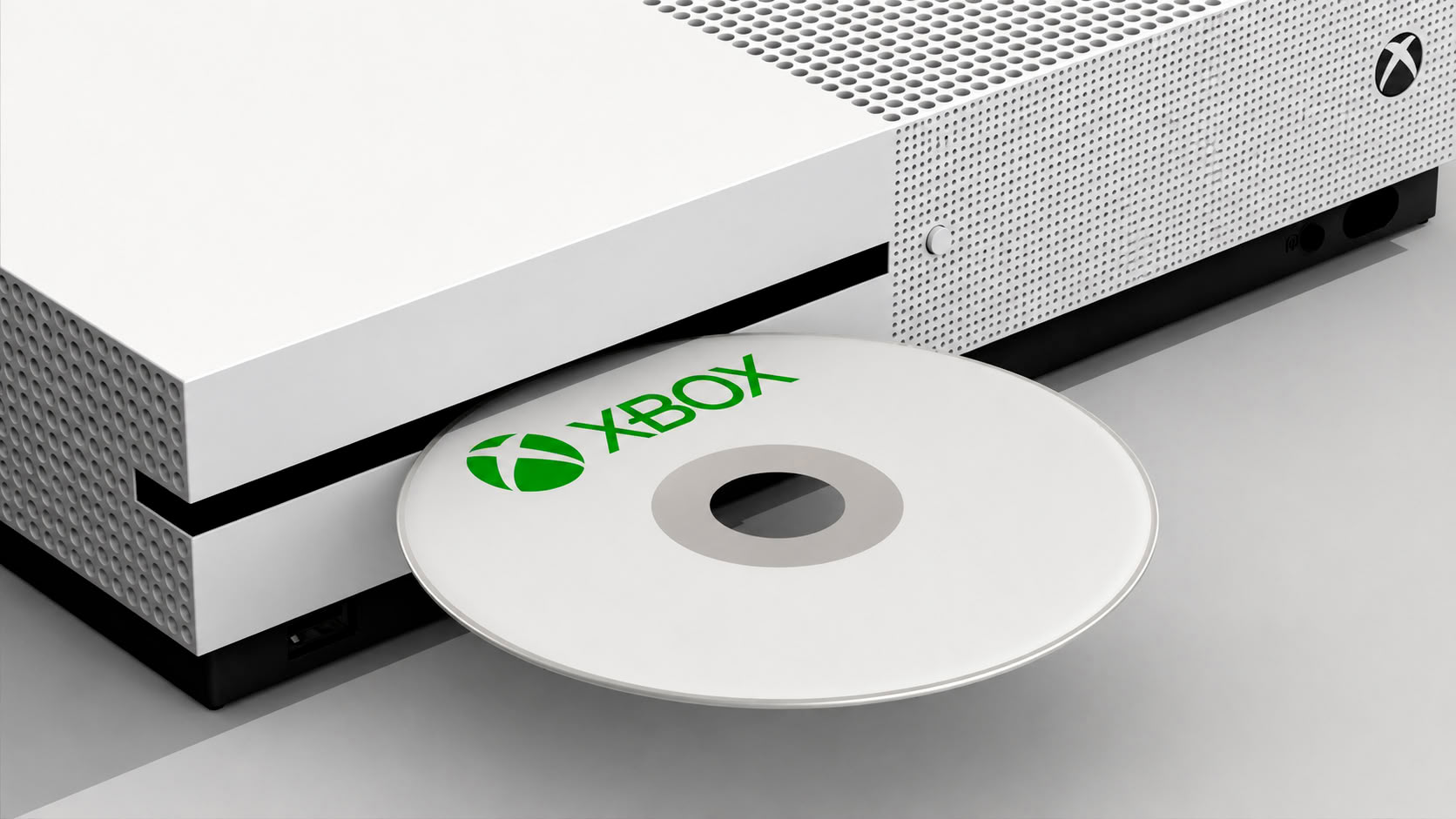
AMD-Powered Lux Supercomputer Opens to Scientific Users at Oak Ridge
AMD (NASDAQ: AMD) today announced that the Lux SI + HPC supercomputer is open to scientific users at the U.S. Department of Energy's (DOE) Oak Ridge National Laboratory (ORNL). Ranked No. 14 on today's TOP500 list of the world's most powerful supercomputers, Lux was developed through a public-private partnership between AMD and the DOE. The supercomputer provides the first dedicated U.S. AI Factory for the Genesis Mission, the DOE-led initiative to advance AI-driven science.
Lux brings together AMD EPYC processors, AMD Instinct MI355X GPUs, AMD Pensando networking and AMD ROCm software in a system built by HPE. The system combines AI with high-performance modeling and simulation to expand U.S. capabilities in science, energy and national security.
Lux brings together AMD EPYC processors, AMD Instinct MI355X GPUs, AMD Pensando networking and AMD ROCm software in a system built by HPE. The system combines AI with high-performance modeling and simulation to expand U.S. capabilities in science, energy and national security.

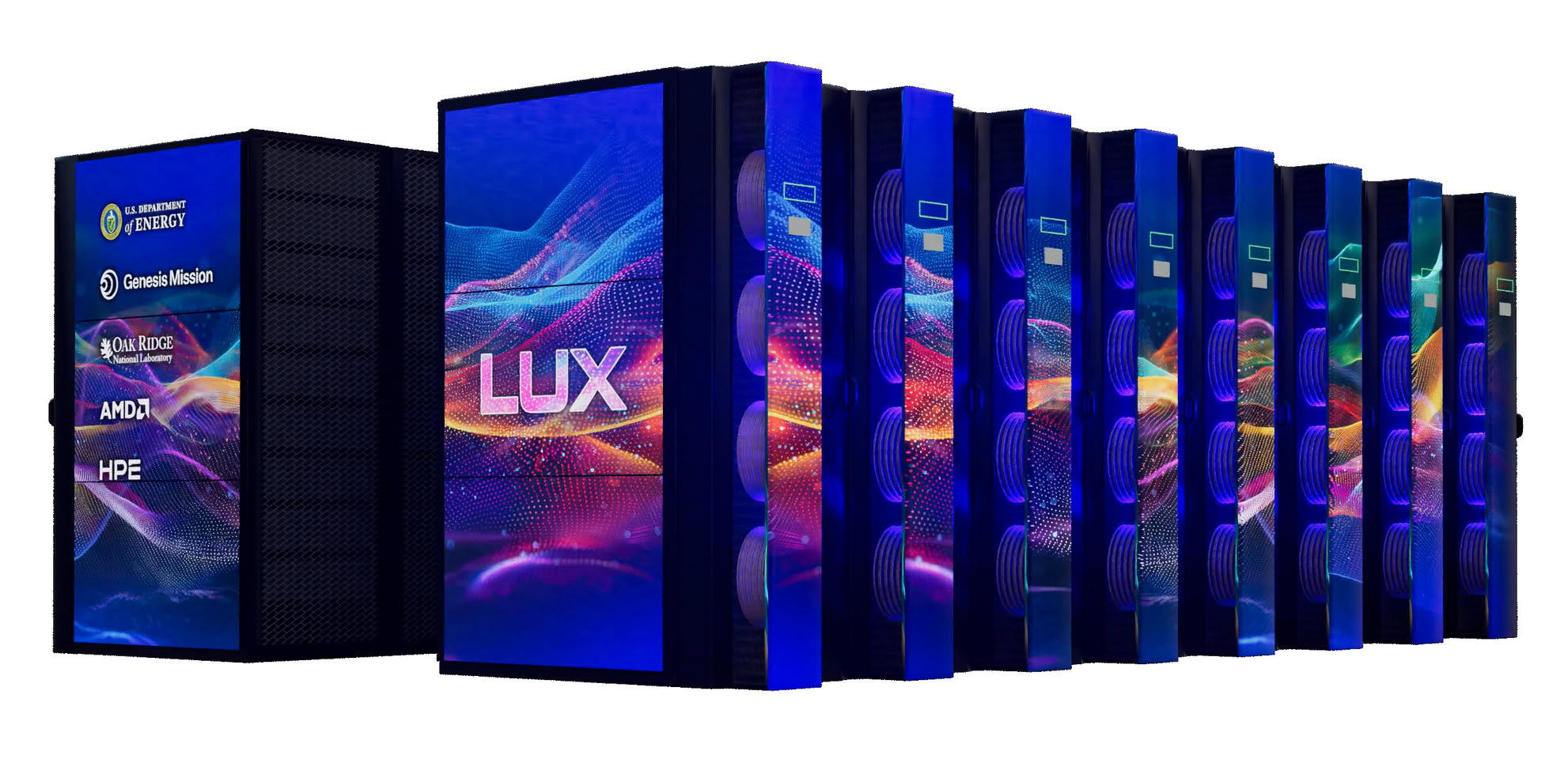
Intel Faces Class Action Lawsuit Over PC Sales Slowdown Disclosures
A class action lawsuit has been filed against Intel on November 13 in federal court in San Jose, naming CEO Lip-Bu Tan and CFO David Zinsner as defendants. Reuters reports that a Michigan pension fund is leading the shareholder lawsuit, which also covers investors who bought shares between July 23 and October 29. The main claim in the lawsuit is that Intel did not appropriately disclose just how badly its PC business was slowing down, to put it in plain terms. The lawsuit argues that Intel was too slow to disclose its weak consumer CPU demand, the excess inventory it was sitting on, and how that would hurt sales. The claim also points to August 2026, when Intel sold $23 billion worth of stock to raise capital, at $95 per share.
Intel has been struggling with sales in the client segment recently, as evidenced by its Q3 2026 earnings. In Q3, its client segment slipped 5% year over year to $8.1 billion, while its Q4 guidance of $15 to $16 billion came below Wall Street expectations. That sent Intel's stock price down about 29% the next day. Intel and AMD both expect PC sales to slow down in 2027, and CFO David Zinsner has given figures of about 12% in 2026 and another 10% in 2027. The culprit is said to be the global memory crisis, which has resulted in higher overall system prices and lower sales. Due to this weaker demand in the consumer segment, we have seen Intel move some production capacity from Oregon's 18A fab to Xeon chips.
Intel has been struggling with sales in the client segment recently, as evidenced by its Q3 2026 earnings. In Q3, its client segment slipped 5% year over year to $8.1 billion, while its Q4 guidance of $15 to $16 billion came below Wall Street expectations. That sent Intel's stock price down about 29% the next day. Intel and AMD both expect PC sales to slow down in 2027, and CFO David Zinsner has given figures of about 12% in 2026 and another 10% in 2027. The culprit is said to be the global memory crisis, which has resulted in higher overall system prices and lower sales. Due to this weaker demand in the consumer segment, we have seen Intel move some production capacity from Oregon's 18A fab to Xeon chips.

Microsoft Explains Last Week's 365 Outage
Microsoft has now explained the recent Microsoft 365 outage in a preliminary post-incident report. According to Microsoft, customers were impacted for just under 24 hours, from 4:20 PM UTC on November 12 to 4:10 PM UTC on November 13. The outage prevented many users from accessing their mailboxes in Outlook and delayed email delivery. Moreover, Microsoft Teams, Copilot, SharePoint, and OneDrive were all affected in some way, which is expected since these services all have features that rely on Exchange Online.
The company has traced the outage to three problems that hit Microsoft at the same time. The main culprit is said to be a fix that had been prepared specifically for Microsoft 365 gateway servers. This particular fix, which introduced lock contention in an internal Windows process that exhausted CPU and memory under certain loads, went unnoticed for over three months. That was probably because Microsoft's load testing used weaker machines that couldn't stress the fix properly. Teams also failed over onto the primary gateway it shares with Exchange Online, which worsened the problem. Traffic then shifted to remaining servers, which buckled under the extra load. Apparently, more than 80% of the servers were unresponsive at the worst point of the outage.

The company has traced the outage to three problems that hit Microsoft at the same time. The main culprit is said to be a fix that had been prepared specifically for Microsoft 365 gateway servers. This particular fix, which introduced lock contention in an internal Windows process that exhausted CPU and memory under certain loads, went unnoticed for over three months. That was probably because Microsoft's load testing used weaker machines that couldn't stress the fix properly. Teams also failed over onto the primary gateway it shares with Exchange Online, which worsened the problem. Traffic then shifted to remaining servers, which buckled under the extra load. Apparently, more than 80% of the servers were unresponsive at the worst point of the outage.
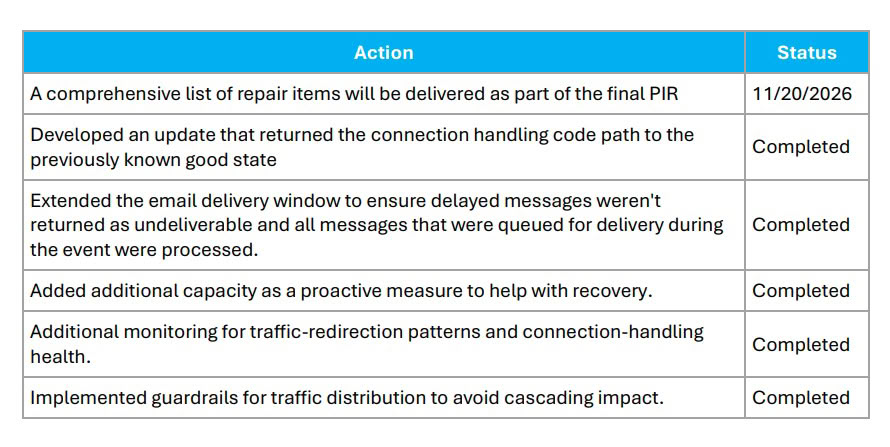
Discord's New App For Linux Shown Off With Windows Feature Parity
Discord recently announced that it has been developing a new Rust-based client for its chat app, also announcing a new Linux version with proper support for modern Linux distributions, improved performance, reduced resource usage, and more features that will be familiar to Windows users of Discord. Following that announcement, Discord's chief technical officer, Stanislav Vishnevskiy, posted a video on X showing off the new Linux version of the Discord app.
In the video, Vishnevskiy shared what appears to be a functional Discord overlay running on Fedora 44 while he was playing WoW Forever. The overlay is shown to be fully customizable, and it has full support for chat, screen sharing, and notifications. This comes not long after Discord announced auto updates on Linux. Currently, and historically, the Discord app on Linux, Windows, and macOS is an electron wrapper for the Discord web app, and it doesn't play well with certain Linux security features, like Wayland, which currently and has left Discord users on Linux without features like the overlay and
In the video, Vishnevskiy shared what appears to be a functional Discord overlay running on Fedora 44 while he was playing WoW Forever. The overlay is shown to be fully customizable, and it has full support for chat, screen sharing, and notifications. This comes not long after Discord announced auto updates on Linux. Currently, and historically, the Discord app on Linux, Windows, and macOS is an electron wrapper for the Discord web app, and it doesn't play well with certain Linux security features, like Wayland, which currently and has left Discord users on Linux without features like the overlay and
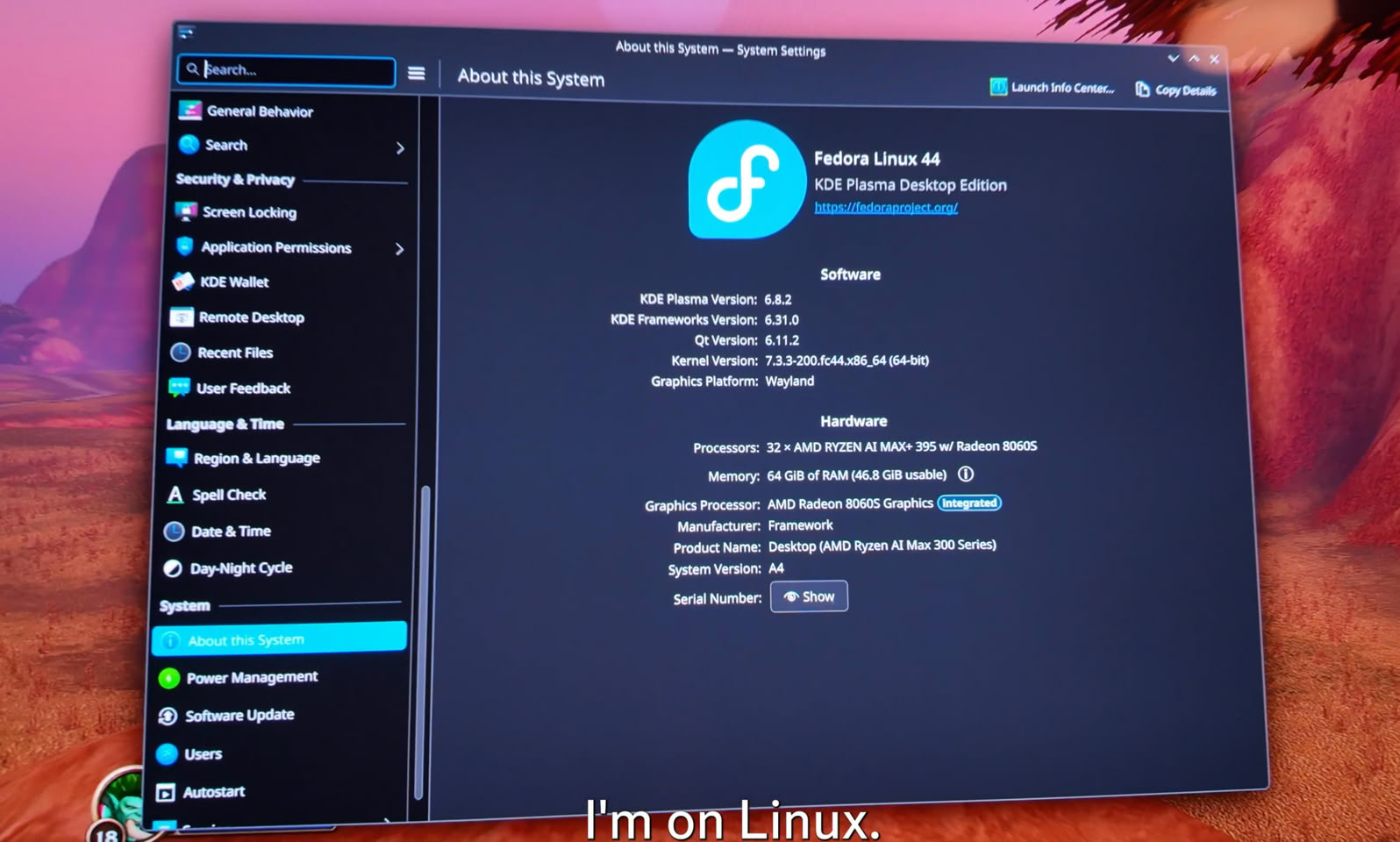
AMD Completes Acquisition of World Labs
AMD today announced the completion of its acquisition of World Labs, expanding its capabilities across the AI stack with a world-class model team. The acquisition brings together leading AI model researchers and AMD engineers to shape the next generation of AMD hardware, software and systems for the open AI ecosystem.
"Delivering the infrastructure that will power the next era of superintelligence requires us to optimize compute platforms and models together," said Dr. Lisa Su, chair and CEO of AMD. "We are thrilled to welcome Fei-Fei Li and the exceptional World Labs team to AMD. Their pioneering model research will help shape our future hardware, software and systems. Together, we will enable researchers and developers across the ecosystem to push the boundaries of what AI can do."
"Delivering the infrastructure that will power the next era of superintelligence requires us to optimize compute platforms and models together," said Dr. Lisa Su, chair and CEO of AMD. "We are thrilled to welcome Fei-Fei Li and the exceptional World Labs team to AMD. Their pioneering model research will help shape our future hardware, software and systems. Together, we will enable researchers and developers across the ecosystem to push the boundaries of what AI can do."

GIGABYTE to Host AI Partner Summit, Empowering Businesses to Build Real-World AI Solutions
GIGABYTE, a global leader in computer hardware and innovative technology solutions, will host its AI Partner Summit on November 13, 2026, at Pacific Palms Resort in Southern California. Centered around the theme "Build Your First Business AI Agent," the summit will bring together industry experts, business partners, and customers to explore practical applications of artificial intelligence and accelerate AI adoption across business environments.
The event will feature insights from NVIDIA, presentations from GIGABYTE, and real-world customer success stories highlighting how organizations are integrating AI into their daily operations. Attendees will gain valuable perspectives on emerging AI technologies and discover how GIGABYTE's AI solutions can help businesses unlock new opportunities for innovation and productivity.
The event will feature insights from NVIDIA, presentations from GIGABYTE, and real-world customer success stories highlighting how organizations are integrating AI into their daily operations. Attendees will gain valuable perspectives on emerging AI technologies and discover how GIGABYTE's AI solutions can help businesses unlock new opportunities for innovation and productivity.

NVIDIA Announces Rubin HPC GPU to Accelerate Agents for Science, Engineering and Analytics
Announced today at SC26, NVIDIA Rubin HPC is a new GPU in the NVIDIA Vera Rubin platform designed to accelerate simulation and data processing for science, engineering and analytics workflows.
As agents help scientists and engineers explore more candidate materials, molecules and designs, they rely on simulations to test those ideas and guide their next steps. Rubin HPC will accelerate those simulations, shortening the path from exploration to scientific discovery and industrial design.
As agents help scientists and engineers explore more candidate materials, molecules and designs, they rely on simulations to test those ideas and guide their next steps. Rubin HPC will accelerate those simulations, shortening the path from exploration to scientific discovery and industrial design.
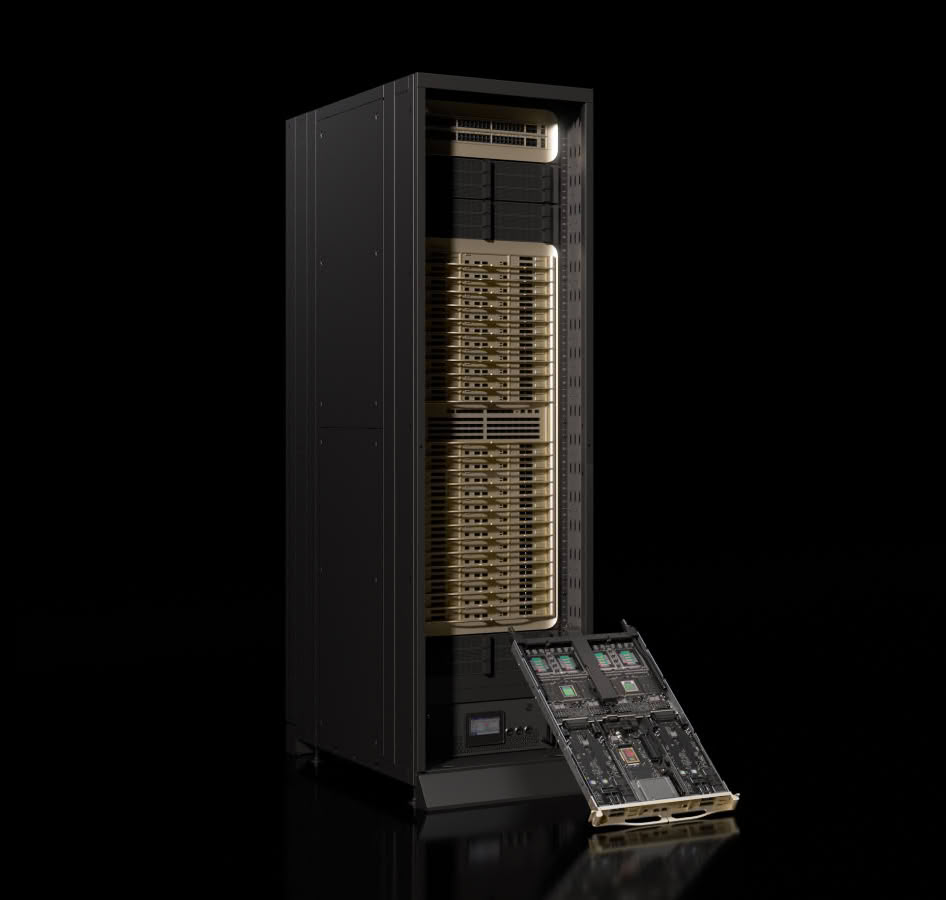
MSI Powers the Next Era of AI Infrastructure at SC26
MSI, a leading global provider of high-performance server solutions, showcases its latest AI innovations at SuperComputing 2026 (SC26), booth #5429. From liquid-cooled platforms based on NVIDIA MGX and desktop AI supercomputing based on NVIDIA DGX Station architecture to next-generation multi-node compute and enterprise servers, MSI delivers a comprehensive portfolio designed to power agentic AI and AI factory deployments. Spanning the latest AMD and Intel processor architectures, MSI's solutions combine rack-scale compute density with flexible, balanced performance to support enterprise AI workloads, from large-scale infrastructure to local AI development.
Danny Hsu, General Manager of Enterprise Platform Solutions at MSI"Building a modern data center takes more than computing power. It requires strong technology partnerships and a trusted infrastructure foundation that can turn innovation into real-world value," "Through our collaborations with AMD, Intel, and NVIDIA, we combine leading-edge technologies with MSI's system integration expertise to deliver reliable, flexible, and efficient infrastructure that helps customers maximize their investments, scale with confidence, and prepare for the next era of AI."


Kingston Technology Highlights Enterprise Solutions for HPC, AI Applications at Supercomputing 2026
Kingston Technology Company, Inc., a world leader in memory products and technology solutions, today announced it will showcase its industry-leading server DRAM and latest NVMe PCIe Gen 5 Flash solutions for high-performance computing (HPC) at Supercomputing 2026 (SC26) (booth #1233). This year the international conference gathers in Chicago with expert speakers and exhibitors sharing the latest with its high-performance computing community. Kingston will feature the powerful capabilities of its next-gen data center SSD, DC3000ME PCIe 5.0 NVMe U.2 SSD. Designed to address demanding data access requirements, DC3000ME gives enterprises a platform for evolving workloads, from AI and high-performance computing to online transaction processing (OLT), and cloud services.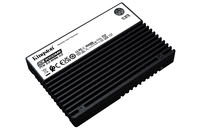
Cameron Crandall, data center SSD business manager, Kingston"As the demand for storage performance and data throughput continues to accelerate with AI and other data-intensive applications, so does the demand for high-performance enterprise SSDs and modern interfaces. Making storage and infrastructure more strategic, leading enterprise storage to become even more essential to today's supercomputers," "We're honored to supply high-performance Gen 5 PCIe SSDs to enterprise customers worldwide, helping power their AI infrastructure buildouts and deliver cutting-edge performance for supercomputers for the most demanding, complex workloads."
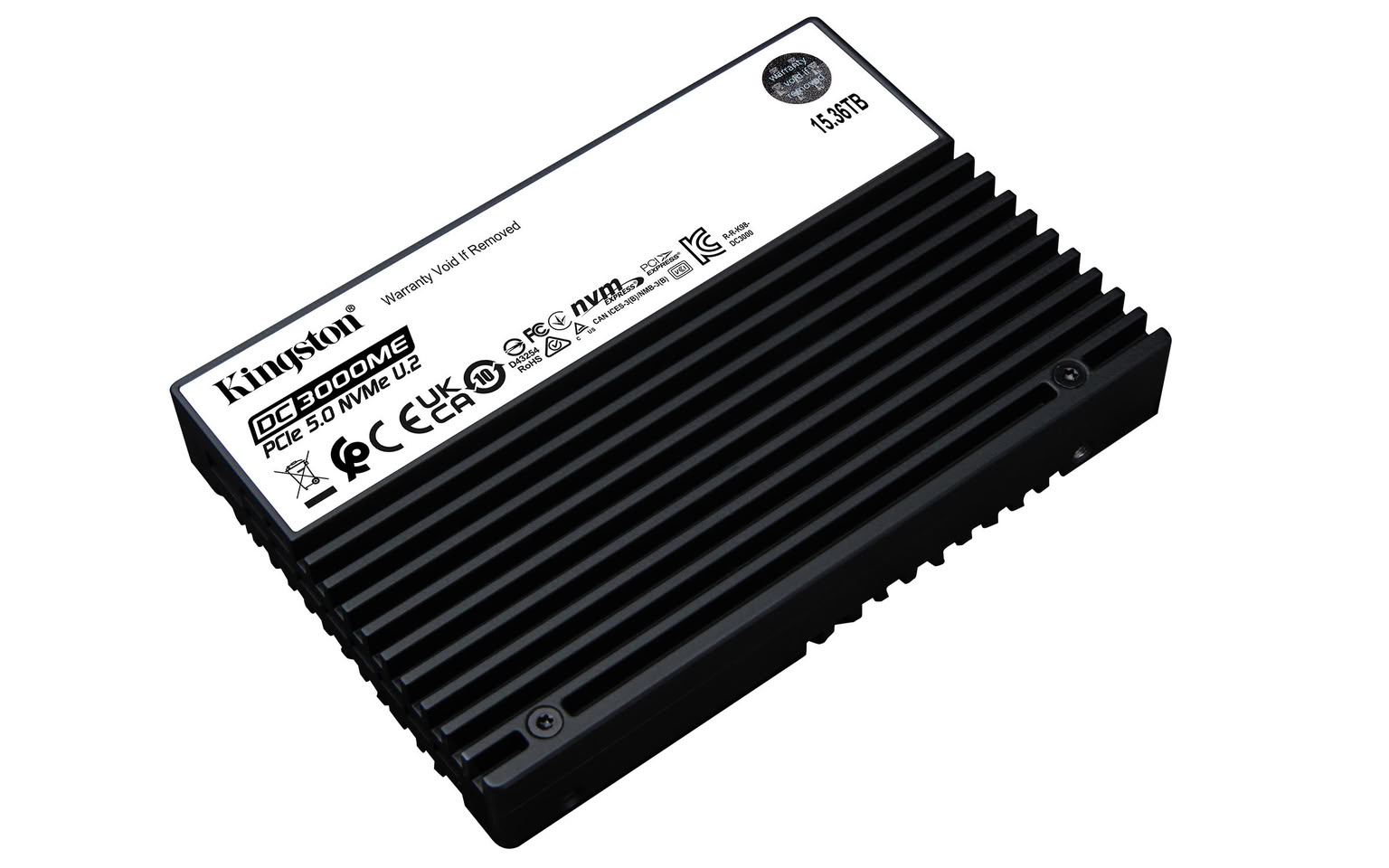
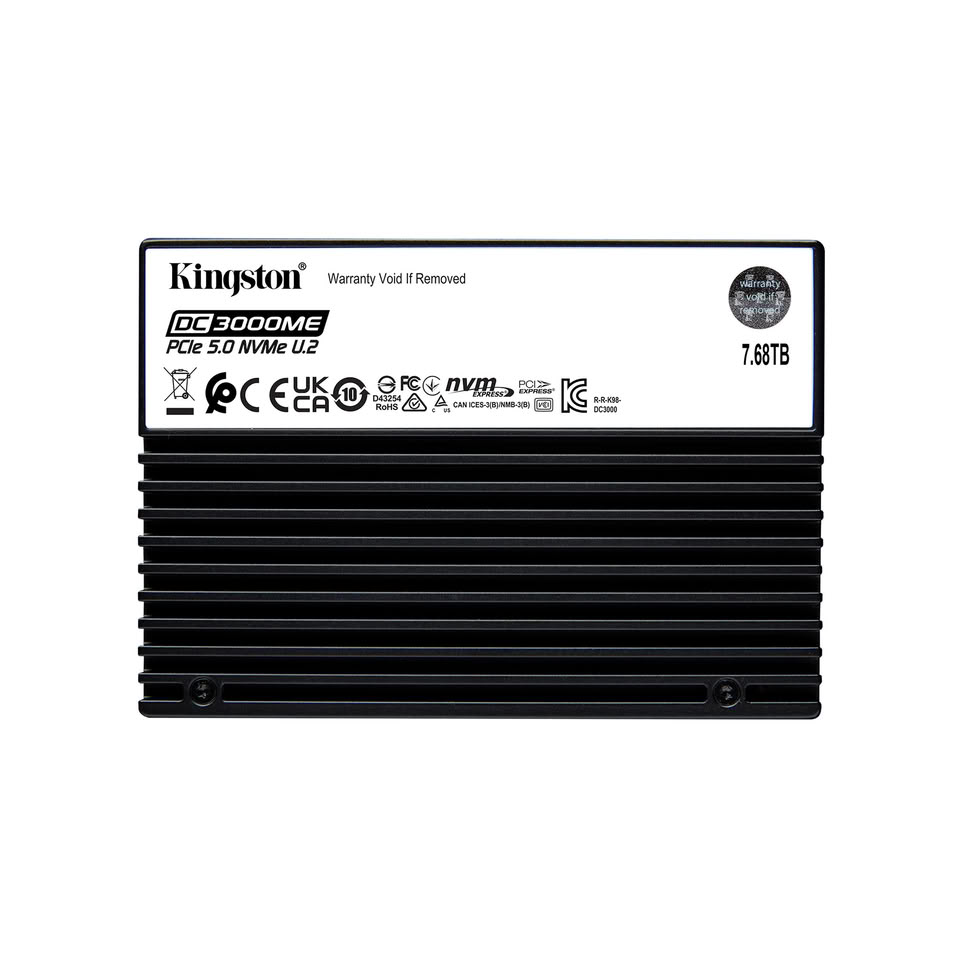
TCL CSOT Showcases Latest IJP OLED Developments and Display Innovations at DTC2026
TCL CSOT's Global Display Tech-Ecosystem Conference 2026 (DTC2026) kicked off on November 13, 2026 in Wuhan. With this year's theme "True Vision, AI in Motion," the event brought together company executives, academics, and industry partners to explore how AI is reshaping display technology and preview the latest advances in TCL CSOT's APEX, IJP OLED, and AI-driven innovation.
Among those attending were Kevin Wang, Chief Executive Officer of TCL Technology; Jun Zhao, Senior Vice President of TCL Technology and Chief Executive Officer of TCL CSOT; Xiaolin Yan, Chief Technology Officer of TCL Technology and TCL CSOT; and Weigang Wan, science writer and winner of the Wenjin Book Award.




Among those attending were Kevin Wang, Chief Executive Officer of TCL Technology; Jun Zhao, Senior Vice President of TCL Technology and Chief Executive Officer of TCL CSOT; Xiaolin Yan, Chief Technology Officer of TCL Technology and TCL CSOT; and Weigang Wan, science writer and winner of the Wenjin Book Award.
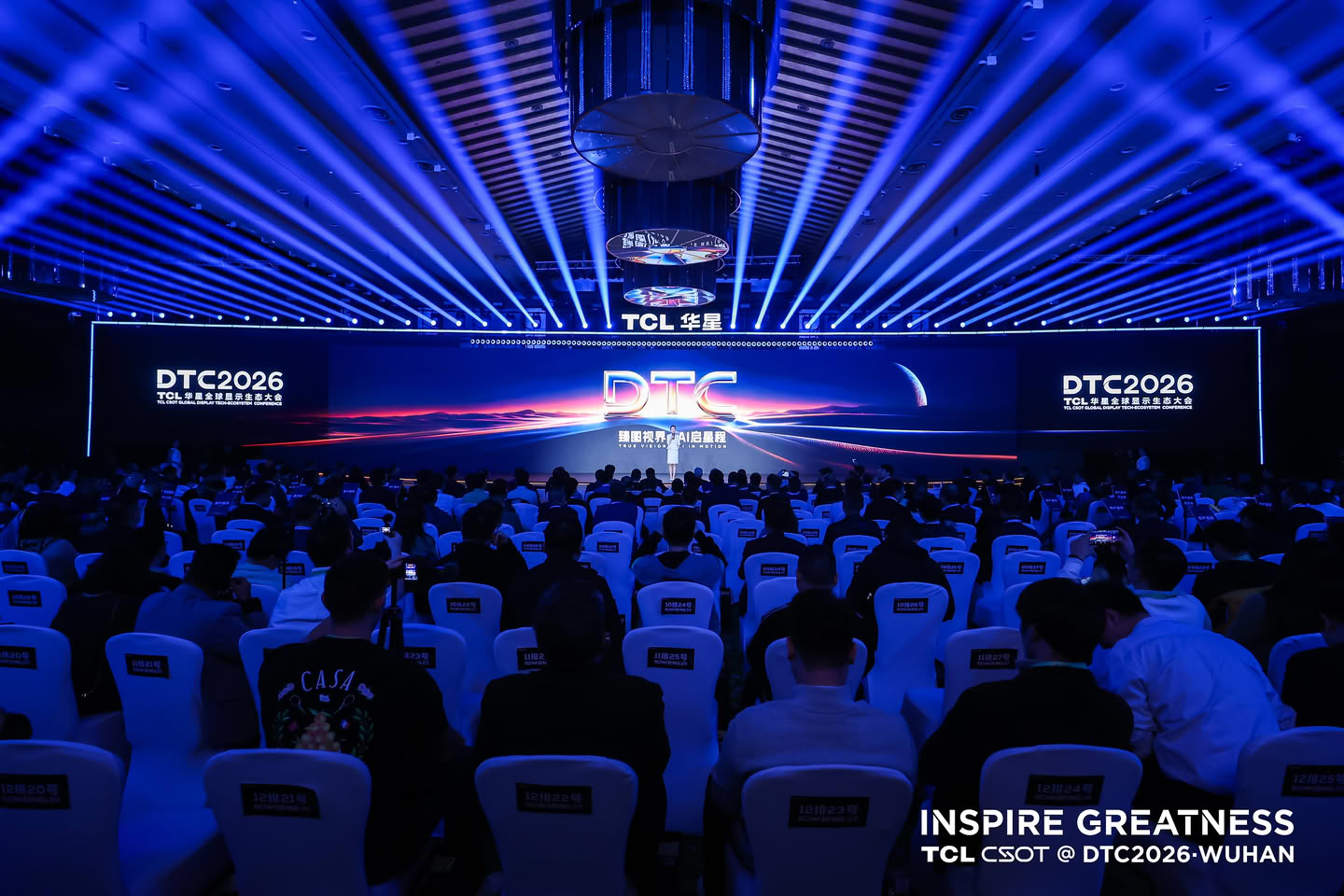
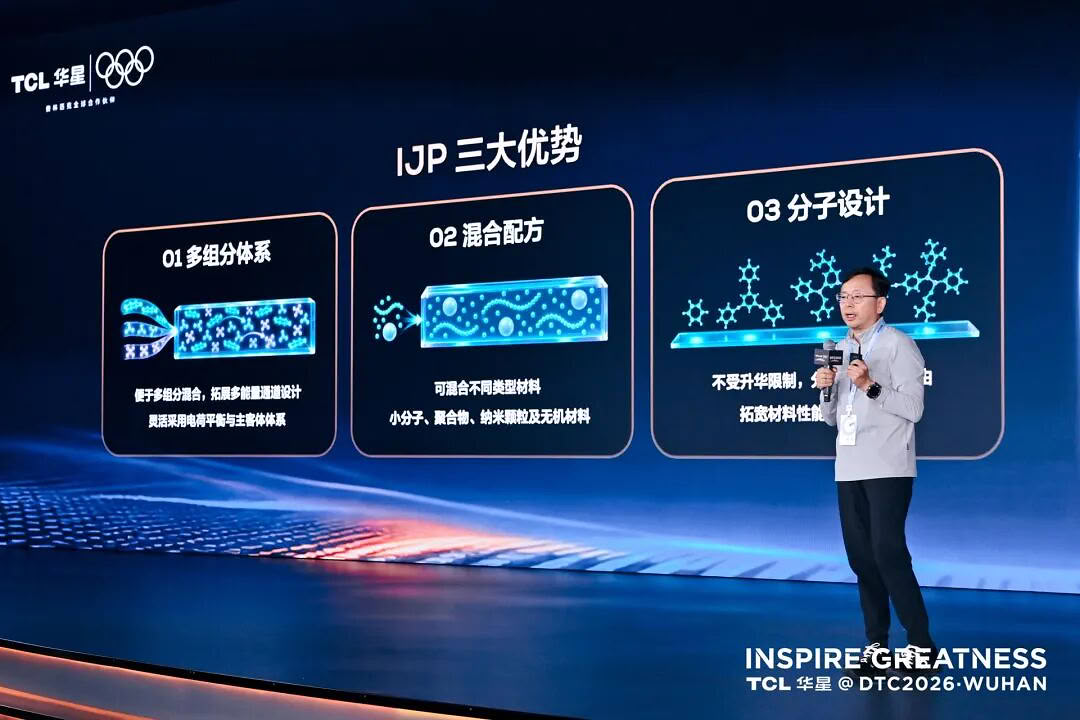
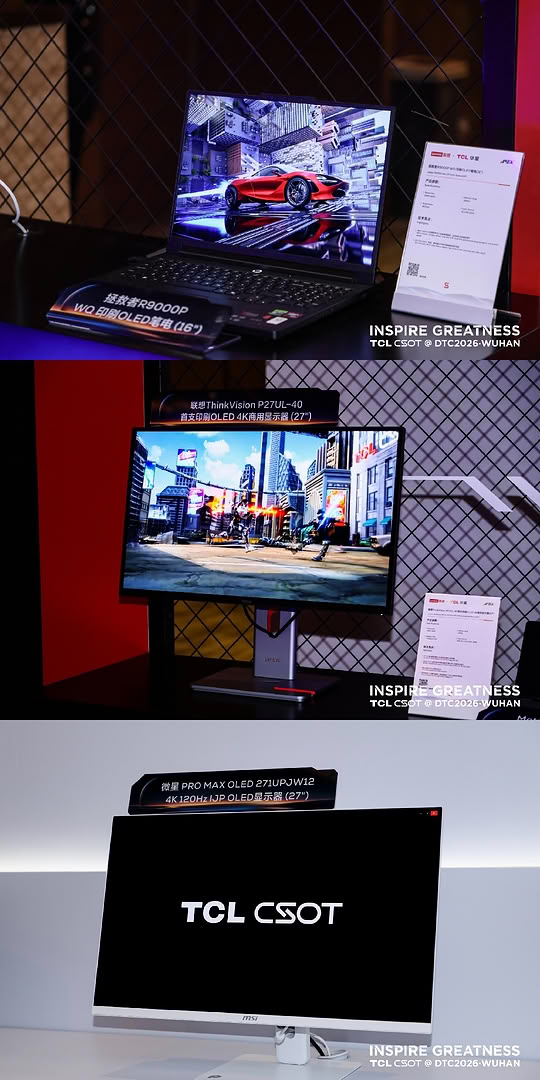
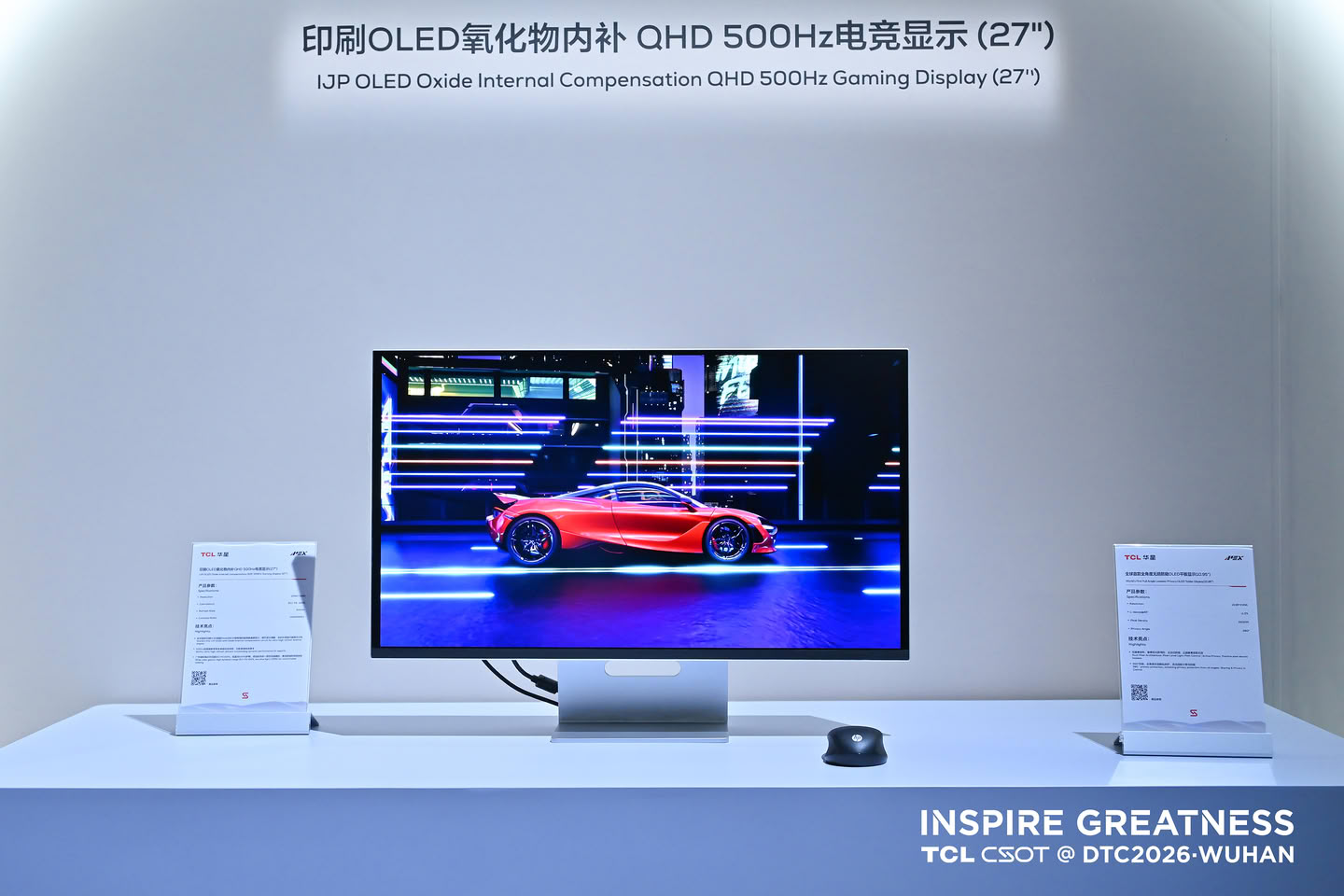
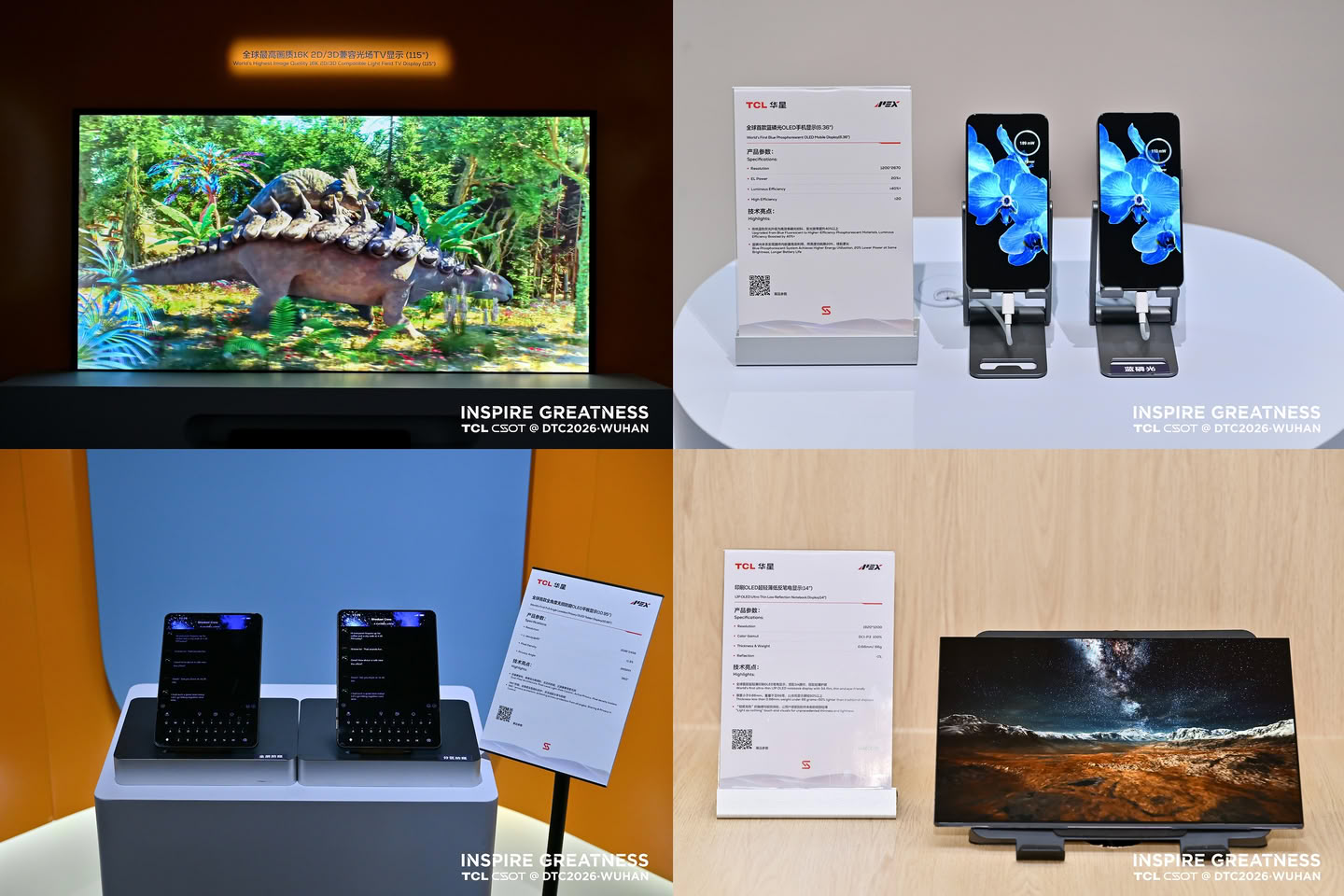
Penguin Solutions Unveils Industry's First Photonics-Based HBM-Class Memory Appliance
Penguin Solutions, Inc. (Nasdaq: PENG), the AI Factory Platform Company, today unveiled the MemoryAI Photonic Appliance, the industry's first photonics-based HBM-class memory appliance designed to overcome GPU memory capacity constraints for agentic AI workloads. Using silicon photonics, the appliance is built to enable CPUs and GPUs to transparently share memory at high bandwidth memory (HBM)-class data rates. Penguin is showcasing the appliance at SC26 in Chicago, alongside its underlying MemoryAI Photonic Memory Module, the world's first silicon photonics (SiPh) memory module designed to deliver HBM-class performance, built on the Marvell Photonic Fabric technology platform.
HBM provides the high-speed data access GPUs need for token generation that is essential to running agentic workloads. However, localized ultra-fast HBM technology must sit within millimeters of the GPU, so its capacity is limited by package size and silicon I/O constraints. These limitations can create data bottlenecks that leave GPUs underutilized, contributing to the growing AI memory wall.
HBM provides the high-speed data access GPUs need for token generation that is essential to running agentic workloads. However, localized ultra-fast HBM technology must sit within millimeters of the GPU, so its capacity is limited by package size and silicon I/O constraints. These limitations can create data bottlenecks that leave GPUs underutilized, contributing to the growing AI memory wall.

GameSir Releases G7 Pro Yakuza & Like a Dragon Edition Controller
Level up from the celebrated G7 lineage with the GameSir G7 Pro Yakuza & Like A Dragon Edition, inspired by SEGA's legendary Like a Dragon. Delivering cord-free freedom with native XBOX Wireless technology, it lets you game on console untethered with rock-solid reliability. Equipped with anti-drift GameSir Mag-Res TMR sticks, dual-mode microswitch and Hall Effect triggers, optical microswitch ABXY keys, and four remappable buttons, it pairs tournament precision with striking Tojo Clan aesthetics. Complete with tri-mode flexibility for XBOX, PC, and Android, it is the definitive next-gen controller for those who rule the streets.
Officially licensed by SEGA, the GameSir G7 Pro Like a Dragon Edition brings Kamurocho's fierce spirit into your hands with an exclusive glowing dock. Inspired by Kazuma Kiryu, the design showcases his legendary dragon tattoo, his signature silver-and-crimson suit palette, and the Tojo Clan crest on the dock.




Officially licensed by SEGA, the GameSir G7 Pro Like a Dragon Edition brings Kamurocho's fierce spirit into your hands with an exclusive glowing dock. Inspired by Kazuma Kiryu, the design showcases his legendary dragon tattoo, his signature silver-and-crimson suit palette, and the Tojo Clan crest on the dock.

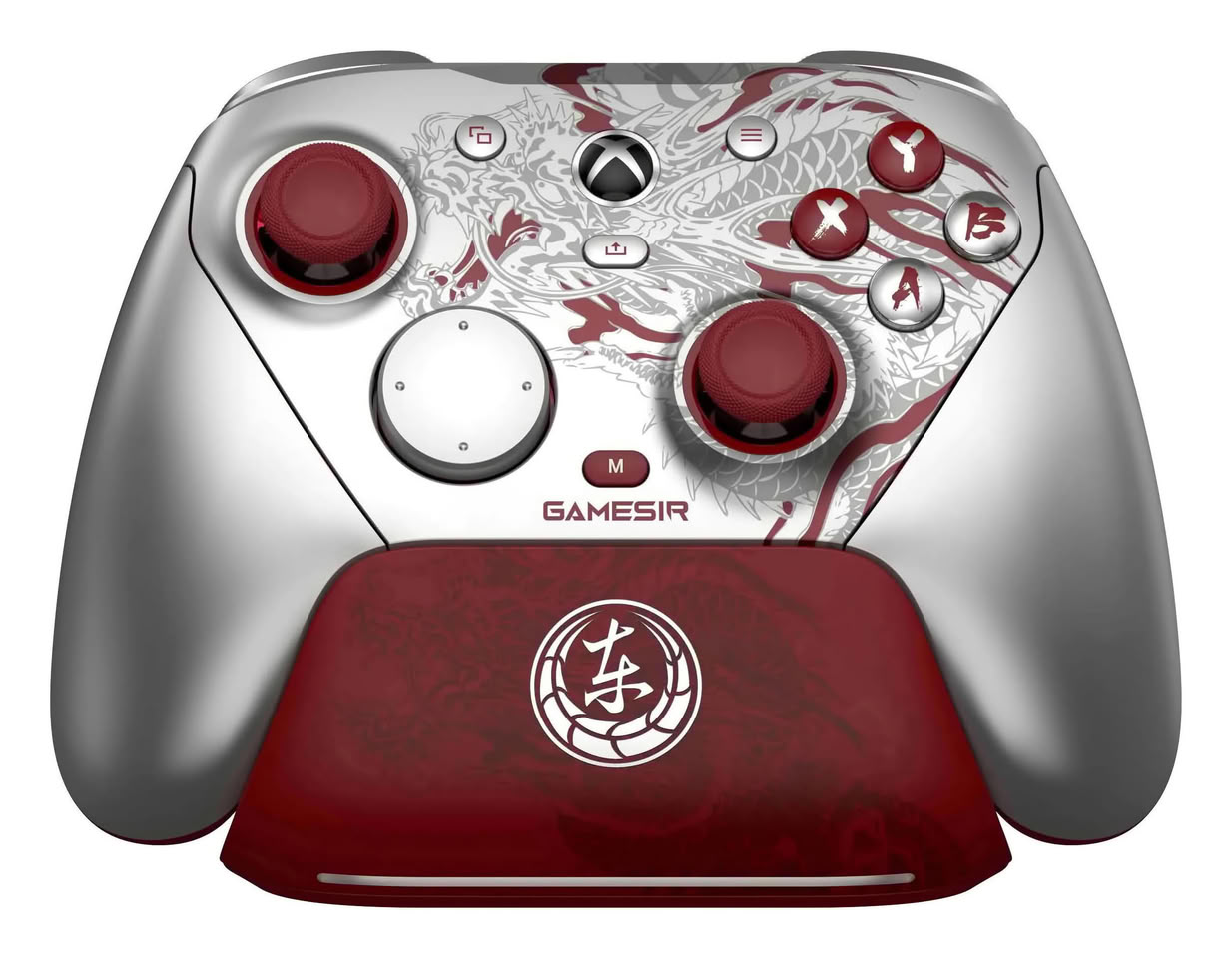


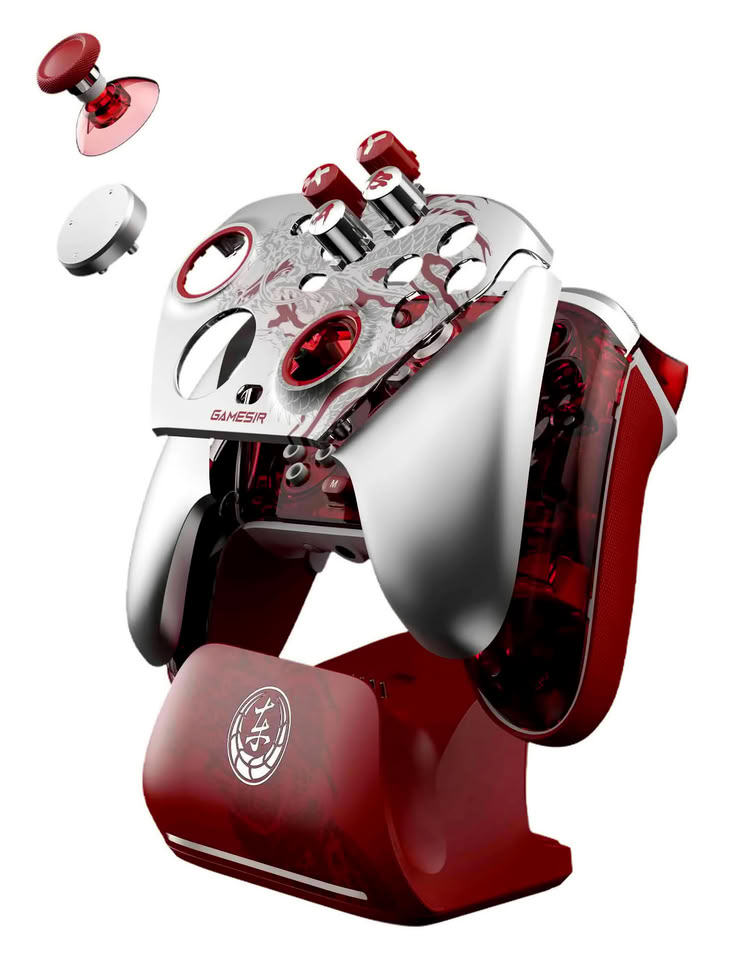
GameSir Introduces G7 Pro Sunset Boulevard & Ocean Breeze Edition Controllers with Miami Inspired Designs
GameSir has announced the G7 Pro Sunset Boulevard and Ocean Breeze Editions, introducing two new designs to its G7 Pro controller range inspired by Miami's vibrant coastlines and distinctive Art Deco style. Arriving ahead of this season's most anticipated game releases, the new editions combine eye-catching aesthetics with the performance features of the G7 Pro, offering players responsive controls, extensive customization and the precision needed for demanding gameplay.
Both editions retain the core features of the G7 Pro, including GameSir Mag-Res TMR sticks, dual-mode triggers, four additional remappable buttons and four vibration motors. Officially licensed for XBOX, the controllers also support a 1,000 Hz polling rate on PC via wired and 2.4 GHz wireless connections, delivering responsive input for competitive gaming and everyday play. The GameSir G7 Pro Sunset Boulevard & Ocean Breeze Editions are available for $89.99 or £99.99 from the GameSir website.



Both editions retain the core features of the G7 Pro, including GameSir Mag-Res TMR sticks, dual-mode triggers, four additional remappable buttons and four vibration motors. Officially licensed for XBOX, the controllers also support a 1,000 Hz polling rate on PC via wired and 2.4 GHz wireless connections, delivering responsive input for competitive gaming and everyday play. The GameSir G7 Pro Sunset Boulevard & Ocean Breeze Editions are available for $89.99 or £99.99 from the GameSir website.

QNAP Launches the New Dual Active Controller ES1686Adc Hybrid Storage Array
QNAP Systems, Inc., a leading innovator in storage, networking, and data protection solutions, today launched the ES1686Adc, a 3U 16-bay high availability (HA) storage array designed for businesses at a critical stage of digital transformation. Adopting the ZFS file system and a hybrid storage design, the ES1686Adc allows businesses to flexibly configure SAS 12 Gb/s and U.3 PCIe NVMe drives within the same chassis while enjoying highly reliable data protection.
The hybrid storage interface of the ES1686Adc now supports dual-port U.3 NVMe SSDs, providing an efficient and flexible option for caching and system drives. Users simply need to configure the first 4 slots with U.3 NVMe or SAS SSDs to create a System Pool, and the QES system will automatically reserve a small amount of space to form a hidden four-disk mirror, preventing system operations from being slowed down by traditional HDD speeds. The remaining large SSD space can be flexibly configured as L2ARC and ZIL cache, greatly accelerating the performance of the back-end SAS HDD storage pools. This configuration allows businesses to achieve the optimal balance between performance and budget, while the dual active controllers ensure zero service interruption.
The hybrid storage interface of the ES1686Adc now supports dual-port U.3 NVMe SSDs, providing an efficient and flexible option for caching and system drives. Users simply need to configure the first 4 slots with U.3 NVMe or SAS SSDs to create a System Pool, and the QES system will automatically reserve a small amount of space to form a hidden four-disk mirror, preventing system operations from being slowed down by traditional HDD speeds. The remaining large SSD space can be flexibly configured as L2ARC and ZIL cache, greatly accelerating the performance of the back-end SAS HDD storage pools. This configuration allows businesses to achieve the optimal balance between performance and budget, while the dual active controllers ensure zero service interruption.

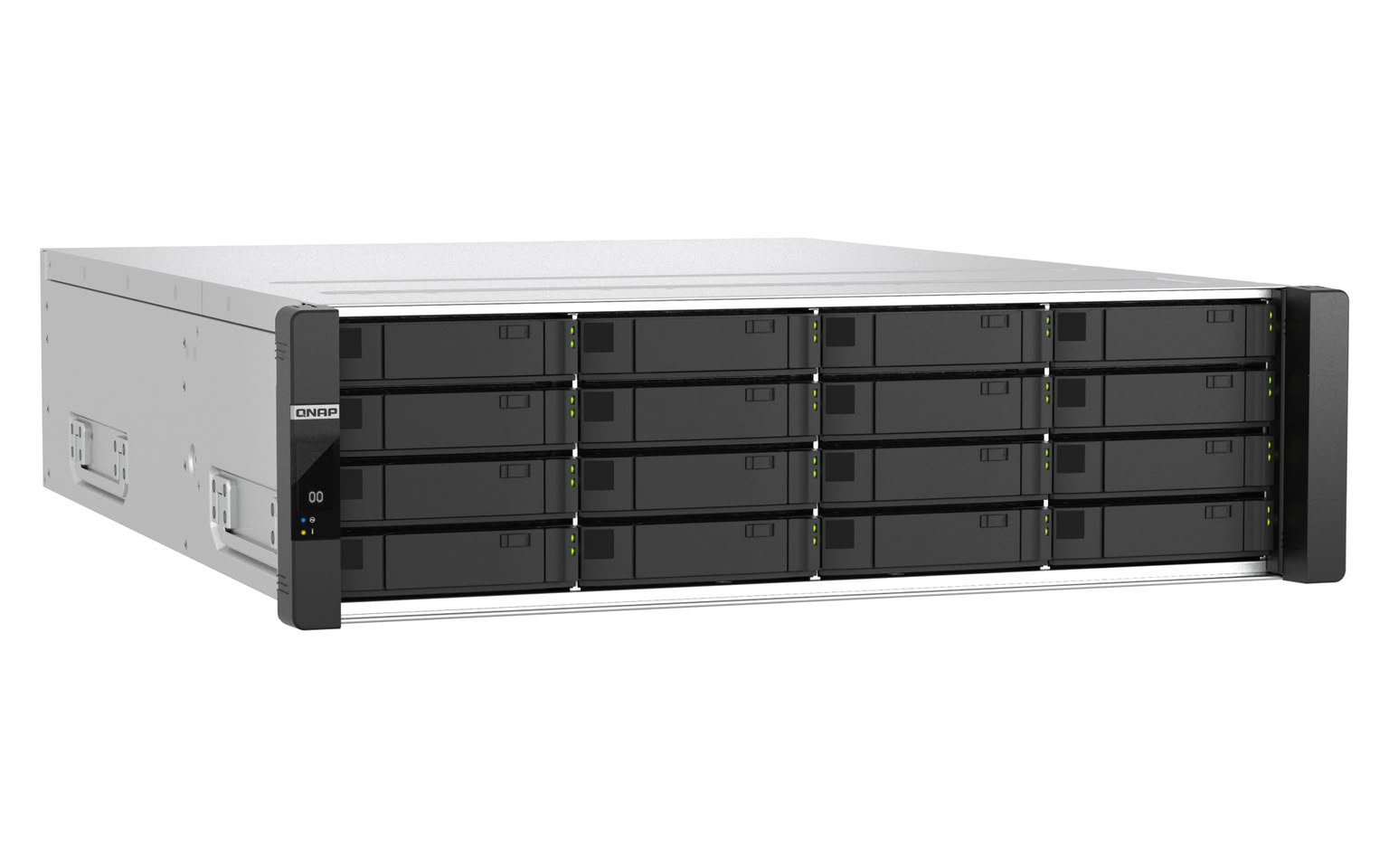
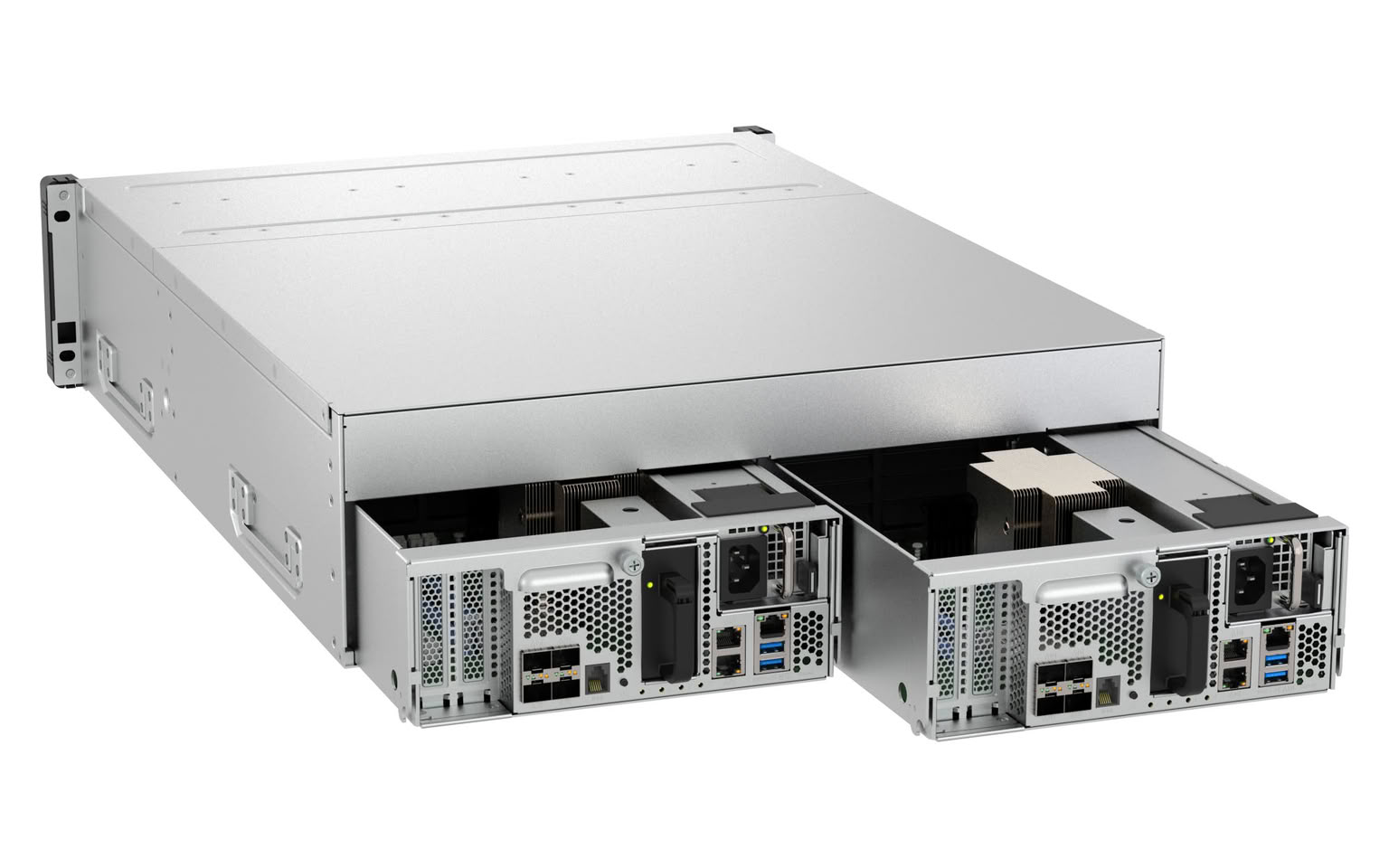
ElecWave Debuts Foldable KF01 Keyboard
ElecWave today announced its brand debut with the launch of its first product, the ElecWave KF01 foldable keyboard. Guided by its brand slogan, "Convenient, No Compromise," ElecWave believes that working from anywhere should not mean compromising on typing comfort or productivity. Backed by the group behind global brands including Tribit and Ohuhu, and drawing on 20 years of iClever keyboard engineering expertise, ElecWave brings that promise to life with the KF01, a travel-friendly foldable keyboard that combines a full-size typing layout, comfortable scissor-switch keys, multi-device connectivity, and long battery life
As working on the go becomes increasingly common, professionals need the flexibility to stay productive in offices, cafés, and while traveling. Although foldable phones and dual-screen devices offer more screen space, typing directly on them can still be slow and frustrating. Even laptops such as MacBooks lack a built-in numeric keypad, which can make spreadsheet work and data entry less efficient. The ElecWave KF01 addresses these challenges with a full-size, desktop-style typing experience in a compact, foldable design, turning a desk, airplane tray table, or café counter into a practical workspace.

As working on the go becomes increasingly common, professionals need the flexibility to stay productive in offices, cafés, and while traveling. Although foldable phones and dual-screen devices offer more screen space, typing directly on them can still be slow and frustrating. Even laptops such as MacBooks lack a built-in numeric keypad, which can make spreadsheet work and data entry less efficient. The ElecWave KF01 addresses these challenges with a full-size, desktop-style typing experience in a compact, foldable design, turning a desk, airplane tray table, or café counter into a practical workspace.
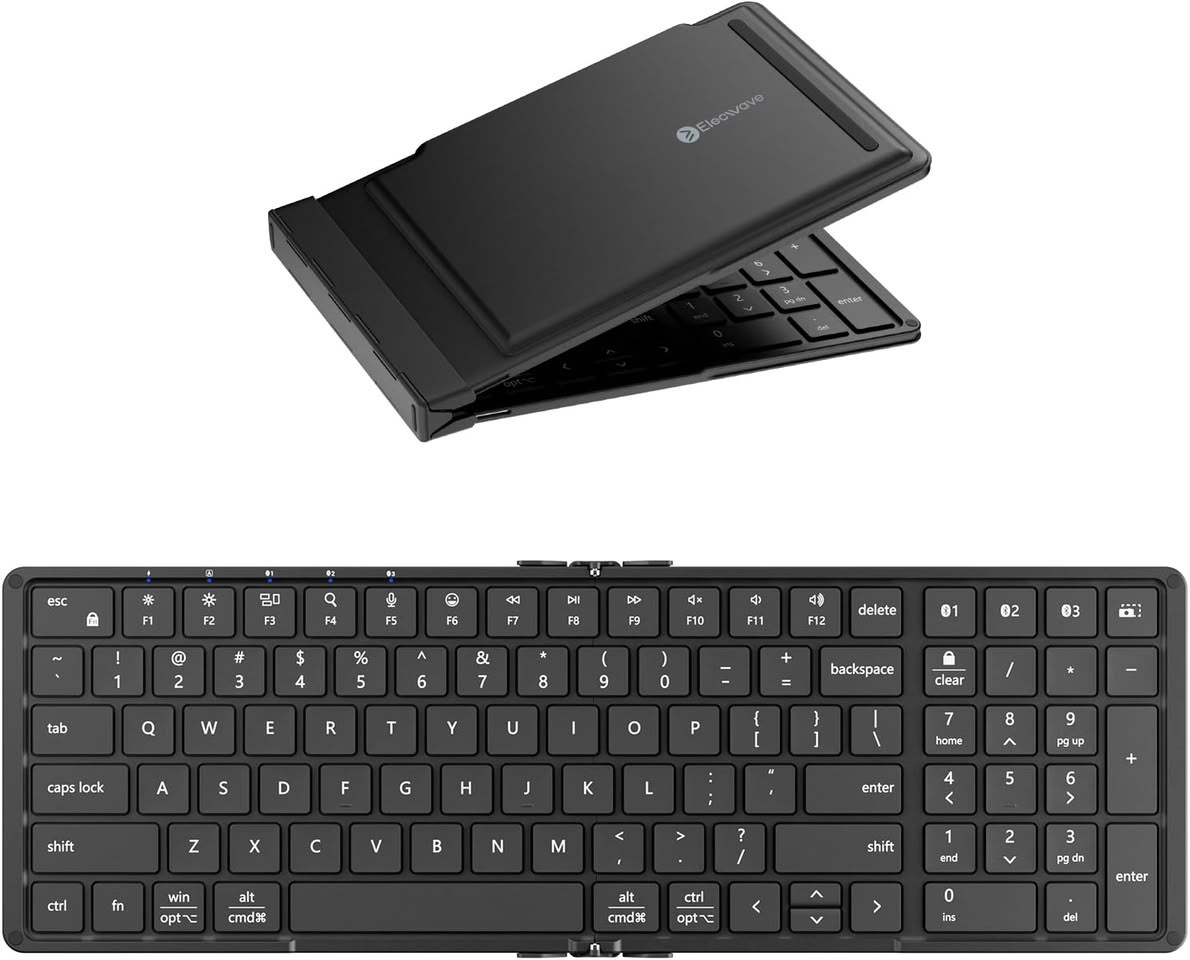
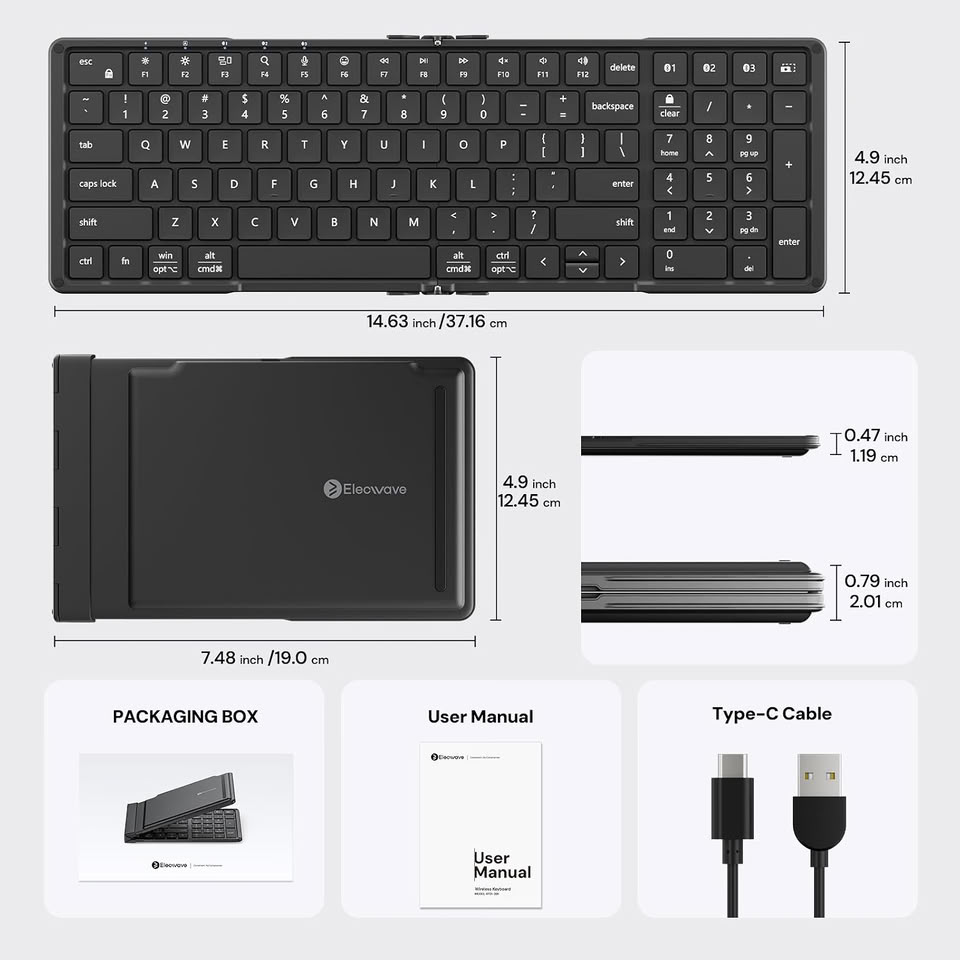
ASUS Republic of Gamers Unveils the ROG Harpe II Ace Mini and Special Demon1 Edition
ASUS Republic of Gamers (ROG) today unveiled the ROG Harpe II Ace Mini, an ultralight 47-gram esports gaming mouse developed through sports-science research and extensive collaboration with professional players. The mouse combines a compact, pro-refined design with next-generation wireless technology for competitive FPS gaming.
As part of its continued commitment to developing Ace esports hardware alongside professional players, ROG worked closely with VALORANT World Champion Maximilian "Demon1" Mazanov throughout the development of the Harpe II Ace Mini. His direct involvement, alongside feedback from other professional players, helped shape the compact, semi-symmetrical design built for the demands of competitive play. The collaboration also introduces the Harpe II Ace Mini Demon1 Edition, a special colorway that brings the champion's personal style to the same performance-focused hardware.



As part of its continued commitment to developing Ace esports hardware alongside professional players, ROG worked closely with VALORANT World Champion Maximilian "Demon1" Mazanov throughout the development of the Harpe II Ace Mini. His direct involvement, alongside feedback from other professional players, helped shape the compact, semi-symmetrical design built for the demands of competitive play. The collaboration also introduces the Harpe II Ace Mini Demon1 Edition, a special colorway that brings the champion's personal style to the same performance-focused hardware.
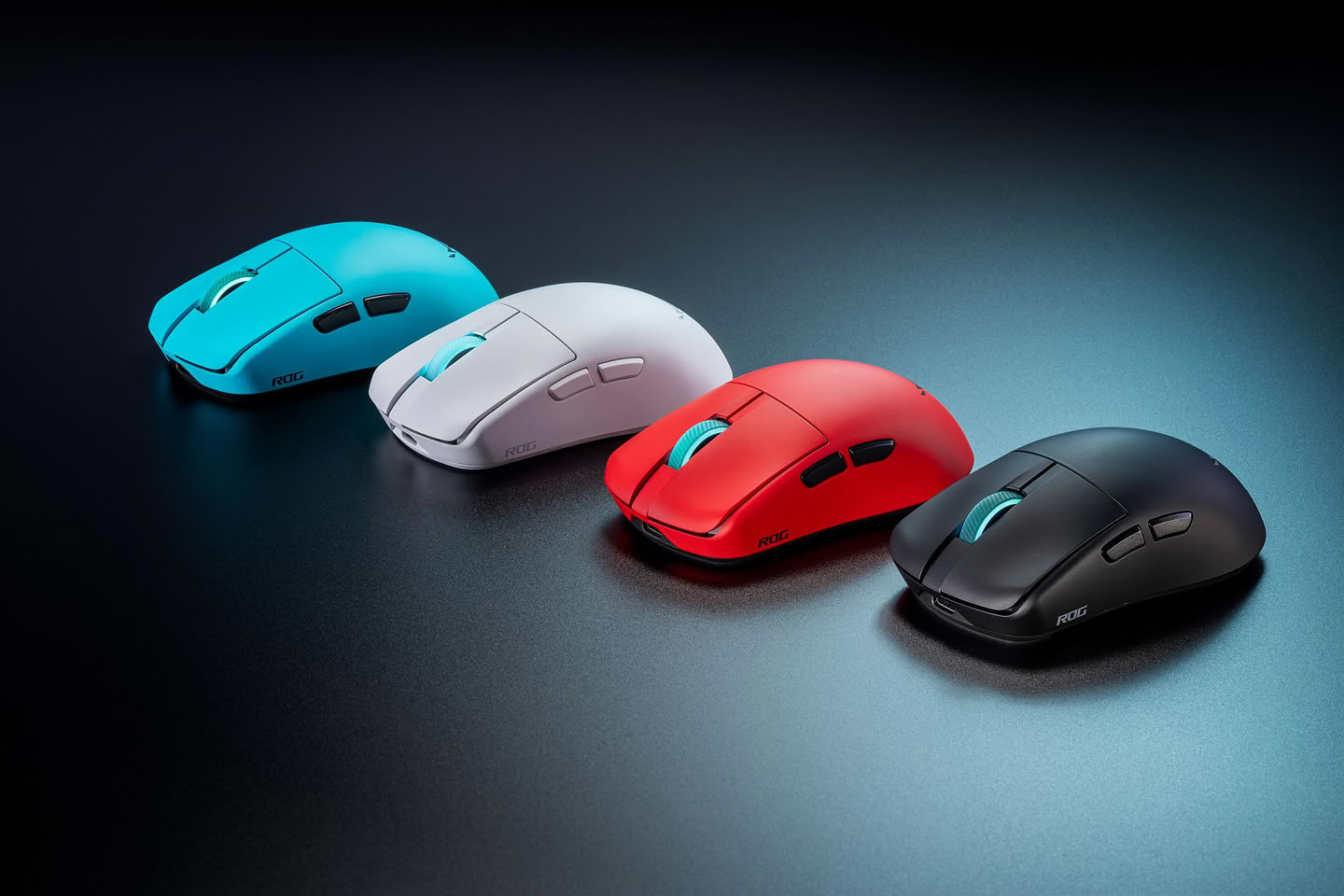
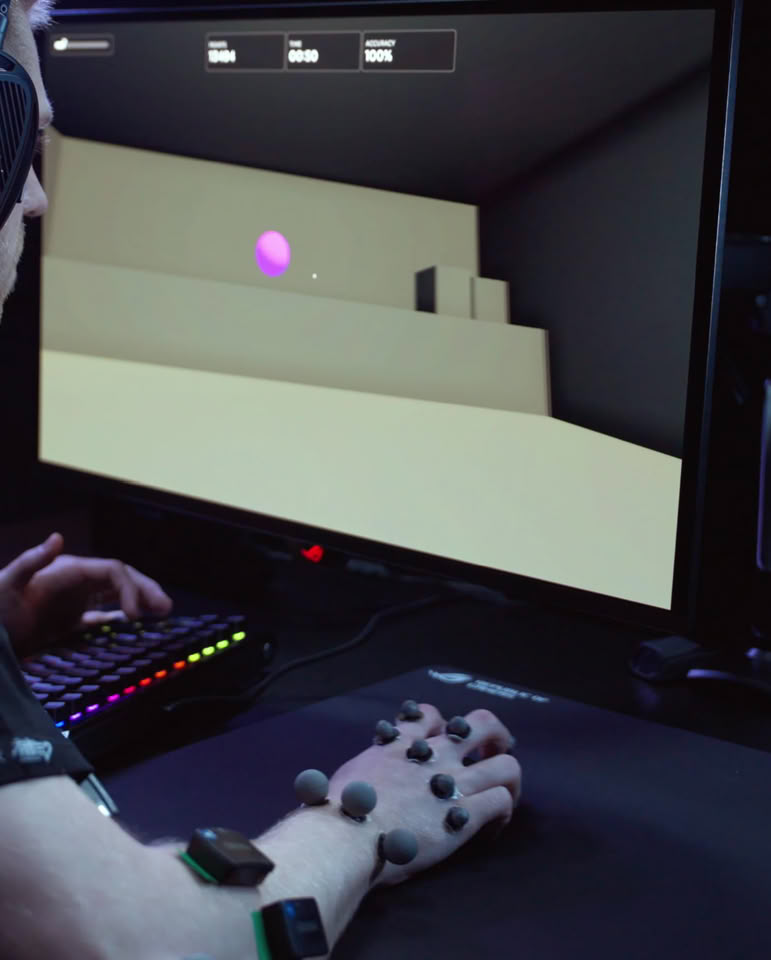
ASUS Announces ExpertCenter P300 Mini Tower
ASUS today announced the ASUS ExpertCenter P300 Mini Tower (P302MV), a business desktop designed to deliver reliable performance and exceptional value for small businesses. Powered by up to an Intel Core 7 processor and featuring an enhanced thermal design, the ExpertCenter P300 Mini Tower supports up to 45 W TDP, delivering up to 38% better peak performance than competitors in its class.
Packed with power: Up to an Intel Core 7 processor
Featuring an enhanced thermal design, the ASUS ExpertCenter P300 Mini Tower delivers reliable performance for everyday business needs. Powered by up to an Intel Core 7 processor, with support for up to 16 GB memory and up to 2 TB total SSD storage, it provides the computing power and storage capacity to handle daily workloads with ease. Supporting up to 45 W TDP, the ExpertCenter P300 Mini Tower balances performance and efficiency, making it an ideal solution for businesses seeking dependable computing for everyday productivity.
Packed with power: Up to an Intel Core 7 processor
Featuring an enhanced thermal design, the ASUS ExpertCenter P300 Mini Tower delivers reliable performance for everyday business needs. Powered by up to an Intel Core 7 processor, with support for up to 16 GB memory and up to 2 TB total SSD storage, it provides the computing power and storage capacity to handle daily workloads with ease. Supporting up to 45 W TDP, the ExpertCenter P300 Mini Tower balances performance and efficiency, making it an ideal solution for businesses seeking dependable computing for everyday productivity.
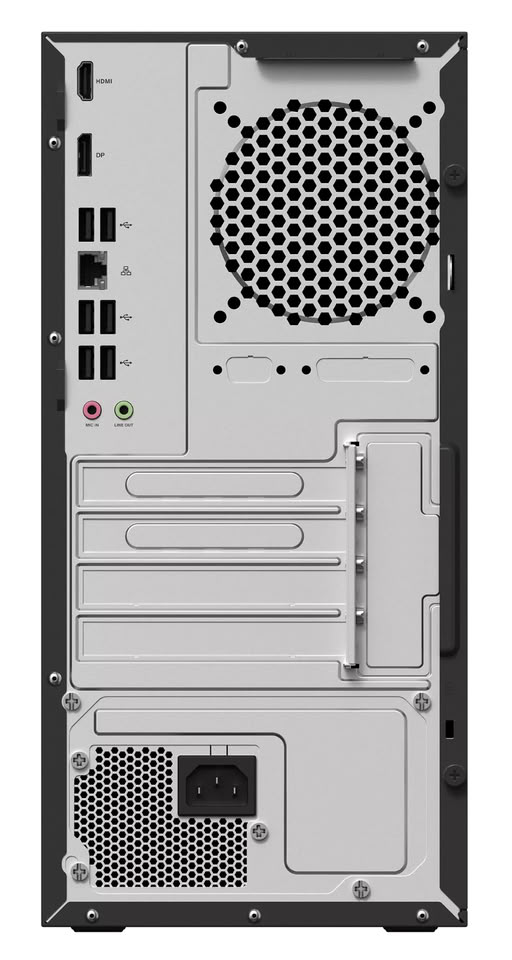
Neural Rendering Could Keep Xbox Project Helix Affordable
For the 25th anniversary of Xbox, celebrating one of its longest-running projects, Microsoft announced that it sees great potential in new technologies that could lower hardware costs while enhancing visual fidelity. According to Jason Ronald, Xbox VP for next-generation technologies, neural rendering could be one of those technologies that significantly boosts visual fidelity. This would allow the compute requirements to remain within the limits of what a console can support, rather than needing a full workstation, and fit within a home entertainment form factor. Not only would raw compute be lower, but actual memory demand would also be reduced, as neural rendering tends to be more efficient, which is particularly useful when memory is in short supply.
Jason Ronald, Xbox Vice President of Next GenerationThis is a big reason why we're really focused on advancements like neural rendering, because it's an entirely new way to generate a frame without requiring more computational horsepower, additional memory, and things like that.
Sunday, November 15th 2026
Intel Razor Lake Gets a 12 P-Core bLLC Chip With No E-Cores, Per Leak
Intel's Razor Lake desktop lineup could include an unlocked gaming chip with 12 P-cores and no regular E-cores at all. Well-known Intel leaker Jaykihn shared the "12+0+4" configuration on X, which pairs those 12 P-cores with four low-power E-cores and Intel's big Last Level Cache (bLLC), the company's answer to AMD's X3D chips. In a follow-up post, he said this SKU replaces a locked 8+0+4 bLLC part that was rumored earlier. Apparently, all 12 P-cores sit on a single compute die designed only for P-cores, rather than a hybrid die with its E-cores switched off, and Jaykihn later said that tile is built on Intel's own 18A-P node. That would make it an outlier, since most Razor Lake compute tiles are reportedly headed to TSMC.
Jaykihn also claims the 125 W 6+12+4 bLLC chip, one of the two 22-core Nova Lake-S parts that leaked back in July, has been pushed from Nova Lake to Razor Lake. If that's accurate, it seems Nova Lake-S will launch with one less bLLC option than expected. There's no word on the 65 W version. Razor Lake-S is currently a 2028 product that should use the same LGA-1954 socket as Nova Lake-S, according to Jaykihn's earlier posts. Intel has listed Razor Lake model IDs in its ISA reference, but none of these specs are official. Plans this far out can change, so it's reasonable to treat the 12 P-core chip as just a target for now.
Jaykihn also claims the 125 W 6+12+4 bLLC chip, one of the two 22-core Nova Lake-S parts that leaked back in July, has been pushed from Nova Lake to Razor Lake. If that's accurate, it seems Nova Lake-S will launch with one less bLLC option than expected. There's no word on the 65 W version. Razor Lake-S is currently a 2028 product that should use the same LGA-1954 socket as Nova Lake-S, according to Jaykihn's earlier posts. Intel has listed Razor Lake model IDs in its ISA reference, but none of these specs are official. Plans this far out can change, so it's reasonable to treat the 12 P-core chip as just a target for now.
Thermal Grizzly Details WireView Pro II Extended GPU Warranty Conditions
Thermal Grizzly has published an FAQ clarifying the conditions of its WireView Pro II extended GPU warranty, covering cables, settings, adapters, and claims. Neither the USB cable nor the motherboard Y-splitter has to be connected for coverage. The Y-splitter lets the WireView shut the PC down through the power-button header, but Thermal Grizzly only recommends it. Monitoring has to stay enabled, though. Lowering the current, temperature, or power thresholds is fine, but raising them above the defaults or switching monitoring off is not.
Third-party extensions between the WireView and the GPU are allowed as long as each 12 V line stays separate. Adapters that bridge those lines internally stop the WireView from reading the current on each GPU power contact, so those builds aren't covered. A 90-degree connector isn't a problem by itself, since it comes down to the internal wiring. On the PSU side, cables approved for that exact PSU model are fine. Coverage runs for 24 months from the WireView purchase, even after the GPU's own warranty ends, but only for the original buyer with proof of purchase.

Third-party extensions between the WireView and the GPU are allowed as long as each 12 V line stays separate. Adapters that bridge those lines internally stop the WireView from reading the current on each GPU power contact, so those builds aren't covered. A 90-degree connector isn't a problem by itself, since it comes down to the internal wiring. On the PSU side, cables approved for that exact PSU model are fine. Coverage runs for 24 months from the WireView purchase, even after the GPU's own warranty ends, but only for the original buyer with proof of purchase.

Report: Jensen Huang Eyes NVIDIA Comeback
Jensen Huang has talked with close confidants about returning as NVIDIA's CEO, according to a Sunday report from the Financial Times citing people familiar with the matter. Huang resigned as CEO and left the board on November 12, with CFO Colette Kress stepping in as interim CEO. NVIDIA gave no reason for the exit, which followed reports of an affair with a suspected Chinese spy and a second relationship with an NVIDIA executive who reported to him. Apparently, his Silicon Valley allies have now set up a "war room" to lobby the board to reinstate him and to seek support from the White House.
The "Stand with Jensen" open letter, which recently passed 115,000 signatures when we covered it, now has more than 156,000 names. The campaign says over 7,500 of them are current NVIDIA employees, though signers self-identify and the numbers haven't been independently verified. Elon Musk said on X that he signed it, and Epic Games CEO Tim Sweeney is listed as well. NVIDIA shareholders Brad Gerstner of Altimeter Capital and Gavin Baker of Atreides Management have urged directors not to rush a successor and to keep "all options on the table, including the potential return of Jensen Huang."
The "Stand with Jensen" open letter, which recently passed 115,000 signatures when we covered it, now has more than 156,000 names. The campaign says over 7,500 of them are current NVIDIA employees, though signers self-identify and the numbers haven't been independently verified. Elon Musk said on X that he signed it, and Epic Games CEO Tim Sweeney is listed as well. NVIDIA shareholders Brad Gerstner of Altimeter Capital and Gavin Baker of Atreides Management have urged directors not to rush a successor and to keep "all options on the table, including the potential return of Jensen Huang."

AskAnyModel Puts Six AI Responses Side by Side for Just $39.99
AskAnyModel AI Pro Plan is now available for $39.99 (MSRP $499) for lifetime access through Nov. 8. The browser-based platform brings more than 50 AI models into one workspace, with tools for comparing responses, generating images, and switching models during a conversation.
Its main comparison feature sends one prompt to two to six selected models simultaneously. Responses appear side by side, along with response times and token counts. For writing, coding, research, or brainstorming, this lets users assess different approaches without repeating a question across separate services. Comparing answers can help identify useful differences.
Get the AskAnyModel AI Pro Plan Lifetime Subscription for $39.99 (MSRP $499).
Its main comparison feature sends one prompt to two to six selected models simultaneously. Responses appear side by side, along with response times and token counts. For writing, coding, research, or brainstorming, this lets users assess different approaches without repeating a question across separate services. Comparing answers can help identify useful differences.
Get the AskAnyModel AI Pro Plan Lifetime Subscription for $39.99 (MSRP $499).


Samsung, SK hynix, and Micron Fail to Get DRAM Antitrust Suit Dismissed
The class-action lawsuit accusing Samsung, SK hynix, and Micron of restricting DRAM supply is moving forward. On November 14, U.S. District Judge Noël Wise of the Northern District of California denied the three companies' joint motion to dismiss, finding the complaint plausibly alleges an agreement in violation of Section 1 of the Sherman Act. The suit, filed in June by 17 consumers and small businesses, claims the trio, which held over 91% of global DRAM revenue as of Q3 2025, coordinated production cuts starting in late 2022 and shifted capacity toward HBM while conventional DRAM prices rose 697% over 18 months. Of course, it's a pleading-stage ruling, and nothing has been proven yet.
The companies argued the case was a rerun of an earlier suit over 2016 to 2018 supply cuts, which the Ninth Circuit threw out in 2022. Judge Wise disagreed, pointing to newer alleged conduct like long-term HBM contracts, Samsung and SK hynix allegedly refusing long-term deals with conventional DRAM buyers, Micron shutting down Crucial, and near-identical customer vetting questions all three adopted in January 2026. She also turned the companies' own hawk comparison around, writing that the alleged conduct is more like "hawks flying in formation."


The companies argued the case was a rerun of an earlier suit over 2016 to 2018 supply cuts, which the Ninth Circuit threw out in 2022. Judge Wise disagreed, pointing to newer alleged conduct like long-term HBM contracts, Samsung and SK hynix allegedly refusing long-term deals with conventional DRAM buyers, Micron shutting down Crucial, and near-identical customer vetting questions all three adopted in January 2026. She also turned the companies' own hawk comparison around, writing that the alleged conduct is more like "hawks flying in formation."
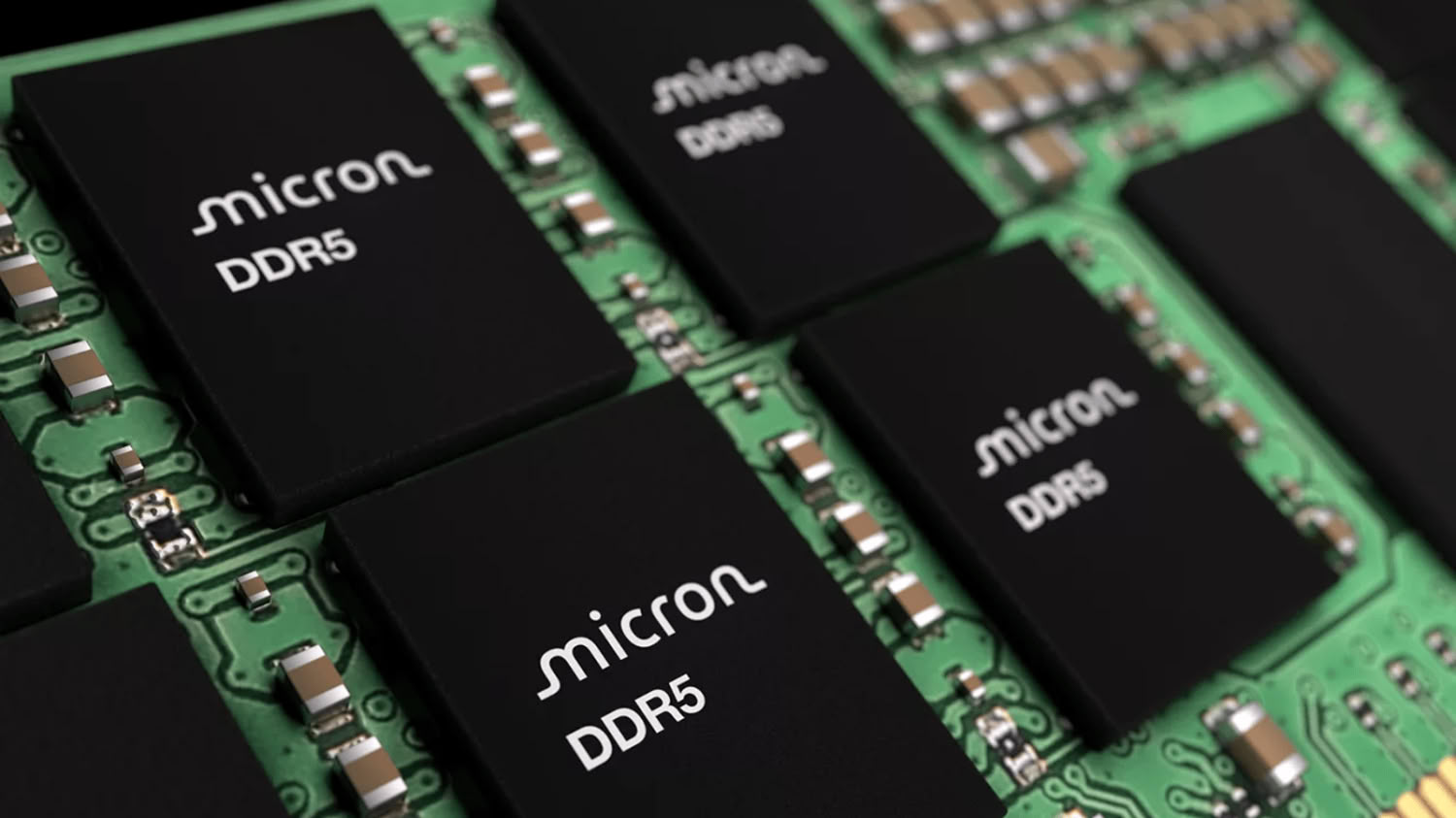
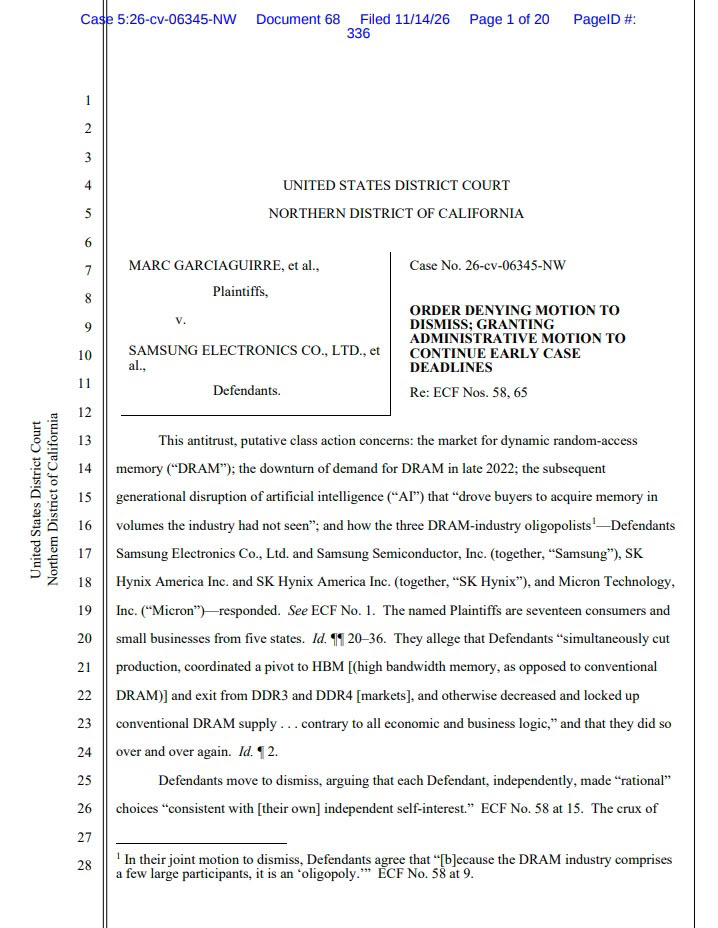


SK hynix Bets on HBM4 Demand Beyond NVIDIA With New Equipment Orders
SK hynix reportedly plans to add at least 20,000 wafers per month of HBM capacity. According to Korea's Electronic Times (ETNews), the company is in talks with equipment suppliers over a fresh round of HBM4 orders, mostly back-end tools for bonding, dicing, and inspection. Suppliers are aiming to have it all installed in the first half of 2027. The likely site is P&T6 in Cheongju, a former fab SK hynix picked for HBM in 2025. For scale, ETNews put SK hynix's total HBM capacity at around 150,000 wafers per month at the end of last year. The 20,000 figure isn't entirely new, though, since ETNews floated a similar number for P&T6 in February.
Importantly, this comes while NVIDIA is still dealing with the fallout of the Jensen Huang situation, which led to Huang resigning as CEO on November 12. Apparently, demand from AMD and Broadcom is seen as strong enough to carry HBM orders even if NVIDIA's AI business takes a hit. NVIDIA's move to lower the HBM4 speed for Vera Rubin from 11.7 Gbps to 9.6 Gbps per pin also eases the manufacturing burden for suppliers, and the report says it likely factored into the decision.
Importantly, this comes while NVIDIA is still dealing with the fallout of the Jensen Huang situation, which led to Huang resigning as CEO on November 12. Apparently, demand from AMD and Broadcom is seen as strong enough to carry HBM orders even if NVIDIA's AI business takes a hit. NVIDIA's move to lower the HBM4 speed for Vera Rubin from 11.7 Gbps to 9.6 Gbps per pin also eases the manufacturing burden for suppliers, and the report says it likely factored into the decision.

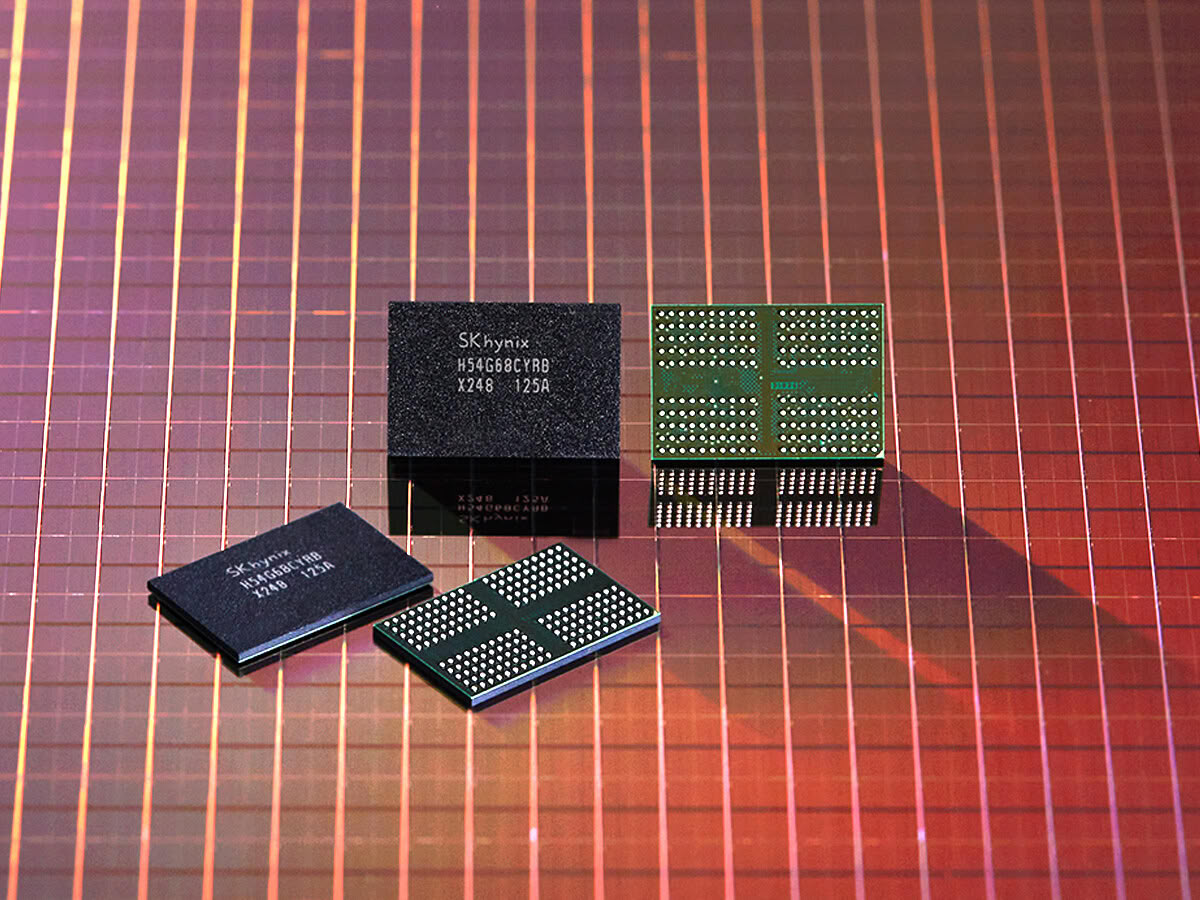
GTA 5 Boots on Nintendo Switch 2 via Native Recomp
PLK, a developer known in the PS5 jailbreak scene for tools like Payload Manager and the Y2JB Autoloader, is now working on a native recompilation of GTA 5 for the Nintendo Switch 2. His first clip on X shows the game booting past the Rockstar logo and into the North Yankton prologue, with characters moving inside the bank alongside the minimap and mission text. About two hours later, PLK shared a second video saying the shader glitches were fixed and that build instructions should arrive soon. There are no performance figures or resolution details yet, and no word on how far into the story it gets.
The port runs on kaiHEN, a homebrew environment and minimal custom firmware for the Switch 2 that was released this week. Its GitHub page says Switch 1 homebrew built on libnx can be compiled for the Switch 2, though it also warns that homebrew gets full system access, NAND included, so a malicious app could brick the console. That's quite a jump for a console that only got its first software-only jailbreak in October, which Nintendo has reportedly already patched with firmware 23.5.0.

The port runs on kaiHEN, a homebrew environment and minimal custom firmware for the Switch 2 that was released this week. Its GitHub page says Switch 1 homebrew built on libnx can be compiled for the Switch 2, though it also warns that homebrew gets full system access, NAND included, so a malicious app could brick the console. That's quite a jump for a console that only got its first software-only jailbreak in October, which Nintendo has reportedly already patched with firmware 23.5.0.
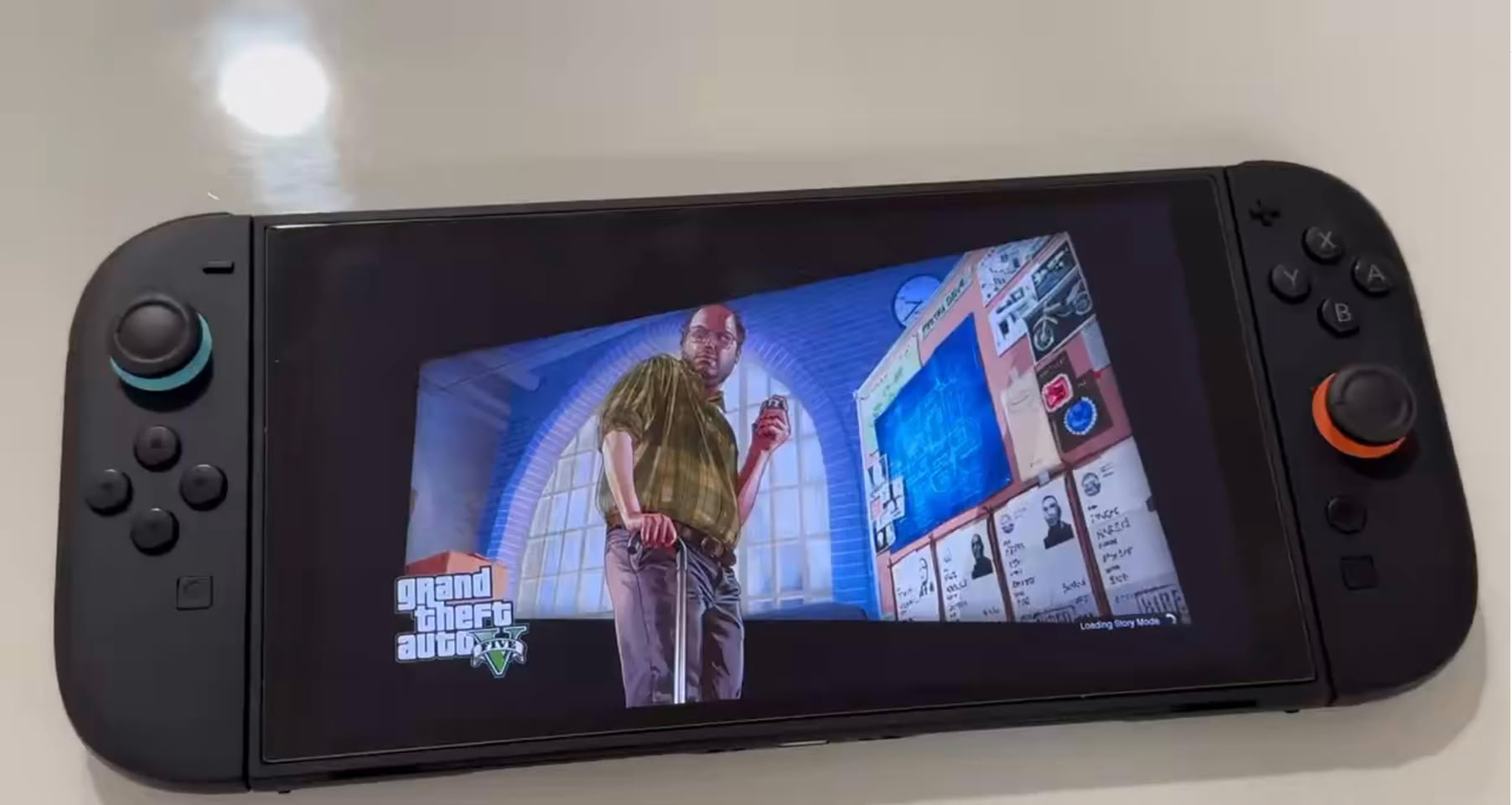
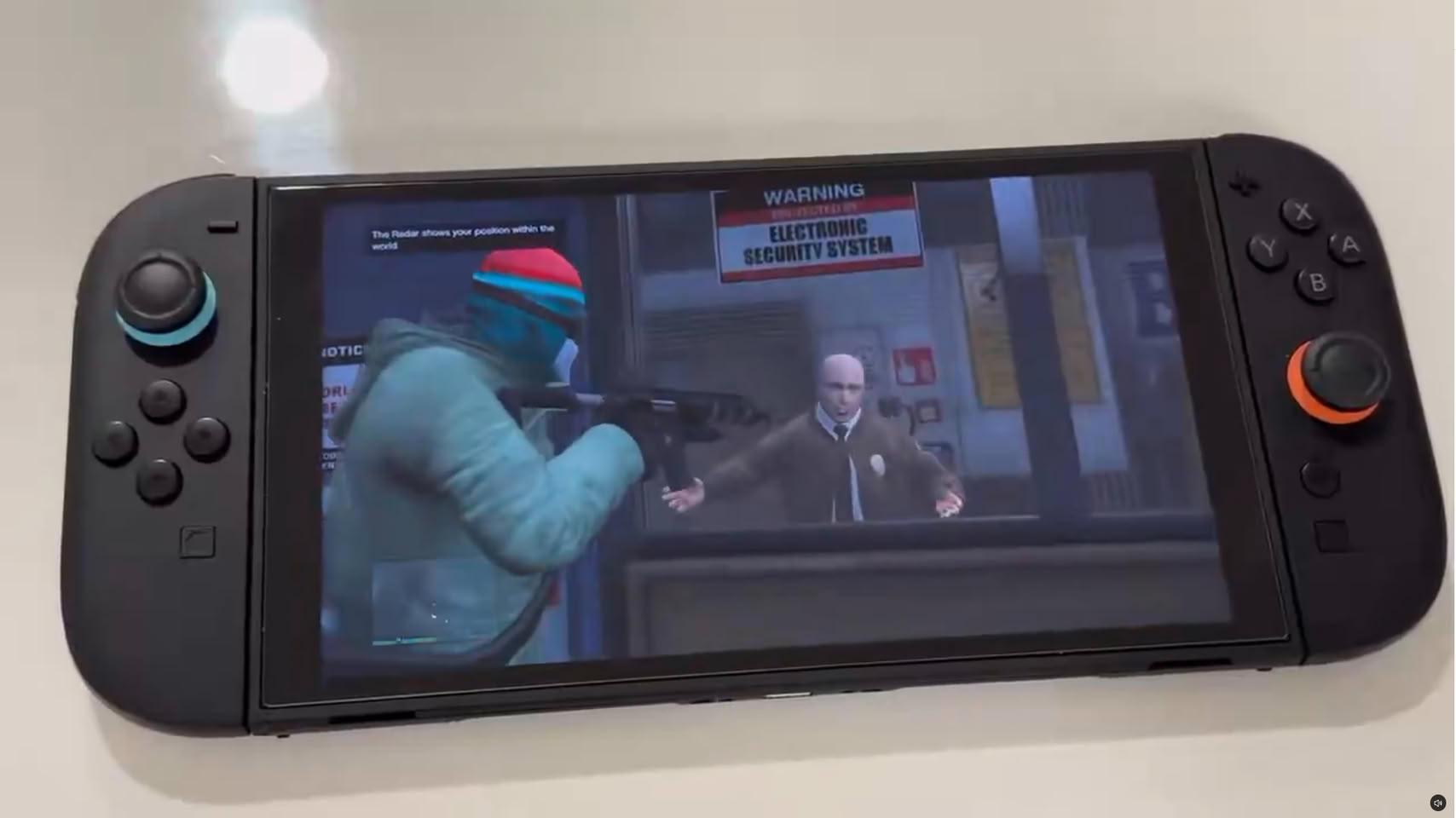
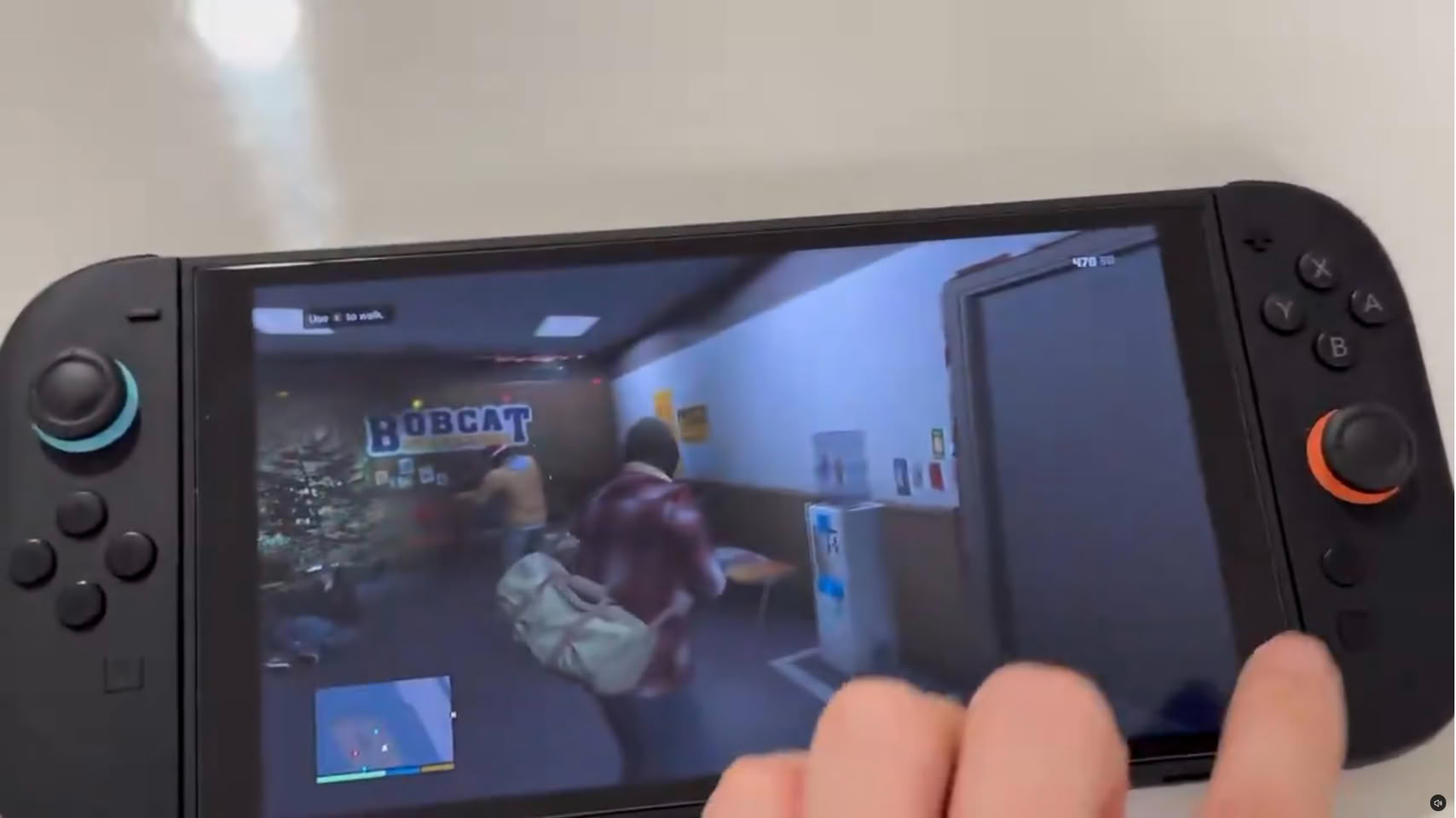
This Week in Gaming (Week 47)
Welcome to GTA VI release week to those of you that own a gaming console and for the rest of us, it's a pretty quiet week when it comes to new releases, for obvious reasons. Once again we end up with all the major releases lumped together over just a couple of days and this week's major release is a family friendly MMORPG set in a world of mountaintops. We kick off the week with some hatred towards you, by trees, which is followed by a motocross simulator and an idle adventure set in the RuneScape universe. We round off the week with a very advanced take on the tower defence genre and an action hack and slash game.
Spirit Crossing / This week's major release / Monday 16 November
From the makers of Cozy Grove: Glide through pastel clouds, help lost spirits along the way, and design your own home nestled high on a mountain peak. Befriend strangers around a warm campfire, or share memories while lazily fishing in the sky with a friend. Welcome to your strange new home. Steam link



Spirit Crossing / This week's major release / Monday 16 November
From the makers of Cozy Grove: Glide through pastel clouds, help lost spirits along the way, and design your own home nestled high on a mountain peak. Befriend strangers around a warm campfire, or share memories while lazily fishing in the sky with a friend. Welcome to your strange new home. Steam link

Saturday, November 14th 2026
TechPowerUp Formula V Line Giveaway: Win Air Power G10 Cases, Ice Nova Coolers, and More!
TechPowerUp partners with Formula V Line to bring our readers from all over the world a chance to win one of dozens of pieces of Formula V One cases, CPU coolers, and case fans! The star attraction here is the Formula V Line G10 case, A spacious mid-tower case with a unique front-panel design that allows you to louver airflow from the three intake fans individually. The case comes in three attractive 2-tone color trims—silvery white, copper black, and gray black. There are a total of ten lucky winners to be picked from the Giveaway:
The first lucky winner gets a Formula V Line G10 case, plus an Ice Nova Pro 3 CPU cooler, and a set of three Air Bridge VT Vision case fans. The second lucky winner gets a Formula V Line G10 case, and an Ice Nova Pro 3 cooler. The third lucky winner gets a Formula V Line G10 case. Winners 4th thru 10th get a selection of Ice Nova Pro 3 coolers and Air Bridge VT Vision 3-fan sets. Once again, the Giveaway is open worldwide (wherever legal); and open from today until November 20.
For more details and to participate, visit this page.
The first lucky winner gets a Formula V Line G10 case, plus an Ice Nova Pro 3 CPU cooler, and a set of three Air Bridge VT Vision case fans. The second lucky winner gets a Formula V Line G10 case, and an Ice Nova Pro 3 cooler. The third lucky winner gets a Formula V Line G10 case. Winners 4th thru 10th get a selection of Ice Nova Pro 3 coolers and Air Bridge VT Vision 3-fan sets. Once again, the Giveaway is open worldwide (wherever legal); and open from today until November 20.
For more details and to participate, visit this page.

Japan's Fax Machines Save the Day as Microsoft 365 Goes Down
When Microsoft 365 went down this week, a lot of offices in Japan simply went back to the fax machine, according to The Japan Times. The outage reached Japan in the early hours of November 13 local time and knocked out Outlook and other services. Mie Prefecture's government, where all 7,500 staff rely on Outlook, asked residents to contact it by phone or fax instead, and companies such as Chubu Electric Power and Brother Industries moved outside communication from email to phone calls. Credit card issuer Credit Saison warned of delays in answering inquiries, and universities including Kyushu and Waseda reported disruptions too.
The central government was also affected by the outage. Deputy Chief Cabinet Secretary Masanao Ozaki said the Government Solution Service (GSS), a shared network the Digital Agency oversees for government employees, lost access to Outlook and other Microsoft products, while Chief Cabinet Secretary Minoru Kihara said communications between ministries were disrupted. Staff apparently fell back on paper copies and phone calls to keep things moving. Ironically, Japan tried to phase faxes out of its ministries back in 2021, and bureaucrats pushed back hard, with some arguing faxes were more secure than email.
The central government was also affected by the outage. Deputy Chief Cabinet Secretary Masanao Ozaki said the Government Solution Service (GSS), a shared network the Digital Agency oversees for government employees, lost access to Outlook and other Microsoft products, while Chief Cabinet Secretary Minoru Kihara said communications between ministries were disrupted. Staff apparently fell back on paper copies and phone calls to keep things moving. Ironically, Japan tried to phase faxes out of its ministries back in 2021, and bureaucrats pushed back hard, with some arguing faxes were more secure than email.

Microsoft Visual Studio Pro 2026 Is Available for $29.97
Microsoft Visual Studio Professional 2026 is available for just $29.97, compared with an MSRP of $499.99. The development environment combines tools for writing, debugging, testing, and collaborating on code, with support for multiple application types and deployment targets.
Built as a 64-bit IDE, Visual Studio Professional 2026 is designed to handle large solutions and complex workloads. Developers can build cross-platform mobile and desktop applications with.NET MAUI, or create responsive web interfaces in C# using Blazor. Development, debugging, and testing tools support.NET and C++ applications targeting Windows, Linux, and containers.
Get lifetime Visual Studio Pro 2026 access for just $29.97.
Built as a 64-bit IDE, Visual Studio Professional 2026 is designed to handle large solutions and complex workloads. Developers can build cross-platform mobile and desktop applications with.NET MAUI, or create responsive web interfaces in C# using Blazor. Development, debugging, and testing tools support.NET and C++ applications targeting Windows, Linux, and containers.
Get lifetime Visual Studio Pro 2026 access for just $29.97.

Rockstar Says GTA 6 Encourages Empathy, a First for the Series
Rockstar North co-studio head Rob Nelson says GTA 6 is the first game in the series to actively encourage empathy, at least for players who want it. In an interview with The Guardian, spotted by IGN, Nelson said the studio has tried "for the first time in a GTA to provide mechanisms that encourage it," and tied the change to the story of Jason and Lucia. He described the pair as a young couple who are running out of options, so their early jobs stick to low-level stuff like stealing cheaper cars and picking easy locks, with bigger jobs coming later.
Crime isn't going anywhere, though. Nelson called it a fundamental part of GTA and said Rockstar doesn't want to penalize players who stick to the old GTA formula, although what they do will still shape how things unfold to some degree. Apparently, the relationship between Jason and Lucia can grow or fall apart depending on how players treat it. Earlier previews also detailed a Criminal Profile system that tracks how violently players commit crimes, with states ranging from Professional to Psycho, and it can reportedly "shatter" for good if players keep going overboard.

Crime isn't going anywhere, though. Nelson called it a fundamental part of GTA and said Rockstar doesn't want to penalize players who stick to the old GTA formula, although what they do will still shape how things unfold to some degree. Apparently, the relationship between Jason and Lucia can grow or fall apart depending on how players treat it. Earlier previews also detailed a Criminal Profile system that tracks how violently players commit crimes, with states ranging from Professional to Psycho, and it can reportedly "shatter" for good if players keep going overboard.


Newegg's RTX 5090 Restock Starts at $6,599, More Than Triple the MSRP
Newegg has restocked some GeForce RTX 5090 variants, but the cheapest RTX 5090 sold directly by Newegg at the time of writing is the GIGABYTE AORUS RTX 5090 Xtreme Waterforce at $6,599.99, about 3.3 times NVIDIA's $1,999 MSRP. The restock includes a handful of ASUS, GIGABYTE, and MSI models as first-party listings that ship from Newegg itself rather than from marketplace sellers. The AORUS Master ICE goes for $6,759.99, while MSI's Gaming Trio OC, Ventus 3X OC, and Suprim Liquid SOC all sit at $6,999.99. An ASUS ROG Astral RTX 5090 OC was reportedly listed for $6,249.99 as well, but it has already sold out. The current ROG Astral RTX 5090 OC listing is at $9,490 instead.
As ridiculous as those prices are, they're actually lower than what the card was going for a few weeks ago. TechSpot's October survey put the cheapest in-stock RTX 5090 in the US at $9,400 at that time, and most models sat comfortably above $11,000. Supply has been tight since early October, when leakers claimed NVIDIA had stopped allocating GB202 silicon to the RTX 5090 in favor of RTX PRO workstation cards, and Micro Center also dropped the card from its catalog shortly after. NVIDIA denied the card was discontinued but admitted supply is constrained. However, an unnamed board partner later said it can't currently order GB202 and GDDR7 as a set, or place backorders like before.

As ridiculous as those prices are, they're actually lower than what the card was going for a few weeks ago. TechSpot's October survey put the cheapest in-stock RTX 5090 in the US at $9,400 at that time, and most models sat comfortably above $11,000. Supply has been tight since early October, when leakers claimed NVIDIA had stopped allocating GB202 silicon to the RTX 5090 in favor of RTX PRO workstation cards, and Micro Center also dropped the card from its catalog shortly after. NVIDIA denied the card was discontinued but admitted supply is constrained. However, an unnamed board partner later said it can't currently order GB202 and GDDR7 as a set, or place backorders like before.
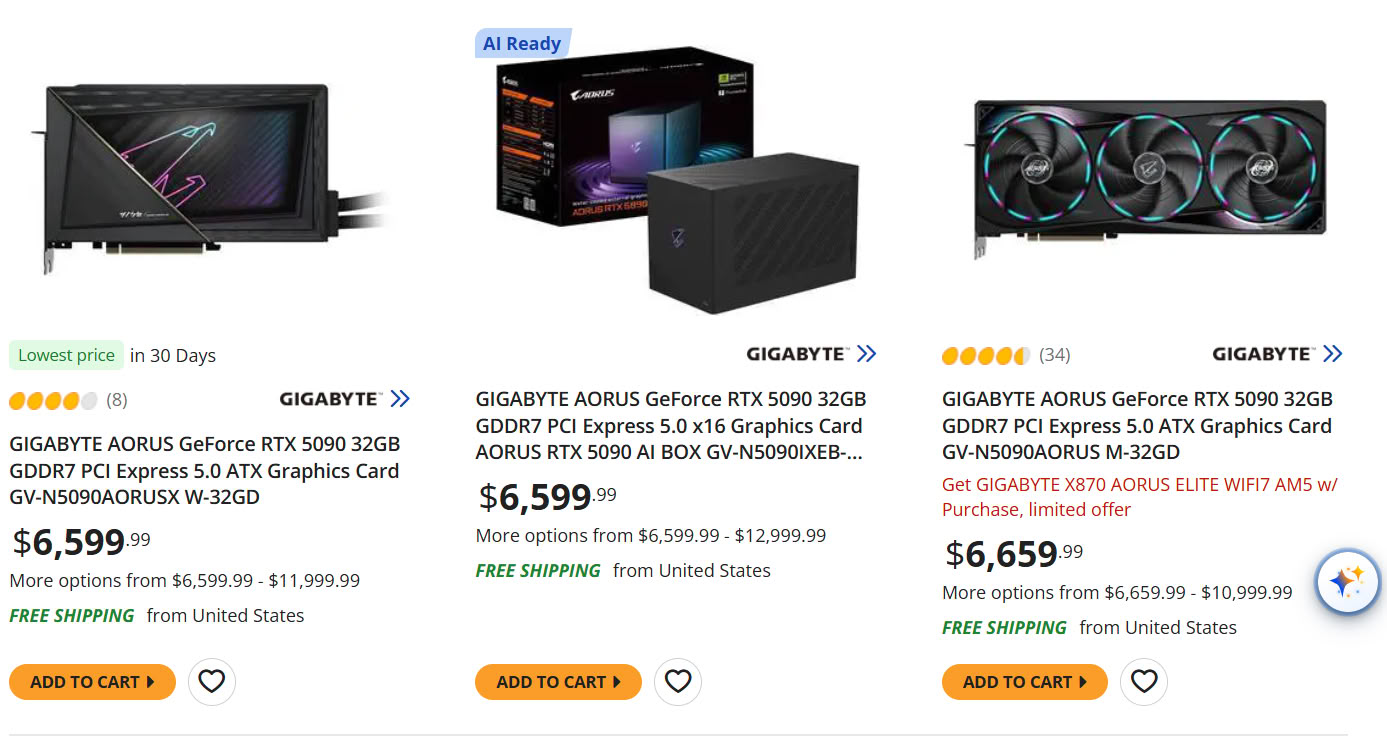
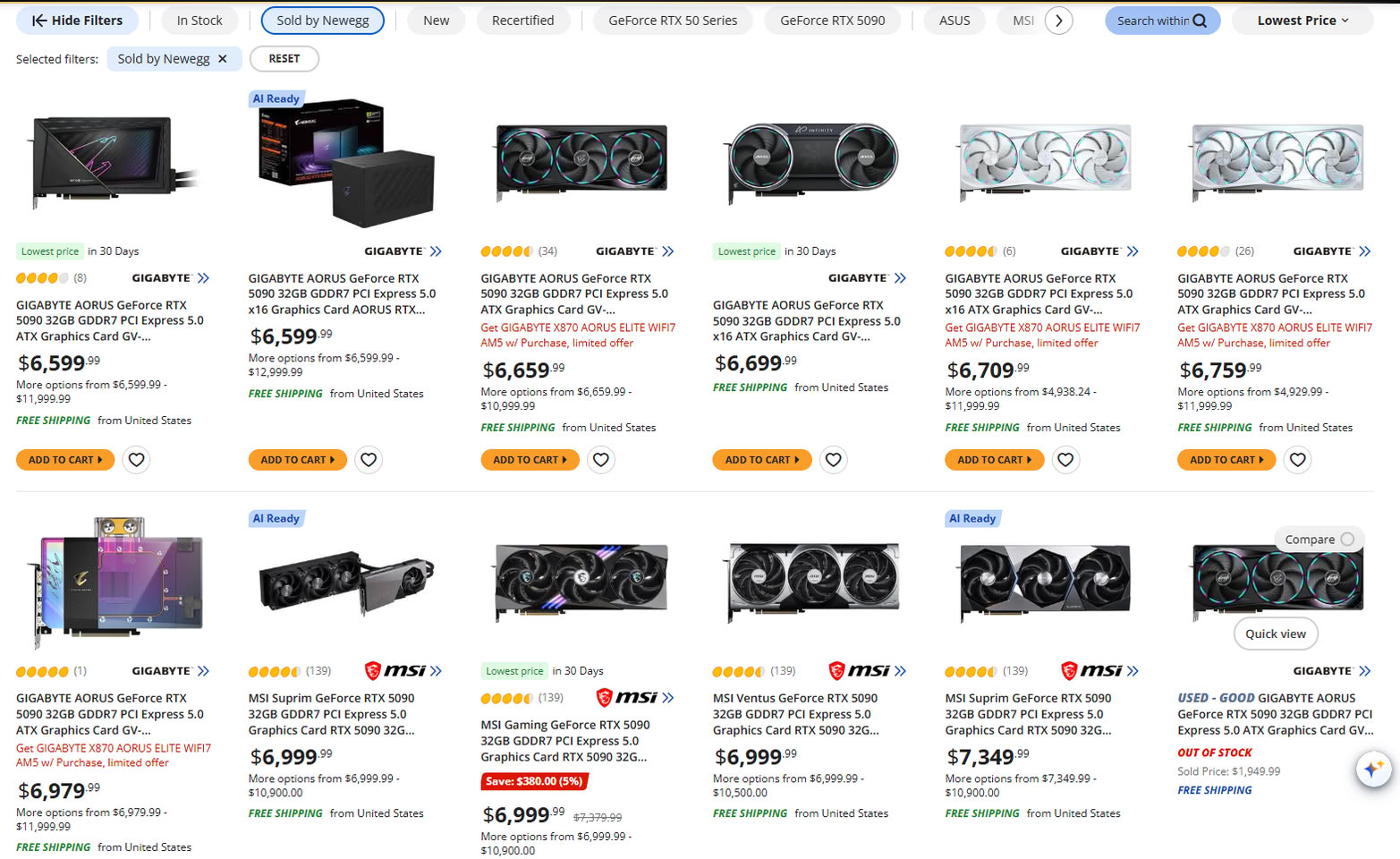
Open Letter Asking NVIDIA to Reinstate Jensen Huang Passes 115,000 Signatures
More than 115,000 people have signed "Stand with Jensen," an open letter asking NVIDIA's board to bring back Jensen Huang as CEO. Huang resigned on November 12, with CFO Colette Kress stepping in as interim CEO. At the time of writing, the campaign site lists over 5,900 signers as current NVIDIA employees, about 1,100 as former employees, and more than 62,000 as shareholders. The site notes those affiliations are self-reported and unverified. Elon Musk said on X that he signed the letter, and Epic Games CEO Tim Sweeney is also listed among the signers.
The letter asks the board to reinstate Huang while an independent investigation runs, give him a fair hearing, and publicly explain its decision. The organizers argue he was removed "without meaningful due process." The resignation came days after the board opened an investigation into reports that Huang was the target of a foreign intelligence effort through a relationship with a suspected Chinese spy. Huang admitted to infidelity in a November 8 email to staff, and a second relationship with an NVIDIA executive was reported shortly after.


The letter asks the board to reinstate Huang while an independent investigation runs, give him a fair hearing, and publicly explain its decision. The organizers argue he was removed "without meaningful due process." The resignation came days after the board opened an investigation into reports that Huang was the target of a foreign intelligence effort through a relationship with a suspected Chinese spy. Huang admitted to infidelity in a November 8 email to staff, and a second relationship with an NVIDIA executive was reported shortly after.



Sony's QSSR Upscaler Expands to Spider-Man 2, ARC Raiders, No Man's Sky and More
Base PS5 owners have six more games lined up for QSSR, Sony's lighter AI upscaler. Marvel's Spider-Man 2 is the first of the batch, with an update that's live now and adds QSSR to both its Fidelity and Performance modes. Control Resonant follows in a December update, while No Man's Sky should get it "in the next few weeks." Embark Studios says ARC Raiders and The Finals are getting it soon, and Hell Let Loose: Vietnam will add it through an upcoming patch. Sony shared the list on the PlayStation Blog.
Sony introduced QSSR in October, starting with Marvel's Wolverine and Ghost of Yotei. It's a cut-down version of the PS5 Pro's PSSR, developed through Project Amethyst with AMD. QSSR shares its interface with PSSR, which should make it fairly simple to add to games that already support the Pro upscaler. The developers mostly point to sharper and more stable images, and Remedy's Erik Jansson even compares the jump to what PSSR did for the PS5 Pro. It does come at a cost, though. In Digital Foundry's Marvel's Wolverine testing, QSSR took about 1.5 to 1.8 ms longer per frame than Insomniac's own upscaler when going from 864p to 1440p, and the cost climbed to roughly 4.4 ms with a 4K output.


Sony introduced QSSR in October, starting with Marvel's Wolverine and Ghost of Yotei. It's a cut-down version of the PS5 Pro's PSSR, developed through Project Amethyst with AMD. QSSR shares its interface with PSSR, which should make it fairly simple to add to games that already support the Pro upscaler. The developers mostly point to sharper and more stable images, and Remedy's Erik Jansson even compares the jump to what PSSR did for the PS5 Pro. It does come at a cost, though. In Digital Foundry's Marvel's Wolverine testing, QSSR took about 1.5 to 1.8 ms longer per frame than Insomniac's own upscaler when going from 864p to 1440p, and the cost climbed to roughly 4.4 ms with a 4K output.


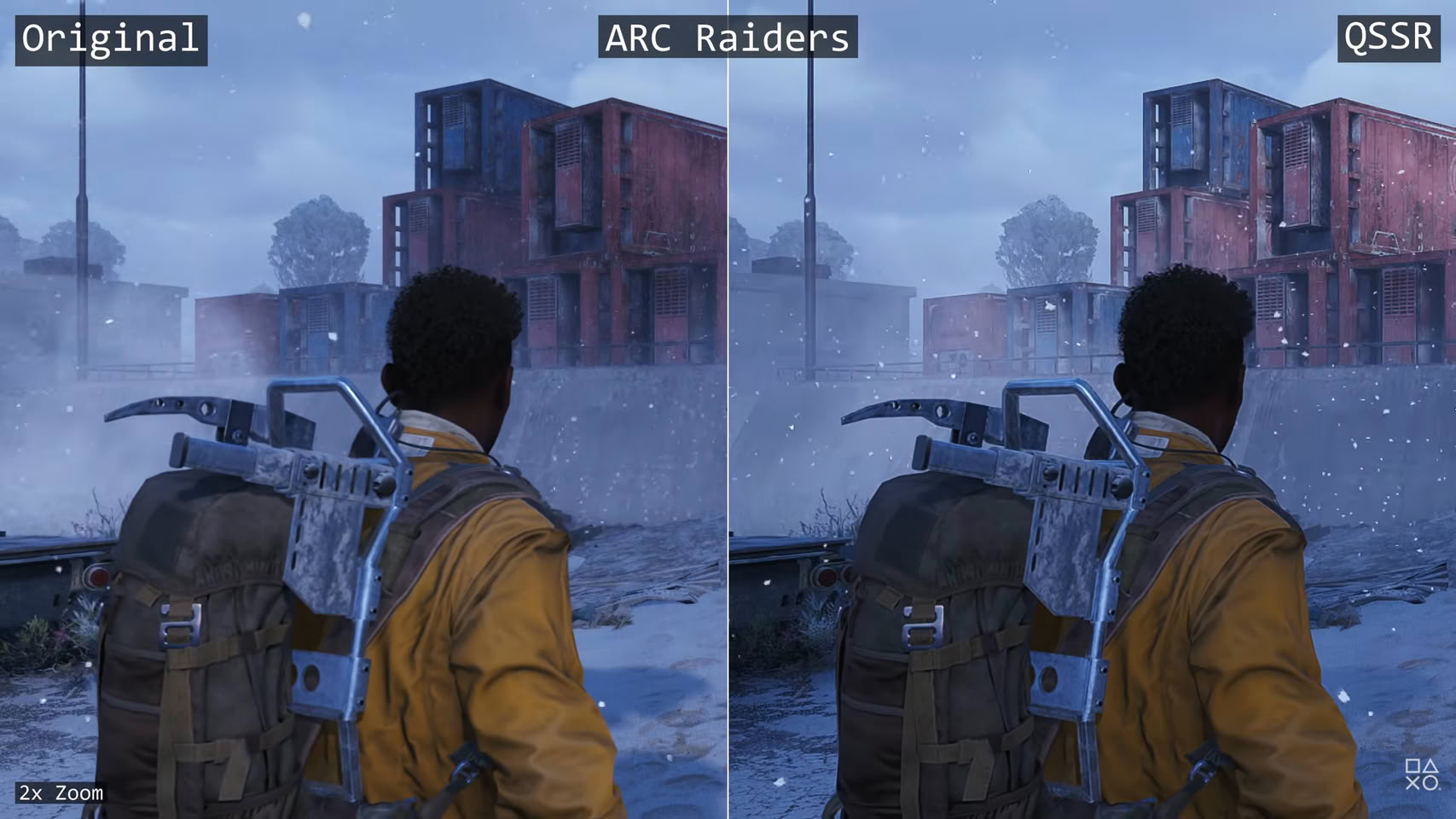
TSMC Confirms Employee Data Leak, Points to Cloud Provider
TSMC has confirmed that personal data of some current and former employees was posted on an external website without authorization. The chipmaker disclosed the incident in a Form 6-K filing on November 12, the same day Taiwan's United Daily News reported that someone was selling roughly 46,000 employee records on DarkForums and BreachForums. Apparently, the asking price for the 6.9 GB dump is three bitcoin (about NT$7.4 million), and the seller threatened to publish all of it if no buyer turned up within a week.
A sample file shared with the listing reportedly holds 499 records with 19 fields each, including names, dates of birth, job titles, national ID numbers, home addresses, phone numbers, emails, bank details, and emergency contacts. The 46,000 figure hasn't been verified yet. TSMC says it has found nothing to suggest its own systems were breached. Its initial findings point to a cloud service provider instead, since the leaked data matches records stored with that vendor. The company hasn't named the provider or said how many people are affected.
A sample file shared with the listing reportedly holds 499 records with 19 fields each, including names, dates of birth, job titles, national ID numbers, home addresses, phone numbers, emails, bank details, and emergency contacts. The 46,000 figure hasn't been verified yet. TSMC says it has found nothing to suggest its own systems were breached. Its initial findings point to a cloud service provider instead, since the leaked data matches records stored with that vendor. The company hasn't named the provider or said how many people are affected.
Friday, November 13th 2026
Today's Reviews
Desktop PC
Headphones
Motherboards
Mouse
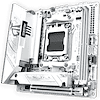
ASUS ROG Strix B850-I Gaming Wi-Fi7 W Review
If you've been craving a white AM5 ITX motherboard, the ASUS ROG Strix B850-I Gaming Wi-Fi7 W is exactly that, with one or two upgrades over the original variant. It's a solid option boasting dual PCIe Gen 5 M.2 ports, but with a recent price hike and not much more than a new color scheme, is it worth considering?
CachyOS Becomes More Beginner-Friendly With New Package Installer 2.0
Since the launch of the Steam Deck and the ensuing flurry of gaming-focussed Linux distributions, CachyOS has become one of the more popular Linux distros for gamers, thanks to its performance-oriented kernel and Arch base, but that same Arch DNA has been a deterrent for many first-time Linux users. It seems as though the developers behind CachyOS are aiming to address some of that and make the distribution less intimidating, announcing a new CachyOS Package Installer 2.0.
The new Package Installer 2.0 moves away from the largely text-based Octopi and more modern Shelly. CachyOS Package Installer 2.0 will launch with support for the AUR and Flatpak, alongside the regular CachyOS repos, and it will have a fresh new UI with a layout similar to Bazaar, the app store commonly used in Bazzite. Unlike Bazaar, CachyOS Package Installer 2.0 will have support for themes, with nine themes in total available at launch. It will also seemingly support proper app previews and more user-friendly descriptions. Alongside the new package launcher, the official CachyOS account on X also announced that a new CachyOS release is coming soon.
The new Package Installer 2.0 moves away from the largely text-based Octopi and more modern Shelly. CachyOS Package Installer 2.0 will launch with support for the AUR and Flatpak, alongside the regular CachyOS repos, and it will have a fresh new UI with a layout similar to Bazaar, the app store commonly used in Bazzite. Unlike Bazaar, CachyOS Package Installer 2.0 will have support for themes, with nine themes in total available at launch. It will also seemingly support proper app previews and more user-friendly descriptions. Alongside the new package launcher, the official CachyOS account on X also announced that a new CachyOS release is coming soon.
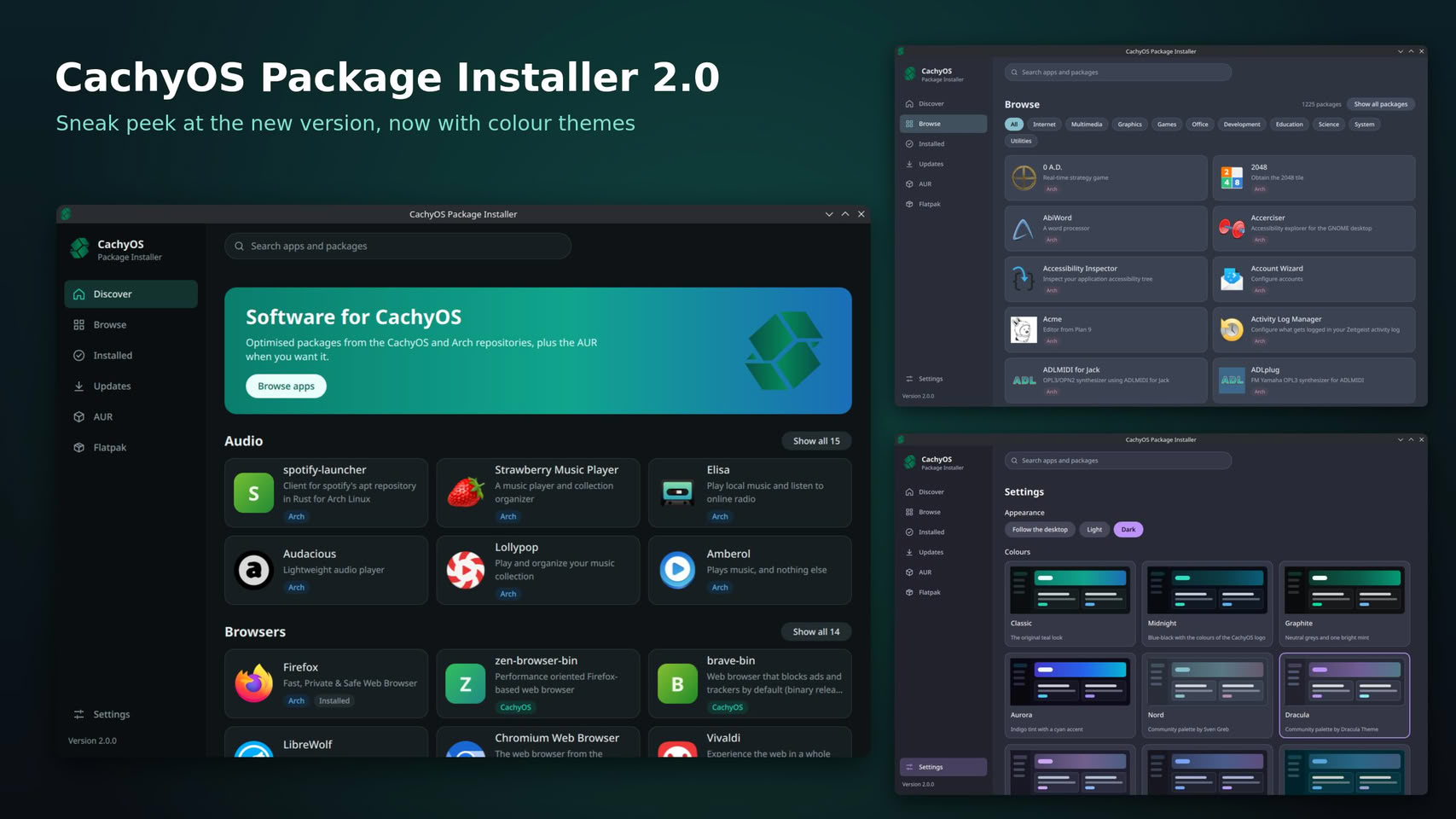
Video Game Workers and AI: 40% Use It, but 55% Think It's Bad News
We have repeatedly seen generative AI divide the gaming industry in game industry worker surveys and in comments by game developers, and this is apparently still the case, according to the latest GDC State of the Game Industry: November 2026 survey. The organization surveyed over 2,600 game workers across different disciplines in the video game industry about a variety of topics, including the ongoing layoffs, hiring rates after being laid off, and the future of the gaming industry. When it comes to generative AI, 40% of game workers reported that they used AI in their work, with a more granular look revealing that 63% of workers in business operations or services used AI, while 51% of marketing and PR employees, and 48% of programmers used generative AI in their daily work.
Workers at "older indie studios" were less likely to use AI, with only 29% of respondents confirming AI use, while workers working on premium games also showed lower rates of AI use, at 32% of respondents. The inverse was true for free-to-play games, with 58% using AI, and mobile studios, where 70% of workers reported using AI. Company AI policies are also interesting, with as many as 23% of respondents reporting that AI was banned at their studios, while only 1% were required to use them, 12% were allowed to use them at their own discretion, 11% were discouraged from using them, and 17% were encouraged to use AI tools.

Workers at "older indie studios" were less likely to use AI, with only 29% of respondents confirming AI use, while workers working on premium games also showed lower rates of AI use, at 32% of respondents. The inverse was true for free-to-play games, with 58% using AI, and mobile studios, where 70% of workers reported using AI. Company AI policies are also interesting, with as many as 23% of respondents reporting that AI was banned at their studios, while only 1% were required to use them, 12% were allowed to use them at their own discretion, 11% were discouraged from using them, and 17% were encouraged to use AI tools.


AMD Loses Desktop CPU Share for the First Time in Months, Intel Regains Ground
AMD's share of desktop CPU shipments fell to 29.9% in the third quarter of 2026, according to new Mercury Research data, shared by PC Gamer. That's a five-point drop from the 34.9% AMD held in Q2, with Intel climbing back to 70.1%. It's also AMD's lowest desktop figure since early 2025, when it sat at around 28%. A year ago, AMD held 33.6% of the desktop market.
Mercury itself admits it isn't sure what caused the swing. Its best guess is that weaker laptop demand let Intel shift more chips to desktops, which usually see a seasonal bump in the third quarter, after Intel had been under-supplying that market earlier in the year. AMD, on the other hand, didn't seem to get that seasonal increase. Mercury also points to AMD's heavier reliance on PC gaming, a market it says has been hurt by supply constraints on gaming GPUs. On top of that, AMD has openly admitted that demand is running ahead of what it can ship, and Lisa Su recently called AMD a "data center first" company.
Mercury itself admits it isn't sure what caused the swing. Its best guess is that weaker laptop demand let Intel shift more chips to desktops, which usually see a seasonal bump in the third quarter, after Intel had been under-supplying that market earlier in the year. AMD, on the other hand, didn't seem to get that seasonal increase. Mercury also points to AMD's heavier reliance on PC gaming, a market it says has been hurt by supply constraints on gaming GPUs. On top of that, AMD has openly admitted that demand is running ahead of what it can ship, and Lisa Su recently called AMD a "data center first" company.
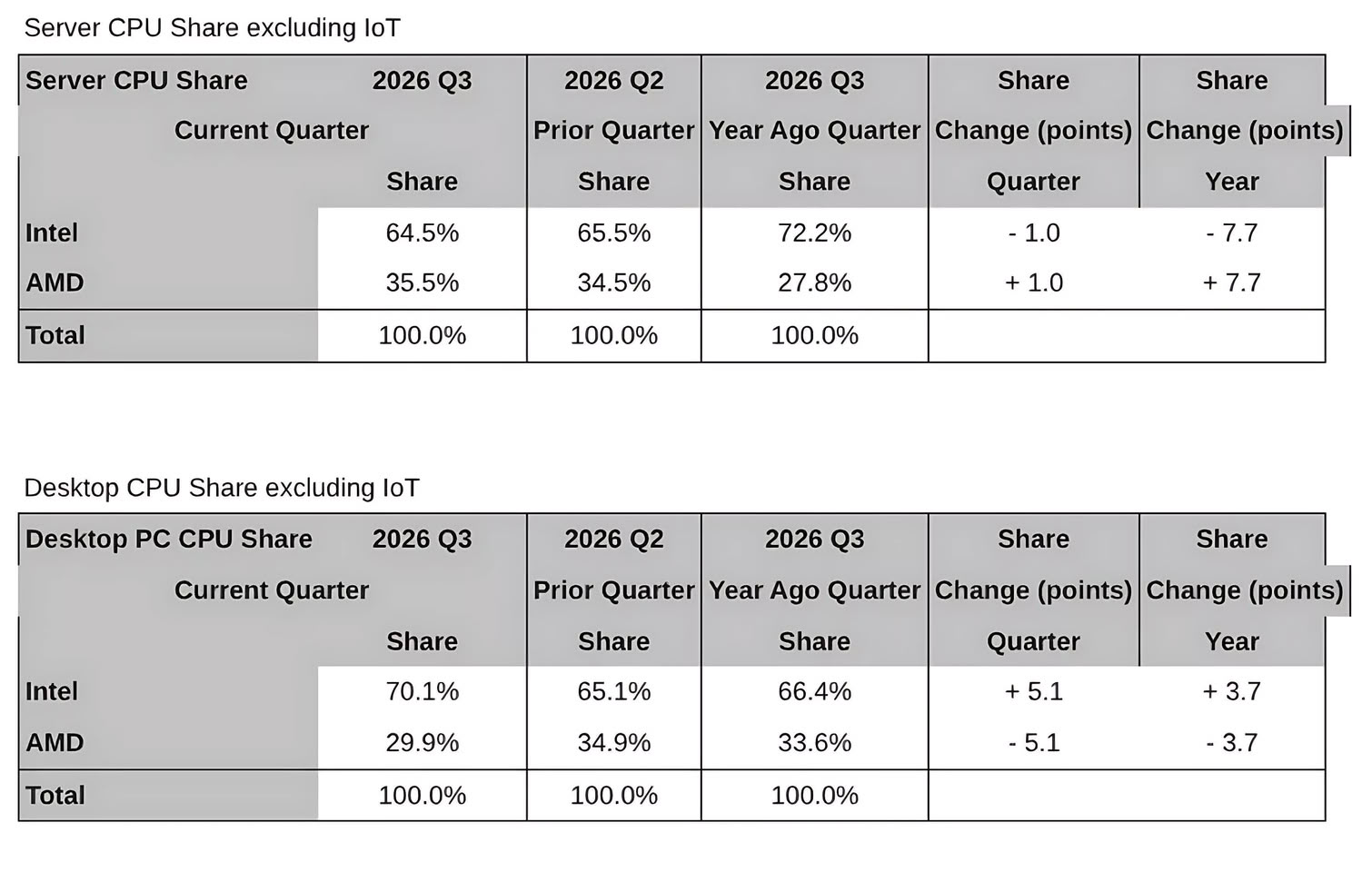
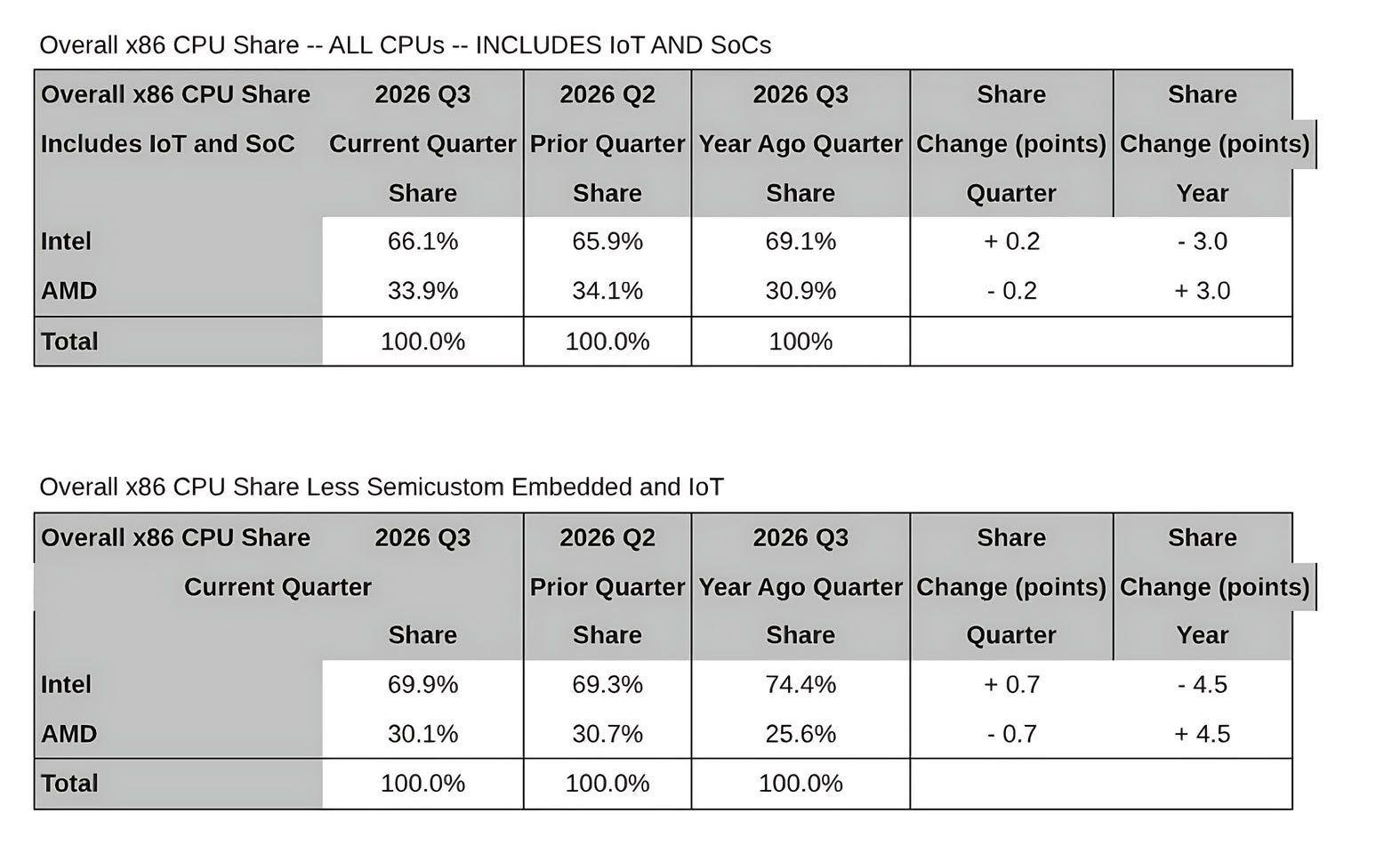
Intel Core Ultra 7 260K Arrives Without an Announcement, Limited to Two Prebuilt Desktops
A new unannounced Intel CPU, the Core Ultra 7 260K, is now on sale, though only inside two of Newegg's in-house ABS gaming desktops. The Kaze II Aqua pairs it with an RTX 5060 for $1,699.99, while the Flux II Aqua steps up to an RTX 5070 for $1,999.99. Newegg confirmed the chip is exclusive to its ABS systems and won't be sold separately. Per Tom's Hardware, Intel has since described it as a "limited-availability" SKU with no boxed retail version, and its specifications should appear on Intel's website within a few days.
Going by Newegg's own buying guide, the 260K looks like a Core Ultra 7 265K with a slightly lower clock speed ceiling. It keeps the same 8P+12E core layout, 30 MB of L3 cache, 125 W base power, and DDR5-6400 support for up to 256 GB of memory, but the P-cores top out at 5.4 GHz instead of 5.5 GHz. That DDR5-6400 limit places it in the original Arrow Lake family rather than the Arrow Lake Refresh lineup, so it misses out on DDR5-7200 support and Intel's Binary Optimization Tool as well.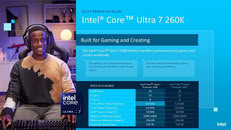
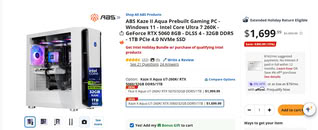
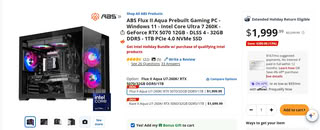
Going by Newegg's own buying guide, the 260K looks like a Core Ultra 7 265K with a slightly lower clock speed ceiling. It keeps the same 8P+12E core layout, 30 MB of L3 cache, 125 W base power, and DDR5-6400 support for up to 256 GB of memory, but the P-cores top out at 5.4 GHz instead of 5.5 GHz. That DDR5-6400 limit places it in the original Arrow Lake family rather than the Arrow Lake Refresh lineup, so it misses out on DDR5-7200 support and Intel's Binary Optimization Tool as well.
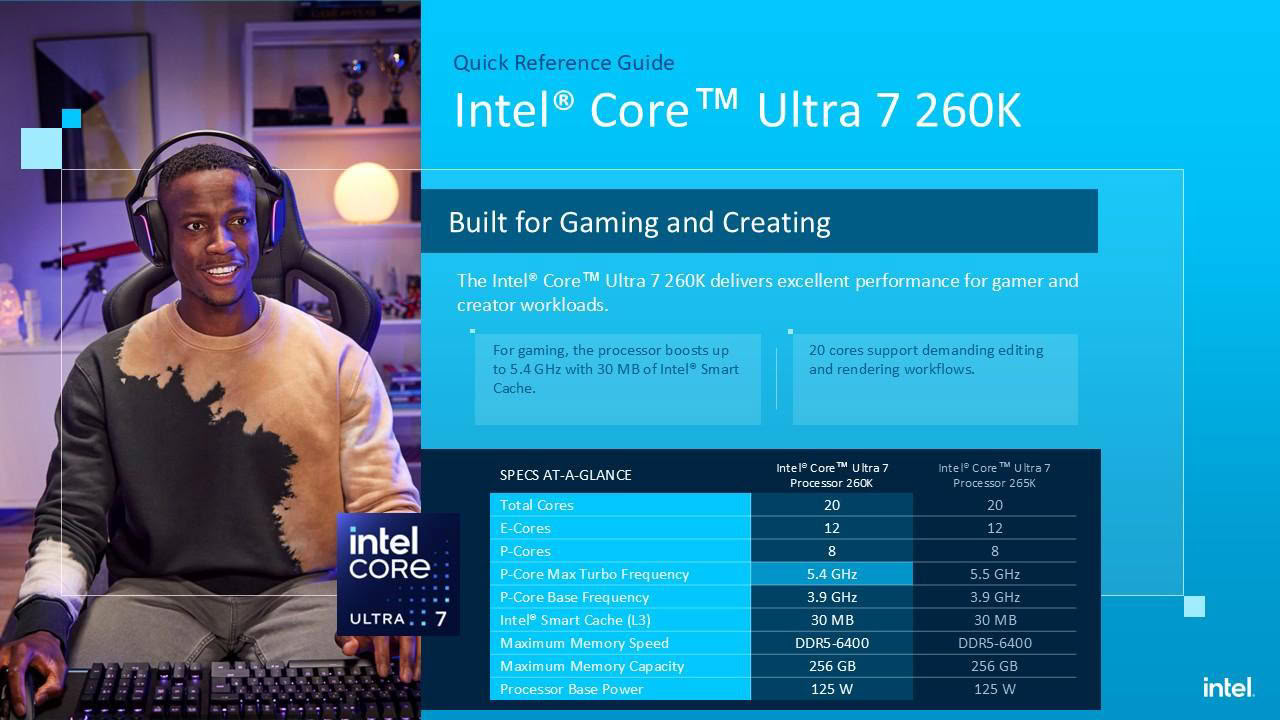
Astro Bot Runs Natively on PC Through AnyPS5, With DLSS Frame Generation
PlayStation 5 exclusive Astro Bot now runs on Windows with DLSS Super Resolution, DLSS Frame Generation, and Reflex support, thanks to an unofficial port from GitHub user imnotsharingmyname. Technically, it's a port, not running through any PS5 emulator. AnyPS5 relinks the PS5 game's x86-64 code into a Windows executable and swaps in native versions of the console's system libraries, while a GPU layer borrowed from the KytyPS5 emulator translates the graphics work to Vulkan. Players have to supply their own decrypted dump of version 01.019.000, and no game files are included.
The port hooks Astro Bot's own temporal upscale pass at runtime and feeds its color, depth, and motion vector data into DLSS through NVIDIA's Streamline SDK. On a Ryzen 5 5500, RTX 5060, and 32 GB of RAM at 1440p, the developer measured 32 to 34 FPS in Sky Garden, the heaviest area tested, and roughly 37 to 53 FPS elsewhere. Frame Generation brings that to around 63 FPS on screen, while 4x Multi Frame Generation hits 124 to 128 FPS. Apparently, the game is heavily CPU-limited, with about 22 ms of each 30 ms frame spent submitting draws on a single thread, so lowering the resolution doesn't help much. Frame Generation needs an RTX 40 card, the 3x and 4x modes need RTX 50, and input latency hasn't been measured yet.

The port hooks Astro Bot's own temporal upscale pass at runtime and feeds its color, depth, and motion vector data into DLSS through NVIDIA's Streamline SDK. On a Ryzen 5 5500, RTX 5060, and 32 GB of RAM at 1440p, the developer measured 32 to 34 FPS in Sky Garden, the heaviest area tested, and roughly 37 to 53 FPS elsewhere. Frame Generation brings that to around 63 FPS on screen, while 4x Multi Frame Generation hits 124 to 128 FPS. Apparently, the game is heavily CPU-limited, with about 22 ms of each 30 ms frame spent submitting draws on a single thread, so lowering the resolution doesn't help much. Frame Generation needs an RTX 40 card, the 3x and 4x modes need RTX 50, and input latency hasn't been measured yet.

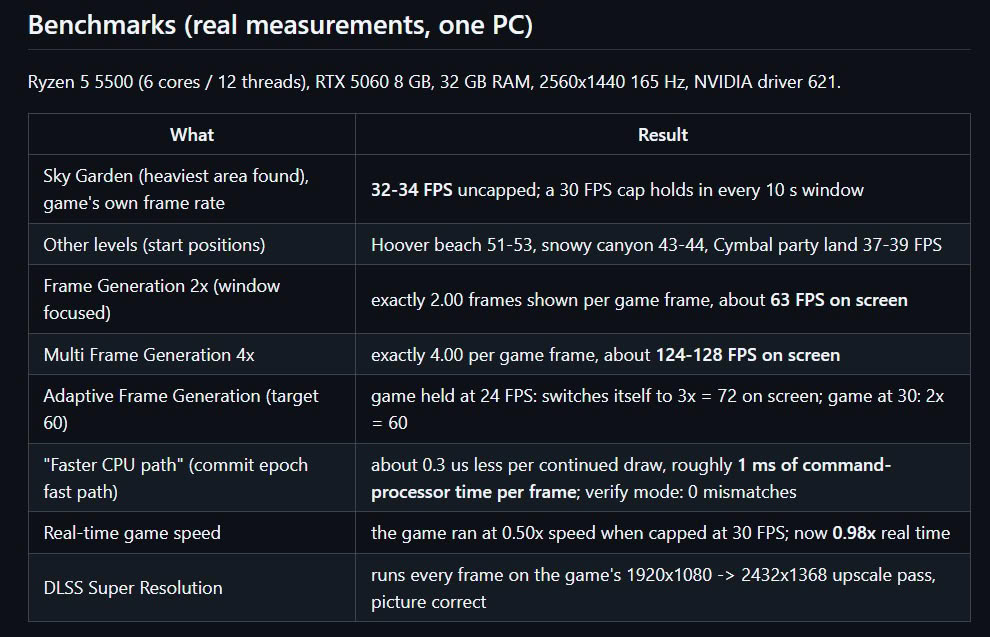
GTA 5 Sees Sales Spike Ahead of GTA VI Launch
It has long been predicted that the launch of Grand Theft Auto VI would have an outsized impact on the gaming industry when it launches on November 19, but what might not have been as widely anticipated is how it would impact the sales of its 13-year-old predecessor, Grand Theft Auto V. According to recent data published by Alinea Analytics's Rhys Elliott, Grand Theft Auto V has sold a total of 150,000 copies in the first 13 days of November 2026 and garnered 16 million monthly active users to date for November, across all three platforms where it is available.
According to Elliott, 54.2% of new GTA V sales were on PS5, while 25.2% were on Steam, and an additional 20.6% were on Xbox. This follows a legendary run in Q2 2026, during which Take-Two Interactive says GTA V sold over 5 million copies, bringing its grand total to over 235 million sales and $10 billion in revenue. Previous estimates put the budget of the upcoming GTA VI at as high as $3 billion on salaries alone, suggesting the actual budget to be over $5 billion.

According to Elliott, 54.2% of new GTA V sales were on PS5, while 25.2% were on Steam, and an additional 20.6% were on Xbox. This follows a legendary run in Q2 2026, during which Take-Two Interactive says GTA V sold over 5 million copies, bringing its grand total to over 235 million sales and $10 billion in revenue. Previous estimates put the budget of the upcoming GTA VI at as high as $3 billion on salaries alone, suggesting the actual budget to be over $5 billion.


Xbox Bundles 25 Games With New Windows PCs Until End 2026
Xbox is currently celebrating its 25th anniversary, during which it announced 21 new games coming to the Xbox Backwards Compatibility program, and, as part of its anniversary celebrations, Microsoft and Xbox are giving PC gamers 25 Xbox Game Studios games for free when they register a new Windows 11 PC. The deal is valid in the US, and it is only valid for PCs purchased until December 31, 2026.
Some of the highlights in the game bundle include Halo Combat Evolved Anniversary, The Elder Scrolls V: Skyrim Special Edition, Doom and Doom II, The Outer Worlds, and Gears of War: Reloaded. While Microsoft has been vague about the eligible devices, it includes select PCs with Windows Home or OEM and NVIDIA Spark PCs with Windows Pro. There is also a page on the Microsoft online store that lists eligible PCs, which include everything from the Microsoft Surface Pro 2-in-1 to the HP OmniDesk AI and the Dell Alienware Aurora desktop. PCs purchased from authorized retailers will also be eligible, and the announcement deliberately calls out gaming handhelds, like the ASUS ROG Xbox Ally.

Some of the highlights in the game bundle include Halo Combat Evolved Anniversary, The Elder Scrolls V: Skyrim Special Edition, Doom and Doom II, The Outer Worlds, and Gears of War: Reloaded. While Microsoft has been vague about the eligible devices, it includes select PCs with Windows Home or OEM and NVIDIA Spark PCs with Windows Pro. There is also a page on the Microsoft online store that lists eligible PCs, which include everything from the Microsoft Surface Pro 2-in-1 to the HP OmniDesk AI and the Dell Alienware Aurora desktop. PCs purchased from authorized retailers will also be eligible, and the announcement deliberately calls out gaming handhelds, like the ASUS ROG Xbox Ally.

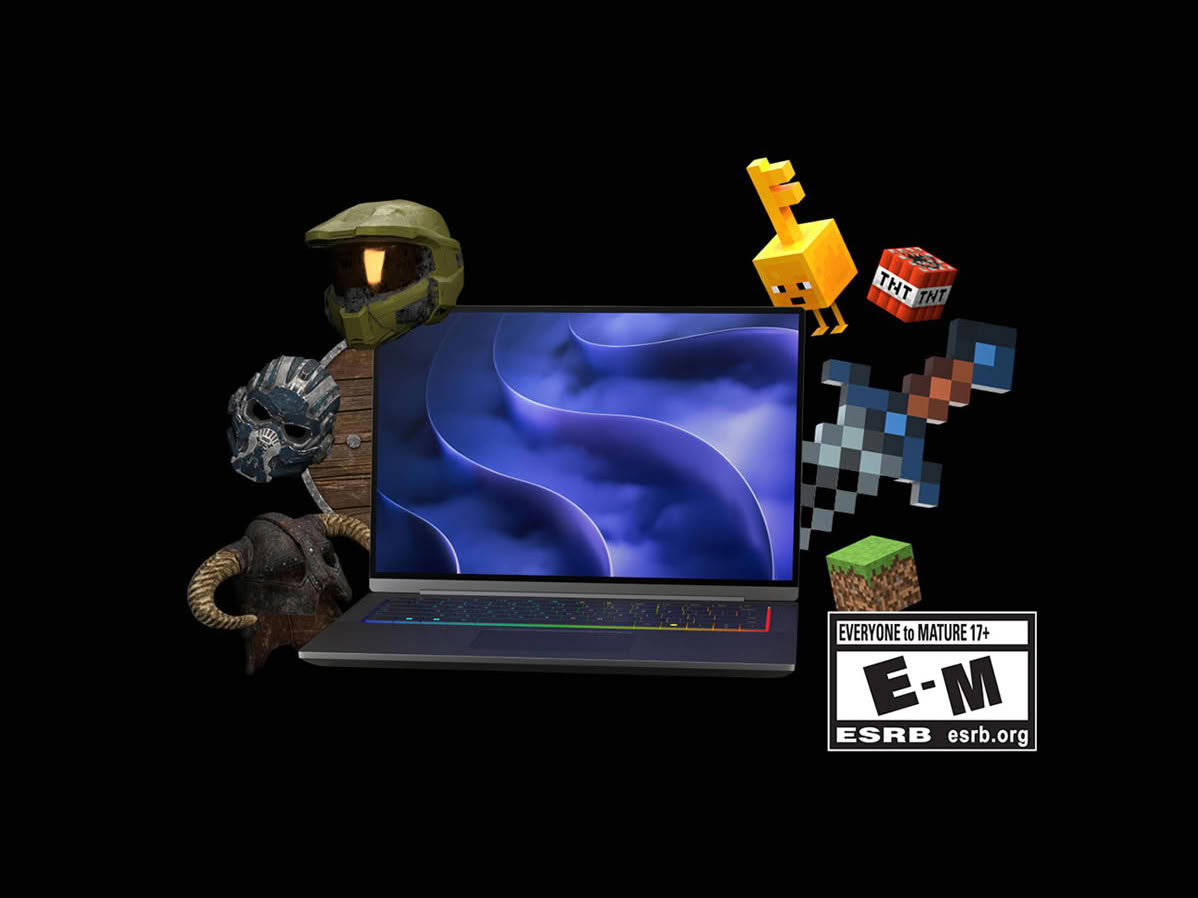
NVIDIA Allegedly Engineered Scarcity By Funding AI Startups To Buy Its GPUs
Following the departure of now-former NVIDIA CEO, Jensen Huang, a new report by The Wall Street Journal (via Wccftech) has emerged alleging that NVIDIA artificially inflated the ongoing GPU and memory shortage by investing in AI startups that would go on to buy NVIDIA GPUs and build data centers. The reason behind this was to maintain the perception of ongoing high demand and to move an oversupply of semiconductors from TSMC.
The WSJ report cites an August meeting between Huang and his senior finance team, including NVIDIA's CFO and acting CEO, Colette Kress, during which Kress pushed for a reduction in circular financing agreements, in response to which Huang allegedly lay into Kress, calling her a "deer in the headlights," after she had pushed to scale back NVIDIA's $250 billion deal with OpenAI. Jensen's push for further investment into small-scale cloud providers was seemingly in response to the changing tide that saw AI hyperscalers move away from off-the-shelf components in favor of custom solutions.
The WSJ report cites an August meeting between Huang and his senior finance team, including NVIDIA's CFO and acting CEO, Colette Kress, during which Kress pushed for a reduction in circular financing agreements, in response to which Huang allegedly lay into Kress, calling her a "deer in the headlights," after she had pushed to scale back NVIDIA's $250 billion deal with OpenAI. Jensen's push for further investment into small-scale cloud providers was seemingly in response to the changing tide that saw AI hyperscalers move away from off-the-shelf components in favor of custom solutions.

Modder Builds Keybytes: Modular Magnetic Keyboard System Made with Single Key Building Blocks
The world of DIY mechanical keyboards is full of niche devices with unique designs, and more than a few gimmicks. Keybytes, a new project by a modder who goes by notaroomba on GitHub via KBDnews, falls somewhere between the former and the latter, and mostly serves as an interesting proof of concept. Keybytes a modular mechanical keyboard project designed for ultimate customization. The basic idea is to have single mechanical keyboard sockets with full-height MX mechanical switches, aka Keybits, each with their own PCB and magnetic connectors that allow them to snap together, effectively creating an infinitely reconfigurable keyboard.
The whole project hinges on the Keyword, a motherboard of sorts that contains the USB Type-C port, battery charging circuitry, and a STM32WB55 MCU. That motherboard connects to each Keybit, each of which also has its own RISC-V CH592F MCU and some clever tricks that allow the bits to connect in a rotation-agnostic way. There are also alternative PCB options, including one with a 3-axis Hall sensor, which would allow for something like a joystick or Hall effect switch implementation, and there are also spacer Keybits with power passthrough in 1u, 0.75u, and 0.5u units. In the latest design revision, each of the Keybits also has six magnets per side and automatic polarity detection, meaning switches can be arranged in-line or at 25%, 50%, or 75% offsets.
The whole project hinges on the Keyword, a motherboard of sorts that contains the USB Type-C port, battery charging circuitry, and a STM32WB55 MCU. That motherboard connects to each Keybit, each of which also has its own RISC-V CH592F MCU and some clever tricks that allow the bits to connect in a rotation-agnostic way. There are also alternative PCB options, including one with a 3-axis Hall sensor, which would allow for something like a joystick or Hall effect switch implementation, and there are also spacer Keybits with power passthrough in 1u, 0.75u, and 0.5u units. In the latest design revision, each of the Keybits also has six magnets per side and automatic polarity detection, meaning switches can be arranged in-line or at 25%, 50%, or 75% offsets.
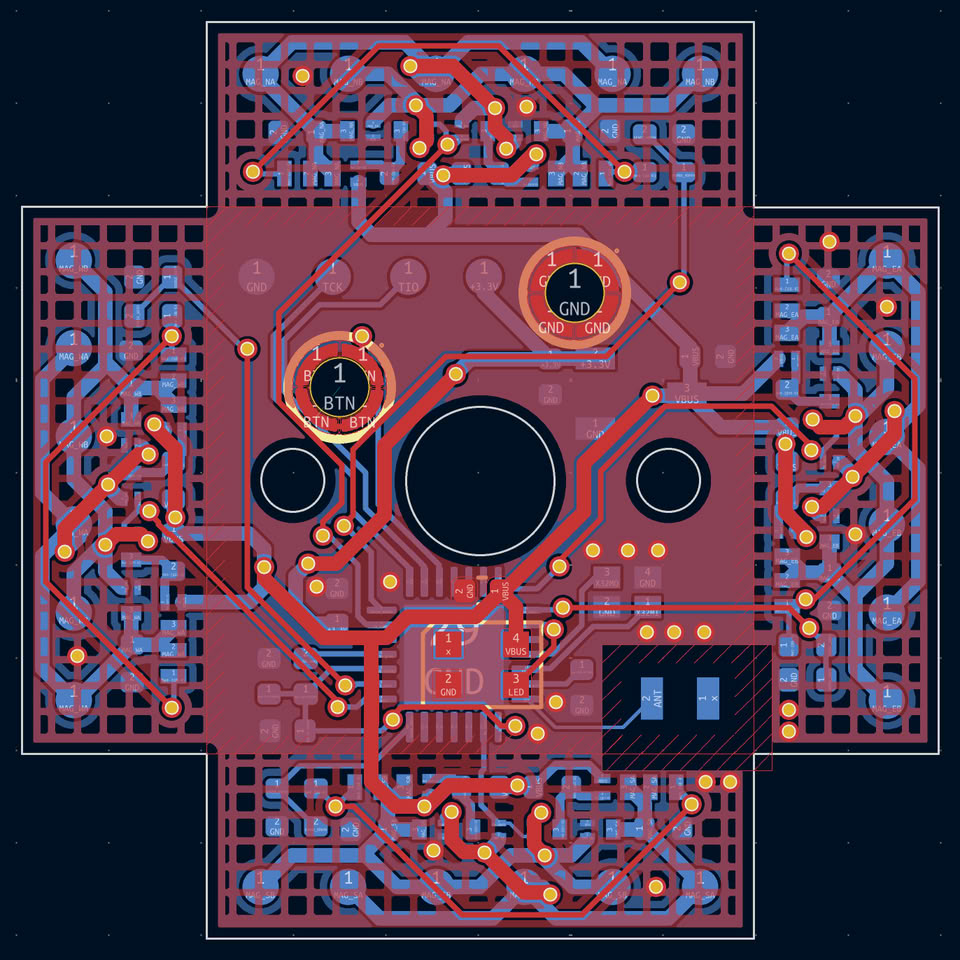
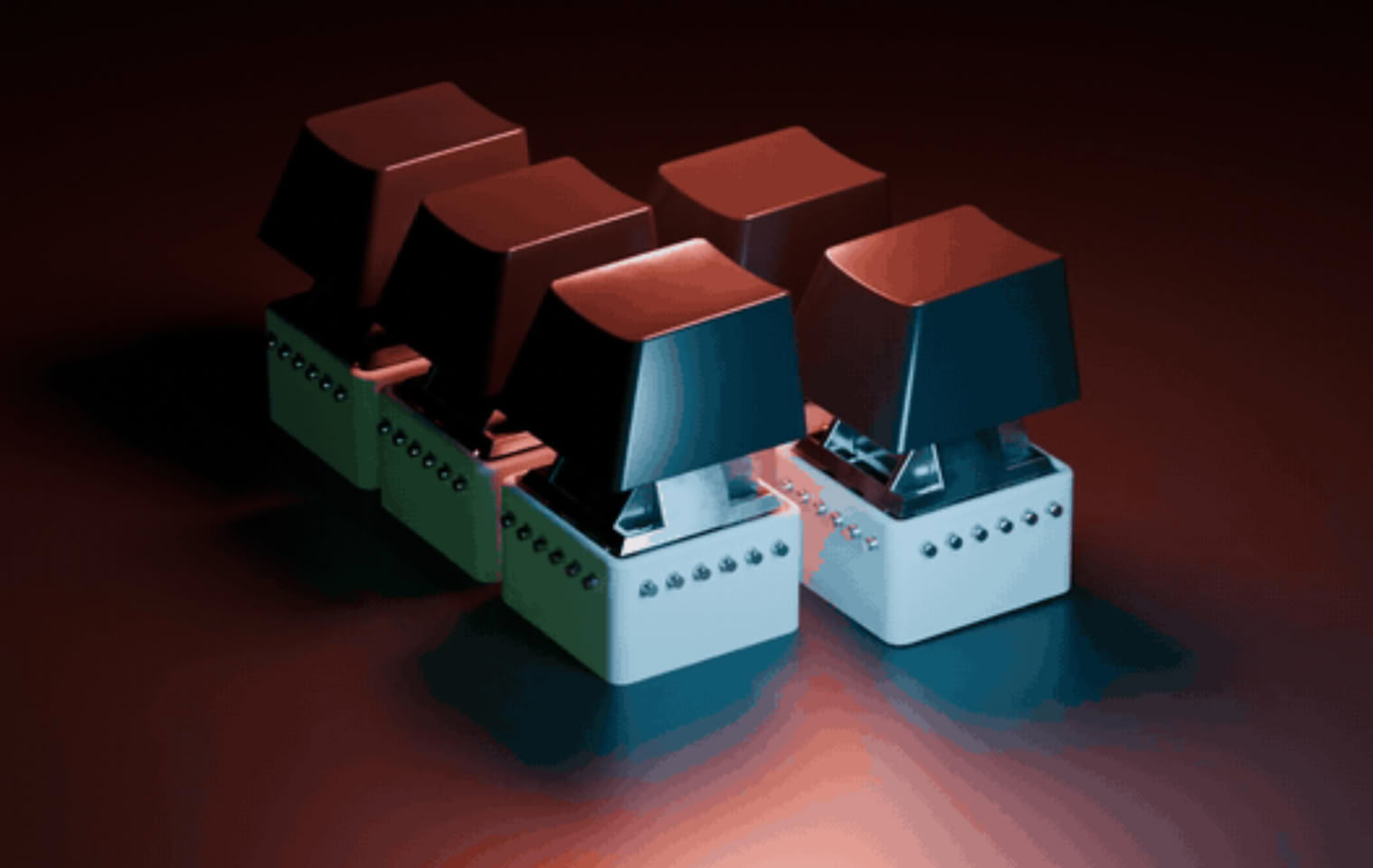

Colorful Launches iGame X870E Senna V14 Motherboard
Colorful has launched the iGame X870E Senna V14, an ATX Socket AM5 motherboard for AMD Ryzen processors. It features a themed heatsink design, extensive M.2 storage support, and Wi-Fi 7 networking. The board measures 305 x 244 mm and uses an eight-layer PCB. It features Colorful's Qi Xiaoxi character on the heatsink armor, rear I/O cover and backplate. Power delivery is well represented with a 16+2+1 phase design and 80 A DrMOS components. The four DDR5 slots support up to 256 GB of RAM with speeds up to 8,400 MT/s (OC). For expansion, it offers one PCIe 5.0 x16 slot and one PCIe x16 slot. Storage consists of five M.2 slots, three PCIe 5.0 x4, two PCIe 4.0 x4, and four SATA ports. Networking is handled by a Realtek RTL8126-CG 5 GbE controller and a MediaTek MT7925 Wi-Fi 7 module with Bluetooth 5.4. Audio comes from a Realtek ALC1220 codec.
The rear I/O panel includes 2x USB4 ports, 3x USB 3.2 Gen 2 ports, 4x USB 3.2 Gen 1 ports, and 2x USB 2.0 ports. It also includes HDMI output, two Wi-Fi antenna connectors, two analog audio jacks, optical S/PDIF, a BIOS update button, and a CMOS clear button. An onboard debug display and dual-BIOS recovery switch are also included. RGB lighting can be controlled via iGame Center software. The motherboard is listed in China for RMB 2,399, approximately $330. Colorful has not announced international pricing or availability.
The rear I/O panel includes 2x USB4 ports, 3x USB 3.2 Gen 2 ports, 4x USB 3.2 Gen 1 ports, and 2x USB 2.0 ports. It also includes HDMI output, two Wi-Fi antenna connectors, two analog audio jacks, optical S/PDIF, a BIOS update button, and a CMOS clear button. An onboard debug display and dual-BIOS recovery switch are also included. RGB lighting can be controlled via iGame Center software. The motherboard is listed in China for RMB 2,399, approximately $330. Colorful has not announced international pricing or availability.
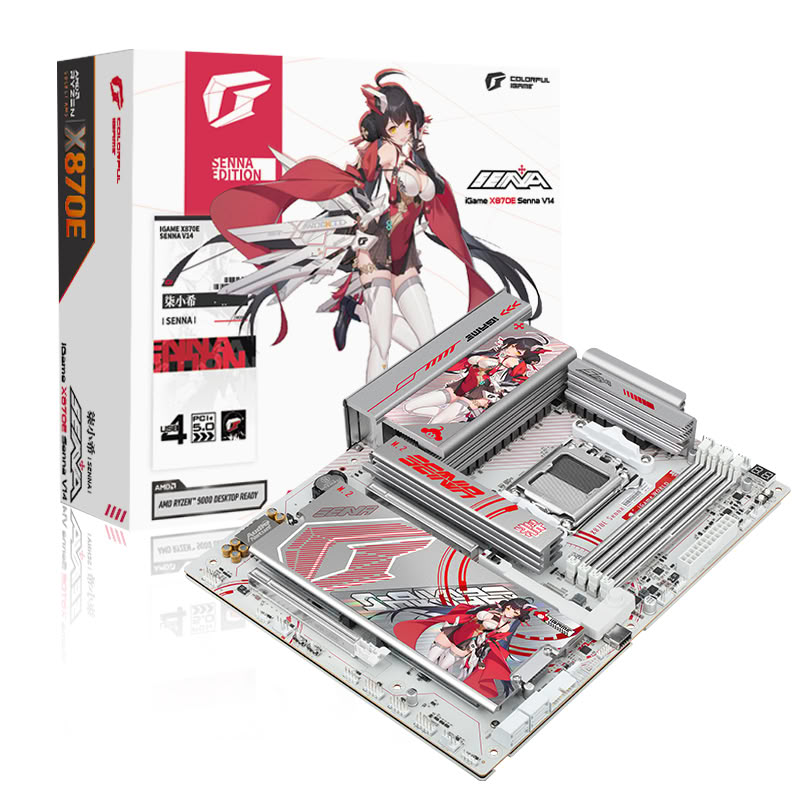
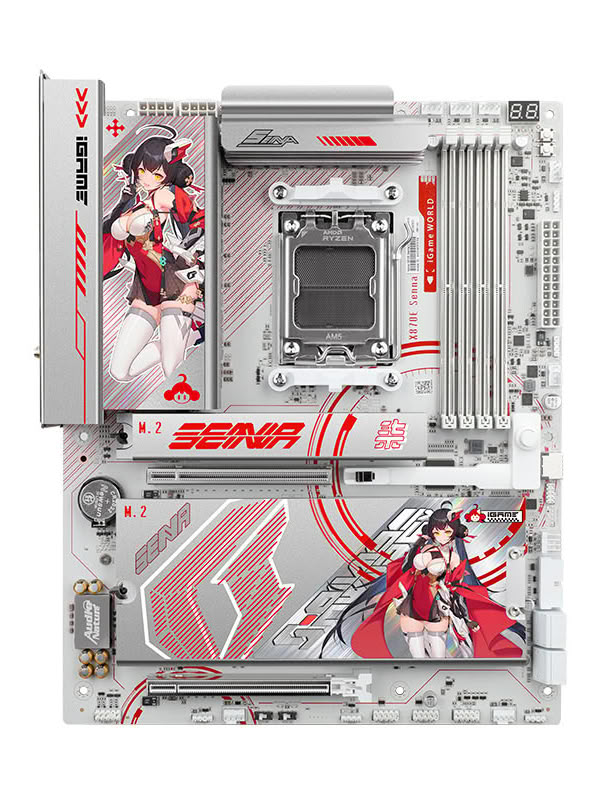
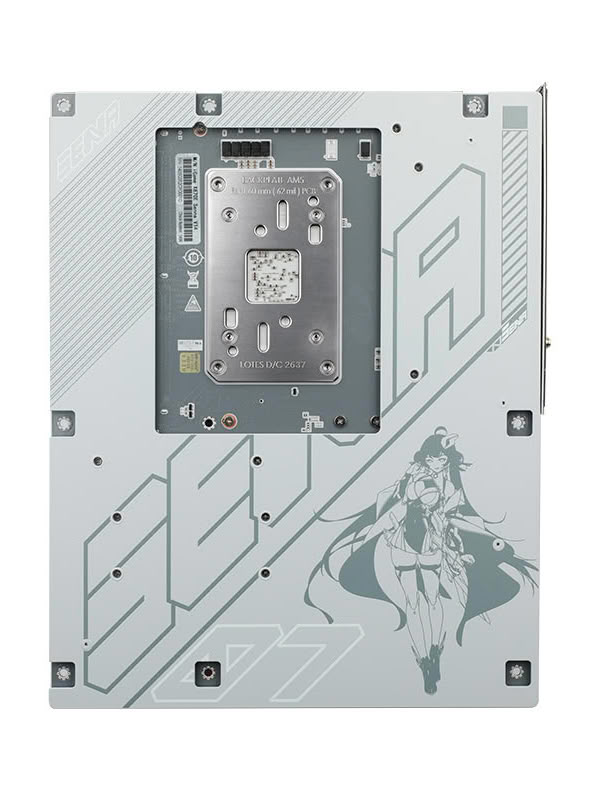
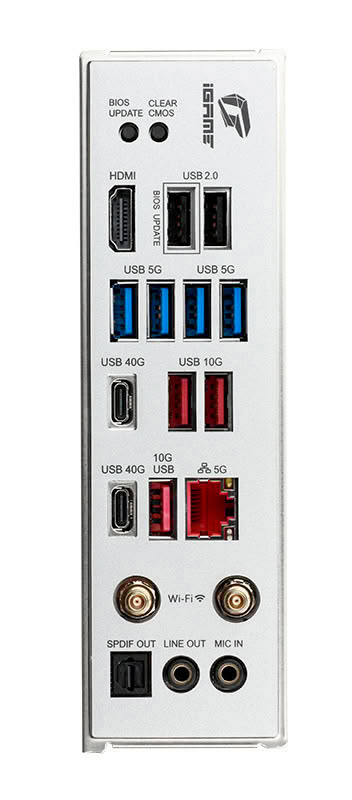
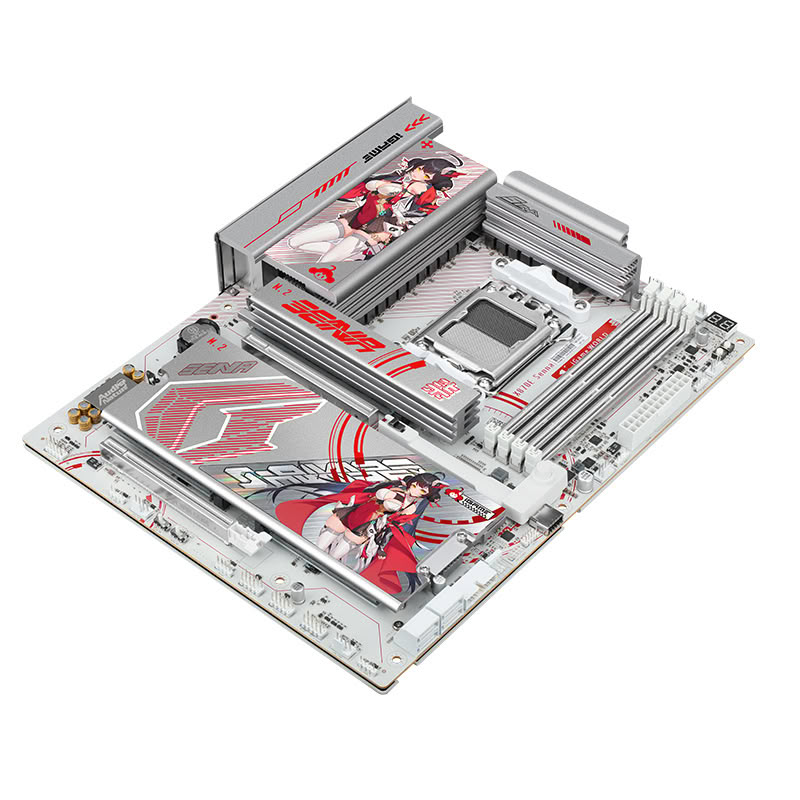
Intel's ISA Reference Confirms Razor Lake Desktop and Laptop Model IDs
Intel has added Razor Lake and Coral Rapids to the November edition of its Architecture Instruction Set Extensions Programming Reference, the document developers use to prepare software for upcoming chips. Revision 063 gives Razor Lake four new model values under family 18 (12H), the same family as Nova Lake, with 12_06H and 12_0AH covering desktop parts and 12_07H and 12_09H covering laptops. The Coral Rapids Xeon family gets 13_08H, following Diamond Rapids at 13_01H. InstLatX64 spotted the update and shared it on Bluesky.
The new feature entries are fairly small. Razor Lake picks up SSBD_PSFD_U_S, which seems to allow separate user-mode and supervisor-mode control over certain speculative memory behavior, while both families gain APIC-Timer Virtualization for virtual machines. Coral Rapids also gets a new instruction called VPMLDSABFLYDQ, aimed at ML-DSA, the quantum-resistant digital signature standard. According to Intel's GCC patches, posted this week, Razor Lake carries the same ISA feature set as Nova Lake, which should mean AVX10.2 and APX carry over, though the reference itself doesn't list Razor Lake under those rows yet. Coral Rapids sticks with AVX10.2 rather than the newer AVX10.3, at least for now.
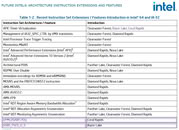
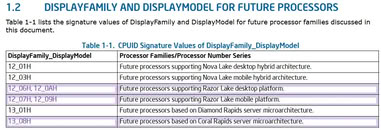
The new feature entries are fairly small. Razor Lake picks up SSBD_PSFD_U_S, which seems to allow separate user-mode and supervisor-mode control over certain speculative memory behavior, while both families gain APIC-Timer Virtualization for virtual machines. Coral Rapids also gets a new instruction called VPMLDSABFLYDQ, aimed at ML-DSA, the quantum-resistant digital signature standard. According to Intel's GCC patches, posted this week, Razor Lake carries the same ISA feature set as Nova Lake, which should mean AVX10.2 and APX carry over, though the reference itself doesn't list Razor Lake under those rows yet. Coral Rapids sticks with AVX10.2 rather than the newer AVX10.3, at least for now.

GlobalFoundries Breaks Ground on First New Semiconductor Fab Under Landmark U.S.-Japan Initiative
GlobalFoundries (Nasdaq: GFS) (GF) today joined U.S. and Japanese government officials, state and local leaders, customers, partners, employees and community members to break ground on the first new semiconductor manufacturing facility planned for its Malta, New York, site under a landmark U.S.-Japan initiative. The groundbreaking marks the start of construction on a new 300 mm fab and a first-of-its-kind model that brings together Japanese investment with GF's technology and manufacturing expertise to expand trusted U.S. semiconductor capacity and support growing demand across automotive, industrial and connected infrastructure markets.
The groundbreaking follows GF's Oct. 14 announcement that it was selected as the technology provider and operator for two new fabs at its Malta site under a U.S.-Japan initiative providing up to $21 billion in funding. Japan will provide the investment, while GF will contribute its differentiated technologies, manufacturing expertise and proven operational capabilities. An initial investment of approximately $10 billion, supported with $570 million in incentives from New York State is accelerating construction of the first fab, which is expected to come online in 2029. An additional investment of approximately $10 billion will support a second fab as the project advances.


The groundbreaking follows GF's Oct. 14 announcement that it was selected as the technology provider and operator for two new fabs at its Malta site under a U.S.-Japan initiative providing up to $21 billion in funding. Japan will provide the investment, while GF will contribute its differentiated technologies, manufacturing expertise and proven operational capabilities. An initial investment of approximately $10 billion, supported with $570 million in incentives from New York State is accelerating construction of the first fab, which is expected to come online in 2029. An additional investment of approximately $10 billion will support a second fab as the project advances.



Take-Two CEO Says Physical Games Will Survive, Though Barely
Take-Two CEO Strauss Zelnick doesn't think physical games are finished, though he expects them to shrink into a niche much like vinyl records in music. Speaking with Christopher Dring of The Game Business, Zelnick said some form of physical business will always exist, just a very small one. The comments arrive less than a week before GTA 6 launches on November 19, with its boxed edition shipping a download code instead of a disc. Here's what he said:
Strauss Zelnick, Take-Two CEOIt may not be the end, but listen, we've been talking, you and I, for a long time. I predicted that digital distribution would be well over 90% of the business more than 10 years ago. I don't always get it right, but this one I got right. Will there always be some physical business? Yes, in the same way that there's still a vinyl business in recorded music. But it's going to be a very small part of the business.

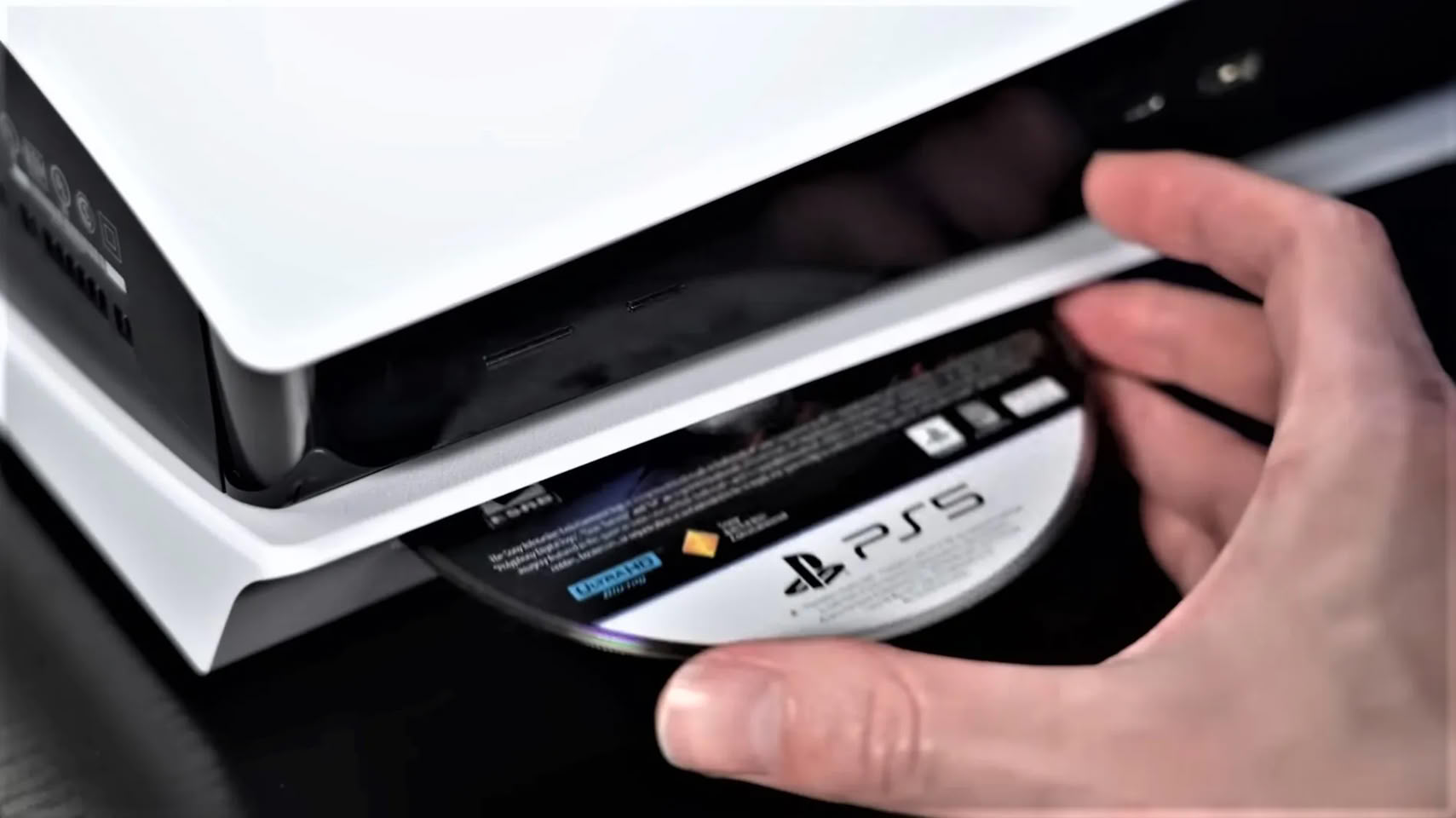
Microsoft 365 Outage Enters Second Day as Outlook and Teams Struggle to Recover
Outlook, Teams, and Copilot users are now into the second day of a Microsoft 365 outage that started on Thursday, November 12. The trouble began with Exchange Online, Microsoft's email backend, and within roughly an hour Downdetector was logging reports from 74 countries and territories, with around 130,000 Outlook reports at the peak. Microsoft's service health page still lists a service degradation, and its latest update says engineers are working through "residual impact" while checking that recovery holds up.
There is no official root cause yet. Microsoft has blamed a number of servers becoming "unexpectedly unavailable," and Charles Lamanna, executive vice president of Copilot, Agents, and Platform, said on X there is "no indication" of malicious or cyber activity. Australia's home affairs minister Tony Burke went a step further, saying Microsoft likened it to the 2024 CrowdStrike incident, in which an update went wrong, though Microsoft hasn't confirmed that publicly. Anything that depends on Exchange Online is affected, including Copilot's access to mail, calendars, and files, while core Teams calls and chats have largely kept working. OpenAI and Anthropic also reported broken Microsoft 365 connectors for ChatGPT and Claude.

There is no official root cause yet. Microsoft has blamed a number of servers becoming "unexpectedly unavailable," and Charles Lamanna, executive vice president of Copilot, Agents, and Platform, said on X there is "no indication" of malicious or cyber activity. Australia's home affairs minister Tony Burke went a step further, saying Microsoft likened it to the 2024 CrowdStrike incident, in which an update went wrong, though Microsoft hasn't confirmed that publicly. Anything that depends on Exchange Online is affected, including Copilot's access to mail, calendars, and files, while core Teams calls and chats have largely kept working. OpenAI and Anthropic also reported broken Microsoft 365 connectors for ChatGPT and Claude.
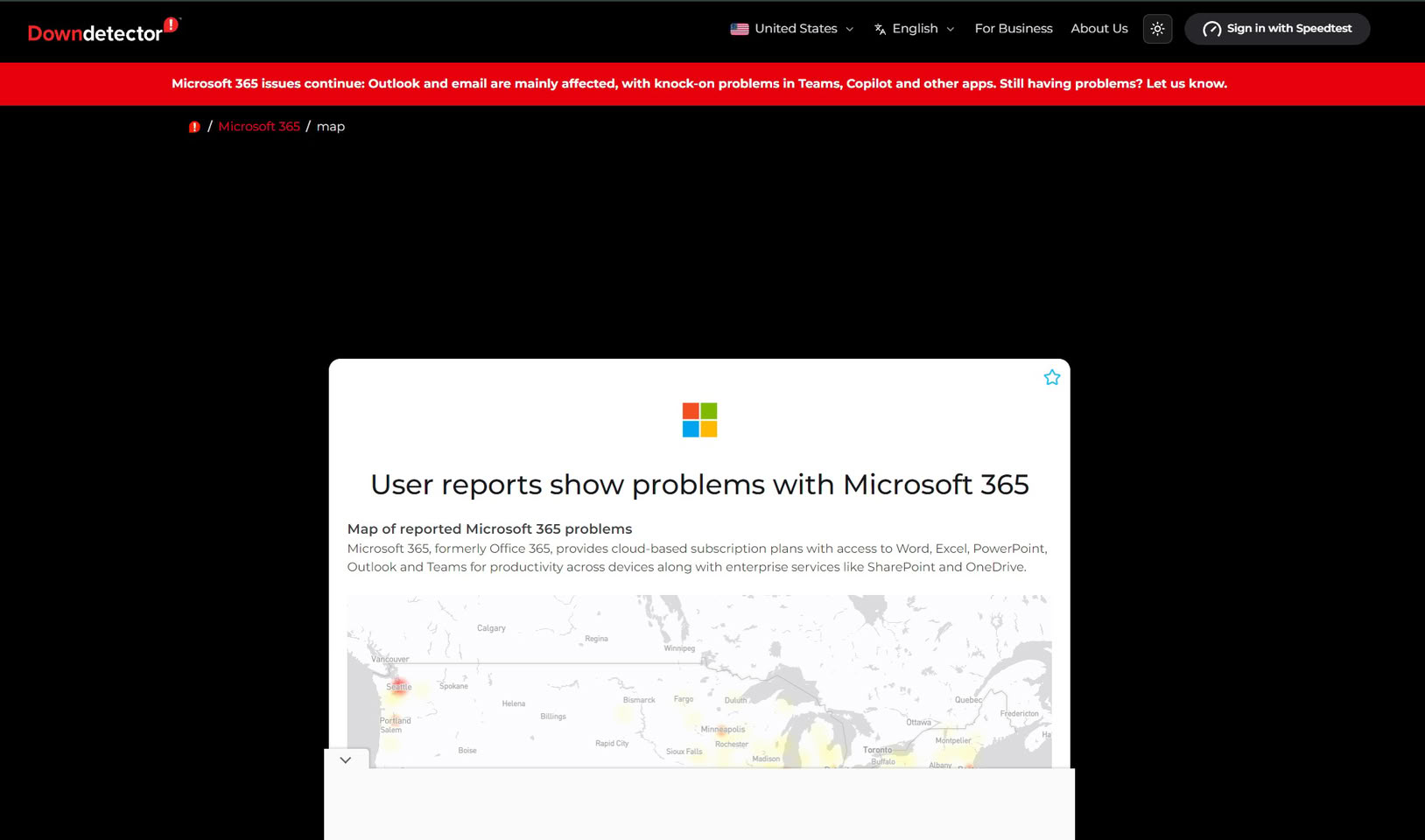
Crimson Desert Developer Goes All-In On AI for Game Development But Not Art
Crimson Desert launched in March 2026, after which the game received sizeable backlash, due to its inclusion of AI-generated assets in the final version of the game. While Pearl Abyss later removed those assets, claiming that they were placeholders that accidentally slipped through the cracks, the studio does not appear to be deterred from using generative AI in its games going forward. This was confirmed in a recent earnings report, in which Pearl Abyss explained that it is using AI across the board for game development.
Additionally, we are integrating AI technologies to enhance development productivity and overall quality. AI is being utilized across various stages of development—including the automation of repetitive tasks, content creation support, and test optimization—and we are expanding its implementation throughout our entire development pipeline.

Leak Tips Rainbow Six: Vegas Series Slated To Return From 18-Year Hiatus
The last Rainbow Six: Vegas game launched as far back as 2008, and the series has more or less been dormant since then. However, a recent report out of Insider Gaming claims that an insider at Ubisoft has confirmed that a new Rainbow Six: Vegas game is in the works.
Not much is known about the new Rainbow Six: Vegas game other than that it is in development and that Ubisoft is developing the game in its new Vantage Studios subsidiary, which is partially owned by Tencent. The new game in the Vegas series is known internally by the codename "Spades," and it is one of three new games Ubisoft is working on at Ubisoft Montreal. This also isn't the only Rainbow Six game in development, after Ubisoft's August reveal of Rainbow Six Tactics.
Not much is known about the new Rainbow Six: Vegas game other than that it is in development and that Ubisoft is developing the game in its new Vantage Studios subsidiary, which is partially owned by Tencent. The new game in the Vegas series is known internally by the codename "Spades," and it is one of three new games Ubisoft is working on at Ubisoft Montreal. This also isn't the only Rainbow Six game in development, after Ubisoft's August reveal of Rainbow Six Tactics.

Razer Introduces the Soma Pro and Soma Sensa HD Haptics Gaming Chairs
Razer, the leading global lifestyle brand for gamers, today announced the Razer Soma Pro and the Razer Soma Sensa HD Haptics, two gaming chairs with wireless connectivity that bring haptics into the seat, with the Soma Pro adding THX Spatial Audio and Razer Chroma RGB for a complete immersive experience.
Following the debut of the Soma Chroma, Razer's first RGB gaming chair, the Soma Pro and Soma Sensa HD Haptics complete a line built on one idea: immersion has evolved through sight and sound, yet the chair often stayed on the sidelines. Both chairs turn the seat into an active part of every session - built for gaming first, and just as immersive for movies, music, and streaming.


Following the debut of the Soma Chroma, Razer's first RGB gaming chair, the Soma Pro and Soma Sensa HD Haptics complete a line built on one idea: immersion has evolved through sight and sound, yet the chair often stayed on the sidelines. Both chairs turn the seat into an active part of every session - built for gaming first, and just as immersive for movies, music, and streaming.


beyerdynamic Announces Four New Pro X Limited Black Edition Studio Headphones
The color black is deeply rooted in the world of professional audio - minimalist, focused and uncompromising. With the PRO X LIMITED BLACK EDITION models, the German audio specialist beyerdynamic brings this approach to four of its professional studio headphones. The DT 770 PRO X LIMITED BLACK EDITION, DT 990 PRO X LIMITED BLACK EDITION, DT 700 PRO X LIMITED BLACK EDITION and DT 900 PRO X LIMITED BLACK EDITION offer an exclusive all-black design and the 'Made in Germany' quality standard, combining their strengths for various professional applications. These special editions will be available in limited numbers from 13 November 2026.
Far more than just a visual detail
The all-black design is proven to be more than just an aesthetic choice by its professional use at LITTLE BIG BEAT STUDIOS in Liechtenstein. The studio is renowned for its elaborately produced headphone concerts featuring international musicians. The black version of the DT 770 PRO X was developed in response to a specific production requirement for the STUDIO LIVE SESSIONS produced there.




Far more than just a visual detail
The all-black design is proven to be more than just an aesthetic choice by its professional use at LITTLE BIG BEAT STUDIOS in Liechtenstein. The studio is renowned for its elaborately produced headphone concerts featuring international musicians. The black version of the DT 770 PRO X was developed in response to a specific production requirement for the STUDIO LIVE SESSIONS produced there.



Microsoft Turns On Memory Integrity for More Windows 11 PCs With November Update
Plenty of Windows 11 PCs upgraded from Windows 10 could find Memory Integrity switched on after this month's Patch Tuesday. The November security update, KB5132061, carries over a change from the optional October 28 preview (KB5127936) that lets Windows enable Memory Integrity, also called Hypervisor-Protected Code Integrity (HVCI), on eligible devices during the update. Microsoft first announced the plan in September, and the change applies to Windows 11 25H2 and 26H2 as a gradual rollout. PCs where a user or IT admin already turned the feature off are left alone.
Memory Integrity depends on Virtualization-Based Security (VBS), with driver verification handled inside a hypervisor-managed environment, so malware that takes over the kernel still can't sneak in an unverified driver. Windows runs readiness checks on hardware, drivers, and performance first, and also enables VBS on PCs that lack it. It looks like eligible systems need at least an 8th Gen Intel or AMD Zen 2 processor. The performance cost hasn't gone away, though. Tom's Hardware's 2023 testing with a Core i9-13900K and RTX 4090 showed an average drop of around 5% in games, up to 10% in some titles. Microsoft told gamers in a 2022 support article, since pulled, to disable it for better performance, which is a bit awkward next to its promise to make Windows the best place to play.

Memory Integrity depends on Virtualization-Based Security (VBS), with driver verification handled inside a hypervisor-managed environment, so malware that takes over the kernel still can't sneak in an unverified driver. Windows runs readiness checks on hardware, drivers, and performance first, and also enables VBS on PCs that lack it. It looks like eligible systems need at least an 8th Gen Intel or AMD Zen 2 processor. The performance cost hasn't gone away, though. Tom's Hardware's 2023 testing with a Core i9-13900K and RTX 4090 showed an average drop of around 5% in games, up to 10% in some titles. Microsoft told gamers in a 2022 support article, since pulled, to disable it for better performance, which is a bit awkward next to its promise to make Windows the best place to play.


ESGAMING Debuts ZERO MAX Gaming PC Case with Novel 8° Tilted GPU Airflow Design
ESGAMING is spotlighting its ZERO MAX gaming PC case, available in black and white, which features an innovative 8° tilted bottom airflow structure that directs cool air toward the GPU area. With 270° panoramic tempered glass, clearance for graphics cards up to 415 mm, and flexible cooling configurations, the ZERO MAX offers high-performance custom PC builders a solution that balances thermal layout, hardware display, and component compatibility. The ZERO MAX has already posted solid sales in markets including South America and the Middle East, and ESGAMING continues to expand its global network of distributor partnerships.
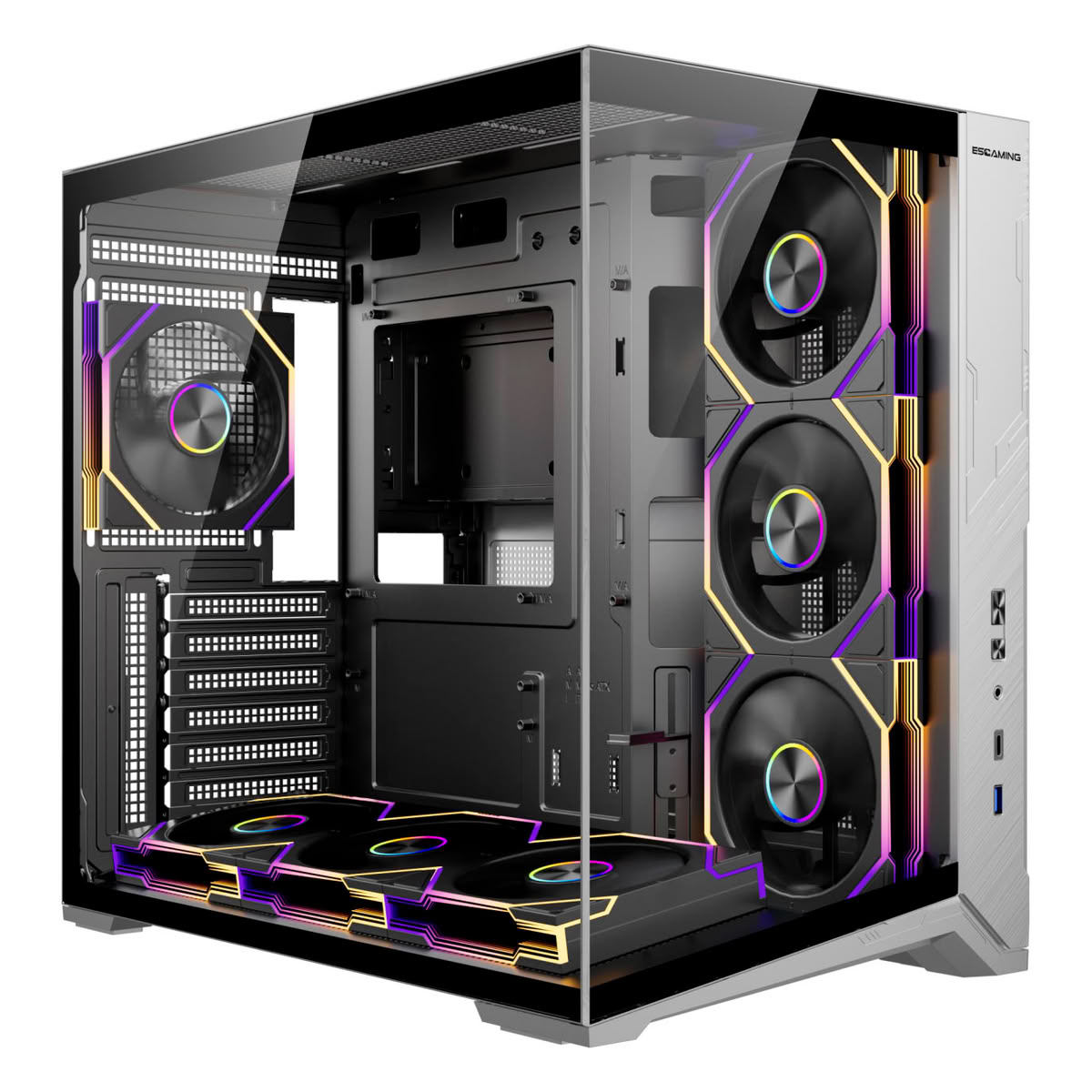

Lexar Launches the DIAMOND CFexpress 4.0 Type A Card
Lexar, a global leader in memory and storage, today announced the new Lexar Professional DIAMOND CFexpress 4.0 Type A Card, an ultra-performance storage solution engineered for professional cinematographers, filmmakers, and commercial creators demanding uncompromising speed, capacity, and endurance. Leveraging cutting-edge PCIe Gen 4 and NVMe protocols alongside dual Video Performance Guarantee (VPG) certifications, the card delivers industry-leading stability for capturing high-bitrate cinema-quality video while dramatically accelerating post-production workflows.

Lizette Lynch, Director of Brand Marketing at Lexar North America"Modern productions are pushing boundaries with high-resolution video and rapid-fire RAW photos, requiring storage that eliminates bottlenecks both in-camera and on set," "We engineered the Professional DIAMOND CFexpress 4.0 Type A Card to meet the demands of today's filmmakers which has earned dual VPG certification, blazing-fast sustained write speeds, and proprietary thermal management so filmmakers and photographers can capture cinema-grade 8K and 12K RAW footage without missing a frame."

Corsair Pro to Optimize Engineering Workstations, Servers and Clusters for Ansys Simulation
Corsair Gaming, Inc. ("Corsair" or the "Company"), a leading global provider and innovator of high-performance products for gamers, streamers, content-creators, performance PC builders, and SIM Racing enthusiasts, has joined the Ansys Technology Partner Program, part of Synopsys, to deliver HPC systems that accelerate and simplify deployments.
At the center of the collaboration is Corsair Pro, Corsair's high-performance workstation platform, running Ansys engineering applications locally and bringing powerful simulation and visualization capabilities directly to engineers.
At the center of the collaboration is Corsair Pro, Corsair's high-performance workstation platform, running Ansys engineering applications locally and bringing powerful simulation and visualization capabilities directly to engineers.
Thursday, November 12th 2026
Today's Files
Today's Reviews
Cases
Mouse
Corsair HX1000i Shift Crystal Review
Corsair HX1000i Shift Crystal makes a PSU into a showcase piece, with a clear shell, side-mounted cables, and a built in iCUE LINK hub. With advanced cooling and a digital architecture it delivers flat efficiency, excellent voltage regulation, and near-silent operation, plus PinProtect+ for smarter 12V-2x6 operation.
Xbox Confirms Wolfenstein 3 Coming Soon and Id Software Teases Next Doom Game
It's been a busy week at Xbox Game Studios, with the gaming giant celebrating its 25th anniversary with a slew of new additions to its Xbox Backwards Compatibility on PC program, but it seems as though Xbox CEO, Asha Sharma, had one more trick up her sleeve, announcing late on November 12 that Wolfenstein 3 is in development, with id Software also announcing a new game in the works.
The news was shared in a post on X, where she confirmed that Machine Games would again be heading up development of the third game in the franchise reboot. Not much else has been revealed about the game other than a snippet of game script that seemingly reveals the return of Fergus, who kicks off a scene interrogating a prisoner.

The news was shared in a post on X, where she confirmed that Machine Games would again be heading up development of the third game in the franchise reboot. Not much else has been revealed about the game other than a snippet of game script that seemingly reveals the return of Fergus, who kicks off a scene interrogating a prisoner.


SteamOS Beta Drops Fixes For High Refresh Displays and HDR Content
Valve has been seemingly working non-stop on developing SteamOS in order to deliver a competitive advantage over alternatives like Windows, with recent updates frequently polishing the overall user experience and fixing annoying bugs. The most recent update to the SteamOS beta channel, SteamOS 3.9.6, has just been pushed, with improvements to VRR, high framerate games, and high refresh rate monitors.
Aside from the usual line-up of bug fixes for edge cases, the update notes directly mention improved frame timing when using a combination of VRR and the framerate limiter, a change that will likely be noticeable in how games feel to play; improved frame timing without VRR and with the framerate limiter enabled, with specific mention of games with capped frame rates; and more consistent performance after CPUs waking from deep CPU idle states. Games capable of running at high refresh rates will also no longer run at low refresh rates on 240 Hz displays. The beta also corrects issues with Remote Play on NVIDIA GPUs and fixes SDR saturation with HDR10 output on non-wide gamut displays.
Aside from the usual line-up of bug fixes for edge cases, the update notes directly mention improved frame timing when using a combination of VRR and the framerate limiter, a change that will likely be noticeable in how games feel to play; improved frame timing without VRR and with the framerate limiter enabled, with specific mention of games with capped frame rates; and more consistent performance after CPUs waking from deep CPU idle states. Games capable of running at high refresh rates will also no longer run at low refresh rates on 240 Hz displays. The beta also corrects issues with Remote Play on NVIDIA GPUs and fixes SDR saturation with HDR10 output on non-wide gamut displays.
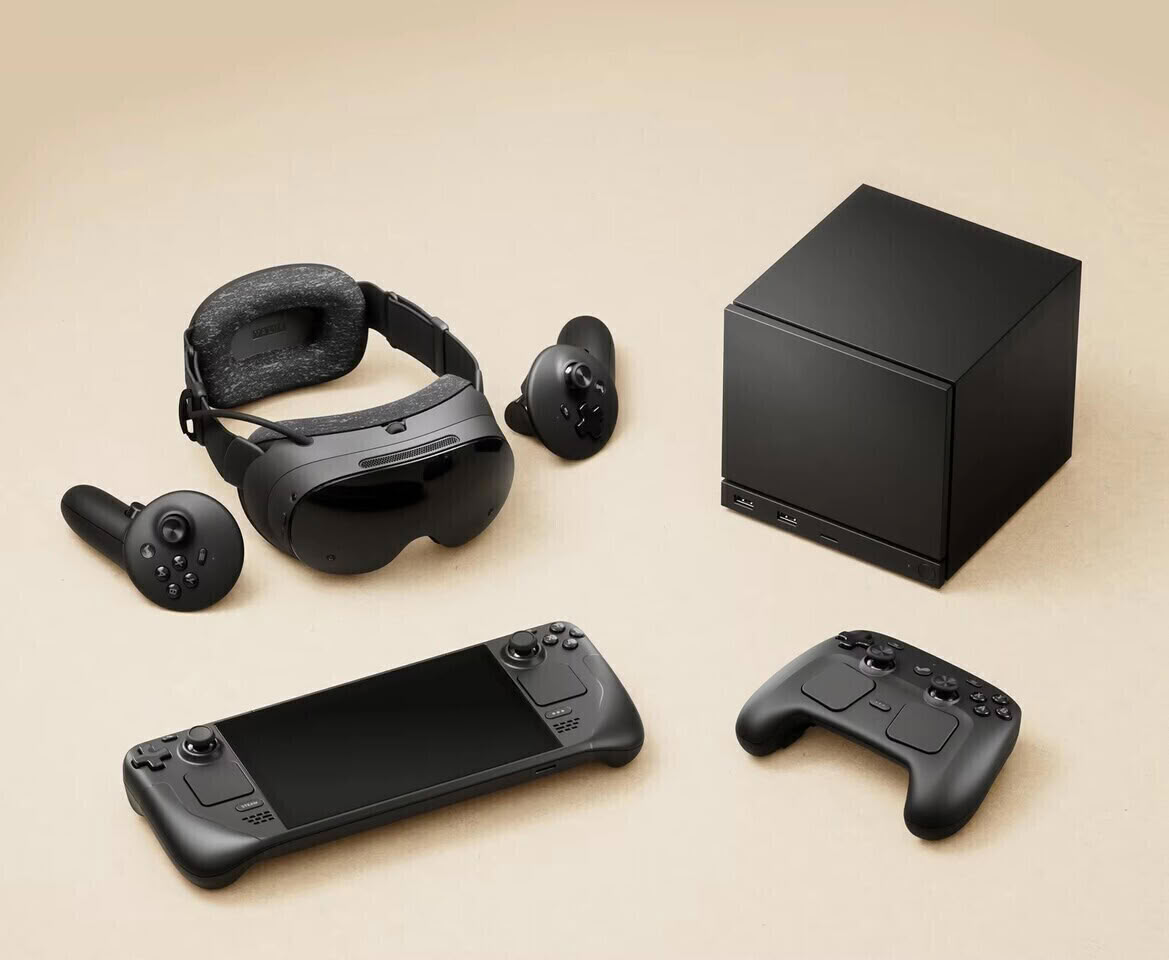
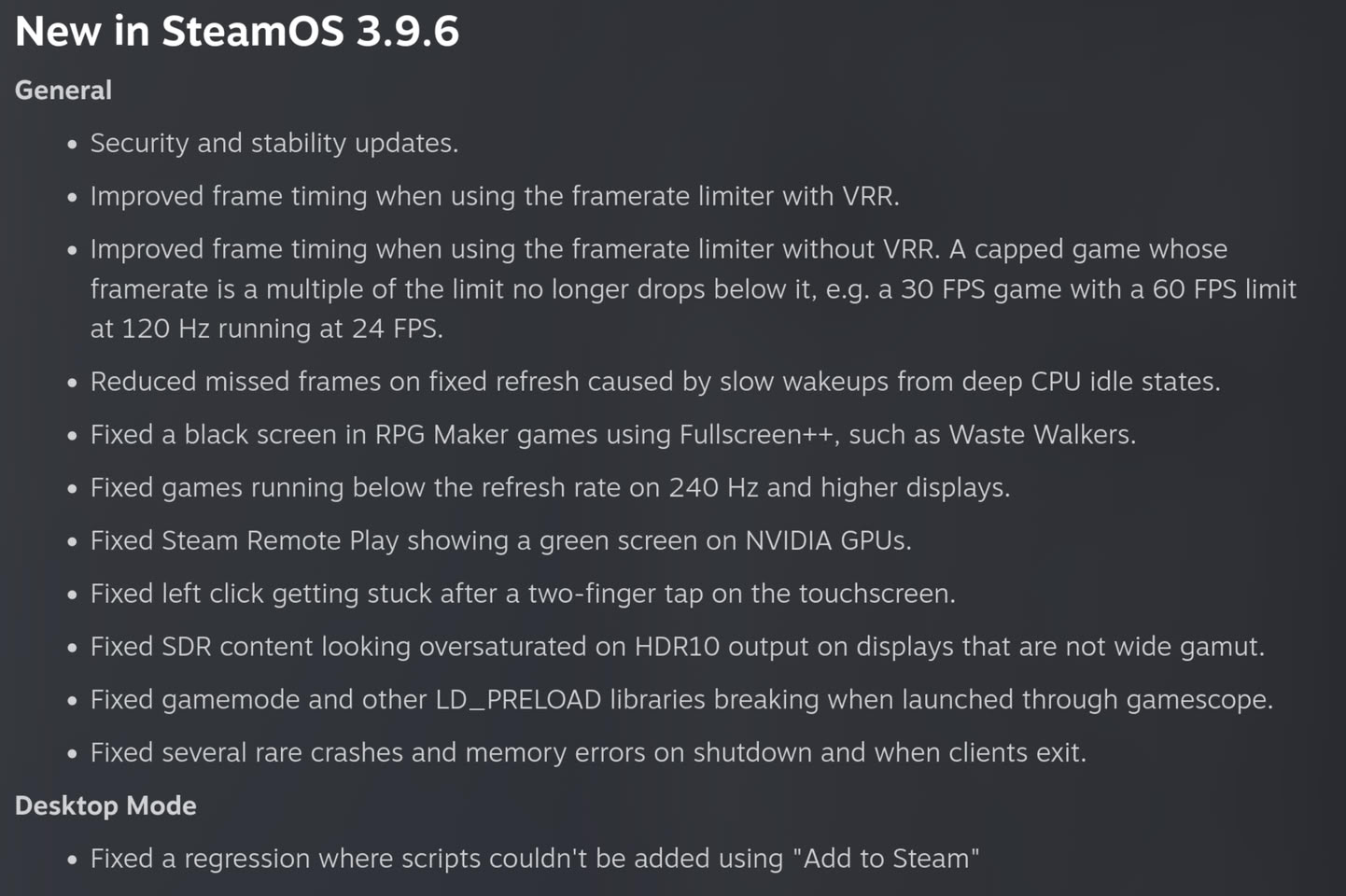
Long-Time Linux Kernel Maintainer Inundated With AI-Generated Submissions Steps Down
It's been well documented that the rise of AI coding agents has resulted in an influx of new submissions to open-source and Linux projects. One recent study found that as much of 25% of new pull requests were reported to be "AI slop." Maintainers of other projects, like Godot, have also lamented the flood of AI-generated code to their projects. More recently, Lorenzo Stoakes, a long-time contributor and reviewer for memory management in the Linux kernel, has officially announced that he will be stepping away from many of his responsibilities due to an increase in AI code submissions, stating that he can no longer reliably review code in areas where he isn't directly maintaining code.
As per his announcement in a new patch series, Stoakes will be stepping away from reviewing memory management code and Rust code in the Linux memory management domain. This comes not too long after Linus Torvalds reportedly changed his position on AI-written code in the Linux kernel, moving away from his previously cautious approach and leaning into entirely AI-generated code, both in his own contributions and encouraging Linux developers and maintainers to embrace AI with his comments thereafter.
As per his announcement in a new patch series, Stoakes will be stepping away from reviewing memory management code and Rust code in the Linux memory management domain. This comes not too long after Linus Torvalds reportedly changed his position on AI-written code in the Linux kernel, moving away from his previously cautious approach and leaning into entirely AI-generated code, both in his own contributions and encouraging Linux developers and maintainers to embrace AI with his comments thereafter.


Kioxia and Dell Build a 157 PB Rack With 640 SSDs
Kioxia and Dell have managed to fit a massive 157 PB of raw flash storage into a single 42U server rack. The configuration runs Dell's software-defined ObjectScale object storage platform on 16 PowerEdge R7725xd servers, which together carry 640 of Kioxia's 245.76 TB LC9 Series SSDs. Kioxia calls it the industry's first 157 PB single-rack object store, a claim it bases on its own market survey. Each 2U server holds 40 of the E3.L drives, the same setup the two companies showed off in May at 9.8 PB per server, so the 16 servers take up 32U and leave 10U of the rack free.
The LC9 drives are PCIe 5.0 NVMe SSDs built on Kioxia's eighth-generation BiCS FLASH QLC with a 32-die stack. The full 245.76 TB capacity is limited to the E3.L form factor, though, since the 2.5-inch and E3.S versions top out at 122.88 TB, which would roughly halve the rack to about 78.6 PB. Dell's George Papadopoulos says customers can "consolidate more data into fewer systems and racks" while cutting down on cabling, power, and cooling.
The LC9 drives are PCIe 5.0 NVMe SSDs built on Kioxia's eighth-generation BiCS FLASH QLC with a 32-die stack. The full 245.76 TB capacity is limited to the E3.L form factor, though, since the 2.5-inch and E3.S versions top out at 122.88 TB, which would roughly halve the rack to about 78.6 PB. Dell's George Papadopoulos says customers can "consolidate more data into fewer systems and racks" while cutting down on cabling, power, and cooling.
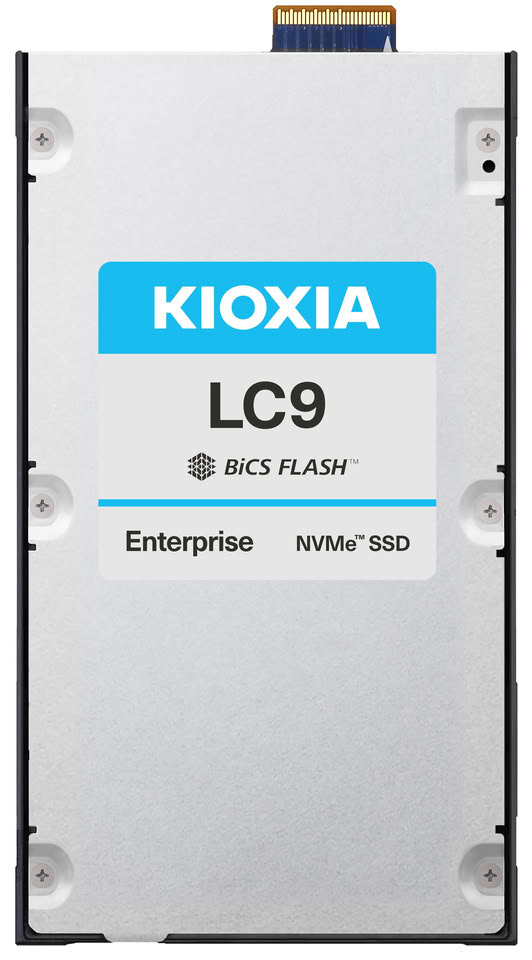
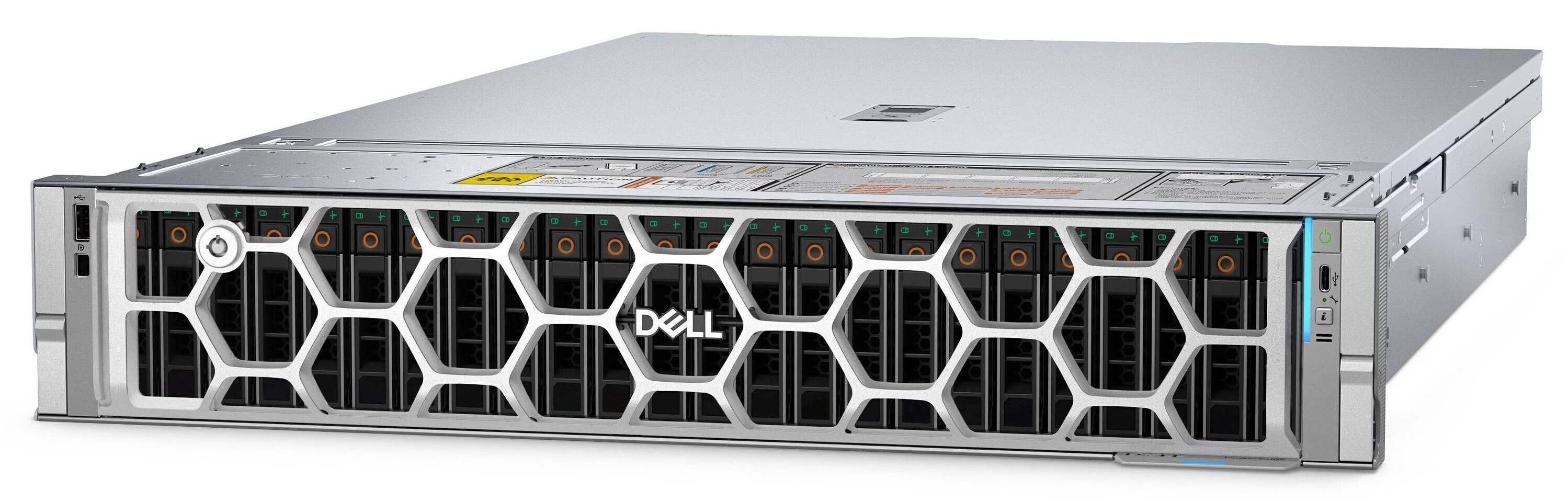
Applied Materials Announces Fourth Quarter and Fiscal Year 2026 Results
Applied Materials, Inc. (NASDAQ: AMAT) today reported results for its fourth quarter and fiscal year ended Oct. 25, 2026.
Fourth Quarter Results
Applied generated record revenue of $10.41 billion. On a GAAP basis, the company reported gross margin of 50.4 percent, record operating income of $3.66 billion or 35.1 percent of revenue, and earnings per share (EPS) of $3.40. On a non-GAAP basis, the company reported gross margin of 50.6 percent, record operating income of $3.68 billion or 35.3 percent of revenue, and record EPS of $4.16. The company generated record cash from operations of $3.30 billion and distributed $2.42 billion to shareholders through $2.00 billion in share repurchases and $421 million in dividends.
Fourth Quarter Results
Applied generated record revenue of $10.41 billion. On a GAAP basis, the company reported gross margin of 50.4 percent, record operating income of $3.66 billion or 35.1 percent of revenue, and earnings per share (EPS) of $3.40. On a non-GAAP basis, the company reported gross margin of 50.6 percent, record operating income of $3.68 billion or 35.3 percent of revenue, and record EPS of $4.16. The company generated record cash from operations of $3.30 billion and distributed $2.42 billion to shareholders through $2.00 billion in share repurchases and $421 million in dividends.
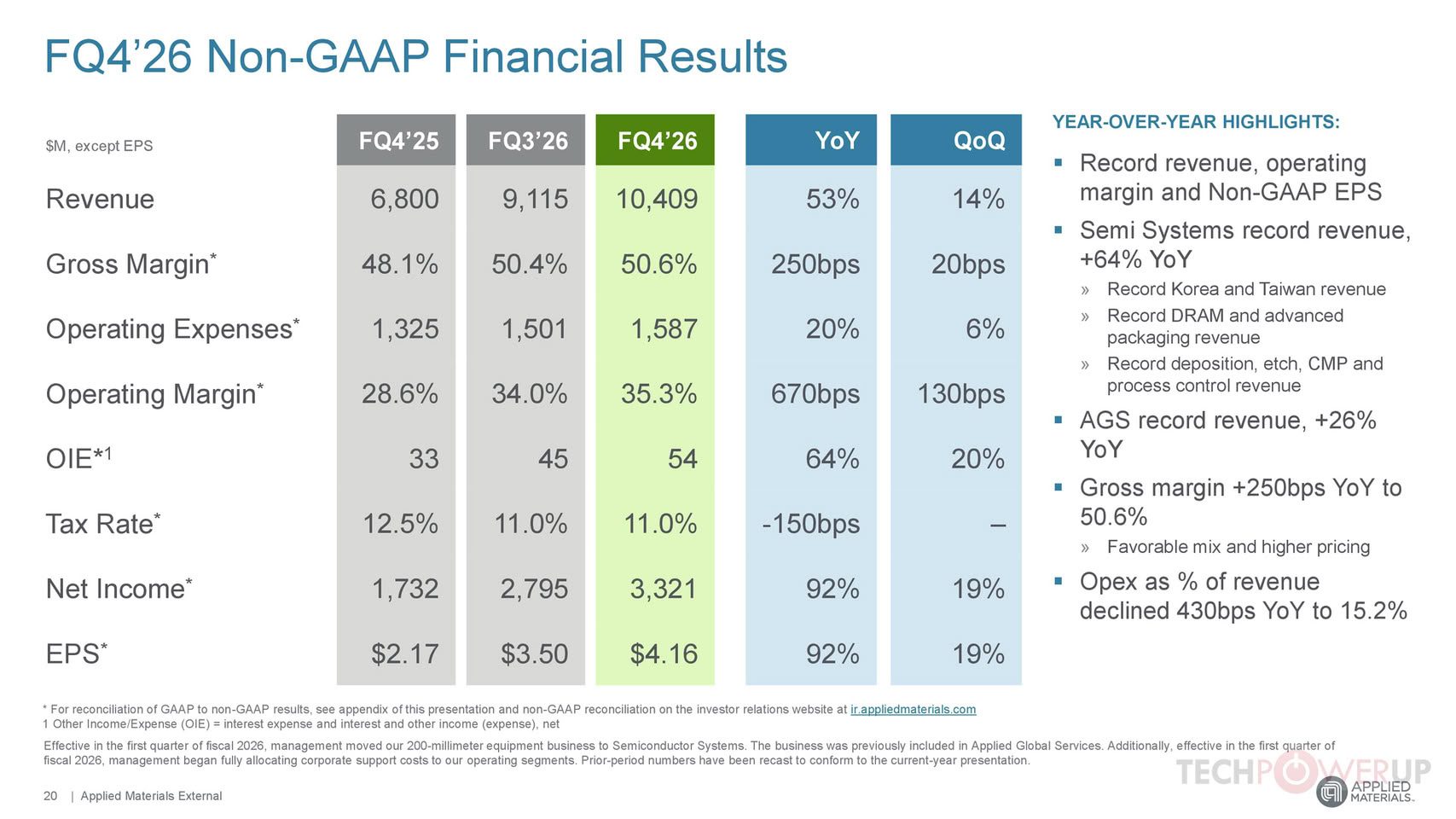
AMD "Siren Halo" APU Rumored to Pair Dedicated GDDR7 With LPDDR Memory
AMD's next big Halo APU might ship with two separate memory pools, if a new leak from Gotou_3rd on X is accurate. In a short post on November 12, the leaker wrote that "Siren Halo has dedicated GD7 VRAM." When asked whether that meant unified GDDR memory, like on consoles, or separate pools, Gotou clarified that LPDDR system memory would still be there. He also claimed that Siren Halo follows Medusa Halo, that Siren Point is basically a Medusa refresh, and that the new name exists because AMD won't have a fully new Halo design in 2027. There's no word on capacities, bus widths, or launch timing. AMD already added GDDR7 support to its Linux driver in September, a change widely tied to RDNA 5.
This would be quite a change for the lineup. Strix Halo and its Gorgon Halo refresh use a single LPDDR5X pool shared by the CPU and GPU, with the Ryzen AI Max+ PRO 495 supporting up to 192 GB, of which up to 160 GB can go to graphics. That shared pool is a big reason these chips are popular for running LLMs locally. Dedicated GDDR7 should give the iGPU far more bandwidth for gaming, though it's unclear how much memory AI workloads would get. The leaker also suggested Siren Halo could be related to Magnus, the AMD chip linked to Microsoft's Project Helix, though that is speculation at this point. AMD hasn't confirmed Siren Halo at all, so it's best treated as a rumor for now.
This would be quite a change for the lineup. Strix Halo and its Gorgon Halo refresh use a single LPDDR5X pool shared by the CPU and GPU, with the Ryzen AI Max+ PRO 495 supporting up to 192 GB, of which up to 160 GB can go to graphics. That shared pool is a big reason these chips are popular for running LLMs locally. Dedicated GDDR7 should give the iGPU far more bandwidth for gaming, though it's unclear how much memory AI workloads would get. The leaker also suggested Siren Halo could be related to Magnus, the AMD chip linked to Microsoft's Project Helix, though that is speculation at this point. AMD hasn't confirmed Siren Halo at all, so it's best treated as a rumor for now.
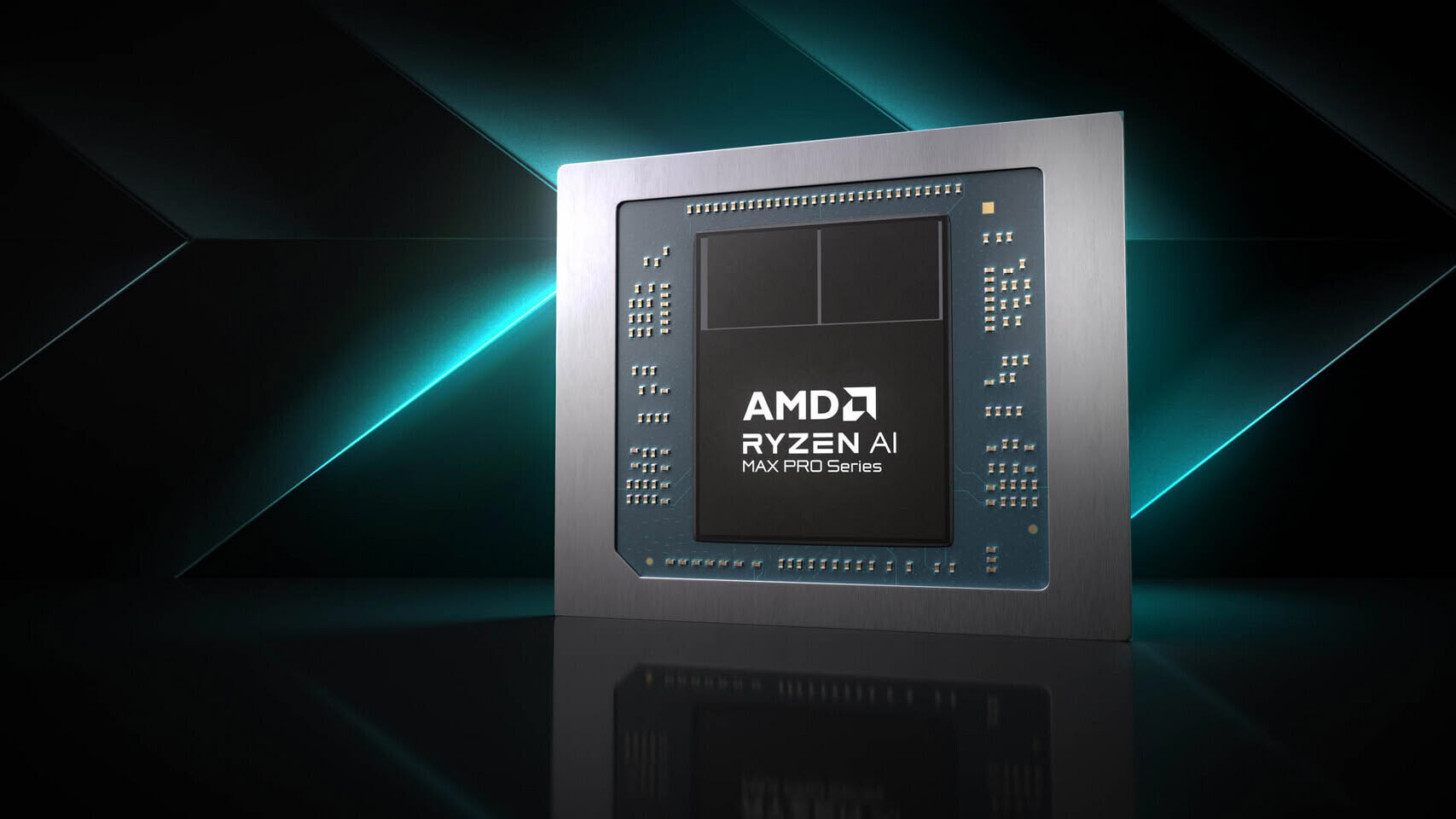
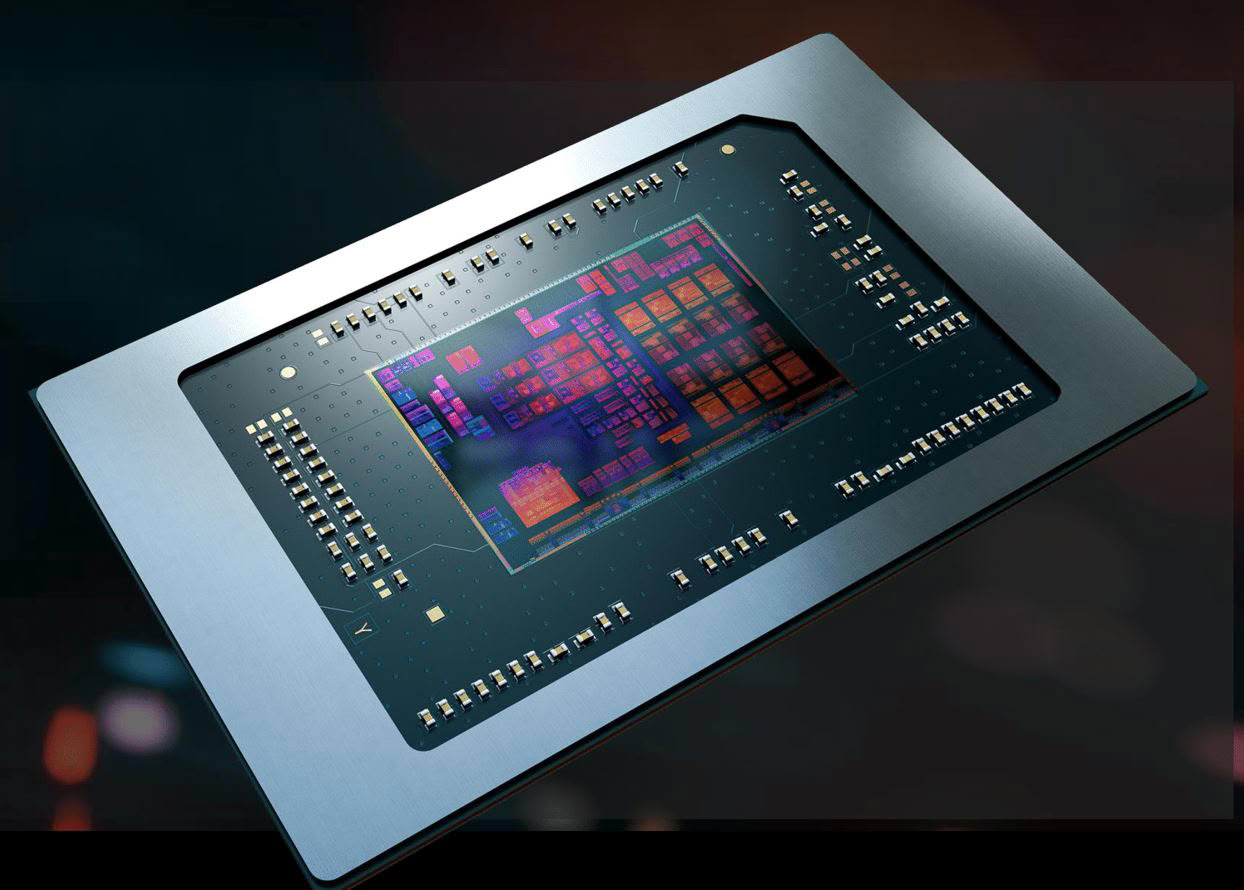
Windows 11 Beta Insiders Can Now Toggle Settings Straight From Taskbar Search
Windows Insiders in the Beta Channel can now change common system settings straight from the taskbar search box, in many cases without opening the Settings app. The new Windows Search, which Microsoft first showed off in October, is gradually rolling out with Build 26320.9876. That build also moves the Beta Channel to Windows 11 26H2 through an enablement package, though Microsoft says the version bump alone doesn't change much. The headline feature is what Microsoft calls inline actions. Typing something like "turn on dark mode", "turn on Bluetooth", "mute", or "dim my screen" gives a result that carries out the task right there, and it can also arrange open windows, for example snapping two apps side by side.
The new interface is built on WinUI 3, and Microsoft says it is faster and more efficient than the old one, with a single list of results that's easier to scan. Search is also apparently getting better at handling typos and synonyms, and Microsoft plans to keep tuning that over the coming weeks. There are a few limits for now. English is the only supported language, and the new experience only shows up when searching from the taskbar, since searching from the Start menu still opens the old interface. Microsoft says bringing it to the Start menu is planned for next year, and actions for a connected phone, such as sending a text, are also on the way.
The new interface is built on WinUI 3, and Microsoft says it is faster and more efficient than the old one, with a single list of results that's easier to scan. Search is also apparently getting better at handling typos and synonyms, and Microsoft plans to keep tuning that over the coming weeks. There are a few limits for now. English is the only supported language, and the new experience only shows up when searching from the taskbar, since searching from the Start menu still opens the old interface. Microsoft says bringing it to the Start menu is planned for next year, and actions for a connected phone, such as sending a text, are also on the way.
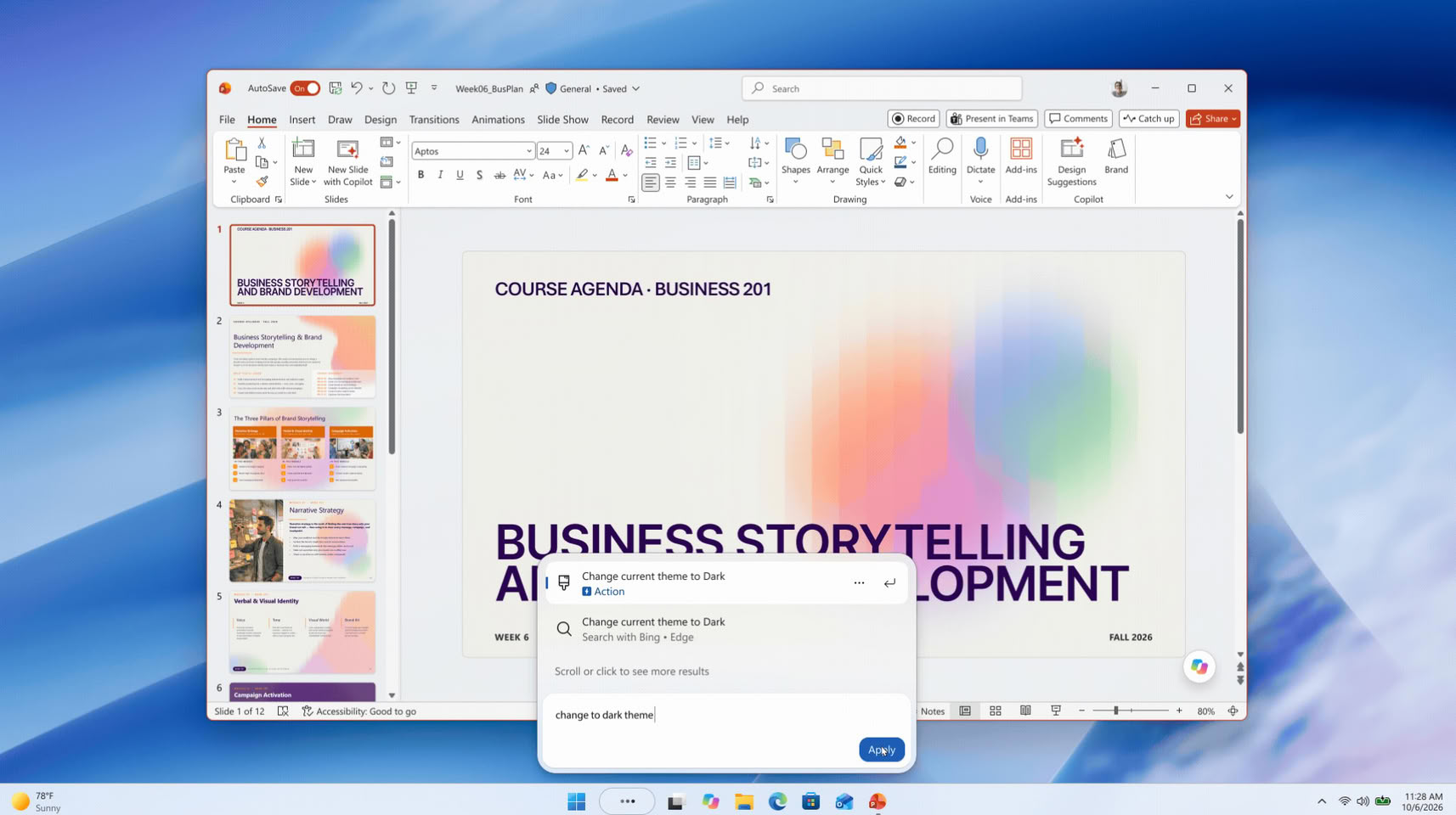
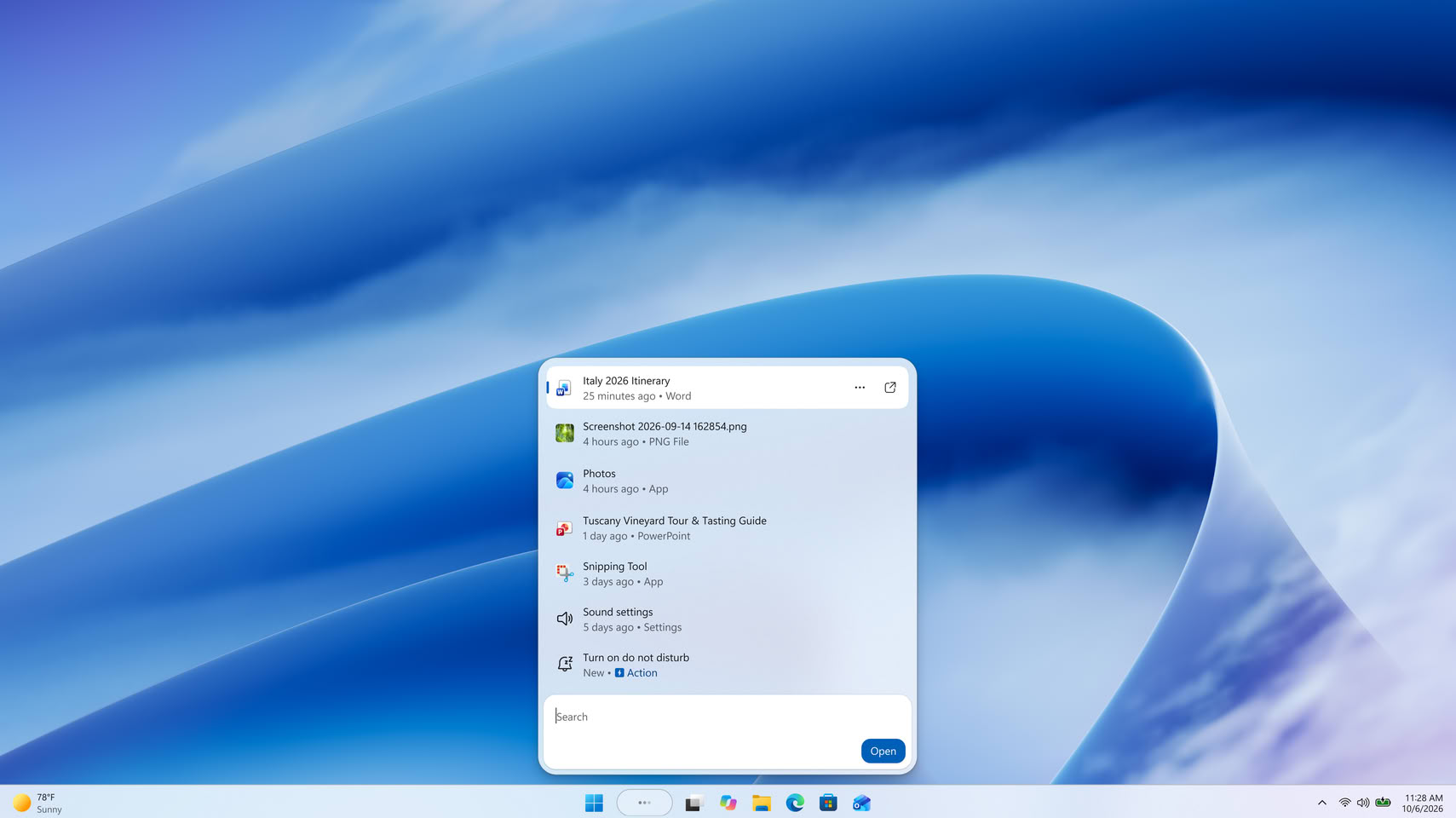

G.SKILL and Micro Center Offer Intel Core Ultra 7 270K Plus Combo Deal Featuring Ripjaws S5 DDR5 Memory
G.SKILL, a leading manufacturer of high-performance memory and PC gaming peripherals, has teamed up with Micro Center to offer a specially priced PC hardware combo deal featuring the Intel Core Ultra 7 270K Plus processor, G.SKILL Ripjaws S5 DDR5 memory, and GIGABYTE Z890 EAGLE WIFI7 PLUS motherboard. This hardware bundle offers PC enthusiasts, gamers, and content creators an opportunity to build or upgrade their systems with high-performance components while enjoying substantial combo savings.
The bundle pairs the Intel Core Ultra 7 270K Plus processor, featuring 24 cores (8 Performance-cores and 16 Efficient-cores) and a maximum turbo frequency of up to 5.5 GHz, with the GIGABYTE Z890 EAGLE WIFI7 PLUS motherboard and a 32 GB (2x16GB) G.SKILL Ripjaws S5 DDR5-6000 CL36 memory kit. Together, these components provide a foundation for a high-performance Intel desktop system.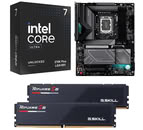 For more information and to explore this combo deal, visit the Intel Core Ultra 7 270K Plus and G.SKILL Ripjaws S5 bundle page at Micro Center.
The bundle pairs the Intel Core Ultra 7 270K Plus processor, featuring 24 cores (8 Performance-cores and 16 Efficient-cores) and a maximum turbo frequency of up to 5.5 GHz, with the GIGABYTE Z890 EAGLE WIFI7 PLUS motherboard and a 32 GB (2x16GB) G.SKILL Ripjaws S5 DDR5-6000 CL36 memory kit. Together, these components provide a foundation for a high-performance Intel desktop system.

Xbox Adds 21 Classic Xbox Games To PC Via Xbox Backwards Compatibility on PC
Xbox announced earlier in 2026 that it was bringing some of its classic Xbox games to PC in a new Xbox Compatibility program, although it initially only launched four games in that announcement. Now, as part of Xbox's 25-year anniversary celebration, Microsoft has announced that it will be releasing 21 additional classic Xbox games on PC. These games will also be playable on the Xbox Series and Xbox One consoles.
In addition to the new games, which are listed below, Xbox has also announced that it will be adding support for achievements in select Xbox games in the Backwards Compatibility program. At the time of writing, the list of games that support achievements on PC is short: Star Wars: Knights of the Old Republic, Star Wars: Knights of the Old Republic II—The Sith Lords, BLiNX: The Time Sweeper, and Conker: Live and Reloaded. It has also stated that more games in the program would be getting support for achievements further down the line.
In addition to the new games, which are listed below, Xbox has also announced that it will be adding support for achievements in select Xbox games in the Backwards Compatibility program. At the time of writing, the list of games that support achievements on PC is short: Star Wars: Knights of the Old Republic, Star Wars: Knights of the Old Republic II—The Sith Lords, BLiNX: The Time Sweeper, and Conker: Live and Reloaded. It has also stated that more games in the program would be getting support for achievements further down the line.

NVIDIA GeForce 621.24 WHQL Game Ready Drivers Released
NVIDIA has released the latest version of GeForce Game Ready drivers, version 621.24, which brings significant optimizations and game-ready support for multiple titles. Notably, it includes game-ready support for Warhammer 40,000: Dawn of War IV and Assetto Corsa Rally. Additionally, the driver introduces neural rendering capabilities with 3D guidance of DLSS 5 for the game Where Winds Meet. As for the typical bug fixes included with such a driver release, NVIDIA has addressed a few issues, such as the NVIDIA OptiX Denoiser failing at higher resolutions in Chao Vantage. Another fix in this package resolves incorrect colors during DJI D-Log H.265 video playback in Windows Photos and Media Player. There are no known issues with this update, making it more of a game-ready enhancement than a major feature update. Please let us know in the comments if you've updated and how it's working for you.
DOWNLOAD: NVIDIA GeForce 621.24 WHQL

DOWNLOAD: NVIDIA GeForce 621.24 WHQL


Keychron Launches Open-Source Magnetic Keyboard Firmware
Not long ago, Keychron announced Zephyr Gaming Mouse as an upcoming open-source firmware project for gaming mice. More recently, the peripheral maker announced MKF (Magnetic Keyboard Firmware), an open-source firmware project designed for TMR and Hall effect gaming keyboards. The project has yet to feature any public code contributions, but there is a landing page that outlines what Keychron aims to do with the project.
MKF is meant to serve as "an open firmware foundation for magnetic gaming keyboards, with room for the project and its community to grow," and its current feature outline includes support for the obvious, like 8 kHz polling, adjustable actuation, Rapid Trigger, and SOCD, but it will also apparently support custom response curves, PDO—sending more keypresses the deeper a key is held—and controller emulation. It currently seems as though only wired connectivity is planned for the initial release, but the project will be open to new features and use cases outside of competitive gaming.

MKF is meant to serve as "an open firmware foundation for magnetic gaming keyboards, with room for the project and its community to grow," and its current feature outline includes support for the obvious, like 8 kHz polling, adjustable actuation, Rapid Trigger, and SOCD, but it will also apparently support custom response curves, PDO—sending more keypresses the deeper a key is held—and controller emulation. It currently seems as though only wired connectivity is planned for the initial release, but the project will be open to new features and use cases outside of competitive gaming.


AMD Reportedly Cuts Gaming GPU Supply in China by Up to 50%
AMD has reportedly cut its gaming GPU supply in China by at least 20% to 50% since the start of the fourth quarter in October. According to a November 12 post on Board Channels spotted by Videocardz, AMD's shortage is now comparable to NVIDIA's, with very few gaming chips going to add-in board (AIB) partners. Their monthly allocations are apparently still shrinking, and the source expects supply to remain extremely tight until January.
The same source describes Radeon prices in China climbing every quarter, with smaller increases month to month within each quarter, and puts that down to rising memory and GPU costs. AMD is reportedly raising the price of its GPU and GDDR6 kits again this month, after an earlier increase in October. Things aren't much better on the green side either, with an NVIDIA partner saying in late October that it couldn't buy RTX 5090 GPU and GDDR7 kits anymore, while RTX 5090 and 5080 prices continue to skyrocket. Graphics cards were already selling 44% above MSRP on average in October, so a smaller pool of Radeon cards is unlikely to help matters.
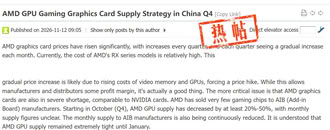
The same source describes Radeon prices in China climbing every quarter, with smaller increases month to month within each quarter, and puts that down to rising memory and GPU costs. AMD is reportedly raising the price of its GPU and GDDR6 kits again this month, after an earlier increase in October. Things aren't much better on the green side either, with an NVIDIA partner saying in late October that it couldn't buy RTX 5090 GPU and GDDR7 kits anymore, while RTX 5090 and 5080 prices continue to skyrocket. Graphics cards were already selling 44% above MSRP on average in October, so a smaller pool of Radeon cards is unlikely to help matters.


AMD Patches Radeon SSD Write Bug in Adrenalin 26.11.1 Optional Driver
AMD's Adrenalin 26.11.1 optional driver is now available with the promised fix for the Radeon bug that kept system drives writing in the background. According to the release notes, the update addresses excessive writes to the system drive while the PC is idle on Radeon RX 7000 series cards and newer. It also fixes a related case where excessive writes could show up while moving or resizing application windows.
AMD confirmed the problem earlier this week, tracing it to the External Events Client Module (atieclxx.exe) in the 26.10.1 and 26.10.2 drivers. User reports put the write rate anywhere from 0.3 MB/s to 5 MB/s, which works out to roughly 26 GB to 432 GB a day on a machine that's doing nothing. Until now, affected users had to disable the External Events Utility, turn off Resizable BAR, or use a community-made open-source tool that blocks the writes. The release notes only mention RX 7000 and newer for the idle fix, so it isn't clear whether older Radeon cards were affected at all.
DOWNLOAD: AMD Software Adrenalin 26.11.1 Optional
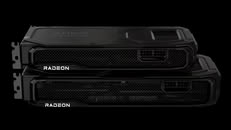
AMD confirmed the problem earlier this week, tracing it to the External Events Client Module (atieclxx.exe) in the 26.10.1 and 26.10.2 drivers. User reports put the write rate anywhere from 0.3 MB/s to 5 MB/s, which works out to roughly 26 GB to 432 GB a day on a machine that's doing nothing. Until now, affected users had to disable the External Events Utility, turn off Resizable BAR, or use a community-made open-source tool that blocks the writes. The release notes only mention RX 7000 and newer for the idle fix, so it isn't clear whether older Radeon cards were affected at all.
DOWNLOAD: AMD Software Adrenalin 26.11.1 Optional



CDPR Feels "Great Responsibility" After Witcher 4 Wins Most Wanted Game Award
The Witcher 4 has been voted Most Wanted Game at the Golden Joystick Awards 2026, beating the likes of Fable and Resident Evil Veronica. CD Projekt Red production director Małgorzata Mitręga accepted the award near the end of the November 11 show, just before Resident Evil Requiem was crowned the night's big winner. It's a step up from last year, when The Witcher 4 came in a close second in the same category with 16.68% of the vote against GTA 6's 18.03%. GTA 6, which launches on November 19, wasn't on this year's ballot. Here's what Mitręga said on stage:

This is a huge, huge honor for us, but it's also a great responsibility. We all know it. We are working hard, giving heart and soul there, all the skills we have, passion we have, and moments like that are such a boost for us, for the stamina, to (keep) it going, to deliver (for) you when the time is right.


Microsoft Admits Not Everyone Wants AI in Bing, Offers Options to Disable It
Bing users who would rather skip the AI answers now have two official ways to do it, according to a new post on Microsoft's Bing Search Blog. The first is the Microsoft Bing AI Search Choice extension for Chrome and Edge, which adds a single toggle for AI-generated answers that applies to every Bing search. The second needs no install: adding "-ai" to the end of a query removes the AI answer for that one search. Microsoft says its research shows users want "to choose whether or not AI is involved in every session," though it hasn't published that research.
Installing the extension also makes Bing the browser's default search engine, and there doesn't seem to be a way to get one without the other, so it looks like a play for Chrome users as well. It's also still labeled a preview, and it isn't new, since Microsoft's head of search, Jordi Ribas, first announced it back in June. Bing doesn't appear to have a matching switch in its own settings either, so anyone on another browser has to type the operator every time.

Installing the extension also makes Bing the browser's default search engine, and there doesn't seem to be a way to get one without the other, so it looks like a play for Chrome users as well. It's also still labeled a preview, and it isn't new, since Microsoft's head of search, Jordi Ribas, first announced it back in June. Bing doesn't appear to have a matching switch in its own settings either, so anyone on another browser has to type the operator every time.


AMD Advances Built-in Protection from Physical Attacks for Security-Critical Systems
What's the News? AMD today announced AMD Versal tamper-resistant ("TR") devices, designed to protect security-critical information against sophisticated physical attacks while delivering the high-performance heterogeneous processing capabilities of AMD Versal AI Edge Series Gen 2. Versal TR devices are the industry's first adaptive SoC or FPGA-based devices providing built-in protection against physical attacks on the silicon backside. A sensor-based protection die is bonded to the main compute die using 3D active-on-active technology, shielding the entire backside of the device, protecting sensitive information, detecting physical attacks and preventing boot if the protection die is tampered with or removed. Combined with embedded CPUs, AI Engines and programmable logic, Versal TR devices help customers strengthen the protection of security-critical information without compromising system performance, size, weight, power or time to market.
Why It Matters? Protecting sensitive information from sophisticated physical attacks is a priority across markets and embedded applications. From data center networking and fintech applications to defense systems and critical industrial infrastructure, customers seeking higher levels of device security today typically build custom solutions in-house using mechanical enclosures, ASICs and other components, adding development cost, specialist resources, verification effort and re-spin risk. Versal TR devices integrate heterogeneous processing with enhanced security features including backside physical attack protection in a single device. This reduces the need for separate compute, security and enclosure-based protection components. This approach can save board area and simplify board design versus custom solutions while giving customers access to AMD tools, technical support and a broad partner ecosystem.
Why It Matters? Protecting sensitive information from sophisticated physical attacks is a priority across markets and embedded applications. From data center networking and fintech applications to defense systems and critical industrial infrastructure, customers seeking higher levels of device security today typically build custom solutions in-house using mechanical enclosures, ASICs and other components, adding development cost, specialist resources, verification effort and re-spin risk. Versal TR devices integrate heterogeneous processing with enhanced security features including backside physical attack protection in a single device. This reduces the need for separate compute, security and enclosure-based protection components. This approach can save board area and simplify board design versus custom solutions while giving customers access to AMD tools, technical support and a broad partner ecosystem.

Alphacool Launches Apex Benchtable For Flexible Open-Air Builds and Test Beds
Alphacool is known for its high-end PC case and cooling components, and its latest product, the Apex Benchtable, is no exception. The Benchtable is an open-air case built for flexibility and rapid assembly and disassembly, and it supports everything from Mini-ITX to E-ATX form factors, as well as radiators up to 360 mm and a smorgasbord of water cooling accessories. The Apex Benchtable comes in at €449.98 on the Alphacool online shop.
The Apex Benchtable is a modular frame consisting of CNC corner components connected by carbon fiber tubes. Owing to that modular design, the included 120 mm, 240 mm, and 360 mm fan and radiator mounts can be easily moved and repositioned to accommodate various hardware configurations or setups. It ships with a repositionable front I/O module with 2x USB 3.0 ports, a power button, and separate 3.5 mm mic and headphone jacks.
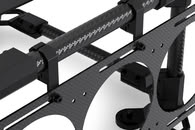
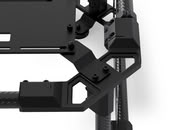
The Apex Benchtable is a modular frame consisting of CNC corner components connected by carbon fiber tubes. Owing to that modular design, the included 120 mm, 240 mm, and 360 mm fan and radiator mounts can be easily moved and repositioned to accommodate various hardware configurations or setups. It ships with a repositionable front I/O module with 2x USB 3.0 ports, a power button, and separate 3.5 mm mic and headphone jacks.
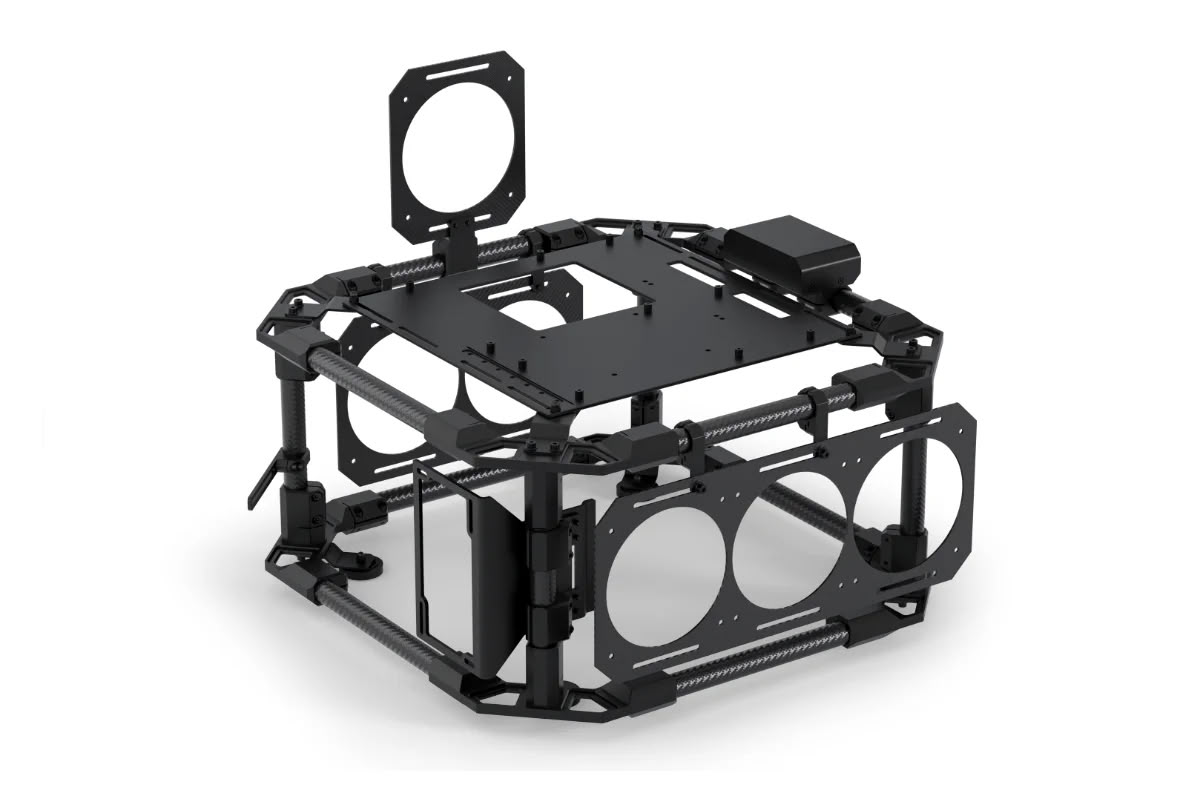
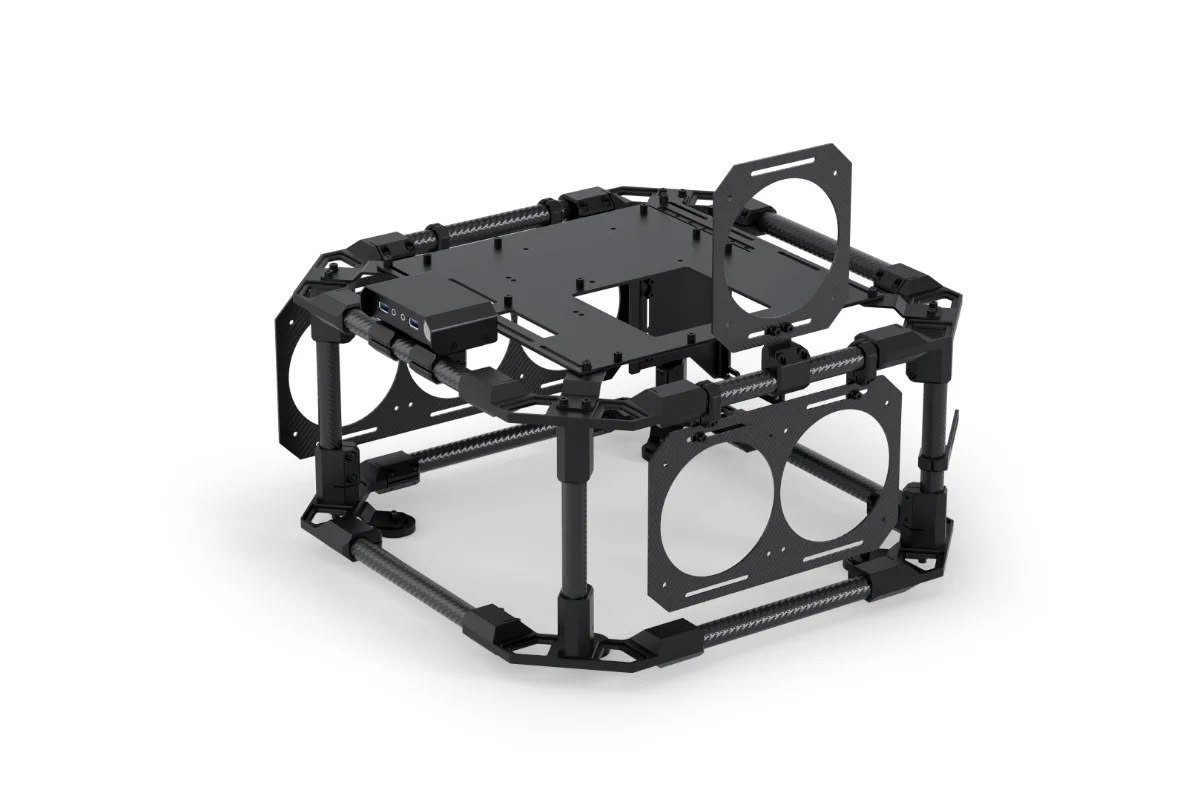
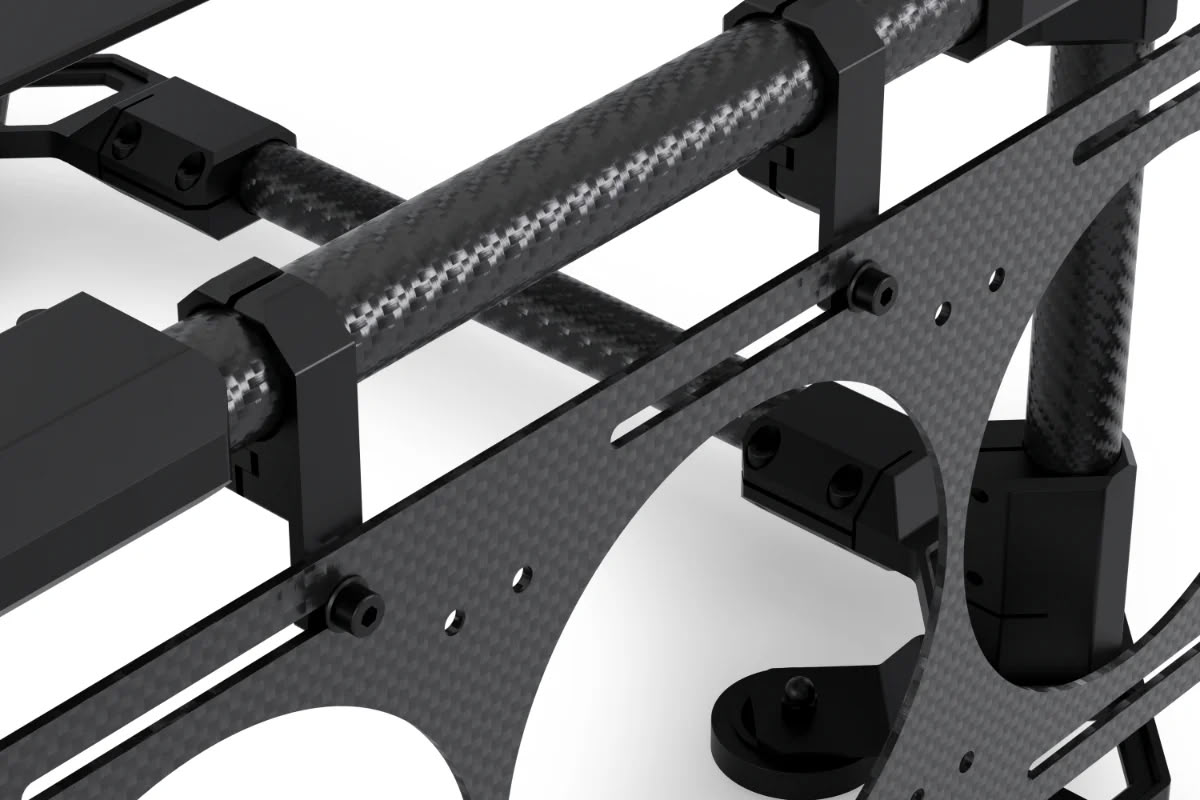
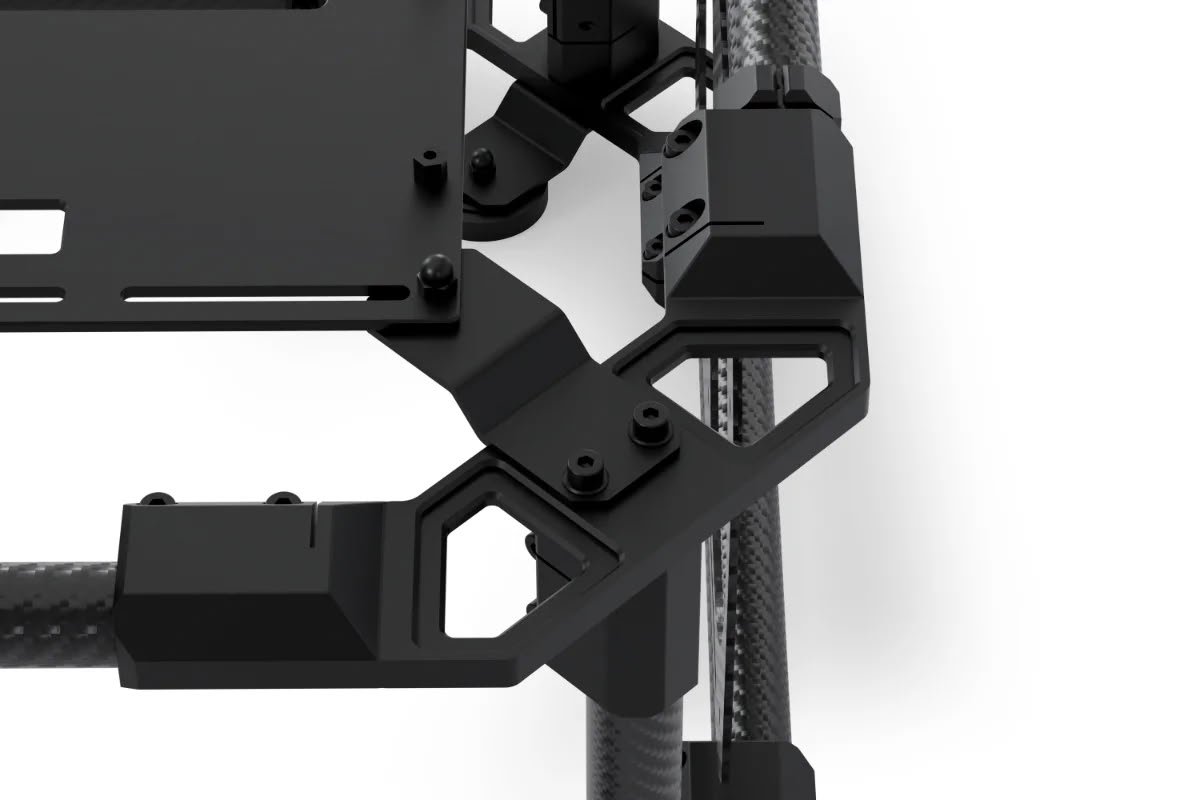
Penguin Solutions Introduces CXL-Enabled DDR4 Module to Help Address Memory Shortages in AI Data Centers
Penguin Solutions, Inc., the AI Factory Platform Company, today introduced the SMART CXL-8F2W-D4, an eight-DIMM DDR4 Compute Express Link (CXL) memory add-in card that enables organizations to adapt DDR4 memory for use in AI systems. Using DDR4 as an alternative to newer-generation DDR5 memory provides an innovative approach offering performance, sourcing, and economic benefits for the buildout of AI infrastructure.
According to TechInsights, Inc., AI data centers account for 34% of DRAM demand in 2026, a figure expected to climb to nearly 50% by 2029. This rapid growth is driving up memory costs and putting increasing pressure on infrastructure budgets. For organizations deploying new servers, whether as part of a technology refresh or a new data center buildout, the rising cost of memory presents a significant challenge, underscoring the need for more cost-effective ways to expand memory capacity.
According to TechInsights, Inc., AI data centers account for 34% of DRAM demand in 2026, a figure expected to climb to nearly 50% by 2029. This rapid growth is driving up memory costs and putting increasing pressure on infrastructure budgets. For organizations deploying new servers, whether as part of a technology refresh or a new data center buildout, the rising cost of memory presents a significant challenge, underscoring the need for more cost-effective ways to expand memory capacity.
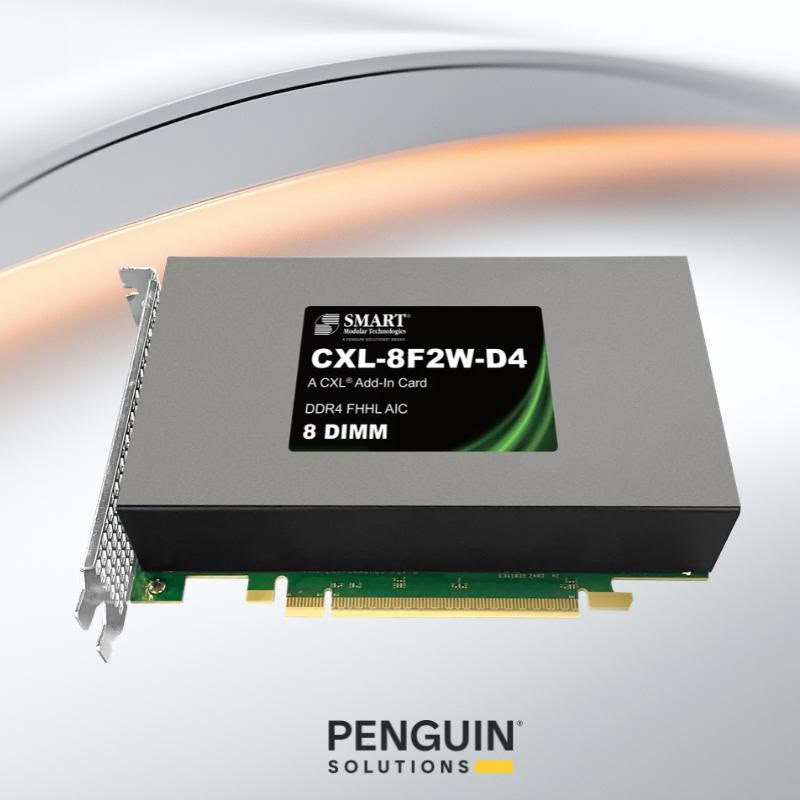
Silicon Motion Showcases Next-Generation Enterprise Storage Solutions at SC26
Silicon Motion Technology Corporation, a global leader in designing and marketing NAND flash controllers for solid-state storage devices, today announced that it will showcase its PCIe Gen 5 and PCIe Gen 6 MonTitan enterprise SSD controllers and reference platforms designed to address the evolving storage demands of AI factories, Agentic AI, and large-scale inference deployments at Supercomputing 2026 (SC26), taking place November 16 to 19 in Chicago, Illinois, at Booth #6816. The company will also highlight its enterprise PCIe NVMe boot drive solutions, including a demonstration featuring the NVIDIA DPU platform, alongside its Ferri-eMMC embedded storage solution with the ASPEED AST2600 BMC, showcasing storage technologies for AI servers and next-generation data center infrastructure.

Alex Chou, Senior Vice President of Enterprise Storage & Display Interface Solution Business at Silicon Motion"As AI infrastructure evolves to support multi-agent and increasingly complex agentic workloads, storage performance is becoming a critical factor in overall system performance and efficiency," "Our PCIe Gen 5 and Gen 6 enterprise SSD controllers are designed to address these challenges by delivering high performance, low latency, scalable capacity, and power efficiency, helping customers build the next generation of AI infrastructure."

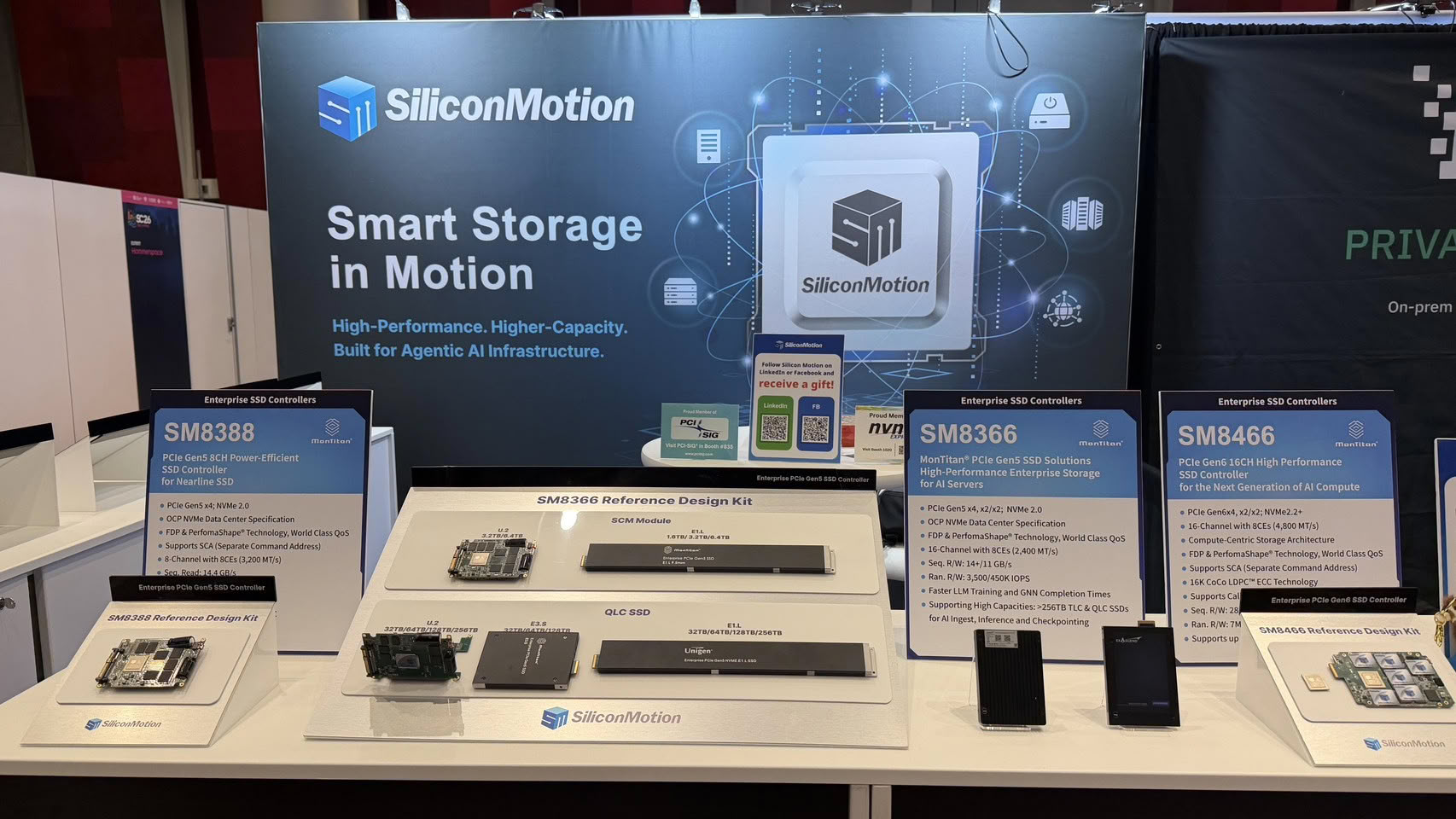
Gigabyte's AORUS C510 GLASS INFINITY Chassis Recognized with 2027 CES Innovation Award
GIGABYTE, the world's leading technology brand, announced that the AORUS C510 GLASS INFINITY Chassis has received 2027 CES Innovation Award in recognition of its innovative design, practical engineering, and functionality. Featuring a built-in 16-inch display, flexible placement, efficient cooling, and upgradability, the award-winning chassis redefines how a desktop PC can be configured and used.
Designed to support an all-in-one PC setup, the AORUS C510 GLASS INFINITY integrates a 16-inch high refresh rate gaming display directly into the chassis. The display can serve as the system's primary screen, a secondary monitor, or a dedicated display for additional content. It can be mounted on either side of the chassis or detached and placed on its own stand for independent use, allowing users to adapt the display configuration to different environments and workflows.
Designed to support an all-in-one PC setup, the AORUS C510 GLASS INFINITY integrates a 16-inch high refresh rate gaming display directly into the chassis. The display can serve as the system's primary screen, a secondary monitor, or a dedicated display for additional content. It can be mounted on either side of the chassis or detached and placed on its own stand for independent use, allowing users to adapt the display configuration to different environments and workflows.

Axelera AI Unveils Titania Architecture
Axelera AI, the leading provider of purpose-built AI hardware acceleration technology, unveiled the details behind Titania, its third-generation silicon architecture in a chiplet design. Titania is highly programmable and energy efficient and will deliver high performance at interactive speeds, all within the power and cooling limits of existing data centers, rather than the 100-kilowatt-plus liquid-cooled racks that today's highest-density GPU systems require.
Performance expectations for Titania are up to 7x the throughput per watt compared to the best data center grade servers available, and up to a 20x better TCO. Each Titania-based system-in-package (SiP) will contain two Titania chiplets which are then packaged in a range of form factors, including standard PCIe cards as well as OCP-compliant UBB baseboards with eight Titania OAM modules connected in a scale-up network. In support of over $300 million in confirmed Titania commitments, these form factors will be available via OEM partners in an inference server configuration in both air- and liquid-cooled configurations.
Performance expectations for Titania are up to 7x the throughput per watt compared to the best data center grade servers available, and up to a 20x better TCO. Each Titania-based system-in-package (SiP) will contain two Titania chiplets which are then packaged in a range of form factors, including standard PCIe cards as well as OCP-compliant UBB baseboards with eight Titania OAM modules connected in a scale-up network. In support of over $300 million in confirmed Titania commitments, these form factors will be available via OEM partners in an inference server configuration in both air- and liquid-cooled configurations.


UCIe Consortium Advances from Chiplet Connectivity to System-Level Integration with UCIe 4.0 Specification
Today, the Universal Chiplet Interconnect Express (UCIe) Consortium, the open standards group for interconnects between chiplets within a package, announced the release of the UCIe 4.0 Specification, taking the UCIe architecture beyond chiplet-level interface design to address key requirements for integrating multiple chiplets into a cohesive on-package system.
As chiplet architecture grows more sophisticated, connectivity is only part of the challenge. Systems incorporating compute, accelerator, memory and other chiplets must also address how those components are managed, secured and monitored while efficiently using power, die area and package resources. The UCIe 4.0 Specification addresses these broader system-level requirements with new capabilities spanning manageability and security, efficiency, memory connectivity and reliability.

As chiplet architecture grows more sophisticated, connectivity is only part of the challenge. Systems incorporating compute, accelerator, memory and other chiplets must also address how those components are managed, secured and monitored while efficiently using power, die area and package resources. The UCIe 4.0 Specification addresses these broader system-level requirements with new capabilities spanning manageability and security, efficiency, memory connectivity and reliability.


Corsair Launches HX1000i SHIFT CRYSTAL PSU with Transparent Panels and PinProtect+
Corsair is proud to launch the HX1000i SHIFT CRYSTAL, its first power supply with active 12V-2x6 per-pin overcurrent protection via PinProtect+. The power supply also simplifies builds by powering up to 24 iCUE LINK devices directly from the integrated iCUE LINK System Hub, and delivers stunning visuals with the transparent side panels, an RGB-lit fan, and custom-made Japanese capacitors.
The HX1000i SHIFT CRYSTAL began as a prototype shown at COMPUTEX 2025, and the positive response led Corsair to bring it to market. Built on the current HXi SHIFT platform, it is the first Corsair power supply with PinProtect+ per-pin overcurrent protection (OCP) for the native 12V-2x6 GPU connection. Cybenetics Platinum-rated efficiency, ATX 3.1 certification, PCIe 5.1 compliance, and comprehensive Corsair iCUE software control deliver the performance, protection, and flexibility that demanding PCs need.
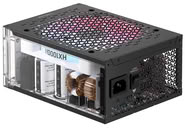 [Editor's Note: Catch the TechPowerUp Review]
The HX1000i SHIFT CRYSTAL began as a prototype shown at COMPUTEX 2025, and the positive response led Corsair to bring it to market. Built on the current HXi SHIFT platform, it is the first Corsair power supply with PinProtect+ per-pin overcurrent protection (OCP) for the native 12V-2x6 GPU connection. Cybenetics Platinum-rated efficiency, ATX 3.1 certification, PCIe 5.1 compliance, and comprehensive Corsair iCUE software control deliver the performance, protection, and flexibility that demanding PCs need.


NVIDIA Co-Founder and CEO Jensen Huang Officially Resigns
NVIDIA's co-founder, chief executive officer, and president has officially signed a letter of resignation, stepping down from the role he has held since 1993. Following a series of controversies, NVIDIA announced on Sunday that the company's board of directors is launching a full-scale independent investigation into recent reports of founder and CEO Jensen Huang having a relationship with a woman the U.S. intelligence community believes is an agent of the Chinese state. Another allegation has since emerged, claiming that Jensen had an inappropriate relationship with one of his direct reports. As a result, Jensen Huang has resigned from all his positions, including President, Chief Executive Officer, and member of the Board, effective immediately.
The company board has begun the search for a new CEO and, in the meantime, has named Colette Kress, currently serving as vice president and chief financial officer, as the interim CEO. According to the official statement, NVIDIA's board is looking for a permanent CEO and is open to considering both internal and external candidates for the position. Who exactly will take on the role is unknown, as the board must find a suitable successor. During the transition, CFO Colette Kress will continue to perform CEO duties and manage the company.
The company board has begun the search for a new CEO and, in the meantime, has named Colette Kress, currently serving as vice president and chief financial officer, as the interim CEO. According to the official statement, NVIDIA's board is looking for a permanent CEO and is open to considering both internal and external candidates for the position. Who exactly will take on the role is unknown, as the board must find a suitable successor. During the transition, CFO Colette Kress will continue to perform CEO duties and manage the company.

Montech Announces King 95 3D Case and Link Fan INF 120
MONTECH marks its 10th anniversary with the launch of KING 95 3D and KING 95 3D PRO, alongside LINK FAN INF 120 magnetic ARGB fans and LUMI software. The new dual-chamber ATX mid-tower case adds a tempered-glass top to the KING series' signature curved-glass panorama, putting more of the build on display. KING 95 3D retains the series' curved profile while adding a tempered-glass top panel. The 15-degree curved front edge connects the front and side views, while an integrated 118-LED contour ARGB strip follows the chassis, giving the case its own lighting signature.



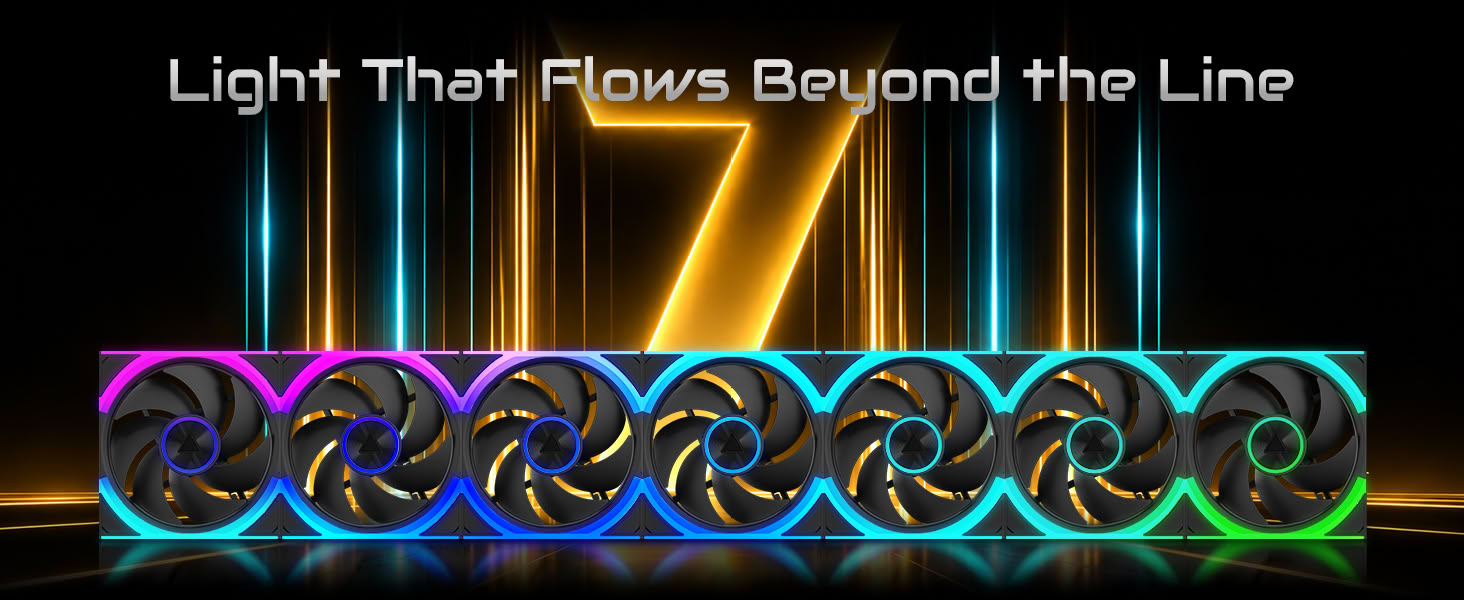


Noctua Introduces NT-CP1 Carbice Carbon Nanotube Thermal Pad for AM5
Noctua today introduced the new NT-CP1 AM5/4 carbon nanotube thermal pad for AMD AM5 and AM4 processors. Leveraging Carbice's novel, space-grade carbon nanotube technology, the NT-CP1 is a premium-quality, easy-to-apply thermal pad that offers superior long-term stability for peace of mind. While thermal pastes and most other thermal pads gradually lose performance over time due to pump-out, delamination, cracking and other degradation effects, Carbice pads keep improving their performance over the first few hundred to a few thousand thermal cycles. This is possible thanks to the pad's robust mechanics, phase-change polymer coating and carbon nanotubes that incrementally conform to surface microstructures, enhancing the heat transfer rate with time and thermal cycling. Once this initial activation phase is completed, the NT-CP1 maintains stable, maintenance-free performance for years and years. As such, it is ideal for everyone who seeks to rule out thermal issues due to degradation and never wants to bother with reapply paste again.
Unlike other carbon or graphite-based thermal pads that can be brittle, slippery and highly electrically conductive, Carbice pads are sturdy, safe and easy to install using a straightforward "peel, press, peel" process. The NT-CP1's aluminium backbone makes it surprisingly robust and easy to remove. The slightly tacky polymer coating helps to keep the pad in place once pressed onto the CPU and ensures that the contact surfaces are electrically non-conductive before usage unless the polymer layer is penetrated.
Unlike other carbon or graphite-based thermal pads that can be brittle, slippery and highly electrically conductive, Carbice pads are sturdy, safe and easy to install using a straightforward "peel, press, peel" process. The NT-CP1's aluminium backbone makes it surprisingly robust and easy to remove. The slightly tacky polymer coating helps to keep the pad in place once pressed onto the CPU and ensures that the contact surfaces are electrically non-conductive before usage unless the polymer layer is penetrated.
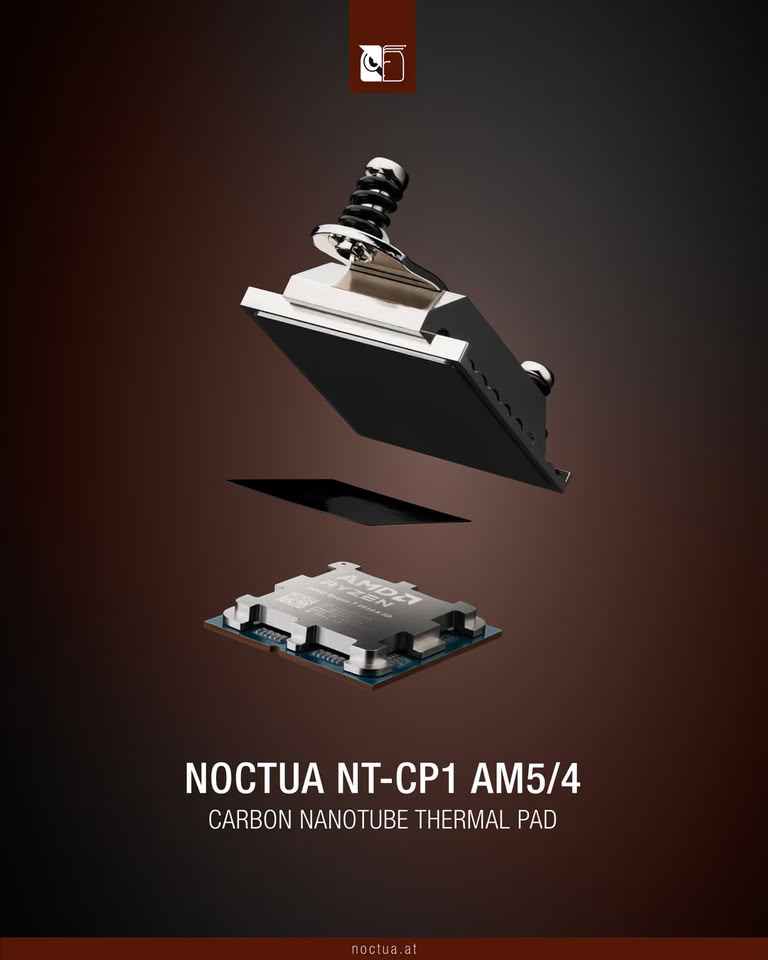
Apex Neural Rendering Beats NVIDIA DLSS in Both Image Quality and Performance
According to a company called Apex Compute, there is a new player in neural rendering. The company has developed Apex Neural Rendering, which reportedly offers higher quality and performance than NVIDIA's DLSS implementations. It includes three key components: frame generation (ANR FG), super resolution upscaling (ANR SR), and ray reconstruction denoising for ray tracing (ANR RR). Running frame generation on NVIDIA's GeForce RTX 5090 at 4K, the ANR FG achieves a latency of 1.01 ms per generated frame at a 2x setting, while NVIDIA's DLSS Frame Generation records 1.26 ms. We are not sure which version of DLSS FG was tested, but we can assume it was the latest version.
Regarding memory consumption, ANR FG uses only 214 MB of GPU memory, while DLSS FG requires more than double that, at 562 MB. Reportedly, the ANR FG neural network weights fit within just 0.17 MB, which is incredibly efficient. Based on samples on the company's website, the image quality that ANR delivers matches DLSS and even surpasses it in some cases. Apex Compute also managed to get Hogwarts Legacy and The Last of Us Part II Remastered working, showing the difference compared to DLSS, resulting in frame generation with more visual fidelity. ANR FG is a beta injector built around OptiScaler, which works in any game offering NVIDIA DLSS Frame Generation. You can view the results below.



Regarding memory consumption, ANR FG uses only 214 MB of GPU memory, while DLSS FG requires more than double that, at 562 MB. Reportedly, the ANR FG neural network weights fit within just 0.17 MB, which is incredibly efficient. Based on samples on the company's website, the image quality that ANR delivers matches DLSS and even surpasses it in some cases. Apex Compute also managed to get Hogwarts Legacy and The Last of Us Part II Remastered working, showing the difference compared to DLSS, resulting in frame generation with more visual fidelity. ANR FG is a beta injector built around OptiScaler, which works in any game offering NVIDIA DLSS Frame Generation. You can view the results below.
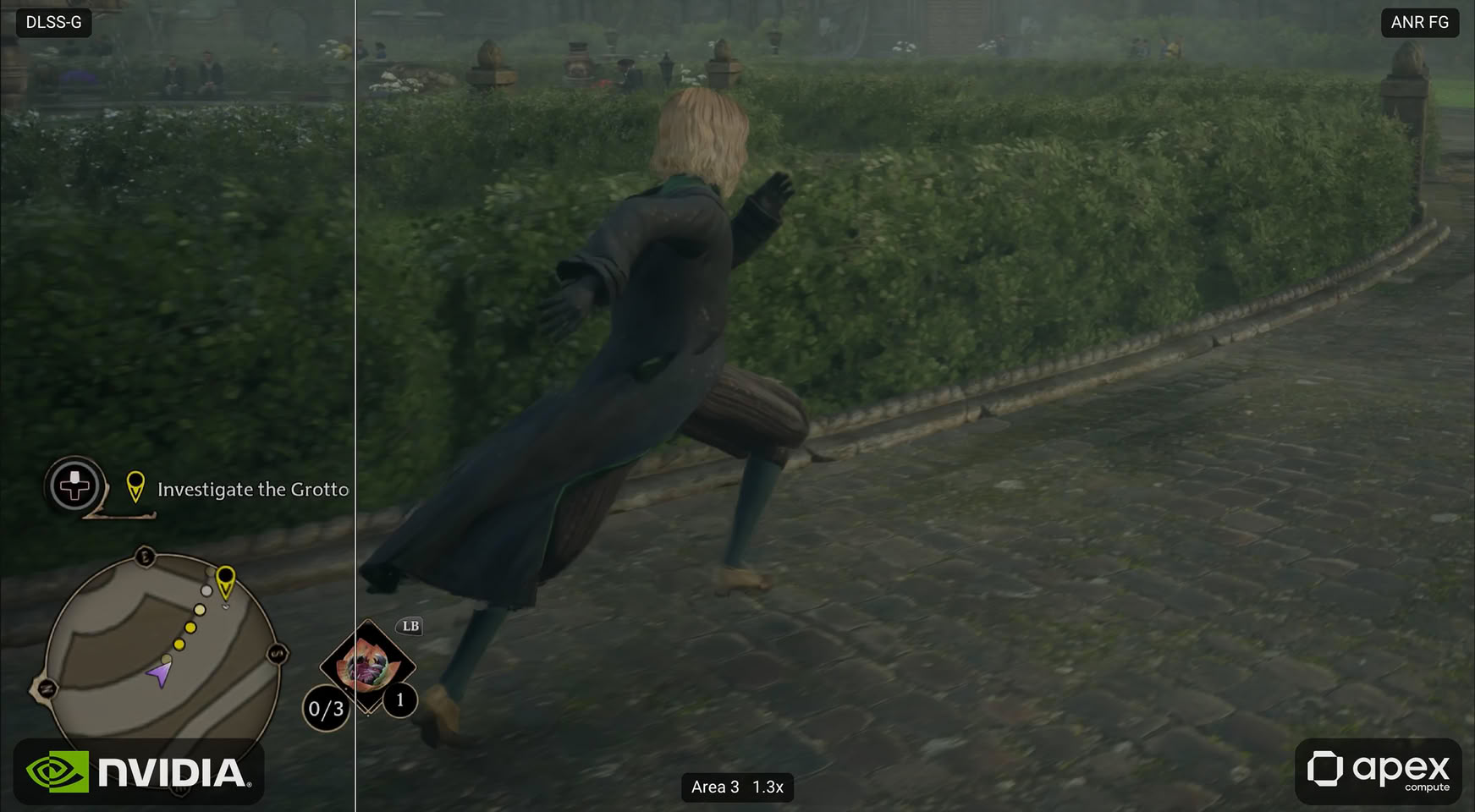
Wednesday, November 11th 2026
Today's Files
Today's Reviews
Cases
Harddisks
Monitors
Motherboards
PSUs
Sound Cards
NZXT C1200 Platinum Review
The NZXT C1200 Platinum brings 1200 W of quiet, ATX 3.1-ready power with a native 12V-2x6 connector for flagship GPUs. It posts strong voltage regulation, low ripple, and excellent cable resistance, while the relaxed fan curve keeps noise impressively quiet for a high-wattage PSU.

Montech King 95 3D PRO Review
The Montech King 95 3D PRO offers premium panoramic-glass, seven preinstalled RGB fans with reverse variants, and strong cooling for under $200. It nails the enthusiast formula with rear-connector motherboard support, roomy clearances, and a striking build at a highly competitive price tag.
Linux Finally Gets 64-Bit Steam Client and New Game Achievements Management
Even while Valve transitioned its Steam client to 64-bit, its Linux client has remained stuck in 32-bit land, but it appears as though that is finally slated to change, with a new 64-bit Steam client for Linux finally launching in the beta branch. This follows on the recent announcement of the beta RT3 client earlier in 2026 marking the start of the transition and promising a more consistent experience across different Linux distributions.
The launch of the 64-bit beta comes alongside Steam's new Achievement Sets update that allows developers to group base game, DLC, and other achievements based on categories. There is also a new achievements page to more easily track game achievements. Ahead of the latest beta launch, Valve also responded to Epic Games's new vibe-coded Epic Games Launcher beta with a mainline Steam client update that resulted in significantly faster cold-start times.
Update Nov 12th: The new Steam Achievements Sets feature has officially been released to the Stable channel as of a November 11 Steam Client update, whose update notes also make mention of several improvements to performance, responsiveness, and stability.

The launch of the 64-bit beta comes alongside Steam's new Achievement Sets update that allows developers to group base game, DLC, and other achievements based on categories. There is also a new achievements page to more easily track game achievements. Ahead of the latest beta launch, Valve also responded to Epic Games's new vibe-coded Epic Games Launcher beta with a mainline Steam client update that resulted in significantly faster cold-start times.
Update Nov 12th: The new Steam Achievements Sets feature has officially been released to the Stable channel as of a November 11 Steam Client update, whose update notes also make mention of several improvements to performance, responsiveness, and stability.


CD Projekt Red Turns to AI to Restore Polish Geralt's Voice in Witcher 3 Expansion
Jacek Rozenek, who has voiced Geralt in Polish since the first Witcher game, is returning for The Witcher 3: Songs of the Past, though his new lines are being run through an AI voice model so they match his original Witcher 3 performance. CD Projekt Red told Game File it worked with Ukrainian AI firm Respeecher on this, with Rozenek's approval. The actor suffered a stroke in 2019 that left him unable to speak for months, and his voice is now lower and gruffer than in the roughly 10,000 lines he recorded for the base game in 2014. CDPR feared the mismatch would stand out, since new battle cries and one-liners can play in older parts of the map too.
Rozenek still performs every line himself. Respeecher's model, trained on his original Witcher 3 recordings, then reshapes the new takes to match how Geralt sounded in 2015. Rozenek himself weighed in on this, saying the point is that this voice should be as close as possible to his voice from 12 years ago. Localization producer Mikołaj Szwed called it a "special case" tied to Rozenek's health and said CDPR's contracts require consent for any AI work. He sees this as a way to use AI "ethically, with consent and also to do something good." Doug Cockle's English Geralt, apparently, needed no such treatment.
Rozenek still performs every line himself. Respeecher's model, trained on his original Witcher 3 recordings, then reshapes the new takes to match how Geralt sounded in 2015. Rozenek himself weighed in on this, saying the point is that this voice should be as close as possible to his voice from 12 years ago. Localization producer Mikołaj Szwed called it a "special case" tied to Rozenek's health and said CDPR's contracts require consent for any AI work. He sees this as a way to use AI "ethically, with consent and also to do something good." Doug Cockle's English Geralt, apparently, needed no such treatment.

Radeon Users Get a Stopgap Open-Source Fix for AMD's SSD Write Bug
AMD's Radeon SSD write bug now has a community workaround that doesn't require disabling the External Events Utility. ComputerBase forum member Necandi (necanditool on GitHub) has released Radeon-atieclxx-SSD-Fix, a free, open-source tool that blocks the writes but leaves the service running. The developer found that atieclxx.exe keeps copying its own 660 KB executable out of the driver folder and into the Windows SYSTEM profile every second, or roughly 56 GB of writes per day. User reports put the write rate between 0.3 MB/s and 5 MB/s, and the top end works out to a massive 432 GB a day.
The tool uses Windows file permissions to deny the SYSTEM account write access to that one copied file, so each copy attempt fails and nothing new lands on the drive. Since the service stays active, FreeSync, frame pacing, and Radeon hotkeys should keep working. It also checks whether a PC is affected first, estimates the writes so far, and adds a scheduled task that reapplies the block after driver updates. Apparently, it can even lift the protection on its own once AMD patches the bug. The interface is only in German for now, and it is an unofficial tool, so readers are advised to use it at their own risk.

The tool uses Windows file permissions to deny the SYSTEM account write access to that one copied file, so each copy attempt fails and nothing new lands on the drive. Since the service stays active, FreeSync, frame pacing, and Radeon hotkeys should keep working. It also checks whether a PC is affected first, estimates the writes so far, and adds a scheduled task that reapplies the block after driver updates. Apparently, it can even lift the protection on its own once AMD patches the bug. The interface is only in German for now, and it is an unofficial tool, so readers are advised to use it at their own risk.
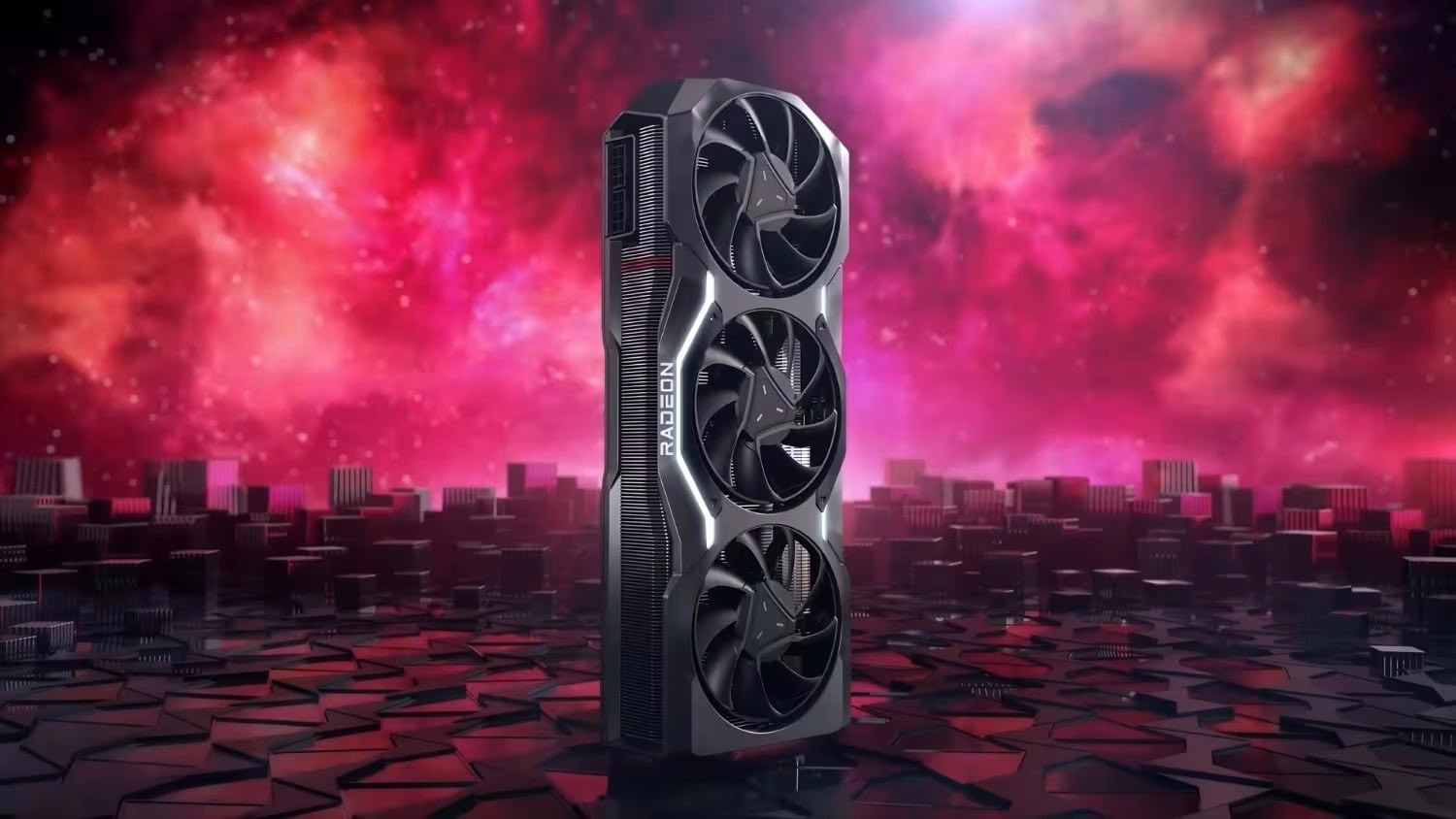
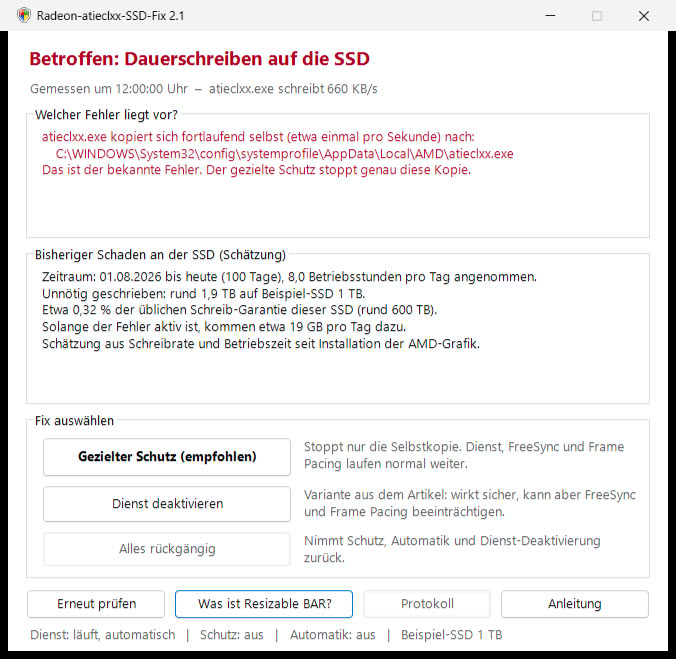
Microsoft's Auto SR Upscaler Goes Handheld on Xbox Ally X and X20, Gains 120 FPS Mode
ROG Xbox Ally X and X20 owners can now use Microsoft's Automatic Super Resolution (Auto SR) upscaler on the handheld's own screen. Microsoft says Auto SR is out of preview on both devices and on select AMD Ryzen Copilot+ PCs. During the Xbox Insider preview that started in April, it only worked with the Ally X docked to an external display. It now works undocked and on battery, and accepts games running at 1080p. The base ROG Xbox Ally misses out, since its chip has no NPU. Auto SR runs its AI model on the NPU, so the upscaling doesn't eat into the GPU's frame time. A new Performance Mode lifts the frame rate ceiling to 120 FPS, from roughly 60 to 75 FPS before.
In Microsoft's Rocket League test on the Ally X at 720p and high settings, Quality Mode averaged around 70 FPS, while Performance Mode hit about 115 FPS. Auto SR can now be paired with Auto HDR as well, though both Performance Mode and Auto HDR support will roll out gradually through Windows updates. Microsoft warns that 1080p on the internal screen may not perform as well as other setups, although older games should still see visual gains. Ally X owners have also had an FSR 4.1 preview driver since last month, which is probably still the better pick in games that support it well, leaving Auto SR for the rest. Enabling it requires the latest Windows 11 and Game Bar updates plus the Auto Super Resolution Package from the Microsoft Store.

In Microsoft's Rocket League test on the Ally X at 720p and high settings, Quality Mode averaged around 70 FPS, while Performance Mode hit about 115 FPS. Auto SR can now be paired with Auto HDR as well, though both Performance Mode and Auto HDR support will roll out gradually through Windows updates. Microsoft warns that 1080p on the internal screen may not perform as well as other setups, although older games should still see visual gains. Ally X owners have also had an FSR 4.1 preview driver since last month, which is probably still the better pick in games that support it well, leaving Auto SR for the rest. Enabling it requires the latest Windows 11 and Game Bar updates plus the Auto Super Resolution Package from the Microsoft Store.

Bungie Hopes To Grow Marathon With Free-To-Play Week Alongside New PvE Update
It's been known for a while now that Bungie has been toying with the idea of a permanent PvE mode for Marathon, much like Embark has been for Arc Raiders, but it seems as though Bungie is playing things a little more by ear, with the game studio previously announcing that a permanent PvE mode would be coming to Marathon in December. In a recent Marathon developer update, Bungie spilled the beans on what the start of Season 2 will look like and announced that there will be a free week coinciding with the launch of the Symbiosis update.
The Marathon Open Play Week, as it has been dubbed, will start on December 7 and run until December 15, and Bungie is seemingly hopeful that this will allow players to try the game and potentially turn into long-term Marathon players. December 8 marks the introduction of the new Expedition gameplay mode, which is a PvE-exclusive game mode that allows players to "form a team with your friends and explore Tau Ceti IV with a more collaborative mindset."

The Marathon Open Play Week, as it has been dubbed, will start on December 7 and run until December 15, and Bungie is seemingly hopeful that this will allow players to try the game and potentially turn into long-term Marathon players. December 8 marks the introduction of the new Expedition gameplay mode, which is a PvE-exclusive game mode that allows players to "form a team with your friends and explore Tau Ceti IV with a more collaborative mindset."
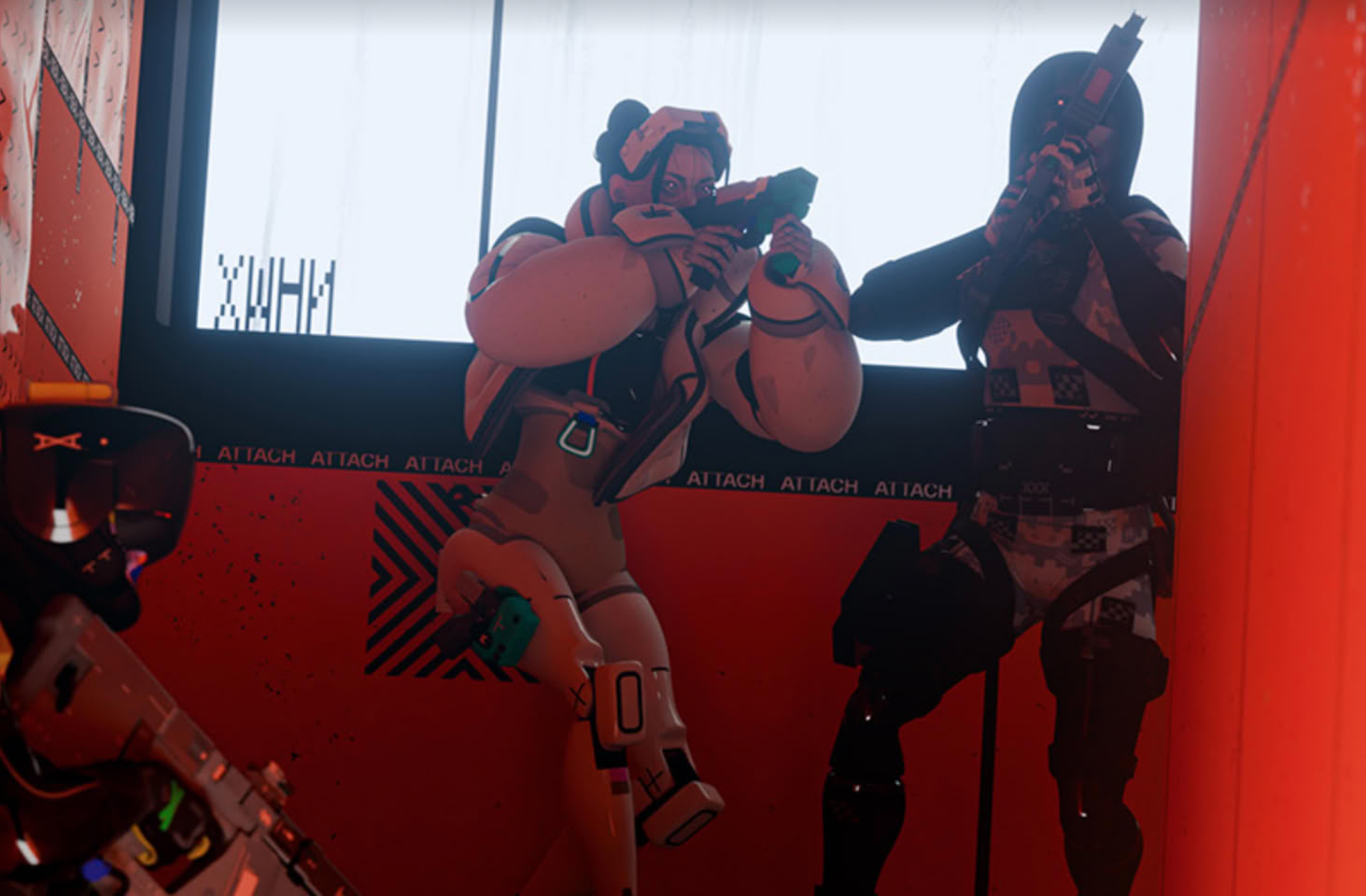
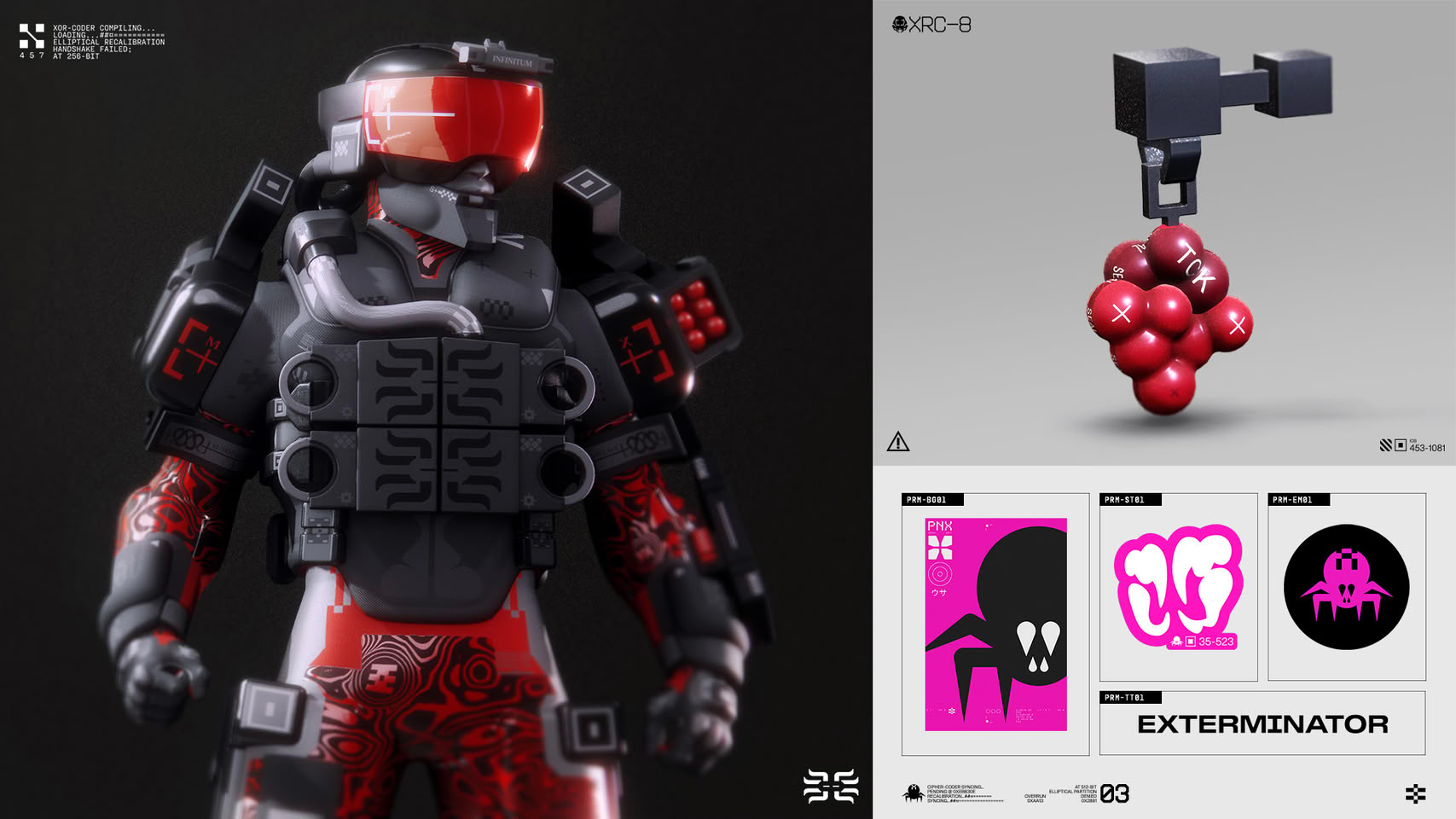
EU Draft "Digital Fairness Act" Details New Restrictions on Loot Boxes and "Addictive Design"
When Stop Killing Games's Ross Scott previously spoke about the initiative, he mentioned that the upcoming Digital Fairness Act was considering addressing game licensing but ultimately passing up the opportunity. Now, the European Commission has officially published a draft of the Digital Fairness Act, allowing us to see what the proposed legislation is targets and how that might affect video games and their makers. The draft act aims to "tackle unfair commercial practices affecting consumers online, while simplifying and harmonizing parts of the existing legal framework," and it will affect everything from dark patterns and subscription services to loot boxes, in-game purchases, digital contracts, and even influencer marketing.
What will be most pertinent to gamers and gaming companies is that gaming companies will be forced to be more transparent about in-game spending. This means they will need to show the real-world monetary value of virtual items purchased with in-game currency; loot boxes and other paid variable rewards systems will need to have rewards clearly shown as well as the probability of obtaining those rewards, and these systems will be unavailable for minors; and pay-to-win mechanics will be prohibited for minors under certain conditions. Platform designers, like social media companies, will also need to abide by new rules relating to what the Commission is calling "addictive design and attention-maximizing features."
What will be most pertinent to gamers and gaming companies is that gaming companies will be forced to be more transparent about in-game spending. This means they will need to show the real-world monetary value of virtual items purchased with in-game currency; loot boxes and other paid variable rewards systems will need to have rewards clearly shown as well as the probability of obtaining those rewards, and these systems will be unavailable for minors; and pay-to-win mechanics will be prohibited for minors under certain conditions. Platform designers, like social media companies, will also need to abide by new rules relating to what the Commission is calling "addictive design and attention-maximizing features."
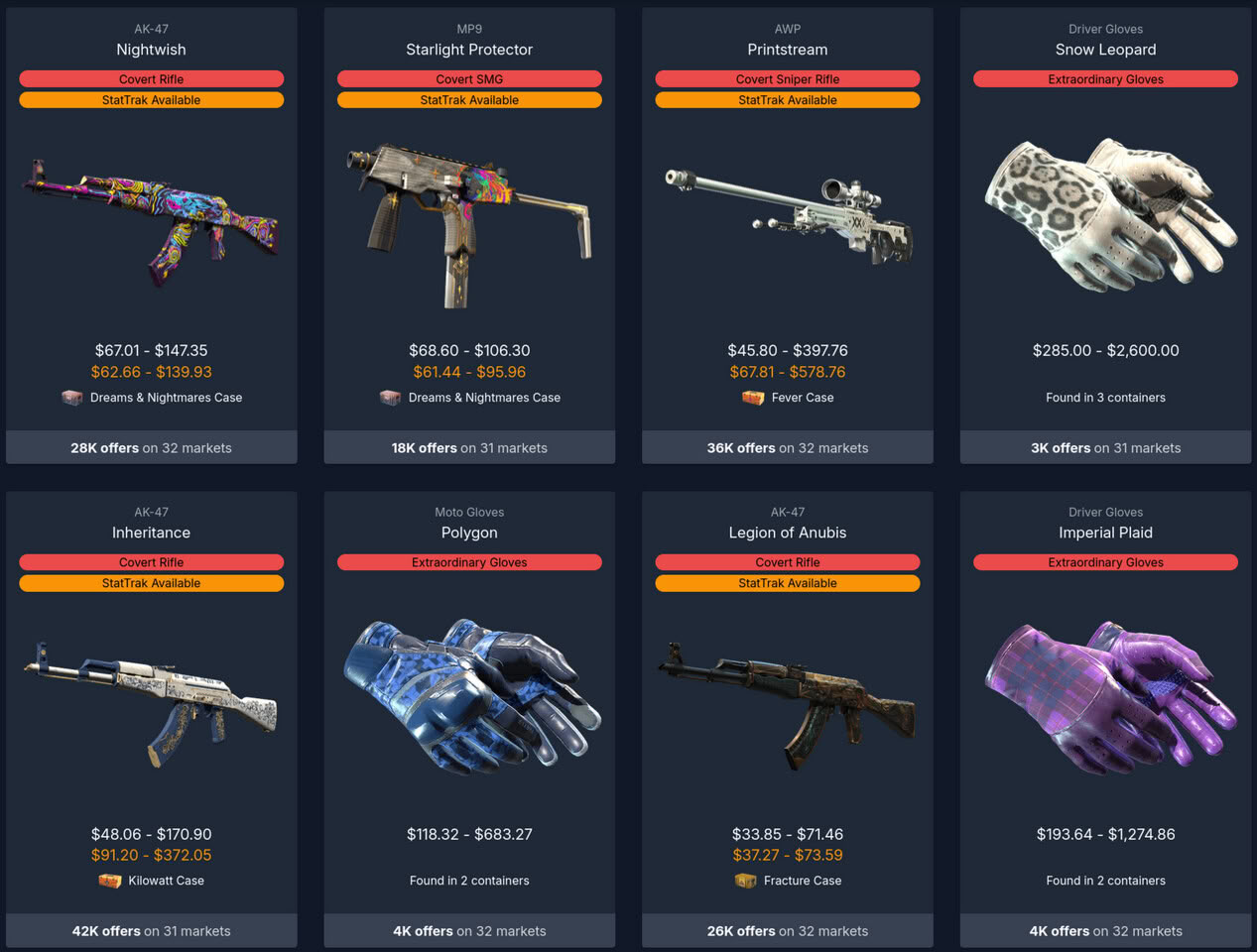
Thieaudio Introduces the Clairvoyance MKII
The original Clairvoyance was a groundbreaking tribrid IEM that helped shape the industry and establish Thieaudio's presence in the global audiophile market. Beyond pioneering the tribrid configuration, it introduced a distinctive tuning signature that would go on to influence the industry. After six years of innovation and refinement, Thieaudio proudly presents its modern successor: the Clairvoyance MKII.
An All-New 2DD + 5BA + 2EST Tribrid Configuration
The Clairvoyance MKII features a completely modernized driver platform, combining the latest-generation IMPACT² dual 8 mm isobaric subwoofer system with five balanced armature drivers and dual Sonion electrostatic tweeters. The IMPACT² system delivers tight, impactful sub-bass, while four Knowles BA drivers maximize midrange resolution and preserve the natural timbre of vocals and instruments. A dedicated latest-generation Knowles mid-treble driver enhances vocal presence and imaging, while the dual Sonion EST ultra-tweeters extend the highest frequencies for an airy, lifelike presentation.


An All-New 2DD + 5BA + 2EST Tribrid Configuration
The Clairvoyance MKII features a completely modernized driver platform, combining the latest-generation IMPACT² dual 8 mm isobaric subwoofer system with five balanced armature drivers and dual Sonion electrostatic tweeters. The IMPACT² system delivers tight, impactful sub-bass, while four Knowles BA drivers maximize midrange resolution and preserve the natural timbre of vocals and instruments. A dedicated latest-generation Knowles mid-treble driver enhances vocal presence and imaging, while the dual Sonion EST ultra-tweeters extend the highest frequencies for an airy, lifelike presentation.



SEGA Network Hack Keeps Japanese Arcades Offline for Over 10 Days
SEGA's networked arcade games in Japan have now been offline for more than ten days after unauthorized access to servers behind ALL.Net, SEGA's arcade network, and Aime, its IC card service for player data. SEGA Fave, which runs both, shut the services down at 3 p.m. on November 1 and disclosed the intrusion the next day. Games like Initial D The Arcade, maimai, and CHUNITHM lost online play and card support, and since other manufacturers use ALL.Net as well, Bandai Namco cabinets such as Taiko no Tatsujin and Mario Kart Arcade GP DX went down with them. Some of those Bandai Namco machines reportedly couldn't even run offline.
Bandai Namco's titles began a trial comeback on November 8 with online play and card use restored. SEGA's own lineup is still waiting. As of 9 a.m. on November 10, the official ALL.Net service account said there was no estimate for when service would resume, with another update planned for around 9 a.m. on November 12, Japan time. SEGA Fave says it hasn't found any leaked customer or business partner data so far, and payment information like credit card details wasn't stored on the affected servers. The company hasn't said how the attackers got in.


Bandai Namco's titles began a trial comeback on November 8 with online play and card use restored. SEGA's own lineup is still waiting. As of 9 a.m. on November 10, the official ALL.Net service account said there was no estimate for when service would resume, with another update planned for around 9 a.m. on November 12, Japan time. SEGA Fave says it hasn't found any leaked customer or business partner data so far, and payment information like credit card details wasn't stored on the affected servers. The company hasn't said how the attackers got in.

Grand Theft Auto VI for Xbox Packs FSR 4.1.2, But Not Enabled at Launch
Grand Theft Auto VI is reportedly incorporating AMD's FSR Upscaling 4.1.2 technology on Xbox consoles, according to preload game files. Both amd_fidelityfx_loader_xbox.dll and amd_fidelityfx_upscaler_xbox.dll are present in the Xbox version of GTA VI, indicating that the game will eventually support FSR 4.1.2 technology, although it hasn't been advertised at launch. Interestingly, only Sony's PlayStation Spectral Super Resolution (PSSR) is supported at launch, and it requires a PlayStation 5 Pro console to enable, which is not available on the regular PlayStation 5.
As a reminder, last week, Xbox Series X and Xbox Series S consoles finally received machine learning-based upscaling technology with the latest FSR Upscaling 4.1.2. Microsoft's Game Development Kit (GDK) now officially includes FSR Upscaling 4.1.2 in two models. One is the full-scale upscaling model based on the INT8 data type, and the other is a new and efficient Lite INT8 model. Both models are compatible with both consoles, but the key point is that game developers have the flexibility to choose which model to implement. Depending on the demands of a game, the appropriate model can be applied to achieve optimal upscaling performance.
As a reminder, last week, Xbox Series X and Xbox Series S consoles finally received machine learning-based upscaling technology with the latest FSR Upscaling 4.1.2. Microsoft's Game Development Kit (GDK) now officially includes FSR Upscaling 4.1.2 in two models. One is the full-scale upscaling model based on the INT8 data type, and the other is a new and efficient Lite INT8 model. Both models are compatible with both consoles, but the key point is that game developers have the flexibility to choose which model to implement. Depending on the demands of a game, the appropriate model can be applied to achieve optimal upscaling performance.

HAVN Launches HS 420 Mercedes-AMG PETRONAS F1 Team Edition
HAVN is proud to announce the launch of the HS 420 Mercedes-AMG PETRONAS F1 Team Edition, an officially licensed collaboration that brings together HAVN's performance-centric Hybrid Structure design with the team's iconic Black and Teal livery, Silver Star badge and distinctive design language.
From the hexagonal pattern to the individually numbered Special Edition Plaque, every detail has been carefully considered to celebrate the team's pursuit of speed, precision, and engineering excellence.
From the hexagonal pattern to the individually numbered Special Edition Plaque, every detail has been carefully considered to celebrate the team's pursuit of speed, precision, and engineering excellence.
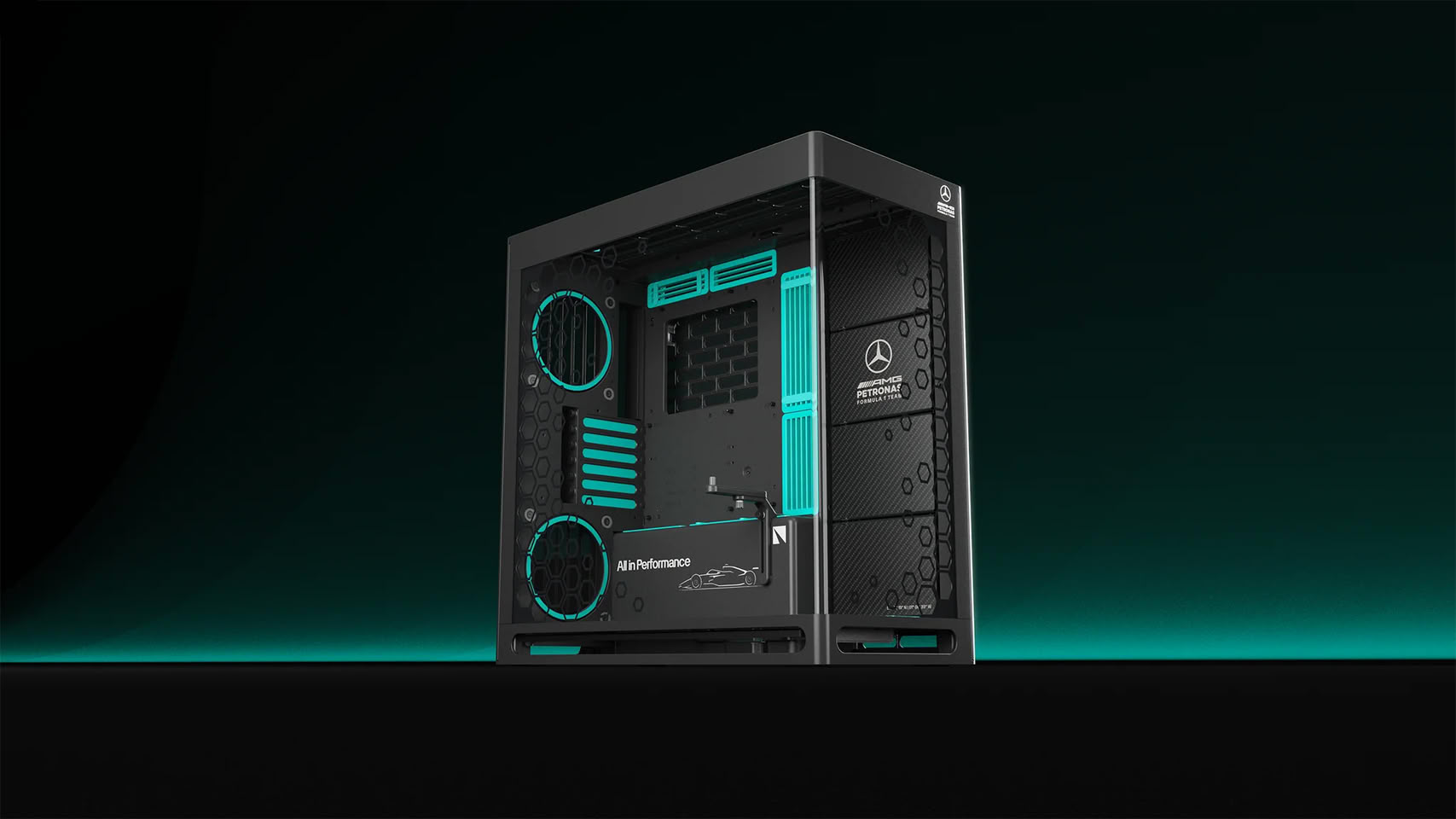
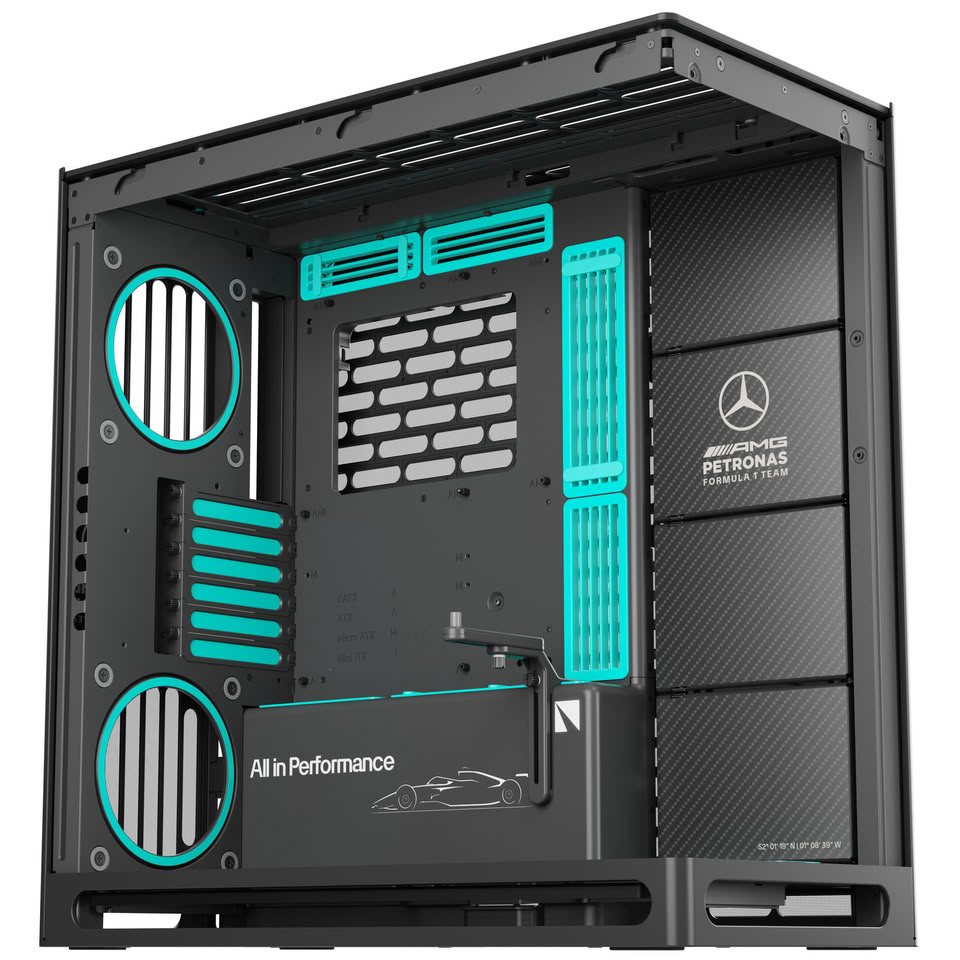
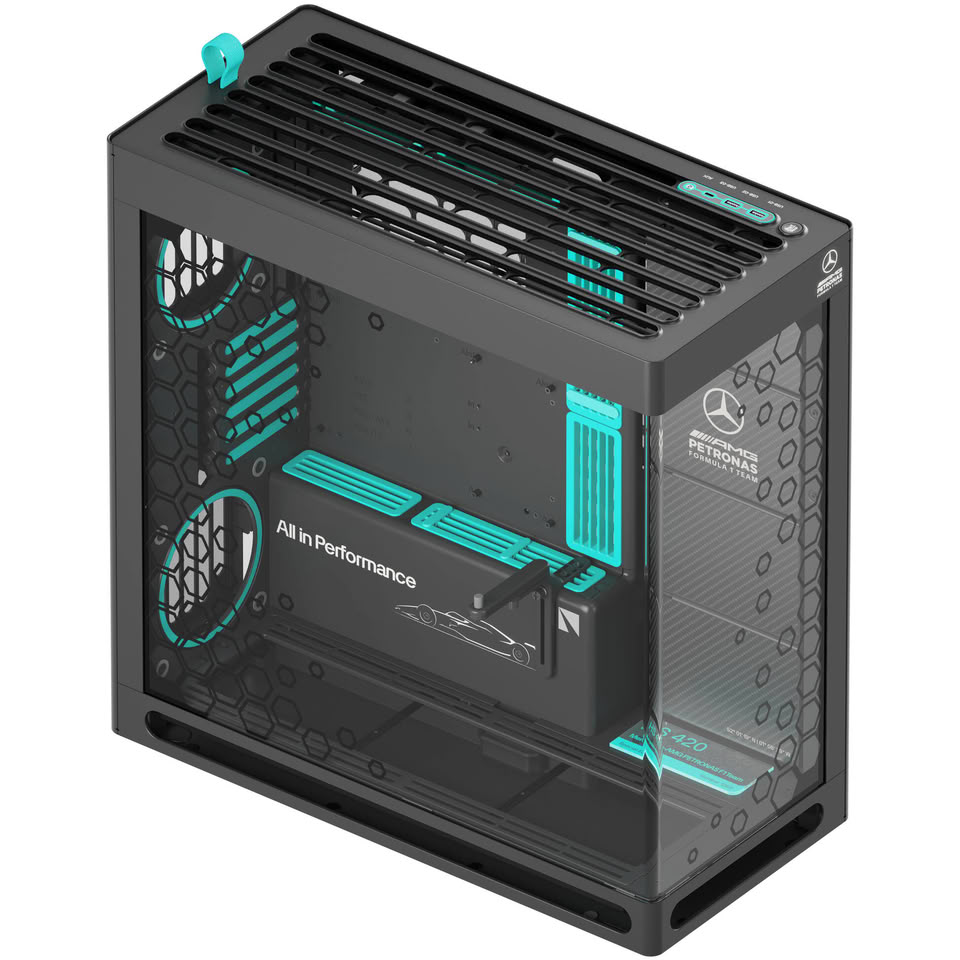
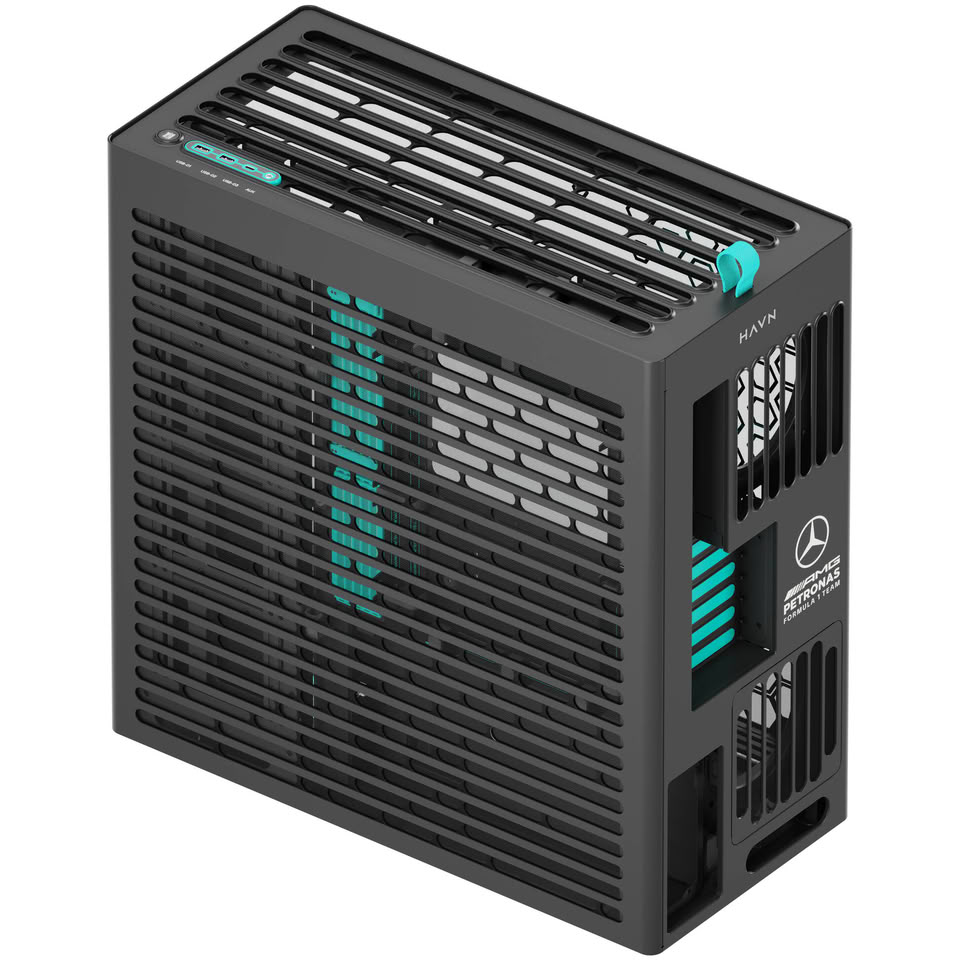
Zelda: Ocarina of Time Remake Becomes Nintendo's Fastest-Selling Switch 2 Game at Launch
The Legend of Zelda: Ocarina of Time remake sold over 5.2 million units worldwide in its first four days on Switch 2, Nintendo announced, with 810,000 of those coming from Japan. According to Nintendo, that's the highest four-day global figure for any Nintendo-published Switch 2 game so far, and it counts both physical and digital copies. The remake, a full rebuild of the 1998 Nintendo 64 classic, launched on November 5. For a sense of scale, the Switch 2 console itself sold over 3.5 million units in its first four days back in June 2025.
Nintendo's latest earnings put the Switch 2 at 26.35 million units shipped as of September 30, so the remake has sold the equivalent of roughly a fifth of that base. It's a rough comparison, of course, since more consoles have shipped since then and shipped units don't equal owners. In just four days, Ocarina of Time has also passed the 5.05 million lifetime units Donkey Kong Bananza had reached by the end of September. The timing works out well for Nintendo too, as Switch 2 hardware shipments fell 41% last quarter while software sales kept climbing. For comparison, The Legend of Zelda: Tears of the Kingdom sold over 10 million units in its first three days back in 2023, albeit on the much larger installed base of the original Switch.

Nintendo's latest earnings put the Switch 2 at 26.35 million units shipped as of September 30, so the remake has sold the equivalent of roughly a fifth of that base. It's a rough comparison, of course, since more consoles have shipped since then and shipped units don't equal owners. In just four days, Ocarina of Time has also passed the 5.05 million lifetime units Donkey Kong Bananza had reached by the end of September. The timing works out well for Nintendo too, as Switch 2 hardware shipments fell 41% last quarter while software sales kept climbing. For comparison, The Legend of Zelda: Tears of the Kingdom sold over 10 million units in its first three days back in 2023, albeit on the much larger installed base of the original Switch.

PS5 Games Now Boot on a PS4 Through EmuFive Emulator
Developer Chokri Hammedi (blue0x1) has released EmuFive, an experimental emulator that runs PS5 games on a jailbroken PS4. The best result so far is God of War: Sons of Sparta, which apparently runs at around 40 FPS and above on a PS4 Pro. The PS5 version of Hollow Knight: Silksong boots too, though that game already has a native PS4 release. Both are 2D games, of course, and the developer notes that plenty of other games are still sluggish. EmuFive doesn't run on top of the PS4's own operating system. It's a small Linux system, installed through PS4 Multiboot and started from a GoldHEN payload.
At its core is KytyPS5, the same PS5 emulator that recently got Marvel's Wolverine to run on PC, and showed good progress in many other PS exclusive titles. Rather than emulating the PS5's processor, KytyPS5 hands the game's x86-64 code straight to the host CPU. That's an issue on the PS4, as its Jaguar cores lack the AVX2, FMA, and BMI2 extensions that Zen 2-targeted PS5 games use all over the place. Hammedi's patch gets around it by translating those instructions into older SSE4.2, AVX, and BMI1 equivalents, mostly at load time. That works, but it piles extra overhead onto a CPU that is already far slower.

At its core is KytyPS5, the same PS5 emulator that recently got Marvel's Wolverine to run on PC, and showed good progress in many other PS exclusive titles. Rather than emulating the PS5's processor, KytyPS5 hands the game's x86-64 code straight to the host CPU. That's an issue on the PS4, as its Jaguar cores lack the AVX2, FMA, and BMI2 extensions that Zen 2-targeted PS5 games use all over the place. Hammedi's patch gets around it by translating those instructions into older SSE4.2, AVX, and BMI1 equivalents, mostly at load time. That works, but it piles extra overhead onto a CPU that is already far slower.
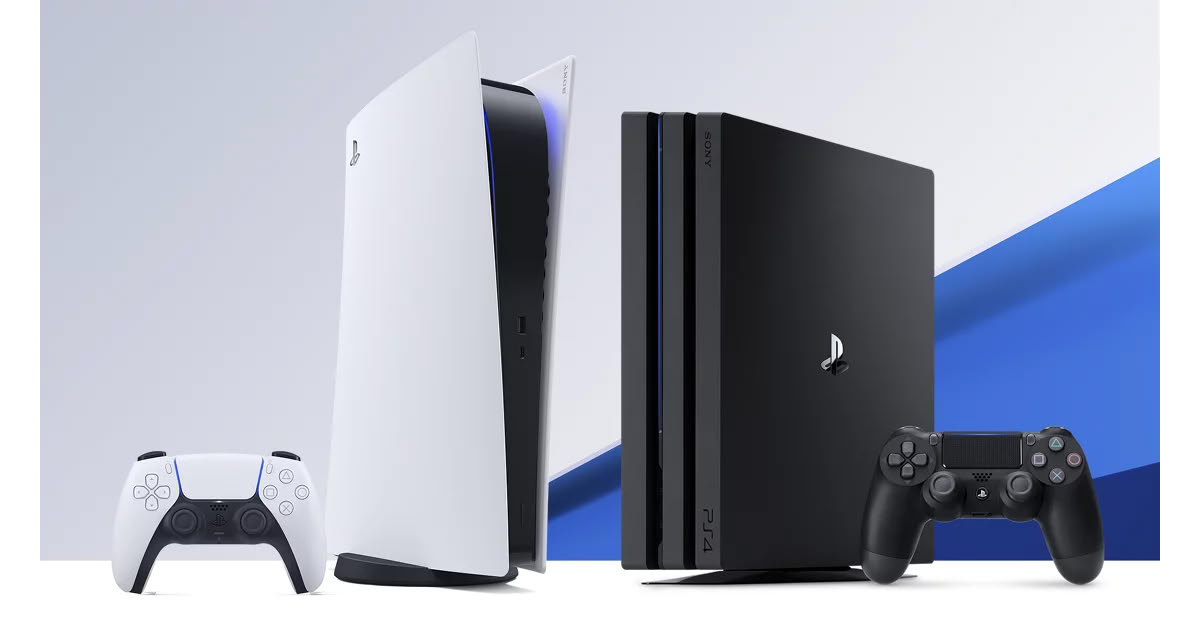

Zalman Reveals New ALPHA3 A36 AIO Coolers and 120 mm Fan Series
Zalman has silently listed on its website two new 360 mm AIO coolers and a series of 120 mm fans. The AIOs are the ALPHA3 LX A36 and ALPHA3 SE A36, with similar specs but different pump-cover designs and features. The fan lineup includes the ZM-HF120 and ZM-HF120R. Those are available in black and white, with standard and reverse blade configurations. Let's look first at the AIO coolers. Both use a pump with a pure copper base. It operates at 800-3,400 RPM with a water flow of 1.3 L/min. The aluminium radiator measures 394 x 120 x 29 mm and comes with three 120 mm ARGB fans integrated into a single frame. Each fan uses a nine-blade design and rubber anti-vibration dampers. Fan speeds range from 600 to 2,000 RPM, with 32.9 dBA, 71.14 CFM airflow, and 2.06 mmH₂0 static pressure.
The ALPHA3 LX A36 stands out with two magnetic pump covers. One is an LCD that shows in real time CPU temperature, utilization, and clock speed. When the PC is powered off, the display switches to an always-on clock powered by motherboard standby power. The time is synchronized when the system starts. The second is a plain plastic cover for users who prefer a simpler appearance. The ALPHA3 SE A36 model instead features a layered 3D-pattern pump cover with ARGB lighting. The AIO coolers are compatible with Intel LGA 1851, 1700, 1200, and 115x sockets, as well as AMD AM5 and AM4 platforms.

The ALPHA3 LX A36 stands out with two magnetic pump covers. One is an LCD that shows in real time CPU temperature, utilization, and clock speed. When the PC is powered off, the display switches to an always-on clock powered by motherboard standby power. The time is synchronized when the system starts. The second is a plain plastic cover for users who prefer a simpler appearance. The ALPHA3 SE A36 model instead features a layered 3D-pattern pump cover with ARGB lighting. The AIO coolers are compatible with Intel LGA 1851, 1700, 1200, and 115x sockets, as well as AMD AM5 and AM4 platforms.

Logitech Gives Employees a Paid Day Off to Play Games, Just in Time for GTA 6
Logitech employees are getting a day off just to play video games. The company has announced "Logi Game Day," which it calls the first company-wide gaming day in its history, pitched as a way to recognize the cognitive and professional benefits of gaming. Logitech G will host a streaming event at its Americas headquarters in San Jose on November 19, which happens to be the day GTA 6 launches on PS5 and Xbox Series X|S. Logitech G general manager Robin Piispanen will host it.
Employees aren't locked into GTA 6, though Piispanen does name-drop it in the press release alongside Call of Duty: Modern Warfare 4 and Forza. CEO Hanneke Faber framed the whole thing as a push against an old stigma, saying that it's time to retire the stereotype that gaming is a waste of time. Logitech also points to its own Ctrl Tomorrow study (coming from a gaming peripheral maker, of course), where 81% of gamers said gaming builds real-world confidence, reduces anxiety, and helps their day-to-day work performance.

Employees aren't locked into GTA 6, though Piispanen does name-drop it in the press release alongside Call of Duty: Modern Warfare 4 and Forza. CEO Hanneke Faber framed the whole thing as a push against an old stigma, saying that it's time to retire the stereotype that gaming is a waste of time. Logitech also points to its own Ctrl Tomorrow study (coming from a gaming peripheral maker, of course), where 81% of gamers said gaming builds real-world confidence, reduces anxiety, and helps their day-to-day work performance.


First Photos of Intel's 256-Core Xeon 7 "Diamond Rapids" Package Surface
Intel's Xeon 7 "Diamond Rapids" seems to have made its first public appearance as actual silicon. Intel had two packages on display at the Tencent Global Digital Ecosystem Conference in Shenzhen on October 29, one showing the heat spreader and the other flipped to show the contact side, though photos of them are only now making the rounds. These chips are meant for the massive LGA 9324 socket on Intel's Oak Stream platform, and the bottom side shows a huge pad area to match.
The specs themselves aren't new, since Intel detailed the package design at HOT CHIPS back in August. The flagship packs up to 256 Panther Cove P-cores without SMT, spread across 16 compute chiplets built on Intel 18A-P, along with 1.28 GB of last-level cache. It also gets 16 memory channels with MRDIMM support up to 12,800 MT/s and 128 PCIe Gen 6 lanes. At the event, Intel pitched Diamond Rapids as a CPU designed for agentic AI infrastructure and reportedly announced joint development with Tencent Cloud for its CVM instances. The new Tencent Cloud instances launched at the same event, however, run on Xeon 6+ "Clearwater Forest" chips.
The specs themselves aren't new, since Intel detailed the package design at HOT CHIPS back in August. The flagship packs up to 256 Panther Cove P-cores without SMT, spread across 16 compute chiplets built on Intel 18A-P, along with 1.28 GB of last-level cache. It also gets 16 memory channels with MRDIMM support up to 12,800 MT/s and 128 PCIe Gen 6 lanes. At the event, Intel pitched Diamond Rapids as a CPU designed for agentic AI infrastructure and reportedly announced joint development with Tencent Cloud for its CVM instances. The new Tencent Cloud instances launched at the same event, however, run on Xeon 6+ "Clearwater Forest" chips.


Nintendo DMCA Notice Takes Down 144 Switch Modchip Firmware Repos on GitHub
GitHub has disabled 144 repositories hosting Nintendo Switch modchip firmware following a DMCA notice from Nintendo of America. The notice, dated November 6 and posted to GitHub's public DMCA archive this week, names a single repository called Ansem-SoD/Picofly. Because its fork network had more than 100 repositories and Nintendo claimed that all or most of the forks infringed to the same extent, GitHub took the entire network down. The targeted firmware covers SX Core, SX Lite, Picofly, and HWFLY chips, among others.
Patched consoles like the Switch Lite and Switch OLED need a soldered modchip that glitches the boot process to run custom software. Nintendo says this firmware lets modchips "illegally circumvent Nintendo's TPMs" by bypassing the boot sequence, which makes distributing it trafficking in circumvention technology under the DMCA. The notice also cites the U.S. criminal case against Team-Xecuter, whose member Gary Bowser pleaded guilty in 2021. A guilty plea isn't a ruling that modchips are illegal, of course, but Nintendo doesn't have to prove that for GitHub to act on a DMCA notice. Chips that are already installed keep working, while owners lose an easy source for firmware updates and flashing new chips.

Patched consoles like the Switch Lite and Switch OLED need a soldered modchip that glitches the boot process to run custom software. Nintendo says this firmware lets modchips "illegally circumvent Nintendo's TPMs" by bypassing the boot sequence, which makes distributing it trafficking in circumvention technology under the DMCA. The notice also cites the U.S. criminal case against Team-Xecuter, whose member Gary Bowser pleaded guilty in 2021. A guilty plea isn't a ruling that modchips are illegal, of course, but Nintendo doesn't have to prove that for GitHub to act on a DMCA notice. Chips that are already installed keep working, while owners lose an easy source for firmware updates and flashing new chips.

MSI Reportedly Plans RTX 5080 Price Hikes of up to $1,200 in China
MSI's GeForce RTX 5080 cards could cost up to 8,000 yuan (about $1,200) more in China this month, according to a ChannelGate post shared on X by harukaze5719. The post outlines MSI's November distributor pricing compared to October, with RTX 5080 models going up by 1,300 to 8,000 yuan depending on the card. That's roughly $195 at the low end, while the top figure alone is more than the RTX 5080's entire $999 launch MSRP. Yes, that's apparently a $1,200 increase planned for the RTX 5080 at the top end.
The rest of the RTX 50 stack goes up too. RTX 5070 Ti models rise by 800 to 4,000 yuan (about $120 to $600), and the RTX 5070 by 500 to 1,000 yuan (75 to $150). The RTX 5060 Ti 16 GB picks up 400 yuan, its 8 GB sibling 200 yuan, and the RTX 5060 between 200 and 500 yuan. Even the RTX 3050 gets a 100 yuan bump. These are distributor prices in China, not new MSRPs, and the post doesn't say which RTX 5080 models sit at the top of that range. Colorful and Galax reportedly started sharing similar hikes with their partners earlier this month, so MSI seems to be following the same path. We can certainly expect other AIB partners to follow suit soon.

The rest of the RTX 50 stack goes up too. RTX 5070 Ti models rise by 800 to 4,000 yuan (about $120 to $600), and the RTX 5070 by 500 to 1,000 yuan (75 to $150). The RTX 5060 Ti 16 GB picks up 400 yuan, its 8 GB sibling 200 yuan, and the RTX 5060 between 200 and 500 yuan. Even the RTX 3050 gets a 100 yuan bump. These are distributor prices in China, not new MSRPs, and the post doesn't say which RTX 5080 models sit at the top of that range. Colorful and Galax reportedly started sharing similar hikes with their partners earlier this month, so MSI seems to be following the same path. We can certainly expect other AIB partners to follow suit soon.


PlayStation 5 Officially Tops 100 Million Unit Sales—Still Behind PS1, PS2, and PS4
In the six years since the PlayStation 5 launched, Sony says that the gaming console has officially sold more than 100 million units, as of a November 2026 announcement by Sony. As per the console maker, it has sold as many as 4.2 million units between April and September 2026, which is actually a significant decline compared to the previous year's 6.5 million units in the same period in 2025—despite the expected increase in sales from the imminent launch of GTA VI.
So far, this puts the PS5 as Sony's fourth most successful console platform to date, behind the PlayStation 1 (102.4 million sales), PlayStation 4 (117 million), and the PlayStation 2 (over 160 million units), but sales are likely to continue until and even after the expected 2028 launch of the PS6. At the time of writing, only the PSP and the PlayStation 3 have sold less than the PlayStation 5. Sony also provided some insights into software sales for its PlayStation platforms, with the PS4 and PS5 combined having sold a claimed 1.795 billion units (including physical and download-only titles, PS VR titles as well as software bundled with PS4, PS5).


So far, this puts the PS5 as Sony's fourth most successful console platform to date, behind the PlayStation 1 (102.4 million sales), PlayStation 4 (117 million), and the PlayStation 2 (over 160 million units), but sales are likely to continue until and even after the expected 2028 launch of the PS6. At the time of writing, only the PSP and the PlayStation 3 have sold less than the PlayStation 5. Sony also provided some insights into software sales for its PlayStation platforms, with the PS4 and PS5 combined having sold a claimed 1.795 billion units (including physical and download-only titles, PS VR titles as well as software bundled with PS4, PS5).
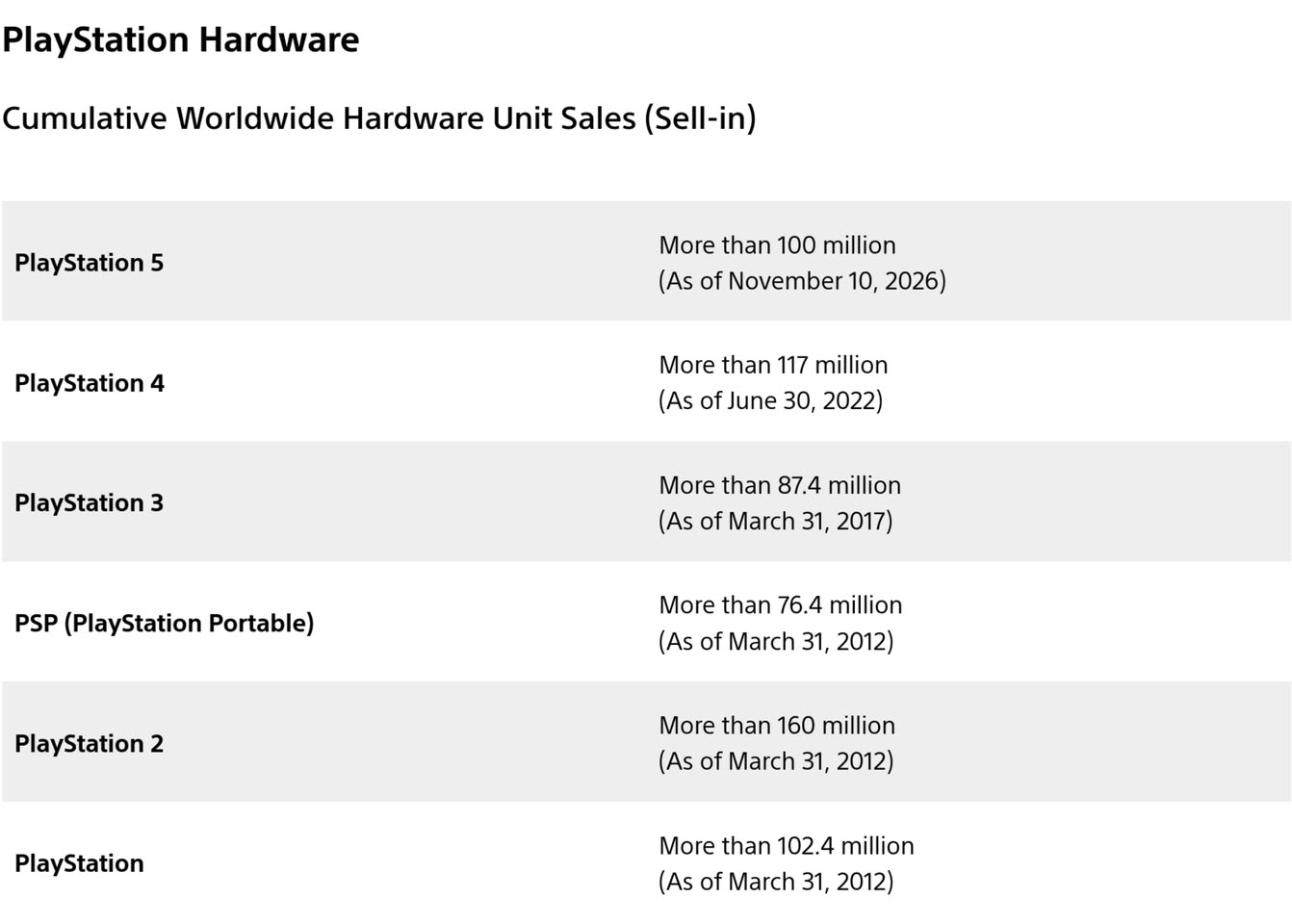
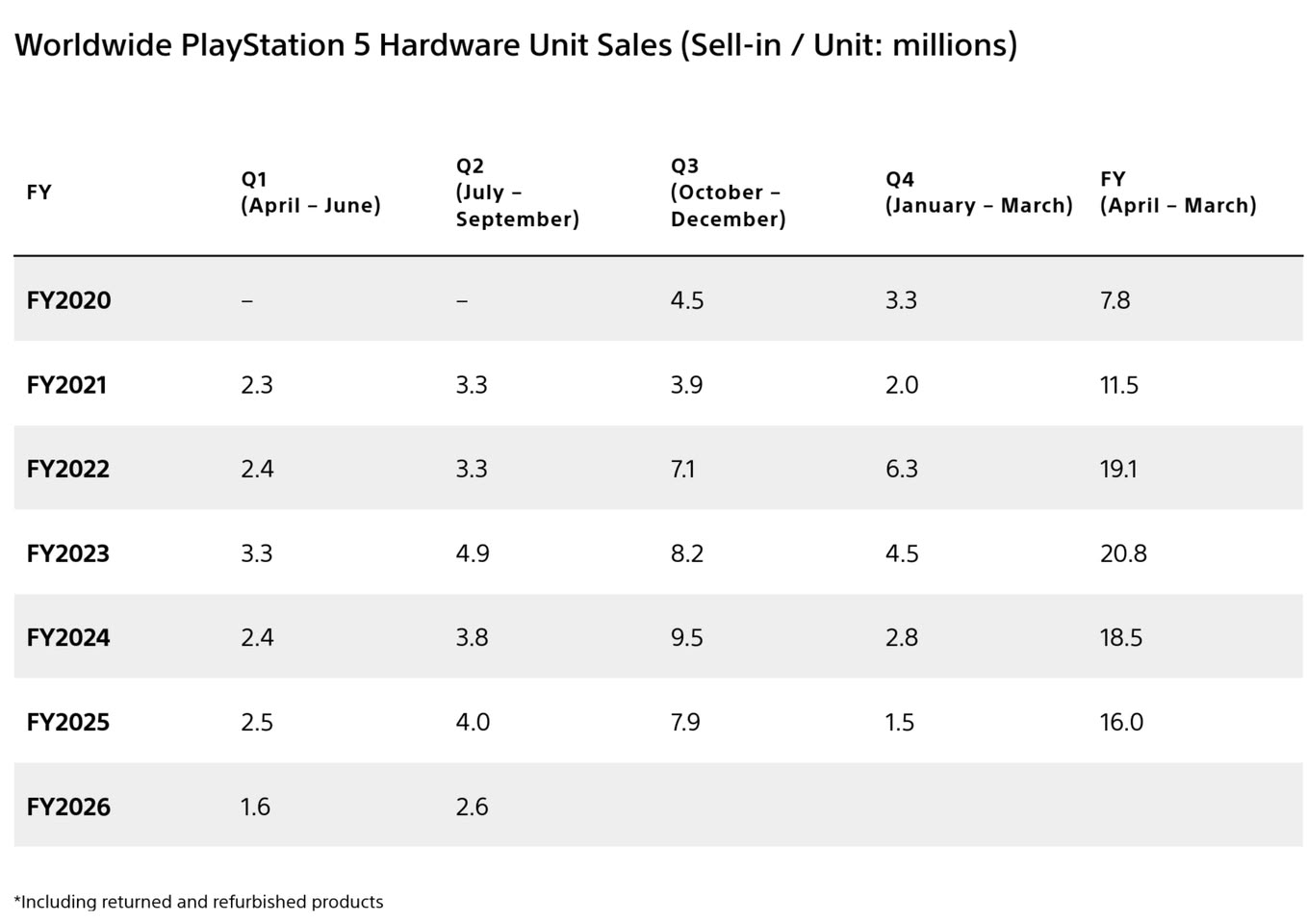
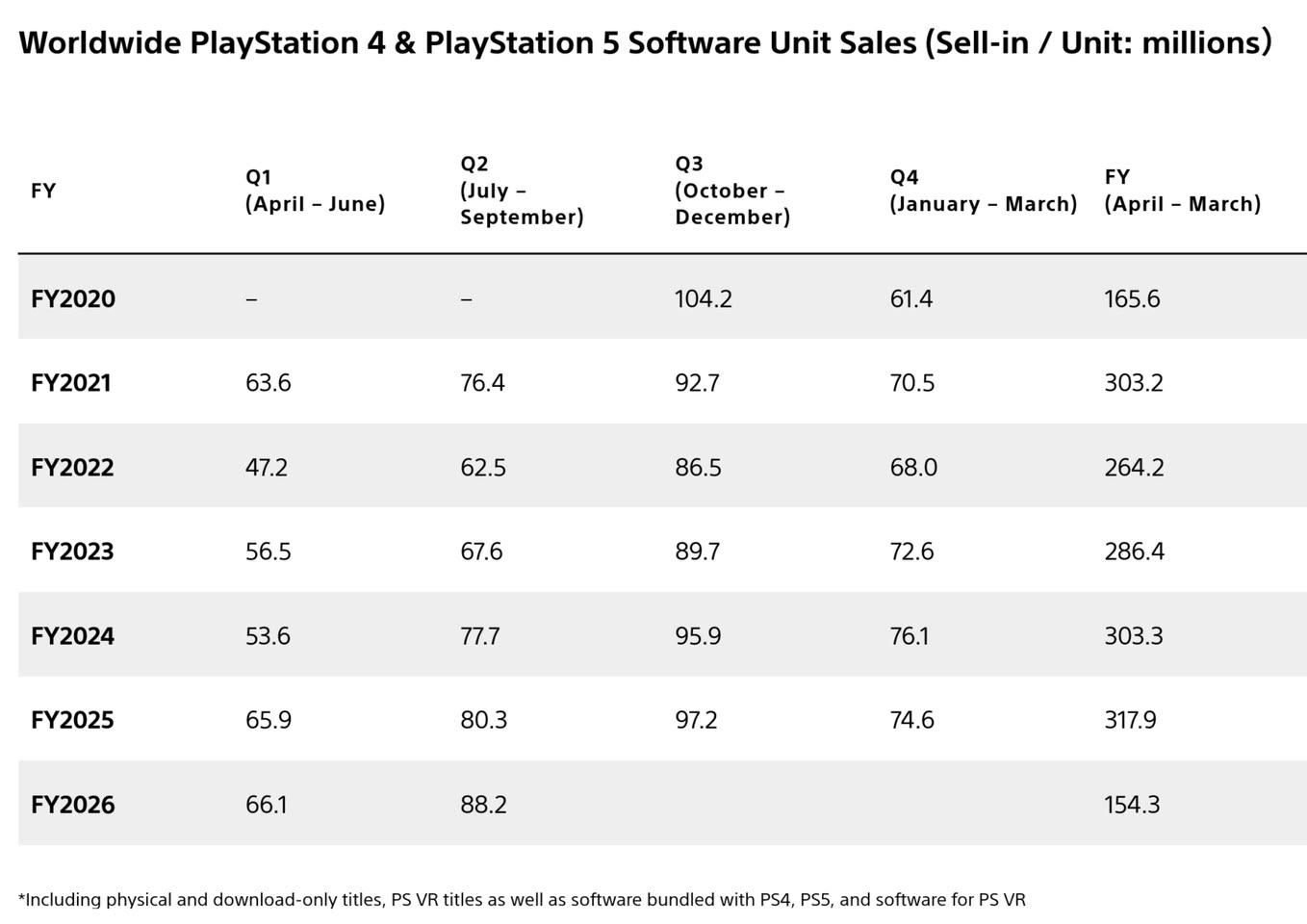
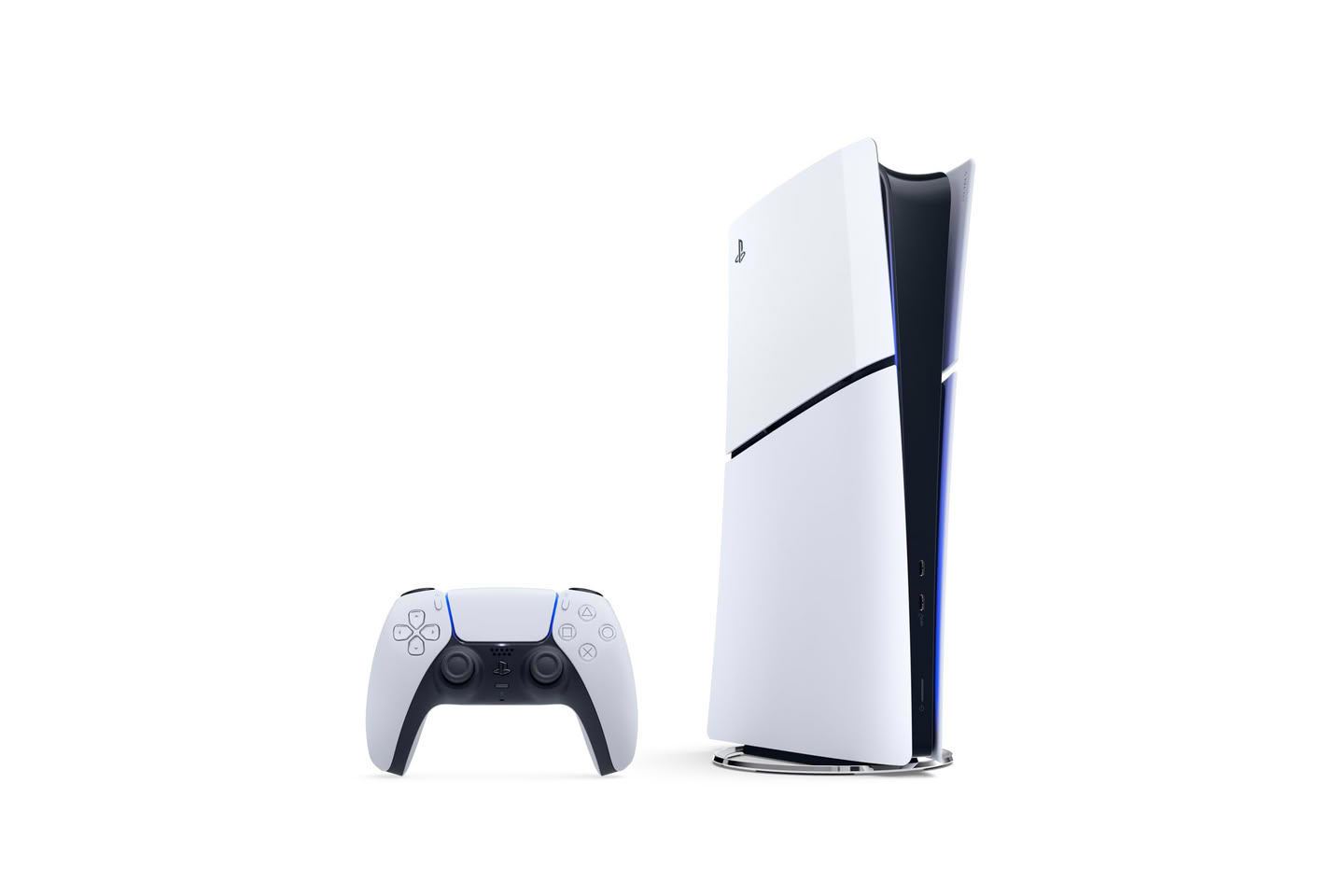
Razer Releases the Honkai: Star Rail Collection
Razer, the leading global lifestyle brand for gamers, today announced the Razer | Honkai: Star Rail Collection, developed in collaboration with HoYoverse. Following previous collaborations with Genshin Impact and Zenless Zone Zero, the collection brings the world of Honkai: Star Rail to life through officially licensed gaming peripherals.
Inspired by Silver Wolf LV.999, the invincible player from Honkai: Star Rail, the collection reimagines Razer's award-winning gaming hardware with her unmistakable aesthetic and competitive spirit, delivering premium gaming gear built for players who are always one move ahead.




Inspired by Silver Wolf LV.999, the invincible player from Honkai: Star Rail, the collection reimagines Razer's award-winning gaming hardware with her unmistakable aesthetic and competitive spirit, delivering premium gaming gear built for players who are always one move ahead.


Mounting Finished-Goods Inventories Prompt Some PC OEMs to Adjust Memory Procurement Plans for 2027
More than a year of rising memory prices has placed mounting cost pressure on the consumer electronics industry, according to TrendForce's latest memory industry research. Notebook shipments, in particular, are expected to decline sharply quarter-over-quarter beginning in 3Q26, leaving PC OEMs grappling with sluggish sales and swelling finished-goods inventories.
Against this backdrop, some manufacturers are planning to adjust memory procurement for 4Q26—and even 1Q27—while considering a greater reliance on private-label models in their shipment mix.
Against this backdrop, some manufacturers are planning to adjust memory procurement for 4Q26—and even 1Q27—while considering a greater reliance on private-label models in their shipment mix.
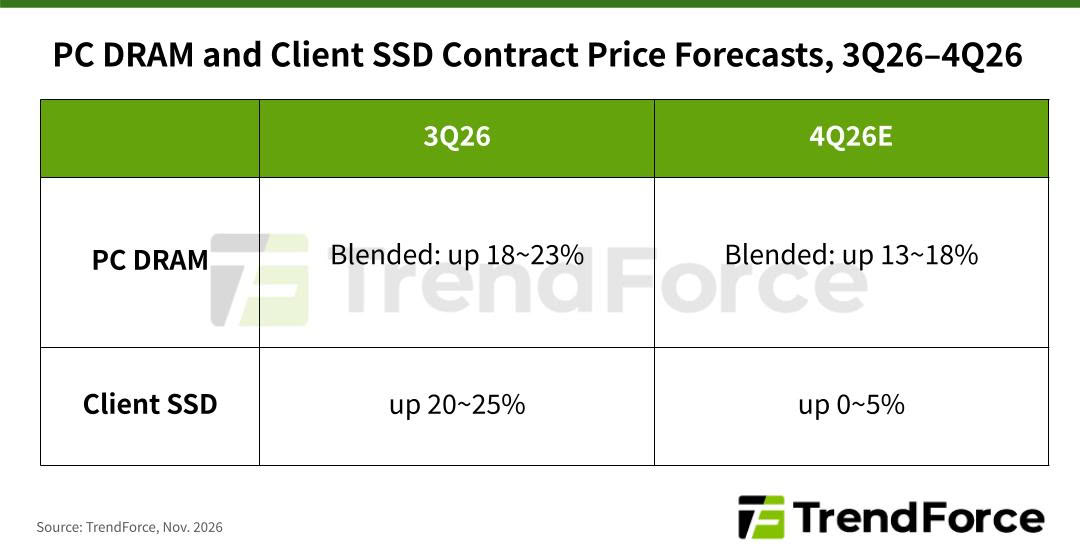
XGIMI Horizon 30 Pro and Ultra Max Now Available
XGIMI, a global leader in premium smart projection and home entertainment, today announced that the HORIZON 30 Pro and HORIZON 30 Ultra Max are officially available for purchase at XGIMI.com. Following its October debut, the new generation of high-performance home projectors combines premium picture quality with flexible setup, making big-screen entertainment a natural fit for everyday living spaces.
The three models - HORIZON 30 Pro, HORIZON 30 Max and HORIZON 30 Ultra Max - combine XGIMI's RGB Triple Laser technology with up to 6,000 ISO lumens of brightness, native contrast reaching 10,000:1, and 4K 120 Hz performance. These combined capabilities deliver brighter pictures, greater depth in darker scenes, and smoother motion for movies, sports, streaming and gaming.


The three models - HORIZON 30 Pro, HORIZON 30 Max and HORIZON 30 Ultra Max - combine XGIMI's RGB Triple Laser technology with up to 6,000 ISO lumens of brightness, native contrast reaching 10,000:1, and 4K 120 Hz performance. These combined capabilities deliver brighter pictures, greater depth in darker scenes, and smoother motion for movies, sports, streaming and gaming.
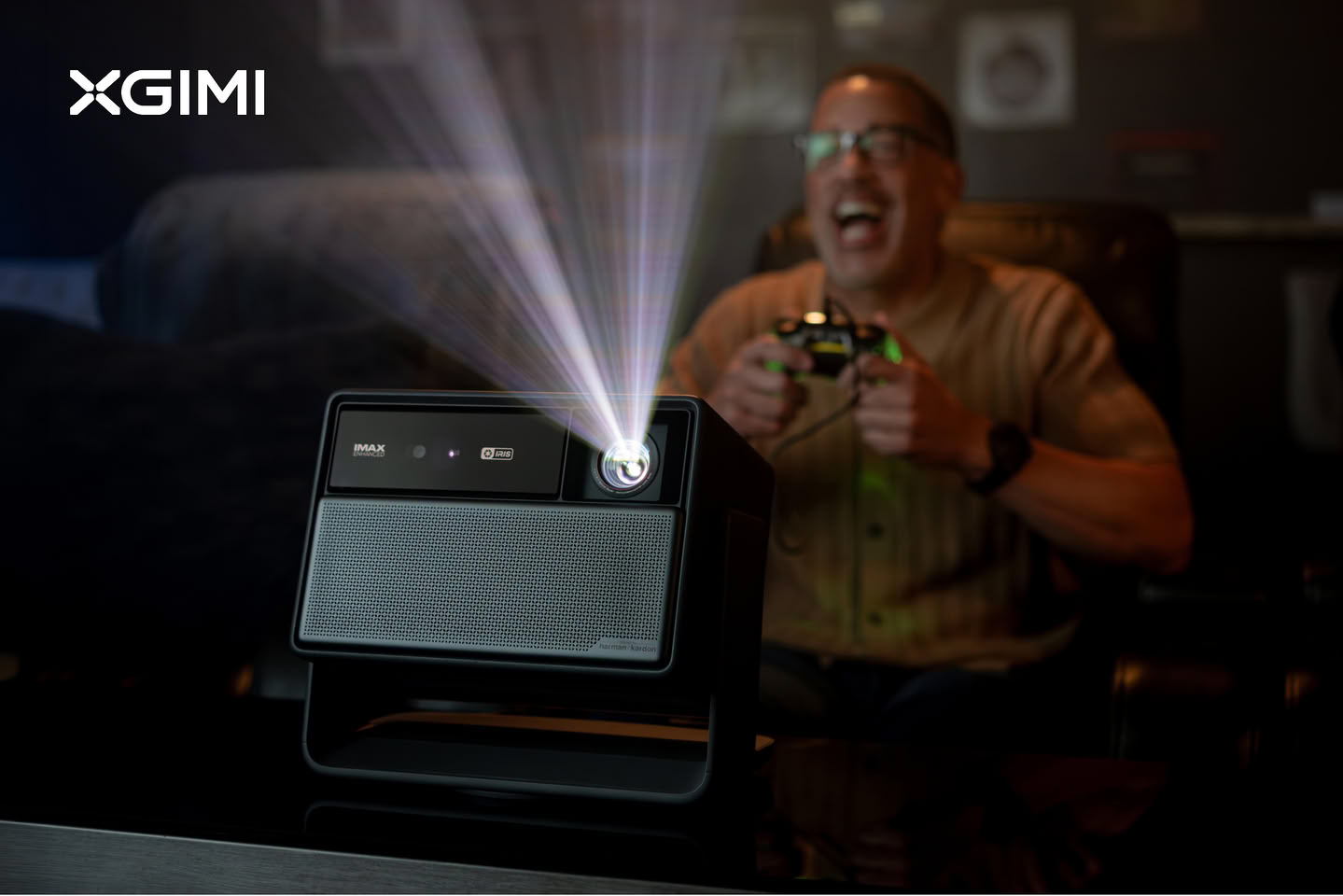
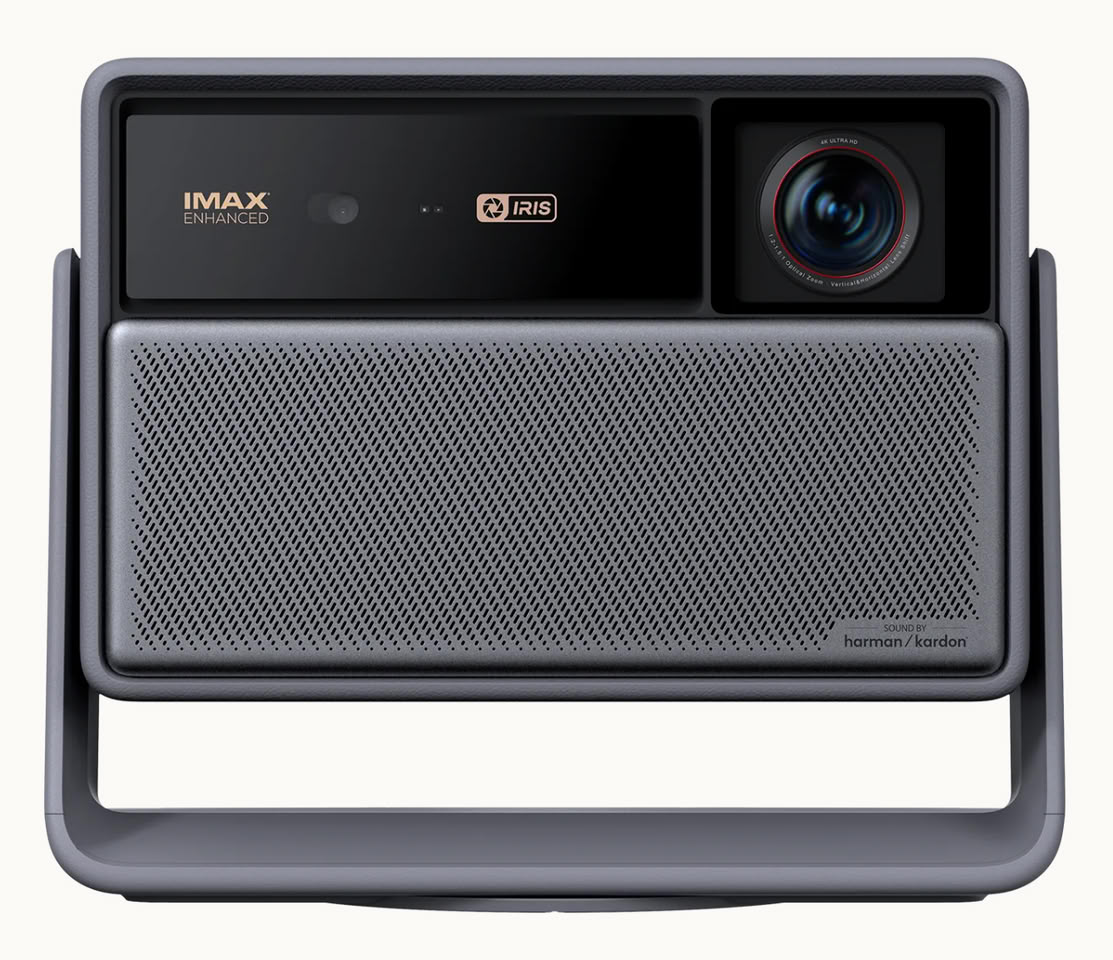
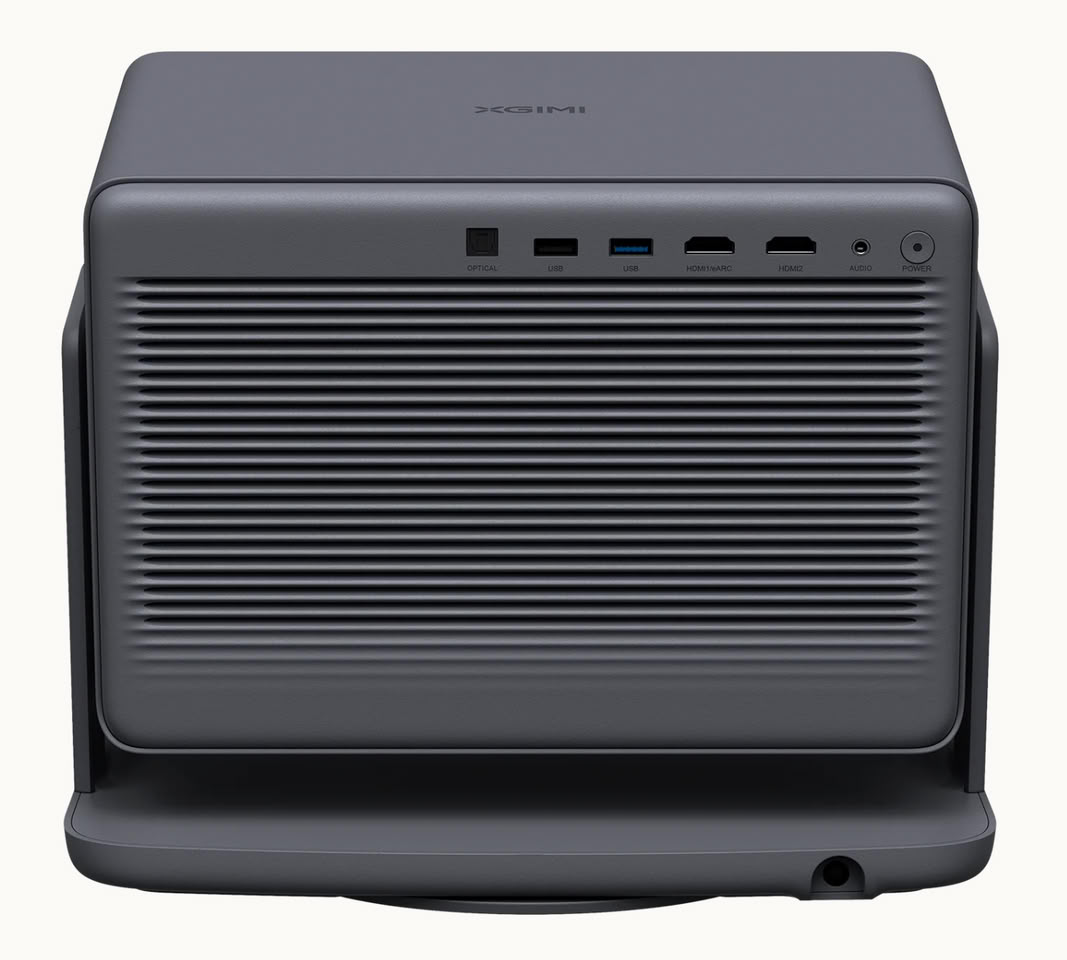

IBM Announces Quantum Nighthawk r3 Processor, Plans to Scale Beyond 1,000 Qubits in 2027
IBM (NYSE: IBM) today announced IBM Quantum Nighthawk r3, its next-generation processor, will be built to accurately execute 10,000 quantum operations across 520 qubits to tackle larger, more complex problems while maintaining the speed and quality demonstrated by the current generation Nighthawk available today. In 2027, IBM plans to link two Nighthawk r3 processors into a single system with more than 1,000 qubits.
To be at the frontier of quantum computing, industry-relevant applications demand both computational quality and speed. Speed matters because a quantum computer delivers its answer in samples: each run of a quantum circuit returns one result. Applications increasingly require circuits executing thousands of quantum operations on approximately 100 qubits or more, generating millions to billions of samples. Scale and quality enable increasingly complex computations, but speed determines whether these demanding workloads can be completed in practical timeframes and at a reasonable cost.
To be at the frontier of quantum computing, industry-relevant applications demand both computational quality and speed. Speed matters because a quantum computer delivers its answer in samples: each run of a quantum circuit returns one result. Applications increasingly require circuits executing thousands of quantum operations on approximately 100 qubits or more, generating millions to billions of samples. Scale and quality enable increasingly complex computations, but speed determines whether these demanding workloads can be completed in practical timeframes and at a reasonable cost.

Biostar Introduces BIPTL-IHT Edge AI Motherboard
BIOSTAR, a leading manufacturer of edge AI solutions, industrial computers, motherboards, graphics cards, and storage devices, today announces the BIPTL-IHT, a Thin Mini-ITX industrial motherboard engineered for intelligent edge systems, AIoT deployments, automation platforms, and advanced system integration applications. Powered by Intel Core Ultra series 3 processors based on the Panther Lake-H platform with integrated AI capabilities, the BIPTL-IHT enables businesses to turn data into intelligent action through efficient edge AI computing, extensive connectivity, and flexible expansion within a compact 170 x 170 mm form factor.
Designed for system integrators building modern business infrastructure, the BIPTL-IHT delivers the performance and adaptability required for applications that rely on stable data processing, connected devices, and responsive system control. It is well-suited for deployments such as customer data management systems, industrial automation platforms, AIoT gateways, and smart edge devices, helping streamline system development while maintaining consistent performance across demanding workloads.
Designed for system integrators building modern business infrastructure, the BIPTL-IHT delivers the performance and adaptability required for applications that rely on stable data processing, connected devices, and responsive system control. It is well-suited for deployments such as customer data management systems, industrial automation platforms, AIoT gateways, and smart edge devices, helping streamline system development while maintaining consistent performance across demanding workloads.
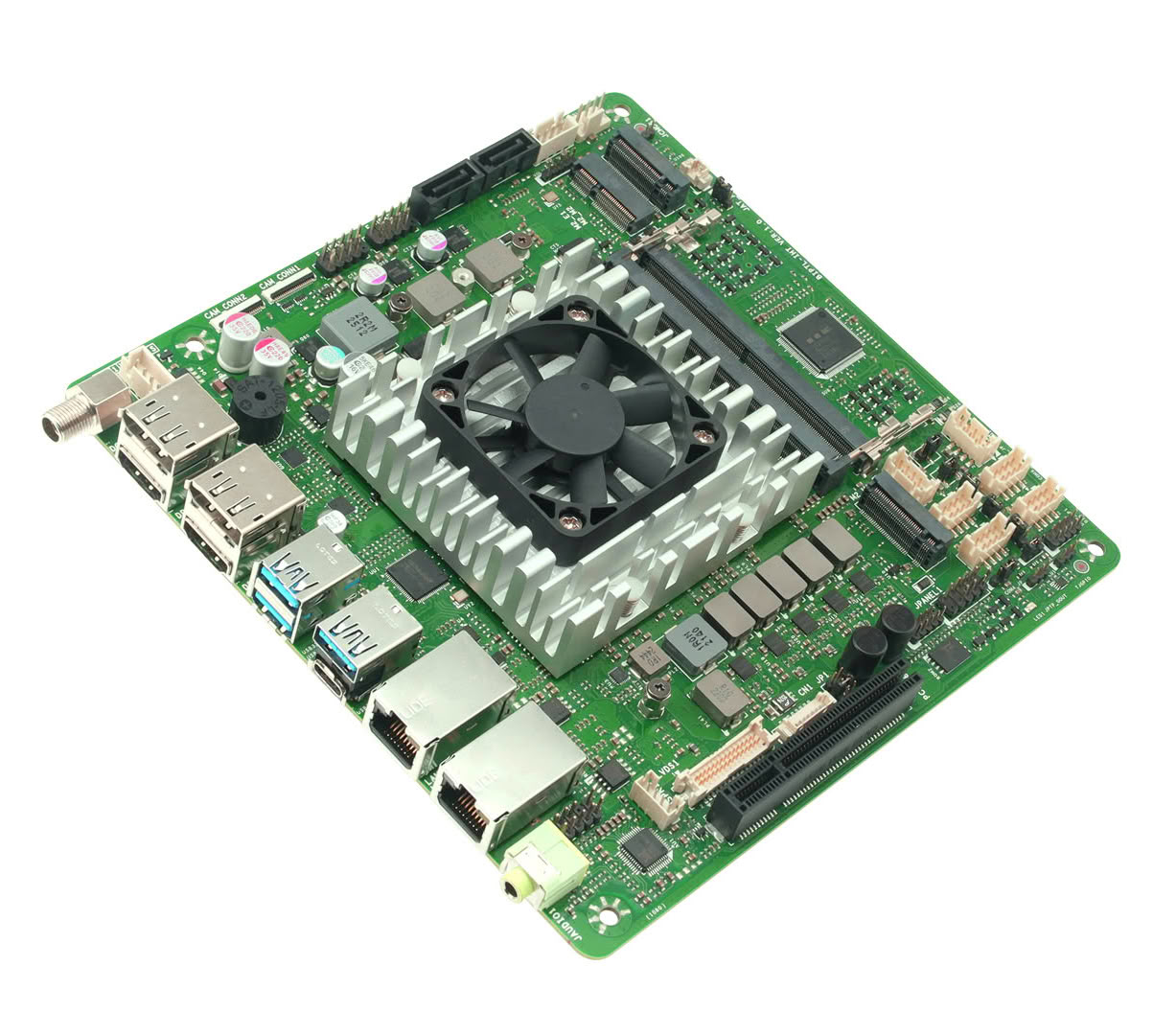
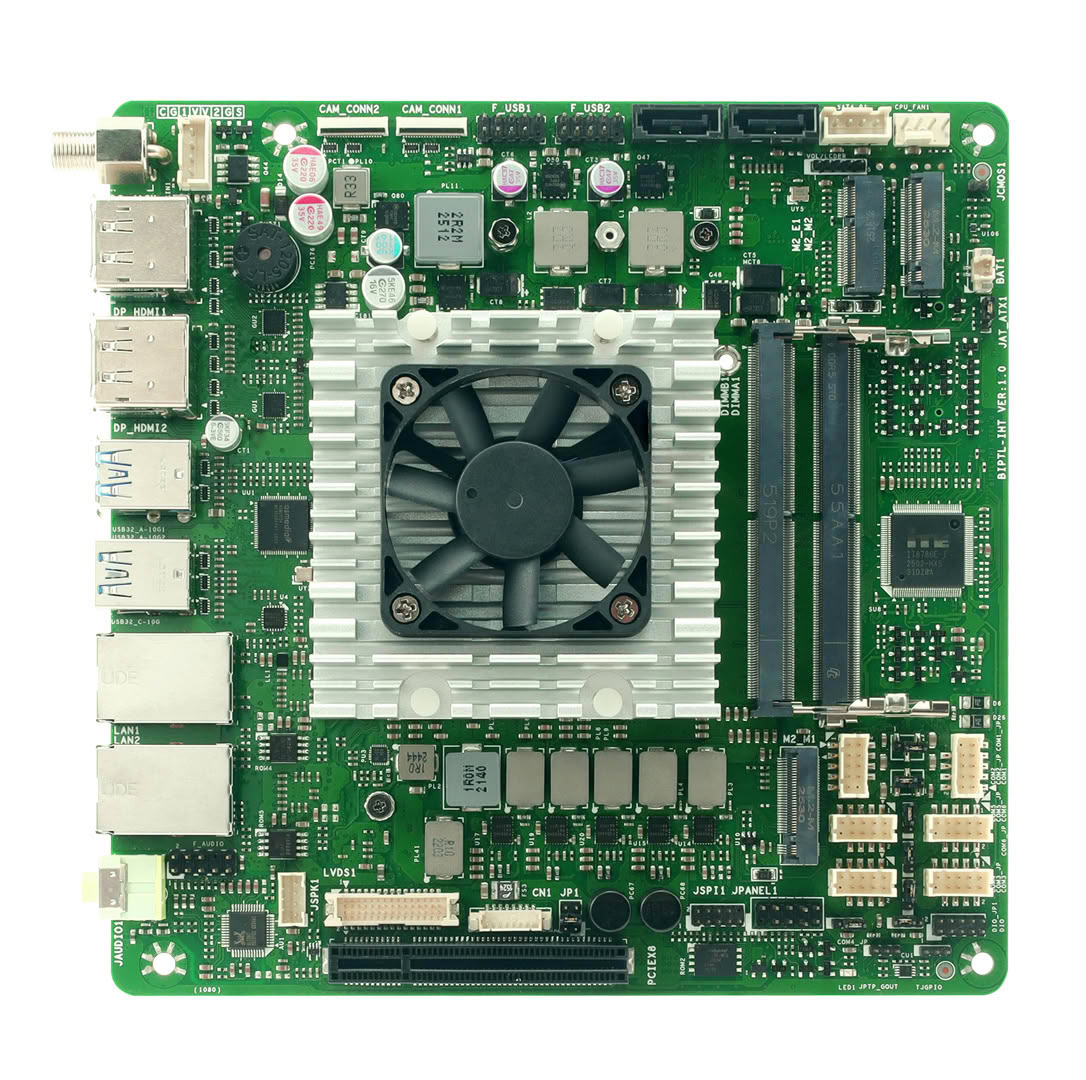
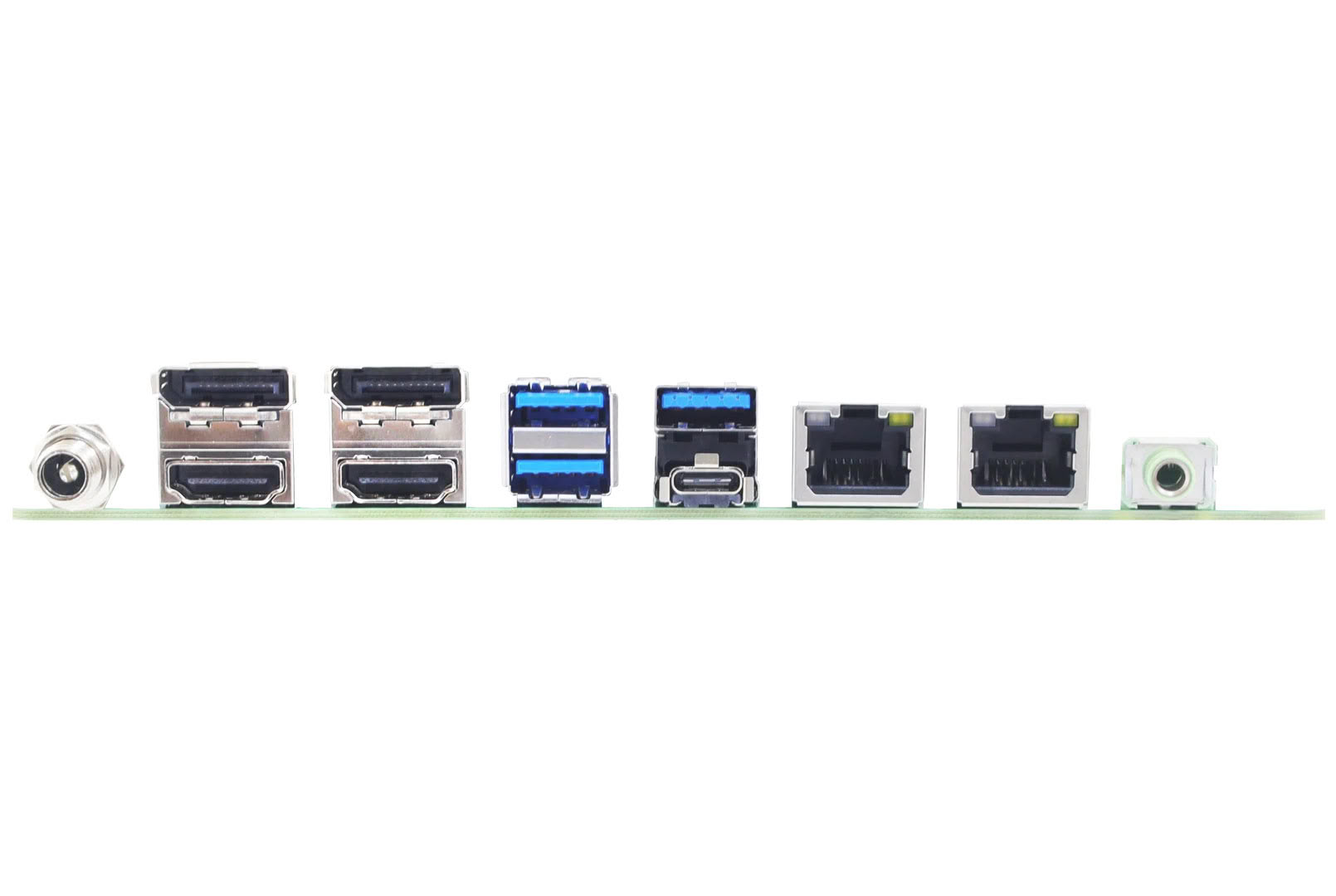

Chieftec Launches ATLAS BA-30B-OP Workstation Case
Chieftec is excited to introduce the CHIEFTEC ATLAS, a professional E-ATX workstation chassis designed for high-performance systems that demand extensive expansion capabilities and efficient cooling. With its modern design and spacious interior, the ATLAS provides a versatile foundation for powerful workstations and demanding hardware configurations. With its spacious interior and extensive expansion capabilities, the ATLAS is designed to accommodate powerful hardware configurations for professional applications and high-performance builds.

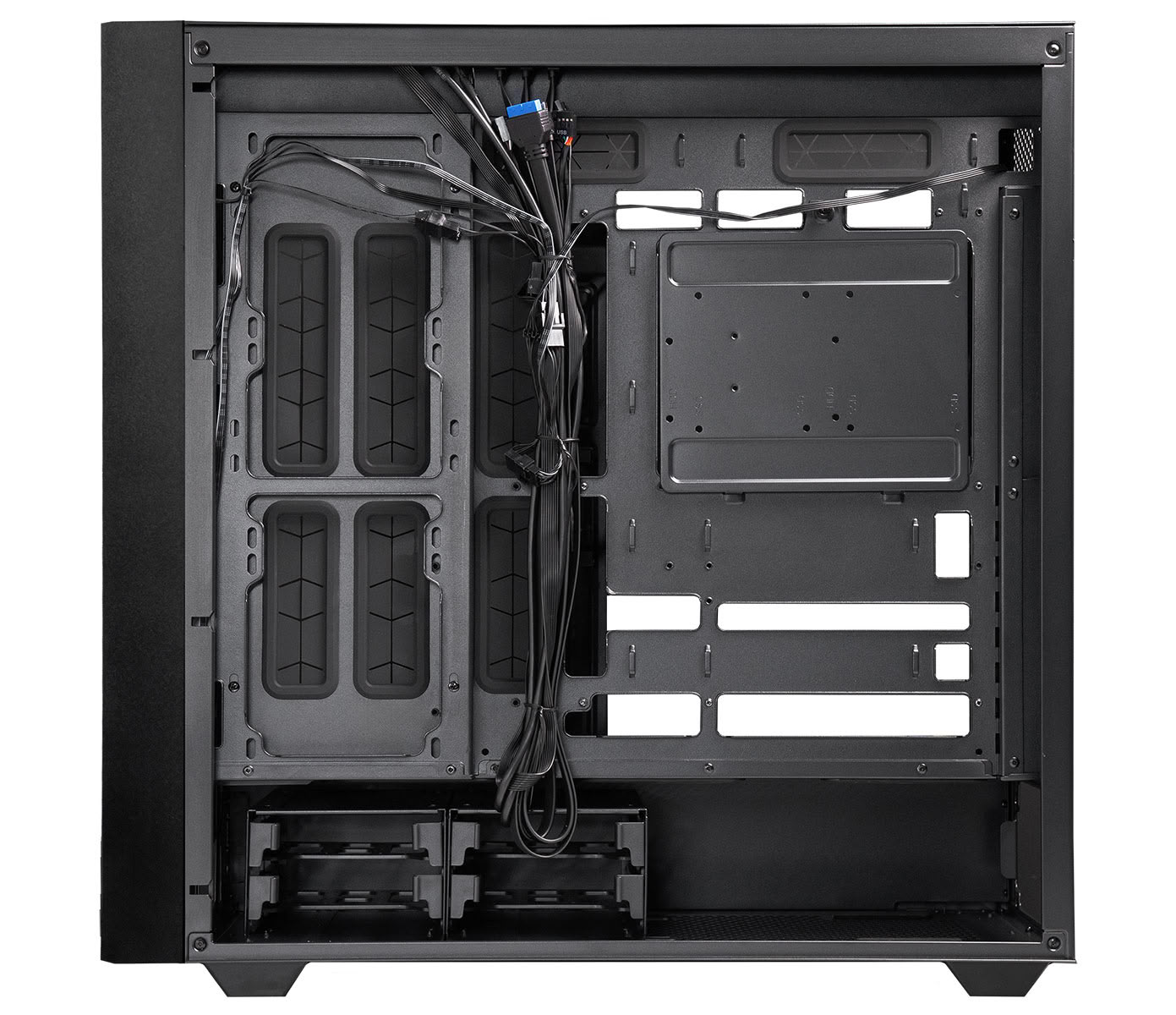
NVIDIA GeForce RTX 5080 24 GB Reportedly Cancelled, 16 GB Model Remains
NVIDIA's rumored GeForce RTX 5080 24 GB model has reportedly been put on hold. The company is struggling to secure enough 3 GB GDDR7 memory modules and is instead opting for the less expensive 2 GB modules for the standard 16 GB version. According to a report from Board Channels, NVIDIA has already informed its add-in card (AIC) partners to officially cancel the January 2027 launch plan for the 24 GB model, citing economic challenges. As we are currently experiencing one of the worst supply chain shortages for memory modules, using the more expensive 3 GB GDDR7 modules would result in a significantly higher MSRP and, consequently, a higher price for customers. Therefore, the 2 GB GDDR7 memory modules will continue to be used, and the RTX 5080 16 GB model will remain available.
Readers may recall that NVIDIA did not plan any other changes to the model besides the memory configuration, as the CUDA core count was to remain the same. The new 24 GB model would potentially have slightly higher TDP and clock speeds, but the main improvements would come from increased memory capacity and bandwidth. Since it seems we won't be getting the revised model, and there's no rumor of a "SUPER" overhaul anytime soon, we will have to stick with the standard lineup a bit longer until the next-generation GeForce RTX 60-Series "Rubin" arrives.
Readers may recall that NVIDIA did not plan any other changes to the model besides the memory configuration, as the CUDA core count was to remain the same. The new 24 GB model would potentially have slightly higher TDP and clock speeds, but the main improvements would come from increased memory capacity and bandwidth. Since it seems we won't be getting the revised model, and there's no rumor of a "SUPER" overhaul anytime soon, we will have to stick with the standard lineup a bit longer until the next-generation GeForce RTX 60-Series "Rubin" arrives.
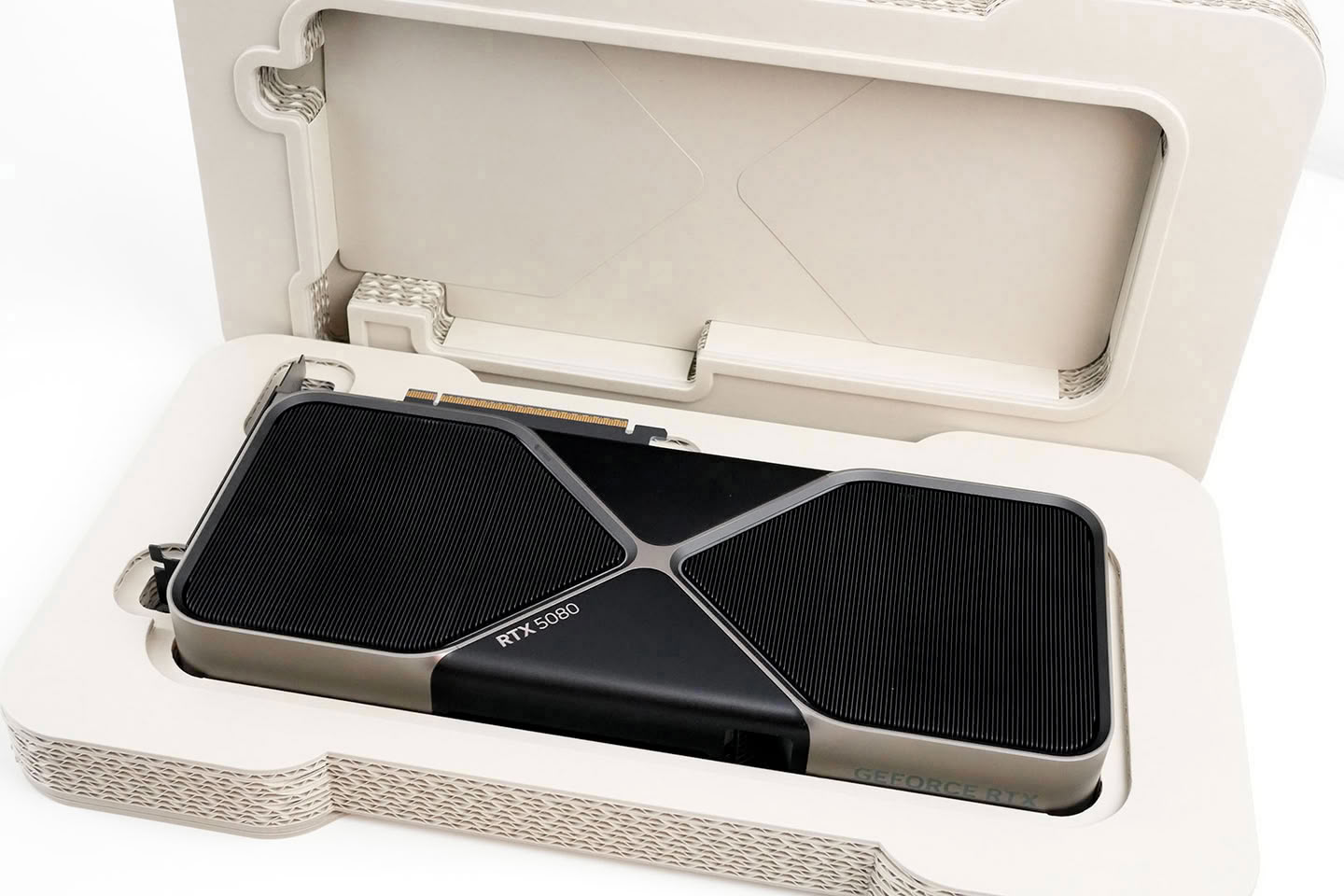
ASUS Showcases ProArt GR1X, ProArt P16 & P14 Laptops, ProArt OLED Monitors, and AI-Powered Solutions for Creatives at Adobe MAX 2026
ProArt, the ASUS sub-brand created by creators, for creators, today announced its participation at Adobe MAX 2026, where it will showcase a complete ecosystem of AI-powered creator solutions designed to accelerate content creation, streamline workflows, and empower the next generation of creative professionals. Event attendees can experience hands-on demonstrations of the ProArt GR1X, a new agentic AI mini PC, and ProArt P16 & P14 laptops, bringing powerful on-device AI capabilities directly to creators, as well as ProArt OLED monitors featuring exceptional color accuracy and HDR performance. The demos will span AI content creation, visual effects production, professional photo editing, and color-critical workflows.
RTX Spark Creator Solutions
ProArt GR1X mini PC: Create without limits. Your AI agent, always on
The ProArt GR1X is a mini PC that brings on-device AI to creative workflows, from the Adobe Creative Suite, to generative AI tools like ComfyUI. The RTX Spark carries the full NVIDIA Stack, CUDA, TensorRT, NVFP4, RTX Ray Tracing, DLSS, and Optix. With up to 128 GB of unified memory, users can run agents alongside their largest creative projects, and iterate without per-token or per-generation fees. Because the GR1X has a 6144-core NVIDIA Blackwell RTX GPU, users can keep client footage and project files on their own machine, and feel confident when they utilize AI on their most sensitive client projects. Apps, tools, and workflows are connected into one seamless experience, private by default. RTX Spark brings NVIDIA's full-stack AI platform, ready for the AI workloads of today and whatever comes next. Delivered on the familiar, trusted Windows platform.
RTX Spark Creator Solutions
ProArt GR1X mini PC: Create without limits. Your AI agent, always on
The ProArt GR1X is a mini PC that brings on-device AI to creative workflows, from the Adobe Creative Suite, to generative AI tools like ComfyUI. The RTX Spark carries the full NVIDIA Stack, CUDA, TensorRT, NVFP4, RTX Ray Tracing, DLSS, and Optix. With up to 128 GB of unified memory, users can run agents alongside their largest creative projects, and iterate without per-token or per-generation fees. Because the GR1X has a 6144-core NVIDIA Blackwell RTX GPU, users can keep client footage and project files on their own machine, and feel confident when they utilize AI on their most sensitive client projects. Apps, tools, and workflows are connected into one seamless experience, private by default. RTX Spark brings NVIDIA's full-stack AI platform, ready for the AI workloads of today and whatever comes next. Delivered on the familiar, trusted Windows platform.

Tuesday, November 10th 2026
Today's Reviews
CPU Coolers
Game Controllers
Keyboards
Multimedia
Processors
AMD Zen 6 Technical Deep Dive
AMD's new Zen 6 architecture is more than a routine refresh, with a 12-core CCD, 4 MB of L3 per core, and a much bigger execution window that should finally let AMD's wider design shine. AMD focused on sharing the server details, but we'll do our best to translate this to Ryzen and gaming, too.

NZXT H7 RGB+ Review
The new NZXT H7 RGB+ offers two massive pre-installed 420 mm RGB fan frames and great hardware support, all in a clean, well-made case with a beautiful single-piece curved glass panel. It even comes with mesh and glass roof options, and there's some seriously capable hardware in the box.

NZXT H5 Review
NZXT's H5 is back, this time with a wraparound glass panel, dual 360 mm radiator support and a funky side air scoop to cool your GPU. The base model costs just $90, yet offers great build quality and a rewarding build process. But how does it fare against similarly-priced cases that offer multiple fans as standard?
Epomaker Launches Bamboo75 and Galaxy75 Wireless Mechanical Keyboards
Epomaker previously revealed the Galaxy75 in an official livestream video, but the peripheral maker has now officially launched the Galaxy75 alongside a new keyboard, the Bamboo75. As we covered previously, the Galaxy75 features a relatively standard 75% layout, an aluminium case, polycarbonate plate, a mix of PBT and PC/ABS keycaps, wireless connectivity with an 8,000 mAh battery, and Epomaker's Creamy Jade linear switches. The official launch price, which was previously unknown, is $109 on Epomaker's site, and the Galaxy75 is available in three colorways: black, purple, and pink.
The Epomaker Bamboo75, on the other hand, is a slightly more interesting affair. It takes a similar, but notably not identical, layout to the Galaxy75 but swaps out the cutesy pastel and minimalist aesthetics of the Galaxy75 for a more nature-inspired design, thanks to a case made of bamboo and keycaps made of a mix of ABS and PBT with wood grain print on the top. Those Cherry profile keycaps also feature a side-printed shine-through legend, which allows the south-facing per-key RGB backlighting to shine through while keeping the consistent wood aesthetic when looking at the keyboard from the top. Like the Galaxy75, the Bamboo75 also packs wireless connectivity, with both Bluetooth and 2.4 GHz connectivity, and it also has an 8,000 mAh battery, although Epomaker doesn't provide any claims of battery life.



The Epomaker Bamboo75, on the other hand, is a slightly more interesting affair. It takes a similar, but notably not identical, layout to the Galaxy75 but swaps out the cutesy pastel and minimalist aesthetics of the Galaxy75 for a more nature-inspired design, thanks to a case made of bamboo and keycaps made of a mix of ABS and PBT with wood grain print on the top. Those Cherry profile keycaps also feature a side-printed shine-through legend, which allows the south-facing per-key RGB backlighting to shine through while keeping the consistent wood aesthetic when looking at the keyboard from the top. Like the Galaxy75, the Bamboo75 also packs wireless connectivity, with both Bluetooth and 2.4 GHz connectivity, and it also has an 8,000 mAh battery, although Epomaker doesn't provide any claims of battery life.
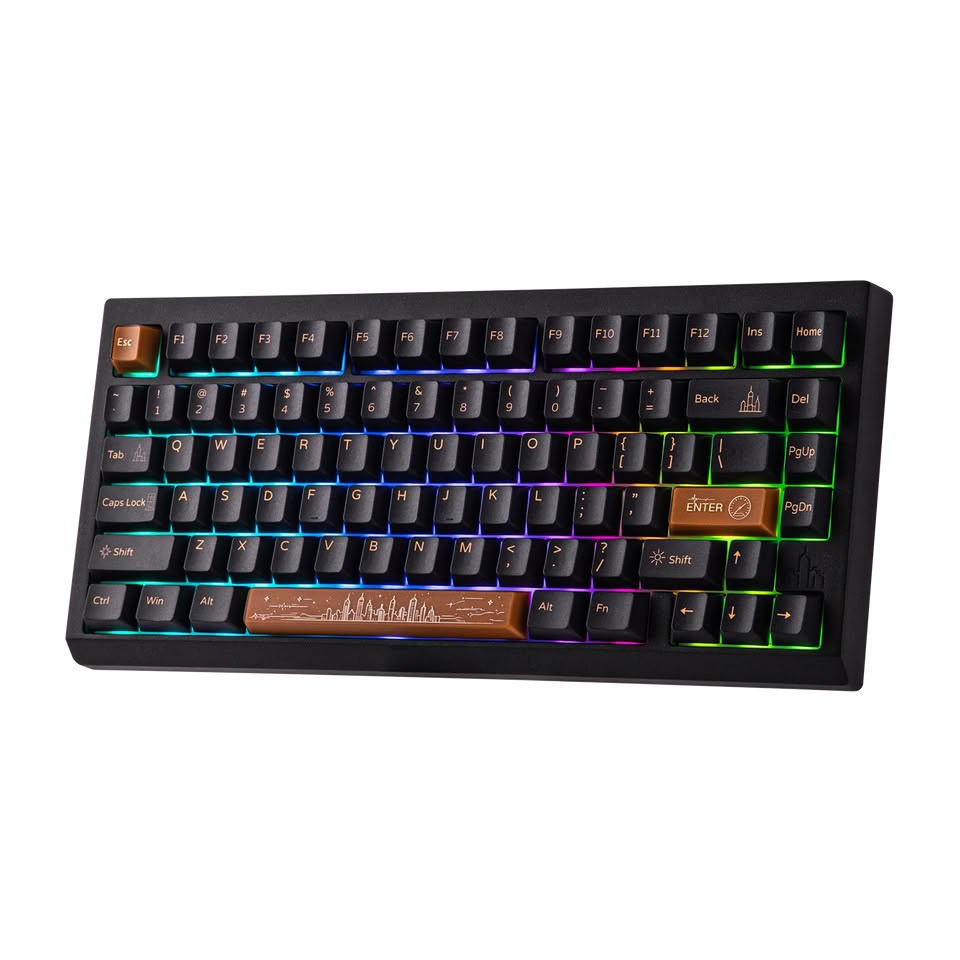
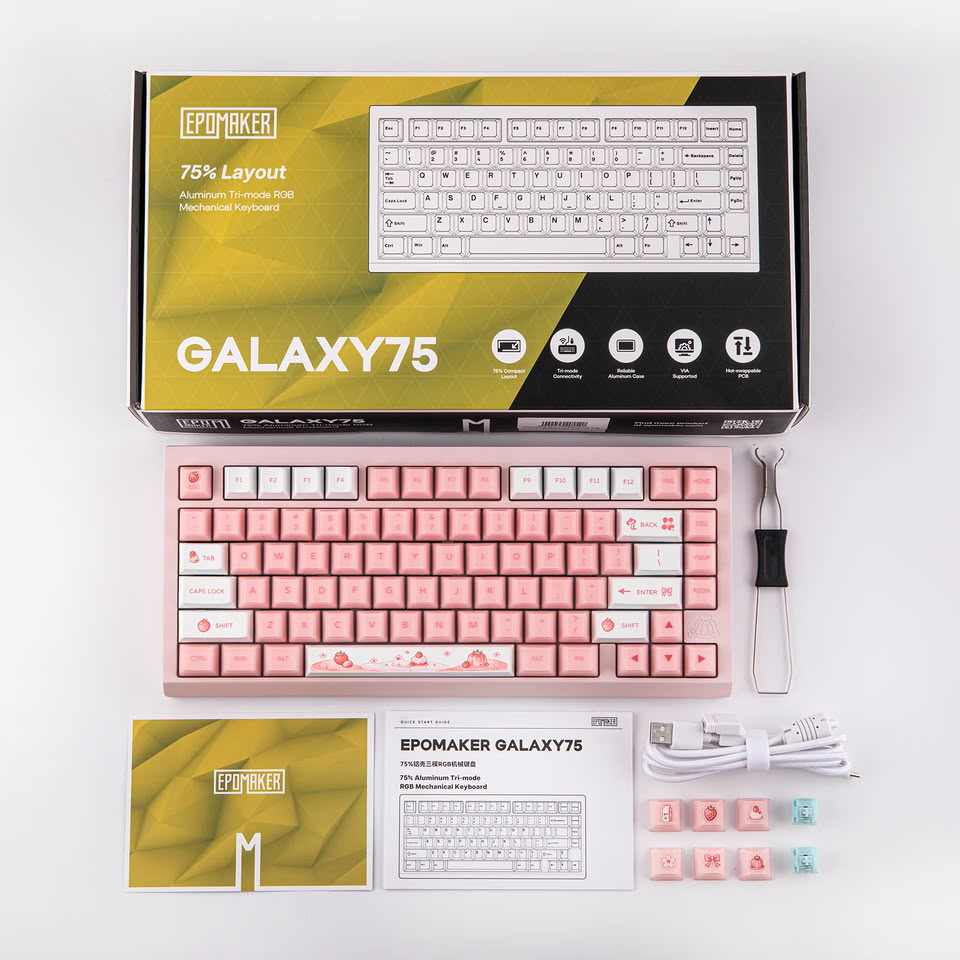


Epomaker Launches Alice40 40% Mechanical Keyboard With Ergonomic Layout and $70 Pricetag
Epomaker has officially unveiled the Alice40 as its latest foray into the world of 40% mechanical keyboards—after the TH40 we reviewed previously and the Luma40 after that—and this time, the brand has gone for yet another unique layout option. As the name suggests, the Alice40 is based on the Alice layout that is commonly recommended to first-time ergonomic keyboard buyers, for its similarity to a regular unibody keyboard, although the Alice40 has a few features that set it apart from other mechanical keyboards in the same $69.99 price bracket.
For starters, the Alice40 modifies the traditional Alice layout with columnar stagger, meaning the columns are vertically offset from one another instead of the rows being horizontally offset. This is meant to make the keys align more appropriately to the natural movement of your fingers while you're typing. Another interesting quirk of the Alice40 is the knob between the two halves of the alpha cluster. As expected from a $69.99 mechanical keyboard, it has a plastic case, but it also has flip-out feet that allow users to adjust the typing angle between 5° and 8.5°. The case also features a gasket mount design, much like the Epomaker TH40, and it is stuffed with sound-damping materials to cut down on echoes and reverberation inside the case.

For starters, the Alice40 modifies the traditional Alice layout with columnar stagger, meaning the columns are vertically offset from one another instead of the rows being horizontally offset. This is meant to make the keys align more appropriately to the natural movement of your fingers while you're typing. Another interesting quirk of the Alice40 is the knob between the two halves of the alpha cluster. As expected from a $69.99 mechanical keyboard, it has a plastic case, but it also has flip-out feet that allow users to adjust the typing angle between 5° and 8.5°. The case also features a gasket mount design, much like the Epomaker TH40, and it is stuffed with sound-damping materials to cut down on echoes and reverberation inside the case.


AMD Pushes Back on NVIDIA and Arm's "Agentic CPU" Marketing
AMD's Madhu Rangarajan, corporate VP of Compute and Enterprise AI, says the company never set out to build its Zen 6 EPYC 9006 "Venice" chips around agentic AI, a not-so-subtle dig at NVIDIA and Arm, which both pitch their latest server CPUs as made for that exact job. Rangarajan still called EPYC 9006 the best CPU for agentic workloads during a media session covered by Tom's Hardware. Chief Zen architect Mike Clark said much the same in a separate talk, admitting AMD didn't see agentic computing coming, though he added that the company always expected the CPU to keep a role in AI software. Here's what Rangarajan said:
We think that the EPYC 9006 CPU is the best CPU for the agentic era, and spoiler alert, we didn't magically know four years ago that agentic was going to be a thing and purpose-built something for agentic. The reality is an agentic workflow is a diverse set of tasks… and in order to execute those tasks well, you need compute that is able to handle a diverse set of workloads with a full portfolio.
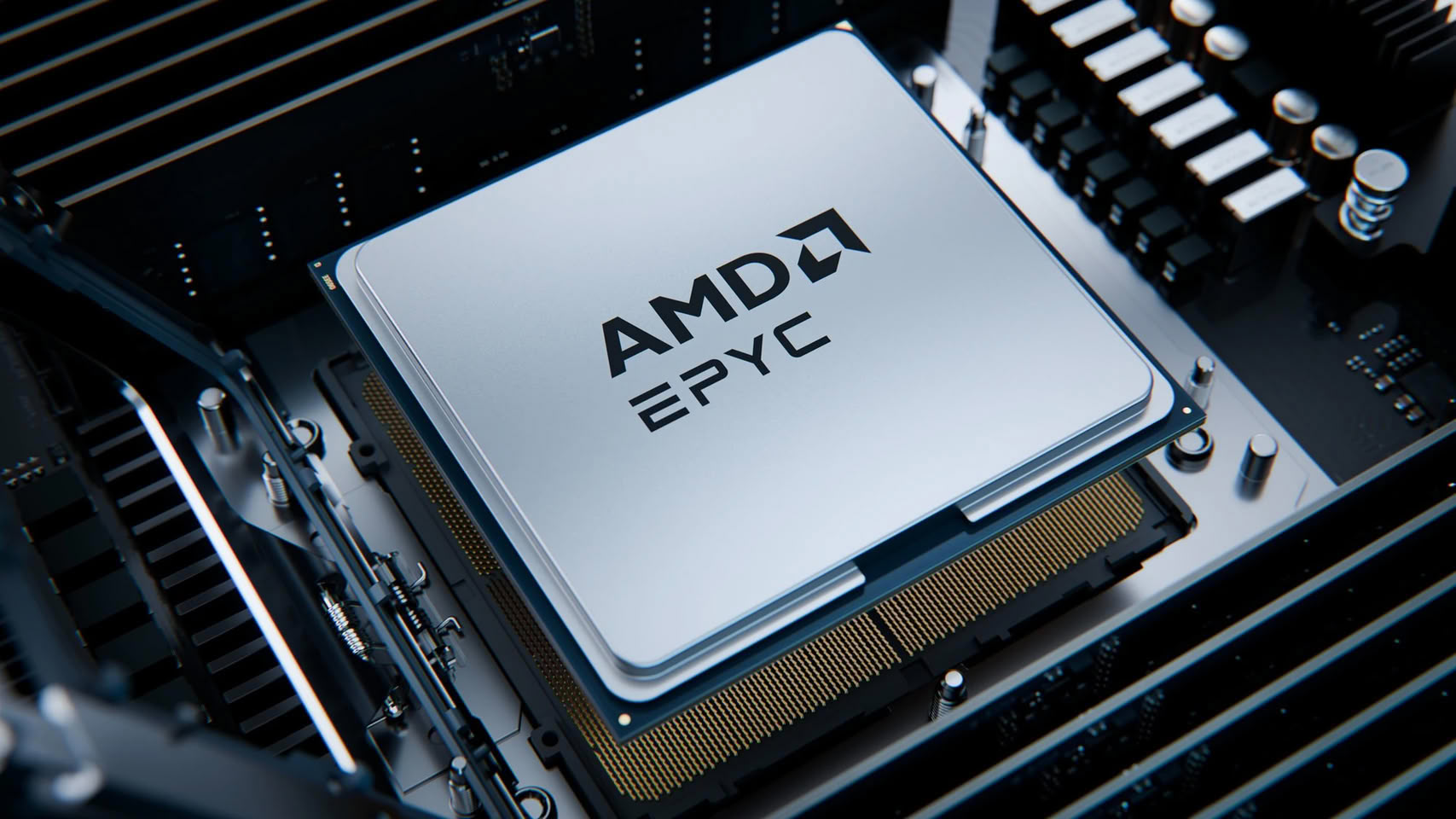

GTA 6 Breaks PlayStation and Xbox Store Pre-Order Records
GTA 6 is now the most pre-ordered game ever on both the PlayStation Store and the Microsoft Store, according to Sony and Microsoft. Sony announced the record in a PlayStation Blog post that opened PS5 pre-loading nine days before the November 19 launch, pointing to "unprecedented demand" for the early start. Xbox then called it "the most pre-ordered title of all time on the Microsoft Store" while confirming that GTA 6 will stream to Xbox One through Cloud Gaming. Neither company shared actual numbers, however.
Sensor Tower's tracker fills some of that gap. As of November 10, the firm estimates 9.69 million pre-orders worth about $942 million net of returns, up from 7.71 million a week earlier and 6.45 million in late October. PlayStation holds roughly 75% of that with 7.23 million copies and $703 million, while Xbox sits at 2.46 million copies and $239 million. That averages out to around $97 per copy, which fits with most buyers going for the $100 Ultimate Edition. If accurate, GTA 6 has passed the 8 million pre-orders CD Projekt reported for Cyberpunk 2077 in 2020. The comparison isn't quite like-for-like, though, since Cyberpunk also launched on PC and likely counted physical copies, while Sensor Tower seems to track digital console orders only.

Sensor Tower's tracker fills some of that gap. As of November 10, the firm estimates 9.69 million pre-orders worth about $942 million net of returns, up from 7.71 million a week earlier and 6.45 million in late October. PlayStation holds roughly 75% of that with 7.23 million copies and $703 million, while Xbox sits at 2.46 million copies and $239 million. That averages out to around $97 per copy, which fits with most buyers going for the $100 Ultimate Edition. If accurate, GTA 6 has passed the 8 million pre-orders CD Projekt reported for Cyberpunk 2077 in 2020. The comparison isn't quite like-for-like, though, since Cyberpunk also launched on PC and likely counted physical copies, while Sensor Tower seems to track digital console orders only.



Philips Launches Evnia 27M2D5901A 27-inch 5K 180 Hz Monitor
The Philips Evnia 27M2D5901A is a 27-inch (68.58 cm) Dual Mode gaming monitor that lets users switch between detailed 5K visuals and high-speed QHD performance. The Philips Evnia 27M2D5901A features a Fast IPS panel with Dual Mode technology. Users can choose a 5K resolution for detailed visuals or switch to QHD for refresh rates of up to 350 Hz. For a more immersive gaming experience, the monitor combines built-in RGB backlighting with AI-enhanced Ambiglow, and AmbiScape to extend lighting effects to Matter-compatible smart lights.
Different games call for different screen settings. Dual Mode lets users switch between 5K for greater detail and QHD for a higher refresh rate. In 5K mode, the monitor delivers 5120 x 2880 pixels at 165 Hz and can be overclocked to 180 Hz. On a 27-inch panel, the high pixel density keeps textures, text, and interface elements clear, making this mode suitable for visually detailed games, content creation, and everyday work. When speed matters more, the QHD mode runs at 330 Hz and can be overclocked to 350 Hz at 2560 x 1440 pixels. The higher refresh rate provides smoother motion during fast-paced and competitive games.
Different games call for different screen settings. Dual Mode lets users switch between 5K for greater detail and QHD for a higher refresh rate. In 5K mode, the monitor delivers 5120 x 2880 pixels at 165 Hz and can be overclocked to 180 Hz. On a 27-inch panel, the high pixel density keeps textures, text, and interface elements clear, making this mode suitable for visually detailed games, content creation, and everyday work. When speed matters more, the QHD mode runs at 330 Hz and can be overclocked to 350 Hz at 2560 x 1440 pixels. The higher refresh rate provides smoother motion during fast-paced and competitive games.

STORMCRAFT PC Launches Fantasy Gaming PCs
STORMCRAFT PC, a California gaming PC brand founded by gamers and engineers, today announced the launch of its Fantasy Series prebuilt gaming desktops, introducing 10 configurations across Intel and AMD platforms. Featured systems pair the AMD Ryzen 7 7800X3D processor with AMD Radeon RX 9070 16 GB graphics, or the Intel Core Ultra 7 265F processor with NVIDIA GeForce RTX 5070 12 GB graphics, giving gamers a choice of processor and graphics combinations within the new series.
Fantasy combines these hardware options with a 270-degree panoramic glass chassis, ARGB lighting and new illustrated packaging inspired by classic game boxes and arcade-era adventures. The lineup also includes NVIDIA GeForce RTX 5060 Ti and RTX 5060 graphics options. Arriving ahead of the holiday shopping season, the series connects a modern hardware showcase with the nostalgic excitement of unboxing a new gaming adventure.
Fantasy combines these hardware options with a 270-degree panoramic glass chassis, ARGB lighting and new illustrated packaging inspired by classic game boxes and arcade-era adventures. The lineup also includes NVIDIA GeForce RTX 5060 Ti and RTX 5060 graphics options. Arriving ahead of the holiday shopping season, the series connects a modern hardware showcase with the nostalgic excitement of unboxing a new gaming adventure.
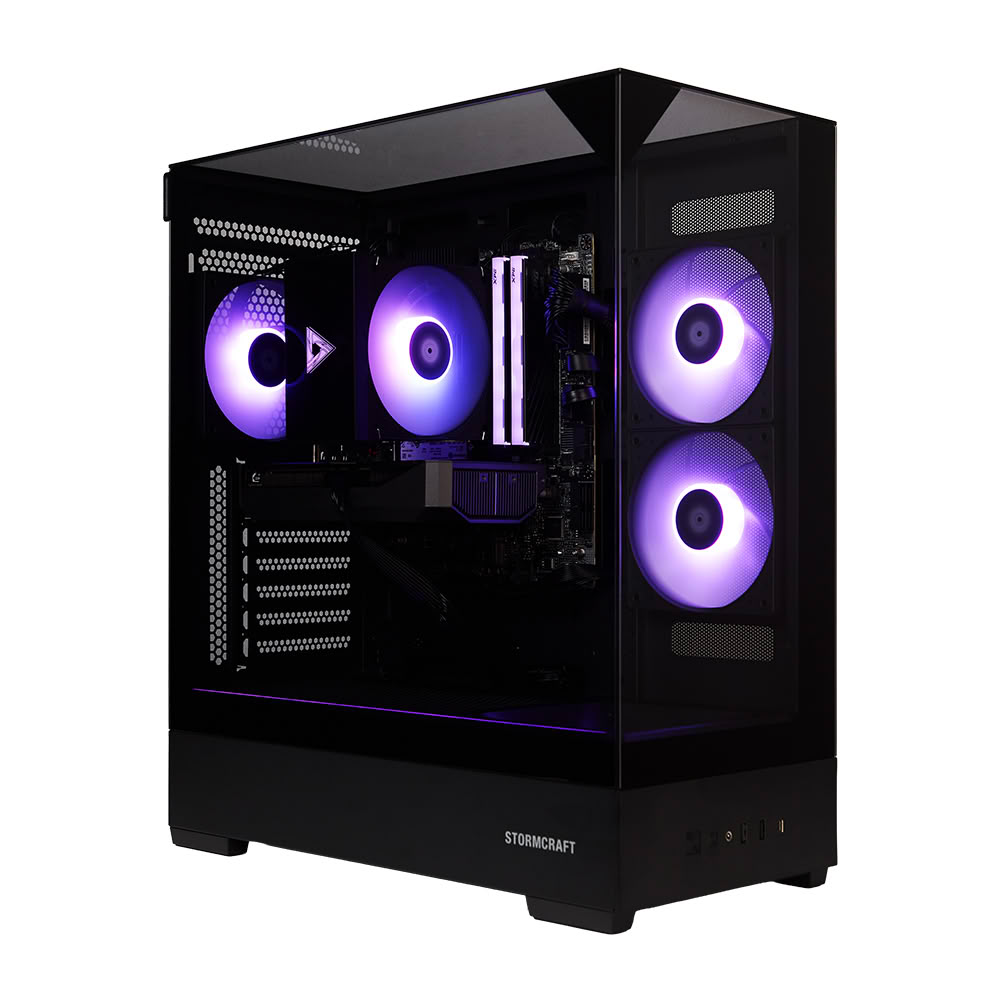
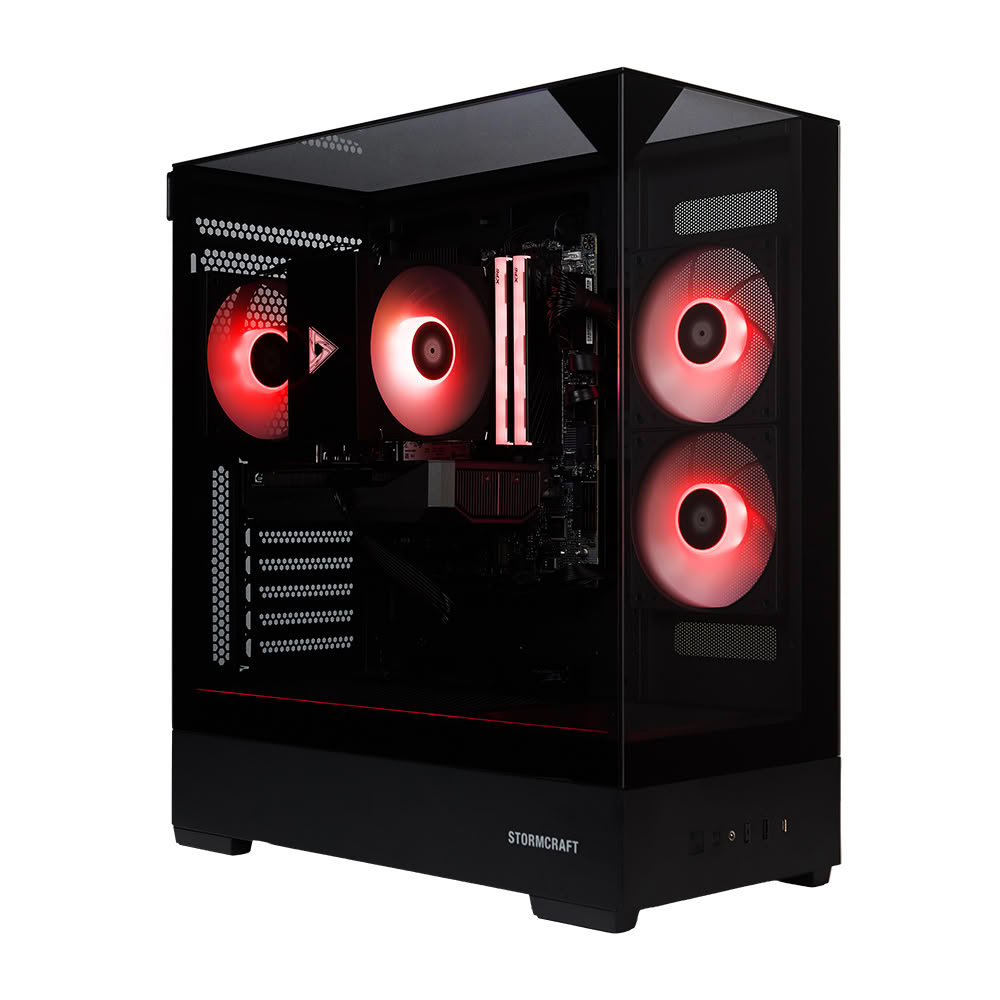
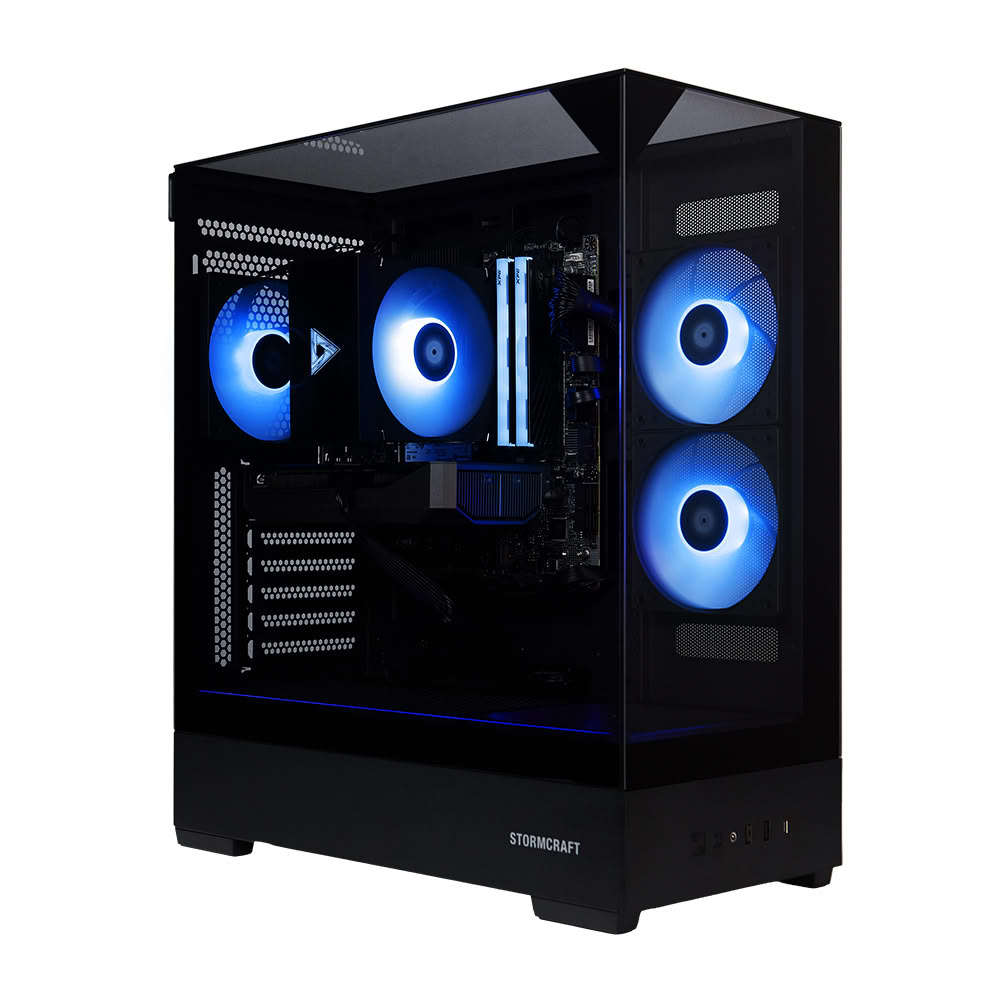

Corsair Launches a Delightful Pink Colorway of its Best-selling 3500X and FRAME 4000D Cases
Corsair is proud to announce that two of its best-selling cases are launching in a new blush pink colorway with upgraded cooling and aesthetics. The wraparound-glass 3500X RS-R ARGB and modular FRAME 4000D RS II ARGB mid-tower cases combine this distinctive, pastel look with enhanced cooling capabilities. Both cases deliver standout visuals and superb cooling performance right out of the box, making them ideal for builds that perform as well as they look.
The FRAME 4000D is one of Corsair's best-selling cases thanks to its fully modular design, exceptional cooling capacity, and builder-friendly features. The new pink edition builds on this foundation with several upgrades over the standard FRAME 4000D RS ARGB. For starters, the pre-installed fans have been upgraded to new RS II ARGB fans for both intake and exhaust, delivering effective low-noise cooling with vibrant RGB lighting.
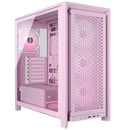
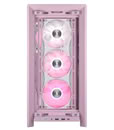

The FRAME 4000D is one of Corsair's best-selling cases thanks to its fully modular design, exceptional cooling capacity, and builder-friendly features. The new pink edition builds on this foundation with several upgrades over the standard FRAME 4000D RS ARGB. For starters, the pre-installed fans have been upgraded to new RS II ARGB fans for both intake and exhaust, delivering effective low-noise cooling with vibrant RGB lighting.


PlayStation Cancels Live-Service Shooter Despite Renewed Push for Live-Service Games
It has just been reported by Bloomberg that Sony has officially canceled Fairgames, an online, live-service, heist shooter that PlayStation has been working on since before its announcement in 2023. The publication cites an internal email sent to PlayStation employees on Tuesday, November 10, which explains that, during a recent large-scale test of the game, "player feedback and retention were mixed and fell short of the goals we had set," despite "strong operational excellence, live ops readiness, and community engagement."
While the test demonstrated strong operational excellence, live ops readiness and community engagement, player feedback and retention results were mixed and fell short of the goals we had set. Combined with challenging market conditions in the PVP shooter genre, we have made the difficult decision to cease development on the game.
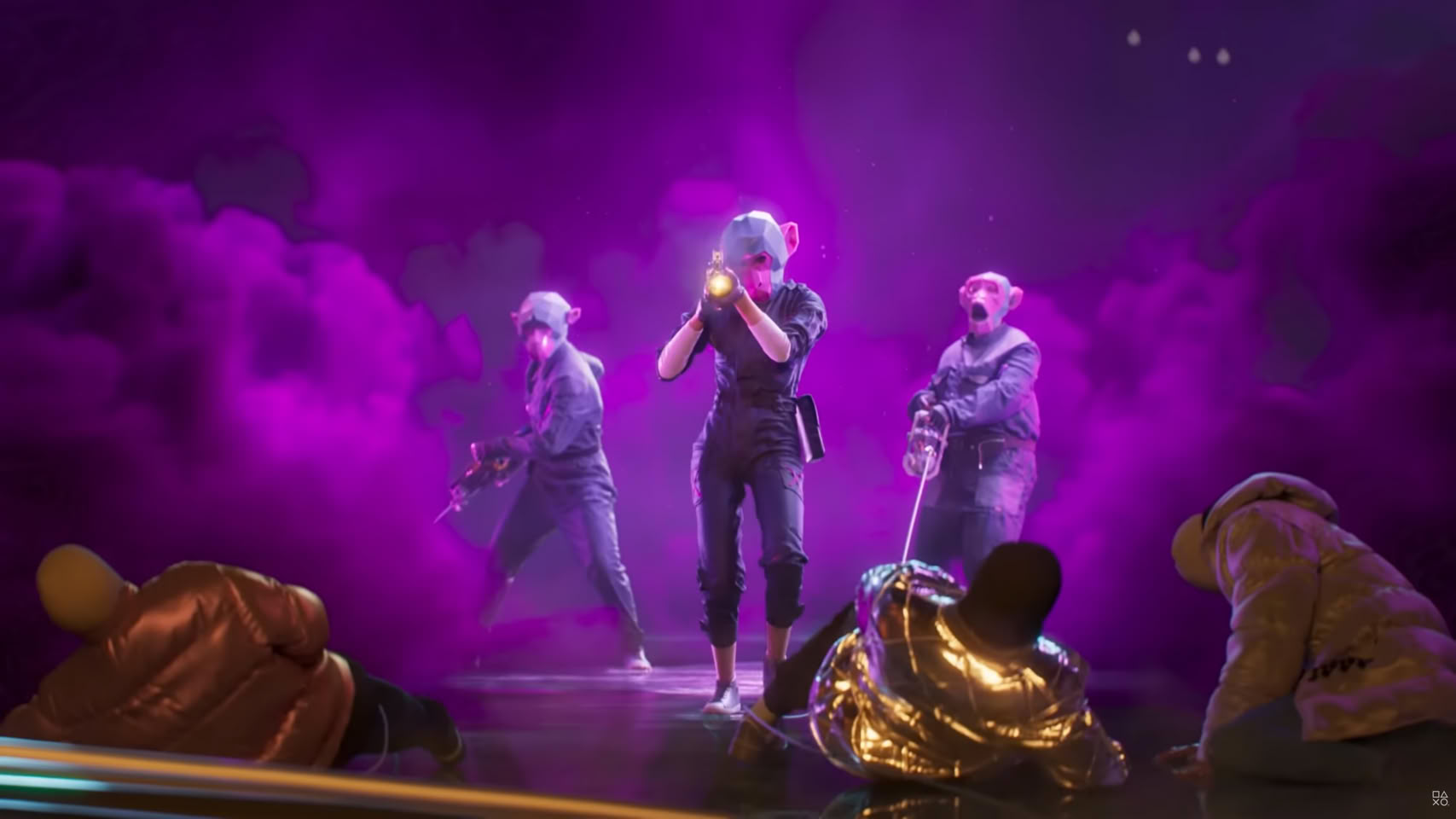
BioWare Co-Founder and Dragon Age Veteran Spark Hope for Mass Effect Revival
In mid-October, it was revealed that EA was closing BioWare, laying off 400 employees, and canceling an in-development Mass Effect 3 game in the process. The aftermath of that series of unfortunate events spawned a very lively #SaveMassEffect petition. More recently, seemingly in response to the outcry for a Mass Effect rescue mission, James Ohlen, former creative director and lead designer on games like Knights of the Old Republic and Dragon Age: Origins, and Trent Oster, one of the co-founders of BioWare, have teased that there may be something in the works to revive Mass Effect and Dragon Age.
Oster has made several posts over the span of a week or two suggesting that he is seriously considering or actively working on trying to revive both Dragon Age and Mass Effect, likely through the Embracer Group-owned Beamdog games, where Oster is the sitting CEO. One such post reads: "What are you doing this Saturday? I'm huddled in front of a computer running scenarios in Excel. I just passed rev 30. #SaveMassEffect #SaveDragonAge." Another directly tags James Ohlen as an unofficial recruitment to participate as a designer in a potential Dragon Age revival.


Oster has made several posts over the span of a week or two suggesting that he is seriously considering or actively working on trying to revive both Dragon Age and Mass Effect, likely through the Embracer Group-owned Beamdog games, where Oster is the sitting CEO. One such post reads: "What are you doing this Saturday? I'm huddled in front of a computer running scenarios in Excel. I just passed rev 30. #SaveMassEffect #SaveDragonAge." Another directly tags James Ohlen as an unofficial recruitment to participate as a designer in a potential Dragon Age revival.



Logitech Unveils Yet Another MX Master 4 Special Edition
Logitech has introduced another special edition of its MX Master 4 wireless mouse, this time aimed at visual creators. The new MX Master 4 Creator Edition follows the Developer Edition we covered two weeks ago, and keeps the same hardware and features as the standard model. The changes are again limited to the mouse appearance. The Creator Edition uses a studio-inspired design with layout grids, color calibration bands, and alignment crosshairs printed on its surface. Logitech has also added three keyframe style timestamps as Easter eggs: 04:27 for World Design Day, 08:19 for World Photography Day, and 04:21 for World Creativity Day.
As with the Developer Edition, there are no changes to the 8,000 DPI sensor, MagSpeed scroll wheel, built-in haptic feedback, or Actions Ring button. The mouse also keeps its 650 mAh battery, rated for up to 70 days of use, along with USB-C charging and multi-device pairing. The MX Master 4 Creator Edition is listed for $119.99 / €129.99 and comes with Logitech's two-year limited hardware warranty.


As with the Developer Edition, there are no changes to the 8,000 DPI sensor, MagSpeed scroll wheel, built-in haptic feedback, or Actions Ring button. The mouse also keeps its 650 mAh battery, rated for up to 70 days of use, along with USB-C charging and multi-device pairing. The MX Master 4 Creator Edition is listed for $119.99 / €129.99 and comes with Logitech's two-year limited hardware warranty.

Microsoft Hints at WinUI 3 Overhaul for Windows 11's Leftover Legacy Dialogs
Marcus Ash, Microsoft's design and research lead for Windows and Devices, has hinted that more of Windows 11's old dialogs and admin tools could get a modern makeover. Under Jen Gentleman's post about the new option to silence the Sticky Keys prompt, a user asked Microsoft to "winui-fy" the legacy Win32 dialogs and MMC apps, and to fully move Control Panel into Settings. Ash replied with a short "Noted and working on that too." He didn't give a timeline or name any tools, so it's more like a nod than a roadmap.
There's plenty to work with, as Windows 11 still ships more than 20 tools with older interfaces, including Defragment and Optimize Drives, Disk Cleanup, Device Manager, Event Viewer, and the DirectX Diagnostic Tool. Folder Options and the Sticky Keys prompt still have no dark mode, and some links in Settings, such as the extra sound and mouse options, open the old Control Panel windows. Microsoft's recent dark mode update for Hyper-V Manager, another legacy tool, also came out incomplete.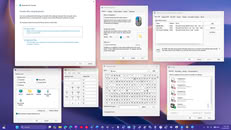
There's plenty to work with, as Windows 11 still ships more than 20 tools with older interfaces, including Defragment and Optimize Drives, Disk Cleanup, Device Manager, Event Viewer, and the DirectX Diagnostic Tool. Folder Options and the Sticky Keys prompt still have no dark mode, and some links in Settings, such as the extra sound and mouse options, open the old Control Panel windows. Microsoft's recent dark mode update for Hyper-V Manager, another legacy tool, also came out incomplete.
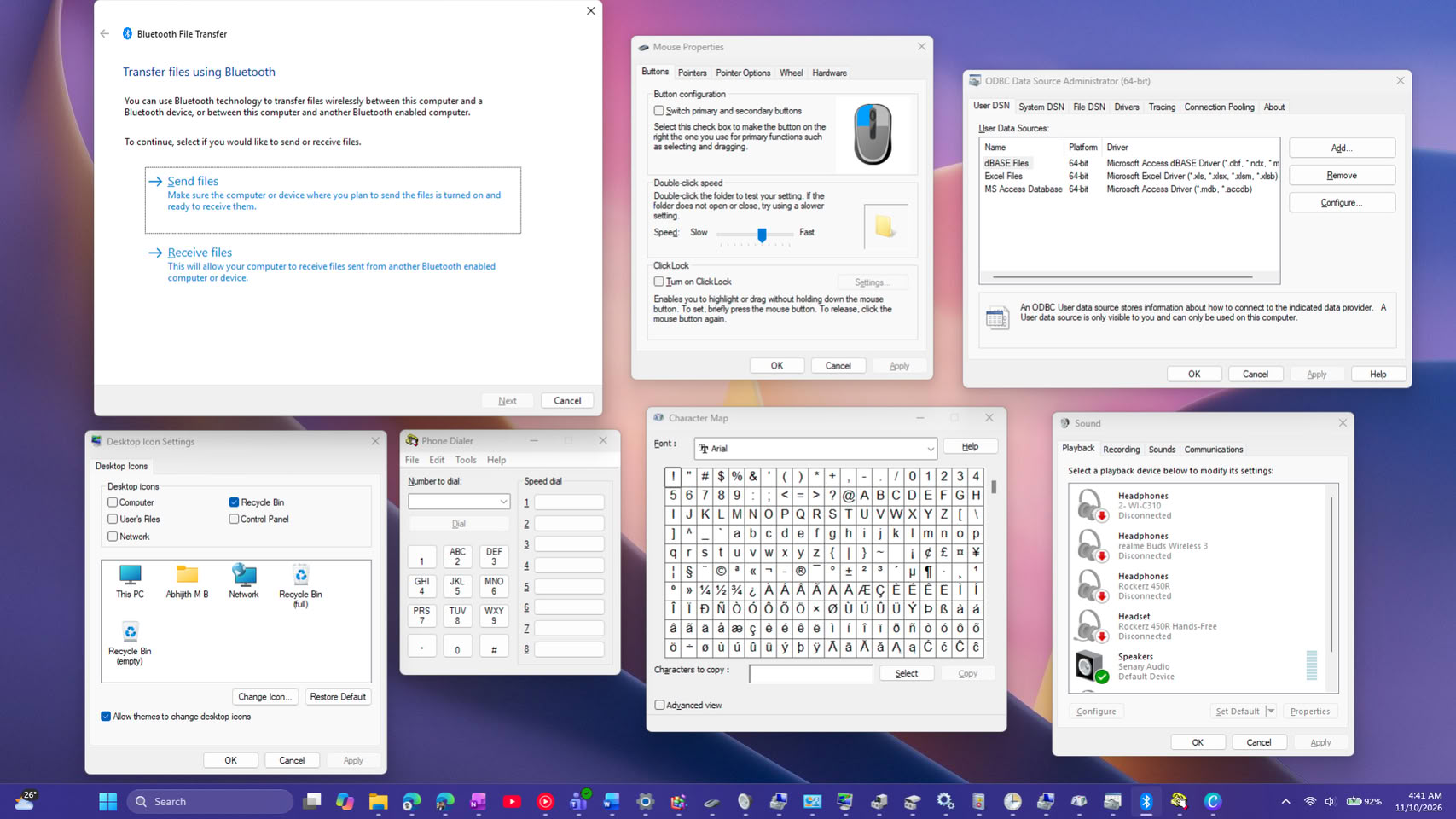

NVIDIA May Cut TSMC Chip Orders Amid Mounting Pressure, Report Claims
NVIDIA may be slowing down its chip orders at TSMC, according to a new report from Taiwan's Commercial Times. The outlet cites unnamed supply chain sources but doesn't name a product, node, size, or timeline. Neither NVIDIA nor TSMC have commented so far, and the claims are single-sourced for now. The report frames this as NVIDIA being squeezed from inside and out. On the inside, there's Jensen Huang's November 8 email to staff, in which he apologized for an extramarital affair, and the board's independent investigation into reports that he was targeted by a foreign intelligence effort. The board has said it has no reason to believe national security or NVIDIA secrets were compromised.
The outside pressure mostly comes down to export controls. The report points to tighter export reviews and H200 chips reportedly stockpiled in Hong Kong, both of which it says raise the risk of NVIDIA scaling back orders. It also cites foreign media reports suggesting that some firms approved to handle H200 could be shell companies, which feeds concerns that chips might reach China through fronts like these or middlemen in other countries. The report presents that as a suspicion rather than a finding, and if cuts do happen, upstream suppliers such as TSMC and ASE are the most exposed.

The outside pressure mostly comes down to export controls. The report points to tighter export reviews and H200 chips reportedly stockpiled in Hong Kong, both of which it says raise the risk of NVIDIA scaling back orders. It also cites foreign media reports suggesting that some firms approved to handle H200 could be shell companies, which feeds concerns that chips might reach China through fronts like these or middlemen in other countries. The report presents that as a suspicion rather than a finding, and if cuts do happen, upstream suppliers such as TSMC and ASE are the most exposed.

MSI Advances Next-Gen Data Center Infrastructure with AMD EPYC 9006 Series Server CPUs
As agentic AI drives new demands for compute density, memory bandwidth, and data movement, MSI is advancing next-generation data center infrastructure with server platforms powered by AMD EPYC 9006 Series SP7 Server CPUs. With SP7 systems entering the shipping phase in Q4 2026 and SP8 platforms planned for the first half of 2027, MSI's portfolio spans liquid-cooled GPU servers, 19" DC-MHS and 21" ORv3 multi-node platforms, and enterprise servers, supporting AI, cloud, HPC, virtualization, and business-critical workloads.
Built on the Zen 6 architecture, AMD EPYC 9006 Series Server CPUs deliver up to 256 cores and 512 threads per socket for high-density computing and AI agent execution. With up to 1.6 TB/s of memory bandwidth and PCIe Gen 6 connectivity, they support data-intensive workloads and high-speed I/O for GPUs, networking, and storage.
Built on the Zen 6 architecture, AMD EPYC 9006 Series Server CPUs deliver up to 256 cores and 512 threads per socket for high-density computing and AI agent execution. With up to 1.6 TB/s of memory bandwidth and PCIe Gen 6 connectivity, they support data-intensive workloads and high-speed I/O for GPUs, networking, and storage.

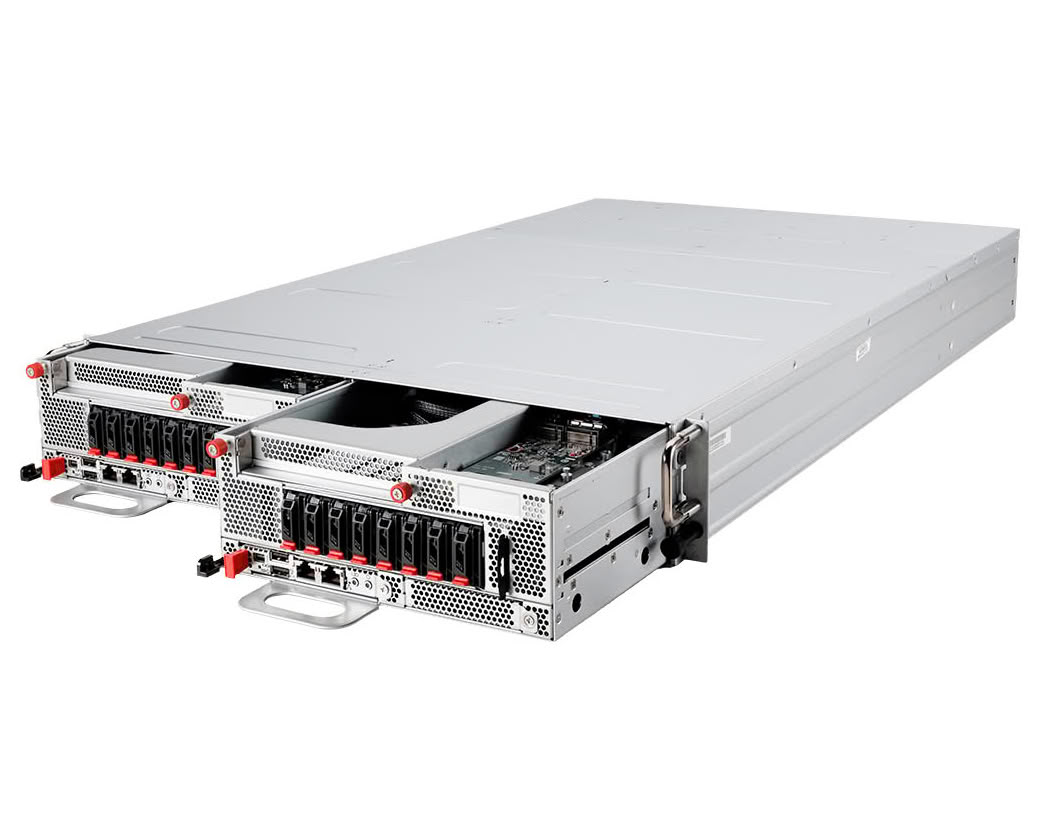
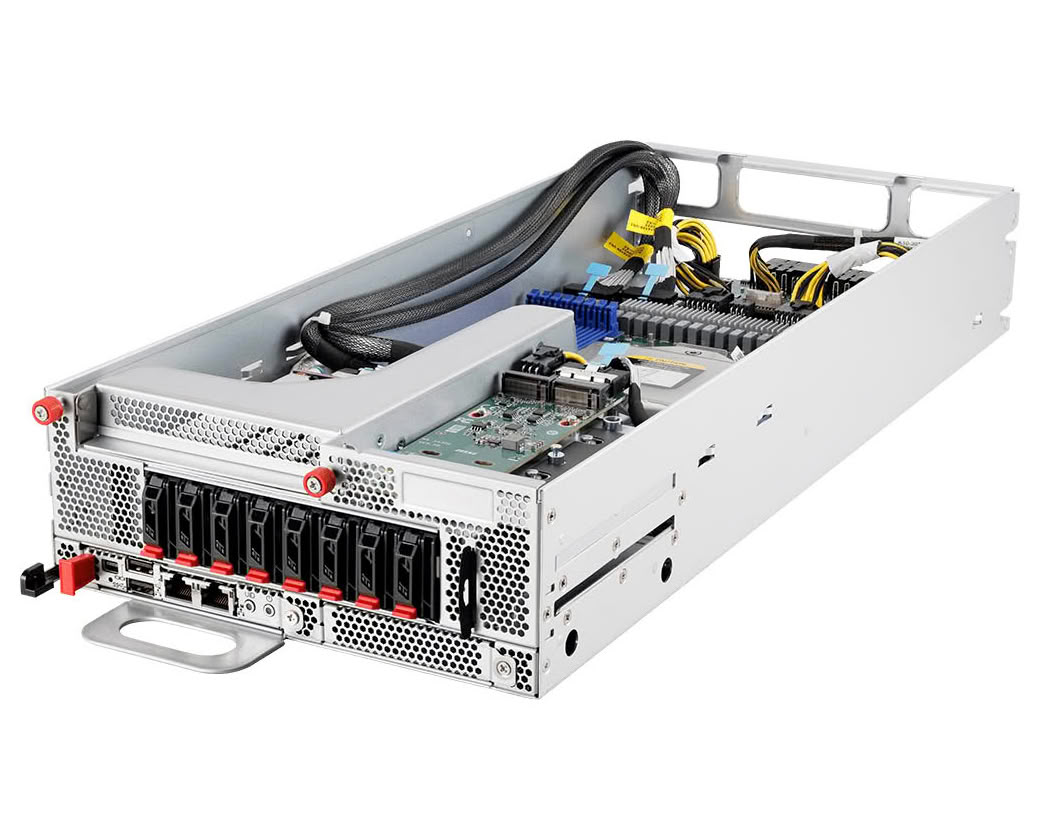
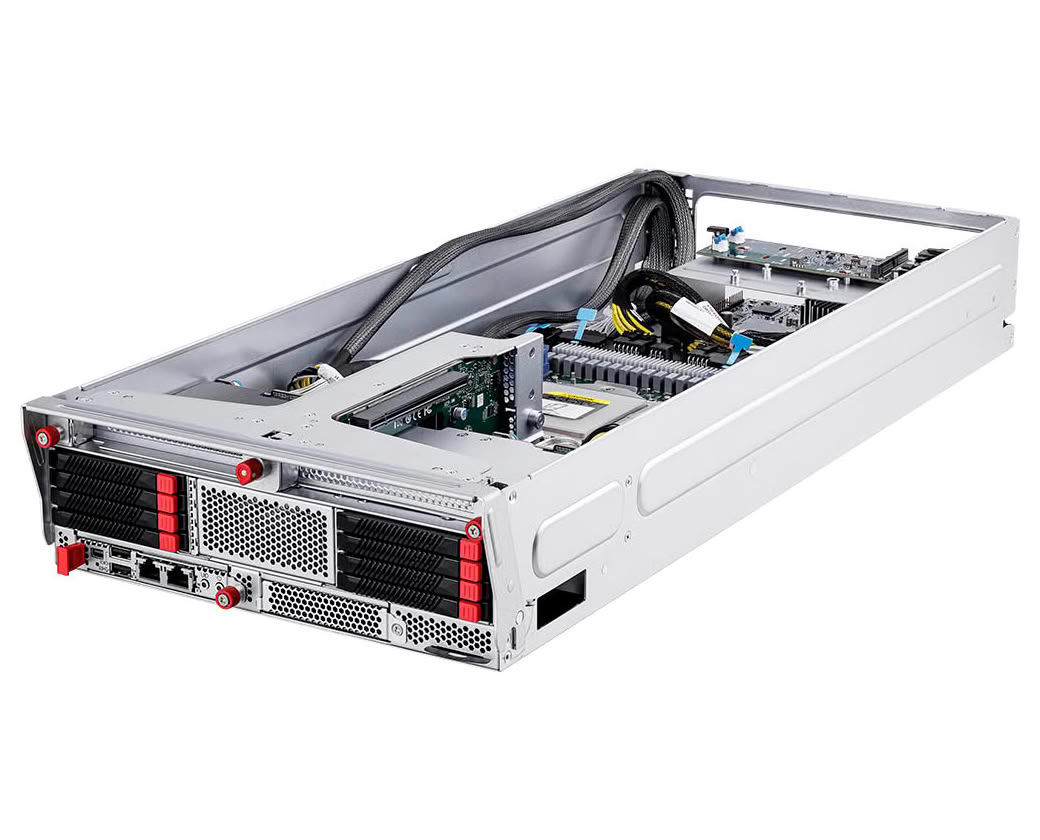
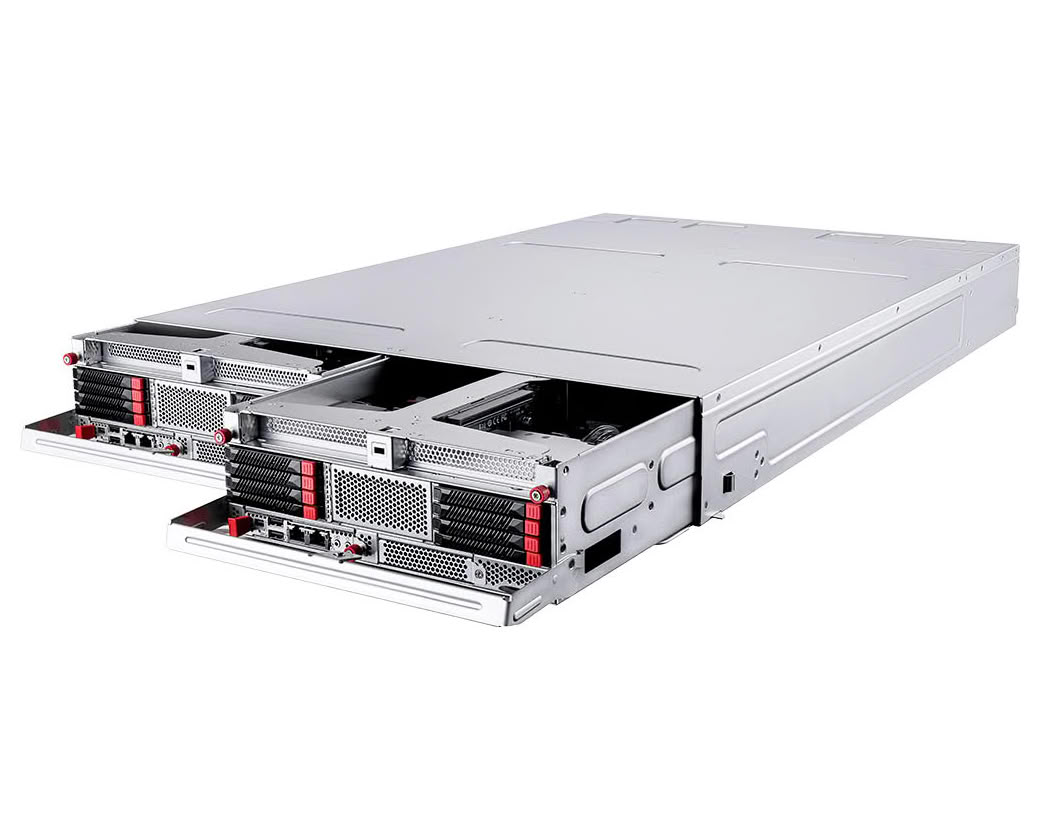
Nintendo Switch 2 Jailbreak Reportedly Patched With Firmware 23.5.0
Nintendo's latest Switch 2 system update, version 23.5.0, seems to have shut down ns2jb, the console's first software-only jailbreak. Dataminer OatmealDome says the OS exploit the jailbreak relied on is now patched, and that dumping and modding games won't be possible from here on. The one exception, he says, could be some cartridge games, and maybe game updates, released in the near future. Exploits inside individual titles, such as the SmileBASIC 4 programming app and Civilization VII, still work. However, it is no longer possible to break out of those apps into the rest of the system, so homebrew is stuck with whatever they can already do.
Nintendo's patch notes don't mention any of this. The listed changes cover accessibility options during first-time setup, groundwork for eShop gifting within family groups, and a new text-to-speech language, plus general fixes. It is also the first Switch 2 firmware since 23.0.1, the version ns2jb targeted when security researcher Sammy "pepsipu" Hajhamid released it on October 22. His exploit began with an integer overflow bug in SmileBASIC 4, a Switch 1 programming app that runs on the Switch 2 through backward compatibility. It was tethered to a PC and didn't survive reboots. Nintendo pulled SmileBASIC 4 from the eShop shortly after the release.
Nintendo's patch notes don't mention any of this. The listed changes cover accessibility options during first-time setup, groundwork for eShop gifting within family groups, and a new text-to-speech language, plus general fixes. It is also the first Switch 2 firmware since 23.0.1, the version ns2jb targeted when security researcher Sammy "pepsipu" Hajhamid released it on October 22. His exploit began with an integer overflow bug in SmileBASIC 4, a Switch 1 programming app that runs on the Switch 2 through backward compatibility. It was tethered to a PC and didn't survive reboots. Nintendo pulled SmileBASIC 4 from the eShop shortly after the release.

PlayStation Continues PC Withdrawal by Ending PS Plus PC App
Earlier in 2026, it was reported that Sony would no longer be porting the majority of its games to PC, with those reports later being backed up by an official confirmation that narrative games would remain PlayStation exclusive. Now, Sony has announced that it will soon be ending development of the PlayStation Plus PC app, which previously allowed PlayStation Plus Premium subscribers to stream PlayStation Plus games from their PCs.
The announcement comes by way of the official PlayStation Blog, which confirms that the app will go offline on December 10, and Sony justifies the move by saying that "less than 0.4%" of PlayStation Plus Premium users actually used the PlayStation Plus app on PC. It also confirmed that it would be ending the PlayStation Plus cloud streaming app on PC at the same time. At the same time, it seems as though Sony is completing its transition away from PC ports, with the recent return of the "PlayStation Exclusive" badge on first-party games, as spotted by @realradec on X.

The announcement comes by way of the official PlayStation Blog, which confirms that the app will go offline on December 10, and Sony justifies the move by saying that "less than 0.4%" of PlayStation Plus Premium users actually used the PlayStation Plus app on PC. It also confirmed that it would be ending the PlayStation Plus cloud streaming app on PC at the same time. At the same time, it seems as though Sony is completing its transition away from PC ports, with the recent return of the "PlayStation Exclusive" badge on first-party games, as spotted by @realradec on X.


GTA 6 Comes to Xbox One at Launch via Cloud Gaming, PC Players Out of Luck
Xbox One owners will be able to play GTA 6 when it launches on November 19, while PC players still have no official way in. In its pre-load announcement, which also confirmed a 30 FPS target on consoles, Rockstar says the game will be available through Xbox Cloud Gaming on Xbox Series X|S and Xbox One consoles, using Xbox Series S graphics settings. Xbox says streaming opens at 1 AM ET on launch day, and the game still has to be bought separately. Rockstar also warns that connection speed and other technical factors may affect performance in ways that local play would not.
Xbox CEO Asha Sharma framed the news as the start of a much bigger deal with Rockstar's parent company. In a post on X, she called the Xbox One cloud launch the first step of a new 10-year strategic partnership with Take-Two, adding that GTA 6 is already the most pre-ordered game ever on the Microsoft Store. Neither company has shared the terms of that partnership so far. Xbox did confirm that GTA 5, Red Dead Redemption 2, and more Rockstar titles will join Xbox Cloud Gaming in the coming months. Back in October, Sharma reportedly told staff at an internal town hall that Xbox had something planned around GTA 6 that "no other platform holder is doing," which led to reports of exclusive streaming rights. Xbox CSO Matthew Ball shot those down shortly after, saying the game "will not be streaming exclusively or to PC."


Xbox CEO Asha Sharma framed the news as the start of a much bigger deal with Rockstar's parent company. In a post on X, she called the Xbox One cloud launch the first step of a new 10-year strategic partnership with Take-Two, adding that GTA 6 is already the most pre-ordered game ever on the Microsoft Store. Neither company has shared the terms of that partnership so far. Xbox did confirm that GTA 5, Red Dead Redemption 2, and more Rockstar titles will join Xbox Cloud Gaming in the coming months. Back in October, Sharma reportedly told staff at an internal town hall that Xbox had something planned around GTA 6 that "no other platform holder is doing," which led to reports of exclusive streaming rights. Xbox CSO Matthew Ball shot those down shortly after, saying the game "will not be streaming exclusively or to PC."



Breggz Launches Zohn 2 Wireless Earphones Certified for IMAX Enhanced
Breggz, the premium audio brand founded by Dutch artist and songwriter Xander de Buisonjé, today announces the launch of Zohn 2, the brand's next-generation wireless earphones certified for IMAX Enhanced. Combining a five-driver acoustic architecture with Breggz Master Tuning and Sound Profiles, Zohn 2 is designed to bring listeners closer to the detail, depth and emotion of music and film as their creators intended.



Breggz founder, Xander de Buisonjé"I just want the world to hear what I hear. On stage and in the studio, I hear every layer of the music through my wired in-ear monitors. With Zohn 2, we want to bring that level of detail to everyday listening, whether you're listening to music or watching a film."



Firefox 160 Releases With New Mini Floating Windows and UI Improvements
Mozilla has officially released Firefox Browser version 160, which brings with it both a number of under-the-hood and user-facing changes to improve the average browsing experience. Aside from a few technical changes, like support for MKV playback with FLAC, MP3 or PCM audio, the biggest new user-facing changes are the new Mini Windows and an updated UI for the PiP (Picture-in-Picture) video player.
Mini Windows is a new early implementation of a feature that allows users to move a tab or a part of a page into an always-on-top window. To access Mini Windows, you right-click a tab, and select "Move to Mini Window," and you can then right-click any section of page content and select "Move Section to Mini Window," which will bring up a new UI to select and isolate a particular section of a page for use in the mini window.
Mini Windows is a new early implementation of a feature that allows users to move a tab or a part of a page into an always-on-top window. To access Mini Windows, you right-click a tab, and select "Move to Mini Window," and you can then right-click any section of page content and select "Move Section to Mini Window," which will bring up a new UI to select and isolate a particular section of a page for use in the mini window.

AMD Unveils 6th Gen EPYC Embedded Processors
What's the News? AMD announced the AMD EPYC Embedded 9006 Series SP7 CPUs, expanding its x86 processor portfolio optimized for embedded customer requirements and deployments. Advanced by the high-performance "Zen 6" core architecture, AMD EPYC Embedded 9006 CPUs combine up to 256 cores, scalable PCIe Gen 6 and CXL 3.1 connectivity, and advanced security from secure boot through runtime. With a throughput increase of up to 1.8x compared with the previous generation 5th Gen AMD EPYC 9005 Series processors, they provide the leadership compute and high-speed connectivity needed to scale throughput and handle increasingly demanding workloads in semiconductor automated test equipment (ATE), enterprise storage and network firewall applications. Seven-year product longevity, support for post-quantum cryptography for firmware signing, and ongoing security updates simplify maintenance and long-term support for mission-critical embedded applications.
Why It Matters? As AI infrastructure expands and data volumes grow, semiconductor ATE needs to validate memory and I/O devices faster, firewalls need to process and secure more network traffic, and storage controllers need to move and process more data. AMD EPYC Embedded 9006 processors deliver the high throughput, memory bandwidth and I/O performance required to meet these growing application demands.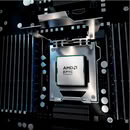
Why It Matters? As AI infrastructure expands and data volumes grow, semiconductor ATE needs to validate memory and I/O devices faster, firewalls need to process and secure more network traffic, and storage controllers need to move and process more data. AMD EPYC Embedded 9006 processors deliver the high throughput, memory bandwidth and I/O performance required to meet these growing application demands.


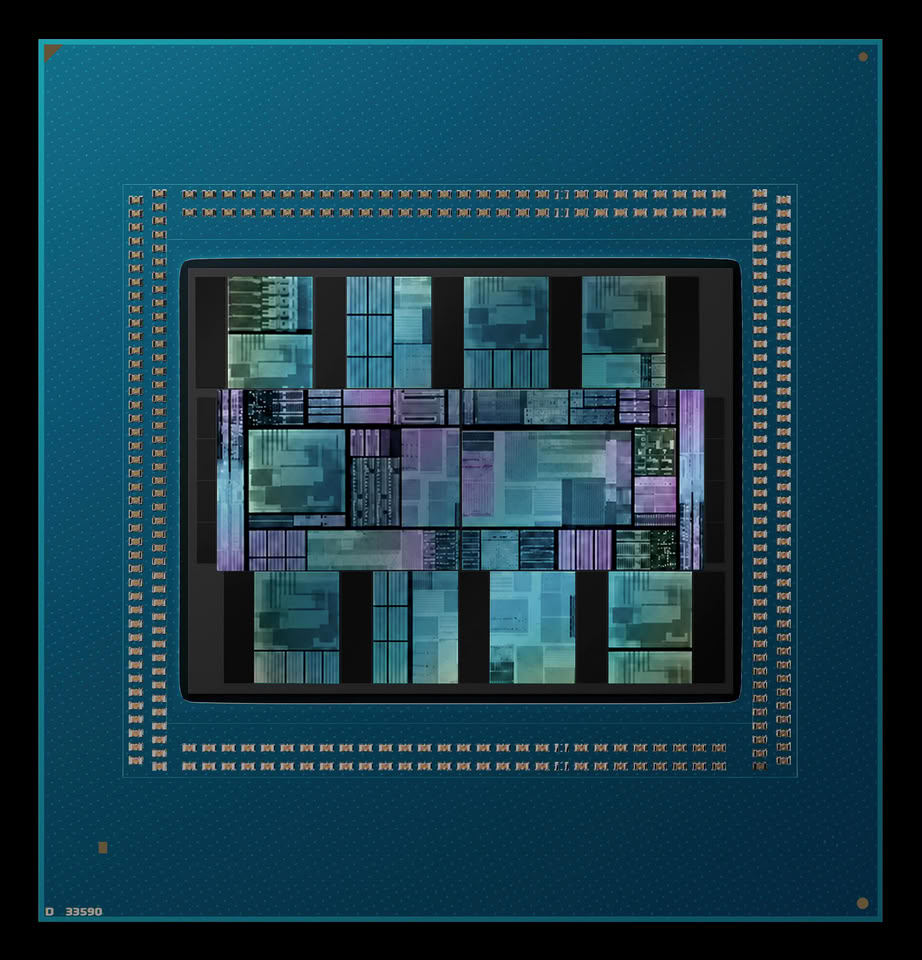
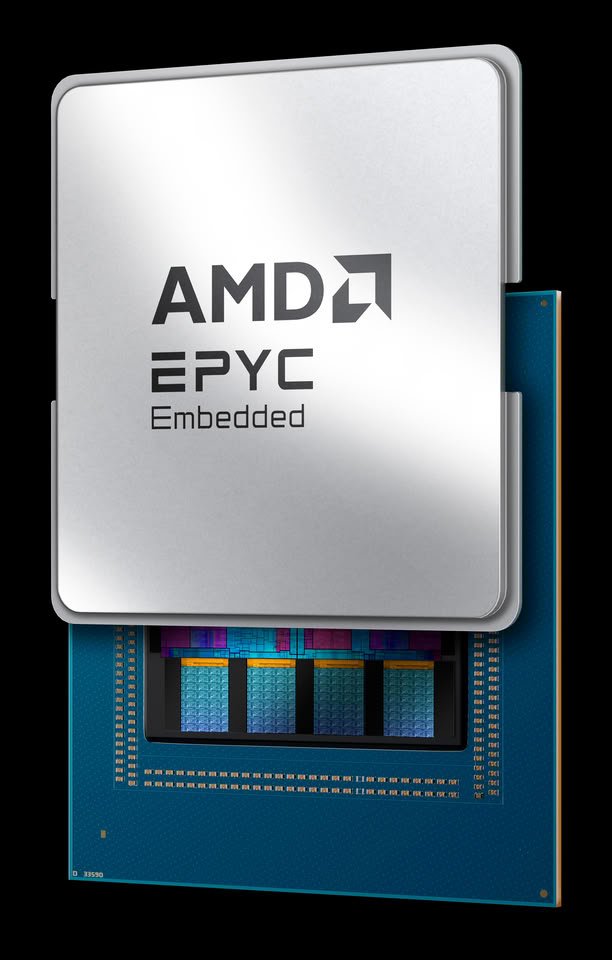
Microsoft Developer Builds a GPU Task Manager to Show Which Apps Are Eating Your VRAM
Anyone wondering what is filling up their GPU's VRAM can now try gputaskman, a free, open-source tool from Microsoft VP Scott Hanselman. It runs in a terminal window with an htop-style layout and lists every process using the GPU with its memory footprint, engine activity, and loaded runtime, such as CUDA or Vulkan. A panel up top tracks utilization, clocks, temperature, and power. Hanselman shared the project on X last week and asked for pull requests.
Task Manager has shown GPU usage since 2017, and it will happily tell you that 15 GB of video memory is in use. It just won't say what is using it. gputaskman goes after that gap with a heavy focus on local AI. Its model inspector can identify the LLM a process has loaded and report its quantization, weights, and estimated KV cache cost, while Ollama and LM Studio users also get context size and proper model names. Hanselman calls it early, experimental software, and the AI breakdowns are estimates for now.
Task Manager has shown GPU usage since 2017, and it will happily tell you that 15 GB of video memory is in use. It just won't say what is using it. gputaskman goes after that gap with a heavy focus on local AI. Its model inspector can identify the LLM a process has loaded and report its quantization, weights, and estimated KV cache cost, while Ollama and LM Studio users also get context size and proper model names. Hanselman calls it early, experimental software, and the AI breakdowns are estimates for now.

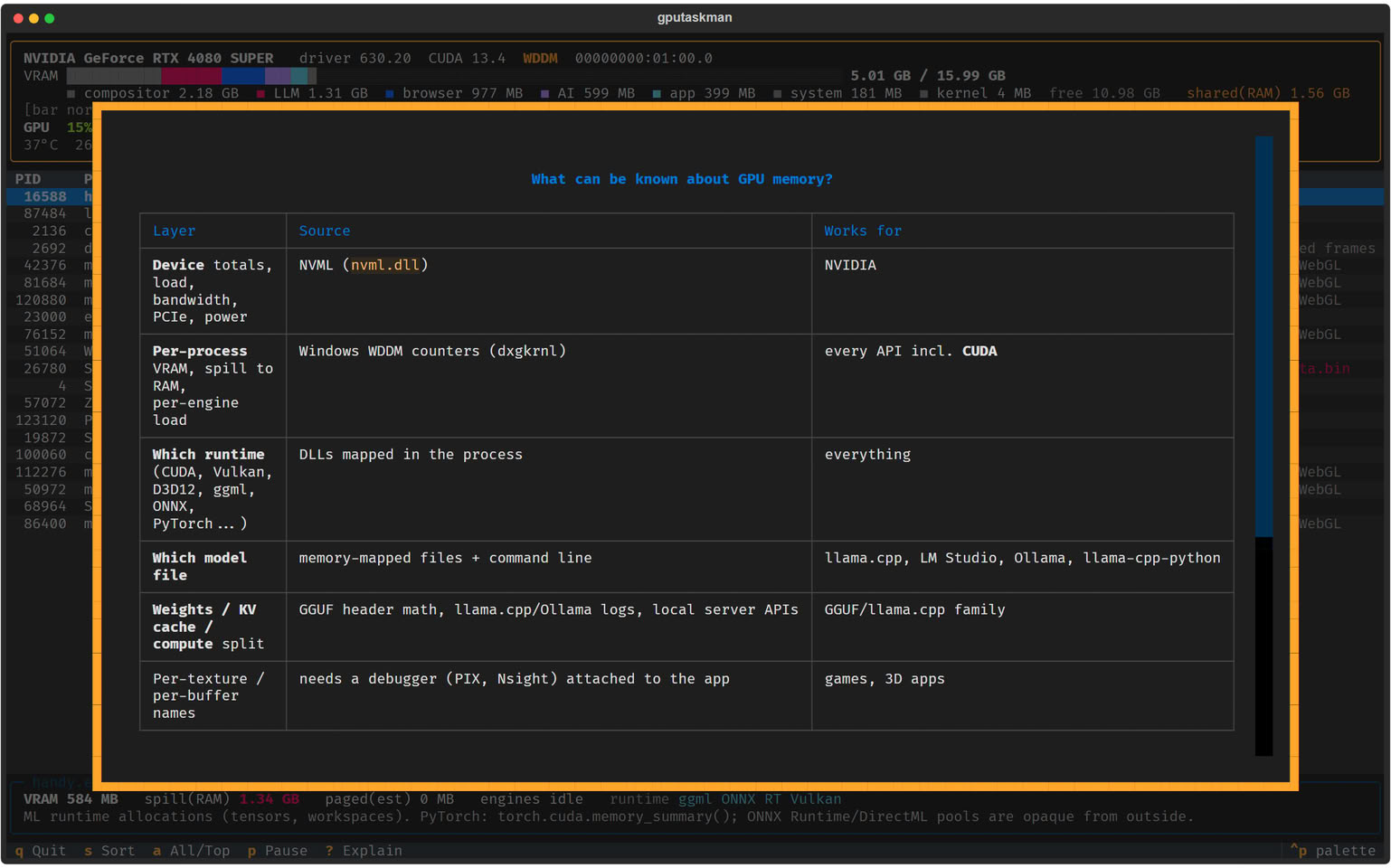
Otto Introduces Otto One: the Personal AI Computer for Autonomous Agents
Otto, the company building the operating system for the agentic era, today introduces Otto One, the first purpose-built agent computer: a compact, screenless computer designed for an AI agent to live and work on. Running on Otto OS, its proprietary software layer, Otto One lets people deploy, direct and monitor autonomous agents from a phone or desktop while the device works continuously in the background, even when the user closes their laptop or walks away.
AI agents are finally capable of taking on a persistent role in people's lives. The real opportunity is not a better inbox assistant; it is an agent that can keep a household organized, manage a budget and taxes, coordinate care and appointments, and keep a business moving. To do that well, it needs usable context and the authority to act across the financial, personal and work systems that make up a life.
AI agents are finally capable of taking on a persistent role in people's lives. The real opportunity is not a better inbox assistant; it is an agent that can keep a household organized, manage a budget and taxes, coordinate care and appointments, and keep a business moving. To do that well, it needs usable context and the authority to act across the financial, personal and work systems that make up a life.

AMD Showcases 6th Gen EPYC Server SP7 Processors Based on the New Zen 6 Architecture
AMD (NASDAQ: AMD) today announced the general availability of the 6th Gen AMD EPYC server SP7 processors, based on the new "Zen 6" architecture, extending its historical server CPU performance leadership as AI creates new demands across the data center. Systems powered by the new CPUs are shipping from all leading server vendors, and cloud instances from Microsoft Azure and OCI are coming soon.
Across five generations, AMD EPYC processors have repeatedly raised the standard for server CPU performance, energy efficiency and platform choice, culminating in 5th Gen AMD EPYC processors becoming the fastest-ramping and highest-volume EPYC generation in AMD history. Now, 6th Gen AMD EPYC server CPUs extend AMD CPU leadership, running AI agents, accelerated infrastructure and critical enterprise applications, helping customers expand computing capacity that runs their businesses.
[Editor's note: You can read our AMD Zen 6 Technical Deep Dive here]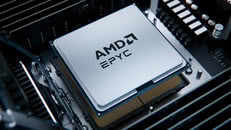
Across five generations, AMD EPYC processors have repeatedly raised the standard for server CPU performance, energy efficiency and platform choice, culminating in 5th Gen AMD EPYC processors becoming the fastest-ramping and highest-volume EPYC generation in AMD history. Now, 6th Gen AMD EPYC server CPUs extend AMD CPU leadership, running AI agents, accelerated infrastructure and critical enterprise applications, helping customers expand computing capacity that runs their businesses.
[Editor's note: You can read our AMD Zen 6 Technical Deep Dive here]

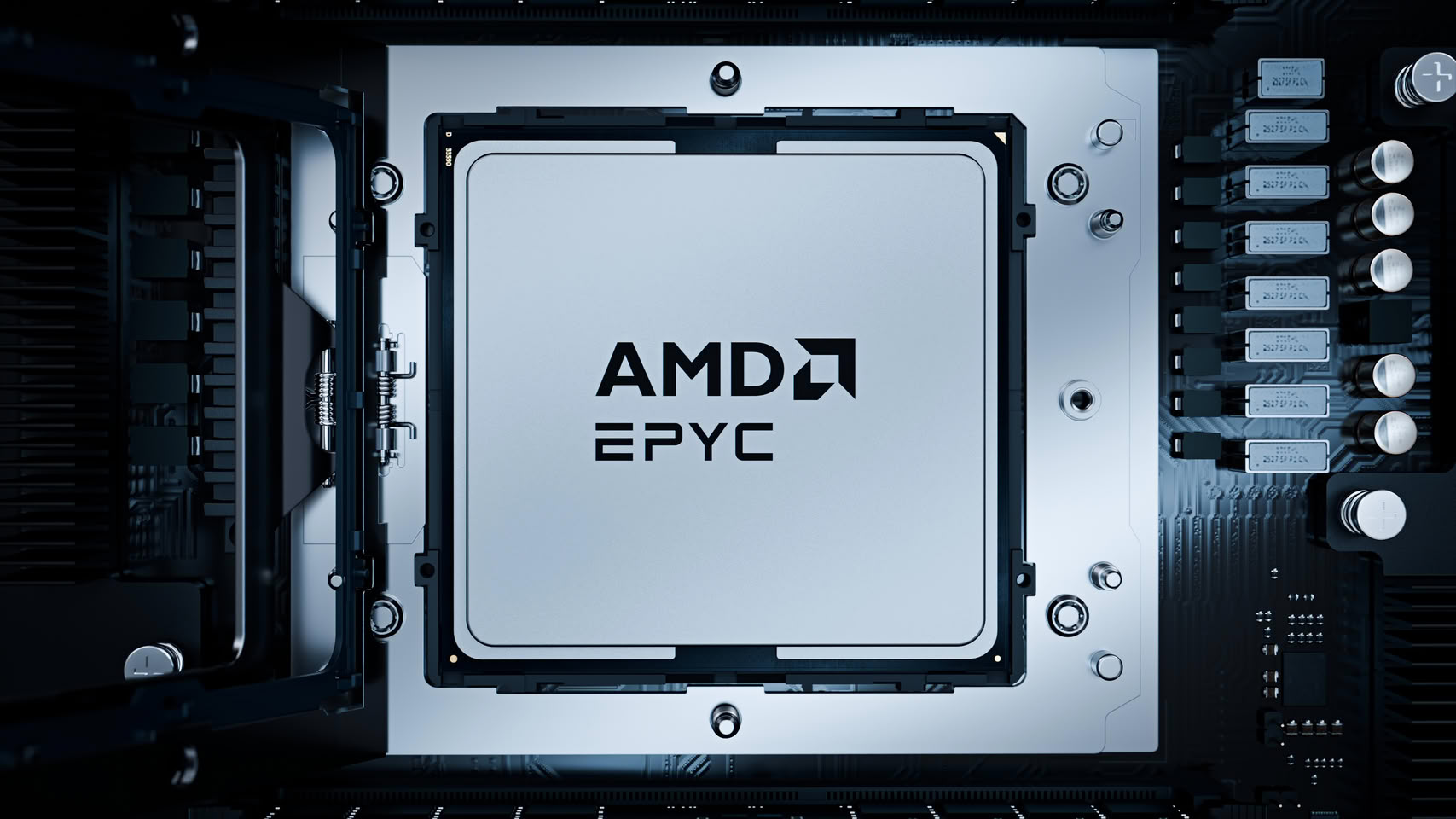
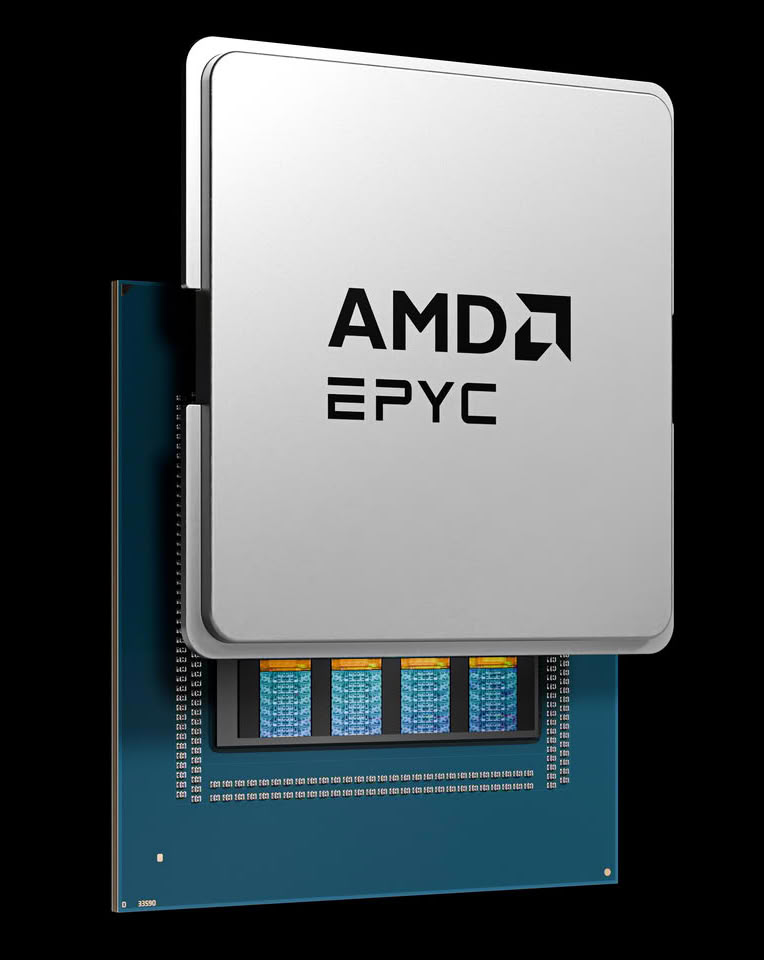
GXTrust Launches Volyx Ultra-Lightweight Tri-Mode Gaming Mouse
For competitive gamers who demand speed and responsiveness, every gram counts. With high-quality features designed for effortless movement, easy connectivity, and long-lasting gaming sessions, this is the gaming mouse built for players who want it all.
Weighing just 67 g, the Volyx's standout feature is without a doubt its ultra-lightweight design. Allowing for swift, responsive movement, it enables gamers to take full advantage of speed without compromising on performance. Coupled with a stylish cut-out housing, this PC gaming mouse adds a unique aesthetic touch to any setup.


Weighing just 67 g, the Volyx's standout feature is without a doubt its ultra-lightweight design. Allowing for swift, responsive movement, it enables gamers to take full advantage of speed without compromising on performance. Coupled with a stylish cut-out housing, this PC gaming mouse adds a unique aesthetic touch to any setup.

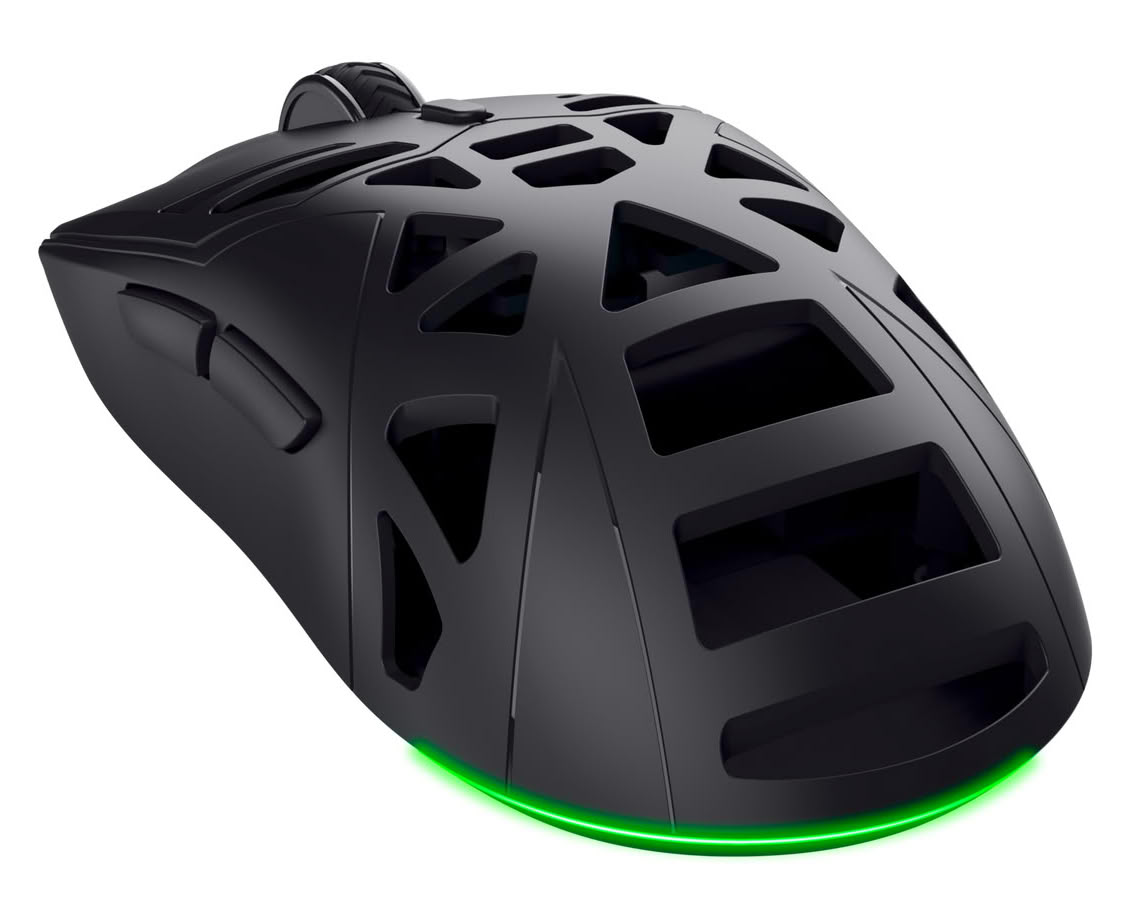
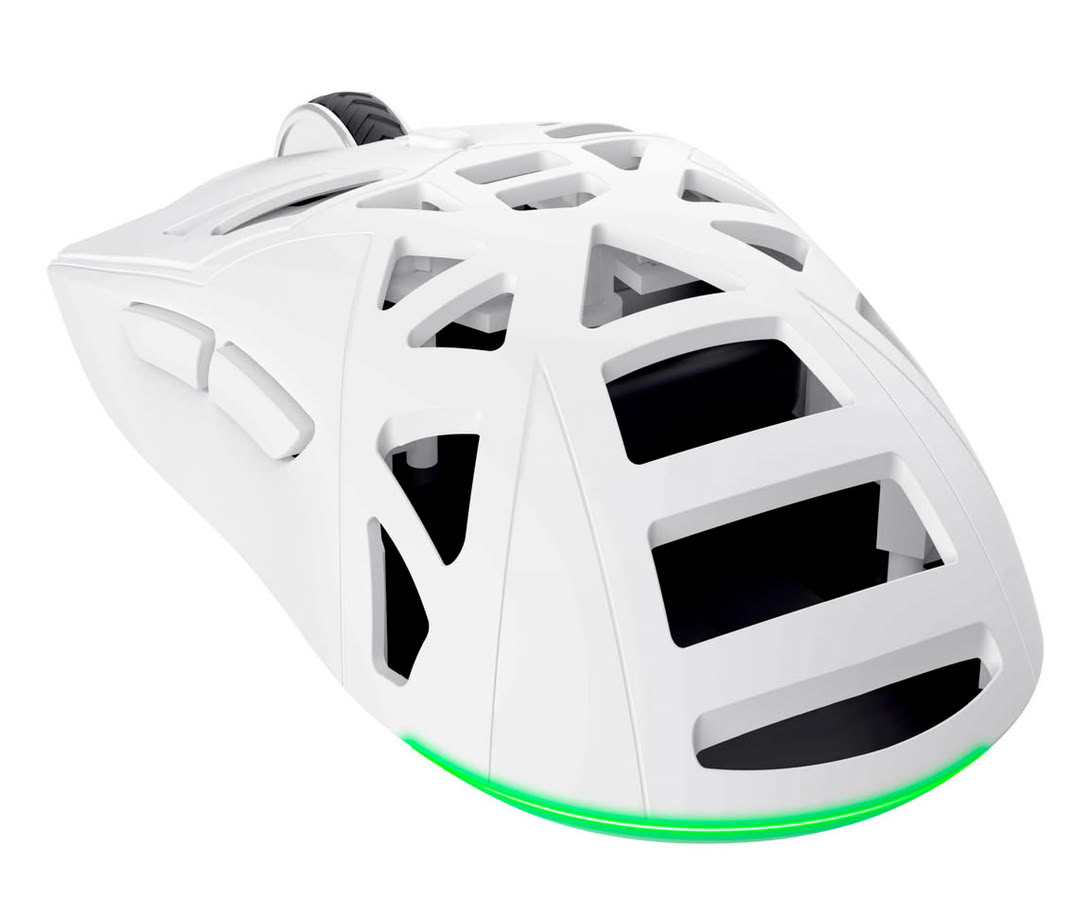
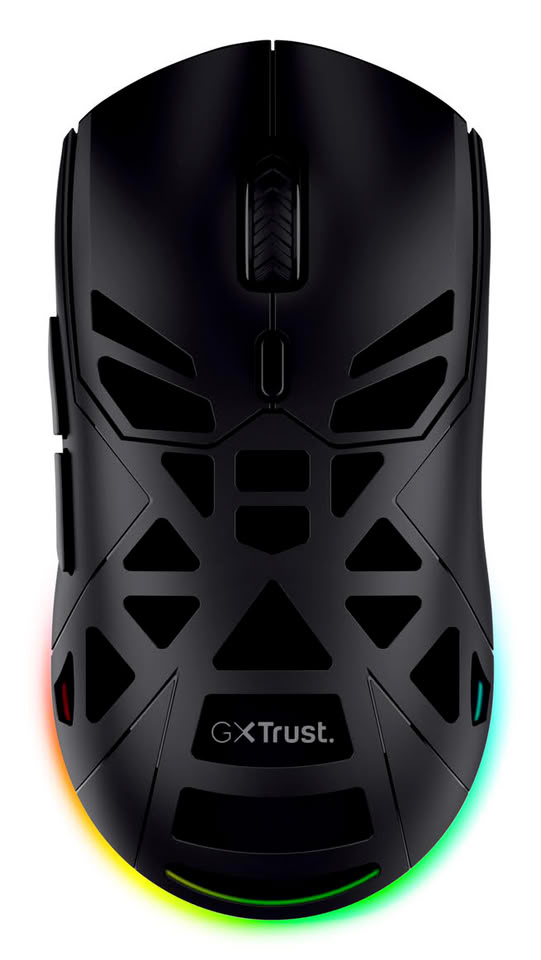
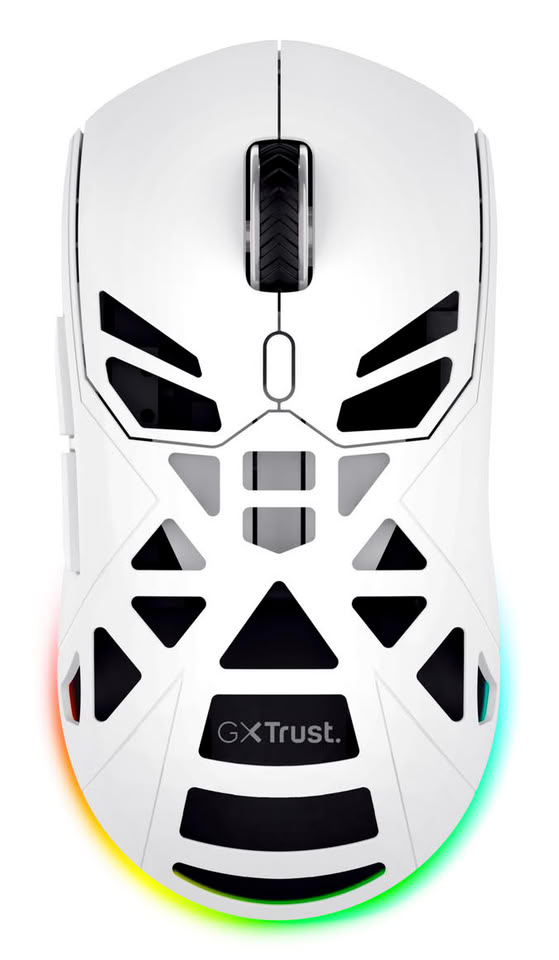

OWC Upgrades ThunderBay 4 with Thunderbolt 5, Expands Capacity with Options Up to 128 TB
Other World Computing (OWC), a trusted leader in high-performance storage, memory, connectivity, software, and accessories that empower creative and business professionals to maximize performance, enhance reliability, and streamline workflows, today announced it has added Thunderbolt 5 capabilities to its flagship OWC ThunderBay 4 RAID solution.
With up to 128 TB of capacity, OWC ThunderBay 4 with Thunderbolt 5 brings together powerful features and delivers real-world benefits:

With up to 128 TB of capacity, OWC ThunderBay 4 with Thunderbolt 5 brings together powerful features and delivers real-world benefits:
- Two Thunderbolt 5 Ports - Current-generation host connection plus a downstream Thunderbolt 5 port for daisy-chaining additional Thunderbolt, USB4, and USB-C devices without giving up a port on the computer
- Stop Juggling Loose Drives - Everything organized in one place with up to 128 TB of expandable capacity
- Keep Edits Flowing Fast - Up to 1268 MB/s real-world HDD speed and up to 1703 MB/s SSD speed
- Proven Design, Still the Standard - Four bay aluminium solution trusted by pros for over a decade
Keychron Launches G25 HE 46 g Gaming Mouse with Razer Viper Mini Shape and Analog Switches
Following the release of the Keychron G6 HE, the brand has been steadily expanding its portfolio of models with Hall effect switches for adjustable actuation and rapid trigger support. The G25 HE is Keychron's latest HE mouse model, recently announced in an X post, and it takes the Hall effect switch tech and the flagship internals of the G6 HE and puts it all into a smaller shape that bears an uncanny resemblance to the Razer Viper Mini and Cobra shapes. Keychron has yet to provide a full spec sheet or product page for the G25 HE, but the mouse has been scanned and submitted to EloShapes for comparisons, where its specs and features are also available.
The Keychron G25 HE measures in at 120 × 63 × 39 mm and weighs 46 g, which is on the lighter side for a wireless mouse, but not the lightest by any means. It is also a symmetrical shape with right-side programmable thumb buttons and a partially open bottom plate. The G25 HE is powered by a PixArt PAW 3955 optical sensor and a Nordic 54LM20A MCU, which means it has a peak DPI of 40,000, up to 8 kHz polling rate, and can track at up to 750 IPS and 60 G of acceleration. The star of the show, and the mouse's namesake, are the MagOpt switches which feature both optical and Hall effect magnetic sensing, although the switches still have a click leaf and a distinct tactile bump, which has been largely considered to have a negative impact on the mouse's adjustable actuation trickery.
The Keychron G25 HE measures in at 120 × 63 × 39 mm and weighs 46 g, which is on the lighter side for a wireless mouse, but not the lightest by any means. It is also a symmetrical shape with right-side programmable thumb buttons and a partially open bottom plate. The G25 HE is powered by a PixArt PAW 3955 optical sensor and a Nordic 54LM20A MCU, which means it has a peak DPI of 40,000, up to 8 kHz polling rate, and can track at up to 750 IPS and 60 G of acceleration. The star of the show, and the mouse's namesake, are the MagOpt switches which feature both optical and Hall effect magnetic sensing, although the switches still have a click leaf and a distinct tactile bump, which has been largely considered to have a negative impact on the mouse's adjustable actuation trickery.
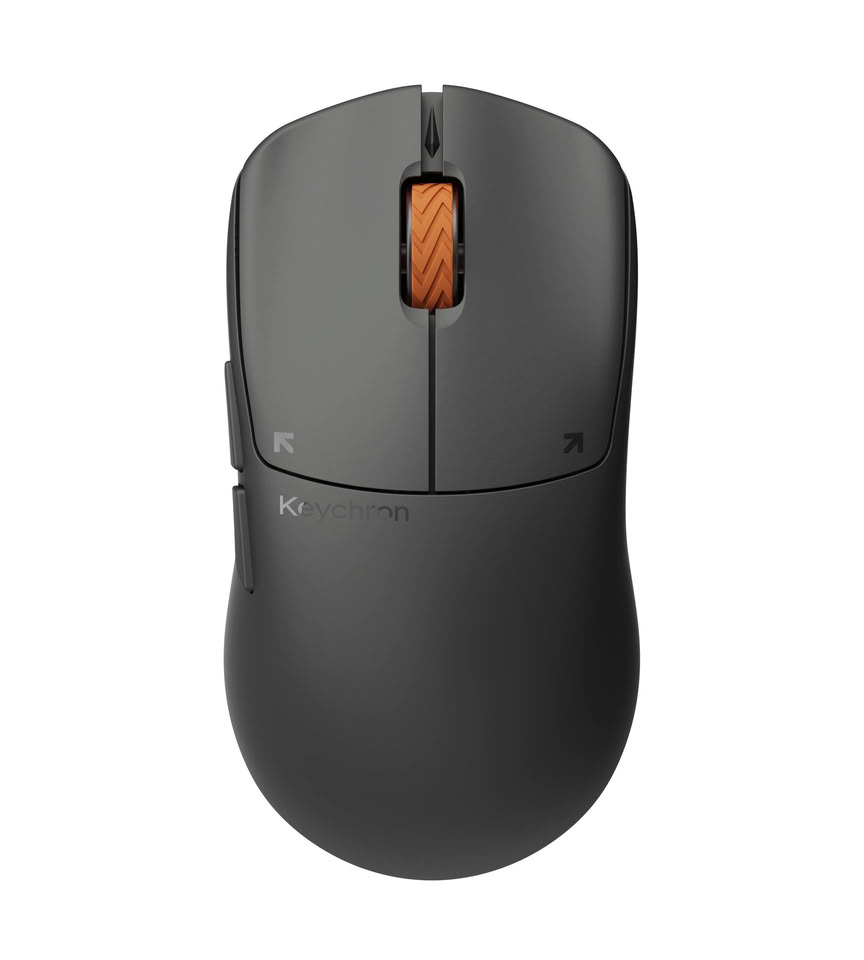
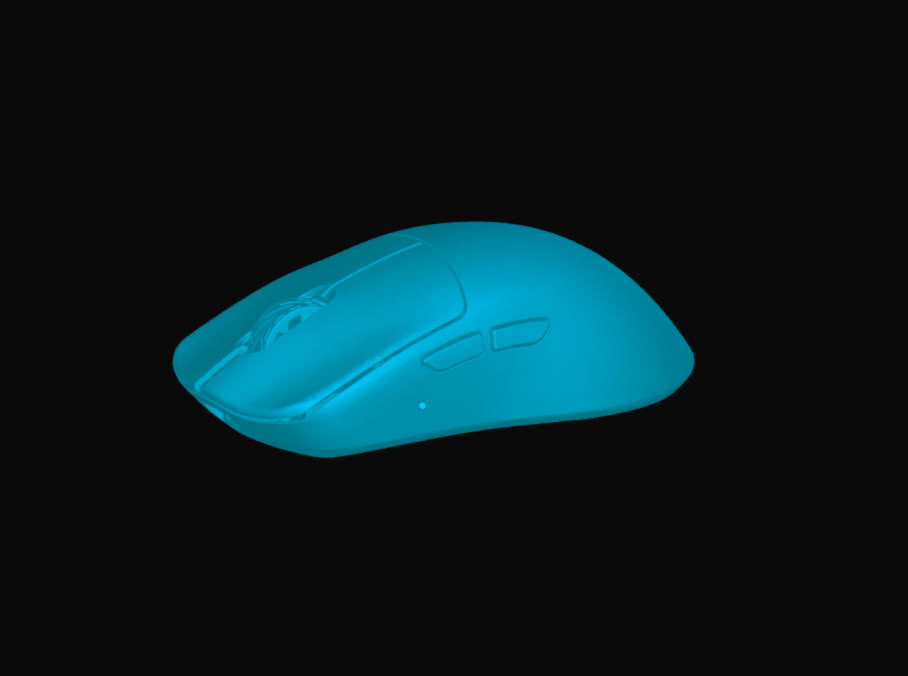
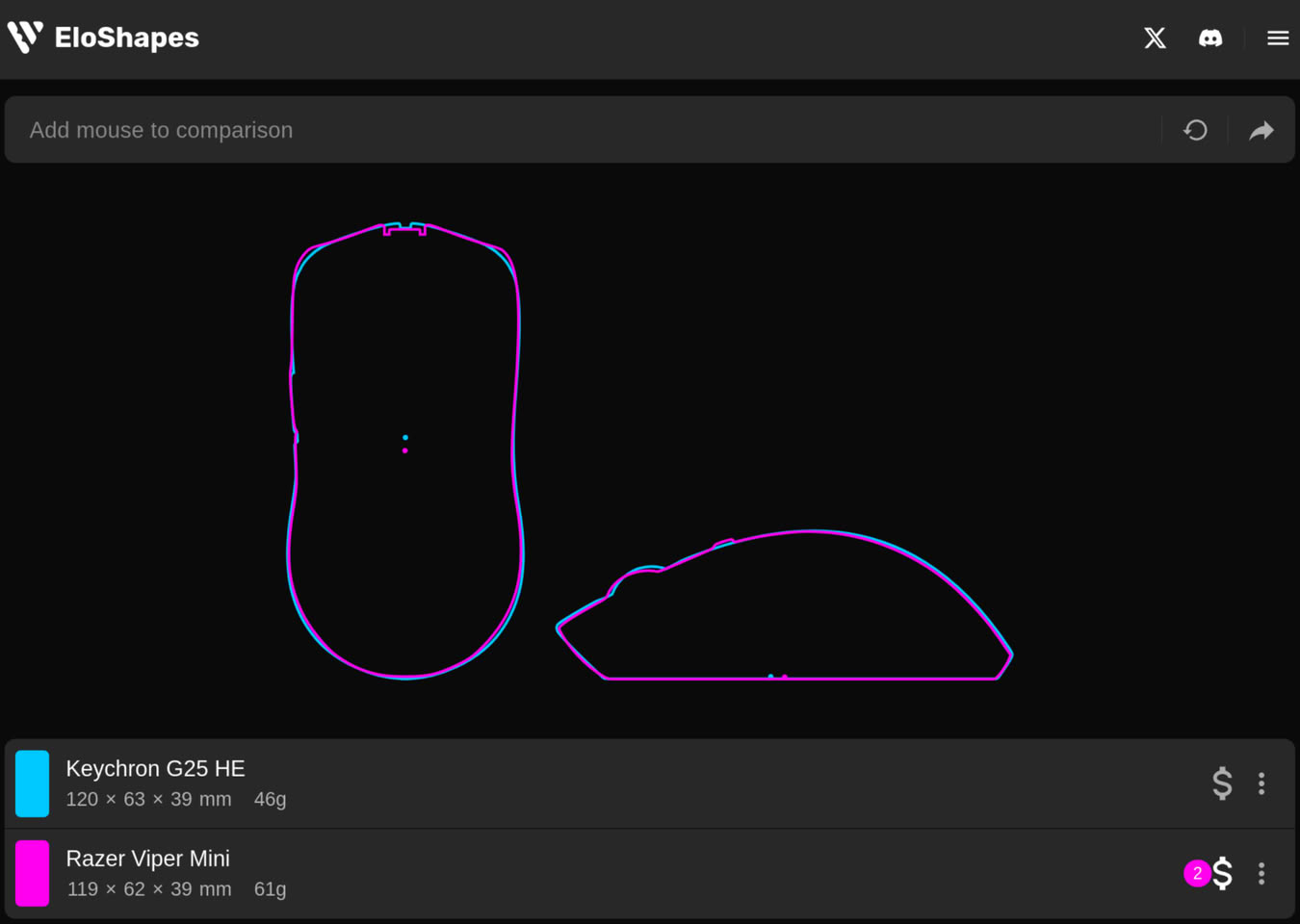
Intel and Altera Partner for Edge and Physical AI Development
Intel and Altera today announced a collaboration to develop a flexible, real-time sensor bridge for a range of Edge & Physical AI industries including healthcare, aerospace and defense, and robotics applications. By combining Intel compute, connectivity and software with Altera FPGAs, the companies aim to help original equipment manufacturers (OEMs) address the growing complexity of connecting, processing and acting on real-world data across increasingly sensor-rich edge environments.
Edge and Physical AI systems can require data from different sensors and interfaces to be brought together while meeting requirements for timing, performance, power and cost. Some applications also require very high bandwidth or flexible form factors in which input/output (I/O) is located away from the compute board. Sensor data must then be streamed rapidly into memory for the host Intel processor to use across edge, robotics and other workloads.
Edge and Physical AI systems can require data from different sensors and interfaces to be brought together while meeting requirements for timing, performance, power and cost. Some applications also require very high bandwidth or flexible form factors in which input/output (I/O) is located away from the compute board. Sensor data must then be streamed rapidly into memory for the host Intel processor to use across edge, robotics and other workloads.


Arm Expands Its Portfolio with New Arm Cortex-M42 Processors
Innovation across the semiconductor industry continues to accelerate, driven by growing demand for AI, more capable intelligent connected devices, and specialized computing across industries. As applications become increasingly diverse, silicon partners need access to a broad portfolio of advanced, power-efficient compute technologies to meet different performance, power and cost requirements.
Through Arm Flexible Access and Arm Total Access, Arm provides that choice, giving silicon partners access to a wide range of technologies to develop differentiated products and bring them to market faster. Today, Arm is expanding both portfolios with the new Arm Cortex-M42 processor, bringing efficient AI compute capabilities to more intelligent devices.



Through Arm Flexible Access and Arm Total Access, Arm provides that choice, giving silicon partners access to a wide range of technologies to develop differentiated products and bring them to market faster. Today, Arm is expanding both portfolios with the new Arm Cortex-M42 processor, bringing efficient AI compute capabilities to more intelligent devices.

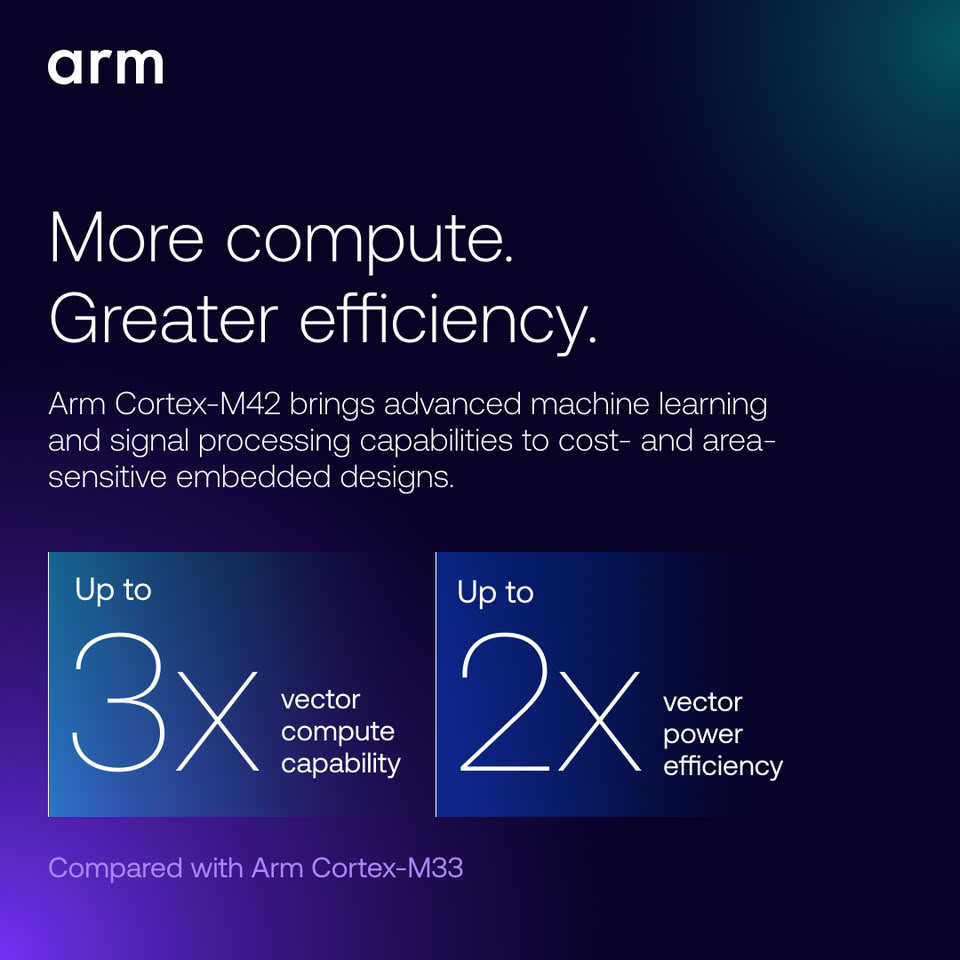
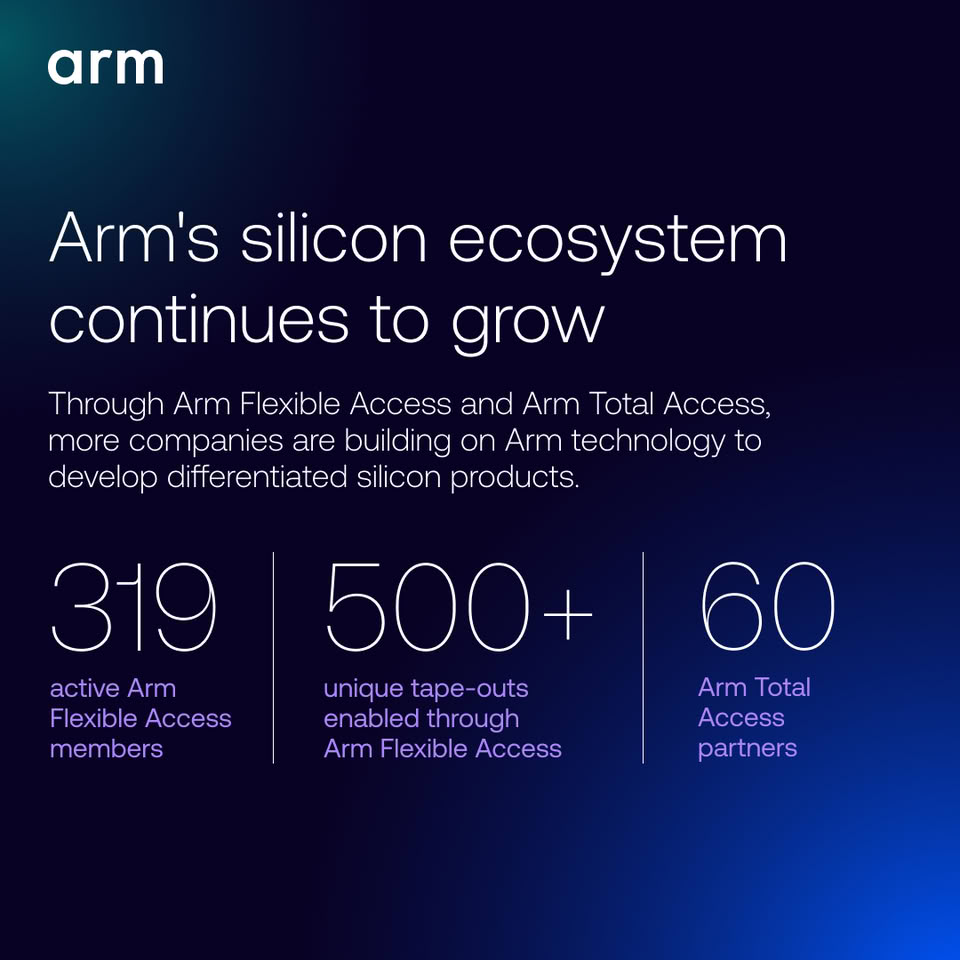
Gigabyte Launches the AI TOP AERO Powered by NVIDIA RTX Spark
Gigabyte today announced the launch of AI TOP AERO, a new AI desktop powered by the NVIDIA RTX Spark platform. Positioned as a Personal AI Studio, AI TOP AERO combines an NVIDIA Blackwell architecture GPU, up to 128 GB of unified system memory, and Gigabyte's cooling and compact chassis design. The new desktop expands Gigabyte's AI PC lineup, bringing local AI development, content creation and gaming to personal workspaces.
NVIDIA RTX Spark unites NVIDIA AI, RTX graphics, and unified memory in one slim, powerful Windows PC. Designed to run larger AI models locally--without cloud dependency--and move between creative work, development, and immersive gaming without missing a beat. Connect apps, tools, and workflows into one seamless experience. Private by default. RTX Spark brings NVIDIA's full-stack AI platform, ready for the AI workloads of today and whatever comes next. Delivered on the familiar, trusted Windows platform.
NVIDIA RTX Spark unites NVIDIA AI, RTX graphics, and unified memory in one slim, powerful Windows PC. Designed to run larger AI models locally--without cloud dependency--and move between creative work, development, and immersive gaming without missing a beat. Connect apps, tools, and workflows into one seamless experience. Private by default. RTX Spark brings NVIDIA's full-stack AI platform, ready for the AI workloads of today and whatever comes next. Delivered on the familiar, trusted Windows platform.


NZXT Launches H7 and H5 Cases in Single-Piece Curved Glass, Plus Kraken Coolers
NZXT, a leading brand in PC gaming components and prebuilt systems, today launched new generations of two case lines and two liquid coolers: the H7 and H7 RGB+, the H5 and H5 RGB+, the Kraken Plus 360 RGB, and the Kraken Core 360 and 420. On the H7 and H5, the front and left side are a single-formed panel of curved tempered glass. There is no corner seam where two flat sheets meet, so nothing interrupts the view of the build. Holding a formed curve through tempering is a tolerance problem, which is why the corner seam is the usual answer. On the H7, a tempered glass top cut to the same radius comes fitted as standard, carrying the glass from front to side to top. NZXT calls that Vista Mode.
Both coolers are Cooled by Asetek, on a copper cold-plate. The Kraken Plus puts a customizable display on the pump cap; the Kraken Core is the version with nothing to manage. "The H7, H5 and Kraken are the heart of our lineup, and they're where most NZXT builds start. This generation refreshes all of them at once: single-piece curved glass across both mid-towers, and an Asetek pump in both new Krakens. We're also adding new case features builders haven't seen from us before, like Vista Mode and the Airflow Scoop," said Johnny Hou, CEO at NZXT.
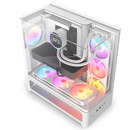
Both coolers are Cooled by Asetek, on a copper cold-plate. The Kraken Plus puts a customizable display on the pump cap; the Kraken Core is the version with nothing to manage. "The H7, H5 and Kraken are the heart of our lineup, and they're where most NZXT builds start. This generation refreshes all of them at once: single-piece curved glass across both mid-towers, and an Asetek pump in both new Krakens. We're also adding new case features builders haven't seen from us before, like Vista Mode and the Airflow Scoop," said Johnny Hou, CEO at NZXT.


MSI Introduces MEG X, the Flagship Intelligent QD-OLED Gaming Monitor
MSI introduces the MEG X, a flagship 34-inch QD-OLED gaming monitor combining advanced on-device AI, next-generation display technology, immersive lighting, and a distinctive Infinity Mirror design. The MEG X features a 34-inch (33.98-inch viewable) UWQHD (3440 × 1440) 5th-Gen QD-OLED panel with Penta Tandem technology, an RGB Stripe sub-pixel layout, and DarkArmor Film, delivering a 360 Hz refresh rate and 0.03 ms (GtG) response time. A dedicated AI Processor powers intelligent visual, audio, and gameplay features, while MSI's exclusive SpectrumBar+ adds real-time lighting feedback for greater immersion.
AI at the Core
The built-in AI Processor analyzes on-screen content directly on the monitor, enabling real-time AI features without requiring dedicated PC software.


AI at the Core
The built-in AI Processor analyzes on-screen content directly on the monitor, enabling real-time AI features without requiring dedicated PC software.

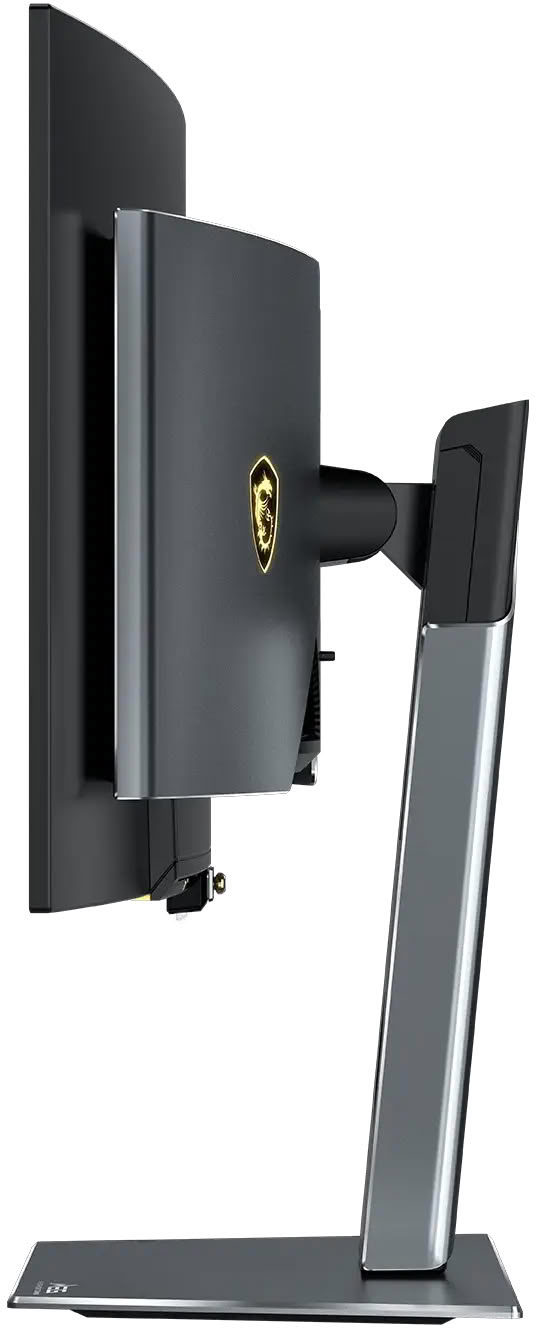
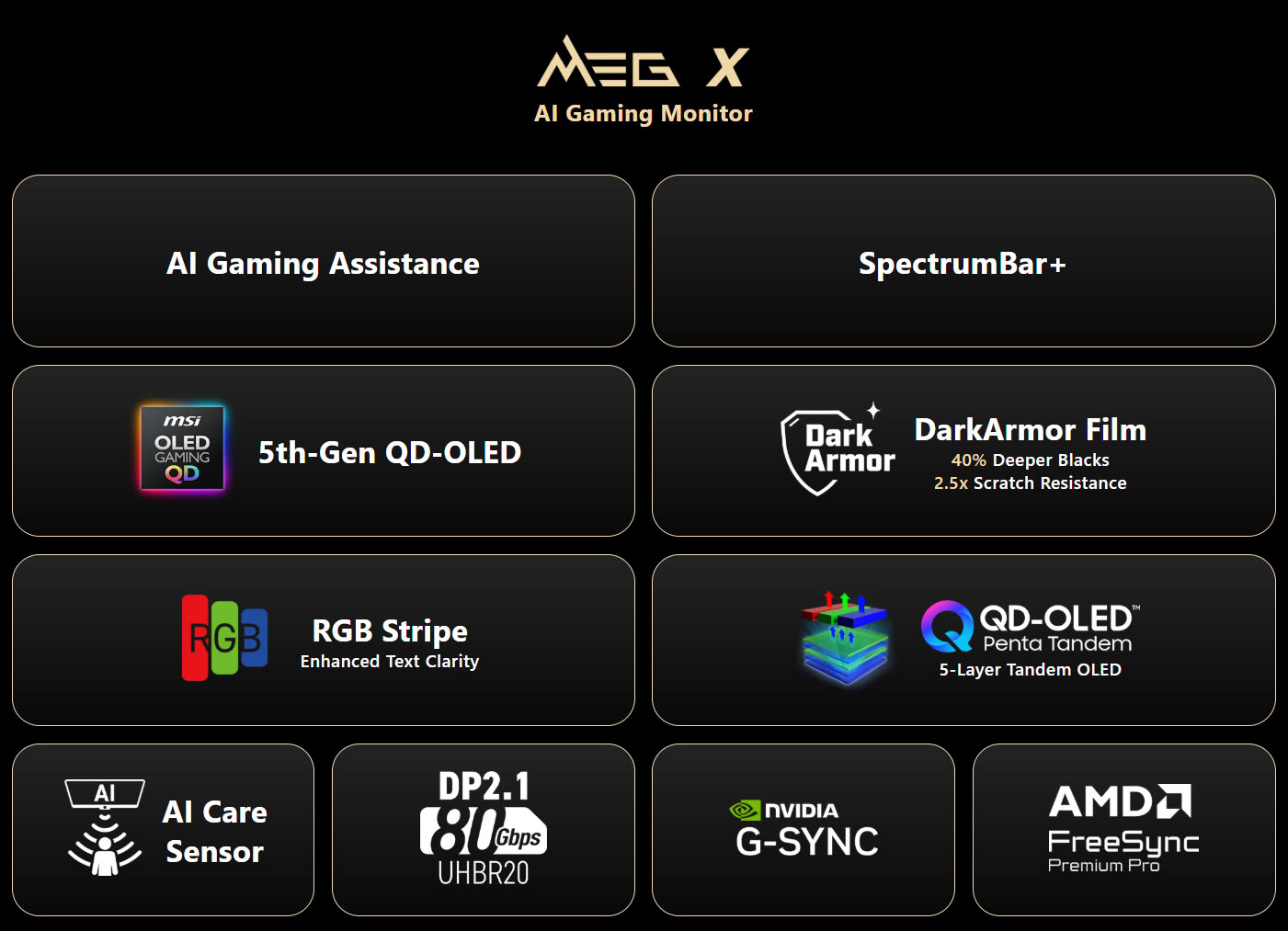
Grand Theft Auto VI Runs at 30 FPS, PS5 Pro Gets PSSR and Ray Tracing
Grand Theft Auto VI is now available for pre-load for gamers who pre-ordered the game, allowing them to start the download. With the game launching on November 19, Rockstar has confirmed that it will run at 30 frames per second on consoles, utilizing their integrated graphics for maximum visual fidelity. This means that while the studio has invested significant resources to maximize the performance of these console graphics cards, the game will be capped at 30 FPS to ensure stability and optimal visual quality. Current generation consoles are limited to 30 FPS, although some will receive additional features.
For instance, Sony's PlayStation 5 Pro will offer gamers PlayStation Spectral Super Resolution (PSSR) and ray-traced shadows, exclusive to that console. Although the standard PlayStation 5 supports a similar technology called Quick Spectral Super Resolution (QSSR), a simplified version of PSSR, it will not be implemented at launch. Only the more powerful PS5 Pro will feature PSSR and ray tracing.
For instance, Sony's PlayStation 5 Pro will offer gamers PlayStation Spectral Super Resolution (PSSR) and ray-traced shadows, exclusive to that console. Although the standard PlayStation 5 supports a similar technology called Quick Spectral Super Resolution (QSSR), a simplified version of PSSR, it will not be implemented at launch. Only the more powerful PS5 Pro will feature PSSR and ray tracing.


ASRock Updates VBIOS Flashing Utility Following Radeon RX 7900 XT/XTX Bricking Reports
ASRock has released an updated version of the ASRVBFlash utility, version 1.0.6, which is intended to fix issues caused by the previous version, 1.0.5, for Radeon RX 7900 XT/XTX users. The earlier version led to reports of ASRock GPUs becoming bricked after users attempted to update the firmware with ASRVBFlash. ASRock has quietly released the 1.0.6 update without providing details on what changes have been made. We only know that this version aims to prevent the bricking of cards and instead properly update the GPU firmware to enhance security, which was the original intent.
The initial issue arose when users ran the ASRVBFlash 1.0.5 utility. During the process, Windows would start a reboot sequence, but the system would then fail to boot. At the time, a workaround involved reinstalling an older VBIOS, which some users downloaded from TechPowerUp's VBIOS hosting. Meanwhile, ASRock reportedly removed VBIOS version 1.0.5 from its download pages, although it remained accessible via FTP connections.

The initial issue arose when users ran the ASRVBFlash 1.0.5 utility. During the process, Windows would start a reboot sequence, but the system would then fail to boot. At the time, a workaround involved reinstalling an older VBIOS, which some users downloaded from TechPowerUp's VBIOS hosting. Meanwhile, ASRock reportedly removed VBIOS version 1.0.5 from its download pages, although it remained accessible via FTP connections.


KORA Introduces AI-Focused Operating System with Local AI and Agentic Workspaces
There is a new player in the operating systems arena from KORA Systems Inc. Called KORA, this operating system is the first bottom-up OS designed specifically for AI PCs, enabling agentic workflows. It is one of the first concepts where a system is so heavily customized that AI workflows are native to it. The company developed this customized operating system on top of NixOS, using it as a foundational layer.
The customization includes the development of what are called neural workspaces and file systems, which replace traditional folders and desktop apps. While these traditional elements are still present, the workflow on KORA OS is organized around intent, context, and memory. Each workspace is divided based on user intent, and the OS manages the files accordingly. Security is robust, as KORA implements each workspace within a secured sandbox for applications and agents, with separate permissions. The memory and context of the workflow remain on the user's desktop, never leaving the machine. Features like semantic search and email are natively integrated, allowing you to search across your entire OS or email to find what you need.


The customization includes the development of what are called neural workspaces and file systems, which replace traditional folders and desktop apps. While these traditional elements are still present, the workflow on KORA OS is organized around intent, context, and memory. Each workspace is divided based on user intent, and the OS manages the files accordingly. Security is robust, as KORA implements each workspace within a secured sandbox for applications and agents, with separate permissions. The memory and context of the workflow remain on the user's desktop, never leaving the machine. Features like semantic search and email are natively integrated, allowing you to search across your entire OS or email to find what you need.

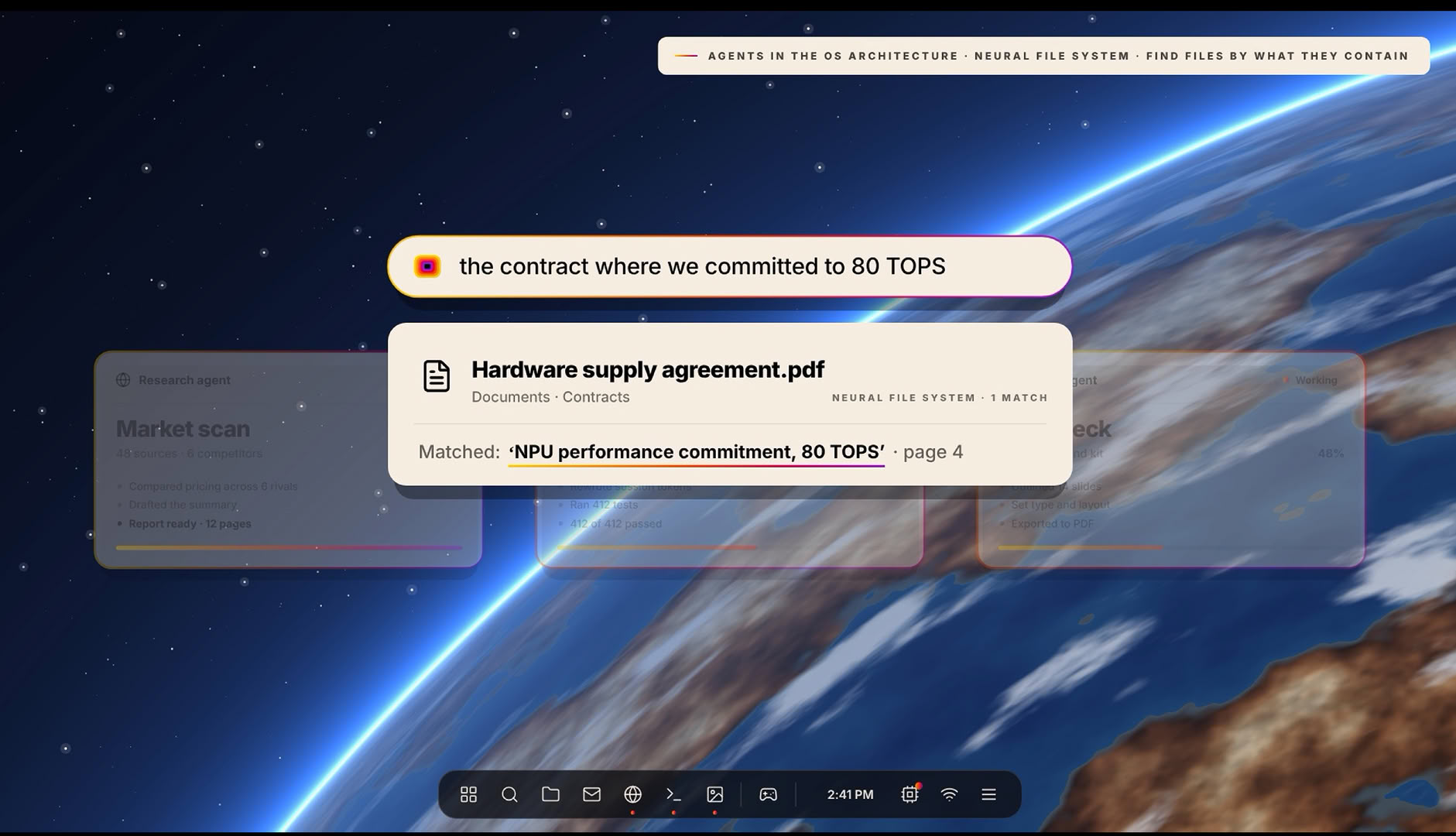


Seagate Launches the FireCuda Forge Powered by the New Alkemi Intelligent Platform
Seagate Technology Holdings plc, a mass-capacity data storage leader, today introduced the Seagate FireCuda Forge drive, representing the first Seagate hard drive powered by the Alkemi intelligent storage platform. With Alkemi, the FireCuda Forge combines solid-state drive (SSD) responsiveness and hard disk drive (HDD) capacity in a single drive, using adaptive intelligence to give gamers and creators the speed and space they need without added complexity.
A new platform for a new reality
From massive game libraries and 4K video to AI-powered animation, people are creating, working with, and keeping more data than ever. IDC projects annual global data generation will more than triple, from 218 zettabytes in 2025 to more than 718 zettabytes by 2030. As digital libraries expand, consumers need fast access to active content and the capacity to preserve growing collections.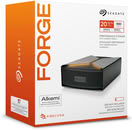
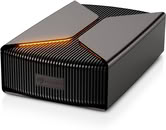
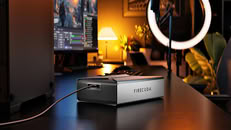

A new platform for a new reality
From massive game libraries and 4K video to AI-powered animation, people are creating, working with, and keeping more data than ever. IDC projects annual global data generation will more than triple, from 218 zettabytes in 2025 to more than 718 zettabytes by 2030. As digital libraries expand, consumers need fast access to active content and the capacity to preserve growing collections.

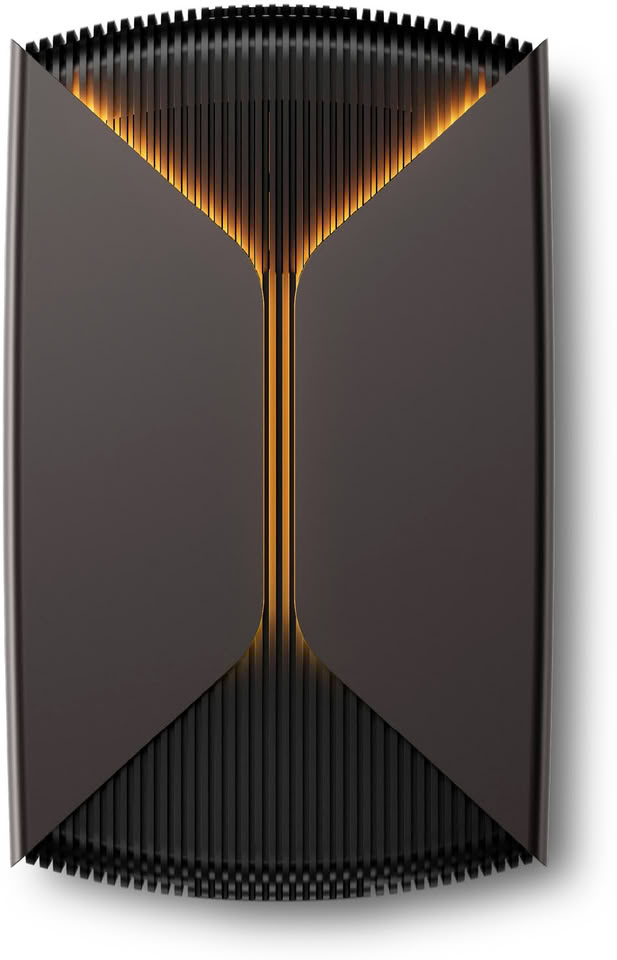
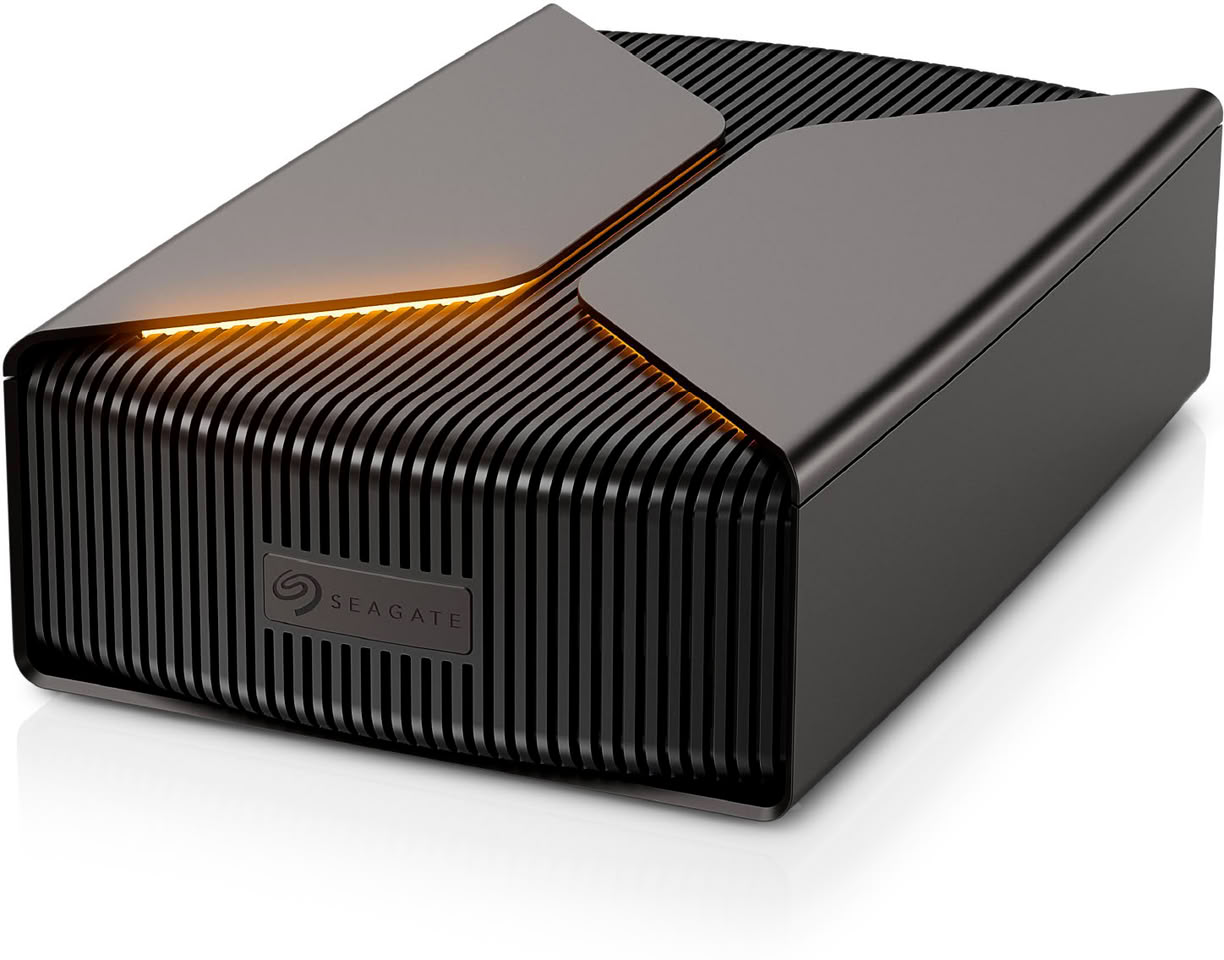


Rapidus Could Miss 2 nm Mass Production Timeline Amid SRAM Issues
Japanese semiconductor maker Rapidus might miss the planned timeline for its 2 nm node production, as the company is reportedly struggling with its initial attempts at risk production and trial runs. According to a report by the Japan Times, 2 nm volume production at Rapidus facilities will likely be delayed by a few months due to difficulties in 2 nm production, specifically with SRAM. SRAM consists of tiny bitcells that serve as the foundational building blocks for designs operating on one node, and without functional SRAM, it is simply impossible to achieve normal volume production.
There are reportedly other problems, including dust and particle control, which are impacting Rapidus cleanrooms—where the actual silicon is manufactured—to a point where production may be jeopardized altogether. Engineers are working on fixing these problems with the cleanroom and SRAM cells, which should put Rapidus on the right track. Despite these challenges, the company claims that the 2 nm node will arrive on time without any delays, so we are yet to see how these issues will impact their product delivery pipeline.
There are reportedly other problems, including dust and particle control, which are impacting Rapidus cleanrooms—where the actual silicon is manufactured—to a point where production may be jeopardized altogether. Engineers are working on fixing these problems with the cleanroom and SRAM cells, which should put Rapidus on the right track. Despite these challenges, the company claims that the 2 nm node will arrive on time without any delays, so we are yet to see how these issues will impact their product delivery pipeline.


AMD's RDNA 5 Inches Closer as GFX13 Support Lands in Linux Driver Patches
AMD has begun integrating its next-generation graphics IP into the Linux kernel, releasing a series of eight patches that add GFX13 support to the open-source AMDGPU driver. These patches, submitted to the mailing list on November 9 by AMDGPU maintainer Alex Deucher, contain over 12,600 lines of code, excluding the typically large header files. GFX13 is anticipated to be the graphics core for RDNA 5, although AMD has not officially confirmed this connection. However, since GFX12 has been linked to RDNA 4, it is assumed that GFX13 is the correct codename for RDNA 5.
The patches introduce version 13 of three IP blocks: the "graphics" GFX block itself, the MicroEngine Scheduler (MES), and the IMU. On the compute side, the AMDKFD driver gains initial GC 13 support, a CWSR trap handler for saving and restoring compute wave state, and a temporary change that disables queue reset in the topology. The final patch enables the MGCG, CGCG, and CGLS clock gating features, which reduce power consumption when parts of the GPU are idle. Interestingly, the series mentions two specific targets, GFX 13.0.1 and GFX 13.0.4, indicating that AMD is preparing at least two graphics IP configurations. These version numbers do not correspond to any specific GPU models, so it is unclear which products they relate to. RDNA 5 is expected to be a significant advancement over RDNA 4, necessitating numerous patches to add support.
The patches introduce version 13 of three IP blocks: the "graphics" GFX block itself, the MicroEngine Scheduler (MES), and the IMU. On the compute side, the AMDKFD driver gains initial GC 13 support, a CWSR trap handler for saving and restoring compute wave state, and a temporary change that disables queue reset in the topology. The final patch enables the MGCG, CGCG, and CGLS clock gating features, which reduce power consumption when parts of the GPU are idle. Interestingly, the series mentions two specific targets, GFX 13.0.1 and GFX 13.0.4, indicating that AMD is preparing at least two graphics IP configurations. These version numbers do not correspond to any specific GPU models, so it is unclear which products they relate to. RDNA 5 is expected to be a significant advancement over RDNA 4, necessitating numerous patches to add support.

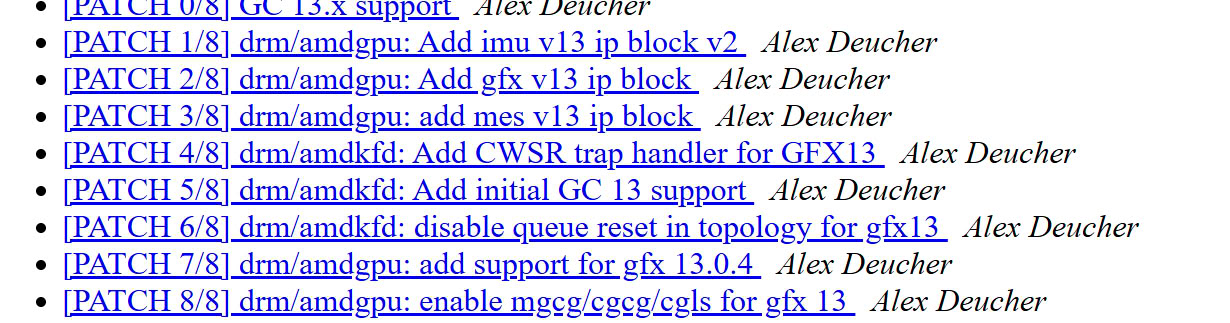
Anthropic's Fable 5.2 One-Shots a Playable FPS Game in Just 8 Hours
The power of frontier AI models is increasing, and the gaming realm has already experienced what AI can do in terms of mods, changes, bug fixes, and many other aspects when a powerful model is put to work. Late last night, Anthropic released its most powerful frontier model, Fable 5.2, which brings the best intelligence from the company's offerings into an API. As a demonstration of this model's capabilities, we are seeing a relatively complex first-person shooter developed from scratch today. This includes models, sounds, and textures, all created by Fable 5.2. It took about eight hours, 445 million input tokens, and about 2.7 million output tokens, totaling around $550 if done through an API. The result is a game called "Saltline," which can be played entirely in a browser through Claude Artifact, a platform used to showcase creations.
Below you can find the "Saltline" game, where the objective is a simple mission to cut three relays while being constantly attacked by an army of robot dogs and drones. After completing the objective, the main character reaches a boat, and the mission is complete. While this is a very simple task, the fact that Fable 5.2 accomplished all of this from a prompt is an amazing achievement. It can deploy thousands of agents to get one thing done, and with better descriptions, it can perform tasks much closer to what you have imagined.


Below you can find the "Saltline" game, where the objective is a simple mission to cut three relays while being constantly attacked by an army of robot dogs and drones. After completing the objective, the main character reaches a boat, and the mission is complete. While this is a very simple task, the fact that Fable 5.2 accomplished all of this from a prompt is an amazing achievement. It can deploy thousands of agents to get one thing done, and with better descriptions, it can perform tasks much closer to what you have imagined.


Monday, November 9th 2026
Today's Files
Today's Reviews
Gaming Chairs
Headphones
Monitors
Mouse
XPG NIMBUS PLUS Review - Mid-range Chair With Strong Competitors
The XPG NIMBUS PLUS gaming chair stands out with a breathable mesh build and smooth, precise controls, making it easy to dial in a comfortable fit. Its firm seat, adjustability, and solid ergonomics impress, though the armrests and headrest are less refined. Is it worth buying despite strong competition?
TechPowerUp x Chieftec Giveaway: The Winners!
TechPowerUp, in partnership with Chieftec, brought our readers from the EU a unique opportunity to bag one of six pieces of Chieftec hardware spanning cases, AIO CPU coolers, and power supplies. Up for grabs were one each of Chieftec Iceberg 240 RGB CPU cooler, Chieftec Iceberg 240 Dark CPU cooler; Chieftec Apex Lumo case, Chieftec Vista Max case, Chieftec Polaris 3.0 1050 W PSU, and Chieftec Proton 1000 W PSU. The entries are in, and we have our lucky winners. Without further ado, here they are!
- Toomas from Estonia, wins a Chieftec Iceberg 240 RGB AIO CPU Cooler
- Nico from The Netherlands, wins a Chieftec Iceberg 240 Dark AIO CPU cooler
- Jozsef from Hungary, wins a Chieftec Apex Lumo mid-tower case
- Sebastian from Germany, wins a Chieftec Vista Max E-ATX tower case
- Niels from Denmark, wins a Chieftec Polaris 1050 W ATX 3.1 power supply
- Tommy from France, wins a Chieftec Proton 1000 W power supply
Ocypus Unveils Omega L36 Ultra Eng Limited: Precision Engineering Meets Dynamic Thermals
Ocypus today officially announces the global launch of the Omega L36 Ultra Eng Limited, a flagship 360 mm liquid cooler engineered for high-performance computing platforms. Strictly limited to 200 units worldwide, this Eng Limited edition introduces an industry-first dynamic thermal system—featuring an automated mechanism that directs extra airflow directly over the motherboard VRM—complemented by premium CNC-machined aluminium finishing.
Omega L36 Ultra Eng Limited - Designed as a collector-tier centerpiece for enthusiast builds, the Omega L36 Ultra Eng Limited transcends mass production through rigorous individual calibration, meticulous mechanical assembly, and strict quality control:
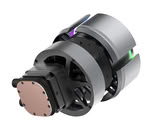
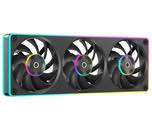
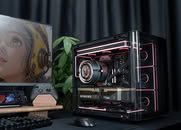
Omega L36 Ultra Eng Limited - Designed as a collector-tier centerpiece for enthusiast builds, the Omega L36 Ultra Eng Limited transcends mass production through rigorous individual calibration, meticulous mechanical assembly, and strict quality control:
- Numbered Collector's Badge: Each cooler features a precision-etched metal badge on the pump housing bearing its unique production number (001/200 to 200/200).
- Metal Structure: The outer dynamic shell is CNC-machined from solid aluminium blocks, completed with an anodized sandblasted surface finish.
- VIP Authentication: Ships with a customized engraved metal authentication card indicating batch serialization.


Valve Adds Steam Deck FPS Data To Game Compatibility Screen in Latest Update
Valve recently announced that it was adding an opt-in toggle to enable data collection in Steam for the Steam Deck, with the idea behind the new feature being that developers could analyze the reported framerate data using Steam's built-in tools to better optimize their games for the handheld's hardware. In a new Steam Client update, however, Valve has confirmed that it will start sharing that same average Steam Deck framerate data with players before they buy the game, so that they can get a relatively accurate idea of what to expect from the gameplay experience before spending money on the game.
The framerate data will be displayed as an average at the bottom of the Steam Deck compatibility screen as an FPS figure specific to the player's current hardware. The figure will also cite the date the average was last updated. Clicking or tapping the dropdown arrow next to the framerate note will expand a histogram showing the game's average framerate distribution across gaming sessions as a percentage. This should, with relative certainty, convey how often players ran into gameplay hitching.
The framerate data will be displayed as an average at the bottom of the Steam Deck compatibility screen as an FPS figure specific to the player's current hardware. The figure will also cite the date the average was last updated. Clicking or tapping the dropdown arrow next to the framerate note will expand a histogram showing the game's average framerate distribution across gaming sessions as a percentage. This should, with relative certainty, convey how often players ran into gameplay hitching.

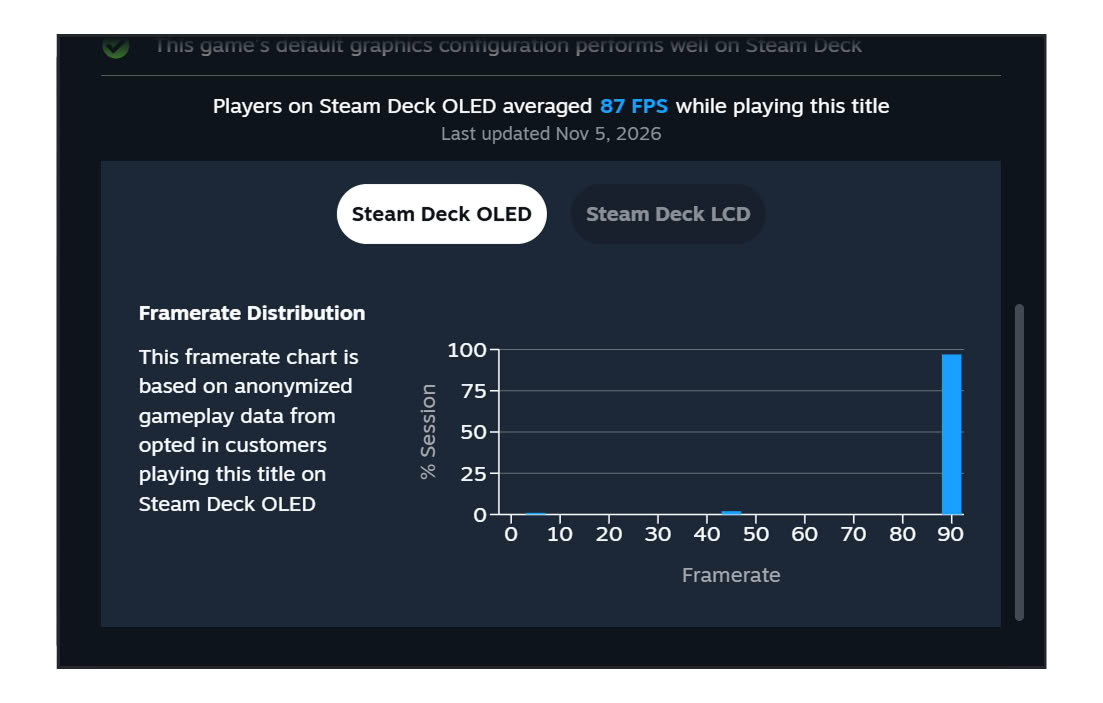
Pulsar Previews Silent HE Gaming Keyboards With 3.5 mm Audio Jack and 8 kHz Polling
Pulsar has apparently been busy in recent months, with the gaming peripherals maker previously showing off an upcoming ergonomic gaming mouse designed for gamers with large hands and more recently teasing new dual-sensor gaming mice that will allow for true virtual sensor position for individual customization. Now, according to a recent post shared by @jakeufps on X, Pulsar is planning to launch two new Hall effect gaming keyboards: the Sboard HE TKL and Sboard HE 100%.
As you might have guessed, the names denote two distinct keyboard form factors—classic TKL and 100% layouts, the latter of which is already something of a rarity in the modern gaming keyboard market—but instead of chasing fancy features, like programmable knobs, Pulsar has gone for a cleaner aesthetic and functionality. Both keyboards have the typical 8 kHz polling rate and Hall effect switches expected from serious gaming keyboards launched in 2026, but they also have built in DACs and four-pole 3.5 mm audio combo jacks for audio passthrough. Both keyboards will also supposedly launch with silent Hall effect switches, which is another stand-out feature in a world of clacky gaming keyboards.
As you might have guessed, the names denote two distinct keyboard form factors—classic TKL and 100% layouts, the latter of which is already something of a rarity in the modern gaming keyboard market—but instead of chasing fancy features, like programmable knobs, Pulsar has gone for a cleaner aesthetic and functionality. Both keyboards have the typical 8 kHz polling rate and Hall effect switches expected from serious gaming keyboards launched in 2026, but they also have built in DACs and four-pole 3.5 mm audio combo jacks for audio passthrough. Both keyboards will also supposedly launch with silent Hall effect switches, which is another stand-out feature in a world of clacky gaming keyboards.

Microsoft Patent Describes Paying PC Owners to Train AI on Idle GPUs
Gaming PCs sitting idle could one day earn their owners credits, or even cash, by training AI models, at least if a newly published Microsoft patent application ever becomes a product. Titled "Opportunistic Micro-training on Edge Devices Using Spare GPU Utilization," the filing US-20260349820-A1 from Microsoft Technology Licensing was submitted in April 2025 and made public on November 5. It describes chopping large training jobs into small micro-tasks sized to what each device can handle, then sending them to phones, laptops, and gaming PCs whenever they have spare capacity. Owners would have to explicitly opt in, after which the system could track the work done and apply credits to their account, redeemable for free software, access to the trained model, or money.
To stay out of the way, the system watches GPU and CPU load, memory use, temperature and power draw, and checks less often when the GPU is busy or hot. Apparently, tasks can be paused or stopped when limits are crossed, and results get cross-checked across devices to catch faulty or tampered work. The filing doesn't give a payout rate or list supported hardware, and Microsoft hasn't announced a Windows or Xbox service, so it's impossible to say whether the rewards would cover the extra electricity. Of course, this is only an application for now, and plenty of those never turn into products.

To stay out of the way, the system watches GPU and CPU load, memory use, temperature and power draw, and checks less often when the GPU is busy or hot. Apparently, tasks can be paused or stopped when limits are crossed, and results get cross-checked across devices to catch faulty or tampered work. The filing doesn't give a payout rate or list supported hardware, and Microsoft hasn't announced a Windows or Xbox service, so it's impossible to say whether the rewards would cover the extra electricity. Of course, this is only an application for now, and plenty of those never turn into products.


GTA 6's PlayStation Store Data Hints at Multiplayer Support
PlayStation Game Size, the X account that pulls data from the PlayStation Store backend, has found three multiplayer-related entries tied to GTA 6 on PS5: "joinSession," "launchActivity," and "launchMultiplayerActivity." The account posted them on November 9, shortly before pre-loads started unlocking, and later shared a screenshot of the PS5 download queue where "Story" shows up as its own component. That has fans guessing that GTA 6's online mode could arrive as a separate install down the line. The same account pegged the download at 210 GB before Rockstar confirmed up to 212 GB, so its backend data has a decent track record.
Of course, these entries don't mean there's a playable online mode hiding in the files. They seem to be standard PS5 system hooks that let the console's UI jump players straight into an activity or a friend's session, and there's no sign of actual multiplayer content in what has been shared so far. Rockstar still describes GTA 6 as a single-player experience and hasn't announced its online mode at all. That said, a follow-up seems to be on the way. Twitch CEO Dan Clancy said earlier this year that he expects GTA 6's multiplayer to launch in 2027, after talking with Rockstar about its plans. Take-Two has also said the current GTA Online will keep getting support after GTA 6 releases.

Of course, these entries don't mean there's a playable online mode hiding in the files. They seem to be standard PS5 system hooks that let the console's UI jump players straight into an activity or a friend's session, and there's no sign of actual multiplayer content in what has been shared so far. Rockstar still describes GTA 6 as a single-player experience and hasn't announced its online mode at all. That said, a follow-up seems to be on the way. Twitch CEO Dan Clancy said earlier this year that he expects GTA 6's multiplayer to launch in 2027, after talking with Rockstar about its plans. Take-Two has also said the current GTA Online will keep getting support after GTA 6 releases.


DLSS 5 on Radeon Gets Faster With AMDLSS5 2.0, Up to 64% Performance Uplift
AMDLSS5, a free mod that runs NVIDIA's DLSS 5 Neural Rendering on AMD's Radeon RX 9070 and RX 9070 XT, has reached version 2.0 with an engine its developer, Wehaveall, built for the project. Earlier builds were based on Daniel Blanco's DLSS-NR-on-AMD, the tool that first got DLSS 5 working on Radeon cards back in September, but version 2.0 no longer needs files from any other mod. In a 60-second Resident Evil Requiem run at 4K with FSR on an RX 9070 XT, the new build averaged 101.2 FPS with 78.5 FPS 1% lows, up from 91.3 and 66.0 FPS on version 1.6.1. That is roughly 11% and 19% better, respectively.
The headline 64% figure comes from a comparison with unnamed "other mods," which managed 61.6 FPS in the same scene. These are the developer's own numbers from one game on one GPU, and there's no mod-off baseline showing what Neural Rendering costs. Game support now includes PRAGMATA, Nioh 3 and GTA 5 Enhanced, the latter only in offline Story Mode with BattlEye disabled. RX 9060 series cards should work but are untested, while RX 7000 support is an alpha that hasn't been tried on real hardware yet.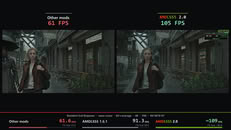

The headline 64% figure comes from a comparison with unnamed "other mods," which managed 61.6 FPS in the same scene. These are the developer's own numbers from one game on one GPU, and there's no mod-off baseline showing what Neural Rendering costs. Game support now includes PRAGMATA, Nioh 3 and GTA 5 Enhanced, the latter only in offline Story Mode with BattlEye disabled. RX 9060 series cards should work but are untested, while RX 7000 support is an alpha that hasn't been tried on real hardware yet.


GTA VI Pre-Orders Far Exceed Expectations Days Ahead of Launch
It's been known since before the actual release date was announced that GTA VI would generate enough hype that there would be ripple effects throughout the gaming industry, with some analysts estimating that the game would generate as much as $4.5 billion in sales in its first week on the market. However, according to Take-Two Interactive's CEO, Strauss Zelnick, in a recent interview with Variety, GTA VI is already exceeding expectations.

Strauss Zelnick via VarietyGrand Theft Auto VI" presales are "running far in excess of our expectations... That's a good thing. That said, we never claim success before it occurs. So we're just days away from beginning to see the fruits of our labor.


GTA VI Game Data Suggests PSSR Update With 120 Hz Support and PS5 Pro "High CPU Frequency Mode"
With the GTA VI launch around the corner, more and more information has begun to surface about the upcoming game. The latest news comes from GTAForums user Tex2, who analyzed the GTA VI PS5 metadata, who claims that GTA VI will launch alongside a newer version of PSSR. The biggest takeaways from this update are that the new PSSR game mode improves both the framerate capabilities of the PlayStation 5 and manages to eke out some more CPU performance out of the PlayStation 5.
The metadata lists PSSR (or MFSR, by Sony's internal references) version 13.60, which builds on the 13.00A found in Assassin's Creed Shadows and Cyberpunk 2077, and the new version will apparently include a 120 Hz mode that drops support for VRR. It may also include a 40 FPS mode as a stop-gap to make up for the lack of VRR, but that hasn't been confirmed by the metadata. It will also enable a CPU High Frequency mode on the PlayStation 5, which may be necessary to enable higher frame rates in GTA VI.

The metadata lists PSSR (or MFSR, by Sony's internal references) version 13.60, which builds on the 13.00A found in Assassin's Creed Shadows and Cyberpunk 2077, and the new version will apparently include a 120 Hz mode that drops support for VRR. It may also include a 40 FPS mode as a stop-gap to make up for the lack of VRR, but that hasn't been confirmed by the metadata. It will also enable a CPU High Frequency mode on the PlayStation 5, which may be necessary to enable higher frame rates in GTA VI.



8BitDo Launches Ultimate 3C+ Wired Controller for XBOX and PC
8BitDo has officially announced the Ultimate 3C+ Wired controller for Xbox as a $39.99 Xbox controller that incorporates many of the same features as the Ultimate 3C+ Wireless launched in October, but at a much lower price. The 3C+ Wired controller has a traditional Xbox layout on both the face buttons and the offset analog sticks, but it features additional customization options that set it apart from a regular Xbox controller.
The headline features of the Ultimate 3C+ Wired controller include TMR joysticks with adjustable tension, which are supposed to resist joystick drift; remappable fast-trigger L4 and R4 buttons for additional inputs and faster trigger response times; Hall effect triggers with switchable dual-mode functionality; and a 3.5 mm audio jack at the bottom of the controller for more immersive sound. It also has two additional back paddles with an integrated paddle lock to prevent accidental activations.
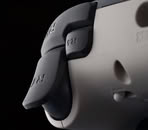


The headline features of the Ultimate 3C+ Wired controller include TMR joysticks with adjustable tension, which are supposed to resist joystick drift; remappable fast-trigger L4 and R4 buttons for additional inputs and faster trigger response times; Hall effect triggers with switchable dual-mode functionality; and a 3.5 mm audio jack at the bottom of the controller for more immersive sound. It also has two additional back paddles with an integrated paddle lock to prevent accidental activations.


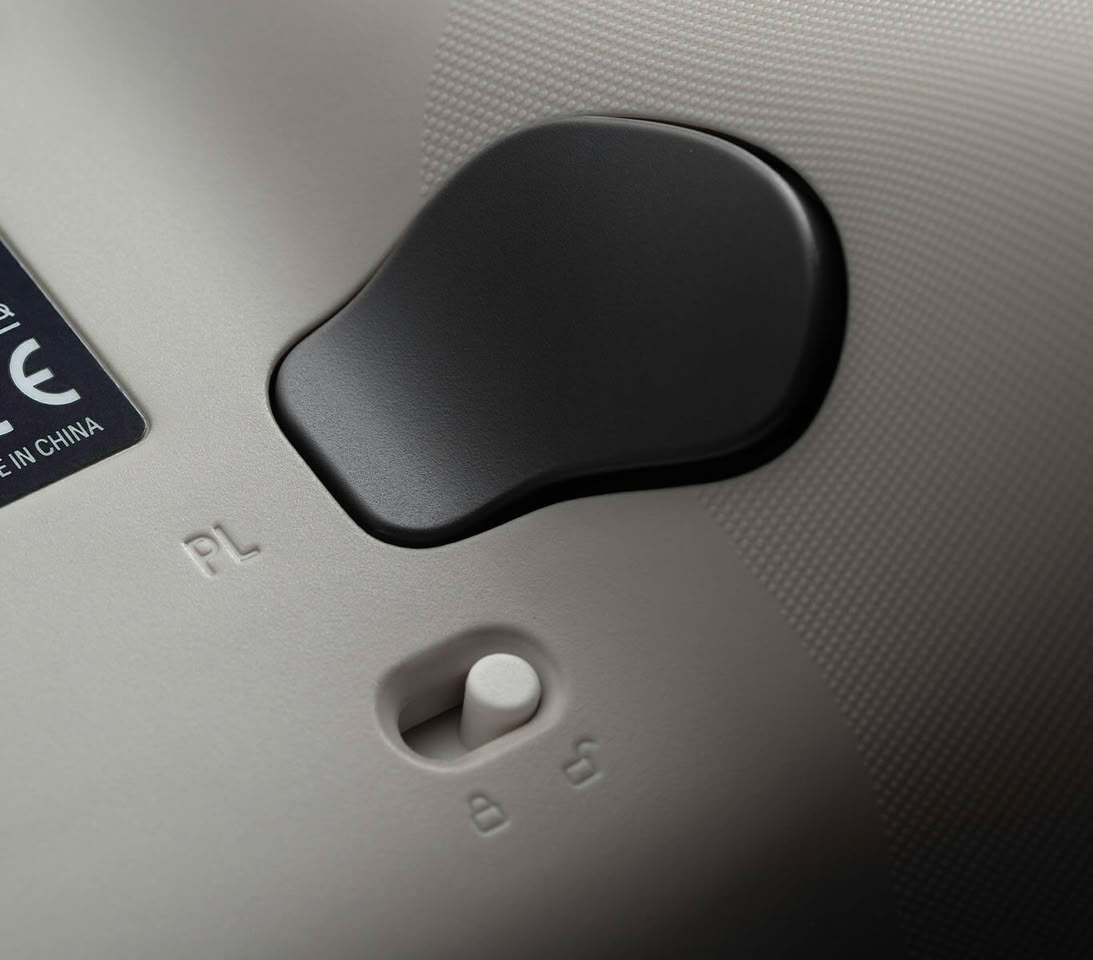
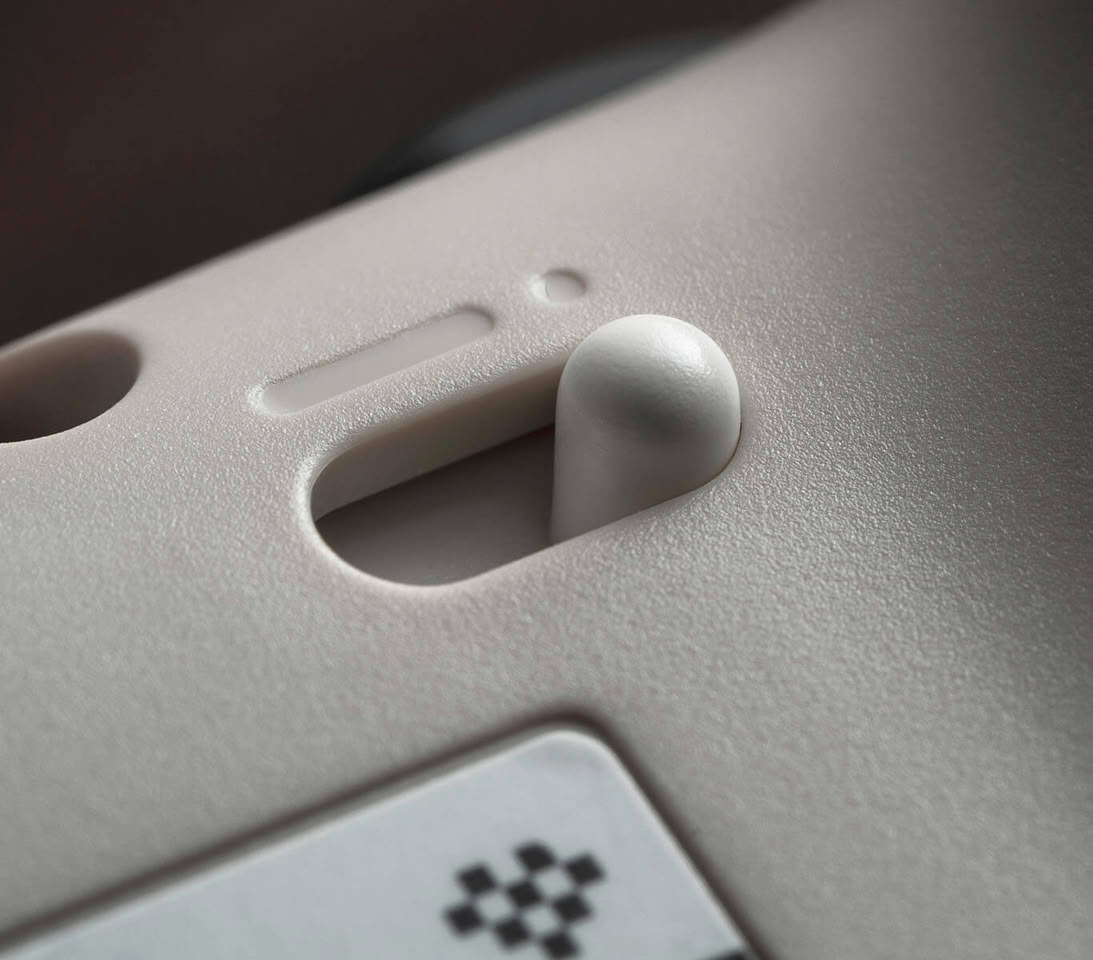
Fraunhofer IPMS Develops Compact 2K OLED Microdisplay Package with MIPI DSI-2
Researchers at the Fraunhofer Institute for Photonic Microsystems IPMS have developed a new compact package for their 2K OLED microdisplay. The microdisplay package integrates MIPI DSI-2 control and the generation of all required display voltages. The new solution will be presented for the first time at SEMICON Europa 2026 from November 10 to 13, 2026, in Munich - at the Silicon Saxony joint booth in Hall B1, Booth B1-221-25.
OLED microdisplays are frequently used in portable applications such as helmets and smart glasses as well as in optical devices. The new microdisplay package simplifies the integration of Fraunhofer IPMS's 2K microdisplays into such systems, as it combines the microdisplay with the complete electronics required for its control. An integrated 20 mm x 20 mm system-on-module (SoM) implements the MIPI DSI-2 interface via D-PHY, which is widely used in mobile processors and transmits image data and control commands serially at high speeds. The microdisplay package supports up to four data lanes with a data rate of up to 2.5 Gbit/s per lane.
OLED microdisplays are frequently used in portable applications such as helmets and smart glasses as well as in optical devices. The new microdisplay package simplifies the integration of Fraunhofer IPMS's 2K microdisplays into such systems, as it combines the microdisplay with the complete electronics required for its control. An integrated 20 mm x 20 mm system-on-module (SoM) implements the MIPI DSI-2 interface via D-PHY, which is widely used in mobile processors and transmits image data and control commands serially at high speeds. The microdisplay package supports up to four data lanes with a data rate of up to 2.5 Gbit/s per lane.



Google Extends Tensor Processor Unit Series with TPU 8tx and 8i Max
While we've always co-designed our TPUs in partnership with Google DeepMind, we're now increasingly getting feedback from external organizations on their specific needs. With computing moving from human to agent scale, businesses are asking for accelerators that can reason across AI models' massive context windows. In addition, some highly regulated customers are asking for specialized encryption capabilities for unique workloads.
The new TPU systems we are announcing today address this new reality. Coupled with our recent PyTorch announcements, our aim is to make TPUs more easily accessible to every developer and Cloud customer. By combining modular custom silicon with an open and easy-to-use software stack, we can deliver new hardware and system configurations at the pace of the AI industry.
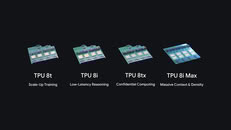
The new TPU systems we are announcing today address this new reality. Coupled with our recent PyTorch announcements, our aim is to make TPUs more easily accessible to every developer and Cloud customer. By combining modular custom silicon with an open and easy-to-use software stack, we can deliver new hardware and system configurations at the pace of the AI industry.


Infineon Starts World's First 300-Millimeter Power Silicon Carbide (SiC) Wafer Production
Infineon Technologies AG (FSE: IFX / OTCQX: IFNNY) has successfully processed 300-millimeter silicon carbide wafers into functional power devices at its fab in Villach, Austria. Infineon is the first company to pioneer this innovation milestone in a full-scale semiconductor fab environment. It was realized by utilizing existing silicon (Si) manufacturing equipment. This early achievement of functional power devices reflects Infineon's strong focus on providing customers with a comprehensive portfolio of high-performance SiC power semiconductors and ensuring long-term supply. Chip production on 300 mm wafers is technologically more advanced and significantly more efficient than 200 mm wafers, since the larger wafer diameter offers 2.3 times more chips per wafer.



Windows 11 Will Finally Let You Silence the Sticky Keys Prompt for Good
Pressing Shift five times in a row might soon stop summoning the Sticky Keys prompt on Windows 11. Microsoft is updating the dialogs that ask whether you want to turn on Sticky Keys or Filter Keys, adding a way to tell Windows not to ask again directly from the prompt. The change shows up in the release notes for Beta build 26320.9876 and Experimental build 26340.9882, both released to Windows Insiders on November 6. Right now, getting rid of the prompt for good means going into Settings > Accessibility > Keyboard and turning off the keyboard shortcut for each feature. The same Beta build also moves the channel to Windows 11 26H2 and brings Microsoft's rebuilt Windows Search.
This is a small tweak, though it fixes a long-running annoyance for gamers. Plenty of games use Shift to sprint or crouch, which makes it easy to trigger the Sticky Keys shortcut by accident, and the prompt can pull players out of full-screen games. Filter Keys has a similar shortcut that kicks in when the right Shift key is held down for eight seconds. Microsoft's notes don't mention games at all, saying only that it should mean fewer interruptions for people who don't use these features. It looks like another quality-of-life fix from Microsoft's internal push to clean up Windows 11. There's no word on when the updated prompts will reach regular Windows 11 PCs, and Microsoft notes that features in Insider builds may not always ship, so it's reasonable to expect a wait of at least a few weeks.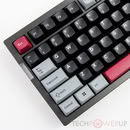
This is a small tweak, though it fixes a long-running annoyance for gamers. Plenty of games use Shift to sprint or crouch, which makes it easy to trigger the Sticky Keys shortcut by accident, and the prompt can pull players out of full-screen games. Filter Keys has a similar shortcut that kicks in when the right Shift key is held down for eight seconds. Microsoft's notes don't mention games at all, saying only that it should mean fewer interruptions for people who don't use these features. It looks like another quality-of-life fix from Microsoft's internal push to clean up Windows 11. There's no word on when the updated prompts will reach regular Windows 11 PCs, and Microsoft notes that features in Insider builds may not always ship, so it's reasonable to expect a wait of at least a few weeks.


Assassin's Creed Hexe Reportedly Delayed Internally to 2028
Assassin's Creed Hexe probably won't be out before 2028. Insider Gaming's Tom Henderson says sources told him as recently as October that the game had run into issues and was pushed back internally by another year. The claim was tucked into a larger report about two unannounced Assassin's Creed projects, including the Ancient Rome game codenamed Mars, though the Hexe bit is arguably the bigger news for anyone who has been waiting since Ubisoft first announced the game back in 2022. Henderson didn't say what the issues are. Up until now, 2027 looked like the target. A leaker pointed to June 2027 earlier this year, and NateTheHate later said Hexe wouldn't launch before the second half of 2027 at the earliest.
Development hasn't exactly been smooth either. Ubisoft Montreal was reportedly reworking the combat deep into production in February, and around 50 developers were reportedly moved off the project a few months later. Ubisoft's latest official word came in its Fall 2026 franchise update at the end of October. The company said Hexe is making steady progress, though there is "still work ahead of us," and promised the next major update in 2027. That isn't a confirmation of anything, though it does leave room for a 2028 launch. Ubisoft hasn't given Hexe any official release window so far, so readers are advised to treat 2028 as an internal target that could still move.
Development hasn't exactly been smooth either. Ubisoft Montreal was reportedly reworking the combat deep into production in February, and around 50 developers were reportedly moved off the project a few months later. Ubisoft's latest official word came in its Fall 2026 franchise update at the end of October. The company said Hexe is making steady progress, though there is "still work ahead of us," and promised the next major update in 2027. That isn't a confirmation of anything, though it does leave room for a 2028 launch. Ubisoft hasn't given Hexe any official release window so far, so readers are advised to treat 2028 as an internal target that could still move.

Maono Launches the PD500W Hybrid Microphone for Modern Creators
Maono, a leading global professional microphone brand, today announced the availability of the PD500W Hybrid Microphone, a professional dynamic microphone system designed to support modern creators across podcasting, streaming, video production, interviews and live content creation. Combining 2.4 GHz wireless, USB-C and XLR connectivity with optional 32-bit float internal recording and safety-track backup, the PD500W offers a flexible audio solution for a range of production workflows.
The retail launch follows a successful 60-day Kickstarter campaign, which concluded on August 30, 2026, with 279 backers pledging US$100,124—more than double its original US$50,000 funding goal. The PD500W was developed around a practical challenge facing modern creators: a single recording session may begin at a desk, move to an on-location interview and later transition to a mobile or studio setup. By combining three connection options—USB-C, XLR and compatible 2.4 GHz wireless—with internal recording, the PD500W gives creators the flexibility to adapt to different devices and production environments without switching microphones.



The retail launch follows a successful 60-day Kickstarter campaign, which concluded on August 30, 2026, with 279 backers pledging US$100,124—more than double its original US$50,000 funding goal. The PD500W was developed around a practical challenge facing modern creators: a single recording session may begin at a desk, move to an on-location interview and later transition to a mobile or studio setup. By combining three connection options—USB-C, XLR and compatible 2.4 GHz wireless—with internal recording, the PD500W gives creators the flexibility to adapt to different devices and production environments without switching microphones.

Terafab Wants to Become One of the Largest Memory Makers by 2032
According to Nikkei, a procurement team from Terafab, the chip venture between Tesla and SpaceX, visited Japan and walked local equipment makers through what it plans to buy. The targets it reportedly shared are gigantic: 1 million wafers per month from 2032 onward, with around 700,000 of those going to memory chips and 300,000 to logic. Nikkei's headline puts that at 40 times the output of Japan's Rapidus. The same split first surfaced in a Jiji Press report last month, which said a single Texas plant would handle both memory and logic, with a pilot fab completed as early as July 2027. Intel is reportedly helping with logic using its 2 nm and 1.4 nm-class technology, while a Taiwanese company has been floated as a technology partner for memory. That could be Nanya, though nothing is confirmed.
For context, Samsung's entire DRAM output was estimated at 650,000 to 700,000 wafers a month late last year, while SK hynix was at about 550,000 earlier this year and hopes to reach roughly 1 million by 2030 or 2031. It isn't clear whether Terafab's memory figure covers DRAM alone or also includes NAND, so the Samsung comparison is a loose one. Musk has also been careful with his own dates. On an October SpaceX call, he put "big error bars" on reaching volume production by Q3 2028, with a first SRAM test chip planned for mid-2027 at Terafab's Austin research lab.
For context, Samsung's entire DRAM output was estimated at 650,000 to 700,000 wafers a month late last year, while SK hynix was at about 550,000 earlier this year and hopes to reach roughly 1 million by 2030 or 2031. It isn't clear whether Terafab's memory figure covers DRAM alone or also includes NAND, so the Samsung comparison is a loose one. Musk has also been careful with his own dates. On an October SpaceX call, he put "big error bars" on reaching volume production by Q3 2028, with a first SRAM test chip planned for mid-2027 at Terafab's Austin research lab.

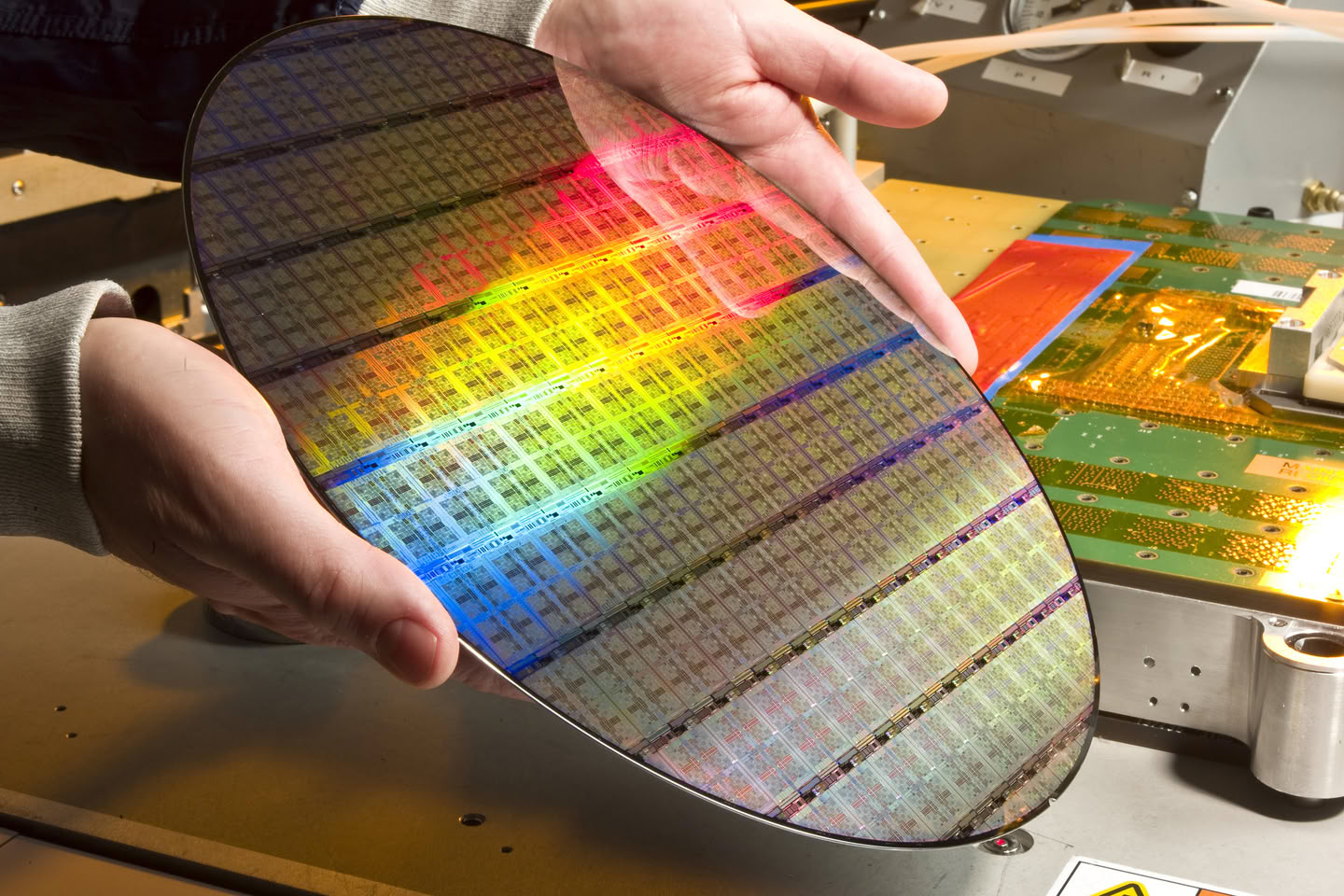
NACON Announces the Availability of Its New REVO Range for Xbox and PC
NACON, a leading player in the video game industry, is proud to announce today the availability of its new range of REVO controllers, designed to offer durability and precision to XBOX and PC gamers. Consisting of 3 models, each controller offers its own distinct features while sharing a common DNA that meets gamers' high standards. The REVO and REVO MAX models are available right now, while the REVO PRO model will be released in 2027.
The new range has been designed to meet the specific needs of every type of player, from the casual gamer looking for the immediate efficiency of a "Plug-and-Play" controller, to the esports expert seeking deep customization.



The new range has been designed to meet the specific needs of every type of player, from the casual gamer looking for the immediate efficiency of a "Plug-and-Play" controller, to the esports expert seeking deep customization.


New PlayStation Portal Player Gets Built-In Storage in Japan and Korea, Purpose Still Unknown
Sony is adding built-in storage to a new PlayStation Portal model for Japan and South Korea, though it hasn't said how much storage it has or what it will be used for. The PlayStation Portal Player Midnight Black goes on sale December 10 for ¥39,980 in Japan and ₩378,000 in South Korea, the same price the current model sells for after this year's price hikes. Preorders open November 13, and each unit ships with one month of PlayStation Plus Premium. Like the Japan-only Midnight Black PS5, both versions are locked to the local language and only work with PlayStation accounts registered in that country. Sony's Japanese post only says the storage is there for future features, with details to follow once those are decided.
Interestingly, the Korean post calls it expanded internal storage instead of new storage, which makes sense since the Portal needs some flash just to run its OS. The "Remote" part of the name is also gone, so the device is now simply the PlayStation Portal Player, as it can stream games from the cloud without a PS5 these days. Everything else carries over, including the 8-inch 1080p 60 FPS LCD, haptic feedback, adaptive triggers, and 3D Audio. That also means no OLED panel, which leaker KeplerL2 claimed back in January would come with a refreshed Portal sometime in 2026. Offline play or local downloads would be the obvious guess for the storage, though Sony hasn't confirmed anything along those lines. There's also no word on a wider release, so buyers elsewhere shouldn't hold out for this model just yet.
Interestingly, the Korean post calls it expanded internal storage instead of new storage, which makes sense since the Portal needs some flash just to run its OS. The "Remote" part of the name is also gone, so the device is now simply the PlayStation Portal Player, as it can stream games from the cloud without a PS5 these days. Everything else carries over, including the 8-inch 1080p 60 FPS LCD, haptic feedback, adaptive triggers, and 3D Audio. That also means no OLED panel, which leaker KeplerL2 claimed back in January would come with a refreshed Portal sometime in 2026. Offline play or local downloads would be the obvious guess for the storage, though Sony hasn't confirmed anything along those lines. There's also no word on a wider release, so buyers elsewhere shouldn't hold out for this model just yet.

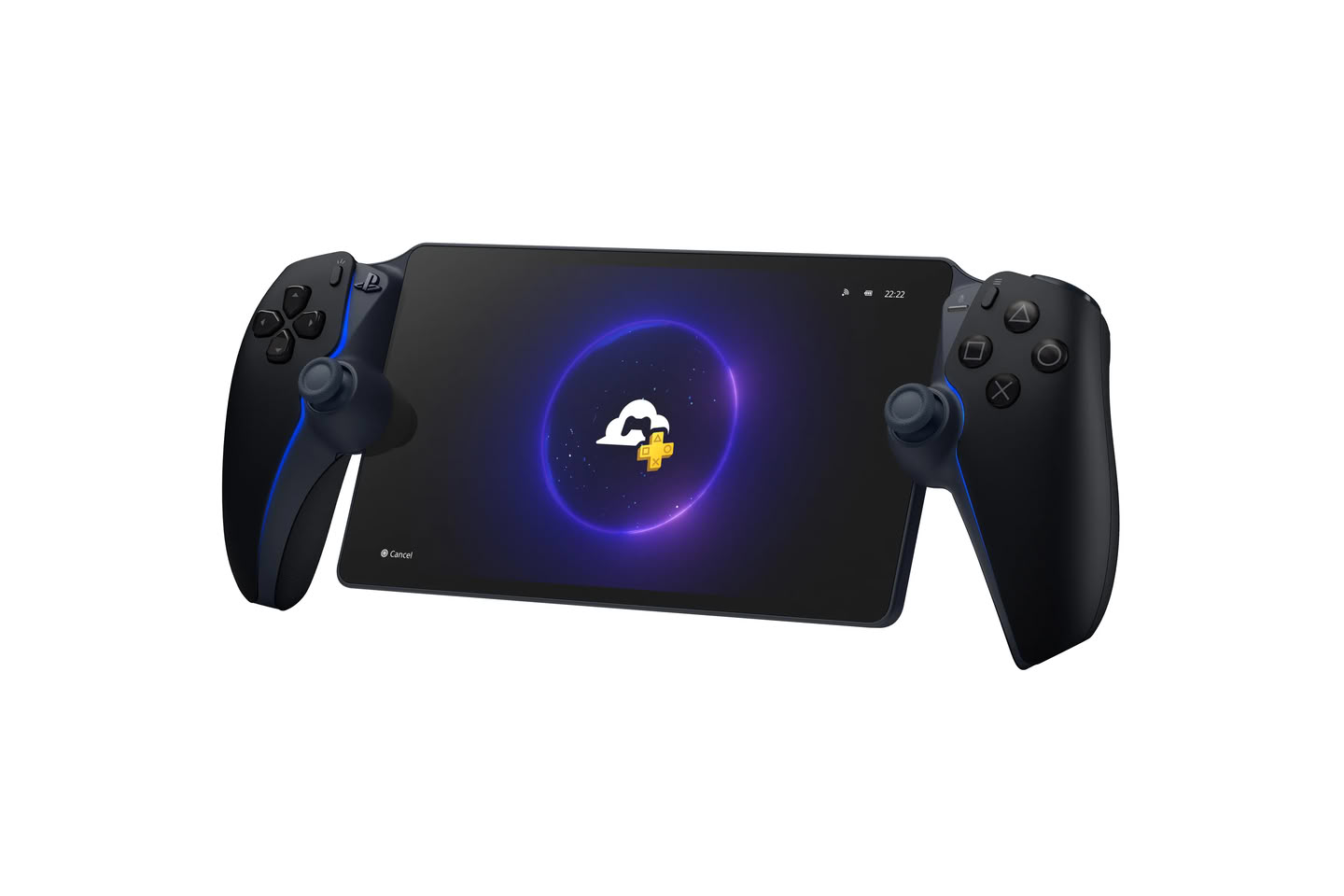
QNAP Releases 24-Bay Dual-Active Controller ES2486AFdc
QNAP Systems, Inc., a leading innovator in storage, networking, and data protection solutions, today launched the ES2486AFdc, a high-availability (HA) NVMe all-flash storage array engineered for mission-critical applications. The ES2486AFdc is QNAP's first enterprise-class storage combining Active-Active dual controllers with a U.2/U.3 NVMe all-flash architecture. Addressing the market challenges of high costs and limited availability caused by a shrinking number of SAS SSD suppliers, it breaks the performance bottlenecks of traditional HA systems limited by SAS interfaces. Utilizing a PCIe Gen 4 architecture, it delivers exceptional low latency and high throughput. Powered by the ZFS-based QES operating system, it ensures zero data loss and serves as the perfect foundation for enterprise virtualization environments, VDI desktop deployments, and core databases, providing outstanding reliability to minimize downtime and prevent business interruptions.
With the high cost of enterprise-grade SAS SSDs today, the ES2486AFdc's active-active shared storage architecture enables dual controllers to share a single all-flash storage pool. This eliminates the heavy expense of building two separate storage systems, greatly maximizes hardware resource utilization, and significantly reduces the total cost of ownership (TCO) for enterprises.

With the high cost of enterprise-grade SAS SSDs today, the ES2486AFdc's active-active shared storage architecture enables dual controllers to share a single all-flash storage pool. This eliminates the heavy expense of building two separate storage systems, greatly maximizes hardware resource utilization, and significantly reduces the total cost of ownership (TCO) for enterprises.

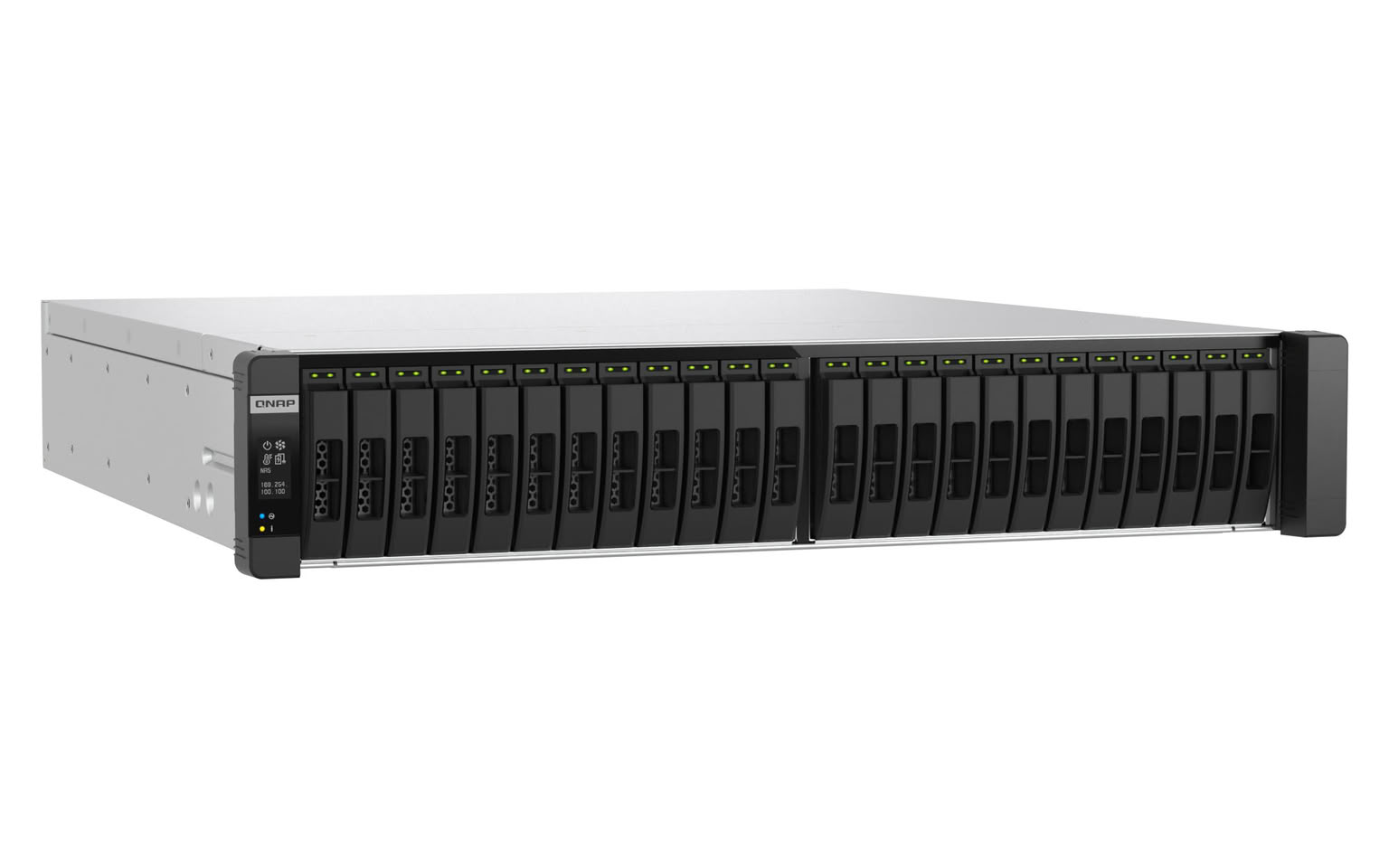

DapuStor Launches Enterprise NVMe M.2 Boot Drive for High-Performance Data Centers
The DapuStor J5101, an enterprise NVMe M.2 boot drive, built with the PCIe Gen 4 interface and a compact M.2 form factor, delivers fast, reliable server boot with low power consumption and flexible capacity options. These capabilities improve operational efficiency and lower total cost of ownership (TCO) in virtualization, AI, HPC, and cloud environments.
As AI infrastructure and data centers scale, server configurations are becoming denser and more complex, with higher costs per node. M.2 boot drives have become a critical component in server reliability and cluster operating costs, with evolving requirements in three key areas: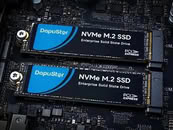
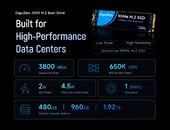
As AI infrastructure and data centers scale, server configurations are becoming denser and more complex, with higher costs per node. M.2 boot drives have become a critical component in server reliability and cluster operating costs, with evolving requirements in three key areas:

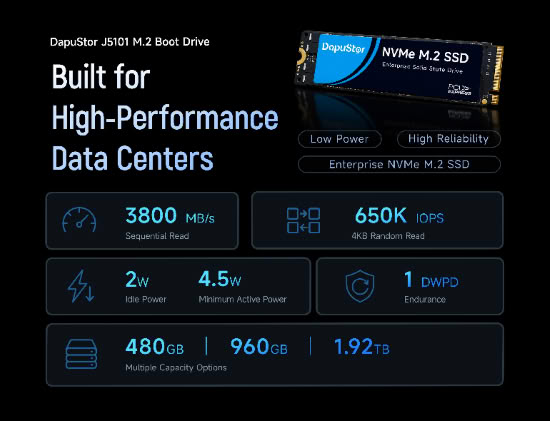
AMD Confirms Excessive SSD Writes in Radeon Drivers, Fix Coming with Adrenalin 26.11.1
AMD has confirmed that the current versions of Radeon drivers, Adrenalin 26.10.1 and Adrenalin 26.10.2, are experiencing an issue that causes excessive SSD writing. This problem results in the SSD writing dozens of gigabytes of data unnecessarily. The culprit appears to be AMD's External Events Client Module, which runs under the name atieclxx.exe on Windows systems. This module is causing some users' system drives to be constantly busy with writes. Reports indicate that the write rate ranges from 0.3 MB/s to 1.5 MB/s, with one Reddit user reporting sustained activity at 5 MB/s. The process is part of AMD's External Events Utility, which manages tasks such as detecting monitors and responding to Radeon software hotkeys. Unfortunately, it has entered an infinite loop of data writing.
While this may seem like a small amount, it's important to remember that systems can run for extended periods, and the writing can accumulate over time, potentially leading to SSD wear and tear. SSD lifespan largely depends on its ability to endure constant random writes, and forcing random writes onto an SSD will undoubtedly shorten its lifecycle. This is particularly concerning given the high cost of NAND Flash, as users are operating expensive SSDs that could undergo unnecessary wear. In response, AMD plans to release an update to its Adrenalin drivers with version 26.11.1, which will address this issue.
While this may seem like a small amount, it's important to remember that systems can run for extended periods, and the writing can accumulate over time, potentially leading to SSD wear and tear. SSD lifespan largely depends on its ability to endure constant random writes, and forcing random writes onto an SSD will undoubtedly shorten its lifecycle. This is particularly concerning given the high cost of NAND Flash, as users are operating expensive SSDs that could undergo unnecessary wear. In response, AMD plans to release an update to its Adrenalin drivers with version 26.11.1, which will address this issue.

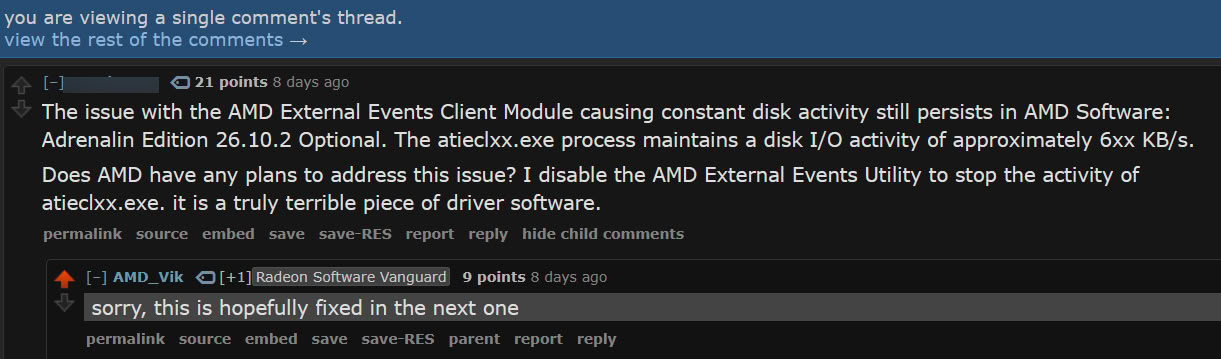
Microsoft Showcases Modernized Registry Editor as WinUI 3 Sample
Microsoft has updated its core component, the Registry Editor, with the latest WinUI framework as a demonstration of what the WinUI 3 framework can offer to existing applications with legacy Win32 components. The Registry Editor, a fundamental Windows application, has remained unchanged across many generations of Windows operating systems, which have relied on it for essential system modifications. According to a report from Windows Latest, Microsoft showcased a modernized version of the Registry Editor built with the WinUI 3 framework as a sample, but it is not intended to replace the current application found in every Windows build.
Initially, Windows Latest did not explicitly state that the application overhaul was just a sample. This led Microsoft's executive Scott Hanselman to clarify on X that the new build is merely a sample application and is not connected to the team maintaining the current Registry Editor. Previously, communities on X criticized the new design for its sparse menus and unfinished look, prompting a response from Microsoft's staff. It is important to note that while a new version might be in development, the current application is only a demonstration and is not related to the team maintaining the existing application. A future update may address this, but for now, we remain with the older version.
Initially, Windows Latest did not explicitly state that the application overhaul was just a sample. This led Microsoft's executive Scott Hanselman to clarify on X that the new build is merely a sample application and is not connected to the team maintaining the current Registry Editor. Previously, communities on X criticized the new design for its sparse menus and unfinished look, prompting a response from Microsoft's staff. It is important to note that while a new version might be in development, the current application is only a demonstration and is not related to the team maintaining the existing application. A future update may address this, but for now, we remain with the older version.

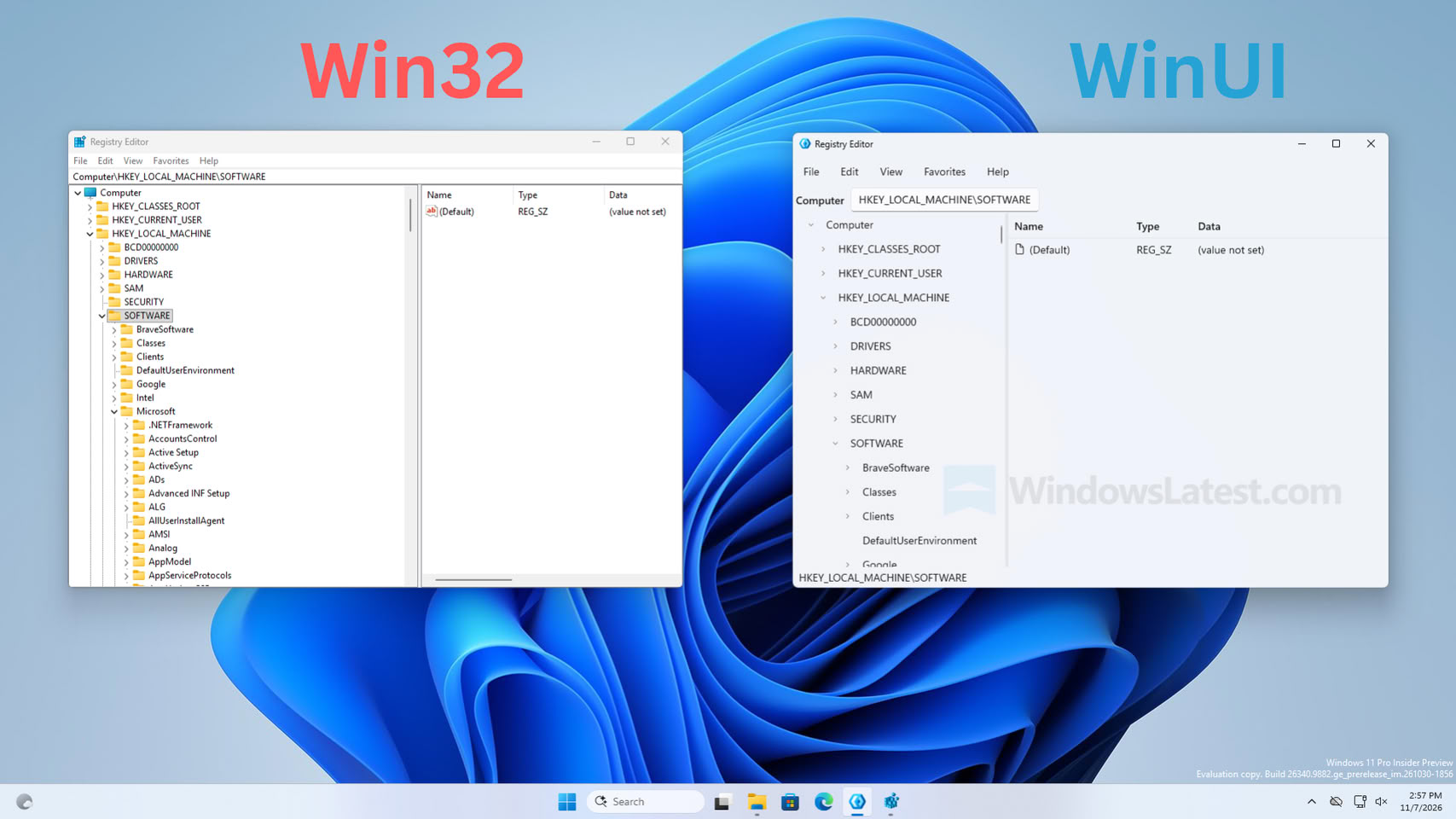
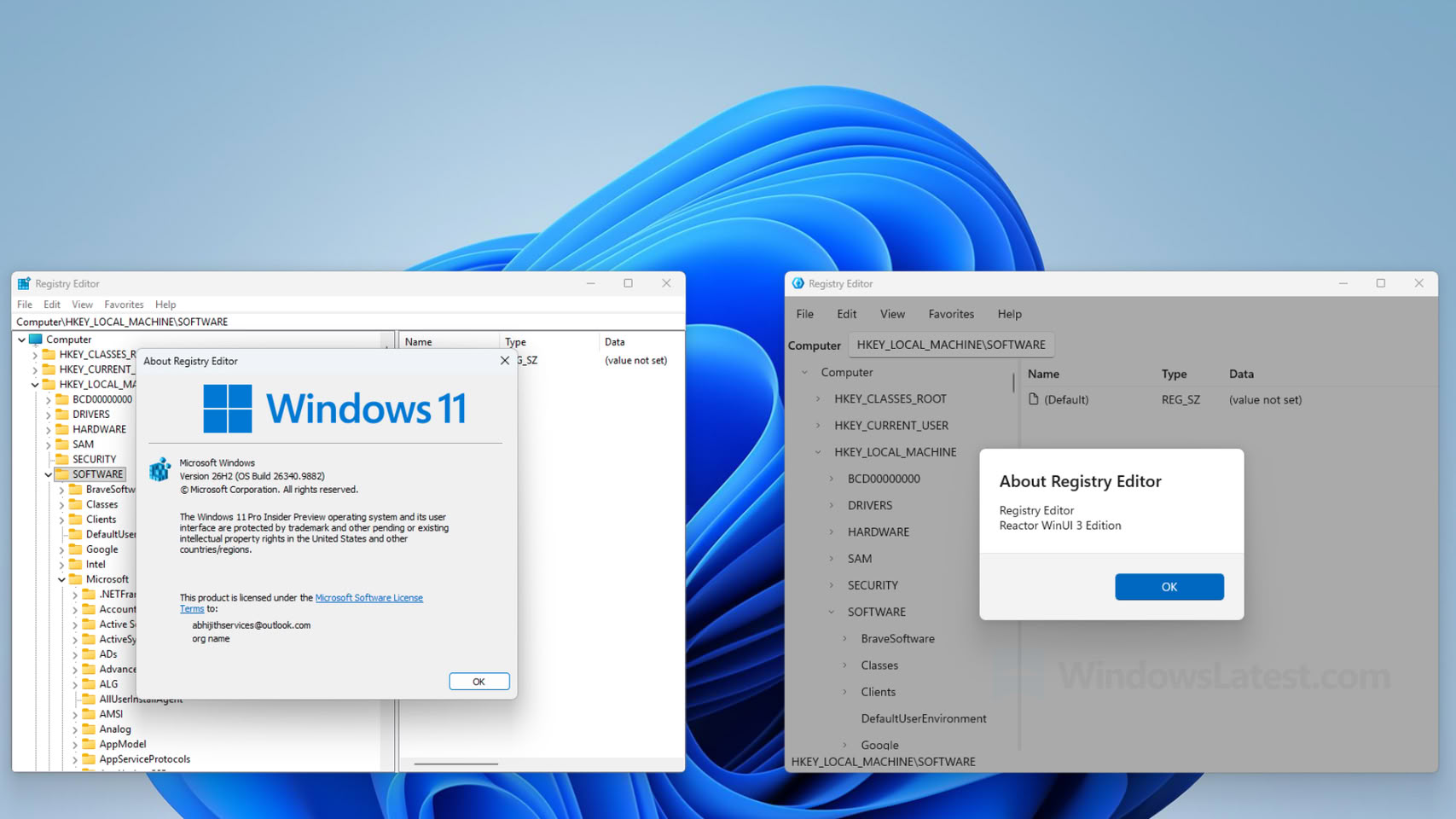
Sunday, November 8th 2026
NVIDIA Launches Investigation Into Jensen Huang's Relationship With Suspected Chinese Spy
NVIDIA announced on Sunday that the company's board of directors is launching a full-scale independent investigation into recent reports of founder and CEO Jensen Huang having a relationship with a woman the U.S. intelligence community beleives is an agent of the Chinese state. A few days ago, The New York Times broke a story that Jensen had engaged in a close relationship with an executive at Megaspeed, named Alice Huang. Megaspeed is believed to be helping evade U.S. export controls on NVIDIA chips for Chinese companies, allowing them to use chips that have been banned by the U.S. Government from shipping to Chinese customers. Its network of sister companies is building data centers in Malaysia to satisfy the compute needs of Chinese customers. The original NYT report notes that China's Ministry of State Security, the Chinese equivalent of the CIA, reportedly recruited Alice Huang to extract information from Jensen Huang.

ASRock Rack Shows Early Xeon 7 "Diamond Rapids" Motherboard for Up to 4 TB of DDR5
ASRock Rack is promising up to 4 TB of DDR5 on a single socket with its DMRD16-2L+, one of the first motherboards built for Intel's upcoming Xeon 7 "Diamond Rapids" processors. The board was shown at the OCP Global Summit 2026 and has since been detailed by ServeTheHome. It has 16 DIMM slots in a one-DIMM-per-channel layout, matching the 16-channel memory setup Intel detailed at HOT CHIPS. Regular RDIMMs top out at 128 GB per module and 8000 MT/s, while MRDIMMs run at up to 12,800 MT/s, with taller 2U MRDIMMs reaching 256 GB each. Populate all 16 slots with those, and you hit 4 TB, along with a theoretical bandwidth of roughly 1.6 TB/s.
Expansion is unusual, with no standard PCIe slots and no OCP NIC 3.0 connector. All I/O goes through up to 16 MCIO x8 connectors, each rated for PCIe 6.0 or CXL 3.0, for 128 lanes in total. The rest is fairly basic: one PCIe 5.0 x4 M.2 slot, two Intel I350 Gigabit Ethernet ports, an ASPEED AST2700 BMC with a dedicated management port, and VGA output. ASRock Rack fits it all on a 12 x 13-inch EEB PCB, about the size of a large E-ATX board, so it could squeeze into some bigger workstation cases. Pricing and availability have not been shared yet, but that is hardly surprising, since Intel has the Xeon 7 family slated for a 2027 debut on the new LGA9324 socket. The board is aimed at servers, though anyone planning a high-memory workstation for local AI will probably keep an eye on it.
Expansion is unusual, with no standard PCIe slots and no OCP NIC 3.0 connector. All I/O goes through up to 16 MCIO x8 connectors, each rated for PCIe 6.0 or CXL 3.0, for 128 lanes in total. The rest is fairly basic: one PCIe 5.0 x4 M.2 slot, two Intel I350 Gigabit Ethernet ports, an ASPEED AST2700 BMC with a dedicated management port, and VGA output. ASRock Rack fits it all on a 12 x 13-inch EEB PCB, about the size of a large E-ATX board, so it could squeeze into some bigger workstation cases. Pricing and availability have not been shared yet, but that is hardly surprising, since Intel has the Xeon 7 family slated for a 2027 debut on the new LGA9324 socket. The board is aimed at servers, though anyone planning a high-memory workstation for local AI will probably keep an eye on it.


Zelda: Ocarina of Time Remake Gets a Native PC Port Through Static Recompilation
A GitHub developer going by tangerineturtle1 has released NX2navi, a native Windows port of the new Zelda: Ocarina of Time remake built through static recompilation. Rather than emulating Switch 2 hardware, it converts the game into x86-64 code before you play, then draws everything through a custom Vulkan renderer. No game files are included, so players need their own dump of version 1.1.1, and the launcher then builds the game locally, which takes 10 to 25 minutes the first time. RTX owners get DLSS, while FSR 3.1 and its frame generation work on any GPU, and HDR is supported too. Resolution goes beyond 1440p to 5K, frame rate can be uncapped or set as high as 240 FPS (60 FPS is the default), and 21:9 or 32:9 ultrawide screens are supported with the HUD kept at 16:9.
The remake only launched last week, and it was already running through an emulator on launch day, albeit poorly. NX2navi is much further along, but it is still labeled early development. Visual bugs, the occasional crash and brief stutters when entering new areas are listed as known issues. It also needs 16 GB of RAM, about 30 GB of storage and a GPU with Vulkan 1.3 and mesh shader support. An earlier showcase on an RTX 5090 reportedly used 18.6 GB of VRAM, though a newer showcase claims memory use is way down.


The remake only launched last week, and it was already running through an emulator on launch day, albeit poorly. NX2navi is much further along, but it is still labeled early development. Visual bugs, the occasional crash and brief stutters when entering new areas are listed as known issues. It also needs 16 GB of RAM, about 30 GB of storage and a GPU with Vulkan 1.3 and mesh shader support. An earlier showcase on an RTX 5090 reportedly used 18.6 GB of VRAM, though a newer showcase claims memory use is way down.


Dead Pixels Creep In Along the Edges of Older WOLED TVs, RTINGS Finds
Fourteen of the 16 WOLED TVs in RTINGS' 18,000-hour accelerated longevity test developed what the outlet calls "edge rot," meaning dead pixels and other damage creeping in along the panel edges. All of these sets use LG Display panels and were released between 2020 and 2023, and the test works out to roughly ten years of typical U.S. viewing. Older WBC panels fared worst, with nine of ten affected and five rated severe, while five of six newer WBE panels also showed it. Only the LG A2 and LG G3 came out clean. Meanwhile, the three QD-OLED TVs in the test, Samsung's S95B and S95C and Sony's A95K, didn't have a single dead pixel. However, RTINGS says three units are too few to call QD-OLED immune.
Unlike burn-in, edge rot doesn't depend on what you watch, so the usual advice of mixing up content won't help. RTINGS suspects contamination during manufacturing or flaws in the encapsulation layer that keeps moisture out, though confirming that would need proper failure analysis. Two staffers also found it on their own LG GX and C1 at home. In a statement to RTINGS, LG said the issue may appear in a very small number of products under prolonged heat, humidity or other harsh conditions, and isn't expected in normal use, which is interesting given that LG Display once argued QD-OLED was more prone to burn-in. RTINGS now rates WOLEDs slightly lower for expected reliability, including newer models as a precaution, though it still considers OLEDs more durable than LCDs. Its next planned test includes 2025 and 2026 models, some with LG's RGB Tandem panels, which should show if it's been fixed.

Unlike burn-in, edge rot doesn't depend on what you watch, so the usual advice of mixing up content won't help. RTINGS suspects contamination during manufacturing or flaws in the encapsulation layer that keeps moisture out, though confirming that would need proper failure analysis. Two staffers also found it on their own LG GX and C1 at home. In a statement to RTINGS, LG said the issue may appear in a very small number of products under prolonged heat, humidity or other harsh conditions, and isn't expected in normal use, which is interesting given that LG Display once argued QD-OLED was more prone to burn-in. RTINGS now rates WOLEDs slightly lower for expected reliability, including newer models as a precaution, though it still considers OLEDs more durable than LCDs. Its next planned test includes 2025 and 2026 models, some with LG's RGB Tandem panels, which should show if it's been fixed.


Call of Duty: Warzone Arrives on Nintendo Switch 2 as PS4 and Xbox One Support Ends
Nintendo Switch 2 owners can now play Call of Duty: Warzone for free, without buying Modern Warfare 4. The battle royale arrived on the eShop with the start of Season 1 on November 6, which also fully folds Modern Warfare 4 into Warzone. According to Activision, the Switch 2 version gets the same features and seasonal content as every other platform, including the new Hajin battle royale map set in South Korea, the Zodiac Resurgence map, and all other playlists. Progress is tied to your Activision account. At the same time, Warzone has stopped running on PlayStation 4 and Xbox One, though players on those consoles can carry their progress over to any supported platform by logging in with the same account.
This comes about two weeks after Modern Warfare 4 launched on October 23 as the first Call of Duty on a Nintendo console since Ghosts on the Wii U back in 2013, something that was first rumored late last year. Infinity Ward built that port natively for Switch 2 with help from Digital Legends, and the game has generally been well received, at least on PC. However, Activision hasn't shared resolution or frame rate targets for Warzone on Switch 2. Modern Warfare 4's multiplayer reportedly aims for 60 FPS when docked, with a fairly low base resolution and upscaling, but Warzone's large maps and player counts will probably be tougher to run. Readers planning to play on Switch 2 may want to wait for proper performance tests before making it their main platform.


This comes about two weeks after Modern Warfare 4 launched on October 23 as the first Call of Duty on a Nintendo console since Ghosts on the Wii U back in 2013, something that was first rumored late last year. Infinity Ward built that port natively for Switch 2 with help from Digital Legends, and the game has generally been well received, at least on PC. However, Activision hasn't shared resolution or frame rate targets for Warzone on Switch 2. Modern Warfare 4's multiplayer reportedly aims for 60 FPS when docked, with a fairly low base resolution and upscaling, but Warzone's large maps and player counts will probably be tougher to run. Readers planning to play on Switch 2 may want to wait for proper performance tests before making it their main platform.


Microsoft Patent Application Describes AI That Edits Live Speech
Microsoft has filed a patent application for an AI system that can change what someone says in a live video and redraw their lips to match. The filing, US 2026/0341309 A1, was submitted in April 2025, published on October 29, 2026, and first spotted by patent tracker Patentlyze. In short, an AI agent scans the live audio and picks words to swap or remove based on rules and a viewer's profile, such as their age, languages, or location. A generative model then replaces those words in both the audio and video, reworks the frames around each edit and plays the result with a delay of roughly one to ten seconds. It could run locally on AR glasses, phones, tablets or cameras.
A separate claim covers live translation with matching lip movements, which is easily the most practical use. However, the filing also lists filler words, stutters, mispronounced or offensive words, and colloquial terms like "y'all" or "bite the bullet" as things to replace, and the new words can even come from an internet search. It mentions lectures, award shows, game shows, and live sports as examples. The original feed may be stored as "ground truth," but the main claim says nothing about telling viewers what was changed. Of course, Microsoft files plenty of patents that never become products, and the examiner has already rejected the claims as filed, which is routine at this stage. Sony has been busy with AI patents as well, ranging from frame generation to an AI that can play for distracted players.
A separate claim covers live translation with matching lip movements, which is easily the most practical use. However, the filing also lists filler words, stutters, mispronounced or offensive words, and colloquial terms like "y'all" or "bite the bullet" as things to replace, and the new words can even come from an internet search. It mentions lectures, award shows, game shows, and live sports as examples. The original feed may be stored as "ground truth," but the main claim says nothing about telling viewers what was changed. Of course, Microsoft files plenty of patents that never become products, and the examiner has already rejected the claims as filed, which is routine at this stage. Sony has been busy with AI patents as well, ranging from frame generation to an AI that can play for distracted players.



WoW: Forever Sets a New Franchise Record for Peak Concurrent Players
World of Warcraft: Forever is now the biggest launch in WoW history by peak concurrent players, according to Blizzard. The official Warcraft account also says the game brought back the highest number of returning players the franchise has ever seen. Forever went live on November 4 for Windows and macOS, and it is included with a regular WoW subscription. Blizzard didn't share any actual numbers, so it's hard to say how big the lead is. Going by the claim, Forever beat every expansion launch, including Wrath of the Lich King, as well as WoW Classic in 2019. However, Blizzard never published peak concurrent figures for those launches either, so a direct comparison isn't possible.
The launch itself went far more smoothly than the beta, which had its population caps raised several times. Forever runs on large megaservers that span multiple regions instead of dozens of smaller realms, and many players reported short login queues or none at all. Blizzard's Holly Longdale summed it up on X as "so far so goodish." Developer Josh Greenfield admitted to a few problems, mainly with the boat and zeppelin service, and Blizzard added temporary portals while it prepares a proper fix. On Twitch, the WoW category reportedly peaked at around 1.12 million viewers during launch, per Streams Charts. Microsoft CEO Satya Nadella had already called the Forever beta the largest in franchise history, and it looks like the launch has kept that momentum going.

The launch itself went far more smoothly than the beta, which had its population caps raised several times. Forever runs on large megaservers that span multiple regions instead of dozens of smaller realms, and many players reported short login queues or none at all. Blizzard's Holly Longdale summed it up on X as "so far so goodish." Developer Josh Greenfield admitted to a few problems, mainly with the boat and zeppelin service, and Blizzard added temporary portals while it prepares a proper fix. On Twitch, the WoW category reportedly peaked at around 1.12 million viewers during launch, per Streams Charts. Microsoft CEO Satya Nadella had already called the Forever beta the largest in franchise history, and it looks like the launch has kept that momentum going.


Maxsun Readies Panther Lake and Wildcat Lake MoDT NAS Motherboards for November
Maxsun has shared full specifications for the SK-PTLNAS and SK-WCLAIO, two NAS-focused MoDT (Mobile on Desktop) motherboards built around Intel's Panther Lake and Wildcat Lake chips. Both were first shown at Computex 2026 and are expected to launch this month, though pricing is still unknown. The SK-PTLNAS now tops out at the Core Ultra 9 386H, a 16-core chip with four Xe3 GPU cores, a 25 W base power and up to 80 W of turbo power. The Computex listing mentioned options up to the Core Ultra X9 388H, which no longer seems to be on the table. It supports up to 128 GB of DDR5-7200 memory across two SO-DIMM slots, with five M.2 slots and three Mini SAS ports for storage. The board also gets a PCIe 5.0 x8 slot, 10GbE, 2.5GbE and two 1GbE ports, plus two Thunderbolt 4 ports. Maxsun lists Windows 11 and Ubuntu support.
The SK-WCLAIO measures just 90 x 165 mm, a big change from the mATX design shown in June. It runs the six-core Core 7 350 (2P + 4LPE) with two Xe3 cores, a single DDR5-6400 SO-DIMM slot for up to 48 GB, 1 TB of onboard UFS 3.1 storage and four M.2 slots. Wildcat Lake has very few PCIe lanes, so those drives probably won't each get full x4 bandwidth. Maxsun rates the system at 45 W when active and 16 W with drives on standby, which should suit an always-on home NAS. The power input is a bit unclear for now, since the listing mentions both a 12 V DC jack and USB-C PD.
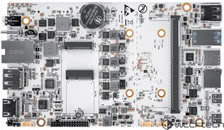
The SK-WCLAIO measures just 90 x 165 mm, a big change from the mATX design shown in June. It runs the six-core Core 7 350 (2P + 4LPE) with two Xe3 cores, a single DDR5-6400 SO-DIMM slot for up to 48 GB, 1 TB of onboard UFS 3.1 storage and four M.2 slots. Wildcat Lake has very few PCIe lanes, so those drives probably won't each get full x4 bandwidth. Maxsun rates the system at 45 W when active and 16 W with drives on standby, which should suit an always-on home NAS. The power input is a bit unclear for now, since the listing mentions both a 12 V DC jack and USB-C PD.


This Week in Gaming (Week 46)
Welcome to the second week of November, which we could call the calm before the storm, but it doesn't mean this is a bad week for new releases. This week's major release takes us fishing in a Lovecraftian inspired world with all that it entails. When it comes to this week's other games we once again have a lot of releases on a single day of this week, but we start off with a psychological horror survival game, followed by some sports management and a pixel graphics Warhammer game. We round off the week with a game that was more popular as a benchmark than a game and a space factory builder. Don't forget to check out this week's other releases as well.
Dreadmoor / This week's major release / Early access / Monday 9 November
Take the helm of a fishing trawler and explore a world flooded by a catastrophic human mistake. Coastal regions have sunk beneath the water, and much of the remaining land has been submerged underwater. Travel between scattered settlements, catch fish to trade, upgrade your vessel, and craft essential equipment. Face mutated creatures across sea and land and move carefully through a divided world where resources are scarce, and trust is fragile. Steam link



Dreadmoor / This week's major release / Early access / Monday 9 November
Take the helm of a fishing trawler and explore a world flooded by a catastrophic human mistake. Coastal regions have sunk beneath the water, and much of the remaining land has been submerged underwater. Travel between scattered settlements, catch fish to trade, upgrade your vessel, and craft essential equipment. Face mutated creatures across sea and land and move carefully through a divided world where resources are scarce, and trust is fragile. Steam link



Saturday, November 7th 2026

Epic Games Names SteamOS Among Planned Linux Targets for Its New Launcher
SteamOS is now officially on the list of Linux distributions Epic Games plans to support with its new Epic Games Launcher. In a statement to GamingOnLinux, Epic communications director Jake Jones said the launcher is still in Preview, and that Epic plans to "support as many Linux distributions as possible, including Fedora, SteamOS, Cachy, Omarchy, and more." It seems to be the first time Epic has explicitly named SteamOS, which runs on the Steam Deck and Steam Machine. For now, the Preview only ships as a.deb package for Debian and Ubuntu, though Epic says it is testing other packaging formats and will bring back the AppImage version this month. Epic first said a native Linux launcher was coming back in August, and the Preview arrived on October 14.
For Steam Deck owners, official support could mean an easier way into their Epic libraries without third-party tools like the Heroic Games Launcher. However, Epic hasn't said how the launcher will work in SteamOS's Game Mode, and Windows games will still need a compatibility layer. In the current Preview, the launcher handles that by downloading GE-Proton. As for Fortnite, Epic plans to bring it to Linux through the new launcher once EAC Linux v2 is ready, but the new anti-cheat relies on a signed kernel, Secure Boot, and several other security features. Back in October, Epic said the Steam Deck doesn't currently support what EAC v2 needs, and that it is talking with Valve about it. It looks like Steam Deck owners will get the launcher well before they get Fortnite.

For Steam Deck owners, official support could mean an easier way into their Epic libraries without third-party tools like the Heroic Games Launcher. However, Epic hasn't said how the launcher will work in SteamOS's Game Mode, and Windows games will still need a compatibility layer. In the current Preview, the launcher handles that by downloading GE-Proton. As for Fortnite, Epic plans to bring it to Linux through the new launcher once EAC Linux v2 is ready, but the new anti-cheat relies on a signed kernel, Secure Boot, and several other security features. Back in October, Epic said the Steam Deck doesn't currently support what EAC v2 needs, and that it is talking with Valve about it. It looks like Steam Deck owners will get the launcher well before they get Fortnite.


CPU-Z Data Shows 16 GB RAM Gaining Ground While 32 GB and 64 GB RAM Shares Shrink
PCs with 32 GB and 64 GB of RAM are becoming less common, at least in the latest CPU-Z Validator statistics. According to Doc TB, one of the developers behind CPU-Z, this is the first time RAM capacity on PCs has declined year over year. 32 GB is still the most popular configuration at 37.2% of validations, though its share is down 2.5% compared to a year ago. 64 GB took a much bigger hit, falling 18% to 7.3%. Lower capacities are moving the other way, with 16 GB up 12.9% to 33.0% and 8 GB up 5.5% to 11.0%, while 96 GB and 128 GB setups dropped by more than 26% each. Memory type tells a similar story, with DDR4 now making up 54.5% of validations, up 6.0%, while DDR5 slipped 2.9% to 32.9%.
Of course, these figures only cover systems that users actually submit to the validator over the last three months, so they aren't a full picture of the PC market. Steam's September survey, for example, showed 32 GB overtaking 16 GB as the most common configuration among gamers, but that promptly flipped with the October survey. Still, the timing makes sense. Memory prices have climbed sharply this year, and Team Group expects the worst of the shortage to land between Q4 2026 and Q2 2027. DDR4 platforms may also get a second wind, with DDR4 motherboards getting released for unannounced LGA1700 processors expected in early 2027. It looks like plenty of people are sticking with older DDR4 systems or settling for 16 GB instead of paying current prices.

Of course, these figures only cover systems that users actually submit to the validator over the last three months, so they aren't a full picture of the PC market. Steam's September survey, for example, showed 32 GB overtaking 16 GB as the most common configuration among gamers, but that promptly flipped with the October survey. Still, the timing makes sense. Memory prices have climbed sharply this year, and Team Group expects the worst of the shortage to land between Q4 2026 and Q2 2027. DDR4 platforms may also get a second wind, with DDR4 motherboards getting released for unannounced LGA1700 processors expected in early 2027. It looks like plenty of people are sticking with older DDR4 systems or settling for 16 GB instead of paying current prices.


Googlebook Update Frees Up RAM From On-Device AI
Google has started rolling out the November update for Googlebook, and the biggest change is how much memory the platform's on-device AI takes up. On the Acer Googlebook 14, ASUS Googlebook 14, and Lenovo Googlebook 15, Google's release notes say it has improved memory usage for on-device AI to make multitasking more stable on 16 GB devices. Apparently, this comes down to updated memory management in the NPU driver, which reportedly frees up between 3 GB and 6 GB of system RAM and lets the OS claw back memory when Chrome needs more of it. The Help Center notes don't put a number on it, though, and the 3 GB to 6 GB figure comes from Google's announcement on Reddit.
The update, build CL3B.260622.286.R2, carries the November 1 security patch and around 30 fixes in total. Among them are keyboard and trackpad input dropping out on convertibles, black screens with DRM-protected video on external monitors, external USB microphones not working, Zoom crashes with background effects, and bootloops when an update gets interrupted. HP and Dell owners also get a fix for Bluetooth audio lip-sync issues, and the Linux Terminal gets several reliability fixes. All three models getting the memory fix ship with 16 GB of RAM. Freeing up to 6 GB on those machines is a big deal, since that's over a third of the total memory. The update is rolling out gradually, and owners can check for it under Settings > System > Software updates > System update.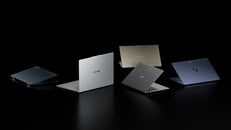
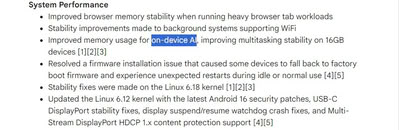
The update, build CL3B.260622.286.R2, carries the November 1 security patch and around 30 fixes in total. Among them are keyboard and trackpad input dropping out on convertibles, black screens with DRM-protected video on external monitors, external USB microphones not working, Zoom crashes with background effects, and bootloops when an update gets interrupted. HP and Dell owners also get a fix for Bluetooth audio lip-sync issues, and the Linux Terminal gets several reliability fixes. All three models getting the memory fix ship with 16 GB of RAM. Freeing up to 6 GB on those machines is a big deal, since that's over a third of the total memory. The update is rolling out gradually, and owners can check for it under Settings > System > Software updates > System update.


NVIDIA Marks 20 Years of the GeForce 8800 GTX With a Free Path-Traced Steam Demo
NVIDIA is celebrating 20 years of the GeForce 8800 GTX, which hit store shelves on November 8, 2006, with a free tech demo on Steam. Called GeForce 8800 GTX - 20 Years of a Legend, it was created by Unreal Engine artist Dylan Browne, the developer of Through The Ages, with support from NVIDIA. The semi-interactive demo puts players in a 2006-era PC gaming room, where they can unbox the 8800 GTX, inspect it up close, and install it in an era-accurate PC tower, with GeForce easter eggs scattered around. The scene is rendered with path tracing, DLSS 4.5 Ray Reconstruction, Dynamic Multi Frame Generation, and RTX Mega Geometry. It is available now on Steam and is coming soon to GeForce NOW for Ultimate members.
Naturally, the 8800 GTX itself can't run any of this, which is quite ironic, to say the least. Steam lists an RTX 4070 as the bare minimum and recommends an RTX 5080, alongside 32 GB of system RAM and 30 GB of storage. That RAM figure alone is over 40 times the 8800 GTX's 768 MB of video memory. The recommended RTX 5080 is far from cheap right now either, with TechSpot's October survey putting its lowest US price at around $2,200. So a demo built around the thrill of unboxing a new GPU in 2006 wants one of the priciest gaming cards of 2026 to look its best.
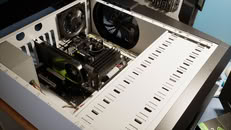
Naturally, the 8800 GTX itself can't run any of this, which is quite ironic, to say the least. Steam lists an RTX 4070 as the bare minimum and recommends an RTX 5080, alongside 32 GB of system RAM and 30 GB of storage. That RAM figure alone is over 40 times the 8800 GTX's 768 MB of video memory. The recommended RTX 5080 is far from cheap right now either, with TechSpot's October survey putting its lowest US price at around $2,200. So a demo built around the thrill of unboxing a new GPU in 2006 wants one of the priciest gaming cards of 2026 to look its best.


Zelda: Ocarina of Time Remake Now Boots on Jailbroken PS5 and iPhone 17 Pro Max
Nintendo's Zelda: Ocarina of Time remake launched on Switch 2 on November 5, and it is already running on a jailbroken PlayStation 5 and an iPhone. On PS5, Vampinity posted results in the GitHub repository for EglantinePS5, a PS5 port of a Switch emulator based on Eden. On firmware 12.40, the game loads a save, and Link can walk out of his house into Kokiri Forest at roughly 15 to 20 FPS. However, it runs out of memory a couple of minutes in, with heavy white fog and missing geometry in the forest. Vampinity calls it "nowhere near playable" and says Claude wrote the patches. Apparently, much of the shader work was borrowed from forks of Lichii, the emulator that got the remake running on PC on launch day.
The iPhone port comes from developer Joe Jiang, who showed Kokiri Forest running on an iPhone 17 Pro Max. According to Jiang, memory was the hardest part, since the game wants about 9 GB while a single iPhone app is capped at 8,192 MB. He claims his approach keeps quality intact and peaks at just 3.4 GB when loading scenes. Apparently, the method isn't specific to Ocarina, and Jiang says it could bring any Switch or Switch 2 game to iOS, iPadOS, Apple TV, Android, and HarmonyOS. He hasn't released it yet, but it isn't the first Switch 2 game on iPhone. Mario Kart World booted on one shortly after the console's first jailbreak went public. The PS5 port, meanwhile, needs the Relapse jailbreak, which covers firmware 7.00 through 13.60. Neither is a practical way to play the game yet, but I'm sure Nintendo isn't too happy about the remake breaking containment this quickly.


The iPhone port comes from developer Joe Jiang, who showed Kokiri Forest running on an iPhone 17 Pro Max. According to Jiang, memory was the hardest part, since the game wants about 9 GB while a single iPhone app is capped at 8,192 MB. He claims his approach keeps quality intact and peaks at just 3.4 GB when loading scenes. Apparently, the method isn't specific to Ocarina, and Jiang says it could bring any Switch or Switch 2 game to iOS, iPadOS, Apple TV, Android, and HarmonyOS. He hasn't released it yet, but it isn't the first Switch 2 game on iPhone. Mario Kart World booted on one shortly after the console's first jailbreak went public. The PS5 port, meanwhile, needs the Relapse jailbreak, which covers firmware 7.00 through 13.60. Neither is a practical way to play the game yet, but I'm sure Nintendo isn't too happy about the remake breaking containment this quickly.

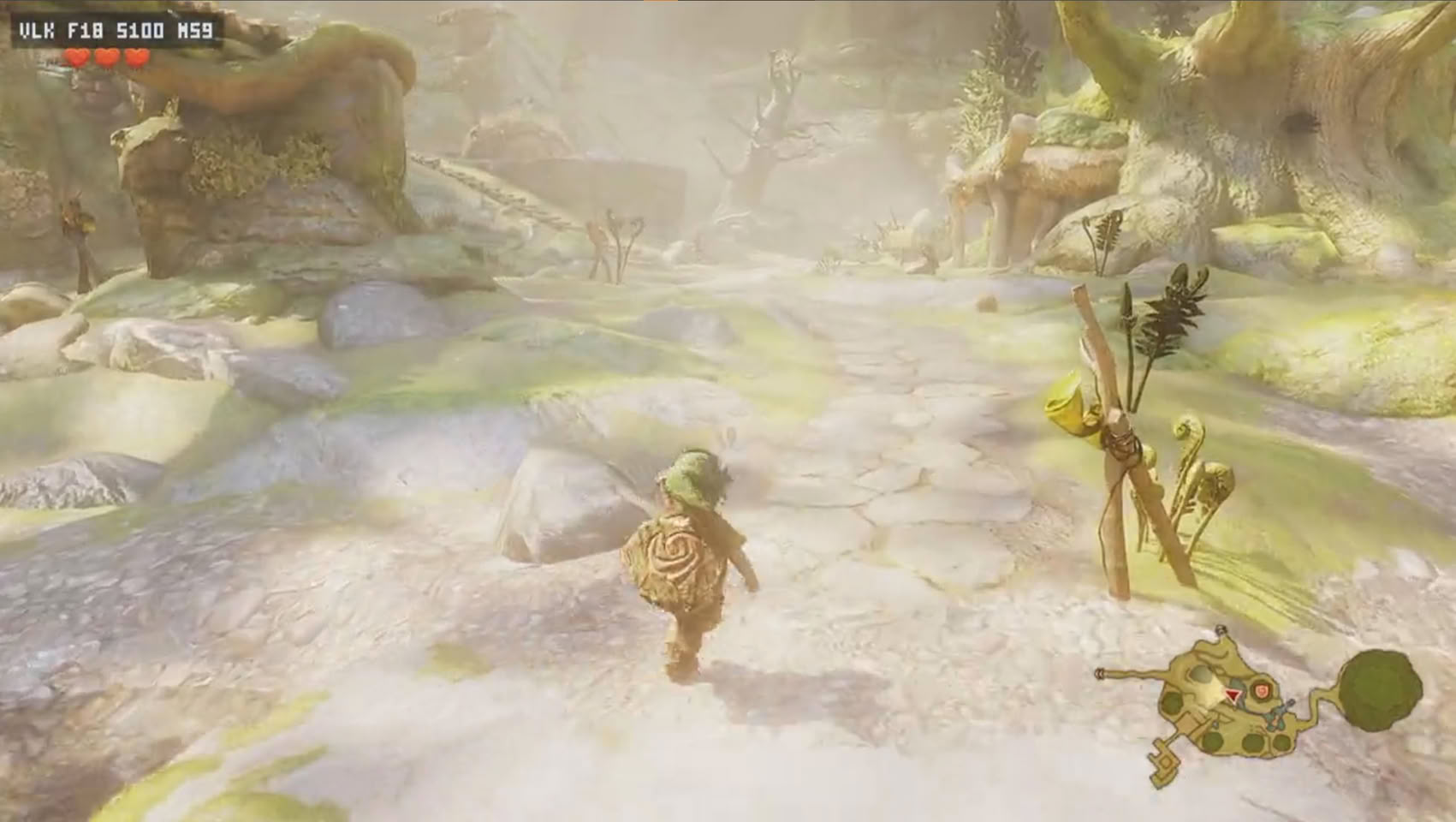

Teclast V16Q Portable Monitor with a 16-Inch 2.5K High-Refresh-Rate Screen
The V16Q is a 16-inch portable monitor designed for mobile work and entertainment. It features a 2560×1600 IPS screen with a refresh rate of up to 144 Hz. It can serve as an extended display for a laptop and can also be used with compatible devices such as game consoles.
16-Inch High-Resolution Screen
The V16Q uses a 16:10 aspect ratio, which suits browsing documents and web pages and working across multiple windows. It covers 100% of the sRGB color gamut, supports 10-bit color and HDR10, and reaches a peak brightness of 490 nits with a color accuracy of ΔE < 2, providing a fairly complete display specification for everyday office work, photo viewing and video playback.
Buy Teclast V16Q Portable Monitor on Amazon US | Buy Teclast V16Q Portable Monitor on Amazon EU
16-Inch High-Resolution Screen
The V16Q uses a 16:10 aspect ratio, which suits browsing documents and web pages and working across multiple windows. It covers 100% of the sRGB color gamut, supports 10-bit color and HDR10, and reaches a peak brightness of 490 nits with a color accuracy of ΔE < 2, providing a fairly complete display specification for everyday office work, photo viewing and video playback.
Buy Teclast V16Q Portable Monitor on Amazon US | Buy Teclast V16Q Portable Monitor on Amazon EU


Assassin's Creed Codename Mars Reportedly Takes the Series to Ancient Rome
Ubisoft reportedly has two more unannounced Assassin's Creed games in development, and one of them takes the series back to Ancient Rome. French content creator j0nathan, who has a track record with Ubisoft leaks, said in a November 6 video that the Rome project is codenamed "Mars," and that two sources with access to Ubisoft's backend systems backed up the information. The second game is apparently a mobile title codenamed "Pocket," set in Jerusalem. Insider Gaming says it has also heard both codenames, but it couldn't verify the claims to its own standards, partly because the franchise has been going through a rough patch since longtime boss Marc-Alexis Côté left Ubisoft in October 2025.
The setting is interesting, since Netflix's live-action Assassin's Creed series is also set in Rome, in 64 AD. The leaker thinks Mars will likely tie into the show in some capacity, and his video also floats the idea that it could be a follow-up to Assassin's Creed Origins. None of this is confirmed, of course. However, Ubisoft did say in its Fall 2026 franchise update that its teams are working on unannounced projects with new settings and stories, while confirming no other remakes are in the works. Codename Hexe is next in line, and an earlier rumor said it won't launch before the second half of 2027. Insider Gaming has since heard that Hexe was internally delayed by another year, likely into 2028. It's possible we don't get anything concrete on the Rome game until 2029 or 2030, assuming it moves further into production.
The setting is interesting, since Netflix's live-action Assassin's Creed series is also set in Rome, in 64 AD. The leaker thinks Mars will likely tie into the show in some capacity, and his video also floats the idea that it could be a follow-up to Assassin's Creed Origins. None of this is confirmed, of course. However, Ubisoft did say in its Fall 2026 franchise update that its teams are working on unannounced projects with new settings and stories, while confirming no other remakes are in the works. Codename Hexe is next in line, and an earlier rumor said it won't launch before the second half of 2027. Insider Gaming has since heard that Hexe was internally delayed by another year, likely into 2028. It's possible we don't get anything concrete on the Rome game until 2029 or 2030, assuming it moves further into production.

Custom Hogwarts Legacy RTX 5090 Founders Edition Up for Grabs Until November 12
NVIDIA is giving away a GeForce RTX 5090 Founders Edition with a custom Hogwarts Legacy wrap to celebrate DLSS 5 arriving in the game on November 5. To enter, users need to find the official giveaway post on one of NVIDIA GeForce's accounts on X, Instagram, Facebook, or TikTok and comment with #RTXON. Only one entry per person is allowed across all four platforms. The giveaway runs until November 12 at 11:59 PM PT, with a single winner drawn at random on or around November 13. NVIDIA values the prize at $2,599, which covers $1,999 for the card and $600 for the wrap. Entrants must be 18 or older and live in an eligible country, a list that includes the US, UK, Canada (excluding Quebec), Germany, France, Japan, South Korea, and Taiwan, among others. No purchase is necessary.
The $1,999 figure is NVIDIA's MSRP, though actual retail prices are much higher. TechSpot's October survey put the RTX 5090's normalized global price at $7,240, with the cheapest in-stock US model at $9,400. Supply has also been extremely tight. Reports last month claimed NVIDIA had stopped allocating GB202 GPUs to the RTX 5090, and Jeff Fisher, NVIDIA's senior vice president of personal computing, responded that the card has not been discontinued, while acknowledging constrained supply. NVIDIA has run similar wrapped RTX 5090 giveaways for games like Battlefield 6 and 007 First Light. With prices several times above MSRP and supply this constrained, giveaways like this one seem like the only realistic way for many gamers to have a chance at obtaining an RTX 5090 at the moment.
The $1,999 figure is NVIDIA's MSRP, though actual retail prices are much higher. TechSpot's October survey put the RTX 5090's normalized global price at $7,240, with the cheapest in-stock US model at $9,400. Supply has also been extremely tight. Reports last month claimed NVIDIA had stopped allocating GB202 GPUs to the RTX 5090, and Jeff Fisher, NVIDIA's senior vice president of personal computing, responded that the card has not been discontinued, while acknowledging constrained supply. NVIDIA has run similar wrapped RTX 5090 giveaways for games like Battlefield 6 and 007 First Light. With prices several times above MSRP and supply this constrained, giveaways like this one seem like the only realistic way for many gamers to have a chance at obtaining an RTX 5090 at the moment.

Intel Razor Lake-S Reportedly Due in 2028 on LGA-1954
Intel's Razor Lake desktop processors, the generation that follows Nova Lake-S, are currently slated for 2028, according to well-known Intel leaker Jaykihn. When asked on X whether Razor Lake-S was planned for 2027, Jaykihn replied "not currently," then followed up saying Razor Lake is a 2028 product for now. A leaked partner slide placed the first Nova Lake-S SKUs in Q1 2027 and indicated Intel plans to keep LGA-1954 for multiple generations, so Razor Lake-S should drop into the same boards roughly a year later. Apparently, Razor Lake will use new Griffin Cove P-cores, which Jaykihn previously called "an entire tock" rather than a refinement. The same core will reportedly also power Intel's next-generation Coral Rapids Xeon processors, though simultaneous multithreading (SMT) stays exclusive to Xeon.
Jaykihn says the client and server versions are separate architectures built around a similar core, comparing it to how Coyote Cove relates to Panther Cove. Earlier leaks pointed to Intel using TSMC's N2X node for some Razor Lake production, and the 12 Xe3P core iGPU SKU originally meant for Nova Lake-S was reportedly pushed to Razor Lake. HWiNFO also added support for Razor Lake-H, HX, and S in a recent beta. If the plan holds, Nova Lake-S buyers would get a proper CPU upgrade path without swapping motherboards, which is a welcome change after Intel went through three sockets in the last five years. Of course, timelines this far out can move, and Intel hasn't confirmed any of this, so it's reasonable to treat 2028 as a target for now.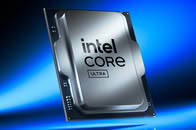
Jaykihn says the client and server versions are separate architectures built around a similar core, comparing it to how Coyote Cove relates to Panther Cove. Earlier leaks pointed to Intel using TSMC's N2X node for some Razor Lake production, and the 12 Xe3P core iGPU SKU originally meant for Nova Lake-S was reportedly pushed to Razor Lake. HWiNFO also added support for Razor Lake-H, HX, and S in a recent beta. If the plan holds, Nova Lake-S buyers would get a proper CPU upgrade path without swapping motherboards, which is a welcome change after Intel went through three sockets in the last five years. Of course, timelines this far out can move, and Intel hasn't confirmed any of this, so it's reasonable to treat 2028 as a target for now.

TCL CSOT Inkjet OLED t8 Factory Begins Equipment Installation Phase
TCL CSOT announced it has started moving production equipment into its t8 factory in Guangzhou, China. Feng Zhang, Senior Vice President of TCL CSOT said "The move-in of the first piece of core production equipment marks the t8 project's transition to the equipment installation and commissioning phase". The fab is an 8.6-generation inkjet-printed OLED production line, with mass production scheduled for Q4 2027. Construction started on September 16, 2025, and in less than a year (226 days), the main factory structure was completed. The project has a total investment of approximately RMB 29.5 billion (around $4.42 billion).
When completed, TCL CSOT's t8 fab will process around 22,500 glass substrates monthly. Each substrate measures 2,290 x 2,620 mm, the kind used for manufacturing medium to large-sized OLED panels. For the start, production will focus on displays for tablets, notebooks, and monitors. Also, TCL CSOT explores inkjet-printed OLED technology potential for flexible and foldable panels.
When completed, TCL CSOT's t8 fab will process around 22,500 glass substrates monthly. Each substrate measures 2,290 x 2,620 mm, the kind used for manufacturing medium to large-sized OLED panels. For the start, production will focus on displays for tablets, notebooks, and monitors. Also, TCL CSOT explores inkjet-printed OLED technology potential for flexible and foldable panels.

Friday, November 6th 2026
Today's Reviews
Cases
Cooling
CPU Coolers
Headphones
Keyboards
Monitors
Notebooks
Gigabyte Z890I Aorus Ultra Review
The Gigabyte Z890I Aorus Ultra offers a quiet Mini-ITX experience for the Intel Z890 platform, with fanless VRM cooling and strong PCIe Gen 5 SSD thermals. Also impressive are the strong memory overclocking and clean, tool-free layout, even if the price is a bit on the high side.
INNOCN 45C1R Review - Two QHD Screens, Zero Bezels
The INNOCN 45C1R packs a 5120x1440 resolution into a 44.5-inch, 32:9 VA panel with a 1500R curve, featuring 120 Hz, a built-in speaker bar, Ethernet, USB-C with 65 W Power Delivery, and a KVM switch. At $550, it's a productivity monitor first and a gaming monitor second, being quite decent at its primary job.
Physical Games Still Make Up 30% of Owned Console Libraries, Survey Finds
Physical copies still make up close to a third of the console games people actually own, according to a new Newzoo white paper produced with support from G2A. The firm surveyed 6,166 "premium gamers" across the US, UK, Germany, Poland, Brazil, and Saudi Arabia in August, defined as players aged 18 to 55 who game at least monthly on PC or a current-gen console and bought or subscribed to at least one AA or AAA title in the past year. Of the console games these respondents paid for outright, 30.4% were physical. That share drops to 11% across everything they play, since free-to-play and subscription titles together account for more than half of it.
Apparently, the most common reason for buying physical is being able to play without a stable internet connection, followed by the feeling of owning something tangible and saving storage space. That last one carries a bit more weight now that game download sizes have ballooned, with GTA 6 needing up to 212 GB on its own. Reselling, trading, or lending games came in fourth, and that is something digital console purchases still largely don't allow. PC is a different story, with PC-only players reporting just 6% physical ownership, although GOG would like to change that.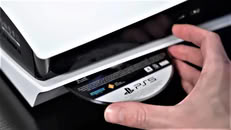

Apparently, the most common reason for buying physical is being able to play without a stable internet connection, followed by the feeling of owning something tangible and saving storage space. That last one carries a bit more weight now that game download sizes have ballooned, with GTA 6 needing up to 212 GB on its own. Reselling, trading, or lending games came in fourth, and that is something digital console purchases still largely don't allow. PC is a different story, with PC-only players reporting just 6% physical ownership, although GOG would like to change that.


Unreleased Radeon RX 7500 and Intel Razor Lake-H/HX/S Appear in Latest HWiNFO Beta
HWiNFO's newest beta, v8.55-6115, adds recognition for an AMD Radeon RX 7500, a graphics card AMD has not yet announced. The changelog entry is a single line with only the name, so the specs, the GPU underneath, and any launch plans are all unknown for now. The most likely candidate is probably the 6 nm "Navi 33" RDNA 3 chip, which already powers the 28 CU RX 7400 and the fully enabled 32 CU RX 7600. Of course, a card squeezed between those two would leave AMD very little room to work with, so the name is a bit puzzling. AMD hasn't said anything about the card so far, but we have heard the name before.
When the RX 7400 and RX 7300 first appeared in rumors back in 2024, there were rumblings of an RX 7500 XT desktop graphics card, though nothing concrete ever followed. Moving onto other additions to HWiNFO, the same build also adds enhanced support for Intel's Nova Lake-E and Razor Lake-H, HX, and S processors. Razor Lake is the platform expected to follow Nova Lake, and Intel has yet to officially announce it. CPUID added Razor Lake support to CPU-Z 3.02 earlier this week, while HWiNFO picked up preliminary Razor Lake-AX support back in August. With the first Nova Lake-S desktop chips not expected until Q1 2027, retail Razor Lake chips are probably still a long way out.

When the RX 7400 and RX 7300 first appeared in rumors back in 2024, there were rumblings of an RX 7500 XT desktop graphics card, though nothing concrete ever followed. Moving onto other additions to HWiNFO, the same build also adds enhanced support for Intel's Nova Lake-E and Razor Lake-H, HX, and S processors. Razor Lake is the platform expected to follow Nova Lake, and Intel has yet to officially announce it. CPUID added Razor Lake support to CPU-Z 3.02 earlier this week, while HWiNFO picked up preliminary Razor Lake-AX support back in August. With the first Nova Lake-S desktop chips not expected until Q1 2027, retail Razor Lake chips are probably still a long way out.


Six Pallets of NVIDIA Hardware Worth $11.4 Million Stolen on the Way to Texas
Police in Oakland, California, are investigating the theft of six pallets of NVIDIA hardware worth $11.4 million that were bound for Fort Worth, Texas, the Bay Area News Group reports. A truck carrying a food transportation company's logo picked up the cargo in Oakland on August 29 as planned, but the truck and its drivers then went off the grid heading south. According to authorities, the truck made several multi-hour stops before police lost track of it in San Bernardino County. Apparently, nobody realized the cargo was gone until early September, and Oakland police say the theft was reported to them on September 13. No arrests have been announced.
What exactly was on those pallets hasn't been disclosed, so we don't know if it was AI accelerators, complete systems, or GeForce graphics cards. Speaking to ABC7, UC Berkeley professor Olaf Groth said NVIDIA chips can sell for roughly double their US price abroad, with a $550,000 compute system going for $1 million or more. He added that the heists are getting bigger and more complex, which points to increasingly professional crews.
What exactly was on those pallets hasn't been disclosed, so we don't know if it was AI accelerators, complete systems, or GeForce graphics cards. Speaking to ABC7, UC Berkeley professor Olaf Groth said NVIDIA chips can sell for roughly double their US price abroad, with a $550,000 compute system going for $1 million or more. He added that the heists are getting bigger and more complex, which points to increasingly professional crews.

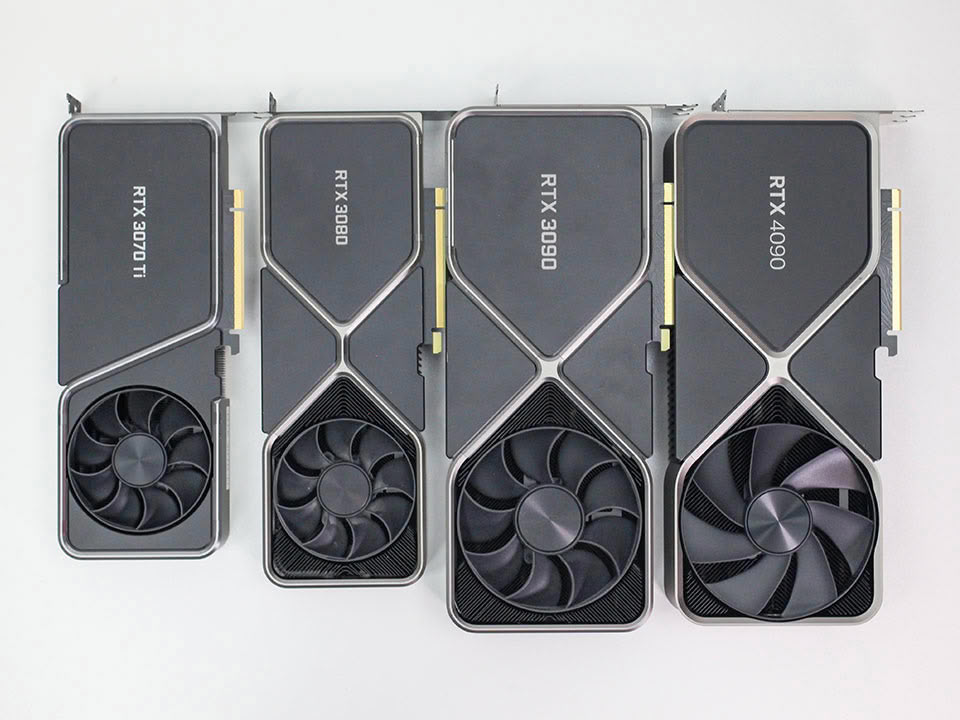

Unity in Talks To Be Acquired By EA's New Owners
A little over a year ago, PIF and Silver Lake were announced as two parts of EA's new ownership trifecta, following a $55 billion buyout agreement, and it has now been revealed in a new Reuters report that PIF and Silver Lake have met with Unity Software to initiate talks to buy the game engine developer. Similarly to the EA buyout, insiders claim that the Unity buyout would also be a leveraged buyout agreement, although there have been no claims about a potential buyout amount.
As was the case leading up to the EA buyout, Silver Lake has already invested in Unity, with an 8% share in the company. Following the recent EA buyout, the gaming giant's new owners have made several changes at the company, including a restructuring that led to significant layoffs and the closure of BioWare, one of the most recognizable game studios in gaming history. Earlier in the year, EA also reportedly accelerated its investment in and use of AI in order to cut costs. Unity itself has announced a similar increased adoption of AI with its new Unity Spark AI systems.
As was the case leading up to the EA buyout, Silver Lake has already invested in Unity, with an 8% share in the company. Following the recent EA buyout, the gaming giant's new owners have made several changes at the company, including a restructuring that led to significant layoffs and the closure of BioWare, one of the most recognizable game studios in gaming history. Earlier in the year, EA also reportedly accelerated its investment in and use of AI in order to cut costs. Unity itself has announced a similar increased adoption of AI with its new Unity Spark AI systems.

GOG Announces New Galaxy Launcher for Linux in 2027 With Faster Launching for macOS and Windows Also Coming
GOG has long since confirmed that it was working on a Galaxy game launcher for Linux, but it has officially just previewed the updated GOG Galaxy launcher in a new announcement on X. According to the post, not only has GOG Galaxy received a proper Linux version for the first time ever, the macOS and Windows versions have also been updated with a new UI, faster loading, and new library management tools. The new launcher has yet to be made available to the public, even in testing, but the announcement video showed off the new game launcher's UI and announced a 2027 launch window.



GOG.com on XGOG GALAXY is officially heading to Linux. At the same time, we've reworked the client on Windows and Mac to be simpler, run faster, and give you cleaner ways to view your library. Most importantly, our core promise stays untouched: GOG GALAXY is entirely optional. Your games are yours to download and keep through offline installers, exactly as they've always been.

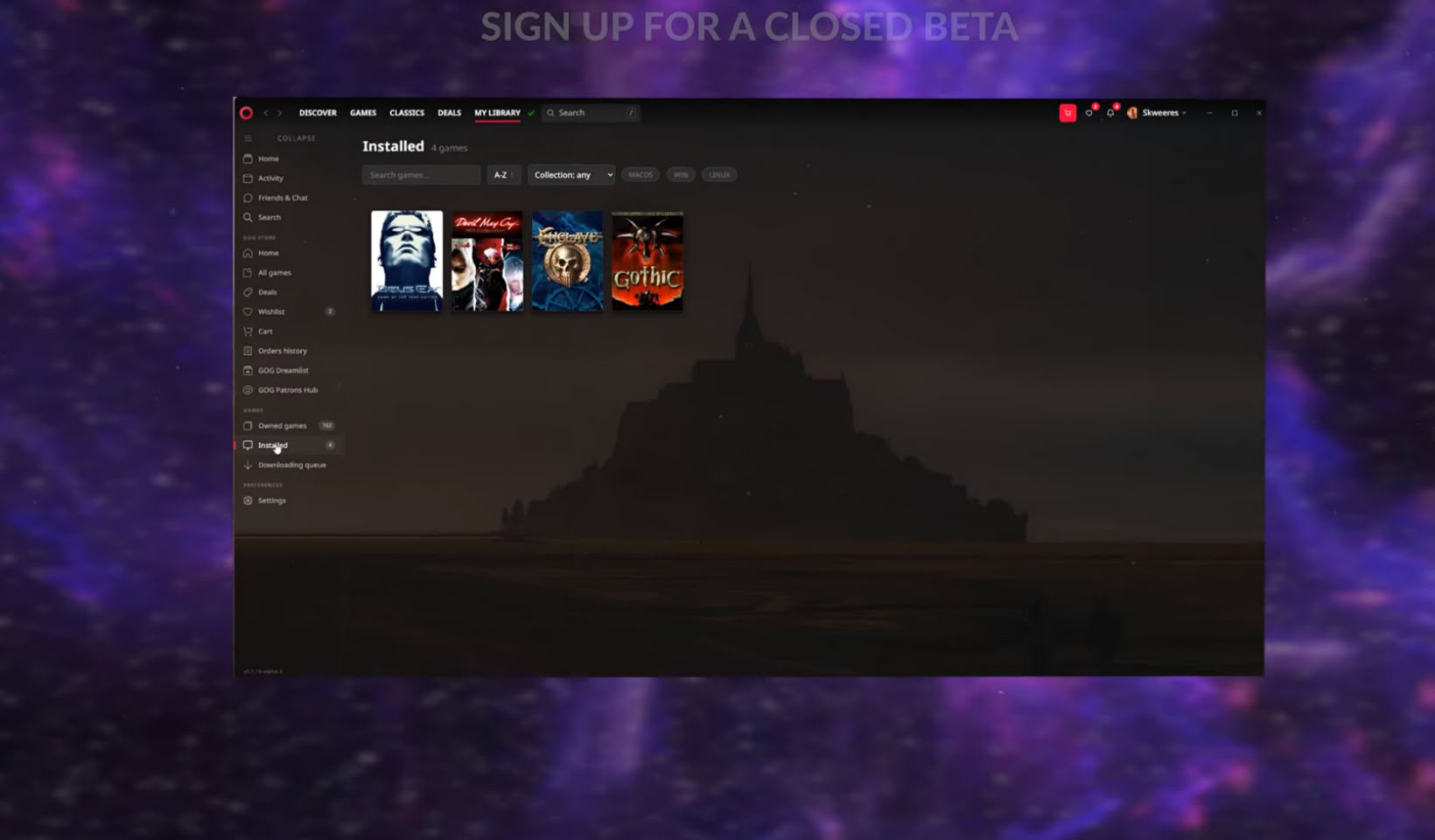
Discord Is Rebuilding Its App in Rust, Early Build Uses Just 290 MB of RAM
Discord is rewriting its desktop app in Rust and dropping Electron, and the early numbers look very promising. Discord CTO and co-founder Stanislav Vishnevskiy posted a Task Manager screenshot on X showing the new client, listed as "Discord Phoenix," using just 290.2 MB of RAM. In the same screenshot, Steam's WebHelper sits at 856 MB and Battle.net at 344 MB. That's a big drop, as Discord said late last year that its current Windows client normally stays under 1 GB, and it even tested auto-restarting the app once it crossed 4 GB. Vishnevskiy also shared a side-by-side clip on two laptops showing the new client booting much faster, adding that clicking around "feels instant."
Mobile is getting the same treatment. According to Vishnevskiy, Discord is dropping React Native as well, so the mobile apps will keep their native interface while sharing app code with the desktop client through Rust. The new client is built on GPUI, the Rust UI framework from the team behind the Zed code editor, rather than Tauri as many had guessed. There's no release date yet, and Discord only says it hopes to get it into testing with users soon.
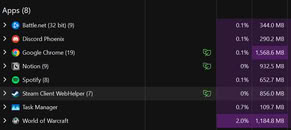
Mobile is getting the same treatment. According to Vishnevskiy, Discord is dropping React Native as well, so the mobile apps will keep their native interface while sharing app code with the desktop client through Rust. The new client is built on GPUI, the Rust UI framework from the team behind the Zed code editor, rather than Tauri as many had guessed. There's no release date yet, and Discord only says it hopes to get it into testing with users soon.


NVIDIA RTX 5070 Ti Climbs $160 in Eight Days, Now 79% Over MSRP
NVIDIA's GeForce RTX 5070 Ti is now close to double its $749 MSRP in the US. According to price tracking by VideoCardz, the cheapest RTX 5070 Ti at major US retailers was $1,339.99 on November 6, about 79% above MSRP, up from $1,179.99 on October 29. That's a $160 jump in just eight days. Some models have already crossed the 2x mark, like the ASUS TUF Gaming OC at $1,499.99 on B&H. Prices are also moving fast. At the time of writing, the cheapest RTX 5070 Ti sold by Newegg itself is an MSI SHADOW RTX 5070 Ti at $1,409.99. Things aren't much better in Germany, where the cheapest listing on Geizhals sits at €1,300 for a PNY model, roughly 48% above the €879 MSRP.
Things are probably going to get worse, too. NVIDIA's board partners in China are reportedly raising RTX 5070 Ti prices by around 1,000 RMB (about $150) this week, with retail prices expected to follow within a week or two. Unlike the RTX 5090 and 5080 16 GB, which have reportedly been discontinued, the RTX 5070 Ti is still officially in production. After reports of an end of production in January early this year, NVIDIA said it was still shipping all GeForce SKUs, and ASUS denied the card was end-of-life, while admitting that memory supply was hurting production and restocking. The card is still listed at major retailers, unlike the RTX 5080, which vanished from NVIDIA's US Marketplace two weeks after the RTX 5090 did the same. Anyone shopping for an RTX 5070 Ti should probably expect these prices to keep rising for a while.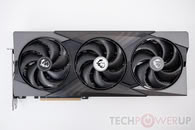
Things are probably going to get worse, too. NVIDIA's board partners in China are reportedly raising RTX 5070 Ti prices by around 1,000 RMB (about $150) this week, with retail prices expected to follow within a week or two. Unlike the RTX 5090 and 5080 16 GB, which have reportedly been discontinued, the RTX 5070 Ti is still officially in production. After reports of an end of production in January early this year, NVIDIA said it was still shipping all GeForce SKUs, and ASUS denied the card was end-of-life, while admitting that memory supply was hurting production and restocking. The card is still listed at major retailers, unlike the RTX 5080, which vanished from NVIDIA's US Marketplace two weeks after the RTX 5090 did the same. Anyone shopping for an RTX 5070 Ti should probably expect these prices to keep rising for a while.

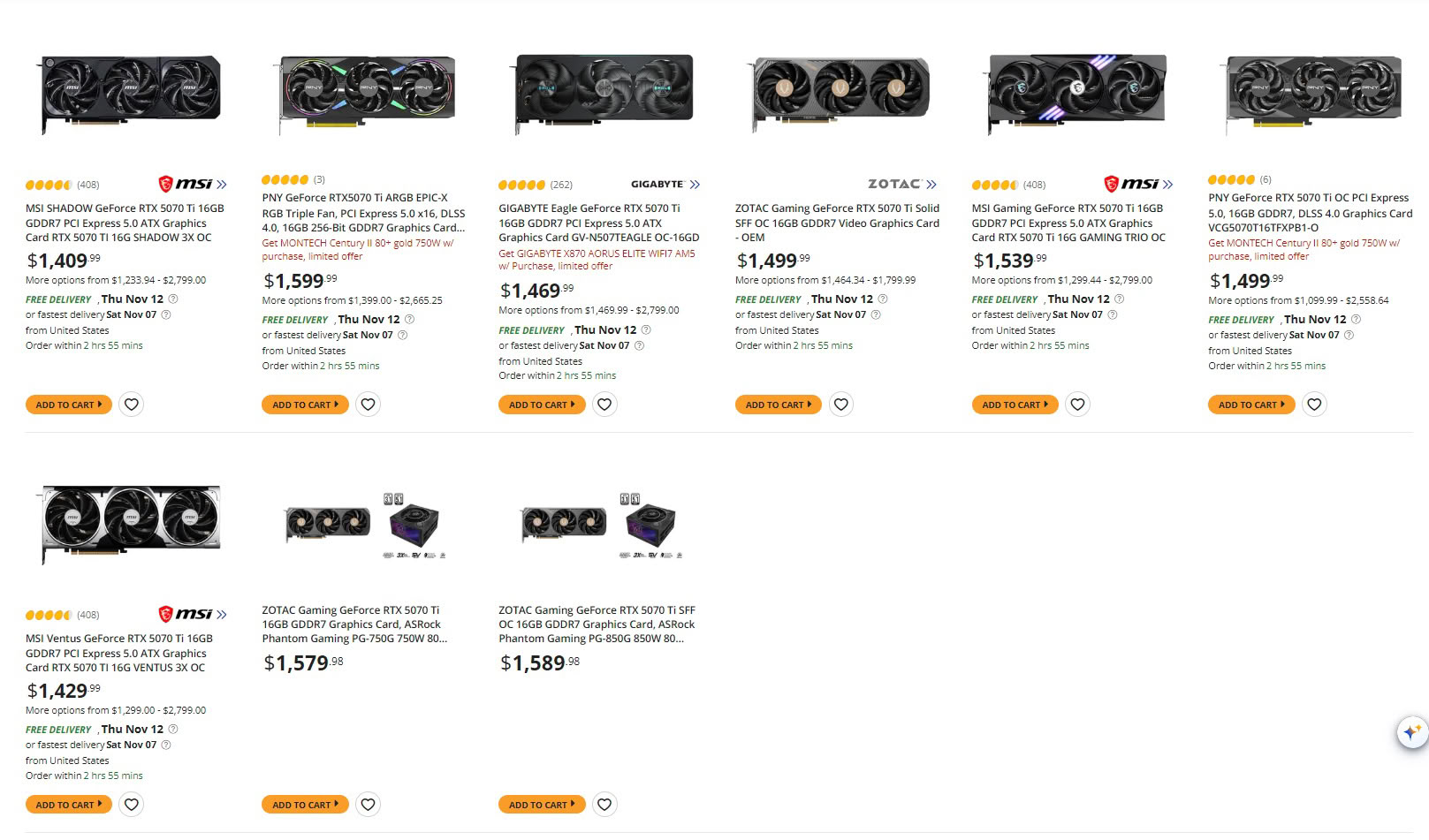
GIGABYTE AORUS and Capcom Team Up for Resident Evil-Themed PC Giveaway
GIGABYTE AORUS has teamed up with Capcom and custom PC modder Sarah Carlos for its "Evil Season Is Here" campaign, bringing a Resident Evil-inspired custom PC build to TwitchCon 2026 alongside an online giveaway running through November 16.
The custom-modded PC features the GIGABYTE X870E AORUS MASTER X3D ICE motherboard and AORUS GeForce RTX 5080 INFINITY WOOD graphics card. Designed by Sarah Carlos, the build combines GIGABYTE hardware with the Resident Evil franchise for a one-of-a-kind system.
Visitors attending TwitchCon 2026 can see the PC in person at the Capcom booth (#3925). Attendees will also have the opportunity to enter the giveaway on-site for a chance to win the build and receive free AORUS swag.
The custom-modded PC features the GIGABYTE X870E AORUS MASTER X3D ICE motherboard and AORUS GeForce RTX 5080 INFINITY WOOD graphics card. Designed by Sarah Carlos, the build combines GIGABYTE hardware with the Resident Evil franchise for a one-of-a-kind system.
Visitors attending TwitchCon 2026 can see the PC in person at the Capcom booth (#3925). Attendees will also have the opportunity to enter the giveaway on-site for a chance to win the build and receive free AORUS swag.

Omarchy 4.5 Arrives with Support Beyond x86-64 and New Desktop Features
The Arch Linux-based distribution Omarchy 4.5 has been released, the project's first expansion beyond x86-64. It adds Apple Silicon support, a new floating desktop mode, and a few other updates. Omarchy now runs on Apple M1, M2, M3, and Neo MacBooks. The Apple Silicon support builds on work by the Asahi Linux project and other contributors. It also adds preliminary support for NVIDIA's Arm-based N1X laptops and the DGX Spark systems. However, support for newer Apple M4, M5, and M6 models and Qualcomm Snapdragon X-based laptops is still in development. According to project creator David Heinemeier Hansson, the release includes more than 740 merged pull requests from over 180 contributors during a 12-week development cycle.
The desktop experience remains based on the Hyprland compositor. Users can now switch individual workspaces between tiling, scrolling, and floating layouts using the Super + L shortcut. Floating workspaces have conventional window title bars and a dock with pinned applications, running programs, and an application launcher. Windows can be minimized to the dock with Super + M. Also, applications can be pinned or rearranged via drag and drop to the dock. Users can mix different layouts across workspaces.
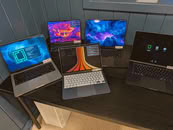

The desktop experience remains based on the Hyprland compositor. Users can now switch individual workspaces between tiling, scrolling, and floating layouts using the Super + L shortcut. Floating workspaces have conventional window title bars and a dock with pinned applications, running programs, and an application launcher. Windows can be minimized to the dock with Super + M. Also, applications can be pinned or rearranged via drag and drop to the dock. Users can mix different layouts across workspaces.



TSMC is Reportedly Considering 3D DRAM Production
The world's largest chipmaker, TSMC, is reportedly considering entering the memory sector with the manufacturing of advanced DRAM technologies. According to a report from The Information, which cites sources close to the plans, TSMC is contemplating starting the production of 3D DRAM. As we know, there is a desperate need for more DRAM output from the three major memory makers: SK Hynix, Samsung, and Micron. New manufacturing capacity is being developed, but even when it comes online, there might still be a supply imbalance. According to The Information, TSMC is considering 3D DRAM manufacturing at the request of its largest customer, NVIDIA.
Conventional DRAM is currently produced by the big three, with plans to advance into 3D DRAM production beyond what HBM currently offers. To effectively scale memory, the 3D approach is the only way forward, as Micron recently confirmed. Micron has decided not to bring 4F² DRAM to market, even though it claims to have invented the cell design and has been researching it for around two decades, opting instead for the path to 3D DRAM. As one of the most experienced silicon manufacturers globally, TSMC is seemingly evaluating this path as well.
Conventional DRAM is currently produced by the big three, with plans to advance into 3D DRAM production beyond what HBM currently offers. To effectively scale memory, the 3D approach is the only way forward, as Micron recently confirmed. Micron has decided not to bring 4F² DRAM to market, even though it claims to have invented the cell design and has been researching it for around two decades, opting instead for the path to 3D DRAM. As one of the most experienced silicon manufacturers globally, TSMC is seemingly evaluating this path as well.

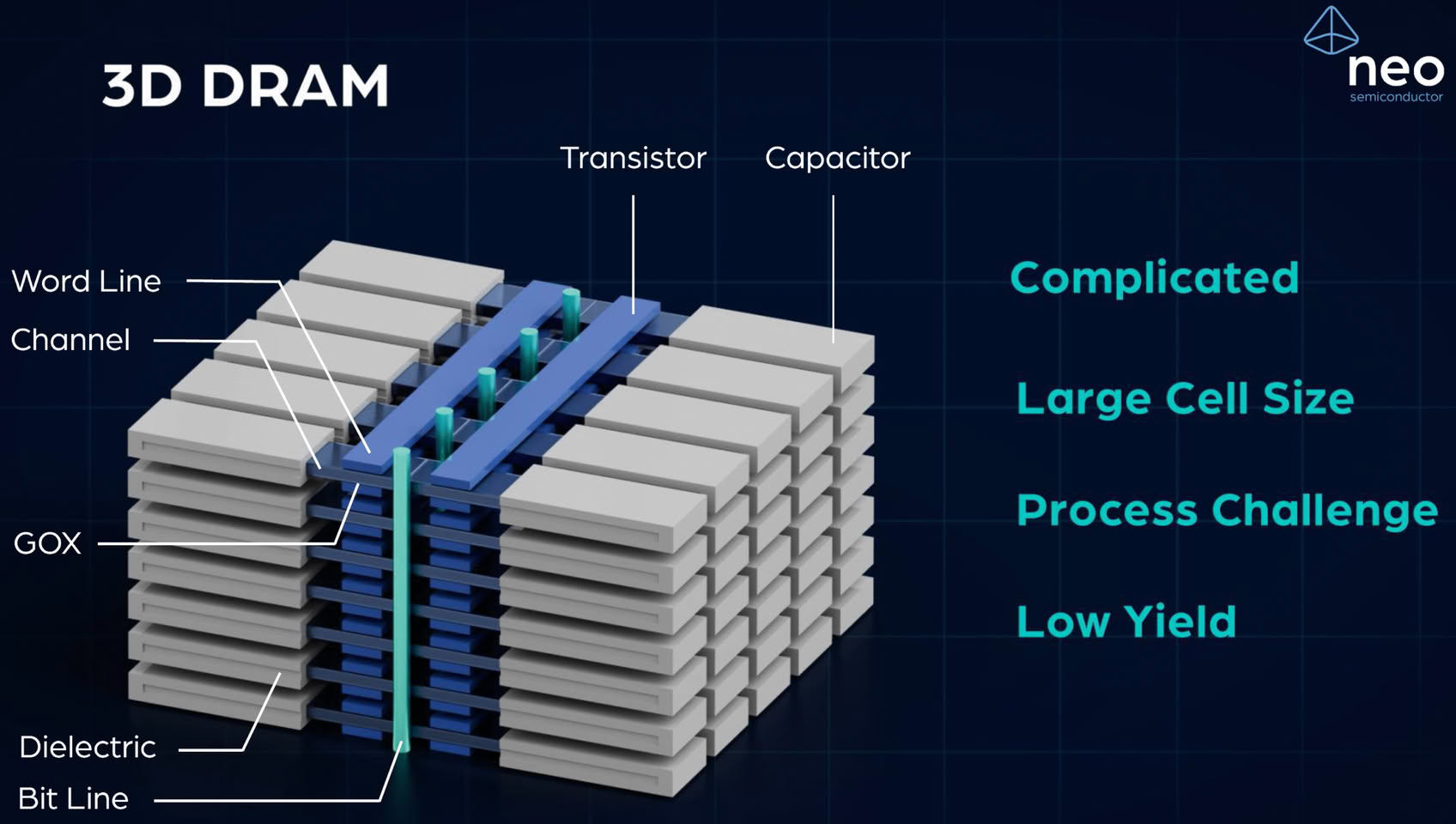
Road Rash Finally Goes Digital as EA Adds 25 Classic Games to Steam
EA has put 25 classic PC games on Steam with a very interesting story behind them. Seven of them are restored Anniversary Editions of Road Rash and six Wing Commander titles. The other 18, which include Theme Hospital, Strike Commander, both Crusader games, and eleven Ultima games, are on Steam for the first time, according to EA. The Anniversary Editions cost $9.99 and the rest go for $4.99, and Steam currently has them at 50% off until November 19. EA returned to Steam back in 2020 and has been slowly adding older classics since.
Apparently, it all started in March 2022, when EA producer Jim Vessella found a storage room at EA's Redwood Shores campus with nearly 20,000 old tapes, film reels, and CD-ROMs, including the master recordings for Wing Commander and Road Rash. By April 2026, around 6,000 had been digitized, and EA says that helped restore over 1,500 cutscenes. Much of the work happened on personal time, with Vessella using lunch breaks and evenings and Brian Barnes spending his weekends on Road Rash, the same pair that helped make the Command & Conquer source code public last year. Fan modders also played a big part, as the Wing Commander releases ship with community patches, and GOG's engineers built the Prophecy edition.


Apparently, it all started in March 2022, when EA producer Jim Vessella found a storage room at EA's Redwood Shores campus with nearly 20,000 old tapes, film reels, and CD-ROMs, including the master recordings for Wing Commander and Road Rash. By April 2026, around 6,000 had been digitized, and EA says that helped restore over 1,500 cutscenes. Much of the work happened on personal time, with Vessella using lunch breaks and evenings and Brian Barnes spending his weekends on Road Rash, the same pair that helped make the Command & Conquer source code public last year. Fan modders also played a big part, as the Wing Commander releases ship with community patches, and GOG's engineers built the Prophecy edition.


ATK Launches RS6 V2: Aluminium 65% Hall Effect Gaming Keyboard With Dual LED Positions and 8 kHz Polling
ATK has officially launched the updated version of its RS6 Hall effect gaming keyboard, introducing a number of aesthetics and quality of life updates over the keyboard's first iteration. The RS6 V2 is already available on ATK's website for $109.98 as part of an introductory offer, but it has an official MSRP of $139.98. The RS6 V2 follows a familiar 65% layout seen previously on the RS6, but it swaps out the tray-mount design of the original for a new gasket-mounted design. Additionally, the RS6 V2 is also only available in three colorways, for now: a pinkish Burgundy Red, the neutral Meteorite Gray, and Moonlight Silver.
One of the other major updates, and a feature that is still relatively rare, even in aesthetics-focused gaming keyboards, is the addition of dual-position per-key RGB backlighting, which allows for proper use of keycaps with both regular top shine-through legends and the more niche side-printed shine-through legends. The RS6 V2 ships by default with double-shot PBT keycaps with translucent sides and fully translucent keys on some accent keys, so this RGB lighting setup should play well with the keyboard's default keycaps.

One of the other major updates, and a feature that is still relatively rare, even in aesthetics-focused gaming keyboards, is the addition of dual-position per-key RGB backlighting, which allows for proper use of keycaps with both regular top shine-through legends and the more niche side-printed shine-through legends. The RS6 V2 ships by default with double-shot PBT keycaps with translucent sides and fully translucent keys on some accent keys, so this RGB lighting setup should play well with the keyboard's default keycaps.


AMD Goes "Data Center First" While Gaming Revenue Drops 40%
AMD CEO Lisa Su now calls AMD a "data center first" company, two days after AMD reported a 40% drop in gaming revenue. Speaking to Yahoo Finance's Brian Sozzi on November 5, Su said AMD's data center business should grow 50% sequentially from Q3 to Q4, and suggested it could more than double next year. Here's how she put it:
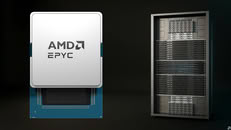
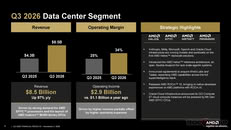
Dr. Lisa Su, AMD CEOWe are a data center first company, that is our profile, and you know, people need more computing to power all these applications.Data Center brought in a record $8.5 billion in Q3, up 97%, and now makes up 64% of AMD's $13.4 billion total, up from 47% a year ago. Gaming fell to $773 million, or under 6% of revenue. AMD blames it mostly on lower semi-custom sales, meaning the console chips it makes for Sony and Microsoft, along with weaker graphics demand. Gaming was flat against Q2, though, and last year's Q3 was boosted by a 181% console-driven jump to $1.3 billion. Su used the same "data center first" line back in 2024, when data center was just over half of revenue.


Diamond Foundry Announces First-Ever D200mm Single-Crystal Diamond
Diamond Foundry Inc. today announced a major milestone in the history of materials technology: the creation of the first-ever D200mm single-crystal diamond, measuring 200 millimeters in diameter. The achievement marks a fundamental step forward in humanity's ability to manufacture diamond as a technology material at semiconductor-relevant scale.
Diamond has long been recognized as an extraordinary material for technology. It combines the highest thermal conductivity with exceptional mechanical strength, electrical insulation, optical properties, and the potential for extreme electronic performance. Yet its use in advanced technology has been constrained by one basic limitation: size. Diamond Foundry's D200mm breakthrough changes that.

Diamond has long been recognized as an extraordinary material for technology. It combines the highest thermal conductivity with exceptional mechanical strength, electrical insulation, optical properties, and the potential for extreme electronic performance. Yet its use in advanced technology has been constrained by one basic limitation: size. Diamond Foundry's D200mm breakthrough changes that.


ASUS Announces the XG Core Radeon RX 9060 XT LP 16 GB GDDR6
ASUS today announced the XG Core Radeon RX 9060 XT LP 16 GB GDDR6, a compact external graphics solution that adds discrete graphics to compatible laptops, gaming handhelds and mini PCs through USB4 connectivity. Powered by AMD RDNA 4 architecture, it pairs 16 GB of GDDR6 memory with support for gaming, creative applications and compatible AI workloads. With the XG Core, users do not need to make any internal hardware modifications to their device to access the power of discrete graphics.
Discrete graphics for more demanding workloads
Thin laptops and compact PCs make everyday computing convenient, but users may need additional graphics power as their games and applications become more demanding. XG Core offers a way to extend the capabilities of a compatible device without replacing the entire system. Its external design adds a dedicated GPU when needed, giving users the flexibility to keep the device they already use for work, travel or play.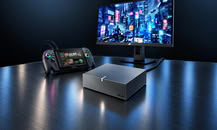
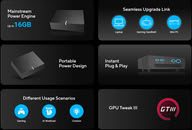
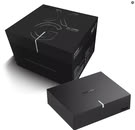
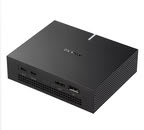
Discrete graphics for more demanding workloads
Thin laptops and compact PCs make everyday computing convenient, but users may need additional graphics power as their games and applications become more demanding. XG Core offers a way to extend the capabilities of a compatible device without replacing the entire system. Its external design adds a dedicated GPU when needed, giving users the flexibility to keep the device they already use for work, travel or play.


ASRock Radeon RX 7900 XT/XTX VBIOS Update Bricks Some Cards
When ASRock joined the group of AIBs patching Radeon RX 7900 XT/XTX GPUs late last month, everything seemed fine for a few days. However, multiple users are now reporting that their ASRock GPUs have been bricked after updating the firmware with the latest VBIOS. ASRock has released VBIOS updates for ten of its Radeon RX 7000 series graphics cards, joining Sapphire and GIGABYTE. The new firmware, version 1.0.5, was made available on ASRock's support pages on October 29 and includes updates for the RX 7600 XT Challenger and Steel Legend, RX 7700 XT Challenger, RX 7800 XT Challenger and Steel Legend, RX 7900 XT Phantom Gaming (including the White version), and the RX 7900 XTX Phantom Gaming and Taichi, along with the Taichi White.
However, several users have reported that VBIOS version 1.0.5 bricked their cards. The issue occurs when users start the ASRVBFlash 1.0.5 utility; Windows begins its reboot sequence, and the system then fails to boot. A solution to this problem appears to be reinstalling an older VBIOS, which some users have downloaded from TechPowerUp's VBIOS hosting. This can help if your PC is bricked by any VBIOS update, and you need to find an older version to flash.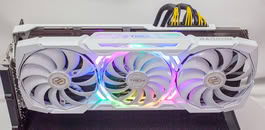
However, several users have reported that VBIOS version 1.0.5 bricked their cards. The issue occurs when users start the ASRVBFlash 1.0.5 utility; Windows begins its reboot sequence, and the system then fails to boot. A solution to this problem appears to be reinstalling an older VBIOS, which some users have downloaded from TechPowerUp's VBIOS hosting. This can help if your PC is bricked by any VBIOS update, and you need to find an older version to flash.

Thursday, November 5th 2026
Today's Files
Today's Reviews
Game Controllers
be quiet! Light Mount TKL Keyboard Review
be quiet! nails the essentials with the Light Mount TKL keyboard, offering a quiet and consistent typing feel, durable and backlit doubleshot PBT keycaps, two switch options with hot-swappable sockets, extensive onboard and software customization, and pre-lubed switches and stabilizers, with extensive damping.

Team Group Secures Two Taiwan Patents: Magnetic Attachment and Device Tracking for Portable SSDs
Team Group Inc., a leading global memory brand, has obtained two new invention patents in Taiwan for its Team Group PD20M Mag Portable SSD and T-CREATE EXPERT P34F Find My External SSD, following patents previously granted in multiple countries. Covering magnetic attachment and device-tracking technologies, respectively, these patents underscore Team Group's R&D expertise while enhancing the convenience of portable storage and expanding its range of applications.
Team Group PD20M Mag Portable SSD—Innovative Magnetic Design for Greater Portability
The Team Group PD20M Mag Portable SSD has been granted a Taiwan invention patent for its proprietary magnetic attachment technology, following a U.S. invention patent and a Japanese utility model patent. As Team Group's first MagSafe-compatible external SSD, the PD20M features an ultraslim 8.2 mm profile and weighs just 40 g. It attaches securely to compatible devices, offering a compact and convenient storage solution for users on the go. When paired with the iPhone 15 Pro series or later compatible models, the PD20M also supports recording high-quality Apple ProRes video directly to the drive, allowing users to expand storage capacity and capture memorable moments with ease.

Team Group PD20M Mag Portable SSD—Innovative Magnetic Design for Greater Portability
The Team Group PD20M Mag Portable SSD has been granted a Taiwan invention patent for its proprietary magnetic attachment technology, following a U.S. invention patent and a Japanese utility model patent. As Team Group's first MagSafe-compatible external SSD, the PD20M features an ultraslim 8.2 mm profile and weighs just 40 g. It attaches securely to compatible devices, offering a compact and convenient storage solution for users on the go. When paired with the iPhone 15 Pro series or later compatible models, the PD20M also supports recording high-quality Apple ProRes video directly to the drive, allowing users to expand storage capacity and capture memorable moments with ease.


NVIDIA App Update Adds DLSS Override Support to 19 More Games
NVIDIA has released NVIDIA App 11.0.9.585, a small update that adds DLSS Override profiles for 19 games and Optimal Settings profiles for six. The list mixes older titles like PUBG: Battlegrounds, The Witcher 3: Wild Hunt, and Dragon's Dogma 2 with Control Resonant, Silent Hill: Townfall, Ace Combat 8: Wings of Theve, Gears of War: E-Day, and Star Wars: Galactic Racer, all of which were scheduled to launch in September or October. Oddly enough, 007 First Light was already listed in the main 11.0.9 release, and Active Matter showed up back in 11.0.8. NVIDIA doesn't explain the repeats, and it doesn't say which overrides each game supports either.
The changelog otherwise only mentions "various stability/security fixes" without any details. This build follows two bigger ones that added significantly more features. The main 11.0.9 release brought DLSS 4.5 Ray Reconstruction and per-game Resizable BAR controls, while 11.0.9.565 added RTX Spark support, a local MCP server for AI agents, and a faster Performance Mode for DLSS Frame Generation. As a refresher, DLSS Override lets GeForce RTX owners use newer DLSS models, or modes like DLAA, that a game may not offer on its own. It sits under Graphics > Program Settings > Driver Settings. Below is the full list of games.
The changelog otherwise only mentions "various stability/security fixes" without any details. This build follows two bigger ones that added significantly more features. The main 11.0.9 release brought DLSS 4.5 Ray Reconstruction and per-game Resizable BAR controls, while 11.0.9.565 added RTX Spark support, a local MCP server for AI agents, and a faster Performance Mode for DLSS Frame Generation. As a refresher, DLSS Override lets GeForce RTX owners use newer DLSS models, or modes like DLAA, that a game may not offer on its own. It sits under Graphics > Program Settings > Driver Settings. Below is the full list of games.

NVIDIA RTX PRO 5500 Listing Spotted at $17,999, More Than the Flagship RTX PRO 6000
The NVIDIA RTX PRO 5500 "Blackwell" workstation card has shown up at a US retailer, and it surprisingly costs more than the flagship RTX PRO 6000. As spotted by Alex Ziskind on X and corroborated by Videocardz, SHI Government Solutions listed the PNY-built model (VCNRTXPRO5500B-PB) with an MSRP of $17,999 and a discounted price of $17,408.63. NVIDIA's own US marketplace, on the other hand, lists the RTX PRO 6000 for $16,000, even though that card has more CUDA cores (24,064 vs. 21,760) and more memory (96 GB vs. 84 GB). So even at SHI's discounted price, the cut-down card costs around $1,400 more. NVIDIA hasn't announced official pricing since it quietly added the RTX PRO 5500 to its lineup in September, so it isn't clear whether the $17,999 figure comes from NVIDIA or PNY.
Videocardz points out that Chinese demand is probably a big factor behind the RTX PRO 5500's price. According to Reuters, ByteDance, Alibaba, and Tencent have ordered over 3 million RTX PRO 5500 cards at roughly $11,400 each, with total orders from China reportedly topping 6 million. One source said NVIDIA can make no more than 3 million of them in 2027. With the B300 barred from China and the H200 reviewed case by case, the RTX PRO 5500 is one of the strongest NVIDIA GPUs Chinese firms can still buy. The card also packs 28 GDDR7 modules at a time, even as memory prices keep climbing. With orders far ahead of supply, it's reasonable to expect RTX PRO 5500 pricing to stay high for a while.


Videocardz points out that Chinese demand is probably a big factor behind the RTX PRO 5500's price. According to Reuters, ByteDance, Alibaba, and Tencent have ordered over 3 million RTX PRO 5500 cards at roughly $11,400 each, with total orders from China reportedly topping 6 million. One source said NVIDIA can make no more than 3 million of them in 2027. With the B300 barred from China and the H200 reviewed case by case, the RTX PRO 5500 is one of the strongest NVIDIA GPUs Chinese firms can still buy. The card also packs 28 GDDR7 modules at a time, even as memory prices keep climbing. With orders far ahead of supply, it's reasonable to expect RTX PRO 5500 pricing to stay high for a while.


New Xbox PC App Claims 60% Faster Launch Times and UX Improvements
Epic Games's recent proclamation of significantly faster launch times on its new vibe-coded Epic Games Launcher, followed by a Steam update making similar performance improvements, seems to have inspired Microsoft's Xbox to put in the work to improve its Xbox app for PCs, with a new announcement making several claims about improved performance.
Although the claims for the new Xbox App for PC are more ambiguous, with no startup times claimed and no test data supplied, Microsoft says that the new Xbox App launches up to 60% faster, while Home, Store, and Game Pass pages load up to 50% faster, and in-app windows are claimed to launch 65% faster. Perhaps more important than the performance improvements, however, Xbox has streamlined the app, with "simpler navigation, updated filters, and new ways to organize your games," in addition to a more prominent placement for the Friends tab, wider search that covers installed games, add-ons, and people, as well as a cleaner aesthetic that "make the app easier to scan and navigate."

Although the claims for the new Xbox App for PC are more ambiguous, with no startup times claimed and no test data supplied, Microsoft says that the new Xbox App launches up to 60% faster, while Home, Store, and Game Pass pages load up to 50% faster, and in-app windows are claimed to launch 65% faster. Perhaps more important than the performance improvements, however, Xbox has streamlined the app, with "simpler navigation, updated filters, and new ways to organize your games," in addition to a more prominent placement for the Friends tab, wider search that covers installed games, add-ons, and people, as well as a cleaner aesthetic that "make the app easier to scan and navigate."


Keychron Reveals Orca Echo Ergonomic Keyboard With Built-In Trackball and Dual Switch Profile Support
Keychron has been busy lately, whether it be with new gaming mouse launches, fancy steampunk keyboard designs, or the recently announced Nape Pro trackball mouse. The latest announcement from Keychron is the Orca Echo, a new split ergonomic keyboard that aims to be beginner-friendly while also providing more features than you can shake a stick at. At a surface level, the Orca Echo is a 49-key split ergonomic keyboard with a moderate columnar stagger layout, a built-in trackball under the right thumb, and a roller under the right thumb. However, in the space above the caps key on the left half of the keyboard and the B key on the right half, the Orca Echo also hides two touch-sensitive scroll pads for additional website and document navigation without having to move your hands off the keyboard.
The Orca Echo also has a few hidden features, like the new Nova socket, which is a new switch socket design that sits partially inside the keyboard's PCB and, Keychron claims, allows for a lower-profile design than traditional MX, Gateron, or Kailh sockets. The Orca Echo will also have magnets built into the bottom of the keyboard's case that allow the two halves to snap together for more convenient travel use cases. There are also fold-out feet on the bottom of each keyboard half for tenting, which is often touted as more ergonomic for the wrists. The Orca Echo will ship with a new Keychron switch with a pin layout similar to Gateron Low-Profile 3.0 switches, making it incompatible with Keychron's Milk POM switches but allowing for both low-profile or full-height MX switches, although swapping between the two switch profiles will require a plate swap, similarly to keyboards like the NuPhy Kick75.

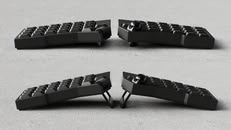
The Orca Echo also has a few hidden features, like the new Nova socket, which is a new switch socket design that sits partially inside the keyboard's PCB and, Keychron claims, allows for a lower-profile design than traditional MX, Gateron, or Kailh sockets. The Orca Echo will also have magnets built into the bottom of the keyboard's case that allow the two halves to snap together for more convenient travel use cases. There are also fold-out feet on the bottom of each keyboard half for tenting, which is often touted as more ergonomic for the wrists. The Orca Echo will ship with a new Keychron switch with a pin layout similar to Gateron Low-Profile 3.0 switches, making it incompatible with Keychron's Milk POM switches but allowing for both low-profile or full-height MX switches, although swapping between the two switch profiles will require a plate swap, similarly to keyboards like the NuPhy Kick75.


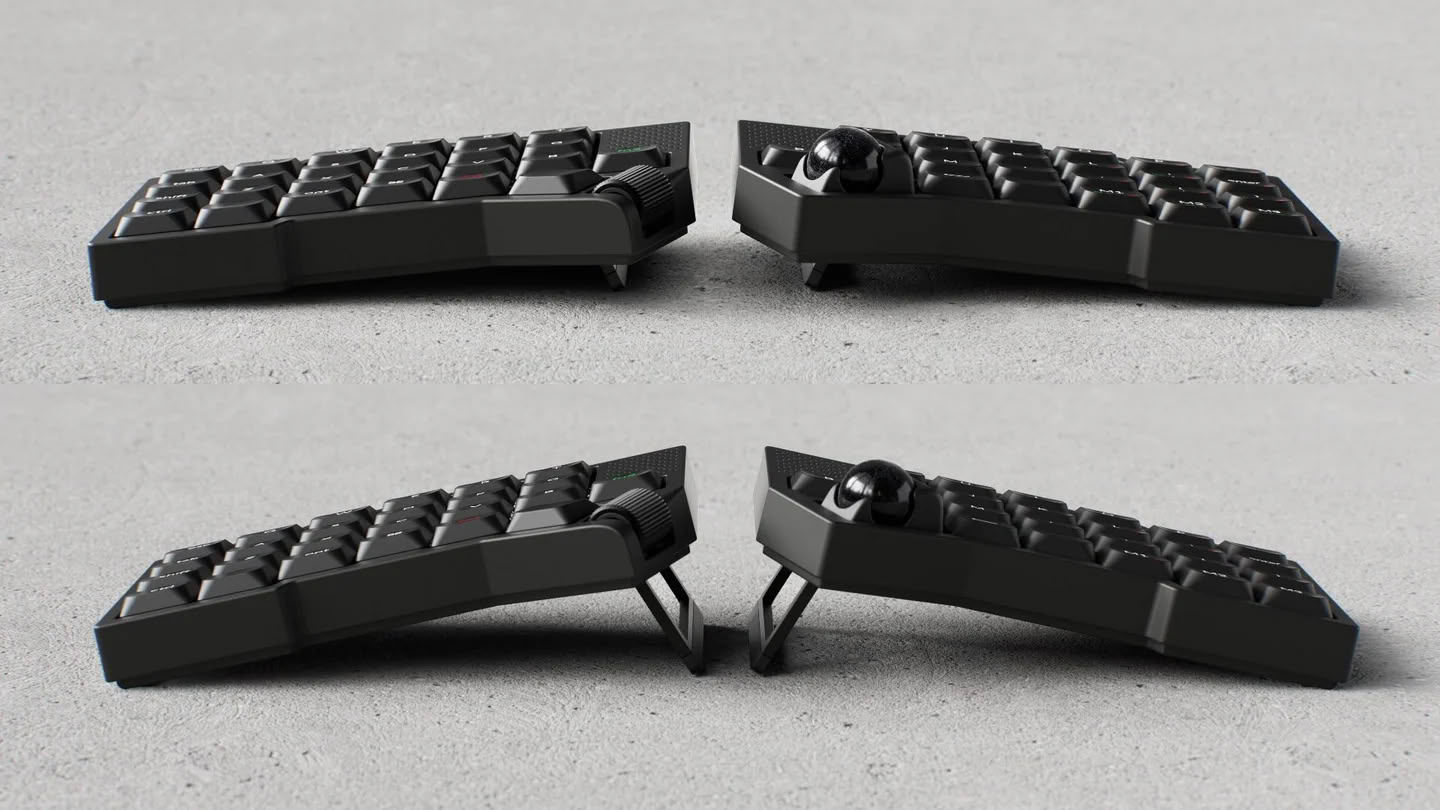
Nintendo Has No Plans for Another Switch 2 Price Hike
Nintendo isn't considering another price increase for the Switch 2, at least for now. Speaking at the company's financial results briefing on November 5, president Shuntaro Furukawa said there hasn't been any major change in the memory situation and that Nintendo is still able to secure "sufficient quantities," according to Reuters. That's welcome news for anyone still on the fence, since the console has already gone up once this year. Nintendo announced a $50 price hike back in May, which took the US price from $449.99 to $499.99 on September 1, while the Japanese model went from ¥49,980 to ¥59,980 and the European My Nintendo Store price climbed from €469.99 to €499.99.
The comments seem to arrive as Switch 2 hardware sales are slowing down. Nintendo shipped 2.67 million units between July and September, down 41% from a year earlier, though the console has now reached 26.35 million units overall and is still ahead of where the original Switch was at the same point. Nintendo has kept its forecast of 16.5 million Switch 2 units for the fiscal year ending March 2027. Of course, "not considering" isn't the same as a promise, so it's best not to treat this as a price freeze. Sony said much the same thing this week, noting that it has already agreed on memory volumes with suppliers for its next fiscal year. Elsewhere, hardware keeps getting pricier, with NVIDIA's GeForce RTX 50-series reportedly set for price hikes of up to $500, but at least Nintendo is staying put for now.
The comments seem to arrive as Switch 2 hardware sales are slowing down. Nintendo shipped 2.67 million units between July and September, down 41% from a year earlier, though the console has now reached 26.35 million units overall and is still ahead of where the original Switch was at the same point. Nintendo has kept its forecast of 16.5 million Switch 2 units for the fiscal year ending March 2027. Of course, "not considering" isn't the same as a promise, so it's best not to treat this as a price freeze. Sony said much the same thing this week, noting that it has already agreed on memory volumes with suppliers for its next fiscal year. Elsewhere, hardware keeps getting pricier, with NVIDIA's GeForce RTX 50-series reportedly set for price hikes of up to $500, but at least Nintendo is staying put for now.

Corsair Launches Dark Cherry Blossom TC500 and TC100 Relaxed Gaming Chairs
Corsair (Nasdaq: CRSR) is delighted to announce that the new Dark Cherry Blossom editions of the TC500 and TC100 RELAXED Gaming Chairs are now available for pre-order, with shipments beginning in early December.
These special variations bring rich, deep blue fabric upholstery and intricate cherry blossom embroidery across the rear of the backseat to two of our most popular chair designs, adding a distinctive, elegant aesthetic to any setup.

These special variations bring rich, deep blue fabric upholstery and intricate cherry blossom embroidery across the rear of the backseat to two of our most popular chair designs, adding a distinctive, elegant aesthetic to any setup.


PlayStation 6 Is on Track, but Sony Wants to Be Careful With How Much It Spends
Sony says work on its next-generation PlayStation, presumably the PS6, is still on schedule despite the ongoing memory crunch. During the company's Q2 FY2026 earnings call, CFO Lin Tao said development is "progressing as scheduled," adding that investment in the new platform will ramp up from next fiscal year, which begins in April 2027. On the memory front, Sony says it has offset rising memory prices on the PS5 through pricing, promotions and cost cuts, and has already agreed with suppliers on how much memory it needs for next year's projected hardware sales. Here's what Tao said about the next generation in her prepared remarks:
Although new PS5 unit sales are gradually declining as expected in this stage of the console life cycle, the PS platform continues to expand and grow in a stable manner. Looking ahead to next fiscal year, we aim to continue to enhance user engagement and further strengthen monetization through the release of strong titles and the expansion of our service. We also intend to make solid progress in preparing for the next generation platform.Later, during the Q&A, she added:
For future growth, we have to attach great importance to our new platform. We have to make the necessary investments for that. But we have to support this soundness of our platform and try to think how rationally we can invest in our platform.

GlobalFoundries Reports Third Quarter 2026 Financial Results
GLOBALFOUNDRIES Inc. (GF) (Nasdaq: GFS) today announced preliminary financial results for the third quarter ended September 30, 2026.
Key Third Quarter Financial Highlights



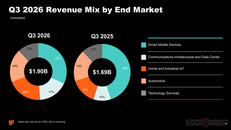
Key Third Quarter Financial Highlights
- Revenue of $1.899 billion
- Gross margin of 30.1% and Non-IFRS gross margin of 31.4%
- Operating margin of 12.1% and Non-IFRS operating margin of 17.9%
- Net income (loss) of $(270) million and Non-IFRS net income of $298 million
- Diluted earnings (loss) per share ("EPS") of $(0.49) and Non-IFRS EPS of $0.53
- Non-IFRS adjusted EBITDA of $647 million
- Ending cash, cash equivalents and marketable securities of $3.2 billion
- Net cash provided by operating activities of $341 million and Non-IFRS adjusted free cash flow of $136 million


Beelink ME Pro Launches on Kickstarter With an Innovative Swappable Motherboard Design for Easier NAS Upgrades
Beelink today announced the Kickstarter launch of the ME Pro, a modular NAS available in two-bay and four-bay configurations. Its swappable motherboard design lets users upgrade performance or add drive bays as their needs change. The ME Pro uses cooling and vibration damping to help reduce operating noise and comes with Fygo OS preinstalled for file sync, backup, and remote access.
Modular Hardware for Flexible Upgrades and Quiet Operation
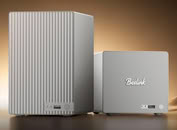
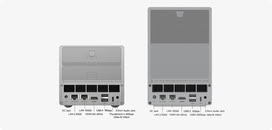

Modular Hardware for Flexible Upgrades and Quiet Operation
- Swappable motherboard modules. A slide-out design supports compatible Intel and AMD motherboard modules. The same module can move between compatible two-bay and four-bay enclosures in either direction, so users can keep their existing motherboard when expanding storage.
- Compact, one-piece metal chassis. The enclosure takes up about 50% less space than NAS systems with the same number of drive bays, making it easier to fit on a desk or in a living room or studio.
- Cooling and vibration control. Thermally conductive silicone and aluminium brackets draw heat away from the drives. A vapor chamber and internal blower distribute and dissipate heat, while a tightly secured assembly helps reduce vibration noise. The ME Pro is designed for round-the-clock operation, with noise levels as low as 34 dB.


GameSir Introduces Nova Vision Nioh 3 Edition Controller
Officially licensed with KOEI TECMO, the GameSir Nova Vision Nioh 3 Edition combines dark mythical aesthetics with next-gen performance and a matching glowing dock. Inspired by Nioh 3, the design features the Guardian Spirit Kusanagi, swirling underworld embers, and golden calligraphy-carved ABXY buttons.
The built-in LCD screen allows instant, visualized setting adjustments directly on the controller without needing to open any external software. Features versatile tri-mode connectivity, offering low-latency 2.4 GHz wireless and wired play on PC and Switch, plus Bluetooth for mobile gaming.



The built-in LCD screen allows instant, visualized setting adjustments directly on the controller without needing to open any external software. Features versatile tri-mode connectivity, offering low-latency 2.4 GHz wireless and wired play on PC and Switch, plus Bluetooth for mobile gaming.


Zelda: Ocarina of Time Remake Runs on PC Through Switch 2 Emulator on Launch Day
Nintendo's The Legend of Zelda: Ocarina of Time remake launches on Switch 2 today, but it looks like PC users got there first. A dump of the game was already making the rounds before launch, which Brazilian account Senhor Linguica Pro confirmed on X while noting that no emulator could run it properly at the time. That didn't last long. Footage now shows the remake running on PC through Lichii, a Switch 2 emulator that reportedly traces its roots back to Yuzu, the Switch emulator Nintendo took to court in 2024.
Running is a generous word, though. Users report white or washed-out visuals, gameplay scenes where only the HUD shows up, and terrain poking through objects, while some setups can't even get past the title screen. Gameplay clips show the frame rate swinging anywhere between 20 and 60 FPS, with regular stutters along the way. For comparison, Digital Foundry's look at the Nintendo Direct footage showed the remake running at 1080p and 60 FPS on Switch 2, so the emulator still has a long way to go. The emulator can load the dumped files now, but that doesn't mean other Switch 2 games will work, and it's going to take a lot more fixes before anyone can play this one properly.

Running is a generous word, though. Users report white or washed-out visuals, gameplay scenes where only the HUD shows up, and terrain poking through objects, while some setups can't even get past the title screen. Gameplay clips show the frame rate swinging anywhere between 20 and 60 FPS, with regular stutters along the way. For comparison, Digital Foundry's look at the Nintendo Direct footage showed the remake running at 1080p and 60 FPS on Switch 2, so the emulator still has a long way to go. The emulator can load the dumped files now, but that doesn't mean other Switch 2 games will work, and it's going to take a lot more fixes before anyone can play this one properly.


CPUID Readies CPU-Z for Intel Razor Lake, Two Generations Out
CPUID has released CPU-Z 3.02, and the first line of its changelog simply reads "Intel Razor Lake support." Razor Lake is the processor family expected to follow Nova Lake, and Intel has yet to officially announce it. The changelog doesn't say which Razor Lake variants are covered or how deep that support goes, so this could be anything from basic detection to early groundwork. The November 4 update also adds the AMD Radeon AI PRO R9700, along with fixes for an SPD reading issue on Intel Broadwell-E and a validation problem on Windows XP.
Of course, system tools tend to pick up new chips well before they reach store shelves. HWiNFO added early Nova Lake support back in August 2025, and the first Nova Lake-S desktop chips still aren't expected until Q1 2027. HWiNFO also added preliminary support for Razor Lake-AX in August this year, the rumored large APU that could pack up to 32 Xe3 GPU cores alongside on-package memory.
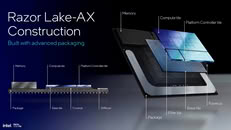
Of course, system tools tend to pick up new chips well before they reach store shelves. HWiNFO added early Nova Lake support back in August 2025, and the first Nova Lake-S desktop chips still aren't expected until Q1 2027. HWiNFO also added preliminary support for Razor Lake-AX in August this year, the rumored large APU that could pack up to 32 Xe3 GPU cores alongside on-package memory.



Akasa Launches Smart Black SC12 High-Airflow 120 mm PWM Fan
Akasa, a leading provider of thermal solutions, has launched the Smart Black SC12, a 120 x 120 x 25 mm PWM fan with a strong cost-performance ratio for system integrators and PC builders. Rated for up to 88 CFM, it is the highest-airflow HD bearing fan in the Akasa range. It is suitable for case intake and exhaust positions, CPU cooler heatsinks and radiators.
The Smart Black SC12 moves to a nine-blade sickle design with an improved blade curvature, delivering high-airflow of up to 88 CFM and strong aerodynamic efficiency. Together with a static pressure of up to 3.2 mm-H₂O, it helps keep component temperatures stable in dense chassis with restricted airflow.

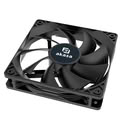

The Smart Black SC12 moves to a nine-blade sickle design with an improved blade curvature, delivering high-airflow of up to 88 CFM and strong aerodynamic efficiency. Together with a static pressure of up to 3.2 mm-H₂O, it helps keep component temperatures stable in dense chassis with restricted airflow.


Intel Core Ultra 4000 Series "Nova Lake-H" SoC Surfaces
Intel's "Nova Lake-H" SoC, part of the Core Ultra 4000 Series, has reportedly surfaced. This is a second instance of "Nova Lake-H" surfacing, but this time without third-party annotations, and only coming with the raw, low-resolution SoC picture. This variant features a 4+8+4 configuration with 4 P-Cores, 8 E-Cores, and 4 LPE-Cores on a compute die made using Intel 18A-P technology. The package measures about 12x23 mm, resulting in a total die area of 276 mm², and includes both functional and dummy dies.
The first die is the graphics tile, built on the Intel 3-E node, embedding 4 Xe GPU cores and covering roughly 26 mm². Next to it is a dummy die occupying 21 mm², used for the structural integrity of the package. There is also a large 72 mm² die built on the Intel 18A-P node, hosting 4 LPE-Cores and serving as a central hub. Beside it is another 18A-P silicon die that functions as a peripheral control tile, measuring 58 mm². This configuration includes a compute tile, which hosts a 4P+8E-core configuration on the Intel 18A-P node, occupying 55 mm² of area.

The first die is the graphics tile, built on the Intel 3-E node, embedding 4 Xe GPU cores and covering roughly 26 mm². Next to it is a dummy die occupying 21 mm², used for the structural integrity of the package. There is also a large 72 mm² die built on the Intel 18A-P node, hosting 4 LPE-Cores and serving as a central hub. Beside it is another 18A-P silicon die that functions as a peripheral control tile, measuring 58 mm². This configuration includes a compute tile, which hosts a 4P+8E-core configuration on the Intel 18A-P node, occupying 55 mm² of area.


Arkane Lyon Union Blames Microsoft for the Delays It Now Uses to Justify Closure
Members of the French video game union STJV (Syndicat des travailleureuses du jeu vidéo) at Arkane Lyon have accused Microsoft of sabotaging Marvel's Blade. In a statement published on November 4, the union claims a 19-month hiring freeze created the very delays and extra costs that Microsoft now cites as economic grounds for closing the studio. It also says work on Blade is going fine, with expected quality on par with Arkane's earlier games. Xbox hasn't responded publicly yet.
The union goes further, arguing that Arkane is profitable, "just not profitable enough for Microsoft." Apparently, the studio's cash always looks low because leftover money gets sent up to the group through cash pooling, and sales of its older games, which STJV puts in the tens of millions, don't show up in the company results. It adds that closing Arkane would probably cost more than finishing Blade. The union wants workers to have a say in picking a buyer, along with a fund that would protect anyone a new owner lays off within 24 months. If the studio does close, it is asking for a €200,000 redundancy payment and two years of Microsoft-funded redeployment support, among other demands.
The union goes further, arguing that Arkane is profitable, "just not profitable enough for Microsoft." Apparently, the studio's cash always looks low because leftover money gets sent up to the group through cash pooling, and sales of its older games, which STJV puts in the tens of millions, don't show up in the company results. It adds that closing Arkane would probably cost more than finishing Blade. The union wants workers to have a say in picking a buyer, along with a fund that would protect anyone a new owner lays off within 24 months. If the studio does close, it is asking for a €200,000 redundancy payment and two years of Microsoft-funded redeployment support, among other demands.

AMD "Medusa Point" With 10-Core, 20-Thread CPU Configuration Surfaces
AMD's "Medusa Point" APU has surfaced on Geekbench, showcasing a 10-core, 20-thread configuration divided into two clusters: four "Zen 6" cores and six "Zen 6c" cores. This suggests that AMD will continue its hybrid approach with two different core types. Each core is equipped with 32 KB of L1 instruction cache, 48 KB of L1 data cache, and 1 MB of L2 cache, while all cores share a single 16 MB L3 cache. The sample shows a base frequency of 2.0 GHz, and Geekbench lists the maximum frequency at just 1996 MHz, which is likely a misreading of early silicon rather than its actual boost clock. The instruction set confirms full AVX-512 support, including the AVX512-FP16 and AVX512-VNNI extensions, along with AVX-VNNI. The test system was paired with 64 GB (only 55.58 GB usable) of quad-channel DDR5 memory running at 5,188 MT/s.
"Medusa Point" is rumored to introduce a desktop-exclusive "RDNA 4" into mobile segment with the new "RDNA 4m" variant. Although we initially lack direct comparisons between the two, some instruction set extensions, such as WMMA and SWMMAC instructions, suggest support in the new "GFX1170" GPU, which is expected to be part of the GFX11 generation, also known as "RDNA 3." Currently, this is believed to be an upgraded "RDNA 3" with many RDNA 4 modules, enabling FSR 4 support even on the less powerful "Medusa Point" APU.

"Medusa Point" is rumored to introduce a desktop-exclusive "RDNA 4" into mobile segment with the new "RDNA 4m" variant. Although we initially lack direct comparisons between the two, some instruction set extensions, such as WMMA and SWMMAC instructions, suggest support in the new "GFX1170" GPU, which is expected to be part of the GFX11 generation, also known as "RDNA 3." Currently, this is believed to be an upgraded "RDNA 3" with many RDNA 4 modules, enabling FSR 4 support even on the less powerful "Medusa Point" APU.


Sony Electronics Introduces MDR-3R USB-C Wired Headphones
Sony Electronics Inc. today announced the MDR-3R, new USB-C-compatible wired headphones with a design inspired by the original MDR-3 model that debuted alongside the original Walkman TPS-L2 player. Introduced in 1979, the Walkman and MDR-3 helped create a new way of enjoying music freely on the go. Nearly half a century later, as listening styles have become more diverse, the value of wired headphones is being rediscovered for their simplicity, ease of use, and freedom from charging or pairing.
The MDR-3R inherits the MDR-3 concept of headphones designed to let people enjoy music freely both indoors and outdoors. It retains the original design, which reflects the heritage of portable audio culture, while adding modern usability features such as seamless USB-C connectivity, a built-in microphone for calls, and an in-line remote control. Reflecting the shared 1980s inspiration of the Walkman era and Netflix's Stranger Things, Sony will also launch a Stranger Things Edition at the same time.




The MDR-3R inherits the MDR-3 concept of headphones designed to let people enjoy music freely both indoors and outdoors. It retains the original design, which reflects the heritage of portable audio culture, while adding modern usability features such as seamless USB-C connectivity, a built-in microphone for calls, and an in-line remote control. Reflecting the shared 1980s inspiration of the Walkman era and Netflix's Stranger Things, Sony will also launch a Stranger Things Edition at the same time.


Bazzite 45 Launches With Start of Linux EAC V2 Support and Wider Handheld Compatibility
Shortly after the official Fedora 45 launch, Bazzite 45 has launched, with a rebase to Fedora 45, Gnome 51.1, and KDE Plasma 6.8.2. The new Bazzite version lists updated OGC Linux kernels—7.2.15 for AMD and Intel, and 6.18.60 for NVIDIA users—and additional hardware support, including for the Acer Predator Atlas 8 and ASUS ROG Xbox Ally X20, but also for more peripherals, including the Logitech TrueForce racing wheel hardware. The Mesa driver version has also been updated to 26.2.6, InputPlumber has been updated, and CoolerController has been moved to the official docker container, while XWaylandVideoBridge has been removed in the name of stability and squashing KDE bugs. The rest of the actual updates are minor back-end changes, save one.
As per the announcement post on the Universal Blue Discourse page, as of Bazzite 45, Bazzite has become accepted by Epic Games as a signing key provider, and the development team behind Bazzite has added a Linux EAC V2 readiness checker to Bazzite 45. The checker automatically updates the latest Linux EAC V2 requirements and compares the requirements to the current kernel and BIOS configurations—specifically kernel and module signing, Secure Boot, TPM 2.0, measured boot, IOMMU, kernel lockdown, kexec, and BPF LSM. If there are any incompatibilities, the user will be notified by the readiness checker.
As per the announcement post on the Universal Blue Discourse page, as of Bazzite 45, Bazzite has become accepted by Epic Games as a signing key provider, and the development team behind Bazzite has added a Linux EAC V2 readiness checker to Bazzite 45. The checker automatically updates the latest Linux EAC V2 requirements and compares the requirements to the current kernel and BIOS configurations—specifically kernel and module signing, Secure Boot, TPM 2.0, measured boot, IOMMU, kernel lockdown, kexec, and BPF LSM. If there are any incompatibilities, the user will be notified by the readiness checker.


Razer Unveils the Hammerhead V3 Chroma Gaming Earbuds
Razer, the leading global lifestyle brand for gamers, today announced the Razer Hammerhead V3 Chroma, premium wired USB-C gaming earbuds engineered for distraction-free immersion, tactile handheld control, and signature style.
Designed for players who demand uncompromised, zero-latency digital audio on the go, the Hammerhead V3 Chroma brings active noise cancellation (ANC) and multi-platform versatility to mobile, handheld, and PC gaming.


Designed for players who demand uncompromised, zero-latency digital audio on the go, the Hammerhead V3 Chroma brings active noise cancellation (ANC) and multi-platform versatility to mobile, handheld, and PC gaming.

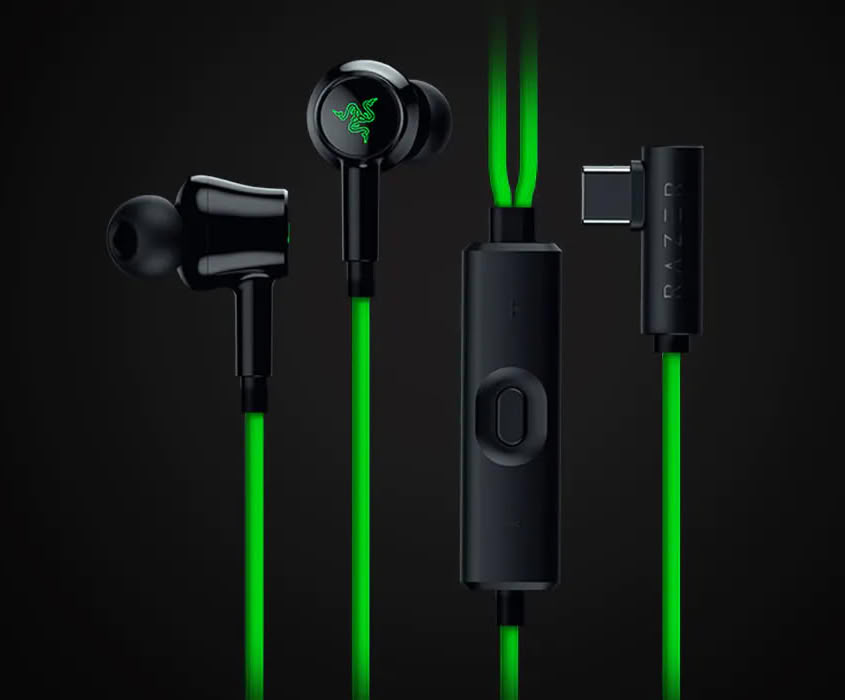

Qualcomm Announces Fourth Quarter and Fiscal 2026 Results
Qualcomm Incorporated (NASDAQ: QCOM) today announced results for its fiscal fourth quarter and year ended September 27, 2026.
Cristiano Amon, President and CEO of Qualcomm Incorporated"We are pleased to deliver fourth quarter non-GAAP revenues at the high end of our guidance, along with 36% year-over-year growth in combined QCT Automotive and IoT revenues," "Fiscal 2027 marks the start of our non-handset revenue inflection, including the ramp of our Data Center business. Non-handset revenues are projected to grow by more than 60% year-over-year, and we are reiterating our fiscal 2027 Data Center revenue target of $5B."

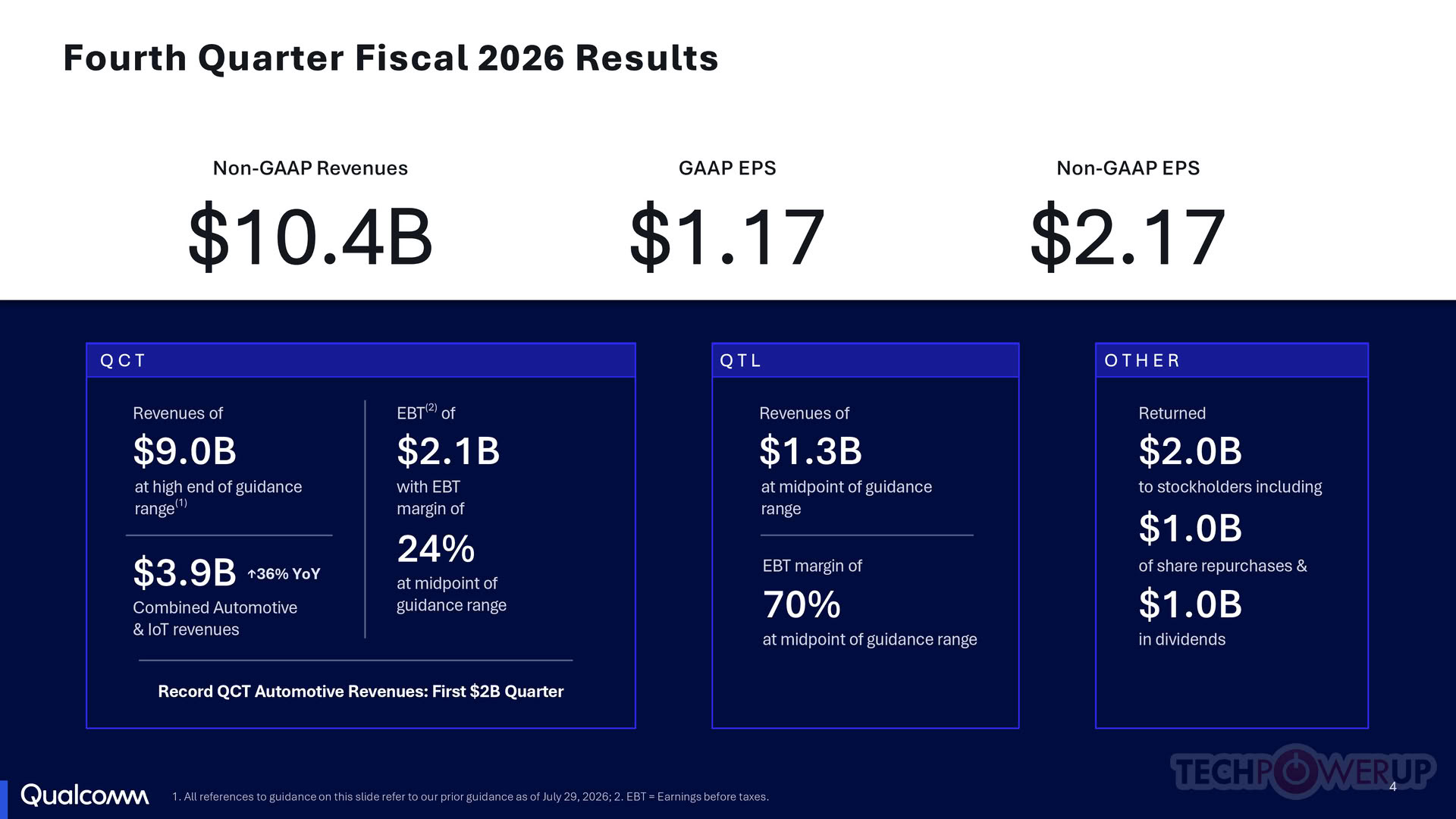
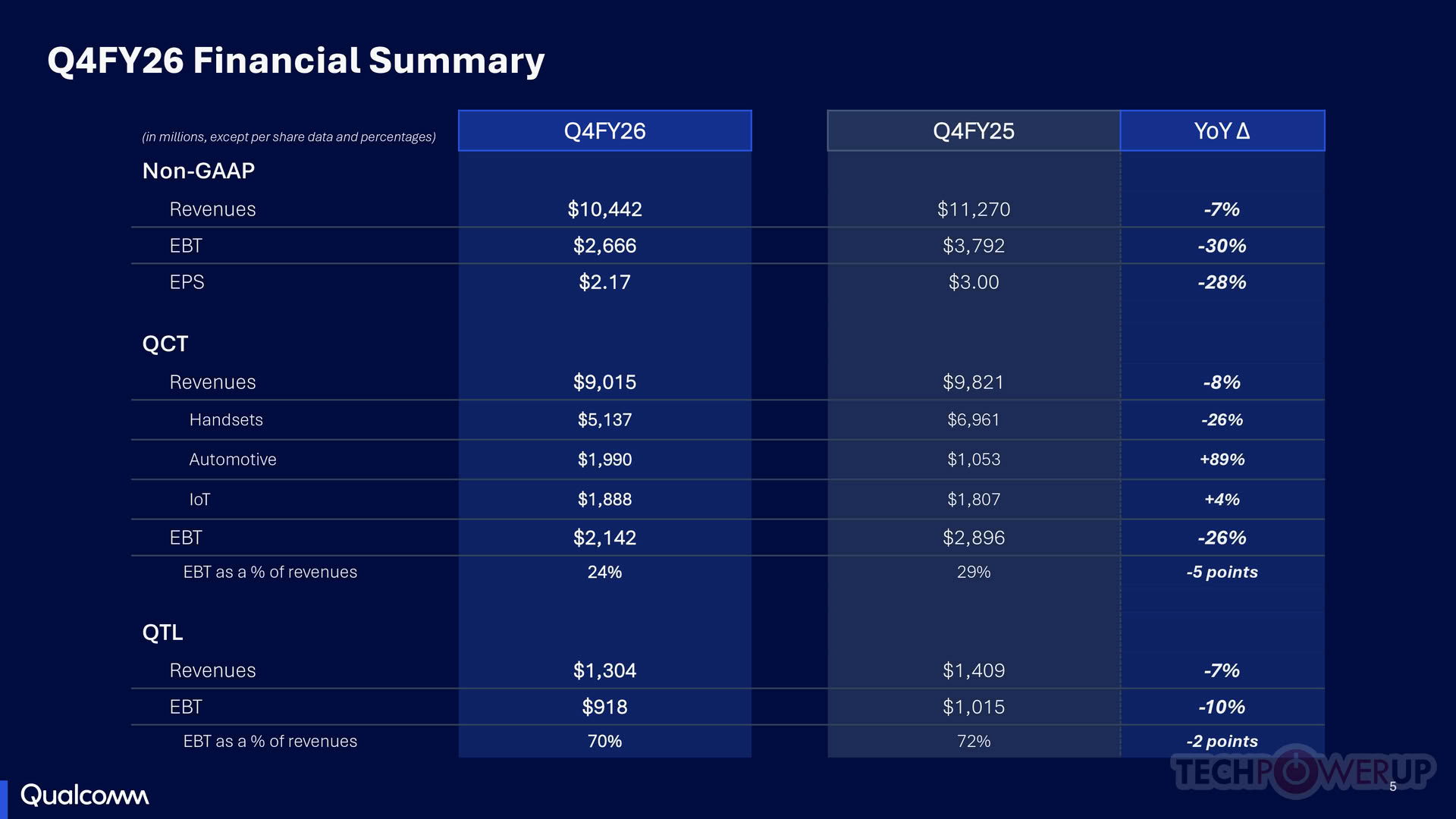
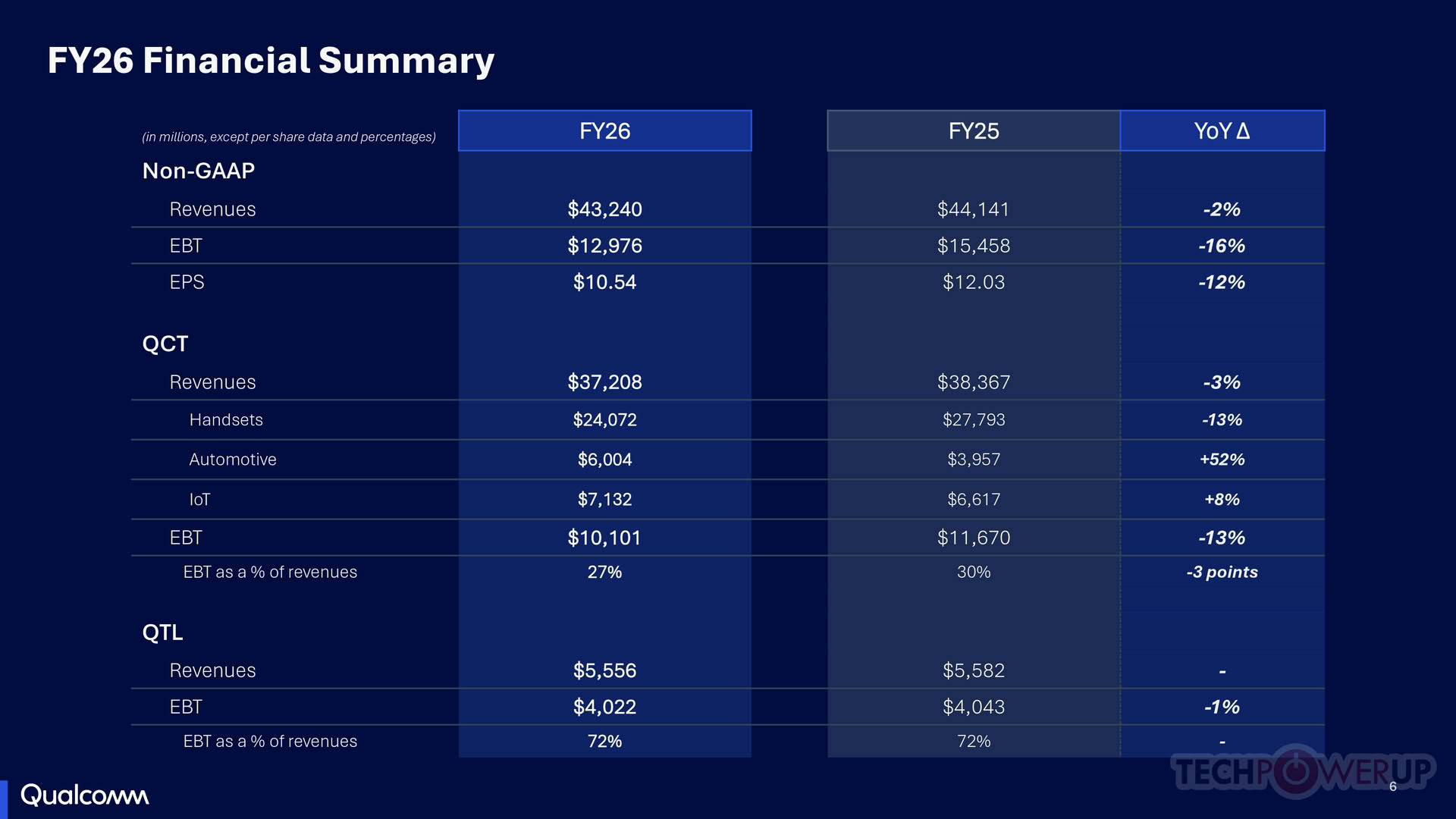
AMD Brings FSR Upscaling 4.1.2 to Xbox Consoles
Xbox Series X and Xbox Series S consoles are finally getting machine learning-based upscaling technology with the latest FSR Upscaling 4.1.2. Microsoft's Game Development Kit (GDK) now officially includes FSR Upscaling 4.1.2 in two models. One is the full-scale upscaling model based on the INT8 data type, and the other is a new and efficient Lite INT8 model. Both models are compatible with both consoles, but the key point is that game developers have the flexibility to choose which model to implement. Depending on the demands of a game, the appropriate model can be applied to achieve optimal upscaling performance.
For Xbox handheld devices, the AMD FSR SDK 2.4 adds FSR Upscaling support for the Ryzen AI Z2 Extreme and Ryzen Z2 A processors, which power the ROG Xbox Ally, ROG Xbox Ally X, and ROG Xbox Ally X20 handhelds. This is achieved using an efficient INT8 model. Since these devices run Windows, developers can integrate FSR Upscaling 4.1.2 through the standard AMD FSR SDK.
For Xbox handheld devices, the AMD FSR SDK 2.4 adds FSR Upscaling support for the Ryzen AI Z2 Extreme and Ryzen Z2 A processors, which power the ROG Xbox Ally, ROG Xbox Ally X, and ROG Xbox Ally X20 handhelds. This is achieved using an efficient INT8 model. Since these devices run Windows, developers can integrate FSR Upscaling 4.1.2 through the standard AMD FSR SDK.


Nintendo Switch 2 Shipments Fall 41%, But Its Software Sales Climb 26%
Nintendo released its Q3 earnings data, revealing updated information on console shipments, including the original Switch and the updated Switch 2 console. During the fiscal second quarter, which Nintendo defines as the period between July and September instead of the traditional Q3, the company shipped 2.67 million Nintendo Switch 2 consoles. This marks a decrease of 41% from 4.54 million units a year earlier and a 30% decline from 3.82 million units in the April-June quarter. The original Switch shipped 610,000 units, down 33% year-on-year. While hardware sales have decreased, the company is relying on its software unit sales to compensate.
Switch 2 software sales rose 26% to 15.03 million units, led by new releases like Splatoon Raiders, which achieved 2.42 million sales, and Fire Emblem: Fortune's Weave, with 1.34 million sales. The original Switch software reached 31.92 million units, bolstered by Rhythm Heaven Groove, which sold 2.89 million units. Digital sales grew 37% year-on-year to approximately $734 million (116.9 billion yen), making up 59.8% of software sales. Overall, quarterly revenue was about $2.81 billion (448.2 billion yen), and net profit fell 29% to approximately $461 million (73.5 billion yen), both below analyst expectations. Nintendo maintained its full-year forecast of 16.5 million Switch 2 units and about $1.95 billion (310 billion yen) in net profit.
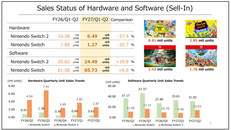
Switch 2 software sales rose 26% to 15.03 million units, led by new releases like Splatoon Raiders, which achieved 2.42 million sales, and Fire Emblem: Fortune's Weave, with 1.34 million sales. The original Switch software reached 31.92 million units, bolstered by Rhythm Heaven Groove, which sold 2.89 million units. Digital sales grew 37% year-on-year to approximately $734 million (116.9 billion yen), making up 59.8% of software sales. Overall, quarterly revenue was about $2.81 billion (448.2 billion yen), and net profit fell 29% to approximately $461 million (73.5 billion yen), both below analyst expectations. Nintendo maintained its full-year forecast of 16.5 million Switch 2 units and about $1.95 billion (310 billion yen) in net profit.


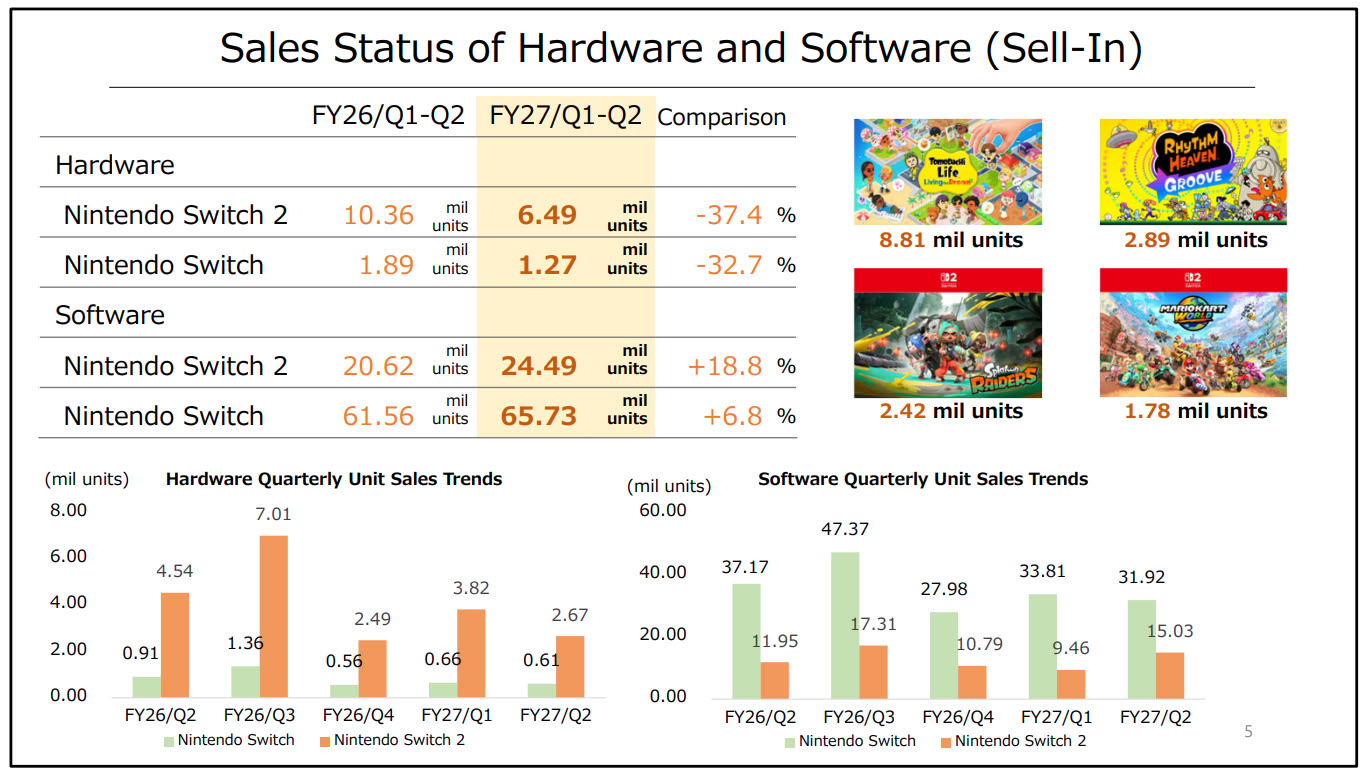
Wednesday, November 4th 2026
Today's Reviews
Keyboards
Motherboards
Mouse
Networking
Speakers

Upcoming Hardware Launches 2027 (Updated Nov 2026)
This article serves as a continuously updated summary of currently known leaks and official announcements regarding upcoming hardware releases in 2026 and beyond. We cover and keep track of developments for Intel Nova Lake, AMD Zen 6, NVIDIA's and AMD's upcoming GPUs, DDR6 and GDDR7 memory, chipsets, game consoles and more.

Cougar DUOAIR RGB Review
Cougar's DUOAIR RGB packs five fans, a fan hub, alongside both glass and mesh front panel variants into an $80 ATX case that cools GPUs better than anything we've tested so far. It stays quiet, looks sharp, and only gets held back by a too-short GPU support arm, and tight cable space.

Intel Releases Arc GPU Graphics Drivers 101.9175 WHQL
Intel today released the latest version of Arc GPU Graphics drivers. Version 101.9175 WHQL comes with optimization for "Football Manager 27," "Phantom Blade Zero," and "World of Warcraft: Forever." The drivers also address issues related to "Planet Zoo 2" experiencing intermittent application crash after modifying endurance gaming settings; "Call of Duty: Modern Warfare 4" exhibiting textures incorrectly; lower than expected performance with "Gears of War: E-Day," and UL Procyon AI tests failing to complete. Grab the drivers from the link below.
DOWNLOAD: Intel Arc GPU Graphics Drivers 101.9175 WHQL


DOWNLOAD: Intel Arc GPU Graphics Drivers 101.9175 WHQL


Google Says Detachable Googlebooks Are Next in Line
Google has confirmed that Googlebooks with removable keyboards are on the way. During its Android Dev Summit 2026 keynote last week, the company said its Chromebook successor "spans across large screen form factors from clamshells, convertibles, and soon detachables." That's all Google said, so there's no date, price, or specific device attached to it yet. The current lineup is mostly made up of clamshells, and the Acer Googlebook 14, with its 360-degree hinge, is the only convertible in it.
Reports claim that the first detachable will most likely come from Lenovo, which already sells the Googlebook 15. Its Googlebook Duet m, codenamed "Sapphire," showed up in the Bluetooth SIG database back in August, and a matching keyboard and Lenovo Pen Pro stylus have now cleared the FCC under the IDs O57DUET13BTKB and O57AP501U1. The keyboard schematics carry Googlebook branding on the left palm rest, and it seems to work both through pogo pins when attached and over Bluetooth LE on its own battery. Leaks point to a 13-inch OLED panel and a MediaTek chip, though reports disagree on which one, and Lenovo hasn't confirmed any of it.


Reports claim that the first detachable will most likely come from Lenovo, which already sells the Googlebook 15. Its Googlebook Duet m, codenamed "Sapphire," showed up in the Bluetooth SIG database back in August, and a matching keyboard and Lenovo Pen Pro stylus have now cleared the FCC under the IDs O57DUET13BTKB and O57AP501U1. The keyboard schematics carry Googlebook branding on the left palm rest, and it seems to work both through pogo pins when attached and over Bluetooth LE on its own battery. Leaks point to a 13-inch OLED panel and a MediaTek chip, though reports disagree on which one, and Lenovo hasn't confirmed any of it.


Arm Delivers a Record Second Quarter, Reaching $1.44B in Total Revenue
Today (November 4, 2026), Arm (NASDAQ: ARM) published a letter to its shareholders containing the company's results for its second quarter of fiscal year 2027, which ended September 30, 2026. The infographic below provides the key highlights for the quarter:
Here are what the results mean and how they were achieved:

Here are what the results mean and how they were achieved:
- Total revenue for Arm in Q2 FYE27 increased 27% year over year to $1.44 billion, representing Arm's highest ever second quarter. This reflects strong execution and growing demand for the Arm compute platform.
- Record second quarter was driven by strong licensing and other revenue of $773 million, reflecting a 50% year-over-year increase, an important leading indicator of future royalty growth. Meanwhile, royalty revenue for the quarter reached $670 million, with data center royalties doubling year over year.
- For the first time, Arm's partners reported more than 10 billion Arm-based chips shipped during the quarter - an increase of 1.5 billion chips year over year - adding to the scale of the platform already used by more than 30 million developers.

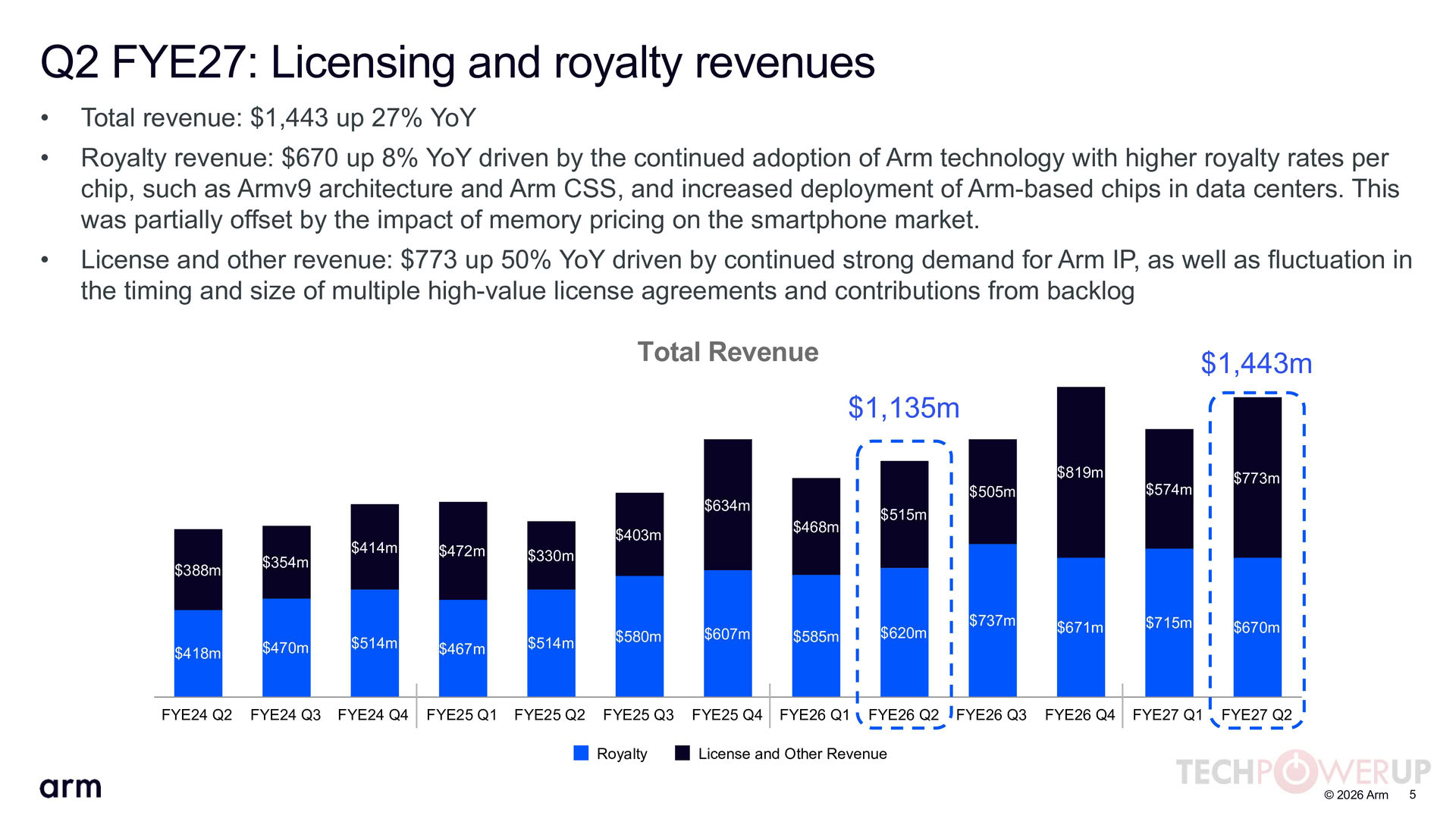
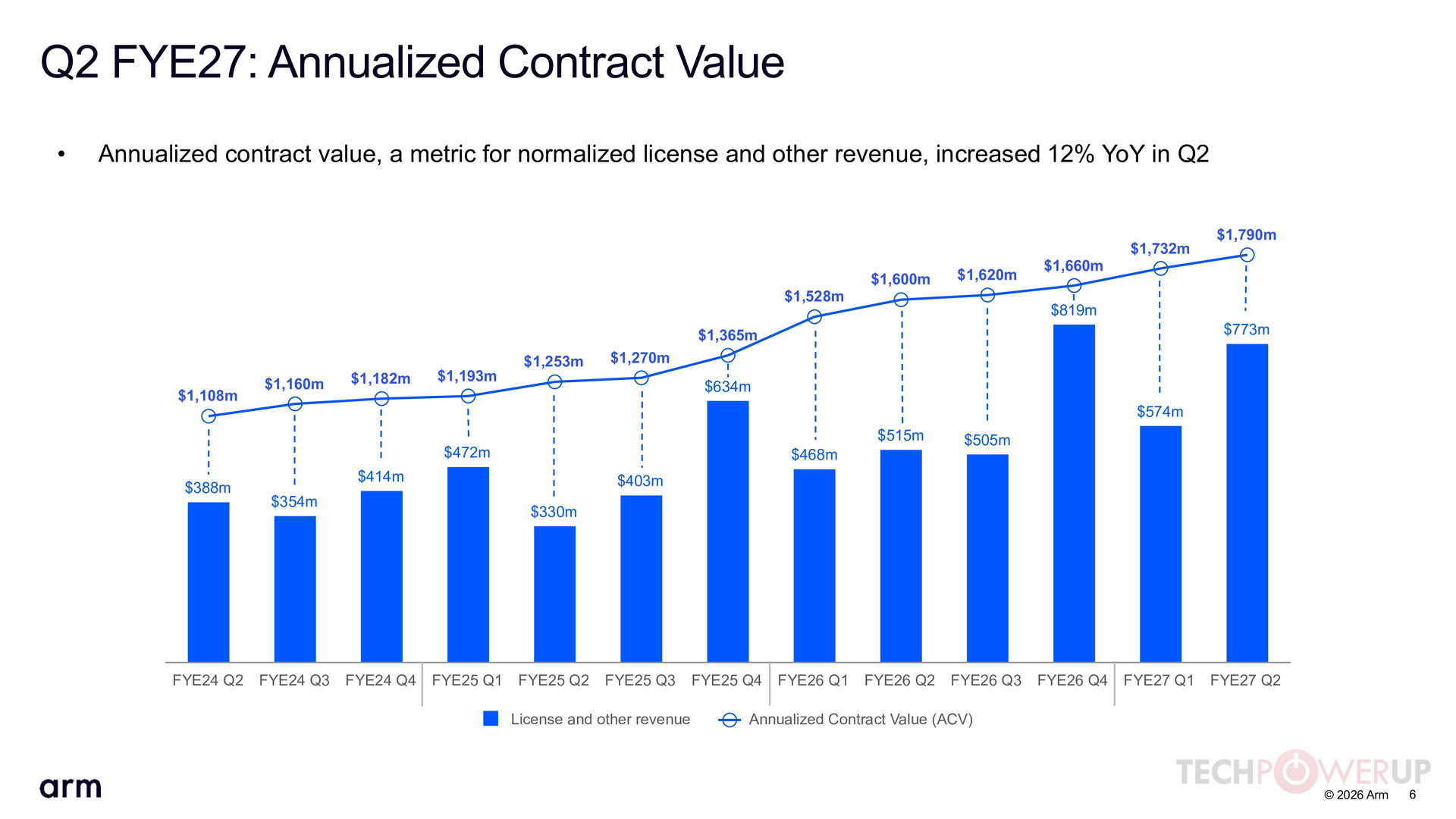
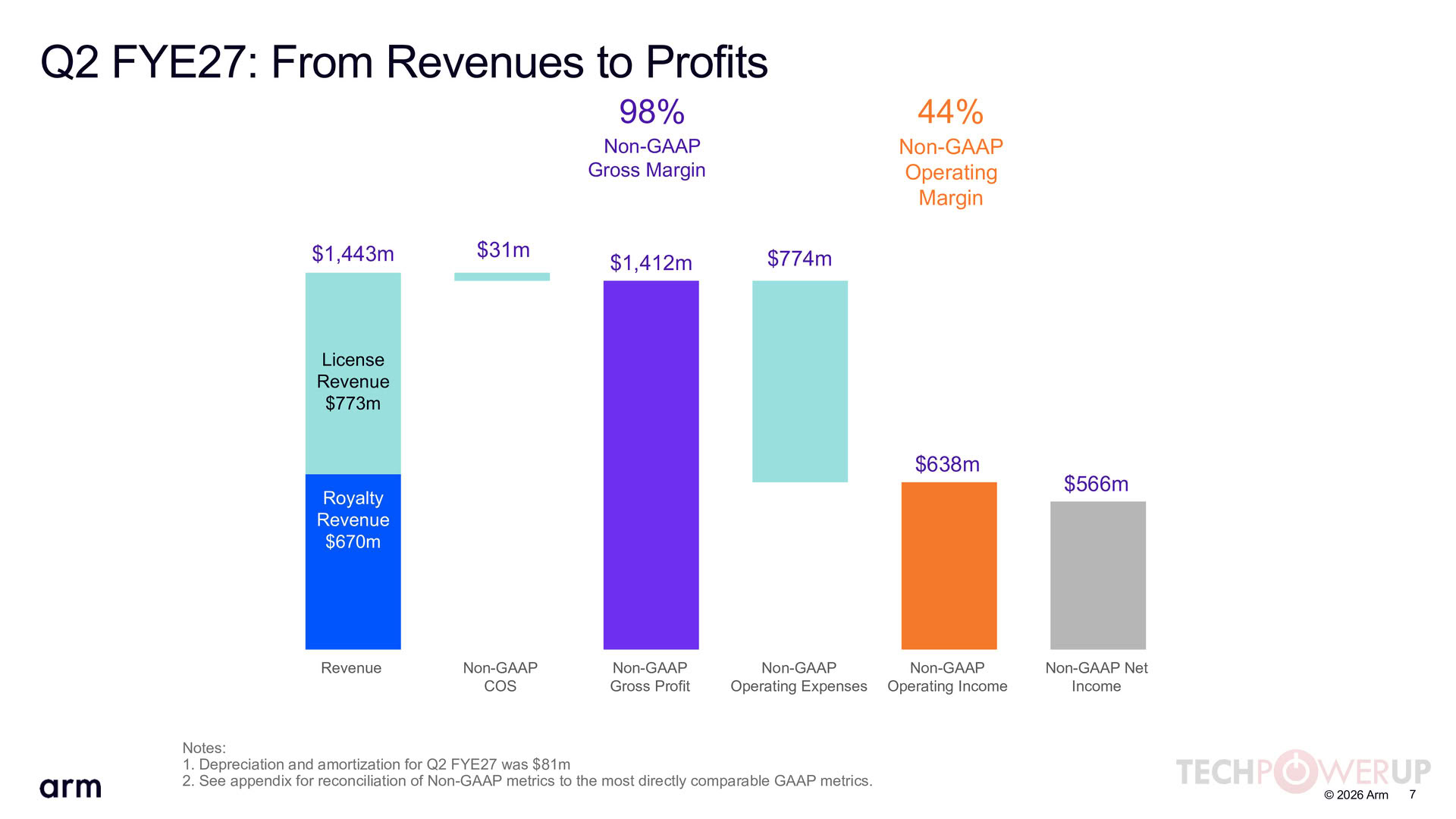
Ubisoft Puts in a Bid for Dishonored Studio Arkane Lyon
Ubisoft has made an offer to buy Arkane Lyon, the French studio behind Dishonored, Deathloop and the upcoming Marvel's Blade, according to Bloomberg's Jason Schreier. At least two other gaming companies have put in offers of their own, though their names haven't come out yet. Apparently, Xbox is also weighing a sale to the studio's own management, much like how Double Fine and Compulsion Games went independent earlier this year. No deal has been agreed so far, and Xbox reportedly told Bloomberg that it is still exploring options ahead of a December deadline.
That deadline exists because of French labor law. Arkane Lyon's future was put under review in July as part of Xbox CEO Asha Sharma's "reset," and France's Florange Law required Microsoft to look for a buyer before it could close the studio. The consultation was first set to end on November 13, but Microsoft extended it by a month to December 13. Around 217 jobs are on the line. Insider Gaming, which says it confirmed the bid independently, adds that Ubisoft had been interested "for some time," even before Arkane's situation became public over the summer.

That deadline exists because of French labor law. Arkane Lyon's future was put under review in July as part of Xbox CEO Asha Sharma's "reset," and France's Florange Law required Microsoft to look for a buyer before it could close the studio. The consultation was first set to end on November 13, but Microsoft extended it by a month to December 13. Around 217 jobs are on the line. Insider Gaming, which says it confirmed the bid independently, adds that Ubisoft had been interested "for some time," even before Arkane's situation became public over the summer.


Netgear Reports Third Quarter 2026 Results
Netgear, Inc. (NASDAQ: NTGR), a global leader in intelligent networking solutions designed to power extraordinary experiences, today reported financial results for the third quarter ended September 27, 2026.
Q3 2026


Q3 2026
- Net revenue of $167.3 million, down 9.3% as compared to Q3 prior year
- GAAP gross margin of 40.1%, up 100 basis points year over year
- Non-GAAP gross margin of 41.3%, up 170 basis points year over year
- GAAP operating income of $(13.7) million compared to $(7.1) million from Q3 prior year
- Non-GAAP operating income of $3.3 million compared to $3.8 million from Q3 prior year
- GAAP EPS of $(0.45) compared to $(0.17) from Q3 prior year
- Non-GAAP EPS of $0.13 compared to $0.12 from Q3 prior year


Lofree Unveils Flow Lite 2 Low-Profile Mechanical Keyboard
Lofree, a brand known for its design-forward keyboards and workspace accessories, today announced the launch of the Flow Lite 2 low-profile mechanical keyboard. Building on the success of the original Flow Lite, which has sold over 250,000 units worldwide, Flow Lite 2 introduces more defined keypress feedback, more consistent typing acoustics, and practical everyday features, priced at $109 for the 84-key model and $119 for the 100-key model.
Designed for keyboard enthusiasts, professionals, and everyday typists, the Flow Lite 2 brings Lofree's signature smooth typing experience to everyday users at an accessible price. Key hardware and aesthetic improvements include:

Designed for keyboard enthusiasts, professionals, and everyday typists, the Flow Lite 2 brings Lofree's signature smooth typing experience to everyday users at an accessible price. Key hardware and aesthetic improvements include:


Samsung's 2 nm Taylor Fab 2 Reportedly Fully Booked, Mostly by AMD
Samsung has reportedly booked the entire planned output of its second fab in Taylor, Texas, and most of it is going to AMD. According to an exclusive from Korea's Maeil Business Newspaper, citing industry sources, Taylor Fab 2 will make HBM base dies for AMD and NVIDIA on a 2 nm process, with AMD's orders making up the bulk of it. Apparently, AMD's volume alone is enough to stretch the fab's capacity. Samsung declined to comment, saying it can't confirm customer-related details.
These aren't AMD's CPUs or GPUs, though. The base die is the logic chip at the bottom of an HBM stack, and Samsung plans to pair the Texas-made dies with DRAM produced in South Korea and ship them as finished HBM. Its current HBM4 and the sampled HBM4E use 4 nm base dies, so 2 nm or smaller seems aimed at later HBM generations. The deal also follows Lisa Su's visit to Samsung in October, where Samsung reportedly wanted foundry orders from AMD in return for the HBM that AMD urgently needs. A March MOU had already made Samsung the primary HBM4 supplier for the Instinct MI455X.

These aren't AMD's CPUs or GPUs, though. The base die is the logic chip at the bottom of an HBM stack, and Samsung plans to pair the Texas-made dies with DRAM produced in South Korea and ship them as finished HBM. Its current HBM4 and the sampled HBM4E use 4 nm base dies, so 2 nm or smaller seems aimed at later HBM generations. The deal also follows Lisa Su's visit to Samsung in October, where Samsung reportedly wanted foundry orders from AMD in return for the HBM that AMD urgently needs. A March MOU had already made Samsung the primary HBM4 supplier for the Instinct MI455X.



Bluetooth SIG Announces Bluetooth High Data Throughput
The Bluetooth Special Interest Group (SIG), the trade association that oversees Bluetooth technology, today announced the adoption of Bluetooth High Data Throughput (HDT), the next major milestone in the evolution of Bluetooth technology, introducing faster data transfer, increased capacity, better energy efficiency, and enhanced reliability. By significantly expanding the Bluetooth performance envelope, Bluetooth HDT establishes the foundation for the next generation of wireless experiences and continued innovation across the global Bluetooth ecosystem.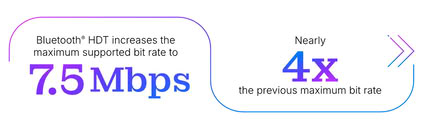
Neville Meijers, CEO of the Bluetooth SIG"As the world's most widely used wireless standard, Bluetooth technology has continually evolved to meet the growing demands of an increasingly connected world," "The Bluetooth SIG member community has once again risen to the challenge. Bluetooth HDT brings a new level of performance to Bluetooth technology, expanding the role it can play across consumer, commercial, and industrial markets and creating a powerful foundation for the next generation of wireless innovation."

Intel Nova Lake-S CPUs Reportedly Drop to 5.1 GHz Max Above 90°C
Intel's upcoming Core Ultra 4000 "Nova Lake-S" desktop processors will reportedly cap their maximum core frequency at 5.1 GHz whenever they run above 90°C, according to Intel leaker Jaykihn on X. He says the limit applies to the entire Nova Lake-S desktop lineup, works separately from regular TjMax throttling at 100°C, and can't be raised. He also notes that the information is still preliminary. In practice, it looks like a safety net that sits between normal boost behavior and full thermal throttling. Below 90°C, the chips should presumably boost as usual, and models that don't exceed 5.1 GHz in the first place wouldn't be affected at all.
Final Nova Lake clocks aren't official yet, though the current Core Ultra 9 285K already boosts up to 5.7 GHz, so a high-end Nova Lake chip that runs hot could lose a sizable chunk of its peak frequency. A 100°C TjMax would also be lower than Arrow Lake's 105°C, which can be manually raised to 115°C on the 285K. That puts more weight on cooling, since the 28-core Core Ultra 9 4970K BFC was reportedly set to pull up to 296 W at PL2 despite its 125 W rating, and staying under 90°C at that kind of power draw will probably take a really capable cooler. Nova Lake-S is currently expected to arrive in Q1 2027, and Intel hasn't confirmed any of this yet.
Final Nova Lake clocks aren't official yet, though the current Core Ultra 9 285K already boosts up to 5.7 GHz, so a high-end Nova Lake chip that runs hot could lose a sizable chunk of its peak frequency. A 100°C TjMax would also be lower than Arrow Lake's 105°C, which can be manually raised to 115°C on the 285K. That puts more weight on cooling, since the 28-core Core Ultra 9 4970K BFC was reportedly set to pull up to 296 W at PL2 despite its 125 W rating, and staying under 90°C at that kind of power draw will probably take a really capable cooler. Nova Lake-S is currently expected to arrive in Q1 2027, and Intel hasn't confirmed any of this yet.

Steam Wants Devs to Play Their Games For At Least 5 Minutes First
Valve now requires developers to launch their game through the Steam client and run it for at least five minutes before submitting it for review, as part of several new additions to Steam's pre-release checklist. It doesn't have to be the developer playing, since anyone's playtime counts, as long as it was logged within the past seven days, or since the last build upload if that's older. Apparently, Valve keeps getting builds that were never run through Steam at all, which is how games end up with broken launch options or missing depots.
The changes are meant to cut down Steam's review backlog. Valve says store page and build submissions have jumped over the last few months, and it's quite obvious why that would be. For Valve, build reviews that usually take three to five days are now taking up to 12 business days, largely because games that fail basic checks have to be reviewed again. Other new checks include at least five screenshots tagged as gameplay, a test save written to Steam Cloud for games that support it, a list of required redistributables like DirectX or Visual C++, and complete achievement setup.

The changes are meant to cut down Steam's review backlog. Valve says store page and build submissions have jumped over the last few months, and it's quite obvious why that would be. For Valve, build reviews that usually take three to five days are now taking up to 12 business days, largely because games that fail basic checks have to be reviewed again. Other new checks include at least five screenshots tagged as gameplay, a test save written to Steam Cloud for games that support it, a list of required redistributables like DirectX or Visual C++, and complete achievement setup.


SEMI Reports Worldwide Silicon Wafer Shipments Increase 13.4% Year-on-Year in Q3 2026
The SEMI Silicon Manufacturers Group (SMG) reported today, in its quarterly analysis of the silicon wafer industry, that worldwide silicon wafer shipments increased 13.4% year-on-year to 3,756 million square inches (MSI) from the 3,313 MSI recorded during the same quarter of 2025. Shipments increased 5.1% quarter-over-quarter from the 3,573 MSI recorded during the second quarter of 2026.
"Silicon wafer shipments increased in the third quarter, supported by strong AI-related demand and improving industrial demand," said Masatsugu Miura, Chairman of SEMI SMG and General Manager of Sales & Marketing Department of Sales & Marketing Division at SUMCO Corporation. "AI-related demand continued to broaden beyond advanced logic and memory to include power devices and photonics. Industrial demand strengthened, supported by robotics, AI server power supplies and improving demand for general-purpose industrial semiconductors. Bonding and advanced packaging applications also continued to support demand for 300 mm polished wafers."
"Silicon wafer shipments increased in the third quarter, supported by strong AI-related demand and improving industrial demand," said Masatsugu Miura, Chairman of SEMI SMG and General Manager of Sales & Marketing Department of Sales & Marketing Division at SUMCO Corporation. "AI-related demand continued to broaden beyond advanced logic and memory to include power devices and photonics. Industrial demand strengthened, supported by robotics, AI server power supplies and improving demand for general-purpose industrial semiconductors. Bonding and advanced packaging applications also continued to support demand for 300 mm polished wafers."

God of War Laufey Delayed to May
Santa Monica Studio has delayed God of War Laufey by roughly three months, moving the PS5 exclusive from February 16 to May 20, 2027. The studio announced the change on X earlier today, and the only explanation it gave is that it needs extra time for finishing touches. It's a bit of a surprise, since the game was only around three months out and pre-orders opened back in late September. The Standard Edition sells for $69.99, the Digital Deluxe Edition for $79.99, and Sony also put up a £129.99 Collector Box for sale with the old February 16 date attached. Here's the studio's full statement:

Santa Monica StudioSince the reveal of God of War Laufey in June, we've been deeply grateful to see so much excitement for Faye's journey through the Everywhen. We don't take for granted the trust placed in our studio to make an extraordinary experience worthy of the passion and dedication of our fans. With this in mind, we've made the decision to delay God of War Laufey's release to May 20th, 2027. We will make the most of each moment until then by putting in the finishing touches and pushing the game to its fullest potential. On behalf of everyone on the team, we appreciate your patience and we'll be back to share more updates soon!


AMD Guidance Points to Its First Quarter Ever With More Revenue Than Intel
AMD looks set to bring in more quarterly revenue than Intel for what appears to be the first time ever. Alongside its record Q3 2026 results, AMD guided Q4 revenue to approximately $17 billion, plus or minus 3%, or roughly $16.5 billion to $17.5 billion. Intel, on the other hand, expects Q4 revenue between $15 billion and $16 billion. Even the bottom of AMD's range sits above the top of Intel's, so unless either company misses its guidance badly, the flip is pretty much locked in.
Most of AMD's growth comes from the data center. AMD's Data Center segment hit a record $8.5 billion in Q3, up 97% year over year, on strong EPYC demand and the launch of the Instinct MI450 Series GPUs inside its Helios racks. AMD expects the segment to grow about 50% sequentially in Q4, while Client and Gaming is expected to drop by more than 20%. Intel's Q4 outlook, meanwhile, came in well below expectations, partly due to a two-week shutdown at Fab 28 in Israel that Intel says will cost about $300 million in Q4 revenue.


Most of AMD's growth comes from the data center. AMD's Data Center segment hit a record $8.5 billion in Q3, up 97% year over year, on strong EPYC demand and the launch of the Instinct MI450 Series GPUs inside its Helios racks. AMD expects the segment to grow about 50% sequentially in Q4, while Client and Gaming is expected to drop by more than 20%. Intel's Q4 outlook, meanwhile, came in well below expectations, partly due to a two-week shutdown at Fab 28 in Israel that Intel says will cost about $300 million in Q4 revenue.


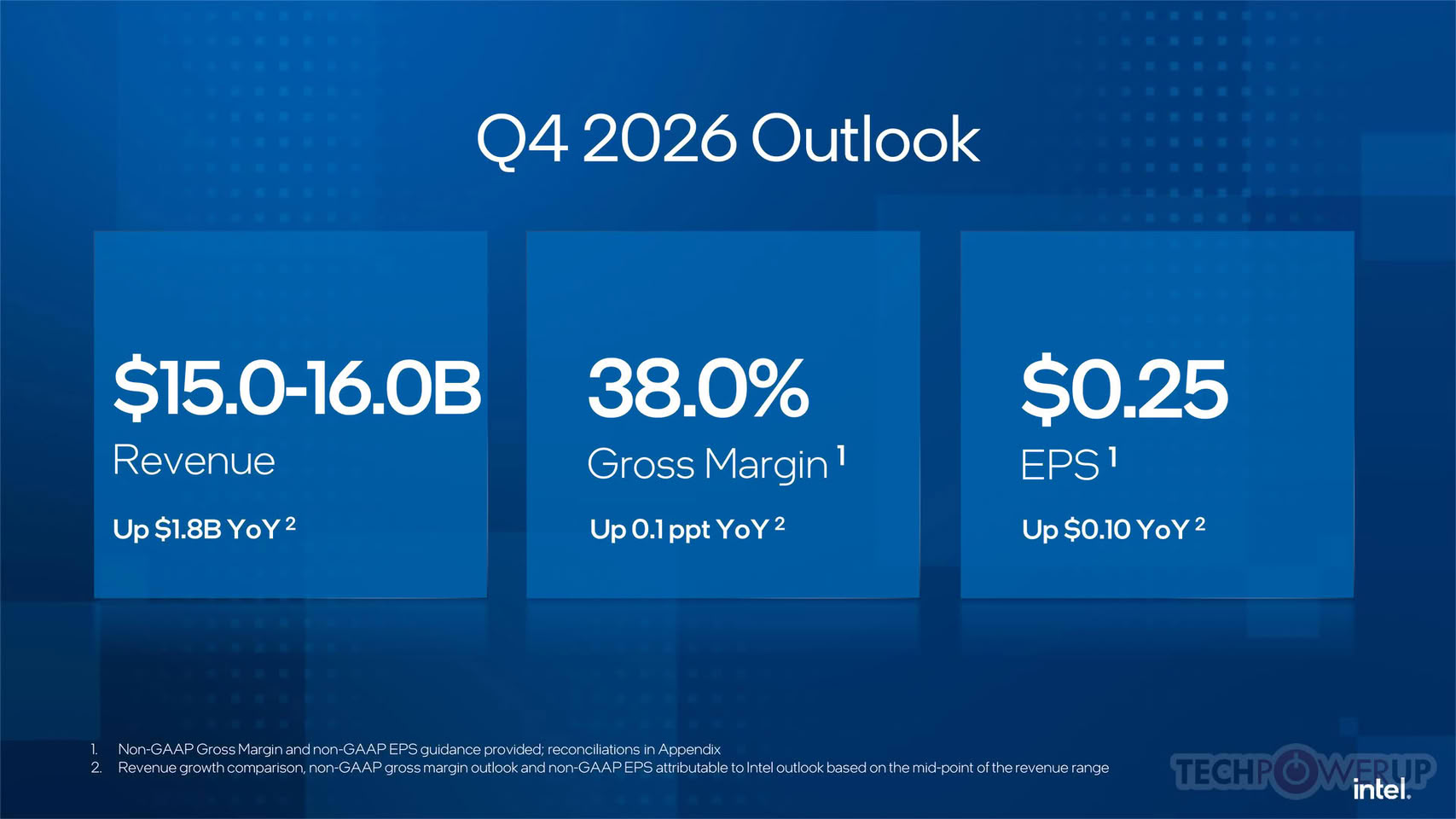
MSI Introduces Cubi NUC WCG with Intel Core Processor 3 Series and Tool-less 2.0 Design
MSI announces the Cubi NUC WCG, an ultra-compact 0.55-liter mini PC designed to enhance productivity, connectivity, and operational efficiency in modern business environments. Powered by the Intel Core Processor 3 Series, the Cubi NUC WCG delivers responsive performance for everyday business applications. Measuring just 40.1 mm in height, its space-saving design makes it ideal for offices, retail environments, and commercial installations where flexibility and workspace efficiency are essential.
Designed for seamless multitasking, the Cubi NUC WCG features Thunderbolt 4 connectivity with data transfer speeds of up to 40 Gbps and up to 98 W power delivery input, simplifying workspace setups through a single cable. With support for up to three displays, users can efficiently manage multiple applications and information streams simultaneously. Wi-Fi 6E and dual LAN ports (2.5G + 1G) further provide flexible network connectivity for professional workflows and business operations.
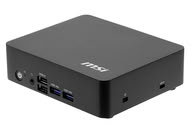
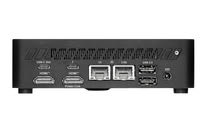
Designed for seamless multitasking, the Cubi NUC WCG features Thunderbolt 4 connectivity with data transfer speeds of up to 40 Gbps and up to 98 W power delivery input, simplifying workspace setups through a single cable. With support for up to three displays, users can efficiently manage multiple applications and information streams simultaneously. Wi-Fi 6E and dual LAN ports (2.5G + 1G) further provide flexible network connectivity for professional workflows and business operations.


After Xbox, Sony Starts Asking Owners to Trade In Their PS5
Sony has started nudging some PlayStation owners in the US to sell their PS5, with a PlayStation app notification shared on ResetEra offering "up to $400" for a standard console. The trade-in itself runs through Back Market, which inspects the hardware and then sends cash straight to the owner's bank account instead of offering store credit. That $400 figure comes with some fine print, though. It is based on quotes for a standard PS5 in Grade 0 condition, which is basically flawless, with two or more controllers included, collected between August 23 and September 22. PS5 Pro owners aren't part of this one. The timing certainly looks pretty convenient, with GTA 6 launching on November 19 and pre-load starting on November 10.
Coincidentally, Microsoft also started emailing inactive Xbox owners last month, offering up to $375 for a Series X traded in at Best Buy. Sony's offer looks a little better on paper, since Microsoft pays out in Best Buy eGift Cards rather than cash. A couple of users who ran the online trade-in estimate got a little over $400 for a base PS5, so the headline number seems realistic for consoles in good shape. A new PS5 now costs $649.99 after Sony's April price hike, while the $899.99 PS5 Pro is hard to find at list price, and GameStop is reportedly asking $1,399.99 for used units. With retailers already expecting console shortages around the GTA 6 launch, used PS5s will probably sell fast. Owners with an idle console are advised to compare Back Market's quote with local resale prices before shipping it off.

Coincidentally, Microsoft also started emailing inactive Xbox owners last month, offering up to $375 for a Series X traded in at Best Buy. Sony's offer looks a little better on paper, since Microsoft pays out in Best Buy eGift Cards rather than cash. A couple of users who ran the online trade-in estimate got a little over $400 for a base PS5, so the headline number seems realistic for consoles in good shape. A new PS5 now costs $649.99 after Sony's April price hike, while the $899.99 PS5 Pro is hard to find at list price, and GameStop is reportedly asking $1,399.99 for used units. With retailers already expecting console shortages around the GTA 6 launch, used PS5s will probably sell fast. Owners with an idle console are advised to compare Back Market's quote with local resale prices before shipping it off.



NVIDIA GeForce 621.14 WHQL Game Ready Drivers Released
NVIDIA today released the latest version of GeForce Game Ready drivers. Version 621.14 WHQL comes with optimization for "World of Warcraft: Forever," and the new Slaughter Mode of "DOOM: The Dark Ages Revelations." The drivers also introduce support for DLSS 5 with 3D-guided Neural Rendering for "Hogwarts Legacy" and "War Thunder" on GeForce RTX 50-series GPUs. Among the gaming bugs fixed with this release are incorrect visual colors displayed in "Call of Duty: Modern Warfare 4." Among the general bugs fixed are an issue seen where video playback freezes or turns black on some GeForce RTX 50-series GPUs or RTX Spark processors after updating to driver version 621.01. Grab the driver from the link below.
DOWNLOAD: NVIDIA GeForce 621.14 WHQL

DOWNLOAD: NVIDIA GeForce 621.14 WHQL


AMD Expects PC Sales to Decline in 2027 Alongside Industry
During its Q3 2026 quarterly results, AMD CEO Dr. Lisa Su expressed expectations that its client PC business will decline significantly in 2027, possibly by double-digit percentage points. The entire industry is experiencing price hikes due to the tight supply of crucial PC components like GPU memory and system RAM. These rising prices have been driving down sales in the client sector, while the enterprise sector has been thriving with strong EPYC CPU sales and Instinct MI accelerator sales to AI labs, hyperscalers, and neoclouds. While a rising tide lifts all boats in the AI datacenter space, there is an opposite lowering tide in the client PC industry, projecting a general decline in this segment.
AMD's CEO Dr. Lisa SuLooking at the market, PC sell-through slowed late in the quarter as higher memory and component costs weighed on demand. We are managing the business accordingly, aligning sell-in with sell-through to keep customer and channel inventory healthy. In 2027, we are planning for PC market unit shipments to decline by a double-digit percentage. In this environment, we expect to outperform the market as we deliver our Ryzen roadmap and grow our commercial footprint.

Cracks Are Fixing Games Now: Onimusha: Way of the Sword Crack Solves Game Bugs, Too
Capcom's Onimusha: Way of the Sword game has been cracked, but interestingly, it also includes a series of bug fixes applied by a popular game cracking group. Players have taken to the Steam forums to report crashes in Onimusha: Way of the Sword, with even high-end PCs failing to get past the initial loading screen. One GeForce RTX 4090 owner mentioned that the game consistently crashed at 50% loading after selecting the difficulty and controls, despite having no issues with the demo. Another user reported similar crashes with a GeForce RTX 5090, Core Ultra 9 285K, and 64 GB of memory, adding that restoring the default graphics settings did not help. Some players managed to get into the game by temporarily capping performance at 60 FPS, reinstalling it, or using the NVIDIA App to optimize settings.
However, the popular game cracking group "voices38" claims to have resolved the crashes in their distribution of the game, although the threads provide no testing to verify that claim. The group managed to bypass Denuvo Anti-Tamper, Steam, and Capcom's own DRM protection mechanisms, demonstrating that game cracks are now bypassing multiple security layers and bundling game fixes with the cracked version before the publisher even releases an official patch.

However, the popular game cracking group "voices38" claims to have resolved the crashes in their distribution of the game, although the threads provide no testing to verify that claim. The group managed to bypass Denuvo Anti-Tamper, Steam, and Capcom's own DRM protection mechanisms, demonstrating that game cracks are now bypassing multiple security layers and bundling game fixes with the cracked version before the publisher even releases an official patch.


JBL Professional Introduces 3 Series MkIII Powered Studio Monitors and Subwoofer
HARMAN Professional Solutions, the global leader in audio, video, control and lighting systems, today announced the JBL Professional 3 Series MkIII powered studio monitor family. Representing the most extensive redesign of the 3 Series platform to date, the new lineup includes the JBL 305P MkIII, 306P MkIII and 308P MkIII powered studio monitors, along with the JBL 310S MkIII powered subwoofer.
Building on the legacy of the JBL Professional 3 Series, the MkIII family introduces redesigned acoustic systems, new Class D amplification, simplified room optimization and integrated mounting options to support workflows ranging from compact stereo production setups to 2.1, surround and immersive monitoring.

Building on the legacy of the JBL Professional 3 Series, the MkIII family introduces redesigned acoustic systems, new Class D amplification, simplified room optimization and integrated mounting options to support workflows ranging from compact stereo production setups to 2.1, surround and immersive monitoring.



HP Inc. Appoints Emma Walmsley as Chief Executive Officer
HP Inc. (NYSE: HPQ) today announced that its Board of Directors has unanimously appointed Emma Walmsley as Chief Executive Officer, effective January 4, 2027. Ms. Walmsley most recently served as Chief Executive Officer of GSK and has been a member of Microsoft's Board of Directors for seven years. She will succeed Bruce Broussard, who has served as Interim Chief Executive Officer since February 2026. Broussard will become Chair of the Board effective January 4, 2027, succeeding Chip Bergh.

Bruce Broussard, Interim Chief Executive Officer"HP has tremendous potential at an important inflection point in technology, and we need a leader who can build on our innovation heritage and strengths to boldly shape the company's future. Emma is a proven CEO with a track record of leading organizations at scale and guiding them through significant change. She has the experience and skills to bring HP's businesses, capabilities and people together to capture the opportunities ahead as AI moves to the edge, transforming how we work and live in a more connected world. I look forward to supporting her as she leads HP into its next phase of growth".


TechPowerUp x Chieftec Giveaway: Entries Close Soon, Hurry!
TechPowerUp partners with Chieftec to bring our readers in European Union countries a chance to bag one of six pieces of Chieftec hardware spanning cases, AIO CPU coolers, and power supplies. Up for grabs are one each of Chieftec Iceberg 240 RGB CPU cooler, Chieftec Iceberg 240 Dark CPU cooler; Chieftec Apex Lumo case, Chieftec Vista Max case, Chieftec Polaris 3.0 1050 W PSU, and Chieftec Proton 1000 W PSU. The Giveaway has been gathering entries since October 25, and entries close soon, on November 6. There's still time to drop your hat in. To participate, all you have to do is fill up a brief form that helps us get back to you if you've won. Easy as pie!
For more information, and to participate, visit this page.
For more information, and to participate, visit this page.

Thermal Grizzly Releases New PhaseSheet PTM Pro With Improved Thermal Conductivity
With PhaseSheet PTM Pro, Thermal Grizzly introduces a further development of PhaseSheet PTM with increased thermal conductivity. A composition optimized for improved thermal conductivity, combined with a new carrier film, also makes PhaseSheet PTM Pro easier to handle. The carrier film can be removed very easily from both sides of the PhaseSheet PTM Pro, significantly reducing the risk of tearing the sheet.
The PhaseSheet PTM Pro is a thermal sheet based on a phase change material (PCM). The sheets, which are solid at room temperature, can be easily applied and liquefy during operation, allowing them to effectively dissipate heat like a thermal paste. PhaseSheet PTM Pro is electrically non-conductive and can therefore be used in many areas, with the primary application being in processors and graphics chips.
The PhaseSheet PTM Pro is a thermal sheet based on a phase change material (PCM). The sheets, which are solid at room temperature, can be easily applied and liquefy during operation, allowing them to effectively dissipate heat like a thermal paste. PhaseSheet PTM Pro is electrically non-conductive and can therefore be used in many areas, with the primary application being in processors and graphics chips.


ASUS Republic of Gamers Announces ROG XG Station 3 With Thunderbolt 5
ASUS Republic of Gamers (ROG) today announced the ROG XG Station 3 external graphics card dock, featuring a Thunderbolt 5 connection capable of up to 80 Gbps of bidirectional bandwidth or up to 120 Gbps with Thunderbolt 5 Bandwidth Boost for high-volume video traffic. This level of performance enables incredible visual fidelity at a detailed resolution with ultrafluid frame rates, even for everyday laptops. With a graphics card in the NVIDIA GeForce RTX 50 Series, RTX PRO 6000 Series, AMD Radeon RX 9000 Series, or Intel Arc Series, users can access the absolute best performance in AAA games, vast power for content creation, and all the latest game-boosting features.
Customizable graphics power
Premium graphics cards are as stylish as they are powerful, so ROG opted for an open-frame design for the ROG XG Station 3. This keeps a user's graphics card out in the open as a visual centerpiece while also ensuring that it has entirely unobstructed access to cooling. With a standard graphics card, this arrangement will leave a PCIe power cable visible, but users are not limited to standard options.
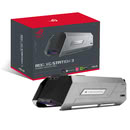
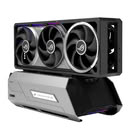
Customizable graphics power
Premium graphics cards are as stylish as they are powerful, so ROG opted for an open-frame design for the ROG XG Station 3. This keeps a user's graphics card out in the open as a visual centerpiece while also ensuring that it has entirely unobstructed access to cooling. With a standard graphics card, this arrangement will leave a PCIe power cable visible, but users are not limited to standard options.


NVIDIA DLSS 5 Arrives in Hogwarts Legacy, War Thunder, and Where Winds Meet, Promising Impressive Performance Boost
NVIDIA is bringing its DLSS 5 neural rendering technology to three more games this month, starting with Hogwarts Legacy on November 5. According to NVIDIA, War Thunder will follow in mid-November, while Where Winds Meet is scheduled to receive support on November 23. NVIDIA is also bringing DLSS 4.5 to several games, and has updated DLSS 4.5 Unreal Engine plugin. NVIDIA was also keen to note that its October 2026 update has significantly reduced the footprint, decreased VRAM usage, and increased performance.
DLSS 5 introduces what NVIDIA calls 3D-Guided Neural Rendering, using AI to enhance lighting, shadows and material details based on information from the game engine. The technology operates as a final rendering stage, using the original frame, geometry, textures and lighting data as its foundation. According to NVIDIA, this approach allows developers to introduce more realistic lighting and material effects without having to explicitly model and render all the additional detail. The company also provides developers with controls to adjust how the technology affects individual scenes, objects and characters, using different AI models, intensity settings and semantic masking to preserve the original artistic direction.

DLSS 5 introduces what NVIDIA calls 3D-Guided Neural Rendering, using AI to enhance lighting, shadows and material details based on information from the game engine. The technology operates as a final rendering stage, using the original frame, geometry, textures and lighting data as its foundation. According to NVIDIA, this approach allows developers to introduce more realistic lighting and material effects without having to explicitly model and render all the additional detail. The company also provides developers with controls to adjust how the technology affects individual scenes, objects and characters, using different AI models, intensity settings and semantic masking to preserve the original artistic direction.


Intel Releases 0.9 PDK for 14A Node, Final Version in Q1 2027
In late October, Intel released its process design kit (PDK) version 0.9 for the 14A node, marking a significant milestone for the Intel Foundry business. Intel's CEO, Lip-Bu Tan, referred to this version as the "holy grail" because it allows customers to evaluate Intel's node and start trial designs that can easily transition into production with PDK version 1.0. The company expects PDK version 1.0 for the 14A node to be available in the first quarter of 2027, which is just months away. This indicates that final specifications and requirements are already being established, and Intel is conducting final fine-tuning of the node to include in the design kit.
Intel plans to begin risk production of the 14A node in the second half of 2027, with high-volume production anticipated in 2028. The company has processed tens of thousands of 14A wafers in pilot production runs and is now focusing on yield improvements and minor node adjustments before starting risk production next year. The 14A node is designed to offer a 15-20% performance improvement at the same power level compared to Intel's 18A, or it can be optimized for a 25-35% power reduction at the same performance level. This will be accompanied by up to a 30% improvement in chip density compared to Intel's 18A, though it is unclear if this refers to logic or SRAM scaling, as the latter has been challenging for the industry.
Intel plans to begin risk production of the 14A node in the second half of 2027, with high-volume production anticipated in 2028. The company has processed tens of thousands of 14A wafers in pilot production runs and is now focusing on yield improvements and minor node adjustments before starting risk production next year. The 14A node is designed to offer a 15-20% performance improvement at the same power level compared to Intel's 18A, or it can be optimized for a 25-35% power reduction at the same performance level. This will be accompanied by up to a 30% improvement in chip density compared to Intel's 18A, though it is unclear if this refers to logic or SRAM scaling, as the latter has been challenging for the industry.

Intel Readies "Moon Lake" and "Wildcat Lake Refresh" Built on 18A Node
Intel is reportedly preparing two new processor SKUs focused on extremely low-power computing. The first, called "Moon Lake," is designed as a pure low-power efficiency (LPE) core SoC. The "Moon Lake" generation features no P-Cores and up to 4 "Darkmont" LPE-Cores on the Intel 18A die. Unlike "Wildcat Lake," which includes at least 2 P-Cores, "Moon Lake" is intended to be a much smaller design for embedded devices like NAS. The base power of "Moon Lake" is reportedly rated at 6 W, similar to an SoC typically used in smartphones. The number of Xe3 cores in this SKU is unknown, but since "Wildcat Lake" has up to 2 Xe3 cores, we expect "Moon Lake" to have half of that to maintain its 6 W TDP. Intel has manufactured "Moon Lake" on its 18A node and placed it on the BGA1516 package, the same platform used by "Wildcat Lake." The official moniker for "Moon Lake" is MNL, and it could be a successor to the N-Series, like the previous "Alder Lake-N" series of low-power processors.
Additionally, Intel is preparing an overhaul of "Wildcat Lake" with the new "Wildcat Lake Refresh." When Intel launched the Core 300 Series "Wildcat Lake" earlier this year, these processors came with up to 2 P-Cores, 4 E-Cores, and up to 2 Xe3 GPU cores, with a package reaching up to 35 W. However, the new "Wildcat Lake Refresh" is expected to increase the number of P-Cores to 4 while keeping the same base microarchitecture of "Cougar Cove" and maintaining 4 "Darkmont" LPE-Cores. The integrated graphics remain similar, with up to 2 Xe3 cores. Importantly, this refresh adds support for Intel's vPro technology, meaning that enterprise customers are in for a surprise with a new low-cost option for their PCs.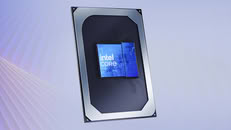
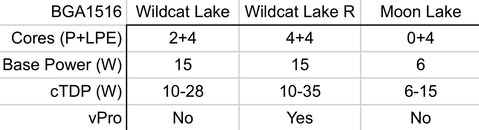
Additionally, Intel is preparing an overhaul of "Wildcat Lake" with the new "Wildcat Lake Refresh." When Intel launched the Core 300 Series "Wildcat Lake" earlier this year, these processors came with up to 2 P-Cores, 4 E-Cores, and up to 2 Xe3 GPU cores, with a package reaching up to 35 W. However, the new "Wildcat Lake Refresh" is expected to increase the number of P-Cores to 4 while keeping the same base microarchitecture of "Cougar Cove" and maintaining 4 "Darkmont" LPE-Cores. The integrated graphics remain similar, with up to 2 Xe3 cores. Importantly, this refresh adds support for Intel's vPro technology, meaning that enterprise customers are in for a surprise with a new low-cost option for their PCs.


Tuesday, November 3rd 2026
Today's Files
Today's Reviews
CPU Coolers
Keyboards
Processors
PSUs

Sudokoo SK700V MACH Review
The Sudokoo SK700V-MACH delivers impressive cooling for a single-tower design. It features seven heat pipes, a zero-RPM capable 30 mm-thick LCP fan, and an integrated digital display with real-time monitoring, alongside a five-year warranty. This combination makes for an intriguing option, should your budget allow it.
GTA 6 Will Need Up to 212 GB of Storage, Pre-Load Now Starts November 10
Rockstar has moved GTA 6's pre-load up by two days. According to an updated Newswire post and support page, digital pre-orders can now start downloading on November 10, instead of the November 12 date announced back in June. The exact timing depends on the console. On PlayStation 5, the pre-load unlocks at midnight local time in the user's respective time zone. Xbox Series X|S gets a single global unlock at 12 a.m. GMT, which works out to 7 PM ET or 4 PM PT on November 9 for players in North America, while the full launch is still set for November 19.
Rockstar also put a number on the file size for the first time, saying the pre-load will need "up to 212 GB of available space depending on your device." That's a touch above the 210 GB figure a dataminer pulled from the PlayStation Store backend last week, but it's safe to say it was an accurate leak. The "depending on your device" bit suggests the PS5 and Xbox builds won't be exactly the same size, though Rockstar didn't share a per-console breakdown. That does mean that on a launch PS5 with roughly 667 GB of usable storage, GTA 6 alone would eat close to a third of the drive.

Rockstar also put a number on the file size for the first time, saying the pre-load will need "up to 212 GB of available space depending on your device." That's a touch above the 210 GB figure a dataminer pulled from the PlayStation Store backend last week, but it's safe to say it was an accurate leak. The "depending on your device" bit suggests the PS5 and Xbox builds won't be exactly the same size, though Rockstar didn't share a per-console breakdown. That does mean that on a launch PS5 with roughly 667 GB of usable storage, GTA 6 alone would eat close to a third of the drive.


Xbox Loses Its First Chief Operating Officer Mid-Reset
Helen Chiang, Xbox's first-ever chief operating officer, has left Microsoft just three months after taking on the role. The news comes from a short internal memo by Microsoft Gaming CEO Asha Sharma, obtained by The Verge, which simply states that Chiang is leaving the company and thanks her for her years of service. No reason was given, and Xbox's VP of communications, Kari Perez, said the company doesn't discuss individual personnel matters. There's no successor yet either, so Chiang's duties will be split among other Xbox leaders for now, with Sharma promising more details on COO leadership once plans are finalized.
Chiang had been at Microsoft for around 21 years, starting in 2005 and moving to Xbox in 2007, where Sharma credits her with helping build Xbox Live. She later led Mojang and became corporate vice president of the Minecraft franchise in 2020. Sharma created the COO position in July as part of her reset of Xbox, and it came with end-to-end profit and loss responsibility across content, hardware, platform, and services. That same reset includes around 3,200 job cuts by the end of fiscal year 2027, with hundreds of jobs already gone. Losing the executive meant to hold the whole business together this early into the reset probably isn't the kind of stability Xbox was hoping for.
Update Oct 25th: A verified source familiar with the situation has told Eurogamer that Helen Chiang was "terminated for policy violations." This claim has not been independently verified.
Update Nov 3rd: Helen Chiang has since denied being "fired for a policy violation" in a recent LinkedIn post. She goes on to clarify more points about her departure. You can read her full post below.
Chiang had been at Microsoft for around 21 years, starting in 2005 and moving to Xbox in 2007, where Sharma credits her with helping build Xbox Live. She later led Mojang and became corporate vice president of the Minecraft franchise in 2020. Sharma created the COO position in July as part of her reset of Xbox, and it came with end-to-end profit and loss responsibility across content, hardware, platform, and services. That same reset includes around 3,200 job cuts by the end of fiscal year 2027, with hundreds of jobs already gone. Losing the executive meant to hold the whole business together this early into the reset probably isn't the kind of stability Xbox was hoping for.
Update Oct 25th: A verified source familiar with the situation has told Eurogamer that Helen Chiang was "terminated for policy violations." This claim has not been independently verified.
Update Nov 3rd: Helen Chiang has since denied being "fired for a policy violation" in a recent LinkedIn post. She goes on to clarify more points about her departure. You can read her full post below.

AMD Reports Record $13.4B Third Quarter 2026 Revenue
AMD (NASDAQ:AMD) today announced financial results for the third quarter of 2026. Third quarter revenue was $13.4 billion, gross margin was 54%, operating income was $2.8 billion, net income was $2.4 billion and diluted earnings per share was $1.46. On a non-GAAP basis, gross margin was 56%, operating income was $3.9 billion, net income was $3.5 billion and diluted earnings per share was $2.09.

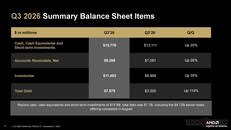
Dr. Lisa Su, AMD chair and CEO"We delivered a record quarter with revenue exceeding the high end of our guidance as Data Center segment sales nearly doubled year-over-year. Demand for our Instinct and EPYC products continued to strengthen, and we expect growth to accelerate further in the fourth quarter as we scale Helios and 'Venice' production. With our leadership product portfolio and deep customer and supply chain relationships, we are confident in our ability to sustain very strong revenue growth and expanding profitability over the coming years."


GPU Prices Up Again in October, RTX 5090 Now Sells for 262% Over MSRP Worldwide
In a big surprise to no one, graphics card prices went up again in October. TechSpot's latest survey across 10 countries shows GPU prices rising 11% month over month, following a 15% jump in August and 7% in September, or roughly 35% over three months. On average, cards now sell for 44% above MSRP, climbing to 58% in the US and Canada. Keep in mind these numbers track the lowest in-stock price in each region, so most models cost even more. Moreover, there is another GeForce RTX 50-series price hike on the horizon, so these numbers will rise again pretty soon.
The GeForce RTX 5090 is in a league of its own. It got 32% pricier in a month, and its normalized global price of $7,240 sits a staggering 262% above its $1,999 MSRP, almost double the 136% figure from early September. In the US, the cheapest in-stock model now costs $9,400, or 370% over MSRP, and most models now sit above $11,000 comfortably. The RTX 5080 is following a similar path, up 22% in a month to $2,200 in the US, while Newegg had none of its own in stock when the data was collected. TechSpot argues the GDDR7 memory crisis can't explain a jump that big, and some retail sources apparently told them wholesale RTX 5080 costs have gone up recently too.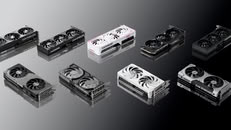

The GeForce RTX 5090 is in a league of its own. It got 32% pricier in a month, and its normalized global price of $7,240 sits a staggering 262% above its $1,999 MSRP, almost double the 136% figure from early September. In the US, the cheapest in-stock model now costs $9,400, or 370% over MSRP, and most models now sit above $11,000 comfortably. The RTX 5080 is following a similar path, up 22% in a month to $2,200 in the US, while Newegg had none of its own in stock when the data was collected. TechSpot argues the GDDR7 memory crisis can't explain a jump that big, and some retail sources apparently told them wholesale RTX 5080 costs have gone up recently too.

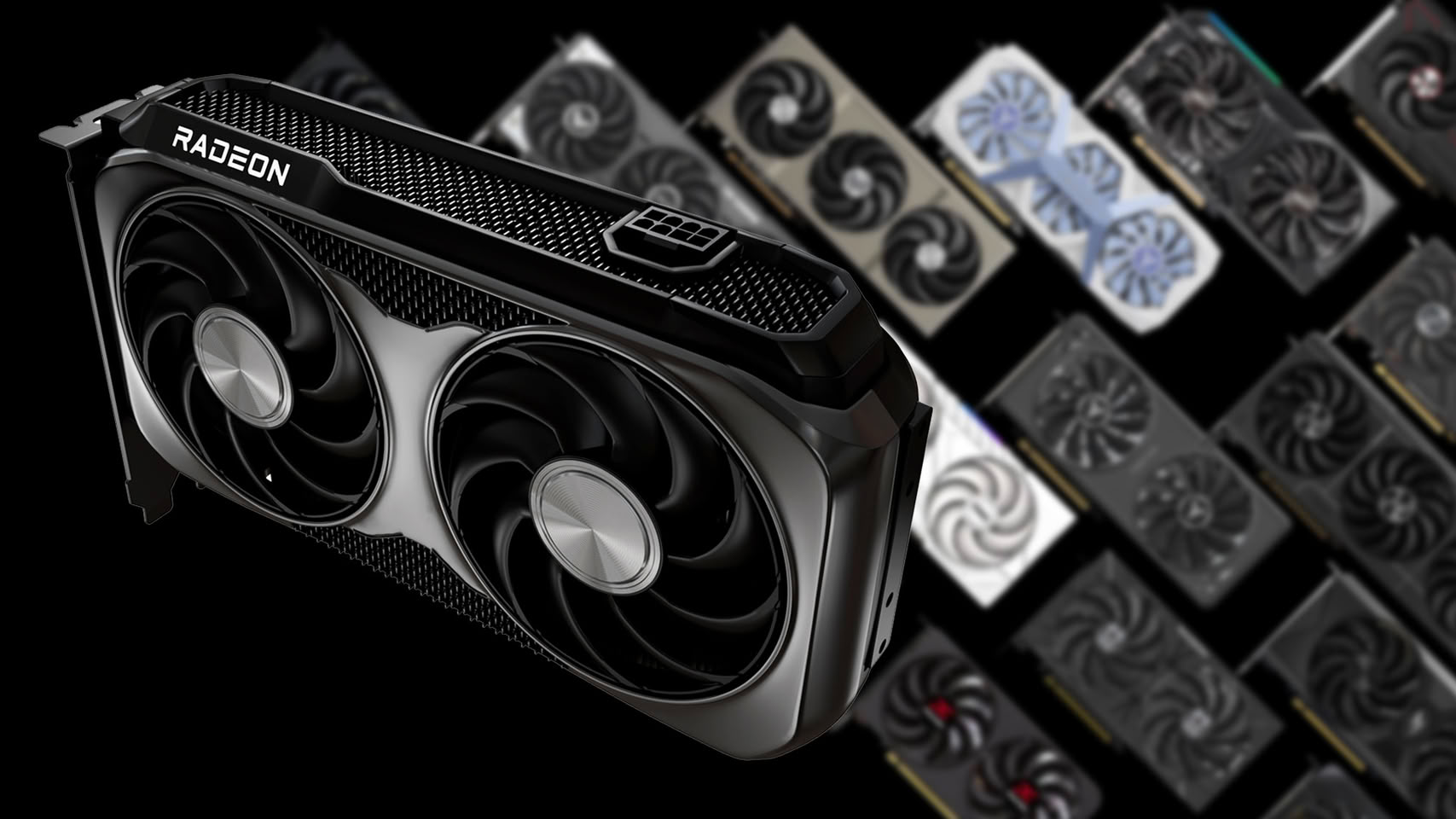
Massive Four-GPU RX 470 Card Surfaces, Probably Built for Crypto Miners
X user GOK has shared photos of a huge red graphics card that carries four Polaris GPUs on a single PCB, jokingly asking whether it might be the biggest PCIe graphics card in the world. The four GPUs sit in a 2x2 layout, and each one appears to be surrounded by eight GDDR5 memory chips, which would mean 8 GB per GPU and a gigantic 32 GB across the board. According to GOK, a sticker on the card identifies it as a quad RX 470, which would work out to 8,192 stream processors in total. Feeding all of that are four 8-pin power connectors, while the only display output is a single HDMI port. A second photo shows the card lying next to a motherboard, and it's noticeably bigger than the board itself.
The PCB does carry an AMD logo next to a "DYII-XQ570 V1.0" marking, but it looks like AMD may not have built this one. GOK pointed out that the card has no board OPN (part number) and that the marking doesn't follow AMD's official format, adding that small factories in China sometimes put the AMD logo on their own designs. He also identified the PCIe switch as a PI7C9X2G, a PCIe 2.0 part, and thinks the card was likely made by one of those factories for crypto miners. He hasn't tested it yet, since he doesn't have a heatsink for it. Multi-GPU Polaris mining boards aren't new either, as Sapphire had a dual RX 570 mining card with 16 GB and a single HDMI port back in 2021.

The PCB does carry an AMD logo next to a "DYII-XQ570 V1.0" marking, but it looks like AMD may not have built this one. GOK pointed out that the card has no board OPN (part number) and that the marking doesn't follow AMD's official format, adding that small factories in China sometimes put the AMD logo on their own designs. He also identified the PCIe switch as a PI7C9X2G, a PCIe 2.0 part, and thinks the card was likely made by one of those factories for crypto miners. He hasn't tested it yet, since he doesn't have a heatsink for it. Multi-GPU Polaris mining boards aren't new either, as Sapphire had a dual RX 570 mining card with 16 GB and a single HDMI port back in 2021.


The Elder Scrolls VI: Sentinel Is Official, Release Date Still Nowhere in Sight
The Elder Scrolls VI finally has its full name. Bethesda Game Studios revealed it as The Elder Scrolls VI: Sentinel at the end of a video celebrating the studio's 40th anniversary, with Todd Howard walking through Bethesda's history first. The short teaser that followed has no gameplay, just a stretch of desert, an Elder Scroll rising out of the sand, and the new logo. It also carries a line of lore text credited to Yazar, Moth Priest to High Queen Iradne of Hammerfell, dated 4E 206. Skyrim takes place in 4E 201, so it looks like Sentinel is set roughly five years later, in the Redguard homeland of Hammerfell. Sentinel itself is one of Hammerfell's major cities, sitting on the Iliac Bay. Both the name and the setting match what The Verge's Tom Warren reported last week.
It seems the name is all fans are getting for now. In a follow-up post on X, Bethesda said development is still ongoing and that it will be "some time" before the studio has anything else to show, adding that it's happy to have the name and location out in the open at last. There's still no word on a release date, launch window, or platforms. The game was first teased at E3 2018, and Bethesda said in July that it remains the studio's primary development focus, although reports suggested the Xbox layoffs could cause delays. Bloomberg's Jason Schreier has also claimed on Bluesky that the game was at least two years out, so anyone hoping for a 2027 launch should probably temper their expectations.

It seems the name is all fans are getting for now. In a follow-up post on X, Bethesda said development is still ongoing and that it will be "some time" before the studio has anything else to show, adding that it's happy to have the name and location out in the open at last. There's still no word on a release date, launch window, or platforms. The game was first teased at E3 2018, and Bethesda said in July that it remains the studio's primary development focus, although reports suggested the Xbox layoffs could cause delays. Bloomberg's Jason Schreier has also claimed on Bluesky that the game was at least two years out, so anyone hoping for a 2027 launch should probably temper their expectations.


Intel Might Discontinue the Arc B580 to Prioritize Higher-Margin Arc Pro Cards
Leaker Haze2K1 says on X that Intel might put the Arc B580 on the end-of-life (EOL) list. Apparently, Intel wants to prioritize workstation and AI inference cards like the Arc Pro B50, which are reportedly selling really well and carry higher margins. Intel hasn't confirmed anything, and Haze2K1 only says the card "might" go EOL, so this is only a rumor for now. However, the logic checks out. The Arc B580 launched in December 2024 at $249 and beat the RTX 4060 in TechPowerUp's review. The Arc Pro B50 and B60 use the same BMG-G21 silicon, and the B60 pairs the same 20 Xe cores with 24 GB of memory instead of 12 GB. Intel estimated the B60 at around $500 at launch, roughly double the B580's price. Clearly, Intel stands to gain more monetary benefit from the workstation cards.
As for the consumer GPUs, their supply already looks quite thin. The B580 is reportedly out of stock at most retailers, and prices have also climbed well above MSRP. The leaker doesn't mention the Arc B570, so we don't know if Intel has similar plans for that card as well. Intel's larger BMG-G31 chip also showed up in March in the workstation-only Arc Pro B70 and B65, so the shift toward pro cards seems to be underway already. If the B580 does go away, gamers will lose one of the more affordable 12 GB cards, even though the Arc B580 was selling above its MSRP. That said, I wouldn't expect cheaper Arc cards anytime soon
As for the consumer GPUs, their supply already looks quite thin. The B580 is reportedly out of stock at most retailers, and prices have also climbed well above MSRP. The leaker doesn't mention the Arc B570, so we don't know if Intel has similar plans for that card as well. Intel's larger BMG-G31 chip also showed up in March in the workstation-only Arc Pro B70 and B65, so the shift toward pro cards seems to be underway already. If the B580 does go away, gamers will lose one of the more affordable 12 GB cards, even though the Arc B580 was selling above its MSRP. That said, I wouldn't expect cheaper Arc cards anytime soon

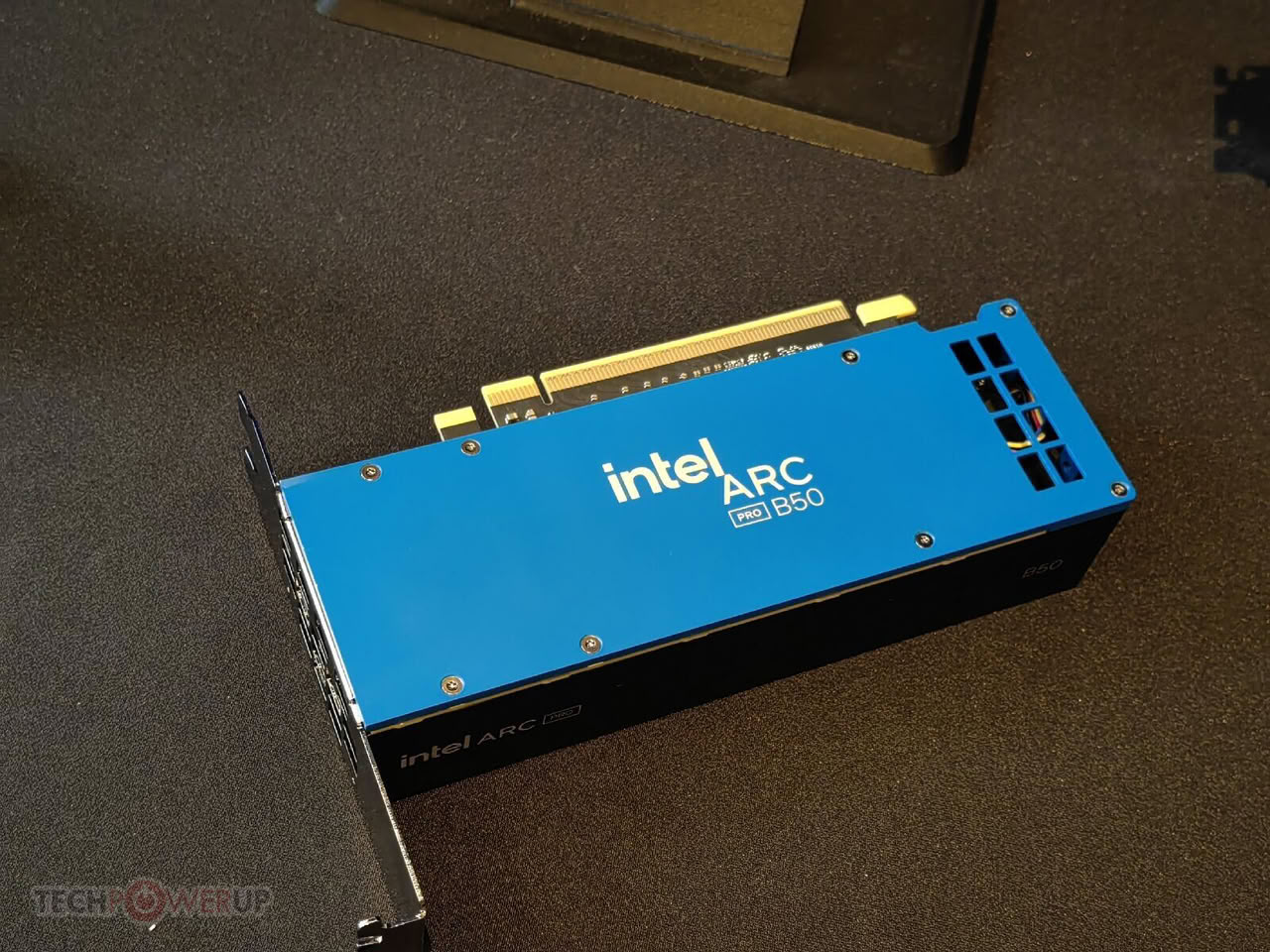
Windows 11 Optimizations Bring Up to 40% Faster Multitasking to 8 GB PCs
Microsoft today released a series of optimizations for Windows 11 PCs running on 8 GB of system RAM, promising significant improvements for those with smaller RAM capacities. Especially in the age of RAM shortages, Windows 11 is getting an update that might be most beneficial for those with lower PC specifications. With Windows 11, version 26H2, build 26300.9818 or later, users with systems equipped with 8 GB RAM can expect up to a 20% more responsive Windows operating system experience with day-to-day tasks, as well as up to 40% faster multitasking.
Microsoft's labs tested around 20,000 PCs to find solutions for lower hardware specifications and discovered that keeping more data in RAM significantly enhances the Windows experience. For systems with 8 GB of RAM, the OS will now retain up to 2 GB more of your active application data in memory, rather than moving it to slower SSD or HDD storage. This change directly results in a smoother experience. Additional benefits include reducing committed-memory growth by up to 900 MB in apps like Microsoft Edge and 365 apps, and decreasing the memory usage of Word, PowerPoint, Excel, and Outlook by 360 MB. Third-party apps can also take advantage of improved memory management, with Microsoft noting that WhatsApp is already utilizing these enhancements.

Microsoft's labs tested around 20,000 PCs to find solutions for lower hardware specifications and discovered that keeping more data in RAM significantly enhances the Windows experience. For systems with 8 GB of RAM, the OS will now retain up to 2 GB more of your active application data in memory, rather than moving it to slower SSD or HDD storage. This change directly results in a smoother experience. Additional benefits include reducing committed-memory growth by up to 900 MB in apps like Microsoft Edge and 365 apps, and decreasing the memory usage of Word, PowerPoint, Excel, and Outlook by 360 MB. Third-party apps can also take advantage of improved memory management, with Microsoft noting that WhatsApp is already utilizing these enhancements.

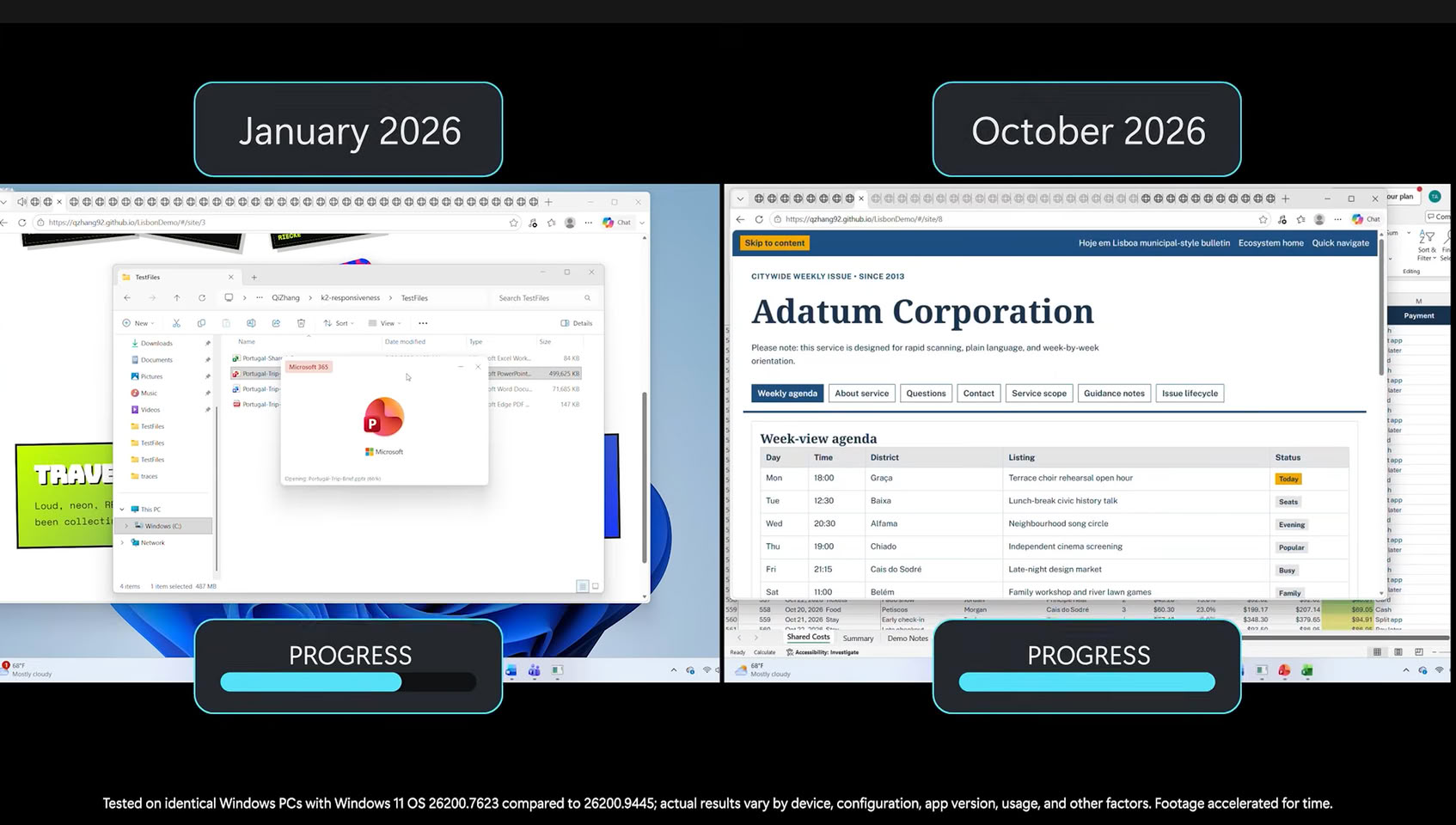
Intel Moves Select Core Ultra 200H and 200U CPUs to Embedded Market
Intel has released the latest Product Change Notice (PCN) document, stating that the company's mobile "Arrow Lake-H" and "Arrow Lake-U" processors, with the Core Ultra 200H and Core Ultra 200U naming schemes, will no longer be offered as standard parts for consumer products. Instead, Intel plans to transition some of these SKUs to the embedded sector, meaning these processors will continue to exist but under a different licensing agreement. For laptop manufacturers purchasing these processors, Intel has set May 21, 2027, as the final date for submitting orders, with the last shipments scheduled for November 19, 2027. After this date, these SKUs will cease commercial shipments.
The list includes the Intel Core Ultra 5 235H, Core Ultra 5 225U, Core Ultra 5 235U, Core Ultra 7 255U, Core Ultra 5 225H, Core Ultra 7 265U, Core Ultra 7 255H, Core Ultra 7 265H, and Core Ultra 9 285H processors.
The list includes the Intel Core Ultra 5 235H, Core Ultra 5 225U, Core Ultra 5 235U, Core Ultra 7 255U, Core Ultra 5 225H, Core Ultra 7 265U, Core Ultra 7 255H, Core Ultra 7 265H, and Core Ultra 9 285H processors.


HATOR Launches the Pulsar 4 Wireless Gaming Mouse
HATOR Gaming B.V. a pioneering gaming brand proudly born in Ukraine, announced today that its entry into the UK continues, with the launch of the HATOR Pulsar 4 Wireless Gaming Mouse, shipping online via hator.com. Recently announcing its entry into the UK market with the astonishing Skyfall Magnetic Keyboard range, smart gamers seeking premium precision without the premium pricing can now purchase the ideal companion to the keyboard via the Pulsar 4 Wireless.
The Pulsar 4 Wireless continues HATOR's proud tradition of 'no-compromise' quality and engineering, designing its best-in-class gaming hardware in-house, and working with the gaming community to deliver the essentials gamers crave, without the exorbitant price often found with high-end gaming brands.




The Pulsar 4 Wireless continues HATOR's proud tradition of 'no-compromise' quality and engineering, designing its best-in-class gaming hardware in-house, and working with the gaming community to deliver the essentials gamers crave, without the exorbitant price often found with high-end gaming brands.


Global Semiconductor Sales Increase 24.1% From Q2 2026 to Q3 2026
The Semiconductor Industry Association (SIA) today announced global semiconductor sales were $517.7 billion during the third quarter of 2026, an increase of 24.1% compared to the second quarter of 2026. Global sales were $172.6 billion during the month of September 2026, an increase of 146.8% compared to September 2025 and 7.9% more than sales in August 2026. Monthly sales are compiled by the World Semiconductor Trade Statistics (WSTS) organization and represent a three-month moving average.

Michael Robbins, SIA president and CEO"The global chip market grew substantially throughout the third quarter of this year, with worldwide sales increasing by more than 20% quarter-to-quarter for the third consecutive quarter. Year-to-year semiconductor sales remained strong across all major regional markets, highlighting the industry's global reach and its indispensable role in powering innovation, productivity, and economic competitiveness."


Razer Unveils the Raiju V3 Pro Signature Edition
Razer, the leading global lifestyle brand for gamers, today announced the Razer Raiju V3 Pro Signature Edition, its flagship controller officially licensed for the PlayStation 5 console, built for players who want the highest level of performance and craftsmanship that has defined Razer engineering.
Introduced in 2016, the Raiju controller line has been refined over the past decade evolving into Razer's most advanced PlayStation controller ever. The Razer Raiju V3 Pro Signature Edition distills that decade of experience into a single form, balancing design, weight, and performance for players on the PlayStation 5 console who refuse to compromise.



Introduced in 2016, the Raiju controller line has been refined over the past decade evolving into Razer's most advanced PlayStation controller ever. The Razer Raiju V3 Pro Signature Edition distills that decade of experience into a single form, balancing design, weight, and performance for players on the PlayStation 5 console who refuse to compromise.



FSP Announces New Flagship 1200W Gold Non-Modular FSP1200-50ADA Power Supply
With the booming development of next-generation graphics cards and AI applications, global power supply leading brand FSP Group announces the expansion of its highly popular 50ADA series, launching the new flagship 1200 W Gold non-modular power supply—FSP1200-50ADA. This power supply, built specifically for hardcore gamers and AI developers, effortlessly handles top-tier graphics cards like the RTX 5090 and RTX 6000 pro Blackwell, and can provide robust power for Edge AI Inference workstations.
ATX 3.1 Standard and Gold Certification, Seamless Integration with Next-Gen Hardware
Continuing the excellent architecture of the 50ADA series, FSP1200-50ADA fully complies with the latest Intel ATX 12 V V3.1 design guide, perfectly withstanding the transient power spikes of next-gen graphics cards. This model meets 80 Plus Gold efficiency, with conversion efficiency up to 90%, and adopts an eco-friendly design concept. While providing a massive 1200 W output, it can still effectively reduce energy consumption.

ATX 3.1 Standard and Gold Certification, Seamless Integration with Next-Gen Hardware
Continuing the excellent architecture of the 50ADA series, FSP1200-50ADA fully complies with the latest Intel ATX 12 V V3.1 design guide, perfectly withstanding the transient power spikes of next-gen graphics cards. This model meets 80 Plus Gold efficiency, with conversion efficiency up to 90%, and adopts an eco-friendly design concept. While providing a massive 1200 W output, it can still effectively reduce energy consumption.


The Worst Is Yet to Come for Memory Shortages, Warns Team Group
We might not be past the worst part of the global memory shortages, as the most severe supply chain squeeze could happen soon. During Team Group's earnings conference on November 2, the company stated that the worst period in memory demand is projected to be between Q4 2026 and Q2 2027, which is just a few months away. Major memory makers such as SK hynix, Samsung, and Micron have sold out their 2027 supply and entered into long-term agreements with customers, making it increasingly difficult to source memory for any third-party purposes. Team Group states that even if you have the funds, it might be impossible to purchase memory products. Currently, it is possible to buy memory, albeit at a high price, but soon enough, that may no longer be an option, noted the company.
Even though CXMT and YMTC are supplying close to 10% of the memory market share with their products, it is still impossible to satisfy demand. A supply-demand balance may not emerge until the second half of 2028 or even later. Currently, Team Group sells most of its memory modules to businesses in the B2B sector, which commands 64.6%, while the B2C sector, selling directly to consumers, accounts for 35.4%. This is a sharp reversal compared to the 2025 Q3 figures, where B2B was 24.6% and B2C was 75.4%. Most of the revenue now comes from the business sector developing AI servers, rather than traditional consumer purchases.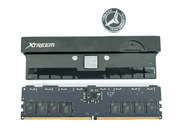
Even though CXMT and YMTC are supplying close to 10% of the memory market share with their products, it is still impossible to satisfy demand. A supply-demand balance may not emerge until the second half of 2028 or even later. Currently, Team Group sells most of its memory modules to businesses in the B2B sector, which commands 64.6%, while the B2C sector, selling directly to consumers, accounts for 35.4%. This is a sharp reversal compared to the 2025 Q3 figures, where B2B was 24.6% and B2C was 75.4%. Most of the revenue now comes from the business sector developing AI servers, rather than traditional consumer purchases.

NVIDIA GeForce RTX 50-Series Scheduled for up to $500 Price Hike This Week
NVIDIA's GeForce RTX 50-Series "Blackwell" gaming graphics cards are expected to see significant price adjustments this week. According to Chinese ChannelGate, add-in card (AIC) partners have confirmed that price hikes are scheduled due to the ongoing demand for these GPUs outstripping supply. Some major AIC partners, like Colorful and Galax, have reportedly already started sharing information about these price increases. The most significant example is expected to be for SKUs based on NVIDIA's GeForce RTX 5090 DV2, which will see an increase of up to 3,300 RMB, translating to nearly $500. Even entry-level GPUs are not exempt, as the GeForce RTX 5060 is expected to see around a $30 price increase on existing models. These changes are anticipated to be implemented this week for retail partners, meaning that consumer prices might take a week or two to reflect the new listing prices.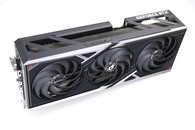 Below is the list of price hikes in China, expected to be the norm.

Monday, November 2nd 2026
Today's Reviews
Cooling
Headphones
Keyboards
Motherboards
Other

Phantom Blade Zero Performance Benchmark Review - 35 GPUs Tested
Phantom Blade Zero looks great and plays even better, blending soulslike combat with action-adventure flow. It's the first major Unreal Engine 5.7 game so we have high hopes for performance. We examine graphics quality, VRAM usage, upscaling options, and how it performs across a wide range of modern GPUs.

Phantom Blade Zero Handheld Performance Review
Phantom Blade Zero is S-Game's first AAA project. The game is a flashy action RPG set in a "Kungfupunk" world, revolving around fast-paced combat with tons of parrying and dodging. It's built in Unreal Engine 5 and seems rather demanding, so let's see how it performs on some of the most popular PC handhelds around.
RPCS3 Emulator is Making Progress: "Loadable" Category is Fully Cleared Now
The RPCS3 team says its PlayStation 3 emulator now has zero games in the Loadable compatibility category. In a post on X, the developers said Tom Clancy's H.A.W.X. 2 is now Ingame, thanks to an SPU accuracy fix from contributor Yahfz. It looks like that game was the last one in the Loadable list, which is reserved for titles that only show a black screen with a framerate counter in the window title. As for the fix itself, it is fairly technical. RPCS3 now recreates the SPU thread loader and the arguments the PS3's LV2 kernel leaves in Local Store at the start of each SPU group, before the code image loads. According to the team, that stops the loader from getting corrupted.
Ingame, of course, only means the game runs, with no guarantee of being playable from start to finish. It can still have serious glitches or poor performance, so H.A.W.X. 2 is probably not fully playable yet. RPCS3 announced an empty Loadable list once before, around the turn of 2023, so the category has clearly refilled since. When we reported on RPCS3 compatibility back in July, 0.06% of the library was still Loadable back then. Moreover in that time, the Playable category has also jumped from 75% to 80%, which is great news for enthusiasts of PS3 games. The Intro category reportedly holds around 22 titles, many of them PS Move games. That list will probably be the tougher one to clear.


Ingame, of course, only means the game runs, with no guarantee of being playable from start to finish. It can still have serious glitches or poor performance, so H.A.W.X. 2 is probably not fully playable yet. RPCS3 announced an empty Loadable list once before, around the turn of 2023, so the category has clearly refilled since. When we reported on RPCS3 compatibility back in July, 0.06% of the library was still Loadable back then. Moreover in that time, the Playable category has also jumped from 75% to 80%, which is great news for enthusiasts of PS3 games. The Intro category reportedly holds around 22 titles, many of them PS Move games. That list will probably be the tougher one to clear.


Need for Speed Underground 2 Gets a Free Browser Port With Multiplayer Free Roam
A fan project called Underground 2 Revived lets you play Need for Speed: Underground 2 in a web browser, complete with online free roam. It was released in late October and runs in Chrome and Firefox using WebAssembly and WebGPU, so you just open the website and play. The project page lists up to 120 FPS in widescreen, controller support, and the ability to race friends, and it's free to play. Several reports suggest thousands of players are now roaming Bayview at the same time, and clips of crowded streets seem to be what pushed the project into the spotlight.
The developer, who goes by th0mk, says they played the game with their brother about 20 years ago and wanted to play together again. The dev also jokes that although the game works "surprisingly well," it also got a bit out of hand. Of course, this is an unofficial fan project, and the site says it has no affiliation with EA. There has been no comment from the publisher yet, so we don't know how they will react. Either way, a 2004 racer running in a browser tab with that many players online is quite interesting, to say the least. If you want to roam the streets of Underground 2 once again, it is probably wise to jump in sooner rather than later, just in case.

The developer, who goes by th0mk, says they played the game with their brother about 20 years ago and wanted to play together again. The dev also jokes that although the game works "surprisingly well," it also got a bit out of hand. Of course, this is an unofficial fan project, and the site says it has no affiliation with EA. There has been no comment from the publisher yet, so we don't know how they will react. Either way, a 2004 racer running in a browser tab with that many players online is quite interesting, to say the least. If you want to roam the streets of Underground 2 once again, it is probably wise to jump in sooner rather than later, just in case.


Intel Z970 Motherboards From ASRock Spotted in Shipping Records Ahead of Nova Lake
As spotted by Club386, two motherboards based on Intel's Z970 chipset have shown up in the NBD shipping database, which logs Vietnamese customs records. Going by the names, both appear to be from ASRock: the Z970 LiveMixer WiFi and the Z970 Pro-A WiFi. The entries refer to PCBs shipping at the end of September 2026. The Z970 chipset is rumored to support CPU multiplier overclocking, but not the base clock tweaking that Z990 is expected to offer. Leaker Jaykihn has also previously reported that it will replace most of the market the B860 covers today. If that ends up being the case, it would be a big change, since Intel has kept CPU overclocking on its most expensive chipset for years, while AMD allows it on most of its B-series boards.
Intel's Robert Hallock has previously said the goal is more unlocked SKUs over time, and that overclocking shouldn't be reserved for the people paying the most. It looks like that approach could extend to motherboards too. Of course, Intel hasn't announced Z970 or Z990 yet, so this is all unofficial, and we don't know what the prices of either would look like. Moreover, shipments this early don't necessarily mean retail boards are close. Intel has reportedly promised more details at CES in January 2027, which fits the rumored CES 2027 launch window. If Z970 does arrive at B860 prices, it could be the most interesting platform for most builders.
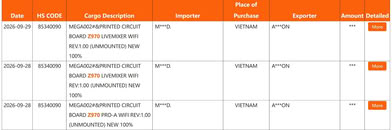
Intel's Robert Hallock has previously said the goal is more unlocked SKUs over time, and that overclocking shouldn't be reserved for the people paying the most. It looks like that approach could extend to motherboards too. Of course, Intel hasn't announced Z970 or Z990 yet, so this is all unofficial, and we don't know what the prices of either would look like. Moreover, shipments this early don't necessarily mean retail boards are close. Intel has reportedly promised more details at CES in January 2027, which fits the rumored CES 2027 launch window. If Z970 does arrive at B860 prices, it could be the most interesting platform for most builders.


GPU Makers Focus on RTX 3060/3050 as RTX 50 Series Inventory Dries Up
GPU makers across Asia, particularly in China, are reportedly redirecting their sellers to older graphics cards as an alternative due to the low supply of NVIDIA's latest GeForce RTX 50-series "Blackwell" graphics cards. They are focusing on the recently resurrected GeForce RTX 3060 and RTX 3050, which are entry-level graphics cards from two generations ago, reminiscent of the "Ampere" generation. A ChannelGate report notes that some add-in card partners are already running out of GeForce RTX 50-series inventory due to cryptocurrency mining and e-commerce promotions in China, which are significantly draining the supply of these GPUs across retailers.
In June, NVIDIA reintroduced its GeForce RTX 3060 12 GB edition. This SKU features 3,584 CUDA cores and 12 GB of GDDR6 memory. For this, NVIDIA has once again used Samsung's 8 nm DUV node, as it did in the past. The entire NVIDIA "Ampere" architecture lineup was produced on the 8 nm DUV node. Reportedly, retailers are forcing sales of RTX 3060 and RTX 3050, in addition to some AMD Radeon SKUs, to offload demand for GeForce RTX 50-series designs. Below image is EVGA's older GeForce RTX 3060, not in production anymore.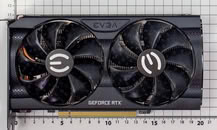

In June, NVIDIA reintroduced its GeForce RTX 3060 12 GB edition. This SKU features 3,584 CUDA cores and 12 GB of GDDR6 memory. For this, NVIDIA has once again used Samsung's 8 nm DUV node, as it did in the past. The entire NVIDIA "Ampere" architecture lineup was produced on the 8 nm DUV node. Reportedly, retailers are forcing sales of RTX 3060 and RTX 3050, in addition to some AMD Radeon SKUs, to offload demand for GeForce RTX 50-series designs. Below image is EVGA's older GeForce RTX 3060, not in production anymore.


Satechi Launches ExtendView USB4 Dual HDMI Multiport Adapter
Satechi has introduced the ExtendView USB4 Dual HDMI Multiport Adapter. This is a compact, seven-port hub that connects two 4K displays at 60 Hz through a USB4 cable. The adapter works with Mac and Windows laptops without additional drivers or DisplayLink software. Besides the two HDMI 2.0 outputs, the adapter features two USB-A 3.2 Gen 2 and two USB-C 3.2 Gen 2 ports, all supporting up to 10 Gbps of data transfer speeds. The dedicated USB-C power delivery port accepts up to 140 W from an external charger and delivers up to 125 W to the connected laptop. The USB-C data ports do not support video output, while the power delivery port is limited to charging.
The adapter connects to the host through an integrated 20.1 cm long braided USB4 cable with a bandwidth of up to 40 Gbps. It also features a built-in cable storage slot and an LED power indicator. The aluminium enclosure has an anodized Space Black finish and measures 140 x 59 x 20 mm, with a weight of 168.5 g.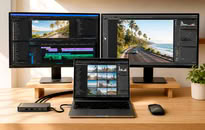
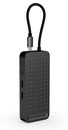
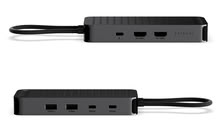

The adapter connects to the host through an integrated 20.1 cm long braided USB4 cable with a bandwidth of up to 40 Gbps. It also features a built-in cable storage slot and an LED power indicator. The aluminium enclosure has an anodized Space Black finish and measures 140 x 59 x 20 mm, with a weight of 168.5 g.

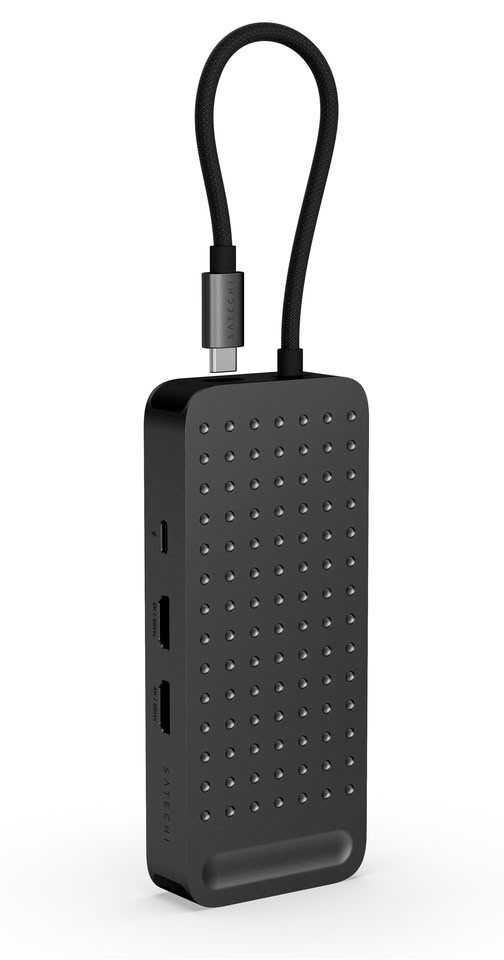
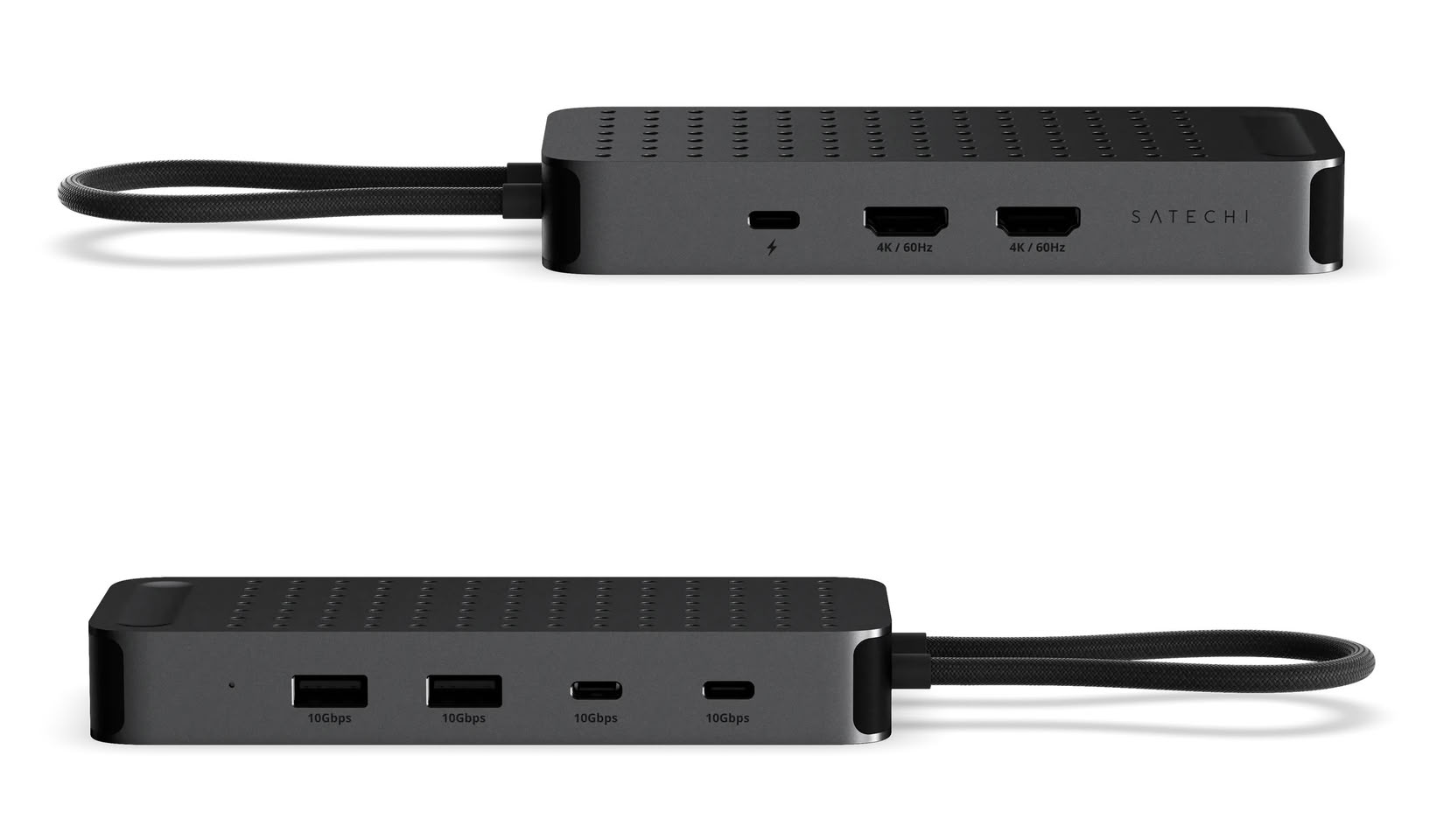
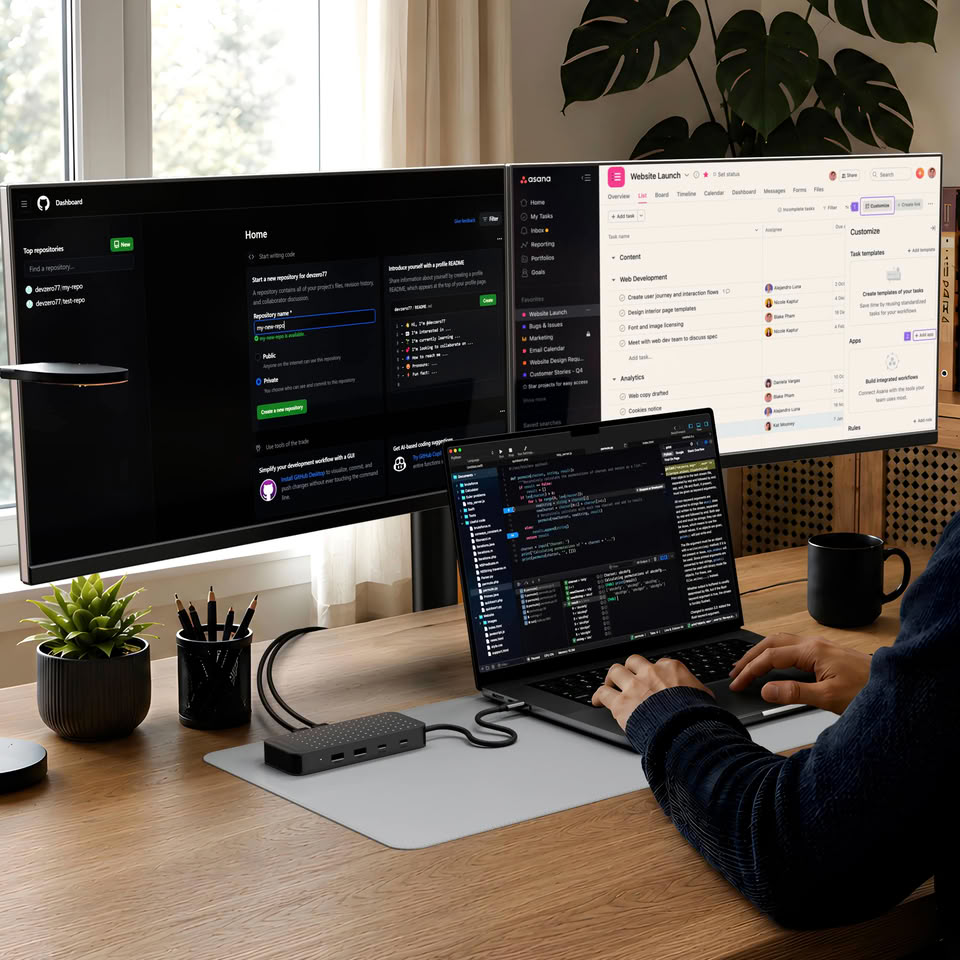
ASUS XG Core Radeon RX 9060 XT LP Heavily Downclocked to Meet 75 W Power Limit
According to the latest update on the ASUS page, the official specifications for the PCIe slot-powered 75 W ASUS XG Core Radeon RX 9060 XT LP differ significantly from those of the regular desktop card. As an external graphics solution, the XG Core powers the GPU through the PCIe slot without needing external GPU PCIe power connectors. The XG Core operates at a default game clock of 1,010 MHz and can boost up to 1,600 MHz. In OC mode, these figures increase modestly to 1,030 MHz and 1,620 MHz, respectively, which is not very noticeable. This contrasts sharply with the standard Radeon RX 9060 XT LP edition, which has a base frequency of 1,380 MHz—nearly 37% higher—and a boost frequency of up to 3,040 MHz, which is nearly double.
The differences in frequency also correlate with power consumption. The Navi 44 XTLP in the XG Core solution is rated for just 75 W, while the desktop GPU is designed for a 140 W power draw and requires an external GPU power connector. The entire XG Core unit, including its USB4 controller, is capped at 75 W. This aggressive power limit necessitates lower clock speeds to maintain stability and thermal performance within its compact chassis, which measures roughly 114 × 117 × 39 mm. The device connects to host systems via USB4 and provides limited display outputs, making it a portable graphics dock suitable for mini-PCs, notebooks, and handhelds.
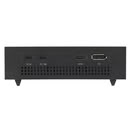
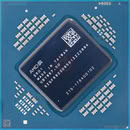
The differences in frequency also correlate with power consumption. The Navi 44 XTLP in the XG Core solution is rated for just 75 W, while the desktop GPU is designed for a 140 W power draw and requires an external GPU power connector. The entire XG Core unit, including its USB4 controller, is capped at 75 W. This aggressive power limit necessitates lower clock speeds to maintain stability and thermal performance within its compact chassis, which measures roughly 114 × 117 × 39 mm. The device connects to host systems via USB4 and provides limited display outputs, making it a portable graphics dock suitable for mini-PCs, notebooks, and handhelds.



Marvell Acquires Lumentum for $115 Billion All-Stock Deal
Marvell Technology, Inc. (NASDAQ: MRVL) and Lumentum (NASDAQ: LITE) today announced that they have entered into a definitive agreement for Marvell to acquire Lumentum in an all-stock transaction. Under the terms of the agreement, Lumentum stockholders will receive a fixed exchange ratio of 4.500 shares of Marvell common stock for each share of Lumentum common stock they own. The transaction has an implied enterprise value of $115 billion for Lumentum, representing approximately $1,132 per share of Lumentum common stock and a premium of approximately 23.9% based on each company's unaffected closing share price as of October 28, 2026, the last trading day before market speculation regarding a potential transaction began. Post-closing, current Marvell stockholders will own approximately 67% of the combined company on a fully diluted basis, while Lumentum stockholders will own approximately 33%.
The AI infrastructure industry is at an inflection point. Rapidly growing bandwidth requirements and the physical limitations of copper-based connectivity are accelerating the transition toward optical technologies. As AI infrastructure scales to increasingly complex architectures, particularly scale-up and scale-in, the industry is shifting from discrete, modular components toward highly integrated optical solutions that require much closer co-design of electrical and optical technologies to deliver greater bandwidth, performance and energy efficiency.
The AI infrastructure industry is at an inflection point. Rapidly growing bandwidth requirements and the physical limitations of copper-based connectivity are accelerating the transition toward optical technologies. As AI infrastructure scales to increasingly complex architectures, particularly scale-up and scale-in, the industry is shifting from discrete, modular components toward highly integrated optical solutions that require much closer co-design of electrical and optical technologies to deliver greater bandwidth, performance and energy efficiency.

Raspberry Pi 5 16 GB Hits $385 Following Latest Price Hikes
Raspberry Pi has raised prices again, and this time the 16 GB Raspberry Pi 5 takes the hit. CEO Eben Upton announced in a blog post that the 16 GB model goes up by $80 to $385, more than triple the $120 it launched at in January 2025. The 16 GB Compute Module 5 variants are also going up by $40, with updated prices listed in the product brief on the Compute Module 5 page. This follows the October 1 increase, when the 2 GB Pi 4 and Pi 5 each went up by $12.50. Compared to today's hike, that one was minor. Upton blames a lack of alternative supply for 16 GB DRAM, made worse by other ongoing component shortages.
Upton encouraged customers to make sure they are not paying for more memory than they need. He pointed out that lower-density variants or older Raspberry Pi models could be a solution. Also, underlined developers to optimize memory use in their applications. He closes the post by saying the current memory situation is difficult but temporary. Raspberry Pi Foundation intends to roll the increases back once memory costs start to decrease.
Upton encouraged customers to make sure they are not paying for more memory than they need. He pointed out that lower-density variants or older Raspberry Pi models could be a solution. Also, underlined developers to optimize memory use in their applications. He closes the post by saying the current memory situation is difficult but temporary. Raspberry Pi Foundation intends to roll the increases back once memory costs start to decrease.

Qualcomm Validates HBC Silicon, Samples Appear in First Half of 2027
Qualcomm has officially validated its High Bandwidth Compute (HBC) concept, which the company showcased this summer. Instead of using traditional HBM and compute dies, Qualcomm has developed a technology that stacks multiple LPDDR layers and embeds a base die that serves as a compute engine for AI inference. In Qualcomm's San Diego lab, the first-generation HBC has achieved silicon validation with full read-write and near-memory computation capabilities. HBC utilizes LPDDR memory, stacking it across multiple layers in a 3D vertical space and interconnecting them with through-silicon vias (TSVs). This approach provides better energy efficiency than traditional HBM, which stacks regular DDR in vertical layers, as the low-power DDR (LPDDR) chips consume less power while delivering similar bandwidth and capacity.
Qualcomm has successfully stacked multiple LPDDR layers on top of each other, with the base of the HBC being a compute die that performs near-memory computation and offloads processing to near-memory dies. This technique is similar to what HBM4 memory currently does, with the base die being a logic die to better integrate compute solutions for packet tracing and data preparation for entering and exiting HBM. However, Qualcomm aims to achieve higher efficiency and more optimized data movement, with a 6x increase in bandwidth per watt compared to the current HBM specification. The goal is to have compute directly under these memory stacks so that data travels only a few microns instead of a few centimeters.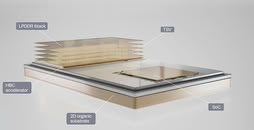
Qualcomm has successfully stacked multiple LPDDR layers on top of each other, with the base of the HBC being a compute die that performs near-memory computation and offloads processing to near-memory dies. This technique is similar to what HBM4 memory currently does, with the base die being a logic die to better integrate compute solutions for packet tracing and data preparation for entering and exiting HBM. However, Qualcomm aims to achieve higher efficiency and more optimized data movement, with a 6x increase in bandwidth per watt compared to the current HBM specification. The goal is to have compute directly under these memory stacks so that data travels only a few microns instead of a few centimeters.

Steam Hardware Survey: Old Leaders Return as 16 GB RAM and RTX 3060 Are Back on Top
Valve's October 2026 Steam Hardware & Software Survey shows much of September's odd data snapping back. After 32 GB system RAM overtook 16 GB last month, the 16 GB tier is back in first place at 41.42% (up 3.60 points), while 32 GB dropped 5.16 points to 37.06%. The GeForce RTX 3060 is the most common GPU again at 3.62% across all platforms, a spot it held before September, while the RTX 5070 fell from 5.86% to 3.56%. It looks like the survey sample played a big part. Simplified Chinese fell 9.41 points to 21.98%, while English rose 4.84 points to 39.04%. The survey is voluntary, so a change in who responds can move the numbers without an actual hardware change behind it. We can't confirm that, but it would explain why so many categories shifted at once.
Windows 11 rose 1.17 points to 72.51%, and Linux climbed 0.90 points to 3.95%. The 1440p share dropped 5.22 points to 21.82%, while 1080p sits at 50.23%. On Windows, Intel gained 0.89 points to reach 53.48% CPU share, with AMD at 46.51%. Valve's Steam Frame, which launched in September, now holds 4.13% of surveyed VR headsets, up 3.72 points, while Meta Quest 3 continues to dominate with a 27.27% share. However, headset owners are only 1.75% of the survey, so it's a small group. The interesting bit is still the system RAM split, and while 32 GB RAM had been slowly gaining on 16 GB, it looks like September was the outlier. November's data should give us a better idea of the split.
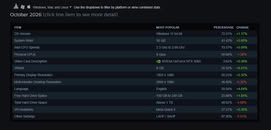
Windows 11 rose 1.17 points to 72.51%, and Linux climbed 0.90 points to 3.95%. The 1440p share dropped 5.22 points to 21.82%, while 1080p sits at 50.23%. On Windows, Intel gained 0.89 points to reach 53.48% CPU share, with AMD at 46.51%. Valve's Steam Frame, which launched in September, now holds 4.13% of surveyed VR headsets, up 3.72 points, while Meta Quest 3 continues to dominate with a 27.27% share. However, headset owners are only 1.75% of the survey, so it's a small group. The interesting bit is still the system RAM split, and while 32 GB RAM had been slowly gaining on 16 GB, it looks like September was the outlier. November's data should give us a better idea of the split.


Windows 11 Pro Lifetime License Is Just $10 Through Nov 1
Microsoft Windows 11 Pro is available for $9.97 (MSRP $199) through Nov. 1, a saving of $189.03. The purchase provides a lifetime license for one PC, with no subscription or recurring fees. The license is non-transferable.
The main reason to choose Pro over Windows 11 Home is its additional security, virtualization, and business management tools. These features are relevant to users working in development, IT, or business environments.
The main reason to choose Pro over Windows 11 Home is its additional security, virtualization, and business management tools. These features are relevant to users working in development, IT, or business environments.

AMD Zen 7 "Grimlock" APUs to Feature New RDNA 5+ Graphics in 2029, Leaker Claims
Leaker Kepler_L2 says AMD will bring RDNA 5+ to its Zen 7 "Grimlock" APUs in 2029. He posted on the NeoGAF forum, replying to a user who guessed RDNA 5 would trickle down to regular mobile chips in 2028 or later. His answer was "RDNA5+ in 2029 with Grimlock." He gave no details on how RDNA 5+ differs from RDNA 5, and AMD hasn't confirmed the name or timing. Grimlock is the codename for the Zen 7 Ryzen generation. This update follows Kepler_L2's January claim that AMD is splitting its APU roadmap in two. Products that don't need strong integrated graphics, like office laptops or laptops with a high-end discrete GPU, stay on RDNA 3.5 until 2029, while "premium" parts get RDNA 5. Medusa Halo is expected to be one of those.
The picture is messy, though. We previously reported that Medusa Point should get RDNA 4m, a tweaked RDNA 3.5 with FSR 4 support, and AMD's HIPRT 3.2 release notes list Medusa support for gfx1170, gfx1171 and gfx115E. The gfx115x family is RDNA 3.5, so it looks like at least one Medusa chip could stick with it. If this ends up being true, anyone waiting on a mainstream Ryzen laptop or handheld with RDNA 5 graphics may be waiting a long time. That's a long run for one iGPU architecture, but of course, this is all leak territory until AMD says something concrete.
The picture is messy, though. We previously reported that Medusa Point should get RDNA 4m, a tweaked RDNA 3.5 with FSR 4 support, and AMD's HIPRT 3.2 release notes list Medusa support for gfx1170, gfx1171 and gfx115E. The gfx115x family is RDNA 3.5, so it looks like at least one Medusa chip could stick with it. If this ends up being true, anyone waiting on a mainstream Ryzen laptop or handheld with RDNA 5 graphics may be waiting a long time. That's a long run for one iGPU architecture, but of course, this is all leak territory until AMD says something concrete.

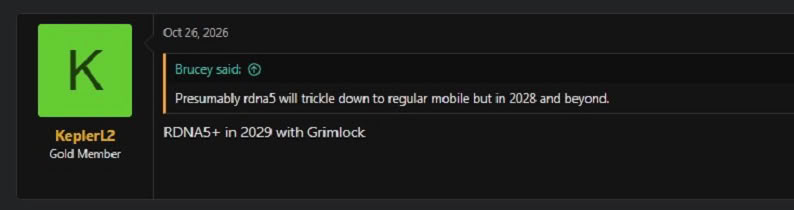

Intel "Wildcat Lake" Powers Zotac's New Fanless ZBOX Mini PCs
Zotac has updated its webstore with the listing of three new ZBOX mini PCs based on Intel's "Wildcat Lake" platform. According to FanlessTech, who first spotted these mini PCs, this marks one of the first instances of passively-cooled mini PCs using Intel "Wildcat Lake" SoCs. There are three models in total: the CI431 nano, CI451 nano, and CI471 nano. They all share a passively cooled chassis measuring 204 × 129 × 68 mm, with a volume of 1.79 liters. The entry-level CI431 nano features a Core 3 304 processor with 1 P-Core and 4 low-power E-Cores, totaling five cores and five threads, and boost speeds reaching 4.3 GHz. The CI451 nano is equipped with a Core 5 320, while the CI471 nano has a Core 7 350. Both of these models feature 2 P-Cores and 4 low-power E-Cores, providing six cores and six threads, with maximum clock speeds of 4.6 GHz and 4.8 GHz, respectively.
Intel specifies 6 MB of Smart Cache, 15 W base power, and 35 W maximum turbo power for all three processors, which are manufactured using its 18A process. The graphics capabilities differ between models: the Core 3 has one Xe-core running at up to 2.3 GHz, while the Core 5 and Core 7 have two Xe-cores running at up to 2.5 GHz and 2.6 GHz, respectively. Their integrated NPUs deliver up to 15, 16, and 17 TOPS, respectively. Each system supports up to 64 GB of DDR5-6400 memory through one SO-DIMM slot, along with an M.2 2280 PCIe 4.0 x4 SSD.

Intel specifies 6 MB of Smart Cache, 15 W base power, and 35 W maximum turbo power for all three processors, which are manufactured using its 18A process. The graphics capabilities differ between models: the Core 3 has one Xe-core running at up to 2.3 GHz, while the Core 5 and Core 7 have two Xe-cores running at up to 2.5 GHz and 2.6 GHz, respectively. Their integrated NPUs deliver up to 15, 16, and 17 TOPS, respectively. Each system supports up to 64 GB of DDR5-6400 memory through one SO-DIMM slot, along with an M.2 2280 PCIe 4.0 x4 SSD.


Intel "Larrabee" GPU System Surfaces with Working Drivers
Recovered drivers have reportedly restored 3D acceleration to an Intel "Larrabee" prototype, offering the community a rare chance to test the company's abandoned graphics project. Reddit user "pkellythompson" discovered the hardware in equipment purchased at a storage auction, along with two USB drives containing Intel's development software. The Intel Visual Adrenaline system includes a DX58SO motherboard, a C0 stepping "Larrabee" sample, and a diagnostic board. Getting it running required using DVI instead of HDMI and adjusting the storage controller's BIOS settings, so Windows 7 could boot. The recovered archives, approximately 82 MB and 728 MB, include drivers, documentation, development utilities, and VBIOS instructions.
First publicly detailed in 2008, the "Larrabee" project aimed to challenge NVIDIA and AMD's dedicated graphics cards. Larrabee handled much of its graphics processing through software running on simple in-order x86 cores with wide vector units, assisted by dedicated texture hardware. Intel canceled its consumer graphics launch in December 2009 after development fell behind expectations, although the architecture later powered Xeon Phi accelerators. The restored prototype reportedly ran Crysis at 1280×720p with Medium settings and antialiasing disabled. Initial results exceeded 17 FPS, with another recovered driver boosting performance to around 36 FPS.
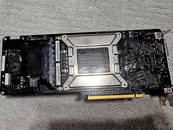
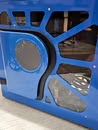


First publicly detailed in 2008, the "Larrabee" project aimed to challenge NVIDIA and AMD's dedicated graphics cards. Larrabee handled much of its graphics processing through software running on simple in-order x86 cores with wide vector units, assisted by dedicated texture hardware. Intel canceled its consumer graphics launch in December 2009 after development fell behind expectations, although the architecture later powered Xeon Phi accelerators. The restored prototype reportedly ran Crysis at 1280×720p with Medium settings and antialiasing disabled. Initial results exceeded 17 FPS, with another recovered driver boosting performance to around 36 FPS.


VOIDJOY SkyLark S1 Pro Brings Full Gamepad Controls to Portable Play
The VOIDJOY SkyLark S1 Pro is available at a limited-time promotional price from JSAUX GAMING. The controller is designed for players who move between handhelds, PCs and mobile devices and want a gamepad that is easy to keep in their bag. "Portability should not come at the expense of functionality," said Winnie Chen, Marketing Communications Manager at JSAUX GAMING. "We designed the SkyLark S1 Pro to be as easy to carry as a phone while still delivering the control players expect from a serious gamepad".
Measuring 133 mm × 75 mm × 24 mm and weighing approximately 113 grams, the SkyLark S1 Pro fits easily into a backpack, handheld case or jacket pocket. Players can take it along for gaming at home, on the road or during a commute. The controller works with compatible PC, Nintendo Switch, Steam Deck, Android and iOS devices. In 2.4 GHz mode, two SkyLark S1 Pro controllers can connect through one receiver, making the setup suitable for local multiplayer games such as It Takes Two and Overcooked!



Measuring 133 mm × 75 mm × 24 mm and weighing approximately 113 grams, the SkyLark S1 Pro fits easily into a backpack, handheld case or jacket pocket. Players can take it along for gaming at home, on the road or during a commute. The controller works with compatible PC, Nintendo Switch, Steam Deck, Android and iOS devices. In 2.4 GHz mode, two SkyLark S1 Pro controllers can connect through one receiver, making the setup suitable for local multiplayer games such as It Takes Two and Overcooked!


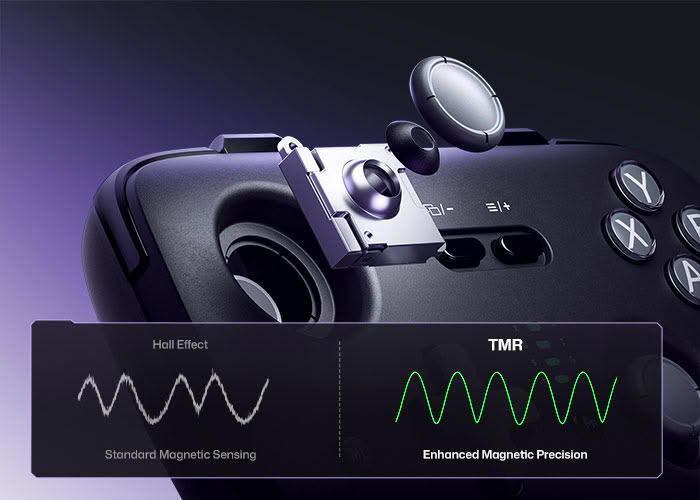
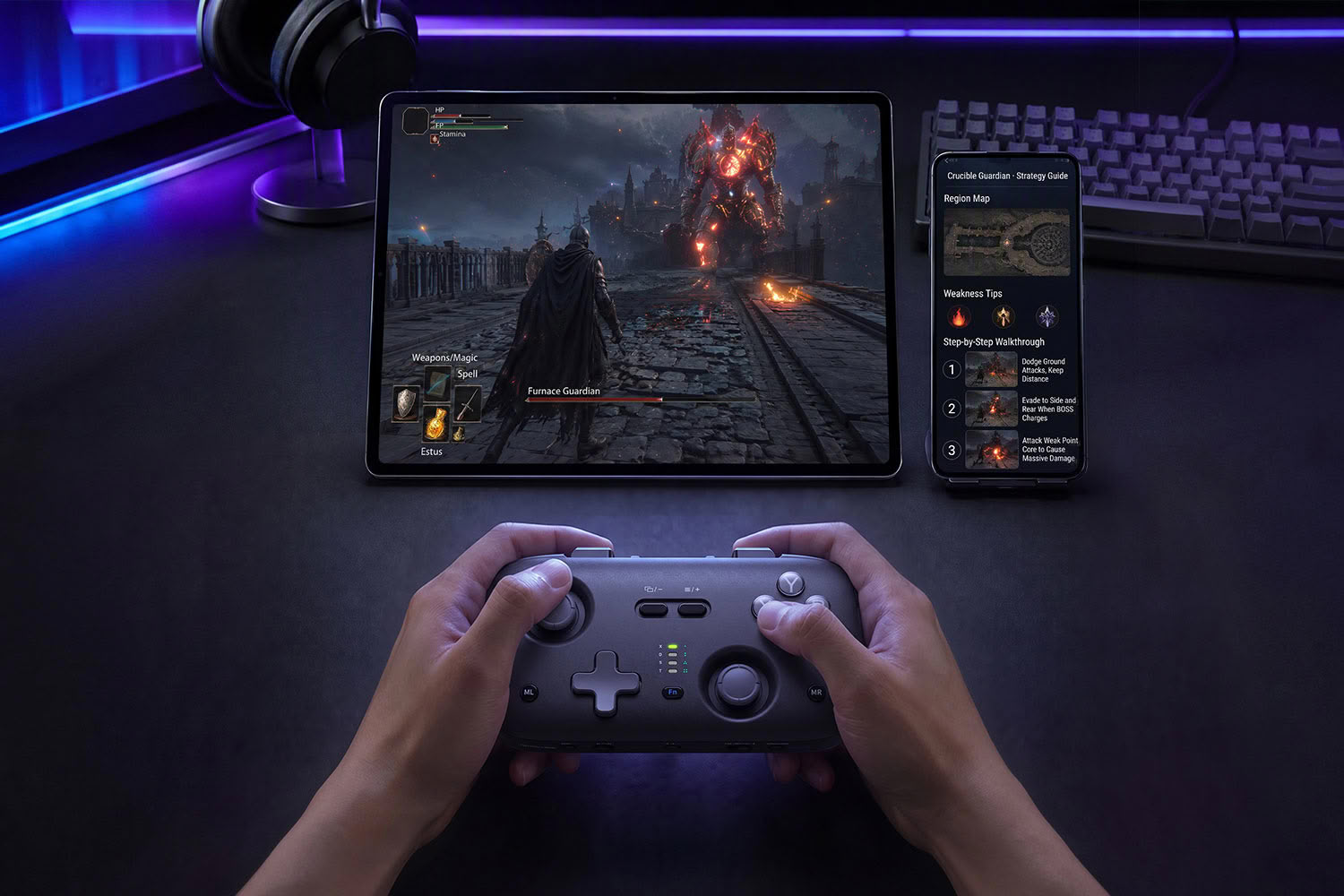
Board Partners Reportedly Still Await NVIDIA GeForce RTX 5080 24 GB GPU Kits
NVIDIA's board partners reportedly still lack the supply of GeForce RTX 5080 24 GB design kits, making a nearby launch seemingly impossible. According to BenchLife, design kits have not yet been provided to NVIDIA's add-in card partners. These design kits typically include a GPU die and memory modules shipped directly from NVIDIA. NVIDIA negotiates GDDR7 module pricing and supply while also receiving GPU die shipments from TSMC. The company then packages these together and sends them to board partners for assembly on their custom PCBs and designs. Since this process takes time to validate and test new designs, board partners might be unable to meet the previously assumed launch in January.
Earlier rumors suggested that NVIDIA's GeForce RTX 5080 24 GB might arrive sooner than expected, with a post from Board Channels' ChannelGate account claiming NVIDIA is speeding up the launch, with availability now expected around January 2027. Apparently, NVIDIA has already cleared out its RTX 5080 16 GB GPU inventory, and the remaining stock should last around two months. However, since board partners aren't receiving those GPU kits yet, this timing might be impossible to meet, and the window would be around Q1 2027, but not in January.
Earlier rumors suggested that NVIDIA's GeForce RTX 5080 24 GB might arrive sooner than expected, with a post from Board Channels' ChannelGate account claiming NVIDIA is speeding up the launch, with availability now expected around January 2027. Apparently, NVIDIA has already cleared out its RTX 5080 16 GB GPU inventory, and the remaining stock should last around two months. However, since board partners aren't receiving those GPU kits yet, this timing might be impossible to meet, and the window would be around Q1 2027, but not in January.

Alphacool Introduces Apex 1 AM5 White CPU Water Block
Alphacool International GmbH, based in Braunschweig, Germany, is a pioneer in the field of PC water-cooling technology. With one of the most comprehensive product portfolios in the industry and more than 20 years of experience, Alphacool is expanding its CPU cooling lineup with new high-performance Apex 1 CPU Cooler AM5 White.
The Alphacool Apex 1 CPU Cooler AM5 White brings a fresh look to high-performance liquid cooling. Featuring the same proven technology as its black counterpart, the new white edition combines powerful cooling performance with an elegant design, making it the ideal choice for enthusiasts looking to build a stylish, high-performance AMD AM5 system with a light-colored aesthetic.
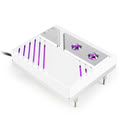
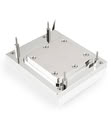
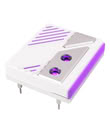

The Alphacool Apex 1 CPU Cooler AM5 White brings a fresh look to high-performance liquid cooling. Featuring the same proven technology as its black counterpart, the new white edition combines powerful cooling performance with an elegant design, making it the ideal choice for enthusiasts looking to build a stylish, high-performance AMD AM5 system with a light-colored aesthetic.


Sunday, November 1st 2026
Fans Rebuild Valve's Scrapped Portal Prequel "F-Stop" From Three Separate Leaks
F-Stop, the Portal prequel Valve canceled in 2007, is now playable after the community stitched it together from several leaks. Most of its assets were already sitting in the gigantic 12 TB Steam2 archive that leaked in August, but that dump didn't include the game's source code or its mapsrc data, Valve's folder for map source files. Those two missing pieces showed up on the Valve Cut Content project's Discord server over the past few days, where the team verified the map files before everything was merged into one build. It isn't fully complete, as some textures and dialogue are still missing, but YouTube playthroughs suggest it's largely stable, and the campaign wraps up in under an hour. Getting a copy yourself is another matter, since the Discord server apparently went invite-only after all the attention.
F-Stop came out of what Gabe Newell later called the Directed Design Experiments, a three-month stretch where Valve split into five teams, each building its own prototype. Its central idea is an Aperture Science camera that photographs an object so you can place it elsewhere to solve puzzles, a concept the 2023 game Viewfinder later explored. Valve staff apparently liked it, but playtesters were less impressed. It was shelved, and some of its dialogue, characters, and mechanics were reworked into Portal 2. The playthroughs show an early Cave Johnson talking to the player (without J.K. Simmons' voice), along with personality cores acting as puzzle companions. Valve hasn't commented on this project, and there's no indication of an official release.

F-Stop came out of what Gabe Newell later called the Directed Design Experiments, a three-month stretch where Valve split into five teams, each building its own prototype. Its central idea is an Aperture Science camera that photographs an object so you can place it elsewhere to solve puzzles, a concept the 2023 game Viewfinder later explored. Valve staff apparently liked it, but playtesters were less impressed. It was shelved, and some of its dialogue, characters, and mechanics were reworked into Portal 2. The playthroughs show an early Cave Johnson talking to the player (without J.K. Simmons' voice), along with personality cores acting as puzzle companions. Valve hasn't commented on this project, and there's no indication of an official release.


Modded RTX 2080 Ti 22 GB Shows What Extra VRAM Can Still Do for Turing
PC Games Hardware has put a modded GeForce RTX 2080 Ti 22 GB through their test gauntlet, and the extra memory seemingly pays off once games run out of headroom. At 4K with DLSS Performance and FSR 3.1 Frame Generation, the card averaged 52.5 FPS in Flight Simulator 2024 against 30.2 FPS on a regular 11 GB model, roughly 74% faster. Spider-Man 2 jumped from 39.4 to 64.0 FPS, and Indiana Jones and the Great Circle crashed to the desktop on the 11 GB card. At 1440p with DLSS Quality, the gap was smaller, though those first two games still ran about 20% slower on 11 GB. Of course, PCGH chose nine memory-hungry games on purpose, and most titles run fine on 11 GB. Keep in mind that these are just one outlet's numbers, and other results may vary.
These cards have shown up everywhere from Alibaba to eBay listings at $499, and this one came from a reader. All eleven memory chips are swapped for 2 GB Samsung parts. No firmware changes are needed, since relocating a single strap resistor tells the GPU about the extra capacity, and NVIDIA's regular drivers pick it up. Its weak blower-style cooler and 250 W limit held it back, so PCGH tuned both cards to identical 1.9 GHz, 15 GT/s, and 280 W settings. At around €500, the 22 GB card costs quite a bit less than a 16 GB RTX 5060 Ti, which goes for €770 in Germany. PCGH still calls it a gamble, citing eight-year-old hardware and soldering work that can fail weeks later, and advises checking the seller's reputation and whether any warranty goes beyond a 30-day return window.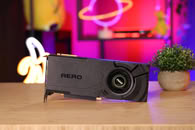


These cards have shown up everywhere from Alibaba to eBay listings at $499, and this one came from a reader. All eleven memory chips are swapped for 2 GB Samsung parts. No firmware changes are needed, since relocating a single strap resistor tells the GPU about the extra capacity, and NVIDIA's regular drivers pick it up. Its weak blower-style cooler and 250 W limit held it back, so PCGH tuned both cards to identical 1.9 GHz, 15 GT/s, and 280 W settings. At around €500, the 22 GB card costs quite a bit less than a 16 GB RTX 5060 Ti, which goes for €770 in Germany. PCGH still calls it a gamble, citing eight-year-old hardware and soldering work that can fail weeks later, and advises checking the seller's reputation and whether any warranty goes beyond a 30-day return window.



Microsoft Adds Cloud Rebuild Recovery to Windows 11 in Latest Preview Update
Microsoft has introduced Cloud Rebuild, a recovery option that can wipe and reinstall Windows 11 by pulling a fresh image and the PC's drivers from Windows Update, even when the system refuses to boot. It ships with KB5127936, the optional preview update released on October 28 for Windows 11 25H2 and 26H2, and it's rolling out gradually. If Windows still loads, the option sits under Settings > System > Recovery as "Rebuild PC." If it doesn't, the PC falls back to the Windows Recovery Environment (WinRE) after a few failed boots, where Cloud rebuild shows up under the Troubleshoot menu.
The "Reset this PC" menu has had a Cloud download mode for a while. According to Microsoft, Cloud rebuild goes a step further by grabbing drivers as well and by not depending on the installed copy of Windows being intact. It is a clean slate, though. The system drive gets reformatted, wiping apps, settings, user accounts, and local files, and only data synced to services like OneDrive survives. Anyone handing the PC off can pick a sanitize mode that has the drive securely erase itself first, and IT admins can kick off a rebuild remotely through the Recovery CSP.

The "Reset this PC" menu has had a Cloud download mode for a while. According to Microsoft, Cloud rebuild goes a step further by grabbing drivers as well and by not depending on the installed copy of Windows being intact. It is a clean slate, though. The system drive gets reformatted, wiping apps, settings, user accounts, and local files, and only data synced to services like OneDrive survives. Anyone handing the PC off can pick a sanitize mode that has the drive securely erase itself first, and IT admins can kick off a rebuild remotely through the Recovery CSP.


Samsung Hosts OpenAI's Sam Altman for AI Seminar, No Supply Deal Announced
Two days after arguing that the DRAM in home PCs would be put to better use in data centers, OpenAI CEO Sam Altman sat down with around 50 Samsung presidents on Saturday, October 31. The group went well past the chip business, with leaders from Samsung's finance and biotech arms joining the electronics side at the company's training center in Yongin. Samsung presented it as part of a leadership seminar series for its company-wide AI push, and the talks apparently covered where AI is headed, the markets it could open up, and how it changes the way large companies make decisions. According to Samsung, Altman told the room that adopting AI alone doesn't give anyone an edge, and that the payoff comes from using it to move faster and build better products.
Nothing came out of it in terms of a new supply contract, at least publicly, and Samsung's own write-up stuck to AI strategy. Still, it's hard to look at the visit separately from the memory shortage. Samsung signed a letter of intent with OpenAI back in October 2025 to act as a memory partner for Stargate, with OpenAI's demand projected at up to 900,000 DRAM wafers per month. Separately, on October 31, SK Group chairman Chey Tae-won also reportedly met Altman in Seoul, with SK hynix and SK Telecom executives joining, according to industry sources. Last month, AMD's Lisa Su spent hours with Samsung's chip chief chasing HBM supply, and amid all these meetings, Micron's CEO expects the memory crunch to get worse in 2027 and 2028. It seems like every major buyer is knocking on the same Korean doors.

Nothing came out of it in terms of a new supply contract, at least publicly, and Samsung's own write-up stuck to AI strategy. Still, it's hard to look at the visit separately from the memory shortage. Samsung signed a letter of intent with OpenAI back in October 2025 to act as a memory partner for Stargate, with OpenAI's demand projected at up to 900,000 DRAM wafers per month. Separately, on October 31, SK Group chairman Chey Tae-won also reportedly met Altman in Seoul, with SK hynix and SK Telecom executives joining, according to industry sources. Last month, AMD's Lisa Su spent hours with Samsung's chip chief chasing HBM supply, and amid all these meetings, Micron's CEO expects the memory crunch to get worse in 2027 and 2028. It seems like every major buyer is knocking on the same Korean doors.


Resizable BAR Comes to Haswell Motherboards Thanks to a Community UEFI Driver
Haswell owners finally have a way to get Resizable BAR running on Intel 8-series motherboards. As spotted by Haze on X, a developer going by roschank has released reBART, an open-source UEFI driver for Z87, H87, Q87, B85, Q85, and H81 boards. Back in 2020, it was reported that Intel CPUs since Haswell support Resizable BAR, pending firmware updates from motherboard makers that never came for 8-series. The developer went digging after failing to get Above 4G Decoding working on their own B85 board, and found that Intel's 8-series platform code skips mapping memory above 4 GB altogether, something both 7-series and 9-series firmware handle. Apparently, every board maker they checked inherited the same gap, so the 4G toggle some of these BIOSes expose likely does nothing.
reBART lets the board boot normally and only kicks in right before the OS loads. At that point, it shifts the GPU's memory window up past the 4 GB line and points the boot display at the new location too. Unlike ReBarUEFI, it doesn't need module patching, though a DSDT patch is still required. Newer builds added experimental support for Intel Arc cards and multi-GPU setups, which is important since Intel once told Arc buyers without ReBAR to stick with other vendors. One user reports an Arc A750 and an Arc B580 both working with an unlimited BAR size on a Gigabyte GA-Z87M-D3H under Ubuntu. Of course, going this route means flashing a modified BIOS, and at least one ASUS Z87-Plus owner couldn't get the board to boot after the DSDT patch. The developer hasn't shared any performance numbers yet either.
reBART lets the board boot normally and only kicks in right before the OS loads. At that point, it shifts the GPU's memory window up past the 4 GB line and points the boot display at the new location too. Unlike ReBarUEFI, it doesn't need module patching, though a DSDT patch is still required. Newer builds added experimental support for Intel Arc cards and multi-GPU setups, which is important since Intel once told Arc buyers without ReBAR to stick with other vendors. One user reports an Arc A750 and an Arc B580 both working with an unlimited BAR size on a Gigabyte GA-Z87M-D3H under Ubuntu. Of course, going this route means flashing a modified BIOS, and at least one ASUS Z87-Plus owner couldn't get the board to boot after the DSDT patch. The developer hasn't shared any performance numbers yet either.


This Week in Gaming (Week 45)
Welcome to November and we kick off this month with a somewhat slow start, as even this week's major release is technically a re-release of a game that's over 20 years old. The rest of this week's new releases includes a lot of early access games and kicks off with a pack of hounds in space, followed by a family friendly, multiplayer life/farming sim and an open world MMORPG. This is followed by an extended medieval city builder and we end the week with a haystack and you get to guess what you have to find in it. Don't forget to check out this week's other releases as well.
World of Warcraft: Forever / This week's major release / Wednesday 4 November
WoW: Forever is an invitation to take your first steps in a legendary world of untamed frontiers, warring factions, untold perils, and unseen mysteries. Experience an Azeroth that grows from the roots of WoW's first age, continually evolving through regular content patches and updates that promise never-ending adventure.



World of Warcraft: Forever / This week's major release / Wednesday 4 November
WoW: Forever is an invitation to take your first steps in a legendary world of untamed frontiers, warring factions, untold perils, and unseen mysteries. Experience an Azeroth that grows from the roots of WoW's first age, continually evolving through regular content patches and updates that promise never-ending adventure.

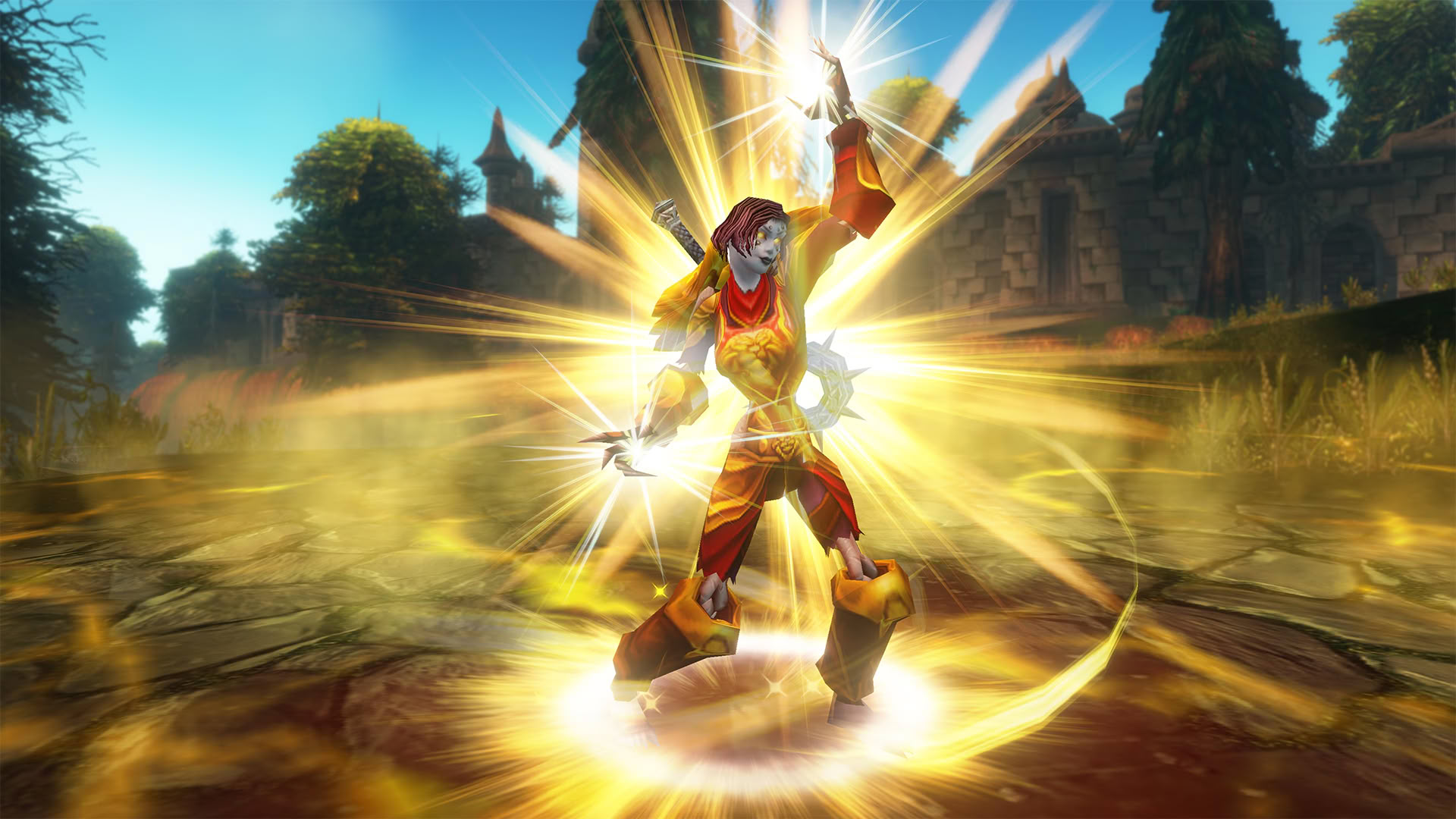


Nov 20th, 2026 15:35 PST
change timezone
Latest GPU Drivers
New Forum Posts
- How to prevent OLED burn damage due to PC freezes or power outtages? (49)
- RX 9000 series GPU Owners Club (2249)
- WarpCoreBench scores! (82)
- Honestly, do you care about GTA VI? (209)
- Logitech Headsets Modded Driver — Unlock Dolby in G HUB (23)
- 1 - 5 person file storage server equivalent accasible from anywhere + general VM server. (1)
- When you could finally run Crysis maxed out? (63)
- GTA VI (20)
- Anthrophics IPO (25)
- GeekMagic Ultra Smart WiFi Weather Station (8)
Popular Reviews
- AMD Zen 6 Technical Deep Dive
- Microsoft Surface Laptop Ultra Review - The Next-gen Arm Laptop
- Ugreen NASync DXP4800 GT Review
- Corsair RM1200e (Second Generation) Review
- Acemagic Retro X3 Review
- Upcoming Hardware Launches 2027 (Updated Nov 2026)
- Pulsar Office Tour & First Look at P1 Dual-Sensor Mouse
- Biwin Black Opal NV7400 2 TB Review
- AMD Ryzen 7 9800X3D Memory Performance Scaling
- AMD Ryzen 7 9800X3D Review - The Best Gaming Processor
TPU on YouTube
Controversial News Posts
- NVIDIA Co-Founder and CEO Jensen Huang Officially Resigns (491)
- Report: Jensen Huang Eyes NVIDIA Comeback (256)
- Open Letter Asking NVIDIA to Reinstate Jensen Huang Passes 115,000 Signatures (184)
- OpenAI CEO Argues Home PCs Waste the World's Limited DRAM Supply (152)
- NVIDIA Launches Investigation Into Jensen Huang's Relationship With Suspected Chinese Spy (136)
- Intel "Raptor Lake Next" 16-Core and 20-Core CPUs Surface (130)
- Legendary Game Studio BioWare Shuts Down Following EA Layoffs (104)
- Dell CEO Says the Memory Shortage Will Get Worse in 2027 (95)