Principled Technologies Wednesday
published its first response to allegations of
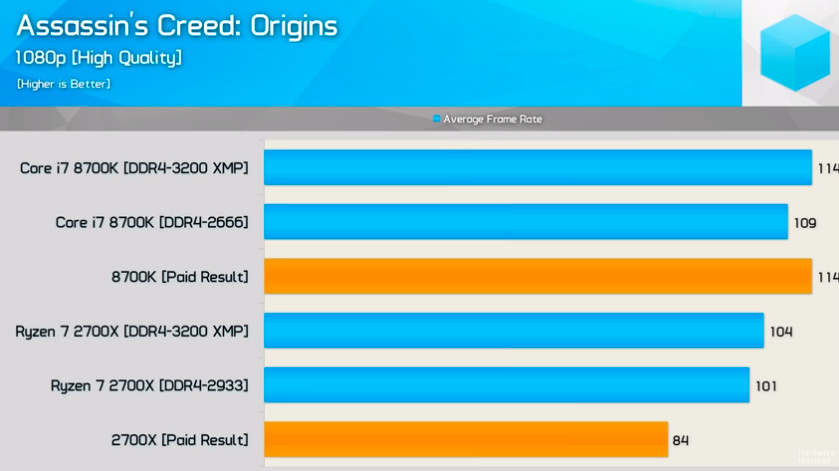
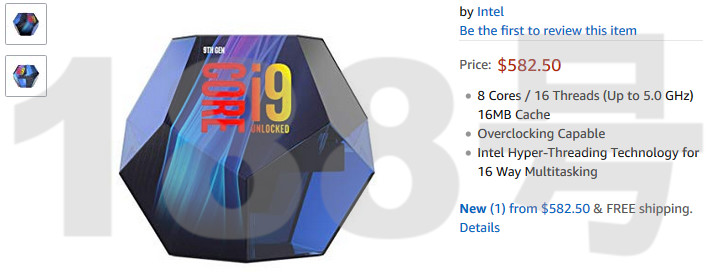
flawed and misleading "independent" comparison between the $319 AMD Ryzen 7 2700X and the 66% pricier $530 (pre-order price) Intel Core i9-9900K, which Intel used in its launch event to woo gamers and investors. In its response, the company elaborated on the reasons why it tested the AMD chip with memory and cooler settings reputed hardware reviewers found sub-optimal. "One goal of this study was to test the CPUs and their graphics subsystems, not the GPUs, so we ran the tests at the most common gaming resolution (62.06%), 1920×1080," reads the response, touting a foregone conclusion that gamers with $500 8-core processors still game at 1920 x 1080. We get that they, like every CPU reviewer, are trying to simulate a CPU-limited scenario, but to justify their settings with Steam Hardware Survey data as "the most common resolution," is a disingenuous argument.
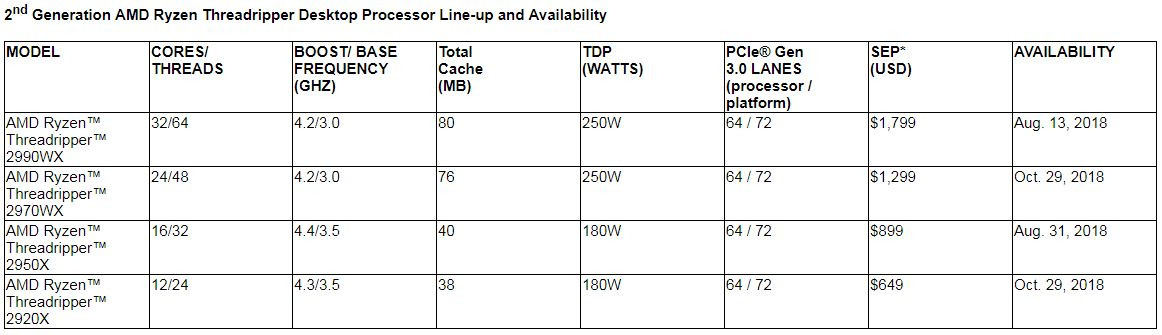
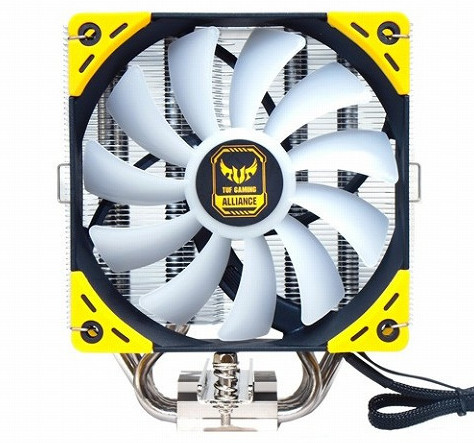
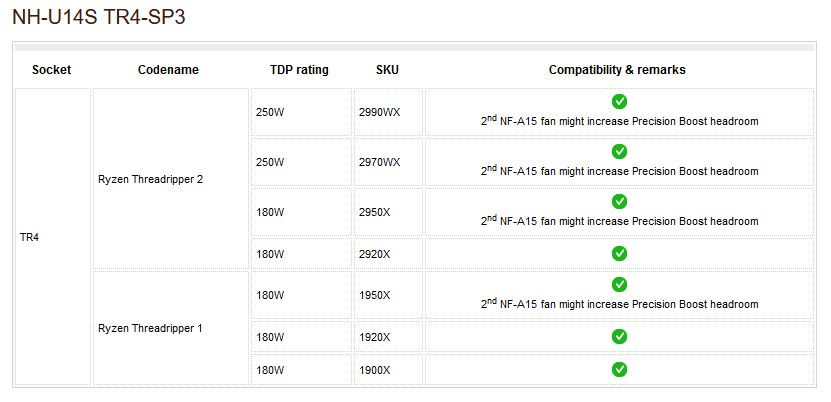
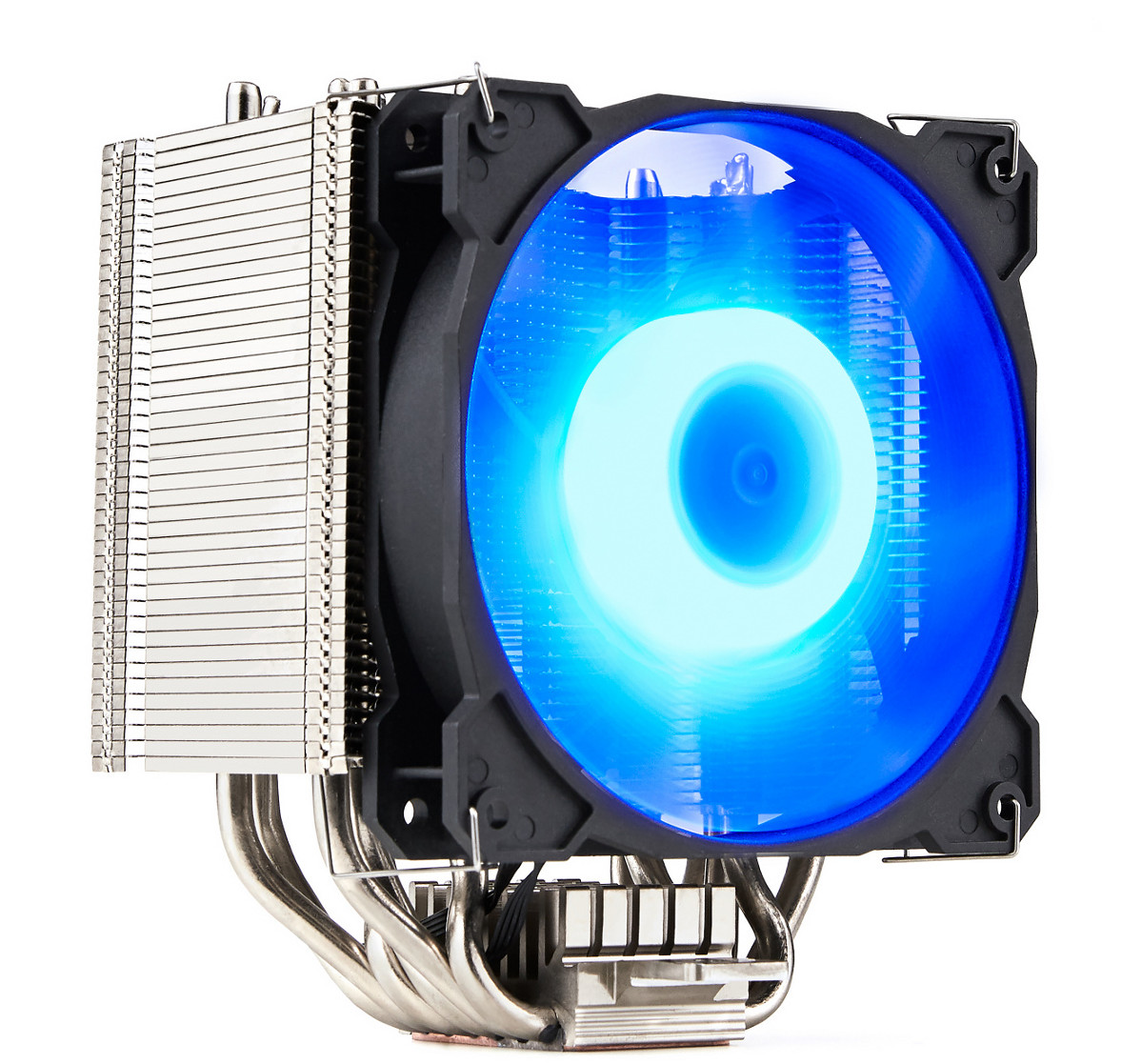
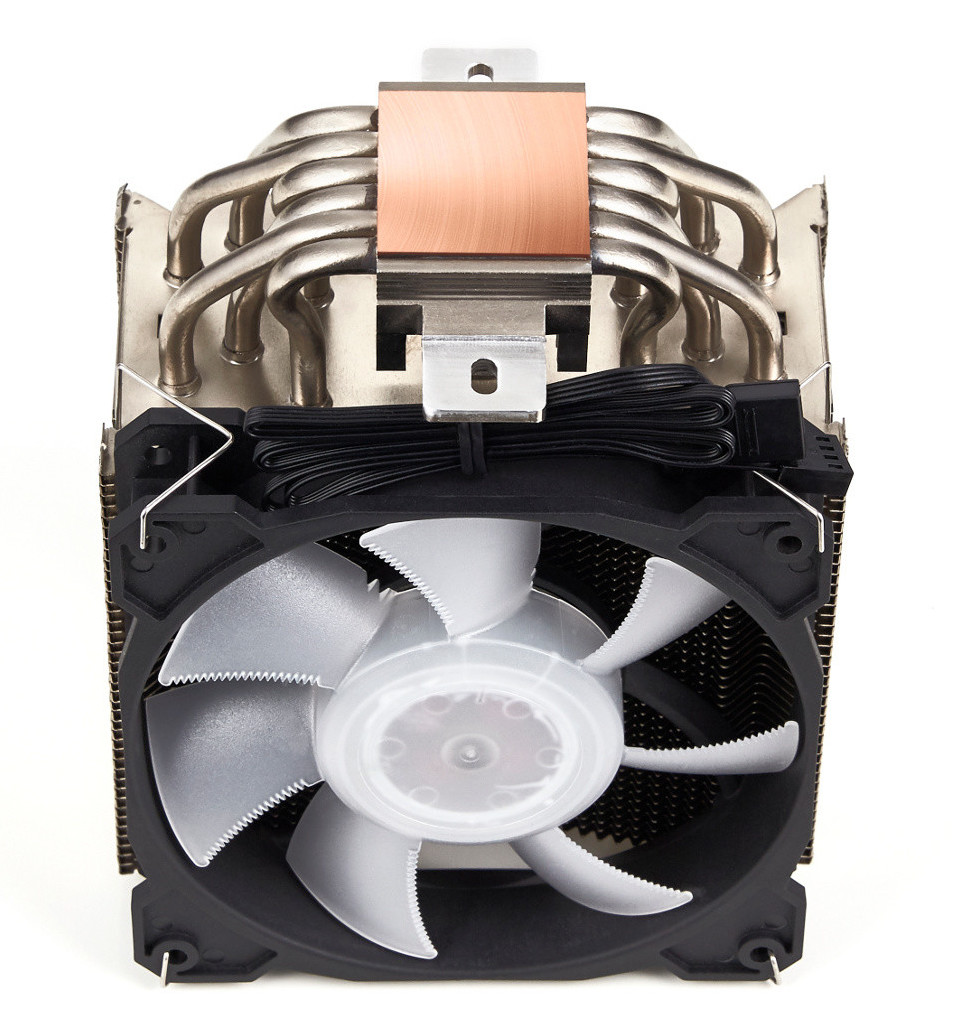
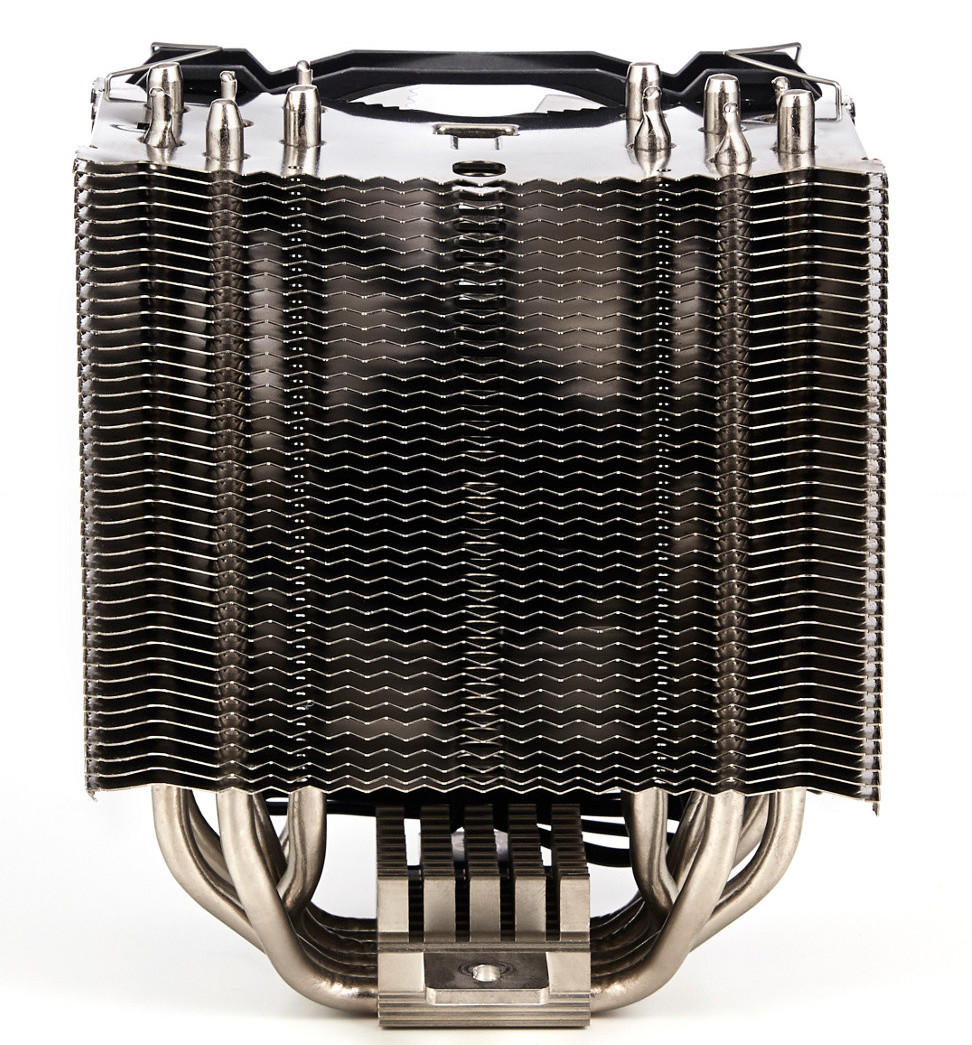
We next see Principled Technologies justify the use of NH-U14S TR4-SP3 cooler on the Ryzen Threadripper 2990WX. Noctua, in its own
TDP Guide for this cooler, states that 250W TDP (which also happens to be the TDP of the 2990WX), is the design limit of this air cooler, and goes as far as to mention that an additional NF-A15 fan, which is not included with the cooler, is recommended to be able to "increase Precision Boost headroom," implying that out of the box, the cooler is already bottlenecking the 2990WX. The Core i9-9980XE, on the other hand, has a rated TDP of 165W, and Noctua provides no additional guidance for 165W TDP Core X family processors, such as the Core i9-7980XE. Principled Technologies' reasoning for memory configuration proves they either continue to lack basic knowledge on AMD Ryzen memory controller limitations, or are deliberately disregarding it in an attempt to cripple AMD chips.